NL
NL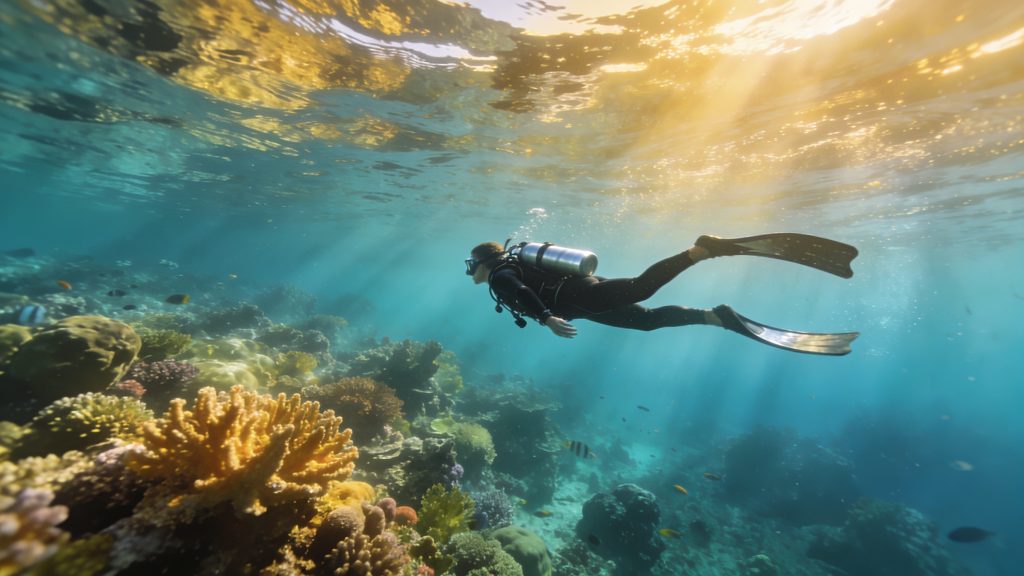
Drift diving is a specialist diving technique where you allow yourself to be carried along by currents and tides, an approach that gives you access to underwater areas that almost no one visits. This type of dive requires at least an Advanced Open Water Diver certificate and 20 logged dives, because the unpredictable water movement demands specific skills. Are you considering exploring this advanced technique?
More and more divers are consciously choosing diving holidays where they can push their limits with new techniques. Drift diving differs from regular diving because you do not know in advance exactly where the current will take you. This makes it adventurous, but it also requires thorough preparation and knowledge of current patterns.
Instead of diving from a fixed point, you drift along with the natural movement of the water. This creates a unique underwater experience with much more freedom of movement, because you do not have to swim against the current. The dynamic nature of this type of diving makes it suitable for those who already have experience and are ready for the next step.
What makes drift diving different from regular diving
With drift diving you move with the current, whereas with traditional diving you dive from a fixed spot and return to the same point. The current determines your route underwater. This means that a boat often follows you and picks you up where you surface, because your end point is different from your starting point.
The benefits are considerable. You use less energy because you are not swimming against the current. You reach underwater locations that are difficult to access with regular diving. The freedom of movement gives you a different way of experiencing the underwater environment.
The downside is the reduced control over your route. You can drift towards obstacles such as fishing nets or drift away from the shore. This explains why preparation and training are essential.
What training and certification do you need
For drift diving you need at least a 2-star diving certificate or Advanced Open Water Diver certificate, supplemented with 20 logged dives in western European tidal waters. This requirement is not arbitrary, but based on the specific skills that moving water demands of you.
The drift diving specialisation combines theory with practical training. During the course you learn to:
- Read and interpret current atlases and tide tables
- Analyse the dive site, including bottom structure and optimal tidal periods
- Maintain good trim in moving water for maximum control
- Adapt navigation and communication underwater to current conditions
- Use lines and reels for safety
The theoretical part focuses on understanding current patterns and tides. You learn to determine in advance when conditions are optimal and what risks to expect at a specific location. This prevents unexpected situations underwater.
Safety techniques that make the difference
The buddy line is a mandatory aid when drift diving. It is very difficult to reach each other again in the current if you become separated. This system ensures that divers remain physically connected throughout the dive.
Boat support is strongly recommended and is seen as standard in many locations. A boat follows you in the water and picks you up where you surface. This compensates for unpredictable drift patterns and gives peace of mind, because you know that pick-up is guaranteed regardless of where the current takes you.
Preparation of the dive site always takes place beforehand. You explore the site above water and look for possible obstacles such as fishing nets, shipping lanes or rock formations. You study tide tables to determine when the current speed is safe for your level of experience.
Timing is crucial for a safe dive. The strength of the current varies with the tides. A location that is safe at low tide can have dangerously strong currents at high tide.
Where to find the best drift diving locations
Eastern Scheldt in the Netherlands
The Eastern Scheldt offers excellent drift diving opportunities close to home. The current speed is nowhere irresponsibly high, although caution is still required. The advantage is that a boat can take you to places a car cannot reach, allowing you to dive at sites that almost no one visits.
Watch out for obstacles such as fishing nets. Because you do not know exactly where the current will take you, a thorough preliminary exploration is necessary. Local dive schools know the best times and routes.
Red Sea in Egypt
The northern Red Sea near Dahab, Sharm-el-Sheikh and Hurghada combines spectacular reefs with excellent drift diving conditions. The Sinai Classic Northern Route is known for its extraordinary variety of fish species and corals.
Some reefs around Tiran require drift diving because there are no fixed mooring points. This makes these sites accessible to experienced divers who would otherwise not be able to explore these areas. The locations are suitable for both recreational and technical divers.
Komodo National Park in Indonesia
Makassar Reef in Komodo National Park is regarded as one of the best places worldwide for drift diving. The site is known for manta rays, which you frequently encounter while drifting. This combination of current diving and exceptional biodiversity makes it a sought-after destination.
The currents can be strong here. This requires experience and good physical condition. The rewards are great for those who master the technique.
‘ Timing determines whether your dive is safe and enjoyable. ’
Practical tips for your first drift dives
Start by studying current patterns and tide tables for your chosen destination. Timing determines whether your dive is safe and enjoyable. A difference of just a few hours can significantly change the current speed.
Make use of local knowledge. Local boat operators and dive schools know the best periods and safest routes. Their experience helps prevent you from encountering currents that are too strong as a beginning drift diver.
Accept that you cannot determine in advance exactly where the current will take you. This uncertainty makes drift diving exciting, but is also the reason why preparation is so important. Make sure you always have a backup plan.
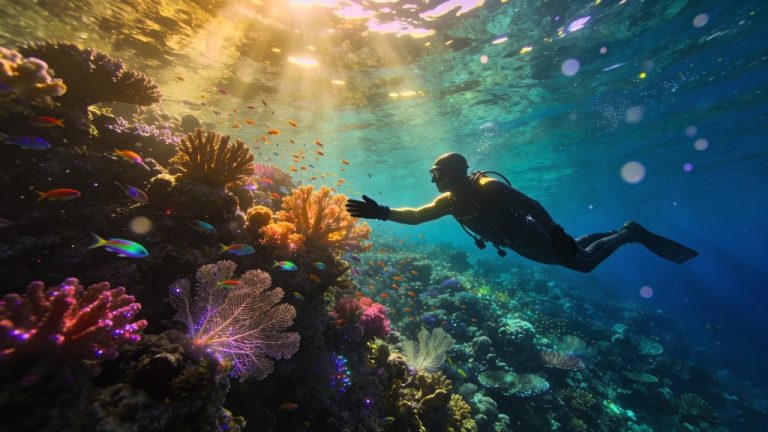
Once underwater you enjoy more calm and freedom of movement than with normal dives. This is what makes drift diving special: you float along effortlessly and observe underwater landscapes unfolding around you without having to swim actively.
Risks you need to be aware of
The biggest risk is becoming separated from your buddy. The current makes it almost impossible to find each other again without a buddy line. That is why this system is mandatory, not optional.
Drifting towards obstacles is a second major risk. Fishing nets, shipping lanes and rock formations can be dangerous if you drift towards them unexpectedly. Preliminary research and following local guidelines greatly reduce this risk.
Current speed can change during the dive due to tidal shifts. If you stay underwater too long, the current may become stronger than your experience level can handle. Monitor your dive time and stay within the planned duration.
Disorientation is more common in drift diving because reference points move past you. Good navigation skills and regularly checking your position in relation to the bottom help you stay oriented.
How to plan your drift diving holiday
Choose a destination that matches your level of experience. The Eastern Scheldt is suitable for those just starting with drift diving. The Red Sea offers more challenge with stronger currents. Komodo is for very experienced divers.
Select a dive operator with experience in drift diving and good boat support. Ask about their safety protocols and how they track and pick up divers. A professional operator makes all the difference to safety and overall experience.
Plan your trip around the optimal seasons for drift diving at your chosen destination. Current patterns vary by season. Some periods offer more stable and predictable conditions than others.
Book additional training dives on site before starting more challenging drift dives. This gives you the chance to get used to local conditions under guidance from dive guides who know the area.
On the Traveler Tips website you will find extensive information on diving destinations worldwide, practical tips for planning nature holidays and detailed guides for different diving techniques. Discover more about how to prepare optimally for your next drift diving holiday and which destinations best match your experience and wishes.
Frequently asked questions
Good drift diving regions that lend themselves to a road trip include the Eastern Scheldt (with multiple dive sites along the dykes) and a route along the northern Red Sea coast, for example Hurghada – El Gouna – Safaga. Choose one main region, plan your route along a series of dive sites/dive centres and drive stages of a maximum of 2–3 hours so that you can calmly check tides and currents after arrival. Use tide tables and current forecasts to determine the order of dive sites per day, and schedule the longer driving stretches between dives or on non-diving days. Reserve accommodation close to harbours or entry points so that you can easily adjust your plans if conditions change.
For safe and comfortable drift diving you need at least a 2-star diving certificate or Advanced Open Water Diver (or equivalent), plus sufficient experience (for example around 20 logged dives in western European tidal waters). In addition, a specific drift diving specialisation course is required, in which you learn to work with current atlases and tide tables, analyse the dive site and control your trim in moving water. In this training you also practise navigation, communication, and the use of lines and reels. Finally, preparation includes a good buddy strategy, the use of a buddy line and often boat support.
A reliable dive school or guide for drift diving has recognised certifications (e.g. PADI, SSI, CMAS), well-maintained equipment, clear safety procedures (briefings about current, use of SMB/buddy line, surface support) and many recent, positive reviews from other divers. Make sure they have experience with drift diving at that specific location and ask about maximum group size, emergency procedures and the guides’ experience. Also check whether they have insurance and emergency equipment (oxygen, first aid, means of communication with shore/boat) available. Costs vary per country, but as a rough guide expect around €35–€80 per guided shore dive and €50–€120 per boat dive, excluding any surcharges for equipment or special trips.
Drift diving is generally not suitable for completely inexperienced divers; usually a minimum of an advanced certificate (such as 2-star or Advanced Open Water) and extra experience in moving water is required. With limited experience you can sometimes still do it under the supervision of an experienced guide or via a specialised drift diving course. In that case you can expect extra briefings, smaller groups and additional safety measures, such as the use of buddy lines and boat support. Often more emphasis is also placed on trim, communication and discussing current and emergency procedures beforehand.
Plan the drift dive for a time of day with optimal current (according to tide and current tables) and keep the rest of the day flexible for travel and rest. Choose a location with good boat support and experienced local guides so that entry and exit are handled efficiently. Book in advance through a dive centre and align your other activities with their departure times. Do not schedule strenuous activities immediately after the dive so that you have time to relax and process the experience.