NL
NL
If you book in good time, you can save up to 70% on high-speed trains such as the TGV and ICE compared with standard fares. Dynamic pricing and early-bird discounts make the difference between an affordable train journey and an expensive mistake. With the right strategy you can travel across Europe for a fraction of the price – without sacrificing comfort.
Booking early is the cheapest option
Fares for high-speed trains work according to a dynamic pricing model. The closer you get to the departure date, the higher the price. Rail companies such as SNCF (TGV), Deutsche Bahn (ICE) and NS International apply this model consistently. If you book three months in advance, you benefit from the lowest fares.
An example makes this clear. A TGV journey from Paris to Lyon costs from 30 euros in second class if you book early. If you book the same trip a week before departure, you will quickly pay 70 euros or more. This rule applies almost everywhere for high-speed trains in Europe, including popular routes such as Amsterdam–Brussels or Frankfurt–Paris.
Travellers who are flexible can choose the best possible booking strategy. Avoid peak hours between 7:00 and 9:00 and between 17:00 and 19:00. In the middle of the day and at weekends prices are often lower. In addition, apps such as NS International and Omio send price alerts, so you know exactly when tickets are at their cheapest.
Interrail and Eurail: when is a pass worth it?
If you want to visit several countries, an Interrail or Eurail pass is an interesting option. These passes give access to the rail network in Europe, including many high-speed trains. But be aware: on the TGV, ICE and Eurostar you always pay a compulsory reservation fee on top of your pass.
These reservation fees are between 10 and 30 euros per journey, depending on the route and how busy it is. A pass is mainly good value if you:
- Plan at least five international train journeys within one month
- Want to travel a lot between several cities without fixed travel dates
- Cover longer distances, such as from Amsterdam to the south of France or from Germany to Italy
Travellers with one or two fixed routes are often cheaper off with separate tickets. Always compare the total price of a pass including reservations with the price of early-bird tickets. For a trip from Amsterdam to Paris and back you pay around 80 euros with early booking. An Interrail pass for four travel days costs around 250 euros, plus 40 euros in reservation fees. In that case, separate tickets work out cheaper.
Low-cost options offer extra savings
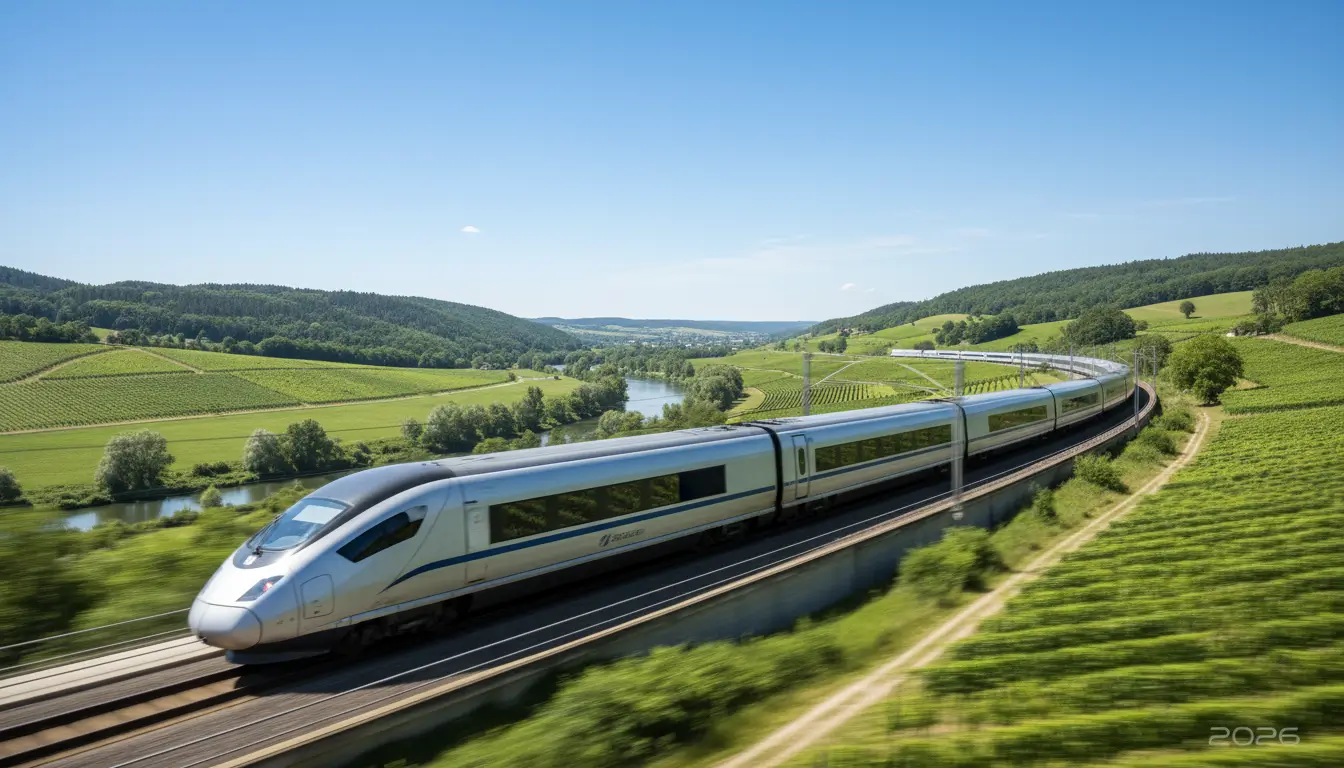
Alongside regular high-speed trains there are also budget options. French rail company SNCF offers Ouigo, a low-cost TGV service. Tickets start from just 10 euros, but strict conditions apply. You can only take one piece of hand luggage and large suitcases cost extra. Ouigo trains also often depart from less central stations.
If you travel light, Ouigo is an excellent option. Routes such as Paris–Lyon, Paris–Marseille and Paris–Barcelona fall under this offer. Book at least six weeks in advance to benefit from the lowest fares. The service is basic, but the comfort and speed are comparable to a regular TGV.
Train versus car: which is cheaper?
A frequently asked question is whether a train journey works out cheaper than a road trip by car. The answer depends on your travel party, the distance and the route. For a family of four the car is sometimes more economical, especially if you already own a car and do not need a hire car.
Take the route Amsterdam–Paris as an example. By car you cover roughly 500 kilometres. You pay:
- Fuel: around 60 euros (depending on consumption and fuel prices)
- Toll roads in France: roughly 25 euros
- Parking in Paris: at least 30 euros per day
In total you end up at around 115 euros for one day, excluding wear and tear and insurance. For four people with early-bird tickets on the Thalys you pay around 120 to 200 euros return, depending on when you book. You arrive more quickly and you do not have to park. On top of that, you can work or relax on the way.
For solo travellers the train is almost always cheaper. A train journey also saves up to 90% CO2 emissions compared with a car journey over the same distance. Rail companies publish these figures. Travellers who want to be more environmentally conscious opt for the train.
Practical booking tips for lower prices
Adjust the way you book and you can save dozens of euros per trip. These tips help you secure the lowest fares:
- Book between six and twelve weeks before departure for the best prices
- Sign up to newsletters from NS International, SNCF and Deutsche Bahn to receive promotional fares
- Use comparison sites such as Omio and Trainline so you can view prices from different providers side by side.
- Choose second class unless you need a lot of space or catering
- Travel outside peak times: Tuesdays and Wednesdays are often cheaper than Fridays and Sundays
- Check whether you are entitled to discounts, for example for under‑26s or seniors
Some rail companies offer tickets that you are still allowed to change later. These cost about 10 euros more. In return, you can change your journey free of charge up to a few hours before departure. For travellers who are unsure of their travel dates, this is a safe option.
What can you expect on board?
High-speed trains offer more comfort than you might expect. Most trains have Wi‑Fi, power sockets at every seat and generous legroom. They are therefore well equipped. In first class you often get a free meal or drink, depending on the service.
As for luggage, the usual allowance is: two suitcases of up to 85 by 55 by 35 centimetres, plus hand luggage. This is more generous than many airlines, with no extra charges. Do be aware of Ouigo, where stricter rules apply.
The punctuality of high-speed trains averages around 95%, according to statistics from European rail companies. Delays do occur, but they are rare. Always download the app of your rail company to receive real-time updates.
When is an upgrade to first class worthwhile?
First class often costs 40 to 60% more than second class. Whether it is worth it depends on your priorities. In first class you get:
- Quieter carriages with fewer passengers
- Wider seats with more legroom
- Free Wi‑Fi and power sockets guaranteed at every seat
- Catering, depending on the service
For business travellers or anyone who values peace and space, the upgrade is worthwhile. Travellers who mainly want to get from A to B for the lowest price should choose second class. The comfort there is perfectly good and the journey time is identical.
‘ It saves you dozens of euros. ’
What about international tickets?
If you book an international trip, for example from Amsterdam to Milan via Switzerland, you can use several platforms. NS International gives Dutch travellers a good overview, but sometimes you will find better prices elsewhere. Websites such as Trainline, Omio and even the Deutsche Bahn site often show the same tickets, but with price differences of a few euros.
Also check whether it is better to book separate legs. Sometimes it is cheaper to buy a ticket from Amsterdam to Basel and a separate ticket from Basel to Milan instead of one through-ticket. That requires a bit more preparation, but it can save you dozens of euros.
On the Traveler Tips website you will find much more information about travelling by train through Europe, from night train routes to tips for packing comfortably. Discover which destinations are best reached by train and how to plan your trip for maximum comfort and minimum cost.
Frequently asked questions
It is usually most economical to book tickets 2 to 3 months before departure, as soon as early-bird fares are released. As the departure date approaches, prices generally rise significantly. Also avoid peak hours (morning and evening rush hour) and weekends, because tickets are often more expensive then.
High-speed trains generally offer second class (Standard/Economy), first class (Comfort/1st class) and sometimes Premium or Business Premier. In second class you have comfortable seats, Wi‑Fi and basic services such as catering via the bar carriage. First class offers roomier seats, more legroom, quieter carriages and often extras such as at-seat service, power sockets and sometimes a light meal. The highest class (for example Business Premier) often adds flexible tickets, lounge access and extensive food and drink service for an optimally comfortable journey.
Always use several booking platforms (for example NS International, Deutsche Bahn, SNCF, Trainline) as well as the operator’s official website to compare prices and promotions. Book as early as possible (often 2–4 months in advance) and travel outside peak and weekend hours; flexible and early-bird fares are usually cheapest then. For international journeys, look at rail passes (Eurail/Interrail) in combination with compulsory seat reservations if you are covering several legs in a short time. Finally, sign up for newsletters and price alerts from operators and apps, as these often share temporary promotions and discount codes.
Yes, a few routes and operators stand out. The Thalys/Eurostar connections Amsterdam–Brussels–Paris are known for good value for money, especially if you book early. TGV routes such as Paris–Lyon or Lyon–Marseille also often offer attractive fares (including via Ouigo) and great views. ICE routes such as Cologne–Frankfurt along the Rhine valley are often mentioned as a particularly scenic travel experience.
When booking high-speed trains there are usually flexible tickets available which allow you to change your journey free of charge or for a small fee. In the example mentioned, there is a flex ticket with which you can change your ticket up to shortly before departure for a surcharge of around €10. In addition, Eurail/Interrail passes offer flexibility because you can choose travel dates and routes more freely, but you usually still pay a compulsory reservation of about €10–€30 per journey for each high-speed train. These options are therefore more expensive than the cheapest non-flexible tickets, but they give you more freedom to change your plans.