 NL
NL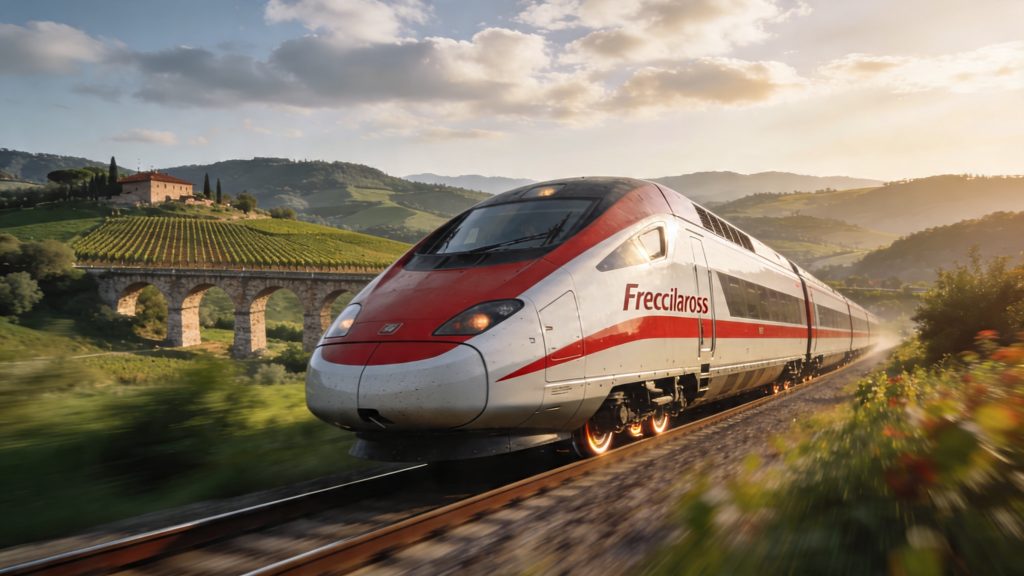
The Italian high-speed train Frecciarossa is set to connect Europe even further with two new international routes. From 2026 the train will run from Rome to Munich and from Naples to Berlin, both via the Brenner Pass. This opens up new possibilities for travellers who want to explore Italy and Germany by train. What does this mean for your travel plans?
New connections between Italy and Germany
Trenitalia is expanding the Frecciarossa network with two ambitious routes that will launch in 2026. These services make use of the Brenner Pass, a key railway connection through the Alps between Italy and Austria.
The two new routes are:
- Rome – Munich via the Brenner Pass
- Naples – Berlin via the Brenner Pass
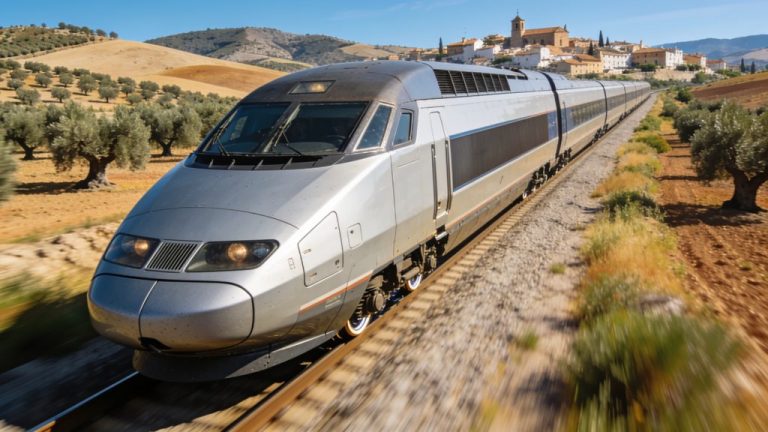
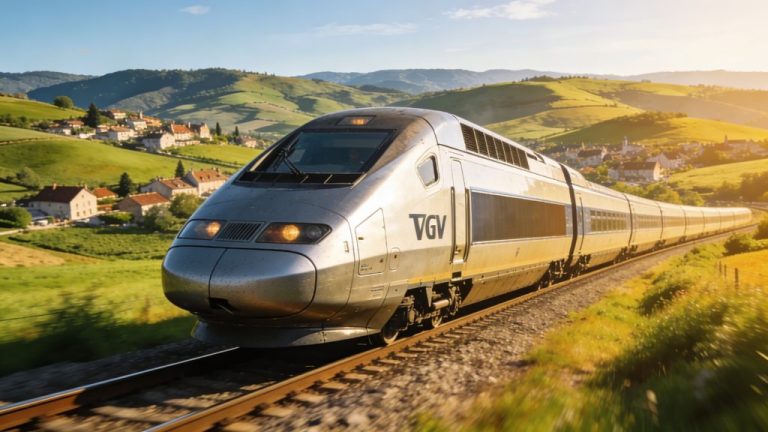
Frecciarossa is one of the high-speed trains in Europe and reaches operating speeds of up to 300 kilometres per hour. This makes the train an efficient choice for travellers who want to cover long distances without flying.
The connection between Italy and Germany is particularly interesting for anyone planning a trip through multiple countries. You could, for example, start in Rome. Stops in Florence and Bologna are possible. You then continue on to Munich or further north to Berlin.
‘ Trenitalia continues to invest in cross-border train services. ’
When will the new trains to Germany start running?
The new routes are scheduled to start in 2026. Trenitalia has not yet announced an exact date, but it is expected that services will begin in spring or early summer.
There is an even longer connection planned for 2028. This may develop into the longest direct high-speed service in Europe. Details of this extension have not yet been officially confirmed. Trenitalia is, however, continuing to invest in cross-border train services.
Until then you can use Frecciarossa on existing routes within Italy. Examples include Turin – Milan – Bologna – Florence – Rome – Naples. The train already runs to Paris as well, which shows that international connections are becoming increasingly important.
Is Frecciarossa via the Brenner Pass faster than driving?
The speed of the train compared with driving depends on your starting point and destination. For a journey from Rome to Munich, the Brenner Pass is a logical route, but the distance is around 900 kilometres. By car, depending on traffic and breaks, you will spend about 9 to 10 hours on the road. Frecciarossa offers a more comfortable alternative without you having to drive yourself.
The train stops directly in city centres, which is an advantage over the car. You do not need to park and can continue straight away with local public transport. You also avoid toll roads and potential traffic jams in densely populated areas around major cities.
The same applies to the Naples – Berlin route. The distance is over 1,600 kilometres. In that case, the car is not a realistic option for a comfortable journey. The train offers more space to work, read or simply relax.
Frecciarossa offers reliability on main routes. Travellers appreciate its punctuality. Regional trains score less well in this regard. Do bear in mind possible delays outside peak hours or when there is bad weather in the mountains.
How do you book Frecciarossa for an Italy–Germany road trip?
The new routes will become available in 2026. You can then book tickets via the Trenitalia website or app. The app offers real-time updates, seat selection and the option to manage your tickets digitally. This is especially useful if you have planned several stops on your journey.
For the best fares it is wise to book well in advance. Trenitalia offers different price categories. The price difference depends on how flexible your ticket is. Cheaper tickets are often non-changeable or only partly changeable, while more expensive options offer more flexibility.
Frecciarossa has several travel classes:
- Standard: comfortable seats, free Wi‑Fi and power sockets
- Premium: more space, extra service and access to lounges at larger stations
- Business: spacious seats, meals included and meeting rooms on some trains
- Executive: exclusive service for longer routes, with premium catering
Do you have an Interrail pass? Then you can also use Frecciarossa. Do note that a reservation is compulsory, especially during the high season. Check in advance whether seats are still available.
There are often discounts for groups and families. Children travel at reduced fares or sometimes free of charge, depending on their age. You may take up to three pieces of luggage per person, which is enough for most trips.
‘ Both types reach a top speed of 300 kilometres per hour on dedicated high-speed lines. ’
What can you expect on board?
Frecciarossa offers modern facilities that make travelling comfortable. All trains have free Wi‑Fi, although the connection can be less stable on some sections through the mountains. Power sockets are available at every seat, handy if you want to work on the way or charge your devices.
The trains operate with two models: the Frecciarossa 500 and the newer Frecciarossa 1000. The latter was designed by Pininfarina and offers faster acceleration and lower energy consumption. Both types reach a top speed of 300 kilometres per hour on dedicated high-speed lines.
For longer journeys, such as Naples to Berlin, it is advisable to upgrade to a higher class. The extra legroom and service make a real difference on routes that take several hours.
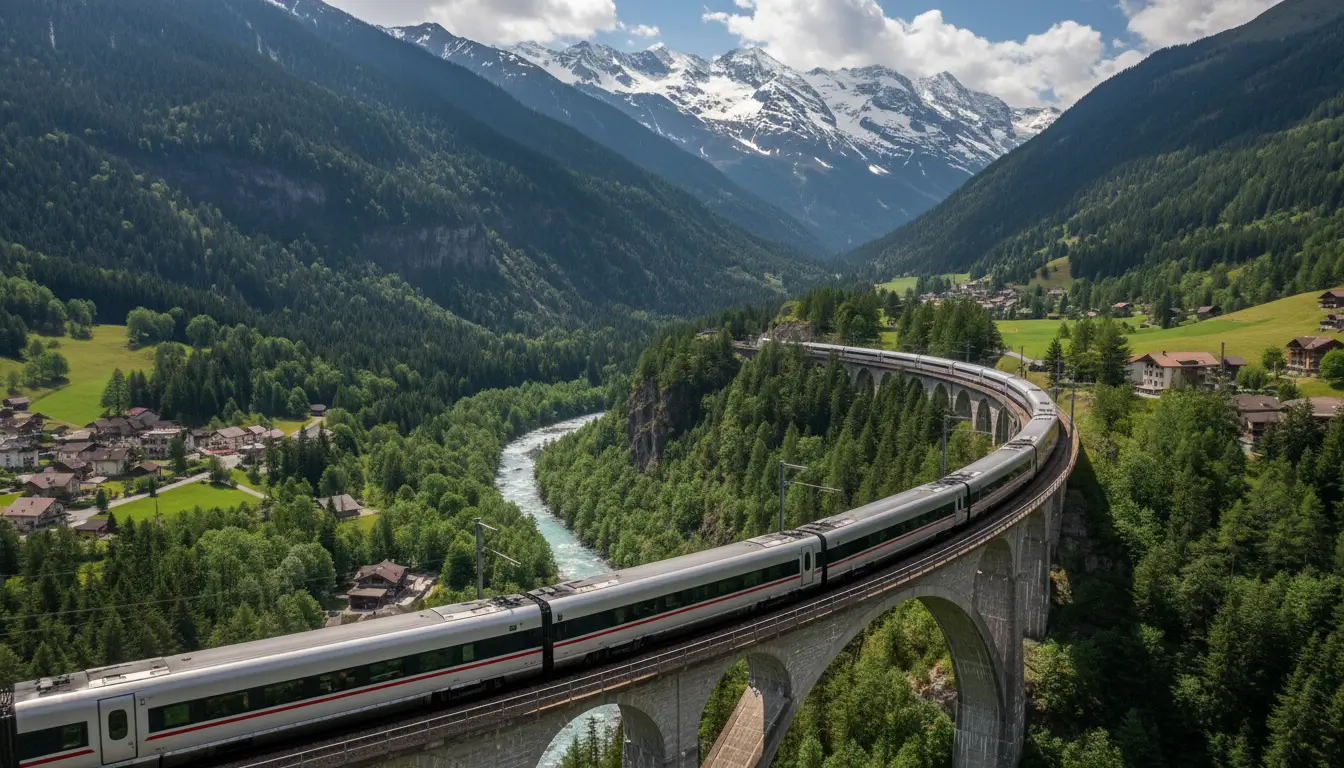
Many travellers appreciate the panoramic views, especially on routes through Tuscany or the Alps. Choose a window seat if you want to enjoy the scenery along the way.
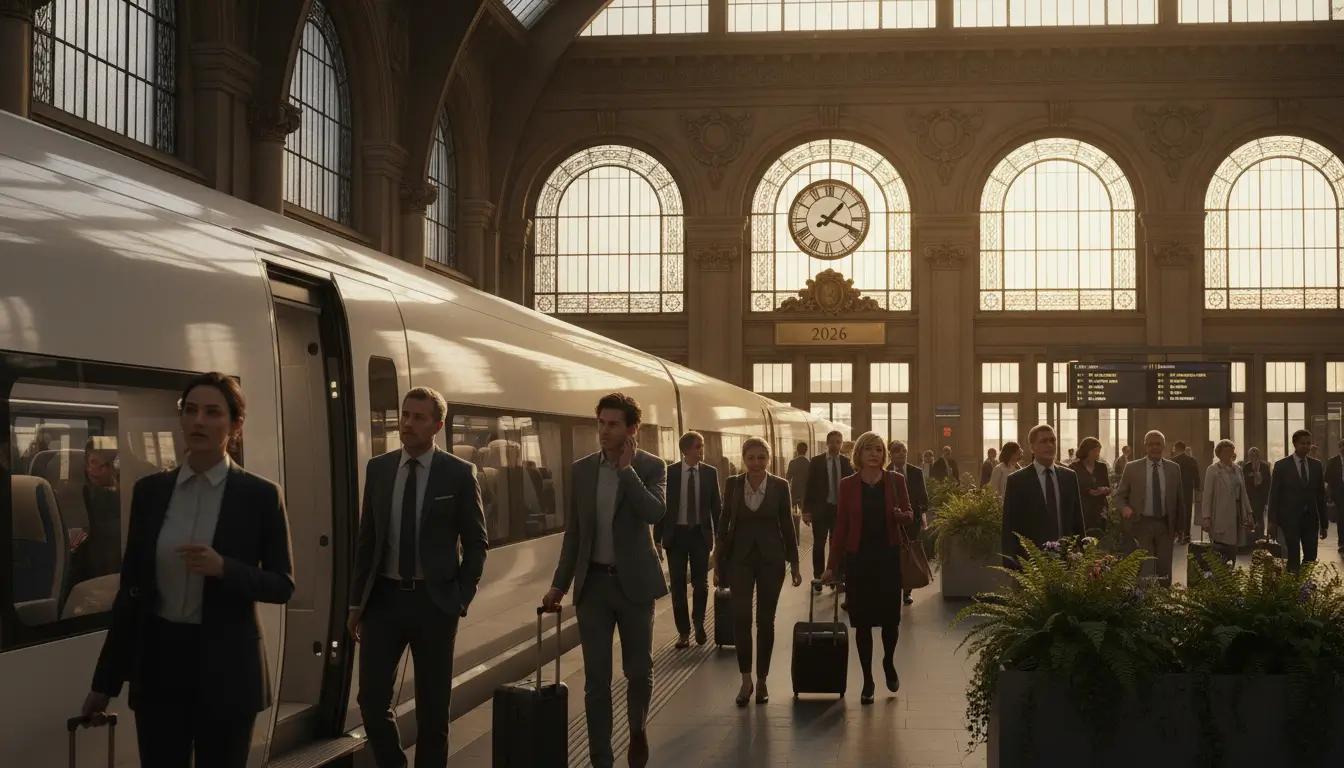
Preparing for your trip with Frecciarossa
Good preparation makes your journey smoother. Before departure, check whether your ticket has been activated, especially if you are using a digital ticket. Make sure your passport or ID card is valid for travel within Europe.
Arrive at the station in good time. With high-speed trains, access is often closed 10 to 15 minutes before departure. Large stations such as Rome Termini and Napoli Centrale can be busy, so allow enough time to find your platform.
Take an adapter with you if you want to charge devices. Italian and German sockets may differ from what you are used to. A universal adapter works best.
Travelling with children? In Premium class there are often child-friendly menus and play areas. Check with Trenitalia in advance which facilities are available on your specific route.
Why choose the train?
Travelling with Frecciarossa fits the wish of many travellers to travel more sustainably. High-speed trains have a lower CO2 emissions than planes and at the same time offer more comfort than driving.
The direct connections to city centres save time and hassle. You do not have to travel to an airport outside the city and can continue your journey straight from the station. This makes the train particularly attractive for city breaks or trips where you combine several cities.
For travellers who plan their own holiday, the train offers flexibility. You can easily schedule stopovers and get more out of your journey. Think of a stop in Florence to visit the Uffizi, or an overnight stay in Bologna for the local cuisine.
The new routes to Munich and Berlin make it possible to combine Italy and Germany without having to change trains multiple times or use a car. This opens up new possibilities for route planning and makes travelling by train even more attractive.
On the Traveler Tips website you will find much more information about train travel, practical tips for routes through Europe and handy checklists to help you prepare. Discover which other destinations you can reach and how to plan your trip in the best possible way.
Frequently asked questions
The best time to book Frecciarossa tickets is generally 2 to 3 months in advance, as soon as the cheapest “Super Economy” fares are released. For weekends, public holidays and school holidays, 3 to 4 months ahead is recommended for both price and availability. There can sometimes still be last-minute deals, but usually only the more expensive fare classes are left. It is best to book directly via Trenitalia and to be flexible about your departure time to get the lowest price.
Frecciarossa has several travel classes: Standard (basic comfort with Wi‑Fi and power sockets), Premium (slightly roomier seats and often better service), Business (even more legroom, quieter carriages, sometimes with meeting facilities) and Executive (very spacious seats, high-quality service and extras such as meals and often lounge access). In all classes you have air conditioning, reserved seats and access to Wi‑Fi. If you are price-conscious on a short trip, Standard is usually sufficient; if you want more comfort or peace and quiet to work, choose Premium or Business, and for maximum luxury and service on long distances, Executive is the best option.
On popular routes such as Milan–Rome or Rome–Venice, Frecciarossa is usually just as fast or faster than flying in terms of total travel time (including check-in and travel to and from the city centre), and clearly faster than driving. The ticket price is often similar to or slightly higher than an early-booked flight ticket, but usually lower than the total car costs (fuel, tolls, parking) for the same distance. Because Frecciarossa runs directly from city centre to city centre, without long waiting times and with relaxed boarding, the train generally scores higher on overall convenience than flying or driving. Especially for business trips and city breaks between major Italian cities, Frecciarossa is therefore often the most attractive option.
You will see the most beautiful scenery on routes such as Milan – Bologna – Florence – Rome – Naples – Salerno, especially around Tuscany and between Rome and Naples. The route Venice – Bologna – Florence – Rome also combines river and hillside landscapes with art cities such as Venice, Florence and Rome. The line Turin – Milan – Verona – Venice links important cultural and historic cities in northern Italy. For international culture trips, Paris – Turin – Milan is interesting, as you cross the Alps and connect major cities of art and fashion.
There are no strict weight limits on Frecciarossa, but you must be able to lift your luggage yourself and it must fit in the racks provided or above the seats. Per person, up to three pieces of luggage are usually allowed (hand luggage plus suitcases). In the carriages there are large luggage racks by the doors and sometimes in the middle for larger suitcases. On busy trains the space can fill up quickly, so it is best to arrive early to find a good spot.
Book early via the Trenitalia app to get cheap fares, seat selection and real-time updates, and for longer routes choose a Frecciarossa 1000 if possible. Choose your class based on your goal: Standard for budget travel, Premium/Business for more peace, space and better service, Executive if you really want to turn the journey into an experience. Arrive at the station 20–30 minutes early so you can calmly find your carriage and stow your luggage properly, and download films or work documents in advance as a back-up in case the Wi‑Fi is unstable. Plan your route so that you travel by day on sections through Tuscany or along the coast, so you can make the most of the views.