NL
NL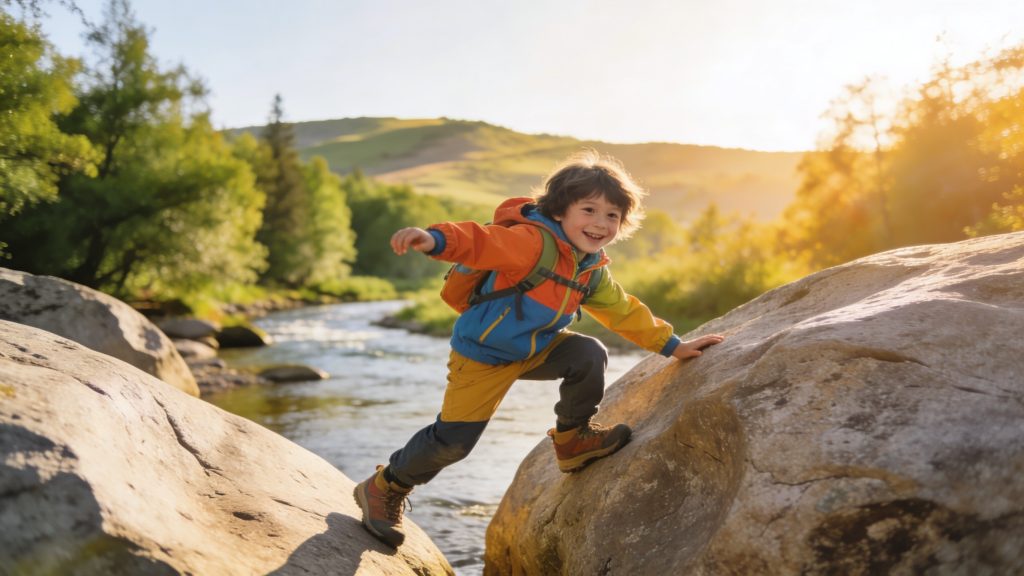
More than twenty natural play areas in the Netherlands give children the chance to spend hours climbing, building dens and playing with sand and water, often with food and drink facilities nearby. These places combine free play in nature with physical challenge and make a day out on your holiday not only active, but also unforgettable. Discover where to find the most beautiful natural play areas and how to plan them smartly into your trip.
What exactly are natural play areas
Natural play areas are a form of nature-based playground where children can freely run around, scramble and explore in a supervised outdoor environment. The focus is on organic materials such as wood, stones, sand and water instead of standard playground equipment. Children decide on their own adventures and learn to play with the elements of the landscape.
These places are often equipped with wooden climbing structures, sand and water zones, hills and space to build huts. The aim is for children to engage in spontaneous, long-lasting play without set programmes. For anyone planning a nature holiday with children, these play areas are a valuable addition to walks and quiet nature activities.
Most locations are accessible for children from around 3 to 12 years old. Toddlers and preschoolers can enjoy play meadows with simple climbing hills and sandpits, while older primary school children are challenged with climbing routes, rafts and ditches. Some sites combine natural play with themes such as an Indian village or Wild West to spark extra imagination.
‘ Some sites are also accessible for children with disabilities, with wheelchair-accessible swings and adapted play elements. ’
Where to find natural play areas in the Netherlands
The Netherlands has more than twenty natural play locations spread across the country. A well-known concept is OERRR, with several sites focused on natural play. These locations are often in or near nature reserves, making it easy to combine a visit with a walk or bike ride.
Many natural play areas are free to enter, although some locations charge a small entrance fee. Most sites have facilities such as toilets and often a kiosk or food and drink outlet nearby. Check opening times in advance, as not all places are open all year round.
In addition to natural play areas, there are also adventurous playgrounds with a natural character. These are often located on the edge of parks or woodland and offer large, themed play areas with climbing structures, rope courses and bike tracks. Some sites are also accessible for children with disabilities, with wheelchair-accessible swings and adapted play elements.
Best nature playgrounds for toddlers and preschoolers
For young children, natural play locations with simple elements are the most suitable. Think of play meadows with small hills, sandpits and shallow pools where they can play safely under parental supervision. These places offer enough challenge without being overwhelming.
Features of suitable natural play for toddlers and preschoolers:
- Compact sites where parents can easily keep an eye on things
- Accessible climbing elements and slides
- Water trays or shallow streams for water fun
- Sand play zones with digging tools
- Shaded spots and resting areas for parents
Many locations offer a mix of play options so that both younger and older children can enjoy themselves. That makes these places practical for families with children of different ages. When choosing a location, pay attention to the description of the play elements to determine whether the site suits your children’s ages.
What to do at play areas with sand and water
Natural play areas with sand and water zones offer children hours of fun. They can build dams, dig channels and experiment with water flows. Through these elements, children learn in a playful way about physics and natural processes.
Many sites have separate zones for water and sand play, often equipped with pumps, channels and trays. Children can work together on projects such as building a water mill or making a sandcastle. The free nature of the play stimulates creativity and cooperation.
For a visit to natural play areas with water and sand, take the following with you:
- Spare clothes and towels
- Sturdy shoes or wellies
- Sun protection and possibly insect repellent
- A bag for wet clothes
Getting dirty is part of the experience. Children learn by playing freely with natural materials, and that means they often come home covered in mud and sand. This is an essential part of the experience and contributes to their development.
‘ These activities help children develop physical skills such as balance, strength and coordination. ’
Climbing and building huts in nature
Many natural play locations offer extensive climbing opportunities and space to build huts. These activities help children develop physical skills such as balance, strength and coordination. At the same time, they learn to assess risks and work together with other children.
Climbing structures are usually built from natural materials such as tree trunks and ropes. The structures range from simple hills to complex platforms and bridges. Older children can challenge themselves on more demanding routes, while younger ones start with lower elements.
When building huts, children are often given free use of branches, planks and other natural materials. They learn to design and build constructions themselves, which boosts their problem-solving skills. Many sites have special building zones where children can get started under supervision or on their own responsibility.
Natural play areas with food and facilities
For a comfortable day out, good facilities are important. Many natural play locations have toilets, picnic spots and sometimes a kiosk or restaurant. This makes it possible to stay all day without having to pack extensively in advance.
OERRR locations and similar sites often have food and drink facilities on the grounds or directly nearby. You can go there for coffee, lunch or a drink, so parents can relax while the children play. Some locations also have covered areas for bad weather.
Important facilities to look out for:
- Toilets and changing facilities
- Picnic spots with tables and benches
- Drinking water points
- Parking nearby
- Food and drink options for meals and refreshments
- Covered areas for when it rains
Check the location’s website for up-to-date information on facilities and opening times. Some sites require reservations, especially during holidays and long weekends.
Planning natural play smartly into your holiday
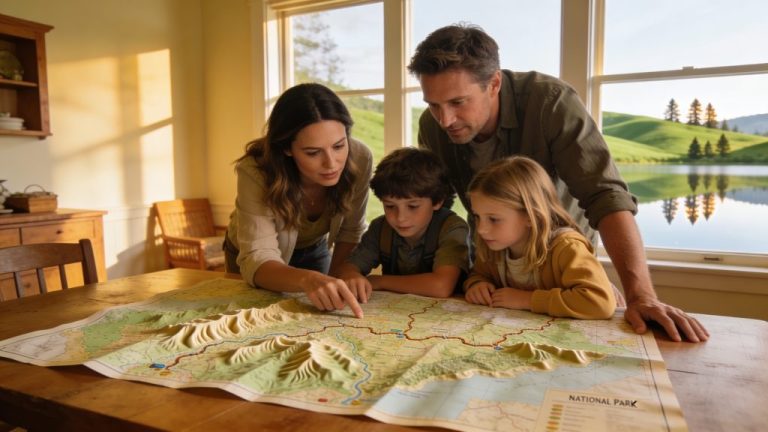
Including natural play in your holiday takes some practical planning. Ideally choose accommodation in or near a nature reserve with play areas, so that you only have short journeys and keep more time for fun.
Plan a visit to natural play areas preferably in the morning, when children are full of energy. After playing, you can use the afternoon for quieter activities such as walking or visiting a village. This keeps the day balanced and prevents children from becoming too tired.
Combine play areas with routes and sights. Many sites are located on walking or cycling routes, so you can schedule play as a natural part of the day. Avoid play areas on travel or departure days, when children are tired and less patient.
Take the weather into account. In the rain, many natural play locations are still fun, but make sure to bring waterproof clothing and wellies. In warm weather, sun protection and plenty of drinks are essential. Always take spare clothes, as getting dirty is part of the experience.
‘ Do let children take their own risks in a safe way, because climbing and sliding are valuable learning experiences. ’
Safety and responsibility while playing
Although natural play areas offer a lot of freedom, supervision remains important. Agree clear rules with your children in advance, such as not climbing in prohibited places and staying together. Do let children take their own risks in a safe way, because climbing and sliding are valuable learning experiences.
Check for any allergies before you leave. Some children are sensitive to certain types of wood or insects. Take a basic first-aid kit with plasters, cream and essential medication.
Parents can usually walk along the edge or sit on benches with a view of the play area. This way, children can play freely while safety is still ensured. Many sites are designed so that parents have an overview without having to walk along all the time.
Why natural play works so well on a nature holiday
Natural play areas and nature holidays complement each other well. Children get to know the landscape by playing with natural elements such as stones, water and wood. They experience directly how weather and seasons affect their play environment.
By playing outside, children develop physical skills and learn how to deal with challenges. They build social skills by working together with other children on projects such as dams or huts. These experiences not only make the holiday more fun, but also more educational.
Children associate fun directly with nature. This strengthens their interest in outdoor activities. It makes them more inclined later on to go walking, cycling and take part in other nature-based activities. In this way, natural play helps create a lasting connection with the landscape.
Discover more on Traveler Tips
Natural play is just one aspect of a well-planned nature holiday with children. On the Traveler Tips website, you will find extensive information about routes, accommodation, sights and practical tips for travelling with the family. Discover how to prepare your holiday even better and which destinations best match your wishes.
Frequently asked questions
Plan your route so that natural play areas and adventurous playgrounds are natural stopovers at a maximum of 1 to 2 hours’ driving or by train, so that children can burn off energy and the journey is broken up into ‘stages’. Choose overnight stays (campsite, nature cottage, family-friendly hotel) within walking or cycling distance of such a play area, so you do not have to keep driving back and forth. Use the busier parts of the day (morning / early afternoon) for long play sessions and plan the longer travel stretches just before or after, so that children get in tired and content. Check opening times, facilities and parking options in advance so you can continue your journey smoothly without unnecessary detours or waiting time.
The best choice for a carefree visit are natural play areas and adventurous playgrounds that are part of larger parks or nature reserves, because these usually have toilets, food and drink outlets and ample parking. Choose locations with a kiosk or café on or directly next to the site, so you do not have to bring everything yourself. When selecting a place, look for facilities such as picnic areas, shaded spots and clear paths for buggy-friendly access. Check online in advance for toilets, opening times and any parking charges.
Many natural play areas and adventurous playgrounds are free to enter, although some larger or privately run locations charge a small entrance fee; check this online in advance. You can avoid crowds by going outside school holidays and long weekends, and by visiting mainly in the morning or towards the end of the afternoon. Prefer places in or on the edge of nature reserves rather than in the middle of the city, as these are often quieter. Also look for lesser-known locations along your route instead of the most popular names.
Natural play areas with gentle hills, sand and water features and simple wooden structures are particularly suitable for toddlers and preschoolers (approx. 3–6 years), because they can safely discover, feel and experiment there. For older primary school children (approx. 6–12 years), rougher zones with serious climbing routes, rafts, ditch jumping and hut building are more appealing, as they offer more physical challenge and adventurous play. Themed adventurous playgrounds (e.g. pirate, jungle or Native American villages) add unique educational elements around nature, imagination and role play. In addition, natural materials (wood, stone, water, sand) stimulate motor development, risk competence and social interaction at every age.
Before you go, check the location’s website or social media for up-to-date information on opening times, access rules and any requirement to book. Look for official quality marks (for example from nature or play organisations) and see whether there is information about supervision, surface and age recommendations. Read recent online reviews from parents to get a picture of safety, crowds and the condition of the play equipment. Finally, use (nature) organisations and local tourist offices or tourism websites as extra sources for reliable and current information.