 NL
NL
A nature holiday without a car doesn’t have to be more expensive – quite the opposite. With smart public transport hacks you can often keep costs lower than a car trip, while travelling more consciously at the same time. Think of early-bird discounts on trains, day passes for unlimited travel and combo deals with bike rental or camping. The trick lies in timing and making the right choices. Discover how to head out into nature comfortably and affordably by public transport.
Affordable public transport tickets and day passes for nature reserves
The key to a cheap public transport trip lies in your ticket strategy. Buy train tickets well in advance for the best prices, often up to 40% cheaper than last minute. Many operators offer advance-purchase fares that can make a big difference, especially outside the peak season. If you’re travelling in the Netherlands, consider an Off-Peak Day Ticket for unlimited travel outside rush hours at a fixed rate of around 35 euros. For groups, an Off-Peak Group Ticket (from 4 people) is often better value.
Students benefit from free public transport outside the summer holiday months, from 15 July to 16 August. Travelling midweek reduces costs even further, because many operators price weekend fares higher. In Belgium, weekend tickets are actually a bargain for discovery trips through the Ardennes. For a nature holiday by public transport to national parks such as the Veluwe or Hoge Kempen, you can save a lot on local bus connections with regional public transport passes.
Across Europe, regional train passes such as the Bahn Regional Pass in Germany or local multi-day bus passes offer unlimited travel within nature areas for a fixed amount. Some Eastern European cities offer 24-hour passes for just 2 euros, which let you change for free onto buses to nearby nature parks. Always compare the day pass options when you arrive; they are often not visible online but are available at ticket offices.
‘ With some rental companies you get a discount if you show your train ticket – an extra reward for choosing public transport. ’
Bike rental deals and combined packages
Many train stations offer bike rental directly on the platform, and with a public transport combo ticket you often get a discount. NS offers an OV-fiets (public transport bike) for 4.15 euros per 24 hours, available at over 300 stations and ideal for the last few kilometres to nature areas. At foreign stations you’ll find similar systems, such as Velo in Belgium or DB Bike in Germany, usually for a few euros a day.
Some campsites and nature cottages work together with transport operators and offer packages that include both train ticket and bike rental. Check the websites of Green Key-certified accommodation, as they more often have sustainable mobility deals. For multi-day routes such as the LF Coastal Route in Zeeland or the Saxony Route in Twente, renting a bike for a week is often cheaper than per day. That makes the public transport plus bike combination particularly attractive if you want to make day trips from a fixed campsite.
Also take local bike rental shops near nature parks into account. They sometimes charge lower rates than large chains and know the best routes. With some rental companies you get a discount if you show your train ticket – an extra reward for choosing public transport.
Camping and budget-friendly overnight stays
Camping is the most affordable accommodation option for a nature holiday. Nature campsites charge on average 15 to 25 euros per night for a tent pitch, often including showers and basic facilities. Small-scale campsites in nature areas can be reached by a combination of train and bus, sometimes with a short walk from the stop. That saves a lot compared with hotel stays, which easily cost 70 euros per night.
Look for campsites with a Green Key label; they focus on sustainability and often have good public transport connections. Book outside the peak season for even lower rates, sometimes even with a free night on multi-day stays. Mini campsites and farm campsites in the Achterhoek, Twente or Limburg often offer authentic experiences for under 20 euros per night.
If you don’t have a tent, hikers’ cabins or pod camping are an affordable alternative, from 30 euros per night. These are often located on the same nature campsites and save on luggage in the train. B&Bs near nature areas start at around 50 euros for a double room, with particularly sharp midweek prices. Always compare directly with the accommodation instead of via booking platforms; that saves commission and can sometimes get you an extra discount.
Keeping food costs down with smart choices
Food on the road can really add up, but with planning it stays manageable. Take a reusable water bottle and refill it at free drinking fountains at stations and in nature areas. Sandwiches and fruit from a local supermarket cost half as much as what’s on offer at stations. You can put together a packed lunch for a day trip for 5 euros, while cafés and restaurants will easily charge 15 euros.
Cook for yourself at the campsite with fresh, local products from farmers’ markets. That’s not only cheaper but also more sustainable and tastier. Many campsites have communal cooking facilities or rent out camping stoves. Plant-based meals lower the costs even more; vegetables and pulses are affordable and nutritious almost everywhere.
Holders of student cards get discounts on menus in many European countries at participating restaurants, sometimes up to 20%. Always ask about it, even if there’s no visible sign. In nature areas, farm shops and tea rooms often serve simple, affordable snacks for around 5 euros.
Zero waste tips for lower costs
Reusable containers and cutlery avoid takeaway surcharges and are welcome at most campsites. Many nature cottages offer free pantries where guests leave leftovers, a handy source of free ingredients. Avoid pre-packaged tourist menus and opt for individual items instead; it saves on packaging costs and waste.
‘ Each stage ends close to a station or bus stop, giving you the flexibility to start and finish without a car. ’
Routes and destinations reachable by train
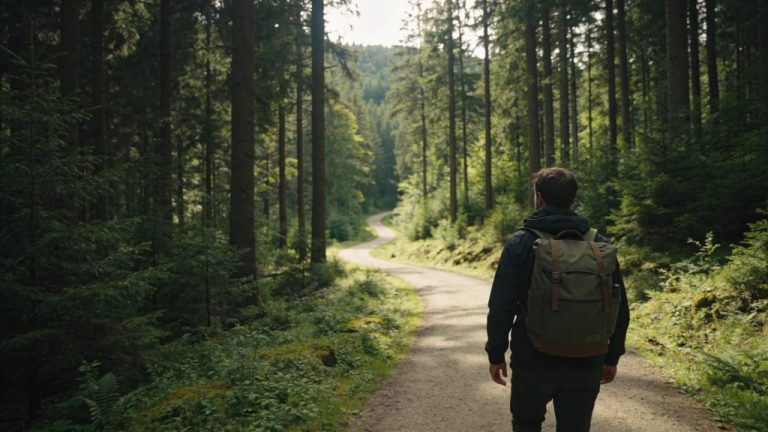
The Pieterpad offers various stages with direct train connections. Start in Sittard for Limburg’s hills towards Swalmen, or travel to Hellendoorn for Overijssel nature trails along the river Vecht. Each stage ends close to a station or bus stop, giving you the flexibility to start and finish without a car. Stay overnight at nature campsites along the route for a complete multi-day walk with no transport costs between stages.
The Veluwe is perfectly accessible via stations such as Apeldoorn, Ede-Wageningen or Arnhem. From there buses run to the Veluwe Zwerfpad and other walking routes through forests and heathland. Cycle routes such as the Posbank route start directly at bus stops, allowing you to combine a full day in nature with a public transport bike and zero parking problems.
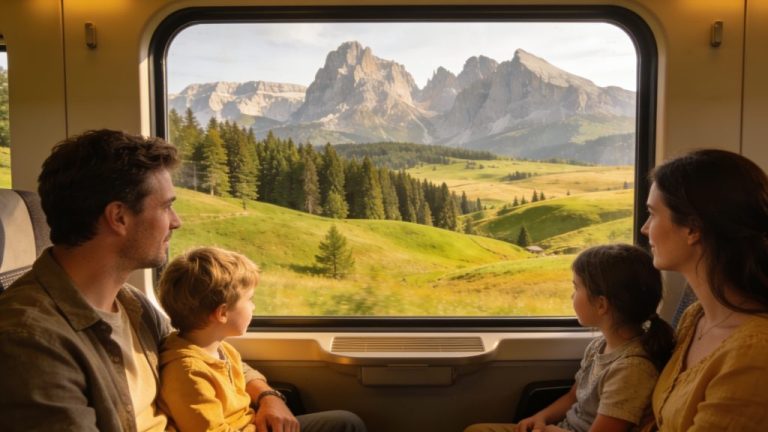
For beach lovers, trains take you to Zeeland, the starting point of the LF Coastal Route along dunes and islands. Similar cycle routes through Twente and the Achterhoek are accessible via regional trains that often have empty bike carriages, so no reservation stress. Abroad, night trains take you to Alpine regions where you can step straight from the station onto walking trails, with no extra transfers.
Apps and tools for maximum savings
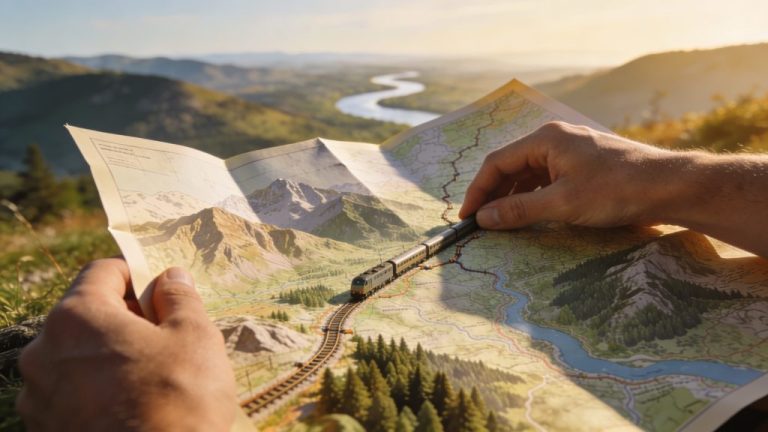
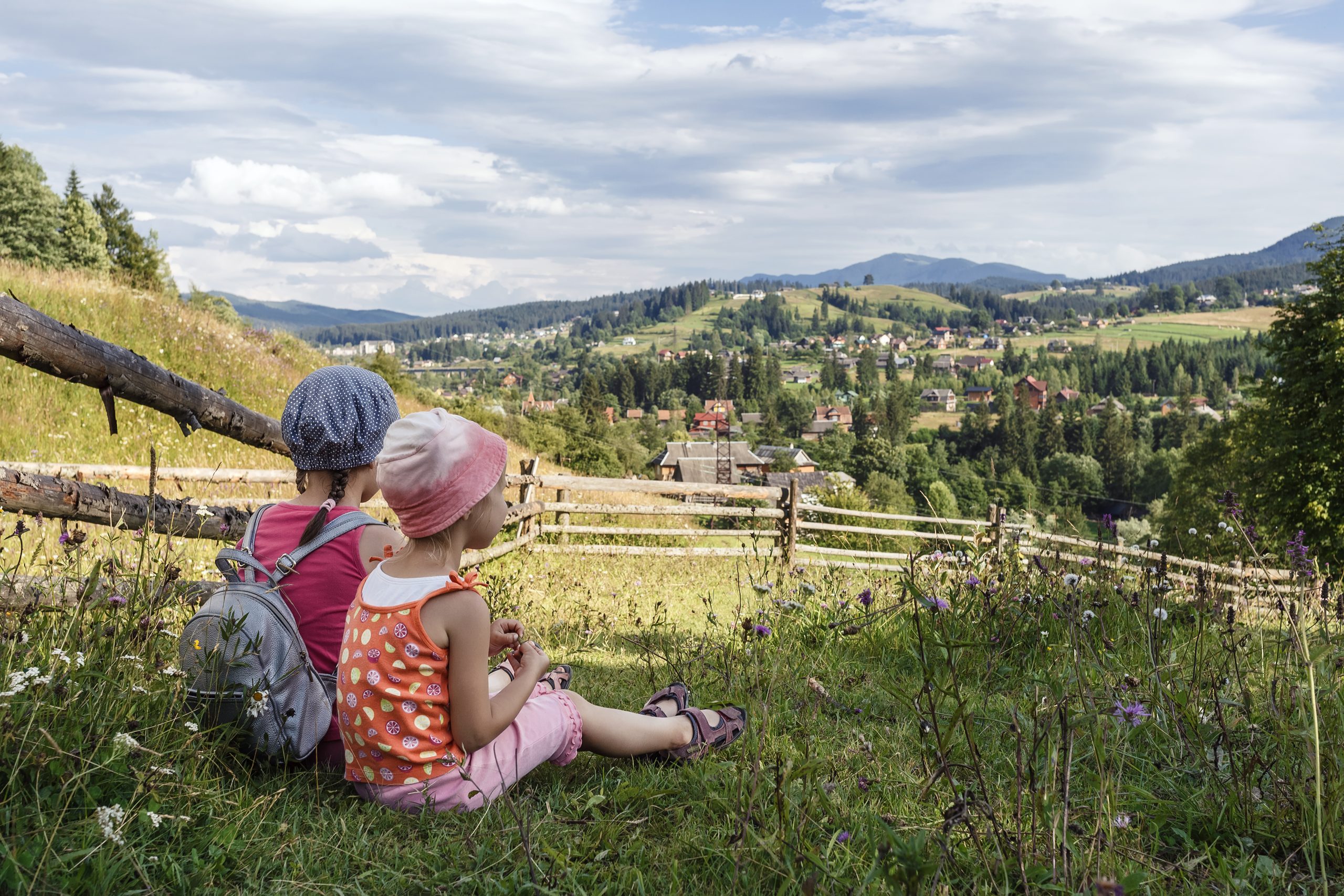
Use Komoot to plan your own walking and cycling routes with public transport start and end points. The app calculates realistic times and shows nearby stops. For the cheapest train tickets, compare via 9292 or Trainline, which show real-time prices and alternatives. Book flexible dates to benefit from off-peak fares.
Review apps such as Google Maps and TripAdvisor filter budget-friendly eateries and campsites based on real user experiences. Check recent reviews for up-to-date prices. Regional tourism apps often provide free walking maps and routes created by local nature organisations, saving you money on paper maps.
Some transport operators have their own apps with exclusive discount codes for early bookers. Download them in advance and activate notifications for flash sales on popular nature routes. CO₂ compensation is sometimes included in public transport tickets or can be added for a small amount via apps such as Greentripper.
Timing and flexibility as your biggest advantages
Travel early in the morning or by night train to maximise daylight in nature and benefit from lower ticket prices. Night trains save you a hotel night and give you more time for walking or cycling as soon as you arrive. Leaving on a Tuesday or Wednesday instead of a Friday often saves 10 to 20 euros per ticket.
Flexible travellers benefit from last-minute offers on regional lines, especially outside holiday periods. Campsites charge lower rates in May, June and September while the weather is still great for outdoor activities. Midweek multi-day trips are sometimes cheaper than weekend packages, despite the longer stay.
Avoid school holidays and public holidays for the lowest prices on both transport and accommodation. Spring and autumn offer beautiful natural colours without the crowds and costs of the summer peak – ideal if you consciously choose a more peaceful experience.
‘ Explore the possibilities and discover how the right preparation helps you get more out of every nature holiday. ’
Discover more possibilities on Traveler Tips
On the Traveler Tips website you’ll find extensive information about routes, destinations and practical preparation for your next trip. Whether you’re planning a multi-day hike, a cycling trip through nature areas or a combined journey across Europe, there are countless tips to help make your trip smarter and more enjoyable. Explore the possibilities and discover how the right preparation helps you get more out of every nature holiday.
Frequently asked questions
Look for blogs and forums (for example via “budget nature holiday public transport hacks” + region) where travellers share concrete route and ticket combinations, and use apps such as NS Reisplanner, 9292 and Komoot to refine those tips. Focus on routes to well-known walking and cycling trails (Pieterpad, Veluwe, LF Coastal Route) and combine train + bus with the last few kilometres on foot or by (rental) bike to cut costs. Travel outside peak season and rush hour, and look at off-peak tickets, regional or multi-day public transport passes and any student or group discounts. Finally, compare places to stay along public transport routes (nature campsites, simple B&Bs) using filters for price and accessibility by public transport.
For maximum flexibility and comfort on nature holidays, (inter)national public transport passes are the most convenient, such as an Interrail Pass for Europe or regional train passes (for example in the Alps or specific federal states/regions) that allow unlimited travel. In the Netherlands, route-independent subscriptions and nationwide discount products (such as Dal Vrij or regionally valid day tickets) give you plenty of freedom to hop spontaneously between nature areas. In many European countries there are multi-day regional public transport passes (train + bus) for mountain or coastal regions, which are ideal as a “base ticket” for walking and cycling holidays. Check the local tourist passes and nature region passes for each country/area, as these often offer discounts on both public transport and nature activities and cable cars.
Plan your route from a train station or bus stop directly to a nature trail, for example stages of the Pieterpad or Veluwe Zwerfpad that explicitly start and finish at public transport stops. Use apps such as Komoot or the public transport journey planner to link walking or cycling routes to stops and create loop routes or point-to-point itineraries. Hire a (public transport) bike at public transport hubs so you can ride deeper into a nature area from the station, and combine this with multi-day LF cycle routes. Choose destinations with regional public transport passes or cheap day tickets, so you can move flexibly between village, nature area and return journey without a car.
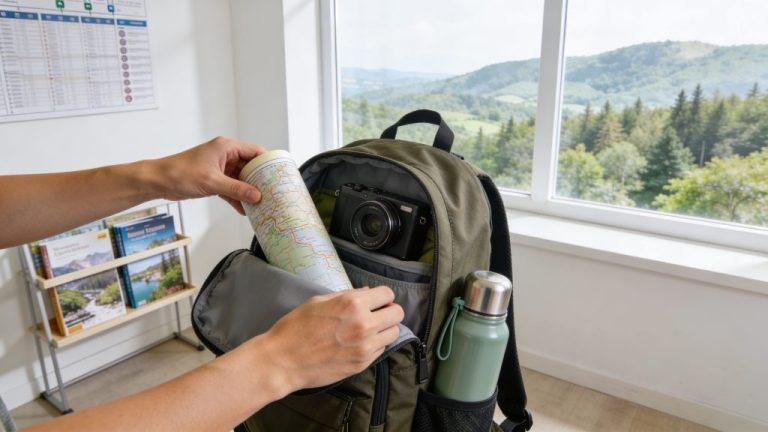
Take a light, multifunctional packing list: layered clothing, waterproof jacket, quick-dry towel, power bank, reusable bottle and container, basic first aid kit, and compact meals/snacks so you’re not dependent on expensive kiosks. Print or download public transport tickets, timetables and offline maps (such as Komoot) in advance, plus the addresses of campsites/B&Bs that are easy to reach by public transport. Plan journeys outside rush hour and peak season and check in advance which discount passes (off-peak card, regional public transport passes, student or group discounts) can cut ticket costs. Make sure everything fits into one sturdy rucksack that you can easily take on train/bus, with valuables and waterproofs quickly accessible for short changes.
Yes, there are apps and websites that help with this, but you usually need to use a combination. For planning efficient public transport routes you can use 9292, the NS app, Google Maps or Omio, and combine those with route apps such as Komoot to find the most beautiful walking and cycling routes around nature areas. Platforms like Komoot and AllTrails also often show public transport access for the starting points of routes. A fully integrated app that automatically chooses the most efficient and most scenic public transport route to “natural hotspots” still barely exists; in practice it’s usually a mix of public transport planner plus nature/route app.