NL
NL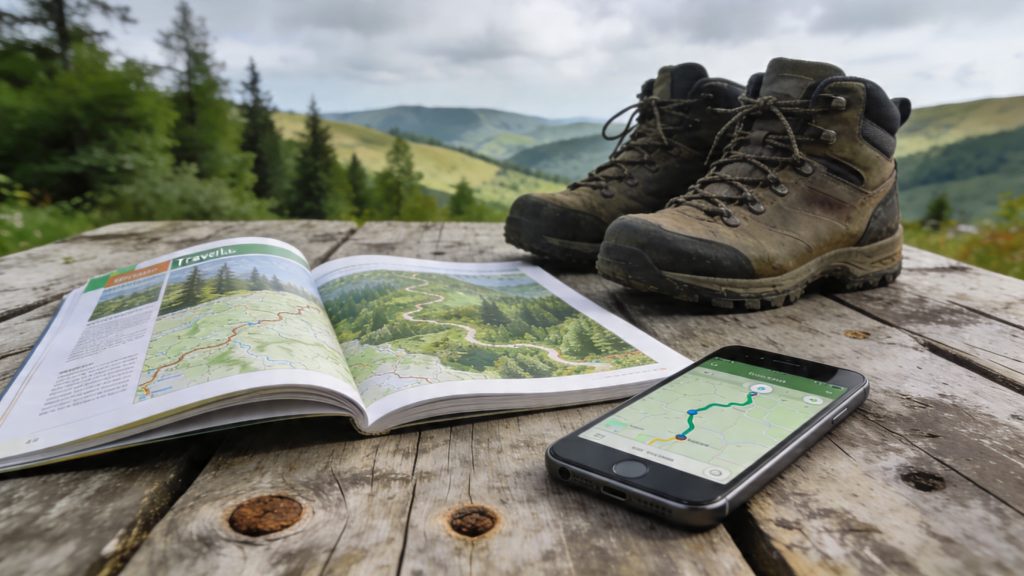
A weekend in nature from the Randstad takes less than an hour of travel. With direct trains to dunes, heathlands and vast forests, you can set off on Friday evening and return relaxed on Sunday afternoon. These short escapes combine comfortable public transport with accessible nature reserves. They are perfect for a nature holiday by public transport. Discover which destinations are within easy reach.
Why choose a nature weekend starting in the Randstad
The Randstad offers excellent starting points for nature lovers. From Amsterdam Central, Utrecht Central or Rotterdam Central you can reach national parks and extensive nature reserves within 30 to 60 minutes. You don’t need to hire a car and you avoid traffic jams, parking costs and stress.
These short travel times make it possible to leave on Friday evening after work. Local buses take you from railway stations to the entrances of nature reserves. On Sunday afternoon you will be back in time for a relaxed evening at home.
De Hoge Veluwe National Park from Utrecht
From Utrecht Central you can travel in 45 minutes to Ede-Wageningen or Apeldoorn. Both stations offer bus services to the entrances of De Hoge Veluwe. This nature reserve covers 5,500 hectares of forest, heathland and drifting sands.
The park provides free white bicycles at all entrances. These bikes take you to the main places in the park:
- The Kröller-Müller Museum with works by Van Gogh and a sculpture garden
- Hunting Lodge Sint Hubertus, designed by architect Berlage
- Wildlife viewing points where you can observe red deer, roe deer and wild boar
- Viewing towers overlooking heathland and forest
Book your entrance ticket online to avoid waiting times. In high season, day tickets can sell out.
Utrechtse Heuvelrug from Utrecht in 20 minutes
The quickest escape into nature from Utrecht leads to the Utrechtse Heuvelrug. From Utrecht Central, bus 50 takes you in 20 minutes to Zeist or Austerlitz, both located on the edge of this national park.
The Utrechtse Heuvelrug offers hills, forests and heathlands. Walking routes range from short loops of 5 kilometres to day hikes of 20 kilometres. Notable sights include the Pyramid of Austerlitz and the Amerongen estate.
For an overnight stay you will find small hotels and bed & breakfasts in villages such as Leersum and Doorn. These accommodations are within walking distance of hiking trails.
North Holland Dune Reserve from Amsterdam
From Amsterdam Central you can reach stations such as Castricum, Wijk aan Zee or Overveen in 30 minutes. These stations form the gateways to the Noordhollands Duinreservaat (North Holland Dune Reserve), a 5,300-hectare dune area between Wijk aan Zee and Zandvoort.
The dune reserve offers high dunes, forests, dune lakes and views of the North Sea. Walking and cycling paths lead through this varied landscape. From several points you can reach the beach within 15 minutes on foot.
Practical information for this area:
- Entrance is free via several gateways
- Cycling routes with junctions make route planning easy
- The Amsterdamse Waterleidingduinen (Amsterdam Water Supply Dunes) are open daily from sunrise to sunset
- Dogs are allowed on a lead on designated routes
‘ Early mornings and dusk offer the best chance of sightings. ’
Wildlife viewing routes on the Veluwe
The Veluwe offers marked wildlife viewing routes where you can observe large grazers. These routes combine cycle paths with viewing points in strategic locations. Early mornings and dusk offer the best chance of sightings.
Reach Veluwe stations such as Apeldoorn, Harderwijk or Barneveld from Amsterdam in 50 to 70 minutes. Local buses take you to the starting points of wildlife viewing routes. At bike rental points near the stations you can hire e-bikes for 15 to 20 euros per day.
Animals you may encounter include red deer, Scottish Highland cattle, wild boar, roe deer and foxes. Take binoculars for observing from a distance. Stay on the paths and keep at least 25 metres away from animals.

Radio Kootwijk: architecture in the wilderness
This former transmission station in the middle of the Veluwe combines nature with industrial heritage. The monumental building from 1923 stands in an area with drifting sands and pine forests. Staatsbosbeheer (the Dutch forestry commission) organises guided tours every Sunday at 11:00 and 13:00.
Reach Radio Kootwijk from Apeldoorn station with bus 108 towards Hoenderloo. Get off at the Kootwijk stop and walk 3 kilometres through the forest. The walk is waymarked from the bus stop.
Book guided tours in advance via the Staatsbosbeheer website. Places are limited and often fully booked weeks ahead.
Staying overnight in nature reserves without Wi-Fi
For a digital detox, nature reserves offer accommodation without an internet connection. Tiny houses, forest cabins and tree houses create distance from screens and daily routines.
Examples of this type of stay:
- Off-grid cabins on the Veluwe with solar panels and composting toilet
- Tree houses in forests without electricity
- Huts on heathlands with wood-burning stove and gas lighting
You reach these accommodations by public transport to the nearest station. From there, a short walk or transport arranged by the owner follows. Book at least 6 weeks in advance, especially for weekends in spring and summer.
Practical planning for your nature weekend
Start your planning by choosing your departure station. Amsterdam Central and Utrecht Central offer the most connections to nature reserves. Always check up-to-date train times, as weekend engineering works can affect timetables.
Take these preparations into account:
- Buy a public transport day ticket (a ticket for unlimited travel by bus, tram, metro and train for one day) if you are visiting several locations
- Download offline maps of nature reserves onto your phone
- Check opening times of nature parks and museums
- Pack waterproof clothing; weather in nature reserves can change quickly
- Take a power bank for your phone
For bike rental at stations, book online via NS Fiets. This saves waiting time and guarantees availability. E-bikes cost on average 17.50 euros per day, regular bikes 8.75 euros.
Seasons and best times to travel
Each season offers its own character in Dutch nature reserves. Spring shows blooming heath and active birds. Summer brings long daylight hours and warm walking weather. Autumn colours forests in yellow and brown. Wild animals become more visible during the rutting season in September and October.
Winter months are quieter with fewer visitors. Forests and heathlands have a bare character, but this actually offers openness and tranquillity. Pack extra warm clothing and check whether accommodations have heating.
Avoid peak moments such as sunny Sundays in May and June. Choose Friday or early Saturday morning to avoid crowds. Nature experiences are more intense with fewer visitors.
Discover more nature destinations
On the Traveler Tips website you will find extensive information about nature reserves throughout the Netherlands and beyond. You will find detailed route descriptions. We offer tips for sustainable travel. You will also find seasonal recommendations. Discover more options for your next escape into nature and plan your trip with reliable, practical information that lets you head out well prepared.
Frequently asked questions
The easiest nature reserves to reach for a weekend escape from Randstad stations are De Hoge Veluwe National Park (via, among others, Amsterdam/Utrecht by train + bus), the wider Veluwe with its wildlife viewing cycle route, Utrechtse Heuvelrug National Park (from Utrecht Central) and near-city nature such as the Amsterdamse Bos and Haagse Bos. These areas have direct or fast public transport connections from major Randstad hubs such as Amsterdam Central, Utrecht Central and The Hague.
The unique outdoor activities and experiences range from wildlife viewing cycle routes on the Veluwe and birds-of-prey excursions to kayaking, mountain biking and extensive walking routes through forests and heathlands. You can combine nature with culture by visiting the Kröller-Müller Museum or joining a guided tour at Radio Kootwijk in the middle of the nature reserve. In addition, off-grid cabins, tiny houses, tree houses and huts on the heath offer a special overnight experience with a digital detox. This creates a complete weekend experience with peace, adventure and nature close to the Randstad.
Where possible, choose the train and (rental) bike instead of the car, and take a reusable water bottle, coffee cup and lunch box to reduce waste. Book small, sustainable accommodation such as off-grid cabins, tiny houses or huts on the heath with good insulation and, if possible, green energy, so you stay both comfortable and energy-efficient. Dress in layers with breathable, weatherproof clothing and sturdy walking shoes, so you can be comfortably outdoors in all seasons without needing extra heating or air conditioning. Respect nature by staying on paths, not disturbing animals and eating local products, which both protects the environment and supports the local economy.
Close to nature you can, for a weekend trip from the Randstad, stay in off-grid cabins and tiny houses, for example via networks such as Cabiner, right in the middle of forests and heathlands. There are also digital detox stays such as tree houses and cabins without Wi-Fi or television, where “offline is the new luxury” is central. In addition, you will find huts on the heath and characterful cottages with large windows on the edge of fields and forest, designed entirely around the nature experience.
Use a public transport journey planner (such as 9292 or NS) to work out, from your Randstad station, travel times and connections to a nature reserve such as De Hoge Veluwe, Utrechtse Heuvelrug or the Veluwe, and allow some margin around rush hours and arrival times for calm. Combine this with a route planner (Fietsknoop, Wandelnet, Komoot) to plan a maximum of 2–3 activities per day (short walking or cycling routes, possibly a visit such as Radio Kootwijk) with clear start and end points at public transport stops. Calculate costs by looking up train tickets (including any discount offers/weekend returns), local buses and any bike or cabin rental in advance and putting them into a simple schedule (per day: transport, activities, food, accommodation). Choose a quiet, preferably off-grid or small-scale accommodation in or directly on the edge of the nature reserve and plan fixed rest blocks without activities to keep the holiday truly stress-free.