 NL
NL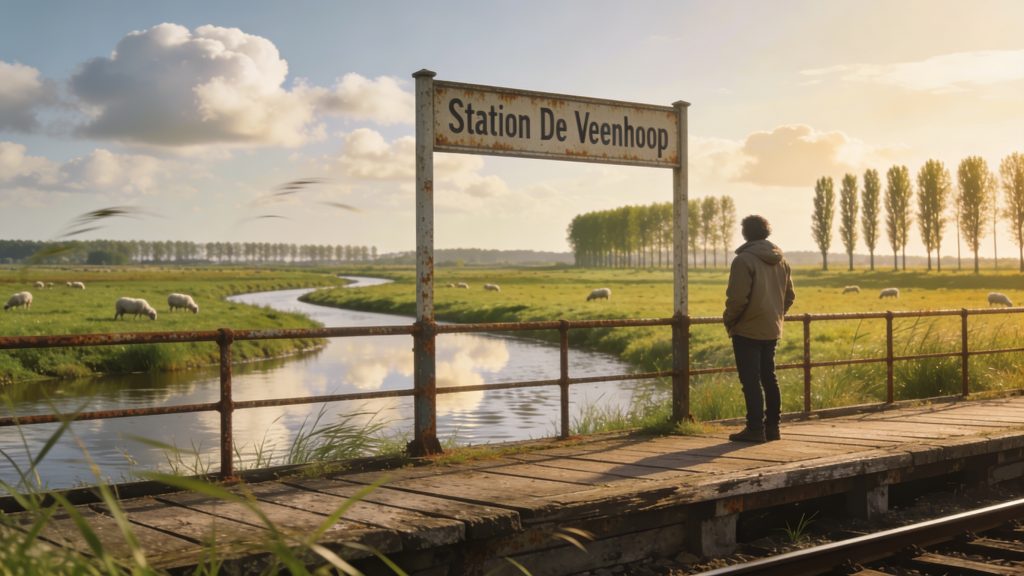
Visit beautiful Dutch nature reserves without a car. Several stations take you in just a few minutes to Zuid-Kennemerland National Park, the Utrechtse Heuvelrug or the Sallandse Heuvelrug. For anyone wanting to combine nature with public transport, a nature holiday by public transport is a smart choice. Discover which top areas can be explored straight from the station.
Zuid-Kennemerland National Park
This national park lies between Haarlem and the North Sea coast. Open dune landscapes, small lakes and special flora make the area unique. Walkers enjoy the peace and quiet. Various animal species live here.
From Santpoort-Noord station you step straight into the nature reserve. Overveen station is also nearby. Both stations have regular train services from Haarlem and Amsterdam. You do not need to take a bus or walk long distances.
The park has several routes for short and long walks. The area has dunes, woodland and beach. This makes it accessible for every fitness level. The trains are frequent enough to keep your plans flexible.
‘ The area is easy to reach. ’
Utrechtse Heuvelrug for forest lovers
The Utrechtse Heuvelrug is one of the Netherlands’ most popular walking areas. The landscape is varied. Forests, heathlands and viewpoints alternate. This attracts many visitors. There are also quiet spots. There you will find little bustle.
From Driebergen-Zeist station you walk to the Heidestein estate and the Groot Heidestein heathland. This takes 10 to 15 minutes. Hollandsche Rading station lies on the edge of the forest. Here an NS walk starts towards Baarn station. The walk takes three hours.
The area is easy to reach. This makes a car-free day trip simple. You adapt your route to your fitness. Shorter walks start from several stations. Longer walks also start from different stations.
Mookerheide as a compact nature experience
Mookerheide consists of heath and woodland. The area is compact. It lies near Nijmegen. It is part of the river landscape. The tranquillity makes it a relaxing destination. The open fields enhance this sense of calm.
Mook-Molenhoek station is next to the nature reserve. The train journey from Nijmegen takes 10 minutes. You get off at the station. You walk straight into the area.
The Twee Schansen route is 5 kilometres long. The route leads past historic sites and viewpoints. Along the way you walk past sheep and Scottish Highland cattle. The area is small enough for a half-day walk. You do not need to plan much.
Sallandse Heuvelrug for challenging routes
This hilly area in Overijssel offers a challenge. It is suitable for more strenuous walks. The landscape alternates between heath and woodland. The area has noticeable height differences. Routes are more intensive here. In flat areas, walking requires less effort.
From Nijverdal station you walk to the Sallandse Heuvelrug visitors’ centre (Buitencentrum). This takes about 17 minutes. The OV-stapper is a popular route. The route is 14 kilometres long. It links Nijverdal and Holten stations. The walk offers both nature and exercise.
The area has several starting points. These starting points give you options. You tailor your route to your fitness level. The train connections are reliable. You are not tied to fixed times. This area does require a bit more planning. That is because of the walking distances. That is because of the intensity of the routes.
‘ These linear walks are practical. ’
Veluwezoom as a classic walking area
Veluwezoom lies in the north-east of the Veluwe. The area has varied nature and well-maintained paths. Walkers appreciate its woodland, heathland and viewpoints.
Dieren station is the starting point for a route to Rheden station. This route is 11 kilometres long. Dieren station is also the starting point for a route to Velp station. This route is 14 kilometres long. Sprinter trains stop at Dieren station. Sprinter trains stop at Rheden station. Sprinter trains stop at Velp station. You adapt your route to your fitness. You adapt your route to the time you have.
These linear walks are practical. You walk in one direction. You do not need to walk back to your starting point. Train frequency is high. It is easy to reach your end point. Your return journey is quick.
What to arrange in advance
Prepare your walk properly. This makes the walk more enjoyable. Check the train timetable beforehand. This is especially important for less frequent services. Some stations offer OV bikes. This is convenient. You reach the walking route more quickly.
Wear suitable footwear. Sometimes the distances from stations are longer. This is not always obvious in advance. Many areas have routes of different lengths. You can adjust your plan on the way. This is useful.
Linear walks from station to station are flexible. You can decide halfway to shorten a route. You do not have to complete a full loop. That is not compulsory.
Practical benefits of travelling by train to nature reserves
Travelling by train to nature reserves is practical. You do not have parking stress. You do not have parking costs. Trains run frequently. This gives you flexibility in your planning.
It is an environmentally friendly alternative to the car. Travellers consciously choose more sustainable transport. Train journeys are suitable for solo trips. Train journeys are suitable for groups.
On linear walks you walk to a different station. You do not walk back to your starting point. This saves time. You can walk longer routes. You avoid covering the same distance twice.
‘ Walks are peaceful in winter. ’
Seasonal tips for visiting nature
Every season has its own character for nature visits. In spring, bulbs bloom in Zuid-Kennemerland. This is in April and May. The weather is mild. In summer, the heathlands are in bloom. This is in June, July and August. The days have long daylight hours.
In autumn the forests take on colourful tones. This is in September, October and November. There are fewer visitors. In winter, walks are quiet. This is in December, January, February and March. There are opportunities for birdwatching.
Heathlands such as Mookerheide flower abundantly between August and October. Forests such as the Utrechtse Heuvelrug are attractive in spring. Forests such as Veluwezoom are attractive in autumn.
Discover more on Traveler Tips
On the Traveler Tips website you will find information about routes. You will find information about planning. You will find information about preparing for your trip. You may be travelling by train, by car or by campervan. There are practical tips available. Discover more. Plan your next trip. Think about the choices you make.
Frequently asked questions
The Utrechtse Heuvelrug (including near Driebergen-Zeist and Hollandsche Rading stations) offers varied woodland and heath that are accessible directly from the station. Zuid-Kennemerland National Park can be entered easily from Santpoort-Noord and Overveen stations and combines dune landscape, small lakes and silence. Mookerheide near Mook-Molenhoek station is known for its rolling heathlands, woodland and views. The Sallandse Heuvelrug (via Nijverdal station) and the Veluwezoom (via Dieren station) also offer a special nature experience with hills, extensive heath and forests.
Plan your train journey by checking the timetable in advance and choosing a nature reserve close to a station (for example the Utrechtse Heuvelrug from Driebergen-Zeist or Hollandsche Rading, or Zuid-Kennemerland from Overveen or Santpoort-Noord). Use apps such as 9292 or the NS app to minimise changes and to travel outside rush hour for more comfort. For the ‘last kilometres’ you can reserve or hire an OV bike, or plan a walking route that starts directly at the station (such as NS walks and linear walks between two stations). Take enough water, snacks and suitable shoes, and bear in mind seasonal crowds and the need for sun or rain protection in open heath and dune areas.
From Hollandsche Rading station you walk straight into the forests of the Utrechtse Heuvelrug, including the NS walk De Vuursche towards Baarn. At Santpoort-Noord and Overveen stations you also start almost immediately in Zuid-Kennemerland National Park with various waymarked walking routes through dunes and woodland. From Mook-Molenhoek station you start directly on walking routes across Mookerheide, such as the 5 km Twee Schansen route. From Nijverdal station you can head straight onto the Sallandse Heuvelrug, for example via the 14 km OV-stapper to Holten station.
Yes, in most of these nature reserves that can be reached by train you will find sustainable accommodation and places to eat and drink, such as eco-friendly hotels, B&Bs and nature campsites. Around the Utrechtse Heuvelrug and Zuid-Kennemerland National Park there are many accommodation options and restaurants that focus on local produce and nature conservation. In areas such as the Sallandse Heuvelrug and the Veluwezoom you will also find eco-minded places to stay and small-scale cafés and restaurants. These initiatives are a good match with travelling by train as a sustainable transport choice.
Travel on weekdays outside rush hour (roughly 09:30–15:30 and after 19:00) and preferably outside school holidays to avoid crowds on the train and in nature reserves. Use advance booking deals, off-peak discounts/subscriptions and any day (or part-day) tickets from NS or regional operators to keep costs down. For popular areas such as the Utrechtse Heuvelrug, Zuid-Kennemerland and Veluwezoom, opt for smaller stations (for example Hollandsche Rading, Santpoort-Noord, Dieren) and avoid sunny weekend afternoons. Plan your journey via 9292 or NS Reisplanner and, where possible, select “avoid crowds” or “quiet train”.