 NL
NL
Multi-day rail-based nature trips start with a route that works: stations close to walking areas, logical stages and overnight stays along the railway line. Planning routes for rail-based nature holidays requires a different approach than travelling by car. But it offers calm, sustainability and a surprisingly wide range of possibilities. Read on and discover how to put together a practical, easily accessible route step by step.
Why nature trips by train are a smart choice
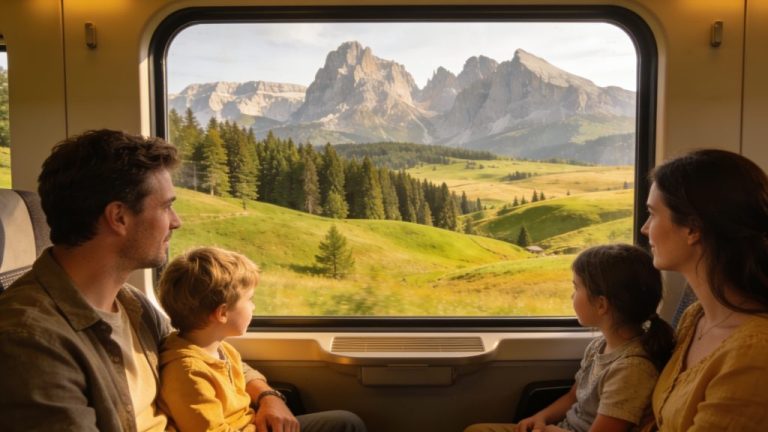
A nature holiday by public transport calls for a considered approach, but gives a lot in return. You avoid hassle with parking, fuel costs or toll roads. The train takes you straight to the heart of nature reserves, often very close to the starting point of your walk. In many European regions, stations are within walking distance of forests, mountains or national parks. That way, your trip begins as soon as you step off the train.
Rail journeys are sustainable, relaxing and easy to combine with multi-day walks. You do not need to return to your car every day and can walk station-to-station routes. This freedom makes planning flexible: you can shorten or extend a route, or adapt it to the timetables.
‘ Always allow buffer time in your planning for bad weather or logistical hiccups. ’
How to plan a multi-day nature trip by train
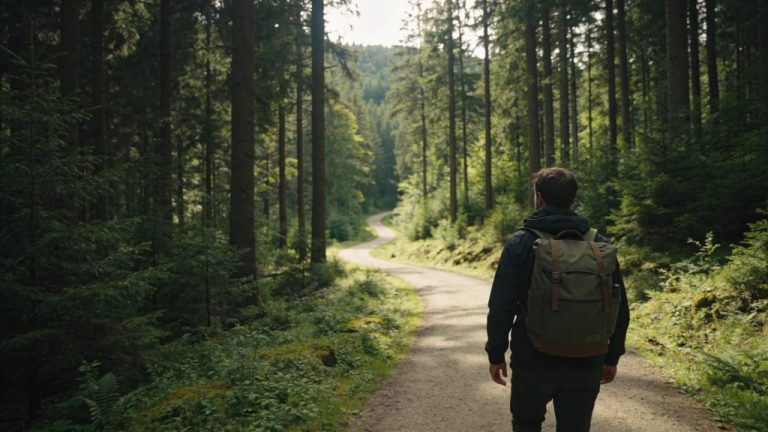
Start by choosing a nature area. Then decide which stations provide access to walking areas and which trains stop there. Check whether your arrival station is directly accessible from the walking trail, or whether you will need a bus, taxi or transfer. For multi-day routes it is important that stations, stages and overnight stays link up logically.
Plan your stages around the train frequency in the region. In mountain areas and in the countryside, trains often run less frequently. Take this into account when planning arrival times and connections. Choose routes where the first and last day are not tough walking days. That way, you have room for possible delays or missed connections.
Check the timetables in advance and book accommodation early, especially in popular walking regions. For routes in mountainous areas, it is wise to look at seasonal influences: some higher-altitude paths are only easily passable in a limited season. Always leave buffer time in your planning for bad weather or logistical hiccups.
multi-day public transport route Veluwe: stations and stops
The Veluwe is easily accessible by train and offers extensive walking options. A three-day route through this nature reserve starts at Apeldoorn station. From here you walk straight into the national park towards De Hoge Veluwe. On the first day you combine a short train ride with a walk of around 15 kilometres to Hoenderloo, where you can stay the night.
On the second day you set off from Hoenderloo towards Otterlo. This stage runs through forests, heathland and drifting sand areas. You finish at the visitor centre in Otterlo, close to Ede-Wageningen station. From Otterlo you take the bus to the station and then the train to your next overnight stop.
On the third day you round off the trip with a walk around the Posbank. Take the train to Arnhem station and continue on to Velp. From there it is a short bus transfer to the Posbank. After your walk you return to Velp or Arnhem for the journey home. This route combines train travel with short bus links and gives access to the most beautiful nature areas of the Veluwe.
Practical tips for the Veluwe route
- Check bus services between stations and walking starting points in advance
- Book accommodation in Hoenderloo and Otterlo early in the season
- Take enough water and food, as there are few facilities along the way
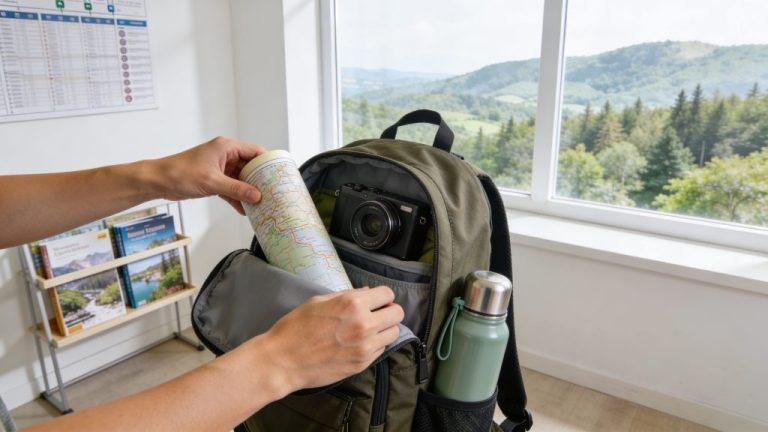
- Download offline maps or walking routes, as mobile coverage can be patchy
Train trip South Limburg: four-day route with walks
South Limburg offers hilly landscapes, vineyards and large forests. The train takes you to small stations that give direct access to walking networks. A four-day route starts at Heerlen station. From here you walk on the first day towards Valkenburg, a route of about 18 kilometres through rolling hills and old marl quarries.
On the second day you leave Valkenburg for Schin op Geul. This stage follows the Geul river and passes through quiet villages. You finish at Schin op Geul station, where you take the train to your overnight stay in Gulpen. Gulpen is centrally located and a good starting point for walks in the area.
On day three you explore the area around Gulpen with a circular walk through the Geul valley. Here you will find steep slopes, woodland and open views. On the fourth day you finish with a train ride to Maastricht. From Maastricht station you walk a short route through the urban nature along the river Meuse and then return for your journey home.
Points to note for the South Limburg route
- Train frequency at smaller stations is lower; allow plenty of time for connections
- Accommodation in Valkenburg and Gulpen fills up quickly in the high season
- Allow for height differences; the stages are hillier than in other Dutch regions
- Use the hiker junction network (“knooppuntensysteem”) to make route planning more flexible
Island-hopping by train: multi-day routes along coastal nature
Island-hopping by train and boat combines nature experiences with water crossings. A five-day route through the Wadden Islands starts at Leeuwarden station. From here you travel to Holwerd and take the boat to Ameland. On the first day you explore the dunes and beaches of Ameland with a walk of around 12 kilometres.
On the second day you take the boat back to the mainland and continue by train to Harlingen. From Harlingen you sail to Terschelling. On Terschelling you walk through the Boschplaat, a vast nature reserve with dunes, saltmarshes and bird habitats. This stage is about 16 kilometres and offers lots of peace and space.
On day four you do a circular walk on Terschelling, for instance through the woods near Hoorn or along De Noordsvaarder. On the fifth day you return to the mainland and finish with a walk around the Lauwersmeer area, which can be reached via Buitenpost station. This route requires more planning because of the boat timetables, but offers unique nature experiences.
Logistics for island-hopping
- Check boat timetables in advance, especially outside the high season
- Book accommodation on the islands well in advance
- Take windproof clothing; the weather on the islands is changeable
- Bear in mind that there are limited shopping options on smaller islands
What makes good route planning for rail-based nature trips
A good route combines short access from the station, logical stages and flexible accommodation options. Station-to-station routes are ideal because you do not need a hire car and your walking days link directly to train sections. Routes with several accommodation options along the way give you room to adapt to the weather or your own pace.
Choose routes where the station is literally within walking distance of the starting point. This avoids extra transfers and keeps your trip straightforward. For tougher mountain or hut-to-hut treks, it is wise to choose routes with clear logistics, such as fixed huts or pre-planned stays. That way, you keep control of your planning.
Mistakes to avoid in route planning
A common mistake is to plan a scenic train journey without checking whether the station offers practical access to the walking area. Always check whether your arrival station is within walking distance or whether you will need a bus, taxi or other transfer. Another frequent pitfall is not allowing enough buffer time for connections or missed trains.
Do not be caught out by limited timetables in rural areas. Do not schedule your toughest walking days on the very first or last day, because train delays can disrupt your planning. Book accommodation early, especially if your route passes through popular walking regions. Many places to stay along nature areas have limited capacity.
Checklist before you leave
- Check timetables and boat schedules in advance
- Book accommodation early
- Download offline maps and walking routes
- Check seasonal influences and path conditions
- Allow buffer time for delays and bad weather
- Combine train and local public transport where needed
‘ For mindful travellers who like to plan ahead, the train offers logistical simplicity and a smaller environmental footprint. ’
Why train travel is a logical choice for nature holidays
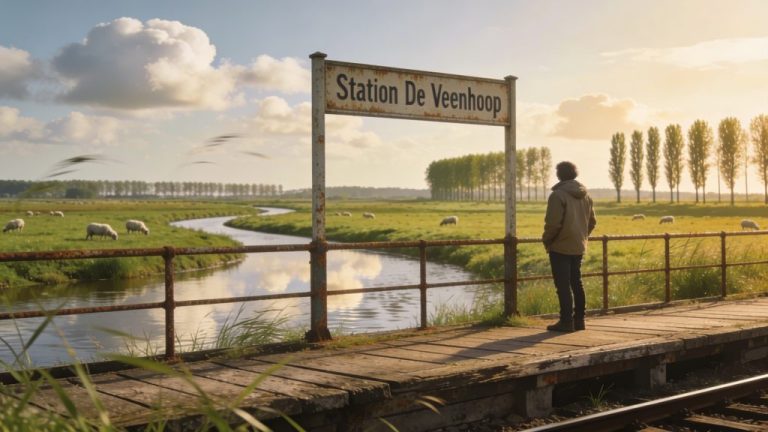
Train journeys offer a sustainable and relaxing alternative to car holidays. You do not need to navigate, park or fill up with fuel. The journey itself becomes part of the experience, especially on longer European routes. Many stations are so close to nature reserves that you can walk straight into nature from the platform.
Routes that combine well with train travel often provide more calm and flexibility. You can adapt stages to the train frequency, plan overnight stays where it suits you, and easily shorten or extend your route. For mindful travellers who like to plan ahead, the train offers logistical simplicity and a smaller environmental footprint.
On the Traveler Tips website you can find much more about nature holidays by public transport, practical routes across Europe, and tips for smart planning. Discover handy checklists, regional suggestions and detailed travel overviews that help you prepare your next nature trip properly. Read on and be inspired.
Frequently asked questions
The most beautiful train routes for breathtaking scenery are generally lines that connect small stations directly with national parks or mountain regions, so that you can step straight into nature from the platform. Think of routes along mountains, lakes or river valleys, where the train itself already offers views of cliffs, waterfalls and vast forests. Routes that are specifically set up as “station-to-station” walking trails often combine several unique nature parks in one multi-day trip. Regional lines through mountain and hill landscapes are usually more spectacular and quieter than the major high-speed connections.
Combine train journeys with local transport by first choosing nature areas that are already well served by smaller stations, so that you can often start walking directly from the platform. Then check for each destination which local buses, mountain trains, cable cars or (shared) taxis connect with your arrival times, and build your route around these. Plan stages so that the start and end points are at a station or bus stop, with overnight stays in villages along the line. Check timetables and seasonal restrictions in advance, so that you do not end up depending on services that hardly run.
Take light, weatherproof luggage with layered clothing, good walking shoes, rain protection, a first-aid kit, a reusable water bottle and, if needed, snacks for sections without shops. Arrange your accommodation in advance along the route (mountain huts, guesthouses or small hotels close to the station) and check check-in and check-out times against your arrival and departure trains. For international or popular routes, book your train tickets well in advance, including seat reservations where required. Check timetables shortly before departure and build in some extra margin for delays or missed connections.
Start by choosing nature regions and then look for station-to-station routes or stations that border directly on walking areas, so that you limit travel time and transfers. Use international planners (such as DB Navigator or Rail Europe) to find connections with few changes and logical arrival times, and schedule the longest train sections at the start or end of your walking day. Plan overnight stays in places along the railway line, so that each day you combine a short train ride with a walking stage. Build in at least one buffer day or an easy walking day to absorb delays and bad weather without disrupting your entire schedule.
Use platforms such as Booking, Natuurhuisje, Alpine club or hut websites and filter for accommodation within walking distance of a railway station or a short bus ride from one. Search in Google Maps or Komoot for terms such as “station [name] + walking route” and then check which B&Bs, huts or guesthouses lie directly on those routes. Next, combine public transport planners (NS International, Deutsche Bahn, SNCF, SBB) with walking maps so that you plan day stages from station to station with overnight options in between. Finally, read travel reports or blogs about “station-to-station hikes” in your region; these often mention specific places to stay along the railway line and in nature.