NL
NL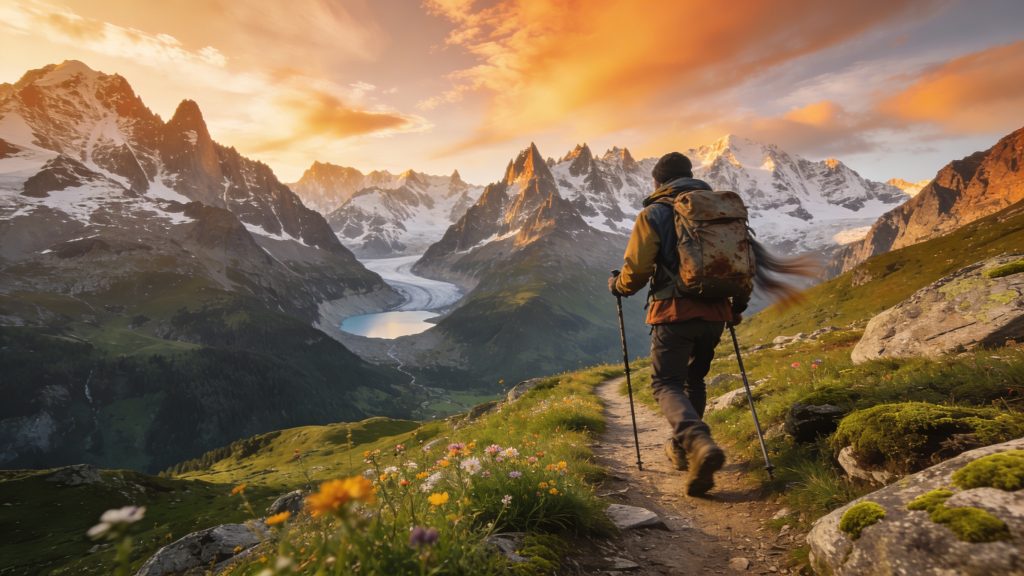
A holiday in the Alps with minimal impact on nature is no longer a dream, but a choice you can already make today. Sustainable Alpine holidays start with conscious preparation. You choose a means of transport, select eco-friendly accommodation and apply leave no trace principles. Discover how you can experience this magnificent mountain world while protecting nature.
Why eco-friendly travel in the Alps matters
The Alps form the largest natural area in Central Europe and are home to a fragile ecosystem. Mass tourism leaves traces in the form of erosion, pollution and pressure on local communities. By making conscious choices during your preparation and stay, you help preserve this mountain landscape for future generations. With Alpine holidays, it is not only about what you experience, but also about what you leave behind.
Sustainable travel in the mountains starts with the basics: the means of transport you use to get there. Trains emit significantly less CO₂ per passenger than cars and take you comfortably to many Alpine destinations. Public transport is not always an option; in that case, consider car sharing. This simple choice largely determines the ecological footprint of your holiday.
‘ Look for accommodation with official sustainability certificates. ’
Green accommodation with official certification
The accommodation you choose plays an important role in sustainable tourism. Look for places to stay with official sustainability certificates. In France, Le Flocon Vert is the recognised label for sustainable mountain destinations. This quality mark, translated as ‘the green snowflake’, has been awarded to 27 French winter sports resorts that meet strict criteria for environmental protection and sustainable management.
Whenever possible, opt for small-scale, locally run accommodation. This directly supports the local economy and ensures that income stays within the community. Green campsites in the Alps often combine comfort with low impact, with features such as solar power, water-saving systems and organic waste processing. When searching for somewhere to stay, you can specifically filter for these characteristics.
Sustainable hiking tips based on leave no trace principles
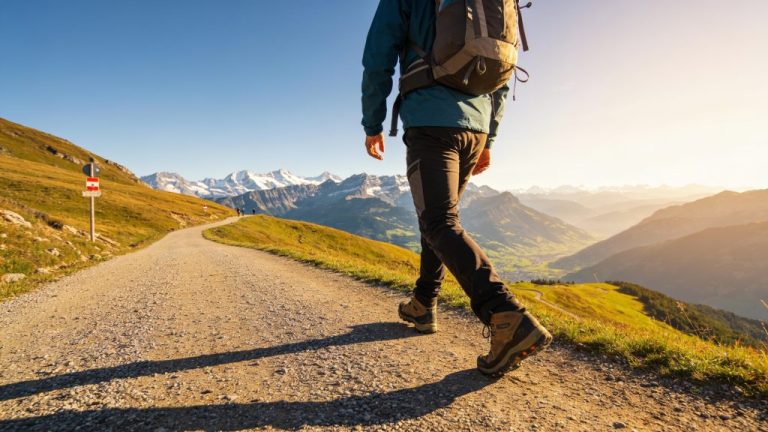
Hiking is at the heart of many Alpine holidays, but even this seemingly harmless activity can cause damage if you are not careful. The leave no trace principles provide a practical framework, helping you to minimise your impact. The first and most important principle is simple: stay on the designated hiking trails. This prevents erosion and protects vulnerable plant species that grow in mountain areas.
On longer hikes there are more aspects to bear in mind:
- Take all your rubbish back with you, including organic waste such as banana skins and apple cores
- Use a reusable water bottle or hydration bladder instead of plastic bottles
- Pack light and only take what you really need to keep your rucksack weight down
- Use water sparingly, especially when staying overnight in mountain huts where water supply may be limited
Use biodegradable soap. Never wash yourself directly in mountain streams or lakes.
The Hohe Tauern Panorama Trail is an excellent example of sustainable mountain hiking. This 150-kilometre route takes you in ten stages from the Krimml waterfalls to Zell am See. You only carry a rucksack. This type of hike allows you to experience the landscape intensively with a minimal ecological footprint.
How Werfenweng promotes sustainable mobility
Some Alpine villages are leading the way in climate-friendly tourism. Werfenweng in Austria has been working towards a sustainable future for years. The village offers visitors who arrive without a car a mobility guarantee. This guarantee includes:
- Free use of local shuttles
- Free use of electric cars
- Free use of special taxis during your stay
The village shows that a car-light holiday in the mountains is not only possible, but also comfortable and practical.
You can also apply this concept yourself, whatever your destination. Use local public transport where available, hire an electric bike for shorter distances or explore the surroundings on foot. This reduces your CO₂ emissions and deepens your experience of the landscape.
‘ This drastically reduces transport emissions. ’
Supporting the mountain community by buying local products
What you buy and eat during your holiday has a direct impact on both the local economy and the environment. Buy regional products from small, local shops instead of supermarket chains. Local cheese, bread and cold cuts of meat do not need to be transported into the mountains by lorry or helicopter. This drastically reduces transport emissions.
Where possible, eat organic and seasonal food. This supports sustainable agriculture and fits better with what is locally available. You will also discover authentic regional specialities with a strong local character. A visit to a weekly market or local producer gives you an insight into the area’s culture and traditions.
Sustainable gear and clothing for your mountain hikes
The equipment you choose has a long-term effect on your ecological impact. Invest in quality rather than quantity. Well-maintained mountain boots, hiking clothing and rucksacks last for years. Look after them properly: wash your outdoor clothing according to the instructions and repair small tears immediately to extend its lifespan.
When buying new items, pay attention to sustainable materials and production methods. Various outdoor brands are focusing on recycled polyester, organic cotton and PFC-free water-repellent treatments. If your old gear is no longer usable, specialist programmes can then recycle textiles and materials for new use.
Purifying water and managing waste on the trail
Access to clean drinking water is usually well organised in the mountains, but plastic bottles remain a problem. Take a sturdy water bottle that you can refill at springs, mountain huts or accommodation. If you are going on longer hikes in remote areas, purify glacial meltwater with a portable water filter. This gives you safe drinking water without plastic waste.
Proper waste management is even more important in mountain areas than elsewhere. Nature cannot process rubbish and waste transport is costly and complex. Always carry a small rubbish bag in your rucksack and take all packaging back down to the valley. Many mountain huts have strict waste separation policies – make sure you actively take part.
‘ However, offsetting is not a licence to act carelessly. ’
Calculating and offsetting your CO₂ emissions
Even with the most conscious choices, a holiday will still cause a certain amount of CO₂ emissions. You can calculate this impact using online tools. These tools take into account your means of transport, distance and length of stay. Various organisations offer offsetting programmes in which you invest in climate protection projects. These projects store CO₂ or reduce emissions, for example through reforestation and renewable energy.
However, offsetting is not a licence to act carelessly. It is an addition to your own efforts, not a replacement. The most sustainable approach is to prevent emissions through smart choices during your preparation and stay.
Putting theory into practice on your Alpine holiday
Travelling sustainably in the Alps requires preparation, but no extreme sacrifices. You increase your positive impact with a layered approach. Transport, accommodation and activities are your big decisions. Then refine your everyday behaviour:
- Apply leave no trace principles in the mountains
- Buy local products from small shops
- Use water consciously, especially in mountain huts
- Avoid single-use plastic and take your rubbish back with you
The combination of these measures helps you protect the very mountains you have come to enjoy.
Specific routes and destinations for sustainable Alpine travel
Besides the Hohe Tauern Panorama Trail and Werfenweng, several regions offer concrete programmes for sustainable tourism. The Swiss park Biosfera Val Müstair combines nature conservation with recreation. The area has an extensive network of waymarked hiking trails that you can reach with a single train connection. In Italy, the Stelvio National Park (Parco Nazionale dello Stelvio) has developed special climate-neutral hiking programmes. These routes are accessible by shuttle bus from Bormio and Prato allo Stelvio.
In the French Alps, the area around Chamonix offers a free shuttle service between the various valley villages. The system links hiking trails, mountain huts and railway stations without the need for a car. For multi-week hikes, the Via Alpina is a waymarked route of 390 kilometres through five countries. You stay overnight in mountain huts that use solar energy and rainwater collection. The route is fully accessible by public transport and local mountain lifts.
Frequently asked questions
Plan your route via well-connected hubs (such as Zurich, Innsbruck, Grenoble) and preferably use international trains and regional mountain railways; only opt for the car if car sharing is possible and then combine it with local public transport or shuttle services. Keep your luggage to a minimum so you can change trains easily and set out on light day hikes, and stick to waymarked trails to reduce pressure on nature and infrastructure. Book accommodation with recognised sustainability labels (such as Le Flocon Vert in French mountain villages) or small, locally run guesthouses. Eat local and seasonal food, take a reusable water bottle with you and offset your remaining CO₂ emissions to make your whole trip as sustainable as possible.
You can find sustainable accommodation in the Alps by looking for places with recognised environmental labels, such as the French eco-label Le Flocon Vert. In addition, deliberately choose small-scale stays with local hosts instead of large hotel chains, so that you directly support the local community. You can discover authentic local experiences by buying regional products from small shops, visiting traditional mountain villages and taking part in local activities or guided walks. In this way you combine a mindful footprint with a deeper connection to the Alps and their inhabitants.
Travel to the Alps preferably by train or car sharing, pack light and take a reusable water bottle, lunch box and, if possible, a small rubbish bag. Once there, choose certified sustainable accommodation or a stay with local hosts, and eat as much local, seasonal and organic food as possible. While hiking, stick strictly to marked trails, take all your rubbish back with you and refill your water (using a filter if necessary) instead of buying new bottles each time. Favour nature-friendly activities such as hiking and long-distance treks over helicopter flights, quad tours or other high-emission activities, and offset your remaining CO₂ emissions where possible.
Lesser-known routes such as the Hohe Tauern Panorama Trail in Austria offer a multi-day trek through the largest protected area in the Alps, far from the busiest paths. Travel there as much as possible by train and use local shuttles or electric shared cars on site, as in sustainable mobility villages in the Alps. Choose small-scale accommodation or places with labels such as Le Flocon Vert, and eat local and seasonal food from small producers. Take your rubbish back down to the valley and use refillable water bottles and sustainable equipment to further limit your impact.