 NL
NL
The most beautiful panoramas in the Alps don’t have to be ‘earned’ with hours of climbing. With modern cable cars you can reach highlights such as the Gornergrat, the Klein Matterhorn and the Aiguille du Midi within minutes, where you have views over dozens of peaks above 4,000 metres, glaciers and deep valleys. Ideal if you want to combine comfort with spectacular nature. How do you choose the best cable car ride for your Alpine holiday and where do you find the most impressive views without having to take a single step on foot?
Why cable cars are the smart choice for panoramic viewpoints
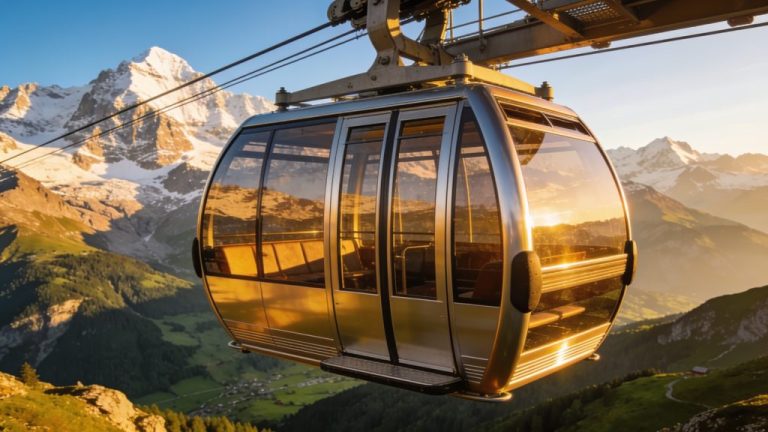
Cable cars and gondolas take you in minutes to altitudes that you would otherwise only reach after a strenuous climb. You save time and energy, which means you can visit several viewpoints in a single day or have more room for other activities. This makes them particularly suitable for families with young children, travellers with limited mobility and anyone who wants to combine comfort with a memorable experience.
Most cable cars run all year round, with adapted timetables in the shoulder seasons. Check current opening times before you set off and book tickets online where possible. During busy periods in summer and winter there are queues, especially between 10:00 and 14:00. By heading out early, you avoid the crowds and increase your chances of clear views without haze.
‘ This ride combines technical achievement with a spectacular nature experience, without you having to walk yourself. ’
Best cable cars for views in the Swiss Alps
Switzerland has some of the most iconic cable car rides in the Alps. The Gornergrat at Zermatt takes you up to 3,300 metres by cogwheel train. From the platform you see the Matterhorn on the right, Monte Rosa on the left and dozens of peaks above 4,000 metres. The journey takes 33 minutes and is suitable for all ages.
For the highest viewpoint in Europe, choose the cable car to the Klein Matterhorn, also known as Matterhorn Glacier Paradise. At 3,883 metres you have a 360-degree panorama of 38 four-thousanders and 14 glaciers. This ride combines technical achievement with a spectacular nature experience, without you having to walk yourself.
An alternative with a different character is the cable car to the Eggishorn near Fiesch. From 2,926 metres you look out over the Aletsch Glacier, the largest glacier in the Alps. The area is less touristy than Zermatt, so you experience more tranquillity. Riffelsee, a mirror-like mountain lake at 2,757 metres, can be reached with a 10-minute walk from Rotenboden train station and offers a unique reflection of the Matterhorn.
Which cable car rides are suitable for families
Families with young children or travellers who suffer from fear of heights are best off choosing viewpoints with stable platforms and secure barriers. Gornergrat scores highly here: the platform is spacious, covered and has clear railings. The Zugspitze in Germany offers similar safety at 2,962 metres, with lifts from Garmisch-Partenkirchen or Ehrwald.
Avoid viewpoints with suspended structures if you struggle with heights. Top of Tyrol at the Stubai Glacier in Austria hangs above a drop at 3,210 metres and is impressive, but not suitable for everyone. The same applies to the Dachstein Skywalk “Fingers” at Krippenstein, which float 400 metres above the ground.
For families, the following cable cars are the most comfortable:
- Gornergrat (Zermatt) – wide platforms, safe surroundings, easy to combine with short walks
- Zugspitze (Garmisch-Partenkirchen) – many facilities, large terrace, suitable for all ages
- Aiguille du Midi (Chamonix) – impressive but busy, suitable from about 6 years upwards, be aware of altitude and cold
Panoramic viewpoints in the Dolomites reachable without hiking
The Dolomites in Italy are known for their limestone peaks and dramatic landscapes. Although this area has fewer cable cars than Switzerland or Austria, there are still good options that don’t require a hike. Top of Tyrol at the Stubai Glacier offers views of the Dolomites, the Ortler massif and the Stubai Alps. The platform lies on the Austrian-Italian border and is accessible via the Schaufeljoch gondola.
Another interesting spot is Dreiländerblick at the Kaunertal Glacier. This platform at 3,108 metres sits on the border between Austria and Italy and offers views of three countries. It is less well-known than other viewpoints, so you can look around in more peace and quiet.
Bear in mind that the Dolomites are especially popular with hikers and that cable cars here are more focused on ski areas. For pure panoramic experiences without effort, the Swiss and French Alps remain the most accessible options.
‘ At the top you’ll find the glass cube Step into the Void, a platform that hangs 1,000 metres above the ground. ’
The French Alps: spectacular altitude records
The Aiguille du Midi near Chamonix is an icon among mountain stations. At 3,842 metres you look out over Mont Blanc, at 4,809 metres the highest mountain in the Alps. The cable car departs from Chamonix and takes you up in two stages. At the top you will find the glass cube Step into the Void, a platform that hangs 1,000 metres above the ground.
Brévent lies on the other side of the Chamonix valley. From this point you have a different perspective on the same mountain range. The view here is wider and quieter, suitable for photography and orientation. From 2,525 metres you see the Mont Blanc massif and the surrounding glaciers without the crowds of the Aiguille du Midi.
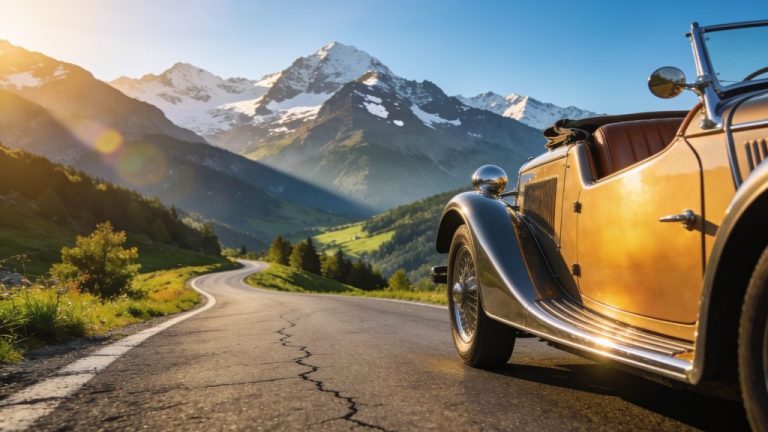
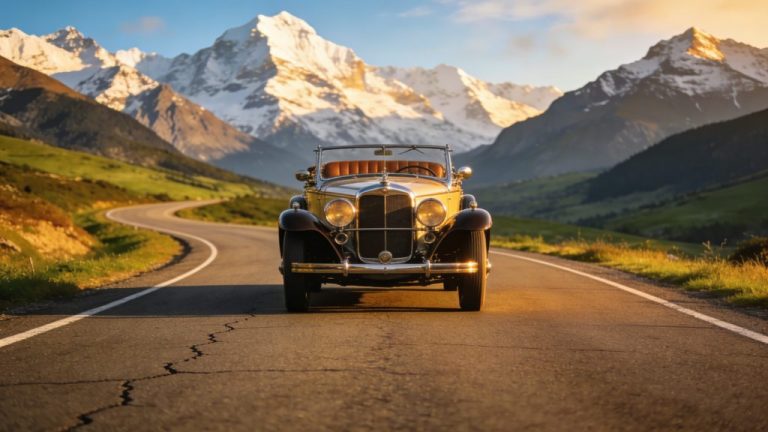
Anyone who wants to explore a longer route can consider the Route des Grandes Alpes. This scenic drive combines motoring with viewpoints. It runs from Thonon-les-Bains along Lake Geneva to the south, with panoramas of snow-capped peaks, valleys and lakes such as Annecy along the way.
Austrian viewpoints with unique structures
Austria has specialised in spectacular viewing platforms that combine architecture with nature. The Dachstein near Krippenstein is one example, with platforms that jut out like fingers above a drop of 400 metres. The area is part of the UNESCO World Heritage region of Hallstatt and combines culture with landscape.
Kitzsteinhorn, also known as Top of Salzburg, lies at 3,029 metres and offers views of the Großglockner, Austria’s highest mountain, and Hohe Tauern National Park. The cable car is easily accessible and within less than an hour gives you a view over several mountain ranges.
For a less touristy alternative there is Adlerhorst at the Gschölkopf. This eagle’s-nest-shaped platform at 2,039 metres offers views over Lake Achensee, the Karwendel and the Zillertal Alps. You do need to take a short walk from the cable car, but the effort is limited.
Practical preparation for visiting cable cars
Most viewpoints lie above 2,500 metres, where temperatures can drop to around freezing even in summer. Always wear a windproof jacket and bring sun cream. UV radiation increases with altitude, so you burn faster than at sea level. Sturdy footwear is recommended, even if you are not planning to hike, because platforms are often unpaved or snowy.
Book tickets online for popular cable cars such as the Aiguille du Midi and Gornergrat. During peak periods, queues of more than an hour are not unusual. By leaving early, you have a better chance of clear weather and less mist. The best time for views is usually early in the morning or around the golden hour before sunset.
Check the weather forecast at altitude before you leave. Cable cars close in high winds, thunderstorms or snowstorms. Some stations have webcams that give a live view of the scenery and the weather conditions. This prevents disappointment and saves you a wasted journey.
‘ This way, your cable car ride becomes part of a broader travel experience instead of a one-off excursion. ’
When are the panoramas at their best
The best period for clear long-distance views is spring and early summer. In May and June the valleys are green and snow still covers the peaks, which gives contrast in the landscape. It is also quieter than in July and August, when many holidaymakers visit the Alps.
Winter offers dramatic snow-covered panoramas, but visibility is more changeable. Banks of fog and cloud occur more often than in summer. Also bear in mind that the days are shorter, so you have less time for visits. Autumn is quieter and can provide beautiful light, but from October some cable cars close for maintenance.
Combine a panoramic visit with other activities in the area. Many mountain stations are close to hiking trails, lakes or historic sites. This way, your cable car ride becomes part of a broader travel experience instead of a one-off excursion.
Discover more routes and destinations
On the Traveler Tips website you will find extensive information about routes through mountain regions, practical tips for travelling by car or train, and background information on the most beautiful destinations in Europe. Whether you are planning a multi-day road trip or a shorter break to one specific area, there is much more to discover than just the well-known highlights. Explore further and plan your next trip with reliable information that helps you set off better prepared.
Frequently asked questions
Comfortably reachable by car or train (plus short lift or walking sections) are, among others, Aiguille du Midi and Brévent near Chamonix, the Grandes Platières and the Balcon du Mont Blanc in France. In Switzerland, Gornergrat, the Klein Matterhorn, Riffelsee (via the Gornergratbahn) and the Eggishorn are easily reached by train and cable car. In Austria, Dachstein/Krippenstein, Kitzsteinhorn (Top of Salzburg), Top of Tyrol at the Stubai Glacier, Dreiländerblick and Adlerhorst are popular panoramic viewpoints. In Germany, the Zugspitze offers a spectacular 360° view and is comfortably reached by cogwheel train and cable car.
Some of the most beautiful panoramic driving routes in the Alps include the Route des Grandes Alpes in France (from Lake Geneva via, among others, Col de l’Iseran and Col du Galibier to the Mediterranean) with stops at lakes such as Annecy and viewpoints around Chamonix. In Switzerland, routes around Zermatt/Gornergrat and to the Matterhorn Glacier Paradise are spectacular, with recommended stops at Lake Riffelsee for the mirror image of the Matterhorn. In Austria, mountain roads towards Kitzsteinhorn, the Stubai Glacier (Top of Tyrol) and the Kaunertal Glacier offer impressive views and platforms such as Dreiländerblick. In Germany, the route towards the Zugspitze from Garmisch-Partenkirchen is highly recommended, with a cable car ride to the summit for 360° panoramas.
The best time to travel for clear panoramic views and fewer crowds in the Alps is usually from late September to mid-October, when the air is often very clear and the summer holiday rush is over. June (outside public holiday and school holiday weeks) also often offers quiet mountains with fresh, clear days. Early in the morning or later in the afternoon the views are at their sharpest and it is quieter at lifts and platforms.
Use a map or route app (e.g. Komoot, Outdooractive or Google Maps) and first mark the major viewpoints (such as Gornergrat, Aiguille du Midi, Zugspitze, Dachstein) as fixed anchor points. Then search within a radius of about 30–60 km around each anchor point for unique sights (UNESCO-listed villages such as Hallstatt, lakes, glaciers, suspension bridges, special villages) and add these as intermediate stops. Limit your daily stages (by car or public transport) to about 2–3 hours of travel time and alternate intensive highlights (cable car, viewing platform) with shorter walks or village visits for a balanced itinerary. Use filters in the apps (sights, culture, nature) and reviews to prioritise places that are both easily accessible and truly special.