 NL
NL
The best time to visit the Alps depends entirely on what you want to do: in summer you hike through flowering mountain meadows, in winter you ski on snow-sure slopes, and in spring and autumn you drive quiet road trips without the crowds. Each season calls for a different approach, with variations in temperature, accessibility and facilities. Want to know which month gives you the best value from your Alps holidays?
Summer in the Alps: ideal for hiking and mountain lakes
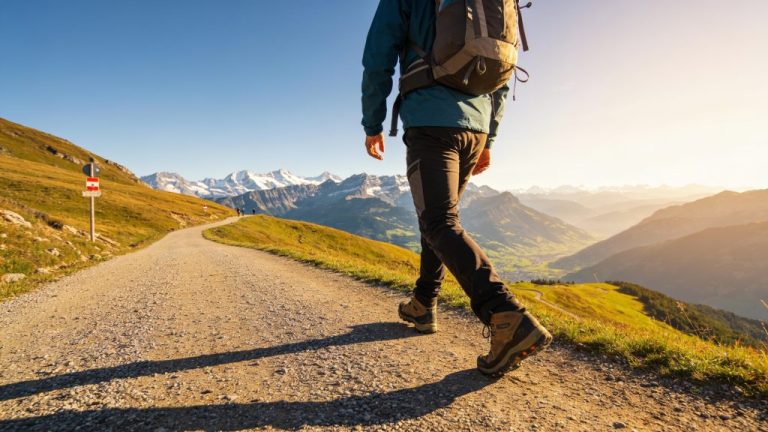
From May to September is the most popular period for a trip to the Alps. The snow melts in the valleys, mountain passes open and the weather is generally stable with temperatures between 15 and 25 degrees Celsius. This makes the season suitable for multi-day hiking tours, cycling trips and exploring clear mountain lakes.
In May and June the Alpine flowers are in bloom and the trails are quieter than in the peak summer months. Temperatures in the valleys are around 15 to 20 degrees, but higher mountain passes may still be closed due to snow. Always check the current status of pass openings before you set off. July and August are the busiest months, with temperatures up to 25 degrees in the valleys and between 10 and 20 degrees at higher altitudes. The weather is at its most stable then, but mountain huts and popular routes are often fully booked. So make reservations in advance.
September is an excellent month for experienced hikers. School holidays are over, the heat eases and the trails are pleasantly quiet. Temperatures drop slightly, but the days are still long enough for extensive hikes. Do bear in mind that above 2,500 metres early snowfall is possible.
Practical tips for summer hikes
- The southern Alps, such as the Dolomites and Slovenia, are warmer than the northern regions in Austria and Switzerland.
- Always pack waterproofs, warm layers and offline maps, as the weather can change quickly.
- Visit well-known spots such as Lago di Braies early in the morning for peace and better photos.
- Use apps such as bergweer.eu for up-to-date forecasts at altitude.
‘ September, on the other hand, combines beautiful autumn colours with empty trails and pleasant temperatures, but does require extra alertness for snow above 2,500 metres. ’
What is the best month for a hiking holiday in the Alps?
The best month for a hiking holiday depends on your experience and preferences. Early July offers stable weather and is less busy than August, which makes it suitable for quiet hut-to-hut treks. September, on the other hand, combines beautiful autumn colours with empty trails and pleasant temperatures, but does require extra alertness for snow above 2,500 metres.
Winter in the Alps: the peak season for winter sports
From December to April, winter sports enthusiasts head to the Alps for skiing and snowboarding. Snow reliability varies by month and altitude, with higher areas offering a longer season guarantee.
December has changeable snow reliability, especially in lower areas. January is cold with short days, but offers more than 95 percent snow certainty. February and March are the best months for winter sports: the days get longer, the temperatures milder and there is more sunshine. This makes this period suitable for families and less experienced skiers. In April and May the snow melts in the lower areas, but higher slopes often remain open.
Choosing ski areas by season
- The Dolomites offer excellent slopes from Christmas to April.
- The French Alps have a long season and sometimes stay open until May.
- Book lift passes in advance during peak weeks such as the spring school holidays.
Can you ski in the Alps in summer?
Summer skiing is available on a limited number of glaciers, such as the Hintertux Glacier in Austria and the Matterhorn Glacier in Switzerland. These areas keep a few pistes open all year round. The offering is more limited than in winter, though. Snow quality and the number of lifts in operation vary by season and weather conditions.
‘ Accommodation prices are 30 to 50 percent lower than in peak season, and tourist hotspots are considerably quieter. ’
Spring and autumn: shoulder seasons for peace and budget
April, May and October are the shoulder seasons in the Alps. These months have pleasant temperatures between 15 and 20 degrees Celsius and are suitable for day hikes, cycling trips and road trips. Accommodation prices are 30 to 50 percent lower than in peak season, and tourist hotspots are considerably quieter.
However, many mountain lifts and huts are closed during this period. Higher routes may be inaccessible due to snow, especially in April and above 2,000 metres. So check opening times of facilities and the accessibility of routes in advance.
Regional differences in the shoulder seasons
The southern Alps in Italy and Slovenia are milder than the northern areas in Austria and Switzerland. October offers autumn colours and mild temperatures in the valleys, while the ski areas are closed. This makes it a quiet month for nature walks and exploring villages.
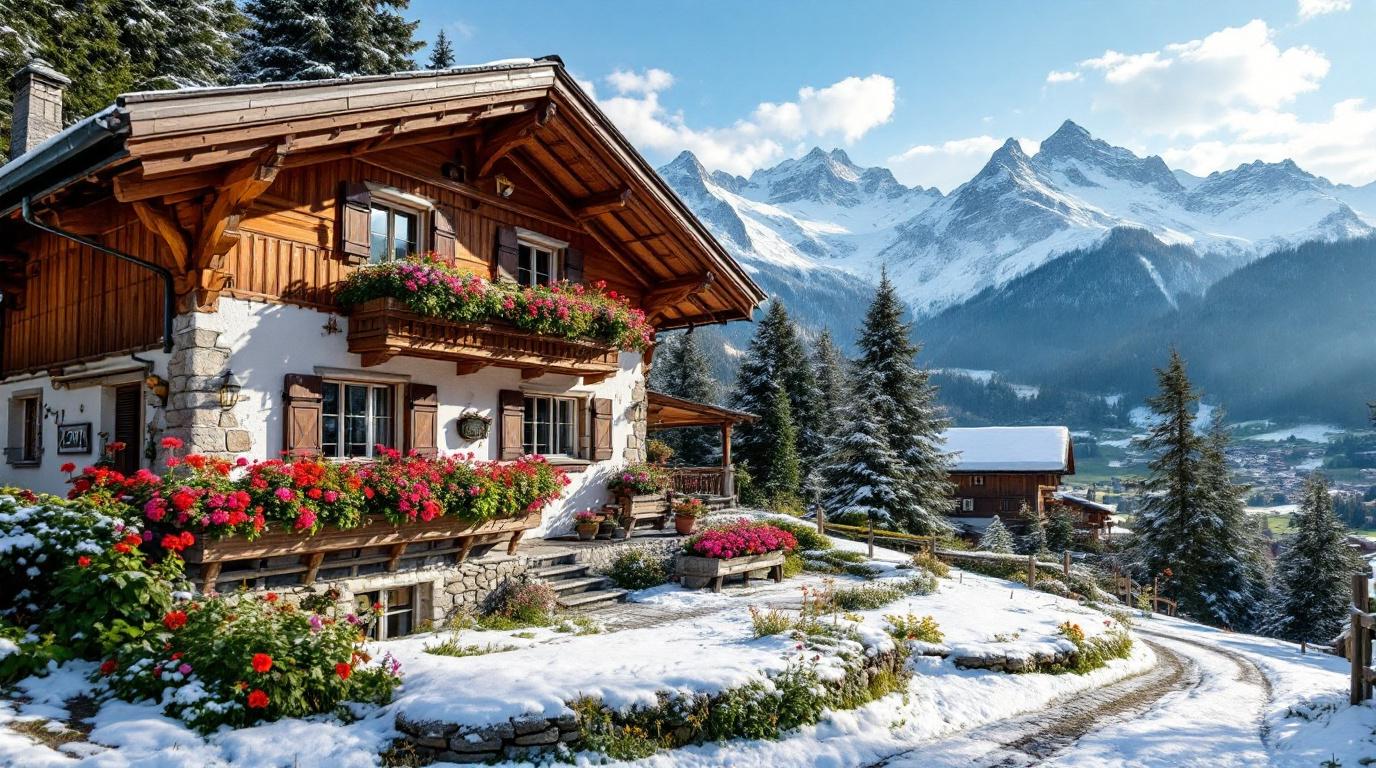
Which season is ideal for road trips through the French Alps?
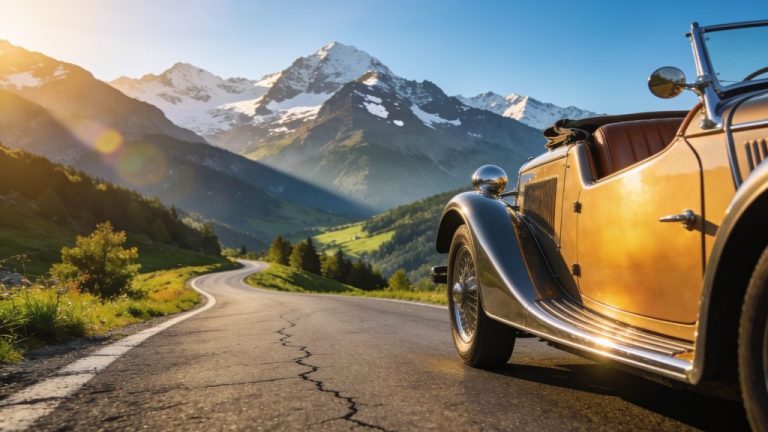
For road trips through the French Alps, May, June, September and October are the most suitable. In these months most mountain passes are open, traffic is quieter than in July and August, and the weather is pleasant without extreme heat. Spring and early autumn also offer better visibility and longer days than mid-summer, when thunderstorms are more frequent.
Preparation based on season and activity
The Alps stretch across several countries and climate zones, which affects temperature, precipitation and accessibility. When planning your trip, take the following points into account:
- Altitude determines the weather: valleys are warmer, the mountains cooler and wetter. Choose your region based on your activity.
- Download offline maps for navigation without an internet connection.
- Pack waterproof clothing, sunscreen and sturdy footwear, whatever the season.
- Follow local weather apps for current warnings, as the weather can change quickly.
- Avoid peak crowds by travelling outside school holidays and book mountain huts in advance.
‘ That way you set off well prepared and get the most out of your trip to the Alps. ’
Choose your travel time based on your activity
The best time to visit the Alps varies by activity and personal preference. Summer offers the longest days and the most opportunities for hiking and exploring, winter guarantees snow-sure skiing, and the shoulder seasons combine tranquillity with lower costs. Check local conditions in advance. Adjust your gear to the season. Check the accessibility of routes and book mountain huts or accommodation in good time.
Would you like to know more about specific routes or preparation tips for your trip? Take a look at the practical guides on route planning, accommodation and seasonal tips on Traveler Tips. That way you set off well prepared and get the most out of your trip to the Alps.
Frequently asked questions
For hiking in the Alps, June (outside Whitsun and the summer holidays) and September are ideal: stable weather, nature in bloom or in autumn colours, and significantly quieter than July–August. For skiing, your best bet is January and the first half of March, outside school holidays: good snow, longer days than in December and less busy than at Christmas and during the spring holidays.
The most stable weather conditions and best road accessibility for a comfortable road trip through the Alps are generally found in July and August. In these months most mountain passes are fully open and the weather is at its most stable, with pleasant temperatures in the valleys.
For photography and nature lovers, the Alps are at their most beautiful in May and June, when the Alpine meadows are in full bloom and snow still lies on the peaks. September and especially October are also stunning, with quiet trails and intense autumn colours in the valleys and forests.
Most mountain lifts, huts and attractions in the Alps are open in the summer months, roughly from early July to mid-September. During this period most lifts run at full capacity and mountain huts and routes are generally easily accessible. Temperatures in the valleys are usually pleasant then, around 20–25°C, while it remains cooler but comfortable in the mountains.
The best time to travel to benefit from lower prices without compromising too much on the experience is during the shoulder seasons: April–May and October. In these periods, prices for accommodation and transport are often 30–50% lower than in peak season. The weather is usually mild and suitable for hiking, cycling and sightseeing, but some lifts and mountain huts may be closed.