 NL
NL
The Southern Alps offer the best of both worlds: majestic mountain peaks combined with a Mediterranean fringe climate and rugged gorges that are hard to find elsewhere. From the legendary Mont Ventoux to the spectacular Gorges du Verdon, you will find varied routes in this region. They are ideal for a well-thought-out road trip and are also perfect for a motorbike holiday. Here you will discover why this destination is so appealing for anyone who likes to plan for themselves and wants to get the most out of the journey.
Why the Southern Alps feel different
The Southern Alps are located in the south-east of France. They form a transition zone between the high Alps and the Mediterranean. This unique position creates a different landscape and climate, clearly distinct from the northern Alps. You will find less mass tourism here, yet the area offers a wide variety of nature parks, authentic mountain villages and accessible hiking routes. Alpine holidays with a rugged character and complete freedom of choice are very much possible here, making this area an obvious choice.
The region is accessible from late spring to early autumn, with most mountain passes open from June to October. Outside this period, snowfall and closed routes can affect your planning. Always check the current status of the passes beforehand. In summer, the roads are easy to drive, while the higher areas remain cool and pleasant.
What also sets the Southern Alps apart is the combination of mountain scenery and nature parks such as Mercantour National Park. Here you experience peace and space and can spot wildlife. Multi-day hikes are also possible. Refuges are mountain huts where you can stay overnight. This mix of nature and infrastructure makes the region accessible, while the area still feels authentic and not fully overrun by tourism.
‘ The climb from Bédoin is the toughest and best known because of the Tour de France. ’
Mont Ventoux and surroundings by car or motorbike
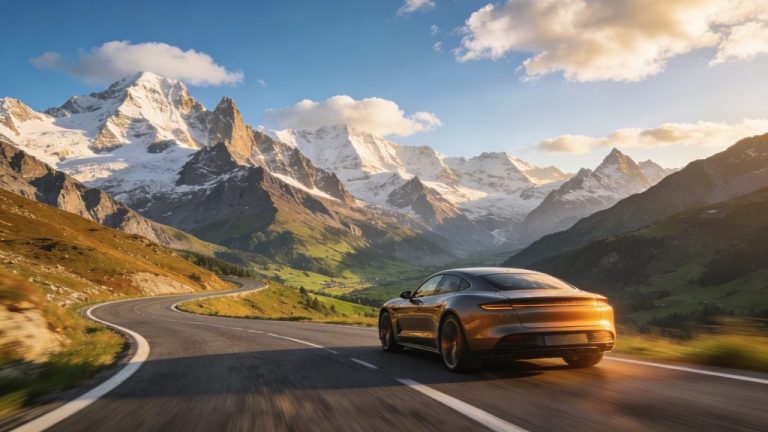
Mont Ventoux is one of the most iconic mountains in Provence and a favourite destination for motorcyclists and cyclists. The mountain has a bare summit at 1,912 metres, with an unmistakable silhouette. The route to the top takes you through forests and rocky slopes; the landscape becomes increasingly barren and resembles a lunar surface. The roads are well maintained and suitable for both cars and motorbikes, but they can be busy in summer.
Three different routes lead to the summit, starting from Bédoin, Malaucène or Sault. The climb from Bédoin is the toughest and best known because of the Tour de France. The route from Sault climbs more gradually and runs through lavender fields. Motorcyclists will find plenty of challenge in the bends, without the route being extremely technical. Drivers mainly enjoy the panorama, and the change in temperature as you climb is also striking.
Several villages lie around Mont Ventoux and make good bases. Bédoin and Malaucène offer accommodation and restaurants, while Sault is known for its lavender cultivation and calmer atmosphere. Visit the mountain and then drive along the villages and plateaus of Haute Provence for a varied day out.
Gorges du Verdon as the highlight of your road trip
The Gorges du Verdon is one of the most impressive gorges in Europe. The emerald-green river Verdon winds its way between rock walls up to 700 metres high. The area attracts active travellers but is also accessible for anyone who simply wants to drive a scenic route. Long hikes are not compulsory.
There are two main routes along the gorge: the northern Route des Crêtes and the southern D71. The Route des Crêtes is a one-way road, with several viewpoints, including the Belvédère de la Dent d’Aire and Point Sublime. This route is narrower and more winding. Are you driving a motorhome or larger car? Then be prepared for limited space when passing other vehicles. The southern route is wider and takes you past villages such as Moustiers-Sainte-Marie, known for its pottery and its location against the rock face.
Want to explore the area on foot? There are plenty of hiking routes. Some are short and lead to viewpoints, while others are demanding and take you into the gorge itself. The Sentier Martel is the best-known descent into the gorge. The walk takes a full day and requires a good level of fitness. You can also opt for a shorter hike to one of the lookouts. Another option is a visit to Lac de Sainte-Croix, where you can swim or go kayaking.
Hiking in Haute Provence and beyond
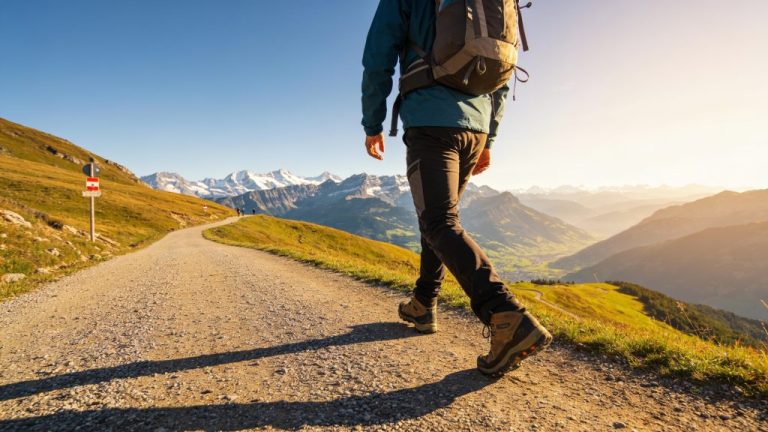
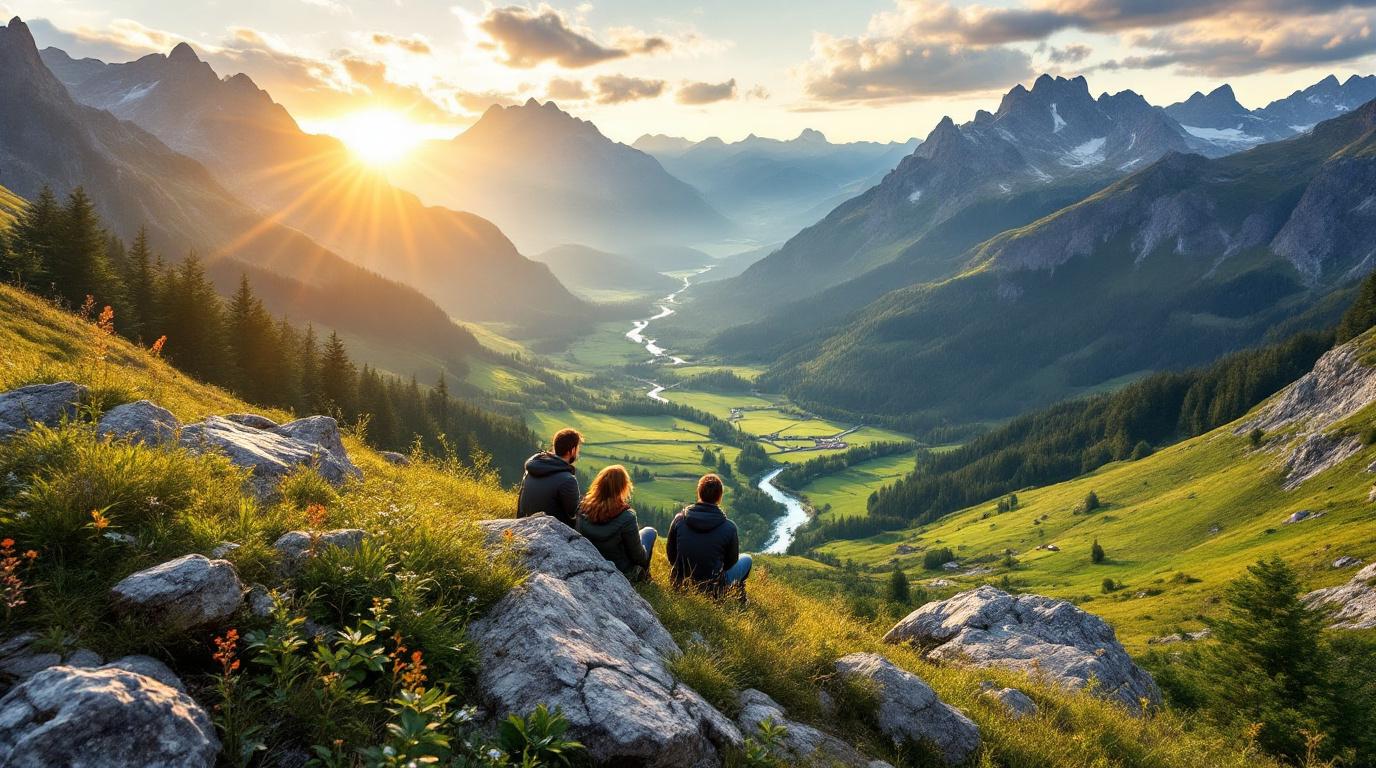
Haute Provence offers many hiking opportunities, from short day hikes to multi-day treks. The area consists mainly of lower mid-mountain ranges, which makes many routes relatively accessible. You do not need technical skills, and you will find waymarked trails everywhere. Some walks last a few hours, others take a full day.
Popular hiking areas include:
- the Valensole plateau, known for its lavender fields and rolling hills
- the area around Moustiers-Sainte-Marie, with routes along waterfalls and rock walls
- the fringes of Mercantour National Park, where you encounter Alpine flora and fauna
- the valleys around Castellane, suitable for families and beginner hikers
Always take enough water with you when hiking, especially in summer. Temperatures in Provence can rise quickly, and not all routes offer shade. Sturdy hiking boots and a map or offline navigation are essential, as waymarking is not always equally clear. Refuges or mountain huts are available for multi-day hikes. Book in advance to avoid disappointment.
Planning a motorbike holiday in the Southern Alps
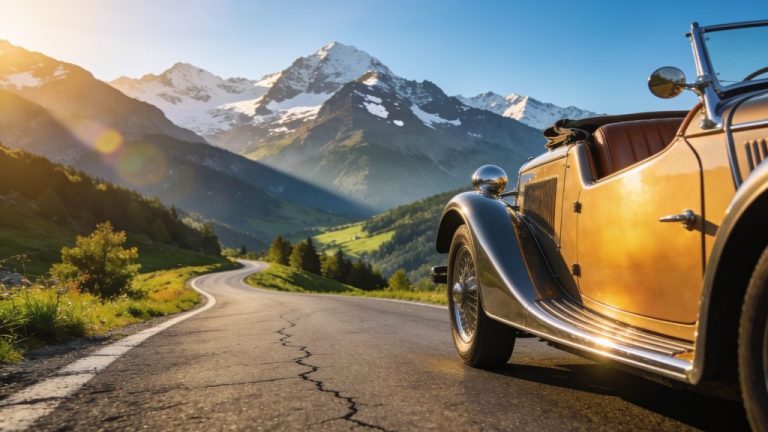
A motorbike holiday through the Southern Alps calls for thorough preparation. Mountain passes, winding roads and changeable weather conditions require flexibility, so adjust your route on the way where needed. Most passes are well maintained, but in early spring or late autumn they may still be closed due to snow.
Well-known passes and routes for motorcyclists include:
- Col de la Bonette, a high, paved mountain pass
- Col d’Allos, a pass that runs through the heart of Mercantour National Park
- Route des Grandes Alpes, a multi-day route from Lake Geneva to the Mediterranean
- Col de Turini, famous for its rally history
The weather can be changeable. Even in summer it can be cold in higher areas, and rain showers can appear suddenly. Take rain gear and an extra layer with you. Petrol stations are few and far between in sparsely populated mountain regions, so fill up whenever you get the chance.
For accommodation you can choose from small hotels, chambres d’hôtes (guesthouses) or campsites. In high season it is wise to book ahead, as popular villages fill up quickly. Castellane, Barcelonnette and Digne-les-Bains are central bases with good facilities.
Best time to visit the Southern Alps
The best time to travel depends on your activities. For road trips and motorbike holidays, June to September is ideal, with a peak in July and August. During this period most mountain passes are open and the weather is stable. Want to avoid the crowds? Opt for June or September, when it is quieter and the temperatures are more comfortable.
For hikers, spring is attractive thanks to the blooming flora and lower temperatures. Higher areas are often still inaccessible then due to snow. In autumn the landscape turns beautiful shades of colour and the paths are less crowded, but early snowfalls can block routes. Always check the status of passes and paths before you set off.
Winter sports are also possible in the region, with high-altitude ski areas that are often open from mid-November to early May. For anyone wanting to combine nature and winter sports, this is an interesting alternative to the busier northern Alps.
Practical tips for the road
Check mountain pass opening times in advance using local websites. Snow and roadworks can cause sudden closures. GPS systems are not always reliable in mountain areas, so take a physical map or offline navigation with you.
In many villages and nature areas you should respect local rules and privacy. Park only in designated places and follow signposting in nature parks. Take your rubbish with you; not everywhere is this strictly enforced, so take your responsibility seriously.
For those travelling by motorbike: be aware of mandatory equipment in France. Take a yellow safety vest and alcohol test kits with you. Speed limits apply in mountain areas and checks do take place.
‘ Here you will find practical tips for conscious and smart travel. ’
Discover more on Traveler Tips
The Southern Alps are a destination with many possibilities. With the right preparation you can get the most out of your trip. On the Traveler Tips website you will find extensive information on routes, trip planning, regulations and the most beautiful natural areas in Europe. You might be planning a multi-day road trip, choosing a walking holiday or looking for a motorbike route through the mountains. Here you will find practical tips for conscious and smart travel. Explore more and start planning.
Frequently asked questions
Some of the loveliest driving routes that offer both comfort and views include the Route des Grandes Alpes (summer), where you drive in stages along high passes and valleys, and the roads around Mercantour National Park, where hairpin bends alternate with peaceful villages. For train journeys, the panoramic lines on the southern side of the Alps are interesting, with routes running through deep valleys and past mountain lakes, allowing you to enjoy the scenery comfortably from your seat. Ideally, combine a base in an easily accessible valley village with day trips by car or train over mountain passes and through nature parks, so you get spectacular views without long, exhausting days of travel.
Travel outside the high season (spring or late summer) and avoid the most famous hotspots, such as the busiest valleys around large ski areas. Focus on lesser-known nature parks and valleys, and choose small mountain villages as your base instead of large resorts. Follow local hiking and cycling routes, and ask in mountain huts and at tourist information offices about lesser-used paths and small viewpoints. Combine one famous highlight with several days in quieter valleys, so you have enough time to experience everyday life and the genuine village atmosphere.
Essential steps include carefully planning your route and travel period, and checking which mountain passes are open and whether there are any disruptions on rail routes. For safety, have your vehicle checked (brakes, cooling system, tyres), or if travelling by train, always have travel insurance, emergency numbers and important documents available offline. For comfort, take layered clothing, sun protection, enough water and snacks, and possibly a neck pillow and earplugs for longer journeys. Finally, use offline maps or downloaded routes, so that you can still find your way in mountainous areas without mobile reception.
The best time to travel for mountain passes and panoramic routes in the Southern Alps is broadly from June to October, when most high passes are snow-free and open. During this period, routes such as the Route des Grandes Alpes and various high passes in and around parks like Mercantour are usually accessible. For quieter conditions, June or September are best, outside the busiest summer holiday weeks. In winter, many high passes are closed and the focus shifts to ski resorts and valley routes.
Use platforms such as Booking, Natuurhuisje and local tourist information sites to find small-scale guesthouses, chalets and mountain huts, and filter for sustainable or eco labels. Look in smaller villages on the edge of nature parks rather than in large ski resorts for more authentic, quieter places to stay. For food, ask locally for an “auberge”, “bistrot de pays” or markets where regional products take centre stage. Read recent reviews to check whether accommodation and restaurants support local suppliers and cook with seasonal ingredients.