 NL
NL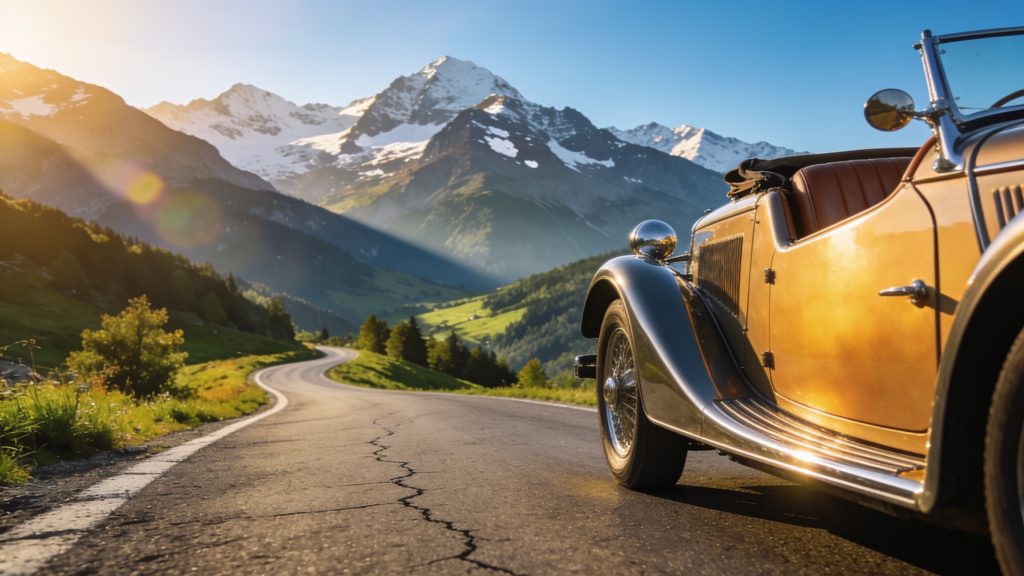
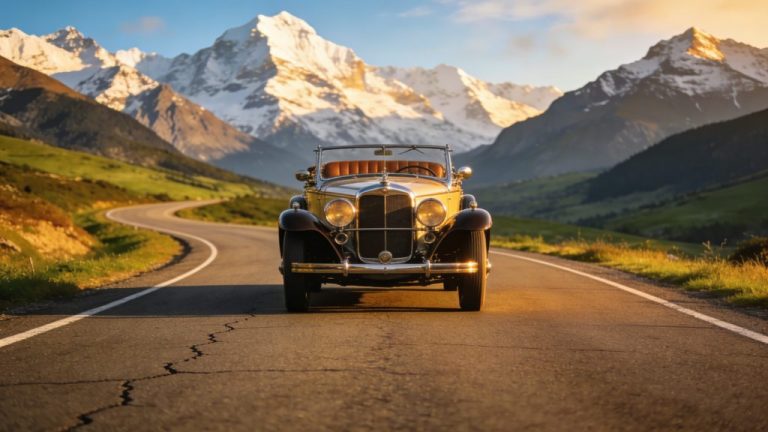
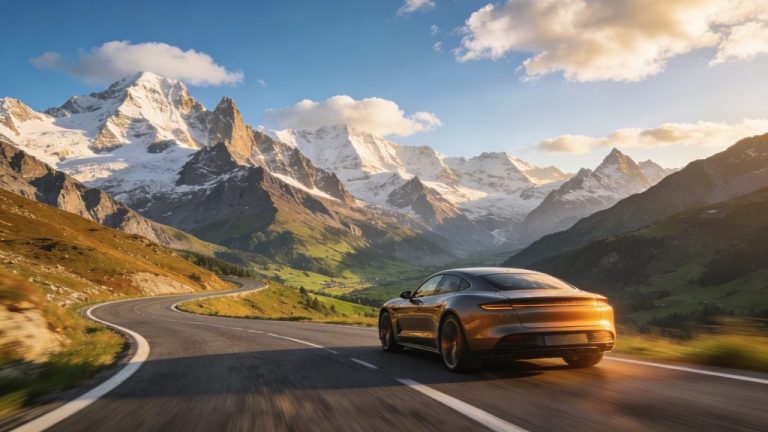
From the Grossglockner High Alpine Road to the hairpin bends of the Stelvio Pass: the Alps offer drivers a unique combination of impressive panoramas, challenging mountain roads and unforgettable viewpoints. These mountain passes form the heart of an Alpine holiday on wheels, where every bend offers a new perspective on glacial peaks, steep rock faces and crystal-clear mountain lakes. In the rest of this guide you will discover which routes are most worthwhile.
Why these Alpine passes are perfect for drivers
Not every mountain pass is equally suitable for a relaxed drive. The best routes combine good road quality with spectacular views and logical connections to other mountain roads. These passes stand out for their predictable bends, clear signposting and plenty of stopping places where you can enjoy the surrounding landscape.
For a successful mountain drive, you are mainly looking for roads that offer a good mix of driving pleasure and overall experience. Extremely steep gradients or technically demanding stretches are less suitable if you are travelling with passengers or simply want to enjoy the scenery. The following passes offer that balance.
‘ The view of the Grossglockner, at 3,798 metres the highest mountain in Austria, makes this drive particularly photogenic. ’
Top Alpine passes in Austria
Grossglockner High Alpine Road
This panoramic road through the Hohe Tauern National Park is known as one of the most beautiful mountain roads in Europe. The route takes you through 36 bends up to an altitude of 2,504 metres, with regular viewpoints along the way where you can stop. The view of the Grossglockner, at 3,798 metres the highest mountain in Austria, makes this drive particularly photogenic.
The road was specially constructed as a tourist route and offers a smooth driving experience without extreme technical challenges. You pay tolls for this road, but the expense is worth it for the comfort and infrastructure you get in return.
Iconic routes in Switzerland
Furka Pass, Grimsel and Susten
These three passes together form a classic Swiss loop that you can drive in a single day. The Furka Pass (2,429 metres) offers high alpine atmosphere and wide views over the Rhône Glacier. The Grimsel (2,164 metres) combines mountain lakes with imposing dams, while the Susten (2,224 metres) is known for its flowing bends and open vistas.
From Andermatt you can reach all three passes within a radius of 50 kilometres, which makes this region ideal as a base for a multi-day road trip through the Swiss Alps.
Gotthard Pass and Tremola
The old Tremola road over the Gotthard Pass is a historic route full of character. The traditional cobbled road, with its many hairpin bends, gives you the feeling of travelling back in time. The road demands more attention than modern mountain passes, but the combination of history and landscape makes this a very special experience.
Bernina Pass
This pass links Switzerland with Italy and takes you past glacial areas with alpine meadows and rock formations. The route is relatively wide and well maintained, which makes it suitable for a comfortable drive with plenty of opportunities to stop for photos.
Italian passes with bends and views
Stelvio Pass
With 48 hairpin bends on the northern side, the Stelvio Pass (2,758 metres) is one of the most iconic mountain roads in Europe. The road is well maintained and wide enough for oncoming traffic, but it does demand concentration because of the continuous series of bends. The rewards are the views of the Ortler range and the satisfaction of driving a legendary route.
Dolomite passes around the Sella
The Sella Pass and the surrounding routes through the Dolomites offer a unique combination of dramatic rock formations and varied bends. Here you drive through a landscape that is on the UNESCO World Heritage List, with characteristic pale pink rock walls that are particularly spectacular at sunrise and sunset.
The Sellaronda route, a circular drive of around 55 kilometres, combines four passes and gives you a complete experience of this exceptional mountain area.
‘ “This pass is lower than many others, but offers a peaceful drive through wide valley landscapes and forms a logical link on a longer round trip through the Alps.” ’
Cross-border connection: Reschen Pass
The Reschen Pass (1,504 metres) links Austria with Italy and is known for the lake with the famous church tower rising out of the water. This pass is lower than many others, but offers a peaceful drive through wide valley landscapes and forms a logical link in a longer round trip through the Alps.
Driving safely over mountain passes
Mountain roads require a different driving style from flat motorways. Keep these practical points in mind:
- Drive early in the day for quieter traffic and clearer visibility
- Check in advance whether the pass is open, especially in spring and autumn
- Brake progressively on descents and change down a gear where necessary
- Anticipate cyclists, motorbikes and oncoming traffic in bends
- Plan enough time to stop at viewpoints along the way
- Check whether you need a vignette or toll ticket for your route
When are the passes most accessible
Most high Alpine passes are closed from November to May due to snow and maintenance work. The exact opening times vary by pass and by season. June to September offers the greatest certainty, although July and August are also the busiest months.
For up-to-date information on opening times and road conditions, you can consult the traffic services of the country you are driving in. Many passes also have their own websites with live updates on the conditions.
Practical route combinations for several days
If you have several days, you can combine passes smartly into a logical round trip:
- Swiss high Alpine tour: Gotthard Pass, Furka, Grimsel and Susten in a loop of around 200 kilometres
- Austrian–Italian route: Grossglockner, Reschen and Stelvio for a mix of panoramas and bends
- Dolomites intensive: Sellaronda plus neighbouring passes such as Pordoi and Gardena for a week full of mountain landscapes
- Alpine classics: Bernina, Stelvio and Umbrail combined into a three-day cross-border trip
Hiring a car for an Alpine trip
If you are not using your own car, it is best to hire a vehicle with sufficient engine power for mountain roads. A petrol engine with at least 90 bhp or a diesel with good torque makes driving more comfortable, especially with a fully loaded car or at higher-altitude sections.
When hiring, pay attention to insurance cover and ask whether crossing borders is allowed if you are driving through several countries. Some rental companies charge extra fees for trips outside the country where you pick up the car.
The most dangerous Alpine passes: what’s the situation
The term “dangerous” is often used for technically demanding passes with narrow roads, steep gradients or many hairpin bends. Passes such as the Col de l’Iseran, the Colle dell’Agnello and some unpaved mountain roads require more advanced driving skills.
For leisure drivers, these routes are less suitable. The passes mentioned earlier offer plenty of challenge and spectacular views without the risks of extreme routes. If you are in doubt about a particular route, look up recent experiences from other drivers in advance.
‘ Delve deeper into the possibilities and turn your next Alpine trip into an unforgettable experience. ’
Discover more on Traveler Tips
On the Traveler Tips website you will find much more information about travelling through the Alps, from practical tips for planning your route to inspiration for destinations and sights along the way. Discover which equipment is useful for a mountain trip, how to deal smartly with vignettes and toll roads, and which seasonal considerations are important. Delve deeper into the possibilities and turn your next Alpine trip into an unforgettable experience.
Frequently asked questions
For a combination of stunning panoramas and relatively comfortable, well-maintained roads, the Grossglockner High Alpine Road (Austria) and the Swiss passes Furka, Grimsel and Susten are particularly recommended. The Bernina Pass and the Reschen Pass are also considered beautiful, but less extreme than, for example, the Stelvio Pass. In Italy, the Dolomite passes around the Sellaronda region offer impressive views with many, yet manageable, bends. These routes generally have good road surfaces, clear signposting and plenty of viewpoints, which makes them very suitable for a relaxed road trip.
Ideally, drive Alpine passes between late June and mid-September, when most passes are free of snow and officially open. Always check the current pass reports and weather forecast (fog, storms, snowfall) in advance via local traffic services or apps. It is best to drive on weekdays and early in the morning or later in the afternoon to avoid traffic jams, coach tours and large motorbike groups. Avoid weekends, public holidays and the main summer holiday weeks if you want your drive to be as quiet and relaxed as possible.
Before departure, it is essential to have a properly functioning cooling system, sufficient brake fluid and good brakes, suitable tyres (preferably summer or all-season tyres with adequate tread) and a checked spare wheel, as well as carrying a high-visibility vest, warning triangle and first-aid kit in accordance with the regulations of the countries you pass through. Check in advance whether snow chains may be compulsory and, if necessary, practise fitting them at home. On Alpine passes you must strictly follow mandatory traffic signs regarding speed limits, overtaking bans and chain requirements, and you should use engine braking (low gear) on descents to prevent the brakes from overheating. In bends, take extra care with cyclists, motorcyclists, buses and descending traffic, which often has priority in narrow hairpin bends.
A great multi-day Swiss route is the “Four-pass loop” around Andermatt: Furka Pass – Grimsel Pass – Susten Pass – Gotthard/Tremola, with overnight stays in Andermatt or Meiringen and stops at the Rhône Glacier, reservoirs and viewpoints. In Austria, a combination of the Grossglockner High Alpine Road with the Gerlos Pass is attractive, with overnight stays in Zell am See or Kaprun and visits to the Hohe Tauern National Park and the Krimml Waterfalls. In northern Italy you can plan a road trip via Stelvio Pass – Reschen Pass – Bernina Pass, with overnight stays in, for example, Bormio, Livigno and St. Moritz, plus excursions to thermal baths and mountain lakes. For lovers of the Dolomites, a loop along the Sella Pass and surrounding Dolomite passes (Gardena, Pordoi, Sella) with accommodation in Ortisei, Canazei or Corvara is ideal, combined with cable cars, short walks and viewing platforms.