 NL
NL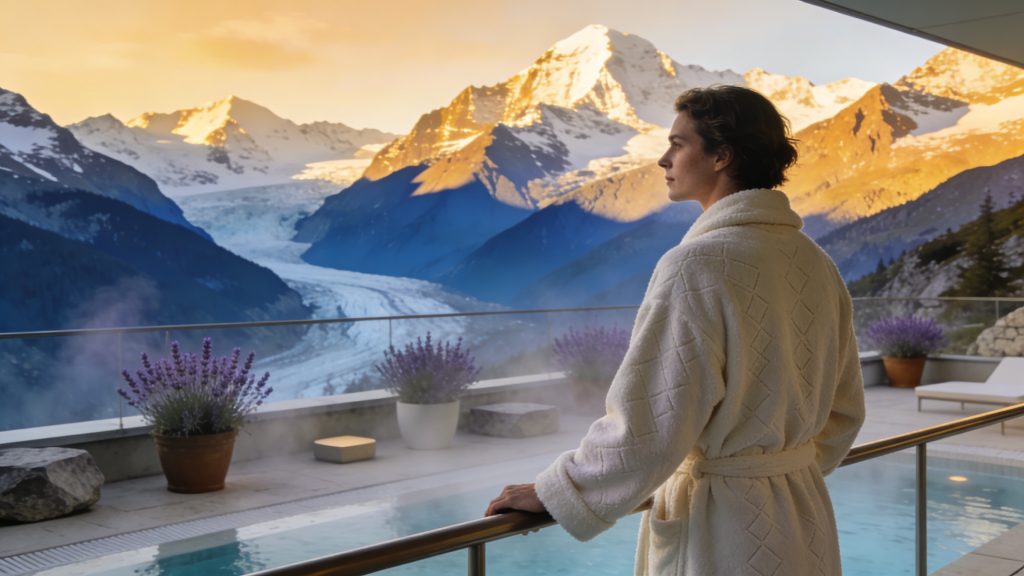
Wellness in the Alps combines luxury, nature and recovery in a way you won’t find anywhere else. Think of warm pools with panoramic views, thermal baths that have been attracting visitors for centuries and saunas where you can completely unwind after a day of hiking. An Alpine holiday is ideal for both active relaxation and pure rest. The opportunities to reset body and mind are enormous. Read on and discover which types of wellness make the Alps so special.
Why wellness in the Alps is so appealing
The combination of clean mountain air, tranquillity and natural wellness sources makes the Alps a popular destination for anyone seeking relaxation. The surroundings play a major role in this. You stay at altitude, surrounded by snow-capped peaks or green valleys, depending on the season. This landscape contributes to a feeling of distance from the everyday rush.
Many wellness hotels and resorts are located directly in nature, so you can look out over the mountains from a heated outdoor pool or sauna. This visual calm reinforces the physical relaxation. In addition, the Alps offer a unique climate: fresh air during the day, warmth and comfort in the evening.
Another advantage is the combination of relaxation and activity. During the day you hike or ski, in the evening you recover in a spa. This makes a wellness holiday in the Alps suitable for those who don’t just want to lie down, but also like to be active. The interplay between exertion and recovery contributes to a feeling of balance and energy.
Thermal baths and natural hot springs in the Alps
The Austrian Alps are known for their thermal baths. These baths use naturally warm water that rises up from the ground. The water often contains minerals that are good for skin and joints. Thermal baths here are not modern spas, but centuries-old destinations with a rich history.
Many thermal baths are located in mountain villages or smaller towns, so you can head straight into nature after your visit. The pools themselves are often extensive, with indoor and outdoor pools, lazy rivers and quiet areas. Some spas offer multiple temperature zones, from cool to hot, so you can alternate.
For travellers organising their own holiday, it is useful to check in advance whether access to the thermal baths is included in your stay or has to be booked separately. During busy periods, such as the winter holidays, it is advisable to make a reservation. Many spas have opening hours that vary by season.
What to expect in an Alpine thermal bath
- Indoor pools with warm mineral water, often between 34 and 38 degrees
- Outdoor pools with mountain views, open even in winter
- Saunas and steam rooms as a complement to the pools
- Quiet areas with loungers and lounge corners
- Treatments such as massages and scrubs, often at an additional charge
Spas in wellness hotels: comfort and views
In addition to public thermal baths, many hotels in the Alps have their own wellness area. These spas are often smaller and more intimate than large thermal complexes, but offer a similar range of facilities. You will find saunas, steam rooms, massage rooms and sometimes a small pool or jacuzzi.
The advantage of hotel wellness is the convenience. You don’t need to travel to a separate location, but can go straight to the spa after breakfast or after a walk. Many wellness hotels are geared towards guests who are active during the day and want to recover in the evening. The interior design often reflects this, with wood, stone and natural materials that match the mountain environment.
When choosing a wellness hotel, check what is included. Some hotels offer free access to the spa for all guests, others charge a supplement or work with time slots. The size and range of wellness facilities can also vary greatly. Check photos and descriptions beforehand to avoid disappointment.
Ice baths in Alpine lakes: contrast for recovery
A growing number of wellness enthusiasts combine heat with cold. Ice baths in clear Alpine lakes are a good example. After a sauna or warm bath you step into the cold mountain water. The temperature is often between 5 and 15 degrees, depending on the season and the altitude.
This alternation from warm to cold stimulates the circulation and can help with recovery after exertion. Many hikers and skiers find this invigorating. It’s not an obligation, but for those open to new experiences it adds an extra dimension to a wellness holiday.
If you want to try ice baths, start gently. Don’t stay in the water for a long time straight away, but build it up gradually. Listen to your body and stop if you feel uncomfortable. Some wellness hotels offer guidance or instruction for cold plunge activities.
Combining wellness with mountain activities
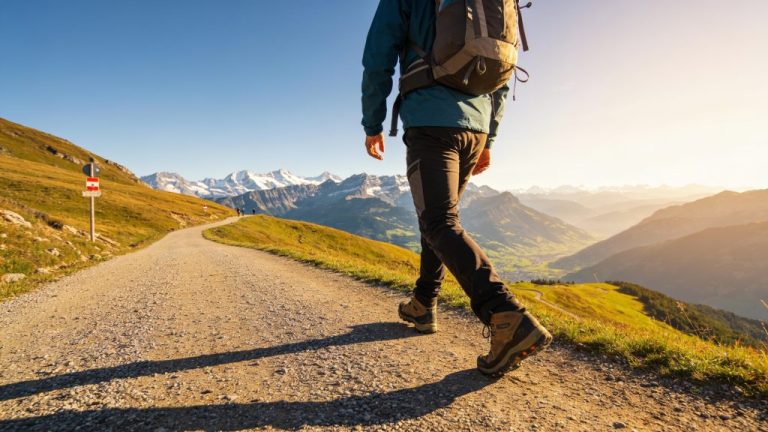
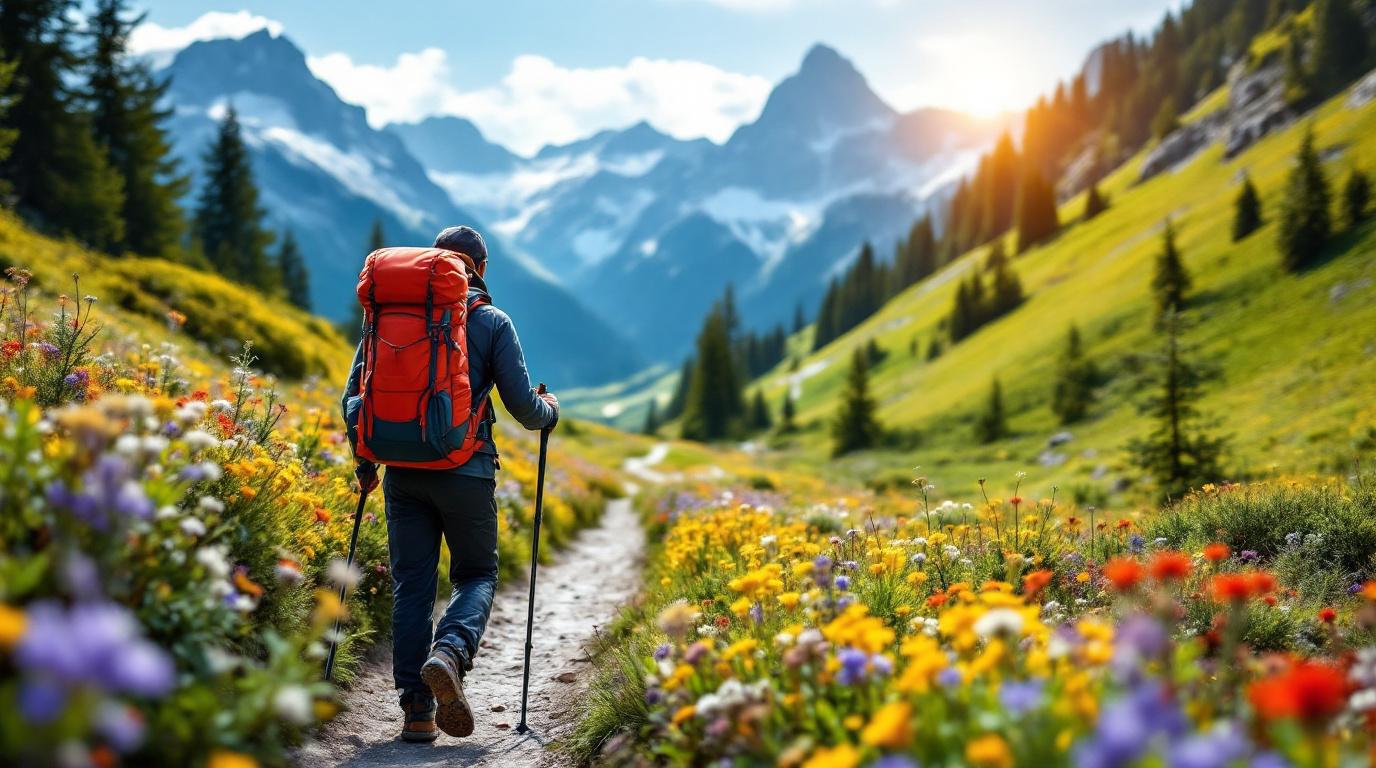
The strength of wellness in the Alps lies in the combination with outdoor activities. During the day you go on a mountain hike, cycle through the valleys or ski on the slopes. In the evening you recover in a sauna or bath. This interplay ensures that your body is both challenged and restored.
Plan your wellness moments strategically. After a long hike, a warm bath or massage is ideal for relaxing stiff muscles. On rest days you can spend longer in the spa, for example with several sauna sessions or an extensive treatment.
Many wellness hotels offer packages that combine activities and relaxation. Think of an arrangement with guided walks, access to the spa and meals. This makes planning easier and gives structure to your holiday.
Tips for an active wellness holiday
- Choose accommodation with access to hiking trails as well as a good spa
- Plan intensive activities on consecutive days, with a rest day in between
- Use the morning for activities and the evening for wellness
- Allow plenty of time for recovery, especially after long hikes or large altitude differences
- Drink plenty of water, both during activities and after visiting the sauna
Practical considerations for your wellness holiday
Several practical points play a role when choosing a wellness destination in the Alps. Think about the location of your accommodation. Do you want to be close to a large thermal bath, or would you prefer a secluded hotel with its own spa? Both options have their advantages.
The season also makes a difference. In winter, many wellness locations are busier, especially during school holidays. In summer and the shoulder seasons it is quieter and prices are often lower. The landscape changes with it: snow-covered peaks in winter, blooming meadows in summer.
Check whether towels, bathrobes and slippers are provided or need to be brought yourself. Many wellness hotels offer these, but not always. Reservation rules for massages and treatments also differ by accommodation. Some hotels work with fixed times, others by appointment.
The best regions for wellness in the Alps
Different Alpine countries offer excellent wellness opportunities. Austria scores highly thanks to its many thermal baths and its tradition of cures and wellness. Tyrol, Salzburgerland and Carinthia are popular regions with a wide range of wellness hotels and thermal baths.
Switzerland and northern Italy also have strong wellness destinations. In Switzerland you will find luxury resorts with modern spas and views of iconic mountain peaks. Northern Italy combines wellness with Italian gastronomy and culture, which is an attractive mix for some travellers.
For those travelling by car, many of these regions are easily accessible. Many wellness hotels are situated on main roads or in villages with ample parking. Check in advance whether parking is free or charged.
‘ Whether you choose thermal baths, hotel wellness or ice bathing in a mountain lake, the combination of fresh air, warmth and views makes every visit worthwhile. ’
Discover more about your next Alpine holiday
Wellness in the Alps offers a unique way to relax, recover and experience nature at the same time. Whether you opt for thermal baths, hotel wellness or ice bathing in a mountain lake, the combination of fresh air, warmth and views makes every visit worthwhile. On the Traveler Tips website you will find much more information about routes, activities and practical tips for a self-planned trip through the Alps. Discover what’s possible and make your next journey even more mindful and complete.
Frequently asked questions
Combine mountain hikes or cycle tours during the day with relaxation in a wellness hotel or thermal baths in the evening, so that exertion and recovery alternate. Choose accommodation with direct access to mountain trails and extensive spa facilities such as sauna, steam bath and massages. Plan wellness moments consciously on rest days or after intensive tours to allow your muscles to recover. Let the views and fresh mountain air be part of your wellness experience, for example through outdoor pools or panoramic saunas.
You will mainly find authentic wellness in the Alps in small-scale mountain hotels with their own sauna and pools, directly on hiking paths and with mountain views. Another option is traditional thermal baths in the Austrian Alps, where warm spring water and peaceful spa areas are central. Integrative wellness concepts in the mountains – with massages, meditation and personalised recovery programmes after hiking or skiing – also offer an experience away from the masses. Choose less touristy valleys and villages to experience maximum silence and nature.
Use filters on travel and booking sites (such as “wellness hotel”, “spa”, “thermal baths” + region in the Alps) and tick accessibility by car and/or train. In the descriptions, look for terms such as “wellnesshotel”, “spa” and “therme” in combination with comfort features like spacious rooms, tranquillity, panoramic views and good facilities. Focus preferably on well-known wellness regions in, for example, the Austrian Alps, where thermal baths and wellness hotels are often centrally located and well connected. Finally, read recent reviews to check whether wellness facilities and comfort level match your expectations.
Look beyond the best-known wellness resorts for regional thermal baths and smaller spa hotels; they often offer similar facilities for lower prices. Pay attention to what is included in the room rate (sauna, pools, massages) and compare packages instead of individual treatments. Read recent reviews focusing specifically on hygiene, crowding and staff professionalism to assess quality. Travel outside peak season or during the week, when prices drop but service and facilities remain the same.
To put together an efficient route for a wellness road trip through the Alps, focus on choosing accommodations where wellness and mountain activities are close together, to minimise travel time. Plan wellness treatments strategically on rest days or after intensive physical activities, so that recovery takes centre stage. Check in advance whether access to spas and thermal baths is included and book in good time, especially in popular regions.