 NL
NL
A road trip through the Alps treats you to spectacular mountain passes, shimmering lakes and views you will not find anywhere else, all in a short time. From the French and Italian Alps to the Austrian valleys: the possibilities are endless. Maybe you are driving a mountain pass for the first time. Or you are looking for technically demanding routes. The Alps are the destination for an unforgettable driving tour. Discover which routes suit your travel style best.
For those who consciously choose nature-rich destinations, Alpine holidays are the perfect opportunity to combine nature, culture and driving pleasure. The routes through the Alps are not just a way to get from A to B, they are the main attraction themselves.
The popularity of Alpine routes is no coincidence. In a single day you drive over high passes and through green valleys. You pass historic villages. On top of that, you can combine this with cable cars and panoramic viewpoints. It is a journey where the road itself tells the story.
What makes a road trip through the Alps special
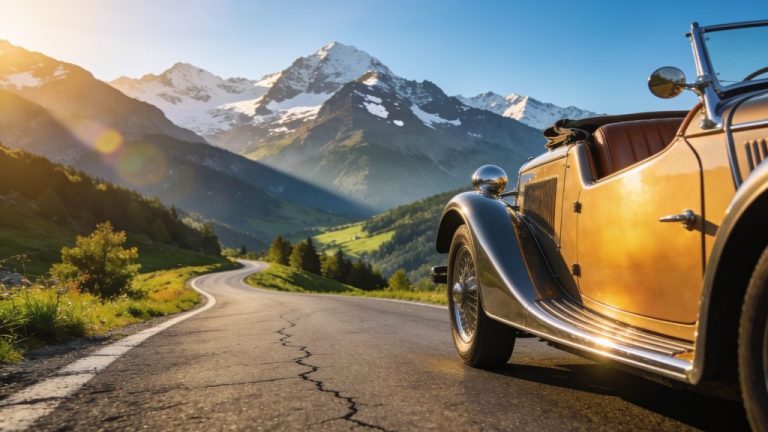
An Alpine road trip is different from other driving routes. The biggest differences are in altitude changes, bends and weather changes over short distances. You drive along technically challenging roads that lead you through breathtaking landscapes. Many routes are only accessible in certain seasons.
This makes an Alpine route ideal for travellers who want to combine nature and driving pleasure. It does require proper preparation. Each route has its own characteristics and challenges. These affect your planning and driving style.
Best Alpine road trip route by car
Your choice of the best route depends on your experience, travel period and preferences. The routes below are popular choices and each offers a different character.
German Alpine Road
The German Alpine Road is an accessible introduction to the Alps. This route runs from Lake Constance towards Königssee and is known for its beautiful varied scenery with lakes, alpine meadows and mountain villages. The roads are well maintained and suitable for all types of travellers.
What makes this route appealing:
- Few extreme altitude differences, making the route suitable for beginners
- Many possible stops without long detours
- Good to combine with regions in Austria and northern Italy
- Limited administrative hurdles and few toll roads
Swiss Alpine Pass Route
For drivers who want to experience mountain passes, the Swiss Alpine Pass Route is a classic. This route links iconic passes such as the Furka Pass, Gotthard Pass and Bernina Pass. The hairpin bends and viewpoints make these passes spectacular.
Characteristics of this route:
- High mountain landscapes and strongly varied scenery
- More technically demanding due to altitude differences and bends
- Many passes are seasonal, always check whether they are open
- Tunnels often provide an alternative in the winter months
The route is popular with experienced mountain drivers. Travellers who are looking for a driving challenge also appreciate this route. Do not plan too many passes in a single day so you can really enjoy the experience.
Dolomites and Italian Alps
The Dolomites offer a route with shorter drives, plenty of photo stops and a strong blend of nature and culture. You drive through regions such as Val Gardena and pass lakes like Lago di Braies. The jagged rock formations make the landscape unique.
Why this route is popular:
- Short stretches so you have more time for walking and photography
- Many picturesque villages and mountain restaurants
- Strong culinary and cultural character
- Suitable for families thanks to manageable daily stages
French Alps and Lake Geneva
A route through the French Alps combines lakes, mountain roads and a different atmosphere from the better-known Swiss passes. The area around Lake Geneva offers varied daily distances and plenty of options for spontaneous stops.
This route is suitable for:
- Travellers looking for a mix of city, lake and mountains
- Routes of four to five days
- Those who also want to discover smaller, less touristy villages
Bear in mind: in spring and autumn many tourist facilities are only partially open. Plan your accommodation and stops in advance.
Tips for driving Alpine passes
Driving over mountain passes is very different from driving on flat roads. The bends, altitude changes and changing weather conditions demand an adapted driving style and good preparation.
Preparation before departure
Always check whether passes are open. Many mountain roads are closed in winter and sometimes in early spring or late autumn as well. Websites of regional traffic authorities and tourist offices provide up-to-date information.
What you need to arrange in advance:
- Check pass openings and weather forecasts for each day
- Do not plan more than 100 to 150 kilometres per day in mountain areas
- Book accommodation early, especially in popular regions
- Make sure you have offline navigation that handles winding roads well
- Check whether your car insurance is valid in all the countries you will be driving through
While driving
Drive calmly and predictably. Narrow mountain roads call for patience and awareness. Use passing places to let faster vehicles overtake and avoid braking continuously on descents. Use engine braking to prevent your brakes from overheating.
Practical driving tips:
- Refuel in good time; petrol stations are scarce in mountain regions
- Set off early in the day to avoid crowds at popular stops
- Allow for sudden weather changes at altitude, even in summer
- Plan a short break every 60 to 90 minutes to relax and reset
Road trip through the Alps by motorhome
A road trip by motorhome offers freedom and flexibility, but requires extra attention to turning circles, gradients and clearance. Not every pass is suitable for larger vehicles.
What you need to check
Before you choose a route, check the maximum length, height and weight restrictions of the passes. Some roads have hairpin bends that are impractical for motorhomes. Tunnels and alternative routes can sometimes offer a solution.
Key points of attention for motorhomes:
- Check the turning radii and gradients along your route
- Reserve campsites or motorhome pitches in advance in high season
- Avoid narrow mountain passes if you are unsure about the size of your vehicle
- Bear in mind that parking at popular viewpoints is often limited
Best routes for motorhomes
The German Alpine Road and parts of the Dolomites are more suitable for motorhomes than extreme passes such as the Furka or Stelvio. Choose routes with wider roads and less steep gradients if you are travelling with a larger motorhome.
Best time of year for an Alpine road trip
The best months for an Alpine road trip are May, June, September and October. During these periods most passes are open, the weather is pleasant and the roads are less busy than in July and August.
Why these months are favourable:
- Less traffic on popular routes and at viewpoints
- Better balance between accessibility and tranquillity
- Pleasant driving temperatures and less chance of extreme weather conditions
In winter many passes are closed and tunnels are often the only option. In the peak summer season accommodation prices rise and you may encounter traffic jams at busy crossings and stops.
Essential items for your Alpine road trip
Good preparation starts with the right gear. In addition to your standard travel documents and car insurance, there are specific items you will need in the Alps.
Must-have items:
- Valid driving licences, car documents and proof of insurance
- Navigation with offline maps
- Warning triangle, high-visibility vests and mandatory equipment per country
- Sunglasses and plenty of water
- Jacket or layered clothing, even in summer
Handy extras:
- Power bank and hands-free phone holder
- Paper route overview as a back-up
- Small cool box for drinks and snacks
- Camera or binoculars for viewpoints
Smart structure for your Alpine route
A successful road trip through the Alps allows space for flexibility and rest. Many travellers plan too many kilometres per day, which makes the experience feel rushed.
A logical structure looks like this:
- Choose one or two fixed bases per region for several nights
- Plan short scenic drives as day trips from these bases
- Leave room for walks, viewpoints and spontaneous stops
- Build in one rest day for bad weather or a longer activity
This approach reduces the stress of packing and unpacking every day. You also gain more flexibility when you encounter unexpected circumstances, such as pass closures or sudden weather changes.
Stops and sights along the way
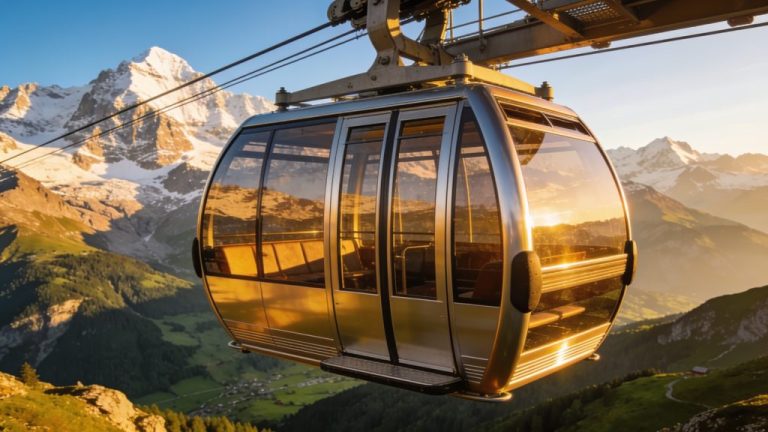
The stops are almost as important as the route itself. Mountain lakes, panoramic viewpoints, cable cars and mountain villages complete your road trip. Popular spots can be busy and tight for parking, especially around midday.
Popular types of stops:
- Panoramic mountain passes with viewing platforms
- Mountain lakes such as Lago di Braies and Lake Constance
- Historic villages with local restaurants
- Cable cars and glacier viewpoints
- Nature parks and alpine meadows
Travellers often recommend visiting popular viewpoints early in the morning or later in the day. This helps you avoid the disappointment of full car parks and crowds.
Discover more on Traveler Tips
A road trip through the Alps takes some preparation, but offers a driving experience you will not soon forget. Whether you choose the accessible German Alpine Road, the spectacular Swiss passes or the photogenic Dolomites, each route has its own character. Opt for fewer kilometres and more experiences, plan flexibly and always check pass openings and weather conditions.
On the Traveler Tips website you will find much more information about travelling through the Alps, routes across Europe, preparing for road trips and practical tips for on the road. Explore more and plan your next journey with confidence.
Frequently asked questions
Combine famous highlights (such as the Furka or Gotthard Pass, the Dolomites around Val Gardena, the German Alpine Road) with lesser-known valleys and villages by choosing one fixed base per region and making loop-shaped day trips from there. Limit daily driving time to around 3–4 hours and plan a stop every 60–90 minutes at a viewpoint, lake or village. Use maps and travel blogs to add smaller mountain roads and less touristy lakes alongside the iconic passes. When planning, take into account pass openings, the weather and alternative tunnels so you have more comfortable stretches available in bad weather.
Check the maximum speeds, requirements for daytime running lights, winter tyres and safety equipment for each country, so that you drive in line with the local traffic rules everywhere. Find out in advance where environmental zones (such as Umweltzonen, ZTL zones or low-emission zones) are located and whether you need a sticker, registration or face a ban for older cars, and plan your route around these. Buy the correct road vignettes in good time (or arrange digital toll registration) for countries such as Switzerland, Austria and Slovenia, and inform yourself about any tolls for specific tunnels or mountain passes. Keep all vignettes, environmental stickers and toll passes clearly visible and keep proof of payment and documents to hand for inspections.
The best periods are generally May and June, and September and October. In these months you often have pleasant and stable driving weather with roads that are easy to drive. The views are spectacular, with snow on the peaks in spring and autumn colours later in the year. In addition, it is clearly less busy in these periods than in high season.
Choose accommodation based on your preferred travel pace: plan an overnight stop roughly every 2–3 hours of driving so that your daily stages remain relaxed. Combine charming mountain huts in quiet, panoramic locations for atmosphere with hotels in larger towns for comfort and facilities such as a spa, parking and a good breakfast. Read recent reviews specifically for things like noise, bed comfort and parking, as these directly affect your road trip experience. Book the most popular huts and well-located hotels well in advance, especially in high season and near famous passes.