 NL
NL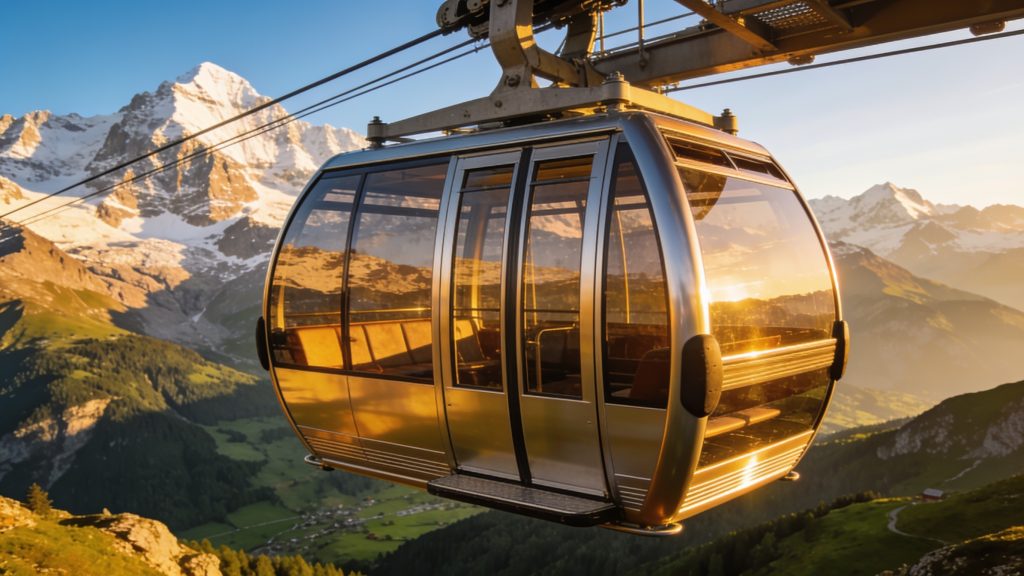
Cable cars give access to viewpoints, mountain tops and hiking trails that would otherwise take hours of climbing. Especially in the Alps, modern gondola lifts are a smart way to gain altitude, admire panoramas and plan your holiday more efficiently. Travelling with the family, looking for a spectacular mountain experience or wanting to combine a walk with comfort: the right cable car makes all the difference.
Why you use cable cars during Alpine holidays
In the Alps, cable cars are more than just transport. They make high Alpine areas accessible for travellers who do not want or are not able to climb, save time and energy, and open up routes that would otherwise only be reached by experienced mountain hikers. In Austria, Switzerland, France and Italy, cable cars are deliberately used as part of the tourist infrastructure. They offer regular connections, modern cabins and service points at altitude.
In the Kitzbühel Alps, 36 gondola and chair lifts operate in summer. In the Swiss Alpine region, cable cars lead to iconic destinations such as Jungfraujoch, Gornergrat and Glacier 3000. In the French Alps you will find 28 aerial tramways. These take you to glaciers, viewpoints and high-altitude mountain stations. For many travellers, the ride itself is already an experience.
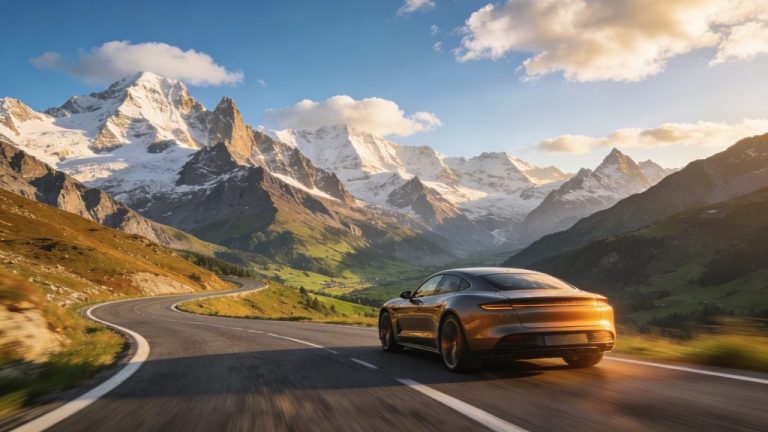
In addition, many cable cars are easy to reach by car. Car parks at valley stations make them suitable for anyone planning a driving holiday through the Alps and wanting to combine stopovers with highlights.
‘ This station is known as the highest railway station in Europe. ’
Highest cable cars in the Alps
The Aiguille du Midi near Chamonix in France reaches an altitude of 3,842 metres. The cable car takes you in two stages to a spectacular viewpoint on Mont Blanc. There you are standing on a high Alpine plateau. All around you, you see glaciers, mountain peaks and vistas across three countries. The ride is suitable for everyone, but can be quite impressive due to the altitude and the weather.
In Switzerland, the cable car to the Jungfraujoch takes you up to 3,454 metres. This station is known as the highest railway station in Europe. Access is partly via cable car connections. The area is well developed, with hiking trails, ice caves and covered panoramic viewing platforms.
The Klein Matterhorn near Zermatt is also accessible by cable car. From the top station at 3,883 metres you have views of the Matterhorn and surrounding glaciers. The area is used both in summer and in winter. The cable car is often combined with walks or glacier visits.
Cable cars with car parking near the valley station
Most Alpine cable cars have a valley station that is easy to reach by car. Many stations offer free or paid parking directly at the entrance. This makes them attractive for travellers touring the Alps in their own vehicle.
In Montafon, Austria, several cable cars are in operation. These cable cars are located around Kristberg, Gargellen, Golm and the Silvretta region. All these valley stations are accessible by car and have parking facilities. The same applies to many lifts in Tyrol. There you can get on daily between 09:00 and 17:00 without a lunch break.
In Switzerland, cable cars such as those to Rigi, Pilatus and Stanserhorn are well connected. Some stations offer shuttle buses from larger car parks. In the French Alps, at stations such as Les Grands Montets, Brévent or Vanoise National Park, you can park and then step straight into the gondola.
Check opening times and availability in advance
Many summer cable cars in the Alps are open from early May to late October. Exceptions apply per region and per lift. Some cable cars only start running from mid-May. Others already close in September. Always check the current opening times on the website or at the local tourist office. Weather conditions can also mean that a lift is unexpectedly closed.
Family-friendly cable cars in the Alps
For families with young children there are cable cars that are comfortable, safe and engaging. They do not require too much effort. The following features make a cable car suitable for families:
- Short journey time and no transfers
- Access to hiking trails or play areas at altitude
- Restaurant or picnic area at the mountain station
- No extreme altitude or sheer rock faces along the way
- Good value for money
The Golmbahn in Montafon, for example, gives access to a child-friendly hiking area with viewpoints, play areas and easy paths. In Switzerland, Rigi combines cable car, train and footpaths in an accessible mountain area with more than 120 kilometres of waymarked routes. The Hornbahn in Kitzbühel is also popular with families because of the short journey time and the option to do a circular walk with views over the valley.
In South Tyrol, cable cars such as Rotwand or Meran 2000 are set up with family routes, Alpine toboggan runs and mountain restaurants with children’s menus. These areas are accessible, easy to navigate and offer variety for different ages.
‘ This saves you hours of ascent and makes routes possible that would otherwise only be feasible for seasoned hikers. ’
Combining cable cars with walks and mountain experiences
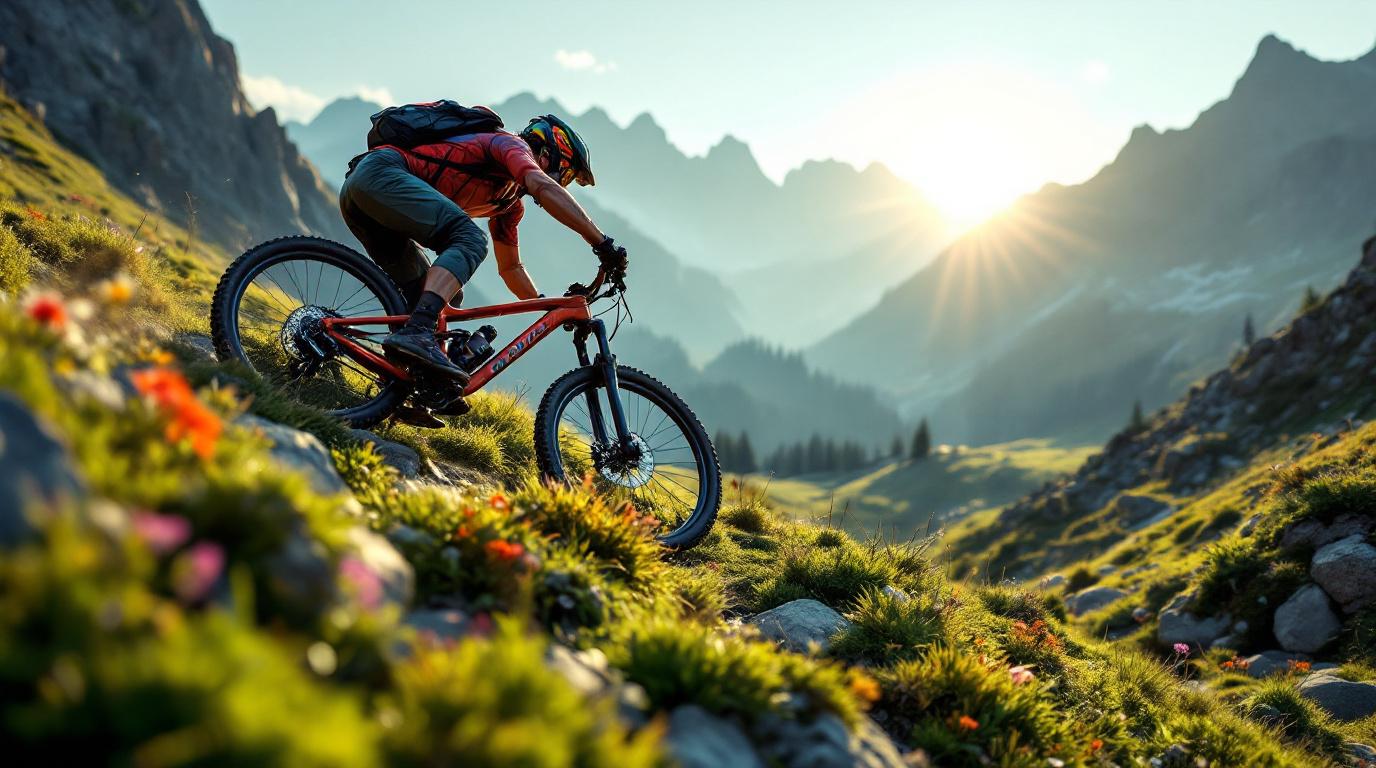
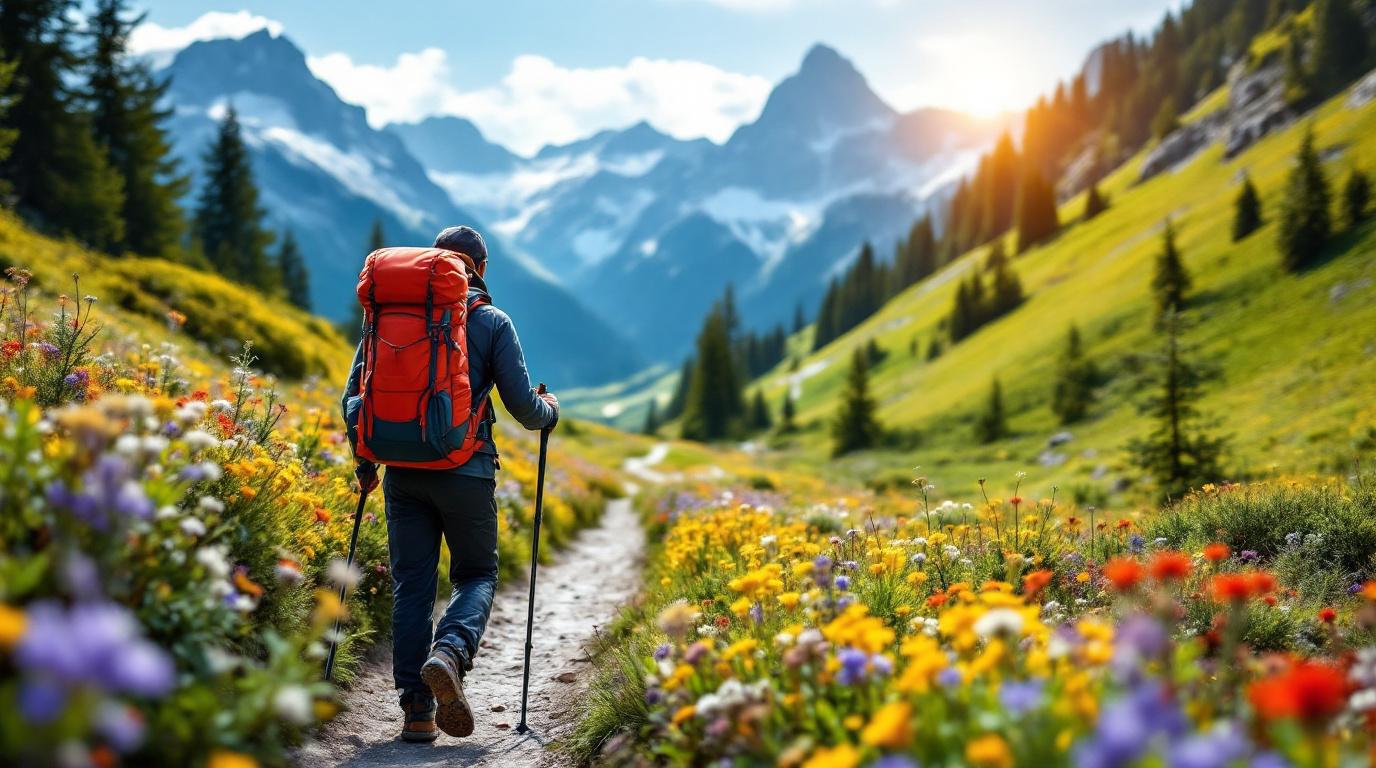
You can use a cable car to gain altitude and then continue on foot. This saves you hours of climbing and gives you access to more of the Alps. Many cable cars end at mountain stations where waymarked hiking routes start. You can do a short circular walk or a hike to a viewpoint. Longer mountain hikes are also possible.
In the Kitzbühel Alps and the Zillertal Arena, cable cars are specifically promoted as gateways to hiking networks. Some routes take you via several lifts from mountain to mountain. In this way you can combine different viewpoints in a single day. You do not have to return to the valley.
In Switzerland, you can use cable cars around Zermatt, Saas-Fee and Grindelwald. They take you to places where you can start high Alpine hikes from 2,000 metres or higher. This saves you hours of ascent and makes routes possible that would otherwise only be achievable for hardened hikers.
Pay attention to the weather and your equipment
Even if you set off from a sunny valley, at altitude it can be cool, windy or even cold. Always take an extra layer of clothing with you, even in summer. Do not forget good walking shoes, water and, if needed, sun protection. Above 2,500 metres the sun is stronger than you are used to.
Prices and ticket options
Cable car prices in the Alps vary considerably. This depends on the country, the region and the type of lift. A single journey can cost between 10 and 50 euros. The altitude, distance and infrastructure determine the price. Return tickets are often cheaper than two single journeys. Families are often offered discounts or family passes.
In Austria, many regions offer summer passes that allow you to use several cable cars per day. Examples include the Tirol Card or the Montafon Brandnertal Card. In Switzerland, some regional passes allow unlimited use of cable cars, trains and buses in a specific area.
Buy tickets online wherever possible. This saves waiting time at the ticket office and in some cases you get a discount. Also check whether your accommodation offers packages that include cable car access.
Sustainability and mountain experiences
More and more Alpine regions are focusing on more sustainable cable cars and environmentally conscious mountain experiences. In some areas, cable cars are presented as part of a responsible holiday. Examples include Montafon, Gastein and the Zillertal Arena. Modern lifts are more energy-efficient and use green energy. They are designed to limit visual impact.
For travellers who are conscious about how they travel, a cable car can be a smart choice. Instead of driving up to high mountain passes, you park below and use the lift. That reduces traffic pressure and CO₂ emissions in fragile mountain areas.
‘ Expensive, but well maintained and accessible for all ages. ’
Overview by country
Each Alpine region has its own character. In addition, each region has its own cable car industry. Below is a brief overview:
Austria
Many modern gondola lifts with a large capacity. Popular regions include Tyrol, Vorarlberg and Salzburgerland. Cable cars are often part of summer hiking passes and can be combined with mountain huts and circular walks.
Switzerland
Iconic cable cars with high-quality finish and internationally renowned destinations. Think of Jungfraujoch, Gornergrat, Glacier 3000 and Pilatus. Expensive, but well maintained and accessible for all ages.
France
Especially in the regions of Chamonix, Vanoise and Les Trois Vallées you will find spectacular aerial tramways and cable cars to glaciers and top stations. Prices are often slightly lower than in Switzerland.
Italy
In South Tyrol and the Dolomites, cable cars are well integrated into the hiking network. The combination of Italian hospitality and Austrian efficiency makes this region attractive for families and walkers.
What else you can discover
On the Traveler Tips website you will find more information about hiking routes, mountain destinations and car journeys through the Alps. You can also read about low-emission zones and practical preparations for your holiday. Whether you are planning to visit several countries, take a road trip through Tyrol or are looking for the most beautiful viewpoints: there is plenty to discover to help you plan your Alpine holiday in a smarter, more conscious way.
Frequently asked questions
For a road trip or train journey, the cable cars to iconic viewpoints along well-connected valleys are ideal. Recommended options include the Aiguille du Midi near Chamonix (Fr), Jungfraujoch, Gornergrat and Rigi in Switzerland, all of which are easy to reach by car or train and offer spectacular panoramas. In Austria, the cable cars in Montafon and the Kitzbühel Alps are interesting: they lie close to main roads and railway lines and quickly give access to high viewpoints and hiking trails. By planning your route along these valleys, you can combine several cable cars in one Alpine road trip or train journey.
Yes, in various Alpine regions there are special regional passes and combination tickets that allow you to use several cable cars within one area. These are particularly attractive for independent travellers who want the flexibility to explore different mountain areas. The conditions, period of validity and prices differ per region and provider, so it is advisable to check the local tourist website or the relevant cable car operator for each destination.
Popular cable cars in the Alps usually operate daily in the summer season roughly between 09:00 and 17:00, but exact opening times vary per lift and period. The quietest and most comfortable times are generally before 10:00 and after 15:00, outside weekends, school holidays and the high summer season. The shoulder seasons (May–June and September–October) are often less busy than July and August, provided the cable car is open then. Many major mountain lifts have direct parking facilities at the valley station, but in popular areas it can be worthwhile arriving early or using satellite car parks with shuttle buses.
The Aiguille du Midi cable car near Chamonix is ideal to combine with high Alpine hiking routes and at 3,842 metres offers spectacular viewing platforms over Mont Blanc. In Switzerland, the cable cars to Gornergrat and Jungfraujoch are classic choices, with signposted panorama walks and impressive glacier and mountain views. The Rigi line (via cable car and rack railway) above Lake Lucerne combines well with family-friendly walking paths and several viewpoints. In Austria, areas such as Montafon and the Kitzbühel Alps offer numerous cable cars that connect directly to summer hiking routes and panoramic mountain restaurants.
For families with children and travellers with reduced mobility, modern gondola lifts in places such as Montafon (including Kristberg, Golm, Silvretta Montafon) and the Kitzbühel Alps are particularly suitable, as they are low-threshold, spacious and comfortable. In these areas, many lifts run in summer with level access and enough space for pushchairs or wheelchairs. Many Swiss mountain lifts to, for example, Jungfraujoch or Rigi are also known for their high comfort and good accessibility. On site, always check whether there are lifts, wide boarding areas and, if needed, accompanying assistance available.