 NL
NL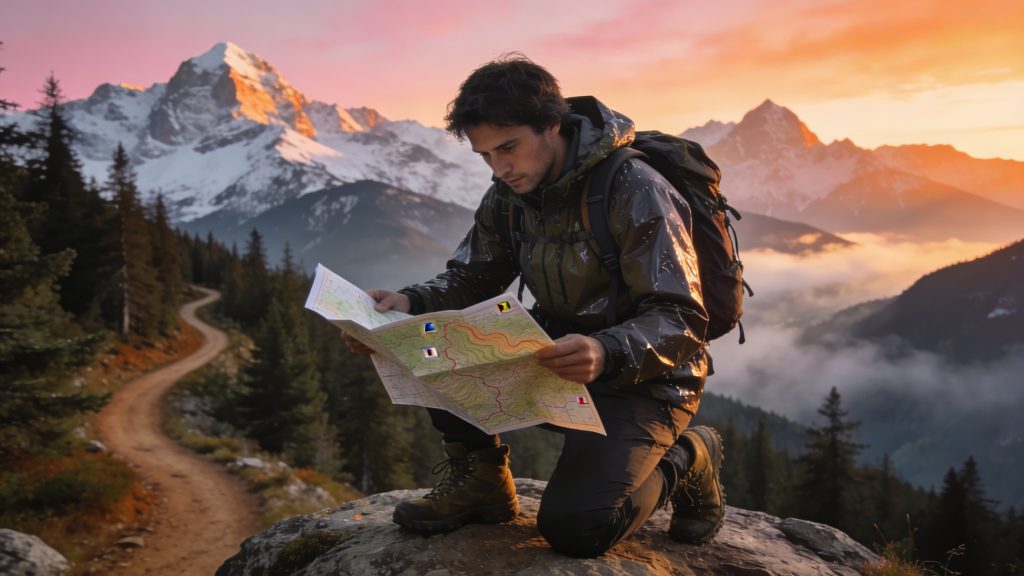
Activities in the mountains above 2,000 metres require thorough preparation, as weather, altitude and terrain can change quickly. With the right equipment, a realistic plan and knowledge of emergency signals, you can significantly reduce the risks when hiking, climbing and skiing. Anyone who takes these mountain safety tips seriously makes the chance of incidents many times smaller. Read on and discover how to enjoy your holidays in the Alps safely.
How to prevent altitude sickness in the Alps
Altitude sickness occurs when your body gets too little oxygen at high altitude. From around 2,500 metres, the risk of symptoms such as headache, dizziness, nausea and fatigue increases. Above 3,000 metres the risk becomes higher.
The most important way to prevent altitude sickness is gradual acclimatisation. Do not ascend too quickly to high altitudes. Plan stopovers at lower elevations and give your body time to adapt. A rule of thumb is that above 3,000 metres you increase your sleeping altitude by a maximum of 300 to 500 metres per day.
Drink plenty of water, even if you do not feel thirsty. Fluid helps your body to adapt. Avoid alcohol and heavy meals just before and during the first days at altitude. Eat light and regularly. Listen to your body’s signals. If you have persistent headache, shortness of breath at rest or nausea, it is wise to descend.
For those who quickly suffer from altitude-related symptoms there is medication, but always consult a doctor beforehand. Some people are more sensitive than others, regardless of fitness. Good preparation also means knowing when to stop or turn back.
Check the weather before you set off
In the mountains, the weather can change completely within an hour. Mist, thunderstorms, sudden drops in temperature and strong winds can turn a safe route into a dangerous one. Always check the weather forecast for the specific area and time period in which you will be active.
Watch out for these signs:
- Thunderstorm warnings: avoid exposure on open slopes, ridgelines and near metal objects
- Wind speeds above 40 kilometres per hour make walking hard work and can be dangerous on narrow paths
- Snow or hail, even in summer at altitude
- Sudden banks of fog that limit visibility to a few metres
Download offline maps and save the route in a navigation app. Mobile coverage is not available everywhere. Inform someone about your route and expected return time. Always have a plan B ready, such as a shorter route or alternative descent.
Which safety rules apply to mountain hikes
Mountain hikes above 2,000 metres demand respect for terrain, distances and changes in altitude. Most accidents are caused by overestimating your own abilities or underestimating the conditions.
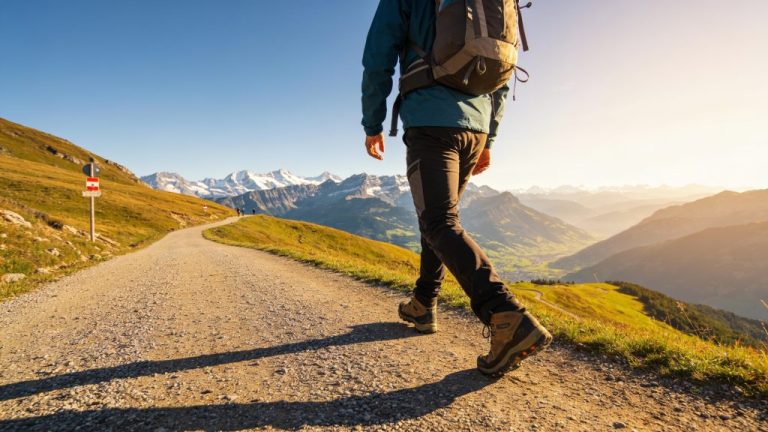
Stay on marked paths. Straying off may sometimes seem like a handy shortcut, but it increases the risk of getting lost, slipping and rockfall. Marked routes are maintained and regularly checked for safety.
Choose a route that matches your experience and fitness level. Do not only calculate in kilometres, but above all in metres of ascent and in time. An ascent of 500 metres takes on average an extra hour, depending on pace and terrain. Descending takes less time, but requires more concentration.
Wear mountain boots with sufficient grip and support. Good footwear prevents sprains and slips on loose stones, mud or wet rock. Use trekking poles for extra balance and to take the strain off your knees, especially when descending.
Take enough water, energy-rich snacks and emergency gear:
- At least 1.5 litres of water per person
- First aid kit including blister plasters and painkillers
- Head torch and power bank
- Emergency blanket
- Extra warm layer, even in summer
- Whistle for emergency signals
Be alert during the descent. Fatigue, loose rocks and steep sections make this phase riskier than the climb. Keep to a steady pace and take breaks when you get tired.
What to do in bad weather on Alpine passes
Bad weather on a mountain pass can quickly become dangerous. Mist reduces visibility, rain makes paths slippery and wind can throw you off balance. At the first signs of deteriorating weather it is wise to stop and assess whether it is safe to continue.
Seek shelter in strong winds or thunderstorms. Stay away from isolated trees, rocky outcrops and metal objects. Sit low to the ground, preferably in a hollow or against a rock face. Wait until the storm has passed.
In thick fog and limited visibility, navigation becomes difficult. Use your GPS or map app and follow the marked path carefully. Walk slowly and regularly check that you are still on the correct route. If you are in doubt, turn back or wait until visibility improves.
Sudden cold calls for extra clothing. Temperatures at altitude can drop quickly, especially with wind and precipitation. Put on an extra layer before you start to feel cold. Hypothermia can set in quickly and leads to impaired judgement.
‘ Recognise the symptoms of common problems and know when to call for help. ’
Recognise the symptoms of emergencies
In the mountains, small warning signs can escalate quickly. Recognise the symptoms of common problems and know when to call for help.
Altitude sickness manifests itself through headache, dizziness, nausea and extreme fatigue. In the event of severe symptoms such as vomiting, confusion or difficulty breathing, you must descend immediately and seek medical help.
Hypothermia starts with shivering and cold hands and feet. Then speech slows, movements become uncoordinated and alertness decreases. Put on dry, warm clothing, seek shelter and have a hot drink. In cases of severe hypothermia, professional help is required.
You notice dehydration through headache, dry mouth, dizziness and dark urine. Drink regularly, even if you do not feel thirsty. At altitude you lose fluid more quickly due to dry air and increased breathing.
Use the right emergency signals
If you are in trouble in the mountains, it is important to attract attention in the right way. The international Alpine emergency signal consists of six signals per minute, followed by a one-minute pause. Repeat this pattern until help arrives.
Use a whistle, torch, mirror or wave an item of clothing. Six whistles, flashes or waves per minute. Someone responding gives three signals per minute in return.
In an emergency, call the general European emergency number 112. Clearly give your location using GPS coordinates, mountain names or landmarks. Describe the situation, the number of people and any injuries.
In many Alpine areas there is a specific mountain rescue number. Find out in advance which number applies in the area where you will be active. Save this number in your phone.
Prepare for wintry conditions
Activities in the mountains during winter or in periods with lots of snow require extra preparation. Snow, ice and avalanche risk greatly change the nature of the hazards.
Check the avalanche risk before you set off. Avalanche forecasts are available by region and updated daily. Avoid routes with a high avalanche risk. Stay on marked and controlled paths.
Wear suitable winter clothing in multiple layers. A warm mid-layer, windproof and waterproof outer layer, gloves, hat and good socks are essential. Take extra clothing with you for emergencies.
Use spikes or crampons on ice and hard-packed snow where necessary. These aids significantly improve grip. Practise using them beforehand, as incorrectly fitted gear increases the risk of falls.
‘ Safety always comes before ambition. ’
Know your limits and turn back in time
One of the most important safety rules in the mountains is knowing when to stop. Pushing on despite doubt, fatigue or poor conditions leads to dangerous situations.
Listen to your body’s signals. Pain, dizziness, extreme fatigue or shortness of breath are clear signs to take a break or to turn back. Always take these signals seriously, even if the summit seems close.
Keep an eye on the time. Start early and allow enough time for unforeseen delays. Make sure you are back well before dark, unless you have the equipment and experience for walking at night.
If you are in doubt about the route, the weather or your own fitness, the rule is always: turn back. The mountain will still be there and another opportunity will come. Safety always comes before ambition.
Discover more useful tips on Traveller Tips
Safety in the mountains starts with good preparation and realistic planning. With the right equipment, knowledge of weather conditions and respect for your own limits, you make every mountain trip safer and more enjoyable. On the Traveller Tips website you will find much more practical information about mountain holidays, routes, equipment and preparation. Explore the site and plan your next mountain trip with confidence.
Frequently asked questions
Based on the text “[object Object]” I cannot determine a substantive question or context and therefore cannot formulate an appropriate answer.