NL
NL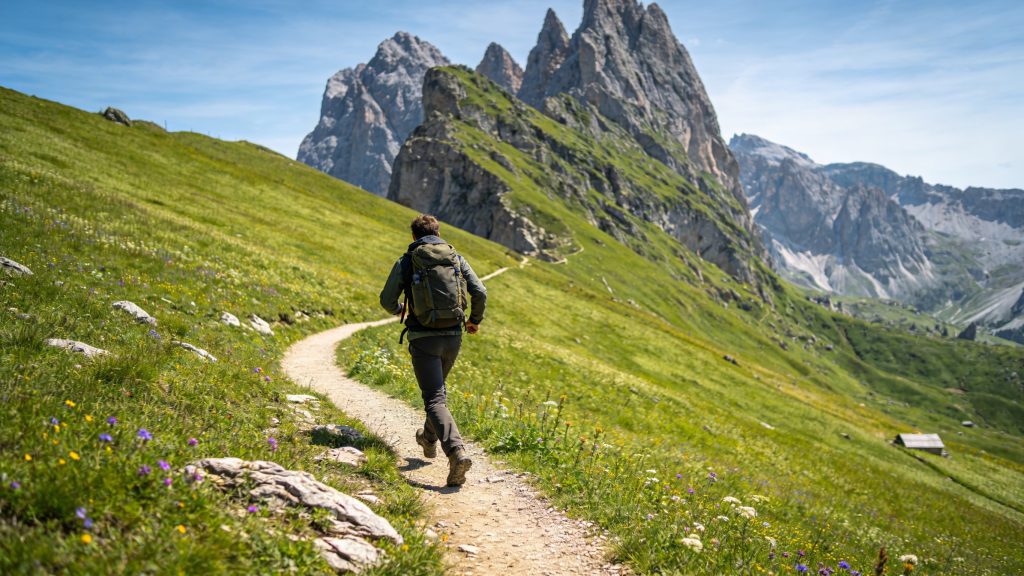
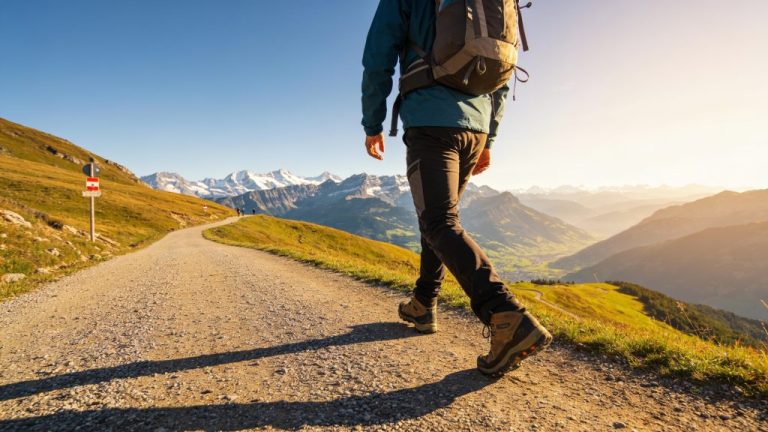
June and July are ideal months for a walking holiday in the Alps, with pleasant temperatures, flowering alpine meadows and minimal snow at lower elevations. This period combines optimal hiking conditions with spectacular nature, perfect for both beginners and experienced mountain walkers. The summer months offer plenty of options for organised treks and self-planned routes. Alpine holidays in June and July guarantee unforgettable hiking experiences between imposing peaks and green valleys. Discover which routes best match your level and how to prepare smartly for this mountain adventure.
Why June and July are ideal for hiking
In June the Alps transform into a blossoming paradise. Temperatures are pleasant for walking and most low-lying routes are free of snow. At higher altitude you will still encounter snowfields, so be prepared for changing conditions. July offers the most accessible period, with virtually all routes passable and fresh mountain air that makes long hiking days comfortable.
Flora and fauna reach their peak in these months. You may spot marmots, chamois and, with a bit of luck, birds of prey such as golden eagles above the flowering alpine meadows. The landscape is at its most beautiful, with colourful flower fields forming a strong contrast with grey rock walls and white summits. For nature photography, these are the best months of the entire season.
Do bear in mind the crowds in July, especially during school holidays. Mountain huts fill up quickly and popular routes see more walkers. Book accommodation well in advance and consider starting early in the morning for quieter paths and cooler weather.
‘ This significantly increases walking comfort. ’
Best walking routes for beginners
Start your hiking adventure in the Alps with accessible routes that involve little elevation gain. The Julian Alps in Slovenia offer fairy-tale valleys with well-marked paths in Triglav National Park. These six-day routes combine easy walks with overnight stays in mountain huts and local cuisine.
The Queyras area in the French Hautes-Alpes is known as a child-friendly walking region with sun-drenched paths and unspoilt nature. You walk through quiet valleys where marmots and chamois regularly appear. The routes are flexible and can be adapted to your own pace and fitness.
Around Lake Garda in Italy you will find easy day hikes with spectacular views over the lake. These family-friendly paths combine mountain scenery with a Mediterranean climate. Perfect if you want to take your first steps in the Alps without immediately climbing high peaks.
What beginners need to know
Test your fitness a few weeks before departure with daily walks in your local area. Start with routes without significant elevation changes and build up slowly. Organised group trips offer guidance and safety for those who have no previous experience with mountain hiking.
Choose routes with luggage transport if you are not used to walking several days in a row with a full rucksack. This significantly increases walking comfort. You will then be able to enjoy the landscape more. Many providers in Austria and France offer this service.
Challenging routes for experienced walkers
The Tour des Écrins in the Parc National des Écrins covers ten days of high-mountain hiking through dramatic landscapes. This route requires good fitness and previous experience with multi-day treks. You overnight in gîtes and mountain huts at considerable altitude.
Stelvio National Park in Italy offers six-day hikes of medium difficulty through impressive mountain formations. The route combines technical paths with breathtaking views. Prepare for changeable weather and temperature fluctuations between day and night.
The Pinzgauer Panorama Trail in Austria delivers panoramic vistas from high mountain ridges. This route is suitable for walkers who are used to elevation gains of up to 800 metres per day. Accommodation is more comfortable than standard mountain huts, with atmospheric hotels and guesthouses.
Equipment for high mountains
- Sturdy walking boots with good ankle support
- Walking poles for support on steep descents
- Thermal clothing for cold mornings and high altitudes
- Waterproofs and a windproof jacket
- High-factor sun cream and sunglasses
- First aid kit with blister plasters
The most beautiful destinations by country
Austria offers more than 25 different walking trips ranging from hut-to-hut tours to valley walks. The country excels in its hiking infrastructure, with excellently marked paths and frequently located accommodation. Luggage transport is widely available for those who want to travel in comfort.
France offers iconic routes such as the GR5 in Haute-Savoie for walkers with good fitness. The Chartreuse region requires a reasonable level of fitness and rewards you with remote natural areas. The Mercantour National Park combines Alpine heights with Mediterranean influences.
The Dolomites in Italy are a UNESCO World Heritage Site with steep rock formations and green alpine meadows. Routes vary from easy to very challenging. The combination of Italian hospitality and spectacular geology makes this area unique.
The Matterhorn area on the border between Switzerland and Italy attracts walkers to the iconic summit. Day hikes around this peak offer routes for different levels with unforgettable views. Expect higher costs than in other Alpine regions.
‘ Self-planned treks give maximum freedom in pace and routing. ’
Organised or self-planned hiking
Organised walking holidays take care of planning and logistics. You walk in small groups with guides who know the way and provide historical context. Accommodation and routes are booked and tested in advance. Departure dates for July 2026 are already available with several providers.
Self-planned treks give maximum freedom in pace and routing. You decide for yourself when to take breaks and how long you are on the trail. This option requires more preparation, with route research, booking accommodation and arranging transport to starting points. Digital walking maps and GPX routes (digital route files) make navigation considerably easier.
Consider a hybrid form with accommodation booked in advance but without a group guide. Various organisers offer this with route descriptions and telephone support. This combines the certainty of overnight stays with freedom while walking.
Practical preparation before you leave
Start fitness training a few months before departure. Gradually build up to longer walks with elevation gain. Train with the rucksack you are taking so your body gets used to the weight. Also walk on uneven terrain to strengthen your ankles.
Download weather apps specifically for mountain regions that give early warnings of thunderstorms. Mountain weather changes quickly and unexpected storms are common in June and July. Plan hikes with an early start so that you reach your destination before midday, when thunderstorms are most frequent.
Prepare for altitude sickness on routes above 2,500 metres. Gain height gradually and drink plenty of water. Some walkers experience headaches or nausea when ascending quickly. Listen to your body and descend if symptoms worsen.
Booking and reservations
- Compare different providers by route length and difficulty level
- Check what is included: meals, luggage transport, insurance
- Book mountain huts at least three months in advance for July
- Arrange cancellation insurance that covers mountain rescue
- Check train connections to starting points for car-free travel
Sustainable hiking in the Alps
Choose small-scale accommodation that is locally owned and serves regional products. This minimises your impact and supports mountain villages economically. Mountain huts often operate with limited resources and solar power; appreciate these efforts by using water and energy sparingly.
Stay on marked paths to prevent erosion and protect fragile alpine meadows. Take all your rubbish back down with you, including organic material. The altitude slows down decomposition processes, meaning even banana skins remain visible for months.
Travel by train to Alpine towns and use local public transport to reach trailheads. Many areas have hiking buses that serve popular routes. This reduces parking pressure in narrow mountain valleys and significantly lowers your ecological footprint.
‘ Clothing layers that you can easily put on and take off work best. ’
What to expect along the way
Mountain huts serve fresh meals with regional specialities such as local cheeses and mountain herb teas. Overnight stays are simple but cosy, with shared dormitories and communal dining areas. This atmosphere creates contact with fellow walkers from different countries.
Expect changeable weather with cool mornings and warmer afternoons. Temperatures drop quickly after sunset, especially at altitude. Clothing layers that you can easily put on and take off work best. Afternoon showers are common but usually pass within an hour.
Wildlife sightings are highlights of every hiking day. Marmots whistle their warning calls as you approach, and chamois graze on steep slopes that seem inaccessible. Early-morning walkers have the best chance of these encounters, when animals are more active.
On the Traveler Tips website you will find extensive information about other hiking destinations, practical tips for route planning and advice on the best equipment for multi-day treks. Discover more about travelling through mountain regions, travelling sustainably and planning your next outdoor holiday.
Frequently asked questions
For an optimal combination of comfort, experience and travel time in June and July, the night train (for example via Düsseldorf/Cologne – Munich – Innsbruck) to Austrian Alpine regions such as Pinzgau or the Stubai Valley is ideal: you travel while sleeping, arrive rested in the morning and are quickly on the trails. Towards Switzerland, fast ICE/IC connections via Basel to, for example, the Bernese Oberland or the region around Zermatt offer a comfortable, scenic route with few changes. If you go by car, it is best to choose early journeys via well-developed motorways (the Netherlands – Germany – Austria/Switzerland) and plan an overnight stop halfway in southern Germany for more comfort. Avoid busy ‘black Saturdays’ and, where possible, drive or travel by train on weekdays for a more relaxed journey.
Look for regions with a wide range of difficulty levels (e.g. Julian Alps, Dolomites, Queyras, Pinzgauer Panorama Trail) and filter routes by length, ascent/descent and type of path, so that both beginners and advanced walkers have suitable options. In June, choose more valley and mid-mountain routes (because of remaining snow), and in July also include higher sections and hut-to-hut tours. Use platforms and maps with reviews and photos to ensure “comfort” (good paths, luggage transport, mountain huts or small-scale hotels). For an experience-focused holiday, choose routes past mountain huts, shepherds’ huts and nature parks, and plan enough rest days for local culture and wildlife.
Book early (at least 3–4 months in advance) and choose small-scale mountain hotels, guesthouses or authentic mountain huts just outside the well-known tourist centres in order to avoid the crowds. Use hiking platforms and specialised travel organisations to find accommodation along fixed stages and look out for terms such as “Gasthof”, “Berghotel” and “Zimmer mit Halbpension” for more comfort. Plan overnight stays on weekdays rather than weekends and avoid national holidays in Alpine countries. Consider valley villages with good bus or cable car connections to the start of your routes, so you sleep comfortably but still walk in peace and at altitude during the day.
Essential items are well broken-in, high walking boots with a profiled sole, breathable and quick-drying clothing in layers (including fleece and waterproof jacket), sun protection (cap/hat, sunglasses, SPF 30+), a small first-aid kit (blister plasters, painkillers, personal medication), and walking poles for steeper or still partly snow-covered sections. For extra comfort, take lightweight snacks, a refillable water bottle or hydration bladder (at least 1.5–2 litres), a buff, dry socks in your daypack and, if needed, a light hut sleeping bag. You can set up a ‘smart’ packing list in blocks: clothing (base layers, insulation, rainwear), safety (first aid, map/GPS, charged phone + power bank, emergency whistle), comfort (toiletries in mini format, earplugs, light slippers for hut or accommodation), and documents/money/insurance details. Lay everything out at home by category, do a test packing session and weigh your rucksack (aim for around 7–10 kg for hut-to-hut tours) and remove anything you don’t really need.
Visit mountain villages with traditional architecture, small churches and local museums to learn more about mountain life and the history of the region. Plan your walks so that you can visit local markets or village festivals, where you can taste regional cheeses, sausages and wines. Take time for a stop at a mountain hut or shepherds’ hut, where you are served simple but authentic mountain dishes and often come into contact with locals. Preferably choose small, family-run guesthouses or gasthofen, where you will often receive personal tips about lesser-known viewpoints and quiet walking paths.