 NL
NL
The Alps offer a unique experience in every season, but the best period depends entirely on what you are looking for. Summer months guarantee accessible mountain trails and clear mountain lakes, while spring and autumn offer peace and lower prices. Your activities and preferences determine the ideal time to travel for an Alpine holiday. Discover which season fits your plans best.
When to visit the Alps for hiking
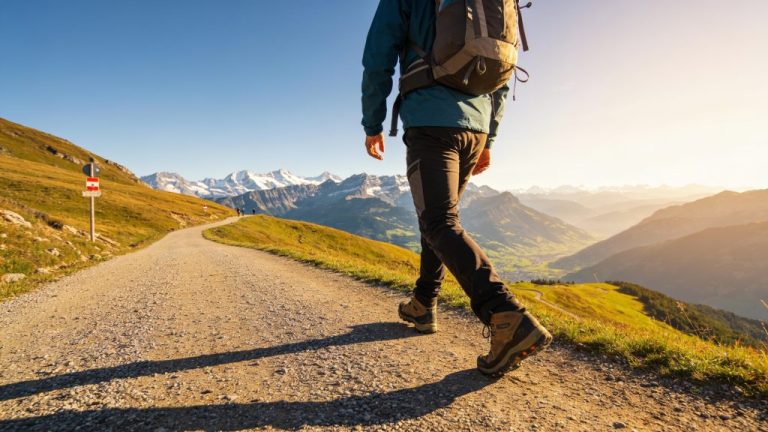
June to August are the best months to go hiking in the Alps. Temperatures are pleasant, most trails are free of snow and nature is in full bloom. This period offers warm days and cool nights. That is ideal for long day hikes without extreme heat.
In June, nature is full of wild flowers and the lakes are still cool but crystal clear. July and August bring the warmest temperatures, but also more visitors on popular routes. Early morning hikes help you avoid the crowds. They often offer spectacular light on the mountain peaks.
Many travellers choose May or September as an alternative. May brings the awakening of spring in the lower areas. Fresh waterfalls appear due to melting snow and there are fewer hikers on the trails. September offers late-summer weather with stable conditions and quiet mountain huts where you often still get fresh regional fruit.
In practice, hikers in June find the best balance between accessibility and tranquillity. Higher routes can still be limited in accessibility then due to remaining snow. The medium-altitude routes are perfectly passable. Always take rainwear with you, even in summer months, as mountain weather can change quickly.
Best month for an Alpine holiday with children
With children you preferably choose July or August. These months offer the most predictable weather conditions and all facilities are open. Cable cars run at full capacity, allowing you to gain height easily with young children without hours of climbing.
The advantages of this period for families are clear:
- Mountain lakes reach pleasant swimming temperatures between 18 and 22 degrees Celsius
- Child-friendly hiking routes are completely free of snow and well signposted
- Many mountain huts serve children’s meals and offer play areas
- Longer days give room for flexible planning and relaxed lunches
The spring half-term in February or March is also suitable for families who love winter sports. The Austrian and French Alps are snow-sure then, with milder temperatures than in January. Children’s ski lessons are widely available and many resorts have special practice areas for beginners.
September offers an alternative for families with school-age children who have some flexibility. The crowds are gone, prices fall and children still have plenty of activities. Think of cable car adventures, easy walks and visits to mountain villages without queues. The weather often remains pleasant with daytime temperatures around 15 to 20 degrees Celsius.
Spring and summer in the Alps
Spring and summer each offer their own character in the Alps. The choice depends on what you prioritise: peace and lower costs or optimal accessibility and reliable weather.
What spring offers
In May and early June, spring awakens in the mountains. Lower areas turn green, waterfalls are at their strongest due to meltwater and the air is clear. Hoteliers and restaurants open their doors after the winter season, often with favourable early-season prices.
The challenges in this period are real. Higher mountain trails often remain closed until mid-June due to snow. Not all cable cars are in operation. Not all mountain huts are open. The weather is changeable with a chance of cold days and sudden showers, especially above 1,500 metres in altitude.
Spring suits travellers who are looking for peace and quiet. It also suits those with a lower budget. And those who are prepared to adapt routes to the conditions. Photography enthusiasts appreciate the combination of snowy peaks and blooming valleys.
What summer offers
Summer months guarantee access to virtually all routes and facilities. June to August bring stable weather. They bring warm temperatures. They bring a lively atmosphere in mountain villages. All cable cars run, all paths are maintained and mountain lakes invite you to cool off.
Popular locations are busy in summer. July and August in particular are crowded due to school holidays. Well-known routes such as those in the Dolomites attract many hikers. Accommodation prices are 20 to 30 per cent higher than outside the high season.
Summer is the logical choice for those who want certainty about weather conditions. And for those who want certainty about full availability of services. Families, novice mountain hikers and those seeking maximum flexibility will find the best conditions at this time.
Mountain lakes and cable cars throughout the season
Mountain lakes reach their most beautiful period from mid-June to the end of August. In these months, the water temperature rises to a level suitable for swimming and the shores are easily accessible. Popular lakes such as Lac d’Annecy and Achensee attract many visitors then, but early in the day you can still find quiet spots.
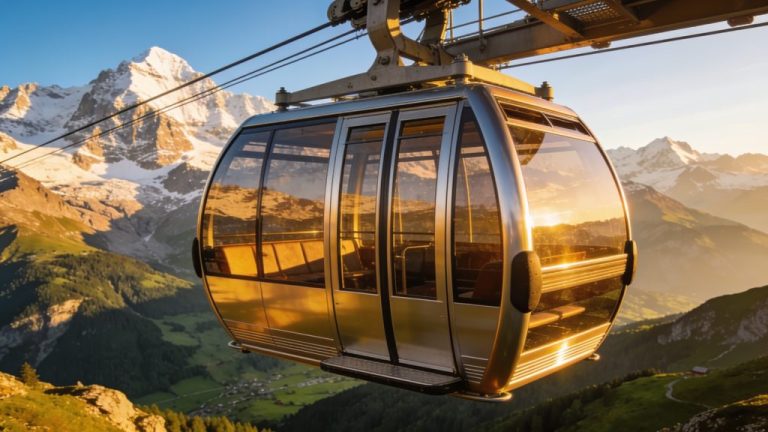
Cable cars operate timetables that vary by season. In summer months, virtually all cable cars run daily from early to late. May and September often have more limited opening hours or maintenance stops. Check the schedule in advance via local websites.
The late-summer months offer a special combination. In September, the water still holds the warmth of summer, while visitor numbers clearly drop. Cable cars usually remain fully operational until mid-September, after which they switch to weekend service.
‘ Travellers often say that September has become their favourite month. ’
Spring awakening and late-summer tranquillity in detail
The spring awakening in the Alps starts at the end of April in the lower valleys. Nature wakes up after winter. Meadows start to bloom. Wildlife becomes active. This period attracts nature lovers who enjoy peace and authenticity, often at lower accommodation prices.
Many high-altitude facilities remain closed. You need to be flexible in your planning. Weather forecasts are less reliable than in summer. Yet this period offers unique possibilities for those seeking peace and who can adapt.
September offers late-summer tranquillity. This month has the advantages of summer. It also has the calm of the shoulder seasons. Temperatures remain pleasant, most facilities are available and trails are less busy. Local festivals celebrate the harvest, which adds extra cultural experiences to your holiday.
Travellers often say that September has become their favourite month. The combination of affordable accommodation, quiet hiking trails and still full access to cable cars makes it attractive for couples and solo travellers.
Practical preparation by season
Every period requires tailored preparation. For spring, pack layered clothing. Temperatures can vary greatly between valley and mountain. Waterproof clothing is essential. Good walking boots that can get wet are also essential.
Summer months call for sun protection. At altitude, UV radiation is stronger. A good sunscreen is necessary. Sunglasses are also necessary. Take enough water with you on walks. Springs can be less reliable during dry periods.
Late summer periods combine both. Warm afternoons can suddenly turn into cool evenings. A light jacket or fleece is useful. Also take a waterproof layer for unexpected showers. Check local weather forecasts daily via reliable apps or the information from your accommodation.
If you travel outside the high season, book accommodation early. Many smaller mountain huts and hotels close between seasons. Others operate with limited capacity. Flexibility in your travel dates gives you access to better deals. You can then save up to 30 per cent compared with July and August.
Differences between Alpine regions
The French Alps have a long summer season. Conditions are reliable from May to September. Glaciers in areas such as Tignes even offer summer skiing. This means that you can also ski on the glaciers in summer. These regions are popular and well developed, which means you will find lots of facilities but also encounter more visitors.
The Austrian Alps are snow-sure for winter sports from December to March. They also have excellent summer infrastructure. The high Alps offer extra certainty regarding snow conditions. Lower areas become accessible earlier in spring.
The Slovenian Alps combine a mountain experience with influences from the Adriatic Sea. The proximity of the Adriatic Sea ensures milder temperatures and more sunshine. June to August bring plenty of sunshine and mild nights. This region is less known to mass tourism, which results in peace and authenticity.
The Italian Dolomites are spectacular. They are busy in high season. Spring and autumn offer good accessibility here. They also offer peace and quiet then. The unique rock formations look their best in the light of morning and evening, which makes photography in September extra attractive.
‘ From specific hiking routes to budget planning and what to arrange before departure, every topic is covered. ’
Find more information on Traveler Tips
On the Traveler Tips website you will find extensive information about routes, accommodation and practical tips for your Alpine holiday. From specific hiking routes to budget planning and what to arrange before departure, every topic is covered. For example, also take a look at articles about the best hiking routes per region, which documents you need for cross-border travel and how to find affordable accommodation in mountain areas.
Frequently asked questions
In winter (December–April), cold, snow-rich conditions are ideal for skiing, snowboarding and cross-country skiing. In summer (June–August), warm, sunny days with cool nights provide perfect weather for hiking, cycling and swimming in mountain lakes. In late summer (September), stable, mild and quieter weather is ideal for gentle walks, wellness and culinary trips. In spring and autumn (May–June and September), changeable but often mild conditions are suitable for peaceful hikes, nature experiences and photography trips without big crowds.
You avoid the worst crowds and benefit from better prices by travelling outside school holidays and the high season: so not in February (spring half-term) and not in July–August. For winter sports, aim for December, January or late March/early April, provided snow conditions are good. For hiking and summer holidays, it is best to go in June or September, when it is quieter and often cheaper. In the Dolomites and other popular areas, spring and autumn in particular are attractive in terms of price and comfort.
In the winter months (roughly November to April), many high mountain passes are closed due to snowfall and avalanche risk, meaning you often have to rely on tunnels and lower routes with winter tyres and possibly snow chains. In spring, passes may open gradually, but conditions are variable with a chance of remaining snow, meltwater and temporarily closed roads. In summer (usually June to September), most passes are open and driving conditions are generally good, although you should take into account traffic, thunderstorms and sometimes loose rocks. In autumn, the chance of early snow and icy conditions increases again and passes can close (temporarily) unexpectedly, making route planning extra important.
Yes, there are clearly specific periods when Alpine regions offer a unique experience. For a deep winter sports experience, February and March are ideal due to snow reliability, longer days and milder cold. For intensive hiking and cycling plans, June to August are most suitable, with long, stable days. September, on the other hand, offers a unique, peaceful late-summer experience with fewer tourists, mild temperatures and a stronger focus on wellness and culinary experiences.
For a comfortable train journey with beautiful views through the Alps, late spring and early summer (May and June) are ideal: green valleys, snow-covered peaks and trains that are still relatively quiet. September is also very suitable, with often stable late-summer weather, clear views and fewer tourists. Those who want a distinctly wintry scene should choose February or March, when there is plenty of snow but the days are already a bit longer and less extremely cold.