 NL
NL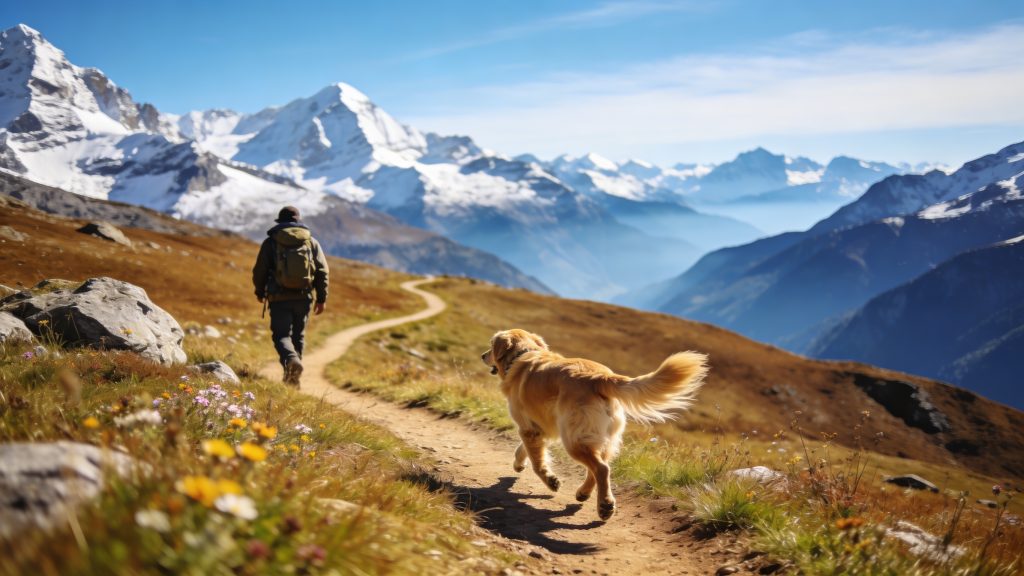
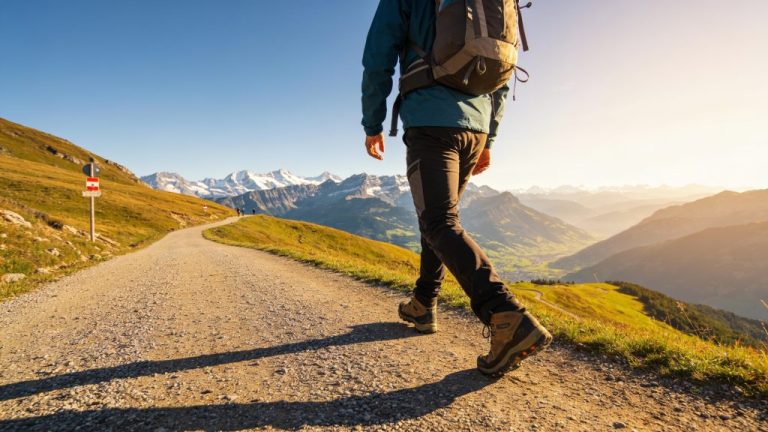
Travelling to the Alps with a dog is more than possible: it is a special experience where you both enjoy alpine meadows, clear mountain lakes and extensive hiking trails. With the right preparation, knowledge of local rules and a well-thought-out route choice, you can turn it into a comfortable and safe trip. A road trip through Tyrol is a great option. A multi-day hut-to-hut trek in the Dolomites as well. The possibilities are there. Read on and discover how to smartly plan your Alpine holidays with your four-legged friend.
Which regions are suitable for dogs
The Alps span several countries, and not every region is equally dog-friendly. Tyrol, Salzburgerland and Carinthia in Austria offer more than 15,000 kilometres of hiking trails where dogs can run off-lead in many places. Do pay attention to local signs, as leads are sometimes compulsory. The Swiss and Italian Alps around Lake Garda and in the Dolomites also have many trails where dogs are welcome. South Tyrol is known for off-lead paths, ideal for active breeds.
In France the situation is different. National parks such as Vanoise and Aiguilles Rouges completely ban dogs, even on a lead. There, choose valley routes or campsites by lakes, where the regulations are more relaxed. Check in advance for each region which zones are accessible, so you do not end up facing closed gates.
The length and altitude of the routes vary greatly. From short forest paths of 5 to 10 kilometres to full-day hikes of 8 hours. Choose a route that suits your dog. Take the breed into account. Also consider fitness. Brachycephalic breeds are breeds with a short snout, such as bulldogs. These breeds are sensitive to altitude and heat. They are less suitable for strenuous mountain hikes. It is better not to take puppies to high altitudes yet.
‘ Not all huts accept dogs. ’
Where can you stay overnight with a dog
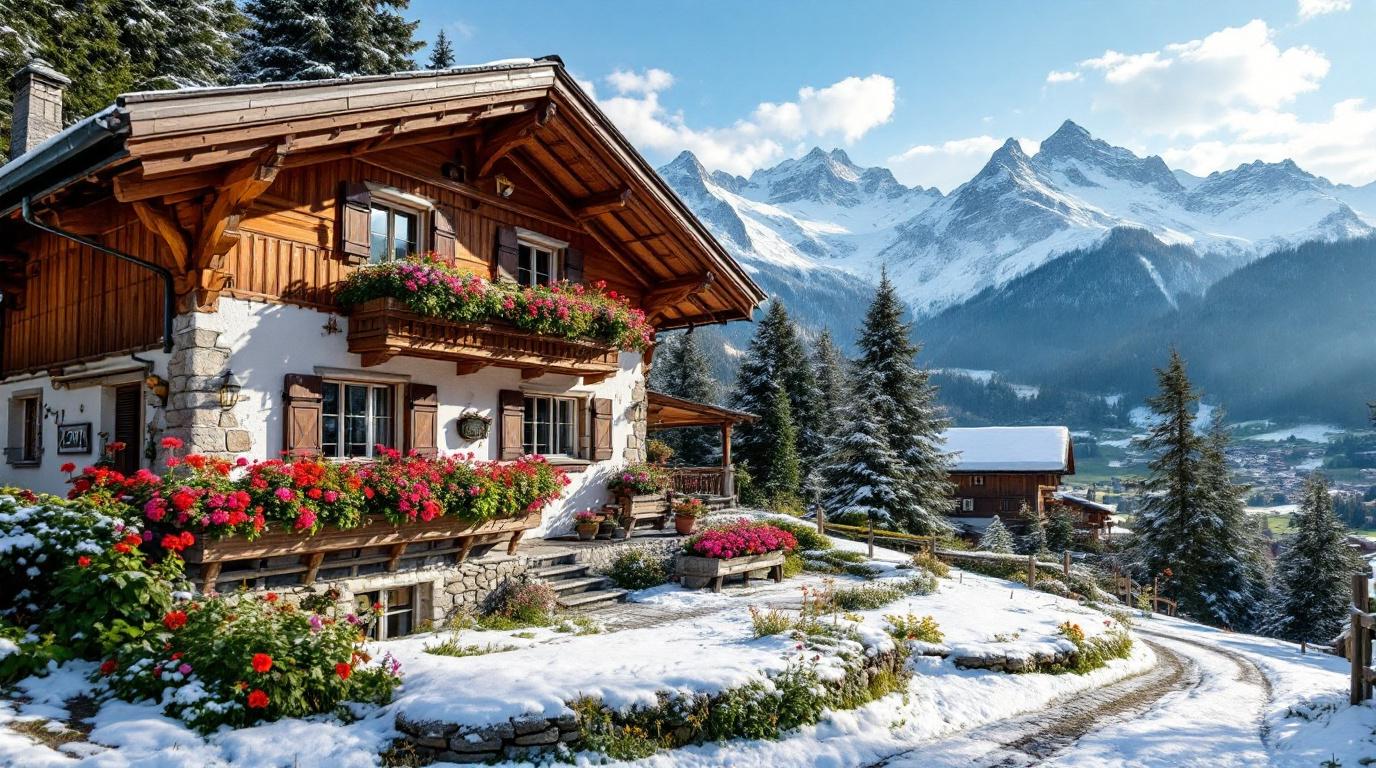
Dog-friendly accommodation is widely available in the Alps. More than 200 holiday homes in Austria accept pets, often with their own garden or close to the start of walking routes. This gives you the freedom to set your own pace and not be dependent on fixed times. Campsites along rivers offer direct access to trails and extra space for your dog.
For those doing multi-day hikes, mountain huts are an option. Not all huts accept dogs. Book in advance. Ask explicitly about their dog policy. Some mountain huts offer hiking packages with luggage transport, so you can walk light without heavy rucksacks.
The high season runs from June to September. Book well in advance for this period. Flexibility in your planning helps, as not all periods are equally busy. May and October are also suitable months with fewer visitors and pleasant temperatures.
Which documents and vaccinations are required
For travel within the EU you need an EU pet passport with a valid rabies vaccination. This vaccination must have been administered at least 21 days before departure. Your dog must also be microchipped. Some countries require proof of deworming, especially at border crossings with Switzerland and Norway.
Switzerland is outside the EU and has stricter rules. Check for each country which additional requirements apply. Do this well before departure, as some procedures take time. Keep the papers to hand during the trip, as checks can take place at borders or in national parks.
Consult your vet for a health check, especially if you are planning long walks. Ask for advice on fitness, altitude sickness and preventive measures against ticks. Take a first-aid kit with you containing a tick remover, paw balm and enough water. A cooling mat for dogs can help on warmer days.
What should you pack for your dog
Good equipment makes all the difference. A backpack for your dog in which you carry water and food saves space in your own bag. A reflective harness ensures visibility, especially on early starts or late returns. A long lead of 5 to 10 metres gives freedom of movement in open areas where a lead is compulsory.
Train your dog at home on hilly or rugged terrain if possible. That way they get used to uneven paths and slopes. A tick repellent is useful. This is also called anti-tick spray. A protective vest helps against parasites and small injuries. Do not forget enough water: during a long walk a dog needs 1 to 2 litres.
Which rules apply to dogs in the Alps
Lead requirements differ per region and season. In busy areas, national parks and around grazing livestock, keeping your dog on a lead is compulsory. Fines can go up to 500 euros in some regions. Respect signs and local instructions, even if your dog is very obedient.
Do not leave dog waste lying around. Take poo bags with you and throw them away in bins provided. Dogs must not disturb wildlife, so keep an eye on your dog in nature reserves where wild animals live. In some zones a complete access ban applies during the breeding season.
Make sure your dog does not swim in protected lakes or drinking water reservoirs. Here too, rules apply that differ from place to place. Ask at local tourist information offices or check online which rules apply to your specific route.
‘ Rescue operations in the mountains can cost thousands of euros. ’
What are the safety risks and how can you prevent them
Heat, altitude sickness and exhaustion are the biggest risks for dogs in the mountains. Monitor your dog’s breathing and take regular breaks in the shade. At temperatures above 25 degrees Celsius you need to be extra careful. Start early in the morning to avoid the hottest hours.
Above 2,500 metres altitude, altitude sickness can also occur in dogs. Inexperienced dogs should gradually get used to higher altitudes. Do not plan solo hikes without guidance or experience. A sudden health crisis on a remote mountain pass can be dangerous.
Rescue operations in the mountains can cost thousands of euros. Take out travel insurance that also covers animals. Keep the phone number of a local vet and download offline maps with GPS tracks before you leave. Check the weather using mobile weather apps. This helps you plan safe hiking days.
What are the best periods for a trip with a dog
May to October are the most suitable months. During this period most paths are accessible and temperatures are mild. The winter months bring snow and ice, which require extra equipment such as dog snow boots. Young or small dogs struggle with cold and deep snow.
Avoid the peak months of July and August if you want to dodge the crowds. Trails are busy then and accommodation is more expensive. June and September offer a good alternative with fewer visitors and comfortable conditions. Do bear in mind that some mountain huts open late in the season or close early.
Where can you find dog-friendly lakes and cable cars
Many alpine lakes allow dogs, but there are exceptions. The lakes in Carinthia and around Lake Garda are generally accessible. At some recreational lakes there are special zones where dogs are allowed to swim. Check local signs and ask at tourist information points about permitted swimming spots.
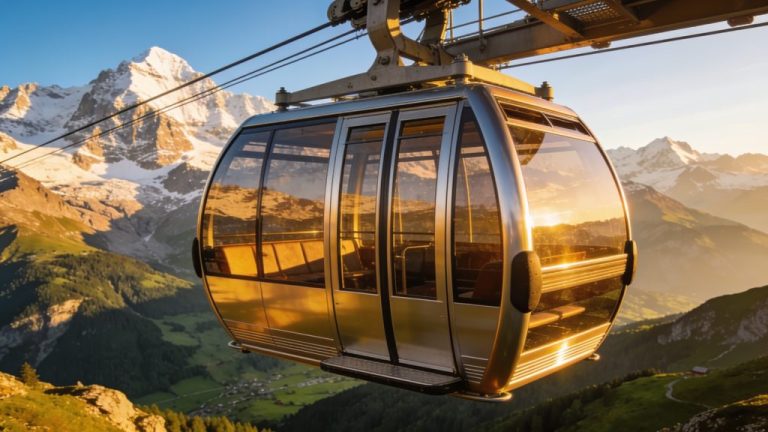
Cable cars have varying policies. Many cable cars in Austria and Switzerland accept dogs, sometimes with an additional ticket or in a crate. Brachycephalic breeds can struggle with rapid altitude changes, so consider whether a cable car is suitable for your dog. Check with the operator in advance and plan an alternative route if the cable car is not accessible.
‘ Make sure the car is well ventilated and never leave your dog alone in a parked vehicle. ’
How do you plan a successful road trip with a dog
A road trip gives you flexibility. You can visit several regions this way. Plan stopovers with toilet breaks for your dog and shade. Avoid long stretches without breaks, especially in warm weather. Make sure the car is well ventilated and never leave your dog alone in a parked vehicle.
Choose accommodation that is easy to reach from the motorway or main routes. This saves time and stress. Some campsites and holiday homes are located right at the start of hiking routes, which is ideal for setting off straight away without extra transfers. Use navigation apps that mark dog-friendly stops.
Download information about toll roads and vignettes in advance. Also familiarise yourself with environmental zone regulations. Some Alpine regions have toll tunnels where you should pay extra attention to ventilation when travelling with a dog. Allow enough time for unexpected delays or diversions. A relaxed road trip is far more pleasant than rushing from point to point.
On the Traveler Tips website you will find much more information about routes, accommodation, means of transport and preparation tips for independent travel. Discover practical guides, maps and checklists that help you plan your next trip. Explore the options and make your next holiday conscious and well prepared.
Frequently asked questions
For all Alpine countries you need an EU pet passport with a valid rabies vaccination (at least 21 days old) and a microchipped dog; this also applies in transit. Switzerland has similar requirements, but may have additional health or import rules, so you must check these in advance for each country. In many regions (especially national parks, nature reserves and around livestock) there is a strict lead requirement, indicated locally by signs. Some French national parks even completely ban dogs, including those on a lead, which means that there you can only walk with your dog in the surrounding valleys and not in the core of the park.
Plan your route with short stages (a maximum of 3–4 hours driving or on the train per day) and choose stops with walking opportunities, grassy areas and shady picnic spots or dog-friendly hotels. Use an approved travel crate or safety harness for the car, or check with train companies about lead, muzzle and ticket rules for dogs. Make sure there is enough water, ventilation, breaks every 2 hours and avoid traffic jams or heat in the middle of the day. Check the import rules for each country in advance (EU passport, rabies, microchip) and search online for “dog friendly” accommodation and routes in Alpine regions such as Tyrol or Salzburgerland.
Recommended dog-friendly regions include Tyrol, Salzburgerland, Carinthia and the Dolomites, where many types of accommodation (chalets, campsites, mountain hotels) accept dogs and are located directly on hiking trails. Choose walks along rivers, through forests or on mid-altitude mountains, and avoid strictly protected national parks (especially in the French Alps) where dogs are often not allowed. Many cable cars in Austria, Switzerland and Italy take dogs (sometimes with a muzzle or lead requirement and a small surcharge), so check the rules for each cable car. Also pay attention to heat, your dog’s fitness and the altitude, as well as lead rules around livestock, and make sure you have an EU passport, valid rabies vaccination and a small first-aid kit.
Prepare properly with a health check at the vet, a suitable harness, first-aid kit, enough water and paw protection. Choose routes that match your dog’s age, breed and fitness level, avoid extreme heat and large altitude differences, and plan regular breaks in the shade. Follow local rules (lead requirements, livestock, nature reserves) and prevent overexertion by doing shorter walks in the first few days. Save the address of a local vet and take out insurance that covers mountain rescue for emergencies.