 NL
NL
The best time to travel for canoe and kayak holidays in Europe falls between June and August, with September as the ideal month for quiet rivers such as the Dordogne. Avoid early spring because of stronger currents and flood risk. Always check water levels for each river before you set off. Discover which months best suit your chosen destination and level of experience.
Why timing your canoe and kayak holiday can make or break it
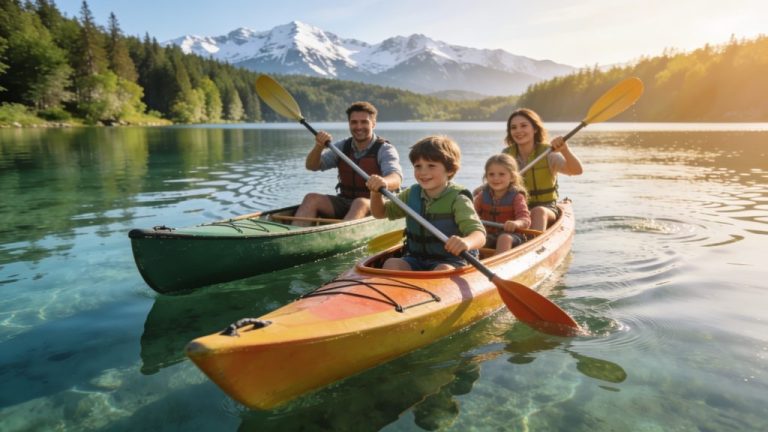
The period in which you go paddling determines more than you might think. Water levels, weather and crowds vary greatly by season. There are also major differences between rivers. From June to August the weather is stable and water levels are suitable for both beginners and advanced paddlers. For a canoe and kayak holiday in the Alps, May to September is considered the best window. Do note: spring months often bring flood risks due to meltwater.
September offers a pleasant alternative for those who want to avoid the crowds. The Dordogne, Ardèche and other southern French rivers are quieter then. Temperatures are still pleasant. Water levels in September are more stable than in early spring, reducing the risk of currents that are too fast.
‘ Europe has dozens of rivers and coastal areas for canoe and kayak enthusiasts, each with its own ideal period: ’
These destinations suit every season
Europe has dozens of rivers and coastal areas for canoe and kayak lovers, each with its own best period:
France: May to September
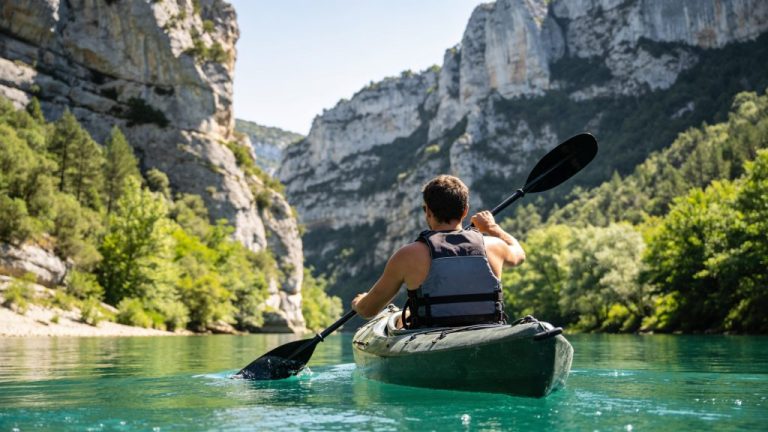
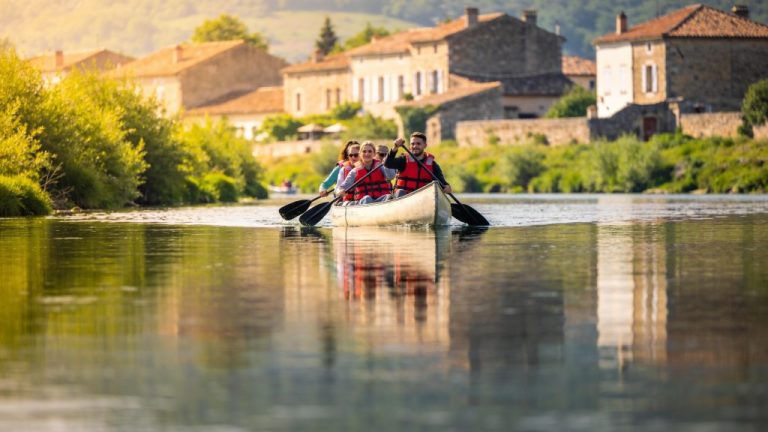
The Dordogne, Ardèche, Lot and Drôme are family-friendly with shallow sections. They offer plenty of space for picnics. These rivers are suitable for daily distances of 5 to 20 kilometres. The season runs from May to September, with August as the busiest month.
Slovenia and the Balkans: June to August
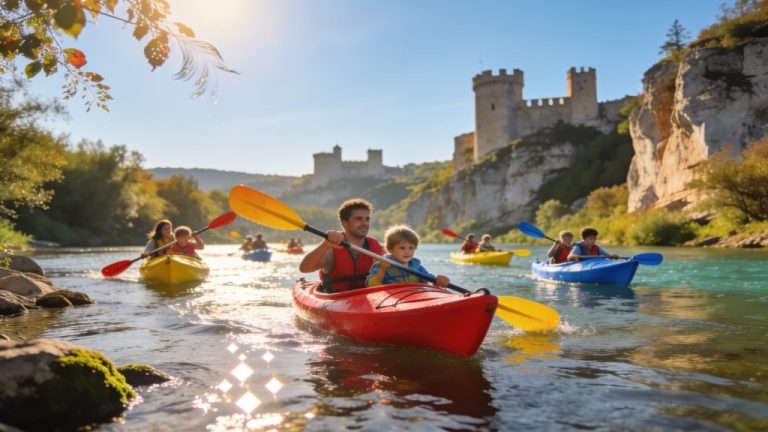
The Soča River in Slovenia attracts many kayakers from June to August thanks to its emerald-green water. In Croatia, the Zrmanja and Krka are ideal for spectacular routes with waterfalls. Day trips of up to 20 kilometres are possible. Avoid spring on Slovak and Balkan rivers because of high water.
Sweden: summer coastal kayaking
Bohuslän offers calm coastal trips between islands and cliffs from June to August. This is an excellent option for those who want to combine sea kayaking with exploring hidden beaches.
Czechia: multi-day trips from May to September
The Ohře River is suitable for five-day trips and works well for groups and families. The season stretches from May to September.
Spain and Malta: summer sea adventures
Lleida and the Costa Brava offer azure-blue waters, caves and islands in the summer months. Between Malta and Gozo you can paddle in around 40 minutes in calm weather. This is ideal to combine with a ferry crossing and swimming stops.
What daily distance matches your level?
The distance you cover per day depends on your experience and the type of craft. For beginners, the following guidelines are a good starting point:
- Canoe or kayak: 15 to 20 kilometres per day
- Packraft: 8 to 12 kilometres per day
More advanced paddlers can handle longer distances:
- Canoe: 25 to 35 kilometres per day
- Kayak: 30 to 40 kilometres per day
- Packraft: 20 to 25 kilometres per day
Day trips usually start with a briefing around 9 am and end between 4 and 6 pm. This depends on your pace and the number of stops. Start with shorter distances to build up your paddling rhythm, especially if you are travelling with children.
Check water levels before you book
Water levels determine whether a route is safe and comfortable. Rivers such as the Dordogne are relatively shallow and flexible for stops. Even there, water levels can differ from week to week. Glacier-fed rivers in the Alps have higher water levels in May and June due to meltwater, which makes them faster and more technical.
Always check current water levels via official sources or local providers. If the water is too low, you will run aground on gravel beds. If it is too high, current speed increases and routes become unsafe for inexperienced kayakers. This applies especially to Slovak and Balkan rivers. Spring months are more risky there.
‘ On the water the sun is more intense than you think. ’
Practical tips for a safe and enjoyable trip
Preparation makes the difference between a successful trip and disappointment. Always follow the briefing from your provider about the route, current and safety. Wear a helmet and buoyancy aid, even on quiet sections. For sea kayaking, choose calm days. You can then safely stop for a swim break or a visit to the beach.
Combinations enhance the experience. For example, paddle from Gozo to Comino in 40 minutes. In good weather you can then swim in clear bays. On the Costa Brava you explore hidden caves and islands that are otherwise difficult to reach. In Sweden you sometimes spot whales or dolphins during coastal trips.
For multi-day trips, choose routes with campsites as a base camp (a fixed place where you spend the night and start). This reduces luggage and makes it easier to travel with children. The Dordogne is often praised by families for its combination of simplicity and natural beauty. Take enough water and sun protection with you. On the water the sun is more intense than you think.
September as a calm alternative to the summer months
September combines stable weather with fewer crowds on popular rivers. The Dordogne, Ardèche and Lot are particularly pleasant then. Temperatures are still around 20 to 25 degrees. Campsites and waterways are quieter. This makes September suitable for those who deliberately opt for more space and comfort.
Water levels in September are more stable than in June or July. In June and July, meltwater or heavy rainfall can still have an impact. This applies especially to rivers in southern France and central Europe. For families with school-age children, September is less accessible, but for those who are flexible it is a valuable alternative.
Discover more about nature holidays and conscious travel
On the Traveler Tips website you will find much more information about routes, preparation and destinations. This information is especially useful for those who prefer travelling by car, train or via slow travel. Here you will find practical tips about equipment as well as in-depth guides on regulations and planning. Explore the website and discover how to plan your next holiday smarter and more consciously.
Frequently asked questions
The most pleasant periods for canoeing and kayaking in Europe generally fall between May and September, with the most stable weather and water conditions from June to August. In southern and central Europe (such as France, Czechia, Slovenia and Croatia), May–September is ideal, with the warmest months June–August being the most comfortable for swimming and paddling. In Scandinavian areas such as the Swedish coast (Bohuslän), the best conditions are mainly in June–August, when both air and water temperatures are higher. In mountain and glacier regions (such as the Alps), May–September is usually recommended, avoiding early spring because of high water and flood risk.
Avoid crowds by travelling outside school holidays and weekends, starting early in the morning and planning shorter stages on less well-known rivers. During the best travel period (roughly May–September), you can swap popular hotspots such as the Ardèche for quieter rivers like the Lot, Drôme or Ohře in Czechia. Less touristy regions in Slovakia and the Balkans also offer plenty of space on the water in June–August. Choose small-scale providers and stretches with simple put-in points away from large campsites to avoid the masses.
Important preparations include checking water levels, weather and the best time to travel per region, aligning daily distances with your experience, and booking campsites, accommodation and any equipment hire in advance. Logistically, you need to plan how you will transport your canoe/kayak and luggage (on roof racks by car, as sports luggage on train/flight, or hiring on site) and how the start and end points of stages will be reached or shuttled. Ensure you have the right safety equipment (buoyancy aid, helmet where needed, dry bags, first-aid kit) and bring navigation tools and local waterway charts. Take into account, per country, the rules on wild camping, permits and protected nature areas.
Yes, in Europe seasonal phenomena make the best time to travel extra special, such as meltwater in the Alps, which creates livelier, wilder rivers in May–July. In Scandinavia you can paddle until late at night in June and July thanks to the midsummer nights. In southern Europe, the most spectacular waterfalls and crystal-clear blue rivers often coincide with the stable summer months of June–August. In some coastal areas, such as Sweden or the Mediterranean, the summer months are also ideal for spotting marine mammals and exploring caves or islands.