 NL
NL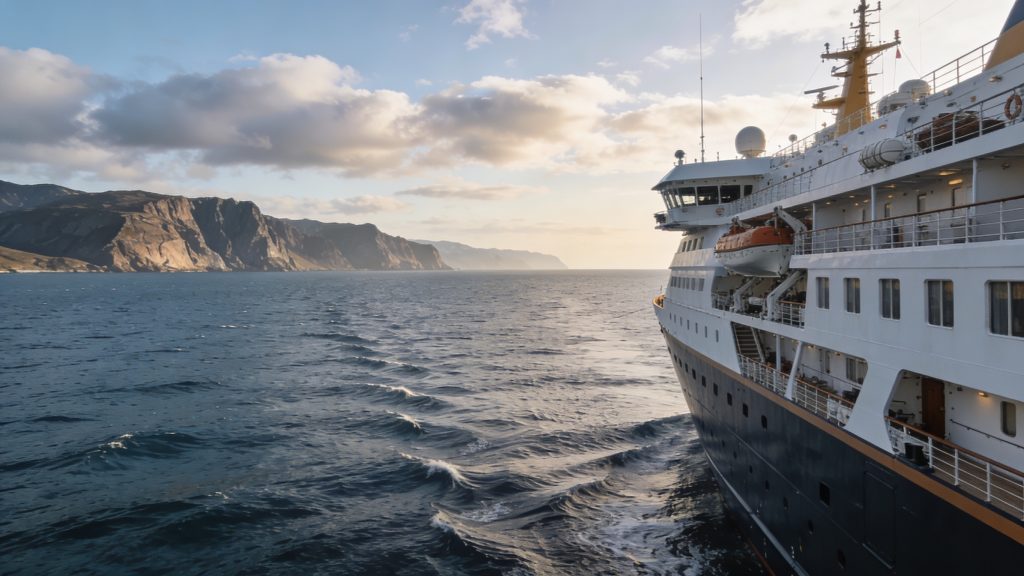
Wind and waves alter routes and landings during expedition cruises, with the captain constantly making adjustments to guarantee the safety of passengers and crew. Weather is not a side issue on these journeys, but the factor that determines which islands you visit, when you go ashore and what you ultimately experience. Want to know how to prepare yourself for this?
Why the weather plays such a big role
Expedition cruises take place in areas with rapidly changing weather patterns. These patterns are unpredictable. Arctic waters, subpolar regions and remote island groups have a capricious climate. Within a day, the weather can shift from calm sunshine to a strong storm. This unpredictability is inherent to these destinations.
Regions such as the Faroe Islands, Iceland and northern areas are known for their changeable weather. Here it is normal to experience sunshine, fog, rain and wind in a single day. For travellers, this means that flexibility is not an option but a requirement.
The weather affects every aspect of the journey. It determines the sailing route, the possibility of going ashore, which hiking routes are safe and even whether certain wildlife-watching activities can go ahead. Experienced expedition operators build this variability into their planning.
‘ Safety always comes before the fixed programme. ’
How wind and waves change the schedule
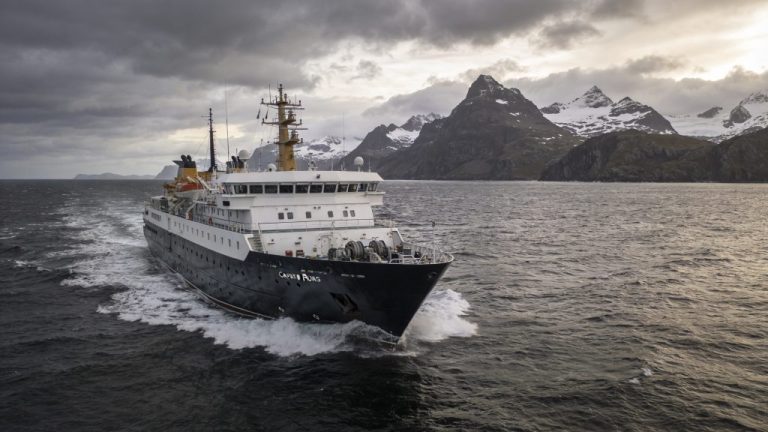
The captain of an expedition ship continuously adjusts the sailing schedule. In doing so, he looks at weather forecasts and the current conditions at sea. Wind and sea state are the main factors. In heavy seas it can become unsafe to launch small boats for coastal excursions.
The ship postpones planned landings on islands or along coastlines, or cancels them altogether. This is not a shortcoming on the part of the operator, but a professional decision that gives priority to safety. Instead of a planned destination, an alternative location is often visited where the conditions are more favourable.
Travellers often only receive final confirmation of the day’s programme the evening before or that same morning. You might visit an island that was not on the original route, or skip an activity you had particularly been looking forward to. This flexibility is part of the expedition experience.
Adjustments in extreme weather conditions
In extreme winds, the ship may even change the entire sailing route. A well-known example is Cape Horn, the southernmost tip of South America. This area is known for its strong winds and high waves. When conditions are too dangerous, the ship takes an alternative route or skips this point.
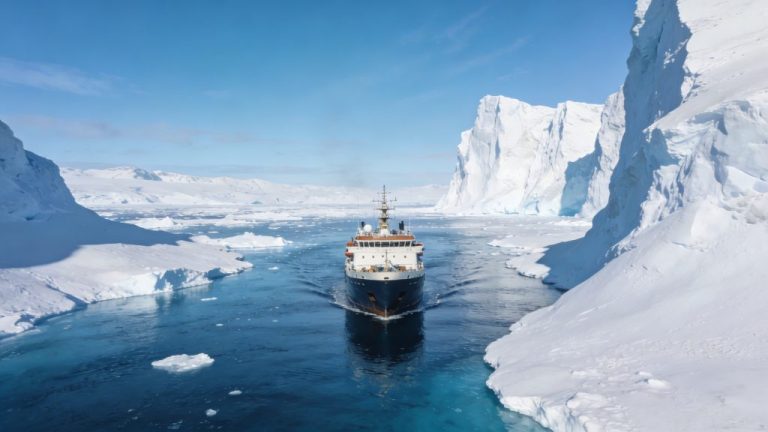
Polar cruises to the Arctic or Antarctica have to deal with ice formation, snowstorms and limited visibility. The captain and expedition leader consult regularly. They decide which activities are responsible to carry out. Safety always comes before the set programme.
Impact on land activities and excursions
The weather also influences what you can do on land. Hikes, wildlife-watching and photography excursions all depend on visibility, wind and precipitation. In poor visibility, long hiking routes may be replaced by shorter alternatives.
Guides assess the conditions on a daily basis. They decide whether a planned activity is safe and worthwhile. In very strong winds, walking in open terrain can become tiring or even dangerous. In snowfall or icy conditions, guides adjust routes to prevent slipping.
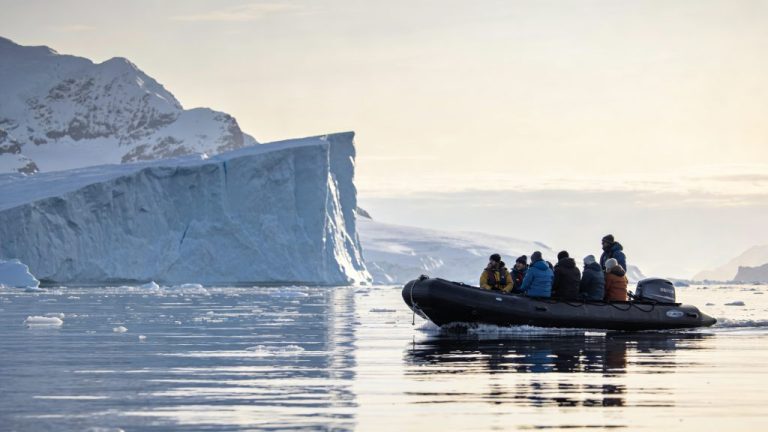
Boat excursions along bird cliffs or to glaciers are particularly sensitive to wind and sea state. Small zodiacs (inflatable boats) are only used when the sea is calm enough. If the waves become too high, the group stays on board and an alternative activity or location is sought.
Seasonal differences in weather risks
The season determines the weather risks. The summer months (June to August) offer the most stable weather in Arctic and subpolar areas. Temperatures are milder, there is more, or even continuous, daylight, and the chance of extreme storms is smaller.
Even so, the weather remains unpredictable in summer. Rain, fog and wind occur regularly. The difference is that the extremes are less severe and changes in the weather are slightly slower. For many travellers this is the best compromise between comfort and adventure.
The shoulder seasons (May and September) involve greater weather risks. Snowfall can occur unexpectedly, temperatures fluctuate more and winds increase. These periods do offer advantages: fewer tourists, lower prices and often a more authentic experience.
How to prepare for the impact of the weather
Good preparation requires realistic expectations. Accept in advance that the weather will partly determine how your trip unfolds. Read about other travellers’ experiences to get a realistic picture of what to expect. Stories from travellers on forums (also known as user-generated content) often give a more honest picture than marketing material.
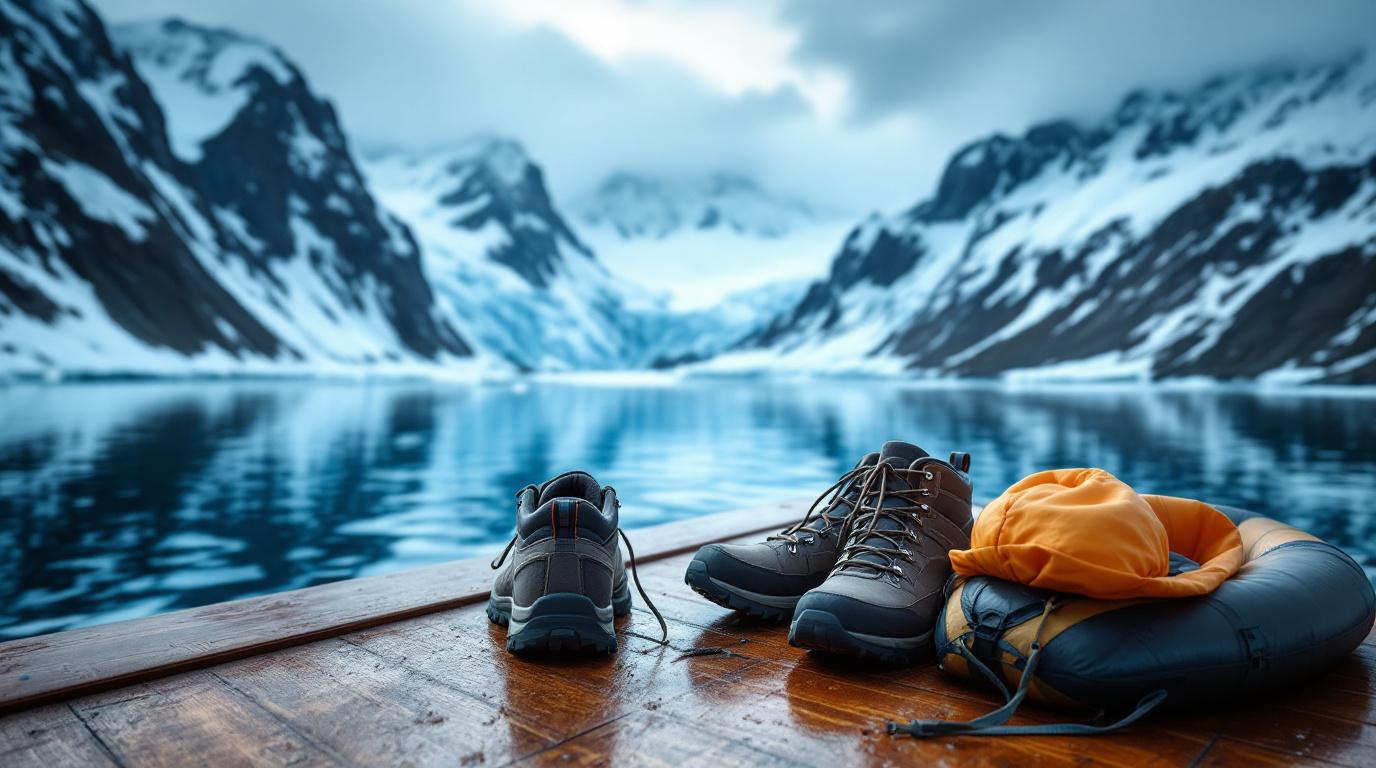
The right clothing is essential. Waterproof, breathable rainwear is not a luxury but a necessity. Choose multiple layers that you can put on and take off as the temperature changes. Waterproof walking shoes or boots are important for land excursions.
Protect your camera, phone and laptop from moisture and seawater. Invest in waterproof bags for your valuables. On deck, seawater can splash, and during excursions rain or drizzle is often present.
Practical clothing choices
- Good waterproof jackets with hood and adjustable cuffs
- Fleece or wool mid-layers that retain warmth even when damp
- Gloves and a hat, even during the summer months at sea
- Avoid cotton and denim, these materials dry slowly and lose their insulation when wet
- Water-resistant trousers for hiking activities
What if key destinations are inaccessible
Many travellers wonder what happens if the weather prevents a visit to a highlight. Operators cannot give guarantees for specific destinations. This is usually stated in the general terms and conditions of the booking.
Some travellers find this disappointing, but alternative locations often provide unexpected experiences. Areas that are not on the standard route can in fact be quieter and more authentic. Wildlife is not tied to a schedule either and can appear anywhere.
Ask about the bad-weather policy before departure. This weather policy describes, for example, what happens in the event of major cancellations and whether you will receive a refund. Some operators offer the possibility of a partial refund or credit voucher if large parts of the programme do not take place. A good travel insurance policy that covers weather-related changes is a sensible addition.
Storm risk on polar cruises
Polar regions pose an additional challenge: the weather changes extremely quickly. In addition, forecasting options are limited. Due to the remote location, measurements are difficult and less accurate. Storms can build up quickly and force the ship to seek shelter in a bay or harbour.
Modern expedition ships are built to cope with heavy seas, but comfort on board can decrease with high waves. Seasickness then becomes a real risk. Bring medication if you are prone to it, or consult the ship’s doctor about preventive measures.
The positive aspect of storms is that they are part of the raw nature. Many travellers look back on weather-related challenges as memorable moments that made their journey feel authentic.
‘ It is not about perfect conditions, but about authentic experiences in remote areas. ’
Why the impact of weather makes the expedition more valuable
Flexibility and uncertainty are challenging for some travellers. Yet they are precisely what make the expedition so special. The weather ensures that no two journeys are identical. You experience nature as it is, without filters or controlled environments.
Low-hanging clouds and mist create dramatic landscapes that are interesting for photography. Rain brings waterfalls to life and makes colours more intense. Wind stirs up wildlife and creates dynamic natural scenes that you would not see in calm weather.
Travellers who mentally prepare for variable conditions get more out of their expedition cruise. The same goes for those who embrace the influence of the weather as part of the adventure. It is not about perfect conditions, but about authentic experiences in remote areas.
On the Traveler Tips website you will find more information on how to plan your holiday optimally, which equipment you need and which destinations best suit your travel preferences. Discover more about responsible travel and smart preparation.
Frequently asked questions
Fog reduces visibility, making safe navigation and approaching landing sites more difficult, and landings are sometimes postponed or cancelled. Strong wind can make the use of zodiacs or landing boats unsafe, especially along open coastlines or in narrow bays. High waves make boarding and disembarking at beach or rock landings more difficult and increase the risk of falls, or wet, risky situations. In practice this leads to route adjustments, the rescheduling or cancellation of excursions, and a greater need for flexibility in the daily schedule.
For a comfortable and experience-rich expedition cruise, subpolar and Arctic regions in the summer months (June–August) are the most suitable, because the weather is then relatively more stable and temperatures are milder. This applies, for example, to destinations such as the Faroe Islands, Iceland and higher northern regions, where you benefit from long days and 24-hour daylight. Those seeking more ruggedness and authenticity can also consider the shoulder seasons (May and September), but must then accept greater weather uncertainty and harsher conditions.
Dress in layers (thermal base layer, insulating mid-layer, wind- and waterproof outer layer) so that you can quickly adapt to cold, wind and rain. Wear sturdy, waterproof walking shoes or boots with good grip, and take a hat, gloves and, if needed, a buff, even in summer. Use a waterproof rucksack or dry bag for your camera, binoculars and extra clothing, plus a rain cover for your daypack. Avoid cotton and denim, as they dry slowly and can cause you to cool down quickly in wet weather.
Yes, there are travel and cancellation insurance policies that specifically offer cover for weather-related disruptions, such as not being able to set sail, cancelled landings or shortened routes. These policies often fall under “expedition” or “adventure travel” insurance and must explicitly state that weather-related cancellation, delay or programme changes are covered. Some shipping companies or tour operators use additional conditions or their own “weather guarantees”, under which you can, for example, rebook free of charge or receive a (partial) refund. It is important to read the policy conditions carefully and have it confirmed in writing what is covered under weather conditions and “unforeseen circumstances”.
Cruise lines are generally fairly transparent about weather-related route changes, but often only communicate shortly beforehand because decisions depend on up-to-date safety assessments. You receive information via announcements, daily programmes and sometimes via the app or TV in your cabin, with an explanation of the reasons for any changes. This means that your travel planning needs a certain degree of flexibility: excursions, docking times and even ports can change. On expedition cruises this flexibility is even greater, and it is stated in advance that the programme is “subject to weather conditions”.