NL
NL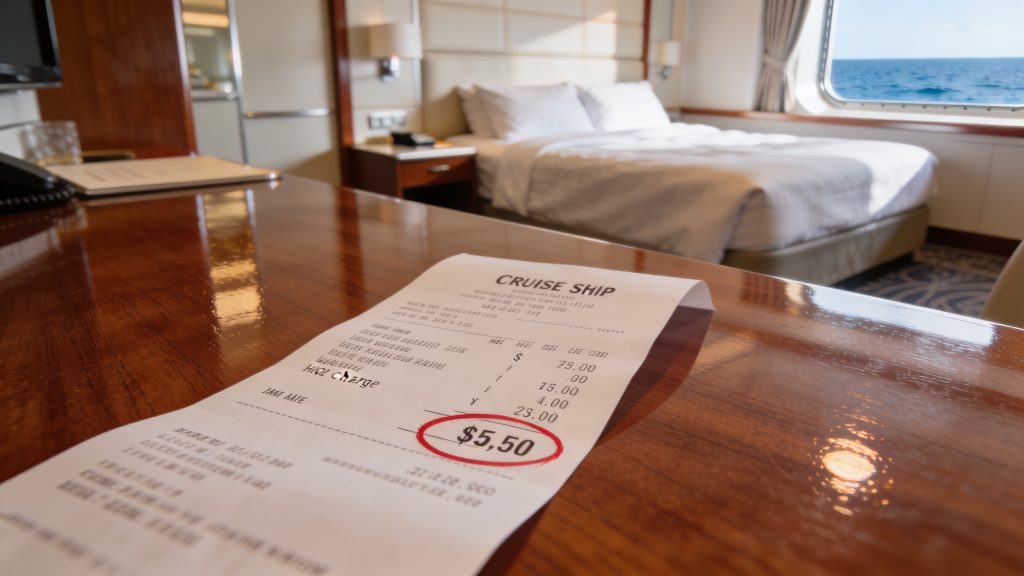
The price of your cruise cabin is only the beginning of what you eventually pay. Service charges, Wi-Fi fees and extra services can add hundreds of euros to your holiday budget, while some all-inclusive packages cover these costs completely. Read on to discover what to look out for and how to avoid going over budget.
When booking a cruise, you naturally look at the price of your cabin first. What surprises many travellers, however, is that the price shown often does not include everything. There are various costs that only become visible later, sometimes not until you are on board. If you know in advance which cabins and onboard accommodation come with which additional costs, you can plan your budget better and avoid unpleasant surprises.
The level of these extra costs differs greatly per cruise line and type of package. Some luxury cruise lines offer all-inclusive arrangements where almost everything is included, while on standard cruises most extras are charged separately. The difference can mount up to hundreds of euros per person.
What are the hidden costs of a cruise cabin?
Hidden costs are amounts that are not included in the initial cabin price. They are often automatically added to your bill or charged separately during or after your trip. The main cost items are service charges, internet connections, speciality restaurants and extra cabin services.
These costs vary per cruise line and package. With standard packages you pay extra for almost everything, while premium all-inclusive packages cover most costs. It is therefore important to compare carefully before booking what is and is not included in your specific arrangement.
Service charge: automatically added to your bill
The service charge, also known as gratuities or service charge, is one of the largest additional costs. This is a daily amount that is calculated for the staff on board. With most cruise lines this is automatically added to your final bill.
The level of the service charge differs per cruise line and type of cabin:
- Standard cabins: around 12 to 15 euros per person per day
- Suites and luxury accommodation: often 15 to 18 euros per person per day
- Children usually pay the same rate as adults
For an average seven-day cruise you will therefore quickly pay 85 to 125 euros per person in service charges. For a family of four this adds up to more than 500 euros for the whole trip.
‘ Part of the staff’s income depends on these contributions. ’
Is the service charge compulsory?
With most cruise lines the service charge is not formally compulsory, but it is strongly recommended and pre-set. In principle, you can adjust or remove it via reception on board, but this is not encouraged. Part of the staff’s income depends on these contributions.
Some luxury cruise lines such as Viking take a different approach. With their all-inclusive packages, service charges are fully included in the cruise price. You do not have to pay anything extra or tip. This makes budgeting easier and avoids surprises afterwards.
With standard packages from major cruise lines, the service charge is automatically added to your cabin per day. You will see this on your final bill, which you receive at the end of the cruise. If you want to adjust the amount, you have to arrange this yourself at reception.
Wi-Fi on board: expensive and often slow
Internet access on cruise ships works via satellite connections, which is considerably more expensive than Wi-Fi on shore. Most cruise lines charge substantial amounts for this, and the speed is often disappointing.
How much does Wi-Fi cost on a cruise ship?
The cost of Wi-Fi varies greatly per cruise line and chosen package. You can choose between different options:
- Per minute: often 0.50 to 0.75 euros per minute
- Day package: around 15 to 25 euros for unlimited use per day
- Package for the entire cruise: between 80 and 150 euros depending on the duration
- Streaming package (for video and larger downloads): up to 30 euros per day
With all-inclusive packages, Wi-Fi is often included, usually only the basic package for email and browsing. If you want to stream videos or make video calls, you often still pay for an upgrade.
The internet speed on board is limited because it depends on the ship’s position and the available satellite capacity. Do not expect the same speed as at home. For simple tasks such as WhatsApp messages and email it is usually sufficient, but for video calls or streaming it often is not.
Speciality dining: extra restaurants with surcharges
In addition to the main restaurants, many ships have special restaurants with specific cuisines such as Italian, French, steakhouses or sushi. These speciality dining restaurants almost always charge extra. Costs range from 15 euros for an informal restaurant to 75 euros per person for a luxury steakhouse or chef’s table experience.
Some cruise lines offer packages where you can pre-book a certain number of speciality dining visits at a discount. If you plan to visit special restaurants several times, such a package can be cheaper than separate reservations. With all-inclusive packages such as those from Viking, these restaurants are often fully included as well.
Cabin service and extra amenities
Room service is free with some cruise lines, but others charge a fixed amount per order, often between 3 and 5 euros. Breakfast in bed is sometimes free, but lunch and dinner served in the cabin usually cost extra.
Other extra costs that may be related to your cabin include:
- Minibar: drinks are almost never included and are more expensive than on shore
- Premium bedding or pillows: some ships offer upgrade options
- Laundry and dry cleaning: this can add up considerably on longer cruises
- Telephone charges: calling from your cabin is very expensive due to satellite connection
How do you avoid going over budget?
The best way to keep control of your cruise budget is to do your research beforehand. When booking, check exactly what is and is not included in your package. Ask specifically about service charges, Wi-Fi, drinks packages and speciality dining.
Compare different packages and cruise lines. Sometimes a cheaper cruise looks attractive, but once you add up all the extra costs, a more expensive all-inclusive package can actually turn out to be better value. Cruise lines such as Viking, Regent Seven Seas and a few other luxury operators include almost everything, which makes budgeting much easier.
During the cruise you can monitor your spending via the screen in your cabin or the cruise line’s app. Check your account regularly to see what is being added. This way you can avoid surprises when checking out.
Practical tips for cost-conscious cruising
- Book Wi-Fi packages online in advance; this is often cheaper than buying on board
- Opt for the free main restaurants instead of speciality dining
- Bring a refillable water bottle; bottled water in the cabin is expensive
- Use WhatsApp or other apps via Wi-Fi instead of making phone calls
- Check whether drinks packages are cheaper than individual drinks
Also keep an eye out for package deals that cruise lines offer regularly. Sometimes you can add Wi-Fi, drinks packages or speciality dining at a discount if you purchase them when booking instead of on board.
Difference between standard and all-inclusive packages
The biggest difference lies in what is automatically included. With a standard package you usually only pay for the cabin, access to the main restaurants and basic facilities. Everything on top of that is charged separately.
All-inclusive packages, on the other hand, often cover:
- All service charges and tips
- Wi-Fi (usually a basic package)
- Speciality dining restaurants
- Alcoholic and non-alcoholic drinks
- Room service without surcharge
- Sometimes even excursions and transfers
The price difference may seem large at first, but once you add up all the extra costs of a standard package, the gap is often smaller than you might think. For travellers who like to have everything arranged and paid for in advance, all-inclusive also offers more peace of mind.
On the Traveler Tips website you will find much more information about cruises, from choosing the right destination to practical tips for on board. Discover which itinerary suits you, what you need to arrange before departure and how to get the most out of your cruise. Explore the website and plan your next trip with confidence.
Frequently asked questions
On top of the basic rental price of a cabin you can often expect cleaning costs, which are sometimes compulsory and not always clearly stated in advance. In addition, many cabins charge tourist tax or accommodation tax per person per night. There may also be extra charges for meals (half or full board), bedding or sleeping bag liners, and sometimes for use of the shower or hot water. Some private cabins may add surcharges for luxury facilities such as a sauna or special heating.
Utilities such as electricity, water and heating are not always included in the price. In many mountain huts, basic utilities are included, but extras or higher consumption may be charged separately. Especially in private cabins there may be additional costs for, for example, special heating systems or luxury facilities. Always check in advance exactly what is included in the price and what is billed based on usage.
Many cabins require a security deposit that must be paid in advance or on arrival and is only refunded after the cabin has been checked (cleaning and inventory). The deposit can be (partially) retained in the event of damage to the inventory or building, if the cabin is not left clean or rules have not been followed. It may also be withheld if extra cleaning, waste disposal or repairs are needed due to negligent use. The exact conditions and amount of the deposit differ per cabin and are usually stated in the booking or rental terms and conditions.
Optional services that may incur extra costs include meals (breakfast, dinner and snacks), luxury facilities such as a sauna or whirlpool and, in some cabins, the use of firewood. Bedding and towels are often not included as standard; renting these can cost extra. Wi-Fi is not or only limitedly available in many mountain huts and, if offered, may also be subject to a fee. Always check for each cabin which of these facilities are optional and what surcharges apply.
Explicitly ask the cabin operator in advance for an itemised price list for overnight stays, meals, drinks and any extras (shower, bedding, firewood, sauna, tourist tax). Check the website or the hut or tariff regulations to see what fixed maximum prices apply (e.g. Alpine Club huts with “mountaineer’s meals” and regulated drinks prices). Read recent reviews from other guests to see whether there are still common “rip-offs” on site (very expensive snacks, hot water, or compulsory half board). Confirm your booking by email with a summary of all agreed prices so that you can refer back to the written agreement afterwards.