NL
NL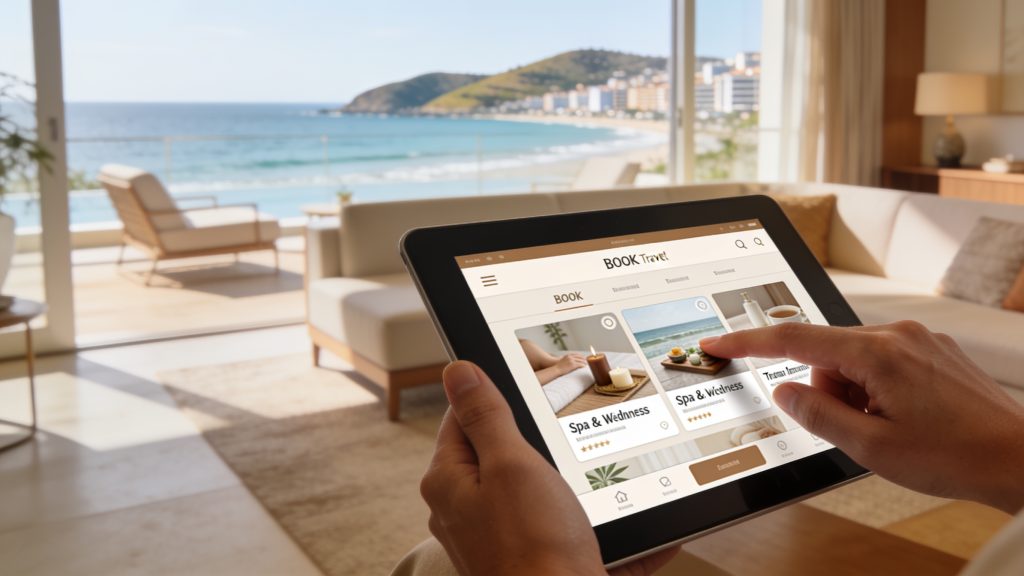
If you really want to relax on a cruise, you’ll quickly discover that spa and wellness treatments are not always automatically included. The price of a massage, use of sauna facilities and extra treatments varies greatly between cruise lines, ship types and days on board. Just as you need to think carefully in advance about what is and isn’t included in your package when it comes to cruise prices and hidden costs, it pays to plan ahead which wellness options you want to book. This way you avoid hidden costs and get more value out of your budget.
How much does a massage on a cruise cost?
Massage prices on board vary widely, depending on the cruise line, the length of the treatment and the type of massage. A standard 50-minute Swedish massage typically costs between 120 and 150 dollars. Specialist treatments such as hot stone, deep tissue or aromatherapy can go up to 200 dollars or more. On top of these prices, there is often an automatic gratuity of 18 to 20 per cent. This gratuity is also called a service fee or service charge and is automatically added to your account.
Prices at sea are usually higher than at wellness centres on land. This is due to the limited capacity on board, the specialised therapists travelling with the ship and the high demand for treatments during quiet sea days. Booking multiple treatments? Then look for combination packages or special promotions.
Some cruise lines also offer shorter treatments, such as a 25-minute head massage for around 60 to 80 dollars. This can be a good option if you’re curious about the spa but don’t want to spend a large amount straight away. Do be aware that the final price may differ from the “from” price you see in brochures or on the website. Surcharges and extras often only become visible later in the booking process.
Are spa facilities on a cruise free?
The basic spa facilities, such as the sauna, steam room, whirlpool and relaxation area, are free to use on many cruise ships. This applies to guests who simply want to use them without booking a treatment. On other ships, these facilities are only freely accessible if you have booked a treatment, or you need to pay for a day pass.
A thermal suite (a separate wellness area with, among other things, steam baths, saunas and heated loungers) or spa day pass often costs between 20 and 40 dollars per day. Some cruise lines offer week passes or packages for the entire cruise, which work out cheaper than booking day by day. Always check in advance whether access to these areas is included with your treatment or whether you need to pay separately.
Certain ships also have special wellness areas for guests staying in suites. If you are travelling in such a category, access to the spa is sometimes included in your ticket. This differs per cruise line and booking class, so read the terms and conditions carefully.
Hidden costs when using the spa
In addition to the treatment itself, there may be extra costs you don’t immediately expect. For example, special products used during a treatment, a drink in the relaxation area or an upgrade to a more luxurious treatment room. It’s also important to know that missed appointments or cancelling too late usually results in cancellation charges of 50 to 100 per cent of the treatment price.
- Gratuity (service fee) is usually 18 to 20 per cent on top of the treatment price
- Products used during a treatment may be charged separately
- Drinks in the relaxation area are not always free
- Late cancellations within 24 hours before the appointment often incur charges
Finding spa deals during your cruise
Most cruise lines regularly offer promotions and special deals in the spa. Typical moments to look out for offers are the first day on board, during quiet sea days, and on the last day of the cruise. Many spa teams then have special packages or discounts to fill empty time slots.
A popular way to save is to book treatments on port days, when many guests go ashore. Demand is lower then and some cruise lines adjust their prices. Compare the prices for the same treatment on different days and at different times before you book. Also ask about combination packages. With such a package, you might book a massage, facial and access to the thermal suite together at a lower total price.
Those who book online in advance via the cruise line’s online booking system often benefit from early booking discounts. This can give you a discount of 10 to 20 per cent compared with booking on board. The downside is that you have to commit to a day and time in advance. If you need flexibility, it may still be worth checking last-minute offers on board.
Alternatives to save money
Consider not booking certain treatments on board, but planning them in port cities instead. Massages and wellness treatments are considerably cheaper at many destinations than on the ship. This does require extra planning and may take up time you might otherwise spend visiting the city. Weigh this up against the convenience of having a treatment on board.
Another alternative is to take part in free or affordable relaxation activities offered by the entertainment team (the team on board that organises activities and entertainment). Think of yoga on deck, meditation workshops or fitness classes. These are often free and will help you relax as well.
- Book online in advance and benefit from early booking discounts
- Choose port days or the last sea day for lower prices
- Ask about combination packages that bundle multiple treatments
- Compare prices with treatments in port cities
- Make use of free yoga classes and other wellbeing activities on board
Checking terms and booking rules
Before you book a spa or wellness treatment, it’s sensible to read the booking conditions carefully. Many cruise lines have strict rules about cancellations, changes and no-shows. Missed appointments are almost always charged in full. If you want to move an appointment, do so at least 24 hours in advance to avoid charges.
Also check whether the treatment includes access to the spa facilities. Some cruise lines give you free access to the thermal suite for the whole day if you book a treatment of 50 minutes or more. This can be financially attractive if you were already planning to buy a day pass.
Also check exactly what is included in the treatment. Some treatments seem attractively priced but use standard products. If you want special oils, scrubs or masks, this can lead to a higher final price. Ask clearly in advance what is included and what is charged separately.
‘ There is always more to discover about how to get more comfort, awareness and value out of your holiday. ’
Discover more about cruise planning
Spa and wellness treatments are just one part of budgeting for your cruise. On the Traveler Tips website, you’ll find more in-depth articles on cruise prices, hidden costs, shore excursions and smart ways to organise your trip. There is always more to discover about how to get more comfort, awareness and value out of your holiday.
Frequently asked questions
Use route and booking apps (e.g. Google Maps, Rome2Rio, NS International) to plan your road trip or train route and then search specifically along that route for “spa”, “thermal baths” or “wellness resort”. Next, compare packages on deal and discount sites based on total price (including entry, towel set, parking and any surcharges) rather than just the starting price. Choose timeslots that logically fit into your travel day (for example at the end of a stage) so you don’t lose time and don’t end up paying twice for entry or transport. Finally, read recent reviews to check whether the offers are genuinely good value and whether the relaxation experience matches your travel pace (short stopover versus a full day of relaxation).
Book treatments early at popular wellness locations, but choose timeslots around your travel schedule so you keep enough room for other activities and travel time. Always check cancellation and change policies so you can reschedule free of charge if your plans change. See whether entry, use of spa facilities and any extras (such as lunch or swimwear hire) are included to avoid surprises. Compare individual treatments with packages and consider off-peak times for more choice and often more flexible, cheaper options.
Look for small-scale places that locals use themselves (for example neighbourhood baths, bathhouses or community yoga/meditation centres) instead of large hotel spas that mainly target tourists. Read reviews specifically for terms such as “personal”, “not crowded”, “traditional” or “family-run”, and check that the photos don’t just show heavily styled, generic resorts. Authentic places often offer local rituals or products (such as hammam, local herbs, thermal water) and fewer standard “international” treatments. Extra added value can be seen in the time and attention given to explanations, small groups, space for conversation and a clear link with local culture rather than just luxury and décor.
Always check the total cost: add entry, any surcharges, parking fees and compulsory combinations (such as sauna or thermal access) to the treatment price. Compare individual treatments with packages; often packages that include entry, lunch and a treatment together are better value than paying for everything separately. Read recent reviews from other visitors to see whether the quality, duration and sense of calm (crowds!) are in proportion to the price. Look at off-peak days and times with promotions or discounts and check the terms for cancelling or changing to avoid unexpected extra costs.