 NL
NL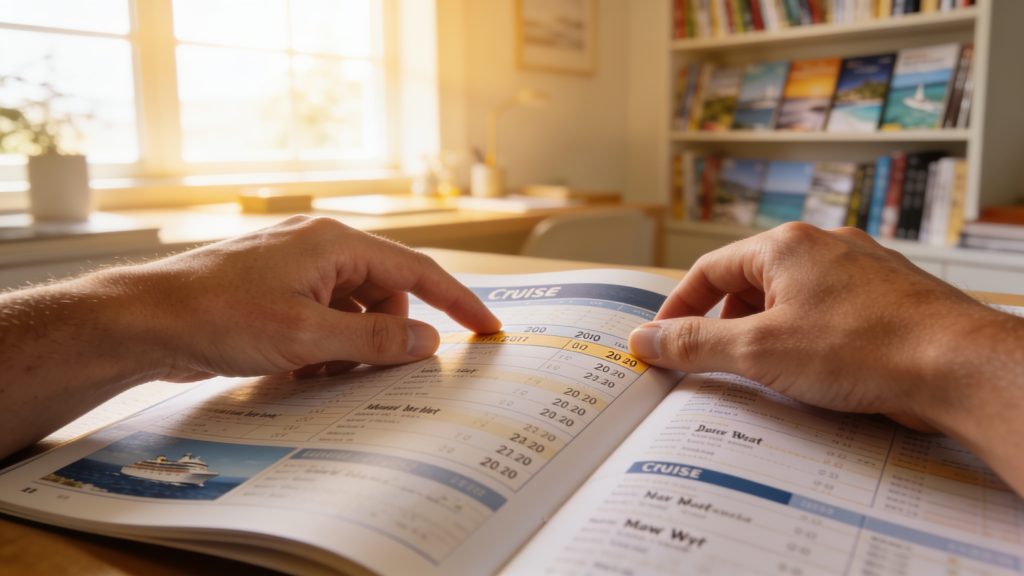
What experienced travellers advise
Experienced cruisers often emphasise the importance of realistic expectations. A first cruise is a learning process. It may take some time before you know your way around on board, understand how dining times work, and know which activities suit you. Give yourself that time.
It is also regularly advised to stay flexible. Don’t fill every hour of the day, but leave room for spontaneous choices and rest. This ensures that you don’t get overwhelmed by the offerings on board and that you can truly enjoy the experience.
‘ A cruise of 5 to 7 days offers the best first impression: enough time to get to know life at sea, enough ports for variety, and a clear schedule. ’
The right length determines your first impression
The duration of your first cruise has a direct impact on how you feel about this way of travelling. A trip that is too short gives you too little time to adjust and relax. A trip that is too long can be tiring if you don’t yet know if cruising is for you. A cruise of 5 to 7 days offers the best first impression: enough time to get to know life at sea, enough ports for variety, and a clear schedule.
Preferably choose an itinerary with few days at sea and multiple destinations. This provides variety and prevents you from being on board for too long without new impressions. This way, you discover step-by-step whether cruising is a form of holiday that suits you, without taking major risks immediately.
Discover more on Traveler Tips
On the Traveler Tips website, you will find much more information about cruises, itineraries, preparation, and destinations. Whether you want to know more about packing lists, port excursions, or how to choose the best cruise for your wishes: a wide range of reliable, practical articles is available. Discover what cruising can mean for you and plan your next trip with confidence.
Frequently Asked Questions
For a first cruise, a duration of approximately 5 to 7 days is ideal: long enough to experience life on board and various ports, but not so long that you feel “trapped”. If you are hesitant, aim closer to 5 days, so you can easily get a taste of the concept.
A shorter cruise of three to five days can certainly be enough to get a first, representative impression of life on board and the main facilities. Because it often takes a day or two to get used to the ship and the rhythm, a cruise of around five days especially offers a good balance for this. You will experience restaurants, entertainment, pools, and any excursions quite completely. If you really want to experience all the routines, different ports, and a more relaxed pace, then a cruise of five to seven days is usually more ideal.
The longer a cruise lasts, the lower the price per day often becomes, because fixed costs (flights, transfers) are spread over more days. At the same time, the marginally perceived “extra value” per additional day after approximately 7–10 days usually decreases, because many experiences repeat. For a first cruise, the best balance between costs and value perception is therefore often around 5–7 days: enough variety and experience, without being in the same routine for too long. Smart planning, therefore, does not automatically mean going as long as possible, but aiming for the point where the daily price is already favourable, while the days remain “special”.
Yes, for a short, accessible introduction, 3 to 7-day cruises with few days at sea and many ports fit well. Popular choices are, for example, Mediterranean or Western European itineraries, because distances are short and you visit a different city almost daily. “Short break” or “mini-cruises” (e.g., weekend or midweek) are also ideal for getting a taste of ship life without a long commitment. Preferably choose a ship that is not too large and an itinerary with calm seas if you are unsure about seasickness.
The best balance between relaxing on board and exploring destinations via land excursions for a first cruise is usually around 7 days. In a week, you have enough time for a few full days at sea to relax, as well as multiple port stops that together feel like a varied road trip. An itinerary with relatively many ports and few consecutive sea days fits best here.
What experienced travellers advise
Experienced cruisers often emphasise the importance of realistic expectations. A first cruise is a learning process. It may take some time before you know your way around on board, understand how dining times work, and know which activities suit you. Give yourself that time.
It is also regularly advised to stay flexible. Don’t fill every hour of the day, but leave room for spontaneous choices and rest. This ensures that you don’t get overwhelmed by the offerings on board and that you can truly enjoy the experience.
‘ A cruise of 5 to 7 days offers the best first impression: enough time to get to know life at sea, enough ports for variety, and a clear schedule. ’
The right length determines your first impression
The duration of your first cruise has a direct impact on how you feel about this way of travelling. A trip that is too short gives you too little time to adjust and relax. A trip that is too long can be tiring if you don’t yet know if cruising is for you. A cruise of 5 to 7 days offers the best first impression: enough time to get to know life at sea, enough ports for variety, and a clear schedule.
Preferably choose an itinerary with few days at sea and multiple destinations. This provides variety and prevents you from being on board for too long without new impressions. This way, you discover step-by-step whether cruising is a form of holiday that suits you, without taking major risks immediately.
Discover more on Traveler Tips
On the Traveler Tips website, you will find much more information about cruises, itineraries, preparation, and destinations. Whether you want to know more about packing lists, port excursions, or how to choose the best cruise for your wishes: a wide range of reliable, practical articles is available. Discover what cruising can mean for you and plan your next trip with confidence.
Frequently Asked Questions
For a first cruise, a duration of approximately 5 to 7 days is ideal: long enough to experience life on board and various ports, but not so long that you feel “trapped”. If you are hesitant, aim closer to 5 days, so you can easily get a taste of the concept.
A shorter cruise of three to five days can certainly be enough to get a first, representative impression of life on board and the main facilities. Because it often takes a day or two to get used to the ship and the rhythm, a cruise of around five days especially offers a good balance for this. You will experience restaurants, entertainment, pools, and any excursions quite completely. If you really want to experience all the routines, different ports, and a more relaxed pace, then a cruise of five to seven days is usually more ideal.
The longer a cruise lasts, the lower the price per day often becomes, because fixed costs (flights, transfers) are spread over more days. At the same time, the marginally perceived “extra value” per additional day after approximately 7–10 days usually decreases, because many experiences repeat. For a first cruise, the best balance between costs and value perception is therefore often around 5–7 days: enough variety and experience, without being in the same routine for too long. Smart planning, therefore, does not automatically mean going as long as possible, but aiming for the point where the daily price is already favourable, while the days remain “special”.
Yes, for a short, accessible introduction, 3 to 7-day cruises with few days at sea and many ports fit well. Popular choices are, for example, Mediterranean or Western European itineraries, because distances are short and you visit a different city almost daily. “Short break” or “mini-cruises” (e.g., weekend or midweek) are also ideal for getting a taste of ship life without a long commitment. Preferably choose a ship that is not too large and an itinerary with calm seas if you are unsure about seasickness.
The best balance between relaxing on board and exploring destinations via land excursions for a first cruise is usually around 7 days. In a week, you have enough time for a few full days at sea to relax, as well as multiple port stops that together feel like a varied road trip. An itinerary with relatively many ports and few consecutive sea days fits best here.
Practical tips for your first cruise
In addition to the right duration, there are some practical points that will make your first cruise more pleasant. Keep the following matters in mind:
- Book popular excursions in time, as they often fill up quickly
- Do not plan too many activities; see your first cruise as an introduction
- Do not just count on the base price: gratuities, excursions, taxes, and transport to the port increase the total price
- Ensure your passport is valid and meets the requirements of the countries you are visiting
- Check if you need a visa for specific port stops
What experienced travellers advise
Experienced cruisers often emphasise the importance of realistic expectations. A first cruise is a learning process. It may take some time before you know your way around on board, understand how dining times work, and know which activities suit you. Give yourself that time.
It is also regularly advised to stay flexible. Don’t fill every hour of the day, but leave room for spontaneous choices and rest. This ensures that you don’t get overwhelmed by the offerings on board and that you can truly enjoy the experience.
‘ A cruise of 5 to 7 days offers the best first impression: enough time to get to know life at sea, enough ports for variety, and a clear schedule. ’
The right length determines your first impression
The duration of your first cruise has a direct impact on how you feel about this way of travelling. A trip that is too short gives you too little time to adjust and relax. A trip that is too long can be tiring if you don’t yet know if cruising is for you. A cruise of 5 to 7 days offers the best first impression: enough time to get to know life at sea, enough ports for variety, and a clear schedule.
Preferably choose an itinerary with few days at sea and multiple destinations. This provides variety and prevents you from being on board for too long without new impressions. This way, you discover step-by-step whether cruising is a form of holiday that suits you, without taking major risks immediately.
Discover more on Traveler Tips
On the Traveler Tips website, you will find much more information about cruises, itineraries, preparation, and destinations. Whether you want to know more about packing lists, port excursions, or how to choose the best cruise for your wishes: a wide range of reliable, practical articles is available. Discover what cruising can mean for you and plan your next trip with confidence.
Frequently Asked Questions
Which cruise duration is ideal for a first time, so that I can calmly get used to the concept while simultaneously experiencing enough without feeling ‘trapped’?
For a first cruise, a duration of approximately 5 to 7 days is ideal: long enough to experience life on board and various ports, but not so long that you feel “trapped”. If you are hesitant, aim closer to 5 days, so you can easily get a taste of the concept.
Is a shorter cruise of, for example, three to five days sufficient to get a representative picture of the ‘cruise experience’ and the facilities on board?
A shorter cruise of three to five days can certainly be enough to get a first, representative impression of life on board and the main facilities. Because it often takes a day or two to get used to the ship and the rhythm, a cruise of around five days especially offers a good balance for this. You will experience restaurants, entertainment, pools, and any excursions quite completely. If you really want to experience all the routines, different ports, and a more relaxed pace, then a cruise of five to seven days is usually more ideal.
How does the length of a first cruise affect the balance between the costs and the ‘value perception’ per day, for someone who wants to plan smartly?
The longer a cruise lasts, the lower the price per day often becomes, because fixed costs (flights, transfers) are spread over more days. At the same time, the marginally perceived “extra value” per additional day after approximately 7–10 days usually decreases, because many experiences repeat. For a first cruise, the best balance between costs and value perception is therefore often around 5–7 days: enough variety and experience, without being in the same routine for too long. Smart planning, therefore, does not automatically mean going as long as possible, but aiming for the point where the daily price is already favourable, while the days remain “special”.
Are there specific destinations or ‘types of cruises’ that fit better with a shorter introduction to cruising, aimed at the desired experience?
Yes, for a short, accessible introduction, 3 to 7-day cruises with few days at sea and many ports fit well. Popular choices are, for example, Mediterranean or Western European itineraries, because distances are short and you visit a different city almost daily. “Short break” or “mini-cruises” (e.g., weekend or midweek) are also ideal for getting a taste of ship life without a long commitment. Preferably choose a ship that is not too large and an itinerary with calm seas if you are unsure about seasickness.
Which duration for a first cruise provides the best opportunity to both relax on board and explore the surroundings via ‘land excursions’, comparable to the variety of a road trip?
The best balance between relaxing on board and exploring destinations via land excursions for a first cruise is usually around 7 days. In a week, you have enough time for a few full days at sea to relax, as well as multiple port stops that together feel like a varied road trip. An itinerary with relatively many ports and few consecutive sea days fits best here.
Choose itineraries with sufficient variety
The itinerary you choose has a significant influence on how you experience your first cruise. Pay attention to the number of sea days: the fewer days on the open sea, the more variety you have. Itineraries with multiple port stops give you the chance to discover different destinations and get off the ship in between.
For beginners, itineraries in the Mediterranean, the Baltic, or the Caribbean are often pleasant. These areas offer many ports in close proximity, which ensures variety and fewer long stretches at sea. Avoid itineraries with many consecutive days at sea for your first cruise. Only do this if you are sure that you are looking for rest and relaxation on board.
Practical tips for your first cruise
In addition to the right duration, there are some practical points that will make your first cruise more pleasant. Keep the following matters in mind:
- Book popular excursions in time, as they often fill up quickly
- Do not plan too many activities; see your first cruise as an introduction
- Do not just count on the base price: gratuities, excursions, taxes, and transport to the port increase the total price
- Ensure your passport is valid and meets the requirements of the countries you are visiting
- Check if you need a visa for specific port stops
What experienced travellers advise
Experienced cruisers often emphasise the importance of realistic expectations. A first cruise is a learning process. It may take some time before you know your way around on board, understand how dining times work, and know which activities suit you. Give yourself that time.
It is also regularly advised to stay flexible. Don’t fill every hour of the day, but leave room for spontaneous choices and rest. This ensures that you don’t get overwhelmed by the offerings on board and that you can truly enjoy the experience.
‘ A cruise of 5 to 7 days offers the best first impression: enough time to get to know life at sea, enough ports for variety, and a clear schedule. ’
The right length determines your first impression
The duration of your first cruise has a direct impact on how you feel about this way of travelling. A trip that is too short gives you too little time to adjust and relax. A trip that is too long can be tiring if you don’t yet know if cruising is for you. A cruise of 5 to 7 days offers the best first impression: enough time to get to know life at sea, enough ports for variety, and a clear schedule.
Preferably choose an itinerary with few days at sea and multiple destinations. This provides variety and prevents you from being on board for too long without new impressions. This way, you discover step-by-step whether cruising is a form of holiday that suits you, without taking major risks immediately.
Discover more on Traveler Tips
On the Traveler Tips website, you will find much more information about cruises, itineraries, preparation, and destinations. Whether you want to know more about packing lists, port excursions, or how to choose the best cruise for your wishes: a wide range of reliable, practical articles is available. Discover what cruising can mean for you and plan your next trip with confidence.
Frequently Asked Questions
Which cruise duration is ideal for a first time, so that I can calmly get used to the concept while simultaneously experiencing enough without feeling ‘trapped’?
For a first cruise, a duration of approximately 5 to 7 days is ideal: long enough to experience life on board and various ports, but not so long that you feel “trapped”. If you are hesitant, aim closer to 5 days, so you can easily get a taste of the concept.
Is a shorter cruise of, for example, three to five days sufficient to get a representative picture of the ‘cruise experience’ and the facilities on board?
A shorter cruise of three to five days can certainly be enough to get a first, representative impression of life on board and the main facilities. Because it often takes a day or two to get used to the ship and the rhythm, a cruise of around five days especially offers a good balance for this. You will experience restaurants, entertainment, pools, and any excursions quite completely. If you really want to experience all the routines, different ports, and a more relaxed pace, then a cruise of five to seven days is usually more ideal.
How does the length of a first cruise affect the balance between the costs and the ‘value perception’ per day, for someone who wants to plan smartly?
The longer a cruise lasts, the lower the price per day often becomes, because fixed costs (flights, transfers) are spread over more days. At the same time, the marginally perceived “extra value” per additional day after approximately 7–10 days usually decreases, because many experiences repeat. For a first cruise, the best balance between costs and value perception is therefore often around 5–7 days: enough variety and experience, without being in the same routine for too long. Smart planning, therefore, does not automatically mean going as long as possible, but aiming for the point where the daily price is already favourable, while the days remain “special”.
Are there specific destinations or ‘types of cruises’ that fit better with a shorter introduction to cruising, aimed at the desired experience?
Yes, for a short, accessible introduction, 3 to 7-day cruises with few days at sea and many ports fit well. Popular choices are, for example, Mediterranean or Western European itineraries, because distances are short and you visit a different city almost daily. “Short break” or “mini-cruises” (e.g., weekend or midweek) are also ideal for getting a taste of ship life without a long commitment. Preferably choose a ship that is not too large and an itinerary with calm seas if you are unsure about seasickness.
Which duration for a first cruise provides the best opportunity to both relax on board and explore the surroundings via ‘land excursions’, comparable to the variety of a road trip?
The best balance between relaxing on board and exploring destinations via land excursions for a first cruise is usually around 7 days. In a week, you have enough time for a few full days at sea to relax, as well as multiple port stops that together feel like a varied road trip. An itinerary with relatively many ports and few consecutive sea days fits best here.
Is a short 4-day cruise suitable for beginners?
A 4-day cruise can certainly be an option, but offers less comfort for beginner cruisers. You have little time to get used to the ship and the daily schedule. Often you have just started to relax when the trip is already over. This makes it harder to get a full picture of what cruising entails.
Shorter cruises also often have a full programme with multiple port stops. That can feel busy for those who do not yet know the rhythm and the organisation on board. For those who are hesitant, a trip of at least 5 days is the wiser choice.
‘ Avoid itineraries with many consecutive days at sea for your first cruise. ’
Choose itineraries with sufficient variety
The itinerary you choose has a significant influence on how you experience your first cruise. Pay attention to the number of sea days: the fewer days on the open sea, the more variety you have. Itineraries with multiple port stops give you the chance to discover different destinations and get off the ship in between.
For beginners, itineraries in the Mediterranean, the Baltic, or the Caribbean are often pleasant. These areas offer many ports in close proximity, which ensures variety and fewer long stretches at sea. Avoid itineraries with many consecutive days at sea for your first cruise. Only do this if you are sure that you are looking for rest and relaxation on board.
Practical tips for your first cruise
In addition to the right duration, there are some practical points that will make your first cruise more pleasant. Keep the following matters in mind:
- Book popular excursions in time, as they often fill up quickly
- Do not plan too many activities; see your first cruise as an introduction
- Do not just count on the base price: gratuities, excursions, taxes, and transport to the port increase the total price
- Ensure your passport is valid and meets the requirements of the countries you are visiting
- Check if you need a visa for specific port stops
What experienced travellers advise
Experienced cruisers often emphasise the importance of realistic expectations. A first cruise is a learning process. It may take some time before you know your way around on board, understand how dining times work, and know which activities suit you. Give yourself that time.
It is also regularly advised to stay flexible. Don’t fill every hour of the day, but leave room for spontaneous choices and rest. This ensures that you don’t get overwhelmed by the offerings on board and that you can truly enjoy the experience.
‘ A cruise of 5 to 7 days offers the best first impression: enough time to get to know life at sea, enough ports for variety, and a clear schedule. ’
The right length determines your first impression
The duration of your first cruise has a direct impact on how you feel about this way of travelling. A trip that is too short gives you too little time to adjust and relax. A trip that is too long can be tiring if you don’t yet know if cruising is for you. A cruise of 5 to 7 days offers the best first impression: enough time to get to know life at sea, enough ports for variety, and a clear schedule.
Preferably choose an itinerary with few days at sea and multiple destinations. This provides variety and prevents you from being on board for too long without new impressions. This way, you discover step-by-step whether cruising is a form of holiday that suits you, without taking major risks immediately.
Discover more on Traveler Tips
On the Traveler Tips website, you will find much more information about cruises, itineraries, preparation, and destinations. Whether you want to know more about packing lists, port excursions, or how to choose the best cruise for your wishes: a wide range of reliable, practical articles is available. Discover what cruising can mean for you and plan your next trip with confidence.
Frequently Asked Questions
Which cruise duration is ideal for a first time, so that I can calmly get used to the concept while simultaneously experiencing enough without feeling ‘trapped’?
For a first cruise, a duration of approximately 5 to 7 days is ideal: long enough to experience life on board and various ports, but not so long that you feel “trapped”. If you are hesitant, aim closer to 5 days, so you can easily get a taste of the concept.
Is a shorter cruise of, for example, three to five days sufficient to get a representative picture of the ‘cruise experience’ and the facilities on board?
A shorter cruise of three to five days can certainly be enough to get a first, representative impression of life on board and the main facilities. Because it often takes a day or two to get used to the ship and the rhythm, a cruise of around five days especially offers a good balance for this. You will experience restaurants, entertainment, pools, and any excursions quite completely. If you really want to experience all the routines, different ports, and a more relaxed pace, then a cruise of five to seven days is usually more ideal.
How does the length of a first cruise affect the balance between the costs and the ‘value perception’ per day, for someone who wants to plan smartly?
The longer a cruise lasts, the lower the price per day often becomes, because fixed costs (flights, transfers) are spread over more days. At the same time, the marginally perceived “extra value” per additional day after approximately 7–10 days usually decreases, because many experiences repeat. For a first cruise, the best balance between costs and value perception is therefore often around 5–7 days: enough variety and experience, without being in the same routine for too long. Smart planning, therefore, does not automatically mean going as long as possible, but aiming for the point where the daily price is already favourable, while the days remain “special”.
Are there specific destinations or ‘types of cruises’ that fit better with a shorter introduction to cruising, aimed at the desired experience?
Yes, for a short, accessible introduction, 3 to 7-day cruises with few days at sea and many ports fit well. Popular choices are, for example, Mediterranean or Western European itineraries, because distances are short and you visit a different city almost daily. “Short break” or “mini-cruises” (e.g., weekend or midweek) are also ideal for getting a taste of ship life without a long commitment. Preferably choose a ship that is not too large and an itinerary with calm seas if you are unsure about seasickness.
Which duration for a first cruise provides the best opportunity to both relax on board and explore the surroundings via ‘land excursions’, comparable to the variety of a road trip?
The best balance between relaxing on board and exploring destinations via land excursions for a first cruise is usually around 7 days. In a week, you have enough time for a few full days at sea to relax, as well as multiple port stops that together feel like a varied road trip. An itinerary with relatively many ports and few consecutive sea days fits best here.

How long should my first cruise be?
The most cited recommendation for a first cruise is a trip of 5 to 7 days. This duration is widely supported by experienced cruisers and travel advisors. It gives you enough time to grasp life at sea, but keeps the trip clear and manageable.
For those who primarily want a taste of cruising and want to quickly discover if it fits, 5 days is a strong entry-level choice. If you want more rest and time to visit multiple destinations, then 7 days is the best balance. Both options offer you the space to get used to ship life without feeling overwhelmed.
Is a short 4-day cruise suitable for beginners?
A 4-day cruise can certainly be an option, but offers less comfort for beginner cruisers. You have little time to get used to the ship and the daily schedule. Often you have just started to relax when the trip is already over. This makes it harder to get a full picture of what cruising entails.
Shorter cruises also often have a full programme with multiple port stops. That can feel busy for those who do not yet know the rhythm and the organisation on board. For those who are hesitant, a trip of at least 5 days is the wiser choice.
‘ Avoid itineraries with many consecutive days at sea for your first cruise. ’
Choose itineraries with sufficient variety
The itinerary you choose has a significant influence on how you experience your first cruise. Pay attention to the number of sea days: the fewer days on the open sea, the more variety you have. Itineraries with multiple port stops give you the chance to discover different destinations and get off the ship in between.
For beginners, itineraries in the Mediterranean, the Baltic, or the Caribbean are often pleasant. These areas offer many ports in close proximity, which ensures variety and fewer long stretches at sea. Avoid itineraries with many consecutive days at sea for your first cruise. Only do this if you are sure that you are looking for rest and relaxation on board.
Practical tips for your first cruise
In addition to the right duration, there are some practical points that will make your first cruise more pleasant. Keep the following matters in mind:
- Book popular excursions in time, as they often fill up quickly
- Do not plan too many activities; see your first cruise as an introduction
- Do not just count on the base price: gratuities, excursions, taxes, and transport to the port increase the total price
- Ensure your passport is valid and meets the requirements of the countries you are visiting
- Check if you need a visa for specific port stops
What experienced travellers advise
Experienced cruisers often emphasise the importance of realistic expectations. A first cruise is a learning process. It may take some time before you know your way around on board, understand how dining times work, and know which activities suit you. Give yourself that time.
It is also regularly advised to stay flexible. Don’t fill every hour of the day, but leave room for spontaneous choices and rest. This ensures that you don’t get overwhelmed by the offerings on board and that you can truly enjoy the experience.
‘ A cruise of 5 to 7 days offers the best first impression: enough time to get to know life at sea, enough ports for variety, and a clear schedule. ’
The right length determines your first impression
The duration of your first cruise has a direct impact on how you feel about this way of travelling. A trip that is too short gives you too little time to adjust and relax. A trip that is too long can be tiring if you don’t yet know if cruising is for you. A cruise of 5 to 7 days offers the best first impression: enough time to get to know life at sea, enough ports for variety, and a clear schedule.
Preferably choose an itinerary with few days at sea and multiple destinations. This provides variety and prevents you from being on board for too long without new impressions. This way, you discover step-by-step whether cruising is a form of holiday that suits you, without taking major risks immediately.
Discover more on Traveler Tips
On the Traveler Tips website, you will find much more information about cruises, itineraries, preparation, and destinations. Whether you want to know more about packing lists, port excursions, or how to choose the best cruise for your wishes: a wide range of reliable, practical articles is available. Discover what cruising can mean for you and plan your next trip with confidence.
Frequently Asked Questions
Which cruise duration is ideal for a first time, so that I can calmly get used to the concept while simultaneously experiencing enough without feeling ‘trapped’?
For a first cruise, a duration of approximately 5 to 7 days is ideal: long enough to experience life on board and various ports, but not so long that you feel “trapped”. If you are hesitant, aim closer to 5 days, so you can easily get a taste of the concept.
Is a shorter cruise of, for example, three to five days sufficient to get a representative picture of the ‘cruise experience’ and the facilities on board?
A shorter cruise of three to five days can certainly be enough to get a first, representative impression of life on board and the main facilities. Because it often takes a day or two to get used to the ship and the rhythm, a cruise of around five days especially offers a good balance for this. You will experience restaurants, entertainment, pools, and any excursions quite completely. If you really want to experience all the routines, different ports, and a more relaxed pace, then a cruise of five to seven days is usually more ideal.
How does the length of a first cruise affect the balance between the costs and the ‘value perception’ per day, for someone who wants to plan smartly?
The longer a cruise lasts, the lower the price per day often becomes, because fixed costs (flights, transfers) are spread over more days. At the same time, the marginally perceived “extra value” per additional day after approximately 7–10 days usually decreases, because many experiences repeat. For a first cruise, the best balance between costs and value perception is therefore often around 5–7 days: enough variety and experience, without being in the same routine for too long. Smart planning, therefore, does not automatically mean going as long as possible, but aiming for the point where the daily price is already favourable, while the days remain “special”.
Are there specific destinations or ‘types of cruises’ that fit better with a shorter introduction to cruising, aimed at the desired experience?
Yes, for a short, accessible introduction, 3 to 7-day cruises with few days at sea and many ports fit well. Popular choices are, for example, Mediterranean or Western European itineraries, because distances are short and you visit a different city almost daily. “Short break” or “mini-cruises” (e.g., weekend or midweek) are also ideal for getting a taste of ship life without a long commitment. Preferably choose a ship that is not too large and an itinerary with calm seas if you are unsure about seasickness.
Which duration for a first cruise provides the best opportunity to both relax on board and explore the surroundings via ‘land excursions’, comparable to the variety of a road trip?
The best balance between relaxing on board and exploring destinations via land excursions for a first cruise is usually around 7 days. In a week, you have enough time for a few full days at sea to relax, as well as multiple port stops that together feel like a varied road trip. An itinerary with relatively many ports and few consecutive sea days fits best here.
What makes a first cruise pleasant?
Besides duration, other factors make your first cruise more pleasant. The most important is the number of sea days. An itinerary with few days on the open sea and multiple port stops offers more variety. This prevents boredom and gives you the opportunity to get off the ship regularly and discover new places.
Furthermore, it helps to schedule time for arrival at the departure port in advance. If you have to fly to the port, preferably plan an extra day. This reduces stress caused by any delays and gives you peace of mind before you go on board. Don’t forget to pack your hand luggage carefully: passport, travel documents, medication, and chargers should always go in there. Checked luggage can sometimes arrive later than you.
How long should my first cruise be?
The most cited recommendation for a first cruise is a trip of 5 to 7 days. This duration is widely supported by experienced cruisers and travel advisors. It gives you enough time to grasp life at sea, but keeps the trip clear and manageable.
For those who primarily want a taste of cruising and want to quickly discover if it fits, 5 days is a strong entry-level choice. If you want more rest and time to visit multiple destinations, then 7 days is the best balance. Both options offer you the space to get used to ship life without feeling overwhelmed.
Is a short 4-day cruise suitable for beginners?
A 4-day cruise can certainly be an option, but offers less comfort for beginner cruisers. You have little time to get used to the ship and the daily schedule. Often you have just started to relax when the trip is already over. This makes it harder to get a full picture of what cruising entails.
Shorter cruises also often have a full programme with multiple port stops. That can feel busy for those who do not yet know the rhythm and the organisation on board. For those who are hesitant, a trip of at least 5 days is the wiser choice.
‘ Avoid itineraries with many consecutive days at sea for your first cruise. ’
Choose itineraries with sufficient variety
The itinerary you choose has a significant influence on how you experience your first cruise. Pay attention to the number of sea days: the fewer days on the open sea, the more variety you have. Itineraries with multiple port stops give you the chance to discover different destinations and get off the ship in between.
For beginners, itineraries in the Mediterranean, the Baltic, or the Caribbean are often pleasant. These areas offer many ports in close proximity, which ensures variety and fewer long stretches at sea. Avoid itineraries with many consecutive days at sea for your first cruise. Only do this if you are sure that you are looking for rest and relaxation on board.
Practical tips for your first cruise
In addition to the right duration, there are some practical points that will make your first cruise more pleasant. Keep the following matters in mind:
- Book popular excursions in time, as they often fill up quickly
- Do not plan too many activities; see your first cruise as an introduction
- Do not just count on the base price: gratuities, excursions, taxes, and transport to the port increase the total price
- Ensure your passport is valid and meets the requirements of the countries you are visiting
- Check if you need a visa for specific port stops
What experienced travellers advise
Experienced cruisers often emphasise the importance of realistic expectations. A first cruise is a learning process. It may take some time before you know your way around on board, understand how dining times work, and know which activities suit you. Give yourself that time.
It is also regularly advised to stay flexible. Don’t fill every hour of the day, but leave room for spontaneous choices and rest. This ensures that you don’t get overwhelmed by the offerings on board and that you can truly enjoy the experience.
‘ A cruise of 5 to 7 days offers the best first impression: enough time to get to know life at sea, enough ports for variety, and a clear schedule. ’
The right length determines your first impression
The duration of your first cruise has a direct impact on how you feel about this way of travelling. A trip that is too short gives you too little time to adjust and relax. A trip that is too long can be tiring if you don’t yet know if cruising is for you. A cruise of 5 to 7 days offers the best first impression: enough time to get to know life at sea, enough ports for variety, and a clear schedule.
Preferably choose an itinerary with few days at sea and multiple destinations. This provides variety and prevents you from being on board for too long without new impressions. This way, you discover step-by-step whether cruising is a form of holiday that suits you, without taking major risks immediately.
Discover more on Traveler Tips
On the Traveler Tips website, you will find much more information about cruises, itineraries, preparation, and destinations. Whether you want to know more about packing lists, port excursions, or how to choose the best cruise for your wishes: a wide range of reliable, practical articles is available. Discover what cruising can mean for you and plan your next trip with confidence.
Frequently Asked Questions
Which cruise duration is ideal for a first time, so that I can calmly get used to the concept while simultaneously experiencing enough without feeling ‘trapped’?
For a first cruise, a duration of approximately 5 to 7 days is ideal: long enough to experience life on board and various ports, but not so long that you feel “trapped”. If you are hesitant, aim closer to 5 days, so you can easily get a taste of the concept.
Is a shorter cruise of, for example, three to five days sufficient to get a representative picture of the ‘cruise experience’ and the facilities on board?
A shorter cruise of three to five days can certainly be enough to get a first, representative impression of life on board and the main facilities. Because it often takes a day or two to get used to the ship and the rhythm, a cruise of around five days especially offers a good balance for this. You will experience restaurants, entertainment, pools, and any excursions quite completely. If you really want to experience all the routines, different ports, and a more relaxed pace, then a cruise of five to seven days is usually more ideal.
How does the length of a first cruise affect the balance between the costs and the ‘value perception’ per day, for someone who wants to plan smartly?
The longer a cruise lasts, the lower the price per day often becomes, because fixed costs (flights, transfers) are spread over more days. At the same time, the marginally perceived “extra value” per additional day after approximately 7–10 days usually decreases, because many experiences repeat. For a first cruise, the best balance between costs and value perception is therefore often around 5–7 days: enough variety and experience, without being in the same routine for too long. Smart planning, therefore, does not automatically mean going as long as possible, but aiming for the point where the daily price is already favourable, while the days remain “special”.
Are there specific destinations or ‘types of cruises’ that fit better with a shorter introduction to cruising, aimed at the desired experience?
Yes, for a short, accessible introduction, 3 to 7-day cruises with few days at sea and many ports fit well. Popular choices are, for example, Mediterranean or Western European itineraries, because distances are short and you visit a different city almost daily. “Short break” or “mini-cruises” (e.g., weekend or midweek) are also ideal for getting a taste of ship life without a long commitment. Preferably choose a ship that is not too large and an itinerary with calm seas if you are unsure about seasickness.
Which duration for a first cruise provides the best opportunity to both relax on board and explore the surroundings via ‘land excursions’, comparable to the variety of a road trip?
The best balance between relaxing on board and exploring destinations via land excursions for a first cruise is usually around 7 days. In a week, you have enough time for a few full days at sea to relax, as well as multiple port stops that together feel like a varied road trip. An itinerary with relatively many ports and few consecutive sea days fits best here.
Why 5 to 7 days is the safest choice
If you have never been on a cruise ship before, it is wise to start with a manageable trip. A 5 to 7-day cruise gives you the chance to get to know the rhythm on board without committing to weeks at a time. This is long enough to experience various aspects: meals on board, entertainment, port stops, and days at sea.
With a shorter cruise of 3 or 4 days, you run the risk of just getting used to the ship when the trip is already over. A first cruise always takes a day or two to get used to the layout, the crowds, and the daily programme. Anyone who chooses a cruise of two weeks or longer right away might deal with fatigue, homesickness, or unexpected minor annoyances. These can affect your entire holiday. Want to know more about your first cruise and how to prepare for it? You will find everything you need on that page.
‘ An itinerary with few days at full sea and multiple port stops offers more variety. ’
What makes a first cruise pleasant?
Besides duration, other factors make your first cruise more pleasant. The most important is the number of sea days. An itinerary with few days on the open sea and multiple port stops offers more variety. This prevents boredom and gives you the opportunity to get off the ship regularly and discover new places.
Furthermore, it helps to schedule time for arrival at the departure port in advance. If you have to fly to the port, preferably plan an extra day. This reduces stress caused by any delays and gives you peace of mind before you go on board. Don’t forget to pack your hand luggage carefully: passport, travel documents, medication, and chargers should always go in there. Checked luggage can sometimes arrive later than you.
How long should my first cruise be?
The most cited recommendation for a first cruise is a trip of 5 to 7 days. This duration is widely supported by experienced cruisers and travel advisors. It gives you enough time to grasp life at sea, but keeps the trip clear and manageable.
For those who primarily want a taste of cruising and want to quickly discover if it fits, 5 days is a strong entry-level choice. If you want more rest and time to visit multiple destinations, then 7 days is the best balance. Both options offer you the space to get used to ship life without feeling overwhelmed.
Is a short 4-day cruise suitable for beginners?
A 4-day cruise can certainly be an option, but offers less comfort for beginner cruisers. You have little time to get used to the ship and the daily schedule. Often you have just started to relax when the trip is already over. This makes it harder to get a full picture of what cruising entails.
Shorter cruises also often have a full programme with multiple port stops. That can feel busy for those who do not yet know the rhythm and the organisation on board. For those who are hesitant, a trip of at least 5 days is the wiser choice.
‘ Avoid itineraries with many consecutive days at sea for your first cruise. ’
Choose itineraries with sufficient variety
The itinerary you choose has a significant influence on how you experience your first cruise. Pay attention to the number of sea days: the fewer days on the open sea, the more variety you have. Itineraries with multiple port stops give you the chance to discover different destinations and get off the ship in between.
For beginners, itineraries in the Mediterranean, the Baltic, or the Caribbean are often pleasant. These areas offer many ports in close proximity, which ensures variety and fewer long stretches at sea. Avoid itineraries with many consecutive days at sea for your first cruise. Only do this if you are sure that you are looking for rest and relaxation on board.
Practical tips for your first cruise
In addition to the right duration, there are some practical points that will make your first cruise more pleasant. Keep the following matters in mind:
- Book popular excursions in time, as they often fill up quickly
- Do not plan too many activities; see your first cruise as an introduction
- Do not just count on the base price: gratuities, excursions, taxes, and transport to the port increase the total price
- Ensure your passport is valid and meets the requirements of the countries you are visiting
- Check if you need a visa for specific port stops
What experienced travellers advise
Experienced cruisers often emphasise the importance of realistic expectations. A first cruise is a learning process. It may take some time before you know your way around on board, understand how dining times work, and know which activities suit you. Give yourself that time.
It is also regularly advised to stay flexible. Don’t fill every hour of the day, but leave room for spontaneous choices and rest. This ensures that you don’t get overwhelmed by the offerings on board and that you can truly enjoy the experience.
‘ A cruise of 5 to 7 days offers the best first impression: enough time to get to know life at sea, enough ports for variety, and a clear schedule. ’
The right length determines your first impression
The duration of your first cruise has a direct impact on how you feel about this way of travelling. A trip that is too short gives you too little time to adjust and relax. A trip that is too long can be tiring if you don’t yet know if cruising is for you. A cruise of 5 to 7 days offers the best first impression: enough time to get to know life at sea, enough ports for variety, and a clear schedule.
Preferably choose an itinerary with few days at sea and multiple destinations. This provides variety and prevents you from being on board for too long without new impressions. This way, you discover step-by-step whether cruising is a form of holiday that suits you, without taking major risks immediately.
Discover more on Traveler Tips
On the Traveler Tips website, you will find much more information about cruises, itineraries, preparation, and destinations. Whether you want to know more about packing lists, port excursions, or how to choose the best cruise for your wishes: a wide range of reliable, practical articles is available. Discover what cruising can mean for you and plan your next trip with confidence.
Frequently Asked Questions
Which cruise duration is ideal for a first time, so that I can calmly get used to the concept while simultaneously experiencing enough without feeling ‘trapped’?
For a first cruise, a duration of approximately 5 to 7 days is ideal: long enough to experience life on board and various ports, but not so long that you feel “trapped”. If you are hesitant, aim closer to 5 days, so you can easily get a taste of the concept.
Is a shorter cruise of, for example, three to five days sufficient to get a representative picture of the ‘cruise experience’ and the facilities on board?
A shorter cruise of three to five days can certainly be enough to get a first, representative impression of life on board and the main facilities. Because it often takes a day or two to get used to the ship and the rhythm, a cruise of around five days especially offers a good balance for this. You will experience restaurants, entertainment, pools, and any excursions quite completely. If you really want to experience all the routines, different ports, and a more relaxed pace, then a cruise of five to seven days is usually more ideal.
How does the length of a first cruise affect the balance between the costs and the ‘value perception’ per day, for someone who wants to plan smartly?
The longer a cruise lasts, the lower the price per day often becomes, because fixed costs (flights, transfers) are spread over more days. At the same time, the marginally perceived “extra value” per additional day after approximately 7–10 days usually decreases, because many experiences repeat. For a first cruise, the best balance between costs and value perception is therefore often around 5–7 days: enough variety and experience, without being in the same routine for too long. Smart planning, therefore, does not automatically mean going as long as possible, but aiming for the point where the daily price is already favourable, while the days remain “special”.
Are there specific destinations or ‘types of cruises’ that fit better with a shorter introduction to cruising, aimed at the desired experience?
Yes, for a short, accessible introduction, 3 to 7-day cruises with few days at sea and many ports fit well. Popular choices are, for example, Mediterranean or Western European itineraries, because distances are short and you visit a different city almost daily. “Short break” or “mini-cruises” (e.g., weekend or midweek) are also ideal for getting a taste of ship life without a long commitment. Preferably choose a ship that is not too large and an itinerary with calm seas if you are unsure about seasickness.
Which duration for a first cruise provides the best opportunity to both relax on board and explore the surroundings via ‘land excursions’, comparable to the variety of a road trip?
The best balance between relaxing on board and exploring destinations via land excursions for a first cruise is usually around 7 days. In a week, you have enough time for a few full days at sea to relax, as well as multiple port stops that together feel like a varied road trip. An itinerary with relatively many ports and few consecutive sea days fits best here.
A cruise of 5 to 7 days offers beginners the best balance between orientation and relaxation. You have enough time to discover life at sea, without committing to a long trip when you aren’t yet sure if this type of holiday suits you. Anything shorter often feels rushed, while anything longer can be overwhelming when you don’t know what to expect. Do you want to know exactly why this duration works so well and how to plan your first cruise optimally?
Why 5 to 7 days is the safest choice
If you have never been on a cruise ship before, it is wise to start with a manageable trip. A 5 to 7-day cruise gives you the chance to get to know the rhythm on board without committing to weeks at a time. This is long enough to experience various aspects: meals on board, entertainment, port stops, and days at sea.
With a shorter cruise of 3 or 4 days, you run the risk of just getting used to the ship when the trip is already over. A first cruise always takes a day or two to get used to the layout, the crowds, and the daily programme. Anyone who chooses a cruise of two weeks or longer right away might deal with fatigue, homesickness, or unexpected minor annoyances. These can affect your entire holiday. Want to know more about your first cruise and how to prepare for it? You will find everything you need on that page.
‘ An itinerary with few days at full sea and multiple port stops offers more variety. ’
What makes a first cruise pleasant?
Besides duration, other factors make your first cruise more pleasant. The most important is the number of sea days. An itinerary with few days on the open sea and multiple port stops offers more variety. This prevents boredom and gives you the opportunity to get off the ship regularly and discover new places.
Furthermore, it helps to schedule time for arrival at the departure port in advance. If you have to fly to the port, preferably plan an extra day. This reduces stress caused by any delays and gives you peace of mind before you go on board. Don’t forget to pack your hand luggage carefully: passport, travel documents, medication, and chargers should always go in there. Checked luggage can sometimes arrive later than you.
How long should my first cruise be?
The most cited recommendation for a first cruise is a trip of 5 to 7 days. This duration is widely supported by experienced cruisers and travel advisors. It gives you enough time to grasp life at sea, but keeps the trip clear and manageable.
For those who primarily want a taste of cruising and want to quickly discover if it fits, 5 days is a strong entry-level choice. If you want more rest and time to visit multiple destinations, then 7 days is the best balance. Both options offer you the space to get used to ship life without feeling overwhelmed.
Is a short 4-day cruise suitable for beginners?
A 4-day cruise can certainly be an option, but offers less comfort for beginner cruisers. You have little time to get used to the ship and the daily schedule. Often you have just started to relax when the trip is already over. This makes it harder to get a full picture of what cruising entails.
Shorter cruises also often have a full programme with multiple port stops. That can feel busy for those who do not yet know the rhythm and the organisation on board. For those who are hesitant, a trip of at least 5 days is the wiser choice.
‘ Avoid itineraries with many consecutive days at sea for your first cruise. ’
Choose itineraries with sufficient variety
The itinerary you choose has a significant influence on how you experience your first cruise. Pay attention to the number of sea days: the fewer days on the open sea, the more variety you have. Itineraries with multiple port stops give you the chance to discover different destinations and get off the ship in between.
For beginners, itineraries in the Mediterranean, the Baltic, or the Caribbean are often pleasant. These areas offer many ports in close proximity, which ensures variety and fewer long stretches at sea. Avoid itineraries with many consecutive days at sea for your first cruise. Only do this if you are sure that you are looking for rest and relaxation on board.
Practical tips for your first cruise
In addition to the right duration, there are some practical points that will make your first cruise more pleasant. Keep the following matters in mind:
- Book popular excursions in time, as they often fill up quickly
- Do not plan too many activities; see your first cruise as an introduction
- Do not just count on the base price: gratuities, excursions, taxes, and transport to the port increase the total price
- Ensure your passport is valid and meets the requirements of the countries you are visiting
- Check if you need a visa for specific port stops
What experienced travellers advise
Experienced cruisers often emphasise the importance of realistic expectations. A first cruise is a learning process. It may take some time before you know your way around on board, understand how dining times work, and know which activities suit you. Give yourself that time.
It is also regularly advised to stay flexible. Don’t fill every hour of the day, but leave room for spontaneous choices and rest. This ensures that you don’t get overwhelmed by the offerings on board and that you can truly enjoy the experience.
‘ A cruise of 5 to 7 days offers the best first impression: enough time to get to know life at sea, enough ports for variety, and a clear schedule. ’
The right length determines your first impression
The duration of your first cruise has a direct impact on how you feel about this way of travelling. A trip that is too short gives you too little time to adjust and relax. A trip that is too long can be tiring if you don’t yet know if cruising is for you. A cruise of 5 to 7 days offers the best first impression: enough time to get to know life at sea, enough ports for variety, and a clear schedule.
Preferably choose an itinerary with few days at sea and multiple destinations. This provides variety and prevents you from being on board for too long without new impressions. This way, you discover step-by-step whether cruising is a form of holiday that suits you, without taking major risks immediately.
Discover more on Traveler Tips
On the Traveler Tips website, you will find much more information about cruises, itineraries, preparation, and destinations. Whether you want to know more about packing lists, port excursions, or how to choose the best cruise for your wishes: a wide range of reliable, practical articles is available. Discover what cruising can mean for you and plan your next trip with confidence.
Frequently Asked Questions
Which cruise duration is ideal for a first time, so that I can calmly get used to the concept while simultaneously experiencing enough without feeling ‘trapped’?
For a first cruise, a duration of approximately 5 to 7 days is ideal: long enough to experience life on board and various ports, but not so long that you feel “trapped”. If you are hesitant, aim closer to 5 days, so you can easily get a taste of the concept.
Is a shorter cruise of, for example, three to five days sufficient to get a representative picture of the ‘cruise experience’ and the facilities on board?
A shorter cruise of three to five days can certainly be enough to get a first, representative impression of life on board and the main facilities. Because it often takes a day or two to get used to the ship and the rhythm, a cruise of around five days especially offers a good balance for this. You will experience restaurants, entertainment, pools, and any excursions quite completely. If you really want to experience all the routines, different ports, and a more relaxed pace, then a cruise of five to seven days is usually more ideal.
How does the length of a first cruise affect the balance between the costs and the ‘value perception’ per day, for someone who wants to plan smartly?
The longer a cruise lasts, the lower the price per day often becomes, because fixed costs (flights, transfers) are spread over more days. At the same time, the marginally perceived “extra value” per additional day after approximately 7–10 days usually decreases, because many experiences repeat. For a first cruise, the best balance between costs and value perception is therefore often around 5–7 days: enough variety and experience, without being in the same routine for too long. Smart planning, therefore, does not automatically mean going as long as possible, but aiming for the point where the daily price is already favourable, while the days remain “special”.
Are there specific destinations or ‘types of cruises’ that fit better with a shorter introduction to cruising, aimed at the desired experience?
Yes, for a short, accessible introduction, 3 to 7-day cruises with few days at sea and many ports fit well. Popular choices are, for example, Mediterranean or Western European itineraries, because distances are short and you visit a different city almost daily. “Short break” or “mini-cruises” (e.g., weekend or midweek) are also ideal for getting a taste of ship life without a long commitment. Preferably choose a ship that is not too large and an itinerary with calm seas if you are unsure about seasickness.
Which duration for a first cruise provides the best opportunity to both relax on board and explore the surroundings via ‘land excursions’, comparable to the variety of a road trip?
The best balance between relaxing on board and exploring destinations via land excursions for a first cruise is usually around 7 days. In a week, you have enough time for a few full days at sea to relax, as well as multiple port stops that together feel like a varied road trip. An itinerary with relatively many ports and few consecutive sea days fits best here.
What experienced travellers advise
Experienced cruisers often emphasise the importance of realistic expectations. A first cruise is a learning process. It may take some time before you know your way around on board, understand how dining times work, and know which activities suit you. Give yourself that time.
It is also regularly advised to stay flexible. Don’t fill every hour of the day, but leave room for spontaneous choices and rest. This ensures that you don’t get overwhelmed by the offerings on board and that you can truly enjoy the experience.
‘ A cruise of 5 to 7 days offers the best first impression: enough time to get to know life at sea, enough ports for variety, and a clear schedule. ’
The right length determines your first impression
The duration of your first cruise has a direct impact on how you feel about this way of travelling. A trip that is too short gives you too little time to adjust and relax. A trip that is too long can be tiring if you don’t yet know if cruising is for you. A cruise of 5 to 7 days offers the best first impression: enough time to get to know life at sea, enough ports for variety, and a clear schedule.
Preferably choose an itinerary with few days at sea and multiple destinations. This provides variety and prevents you from being on board for too long without new impressions. This way, you discover step-by-step whether cruising is a form of holiday that suits you, without taking major risks immediately.
Discover more on Traveler Tips
On the Traveler Tips website, you will find much more information about cruises, itineraries, preparation, and destinations. Whether you want to know more about packing lists, port excursions, or how to choose the best cruise for your wishes: a wide range of reliable, practical articles is available. Discover what cruising can mean for you and plan your next trip with confidence.
Frequently Asked Questions
For a first cruise, a duration of approximately 5 to 7 days is ideal: long enough to experience life on board and various ports, but not so long that you feel “trapped”. If you are hesitant, aim closer to 5 days, so you can easily get a taste of the concept.
A shorter cruise of three to five days can certainly be enough to get a first, representative impression of life on board and the main facilities. Because it often takes a day or two to get used to the ship and the rhythm, a cruise of around five days especially offers a good balance for this. You will experience restaurants, entertainment, pools, and any excursions quite completely. If you really want to experience all the routines, different ports, and a more relaxed pace, then a cruise of five to seven days is usually more ideal.
The longer a cruise lasts, the lower the price per day often becomes, because fixed costs (flights, transfers) are spread over more days. At the same time, the marginally perceived “extra value” per additional day after approximately 7–10 days usually decreases, because many experiences repeat. For a first cruise, the best balance between costs and value perception is therefore often around 5–7 days: enough variety and experience, without being in the same routine for too long. Smart planning, therefore, does not automatically mean going as long as possible, but aiming for the point where the daily price is already favourable, while the days remain “special”.
Yes, for a short, accessible introduction, 3 to 7-day cruises with few days at sea and many ports fit well. Popular choices are, for example, Mediterranean or Western European itineraries, because distances are short and you visit a different city almost daily. “Short break” or “mini-cruises” (e.g., weekend or midweek) are also ideal for getting a taste of ship life without a long commitment. Preferably choose a ship that is not too large and an itinerary with calm seas if you are unsure about seasickness.
The best balance between relaxing on board and exploring destinations via land excursions for a first cruise is usually around 7 days. In a week, you have enough time for a few full days at sea to relax, as well as multiple port stops that together feel like a varied road trip. An itinerary with relatively many ports and few consecutive sea days fits best here.
What experienced travellers advise
Experienced cruisers often emphasise the importance of realistic expectations. A first cruise is a learning process. It may take some time before you know your way around on board, understand how dining times work, and know which activities suit you. Give yourself that time.
It is also regularly advised to stay flexible. Don’t fill every hour of the day, but leave room for spontaneous choices and rest. This ensures that you don’t get overwhelmed by the offerings on board and that you can truly enjoy the experience.
‘ A cruise of 5 to 7 days offers the best first impression: enough time to get to know life at sea, enough ports for variety, and a clear schedule. ’
The right length determines your first impression
The duration of your first cruise has a direct impact on how you feel about this way of travelling. A trip that is too short gives you too little time to adjust and relax. A trip that is too long can be tiring if you don’t yet know if cruising is for you. A cruise of 5 to 7 days offers the best first impression: enough time to get to know life at sea, enough ports for variety, and a clear schedule.
Preferably choose an itinerary with few days at sea and multiple destinations. This provides variety and prevents you from being on board for too long without new impressions. This way, you discover step-by-step whether cruising is a form of holiday that suits you, without taking major risks immediately.
Discover more on Traveler Tips
On the Traveler Tips website, you will find much more information about cruises, itineraries, preparation, and destinations. Whether you want to know more about packing lists, port excursions, or how to choose the best cruise for your wishes: a wide range of reliable, practical articles is available. Discover what cruising can mean for you and plan your next trip with confidence.
Frequently Asked Questions
For a first cruise, a duration of approximately 5 to 7 days is ideal: long enough to experience life on board and various ports, but not so long that you feel “trapped”. If you are hesitant, aim closer to 5 days, so you can easily get a taste of the concept.
A shorter cruise of three to five days can certainly be enough to get a first, representative impression of life on board and the main facilities. Because it often takes a day or two to get used to the ship and the rhythm, a cruise of around five days especially offers a good balance for this. You will experience restaurants, entertainment, pools, and any excursions quite completely. If you really want to experience all the routines, different ports, and a more relaxed pace, then a cruise of five to seven days is usually more ideal.
The longer a cruise lasts, the lower the price per day often becomes, because fixed costs (flights, transfers) are spread over more days. At the same time, the marginally perceived “extra value” per additional day after approximately 7–10 days usually decreases, because many experiences repeat. For a first cruise, the best balance between costs and value perception is therefore often around 5–7 days: enough variety and experience, without being in the same routine for too long. Smart planning, therefore, does not automatically mean going as long as possible, but aiming for the point where the daily price is already favourable, while the days remain “special”.
Yes, for a short, accessible introduction, 3 to 7-day cruises with few days at sea and many ports fit well. Popular choices are, for example, Mediterranean or Western European itineraries, because distances are short and you visit a different city almost daily. “Short break” or “mini-cruises” (e.g., weekend or midweek) are also ideal for getting a taste of ship life without a long commitment. Preferably choose a ship that is not too large and an itinerary with calm seas if you are unsure about seasickness.
The best balance between relaxing on board and exploring destinations via land excursions for a first cruise is usually around 7 days. In a week, you have enough time for a few full days at sea to relax, as well as multiple port stops that together feel like a varied road trip. An itinerary with relatively many ports and few consecutive sea days fits best here.
Practical tips for your first cruise
In addition to the right duration, there are some practical points that will make your first cruise more pleasant. Keep the following matters in mind:
- Book popular excursions in time, as they often fill up quickly
- Do not plan too many activities; see your first cruise as an introduction
- Do not just count on the base price: gratuities, excursions, taxes, and transport to the port increase the total price
- Ensure your passport is valid and meets the requirements of the countries you are visiting
- Check if you need a visa for specific port stops
What experienced travellers advise
Experienced cruisers often emphasise the importance of realistic expectations. A first cruise is a learning process. It may take some time before you know your way around on board, understand how dining times work, and know which activities suit you. Give yourself that time.
It is also regularly advised to stay flexible. Don’t fill every hour of the day, but leave room for spontaneous choices and rest. This ensures that you don’t get overwhelmed by the offerings on board and that you can truly enjoy the experience.
‘ A cruise of 5 to 7 days offers the best first impression: enough time to get to know life at sea, enough ports for variety, and a clear schedule. ’
The right length determines your first impression
The duration of your first cruise has a direct impact on how you feel about this way of travelling. A trip that is too short gives you too little time to adjust and relax. A trip that is too long can be tiring if you don’t yet know if cruising is for you. A cruise of 5 to 7 days offers the best first impression: enough time to get to know life at sea, enough ports for variety, and a clear schedule.
Preferably choose an itinerary with few days at sea and multiple destinations. This provides variety and prevents you from being on board for too long without new impressions. This way, you discover step-by-step whether cruising is a form of holiday that suits you, without taking major risks immediately.
Discover more on Traveler Tips
On the Traveler Tips website, you will find much more information about cruises, itineraries, preparation, and destinations. Whether you want to know more about packing lists, port excursions, or how to choose the best cruise for your wishes: a wide range of reliable, practical articles is available. Discover what cruising can mean for you and plan your next trip with confidence.
Frequently Asked Questions
Which cruise duration is ideal for a first time, so that I can calmly get used to the concept while simultaneously experiencing enough without feeling ‘trapped’?
For a first cruise, a duration of approximately 5 to 7 days is ideal: long enough to experience life on board and various ports, but not so long that you feel “trapped”. If you are hesitant, aim closer to 5 days, so you can easily get a taste of the concept.
Is a shorter cruise of, for example, three to five days sufficient to get a representative picture of the ‘cruise experience’ and the facilities on board?
A shorter cruise of three to five days can certainly be enough to get a first, representative impression of life on board and the main facilities. Because it often takes a day or two to get used to the ship and the rhythm, a cruise of around five days especially offers a good balance for this. You will experience restaurants, entertainment, pools, and any excursions quite completely. If you really want to experience all the routines, different ports, and a more relaxed pace, then a cruise of five to seven days is usually more ideal.
How does the length of a first cruise affect the balance between the costs and the ‘value perception’ per day, for someone who wants to plan smartly?
The longer a cruise lasts, the lower the price per day often becomes, because fixed costs (flights, transfers) are spread over more days. At the same time, the marginally perceived “extra value” per additional day after approximately 7–10 days usually decreases, because many experiences repeat. For a first cruise, the best balance between costs and value perception is therefore often around 5–7 days: enough variety and experience, without being in the same routine for too long. Smart planning, therefore, does not automatically mean going as long as possible, but aiming for the point where the daily price is already favourable, while the days remain “special”.
Are there specific destinations or ‘types of cruises’ that fit better with a shorter introduction to cruising, aimed at the desired experience?
Yes, for a short, accessible introduction, 3 to 7-day cruises with few days at sea and many ports fit well. Popular choices are, for example, Mediterranean or Western European itineraries, because distances are short and you visit a different city almost daily. “Short break” or “mini-cruises” (e.g., weekend or midweek) are also ideal for getting a taste of ship life without a long commitment. Preferably choose a ship that is not too large and an itinerary with calm seas if you are unsure about seasickness.
Which duration for a first cruise provides the best opportunity to both relax on board and explore the surroundings via ‘land excursions’, comparable to the variety of a road trip?
The best balance between relaxing on board and exploring destinations via land excursions for a first cruise is usually around 7 days. In a week, you have enough time for a few full days at sea to relax, as well as multiple port stops that together feel like a varied road trip. An itinerary with relatively many ports and few consecutive sea days fits best here.
Choose itineraries with sufficient variety
The itinerary you choose has a significant influence on how you experience your first cruise. Pay attention to the number of sea days: the fewer days on the open sea, the more variety you have. Itineraries with multiple port stops give you the chance to discover different destinations and get off the ship in between.
For beginners, itineraries in the Mediterranean, the Baltic, or the Caribbean are often pleasant. These areas offer many ports in close proximity, which ensures variety and fewer long stretches at sea. Avoid itineraries with many consecutive days at sea for your first cruise. Only do this if you are sure that you are looking for rest and relaxation on board.
Practical tips for your first cruise
In addition to the right duration, there are some practical points that will make your first cruise more pleasant. Keep the following matters in mind:
- Book popular excursions in time, as they often fill up quickly
- Do not plan too many activities; see your first cruise as an introduction
- Do not just count on the base price: gratuities, excursions, taxes, and transport to the port increase the total price
- Ensure your passport is valid and meets the requirements of the countries you are visiting
- Check if you need a visa for specific port stops
What experienced travellers advise
Experienced cruisers often emphasise the importance of realistic expectations. A first cruise is a learning process. It may take some time before you know your way around on board, understand how dining times work, and know which activities suit you. Give yourself that time.
It is also regularly advised to stay flexible. Don’t fill every hour of the day, but leave room for spontaneous choices and rest. This ensures that you don’t get overwhelmed by the offerings on board and that you can truly enjoy the experience.
‘ A cruise of 5 to 7 days offers the best first impression: enough time to get to know life at sea, enough ports for variety, and a clear schedule. ’
The right length determines your first impression
The duration of your first cruise has a direct impact on how you feel about this way of travelling. A trip that is too short gives you too little time to adjust and relax. A trip that is too long can be tiring if you don’t yet know if cruising is for you. A cruise of 5 to 7 days offers the best first impression: enough time to get to know life at sea, enough ports for variety, and a clear schedule.
Preferably choose an itinerary with few days at sea and multiple destinations. This provides variety and prevents you from being on board for too long without new impressions. This way, you discover step-by-step whether cruising is a form of holiday that suits you, without taking major risks immediately.
Discover more on Traveler Tips
On the Traveler Tips website, you will find much more information about cruises, itineraries, preparation, and destinations. Whether you want to know more about packing lists, port excursions, or how to choose the best cruise for your wishes: a wide range of reliable, practical articles is available. Discover what cruising can mean for you and plan your next trip with confidence.
Frequently Asked Questions
Which cruise duration is ideal for a first time, so that I can calmly get used to the concept while simultaneously experiencing enough without feeling ‘trapped’?
For a first cruise, a duration of approximately 5 to 7 days is ideal: long enough to experience life on board and various ports, but not so long that you feel “trapped”. If you are hesitant, aim closer to 5 days, so you can easily get a taste of the concept.
Is a shorter cruise of, for example, three to five days sufficient to get a representative picture of the ‘cruise experience’ and the facilities on board?
A shorter cruise of three to five days can certainly be enough to get a first, representative impression of life on board and the main facilities. Because it often takes a day or two to get used to the ship and the rhythm, a cruise of around five days especially offers a good balance for this. You will experience restaurants, entertainment, pools, and any excursions quite completely. If you really want to experience all the routines, different ports, and a more relaxed pace, then a cruise of five to seven days is usually more ideal.
How does the length of a first cruise affect the balance between the costs and the ‘value perception’ per day, for someone who wants to plan smartly?
The longer a cruise lasts, the lower the price per day often becomes, because fixed costs (flights, transfers) are spread over more days. At the same time, the marginally perceived “extra value” per additional day after approximately 7–10 days usually decreases, because many experiences repeat. For a first cruise, the best balance between costs and value perception is therefore often around 5–7 days: enough variety and experience, without being in the same routine for too long. Smart planning, therefore, does not automatically mean going as long as possible, but aiming for the point where the daily price is already favourable, while the days remain “special”.
Are there specific destinations or ‘types of cruises’ that fit better with a shorter introduction to cruising, aimed at the desired experience?
Yes, for a short, accessible introduction, 3 to 7-day cruises with few days at sea and many ports fit well. Popular choices are, for example, Mediterranean or Western European itineraries, because distances are short and you visit a different city almost daily. “Short break” or “mini-cruises” (e.g., weekend or midweek) are also ideal for getting a taste of ship life without a long commitment. Preferably choose a ship that is not too large and an itinerary with calm seas if you are unsure about seasickness.
Which duration for a first cruise provides the best opportunity to both relax on board and explore the surroundings via ‘land excursions’, comparable to the variety of a road trip?
The best balance between relaxing on board and exploring destinations via land excursions for a first cruise is usually around 7 days. In a week, you have enough time for a few full days at sea to relax, as well as multiple port stops that together feel like a varied road trip. An itinerary with relatively many ports and few consecutive sea days fits best here.
Is a short 4-day cruise suitable for beginners?
A 4-day cruise can certainly be an option, but offers less comfort for beginner cruisers. You have little time to get used to the ship and the daily schedule. Often you have just started to relax when the trip is already over. This makes it harder to get a full picture of what cruising entails.
Shorter cruises also often have a full programme with multiple port stops. That can feel busy for those who do not yet know the rhythm and the organisation on board. For those who are hesitant, a trip of at least 5 days is the wiser choice.
‘ Avoid itineraries with many consecutive days at sea for your first cruise. ’
Choose itineraries with sufficient variety
The itinerary you choose has a significant influence on how you experience your first cruise. Pay attention to the number of sea days: the fewer days on the open sea, the more variety you have. Itineraries with multiple port stops give you the chance to discover different destinations and get off the ship in between.
For beginners, itineraries in the Mediterranean, the Baltic, or the Caribbean are often pleasant. These areas offer many ports in close proximity, which ensures variety and fewer long stretches at sea. Avoid itineraries with many consecutive days at sea for your first cruise. Only do this if you are sure that you are looking for rest and relaxation on board.
Practical tips for your first cruise
In addition to the right duration, there are some practical points that will make your first cruise more pleasant. Keep the following matters in mind:
- Book popular excursions in time, as they often fill up quickly
- Do not plan too many activities; see your first cruise as an introduction
- Do not just count on the base price: gratuities, excursions, taxes, and transport to the port increase the total price
- Ensure your passport is valid and meets the requirements of the countries you are visiting
- Check if you need a visa for specific port stops
What experienced travellers advise
Experienced cruisers often emphasise the importance of realistic expectations. A first cruise is a learning process. It may take some time before you know your way around on board, understand how dining times work, and know which activities suit you. Give yourself that time.
It is also regularly advised to stay flexible. Don’t fill every hour of the day, but leave room for spontaneous choices and rest. This ensures that you don’t get overwhelmed by the offerings on board and that you can truly enjoy the experience.
‘ A cruise of 5 to 7 days offers the best first impression: enough time to get to know life at sea, enough ports for variety, and a clear schedule. ’
The right length determines your first impression
The duration of your first cruise has a direct impact on how you feel about this way of travelling. A trip that is too short gives you too little time to adjust and relax. A trip that is too long can be tiring if you don’t yet know if cruising is for you. A cruise of 5 to 7 days offers the best first impression: enough time to get to know life at sea, enough ports for variety, and a clear schedule.
Preferably choose an itinerary with few days at sea and multiple destinations. This provides variety and prevents you from being on board for too long without new impressions. This way, you discover step-by-step whether cruising is a form of holiday that suits you, without taking major risks immediately.
Discover more on Traveler Tips
On the Traveler Tips website, you will find much more information about cruises, itineraries, preparation, and destinations. Whether you want to know more about packing lists, port excursions, or how to choose the best cruise for your wishes: a wide range of reliable, practical articles is available. Discover what cruising can mean for you and plan your next trip with confidence.
Frequently Asked Questions
Which cruise duration is ideal for a first time, so that I can calmly get used to the concept while simultaneously experiencing enough without feeling ‘trapped’?
For a first cruise, a duration of approximately 5 to 7 days is ideal: long enough to experience life on board and various ports, but not so long that you feel “trapped”. If you are hesitant, aim closer to 5 days, so you can easily get a taste of the concept.
Is a shorter cruise of, for example, three to five days sufficient to get a representative picture of the ‘cruise experience’ and the facilities on board?
A shorter cruise of three to five days can certainly be enough to get a first, representative impression of life on board and the main facilities. Because it often takes a day or two to get used to the ship and the rhythm, a cruise of around five days especially offers a good balance for this. You will experience restaurants, entertainment, pools, and any excursions quite completely. If you really want to experience all the routines, different ports, and a more relaxed pace, then a cruise of five to seven days is usually more ideal.
How does the length of a first cruise affect the balance between the costs and the ‘value perception’ per day, for someone who wants to plan smartly?
The longer a cruise lasts, the lower the price per day often becomes, because fixed costs (flights, transfers) are spread over more days. At the same time, the marginally perceived “extra value” per additional day after approximately 7–10 days usually decreases, because many experiences repeat. For a first cruise, the best balance between costs and value perception is therefore often around 5–7 days: enough variety and experience, without being in the same routine for too long. Smart planning, therefore, does not automatically mean going as long as possible, but aiming for the point where the daily price is already favourable, while the days remain “special”.
Are there specific destinations or ‘types of cruises’ that fit better with a shorter introduction to cruising, aimed at the desired experience?
Yes, for a short, accessible introduction, 3 to 7-day cruises with few days at sea and many ports fit well. Popular choices are, for example, Mediterranean or Western European itineraries, because distances are short and you visit a different city almost daily. “Short break” or “mini-cruises” (e.g., weekend or midweek) are also ideal for getting a taste of ship life without a long commitment. Preferably choose a ship that is not too large and an itinerary with calm seas if you are unsure about seasickness.
Which duration for a first cruise provides the best opportunity to both relax on board and explore the surroundings via ‘land excursions’, comparable to the variety of a road trip?
The best balance between relaxing on board and exploring destinations via land excursions for a first cruise is usually around 7 days. In a week, you have enough time for a few full days at sea to relax, as well as multiple port stops that together feel like a varied road trip. An itinerary with relatively many ports and few consecutive sea days fits best here.
How long should my first cruise be?
The most cited recommendation for a first cruise is a trip of 5 to 7 days. This duration is widely supported by experienced cruisers and travel advisors. It gives you enough time to grasp life at sea, but keeps the trip clear and manageable.
For those who primarily want a taste of cruising and want to quickly discover if it fits, 5 days is a strong entry-level choice. If you want more rest and time to visit multiple destinations, then 7 days is the best balance. Both options offer you the space to get used to ship life without feeling overwhelmed.
Is a short 4-day cruise suitable for beginners?
A 4-day cruise can certainly be an option, but offers less comfort for beginner cruisers. You have little time to get used to the ship and the daily schedule. Often you have just started to relax when the trip is already over. This makes it harder to get a full picture of what cruising entails.
Shorter cruises also often have a full programme with multiple port stops. That can feel busy for those who do not yet know the rhythm and the organisation on board. For those who are hesitant, a trip of at least 5 days is the wiser choice.
‘ Avoid itineraries with many consecutive days at sea for your first cruise. ’
Choose itineraries with sufficient variety
The itinerary you choose has a significant influence on how you experience your first cruise. Pay attention to the number of sea days: the fewer days on the open sea, the more variety you have. Itineraries with multiple port stops give you the chance to discover different destinations and get off the ship in between.
For beginners, itineraries in the Mediterranean, the Baltic, or the Caribbean are often pleasant. These areas offer many ports in close proximity, which ensures variety and fewer long stretches at sea. Avoid itineraries with many consecutive days at sea for your first cruise. Only do this if you are sure that you are looking for rest and relaxation on board.
Practical tips for your first cruise
In addition to the right duration, there are some practical points that will make your first cruise more pleasant. Keep the following matters in mind:
- Book popular excursions in time, as they often fill up quickly
- Do not plan too many activities; see your first cruise as an introduction
- Do not just count on the base price: gratuities, excursions, taxes, and transport to the port increase the total price
- Ensure your passport is valid and meets the requirements of the countries you are visiting
- Check if you need a visa for specific port stops
What experienced travellers advise
Experienced cruisers often emphasise the importance of realistic expectations. A first cruise is a learning process. It may take some time before you know your way around on board, understand how dining times work, and know which activities suit you. Give yourself that time.
It is also regularly advised to stay flexible. Don’t fill every hour of the day, but leave room for spontaneous choices and rest. This ensures that you don’t get overwhelmed by the offerings on board and that you can truly enjoy the experience.
‘ A cruise of 5 to 7 days offers the best first impression: enough time to get to know life at sea, enough ports for variety, and a clear schedule. ’
The right length determines your first impression
The duration of your first cruise has a direct impact on how you feel about this way of travelling. A trip that is too short gives you too little time to adjust and relax. A trip that is too long can be tiring if you don’t yet know if cruising is for you. A cruise of 5 to 7 days offers the best first impression: enough time to get to know life at sea, enough ports for variety, and a clear schedule.
Preferably choose an itinerary with few days at sea and multiple destinations. This provides variety and prevents you from being on board for too long without new impressions. This way, you discover step-by-step whether cruising is a form of holiday that suits you, without taking major risks immediately.
Discover more on Traveler Tips
On the Traveler Tips website, you will find much more information about cruises, itineraries, preparation, and destinations. Whether you want to know more about packing lists, port excursions, or how to choose the best cruise for your wishes: a wide range of reliable, practical articles is available. Discover what cruising can mean for you and plan your next trip with confidence.
Frequently Asked Questions
Which cruise duration is ideal for a first time, so that I can calmly get used to the concept while simultaneously experiencing enough without feeling ‘trapped’?
For a first cruise, a duration of approximately 5 to 7 days is ideal: long enough to experience life on board and various ports, but not so long that you feel “trapped”. If you are hesitant, aim closer to 5 days, so you can easily get a taste of the concept.
Is a shorter cruise of, for example, three to five days sufficient to get a representative picture of the ‘cruise experience’ and the facilities on board?
A shorter cruise of three to five days can certainly be enough to get a first, representative impression of life on board and the main facilities. Because it often takes a day or two to get used to the ship and the rhythm, a cruise of around five days especially offers a good balance for this. You will experience restaurants, entertainment, pools, and any excursions quite completely. If you really want to experience all the routines, different ports, and a more relaxed pace, then a cruise of five to seven days is usually more ideal.
How does the length of a first cruise affect the balance between the costs and the ‘value perception’ per day, for someone who wants to plan smartly?
The longer a cruise lasts, the lower the price per day often becomes, because fixed costs (flights, transfers) are spread over more days. At the same time, the marginally perceived “extra value” per additional day after approximately 7–10 days usually decreases, because many experiences repeat. For a first cruise, the best balance between costs and value perception is therefore often around 5–7 days: enough variety and experience, without being in the same routine for too long. Smart planning, therefore, does not automatically mean going as long as possible, but aiming for the point where the daily price is already favourable, while the days remain “special”.
Are there specific destinations or ‘types of cruises’ that fit better with a shorter introduction to cruising, aimed at the desired experience?
Yes, for a short, accessible introduction, 3 to 7-day cruises with few days at sea and many ports fit well. Popular choices are, for example, Mediterranean or Western European itineraries, because distances are short and you visit a different city almost daily. “Short break” or “mini-cruises” (e.g., weekend or midweek) are also ideal for getting a taste of ship life without a long commitment. Preferably choose a ship that is not too large and an itinerary with calm seas if you are unsure about seasickness.
Which duration for a first cruise provides the best opportunity to both relax on board and explore the surroundings via ‘land excursions’, comparable to the variety of a road trip?
The best balance between relaxing on board and exploring destinations via land excursions for a first cruise is usually around 7 days. In a week, you have enough time for a few full days at sea to relax, as well as multiple port stops that together feel like a varied road trip. An itinerary with relatively many ports and few consecutive sea days fits best here.
What makes a first cruise pleasant?
Besides duration, other factors make your first cruise more pleasant. The most important is the number of sea days. An itinerary with few days on the open sea and multiple port stops offers more variety. This prevents boredom and gives you the opportunity to get off the ship regularly and discover new places.
Furthermore, it helps to schedule time for arrival at the departure port in advance. If you have to fly to the port, preferably plan an extra day. This reduces stress caused by any delays and gives you peace of mind before you go on board. Don’t forget to pack your hand luggage carefully: passport, travel documents, medication, and chargers should always go in there. Checked luggage can sometimes arrive later than you.
How long should my first cruise be?
The most cited recommendation for a first cruise is a trip of 5 to 7 days. This duration is widely supported by experienced cruisers and travel advisors. It gives you enough time to grasp life at sea, but keeps the trip clear and manageable.
For those who primarily want a taste of cruising and want to quickly discover if it fits, 5 days is a strong entry-level choice. If you want more rest and time to visit multiple destinations, then 7 days is the best balance. Both options offer you the space to get used to ship life without feeling overwhelmed.
Is a short 4-day cruise suitable for beginners?
A 4-day cruise can certainly be an option, but offers less comfort for beginner cruisers. You have little time to get used to the ship and the daily schedule. Often you have just started to relax when the trip is already over. This makes it harder to get a full picture of what cruising entails.
Shorter cruises also often have a full programme with multiple port stops. That can feel busy for those who do not yet know the rhythm and the organisation on board. For those who are hesitant, a trip of at least 5 days is the wiser choice.
‘ Avoid itineraries with many consecutive days at sea for your first cruise. ’
Choose itineraries with sufficient variety
The itinerary you choose has a significant influence on how you experience your first cruise. Pay attention to the number of sea days: the fewer days on the open sea, the more variety you have. Itineraries with multiple port stops give you the chance to discover different destinations and get off the ship in between.
For beginners, itineraries in the Mediterranean, the Baltic, or the Caribbean are often pleasant. These areas offer many ports in close proximity, which ensures variety and fewer long stretches at sea. Avoid itineraries with many consecutive days at sea for your first cruise. Only do this if you are sure that you are looking for rest and relaxation on board.
Practical tips for your first cruise
In addition to the right duration, there are some practical points that will make your first cruise more pleasant. Keep the following matters in mind:
- Book popular excursions in time, as they often fill up quickly
- Do not plan too many activities; see your first cruise as an introduction
- Do not just count on the base price: gratuities, excursions, taxes, and transport to the port increase the total price
- Ensure your passport is valid and meets the requirements of the countries you are visiting
- Check if you need a visa for specific port stops
What experienced travellers advise
Experienced cruisers often emphasise the importance of realistic expectations. A first cruise is a learning process. It may take some time before you know your way around on board, understand how dining times work, and know which activities suit you. Give yourself that time.
It is also regularly advised to stay flexible. Don’t fill every hour of the day, but leave room for spontaneous choices and rest. This ensures that you don’t get overwhelmed by the offerings on board and that you can truly enjoy the experience.
‘ A cruise of 5 to 7 days offers the best first impression: enough time to get to know life at sea, enough ports for variety, and a clear schedule. ’
The right length determines your first impression
The duration of your first cruise has a direct impact on how you feel about this way of travelling. A trip that is too short gives you too little time to adjust and relax. A trip that is too long can be tiring if you don’t yet know if cruising is for you. A cruise of 5 to 7 days offers the best first impression: enough time to get to know life at sea, enough ports for variety, and a clear schedule.
Preferably choose an itinerary with few days at sea and multiple destinations. This provides variety and prevents you from being on board for too long without new impressions. This way, you discover step-by-step whether cruising is a form of holiday that suits you, without taking major risks immediately.
Discover more on Traveler Tips
On the Traveler Tips website, you will find much more information about cruises, itineraries, preparation, and destinations. Whether you want to know more about packing lists, port excursions, or how to choose the best cruise for your wishes: a wide range of reliable, practical articles is available. Discover what cruising can mean for you and plan your next trip with confidence.
Frequently Asked Questions
Which cruise duration is ideal for a first time, so that I can calmly get used to the concept while simultaneously experiencing enough without feeling ‘trapped’?
For a first cruise, a duration of approximately 5 to 7 days is ideal: long enough to experience life on board and various ports, but not so long that you feel “trapped”. If you are hesitant, aim closer to 5 days, so you can easily get a taste of the concept.
Is a shorter cruise of, for example, three to five days sufficient to get a representative picture of the ‘cruise experience’ and the facilities on board?
A shorter cruise of three to five days can certainly be enough to get a first, representative impression of life on board and the main facilities. Because it often takes a day or two to get used to the ship and the rhythm, a cruise of around five days especially offers a good balance for this. You will experience restaurants, entertainment, pools, and any excursions quite completely. If you really want to experience all the routines, different ports, and a more relaxed pace, then a cruise of five to seven days is usually more ideal.
How does the length of a first cruise affect the balance between the costs and the ‘value perception’ per day, for someone who wants to plan smartly?
The longer a cruise lasts, the lower the price per day often becomes, because fixed costs (flights, transfers) are spread over more days. At the same time, the marginally perceived “extra value” per additional day after approximately 7–10 days usually decreases, because many experiences repeat. For a first cruise, the best balance between costs and value perception is therefore often around 5–7 days: enough variety and experience, without being in the same routine for too long. Smart planning, therefore, does not automatically mean going as long as possible, but aiming for the point where the daily price is already favourable, while the days remain “special”.
Are there specific destinations or ‘types of cruises’ that fit better with a shorter introduction to cruising, aimed at the desired experience?
Yes, for a short, accessible introduction, 3 to 7-day cruises with few days at sea and many ports fit well. Popular choices are, for example, Mediterranean or Western European itineraries, because distances are short and you visit a different city almost daily. “Short break” or “mini-cruises” (e.g., weekend or midweek) are also ideal for getting a taste of ship life without a long commitment. Preferably choose a ship that is not too large and an itinerary with calm seas if you are unsure about seasickness.
Which duration for a first cruise provides the best opportunity to both relax on board and explore the surroundings via ‘land excursions’, comparable to the variety of a road trip?
The best balance between relaxing on board and exploring destinations via land excursions for a first cruise is usually around 7 days. In a week, you have enough time for a few full days at sea to relax, as well as multiple port stops that together feel like a varied road trip. An itinerary with relatively many ports and few consecutive sea days fits best here.
Why 5 to 7 days is the safest choice
If you have never been on a cruise ship before, it is wise to start with a manageable trip. A 5 to 7-day cruise gives you the chance to get to know the rhythm on board without committing to weeks at a time. This is long enough to experience various aspects: meals on board, entertainment, port stops, and days at sea.
With a shorter cruise of 3 or 4 days, you run the risk of just getting used to the ship when the trip is already over. A first cruise always takes a day or two to get used to the layout, the crowds, and the daily programme. Anyone who chooses a cruise of two weeks or longer right away might deal with fatigue, homesickness, or unexpected minor annoyances. These can affect your entire holiday. Want to know more about your first cruise and how to prepare for it? You will find everything you need on that page.
‘ An itinerary with few days at full sea and multiple port stops offers more variety. ’
What makes a first cruise pleasant?
Besides duration, other factors make your first cruise more pleasant. The most important is the number of sea days. An itinerary with few days on the open sea and multiple port stops offers more variety. This prevents boredom and gives you the opportunity to get off the ship regularly and discover new places.
Furthermore, it helps to schedule time for arrival at the departure port in advance. If you have to fly to the port, preferably plan an extra day. This reduces stress caused by any delays and gives you peace of mind before you go on board. Don’t forget to pack your hand luggage carefully: passport, travel documents, medication, and chargers should always go in there. Checked luggage can sometimes arrive later than you.
How long should my first cruise be?
The most cited recommendation for a first cruise is a trip of 5 to 7 days. This duration is widely supported by experienced cruisers and travel advisors. It gives you enough time to grasp life at sea, but keeps the trip clear and manageable.
For those who primarily want a taste of cruising and want to quickly discover if it fits, 5 days is a strong entry-level choice. If you want more rest and time to visit multiple destinations, then 7 days is the best balance. Both options offer you the space to get used to ship life without feeling overwhelmed.
Is a short 4-day cruise suitable for beginners?
A 4-day cruise can certainly be an option, but offers less comfort for beginner cruisers. You have little time to get used to the ship and the daily schedule. Often you have just started to relax when the trip is already over. This makes it harder to get a full picture of what cruising entails.
Shorter cruises also often have a full programme with multiple port stops. That can feel busy for those who do not yet know the rhythm and the organisation on board. For those who are hesitant, a trip of at least 5 days is the wiser choice.
‘ Avoid itineraries with many consecutive days at sea for your first cruise. ’
Choose itineraries with sufficient variety
The itinerary you choose has a significant influence on how you experience your first cruise. Pay attention to the number of sea days: the fewer days on the open sea, the more variety you have. Itineraries with multiple port stops give you the chance to discover different destinations and get off the ship in between.
For beginners, itineraries in the Mediterranean, the Baltic, or the Caribbean are often pleasant. These areas offer many ports in close proximity, which ensures variety and fewer long stretches at sea. Avoid itineraries with many consecutive days at sea for your first cruise. Only do this if you are sure that you are looking for rest and relaxation on board.
Practical tips for your first cruise
In addition to the right duration, there are some practical points that will make your first cruise more pleasant. Keep the following matters in mind:
- Book popular excursions in time, as they often fill up quickly
- Do not plan too many activities; see your first cruise as an introduction
- Do not just count on the base price: gratuities, excursions, taxes, and transport to the port increase the total price
- Ensure your passport is valid and meets the requirements of the countries you are visiting
- Check if you need a visa for specific port stops
What experienced travellers advise
Experienced cruisers often emphasise the importance of realistic expectations. A first cruise is a learning process. It may take some time before you know your way around on board, understand how dining times work, and know which activities suit you. Give yourself that time.
It is also regularly advised to stay flexible. Don’t fill every hour of the day, but leave room for spontaneous choices and rest. This ensures that you don’t get overwhelmed by the offerings on board and that you can truly enjoy the experience.
‘ A cruise of 5 to 7 days offers the best first impression: enough time to get to know life at sea, enough ports for variety, and a clear schedule. ’
The right length determines your first impression
The duration of your first cruise has a direct impact on how you feel about this way of travelling. A trip that is too short gives you too little time to adjust and relax. A trip that is too long can be tiring if you don’t yet know if cruising is for you. A cruise of 5 to 7 days offers the best first impression: enough time to get to know life at sea, enough ports for variety, and a clear schedule.
Preferably choose an itinerary with few days at sea and multiple destinations. This provides variety and prevents you from being on board for too long without new impressions. This way, you discover step-by-step whether cruising is a form of holiday that suits you, without taking major risks immediately.
Discover more on Traveler Tips
On the Traveler Tips website, you will find much more information about cruises, itineraries, preparation, and destinations. Whether you want to know more about packing lists, port excursions, or how to choose the best cruise for your wishes: a wide range of reliable, practical articles is available. Discover what cruising can mean for you and plan your next trip with confidence.
Frequently Asked Questions
Which cruise duration is ideal for a first time, so that I can calmly get used to the concept while simultaneously experiencing enough without feeling ‘trapped’?
For a first cruise, a duration of approximately 5 to 7 days is ideal: long enough to experience life on board and various ports, but not so long that you feel “trapped”. If you are hesitant, aim closer to 5 days, so you can easily get a taste of the concept.
Is a shorter cruise of, for example, three to five days sufficient to get a representative picture of the ‘cruise experience’ and the facilities on board?
A shorter cruise of three to five days can certainly be enough to get a first, representative impression of life on board and the main facilities. Because it often takes a day or two to get used to the ship and the rhythm, a cruise of around five days especially offers a good balance for this. You will experience restaurants, entertainment, pools, and any excursions quite completely. If you really want to experience all the routines, different ports, and a more relaxed pace, then a cruise of five to seven days is usually more ideal.
How does the length of a first cruise affect the balance between the costs and the ‘value perception’ per day, for someone who wants to plan smartly?
The longer a cruise lasts, the lower the price per day often becomes, because fixed costs (flights, transfers) are spread over more days. At the same time, the marginally perceived “extra value” per additional day after approximately 7–10 days usually decreases, because many experiences repeat. For a first cruise, the best balance between costs and value perception is therefore often around 5–7 days: enough variety and experience, without being in the same routine for too long. Smart planning, therefore, does not automatically mean going as long as possible, but aiming for the point where the daily price is already favourable, while the days remain “special”.
Are there specific destinations or ‘types of cruises’ that fit better with a shorter introduction to cruising, aimed at the desired experience?
Yes, for a short, accessible introduction, 3 to 7-day cruises with few days at sea and many ports fit well. Popular choices are, for example, Mediterranean or Western European itineraries, because distances are short and you visit a different city almost daily. “Short break” or “mini-cruises” (e.g., weekend or midweek) are also ideal for getting a taste of ship life without a long commitment. Preferably choose a ship that is not too large and an itinerary with calm seas if you are unsure about seasickness.
Which duration for a first cruise provides the best opportunity to both relax on board and explore the surroundings via ‘land excursions’, comparable to the variety of a road trip?
The best balance between relaxing on board and exploring destinations via land excursions for a first cruise is usually around 7 days. In a week, you have enough time for a few full days at sea to relax, as well as multiple port stops that together feel like a varied road trip. An itinerary with relatively many ports and few consecutive sea days fits best here.
A cruise of 5 to 7 days offers beginners the best balance between orientation and relaxation. You have enough time to discover life at sea, without committing to a long trip when you aren’t yet sure if this type of holiday suits you. Anything shorter often feels rushed, while anything longer can be overwhelming when you don’t know what to expect. Do you want to know exactly why this duration works so well and how to plan your first cruise optimally?
Why 5 to 7 days is the safest choice
If you have never been on a cruise ship before, it is wise to start with a manageable trip. A 5 to 7-day cruise gives you the chance to get to know the rhythm on board without committing to weeks at a time. This is long enough to experience various aspects: meals on board, entertainment, port stops, and days at sea.
With a shorter cruise of 3 or 4 days, you run the risk of just getting used to the ship when the trip is already over. A first cruise always takes a day or two to get used to the layout, the crowds, and the daily programme. Anyone who chooses a cruise of two weeks or longer right away might deal with fatigue, homesickness, or unexpected minor annoyances. These can affect your entire holiday. Want to know more about your first cruise and how to prepare for it? You will find everything you need on that page.
‘ An itinerary with few days at full sea and multiple port stops offers more variety. ’
What makes a first cruise pleasant?
Besides duration, other factors make your first cruise more pleasant. The most important is the number of sea days. An itinerary with few days on the open sea and multiple port stops offers more variety. This prevents boredom and gives you the opportunity to get off the ship regularly and discover new places.
Furthermore, it helps to schedule time for arrival at the departure port in advance. If you have to fly to the port, preferably plan an extra day. This reduces stress caused by any delays and gives you peace of mind before you go on board. Don’t forget to pack your hand luggage carefully: passport, travel documents, medication, and chargers should always go in there. Checked luggage can sometimes arrive later than you.
How long should my first cruise be?
The most cited recommendation for a first cruise is a trip of 5 to 7 days. This duration is widely supported by experienced cruisers and travel advisors. It gives you enough time to grasp life at sea, but keeps the trip clear and manageable.
For those who primarily want a taste of cruising and want to quickly discover if it fits, 5 days is a strong entry-level choice. If you want more rest and time to visit multiple destinations, then 7 days is the best balance. Both options offer you the space to get used to ship life without feeling overwhelmed.
Is a short 4-day cruise suitable for beginners?
A 4-day cruise can certainly be an option, but offers less comfort for beginner cruisers. You have little time to get used to the ship and the daily schedule. Often you have just started to relax when the trip is already over. This makes it harder to get a full picture of what cruising entails.
Shorter cruises also often have a full programme with multiple port stops. That can feel busy for those who do not yet know the rhythm and the organisation on board. For those who are hesitant, a trip of at least 5 days is the wiser choice.
‘ Avoid itineraries with many consecutive days at sea for your first cruise. ’
Choose itineraries with sufficient variety
The itinerary you choose has a significant influence on how you experience your first cruise. Pay attention to the number of sea days: the fewer days on the open sea, the more variety you have. Itineraries with multiple port stops give you the chance to discover different destinations and get off the ship in between.
For beginners, itineraries in the Mediterranean, the Baltic, or the Caribbean are often pleasant. These areas offer many ports in close proximity, which ensures variety and fewer long stretches at sea. Avoid itineraries with many consecutive days at sea for your first cruise. Only do this if you are sure that you are looking for rest and relaxation on board.
Practical tips for your first cruise
In addition to the right duration, there are some practical points that will make your first cruise more pleasant. Keep the following matters in mind:
- Book popular excursions in time, as they often fill up quickly
- Do not plan too many activities; see your first cruise as an introduction
- Do not just count on the base price: gratuities, excursions, taxes, and transport to the port increase the total price
- Ensure your passport is valid and meets the requirements of the countries you are visiting
- Check if you need a visa for specific port stops
What experienced travellers advise
Experienced cruisers often emphasise the importance of realistic expectations. A first cruise is a learning process. It may take some time before you know your way around on board, understand how dining times work, and know which activities suit you. Give yourself that time.
It is also regularly advised to stay flexible. Don’t fill every hour of the day, but leave room for spontaneous choices and rest. This ensures that you don’t get overwhelmed by the offerings on board and that you can truly enjoy the experience.
‘ A cruise of 5 to 7 days offers the best first impression: enough time to get to know life at sea, enough ports for variety, and a clear schedule. ’
The right length determines your first impression
The duration of your first cruise has a direct impact on how you feel about this way of travelling. A trip that is too short gives you too little time to adjust and relax. A trip that is too long can be tiring if you don’t yet know if cruising is for you. A cruise of 5 to 7 days offers the best first impression: enough time to get to know life at sea, enough ports for variety, and a clear schedule.
Preferably choose an itinerary with few days at sea and multiple destinations. This provides variety and prevents you from being on board for too long without new impressions. This way, you discover step-by-step whether cruising is a form of holiday that suits you, without taking major risks immediately.
Discover more on Traveler Tips
On the Traveler Tips website, you will find much more information about cruises, itineraries, preparation, and destinations. Whether you want to know more about packing lists, port excursions, or how to choose the best cruise for your wishes: a wide range of reliable, practical articles is available. Discover what cruising can mean for you and plan your next trip with confidence.
Frequently Asked Questions
Which cruise duration is ideal for a first time, so that I can calmly get used to the concept while simultaneously experiencing enough without feeling ‘trapped’?
For a first cruise, a duration of approximately 5 to 7 days is ideal: long enough to experience life on board and various ports, but not so long that you feel “trapped”. If you are hesitant, aim closer to 5 days, so you can easily get a taste of the concept.
Is a shorter cruise of, for example, three to five days sufficient to get a representative picture of the ‘cruise experience’ and the facilities on board?
A shorter cruise of three to five days can certainly be enough to get a first, representative impression of life on board and the main facilities. Because it often takes a day or two to get used to the ship and the rhythm, a cruise of around five days especially offers a good balance for this. You will experience restaurants, entertainment, pools, and any excursions quite completely. If you really want to experience all the routines, different ports, and a more relaxed pace, then a cruise of five to seven days is usually more ideal.
How does the length of a first cruise affect the balance between the costs and the ‘value perception’ per day, for someone who wants to plan smartly?
The longer a cruise lasts, the lower the price per day often becomes, because fixed costs (flights, transfers) are spread over more days. At the same time, the marginally perceived “extra value” per additional day after approximately 7–10 days usually decreases, because many experiences repeat. For a first cruise, the best balance between costs and value perception is therefore often around 5–7 days: enough variety and experience, without being in the same routine for too long. Smart planning, therefore, does not automatically mean going as long as possible, but aiming for the point where the daily price is already favourable, while the days remain “special”.
Are there specific destinations or ‘types of cruises’ that fit better with a shorter introduction to cruising, aimed at the desired experience?
Yes, for a short, accessible introduction, 3 to 7-day cruises with few days at sea and many ports fit well. Popular choices are, for example, Mediterranean or Western European itineraries, because distances are short and you visit a different city almost daily. “Short break” or “mini-cruises” (e.g., weekend or midweek) are also ideal for getting a taste of ship life without a long commitment. Preferably choose a ship that is not too large and an itinerary with calm seas if you are unsure about seasickness.
Which duration for a first cruise provides the best opportunity to both relax on board and explore the surroundings via ‘land excursions’, comparable to the variety of a road trip?
The best balance between relaxing on board and exploring destinations via land excursions for a first cruise is usually around 7 days. In a week, you have enough time for a few full days at sea to relax, as well as multiple port stops that together feel like a varied road trip. An itinerary with relatively many ports and few consecutive sea days fits best here.
Practical tips for your first cruise
In addition to the right duration, there are some practical points that will make your first cruise more pleasant. Keep the following matters in mind:
- Book popular excursions in time, as they often fill up quickly
- Do not plan too many activities; see your first cruise as an introduction
- Do not just count on the base price: gratuities, excursions, taxes, and transport to the port increase the total price
- Ensure your passport is valid and meets the requirements of the countries you are visiting
- Check if you need a visa for specific port stops
What experienced travellers advise
Experienced cruisers often emphasise the importance of realistic expectations. A first cruise is a learning process. It may take some time before you know your way around on board, understand how dining times work, and know which activities suit you. Give yourself that time.
It is also regularly advised to stay flexible. Don’t fill every hour of the day, but leave room for spontaneous choices and rest. This ensures that you don’t get overwhelmed by the offerings on board and that you can truly enjoy the experience.
‘ A cruise of 5 to 7 days offers the best first impression: enough time to get to know life at sea, enough ports for variety, and a clear schedule. ’
The right length determines your first impression
The duration of your first cruise has a direct impact on how you feel about this way of travelling. A trip that is too short gives you too little time to adjust and relax. A trip that is too long can be tiring if you don’t yet know if cruising is for you. A cruise of 5 to 7 days offers the best first impression: enough time to get to know life at sea, enough ports for variety, and a clear schedule.
Preferably choose an itinerary with few days at sea and multiple destinations. This provides variety and prevents you from being on board for too long without new impressions. This way, you discover step-by-step whether cruising is a form of holiday that suits you, without taking major risks immediately.
Discover more on Traveler Tips
On the Traveler Tips website, you will find much more information about cruises, itineraries, preparation, and destinations. Whether you want to know more about packing lists, port excursions, or how to choose the best cruise for your wishes: a wide range of reliable, practical articles is available. Discover what cruising can mean for you and plan your next trip with confidence.
Frequently Asked Questions
For a first cruise, a duration of approximately 5 to 7 days is ideal: long enough to experience life on board and various ports, but not so long that you feel “trapped”. If you are hesitant, aim closer to 5 days, so you can easily get a taste of the concept.
A shorter cruise of three to five days can certainly be enough to get a first, representative impression of life on board and the main facilities. Because it often takes a day or two to get used to the ship and the rhythm, a cruise of around five days especially offers a good balance for this. You will experience restaurants, entertainment, pools, and any excursions quite completely. If you really want to experience all the routines, different ports, and a more relaxed pace, then a cruise of five to seven days is usually more ideal.
The longer a cruise lasts, the lower the price per day often becomes, because fixed costs (flights, transfers) are spread over more days. At the same time, the marginally perceived “extra value” per additional day after approximately 7–10 days usually decreases, because many experiences repeat. For a first cruise, the best balance between costs and value perception is therefore often around 5–7 days: enough variety and experience, without being in the same routine for too long. Smart planning, therefore, does not automatically mean going as long as possible, but aiming for the point where the daily price is already favourable, while the days remain “special”.
Yes, for a short, accessible introduction, 3 to 7-day cruises with few days at sea and many ports fit well. Popular choices are, for example, Mediterranean or Western European itineraries, because distances are short and you visit a different city almost daily. “Short break” or “mini-cruises” (e.g., weekend or midweek) are also ideal for getting a taste of ship life without a long commitment. Preferably choose a ship that is not too large and an itinerary with calm seas if you are unsure about seasickness.
The best balance between relaxing on board and exploring destinations via land excursions for a first cruise is usually around 7 days. In a week, you have enough time for a few full days at sea to relax, as well as multiple port stops that together feel like a varied road trip. An itinerary with relatively many ports and few consecutive sea days fits best here.
A cruise of 5 to 7 days offers beginners the best balance between orientation and relaxation. You have enough time to discover life at sea, without committing to a long trip when you aren’t yet sure if this type of holiday suits you. Anything shorter often feels rushed, while anything longer can be overwhelming when you don’t know what to expect. Do you want to know exactly why this duration works so well and how to plan your first cruise optimally?
Why 5 to 7 days is the safest choice
If you have never been on a cruise ship before, it is wise to start with a manageable trip. A 5 to 7-day cruise gives you the chance to get to know the rhythm on board without committing to weeks at a time. This is long enough to experience various aspects: meals on board, entertainment, port stops, and days at sea.
With a shorter cruise of 3 or 4 days, you run the risk of just getting used to the ship when the trip is already over. A first cruise always takes a day or two to get used to the layout, the crowds, and the daily programme. Anyone who chooses a cruise of two weeks or longer right away might deal with fatigue, homesickness, or unexpected minor annoyances. These can affect your entire holiday. Want to know more about your first cruise and how to prepare for it? You will find everything you need on that page.
‘ An itinerary with few days at full sea and multiple port stops offers more variety. ’
What makes a first cruise pleasant?
Besides duration, other factors make your first cruise more pleasant. The most important is the number of sea days. An itinerary with few days on the open sea and multiple port stops offers more variety. This prevents boredom and gives you the opportunity to get off the ship regularly and discover new places.
Furthermore, it helps to schedule time for arrival at the departure port in advance. If you have to fly to the port, preferably plan an extra day. This reduces stress caused by any delays and gives you peace of mind before you go on board. Don’t forget to pack your hand luggage carefully: passport, travel documents, medication, and chargers should always go in there. Checked luggage can sometimes arrive later than you.
How long should my first cruise be?
The most cited recommendation for a first cruise is a trip of 5 to 7 days. This duration is widely supported by experienced cruisers and travel advisors. It gives you enough time to grasp life at sea, but keeps the trip clear and manageable.
For those who primarily want a taste of cruising and want to quickly discover if it fits, 5 days is a strong entry-level choice. If you want more rest and time to visit multiple destinations, then 7 days is the best balance. Both options offer you the space to get used to ship life without feeling overwhelmed.
Is a short 4-day cruise suitable for beginners?
A 4-day cruise can certainly be an option, but offers less comfort for beginner cruisers. You have little time to get used to the ship and the daily schedule. Often you have just started to relax when the trip is already over. This makes it harder to get a full picture of what cruising entails.
Shorter cruises also often have a full programme with multiple port stops. That can feel busy for those who do not yet know the rhythm and the organisation on board. For those who are hesitant, a trip of at least 5 days is the wiser choice.
‘ Avoid itineraries with many consecutive days at sea for your first cruise. ’
Choose itineraries with sufficient variety
The itinerary you choose has a significant influence on how you experience your first cruise. Pay attention to the number of sea days: the fewer days on the open sea, the more variety you have. Itineraries with multiple port stops give you the chance to discover different destinations and get off the ship in between.
For beginners, itineraries in the Mediterranean, the Baltic, or the Caribbean are often pleasant. These areas offer many ports in close proximity, which ensures variety and fewer long stretches at sea. Avoid itineraries with many consecutive days at sea for your first cruise. Only do this if you are sure that you are looking for rest and relaxation on board.
Practical tips for your first cruise
In addition to the right duration, there are some practical points that will make your first cruise more pleasant. Keep the following matters in mind:
- Book popular excursions in time, as they often fill up quickly
- Do not plan too many activities; see your first cruise as an introduction
- Do not just count on the base price: gratuities, excursions, taxes, and transport to the port increase the total price
- Ensure your passport is valid and meets the requirements of the countries you are visiting
- Check if you need a visa for specific port stops
What experienced travellers advise
Experienced cruisers often emphasise the importance of realistic expectations. A first cruise is a learning process. It may take some time before you know your way around on board, understand how dining times work, and know which activities suit you. Give yourself that time.
It is also regularly advised to stay flexible. Don’t fill every hour of the day, but leave room for spontaneous choices and rest. This ensures that you don’t get overwhelmed by the offerings on board and that you can truly enjoy the experience.
‘ A cruise of 5 to 7 days offers the best first impression: enough time to get to know life at sea, enough ports for variety, and a clear schedule. ’
The right length determines your first impression
The duration of your first cruise has a direct impact on how you feel about this way of travelling. A trip that is too short gives you too little time to adjust and relax. A trip that is too long can be tiring if you don’t yet know if cruising is for you. A cruise of 5 to 7 days offers the best first impression: enough time to get to know life at sea, enough ports for variety, and a clear schedule.
Preferably choose an itinerary with few days at sea and multiple destinations. This provides variety and prevents you from being on board for too long without new impressions. This way, you discover step-by-step whether cruising is a form of holiday that suits you, without taking major risks immediately.
Discover more on Traveler Tips
On the Traveler Tips website, you will find much more information about cruises, itineraries, preparation, and destinations. Whether you want to know more about packing lists, port excursions, or how to choose the best cruise for your wishes: a wide range of reliable, practical articles is available. Discover what cruising can mean for you and plan your next trip with confidence.
Frequently Asked Questions
Which cruise duration is ideal for a first time, so that I can calmly get used to the concept while simultaneously experiencing enough without feeling ‘trapped’?
For a first cruise, a duration of approximately 5 to 7 days is ideal: long enough to experience life on board and various ports, but not so long that you feel “trapped”. If you are hesitant, aim closer to 5 days, so you can easily get a taste of the concept.
Is a shorter cruise of, for example, three to five days sufficient to get a representative picture of the ‘cruise experience’ and the facilities on board?
A shorter cruise of three to five days can certainly be enough to get a first, representative impression of life on board and the main facilities. Because it often takes a day or two to get used to the ship and the rhythm, a cruise of around five days especially offers a good balance for this. You will experience restaurants, entertainment, pools, and any excursions quite completely. If you really want to experience all the routines, different ports, and a more relaxed pace, then a cruise of five to seven days is usually more ideal.
How does the length of a first cruise affect the balance between the costs and the ‘value perception’ per day, for someone who wants to plan smartly?
The longer a cruise lasts, the lower the price per day often becomes, because fixed costs (flights, transfers) are spread over more days. At the same time, the marginally perceived “extra value” per additional day after approximately 7–10 days usually decreases, because many experiences repeat. For a first cruise, the best balance between costs and value perception is therefore often around 5–7 days: enough variety and experience, without being in the same routine for too long. Smart planning, therefore, does not automatically mean going as long as possible, but aiming for the point where the daily price is already favourable, while the days remain “special”.
Are there specific destinations or ‘types of cruises’ that fit better with a shorter introduction to cruising, aimed at the desired experience?
Yes, for a short, accessible introduction, 3 to 7-day cruises with few days at sea and many ports fit well. Popular choices are, for example, Mediterranean or Western European itineraries, because distances are short and you visit a different city almost daily. “Short break” or “mini-cruises” (e.g., weekend or midweek) are also ideal for getting a taste of ship life without a long commitment. Preferably choose a ship that is not too large and an itinerary with calm seas if you are unsure about seasickness.
Which duration for a first cruise provides the best opportunity to both relax on board and explore the surroundings via ‘land excursions’, comparable to the variety of a road trip?
The best balance between relaxing on board and exploring destinations via land excursions for a first cruise is usually around 7 days. In a week, you have enough time for a few full days at sea to relax, as well as multiple port stops that together feel like a varied road trip. An itinerary with relatively many ports and few consecutive sea days fits best here.
Choose itineraries with sufficient variety
The itinerary you choose has a significant influence on how you experience your first cruise. Pay attention to the number of sea days: the fewer days on the open sea, the more variety you have. Itineraries with multiple port stops give you the chance to discover different destinations and get off the ship in between.
For beginners, itineraries in the Mediterranean, the Baltic, or the Caribbean are often pleasant. These areas offer many ports in close proximity, which ensures variety and fewer long stretches at sea. Avoid itineraries with many consecutive days at sea for your first cruise. Only do this if you are sure that you are looking for rest and relaxation on board.
Practical tips for your first cruise
In addition to the right duration, there are some practical points that will make your first cruise more pleasant. Keep the following matters in mind:
- Book popular excursions in time, as they often fill up quickly
- Do not plan too many activities; see your first cruise as an introduction
- Do not just count on the base price: gratuities, excursions, taxes, and transport to the port increase the total price
- Ensure your passport is valid and meets the requirements of the countries you are visiting
- Check if you need a visa for specific port stops
What experienced travellers advise
Experienced cruisers often emphasise the importance of realistic expectations. A first cruise is a learning process. It may take some time before you know your way around on board, understand how dining times work, and know which activities suit you. Give yourself that time.
It is also regularly advised to stay flexible. Don’t fill every hour of the day, but leave room for spontaneous choices and rest. This ensures that you don’t get overwhelmed by the offerings on board and that you can truly enjoy the experience.
‘ A cruise of 5 to 7 days offers the best first impression: enough time to get to know life at sea, enough ports for variety, and a clear schedule. ’
The right length determines your first impression
The duration of your first cruise has a direct impact on how you feel about this way of travelling. A trip that is too short gives you too little time to adjust and relax. A trip that is too long can be tiring if you don’t yet know if cruising is for you. A cruise of 5 to 7 days offers the best first impression: enough time to get to know life at sea, enough ports for variety, and a clear schedule.
Preferably choose an itinerary with few days at sea and multiple destinations. This provides variety and prevents you from being on board for too long without new impressions. This way, you discover step-by-step whether cruising is a form of holiday that suits you, without taking major risks immediately.
Discover more on Traveler Tips
On the Traveler Tips website, you will find much more information about cruises, itineraries, preparation, and destinations. Whether you want to know more about packing lists, port excursions, or how to choose the best cruise for your wishes: a wide range of reliable, practical articles is available. Discover what cruising can mean for you and plan your next trip with confidence.
Frequently Asked Questions
Which cruise duration is ideal for a first time, so that I can calmly get used to the concept while simultaneously experiencing enough without feeling ‘trapped’?
For a first cruise, a duration of approximately 5 to 7 days is ideal: long enough to experience life on board and various ports, but not so long that you feel “trapped”. If you are hesitant, aim closer to 5 days, so you can easily get a taste of the concept.
Is a shorter cruise of, for example, three to five days sufficient to get a representative picture of the ‘cruise experience’ and the facilities on board?
A shorter cruise of three to five days can certainly be enough to get a first, representative impression of life on board and the main facilities. Because it often takes a day or two to get used to the ship and the rhythm, a cruise of around five days especially offers a good balance for this. You will experience restaurants, entertainment, pools, and any excursions quite completely. If you really want to experience all the routines, different ports, and a more relaxed pace, then a cruise of five to seven days is usually more ideal.
How does the length of a first cruise affect the balance between the costs and the ‘value perception’ per day, for someone who wants to plan smartly?
The longer a cruise lasts, the lower the price per day often becomes, because fixed costs (flights, transfers) are spread over more days. At the same time, the marginally perceived “extra value” per additional day after approximately 7–10 days usually decreases, because many experiences repeat. For a first cruise, the best balance between costs and value perception is therefore often around 5–7 days: enough variety and experience, without being in the same routine for too long. Smart planning, therefore, does not automatically mean going as long as possible, but aiming for the point where the daily price is already favourable, while the days remain “special”.
Are there specific destinations or ‘types of cruises’ that fit better with a shorter introduction to cruising, aimed at the desired experience?
Yes, for a short, accessible introduction, 3 to 7-day cruises with few days at sea and many ports fit well. Popular choices are, for example, Mediterranean or Western European itineraries, because distances are short and you visit a different city almost daily. “Short break” or “mini-cruises” (e.g., weekend or midweek) are also ideal for getting a taste of ship life without a long commitment. Preferably choose a ship that is not too large and an itinerary with calm seas if you are unsure about seasickness.
Which duration for a first cruise provides the best opportunity to both relax on board and explore the surroundings via ‘land excursions’, comparable to the variety of a road trip?
The best balance between relaxing on board and exploring destinations via land excursions for a first cruise is usually around 7 days. In a week, you have enough time for a few full days at sea to relax, as well as multiple port stops that together feel like a varied road trip. An itinerary with relatively many ports and few consecutive sea days fits best here.
A cruise of 5 to 7 days offers beginners the best balance between orientation and relaxation. You have enough time to discover life at sea, without committing to a long trip when you aren’t yet sure if this type of holiday suits you. Anything shorter often feels rushed, while anything longer can be overwhelming when you don’t know what to expect. Do you want to know exactly why this duration works so well and how to plan your first cruise optimally?
Why 5 to 7 days is the safest choice
If you have never been on a cruise ship before, it is wise to start with a manageable trip. A 5 to 7-day cruise gives you the chance to get to know the rhythm on board without committing to weeks at a time. This is long enough to experience various aspects: meals on board, entertainment, port stops, and days at sea.
With a shorter cruise of 3 or 4 days, you run the risk of just getting used to the ship when the trip is already over. A first cruise always takes a day or two to get used to the layout, the crowds, and the daily programme. Anyone who chooses a cruise of two weeks or longer right away might deal with fatigue, homesickness, or unexpected minor annoyances. These can affect your entire holiday. Want to know more about your first cruise and how to prepare for it? You will find everything you need on that page.
‘ An itinerary with few days at full sea and multiple port stops offers more variety. ’
What makes a first cruise pleasant?
Besides duration, other factors make your first cruise more pleasant. The most important is the number of sea days. An itinerary with few days on the open sea and multiple port stops offers more variety. This prevents boredom and gives you the opportunity to get off the ship regularly and discover new places.
Furthermore, it helps to schedule time for arrival at the departure port in advance. If you have to fly to the port, preferably plan an extra day. This reduces stress caused by any delays and gives you peace of mind before you go on board. Don’t forget to pack your hand luggage carefully: passport, travel documents, medication, and chargers should always go in there. Checked luggage can sometimes arrive later than you.
How long should my first cruise be?
The most cited recommendation for a first cruise is a trip of 5 to 7 days. This duration is widely supported by experienced cruisers and travel advisors. It gives you enough time to grasp life at sea, but keeps the trip clear and manageable.
For those who primarily want a taste of cruising and want to quickly discover if it fits, 5 days is a strong entry-level choice. If you want more rest and time to visit multiple destinations, then 7 days is the best balance. Both options offer you the space to get used to ship life without feeling overwhelmed.
Is a short 4-day cruise suitable for beginners?
A 4-day cruise can certainly be an option, but offers less comfort for beginner cruisers. You have little time to get used to the ship and the daily schedule. Often you have just started to relax when the trip is already over. This makes it harder to get a full picture of what cruising entails.
Shorter cruises also often have a full programme with multiple port stops. That can feel busy for those who do not yet know the rhythm and the organisation on board. For those who are hesitant, a trip of at least 5 days is the wiser choice.
‘ Avoid itineraries with many consecutive days at sea for your first cruise. ’
Choose itineraries with sufficient variety
The itinerary you choose has a significant influence on how you experience your first cruise. Pay attention to the number of sea days: the fewer days on the open sea, the more variety you have. Itineraries with multiple port stops give you the chance to discover different destinations and get off the ship in between.
For beginners, itineraries in the Mediterranean, the Baltic, or the Caribbean are often pleasant. These areas offer many ports in close proximity, which ensures variety and fewer long stretches at sea. Avoid itineraries with many consecutive days at sea for your first cruise. Only do this if you are sure that you are looking for rest and relaxation on board.
Practical tips for your first cruise
In addition to the right duration, there are some practical points that will make your first cruise more pleasant. Keep the following matters in mind:
- Book popular excursions in time, as they often fill up quickly
- Do not plan too many activities; see your first cruise as an introduction
- Do not just count on the base price: gratuities, excursions, taxes, and transport to the port increase the total price
- Ensure your passport is valid and meets the requirements of the countries you are visiting
- Check if you need a visa for specific port stops
What experienced travellers advise
Experienced cruisers often emphasise the importance of realistic expectations. A first cruise is a learning process. It may take some time before you know your way around on board, understand how dining times work, and know which activities suit you. Give yourself that time.
It is also regularly advised to stay flexible. Don’t fill every hour of the day, but leave room for spontaneous choices and rest. This ensures that you don’t get overwhelmed by the offerings on board and that you can truly enjoy the experience.
‘ A cruise of 5 to 7 days offers the best first impression: enough time to get to know life at sea, enough ports for variety, and a clear schedule. ’
The right length determines your first impression
The duration of your first cruise has a direct impact on how you feel about this way of travelling. A trip that is too short gives you too little time to adjust and relax. A trip that is too long can be tiring if you don’t yet know if cruising is for you. A cruise of 5 to 7 days offers the best first impression: enough time to get to know life at sea, enough ports for variety, and a clear schedule.
Preferably choose an itinerary with few days at sea and multiple destinations. This provides variety and prevents you from being on board for too long without new impressions. This way, you discover step-by-step whether cruising is a form of holiday that suits you, without taking major risks immediately.
Discover more on Traveler Tips
On the Traveler Tips website, you will find much more information about cruises, itineraries, preparation, and destinations. Whether you want to know more about packing lists, port excursions, or how to choose the best cruise for your wishes: a wide range of reliable, practical articles is available. Discover what cruising can mean for you and plan your next trip with confidence.
Frequently Asked Questions
Which cruise duration is ideal for a first time, so that I can calmly get used to the concept while simultaneously experiencing enough without feeling ‘trapped’?
For a first cruise, a duration of approximately 5 to 7 days is ideal: long enough to experience life on board and various ports, but not so long that you feel “trapped”. If you are hesitant, aim closer to 5 days, so you can easily get a taste of the concept.
Is a shorter cruise of, for example, three to five days sufficient to get a representative picture of the ‘cruise experience’ and the facilities on board?
A shorter cruise of three to five days can certainly be enough to get a first, representative impression of life on board and the main facilities. Because it often takes a day or two to get used to the ship and the rhythm, a cruise of around five days especially offers a good balance for this. You will experience restaurants, entertainment, pools, and any excursions quite completely. If you really want to experience all the routines, different ports, and a more relaxed pace, then a cruise of five to seven days is usually more ideal.
How does the length of a first cruise affect the balance between the costs and the ‘value perception’ per day, for someone who wants to plan smartly?
The longer a cruise lasts, the lower the price per day often becomes, because fixed costs (flights, transfers) are spread over more days. At the same time, the marginally perceived “extra value” per additional day after approximately 7–10 days usually decreases, because many experiences repeat. For a first cruise, the best balance between costs and value perception is therefore often around 5–7 days: enough variety and experience, without being in the same routine for too long. Smart planning, therefore, does not automatically mean going as long as possible, but aiming for the point where the daily price is already favourable, while the days remain “special”.
Are there specific destinations or ‘types of cruises’ that fit better with a shorter introduction to cruising, aimed at the desired experience?
Yes, for a short, accessible introduction, 3 to 7-day cruises with few days at sea and many ports fit well. Popular choices are, for example, Mediterranean or Western European itineraries, because distances are short and you visit a different city almost daily. “Short break” or “mini-cruises” (e.g., weekend or midweek) are also ideal for getting a taste of ship life without a long commitment. Preferably choose a ship that is not too large and an itinerary with calm seas if you are unsure about seasickness.
Which duration for a first cruise provides the best opportunity to both relax on board and explore the surroundings via ‘land excursions’, comparable to the variety of a road trip?
The best balance between relaxing on board and exploring destinations via land excursions for a first cruise is usually around 7 days. In a week, you have enough time for a few full days at sea to relax, as well as multiple port stops that together feel like a varied road trip. An itinerary with relatively many ports and few consecutive sea days fits best here.
Is a short 4-day cruise suitable for beginners?
A 4-day cruise can certainly be an option, but offers less comfort for beginner cruisers. You have little time to get used to the ship and the daily schedule. Often you have just started to relax when the trip is already over. This makes it harder to get a full picture of what cruising entails.
Shorter cruises also often have a full programme with multiple port stops. That can feel busy for those who do not yet know the rhythm and the organisation on board. For those who are hesitant, a trip of at least 5 days is the wiser choice.
‘ Avoid itineraries with many consecutive days at sea for your first cruise. ’
Choose itineraries with sufficient variety
The itinerary you choose has a significant influence on how you experience your first cruise. Pay attention to the number of sea days: the fewer days on the open sea, the more variety you have. Itineraries with multiple port stops give you the chance to discover different destinations and get off the ship in between.
For beginners, itineraries in the Mediterranean, the Baltic, or the Caribbean are often pleasant. These areas offer many ports in close proximity, which ensures variety and fewer long stretches at sea. Avoid itineraries with many consecutive days at sea for your first cruise. Only do this if you are sure that you are looking for rest and relaxation on board.
Practical tips for your first cruise
In addition to the right duration, there are some practical points that will make your first cruise more pleasant. Keep the following matters in mind:
- Book popular excursions in time, as they often fill up quickly
- Do not plan too many activities; see your first cruise as an introduction
- Do not just count on the base price: gratuities, excursions, taxes, and transport to the port increase the total price
- Ensure your passport is valid and meets the requirements of the countries you are visiting
- Check if you need a visa for specific port stops
What experienced travellers advise
Experienced cruisers often emphasise the importance of realistic expectations. A first cruise is a learning process. It may take some time before you know your way around on board, understand how dining times work, and know which activities suit you. Give yourself that time.
It is also regularly advised to stay flexible. Don’t fill every hour of the day, but leave room for spontaneous choices and rest. This ensures that you don’t get overwhelmed by the offerings on board and that you can truly enjoy the experience.
‘ A cruise of 5 to 7 days offers the best first impression: enough time to get to know life at sea, enough ports for variety, and a clear schedule. ’
The right length determines your first impression
The duration of your first cruise has a direct impact on how you feel about this way of travelling. A trip that is too short gives you too little time to adjust and relax. A trip that is too long can be tiring if you don’t yet know if cruising is for you. A cruise of 5 to 7 days offers the best first impression: enough time to get to know life at sea, enough ports for variety, and a clear schedule.
Preferably choose an itinerary with few days at sea and multiple destinations. This provides variety and prevents you from being on board for too long without new impressions. This way, you discover step-by-step whether cruising is a form of holiday that suits you, without taking major risks immediately.
Discover more on Traveler Tips
On the Traveler Tips website, you will find much more information about cruises, itineraries, preparation, and destinations. Whether you want to know more about packing lists, port excursions, or how to choose the best cruise for your wishes: a wide range of reliable, practical articles is available. Discover what cruising can mean for you and plan your next trip with confidence.
Frequently Asked Questions
Which cruise duration is ideal for a first time, so that I can calmly get used to the concept while simultaneously experiencing enough without feeling ‘trapped’?
For a first cruise, a duration of approximately 5 to 7 days is ideal: long enough to experience life on board and various ports, but not so long that you feel “trapped”. If you are hesitant, aim closer to 5 days, so you can easily get a taste of the concept.
Is a shorter cruise of, for example, three to five days sufficient to get a representative picture of the ‘cruise experience’ and the facilities on board?
A shorter cruise of three to five days can certainly be enough to get a first, representative impression of life on board and the main facilities. Because it often takes a day or two to get used to the ship and the rhythm, a cruise of around five days especially offers a good balance for this. You will experience restaurants, entertainment, pools, and any excursions quite completely. If you really want to experience all the routines, different ports, and a more relaxed pace, then a cruise of five to seven days is usually more ideal.
How does the length of a first cruise affect the balance between the costs and the ‘value perception’ per day, for someone who wants to plan smartly?
The longer a cruise lasts, the lower the price per day often becomes, because fixed costs (flights, transfers) are spread over more days. At the same time, the marginally perceived “extra value” per additional day after approximately 7–10 days usually decreases, because many experiences repeat. For a first cruise, the best balance between costs and value perception is therefore often around 5–7 days: enough variety and experience, without being in the same routine for too long. Smart planning, therefore, does not automatically mean going as long as possible, but aiming for the point where the daily price is already favourable, while the days remain “special”.
Are there specific destinations or ‘types of cruises’ that fit better with a shorter introduction to cruising, aimed at the desired experience?
Yes, for a short, accessible introduction, 3 to 7-day cruises with few days at sea and many ports fit well. Popular choices are, for example, Mediterranean or Western European itineraries, because distances are short and you visit a different city almost daily. “Short break” or “mini-cruises” (e.g., weekend or midweek) are also ideal for getting a taste of ship life without a long commitment. Preferably choose a ship that is not too large and an itinerary with calm seas if you are unsure about seasickness.
Which duration for a first cruise provides the best opportunity to both relax on board and explore the surroundings via ‘land excursions’, comparable to the variety of a road trip?
The best balance between relaxing on board and exploring destinations via land excursions for a first cruise is usually around 7 days. In a week, you have enough time for a few full days at sea to relax, as well as multiple port stops that together feel like a varied road trip. An itinerary with relatively many ports and few consecutive sea days fits best here.
A cruise of 5 to 7 days offers beginners the best balance between orientation and relaxation. You have enough time to discover life at sea, without committing to a long trip when you aren’t yet sure if this type of holiday suits you. Anything shorter often feels rushed, while anything longer can be overwhelming when you don’t know what to expect. Do you want to know exactly why this duration works so well and how to plan your first cruise optimally?
Why 5 to 7 days is the safest choice
If you have never been on a cruise ship before, it is wise to start with a manageable trip. A 5 to 7-day cruise gives you the chance to get to know the rhythm on board without committing to weeks at a time. This is long enough to experience various aspects: meals on board, entertainment, port stops, and days at sea.
With a shorter cruise of 3 or 4 days, you run the risk of just getting used to the ship when the trip is already over. A first cruise always takes a day or two to get used to the layout, the crowds, and the daily programme. Anyone who chooses a cruise of two weeks or longer right away might deal with fatigue, homesickness, or unexpected minor annoyances. These can affect your entire holiday. Want to know more about your first cruise and how to prepare for it? You will find everything you need on that page.
‘ An itinerary with few days at full sea and multiple port stops offers more variety. ’
What makes a first cruise pleasant?
Besides duration, other factors make your first cruise more pleasant. The most important is the number of sea days. An itinerary with few days on the open sea and multiple port stops offers more variety. This prevents boredom and gives you the opportunity to get off the ship regularly and discover new places.
Furthermore, it helps to schedule time for arrival at the departure port in advance. If you have to fly to the port, preferably plan an extra day. This reduces stress caused by any delays and gives you peace of mind before you go on board. Don’t forget to pack your hand luggage carefully: passport, travel documents, medication, and chargers should always go in there. Checked luggage can sometimes arrive later than you.
How long should my first cruise be?
The most cited recommendation for a first cruise is a trip of 5 to 7 days. This duration is widely supported by experienced cruisers and travel advisors. It gives you enough time to grasp life at sea, but keeps the trip clear and manageable.
For those who primarily want a taste of cruising and want to quickly discover if it fits, 5 days is a strong entry-level choice. If you want more rest and time to visit multiple destinations, then 7 days is the best balance. Both options offer you the space to get used to ship life without feeling overwhelmed.
Is a short 4-day cruise suitable for beginners?
A 4-day cruise can certainly be an option, but offers less comfort for beginner cruisers. You have little time to get used to the ship and the daily schedule. Often you have just started to relax when the trip is already over. This makes it harder to get a full picture of what cruising entails.
Shorter cruises also often have a full programme with multiple port stops. That can feel busy for those who do not yet know the rhythm and the organisation on board. For those who are hesitant, a trip of at least 5 days is the wiser choice.
‘ Avoid itineraries with many consecutive days at sea for your first cruise. ’
Choose itineraries with sufficient variety
The itinerary you choose has a significant influence on how you experience your first cruise. Pay attention to the number of sea days: the fewer days on the open sea, the more variety you have. Itineraries with multiple port stops give you the chance to discover different destinations and get off the ship in between.
For beginners, itineraries in the Mediterranean, the Baltic, or the Caribbean are often pleasant. These areas offer many ports in close proximity, which ensures variety and fewer long stretches at sea. Avoid itineraries with many consecutive days at sea for your first cruise. Only do this if you are sure that you are looking for rest and relaxation on board.
Practical tips for your first cruise
In addition to the right duration, there are some practical points that will make your first cruise more pleasant. Keep the following matters in mind:
- Book popular excursions in time, as they often fill up quickly
- Do not plan too many activities; see your first cruise as an introduction
- Do not just count on the base price: gratuities, excursions, taxes, and transport to the port increase the total price
- Ensure your passport is valid and meets the requirements of the countries you are visiting
- Check if you need a visa for specific port stops
What experienced travellers advise
Experienced cruisers often emphasise the importance of realistic expectations. A first cruise is a learning process. It may take some time before you know your way around on board, understand how dining times work, and know which activities suit you. Give yourself that time.
It is also regularly advised to stay flexible. Don’t fill every hour of the day, but leave room for spontaneous choices and rest. This ensures that you don’t get overwhelmed by the offerings on board and that you can truly enjoy the experience.
‘ A cruise of 5 to 7 days offers the best first impression: enough time to get to know life at sea, enough ports for variety, and a clear schedule. ’
The right length determines your first impression
The duration of your first cruise has a direct impact on how you feel about this way of travelling. A trip that is too short gives you too little time to adjust and relax. A trip that is too long can be tiring if you don’t yet know if cruising is for you. A cruise of 5 to 7 days offers the best first impression: enough time to get to know life at sea, enough ports for variety, and a clear schedule.
Preferably choose an itinerary with few days at sea and multiple destinations. This provides variety and prevents you from being on board for too long without new impressions. This way, you discover step-by-step whether cruising is a form of holiday that suits you, without taking major risks immediately.
Discover more on Traveler Tips
On the Traveler Tips website, you will find much more information about cruises, itineraries, preparation, and destinations. Whether you want to know more about packing lists, port excursions, or how to choose the best cruise for your wishes: a wide range of reliable, practical articles is available. Discover what cruising can mean for you and plan your next trip with confidence.
Frequently Asked Questions
Which cruise duration is ideal for a first time, so that I can calmly get used to the concept while simultaneously experiencing enough without feeling ‘trapped’?
For a first cruise, a duration of approximately 5 to 7 days is ideal: long enough to experience life on board and various ports, but not so long that you feel “trapped”. If you are hesitant, aim closer to 5 days, so you can easily get a taste of the concept.
Is a shorter cruise of, for example, three to five days sufficient to get a representative picture of the ‘cruise experience’ and the facilities on board?
A shorter cruise of three to five days can certainly be enough to get a first, representative impression of life on board and the main facilities. Because it often takes a day or two to get used to the ship and the rhythm, a cruise of around five days especially offers a good balance for this. You will experience restaurants, entertainment, pools, and any excursions quite completely. If you really want to experience all the routines, different ports, and a more relaxed pace, then a cruise of five to seven days is usually more ideal.
How does the length of a first cruise affect the balance between the costs and the ‘value perception’ per day, for someone who wants to plan smartly?
The longer a cruise lasts, the lower the price per day often becomes, because fixed costs (flights, transfers) are spread over more days. At the same time, the marginally perceived “extra value” per additional day after approximately 7–10 days usually decreases, because many experiences repeat. For a first cruise, the best balance between costs and value perception is therefore often around 5–7 days: enough variety and experience, without being in the same routine for too long. Smart planning, therefore, does not automatically mean going as long as possible, but aiming for the point where the daily price is already favourable, while the days remain “special”.
Are there specific destinations or ‘types of cruises’ that fit better with a shorter introduction to cruising, aimed at the desired experience?
Yes, for a short, accessible introduction, 3 to 7-day cruises with few days at sea and many ports fit well. Popular choices are, for example, Mediterranean or Western European itineraries, because distances are short and you visit a different city almost daily. “Short break” or “mini-cruises” (e.g., weekend or midweek) are also ideal for getting a taste of ship life without a long commitment. Preferably choose a ship that is not too large and an itinerary with calm seas if you are unsure about seasickness.
Which duration for a first cruise provides the best opportunity to both relax on board and explore the surroundings via ‘land excursions’, comparable to the variety of a road trip?
The best balance between relaxing on board and exploring destinations via land excursions for a first cruise is usually around 7 days. In a week, you have enough time for a few full days at sea to relax, as well as multiple port stops that together feel like a varied road trip. An itinerary with relatively many ports and few consecutive sea days fits best here.
How long should my first cruise be?
The most cited recommendation for a first cruise is a trip of 5 to 7 days. This duration is widely supported by experienced cruisers and travel advisors. It gives you enough time to grasp life at sea, but keeps the trip clear and manageable.
For those who primarily want a taste of cruising and want to quickly discover if it fits, 5 days is a strong entry-level choice. If you want more rest and time to visit multiple destinations, then 7 days is the best balance. Both options offer you the space to get used to ship life without feeling overwhelmed.
Is a short 4-day cruise suitable for beginners?
A 4-day cruise can certainly be an option, but offers less comfort for beginner cruisers. You have little time to get used to the ship and the daily schedule. Often you have just started to relax when the trip is already over. This makes it harder to get a full picture of what cruising entails.
Shorter cruises also often have a full programme with multiple port stops. That can feel busy for those who do not yet know the rhythm and the organisation on board. For those who are hesitant, a trip of at least 5 days is the wiser choice.
‘ Avoid itineraries with many consecutive days at sea for your first cruise. ’
Choose itineraries with sufficient variety
The itinerary you choose has a significant influence on how you experience your first cruise. Pay attention to the number of sea days: the fewer days on the open sea, the more variety you have. Itineraries with multiple port stops give you the chance to discover different destinations and get off the ship in between.
For beginners, itineraries in the Mediterranean, the Baltic, or the Caribbean are often pleasant. These areas offer many ports in close proximity, which ensures variety and fewer long stretches at sea. Avoid itineraries with many consecutive days at sea for your first cruise. Only do this if you are sure that you are looking for rest and relaxation on board.
Practical tips for your first cruise
In addition to the right duration, there are some practical points that will make your first cruise more pleasant. Keep the following matters in mind:
- Book popular excursions in time, as they often fill up quickly
- Do not plan too many activities; see your first cruise as an introduction
- Do not just count on the base price: gratuities, excursions, taxes, and transport to the port increase the total price
- Ensure your passport is valid and meets the requirements of the countries you are visiting
- Check if you need a visa for specific port stops
What experienced travellers advise
Experienced cruisers often emphasise the importance of realistic expectations. A first cruise is a learning process. It may take some time before you know your way around on board, understand how dining times work, and know which activities suit you. Give yourself that time.
It is also regularly advised to stay flexible. Don’t fill every hour of the day, but leave room for spontaneous choices and rest. This ensures that you don’t get overwhelmed by the offerings on board and that you can truly enjoy the experience.
‘ A cruise of 5 to 7 days offers the best first impression: enough time to get to know life at sea, enough ports for variety, and a clear schedule. ’
The right length determines your first impression
The duration of your first cruise has a direct impact on how you feel about this way of travelling. A trip that is too short gives you too little time to adjust and relax. A trip that is too long can be tiring if you don’t yet know if cruising is for you. A cruise of 5 to 7 days offers the best first impression: enough time to get to know life at sea, enough ports for variety, and a clear schedule.
Preferably choose an itinerary with few days at sea and multiple destinations. This provides variety and prevents you from being on board for too long without new impressions. This way, you discover step-by-step whether cruising is a form of holiday that suits you, without taking major risks immediately.
Discover more on Traveler Tips
On the Traveler Tips website, you will find much more information about cruises, itineraries, preparation, and destinations. Whether you want to know more about packing lists, port excursions, or how to choose the best cruise for your wishes: a wide range of reliable, practical articles is available. Discover what cruising can mean for you and plan your next trip with confidence.
Frequently Asked Questions
Which cruise duration is ideal for a first time, so that I can calmly get used to the concept while simultaneously experiencing enough without feeling ‘trapped’?
For a first cruise, a duration of approximately 5 to 7 days is ideal: long enough to experience life on board and various ports, but not so long that you feel “trapped”. If you are hesitant, aim closer to 5 days, so you can easily get a taste of the concept.
Is a shorter cruise of, for example, three to five days sufficient to get a representative picture of the ‘cruise experience’ and the facilities on board?
A shorter cruise of three to five days can certainly be enough to get a first, representative impression of life on board and the main facilities. Because it often takes a day or two to get used to the ship and the rhythm, a cruise of around five days especially offers a good balance for this. You will experience restaurants, entertainment, pools, and any excursions quite completely. If you really want to experience all the routines, different ports, and a more relaxed pace, then a cruise of five to seven days is usually more ideal.
How does the length of a first cruise affect the balance between the costs and the ‘value perception’ per day, for someone who wants to plan smartly?
The longer a cruise lasts, the lower the price per day often becomes, because fixed costs (flights, transfers) are spread over more days. At the same time, the marginally perceived “extra value” per additional day after approximately 7–10 days usually decreases, because many experiences repeat. For a first cruise, the best balance between costs and value perception is therefore often around 5–7 days: enough variety and experience, without being in the same routine for too long. Smart planning, therefore, does not automatically mean going as long as possible, but aiming for the point where the daily price is already favourable, while the days remain “special”.
Are there specific destinations or ‘types of cruises’ that fit better with a shorter introduction to cruising, aimed at the desired experience?
Yes, for a short, accessible introduction, 3 to 7-day cruises with few days at sea and many ports fit well. Popular choices are, for example, Mediterranean or Western European itineraries, because distances are short and you visit a different city almost daily. “Short break” or “mini-cruises” (e.g., weekend or midweek) are also ideal for getting a taste of ship life without a long commitment. Preferably choose a ship that is not too large and an itinerary with calm seas if you are unsure about seasickness.
Which duration for a first cruise provides the best opportunity to both relax on board and explore the surroundings via ‘land excursions’, comparable to the variety of a road trip?
The best balance between relaxing on board and exploring destinations via land excursions for a first cruise is usually around 7 days. In a week, you have enough time for a few full days at sea to relax, as well as multiple port stops that together feel like a varied road trip. An itinerary with relatively many ports and few consecutive sea days fits best here.
A cruise of 5 to 7 days offers beginners the best balance between orientation and relaxation. You have enough time to discover life at sea, without committing to a long trip when you aren’t yet sure if this type of holiday suits you. Anything shorter often feels rushed, while anything longer can be overwhelming when you don’t know what to expect. Do you want to know exactly why this duration works so well and how to plan your first cruise optimally?
Why 5 to 7 days is the safest choice
If you have never been on a cruise ship before, it is wise to start with a manageable trip. A 5 to 7-day cruise gives you the chance to get to know the rhythm on board without committing to weeks at a time. This is long enough to experience various aspects: meals on board, entertainment, port stops, and days at sea.
With a shorter cruise of 3 or 4 days, you run the risk of just getting used to the ship when the trip is already over. A first cruise always takes a day or two to get used to the layout, the crowds, and the daily programme. Anyone who chooses a cruise of two weeks or longer right away might deal with fatigue, homesickness, or unexpected minor annoyances. These can affect your entire holiday. Want to know more about your first cruise and how to prepare for it? You will find everything you need on that page.
‘ An itinerary with few days at full sea and multiple port stops offers more variety. ’
What makes a first cruise pleasant?
Besides duration, other factors make your first cruise more pleasant. The most important is the number of sea days. An itinerary with few days on the open sea and multiple port stops offers more variety. This prevents boredom and gives you the opportunity to get off the ship regularly and discover new places.
Furthermore, it helps to schedule time for arrival at the departure port in advance. If you have to fly to the port, preferably plan an extra day. This reduces stress caused by any delays and gives you peace of mind before you go on board. Don’t forget to pack your hand luggage carefully: passport, travel documents, medication, and chargers should always go in there. Checked luggage can sometimes arrive later than you.
How long should my first cruise be?
The most cited recommendation for a first cruise is a trip of 5 to 7 days. This duration is widely supported by experienced cruisers and travel advisors. It gives you enough time to grasp life at sea, but keeps the trip clear and manageable.
For those who primarily want a taste of cruising and want to quickly discover if it fits, 5 days is a strong entry-level choice. If you want more rest and time to visit multiple destinations, then 7 days is the best balance. Both options offer you the space to get used to ship life without feeling overwhelmed.
Is a short 4-day cruise suitable for beginners?
A 4-day cruise can certainly be an option, but offers less comfort for beginner cruisers. You have little time to get used to the ship and the daily schedule. Often you have just started to relax when the trip is already over. This makes it harder to get a full picture of what cruising entails.
Shorter cruises also often have a full programme with multiple port stops. That can feel busy for those who do not yet know the rhythm and the organisation on board. For those who are hesitant, a trip of at least 5 days is the wiser choice.
‘ Avoid itineraries with many consecutive days at sea for your first cruise. ’
Choose itineraries with sufficient variety
The itinerary you choose has a significant influence on how you experience your first cruise. Pay attention to the number of sea days: the fewer days on the open sea, the more variety you have. Itineraries with multiple port stops give you the chance to discover different destinations and get off the ship in between.
For beginners, itineraries in the Mediterranean, the Baltic, or the Caribbean are often pleasant. These areas offer many ports in close proximity, which ensures variety and fewer long stretches at sea. Avoid itineraries with many consecutive days at sea for your first cruise. Only do this if you are sure that you are looking for rest and relaxation on board.
Practical tips for your first cruise
In addition to the right duration, there are some practical points that will make your first cruise more pleasant. Keep the following matters in mind:
- Book popular excursions in time, as they often fill up quickly
- Do not plan too many activities; see your first cruise as an introduction
- Do not just count on the base price: gratuities, excursions, taxes, and transport to the port increase the total price
- Ensure your passport is valid and meets the requirements of the countries you are visiting
- Check if you need a visa for specific port stops
What experienced travellers advise
Experienced cruisers often emphasise the importance of realistic expectations. A first cruise is a learning process. It may take some time before you know your way around on board, understand how dining times work, and know which activities suit you. Give yourself that time.
It is also regularly advised to stay flexible. Don’t fill every hour of the day, but leave room for spontaneous choices and rest. This ensures that you don’t get overwhelmed by the offerings on board and that you can truly enjoy the experience.
‘ A cruise of 5 to 7 days offers the best first impression: enough time to get to know life at sea, enough ports for variety, and a clear schedule. ’
The right length determines your first impression
The duration of your first cruise has a direct impact on how you feel about this way of travelling. A trip that is too short gives you too little time to adjust and relax. A trip that is too long can be tiring if you don’t yet know if cruising is for you. A cruise of 5 to 7 days offers the best first impression: enough time to get to know life at sea, enough ports for variety, and a clear schedule.
Preferably choose an itinerary with few days at sea and multiple destinations. This provides variety and prevents you from being on board for too long without new impressions. This way, you discover step-by-step whether cruising is a form of holiday that suits you, without taking major risks immediately.
Discover more on Traveler Tips
On the Traveler Tips website, you will find much more information about cruises, itineraries, preparation, and destinations. Whether you want to know more about packing lists, port excursions, or how to choose the best cruise for your wishes: a wide range of reliable, practical articles is available. Discover what cruising can mean for you and plan your next trip with confidence.
Frequently Asked Questions
Which cruise duration is ideal for a first time, so that I can calmly get used to the concept while simultaneously experiencing enough without feeling ‘trapped’?
For a first cruise, a duration of approximately 5 to 7 days is ideal: long enough to experience life on board and various ports, but not so long that you feel “trapped”. If you are hesitant, aim closer to 5 days, so you can easily get a taste of the concept.
Is a shorter cruise of, for example, three to five days sufficient to get a representative picture of the ‘cruise experience’ and the facilities on board?
A shorter cruise of three to five days can certainly be enough to get a first, representative impression of life on board and the main facilities. Because it often takes a day or two to get used to the ship and the rhythm, a cruise of around five days especially offers a good balance for this. You will experience restaurants, entertainment, pools, and any excursions quite completely. If you really want to experience all the routines, different ports, and a more relaxed pace, then a cruise of five to seven days is usually more ideal.
How does the length of a first cruise affect the balance between the costs and the ‘value perception’ per day, for someone who wants to plan smartly?
The longer a cruise lasts, the lower the price per day often becomes, because fixed costs (flights, transfers) are spread over more days. At the same time, the marginally perceived “extra value” per additional day after approximately 7–10 days usually decreases, because many experiences repeat. For a first cruise, the best balance between costs and value perception is therefore often around 5–7 days: enough variety and experience, without being in the same routine for too long. Smart planning, therefore, does not automatically mean going as long as possible, but aiming for the point where the daily price is already favourable, while the days remain “special”.
Are there specific destinations or ‘types of cruises’ that fit better with a shorter introduction to cruising, aimed at the desired experience?
Yes, for a short, accessible introduction, 3 to 7-day cruises with few days at sea and many ports fit well. Popular choices are, for example, Mediterranean or Western European itineraries, because distances are short and you visit a different city almost daily. “Short break” or “mini-cruises” (e.g., weekend or midweek) are also ideal for getting a taste of ship life without a long commitment. Preferably choose a ship that is not too large and an itinerary with calm seas if you are unsure about seasickness.
Which duration for a first cruise provides the best opportunity to both relax on board and explore the surroundings via ‘land excursions’, comparable to the variety of a road trip?
The best balance between relaxing on board and exploring destinations via land excursions for a first cruise is usually around 7 days. In a week, you have enough time for a few full days at sea to relax, as well as multiple port stops that together feel like a varied road trip. An itinerary with relatively many ports and few consecutive sea days fits best here.
What makes a first cruise pleasant?
Besides duration, other factors make your first cruise more pleasant. The most important is the number of sea days. An itinerary with few days on the open sea and multiple port stops offers more variety. This prevents boredom and gives you the opportunity to get off the ship regularly and discover new places.
Furthermore, it helps to schedule time for arrival at the departure port in advance. If you have to fly to the port, preferably plan an extra day. This reduces stress caused by any delays and gives you peace of mind before you go on board. Don’t forget to pack your hand luggage carefully: passport, travel documents, medication, and chargers should always go in there. Checked luggage can sometimes arrive later than you.
How long should my first cruise be?
The most cited recommendation for a first cruise is a trip of 5 to 7 days. This duration is widely supported by experienced cruisers and travel advisors. It gives you enough time to grasp life at sea, but keeps the trip clear and manageable.
For those who primarily want a taste of cruising and want to quickly discover if it fits, 5 days is a strong entry-level choice. If you want more rest and time to visit multiple destinations, then 7 days is the best balance. Both options offer you the space to get used to ship life without feeling overwhelmed.
Is a short 4-day cruise suitable for beginners?
A 4-day cruise can certainly be an option, but offers less comfort for beginner cruisers. You have little time to get used to the ship and the daily schedule. Often you have just started to relax when the trip is already over. This makes it harder to get a full picture of what cruising entails.
Shorter cruises also often have a full programme with multiple port stops. That can feel busy for those who do not yet know the rhythm and the organisation on board. For those who are hesitant, a trip of at least 5 days is the wiser choice.
‘ Avoid itineraries with many consecutive days at sea for your first cruise. ’
Choose itineraries with sufficient variety
The itinerary you choose has a significant influence on how you experience your first cruise. Pay attention to the number of sea days: the fewer days on the open sea, the more variety you have. Itineraries with multiple port stops give you the chance to discover different destinations and get off the ship in between.
For beginners, itineraries in the Mediterranean, the Baltic, or the Caribbean are often pleasant. These areas offer many ports in close proximity, which ensures variety and fewer long stretches at sea. Avoid itineraries with many consecutive days at sea for your first cruise. Only do this if you are sure that you are looking for rest and relaxation on board.
Practical tips for your first cruise
In addition to the right duration, there are some practical points that will make your first cruise more pleasant. Keep the following matters in mind:
- Book popular excursions in time, as they often fill up quickly
- Do not plan too many activities; see your first cruise as an introduction
- Do not just count on the base price: gratuities, excursions, taxes, and transport to the port increase the total price
- Ensure your passport is valid and meets the requirements of the countries you are visiting
- Check if you need a visa for specific port stops
What experienced travellers advise
Experienced cruisers often emphasise the importance of realistic expectations. A first cruise is a learning process. It may take some time before you know your way around on board, understand how dining times work, and know which activities suit you. Give yourself that time.
It is also regularly advised to stay flexible. Don’t fill every hour of the day, but leave room for spontaneous choices and rest. This ensures that you don’t get overwhelmed by the offerings on board and that you can truly enjoy the experience.
‘ A cruise of 5 to 7 days offers the best first impression: enough time to get to know life at sea, enough ports for variety, and a clear schedule. ’
The right length determines your first impression
The duration of your first cruise has a direct impact on how you feel about this way of travelling. A trip that is too short gives you too little time to adjust and relax. A trip that is too long can be tiring if you don’t yet know if cruising is for you. A cruise of 5 to 7 days offers the best first impression: enough time to get to know life at sea, enough ports for variety, and a clear schedule.
Preferably choose an itinerary with few days at sea and multiple destinations. This provides variety and prevents you from being on board for too long without new impressions. This way, you discover step-by-step whether cruising is a form of holiday that suits you, without taking major risks immediately.
Discover more on Traveler Tips
On the Traveler Tips website, you will find much more information about cruises, itineraries, preparation, and destinations. Whether you want to know more about packing lists, port excursions, or how to choose the best cruise for your wishes: a wide range of reliable, practical articles is available. Discover what cruising can mean for you and plan your next trip with confidence.
Frequently Asked Questions
Which cruise duration is ideal for a first time, so that I can calmly get used to the concept while simultaneously experiencing enough without feeling ‘trapped’?
For a first cruise, a duration of approximately 5 to 7 days is ideal: long enough to experience life on board and various ports, but not so long that you feel “trapped”. If you are hesitant, aim closer to 5 days, so you can easily get a taste of the concept.
Is a shorter cruise of, for example, three to five days sufficient to get a representative picture of the ‘cruise experience’ and the facilities on board?
A shorter cruise of three to five days can certainly be enough to get a first, representative impression of life on board and the main facilities. Because it often takes a day or two to get used to the ship and the rhythm, a cruise of around five days especially offers a good balance for this. You will experience restaurants, entertainment, pools, and any excursions quite completely. If you really want to experience all the routines, different ports, and a more relaxed pace, then a cruise of five to seven days is usually more ideal.
How does the length of a first cruise affect the balance between the costs and the ‘value perception’ per day, for someone who wants to plan smartly?
The longer a cruise lasts, the lower the price per day often becomes, because fixed costs (flights, transfers) are spread over more days. At the same time, the marginally perceived “extra value” per additional day after approximately 7–10 days usually decreases, because many experiences repeat. For a first cruise, the best balance between costs and value perception is therefore often around 5–7 days: enough variety and experience, without being in the same routine for too long. Smart planning, therefore, does not automatically mean going as long as possible, but aiming for the point where the daily price is already favourable, while the days remain “special”.
Are there specific destinations or ‘types of cruises’ that fit better with a shorter introduction to cruising, aimed at the desired experience?
Yes, for a short, accessible introduction, 3 to 7-day cruises with few days at sea and many ports fit well. Popular choices are, for example, Mediterranean or Western European itineraries, because distances are short and you visit a different city almost daily. “Short break” or “mini-cruises” (e.g., weekend or midweek) are also ideal for getting a taste of ship life without a long commitment. Preferably choose a ship that is not too large and an itinerary with calm seas if you are unsure about seasickness.
Which duration for a first cruise provides the best opportunity to both relax on board and explore the surroundings via ‘land excursions’, comparable to the variety of a road trip?
The best balance between relaxing on board and exploring destinations via land excursions for a first cruise is usually around 7 days. In a week, you have enough time for a few full days at sea to relax, as well as multiple port stops that together feel like a varied road trip. An itinerary with relatively many ports and few consecutive sea days fits best here.
A cruise of 5 to 7 days offers beginners the best balance between orientation and relaxation. You have enough time to discover life at sea, without committing to a long trip when you aren’t yet sure if this type of holiday suits you. Anything shorter often feels rushed, while anything longer can be overwhelming when you don’t know what to expect. Do you want to know exactly why this duration works so well and how to plan your first cruise optimally?
Why 5 to 7 days is the safest choice
If you have never been on a cruise ship before, it is wise to start with a manageable trip. A 5 to 7-day cruise gives you the chance to get to know the rhythm on board without committing to weeks at a time. This is long enough to experience various aspects: meals on board, entertainment, port stops, and days at sea.
With a shorter cruise of 3 or 4 days, you run the risk of just getting used to the ship when the trip is already over. A first cruise always takes a day or two to get used to the layout, the crowds, and the daily programme. Anyone who chooses a cruise of two weeks or longer right away might deal with fatigue, homesickness, or unexpected minor annoyances. These can affect your entire holiday. Want to know more about your first cruise and how to prepare for it? You will find everything you need on that page.
‘ An itinerary with few days at full sea and multiple port stops offers more variety. ’
What makes a first cruise pleasant?
Besides duration, other factors make your first cruise more pleasant. The most important is the number of sea days. An itinerary with few days on the open sea and multiple port stops offers more variety. This prevents boredom and gives you the opportunity to get off the ship regularly and discover new places.
Furthermore, it helps to schedule time for arrival at the departure port in advance. If you have to fly to the port, preferably plan an extra day. This reduces stress caused by any delays and gives you peace of mind before you go on board. Don’t forget to pack your hand luggage carefully: passport, travel documents, medication, and chargers should always go in there. Checked luggage can sometimes arrive later than you.
How long should my first cruise be?
The most cited recommendation for a first cruise is a trip of 5 to 7 days. This duration is widely supported by experienced cruisers and travel advisors. It gives you enough time to grasp life at sea, but keeps the trip clear and manageable.
For those who primarily want a taste of cruising and want to quickly discover if it fits, 5 days is a strong entry-level choice. If you want more rest and time to visit multiple destinations, then 7 days is the best balance. Both options offer you the space to get used to ship life without feeling overwhelmed.
Is a short 4-day cruise suitable for beginners?
A 4-day cruise can certainly be an option, but offers less comfort for beginner cruisers. You have little time to get used to the ship and the daily schedule. Often you have just started to relax when the trip is already over. This makes it harder to get a full picture of what cruising entails.
Shorter cruises also often have a full programme with multiple port stops. That can feel busy for those who do not yet know the rhythm and the organisation on board. For those who are hesitant, a trip of at least 5 days is the wiser choice.
‘ Avoid itineraries with many consecutive days at sea for your first cruise. ’
Choose itineraries with sufficient variety
The itinerary you choose has a significant influence on how you experience your first cruise. Pay attention to the number of sea days: the fewer days on the open sea, the more variety you have. Itineraries with multiple port stops give you the chance to discover different destinations and get off the ship in between.
For beginners, itineraries in the Mediterranean, the Baltic, or the Caribbean are often pleasant. These areas offer many ports in close proximity, which ensures variety and fewer long stretches at sea. Avoid itineraries with many consecutive days at sea for your first cruise. Only do this if you are sure that you are looking for rest and relaxation on board.
Practical tips for your first cruise
In addition to the right duration, there are some practical points that will make your first cruise more pleasant. Keep the following matters in mind:
- Book popular excursions in time, as they often fill up quickly
- Do not plan too many activities; see your first cruise as an introduction
- Do not just count on the base price: gratuities, excursions, taxes, and transport to the port increase the total price
- Ensure your passport is valid and meets the requirements of the countries you are visiting
- Check if you need a visa for specific port stops
What experienced travellers advise
Experienced cruisers often emphasise the importance of realistic expectations. A first cruise is a learning process. It may take some time before you know your way around on board, understand how dining times work, and know which activities suit you. Give yourself that time.
It is also regularly advised to stay flexible. Don’t fill every hour of the day, but leave room for spontaneous choices and rest. This ensures that you don’t get overwhelmed by the offerings on board and that you can truly enjoy the experience.
‘ A cruise of 5 to 7 days offers the best first impression: enough time to get to know life at sea, enough ports for variety, and a clear schedule. ’
The right length determines your first impression
The duration of your first cruise has a direct impact on how you feel about this way of travelling. A trip that is too short gives you too little time to adjust and relax. A trip that is too long can be tiring if you don’t yet know if cruising is for you. A cruise of 5 to 7 days offers the best first impression: enough time to get to know life at sea, enough ports for variety, and a clear schedule.
Preferably choose an itinerary with few days at sea and multiple destinations. This provides variety and prevents you from being on board for too long without new impressions. This way, you discover step-by-step whether cruising is a form of holiday that suits you, without taking major risks immediately.
Discover more on Traveler Tips
On the Traveler Tips website, you will find much more information about cruises, itineraries, preparation, and destinations. Whether you want to know more about packing lists, port excursions, or how to choose the best cruise for your wishes: a wide range of reliable, practical articles is available. Discover what cruising can mean for you and plan your next trip with confidence.
Frequently Asked Questions
Which cruise duration is ideal for a first time, so that I can calmly get used to the concept while simultaneously experiencing enough without feeling ‘trapped’?
For a first cruise, a duration of approximately 5 to 7 days is ideal: long enough to experience life on board and various ports, but not so long that you feel “trapped”. If you are hesitant, aim closer to 5 days, so you can easily get a taste of the concept.
Is a shorter cruise of, for example, three to five days sufficient to get a representative picture of the ‘cruise experience’ and the facilities on board?
A shorter cruise of three to five days can certainly be enough to get a first, representative impression of life on board and the main facilities. Because it often takes a day or two to get used to the ship and the rhythm, a cruise of around five days especially offers a good balance for this. You will experience restaurants, entertainment, pools, and any excursions quite completely. If you really want to experience all the routines, different ports, and a more relaxed pace, then a cruise of five to seven days is usually more ideal.
How does the length of a first cruise affect the balance between the costs and the ‘value perception’ per day, for someone who wants to plan smartly?
The longer a cruise lasts, the lower the price per day often becomes, because fixed costs (flights, transfers) are spread over more days. At the same time, the marginally perceived “extra value” per additional day after approximately 7–10 days usually decreases, because many experiences repeat. For a first cruise, the best balance between costs and value perception is therefore often around 5–7 days: enough variety and experience, without being in the same routine for too long. Smart planning, therefore, does not automatically mean going as long as possible, but aiming for the point where the daily price is already favourable, while the days remain “special”.
Are there specific destinations or ‘types of cruises’ that fit better with a shorter introduction to cruising, aimed at the desired experience?
Yes, for a short, accessible introduction, 3 to 7-day cruises with few days at sea and many ports fit well. Popular choices are, for example, Mediterranean or Western European itineraries, because distances are short and you visit a different city almost daily. “Short break” or “mini-cruises” (e.g., weekend or midweek) are also ideal for getting a taste of ship life without a long commitment. Preferably choose a ship that is not too large and an itinerary with calm seas if you are unsure about seasickness.
Which duration for a first cruise provides the best opportunity to both relax on board and explore the surroundings via ‘land excursions’, comparable to the variety of a road trip?
The best balance between relaxing on board and exploring destinations via land excursions for a first cruise is usually around 7 days. In a week, you have enough time for a few full days at sea to relax, as well as multiple port stops that together feel like a varied road trip. An itinerary with relatively many ports and few consecutive sea days fits best here.
Why 5 to 7 days is the safest choice
If you have never been on a cruise ship before, it is wise to start with a manageable trip. A 5 to 7-day cruise gives you the chance to get to know the rhythm on board without committing to weeks at a time. This is long enough to experience various aspects: meals on board, entertainment, port stops, and days at sea.
With a shorter cruise of 3 or 4 days, you run the risk of just getting used to the ship when the trip is already over. A first cruise always takes a day or two to get used to the layout, the crowds, and the daily programme. Anyone who chooses a cruise of two weeks or longer right away might deal with fatigue, homesickness, or unexpected minor annoyances. These can affect your entire holiday. Want to know more about your first cruise and how to prepare for it? You will find everything you need on that page.
‘ An itinerary with few days at full sea and multiple port stops offers more variety. ’
What makes a first cruise pleasant?
Besides duration, other factors make your first cruise more pleasant. The most important is the number of sea days. An itinerary with few days on the open sea and multiple port stops offers more variety. This prevents boredom and gives you the opportunity to get off the ship regularly and discover new places.
Furthermore, it helps to schedule time for arrival at the departure port in advance. If you have to fly to the port, preferably plan an extra day. This reduces stress caused by any delays and gives you peace of mind before you go on board. Don’t forget to pack your hand luggage carefully: passport, travel documents, medication, and chargers should always go in there. Checked luggage can sometimes arrive later than you.
How long should my first cruise be?
The most cited recommendation for a first cruise is a trip of 5 to 7 days. This duration is widely supported by experienced cruisers and travel advisors. It gives you enough time to grasp life at sea, but keeps the trip clear and manageable.
For those who primarily want a taste of cruising and want to quickly discover if it fits, 5 days is a strong entry-level choice. If you want more rest and time to visit multiple destinations, then 7 days is the best balance. Both options offer you the space to get used to ship life without feeling overwhelmed.
Is a short 4-day cruise suitable for beginners?
A 4-day cruise can certainly be an option, but offers less comfort for beginner cruisers. You have little time to get used to the ship and the daily schedule. Often you have just started to relax when the trip is already over. This makes it harder to get a full picture of what cruising entails.
Shorter cruises also often have a full programme with multiple port stops. That can feel busy for those who do not yet know the rhythm and the organisation on board. For those who are hesitant, a trip of at least 5 days is the wiser choice.
‘ Avoid itineraries with many consecutive days at sea for your first cruise. ’
Choose itineraries with sufficient variety
The itinerary you choose has a significant influence on how you experience your first cruise. Pay attention to the number of sea days: the fewer days on the open sea, the more variety you have. Itineraries with multiple port stops give you the chance to discover different destinations and get off the ship in between.
For beginners, itineraries in the Mediterranean, the Baltic, or the Caribbean are often pleasant. These areas offer many ports in close proximity, which ensures variety and fewer long stretches at sea. Avoid itineraries with many consecutive days at sea for your first cruise. Only do this if you are sure that you are looking for rest and relaxation on board.
Practical tips for your first cruise
In addition to the right duration, there are some practical points that will make your first cruise more pleasant. Keep the following matters in mind:
- Book popular excursions in time, as they often fill up quickly
- Do not plan too many activities; see your first cruise as an introduction
- Do not just count on the base price: gratuities, excursions, taxes, and transport to the port increase the total price
- Ensure your passport is valid and meets the requirements of the countries you are visiting
- Check if you need a visa for specific port stops
What experienced travellers advise
Experienced cruisers often emphasise the importance of realistic expectations. A first cruise is a learning process. It may take some time before you know your way around on board, understand how dining times work, and know which activities suit you. Give yourself that time.
It is also regularly advised to stay flexible. Don’t fill every hour of the day, but leave room for spontaneous choices and rest. This ensures that you don’t get overwhelmed by the offerings on board and that you can truly enjoy the experience.
‘ A cruise of 5 to 7 days offers the best first impression: enough time to get to know life at sea, enough ports for variety, and a clear schedule. ’
The right length determines your first impression
The duration of your first cruise has a direct impact on how you feel about this way of travelling. A trip that is too short gives you too little time to adjust and relax. A trip that is too long can be tiring if you don’t yet know if cruising is for you. A cruise of 5 to 7 days offers the best first impression: enough time to get to know life at sea, enough ports for variety, and a clear schedule.
Preferably choose an itinerary with few days at sea and multiple destinations. This provides variety and prevents you from being on board for too long without new impressions. This way, you discover step-by-step whether cruising is a form of holiday that suits you, without taking major risks immediately.
Discover more on Traveler Tips
On the Traveler Tips website, you will find much more information about cruises, itineraries, preparation, and destinations. Whether you want to know more about packing lists, port excursions, or how to choose the best cruise for your wishes: a wide range of reliable, practical articles is available. Discover what cruising can mean for you and plan your next trip with confidence.
Frequently Asked Questions
Which cruise duration is ideal for a first time, so that I can calmly get used to the concept while simultaneously experiencing enough without feeling ‘trapped’?
For a first cruise, a duration of approximately 5 to 7 days is ideal: long enough to experience life on board and various ports, but not so long that you feel “trapped”. If you are hesitant, aim closer to 5 days, so you can easily get a taste of the concept.
Is a shorter cruise of, for example, three to five days sufficient to get a representative picture of the ‘cruise experience’ and the facilities on board?
A shorter cruise of three to five days can certainly be enough to get a first, representative impression of life on board and the main facilities. Because it often takes a day or two to get used to the ship and the rhythm, a cruise of around five days especially offers a good balance for this. You will experience restaurants, entertainment, pools, and any excursions quite completely. If you really want to experience all the routines, different ports, and a more relaxed pace, then a cruise of five to seven days is usually more ideal.
How does the length of a first cruise affect the balance between the costs and the ‘value perception’ per day, for someone who wants to plan smartly?
The longer a cruise lasts, the lower the price per day often becomes, because fixed costs (flights, transfers) are spread over more days. At the same time, the marginally perceived “extra value” per additional day after approximately 7–10 days usually decreases, because many experiences repeat. For a first cruise, the best balance between costs and value perception is therefore often around 5–7 days: enough variety and experience, without being in the same routine for too long. Smart planning, therefore, does not automatically mean going as long as possible, but aiming for the point where the daily price is already favourable, while the days remain “special”.
Are there specific destinations or ‘types of cruises’ that fit better with a shorter introduction to cruising, aimed at the desired experience?
Yes, for a short, accessible introduction, 3 to 7-day cruises with few days at sea and many ports fit well. Popular choices are, for example, Mediterranean or Western European itineraries, because distances are short and you visit a different city almost daily. “Short break” or “mini-cruises” (e.g., weekend or midweek) are also ideal for getting a taste of ship life without a long commitment. Preferably choose a ship that is not too large and an itinerary with calm seas if you are unsure about seasickness.
Which duration for a first cruise provides the best opportunity to both relax on board and explore the surroundings via ‘land excursions’, comparable to the variety of a road trip?
The best balance between relaxing on board and exploring destinations via land excursions for a first cruise is usually around 7 days. In a week, you have enough time for a few full days at sea to relax, as well as multiple port stops that together feel like a varied road trip. An itinerary with relatively many ports and few consecutive sea days fits best here.
A cruise of 5 to 7 days offers beginners the best balance between orientation and relaxation. You have enough time to discover life at sea, without committing to a long trip when you aren’t yet sure if this type of holiday suits you. Anything shorter often feels rushed, while anything longer can be overwhelming when you don’t know what to expect. Do you want to know exactly why this duration works so well and how to plan your first cruise optimally?
Why 5 to 7 days is the safest choice
If you have never been on a cruise ship before, it is wise to start with a manageable trip. A 5 to 7-day cruise gives you the chance to get to know the rhythm on board without committing to weeks at a time. This is long enough to experience various aspects: meals on board, entertainment, port stops, and days at sea.
With a shorter cruise of 3 or 4 days, you run the risk of just getting used to the ship when the trip is already over. A first cruise always takes a day or two to get used to the layout, the crowds, and the daily programme. Anyone who chooses a cruise of two weeks or longer right away might deal with fatigue, homesickness, or unexpected minor annoyances. These can affect your entire holiday. Want to know more about your first cruise and how to prepare for it? You will find everything you need on that page.
‘ An itinerary with few days at full sea and multiple port stops offers more variety. ’
What makes a first cruise pleasant?
Besides duration, other factors make your first cruise more pleasant. The most important is the number of sea days. An itinerary with few days on the open sea and multiple port stops offers more variety. This prevents boredom and gives you the opportunity to get off the ship regularly and discover new places.
Furthermore, it helps to schedule time for arrival at the departure port in advance. If you have to fly to the port, preferably plan an extra day. This reduces stress caused by any delays and gives you peace of mind before you go on board. Don’t forget to pack your hand luggage carefully: passport, travel documents, medication, and chargers should always go in there. Checked luggage can sometimes arrive later than you.
How long should my first cruise be?
The most cited recommendation for a first cruise is a trip of 5 to 7 days. This duration is widely supported by experienced cruisers and travel advisors. It gives you enough time to grasp life at sea, but keeps the trip clear and manageable.
For those who primarily want a taste of cruising and want to quickly discover if it fits, 5 days is a strong entry-level choice. If you want more rest and time to visit multiple destinations, then 7 days is the best balance. Both options offer you the space to get used to ship life without feeling overwhelmed.
Is a short 4-day cruise suitable for beginners?
A 4-day cruise can certainly be an option, but offers less comfort for beginner cruisers. You have little time to get used to the ship and the daily schedule. Often you have just started to relax when the trip is already over. This makes it harder to get a full picture of what cruising entails.
Shorter cruises also often have a full programme with multiple port stops. That can feel busy for those who do not yet know the rhythm and the organisation on board. For those who are hesitant, a trip of at least 5 days is the wiser choice.
‘ Avoid itineraries with many consecutive days at sea for your first cruise. ’
Choose itineraries with sufficient variety
The itinerary you choose has a significant influence on how you experience your first cruise. Pay attention to the number of sea days: the fewer days on the open sea, the more variety you have. Itineraries with multiple port stops give you the chance to discover different destinations and get off the ship in between.
For beginners, itineraries in the Mediterranean, the Baltic, or the Caribbean are often pleasant. These areas offer many ports in close proximity, which ensures variety and fewer long stretches at sea. Avoid itineraries with many consecutive days at sea for your first cruise. Only do this if you are sure that you are looking for rest and relaxation on board.
Practical tips for your first cruise
In addition to the right duration, there are some practical points that will make your first cruise more pleasant. Keep the following matters in mind:
- Book popular excursions in time, as they often fill up quickly
- Do not plan too many activities; see your first cruise as an introduction
- Do not just count on the base price: gratuities, excursions, taxes, and transport to the port increase the total price
- Ensure your passport is valid and meets the requirements of the countries you are visiting
- Check if you need a visa for specific port stops
What experienced travellers advise
Experienced cruisers often emphasise the importance of realistic expectations. A first cruise is a learning process. It may take some time before you know your way around on board, understand how dining times work, and know which activities suit you. Give yourself that time.
It is also regularly advised to stay flexible. Don’t fill every hour of the day, but leave room for spontaneous choices and rest. This ensures that you don’t get overwhelmed by the offerings on board and that you can truly enjoy the experience.
‘ A cruise of 5 to 7 days offers the best first impression: enough time to get to know life at sea, enough ports for variety, and a clear schedule. ’
The right length determines your first impression
The duration of your first cruise has a direct impact on how you feel about this way of travelling. A trip that is too short gives you too little time to adjust and relax. A trip that is too long can be tiring if you don’t yet know if cruising is for you. A cruise of 5 to 7 days offers the best first impression: enough time to get to know life at sea, enough ports for variety, and a clear schedule.
Preferably choose an itinerary with few days at sea and multiple destinations. This provides variety and prevents you from being on board for too long without new impressions. This way, you discover step-by-step whether cruising is a form of holiday that suits you, without taking major risks immediately.
Discover more on Traveler Tips
On the Traveler Tips website, you will find much more information about cruises, itineraries, preparation, and destinations. Whether you want to know more about packing lists, port excursions, or how to choose the best cruise for your wishes: a wide range of reliable, practical articles is available. Discover what cruising can mean for you and plan your next trip with confidence.
Frequently Asked Questions
Which cruise duration is ideal for a first time, so that I can calmly get used to the concept while simultaneously experiencing enough without feeling ‘trapped’?
For a first cruise, a duration of approximately 5 to 7 days is ideal: long enough to experience life on board and various ports, but not so long that you feel “trapped”. If you are hesitant, aim closer to 5 days, so you can easily get a taste of the concept.
Is a shorter cruise of, for example, three to five days sufficient to get a representative picture of the ‘cruise experience’ and the facilities on board?
A shorter cruise of three to five days can certainly be enough to get a first, representative impression of life on board and the main facilities. Because it often takes a day or two to get used to the ship and the rhythm, a cruise of around five days especially offers a good balance for this. You will experience restaurants, entertainment, pools, and any excursions quite completely. If you really want to experience all the routines, different ports, and a more relaxed pace, then a cruise of five to seven days is usually more ideal.
How does the length of a first cruise affect the balance between the costs and the ‘value perception’ per day, for someone who wants to plan smartly?
The longer a cruise lasts, the lower the price per day often becomes, because fixed costs (flights, transfers) are spread over more days. At the same time, the marginally perceived “extra value” per additional day after approximately 7–10 days usually decreases, because many experiences repeat. For a first cruise, the best balance between costs and value perception is therefore often around 5–7 days: enough variety and experience, without being in the same routine for too long. Smart planning, therefore, does not automatically mean going as long as possible, but aiming for the point where the daily price is already favourable, while the days remain “special”.
Are there specific destinations or ‘types of cruises’ that fit better with a shorter introduction to cruising, aimed at the desired experience?
Yes, for a short, accessible introduction, 3 to 7-day cruises with few days at sea and many ports fit well. Popular choices are, for example, Mediterranean or Western European itineraries, because distances are short and you visit a different city almost daily. “Short break” or “mini-cruises” (e.g., weekend or midweek) are also ideal for getting a taste of ship life without a long commitment. Preferably choose a ship that is not too large and an itinerary with calm seas if you are unsure about seasickness.
Which duration for a first cruise provides the best opportunity to both relax on board and explore the surroundings via ‘land excursions’, comparable to the variety of a road trip?
The best balance between relaxing on board and exploring destinations via land excursions for a first cruise is usually around 7 days. In a week, you have enough time for a few full days at sea to relax, as well as multiple port stops that together feel like a varied road trip. An itinerary with relatively many ports and few consecutive sea days fits best here.
A cruise of 5 to 7 days offers beginners the best balance between orientation and relaxation. You have enough time to discover life at sea, without committing to a long trip when you aren’t yet sure if this type of holiday suits you. Anything shorter often feels rushed, while anything longer can be overwhelming when you don’t know what to expect. Do you want to know exactly why this duration works so well and how to plan your first cruise optimally?
Why 5 to 7 days is the safest choice
If you have never been on a cruise ship before, it is wise to start with a manageable trip. A 5 to 7-day cruise gives you the chance to get to know the rhythm on board without committing to weeks at a time. This is long enough to experience various aspects: meals on board, entertainment, port stops, and days at sea.
With a shorter cruise of 3 or 4 days, you run the risk of just getting used to the ship when the trip is already over. A first cruise always takes a day or two to get used to the layout, the crowds, and the daily programme. Anyone who chooses a cruise of two weeks or longer right away might deal with fatigue, homesickness, or unexpected minor annoyances. These can affect your entire holiday. Want to know more about your first cruise and how to prepare for it? You will find everything you need on that page.
‘ An itinerary with few days at full sea and multiple port stops offers more variety. ’
What makes a first cruise pleasant?
Besides duration, other factors make your first cruise more pleasant. The most important is the number of sea days. An itinerary with few days on the open sea and multiple port stops offers more variety. This prevents boredom and gives you the opportunity to get off the ship regularly and discover new places.
Furthermore, it helps to schedule time for arrival at the departure port in advance. If you have to fly to the port, preferably plan an extra day. This reduces stress caused by any delays and gives you peace of mind before you go on board. Don’t forget to pack your hand luggage carefully: passport, travel documents, medication, and chargers should always go in there. Checked luggage can sometimes arrive later than you.
How long should my first cruise be?
The most cited recommendation for a first cruise is a trip of 5 to 7 days. This duration is widely supported by experienced cruisers and travel advisors. It gives you enough time to grasp life at sea, but keeps the trip clear and manageable.
For those who primarily want a taste of cruising and want to quickly discover if it fits, 5 days is a strong entry-level choice. If you want more rest and time to visit multiple destinations, then 7 days is the best balance. Both options offer you the space to get used to ship life without feeling overwhelmed.
Is a short 4-day cruise suitable for beginners?
A 4-day cruise can certainly be an option, but offers less comfort for beginner cruisers. You have little time to get used to the ship and the daily schedule. Often you have just started to relax when the trip is already over. This makes it harder to get a full picture of what cruising entails.
Shorter cruises also often have a full programme with multiple port stops. That can feel busy for those who do not yet know the rhythm and the organisation on board. For those who are hesitant, a trip of at least 5 days is the wiser choice.
‘ Avoid itineraries with many consecutive days at sea for your first cruise. ’
Choose itineraries with sufficient variety
The itinerary you choose has a significant influence on how you experience your first cruise. Pay attention to the number of sea days: the fewer days on the open sea, the more variety you have. Itineraries with multiple port stops give you the chance to discover different destinations and get off the ship in between.
For beginners, itineraries in the Mediterranean, the Baltic, or the Caribbean are often pleasant. These areas offer many ports in close proximity, which ensures variety and fewer long stretches at sea. Avoid itineraries with many consecutive days at sea for your first cruise. Only do this if you are sure that you are looking for rest and relaxation on board.
Practical tips for your first cruise
In addition to the right duration, there are some practical points that will make your first cruise more pleasant. Keep the following matters in mind:
- Book popular excursions in time, as they often fill up quickly
- Do not plan too many activities; see your first cruise as an introduction
- Do not just count on the base price: gratuities, excursions, taxes, and transport to the port increase the total price
- Ensure your passport is valid and meets the requirements of the countries you are visiting
- Check if you need a visa for specific port stops
What experienced travellers advise
Experienced cruisers often emphasise the importance of realistic expectations. A first cruise is a learning process. It may take some time before you know your way around on board, understand how dining times work, and know which activities suit you. Give yourself that time.
It is also regularly advised to stay flexible. Don’t fill every hour of the day, but leave room for spontaneous choices and rest. This ensures that you don’t get overwhelmed by the offerings on board and that you can truly enjoy the experience.
‘ A cruise of 5 to 7 days offers the best first impression: enough time to get to know life at sea, enough ports for variety, and a clear schedule. ’
The right length determines your first impression
The duration of your first cruise has a direct impact on how you feel about this way of travelling. A trip that is too short gives you too little time to adjust and relax. A trip that is too long can be tiring if you don’t yet know if cruising is for you. A cruise of 5 to 7 days offers the best first impression: enough time to get to know life at sea, enough ports for variety, and a clear schedule.
Preferably choose an itinerary with few days at sea and multiple destinations. This provides variety and prevents you from being on board for too long without new impressions. This way, you discover step-by-step whether cruising is a form of holiday that suits you, without taking major risks immediately.
Discover more on Traveler Tips
On the Traveler Tips website, you will find much more information about cruises, itineraries, preparation, and destinations. Whether you want to know more about packing lists, port excursions, or how to choose the best cruise for your wishes: a wide range of reliable, practical articles is available. Discover what cruising can mean for you and plan your next trip with confidence.
Frequently Asked Questions
Which cruise duration is ideal for a first time, so that I can calmly get used to the concept while simultaneously experiencing enough without feeling ‘trapped’?
For a first cruise, a duration of approximately 5 to 7 days is ideal: long enough to experience life on board and various ports, but not so long that you feel “trapped”. If you are hesitant, aim closer to 5 days, so you can easily get a taste of the concept.
Is a shorter cruise of, for example, three to five days sufficient to get a representative picture of the ‘cruise experience’ and the facilities on board?
A shorter cruise of three to five days can certainly be enough to get a first, representative impression of life on board and the main facilities. Because it often takes a day or two to get used to the ship and the rhythm, a cruise of around five days especially offers a good balance for this. You will experience restaurants, entertainment, pools, and any excursions quite completely. If you really want to experience all the routines, different ports, and a more relaxed pace, then a cruise of five to seven days is usually more ideal.
How does the length of a first cruise affect the balance between the costs and the ‘value perception’ per day, for someone who wants to plan smartly?
The longer a cruise lasts, the lower the price per day often becomes, because fixed costs (flights, transfers) are spread over more days. At the same time, the marginally perceived “extra value” per additional day after approximately 7–10 days usually decreases, because many experiences repeat. For a first cruise, the best balance between costs and value perception is therefore often around 5–7 days: enough variety and experience, without being in the same routine for too long. Smart planning, therefore, does not automatically mean going as long as possible, but aiming for the point where the daily price is already favourable, while the days remain “special”.
Are there specific destinations or ‘types of cruises’ that fit better with a shorter introduction to cruising, aimed at the desired experience?
Yes, for a short, accessible introduction, 3 to 7-day cruises with few days at sea and many ports fit well. Popular choices are, for example, Mediterranean or Western European itineraries, because distances are short and you visit a different city almost daily. “Short break” or “mini-cruises” (e.g., weekend or midweek) are also ideal for getting a taste of ship life without a long commitment. Preferably choose a ship that is not too large and an itinerary with calm seas if you are unsure about seasickness.
Which duration for a first cruise provides the best opportunity to both relax on board and explore the surroundings via ‘land excursions’, comparable to the variety of a road trip?
The best balance between relaxing on board and exploring destinations via land excursions for a first cruise is usually around 7 days. In a week, you have enough time for a few full days at sea to relax, as well as multiple port stops that together feel like a varied road trip. An itinerary with relatively many ports and few consecutive sea days fits best here.
A cruise of 5 to 7 days offers beginners the best balance between orientation and relaxation. You have enough time to discover life at sea, without committing to a long trip when you aren’t yet sure if this type of holiday suits you. Anything shorter often feels rushed, while anything longer can be overwhelming when you don’t know what to expect. Do you want to know exactly why this duration works so well and how to plan your first cruise optimally?
Why 5 to 7 days is the safest choice
If you have never been on a cruise ship before, it is wise to start with a manageable trip. A 5 to 7-day cruise gives you the chance to get to know the rhythm on board without committing to weeks at a time. This is long enough to experience various aspects: meals on board, entertainment, port stops, and days at sea.
With a shorter cruise of 3 or 4 days, you run the risk of just getting used to the ship when the trip is already over. A first cruise always takes a day or two to get used to the layout, the crowds, and the daily programme. Anyone who chooses a cruise of two weeks or longer right away might deal with fatigue, homesickness, or unexpected minor annoyances. These can affect your entire holiday. Want to know more about your first cruise and how to prepare for it? You will find everything you need on that page.
‘ An itinerary with few days at full sea and multiple port stops offers more variety. ’
What makes a first cruise pleasant?
Besides duration, other factors make your first cruise more pleasant. The most important is the number of sea days. An itinerary with few days on the open sea and multiple port stops offers more variety. This prevents boredom and gives you the opportunity to get off the ship regularly and discover new places.
Furthermore, it helps to schedule time for arrival at the departure port in advance. If you have to fly to the port, preferably plan an extra day. This reduces stress caused by any delays and gives you peace of mind before you go on board. Don’t forget to pack your hand luggage carefully: passport, travel documents, medication, and chargers should always go in there. Checked luggage can sometimes arrive later than you.
How long should my first cruise be?
The most cited recommendation for a first cruise is a trip of 5 to 7 days. This duration is widely supported by experienced cruisers and travel advisors. It gives you enough time to grasp life at sea, but keeps the trip clear and manageable.
For those who primarily want a taste of cruising and want to quickly discover if it fits, 5 days is a strong entry-level choice. If you want more rest and time to visit multiple destinations, then 7 days is the best balance. Both options offer you the space to get used to ship life without feeling overwhelmed.
Is a short 4-day cruise suitable for beginners?
A 4-day cruise can certainly be an option, but offers less comfort for beginner cruisers. You have little time to get used to the ship and the daily schedule. Often you have just started to relax when the trip is already over. This makes it harder to get a full picture of what cruising entails.
Shorter cruises also often have a full programme with multiple port stops. That can feel busy for those who do not yet know the rhythm and the organisation on board. For those who are hesitant, a trip of at least 5 days is the wiser choice.
‘ Avoid itineraries with many consecutive days at sea for your first cruise. ’
Choose itineraries with sufficient variety
The itinerary you choose has a significant influence on how you experience your first cruise. Pay attention to the number of sea days: the fewer days on the open sea, the more variety you have. Itineraries with multiple port stops give you the chance to discover different destinations and get off the ship in between.
For beginners, itineraries in the Mediterranean, the Baltic, or the Caribbean are often pleasant. These areas offer many ports in close proximity, which ensures variety and fewer long stretches at sea. Avoid itineraries with many consecutive days at sea for your first cruise. Only do this if you are sure that you are looking for rest and relaxation on board.
Practical tips for your first cruise
In addition to the right duration, there are some practical points that will make your first cruise more pleasant. Keep the following matters in mind:
- Book popular excursions in time, as they often fill up quickly
- Do not plan too many activities; see your first cruise as an introduction
- Do not just count on the base price: gratuities, excursions, taxes, and transport to the port increase the total price
- Ensure your passport is valid and meets the requirements of the countries you are visiting
- Check if you need a visa for specific port stops
What experienced travellers advise
Experienced cruisers often emphasise the importance of realistic expectations. A first cruise is a learning process. It may take some time before you know your way around on board, understand how dining times work, and know which activities suit you. Give yourself that time.
It is also regularly advised to stay flexible. Don’t fill every hour of the day, but leave room for spontaneous choices and rest. This ensures that you don’t get overwhelmed by the offerings on board and that you can truly enjoy the experience.
‘ A cruise of 5 to 7 days offers the best first impression: enough time to get to know life at sea, enough ports for variety, and a clear schedule. ’
The right length determines your first impression
The duration of your first cruise has a direct impact on how you feel about this way of travelling. A trip that is too short gives you too little time to adjust and relax. A trip that is too long can be tiring if you don’t yet know if cruising is for you. A cruise of 5 to 7 days offers the best first impression: enough time to get to know life at sea, enough ports for variety, and a clear schedule.
Preferably choose an itinerary with few days at sea and multiple destinations. This provides variety and prevents you from being on board for too long without new impressions. This way, you discover step-by-step whether cruising is a form of holiday that suits you, without taking major risks immediately.
Discover more on Traveler Tips
On the Traveler Tips website, you will find much more information about cruises, itineraries, preparation, and destinations. Whether you want to know more about packing lists, port excursions, or how to choose the best cruise for your wishes: a wide range of reliable, practical articles is available. Discover what cruising can mean for you and plan your next trip with confidence.
Frequently Asked Questions
Which cruise duration is ideal for a first time, so that I can calmly get used to the concept while simultaneously experiencing enough without feeling ‘trapped’?
For a first cruise, a duration of approximately 5 to 7 days is ideal: long enough to experience life on board and various ports, but not so long that you feel “trapped”. If you are hesitant, aim closer to 5 days, so you can easily get a taste of the concept.
Is a shorter cruise of, for example, three to five days sufficient to get a representative picture of the ‘cruise experience’ and the facilities on board?
A shorter cruise of three to five days can certainly be enough to get a first, representative impression of life on board and the main facilities. Because it often takes a day or two to get used to the ship and the rhythm, a cruise of around five days especially offers a good balance for this. You will experience restaurants, entertainment, pools, and any excursions quite completely. If you really want to experience all the routines, different ports, and a more relaxed pace, then a cruise of five to seven days is usually more ideal.
How does the length of a first cruise affect the balance between the costs and the ‘value perception’ per day, for someone who wants to plan smartly?
The longer a cruise lasts, the lower the price per day often becomes, because fixed costs (flights, transfers) are spread over more days. At the same time, the marginally perceived “extra value” per additional day after approximately 7–10 days usually decreases, because many experiences repeat. For a first cruise, the best balance between costs and value perception is therefore often around 5–7 days: enough variety and experience, without being in the same routine for too long. Smart planning, therefore, does not automatically mean going as long as possible, but aiming for the point where the daily price is already favourable, while the days remain “special”.
Are there specific destinations or ‘types of cruises’ that fit better with a shorter introduction to cruising, aimed at the desired experience?
Yes, for a short, accessible introduction, 3 to 7-day cruises with few days at sea and many ports fit well. Popular choices are, for example, Mediterranean or Western European itineraries, because distances are short and you visit a different city almost daily. “Short break” or “mini-cruises” (e.g., weekend or midweek) are also ideal for getting a taste of ship life without a long commitment. Preferably choose a ship that is not too large and an itinerary with calm seas if you are unsure about seasickness.
Which duration for a first cruise provides the best opportunity to both relax on board and explore the surroundings via ‘land excursions’, comparable to the variety of a road trip?
The best balance between relaxing on board and exploring destinations via land excursions for a first cruise is usually around 7 days. In a week, you have enough time for a few full days at sea to relax, as well as multiple port stops that together feel like a varied road trip. An itinerary with relatively many ports and few consecutive sea days fits best here.
Practical tips for your first cruise
In addition to the right duration, there are some practical points that will make your first cruise more pleasant. Keep the following matters in mind:
- Book popular excursions in time, as they often fill up quickly
- Do not plan too many activities; see your first cruise as an introduction
- Do not just count on the base price: gratuities, excursions, taxes, and transport to the port increase the total price
- Ensure your passport is valid and meets the requirements of the countries you are visiting
- Check if you need a visa for specific port stops
What experienced travellers advise
Experienced cruisers often emphasise the importance of realistic expectations. A first cruise is a learning process. It may take some time before you know your way around on board, understand how dining times work, and know which activities suit you. Give yourself that time.
It is also regularly advised to stay flexible. Don’t fill every hour of the day, but leave room for spontaneous choices and rest. This ensures that you don’t get overwhelmed by the offerings on board and that you can truly enjoy the experience.
‘ A cruise of 5 to 7 days offers the best first impression: enough time to get to know life at sea, enough ports for variety, and a clear schedule. ’
The right length determines your first impression
The duration of your first cruise has a direct impact on how you feel about this way of travelling. A trip that is too short gives you too little time to adjust and relax. A trip that is too long can be tiring if you don’t yet know if cruising is for you. A cruise of 5 to 7 days offers the best first impression: enough time to get to know life at sea, enough ports for variety, and a clear schedule.
Preferably choose an itinerary with few days at sea and multiple destinations. This provides variety and prevents you from being on board for too long without new impressions. This way, you discover step-by-step whether cruising is a form of holiday that suits you, without taking major risks immediately.
Discover more on Traveler Tips
On the Traveler Tips website, you will find much more information about cruises, itineraries, preparation, and destinations. Whether you want to know more about packing lists, port excursions, or how to choose the best cruise for your wishes: a wide range of reliable, practical articles is available. Discover what cruising can mean for you and plan your next trip with confidence.
Frequently Asked Questions
For a first cruise, a duration of approximately 5 to 7 days is ideal: long enough to experience life on board and various ports, but not so long that you feel “trapped”. If you are hesitant, aim closer to 5 days, so you can easily get a taste of the concept.
A shorter cruise of three to five days can certainly be enough to get a first, representative impression of life on board and the main facilities. Because it often takes a day or two to get used to the ship and the rhythm, a cruise of around five days especially offers a good balance for this. You will experience restaurants, entertainment, pools, and any excursions quite completely. If you really want to experience all the routines, different ports, and a more relaxed pace, then a cruise of five to seven days is usually more ideal.
The longer a cruise lasts, the lower the price per day often becomes, because fixed costs (flights, transfers) are spread over more days. At the same time, the marginally perceived “extra value” per additional day after approximately 7–10 days usually decreases, because many experiences repeat. For a first cruise, the best balance between costs and value perception is therefore often around 5–7 days: enough variety and experience, without being in the same routine for too long. Smart planning, therefore, does not automatically mean going as long as possible, but aiming for the point where the daily price is already favourable, while the days remain “special”.
Yes, for a short, accessible introduction, 3 to 7-day cruises with few days at sea and many ports fit well. Popular choices are, for example, Mediterranean or Western European itineraries, because distances are short and you visit a different city almost daily. “Short break” or “mini-cruises” (e.g., weekend or midweek) are also ideal for getting a taste of ship life without a long commitment. Preferably choose a ship that is not too large and an itinerary with calm seas if you are unsure about seasickness.
The best balance between relaxing on board and exploring destinations via land excursions for a first cruise is usually around 7 days. In a week, you have enough time for a few full days at sea to relax, as well as multiple port stops that together feel like a varied road trip. An itinerary with relatively many ports and few consecutive sea days fits best here.
A cruise of 5 to 7 days offers beginners the best balance between orientation and relaxation. You have enough time to discover life at sea, without committing to a long trip when you aren’t yet sure if this type of holiday suits you. Anything shorter often feels rushed, while anything longer can be overwhelming when you don’t know what to expect. Do you want to know exactly why this duration works so well and how to plan your first cruise optimally?
Why 5 to 7 days is the safest choice
If you have never been on a cruise ship before, it is wise to start with a manageable trip. A 5 to 7-day cruise gives you the chance to get to know the rhythm on board without committing to weeks at a time. This is long enough to experience various aspects: meals on board, entertainment, port stops, and days at sea.
With a shorter cruise of 3 or 4 days, you run the risk of just getting used to the ship when the trip is already over. A first cruise always takes a day or two to get used to the layout, the crowds, and the daily programme. Anyone who chooses a cruise of two weeks or longer right away might deal with fatigue, homesickness, or unexpected minor annoyances. These can affect your entire holiday. Want to know more about your first cruise and how to prepare for it? You will find everything you need on that page.
‘ An itinerary with few days at full sea and multiple port stops offers more variety. ’
What makes a first cruise pleasant?
Besides duration, other factors make your first cruise more pleasant. The most important is the number of sea days. An itinerary with few days on the open sea and multiple port stops offers more variety. This prevents boredom and gives you the opportunity to get off the ship regularly and discover new places.
Furthermore, it helps to schedule time for arrival at the departure port in advance. If you have to fly to the port, preferably plan an extra day. This reduces stress caused by any delays and gives you peace of mind before you go on board. Don’t forget to pack your hand luggage carefully: passport, travel documents, medication, and chargers should always go in there. Checked luggage can sometimes arrive later than you.
How long should my first cruise be?
The most cited recommendation for a first cruise is a trip of 5 to 7 days. This duration is widely supported by experienced cruisers and travel advisors. It gives you enough time to grasp life at sea, but keeps the trip clear and manageable.
For those who primarily want a taste of cruising and want to quickly discover if it fits, 5 days is a strong entry-level choice. If you want more rest and time to visit multiple destinations, then 7 days is the best balance. Both options offer you the space to get used to ship life without feeling overwhelmed.
Is a short 4-day cruise suitable for beginners?
A 4-day cruise can certainly be an option, but offers less comfort for beginner cruisers. You have little time to get used to the ship and the daily schedule. Often you have just started to relax when the trip is already over. This makes it harder to get a full picture of what cruising entails.
Shorter cruises also often have a full programme with multiple port stops. That can feel busy for those who do not yet know the rhythm and the organisation on board. For those who are hesitant, a trip of at least 5 days is the wiser choice.
‘ Avoid itineraries with many consecutive days at sea for your first cruise. ’
Choose itineraries with sufficient variety
The itinerary you choose has a significant influence on how you experience your first cruise. Pay attention to the number of sea days: the fewer days on the open sea, the more variety you have. Itineraries with multiple port stops give you the chance to discover different destinations and get off the ship in between.
For beginners, itineraries in the Mediterranean, the Baltic, or the Caribbean are often pleasant. These areas offer many ports in close proximity, which ensures variety and fewer long stretches at sea. Avoid itineraries with many consecutive days at sea for your first cruise. Only do this if you are sure that you are looking for rest and relaxation on board.
Practical tips for your first cruise
In addition to the right duration, there are some practical points that will make your first cruise more pleasant. Keep the following matters in mind:
- Book popular excursions in time, as they often fill up quickly
- Do not plan too many activities; see your first cruise as an introduction
- Do not just count on the base price: gratuities, excursions, taxes, and transport to the port increase the total price
- Ensure your passport is valid and meets the requirements of the countries you are visiting
- Check if you need a visa for specific port stops
What experienced travellers advise
Experienced cruisers often emphasise the importance of realistic expectations. A first cruise is a learning process. It may take some time before you know your way around on board, understand how dining times work, and know which activities suit you. Give yourself that time.
It is also regularly advised to stay flexible. Don’t fill every hour of the day, but leave room for spontaneous choices and rest. This ensures that you don’t get overwhelmed by the offerings on board and that you can truly enjoy the experience.
‘ A cruise of 5 to 7 days offers the best first impression: enough time to get to know life at sea, enough ports for variety, and a clear schedule. ’
The right length determines your first impression
The duration of your first cruise has a direct impact on how you feel about this way of travelling. A trip that is too short gives you too little time to adjust and relax. A trip that is too long can be tiring if you don’t yet know if cruising is for you. A cruise of 5 to 7 days offers the best first impression: enough time to get to know life at sea, enough ports for variety, and a clear schedule.
Preferably choose an itinerary with few days at sea and multiple destinations. This provides variety and prevents you from being on board for too long without new impressions. This way, you discover step-by-step whether cruising is a form of holiday that suits you, without taking major risks immediately.
Discover more on Traveler Tips
On the Traveler Tips website, you will find much more information about cruises, itineraries, preparation, and destinations. Whether you want to know more about packing lists, port excursions, or how to choose the best cruise for your wishes: a wide range of reliable, practical articles is available. Discover what cruising can mean for you and plan your next trip with confidence.
Frequently Asked Questions
Which cruise duration is ideal for a first time, so that I can calmly get used to the concept while simultaneously experiencing enough without feeling ‘trapped’?
For a first cruise, a duration of approximately 5 to 7 days is ideal: long enough to experience life on board and various ports, but not so long that you feel “trapped”. If you are hesitant, aim closer to 5 days, so you can easily get a taste of the concept.
Is a shorter cruise of, for example, three to five days sufficient to get a representative picture of the ‘cruise experience’ and the facilities on board?
A shorter cruise of three to five days can certainly be enough to get a first, representative impression of life on board and the main facilities. Because it often takes a day or two to get used to the ship and the rhythm, a cruise of around five days especially offers a good balance for this. You will experience restaurants, entertainment, pools, and any excursions quite completely. If you really want to experience all the routines, different ports, and a more relaxed pace, then a cruise of five to seven days is usually more ideal.
How does the length of a first cruise affect the balance between the costs and the ‘value perception’ per day, for someone who wants to plan smartly?
The longer a cruise lasts, the lower the price per day often becomes, because fixed costs (flights, transfers) are spread over more days. At the same time, the marginally perceived “extra value” per additional day after approximately 7–10 days usually decreases, because many experiences repeat. For a first cruise, the best balance between costs and value perception is therefore often around 5–7 days: enough variety and experience, without being in the same routine for too long. Smart planning, therefore, does not automatically mean going as long as possible, but aiming for the point where the daily price is already favourable, while the days remain “special”.
Are there specific destinations or ‘types of cruises’ that fit better with a shorter introduction to cruising, aimed at the desired experience?
Yes, for a short, accessible introduction, 3 to 7-day cruises with few days at sea and many ports fit well. Popular choices are, for example, Mediterranean or Western European itineraries, because distances are short and you visit a different city almost daily. “Short break” or “mini-cruises” (e.g., weekend or midweek) are also ideal for getting a taste of ship life without a long commitment. Preferably choose a ship that is not too large and an itinerary with calm seas if you are unsure about seasickness.
Which duration for a first cruise provides the best opportunity to both relax on board and explore the surroundings via ‘land excursions’, comparable to the variety of a road trip?
The best balance between relaxing on board and exploring destinations via land excursions for a first cruise is usually around 7 days. In a week, you have enough time for a few full days at sea to relax, as well as multiple port stops that together feel like a varied road trip. An itinerary with relatively many ports and few consecutive sea days fits best here.
A cruise of 5 to 7 days offers beginners the best balance between orientation and relaxation. You have enough time to discover life at sea, without committing to a long trip when you aren’t yet sure if this type of holiday suits you. Anything shorter often feels rushed, while anything longer can be overwhelming when you don’t know what to expect. Do you want to know exactly why this duration works so well and how to plan your first cruise optimally?
Why 5 to 7 days is the safest choice
If you have never been on a cruise ship before, it is wise to start with a manageable trip. A 5 to 7-day cruise gives you the chance to get to know the rhythm on board without committing to weeks at a time. This is long enough to experience various aspects: meals on board, entertainment, port stops, and days at sea.
With a shorter cruise of 3 or 4 days, you run the risk of just getting used to the ship when the trip is already over. A first cruise always takes a day or two to get used to the layout, the crowds, and the daily programme. Anyone who chooses a cruise of two weeks or longer right away might deal with fatigue, homesickness, or unexpected minor annoyances. These can affect your entire holiday. Want to know more about your first cruise and how to prepare for it? You will find everything you need on that page.
‘ An itinerary with few days at full sea and multiple port stops offers more variety. ’
What makes a first cruise pleasant?
Besides duration, other factors make your first cruise more pleasant. The most important is the number of sea days. An itinerary with few days on the open sea and multiple port stops offers more variety. This prevents boredom and gives you the opportunity to get off the ship regularly and discover new places.
Furthermore, it helps to schedule time for arrival at the departure port in advance. If you have to fly to the port, preferably plan an extra day. This reduces stress caused by any delays and gives you peace of mind before you go on board. Don’t forget to pack your hand luggage carefully: passport, travel documents, medication, and chargers should always go in there. Checked luggage can sometimes arrive later than you.
How long should my first cruise be?
The most cited recommendation for a first cruise is a trip of 5 to 7 days. This duration is widely supported by experienced cruisers and travel advisors. It gives you enough time to grasp life at sea, but keeps the trip clear and manageable.
For those who primarily want a taste of cruising and want to quickly discover if it fits, 5 days is a strong entry-level choice. If you want more rest and time to visit multiple destinations, then 7 days is the best balance. Both options offer you the space to get used to ship life without feeling overwhelmed.
Is a short 4-day cruise suitable for beginners?
A 4-day cruise can certainly be an option, but offers less comfort for beginner cruisers. You have little time to get used to the ship and the daily schedule. Often you have just started to relax when the trip is already over. This makes it harder to get a full picture of what cruising entails.
Shorter cruises also often have a full programme with multiple port stops. That can feel busy for those who do not yet know the rhythm and the organisation on board. For those who are hesitant, a trip of at least 5 days is the wiser choice.
‘ Avoid itineraries with many consecutive days at sea for your first cruise. ’
Choose itineraries with sufficient variety
The itinerary you choose has a significant influence on how you experience your first cruise. Pay attention to the number of sea days: the fewer days on the open sea, the more variety you have. Itineraries with multiple port stops give you the chance to discover different destinations and get off the ship in between.
For beginners, itineraries in the Mediterranean, the Baltic, or the Caribbean are often pleasant. These areas offer many ports in close proximity, which ensures variety and fewer long stretches at sea. Avoid itineraries with many consecutive days at sea for your first cruise. Only do this if you are sure that you are looking for rest and relaxation on board.
Practical tips for your first cruise
In addition to the right duration, there are some practical points that will make your first cruise more pleasant. Keep the following matters in mind:
- Book popular excursions in time, as they often fill up quickly
- Do not plan too many activities; see your first cruise as an introduction
- Do not just count on the base price: gratuities, excursions, taxes, and transport to the port increase the total price
- Ensure your passport is valid and meets the requirements of the countries you are visiting
- Check if you need a visa for specific port stops
What experienced travellers advise
Experienced cruisers often emphasise the importance of realistic expectations. A first cruise is a learning process. It may take some time before you know your way around on board, understand how dining times work, and know which activities suit you. Give yourself that time.
It is also regularly advised to stay flexible. Don’t fill every hour of the day, but leave room for spontaneous choices and rest. This ensures that you don’t get overwhelmed by the offerings on board and that you can truly enjoy the experience.
‘ A cruise of 5 to 7 days offers the best first impression: enough time to get to know life at sea, enough ports for variety, and a clear schedule. ’
The right length determines your first impression
The duration of your first cruise has a direct impact on how you feel about this way of travelling. A trip that is too short gives you too little time to adjust and relax. A trip that is too long can be tiring if you don’t yet know if cruising is for you. A cruise of 5 to 7 days offers the best first impression: enough time to get to know life at sea, enough ports for variety, and a clear schedule.
Preferably choose an itinerary with few days at sea and multiple destinations. This provides variety and prevents you from being on board for too long without new impressions. This way, you discover step-by-step whether cruising is a form of holiday that suits you, without taking major risks immediately.
Discover more on Traveler Tips
On the Traveler Tips website, you will find much more information about cruises, itineraries, preparation, and destinations. Whether you want to know more about packing lists, port excursions, or how to choose the best cruise for your wishes: a wide range of reliable, practical articles is available. Discover what cruising can mean for you and plan your next trip with confidence.
Frequently Asked Questions
Which cruise duration is ideal for a first time, so that I can calmly get used to the concept while simultaneously experiencing enough without feeling ‘trapped’?
For a first cruise, a duration of approximately 5 to 7 days is ideal: long enough to experience life on board and various ports, but not so long that you feel “trapped”. If you are hesitant, aim closer to 5 days, so you can easily get a taste of the concept.
Is a shorter cruise of, for example, three to five days sufficient to get a representative picture of the ‘cruise experience’ and the facilities on board?
A shorter cruise of three to five days can certainly be enough to get a first, representative impression of life on board and the main facilities. Because it often takes a day or two to get used to the ship and the rhythm, a cruise of around five days especially offers a good balance for this. You will experience restaurants, entertainment, pools, and any excursions quite completely. If you really want to experience all the routines, different ports, and a more relaxed pace, then a cruise of five to seven days is usually more ideal.
How does the length of a first cruise affect the balance between the costs and the ‘value perception’ per day, for someone who wants to plan smartly?
The longer a cruise lasts, the lower the price per day often becomes, because fixed costs (flights, transfers) are spread over more days. At the same time, the marginally perceived “extra value” per additional day after approximately 7–10 days usually decreases, because many experiences repeat. For a first cruise, the best balance between costs and value perception is therefore often around 5–7 days: enough variety and experience, without being in the same routine for too long. Smart planning, therefore, does not automatically mean going as long as possible, but aiming for the point where the daily price is already favourable, while the days remain “special”.
Are there specific destinations or ‘types of cruises’ that fit better with a shorter introduction to cruising, aimed at the desired experience?
Yes, for a short, accessible introduction, 3 to 7-day cruises with few days at sea and many ports fit well. Popular choices are, for example, Mediterranean or Western European itineraries, because distances are short and you visit a different city almost daily. “Short break” or “mini-cruises” (e.g., weekend or midweek) are also ideal for getting a taste of ship life without a long commitment. Preferably choose a ship that is not too large and an itinerary with calm seas if you are unsure about seasickness.
Which duration for a first cruise provides the best opportunity to both relax on board and explore the surroundings via ‘land excursions’, comparable to the variety of a road trip?
The best balance between relaxing on board and exploring destinations via land excursions for a first cruise is usually around 7 days. In a week, you have enough time for a few full days at sea to relax, as well as multiple port stops that together feel like a varied road trip. An itinerary with relatively many ports and few consecutive sea days fits best here.
Choose itineraries with sufficient variety
The itinerary you choose has a significant influence on how you experience your first cruise. Pay attention to the number of sea days: the fewer days on the open sea, the more variety you have. Itineraries with multiple port stops give you the chance to discover different destinations and get off the ship in between.
For beginners, itineraries in the Mediterranean, the Baltic, or the Caribbean are often pleasant. These areas offer many ports in close proximity, which ensures variety and fewer long stretches at sea. Avoid itineraries with many consecutive days at sea for your first cruise. Only do this if you are sure that you are looking for rest and relaxation on board.
Practical tips for your first cruise
In addition to the right duration, there are some practical points that will make your first cruise more pleasant. Keep the following matters in mind:
- Book popular excursions in time, as they often fill up quickly
- Do not plan too many activities; see your first cruise as an introduction
- Do not just count on the base price: gratuities, excursions, taxes, and transport to the port increase the total price
- Ensure your passport is valid and meets the requirements of the countries you are visiting
- Check if you need a visa for specific port stops
What experienced travellers advise
Experienced cruisers often emphasise the importance of realistic expectations. A first cruise is a learning process. It may take some time before you know your way around on board, understand how dining times work, and know which activities suit you. Give yourself that time.
It is also regularly advised to stay flexible. Don’t fill every hour of the day, but leave room for spontaneous choices and rest. This ensures that you don’t get overwhelmed by the offerings on board and that you can truly enjoy the experience.
‘ A cruise of 5 to 7 days offers the best first impression: enough time to get to know life at sea, enough ports for variety, and a clear schedule. ’
The right length determines your first impression
The duration of your first cruise has a direct impact on how you feel about this way of travelling. A trip that is too short gives you too little time to adjust and relax. A trip that is too long can be tiring if you don’t yet know if cruising is for you. A cruise of 5 to 7 days offers the best first impression: enough time to get to know life at sea, enough ports for variety, and a clear schedule.
Preferably choose an itinerary with few days at sea and multiple destinations. This provides variety and prevents you from being on board for too long without new impressions. This way, you discover step-by-step whether cruising is a form of holiday that suits you, without taking major risks immediately.
Discover more on Traveler Tips
On the Traveler Tips website, you will find much more information about cruises, itineraries, preparation, and destinations. Whether you want to know more about packing lists, port excursions, or how to choose the best cruise for your wishes: a wide range of reliable, practical articles is available. Discover what cruising can mean for you and plan your next trip with confidence.
Frequently Asked Questions
Which cruise duration is ideal for a first time, so that I can calmly get used to the concept while simultaneously experiencing enough without feeling ‘trapped’?
For a first cruise, a duration of approximately 5 to 7 days is ideal: long enough to experience life on board and various ports, but not so long that you feel “trapped”. If you are hesitant, aim closer to 5 days, so you can easily get a taste of the concept.
Is a shorter cruise of, for example, three to five days sufficient to get a representative picture of the ‘cruise experience’ and the facilities on board?
A shorter cruise of three to five days can certainly be enough to get a first, representative impression of life on board and the main facilities. Because it often takes a day or two to get used to the ship and the rhythm, a cruise of around five days especially offers a good balance for this. You will experience restaurants, entertainment, pools, and any excursions quite completely. If you really want to experience all the routines, different ports, and a more relaxed pace, then a cruise of five to seven days is usually more ideal.
How does the length of a first cruise affect the balance between the costs and the ‘value perception’ per day, for someone who wants to plan smartly?
The longer a cruise lasts, the lower the price per day often becomes, because fixed costs (flights, transfers) are spread over more days. At the same time, the marginally perceived “extra value” per additional day after approximately 7–10 days usually decreases, because many experiences repeat. For a first cruise, the best balance between costs and value perception is therefore often around 5–7 days: enough variety and experience, without being in the same routine for too long. Smart planning, therefore, does not automatically mean going as long as possible, but aiming for the point where the daily price is already favourable, while the days remain “special”.
Are there specific destinations or ‘types of cruises’ that fit better with a shorter introduction to cruising, aimed at the desired experience?
Yes, for a short, accessible introduction, 3 to 7-day cruises with few days at sea and many ports fit well. Popular choices are, for example, Mediterranean or Western European itineraries, because distances are short and you visit a different city almost daily. “Short break” or “mini-cruises” (e.g., weekend or midweek) are also ideal for getting a taste of ship life without a long commitment. Preferably choose a ship that is not too large and an itinerary with calm seas if you are unsure about seasickness.
Which duration for a first cruise provides the best opportunity to both relax on board and explore the surroundings via ‘land excursions’, comparable to the variety of a road trip?
The best balance between relaxing on board and exploring destinations via land excursions for a first cruise is usually around 7 days. In a week, you have enough time for a few full days at sea to relax, as well as multiple port stops that together feel like a varied road trip. An itinerary with relatively many ports and few consecutive sea days fits best here.
A cruise of 5 to 7 days offers beginners the best balance between orientation and relaxation. You have enough time to discover life at sea, without committing to a long trip when you aren’t yet sure if this type of holiday suits you. Anything shorter often feels rushed, while anything longer can be overwhelming when you don’t know what to expect. Do you want to know exactly why this duration works so well and how to plan your first cruise optimally?
Why 5 to 7 days is the safest choice
If you have never been on a cruise ship before, it is wise to start with a manageable trip. A 5 to 7-day cruise gives you the chance to get to know the rhythm on board without committing to weeks at a time. This is long enough to experience various aspects: meals on board, entertainment, port stops, and days at sea.
With a shorter cruise of 3 or 4 days, you run the risk of just getting used to the ship when the trip is already over. A first cruise always takes a day or two to get used to the layout, the crowds, and the daily programme. Anyone who chooses a cruise of two weeks or longer right away might deal with fatigue, homesickness, or unexpected minor annoyances. These can affect your entire holiday. Want to know more about your first cruise and how to prepare for it? You will find everything you need on that page.
‘ An itinerary with few days at full sea and multiple port stops offers more variety. ’
What makes a first cruise pleasant?
Besides duration, other factors make your first cruise more pleasant. The most important is the number of sea days. An itinerary with few days on the open sea and multiple port stops offers more variety. This prevents boredom and gives you the opportunity to get off the ship regularly and discover new places.
Furthermore, it helps to schedule time for arrival at the departure port in advance. If you have to fly to the port, preferably plan an extra day. This reduces stress caused by any delays and gives you peace of mind before you go on board. Don’t forget to pack your hand luggage carefully: passport, travel documents, medication, and chargers should always go in there. Checked luggage can sometimes arrive later than you.
How long should my first cruise be?
The most cited recommendation for a first cruise is a trip of 5 to 7 days. This duration is widely supported by experienced cruisers and travel advisors. It gives you enough time to grasp life at sea, but keeps the trip clear and manageable.
For those who primarily want a taste of cruising and want to quickly discover if it fits, 5 days is a strong entry-level choice. If you want more rest and time to visit multiple destinations, then 7 days is the best balance. Both options offer you the space to get used to ship life without feeling overwhelmed.
Is a short 4-day cruise suitable for beginners?
A 4-day cruise can certainly be an option, but offers less comfort for beginner cruisers. You have little time to get used to the ship and the daily schedule. Often you have just started to relax when the trip is already over. This makes it harder to get a full picture of what cruising entails.
Shorter cruises also often have a full programme with multiple port stops. That can feel busy for those who do not yet know the rhythm and the organisation on board. For those who are hesitant, a trip of at least 5 days is the wiser choice.
‘ Avoid itineraries with many consecutive days at sea for your first cruise. ’
Choose itineraries with sufficient variety
The itinerary you choose has a significant influence on how you experience your first cruise. Pay attention to the number of sea days: the fewer days on the open sea, the more variety you have. Itineraries with multiple port stops give you the chance to discover different destinations and get off the ship in between.
For beginners, itineraries in the Mediterranean, the Baltic, or the Caribbean are often pleasant. These areas offer many ports in close proximity, which ensures variety and fewer long stretches at sea. Avoid itineraries with many consecutive days at sea for your first cruise. Only do this if you are sure that you are looking for rest and relaxation on board.
Practical tips for your first cruise
In addition to the right duration, there are some practical points that will make your first cruise more pleasant. Keep the following matters in mind:
- Book popular excursions in time, as they often fill up quickly
- Do not plan too many activities; see your first cruise as an introduction
- Do not just count on the base price: gratuities, excursions, taxes, and transport to the port increase the total price
- Ensure your passport is valid and meets the requirements of the countries you are visiting
- Check if you need a visa for specific port stops
What experienced travellers advise
Experienced cruisers often emphasise the importance of realistic expectations. A first cruise is a learning process. It may take some time before you know your way around on board, understand how dining times work, and know which activities suit you. Give yourself that time.
It is also regularly advised to stay flexible. Don’t fill every hour of the day, but leave room for spontaneous choices and rest. This ensures that you don’t get overwhelmed by the offerings on board and that you can truly enjoy the experience.
‘ A cruise of 5 to 7 days offers the best first impression: enough time to get to know life at sea, enough ports for variety, and a clear schedule. ’
The right length determines your first impression
The duration of your first cruise has a direct impact on how you feel about this way of travelling. A trip that is too short gives you too little time to adjust and relax. A trip that is too long can be tiring if you don’t yet know if cruising is for you. A cruise of 5 to 7 days offers the best first impression: enough time to get to know life at sea, enough ports for variety, and a clear schedule.
Preferably choose an itinerary with few days at sea and multiple destinations. This provides variety and prevents you from being on board for too long without new impressions. This way, you discover step-by-step whether cruising is a form of holiday that suits you, without taking major risks immediately.
Discover more on Traveler Tips
On the Traveler Tips website, you will find much more information about cruises, itineraries, preparation, and destinations. Whether you want to know more about packing lists, port excursions, or how to choose the best cruise for your wishes: a wide range of reliable, practical articles is available. Discover what cruising can mean for you and plan your next trip with confidence.
Frequently Asked Questions
Which cruise duration is ideal for a first time, so that I can calmly get used to the concept while simultaneously experiencing enough without feeling ‘trapped’?
For a first cruise, a duration of approximately 5 to 7 days is ideal: long enough to experience life on board and various ports, but not so long that you feel “trapped”. If you are hesitant, aim closer to 5 days, so you can easily get a taste of the concept.
Is a shorter cruise of, for example, three to five days sufficient to get a representative picture of the ‘cruise experience’ and the facilities on board?
A shorter cruise of three to five days can certainly be enough to get a first, representative impression of life on board and the main facilities. Because it often takes a day or two to get used to the ship and the rhythm, a cruise of around five days especially offers a good balance for this. You will experience restaurants, entertainment, pools, and any excursions quite completely. If you really want to experience all the routines, different ports, and a more relaxed pace, then a cruise of five to seven days is usually more ideal.
How does the length of a first cruise affect the balance between the costs and the ‘value perception’ per day, for someone who wants to plan smartly?
The longer a cruise lasts, the lower the price per day often becomes, because fixed costs (flights, transfers) are spread over more days. At the same time, the marginally perceived “extra value” per additional day after approximately 7–10 days usually decreases, because many experiences repeat. For a first cruise, the best balance between costs and value perception is therefore often around 5–7 days: enough variety and experience, without being in the same routine for too long. Smart planning, therefore, does not automatically mean going as long as possible, but aiming for the point where the daily price is already favourable, while the days remain “special”.
Are there specific destinations or ‘types of cruises’ that fit better with a shorter introduction to cruising, aimed at the desired experience?
Yes, for a short, accessible introduction, 3 to 7-day cruises with few days at sea and many ports fit well. Popular choices are, for example, Mediterranean or Western European itineraries, because distances are short and you visit a different city almost daily. “Short break” or “mini-cruises” (e.g., weekend or midweek) are also ideal for getting a taste of ship life without a long commitment. Preferably choose a ship that is not too large and an itinerary with calm seas if you are unsure about seasickness.
Which duration for a first cruise provides the best opportunity to both relax on board and explore the surroundings via ‘land excursions’, comparable to the variety of a road trip?
The best balance between relaxing on board and exploring destinations via land excursions for a first cruise is usually around 7 days. In a week, you have enough time for a few full days at sea to relax, as well as multiple port stops that together feel like a varied road trip. An itinerary with relatively many ports and few consecutive sea days fits best here.
A cruise of 5 to 7 days offers beginners the best balance between orientation and relaxation. You have enough time to discover life at sea, without committing to a long trip when you aren’t yet sure if this type of holiday suits you. Anything shorter often feels rushed, while anything longer can be overwhelming when you don’t know what to expect. Do you want to know exactly why this duration works so well and how to plan your first cruise optimally?
Why 5 to 7 days is the safest choice
If you have never been on a cruise ship before, it is wise to start with a manageable trip. A 5 to 7-day cruise gives you the chance to get to know the rhythm on board without committing to weeks at a time. This is long enough to experience various aspects: meals on board, entertainment, port stops, and days at sea.
With a shorter cruise of 3 or 4 days, you run the risk of just getting used to the ship when the trip is already over. A first cruise always takes a day or two to get used to the layout, the crowds, and the daily programme. Anyone who chooses a cruise of two weeks or longer right away might deal with fatigue, homesickness, or unexpected minor annoyances. These can affect your entire holiday. Want to know more about your first cruise and how to prepare for it? You will find everything you need on that page.
‘ An itinerary with few days at full sea and multiple port stops offers more variety. ’
What makes a first cruise pleasant?
Besides duration, other factors make your first cruise more pleasant. The most important is the number of sea days. An itinerary with few days on the open sea and multiple port stops offers more variety. This prevents boredom and gives you the opportunity to get off the ship regularly and discover new places.
Furthermore, it helps to schedule time for arrival at the departure port in advance. If you have to fly to the port, preferably plan an extra day. This reduces stress caused by any delays and gives you peace of mind before you go on board. Don’t forget to pack your hand luggage carefully: passport, travel documents, medication, and chargers should always go in there. Checked luggage can sometimes arrive later than you.
How long should my first cruise be?
The most cited recommendation for a first cruise is a trip of 5 to 7 days. This duration is widely supported by experienced cruisers and travel advisors. It gives you enough time to grasp life at sea, but keeps the trip clear and manageable.
For those who primarily want a taste of cruising and want to quickly discover if it fits, 5 days is a strong entry-level choice. If you want more rest and time to visit multiple destinations, then 7 days is the best balance. Both options offer you the space to get used to ship life without feeling overwhelmed.
Is a short 4-day cruise suitable for beginners?
A 4-day cruise can certainly be an option, but offers less comfort for beginner cruisers. You have little time to get used to the ship and the daily schedule. Often you have just started to relax when the trip is already over. This makes it harder to get a full picture of what cruising entails.
Shorter cruises also often have a full programme with multiple port stops. That can feel busy for those who do not yet know the rhythm and the organisation on board. For those who are hesitant, a trip of at least 5 days is the wiser choice.
‘ Avoid itineraries with many consecutive days at sea for your first cruise. ’
Choose itineraries with sufficient variety
The itinerary you choose has a significant influence on how you experience your first cruise. Pay attention to the number of sea days: the fewer days on the open sea, the more variety you have. Itineraries with multiple port stops give you the chance to discover different destinations and get off the ship in between.
For beginners, itineraries in the Mediterranean, the Baltic, or the Caribbean are often pleasant. These areas offer many ports in close proximity, which ensures variety and fewer long stretches at sea. Avoid itineraries with many consecutive days at sea for your first cruise. Only do this if you are sure that you are looking for rest and relaxation on board.
Practical tips for your first cruise
In addition to the right duration, there are some practical points that will make your first cruise more pleasant. Keep the following matters in mind:
- Book popular excursions in time, as they often fill up quickly
- Do not plan too many activities; see your first cruise as an introduction
- Do not just count on the base price: gratuities, excursions, taxes, and transport to the port increase the total price
- Ensure your passport is valid and meets the requirements of the countries you are visiting
- Check if you need a visa for specific port stops
What experienced travellers advise
Experienced cruisers often emphasise the importance of realistic expectations. A first cruise is a learning process. It may take some time before you know your way around on board, understand how dining times work, and know which activities suit you. Give yourself that time.
It is also regularly advised to stay flexible. Don’t fill every hour of the day, but leave room for spontaneous choices and rest. This ensures that you don’t get overwhelmed by the offerings on board and that you can truly enjoy the experience.
‘ A cruise of 5 to 7 days offers the best first impression: enough time to get to know life at sea, enough ports for variety, and a clear schedule. ’
The right length determines your first impression
The duration of your first cruise has a direct impact on how you feel about this way of travelling. A trip that is too short gives you too little time to adjust and relax. A trip that is too long can be tiring if you don’t yet know if cruising is for you. A cruise of 5 to 7 days offers the best first impression: enough time to get to know life at sea, enough ports for variety, and a clear schedule.
Preferably choose an itinerary with few days at sea and multiple destinations. This provides variety and prevents you from being on board for too long without new impressions. This way, you discover step-by-step whether cruising is a form of holiday that suits you, without taking major risks immediately.
Discover more on Traveler Tips
On the Traveler Tips website, you will find much more information about cruises, itineraries, preparation, and destinations. Whether you want to know more about packing lists, port excursions, or how to choose the best cruise for your wishes: a wide range of reliable, practical articles is available. Discover what cruising can mean for you and plan your next trip with confidence.
Frequently Asked Questions
Which cruise duration is ideal for a first time, so that I can calmly get used to the concept while simultaneously experiencing enough without feeling ‘trapped’?
For a first cruise, a duration of approximately 5 to 7 days is ideal: long enough to experience life on board and various ports, but not so long that you feel “trapped”. If you are hesitant, aim closer to 5 days, so you can easily get a taste of the concept.
Is a shorter cruise of, for example, three to five days sufficient to get a representative picture of the ‘cruise experience’ and the facilities on board?
A shorter cruise of three to five days can certainly be enough to get a first, representative impression of life on board and the main facilities. Because it often takes a day or two to get used to the ship and the rhythm, a cruise of around five days especially offers a good balance for this. You will experience restaurants, entertainment, pools, and any excursions quite completely. If you really want to experience all the routines, different ports, and a more relaxed pace, then a cruise of five to seven days is usually more ideal.
How does the length of a first cruise affect the balance between the costs and the ‘value perception’ per day, for someone who wants to plan smartly?
The longer a cruise lasts, the lower the price per day often becomes, because fixed costs (flights, transfers) are spread over more days. At the same time, the marginally perceived “extra value” per additional day after approximately 7–10 days usually decreases, because many experiences repeat. For a first cruise, the best balance between costs and value perception is therefore often around 5–7 days: enough variety and experience, without being in the same routine for too long. Smart planning, therefore, does not automatically mean going as long as possible, but aiming for the point where the daily price is already favourable, while the days remain “special”.
Are there specific destinations or ‘types of cruises’ that fit better with a shorter introduction to cruising, aimed at the desired experience?
Yes, for a short, accessible introduction, 3 to 7-day cruises with few days at sea and many ports fit well. Popular choices are, for example, Mediterranean or Western European itineraries, because distances are short and you visit a different city almost daily. “Short break” or “mini-cruises” (e.g., weekend or midweek) are also ideal for getting a taste of ship life without a long commitment. Preferably choose a ship that is not too large and an itinerary with calm seas if you are unsure about seasickness.
Which duration for a first cruise provides the best opportunity to both relax on board and explore the surroundings via ‘land excursions’, comparable to the variety of a road trip?
The best balance between relaxing on board and exploring destinations via land excursions for a first cruise is usually around 7 days. In a week, you have enough time for a few full days at sea to relax, as well as multiple port stops that together feel like a varied road trip. An itinerary with relatively many ports and few consecutive sea days fits best here.
Is a short 4-day cruise suitable for beginners?
A 4-day cruise can certainly be an option, but offers less comfort for beginner cruisers. You have little time to get used to the ship and the daily schedule. Often you have just started to relax when the trip is already over. This makes it harder to get a full picture of what cruising entails.
Shorter cruises also often have a full programme with multiple port stops. That can feel busy for those who do not yet know the rhythm and the organisation on board. For those who are hesitant, a trip of at least 5 days is the wiser choice.
‘ Avoid itineraries with many consecutive days at sea for your first cruise. ’
Choose itineraries with sufficient variety
The itinerary you choose has a significant influence on how you experience your first cruise. Pay attention to the number of sea days: the fewer days on the open sea, the more variety you have. Itineraries with multiple port stops give you the chance to discover different destinations and get off the ship in between.
For beginners, itineraries in the Mediterranean, the Baltic, or the Caribbean are often pleasant. These areas offer many ports in close proximity, which ensures variety and fewer long stretches at sea. Avoid itineraries with many consecutive days at sea for your first cruise. Only do this if you are sure that you are looking for rest and relaxation on board.
Practical tips for your first cruise
In addition to the right duration, there are some practical points that will make your first cruise more pleasant. Keep the following matters in mind:
- Book popular excursions in time, as they often fill up quickly
- Do not plan too many activities; see your first cruise as an introduction
- Do not just count on the base price: gratuities, excursions, taxes, and transport to the port increase the total price
- Ensure your passport is valid and meets the requirements of the countries you are visiting
- Check if you need a visa for specific port stops
What experienced travellers advise
Experienced cruisers often emphasise the importance of realistic expectations. A first cruise is a learning process. It may take some time before you know your way around on board, understand how dining times work, and know which activities suit you. Give yourself that time.
It is also regularly advised to stay flexible. Don’t fill every hour of the day, but leave room for spontaneous choices and rest. This ensures that you don’t get overwhelmed by the offerings on board and that you can truly enjoy the experience.
‘ A cruise of 5 to 7 days offers the best first impression: enough time to get to know life at sea, enough ports for variety, and a clear schedule. ’
The right length determines your first impression
The duration of your first cruise has a direct impact on how you feel about this way of travelling. A trip that is too short gives you too little time to adjust and relax. A trip that is too long can be tiring if you don’t yet know if cruising is for you. A cruise of 5 to 7 days offers the best first impression: enough time to get to know life at sea, enough ports for variety, and a clear schedule.
Preferably choose an itinerary with few days at sea and multiple destinations. This provides variety and prevents you from being on board for too long without new impressions. This way, you discover step-by-step whether cruising is a form of holiday that suits you, without taking major risks immediately.
Discover more on Traveler Tips
On the Traveler Tips website, you will find much more information about cruises, itineraries, preparation, and destinations. Whether you want to know more about packing lists, port excursions, or how to choose the best cruise for your wishes: a wide range of reliable, practical articles is available. Discover what cruising can mean for you and plan your next trip with confidence.
Frequently Asked Questions
Which cruise duration is ideal for a first time, so that I can calmly get used to the concept while simultaneously experiencing enough without feeling ‘trapped’?
For a first cruise, a duration of approximately 5 to 7 days is ideal: long enough to experience life on board and various ports, but not so long that you feel “trapped”. If you are hesitant, aim closer to 5 days, so you can easily get a taste of the concept.
Is a shorter cruise of, for example, three to five days sufficient to get a representative picture of the ‘cruise experience’ and the facilities on board?
A shorter cruise of three to five days can certainly be enough to get a first, representative impression of life on board and the main facilities. Because it often takes a day or two to get used to the ship and the rhythm, a cruise of around five days especially offers a good balance for this. You will experience restaurants, entertainment, pools, and any excursions quite completely. If you really want to experience all the routines, different ports, and a more relaxed pace, then a cruise of five to seven days is usually more ideal.
How does the length of a first cruise affect the balance between the costs and the ‘value perception’ per day, for someone who wants to plan smartly?
The longer a cruise lasts, the lower the price per day often becomes, because fixed costs (flights, transfers) are spread over more days. At the same time, the marginally perceived “extra value” per additional day after approximately 7–10 days usually decreases, because many experiences repeat. For a first cruise, the best balance between costs and value perception is therefore often around 5–7 days: enough variety and experience, without being in the same routine for too long. Smart planning, therefore, does not automatically mean going as long as possible, but aiming for the point where the daily price is already favourable, while the days remain “special”.
Are there specific destinations or ‘types of cruises’ that fit better with a shorter introduction to cruising, aimed at the desired experience?
Yes, for a short, accessible introduction, 3 to 7-day cruises with few days at sea and many ports fit well. Popular choices are, for example, Mediterranean or Western European itineraries, because distances are short and you visit a different city almost daily. “Short break” or “mini-cruises” (e.g., weekend or midweek) are also ideal for getting a taste of ship life without a long commitment. Preferably choose a ship that is not too large and an itinerary with calm seas if you are unsure about seasickness.
Which duration for a first cruise provides the best opportunity to both relax on board and explore the surroundings via ‘land excursions’, comparable to the variety of a road trip?
The best balance between relaxing on board and exploring destinations via land excursions for a first cruise is usually around 7 days. In a week, you have enough time for a few full days at sea to relax, as well as multiple port stops that together feel like a varied road trip. An itinerary with relatively many ports and few consecutive sea days fits best here.
A cruise of 5 to 7 days offers beginners the best balance between orientation and relaxation. You have enough time to discover life at sea, without committing to a long trip when you aren’t yet sure if this type of holiday suits you. Anything shorter often feels rushed, while anything longer can be overwhelming when you don’t know what to expect. Do you want to know exactly why this duration works so well and how to plan your first cruise optimally?
Why 5 to 7 days is the safest choice
If you have never been on a cruise ship before, it is wise to start with a manageable trip. A 5 to 7-day cruise gives you the chance to get to know the rhythm on board without committing to weeks at a time. This is long enough to experience various aspects: meals on board, entertainment, port stops, and days at sea.
With a shorter cruise of 3 or 4 days, you run the risk of just getting used to the ship when the trip is already over. A first cruise always takes a day or two to get used to the layout, the crowds, and the daily programme. Anyone who chooses a cruise of two weeks or longer right away might deal with fatigue, homesickness, or unexpected minor annoyances. These can affect your entire holiday. Want to know more about your first cruise and how to prepare for it? You will find everything you need on that page.
‘ An itinerary with few days at full sea and multiple port stops offers more variety. ’
What makes a first cruise pleasant?
Besides duration, other factors make your first cruise more pleasant. The most important is the number of sea days. An itinerary with few days on the open sea and multiple port stops offers more variety. This prevents boredom and gives you the opportunity to get off the ship regularly and discover new places.
Furthermore, it helps to schedule time for arrival at the departure port in advance. If you have to fly to the port, preferably plan an extra day. This reduces stress caused by any delays and gives you peace of mind before you go on board. Don’t forget to pack your hand luggage carefully: passport, travel documents, medication, and chargers should always go in there. Checked luggage can sometimes arrive later than you.
How long should my first cruise be?
The most cited recommendation for a first cruise is a trip of 5 to 7 days. This duration is widely supported by experienced cruisers and travel advisors. It gives you enough time to grasp life at sea, but keeps the trip clear and manageable.
For those who primarily want a taste of cruising and want to quickly discover if it fits, 5 days is a strong entry-level choice. If you want more rest and time to visit multiple destinations, then 7 days is the best balance. Both options offer you the space to get used to ship life without feeling overwhelmed.
Is a short 4-day cruise suitable for beginners?
A 4-day cruise can certainly be an option, but offers less comfort for beginner cruisers. You have little time to get used to the ship and the daily schedule. Often you have just started to relax when the trip is already over. This makes it harder to get a full picture of what cruising entails.
Shorter cruises also often have a full programme with multiple port stops. That can feel busy for those who do not yet know the rhythm and the organisation on board. For those who are hesitant, a trip of at least 5 days is the wiser choice.
‘ Avoid itineraries with many consecutive days at sea for your first cruise. ’
Choose itineraries with sufficient variety
The itinerary you choose has a significant influence on how you experience your first cruise. Pay attention to the number of sea days: the fewer days on the open sea, the more variety you have. Itineraries with multiple port stops give you the chance to discover different destinations and get off the ship in between.
For beginners, itineraries in the Mediterranean, the Baltic, or the Caribbean are often pleasant. These areas offer many ports in close proximity, which ensures variety and fewer long stretches at sea. Avoid itineraries with many consecutive days at sea for your first cruise. Only do this if you are sure that you are looking for rest and relaxation on board.
Practical tips for your first cruise
In addition to the right duration, there are some practical points that will make your first cruise more pleasant. Keep the following matters in mind:
- Book popular excursions in time, as they often fill up quickly
- Do not plan too many activities; see your first cruise as an introduction
- Do not just count on the base price: gratuities, excursions, taxes, and transport to the port increase the total price
- Ensure your passport is valid and meets the requirements of the countries you are visiting
- Check if you need a visa for specific port stops
What experienced travellers advise
Experienced cruisers often emphasise the importance of realistic expectations. A first cruise is a learning process. It may take some time before you know your way around on board, understand how dining times work, and know which activities suit you. Give yourself that time.
It is also regularly advised to stay flexible. Don’t fill every hour of the day, but leave room for spontaneous choices and rest. This ensures that you don’t get overwhelmed by the offerings on board and that you can truly enjoy the experience.
‘ A cruise of 5 to 7 days offers the best first impression: enough time to get to know life at sea, enough ports for variety, and a clear schedule. ’
The right length determines your first impression
The duration of your first cruise has a direct impact on how you feel about this way of travelling. A trip that is too short gives you too little time to adjust and relax. A trip that is too long can be tiring if you don’t yet know if cruising is for you. A cruise of 5 to 7 days offers the best first impression: enough time to get to know life at sea, enough ports for variety, and a clear schedule.
Preferably choose an itinerary with few days at sea and multiple destinations. This provides variety and prevents you from being on board for too long without new impressions. This way, you discover step-by-step whether cruising is a form of holiday that suits you, without taking major risks immediately.
Discover more on Traveler Tips
On the Traveler Tips website, you will find much more information about cruises, itineraries, preparation, and destinations. Whether you want to know more about packing lists, port excursions, or how to choose the best cruise for your wishes: a wide range of reliable, practical articles is available. Discover what cruising can mean for you and plan your next trip with confidence.
Frequently Asked Questions
Which cruise duration is ideal for a first time, so that I can calmly get used to the concept while simultaneously experiencing enough without feeling ‘trapped’?
For a first cruise, a duration of approximately 5 to 7 days is ideal: long enough to experience life on board and various ports, but not so long that you feel “trapped”. If you are hesitant, aim closer to 5 days, so you can easily get a taste of the concept.
Is a shorter cruise of, for example, three to five days sufficient to get a representative picture of the ‘cruise experience’ and the facilities on board?
A shorter cruise of three to five days can certainly be enough to get a first, representative impression of life on board and the main facilities. Because it often takes a day or two to get used to the ship and the rhythm, a cruise of around five days especially offers a good balance for this. You will experience restaurants, entertainment, pools, and any excursions quite completely. If you really want to experience all the routines, different ports, and a more relaxed pace, then a cruise of five to seven days is usually more ideal.
How does the length of a first cruise affect the balance between the costs and the ‘value perception’ per day, for someone who wants to plan smartly?
The longer a cruise lasts, the lower the price per day often becomes, because fixed costs (flights, transfers) are spread over more days. At the same time, the marginally perceived “extra value” per additional day after approximately 7–10 days usually decreases, because many experiences repeat. For a first cruise, the best balance between costs and value perception is therefore often around 5–7 days: enough variety and experience, without being in the same routine for too long. Smart planning, therefore, does not automatically mean going as long as possible, but aiming for the point where the daily price is already favourable, while the days remain “special”.
Are there specific destinations or ‘types of cruises’ that fit better with a shorter introduction to cruising, aimed at the desired experience?
Yes, for a short, accessible introduction, 3 to 7-day cruises with few days at sea and many ports fit well. Popular choices are, for example, Mediterranean or Western European itineraries, because distances are short and you visit a different city almost daily. “Short break” or “mini-cruises” (e.g., weekend or midweek) are also ideal for getting a taste of ship life without a long commitment. Preferably choose a ship that is not too large and an itinerary with calm seas if you are unsure about seasickness.
Which duration for a first cruise provides the best opportunity to both relax on board and explore the surroundings via ‘land excursions’, comparable to the variety of a road trip?
The best balance between relaxing on board and exploring destinations via land excursions for a first cruise is usually around 7 days. In a week, you have enough time for a few full days at sea to relax, as well as multiple port stops that together feel like a varied road trip. An itinerary with relatively many ports and few consecutive sea days fits best here.
A cruise of 5 to 7 days offers beginners the best balance between orientation and relaxation. You have enough time to discover life at sea, without committing to a long trip when you aren’t yet sure if this type of holiday suits you. Anything shorter often feels rushed, while anything longer can be overwhelming when you don’t know what to expect. Do you want to know exactly why this duration works so well and how to plan your first cruise optimally?
Why 5 to 7 days is the safest choice
If you have never been on a cruise ship before, it is wise to start with a manageable trip. A 5 to 7-day cruise gives you the chance to get to know the rhythm on board without committing to weeks at a time. This is long enough to experience various aspects: meals on board, entertainment, port stops, and days at sea.
With a shorter cruise of 3 or 4 days, you run the risk of just getting used to the ship when the trip is already over. A first cruise always takes a day or two to get used to the layout, the crowds, and the daily programme. Anyone who chooses a cruise of two weeks or longer right away might deal with fatigue, homesickness, or unexpected minor annoyances. These can affect your entire holiday. Want to know more about your first cruise and how to prepare for it? You will find everything you need on that page.
‘ An itinerary with few days at full sea and multiple port stops offers more variety. ’
What makes a first cruise pleasant?
Besides duration, other factors make your first cruise more pleasant. The most important is the number of sea days. An itinerary with few days on the open sea and multiple port stops offers more variety. This prevents boredom and gives you the opportunity to get off the ship regularly and discover new places.
Furthermore, it helps to schedule time for arrival at the departure port in advance. If you have to fly to the port, preferably plan an extra day. This reduces stress caused by any delays and gives you peace of mind before you go on board. Don’t forget to pack your hand luggage carefully: passport, travel documents, medication, and chargers should always go in there. Checked luggage can sometimes arrive later than you.
How long should my first cruise be?
The most cited recommendation for a first cruise is a trip of 5 to 7 days. This duration is widely supported by experienced cruisers and travel advisors. It gives you enough time to grasp life at sea, but keeps the trip clear and manageable.
For those who primarily want a taste of cruising and want to quickly discover if it fits, 5 days is a strong entry-level choice. If you want more rest and time to visit multiple destinations, then 7 days is the best balance. Both options offer you the space to get used to ship life without feeling overwhelmed.
Is a short 4-day cruise suitable for beginners?
A 4-day cruise can certainly be an option, but offers less comfort for beginner cruisers. You have little time to get used to the ship and the daily schedule. Often you have just started to relax when the trip is already over. This makes it harder to get a full picture of what cruising entails.
Shorter cruises also often have a full programme with multiple port stops. That can feel busy for those who do not yet know the rhythm and the organisation on board. For those who are hesitant, a trip of at least 5 days is the wiser choice.
‘ Avoid itineraries with many consecutive days at sea for your first cruise. ’
Choose itineraries with sufficient variety
The itinerary you choose has a significant influence on how you experience your first cruise. Pay attention to the number of sea days: the fewer days on the open sea, the more variety you have. Itineraries with multiple port stops give you the chance to discover different destinations and get off the ship in between.
For beginners, itineraries in the Mediterranean, the Baltic, or the Caribbean are often pleasant. These areas offer many ports in close proximity, which ensures variety and fewer long stretches at sea. Avoid itineraries with many consecutive days at sea for your first cruise. Only do this if you are sure that you are looking for rest and relaxation on board.
Practical tips for your first cruise
In addition to the right duration, there are some practical points that will make your first cruise more pleasant. Keep the following matters in mind:
- Book popular excursions in time, as they often fill up quickly
- Do not plan too many activities; see your first cruise as an introduction
- Do not just count on the base price: gratuities, excursions, taxes, and transport to the port increase the total price
- Ensure your passport is valid and meets the requirements of the countries you are visiting
- Check if you need a visa for specific port stops
What experienced travellers advise
Experienced cruisers often emphasise the importance of realistic expectations. A first cruise is a learning process. It may take some time before you know your way around on board, understand how dining times work, and know which activities suit you. Give yourself that time.
It is also regularly advised to stay flexible. Don’t fill every hour of the day, but leave room for spontaneous choices and rest. This ensures that you don’t get overwhelmed by the offerings on board and that you can truly enjoy the experience.
‘ A cruise of 5 to 7 days offers the best first impression: enough time to get to know life at sea, enough ports for variety, and a clear schedule. ’
The right length determines your first impression
The duration of your first cruise has a direct impact on how you feel about this way of travelling. A trip that is too short gives you too little time to adjust and relax. A trip that is too long can be tiring if you don’t yet know if cruising is for you. A cruise of 5 to 7 days offers the best first impression: enough time to get to know life at sea, enough ports for variety, and a clear schedule.
Preferably choose an itinerary with few days at sea and multiple destinations. This provides variety and prevents you from being on board for too long without new impressions. This way, you discover step-by-step whether cruising is a form of holiday that suits you, without taking major risks immediately.
Discover more on Traveler Tips
On the Traveler Tips website, you will find much more information about cruises, itineraries, preparation, and destinations. Whether you want to know more about packing lists, port excursions, or how to choose the best cruise for your wishes: a wide range of reliable, practical articles is available. Discover what cruising can mean for you and plan your next trip with confidence.
Frequently Asked Questions
Which cruise duration is ideal for a first time, so that I can calmly get used to the concept while simultaneously experiencing enough without feeling ‘trapped’?
For a first cruise, a duration of approximately 5 to 7 days is ideal: long enough to experience life on board and various ports, but not so long that you feel “trapped”. If you are hesitant, aim closer to 5 days, so you can easily get a taste of the concept.
Is a shorter cruise of, for example, three to five days sufficient to get a representative picture of the ‘cruise experience’ and the facilities on board?
A shorter cruise of three to five days can certainly be enough to get a first, representative impression of life on board and the main facilities. Because it often takes a day or two to get used to the ship and the rhythm, a cruise of around five days especially offers a good balance for this. You will experience restaurants, entertainment, pools, and any excursions quite completely. If you really want to experience all the routines, different ports, and a more relaxed pace, then a cruise of five to seven days is usually more ideal.
How does the length of a first cruise affect the balance between the costs and the ‘value perception’ per day, for someone who wants to plan smartly?
The longer a cruise lasts, the lower the price per day often becomes, because fixed costs (flights, transfers) are spread over more days. At the same time, the marginally perceived “extra value” per additional day after approximately 7–10 days usually decreases, because many experiences repeat. For a first cruise, the best balance between costs and value perception is therefore often around 5–7 days: enough variety and experience, without being in the same routine for too long. Smart planning, therefore, does not automatically mean going as long as possible, but aiming for the point where the daily price is already favourable, while the days remain “special”.
Are there specific destinations or ‘types of cruises’ that fit better with a shorter introduction to cruising, aimed at the desired experience?
Yes, for a short, accessible introduction, 3 to 7-day cruises with few days at sea and many ports fit well. Popular choices are, for example, Mediterranean or Western European itineraries, because distances are short and you visit a different city almost daily. “Short break” or “mini-cruises” (e.g., weekend or midweek) are also ideal for getting a taste of ship life without a long commitment. Preferably choose a ship that is not too large and an itinerary with calm seas if you are unsure about seasickness.
Which duration for a first cruise provides the best opportunity to both relax on board and explore the surroundings via ‘land excursions’, comparable to the variety of a road trip?
The best balance between relaxing on board and exploring destinations via land excursions for a first cruise is usually around 7 days. In a week, you have enough time for a few full days at sea to relax, as well as multiple port stops that together feel like a varied road trip. An itinerary with relatively many ports and few consecutive sea days fits best here.
How long should my first cruise be?
The most cited recommendation for a first cruise is a trip of 5 to 7 days. This duration is widely supported by experienced cruisers and travel advisors. It gives you enough time to grasp life at sea, but keeps the trip clear and manageable.
For those who primarily want a taste of cruising and want to quickly discover if it fits, 5 days is a strong entry-level choice. If you want more rest and time to visit multiple destinations, then 7 days is the best balance. Both options offer you the space to get used to ship life without feeling overwhelmed.
Is a short 4-day cruise suitable for beginners?
A 4-day cruise can certainly be an option, but offers less comfort for beginner cruisers. You have little time to get used to the ship and the daily schedule. Often you have just started to relax when the trip is already over. This makes it harder to get a full picture of what cruising entails.
Shorter cruises also often have a full programme with multiple port stops. That can feel busy for those who do not yet know the rhythm and the organisation on board. For those who are hesitant, a trip of at least 5 days is the wiser choice.
‘ Avoid itineraries with many consecutive days at sea for your first cruise. ’
Choose itineraries with sufficient variety
The itinerary you choose has a significant influence on how you experience your first cruise. Pay attention to the number of sea days: the fewer days on the open sea, the more variety you have. Itineraries with multiple port stops give you the chance to discover different destinations and get off the ship in between.
For beginners, itineraries in the Mediterranean, the Baltic, or the Caribbean are often pleasant. These areas offer many ports in close proximity, which ensures variety and fewer long stretches at sea. Avoid itineraries with many consecutive days at sea for your first cruise. Only do this if you are sure that you are looking for rest and relaxation on board.
Practical tips for your first cruise
In addition to the right duration, there are some practical points that will make your first cruise more pleasant. Keep the following matters in mind:
- Book popular excursions in time, as they often fill up quickly
- Do not plan too many activities; see your first cruise as an introduction
- Do not just count on the base price: gratuities, excursions, taxes, and transport to the port increase the total price
- Ensure your passport is valid and meets the requirements of the countries you are visiting
- Check if you need a visa for specific port stops
What experienced travellers advise
Experienced cruisers often emphasise the importance of realistic expectations. A first cruise is a learning process. It may take some time before you know your way around on board, understand how dining times work, and know which activities suit you. Give yourself that time.
It is also regularly advised to stay flexible. Don’t fill every hour of the day, but leave room for spontaneous choices and rest. This ensures that you don’t get overwhelmed by the offerings on board and that you can truly enjoy the experience.
‘ A cruise of 5 to 7 days offers the best first impression: enough time to get to know life at sea, enough ports for variety, and a clear schedule. ’
The right length determines your first impression
The duration of your first cruise has a direct impact on how you feel about this way of travelling. A trip that is too short gives you too little time to adjust and relax. A trip that is too long can be tiring if you don’t yet know if cruising is for you. A cruise of 5 to 7 days offers the best first impression: enough time to get to know life at sea, enough ports for variety, and a clear schedule.
Preferably choose an itinerary with few days at sea and multiple destinations. This provides variety and prevents you from being on board for too long without new impressions. This way, you discover step-by-step whether cruising is a form of holiday that suits you, without taking major risks immediately.
Discover more on Traveler Tips
On the Traveler Tips website, you will find much more information about cruises, itineraries, preparation, and destinations. Whether you want to know more about packing lists, port excursions, or how to choose the best cruise for your wishes: a wide range of reliable, practical articles is available. Discover what cruising can mean for you and plan your next trip with confidence.
Frequently Asked Questions
Which cruise duration is ideal for a first time, so that I can calmly get used to the concept while simultaneously experiencing enough without feeling ‘trapped’?
For a first cruise, a duration of approximately 5 to 7 days is ideal: long enough to experience life on board and various ports, but not so long that you feel “trapped”. If you are hesitant, aim closer to 5 days, so you can easily get a taste of the concept.
Is a shorter cruise of, for example, three to five days sufficient to get a representative picture of the ‘cruise experience’ and the facilities on board?
A shorter cruise of three to five days can certainly be enough to get a first, representative impression of life on board and the main facilities. Because it often takes a day or two to get used to the ship and the rhythm, a cruise of around five days especially offers a good balance for this. You will experience restaurants, entertainment, pools, and any excursions quite completely. If you really want to experience all the routines, different ports, and a more relaxed pace, then a cruise of five to seven days is usually more ideal.
How does the length of a first cruise affect the balance between the costs and the ‘value perception’ per day, for someone who wants to plan smartly?
The longer a cruise lasts, the lower the price per day often becomes, because fixed costs (flights, transfers) are spread over more days. At the same time, the marginally perceived “extra value” per additional day after approximately 7–10 days usually decreases, because many experiences repeat. For a first cruise, the best balance between costs and value perception is therefore often around 5–7 days: enough variety and experience, without being in the same routine for too long. Smart planning, therefore, does not automatically mean going as long as possible, but aiming for the point where the daily price is already favourable, while the days remain “special”.
Are there specific destinations or ‘types of cruises’ that fit better with a shorter introduction to cruising, aimed at the desired experience?
Yes, for a short, accessible introduction, 3 to 7-day cruises with few days at sea and many ports fit well. Popular choices are, for example, Mediterranean or Western European itineraries, because distances are short and you visit a different city almost daily. “Short break” or “mini-cruises” (e.g., weekend or midweek) are also ideal for getting a taste of ship life without a long commitment. Preferably choose a ship that is not too large and an itinerary with calm seas if you are unsure about seasickness.
Which duration for a first cruise provides the best opportunity to both relax on board and explore the surroundings via ‘land excursions’, comparable to the variety of a road trip?
The best balance between relaxing on board and exploring destinations via land excursions for a first cruise is usually around 7 days. In a week, you have enough time for a few full days at sea to relax, as well as multiple port stops that together feel like a varied road trip. An itinerary with relatively many ports and few consecutive sea days fits best here.
A cruise of 5 to 7 days offers beginners the best balance between orientation and relaxation. You have enough time to discover life at sea, without committing to a long trip when you aren’t yet sure if this type of holiday suits you. Anything shorter often feels rushed, while anything longer can be overwhelming when you don’t know what to expect. Do you want to know exactly why this duration works so well and how to plan your first cruise optimally?
Why 5 to 7 days is the safest choice
If you have never been on a cruise ship before, it is wise to start with a manageable trip. A 5 to 7-day cruise gives you the chance to get to know the rhythm on board without committing to weeks at a time. This is long enough to experience various aspects: meals on board, entertainment, port stops, and days at sea.
With a shorter cruise of 3 or 4 days, you run the risk of just getting used to the ship when the trip is already over. A first cruise always takes a day or two to get used to the layout, the crowds, and the daily programme. Anyone who chooses a cruise of two weeks or longer right away might deal with fatigue, homesickness, or unexpected minor annoyances. These can affect your entire holiday. Want to know more about your first cruise and how to prepare for it? You will find everything you need on that page.
‘ An itinerary with few days at full sea and multiple port stops offers more variety. ’
What makes a first cruise pleasant?
Besides duration, other factors make your first cruise more pleasant. The most important is the number of sea days. An itinerary with few days on the open sea and multiple port stops offers more variety. This prevents boredom and gives you the opportunity to get off the ship regularly and discover new places.
Furthermore, it helps to schedule time for arrival at the departure port in advance. If you have to fly to the port, preferably plan an extra day. This reduces stress caused by any delays and gives you peace of mind before you go on board. Don’t forget to pack your hand luggage carefully: passport, travel documents, medication, and chargers should always go in there. Checked luggage can sometimes arrive later than you.
How long should my first cruise be?
The most cited recommendation for a first cruise is a trip of 5 to 7 days. This duration is widely supported by experienced cruisers and travel advisors. It gives you enough time to grasp life at sea, but keeps the trip clear and manageable.
For those who primarily want a taste of cruising and want to quickly discover if it fits, 5 days is a strong entry-level choice. If you want more rest and time to visit multiple destinations, then 7 days is the best balance. Both options offer you the space to get used to ship life without feeling overwhelmed.
Is a short 4-day cruise suitable for beginners?
A 4-day cruise can certainly be an option, but offers less comfort for beginner cruisers. You have little time to get used to the ship and the daily schedule. Often you have just started to relax when the trip is already over. This makes it harder to get a full picture of what cruising entails.
Shorter cruises also often have a full programme with multiple port stops. That can feel busy for those who do not yet know the rhythm and the organisation on board. For those who are hesitant, a trip of at least 5 days is the wiser choice.
‘ Avoid itineraries with many consecutive days at sea for your first cruise. ’
Choose itineraries with sufficient variety
The itinerary you choose has a significant influence on how you experience your first cruise. Pay attention to the number of sea days: the fewer days on the open sea, the more variety you have. Itineraries with multiple port stops give you the chance to discover different destinations and get off the ship in between.
For beginners, itineraries in the Mediterranean, the Baltic, or the Caribbean are often pleasant. These areas offer many ports in close proximity, which ensures variety and fewer long stretches at sea. Avoid itineraries with many consecutive days at sea for your first cruise. Only do this if you are sure that you are looking for rest and relaxation on board.
Practical tips for your first cruise
In addition to the right duration, there are some practical points that will make your first cruise more pleasant. Keep the following matters in mind:
- Book popular excursions in time, as they often fill up quickly
- Do not plan too many activities; see your first cruise as an introduction
- Do not just count on the base price: gratuities, excursions, taxes, and transport to the port increase the total price
- Ensure your passport is valid and meets the requirements of the countries you are visiting
- Check if you need a visa for specific port stops
What experienced travellers advise
Experienced cruisers often emphasise the importance of realistic expectations. A first cruise is a learning process. It may take some time before you know your way around on board, understand how dining times work, and know which activities suit you. Give yourself that time.
It is also regularly advised to stay flexible. Don’t fill every hour of the day, but leave room for spontaneous choices and rest. This ensures that you don’t get overwhelmed by the offerings on board and that you can truly enjoy the experience.
‘ A cruise of 5 to 7 days offers the best first impression: enough time to get to know life at sea, enough ports for variety, and a clear schedule. ’
The right length determines your first impression
The duration of your first cruise has a direct impact on how you feel about this way of travelling. A trip that is too short gives you too little time to adjust and relax. A trip that is too long can be tiring if you don’t yet know if cruising is for you. A cruise of 5 to 7 days offers the best first impression: enough time to get to know life at sea, enough ports for variety, and a clear schedule.
Preferably choose an itinerary with few days at sea and multiple destinations. This provides variety and prevents you from being on board for too long without new impressions. This way, you discover step-by-step whether cruising is a form of holiday that suits you, without taking major risks immediately.
Discover more on Traveler Tips
On the Traveler Tips website, you will find much more information about cruises, itineraries, preparation, and destinations. Whether you want to know more about packing lists, port excursions, or how to choose the best cruise for your wishes: a wide range of reliable, practical articles is available. Discover what cruising can mean for you and plan your next trip with confidence.
Frequently Asked Questions
Which cruise duration is ideal for a first time, so that I can calmly get used to the concept while simultaneously experiencing enough without feeling ‘trapped’?
For a first cruise, a duration of approximately 5 to 7 days is ideal: long enough to experience life on board and various ports, but not so long that you feel “trapped”. If you are hesitant, aim closer to 5 days, so you can easily get a taste of the concept.
Is a shorter cruise of, for example, three to five days sufficient to get a representative picture of the ‘cruise experience’ and the facilities on board?
A shorter cruise of three to five days can certainly be enough to get a first, representative impression of life on board and the main facilities. Because it often takes a day or two to get used to the ship and the rhythm, a cruise of around five days especially offers a good balance for this. You will experience restaurants, entertainment, pools, and any excursions quite completely. If you really want to experience all the routines, different ports, and a more relaxed pace, then a cruise of five to seven days is usually more ideal.
How does the length of a first cruise affect the balance between the costs and the ‘value perception’ per day, for someone who wants to plan smartly?
The longer a cruise lasts, the lower the price per day often becomes, because fixed costs (flights, transfers) are spread over more days. At the same time, the marginally perceived “extra value” per additional day after approximately 7–10 days usually decreases, because many experiences repeat. For a first cruise, the best balance between costs and value perception is therefore often around 5–7 days: enough variety and experience, without being in the same routine for too long. Smart planning, therefore, does not automatically mean going as long as possible, but aiming for the point where the daily price is already favourable, while the days remain “special”.
Are there specific destinations or ‘types of cruises’ that fit better with a shorter introduction to cruising, aimed at the desired experience?
Yes, for a short, accessible introduction, 3 to 7-day cruises with few days at sea and many ports fit well. Popular choices are, for example, Mediterranean or Western European itineraries, because distances are short and you visit a different city almost daily. “Short break” or “mini-cruises” (e.g., weekend or midweek) are also ideal for getting a taste of ship life without a long commitment. Preferably choose a ship that is not too large and an itinerary with calm seas if you are unsure about seasickness.
Which duration for a first cruise provides the best opportunity to both relax on board and explore the surroundings via ‘land excursions’, comparable to the variety of a road trip?
The best balance between relaxing on board and exploring destinations via land excursions for a first cruise is usually around 7 days. In a week, you have enough time for a few full days at sea to relax, as well as multiple port stops that together feel like a varied road trip. An itinerary with relatively many ports and few consecutive sea days fits best here.
A cruise of 5 to 7 days offers beginners the best balance between orientation and relaxation. You have enough time to discover life at sea, without committing to a long trip when you aren’t yet sure if this type of holiday suits you. Anything shorter often feels rushed, while anything longer can be overwhelming when you don’t know what to expect. Do you want to know exactly why this duration works so well and how to plan your first cruise optimally?
Why 5 to 7 days is the safest choice
If you have never been on a cruise ship before, it is wise to start with a manageable trip. A 5 to 7-day cruise gives you the chance to get to know the rhythm on board without committing to weeks at a time. This is long enough to experience various aspects: meals on board, entertainment, port stops, and days at sea.
With a shorter cruise of 3 or 4 days, you run the risk of just getting used to the ship when the trip is already over. A first cruise always takes a day or two to get used to the layout, the crowds, and the daily programme. Anyone who chooses a cruise of two weeks or longer right away might deal with fatigue, homesickness, or unexpected minor annoyances. These can affect your entire holiday. Want to know more about your first cruise and how to prepare for it? You will find everything you need on that page.
‘ An itinerary with few days at full sea and multiple port stops offers more variety. ’
What makes a first cruise pleasant?
Besides duration, other factors make your first cruise more pleasant. The most important is the number of sea days. An itinerary with few days on the open sea and multiple port stops offers more variety. This prevents boredom and gives you the opportunity to get off the ship regularly and discover new places.
Furthermore, it helps to schedule time for arrival at the departure port in advance. If you have to fly to the port, preferably plan an extra day. This reduces stress caused by any delays and gives you peace of mind before you go on board. Don’t forget to pack your hand luggage carefully: passport, travel documents, medication, and chargers should always go in there. Checked luggage can sometimes arrive later than you.
How long should my first cruise be?
The most cited recommendation for a first cruise is a trip of 5 to 7 days. This duration is widely supported by experienced cruisers and travel advisors. It gives you enough time to grasp life at sea, but keeps the trip clear and manageable.
For those who primarily want a taste of cruising and want to quickly discover if it fits, 5 days is a strong entry-level choice. If you want more rest and time to visit multiple destinations, then 7 days is the best balance. Both options offer you the space to get used to ship life without feeling overwhelmed.
Is a short 4-day cruise suitable for beginners?
A 4-day cruise can certainly be an option, but offers less comfort for beginner cruisers. You have little time to get used to the ship and the daily schedule. Often you have just started to relax when the trip is already over. This makes it harder to get a full picture of what cruising entails.
Shorter cruises also often have a full programme with multiple port stops. That can feel busy for those who do not yet know the rhythm and the organisation on board. For those who are hesitant, a trip of at least 5 days is the wiser choice.
‘ Avoid itineraries with many consecutive days at sea for your first cruise. ’
Choose itineraries with sufficient variety
The itinerary you choose has a significant influence on how you experience your first cruise. Pay attention to the number of sea days: the fewer days on the open sea, the more variety you have. Itineraries with multiple port stops give you the chance to discover different destinations and get off the ship in between.
For beginners, itineraries in the Mediterranean, the Baltic, or the Caribbean are often pleasant. These areas offer many ports in close proximity, which ensures variety and fewer long stretches at sea. Avoid itineraries with many consecutive days at sea for your first cruise. Only do this if you are sure that you are looking for rest and relaxation on board.
Practical tips for your first cruise
In addition to the right duration, there are some practical points that will make your first cruise more pleasant. Keep the following matters in mind:
- Book popular excursions in time, as they often fill up quickly
- Do not plan too many activities; see your first cruise as an introduction
- Do not just count on the base price: gratuities, excursions, taxes, and transport to the port increase the total price
- Ensure your passport is valid and meets the requirements of the countries you are visiting
- Check if you need a visa for specific port stops
What experienced travellers advise
Experienced cruisers often emphasise the importance of realistic expectations. A first cruise is a learning process. It may take some time before you know your way around on board, understand how dining times work, and know which activities suit you. Give yourself that time.
It is also regularly advised to stay flexible. Don’t fill every hour of the day, but leave room for spontaneous choices and rest. This ensures that you don’t get overwhelmed by the offerings on board and that you can truly enjoy the experience.
‘ A cruise of 5 to 7 days offers the best first impression: enough time to get to know life at sea, enough ports for variety, and a clear schedule. ’
The right length determines your first impression
The duration of your first cruise has a direct impact on how you feel about this way of travelling. A trip that is too short gives you too little time to adjust and relax. A trip that is too long can be tiring if you don’t yet know if cruising is for you. A cruise of 5 to 7 days offers the best first impression: enough time to get to know life at sea, enough ports for variety, and a clear schedule.
Preferably choose an itinerary with few days at sea and multiple destinations. This provides variety and prevents you from being on board for too long without new impressions. This way, you discover step-by-step whether cruising is a form of holiday that suits you, without taking major risks immediately.
Discover more on Traveler Tips
On the Traveler Tips website, you will find much more information about cruises, itineraries, preparation, and destinations. Whether you want to know more about packing lists, port excursions, or how to choose the best cruise for your wishes: a wide range of reliable, practical articles is available. Discover what cruising can mean for you and plan your next trip with confidence.
Frequently Asked Questions
Which cruise duration is ideal for a first time, so that I can calmly get used to the concept while simultaneously experiencing enough without feeling ‘trapped’?
For a first cruise, a duration of approximately 5 to 7 days is ideal: long enough to experience life on board and various ports, but not so long that you feel “trapped”. If you are hesitant, aim closer to 5 days, so you can easily get a taste of the concept.
Is a shorter cruise of, for example, three to five days sufficient to get a representative picture of the ‘cruise experience’ and the facilities on board?
A shorter cruise of three to five days can certainly be enough to get a first, representative impression of life on board and the main facilities. Because it often takes a day or two to get used to the ship and the rhythm, a cruise of around five days especially offers a good balance for this. You will experience restaurants, entertainment, pools, and any excursions quite completely. If you really want to experience all the routines, different ports, and a more relaxed pace, then a cruise of five to seven days is usually more ideal.
How does the length of a first cruise affect the balance between the costs and the ‘value perception’ per day, for someone who wants to plan smartly?
The longer a cruise lasts, the lower the price per day often becomes, because fixed costs (flights, transfers) are spread over more days. At the same time, the marginally perceived “extra value” per additional day after approximately 7–10 days usually decreases, because many experiences repeat. For a first cruise, the best balance between costs and value perception is therefore often around 5–7 days: enough variety and experience, without being in the same routine for too long. Smart planning, therefore, does not automatically mean going as long as possible, but aiming for the point where the daily price is already favourable, while the days remain “special”.
Are there specific destinations or ‘types of cruises’ that fit better with a shorter introduction to cruising, aimed at the desired experience?
Yes, for a short, accessible introduction, 3 to 7-day cruises with few days at sea and many ports fit well. Popular choices are, for example, Mediterranean or Western European itineraries, because distances are short and you visit a different city almost daily. “Short break” or “mini-cruises” (e.g., weekend or midweek) are also ideal for getting a taste of ship life without a long commitment. Preferably choose a ship that is not too large and an itinerary with calm seas if you are unsure about seasickness.
Which duration for a first cruise provides the best opportunity to both relax on board and explore the surroundings via ‘land excursions’, comparable to the variety of a road trip?
The best balance between relaxing on board and exploring destinations via land excursions for a first cruise is usually around 7 days. In a week, you have enough time for a few full days at sea to relax, as well as multiple port stops that together feel like a varied road trip. An itinerary with relatively many ports and few consecutive sea days fits best here.
What makes a first cruise pleasant?
Besides duration, other factors make your first cruise more pleasant. The most important is the number of sea days. An itinerary with few days on the open sea and multiple port stops offers more variety. This prevents boredom and gives you the opportunity to get off the ship regularly and discover new places.
Furthermore, it helps to schedule time for arrival at the departure port in advance. If you have to fly to the port, preferably plan an extra day. This reduces stress caused by any delays and gives you peace of mind before you go on board. Don’t forget to pack your hand luggage carefully: passport, travel documents, medication, and chargers should always go in there. Checked luggage can sometimes arrive later than you.
How long should my first cruise be?
The most cited recommendation for a first cruise is a trip of 5 to 7 days. This duration is widely supported by experienced cruisers and travel advisors. It gives you enough time to grasp life at sea, but keeps the trip clear and manageable.
For those who primarily want a taste of cruising and want to quickly discover if it fits, 5 days is a strong entry-level choice. If you want more rest and time to visit multiple destinations, then 7 days is the best balance. Both options offer you the space to get used to ship life without feeling overwhelmed.
Is a short 4-day cruise suitable for beginners?
A 4-day cruise can certainly be an option, but offers less comfort for beginner cruisers. You have little time to get used to the ship and the daily schedule. Often you have just started to relax when the trip is already over. This makes it harder to get a full picture of what cruising entails.
Shorter cruises also often have a full programme with multiple port stops. That can feel busy for those who do not yet know the rhythm and the organisation on board. For those who are hesitant, a trip of at least 5 days is the wiser choice.
‘ Avoid itineraries with many consecutive days at sea for your first cruise. ’
Choose itineraries with sufficient variety
The itinerary you choose has a significant influence on how you experience your first cruise. Pay attention to the number of sea days: the fewer days on the open sea, the more variety you have. Itineraries with multiple port stops give you the chance to discover different destinations and get off the ship in between.
For beginners, itineraries in the Mediterranean, the Baltic, or the Caribbean are often pleasant. These areas offer many ports in close proximity, which ensures variety and fewer long stretches at sea. Avoid itineraries with many consecutive days at sea for your first cruise. Only do this if you are sure that you are looking for rest and relaxation on board.
Practical tips for your first cruise
In addition to the right duration, there are some practical points that will make your first cruise more pleasant. Keep the following matters in mind:
- Book popular excursions in time, as they often fill up quickly
- Do not plan too many activities; see your first cruise as an introduction
- Do not just count on the base price: gratuities, excursions, taxes, and transport to the port increase the total price
- Ensure your passport is valid and meets the requirements of the countries you are visiting
- Check if you need a visa for specific port stops
What experienced travellers advise
Experienced cruisers often emphasise the importance of realistic expectations. A first cruise is a learning process. It may take some time before you know your way around on board, understand how dining times work, and know which activities suit you. Give yourself that time.
It is also regularly advised to stay flexible. Don’t fill every hour of the day, but leave room for spontaneous choices and rest. This ensures that you don’t get overwhelmed by the offerings on board and that you can truly enjoy the experience.
‘ A cruise of 5 to 7 days offers the best first impression: enough time to get to know life at sea, enough ports for variety, and a clear schedule. ’
The right length determines your first impression
The duration of your first cruise has a direct impact on how you feel about this way of travelling. A trip that is too short gives you too little time to adjust and relax. A trip that is too long can be tiring if you don’t yet know if cruising is for you. A cruise of 5 to 7 days offers the best first impression: enough time to get to know life at sea, enough ports for variety, and a clear schedule.
Preferably choose an itinerary with few days at sea and multiple destinations. This provides variety and prevents you from being on board for too long without new impressions. This way, you discover step-by-step whether cruising is a form of holiday that suits you, without taking major risks immediately.
Discover more on Traveler Tips
On the Traveler Tips website, you will find much more information about cruises, itineraries, preparation, and destinations. Whether you want to know more about packing lists, port excursions, or how to choose the best cruise for your wishes: a wide range of reliable, practical articles is available. Discover what cruising can mean for you and plan your next trip with confidence.
Frequently Asked Questions
Which cruise duration is ideal for a first time, so that I can calmly get used to the concept while simultaneously experiencing enough without feeling ‘trapped’?
For a first cruise, a duration of approximately 5 to 7 days is ideal: long enough to experience life on board and various ports, but not so long that you feel “trapped”. If you are hesitant, aim closer to 5 days, so you can easily get a taste of the concept.
Is a shorter cruise of, for example, three to five days sufficient to get a representative picture of the ‘cruise experience’ and the facilities on board?
A shorter cruise of three to five days can certainly be enough to get a first, representative impression of life on board and the main facilities. Because it often takes a day or two to get used to the ship and the rhythm, a cruise of around five days especially offers a good balance for this. You will experience restaurants, entertainment, pools, and any excursions quite completely. If you really want to experience all the routines, different ports, and a more relaxed pace, then a cruise of five to seven days is usually more ideal.
How does the length of a first cruise affect the balance between the costs and the ‘value perception’ per day, for someone who wants to plan smartly?
The longer a cruise lasts, the lower the price per day often becomes, because fixed costs (flights, transfers) are spread over more days. At the same time, the marginally perceived “extra value” per additional day after approximately 7–10 days usually decreases, because many experiences repeat. For a first cruise, the best balance between costs and value perception is therefore often around 5–7 days: enough variety and experience, without being in the same routine for too long. Smart planning, therefore, does not automatically mean going as long as possible, but aiming for the point where the daily price is already favourable, while the days remain “special”.
Are there specific destinations or ‘types of cruises’ that fit better with a shorter introduction to cruising, aimed at the desired experience?
Yes, for a short, accessible introduction, 3 to 7-day cruises with few days at sea and many ports fit well. Popular choices are, for example, Mediterranean or Western European itineraries, because distances are short and you visit a different city almost daily. “Short break” or “mini-cruises” (e.g., weekend or midweek) are also ideal for getting a taste of ship life without a long commitment. Preferably choose a ship that is not too large and an itinerary with calm seas if you are unsure about seasickness.
Which duration for a first cruise provides the best opportunity to both relax on board and explore the surroundings via ‘land excursions’, comparable to the variety of a road trip?
The best balance between relaxing on board and exploring destinations via land excursions for a first cruise is usually around 7 days. In a week, you have enough time for a few full days at sea to relax, as well as multiple port stops that together feel like a varied road trip. An itinerary with relatively many ports and few consecutive sea days fits best here.
A cruise of 5 to 7 days offers beginners the best balance between orientation and relaxation. You have enough time to discover life at sea, without committing to a long trip when you aren’t yet sure if this type of holiday suits you. Anything shorter often feels rushed, while anything longer can be overwhelming when you don’t know what to expect. Do you want to know exactly why this duration works so well and how to plan your first cruise optimally?
Why 5 to 7 days is the safest choice
If you have never been on a cruise ship before, it is wise to start with a manageable trip. A 5 to 7-day cruise gives you the chance to get to know the rhythm on board without committing to weeks at a time. This is long enough to experience various aspects: meals on board, entertainment, port stops, and days at sea.
With a shorter cruise of 3 or 4 days, you run the risk of just getting used to the ship when the trip is already over. A first cruise always takes a day or two to get used to the layout, the crowds, and the daily programme. Anyone who chooses a cruise of two weeks or longer right away might deal with fatigue, homesickness, or unexpected minor annoyances. These can affect your entire holiday. Want to know more about your first cruise and how to prepare for it? You will find everything you need on that page.
‘ An itinerary with few days at full sea and multiple port stops offers more variety. ’
What makes a first cruise pleasant?
Besides duration, other factors make your first cruise more pleasant. The most important is the number of sea days. An itinerary with few days on the open sea and multiple port stops offers more variety. This prevents boredom and gives you the opportunity to get off the ship regularly and discover new places.
Furthermore, it helps to schedule time for arrival at the departure port in advance. If you have to fly to the port, preferably plan an extra day. This reduces stress caused by any delays and gives you peace of mind before you go on board. Don’t forget to pack your hand luggage carefully: passport, travel documents, medication, and chargers should always go in there. Checked luggage can sometimes arrive later than you.
How long should my first cruise be?
The most cited recommendation for a first cruise is a trip of 5 to 7 days. This duration is widely supported by experienced cruisers and travel advisors. It gives you enough time to grasp life at sea, but keeps the trip clear and manageable.
For those who primarily want a taste of cruising and want to quickly discover if it fits, 5 days is a strong entry-level choice. If you want more rest and time to visit multiple destinations, then 7 days is the best balance. Both options offer you the space to get used to ship life without feeling overwhelmed.
Is a short 4-day cruise suitable for beginners?
A 4-day cruise can certainly be an option, but offers less comfort for beginner cruisers. You have little time to get used to the ship and the daily schedule. Often you have just started to relax when the trip is already over. This makes it harder to get a full picture of what cruising entails.
Shorter cruises also often have a full programme with multiple port stops. That can feel busy for those who do not yet know the rhythm and the organisation on board. For those who are hesitant, a trip of at least 5 days is the wiser choice.
‘ Avoid itineraries with many consecutive days at sea for your first cruise. ’
Choose itineraries with sufficient variety
The itinerary you choose has a significant influence on how you experience your first cruise. Pay attention to the number of sea days: the fewer days on the open sea, the more variety you have. Itineraries with multiple port stops give you the chance to discover different destinations and get off the ship in between.
For beginners, itineraries in the Mediterranean, the Baltic, or the Caribbean are often pleasant. These areas offer many ports in close proximity, which ensures variety and fewer long stretches at sea. Avoid itineraries with many consecutive days at sea for your first cruise. Only do this if you are sure that you are looking for rest and relaxation on board.
Practical tips for your first cruise
In addition to the right duration, there are some practical points that will make your first cruise more pleasant. Keep the following matters in mind:
- Book popular excursions in time, as they often fill up quickly
- Do not plan too many activities; see your first cruise as an introduction
- Do not just count on the base price: gratuities, excursions, taxes, and transport to the port increase the total price
- Ensure your passport is valid and meets the requirements of the countries you are visiting
- Check if you need a visa for specific port stops
What experienced travellers advise
Experienced cruisers often emphasise the importance of realistic expectations. A first cruise is a learning process. It may take some time before you know your way around on board, understand how dining times work, and know which activities suit you. Give yourself that time.
It is also regularly advised to stay flexible. Don’t fill every hour of the day, but leave room for spontaneous choices and rest. This ensures that you don’t get overwhelmed by the offerings on board and that you can truly enjoy the experience.
‘ A cruise of 5 to 7 days offers the best first impression: enough time to get to know life at sea, enough ports for variety, and a clear schedule. ’
The right length determines your first impression
The duration of your first cruise has a direct impact on how you feel about this way of travelling. A trip that is too short gives you too little time to adjust and relax. A trip that is too long can be tiring if you don’t yet know if cruising is for you. A cruise of 5 to 7 days offers the best first impression: enough time to get to know life at sea, enough ports for variety, and a clear schedule.
Preferably choose an itinerary with few days at sea and multiple destinations. This provides variety and prevents you from being on board for too long without new impressions. This way, you discover step-by-step whether cruising is a form of holiday that suits you, without taking major risks immediately.
Discover more on Traveler Tips
On the Traveler Tips website, you will find much more information about cruises, itineraries, preparation, and destinations. Whether you want to know more about packing lists, port excursions, or how to choose the best cruise for your wishes: a wide range of reliable, practical articles is available. Discover what cruising can mean for you and plan your next trip with confidence.
Frequently Asked Questions
Which cruise duration is ideal for a first time, so that I can calmly get used to the concept while simultaneously experiencing enough without feeling ‘trapped’?
For a first cruise, a duration of approximately 5 to 7 days is ideal: long enough to experience life on board and various ports, but not so long that you feel “trapped”. If you are hesitant, aim closer to 5 days, so you can easily get a taste of the concept.
Is a shorter cruise of, for example, three to five days sufficient to get a representative picture of the ‘cruise experience’ and the facilities on board?
A shorter cruise of three to five days can certainly be enough to get a first, representative impression of life on board and the main facilities. Because it often takes a day or two to get used to the ship and the rhythm, a cruise of around five days especially offers a good balance for this. You will experience restaurants, entertainment, pools, and any excursions quite completely. If you really want to experience all the routines, different ports, and a more relaxed pace, then a cruise of five to seven days is usually more ideal.
How does the length of a first cruise affect the balance between the costs and the ‘value perception’ per day, for someone who wants to plan smartly?
The longer a cruise lasts, the lower the price per day often becomes, because fixed costs (flights, transfers) are spread over more days. At the same time, the marginally perceived “extra value” per additional day after approximately 7–10 days usually decreases, because many experiences repeat. For a first cruise, the best balance between costs and value perception is therefore often around 5–7 days: enough variety and experience, without being in the same routine for too long. Smart planning, therefore, does not automatically mean going as long as possible, but aiming for the point where the daily price is already favourable, while the days remain “special”.
Are there specific destinations or ‘types of cruises’ that fit better with a shorter introduction to cruising, aimed at the desired experience?
Yes, for a short, accessible introduction, 3 to 7-day cruises with few days at sea and many ports fit well. Popular choices are, for example, Mediterranean or Western European itineraries, because distances are short and you visit a different city almost daily. “Short break” or “mini-cruises” (e.g., weekend or midweek) are also ideal for getting a taste of ship life without a long commitment. Preferably choose a ship that is not too large and an itinerary with calm seas if you are unsure about seasickness.
Which duration for a first cruise provides the best opportunity to both relax on board and explore the surroundings via ‘land excursions’, comparable to the variety of a road trip?
The best balance between relaxing on board and exploring destinations via land excursions for a first cruise is usually around 7 days. In a week, you have enough time for a few full days at sea to relax, as well as multiple port stops that together feel like a varied road trip. An itinerary with relatively many ports and few consecutive sea days fits best here.
A cruise of 5 to 7 days offers beginners the best balance between orientation and relaxation. You have enough time to discover life at sea, without committing to a long trip when you aren’t yet sure if this type of holiday suits you. Anything shorter often feels rushed, while anything longer can be overwhelming when you don’t know what to expect. Do you want to know exactly why this duration works so well and how to plan your first cruise optimally?
Why 5 to 7 days is the safest choice
If you have never been on a cruise ship before, it is wise to start with a manageable trip. A 5 to 7-day cruise gives you the chance to get to know the rhythm on board without committing to weeks at a time. This is long enough to experience various aspects: meals on board, entertainment, port stops, and days at sea.
With a shorter cruise of 3 or 4 days, you run the risk of just getting used to the ship when the trip is already over. A first cruise always takes a day or two to get used to the layout, the crowds, and the daily programme. Anyone who chooses a cruise of two weeks or longer right away might deal with fatigue, homesickness, or unexpected minor annoyances. These can affect your entire holiday. Want to know more about your first cruise and how to prepare for it? You will find everything you need on that page.
‘ An itinerary with few days at full sea and multiple port stops offers more variety. ’
What makes a first cruise pleasant?
Besides duration, other factors make your first cruise more pleasant. The most important is the number of sea days. An itinerary with few days on the open sea and multiple port stops offers more variety. This prevents boredom and gives you the opportunity to get off the ship regularly and discover new places.
Furthermore, it helps to schedule time for arrival at the departure port in advance. If you have to fly to the port, preferably plan an extra day. This reduces stress caused by any delays and gives you peace of mind before you go on board. Don’t forget to pack your hand luggage carefully: passport, travel documents, medication, and chargers should always go in there. Checked luggage can sometimes arrive later than you.
How long should my first cruise be?
The most cited recommendation for a first cruise is a trip of 5 to 7 days. This duration is widely supported by experienced cruisers and travel advisors. It gives you enough time to grasp life at sea, but keeps the trip clear and manageable.
For those who primarily want a taste of cruising and want to quickly discover if it fits, 5 days is a strong entry-level choice. If you want more rest and time to visit multiple destinations, then 7 days is the best balance. Both options offer you the space to get used to ship life without feeling overwhelmed.
Is a short 4-day cruise suitable for beginners?
A 4-day cruise can certainly be an option, but offers less comfort for beginner cruisers. You have little time to get used to the ship and the daily schedule. Often you have just started to relax when the trip is already over. This makes it harder to get a full picture of what cruising entails.
Shorter cruises also often have a full programme with multiple port stops. That can feel busy for those who do not yet know the rhythm and the organisation on board. For those who are hesitant, a trip of at least 5 days is the wiser choice.
‘ Avoid itineraries with many consecutive days at sea for your first cruise. ’
Choose itineraries with sufficient variety
The itinerary you choose has a significant influence on how you experience your first cruise. Pay attention to the number of sea days: the fewer days on the open sea, the more variety you have. Itineraries with multiple port stops give you the chance to discover different destinations and get off the ship in between.
For beginners, itineraries in the Mediterranean, the Baltic, or the Caribbean are often pleasant. These areas offer many ports in close proximity, which ensures variety and fewer long stretches at sea. Avoid itineraries with many consecutive days at sea for your first cruise. Only do this if you are sure that you are looking for rest and relaxation on board.
Practical tips for your first cruise
In addition to the right duration, there are some practical points that will make your first cruise more pleasant. Keep the following matters in mind:
- Book popular excursions in time, as they often fill up quickly
- Do not plan too many activities; see your first cruise as an introduction
- Do not just count on the base price: gratuities, excursions, taxes, and transport to the port increase the total price
- Ensure your passport is valid and meets the requirements of the countries you are visiting
- Check if you need a visa for specific port stops
What experienced travellers advise
Experienced cruisers often emphasise the importance of realistic expectations. A first cruise is a learning process. It may take some time before you know your way around on board, understand how dining times work, and know which activities suit you. Give yourself that time.
It is also regularly advised to stay flexible. Don’t fill every hour of the day, but leave room for spontaneous choices and rest. This ensures that you don’t get overwhelmed by the offerings on board and that you can truly enjoy the experience.
‘ A cruise of 5 to 7 days offers the best first impression: enough time to get to know life at sea, enough ports for variety, and a clear schedule. ’
The right length determines your first impression
The duration of your first cruise has a direct impact on how you feel about this way of travelling. A trip that is too short gives you too little time to adjust and relax. A trip that is too long can be tiring if you don’t yet know if cruising is for you. A cruise of 5 to 7 days offers the best first impression: enough time to get to know life at sea, enough ports for variety, and a clear schedule.
Preferably choose an itinerary with few days at sea and multiple destinations. This provides variety and prevents you from being on board for too long without new impressions. This way, you discover step-by-step whether cruising is a form of holiday that suits you, without taking major risks immediately.
Discover more on Traveler Tips
On the Traveler Tips website, you will find much more information about cruises, itineraries, preparation, and destinations. Whether you want to know more about packing lists, port excursions, or how to choose the best cruise for your wishes: a wide range of reliable, practical articles is available. Discover what cruising can mean for you and plan your next trip with confidence.
Frequently Asked Questions
Which cruise duration is ideal for a first time, so that I can calmly get used to the concept while simultaneously experiencing enough without feeling ‘trapped’?
For a first cruise, a duration of approximately 5 to 7 days is ideal: long enough to experience life on board and various ports, but not so long that you feel “trapped”. If you are hesitant, aim closer to 5 days, so you can easily get a taste of the concept.
Is a shorter cruise of, for example, three to five days sufficient to get a representative picture of the ‘cruise experience’ and the facilities on board?
A shorter cruise of three to five days can certainly be enough to get a first, representative impression of life on board and the main facilities. Because it often takes a day or two to get used to the ship and the rhythm, a cruise of around five days especially offers a good balance for this. You will experience restaurants, entertainment, pools, and any excursions quite completely. If you really want to experience all the routines, different ports, and a more relaxed pace, then a cruise of five to seven days is usually more ideal.
How does the length of a first cruise affect the balance between the costs and the ‘value perception’ per day, for someone who wants to plan smartly?
The longer a cruise lasts, the lower the price per day often becomes, because fixed costs (flights, transfers) are spread over more days. At the same time, the marginally perceived “extra value” per additional day after approximately 7–10 days usually decreases, because many experiences repeat. For a first cruise, the best balance between costs and value perception is therefore often around 5–7 days: enough variety and experience, without being in the same routine for too long. Smart planning, therefore, does not automatically mean going as long as possible, but aiming for the point where the daily price is already favourable, while the days remain “special”.
Are there specific destinations or ‘types of cruises’ that fit better with a shorter introduction to cruising, aimed at the desired experience?
Yes, for a short, accessible introduction, 3 to 7-day cruises with few days at sea and many ports fit well. Popular choices are, for example, Mediterranean or Western European itineraries, because distances are short and you visit a different city almost daily. “Short break” or “mini-cruises” (e.g., weekend or midweek) are also ideal for getting a taste of ship life without a long commitment. Preferably choose a ship that is not too large and an itinerary with calm seas if you are unsure about seasickness.
Which duration for a first cruise provides the best opportunity to both relax on board and explore the surroundings via ‘land excursions’, comparable to the variety of a road trip?
The best balance between relaxing on board and exploring destinations via land excursions for a first cruise is usually around 7 days. In a week, you have enough time for a few full days at sea to relax, as well as multiple port stops that together feel like a varied road trip. An itinerary with relatively many ports and few consecutive sea days fits best here.
Why 5 to 7 days is the safest choice
If you have never been on a cruise ship before, it is wise to start with a manageable trip. A 5 to 7-day cruise gives you the chance to get to know the rhythm on board without committing to weeks at a time. This is long enough to experience various aspects: meals on board, entertainment, port stops, and days at sea.
With a shorter cruise of 3 or 4 days, you run the risk of just getting used to the ship when the trip is already over. A first cruise always takes a day or two to get used to the layout, the crowds, and the daily programme. Anyone who chooses a cruise of two weeks or longer right away might deal with fatigue, homesickness, or unexpected minor annoyances. These can affect your entire holiday. Want to know more about your first cruise and how to prepare for it? You will find everything you need on that page.
‘ An itinerary with few days at full sea and multiple port stops offers more variety. ’
What makes a first cruise pleasant?
Besides duration, other factors make your first cruise more pleasant. The most important is the number of sea days. An itinerary with few days on the open sea and multiple port stops offers more variety. This prevents boredom and gives you the opportunity to get off the ship regularly and discover new places.
Furthermore, it helps to schedule time for arrival at the departure port in advance. If you have to fly to the port, preferably plan an extra day. This reduces stress caused by any delays and gives you peace of mind before you go on board. Don’t forget to pack your hand luggage carefully: passport, travel documents, medication, and chargers should always go in there. Checked luggage can sometimes arrive later than you.
How long should my first cruise be?
The most cited recommendation for a first cruise is a trip of 5 to 7 days. This duration is widely supported by experienced cruisers and travel advisors. It gives you enough time to grasp life at sea, but keeps the trip clear and manageable.
For those who primarily want a taste of cruising and want to quickly discover if it fits, 5 days is a strong entry-level choice. If you want more rest and time to visit multiple destinations, then 7 days is the best balance. Both options offer you the space to get used to ship life without feeling overwhelmed.
Is a short 4-day cruise suitable for beginners?
A 4-day cruise can certainly be an option, but offers less comfort for beginner cruisers. You have little time to get used to the ship and the daily schedule. Often you have just started to relax when the trip is already over. This makes it harder to get a full picture of what cruising entails.
Shorter cruises also often have a full programme with multiple port stops. That can feel busy for those who do not yet know the rhythm and the organisation on board. For those who are hesitant, a trip of at least 5 days is the wiser choice.
‘ Avoid itineraries with many consecutive days at sea for your first cruise. ’
Choose itineraries with sufficient variety
The itinerary you choose has a significant influence on how you experience your first cruise. Pay attention to the number of sea days: the fewer days on the open sea, the more variety you have. Itineraries with multiple port stops give you the chance to discover different destinations and get off the ship in between.
For beginners, itineraries in the Mediterranean, the Baltic, or the Caribbean are often pleasant. These areas offer many ports in close proximity, which ensures variety and fewer long stretches at sea. Avoid itineraries with many consecutive days at sea for your first cruise. Only do this if you are sure that you are looking for rest and relaxation on board.
Practical tips for your first cruise
In addition to the right duration, there are some practical points that will make your first cruise more pleasant. Keep the following matters in mind:
- Book popular excursions in time, as they often fill up quickly
- Do not plan too many activities; see your first cruise as an introduction
- Do not just count on the base price: gratuities, excursions, taxes, and transport to the port increase the total price
- Ensure your passport is valid and meets the requirements of the countries you are visiting
- Check if you need a visa for specific port stops
What experienced travellers advise
Experienced cruisers often emphasise the importance of realistic expectations. A first cruise is a learning process. It may take some time before you know your way around on board, understand how dining times work, and know which activities suit you. Give yourself that time.
It is also regularly advised to stay flexible. Don’t fill every hour of the day, but leave room for spontaneous choices and rest. This ensures that you don’t get overwhelmed by the offerings on board and that you can truly enjoy the experience.
‘ A cruise of 5 to 7 days offers the best first impression: enough time to get to know life at sea, enough ports for variety, and a clear schedule. ’
The right length determines your first impression
The duration of your first cruise has a direct impact on how you feel about this way of travelling. A trip that is too short gives you too little time to adjust and relax. A trip that is too long can be tiring if you don’t yet know if cruising is for you. A cruise of 5 to 7 days offers the best first impression: enough time to get to know life at sea, enough ports for variety, and a clear schedule.
Preferably choose an itinerary with few days at sea and multiple destinations. This provides variety and prevents you from being on board for too long without new impressions. This way, you discover step-by-step whether cruising is a form of holiday that suits you, without taking major risks immediately.
Discover more on Traveler Tips
On the Traveler Tips website, you will find much more information about cruises, itineraries, preparation, and destinations. Whether you want to know more about packing lists, port excursions, or how to choose the best cruise for your wishes: a wide range of reliable, practical articles is available. Discover what cruising can mean for you and plan your next trip with confidence.
Frequently Asked Questions
Which cruise duration is ideal for a first time, so that I can calmly get used to the concept while simultaneously experiencing enough without feeling ‘trapped’?
For a first cruise, a duration of approximately 5 to 7 days is ideal: long enough to experience life on board and various ports, but not so long that you feel “trapped”. If you are hesitant, aim closer to 5 days, so you can easily get a taste of the concept.
Is a shorter cruise of, for example, three to five days sufficient to get a representative picture of the ‘cruise experience’ and the facilities on board?
A shorter cruise of three to five days can certainly be enough to get a first, representative impression of life on board and the main facilities. Because it often takes a day or two to get used to the ship and the rhythm, a cruise of around five days especially offers a good balance for this. You will experience restaurants, entertainment, pools, and any excursions quite completely. If you really want to experience all the routines, different ports, and a more relaxed pace, then a cruise of five to seven days is usually more ideal.
How does the length of a first cruise affect the balance between the costs and the ‘value perception’ per day, for someone who wants to plan smartly?
The longer a cruise lasts, the lower the price per day often becomes, because fixed costs (flights, transfers) are spread over more days. At the same time, the marginally perceived “extra value” per additional day after approximately 7–10 days usually decreases, because many experiences repeat. For a first cruise, the best balance between costs and value perception is therefore often around 5–7 days: enough variety and experience, without being in the same routine for too long. Smart planning, therefore, does not automatically mean going as long as possible, but aiming for the point where the daily price is already favourable, while the days remain “special”.
Are there specific destinations or ‘types of cruises’ that fit better with a shorter introduction to cruising, aimed at the desired experience?
Yes, for a short, accessible introduction, 3 to 7-day cruises with few days at sea and many ports fit well. Popular choices are, for example, Mediterranean or Western European itineraries, because distances are short and you visit a different city almost daily. “Short break” or “mini-cruises” (e.g., weekend or midweek) are also ideal for getting a taste of ship life without a long commitment. Preferably choose a ship that is not too large and an itinerary with calm seas if you are unsure about seasickness.
Which duration for a first cruise provides the best opportunity to both relax on board and explore the surroundings via ‘land excursions’, comparable to the variety of a road trip?
The best balance between relaxing on board and exploring destinations via land excursions for a first cruise is usually around 7 days. In a week, you have enough time for a few full days at sea to relax, as well as multiple port stops that together feel like a varied road trip. An itinerary with relatively many ports and few consecutive sea days fits best here.
A cruise of 5 to 7 days offers beginners the best balance between orientation and relaxation. You have enough time to discover life at sea, without committing to a long trip when you aren’t yet sure if this type of holiday suits you. Anything shorter often feels rushed, while anything longer can be overwhelming when you don’t know what to expect. Do you want to know exactly why this duration works so well and how to plan your first cruise optimally?
Why 5 to 7 days is the safest choice
If you have never been on a cruise ship before, it is wise to start with a manageable trip. A 5 to 7-day cruise gives you the chance to get to know the rhythm on board without committing to weeks at a time. This is long enough to experience various aspects: meals on board, entertainment, port stops, and days at sea.
With a shorter cruise of 3 or 4 days, you run the risk of just getting used to the ship when the trip is already over. A first cruise always takes a day or two to get used to the layout, the crowds, and the daily programme. Anyone who chooses a cruise of two weeks or longer right away might deal with fatigue, homesickness, or unexpected minor annoyances. These can affect your entire holiday. Want to know more about your first cruise and how to prepare for it? You will find everything you need on that page.
‘ An itinerary with few days at full sea and multiple port stops offers more variety. ’
What makes a first cruise pleasant?
Besides duration, other factors make your first cruise more pleasant. The most important is the number of sea days. An itinerary with few days on the open sea and multiple port stops offers more variety. This prevents boredom and gives you the opportunity to get off the ship regularly and discover new places.
Furthermore, it helps to schedule time for arrival at the departure port in advance. If you have to fly to the port, preferably plan an extra day. This reduces stress caused by any delays and gives you peace of mind before you go on board. Don’t forget to pack your hand luggage carefully: passport, travel documents, medication, and chargers should always go in there. Checked luggage can sometimes arrive later than you.
How long should my first cruise be?
The most cited recommendation for a first cruise is a trip of 5 to 7 days. This duration is widely supported by experienced cruisers and travel advisors. It gives you enough time to grasp life at sea, but keeps the trip clear and manageable.
For those who primarily want a taste of cruising and want to quickly discover if it fits, 5 days is a strong entry-level choice. If you want more rest and time to visit multiple destinations, then 7 days is the best balance. Both options offer you the space to get used to ship life without feeling overwhelmed.
Is a short 4-day cruise suitable for beginners?
A 4-day cruise can certainly be an option, but offers less comfort for beginner cruisers. You have little time to get used to the ship and the daily schedule. Often you have just started to relax when the trip is already over. This makes it harder to get a full picture of what cruising entails.
Shorter cruises also often have a full programme with multiple port stops. That can feel busy for those who do not yet know the rhythm and the organisation on board. For those who are hesitant, a trip of at least 5 days is the wiser choice.
‘ Avoid itineraries with many consecutive days at sea for your first cruise. ’
Choose itineraries with sufficient variety
The itinerary you choose has a significant influence on how you experience your first cruise. Pay attention to the number of sea days: the fewer days on the open sea, the more variety you have. Itineraries with multiple port stops give you the chance to discover different destinations and get off the ship in between.
For beginners, itineraries in the Mediterranean, the Baltic, or the Caribbean are often pleasant. These areas offer many ports in close proximity, which ensures variety and fewer long stretches at sea. Avoid itineraries with many consecutive days at sea for your first cruise. Only do this if you are sure that you are looking for rest and relaxation on board.
Practical tips for your first cruise
In addition to the right duration, there are some practical points that will make your first cruise more pleasant. Keep the following matters in mind:
- Book popular excursions in time, as they often fill up quickly
- Do not plan too many activities; see your first cruise as an introduction
- Do not just count on the base price: gratuities, excursions, taxes, and transport to the port increase the total price
- Ensure your passport is valid and meets the requirements of the countries you are visiting
- Check if you need a visa for specific port stops
What experienced travellers advise
Experienced cruisers often emphasise the importance of realistic expectations. A first cruise is a learning process. It may take some time before you know your way around on board, understand how dining times work, and know which activities suit you. Give yourself that time.
It is also regularly advised to stay flexible. Don’t fill every hour of the day, but leave room for spontaneous choices and rest. This ensures that you don’t get overwhelmed by the offerings on board and that you can truly enjoy the experience.
‘ A cruise of 5 to 7 days offers the best first impression: enough time to get to know life at sea, enough ports for variety, and a clear schedule. ’
The right length determines your first impression
The duration of your first cruise has a direct impact on how you feel about this way of travelling. A trip that is too short gives you too little time to adjust and relax. A trip that is too long can be tiring if you don’t yet know if cruising is for you. A cruise of 5 to 7 days offers the best first impression: enough time to get to know life at sea, enough ports for variety, and a clear schedule.
Preferably choose an itinerary with few days at sea and multiple destinations. This provides variety and prevents you from being on board for too long without new impressions. This way, you discover step-by-step whether cruising is a form of holiday that suits you, without taking major risks immediately.
Discover more on Traveler Tips
On the Traveler Tips website, you will find much more information about cruises, itineraries, preparation, and destinations. Whether you want to know more about packing lists, port excursions, or how to choose the best cruise for your wishes: a wide range of reliable, practical articles is available. Discover what cruising can mean for you and plan your next trip with confidence.
Frequently Asked Questions
Which cruise duration is ideal for a first time, so that I can calmly get used to the concept while simultaneously experiencing enough without feeling ‘trapped’?
For a first cruise, a duration of approximately 5 to 7 days is ideal: long enough to experience life on board and various ports, but not so long that you feel “trapped”. If you are hesitant, aim closer to 5 days, so you can easily get a taste of the concept.
Is a shorter cruise of, for example, three to five days sufficient to get a representative picture of the ‘cruise experience’ and the facilities on board?
A shorter cruise of three to five days can certainly be enough to get a first, representative impression of life on board and the main facilities. Because it often takes a day or two to get used to the ship and the rhythm, a cruise of around five days especially offers a good balance for this. You will experience restaurants, entertainment, pools, and any excursions quite completely. If you really want to experience all the routines, different ports, and a more relaxed pace, then a cruise of five to seven days is usually more ideal.
How does the length of a first cruise affect the balance between the costs and the ‘value perception’ per day, for someone who wants to plan smartly?
The longer a cruise lasts, the lower the price per day often becomes, because fixed costs (flights, transfers) are spread over more days. At the same time, the marginally perceived “extra value” per additional day after approximately 7–10 days usually decreases, because many experiences repeat. For a first cruise, the best balance between costs and value perception is therefore often around 5–7 days: enough variety and experience, without being in the same routine for too long. Smart planning, therefore, does not automatically mean going as long as possible, but aiming for the point where the daily price is already favourable, while the days remain “special”.
Are there specific destinations or ‘types of cruises’ that fit better with a shorter introduction to cruising, aimed at the desired experience?
Yes, for a short, accessible introduction, 3 to 7-day cruises with few days at sea and many ports fit well. Popular choices are, for example, Mediterranean or Western European itineraries, because distances are short and you visit a different city almost daily. “Short break” or “mini-cruises” (e.g., weekend or midweek) are also ideal for getting a taste of ship life without a long commitment. Preferably choose a ship that is not too large and an itinerary with calm seas if you are unsure about seasickness.
Which duration for a first cruise provides the best opportunity to both relax on board and explore the surroundings via ‘land excursions’, comparable to the variety of a road trip?
The best balance between relaxing on board and exploring destinations via land excursions for a first cruise is usually around 7 days. In a week, you have enough time for a few full days at sea to relax, as well as multiple port stops that together feel like a varied road trip. An itinerary with relatively many ports and few consecutive sea days fits best here.
A cruise of 5 to 7 days offers beginners the best balance between orientation and relaxation. You have enough time to discover life at sea, without committing to a long trip when you aren’t yet sure if this type of holiday suits you. Anything shorter often feels rushed, while anything longer can be overwhelming when you don’t know what to expect. Do you want to know exactly why this duration works so well and how to plan your first cruise optimally?
Why 5 to 7 days is the safest choice
If you have never been on a cruise ship before, it is wise to start with a manageable trip. A 5 to 7-day cruise gives you the chance to get to know the rhythm on board without committing to weeks at a time. This is long enough to experience various aspects: meals on board, entertainment, port stops, and days at sea.
With a shorter cruise of 3 or 4 days, you run the risk of just getting used to the ship when the trip is already over. A first cruise always takes a day or two to get used to the layout, the crowds, and the daily programme. Anyone who chooses a cruise of two weeks or longer right away might deal with fatigue, homesickness, or unexpected minor annoyances. These can affect your entire holiday. Want to know more about your first cruise and how to prepare for it? You will find everything you need on that page.
‘ An itinerary with few days at full sea and multiple port stops offers more variety. ’
What makes a first cruise pleasant?
Besides duration, other factors make your first cruise more pleasant. The most important is the number of sea days. An itinerary with few days on the open sea and multiple port stops offers more variety. This prevents boredom and gives you the opportunity to get off the ship regularly and discover new places.
Furthermore, it helps to schedule time for arrival at the departure port in advance. If you have to fly to the port, preferably plan an extra day. This reduces stress caused by any delays and gives you peace of mind before you go on board. Don’t forget to pack your hand luggage carefully: passport, travel documents, medication, and chargers should always go in there. Checked luggage can sometimes arrive later than you.
How long should my first cruise be?
The most cited recommendation for a first cruise is a trip of 5 to 7 days. This duration is widely supported by experienced cruisers and travel advisors. It gives you enough time to grasp life at sea, but keeps the trip clear and manageable.
For those who primarily want a taste of cruising and want to quickly discover if it fits, 5 days is a strong entry-level choice. If you want more rest and time to visit multiple destinations, then 7 days is the best balance. Both options offer you the space to get used to ship life without feeling overwhelmed.
Is a short 4-day cruise suitable for beginners?
A 4-day cruise can certainly be an option, but offers less comfort for beginner cruisers. You have little time to get used to the ship and the daily schedule. Often you have just started to relax when the trip is already over. This makes it harder to get a full picture of what cruising entails.
Shorter cruises also often have a full programme with multiple port stops. That can feel busy for those who do not yet know the rhythm and the organisation on board. For those who are hesitant, a trip of at least 5 days is the wiser choice.
‘ Avoid itineraries with many consecutive days at sea for your first cruise. ’
Choose itineraries with sufficient variety
The itinerary you choose has a significant influence on how you experience your first cruise. Pay attention to the number of sea days: the fewer days on the open sea, the more variety you have. Itineraries with multiple port stops give you the chance to discover different destinations and get off the ship in between.
For beginners, itineraries in the Mediterranean, the Baltic, or the Caribbean are often pleasant. These areas offer many ports in close proximity, which ensures variety and fewer long stretches at sea. Avoid itineraries with many consecutive days at sea for your first cruise. Only do this if you are sure that you are looking for rest and relaxation on board.
Practical tips for your first cruise
In addition to the right duration, there are some practical points that will make your first cruise more pleasant. Keep the following matters in mind:
- Book popular excursions in time, as they often fill up quickly
- Do not plan too many activities; see your first cruise as an introduction
- Do not just count on the base price: gratuities, excursions, taxes, and transport to the port increase the total price
- Ensure your passport is valid and meets the requirements of the countries you are visiting
- Check if you need a visa for specific port stops
What experienced travellers advise
Experienced cruisers often emphasise the importance of realistic expectations. A first cruise is a learning process. It may take some time before you know your way around on board, understand how dining times work, and know which activities suit you. Give yourself that time.
It is also regularly advised to stay flexible. Don’t fill every hour of the day, but leave room for spontaneous choices and rest. This ensures that you don’t get overwhelmed by the offerings on board and that you can truly enjoy the experience.
‘ A cruise of 5 to 7 days offers the best first impression: enough time to get to know life at sea, enough ports for variety, and a clear schedule. ’
The right length determines your first impression
The duration of your first cruise has a direct impact on how you feel about this way of travelling. A trip that is too short gives you too little time to adjust and relax. A trip that is too long can be tiring if you don’t yet know if cruising is for you. A cruise of 5 to 7 days offers the best first impression: enough time to get to know life at sea, enough ports for variety, and a clear schedule.
Preferably choose an itinerary with few days at sea and multiple destinations. This provides variety and prevents you from being on board for too long without new impressions. This way, you discover step-by-step whether cruising is a form of holiday that suits you, without taking major risks immediately.
Discover more on Traveler Tips
On the Traveler Tips website, you will find much more information about cruises, itineraries, preparation, and destinations. Whether you want to know more about packing lists, port excursions, or how to choose the best cruise for your wishes: a wide range of reliable, practical articles is available. Discover what cruising can mean for you and plan your next trip with confidence.
Frequently Asked Questions
Which cruise duration is ideal for a first time, so that I can calmly get used to the concept while simultaneously experiencing enough without feeling ‘trapped’?
For a first cruise, a duration of approximately 5 to 7 days is ideal: long enough to experience life on board and various ports, but not so long that you feel “trapped”. If you are hesitant, aim closer to 5 days, so you can easily get a taste of the concept.
Is a shorter cruise of, for example, three to five days sufficient to get a representative picture of the ‘cruise experience’ and the facilities on board?
A shorter cruise of three to five days can certainly be enough to get a first, representative impression of life on board and the main facilities. Because it often takes a day or two to get used to the ship and the rhythm, a cruise of around five days especially offers a good balance for this. You will experience restaurants, entertainment, pools, and any excursions quite completely. If you really want to experience all the routines, different ports, and a more relaxed pace, then a cruise of five to seven days is usually more ideal.
How does the length of a first cruise affect the balance between the costs and the ‘value perception’ per day, for someone who wants to plan smartly?
The longer a cruise lasts, the lower the price per day often becomes, because fixed costs (flights, transfers) are spread over more days. At the same time, the marginally perceived “extra value” per additional day after approximately 7–10 days usually decreases, because many experiences repeat. For a first cruise, the best balance between costs and value perception is therefore often around 5–7 days: enough variety and experience, without being in the same routine for too long. Smart planning, therefore, does not automatically mean going as long as possible, but aiming for the point where the daily price is already favourable, while the days remain “special”.
Are there specific destinations or ‘types of cruises’ that fit better with a shorter introduction to cruising, aimed at the desired experience?
Yes, for a short, accessible introduction, 3 to 7-day cruises with few days at sea and many ports fit well. Popular choices are, for example, Mediterranean or Western European itineraries, because distances are short and you visit a different city almost daily. “Short break” or “mini-cruises” (e.g., weekend or midweek) are also ideal for getting a taste of ship life without a long commitment. Preferably choose a ship that is not too large and an itinerary with calm seas if you are unsure about seasickness.
Which duration for a first cruise provides the best opportunity to both relax on board and explore the surroundings via ‘land excursions’, comparable to the variety of a road trip?
The best balance between relaxing on board and exploring destinations via land excursions for a first cruise is usually around 7 days. In a week, you have enough time for a few full days at sea to relax, as well as multiple port stops that together feel like a varied road trip. An itinerary with relatively many ports and few consecutive sea days fits best here.
Practical tips for your first cruise
In addition to the right duration, there are some practical points that will make your first cruise more pleasant. Keep the following matters in mind:
- Book popular excursions in time, as they often fill up quickly
- Do not plan too many activities; see your first cruise as an introduction
- Do not just count on the base price: gratuities, excursions, taxes, and transport to the port increase the total price
- Ensure your passport is valid and meets the requirements of the countries you are visiting
- Check if you need a visa for specific port stops
What experienced travellers advise
Experienced cruisers often emphasise the importance of realistic expectations. A first cruise is a learning process. It may take some time before you know your way around on board, understand how dining times work, and know which activities suit you. Give yourself that time.
It is also regularly advised to stay flexible. Don’t fill every hour of the day, but leave room for spontaneous choices and rest. This ensures that you don’t get overwhelmed by the offerings on board and that you can truly enjoy the experience.
‘ A cruise of 5 to 7 days offers the best first impression: enough time to get to know life at sea, enough ports for variety, and a clear schedule. ’
The right length determines your first impression
The duration of your first cruise has a direct impact on how you feel about this way of travelling. A trip that is too short gives you too little time to adjust and relax. A trip that is too long can be tiring if you don’t yet know if cruising is for you. A cruise of 5 to 7 days offers the best first impression: enough time to get to know life at sea, enough ports for variety, and a clear schedule.
Preferably choose an itinerary with few days at sea and multiple destinations. This provides variety and prevents you from being on board for too long without new impressions. This way, you discover step-by-step whether cruising is a form of holiday that suits you, without taking major risks immediately.
Discover more on Traveler Tips
On the Traveler Tips website, you will find much more information about cruises, itineraries, preparation, and destinations. Whether you want to know more about packing lists, port excursions, or how to choose the best cruise for your wishes: a wide range of reliable, practical articles is available. Discover what cruising can mean for you and plan your next trip with confidence.
Frequently Asked Questions
For a first cruise, a duration of approximately 5 to 7 days is ideal: long enough to experience life on board and various ports, but not so long that you feel “trapped”. If you are hesitant, aim closer to 5 days, so you can easily get a taste of the concept.
A shorter cruise of three to five days can certainly be enough to get a first, representative impression of life on board and the main facilities. Because it often takes a day or two to get used to the ship and the rhythm, a cruise of around five days especially offers a good balance for this. You will experience restaurants, entertainment, pools, and any excursions quite completely. If you really want to experience all the routines, different ports, and a more relaxed pace, then a cruise of five to seven days is usually more ideal.
The longer a cruise lasts, the lower the price per day often becomes, because fixed costs (flights, transfers) are spread over more days. At the same time, the marginally perceived “extra value” per additional day after approximately 7–10 days usually decreases, because many experiences repeat. For a first cruise, the best balance between costs and value perception is therefore often around 5–7 days: enough variety and experience, without being in the same routine for too long. Smart planning, therefore, does not automatically mean going as long as possible, but aiming for the point where the daily price is already favourable, while the days remain “special”.
Yes, for a short, accessible introduction, 3 to 7-day cruises with few days at sea and many ports fit well. Popular choices are, for example, Mediterranean or Western European itineraries, because distances are short and you visit a different city almost daily. “Short break” or “mini-cruises” (e.g., weekend or midweek) are also ideal for getting a taste of ship life without a long commitment. Preferably choose a ship that is not too large and an itinerary with calm seas if you are unsure about seasickness.
The best balance between relaxing on board and exploring destinations via land excursions for a first cruise is usually around 7 days. In a week, you have enough time for a few full days at sea to relax, as well as multiple port stops that together feel like a varied road trip. An itinerary with relatively many ports and few consecutive sea days fits best here.
Why 5 to 7 days is the safest choice
If you have never been on a cruise ship before, it is wise to start with a manageable trip. A 5 to 7-day cruise gives you the chance to get to know the rhythm on board without committing to weeks at a time. This is long enough to experience various aspects: meals on board, entertainment, port stops, and days at sea.
With a shorter cruise of 3 or 4 days, you run the risk of just getting used to the ship when the trip is already over. A first cruise always takes a day or two to get used to the layout, the crowds, and the daily programme. Anyone who chooses a cruise of two weeks or longer right away might deal with fatigue, homesickness, or unexpected minor annoyances. These can affect your entire holiday. Want to know more about your first cruise and how to prepare for it? You will find everything you need on that page.
‘ An itinerary with few days at full sea and multiple port stops offers more variety. ’
What makes a first cruise pleasant?
Besides duration, other factors make your first cruise more pleasant. The most important is the number of sea days. An itinerary with few days on the open sea and multiple port stops offers more variety. This prevents boredom and gives you the opportunity to get off the ship regularly and discover new places.
Furthermore, it helps to schedule time for arrival at the departure port in advance. If you have to fly to the port, preferably plan an extra day. This reduces stress caused by any delays and gives you peace of mind before you go on board. Don’t forget to pack your hand luggage carefully: passport, travel documents, medication, and chargers should always go in there. Checked luggage can sometimes arrive later than you.
How long should my first cruise be?
The most cited recommendation for a first cruise is a trip of 5 to 7 days. This duration is widely supported by experienced cruisers and travel advisors. It gives you enough time to grasp life at sea, but keeps the trip clear and manageable.
For those who primarily want a taste of cruising and want to quickly discover if it fits, 5 days is a strong entry-level choice. If you want more rest and time to visit multiple destinations, then 7 days is the best balance. Both options offer you the space to get used to ship life without feeling overwhelmed.
Is a short 4-day cruise suitable for beginners?
A 4-day cruise can certainly be an option, but offers less comfort for beginner cruisers. You have little time to get used to the ship and the daily schedule. Often you have just started to relax when the trip is already over. This makes it harder to get a full picture of what cruising entails.
Shorter cruises also often have a full programme with multiple port stops. That can feel busy for those who do not yet know the rhythm and the organisation on board. For those who are hesitant, a trip of at least 5 days is the wiser choice.
‘ Avoid itineraries with many consecutive days at sea for your first cruise. ’
Choose itineraries with sufficient variety
The itinerary you choose has a significant influence on how you experience your first cruise. Pay attention to the number of sea days: the fewer days on the open sea, the more variety you have. Itineraries with multiple port stops give you the chance to discover different destinations and get off the ship in between.
For beginners, itineraries in the Mediterranean, the Baltic, or the Caribbean are often pleasant. These areas offer many ports in close proximity, which ensures variety and fewer long stretches at sea. Avoid itineraries with many consecutive days at sea for your first cruise. Only do this if you are sure that you are looking for rest and relaxation on board.
Practical tips for your first cruise
In addition to the right duration, there are some practical points that will make your first cruise more pleasant. Keep the following matters in mind:
- Book popular excursions in time, as they often fill up quickly
- Do not plan too many activities; see your first cruise as an introduction
- Do not just count on the base price: gratuities, excursions, taxes, and transport to the port increase the total price
- Ensure your passport is valid and meets the requirements of the countries you are visiting
- Check if you need a visa for specific port stops
What experienced travellers advise
Experienced cruisers often emphasise the importance of realistic expectations. A first cruise is a learning process. It may take some time before you know your way around on board, understand how dining times work, and know which activities suit you. Give yourself that time.
It is also regularly advised to stay flexible. Don’t fill every hour of the day, but leave room for spontaneous choices and rest. This ensures that you don’t get overwhelmed by the offerings on board and that you can truly enjoy the experience.
‘ A cruise of 5 to 7 days offers the best first impression: enough time to get to know life at sea, enough ports for variety, and a clear schedule. ’
The right length determines your first impression
The duration of your first cruise has a direct impact on how you feel about this way of travelling. A trip that is too short gives you too little time to adjust and relax. A trip that is too long can be tiring if you don’t yet know if cruising is for you. A cruise of 5 to 7 days offers the best first impression: enough time to get to know life at sea, enough ports for variety, and a clear schedule.
Preferably choose an itinerary with few days at sea and multiple destinations. This provides variety and prevents you from being on board for too long without new impressions. This way, you discover step-by-step whether cruising is a form of holiday that suits you, without taking major risks immediately.
Discover more on Traveler Tips
On the Traveler Tips website, you will find much more information about cruises, itineraries, preparation, and destinations. Whether you want to know more about packing lists, port excursions, or how to choose the best cruise for your wishes: a wide range of reliable, practical articles is available. Discover what cruising can mean for you and plan your next trip with confidence.
Frequently Asked Questions
Which cruise duration is ideal for a first time, so that I can calmly get used to the concept while simultaneously experiencing enough without feeling ‘trapped’?
For a first cruise, a duration of approximately 5 to 7 days is ideal: long enough to experience life on board and various ports, but not so long that you feel “trapped”. If you are hesitant, aim closer to 5 days, so you can easily get a taste of the concept.
Is a shorter cruise of, for example, three to five days sufficient to get a representative picture of the ‘cruise experience’ and the facilities on board?
A shorter cruise of three to five days can certainly be enough to get a first, representative impression of life on board and the main facilities. Because it often takes a day or two to get used to the ship and the rhythm, a cruise of around five days especially offers a good balance for this. You will experience restaurants, entertainment, pools, and any excursions quite completely. If you really want to experience all the routines, different ports, and a more relaxed pace, then a cruise of five to seven days is usually more ideal.
How does the length of a first cruise affect the balance between the costs and the ‘value perception’ per day, for someone who wants to plan smartly?
The longer a cruise lasts, the lower the price per day often becomes, because fixed costs (flights, transfers) are spread over more days. At the same time, the marginally perceived “extra value” per additional day after approximately 7–10 days usually decreases, because many experiences repeat. For a first cruise, the best balance between costs and value perception is therefore often around 5–7 days: enough variety and experience, without being in the same routine for too long. Smart planning, therefore, does not automatically mean going as long as possible, but aiming for the point where the daily price is already favourable, while the days remain “special”.
Are there specific destinations or ‘types of cruises’ that fit better with a shorter introduction to cruising, aimed at the desired experience?
Yes, for a short, accessible introduction, 3 to 7-day cruises with few days at sea and many ports fit well. Popular choices are, for example, Mediterranean or Western European itineraries, because distances are short and you visit a different city almost daily. “Short break” or “mini-cruises” (e.g., weekend or midweek) are also ideal for getting a taste of ship life without a long commitment. Preferably choose a ship that is not too large and an itinerary with calm seas if you are unsure about seasickness.
Which duration for a first cruise provides the best opportunity to both relax on board and explore the surroundings via ‘land excursions’, comparable to the variety of a road trip?
The best balance between relaxing on board and exploring destinations via land excursions for a first cruise is usually around 7 days. In a week, you have enough time for a few full days at sea to relax, as well as multiple port stops that together feel like a varied road trip. An itinerary with relatively many ports and few consecutive sea days fits best here.
A cruise of 5 to 7 days offers beginners the best balance between orientation and relaxation. You have enough time to discover life at sea, without committing to a long trip when you aren’t yet sure if this type of holiday suits you. Anything shorter often feels rushed, while anything longer can be overwhelming when you don’t know what to expect. Do you want to know exactly why this duration works so well and how to plan your first cruise optimally?
Why 5 to 7 days is the safest choice
If you have never been on a cruise ship before, it is wise to start with a manageable trip. A 5 to 7-day cruise gives you the chance to get to know the rhythm on board without committing to weeks at a time. This is long enough to experience various aspects: meals on board, entertainment, port stops, and days at sea.
With a shorter cruise of 3 or 4 days, you run the risk of just getting used to the ship when the trip is already over. A first cruise always takes a day or two to get used to the layout, the crowds, and the daily programme. Anyone who chooses a cruise of two weeks or longer right away might deal with fatigue, homesickness, or unexpected minor annoyances. These can affect your entire holiday. Want to know more about your first cruise and how to prepare for it? You will find everything you need on that page.
‘ An itinerary with few days at full sea and multiple port stops offers more variety. ’
What makes a first cruise pleasant?
Besides duration, other factors make your first cruise more pleasant. The most important is the number of sea days. An itinerary with few days on the open sea and multiple port stops offers more variety. This prevents boredom and gives you the opportunity to get off the ship regularly and discover new places.
Furthermore, it helps to schedule time for arrival at the departure port in advance. If you have to fly to the port, preferably plan an extra day. This reduces stress caused by any delays and gives you peace of mind before you go on board. Don’t forget to pack your hand luggage carefully: passport, travel documents, medication, and chargers should always go in there. Checked luggage can sometimes arrive later than you.
How long should my first cruise be?
The most cited recommendation for a first cruise is a trip of 5 to 7 days. This duration is widely supported by experienced cruisers and travel advisors. It gives you enough time to grasp life at sea, but keeps the trip clear and manageable.
For those who primarily want a taste of cruising and want to quickly discover if it fits, 5 days is a strong entry-level choice. If you want more rest and time to visit multiple destinations, then 7 days is the best balance. Both options offer you the space to get used to ship life without feeling overwhelmed.
Is a short 4-day cruise suitable for beginners?
A 4-day cruise can certainly be an option, but offers less comfort for beginner cruisers. You have little time to get used to the ship and the daily schedule. Often you have just started to relax when the trip is already over. This makes it harder to get a full picture of what cruising entails.
Shorter cruises also often have a full programme with multiple port stops. That can feel busy for those who do not yet know the rhythm and the organisation on board. For those who are hesitant, a trip of at least 5 days is the wiser choice.
‘ Avoid itineraries with many consecutive days at sea for your first cruise. ’
Choose itineraries with sufficient variety
The itinerary you choose has a significant influence on how you experience your first cruise. Pay attention to the number of sea days: the fewer days on the open sea, the more variety you have. Itineraries with multiple port stops give you the chance to discover different destinations and get off the ship in between.
For beginners, itineraries in the Mediterranean, the Baltic, or the Caribbean are often pleasant. These areas offer many ports in close proximity, which ensures variety and fewer long stretches at sea. Avoid itineraries with many consecutive days at sea for your first cruise. Only do this if you are sure that you are looking for rest and relaxation on board.
Practical tips for your first cruise
In addition to the right duration, there are some practical points that will make your first cruise more pleasant. Keep the following matters in mind:
- Book popular excursions in time, as they often fill up quickly
- Do not plan too many activities; see your first cruise as an introduction
- Do not just count on the base price: gratuities, excursions, taxes, and transport to the port increase the total price
- Ensure your passport is valid and meets the requirements of the countries you are visiting
- Check if you need a visa for specific port stops
What experienced travellers advise
Experienced cruisers often emphasise the importance of realistic expectations. A first cruise is a learning process. It may take some time before you know your way around on board, understand how dining times work, and know which activities suit you. Give yourself that time.
It is also regularly advised to stay flexible. Don’t fill every hour of the day, but leave room for spontaneous choices and rest. This ensures that you don’t get overwhelmed by the offerings on board and that you can truly enjoy the experience.
‘ A cruise of 5 to 7 days offers the best first impression: enough time to get to know life at sea, enough ports for variety, and a clear schedule. ’
The right length determines your first impression
The duration of your first cruise has a direct impact on how you feel about this way of travelling. A trip that is too short gives you too little time to adjust and relax. A trip that is too long can be tiring if you don’t yet know if cruising is for you. A cruise of 5 to 7 days offers the best first impression: enough time to get to know life at sea, enough ports for variety, and a clear schedule.
Preferably choose an itinerary with few days at sea and multiple destinations. This provides variety and prevents you from being on board for too long without new impressions. This way, you discover step-by-step whether cruising is a form of holiday that suits you, without taking major risks immediately.
Discover more on Traveler Tips
On the Traveler Tips website, you will find much more information about cruises, itineraries, preparation, and destinations. Whether you want to know more about packing lists, port excursions, or how to choose the best cruise for your wishes: a wide range of reliable, practical articles is available. Discover what cruising can mean for you and plan your next trip with confidence.
Frequently Asked Questions
Which cruise duration is ideal for a first time, so that I can calmly get used to the concept while simultaneously experiencing enough without feeling ‘trapped’?
For a first cruise, a duration of approximately 5 to 7 days is ideal: long enough to experience life on board and various ports, but not so long that you feel “trapped”. If you are hesitant, aim closer to 5 days, so you can easily get a taste of the concept.
Is a shorter cruise of, for example, three to five days sufficient to get a representative picture of the ‘cruise experience’ and the facilities on board?
A shorter cruise of three to five days can certainly be enough to get a first, representative impression of life on board and the main facilities. Because it often takes a day or two to get used to the ship and the rhythm, a cruise of around five days especially offers a good balance for this. You will experience restaurants, entertainment, pools, and any excursions quite completely. If you really want to experience all the routines, different ports, and a more relaxed pace, then a cruise of five to seven days is usually more ideal.
How does the length of a first cruise affect the balance between the costs and the ‘value perception’ per day, for someone who wants to plan smartly?
The longer a cruise lasts, the lower the price per day often becomes, because fixed costs (flights, transfers) are spread over more days. At the same time, the marginally perceived “extra value” per additional day after approximately 7–10 days usually decreases, because many experiences repeat. For a first cruise, the best balance between costs and value perception is therefore often around 5–7 days: enough variety and experience, without being in the same routine for too long. Smart planning, therefore, does not automatically mean going as long as possible, but aiming for the point where the daily price is already favourable, while the days remain “special”.
Are there specific destinations or ‘types of cruises’ that fit better with a shorter introduction to cruising, aimed at the desired experience?
Yes, for a short, accessible introduction, 3 to 7-day cruises with few days at sea and many ports fit well. Popular choices are, for example, Mediterranean or Western European itineraries, because distances are short and you visit a different city almost daily. “Short break” or “mini-cruises” (e.g., weekend or midweek) are also ideal for getting a taste of ship life without a long commitment. Preferably choose a ship that is not too large and an itinerary with calm seas if you are unsure about seasickness.
Which duration for a first cruise provides the best opportunity to both relax on board and explore the surroundings via ‘land excursions’, comparable to the variety of a road trip?
The best balance between relaxing on board and exploring destinations via land excursions for a first cruise is usually around 7 days. In a week, you have enough time for a few full days at sea to relax, as well as multiple port stops that together feel like a varied road trip. An itinerary with relatively many ports and few consecutive sea days fits best here.
A cruise of 5 to 7 days offers beginners the best balance between orientation and relaxation. You have enough time to discover life at sea, without committing to a long trip when you aren’t yet sure if this type of holiday suits you. Anything shorter often feels rushed, while anything longer can be overwhelming when you don’t know what to expect. Do you want to know exactly why this duration works so well and how to plan your first cruise optimally?
Why 5 to 7 days is the safest choice
If you have never been on a cruise ship before, it is wise to start with a manageable trip. A 5 to 7-day cruise gives you the chance to get to know the rhythm on board without committing to weeks at a time. This is long enough to experience various aspects: meals on board, entertainment, port stops, and days at sea.
With a shorter cruise of 3 or 4 days, you run the risk of just getting used to the ship when the trip is already over. A first cruise always takes a day or two to get used to the layout, the crowds, and the daily programme. Anyone who chooses a cruise of two weeks or longer right away might deal with fatigue, homesickness, or unexpected minor annoyances. These can affect your entire holiday. Want to know more about your first cruise and how to prepare for it? You will find everything you need on that page.
‘ An itinerary with few days at full sea and multiple port stops offers more variety. ’
What makes a first cruise pleasant?
Besides duration, other factors make your first cruise more pleasant. The most important is the number of sea days. An itinerary with few days on the open sea and multiple port stops offers more variety. This prevents boredom and gives you the opportunity to get off the ship regularly and discover new places.
Furthermore, it helps to schedule time for arrival at the departure port in advance. If you have to fly to the port, preferably plan an extra day. This reduces stress caused by any delays and gives you peace of mind before you go on board. Don’t forget to pack your hand luggage carefully: passport, travel documents, medication, and chargers should always go in there. Checked luggage can sometimes arrive later than you.
How long should my first cruise be?
The most cited recommendation for a first cruise is a trip of 5 to 7 days. This duration is widely supported by experienced cruisers and travel advisors. It gives you enough time to grasp life at sea, but keeps the trip clear and manageable.
For those who primarily want a taste of cruising and want to quickly discover if it fits, 5 days is a strong entry-level choice. If you want more rest and time to visit multiple destinations, then 7 days is the best balance. Both options offer you the space to get used to ship life without feeling overwhelmed.
Is a short 4-day cruise suitable for beginners?
A 4-day cruise can certainly be an option, but offers less comfort for beginner cruisers. You have little time to get used to the ship and the daily schedule. Often you have just started to relax when the trip is already over. This makes it harder to get a full picture of what cruising entails.
Shorter cruises also often have a full programme with multiple port stops. That can feel busy for those who do not yet know the rhythm and the organisation on board. For those who are hesitant, a trip of at least 5 days is the wiser choice.
‘ Avoid itineraries with many consecutive days at sea for your first cruise. ’
Choose itineraries with sufficient variety
The itinerary you choose has a significant influence on how you experience your first cruise. Pay attention to the number of sea days: the fewer days on the open sea, the more variety you have. Itineraries with multiple port stops give you the chance to discover different destinations and get off the ship in between.
For beginners, itineraries in the Mediterranean, the Baltic, or the Caribbean are often pleasant. These areas offer many ports in close proximity, which ensures variety and fewer long stretches at sea. Avoid itineraries with many consecutive days at sea for your first cruise. Only do this if you are sure that you are looking for rest and relaxation on board.
Practical tips for your first cruise
In addition to the right duration, there are some practical points that will make your first cruise more pleasant. Keep the following matters in mind:
- Book popular excursions in time, as they often fill up quickly
- Do not plan too many activities; see your first cruise as an introduction
- Do not just count on the base price: gratuities, excursions, taxes, and transport to the port increase the total price
- Ensure your passport is valid and meets the requirements of the countries you are visiting
- Check if you need a visa for specific port stops
What experienced travellers advise
Experienced cruisers often emphasise the importance of realistic expectations. A first cruise is a learning process. It may take some time before you know your way around on board, understand how dining times work, and know which activities suit you. Give yourself that time.
It is also regularly advised to stay flexible. Don’t fill every hour of the day, but leave room for spontaneous choices and rest. This ensures that you don’t get overwhelmed by the offerings on board and that you can truly enjoy the experience.
‘ A cruise of 5 to 7 days offers the best first impression: enough time to get to know life at sea, enough ports for variety, and a clear schedule. ’
The right length determines your first impression
The duration of your first cruise has a direct impact on how you feel about this way of travelling. A trip that is too short gives you too little time to adjust and relax. A trip that is too long can be tiring if you don’t yet know if cruising is for you. A cruise of 5 to 7 days offers the best first impression: enough time to get to know life at sea, enough ports for variety, and a clear schedule.
Preferably choose an itinerary with few days at sea and multiple destinations. This provides variety and prevents you from being on board for too long without new impressions. This way, you discover step-by-step whether cruising is a form of holiday that suits you, without taking major risks immediately.
Discover more on Traveler Tips
On the Traveler Tips website, you will find much more information about cruises, itineraries, preparation, and destinations. Whether you want to know more about packing lists, port excursions, or how to choose the best cruise for your wishes: a wide range of reliable, practical articles is available. Discover what cruising can mean for you and plan your next trip with confidence.
Frequently Asked Questions
Which cruise duration is ideal for a first time, so that I can calmly get used to the concept while simultaneously experiencing enough without feeling ‘trapped’?
For a first cruise, a duration of approximately 5 to 7 days is ideal: long enough to experience life on board and various ports, but not so long that you feel “trapped”. If you are hesitant, aim closer to 5 days, so you can easily get a taste of the concept.
Is a shorter cruise of, for example, three to five days sufficient to get a representative picture of the ‘cruise experience’ and the facilities on board?
A shorter cruise of three to five days can certainly be enough to get a first, representative impression of life on board and the main facilities. Because it often takes a day or two to get used to the ship and the rhythm, a cruise of around five days especially offers a good balance for this. You will experience restaurants, entertainment, pools, and any excursions quite completely. If you really want to experience all the routines, different ports, and a more relaxed pace, then a cruise of five to seven days is usually more ideal.
How does the length of a first cruise affect the balance between the costs and the ‘value perception’ per day, for someone who wants to plan smartly?
The longer a cruise lasts, the lower the price per day often becomes, because fixed costs (flights, transfers) are spread over more days. At the same time, the marginally perceived “extra value” per additional day after approximately 7–10 days usually decreases, because many experiences repeat. For a first cruise, the best balance between costs and value perception is therefore often around 5–7 days: enough variety and experience, without being in the same routine for too long. Smart planning, therefore, does not automatically mean going as long as possible, but aiming for the point where the daily price is already favourable, while the days remain “special”.
Are there specific destinations or ‘types of cruises’ that fit better with a shorter introduction to cruising, aimed at the desired experience?
Yes, for a short, accessible introduction, 3 to 7-day cruises with few days at sea and many ports fit well. Popular choices are, for example, Mediterranean or Western European itineraries, because distances are short and you visit a different city almost daily. “Short break” or “mini-cruises” (e.g., weekend or midweek) are also ideal for getting a taste of ship life without a long commitment. Preferably choose a ship that is not too large and an itinerary with calm seas if you are unsure about seasickness.
Which duration for a first cruise provides the best opportunity to both relax on board and explore the surroundings via ‘land excursions’, comparable to the variety of a road trip?
The best balance between relaxing on board and exploring destinations via land excursions for a first cruise is usually around 7 days. In a week, you have enough time for a few full days at sea to relax, as well as multiple port stops that together feel like a varied road trip. An itinerary with relatively many ports and few consecutive sea days fits best here.
Choose itineraries with sufficient variety
The itinerary you choose has a significant influence on how you experience your first cruise. Pay attention to the number of sea days: the fewer days on the open sea, the more variety you have. Itineraries with multiple port stops give you the chance to discover different destinations and get off the ship in between.
For beginners, itineraries in the Mediterranean, the Baltic, or the Caribbean are often pleasant. These areas offer many ports in close proximity, which ensures variety and fewer long stretches at sea. Avoid itineraries with many consecutive days at sea for your first cruise. Only do this if you are sure that you are looking for rest and relaxation on board.
Practical tips for your first cruise
In addition to the right duration, there are some practical points that will make your first cruise more pleasant. Keep the following matters in mind:
- Book popular excursions in time, as they often fill up quickly
- Do not plan too many activities; see your first cruise as an introduction
- Do not just count on the base price: gratuities, excursions, taxes, and transport to the port increase the total price
- Ensure your passport is valid and meets the requirements of the countries you are visiting
- Check if you need a visa for specific port stops
What experienced travellers advise
Experienced cruisers often emphasise the importance of realistic expectations. A first cruise is a learning process. It may take some time before you know your way around on board, understand how dining times work, and know which activities suit you. Give yourself that time.
It is also regularly advised to stay flexible. Don’t fill every hour of the day, but leave room for spontaneous choices and rest. This ensures that you don’t get overwhelmed by the offerings on board and that you can truly enjoy the experience.
‘ A cruise of 5 to 7 days offers the best first impression: enough time to get to know life at sea, enough ports for variety, and a clear schedule. ’
The right length determines your first impression
The duration of your first cruise has a direct impact on how you feel about this way of travelling. A trip that is too short gives you too little time to adjust and relax. A trip that is too long can be tiring if you don’t yet know if cruising is for you. A cruise of 5 to 7 days offers the best first impression: enough time to get to know life at sea, enough ports for variety, and a clear schedule.
Preferably choose an itinerary with few days at sea and multiple destinations. This provides variety and prevents you from being on board for too long without new impressions. This way, you discover step-by-step whether cruising is a form of holiday that suits you, without taking major risks immediately.
Discover more on Traveler Tips
On the Traveler Tips website, you will find much more information about cruises, itineraries, preparation, and destinations. Whether you want to know more about packing lists, port excursions, or how to choose the best cruise for your wishes: a wide range of reliable, practical articles is available. Discover what cruising can mean for you and plan your next trip with confidence.
Frequently Asked Questions
Which cruise duration is ideal for a first time, so that I can calmly get used to the concept while simultaneously experiencing enough without feeling ‘trapped’?
For a first cruise, a duration of approximately 5 to 7 days is ideal: long enough to experience life on board and various ports, but not so long that you feel “trapped”. If you are hesitant, aim closer to 5 days, so you can easily get a taste of the concept.
Is a shorter cruise of, for example, three to five days sufficient to get a representative picture of the ‘cruise experience’ and the facilities on board?
A shorter cruise of three to five days can certainly be enough to get a first, representative impression of life on board and the main facilities. Because it often takes a day or two to get used to the ship and the rhythm, a cruise of around five days especially offers a good balance for this. You will experience restaurants, entertainment, pools, and any excursions quite completely. If you really want to experience all the routines, different ports, and a more relaxed pace, then a cruise of five to seven days is usually more ideal.
How does the length of a first cruise affect the balance between the costs and the ‘value perception’ per day, for someone who wants to plan smartly?
The longer a cruise lasts, the lower the price per day often becomes, because fixed costs (flights, transfers) are spread over more days. At the same time, the marginally perceived “extra value” per additional day after approximately 7–10 days usually decreases, because many experiences repeat. For a first cruise, the best balance between costs and value perception is therefore often around 5–7 days: enough variety and experience, without being in the same routine for too long. Smart planning, therefore, does not automatically mean going as long as possible, but aiming for the point where the daily price is already favourable, while the days remain “special”.
Are there specific destinations or ‘types of cruises’ that fit better with a shorter introduction to cruising, aimed at the desired experience?
Yes, for a short, accessible introduction, 3 to 7-day cruises with few days at sea and many ports fit well. Popular choices are, for example, Mediterranean or Western European itineraries, because distances are short and you visit a different city almost daily. “Short break” or “mini-cruises” (e.g., weekend or midweek) are also ideal for getting a taste of ship life without a long commitment. Preferably choose a ship that is not too large and an itinerary with calm seas if you are unsure about seasickness.
Which duration for a first cruise provides the best opportunity to both relax on board and explore the surroundings via ‘land excursions’, comparable to the variety of a road trip?
The best balance between relaxing on board and exploring destinations via land excursions for a first cruise is usually around 7 days. In a week, you have enough time for a few full days at sea to relax, as well as multiple port stops that together feel like a varied road trip. An itinerary with relatively many ports and few consecutive sea days fits best here.
Why 5 to 7 days is the safest choice
If you have never been on a cruise ship before, it is wise to start with a manageable trip. A 5 to 7-day cruise gives you the chance to get to know the rhythm on board without committing to weeks at a time. This is long enough to experience various aspects: meals on board, entertainment, port stops, and days at sea.
With a shorter cruise of 3 or 4 days, you run the risk of just getting used to the ship when the trip is already over. A first cruise always takes a day or two to get used to the layout, the crowds, and the daily programme. Anyone who chooses a cruise of two weeks or longer right away might deal with fatigue, homesickness, or unexpected minor annoyances. These can affect your entire holiday. Want to know more about your first cruise and how to prepare for it? You will find everything you need on that page.
‘ An itinerary with few days at full sea and multiple port stops offers more variety. ’
What makes a first cruise pleasant?
Besides duration, other factors make your first cruise more pleasant. The most important is the number of sea days. An itinerary with few days on the open sea and multiple port stops offers more variety. This prevents boredom and gives you the opportunity to get off the ship regularly and discover new places.
Furthermore, it helps to schedule time for arrival at the departure port in advance. If you have to fly to the port, preferably plan an extra day. This reduces stress caused by any delays and gives you peace of mind before you go on board. Don’t forget to pack your hand luggage carefully: passport, travel documents, medication, and chargers should always go in there. Checked luggage can sometimes arrive later than you.
How long should my first cruise be?
The most cited recommendation for a first cruise is a trip of 5 to 7 days. This duration is widely supported by experienced cruisers and travel advisors. It gives you enough time to grasp life at sea, but keeps the trip clear and manageable.
For those who primarily want a taste of cruising and want to quickly discover if it fits, 5 days is a strong entry-level choice. If you want more rest and time to visit multiple destinations, then 7 days is the best balance. Both options offer you the space to get used to ship life without feeling overwhelmed.
Is a short 4-day cruise suitable for beginners?
A 4-day cruise can certainly be an option, but offers less comfort for beginner cruisers. You have little time to get used to the ship and the daily schedule. Often you have just started to relax when the trip is already over. This makes it harder to get a full picture of what cruising entails.
Shorter cruises also often have a full programme with multiple port stops. That can feel busy for those who do not yet know the rhythm and the organisation on board. For those who are hesitant, a trip of at least 5 days is the wiser choice.
‘ Avoid itineraries with many consecutive days at sea for your first cruise. ’
Choose itineraries with sufficient variety
The itinerary you choose has a significant influence on how you experience your first cruise. Pay attention to the number of sea days: the fewer days on the open sea, the more variety you have. Itineraries with multiple port stops give you the chance to discover different destinations and get off the ship in between.
For beginners, itineraries in the Mediterranean, the Baltic, or the Caribbean are often pleasant. These areas offer many ports in close proximity, which ensures variety and fewer long stretches at sea. Avoid itineraries with many consecutive days at sea for your first cruise. Only do this if you are sure that you are looking for rest and relaxation on board.
Practical tips for your first cruise
In addition to the right duration, there are some practical points that will make your first cruise more pleasant. Keep the following matters in mind:
- Book popular excursions in time, as they often fill up quickly
- Do not plan too many activities; see your first cruise as an introduction
- Do not just count on the base price: gratuities, excursions, taxes, and transport to the port increase the total price
- Ensure your passport is valid and meets the requirements of the countries you are visiting
- Check if you need a visa for specific port stops
What experienced travellers advise
Experienced cruisers often emphasise the importance of realistic expectations. A first cruise is a learning process. It may take some time before you know your way around on board, understand how dining times work, and know which activities suit you. Give yourself that time.
It is also regularly advised to stay flexible. Don’t fill every hour of the day, but leave room for spontaneous choices and rest. This ensures that you don’t get overwhelmed by the offerings on board and that you can truly enjoy the experience.
‘ A cruise of 5 to 7 days offers the best first impression: enough time to get to know life at sea, enough ports for variety, and a clear schedule. ’
The right length determines your first impression
The duration of your first cruise has a direct impact on how you feel about this way of travelling. A trip that is too short gives you too little time to adjust and relax. A trip that is too long can be tiring if you don’t yet know if cruising is for you. A cruise of 5 to 7 days offers the best first impression: enough time to get to know life at sea, enough ports for variety, and a clear schedule.
Preferably choose an itinerary with few days at sea and multiple destinations. This provides variety and prevents you from being on board for too long without new impressions. This way, you discover step-by-step whether cruising is a form of holiday that suits you, without taking major risks immediately.
Discover more on Traveler Tips
On the Traveler Tips website, you will find much more information about cruises, itineraries, preparation, and destinations. Whether you want to know more about packing lists, port excursions, or how to choose the best cruise for your wishes: a wide range of reliable, practical articles is available. Discover what cruising can mean for you and plan your next trip with confidence.
Frequently Asked Questions
Which cruise duration is ideal for a first time, so that I can calmly get used to the concept while simultaneously experiencing enough without feeling ‘trapped’?
For a first cruise, a duration of approximately 5 to 7 days is ideal: long enough to experience life on board and various ports, but not so long that you feel “trapped”. If you are hesitant, aim closer to 5 days, so you can easily get a taste of the concept.
Is a shorter cruise of, for example, three to five days sufficient to get a representative picture of the ‘cruise experience’ and the facilities on board?
A shorter cruise of three to five days can certainly be enough to get a first, representative impression of life on board and the main facilities. Because it often takes a day or two to get used to the ship and the rhythm, a cruise of around five days especially offers a good balance for this. You will experience restaurants, entertainment, pools, and any excursions quite completely. If you really want to experience all the routines, different ports, and a more relaxed pace, then a cruise of five to seven days is usually more ideal.
How does the length of a first cruise affect the balance between the costs and the ‘value perception’ per day, for someone who wants to plan smartly?
The longer a cruise lasts, the lower the price per day often becomes, because fixed costs (flights, transfers) are spread over more days. At the same time, the marginally perceived “extra value” per additional day after approximately 7–10 days usually decreases, because many experiences repeat. For a first cruise, the best balance between costs and value perception is therefore often around 5–7 days: enough variety and experience, without being in the same routine for too long. Smart planning, therefore, does not automatically mean going as long as possible, but aiming for the point where the daily price is already favourable, while the days remain “special”.
Are there specific destinations or ‘types of cruises’ that fit better with a shorter introduction to cruising, aimed at the desired experience?
Yes, for a short, accessible introduction, 3 to 7-day cruises with few days at sea and many ports fit well. Popular choices are, for example, Mediterranean or Western European itineraries, because distances are short and you visit a different city almost daily. “Short break” or “mini-cruises” (e.g., weekend or midweek) are also ideal for getting a taste of ship life without a long commitment. Preferably choose a ship that is not too large and an itinerary with calm seas if you are unsure about seasickness.
Which duration for a first cruise provides the best opportunity to both relax on board and explore the surroundings via ‘land excursions’, comparable to the variety of a road trip?
The best balance between relaxing on board and exploring destinations via land excursions for a first cruise is usually around 7 days. In a week, you have enough time for a few full days at sea to relax, as well as multiple port stops that together feel like a varied road trip. An itinerary with relatively many ports and few consecutive sea days fits best here.
A cruise of 5 to 7 days offers beginners the best balance between orientation and relaxation. You have enough time to discover life at sea, without committing to a long trip when you aren’t yet sure if this type of holiday suits you. Anything shorter often feels rushed, while anything longer can be overwhelming when you don’t know what to expect. Do you want to know exactly why this duration works so well and how to plan your first cruise optimally?
Why 5 to 7 days is the safest choice
If you have never been on a cruise ship before, it is wise to start with a manageable trip. A 5 to 7-day cruise gives you the chance to get to know the rhythm on board without committing to weeks at a time. This is long enough to experience various aspects: meals on board, entertainment, port stops, and days at sea.
With a shorter cruise of 3 or 4 days, you run the risk of just getting used to the ship when the trip is already over. A first cruise always takes a day or two to get used to the layout, the crowds, and the daily programme. Anyone who chooses a cruise of two weeks or longer right away might deal with fatigue, homesickness, or unexpected minor annoyances. These can affect your entire holiday. Want to know more about your first cruise and how to prepare for it? You will find everything you need on that page.
‘ An itinerary with few days at full sea and multiple port stops offers more variety. ’
What makes a first cruise pleasant?
Besides duration, other factors make your first cruise more pleasant. The most important is the number of sea days. An itinerary with few days on the open sea and multiple port stops offers more variety. This prevents boredom and gives you the opportunity to get off the ship regularly and discover new places.
Furthermore, it helps to schedule time for arrival at the departure port in advance. If you have to fly to the port, preferably plan an extra day. This reduces stress caused by any delays and gives you peace of mind before you go on board. Don’t forget to pack your hand luggage carefully: passport, travel documents, medication, and chargers should always go in there. Checked luggage can sometimes arrive later than you.
How long should my first cruise be?
The most cited recommendation for a first cruise is a trip of 5 to 7 days. This duration is widely supported by experienced cruisers and travel advisors. It gives you enough time to grasp life at sea, but keeps the trip clear and manageable.
For those who primarily want a taste of cruising and want to quickly discover if it fits, 5 days is a strong entry-level choice. If you want more rest and time to visit multiple destinations, then 7 days is the best balance. Both options offer you the space to get used to ship life without feeling overwhelmed.
Is a short 4-day cruise suitable for beginners?
A 4-day cruise can certainly be an option, but offers less comfort for beginner cruisers. You have little time to get used to the ship and the daily schedule. Often you have just started to relax when the trip is already over. This makes it harder to get a full picture of what cruising entails.
Shorter cruises also often have a full programme with multiple port stops. That can feel busy for those who do not yet know the rhythm and the organisation on board. For those who are hesitant, a trip of at least 5 days is the wiser choice.
‘ Avoid itineraries with many consecutive days at sea for your first cruise. ’
Choose itineraries with sufficient variety
The itinerary you choose has a significant influence on how you experience your first cruise. Pay attention to the number of sea days: the fewer days on the open sea, the more variety you have. Itineraries with multiple port stops give you the chance to discover different destinations and get off the ship in between.
For beginners, itineraries in the Mediterranean, the Baltic, or the Caribbean are often pleasant. These areas offer many ports in close proximity, which ensures variety and fewer long stretches at sea. Avoid itineraries with many consecutive days at sea for your first cruise. Only do this if you are sure that you are looking for rest and relaxation on board.
Practical tips for your first cruise
In addition to the right duration, there are some practical points that will make your first cruise more pleasant. Keep the following matters in mind:
- Book popular excursions in time, as they often fill up quickly
- Do not plan too many activities; see your first cruise as an introduction
- Do not just count on the base price: gratuities, excursions, taxes, and transport to the port increase the total price
- Ensure your passport is valid and meets the requirements of the countries you are visiting
- Check if you need a visa for specific port stops
What experienced travellers advise
Experienced cruisers often emphasise the importance of realistic expectations. A first cruise is a learning process. It may take some time before you know your way around on board, understand how dining times work, and know which activities suit you. Give yourself that time.
It is also regularly advised to stay flexible. Don’t fill every hour of the day, but leave room for spontaneous choices and rest. This ensures that you don’t get overwhelmed by the offerings on board and that you can truly enjoy the experience.
‘ A cruise of 5 to 7 days offers the best first impression: enough time to get to know life at sea, enough ports for variety, and a clear schedule. ’
The right length determines your first impression
The duration of your first cruise has a direct impact on how you feel about this way of travelling. A trip that is too short gives you too little time to adjust and relax. A trip that is too long can be tiring if you don’t yet know if cruising is for you. A cruise of 5 to 7 days offers the best first impression: enough time to get to know life at sea, enough ports for variety, and a clear schedule.
Preferably choose an itinerary with few days at sea and multiple destinations. This provides variety and prevents you from being on board for too long without new impressions. This way, you discover step-by-step whether cruising is a form of holiday that suits you, without taking major risks immediately.
Discover more on Traveler Tips
On the Traveler Tips website, you will find much more information about cruises, itineraries, preparation, and destinations. Whether you want to know more about packing lists, port excursions, or how to choose the best cruise for your wishes: a wide range of reliable, practical articles is available. Discover what cruising can mean for you and plan your next trip with confidence.
Frequently Asked Questions
Which cruise duration is ideal for a first time, so that I can calmly get used to the concept while simultaneously experiencing enough without feeling ‘trapped’?
For a first cruise, a duration of approximately 5 to 7 days is ideal: long enough to experience life on board and various ports, but not so long that you feel “trapped”. If you are hesitant, aim closer to 5 days, so you can easily get a taste of the concept.
Is a shorter cruise of, for example, three to five days sufficient to get a representative picture of the ‘cruise experience’ and the facilities on board?
A shorter cruise of three to five days can certainly be enough to get a first, representative impression of life on board and the main facilities. Because it often takes a day or two to get used to the ship and the rhythm, a cruise of around five days especially offers a good balance for this. You will experience restaurants, entertainment, pools, and any excursions quite completely. If you really want to experience all the routines, different ports, and a more relaxed pace, then a cruise of five to seven days is usually more ideal.
How does the length of a first cruise affect the balance between the costs and the ‘value perception’ per day, for someone who wants to plan smartly?
The longer a cruise lasts, the lower the price per day often becomes, because fixed costs (flights, transfers) are spread over more days. At the same time, the marginally perceived “extra value” per additional day after approximately 7–10 days usually decreases, because many experiences repeat. For a first cruise, the best balance between costs and value perception is therefore often around 5–7 days: enough variety and experience, without being in the same routine for too long. Smart planning, therefore, does not automatically mean going as long as possible, but aiming for the point where the daily price is already favourable, while the days remain “special”.
Are there specific destinations or ‘types of cruises’ that fit better with a shorter introduction to cruising, aimed at the desired experience?
Yes, for a short, accessible introduction, 3 to 7-day cruises with few days at sea and many ports fit well. Popular choices are, for example, Mediterranean or Western European itineraries, because distances are short and you visit a different city almost daily. “Short break” or “mini-cruises” (e.g., weekend or midweek) are also ideal for getting a taste of ship life without a long commitment. Preferably choose a ship that is not too large and an itinerary with calm seas if you are unsure about seasickness.
Which duration for a first cruise provides the best opportunity to both relax on board and explore the surroundings via ‘land excursions’, comparable to the variety of a road trip?
The best balance between relaxing on board and exploring destinations via land excursions for a first cruise is usually around 7 days. In a week, you have enough time for a few full days at sea to relax, as well as multiple port stops that together feel like a varied road trip. An itinerary with relatively many ports and few consecutive sea days fits best here.
A cruise of 5 to 7 days offers beginners the best balance between orientation and relaxation. You have enough time to discover life at sea, without committing to a long trip when you aren’t yet sure if this type of holiday suits you. Anything shorter often feels rushed, while anything longer can be overwhelming when you don’t know what to expect. Do you want to know exactly why this duration works so well and how to plan your first cruise optimally?
Why 5 to 7 days is the safest choice
If you have never been on a cruise ship before, it is wise to start with a manageable trip. A 5 to 7-day cruise gives you the chance to get to know the rhythm on board without committing to weeks at a time. This is long enough to experience various aspects: meals on board, entertainment, port stops, and days at sea.
With a shorter cruise of 3 or 4 days, you run the risk of just getting used to the ship when the trip is already over. A first cruise always takes a day or two to get used to the layout, the crowds, and the daily programme. Anyone who chooses a cruise of two weeks or longer right away might deal with fatigue, homesickness, or unexpected minor annoyances. These can affect your entire holiday. Want to know more about your first cruise and how to prepare for it? You will find everything you need on that page.
‘ An itinerary with few days at full sea and multiple port stops offers more variety. ’
What makes a first cruise pleasant?
Besides duration, other factors make your first cruise more pleasant. The most important is the number of sea days. An itinerary with few days on the open sea and multiple port stops offers more variety. This prevents boredom and gives you the opportunity to get off the ship regularly and discover new places.
Furthermore, it helps to schedule time for arrival at the departure port in advance. If you have to fly to the port, preferably plan an extra day. This reduces stress caused by any delays and gives you peace of mind before you go on board. Don’t forget to pack your hand luggage carefully: passport, travel documents, medication, and chargers should always go in there. Checked luggage can sometimes arrive later than you.
How long should my first cruise be?
The most cited recommendation for a first cruise is a trip of 5 to 7 days. This duration is widely supported by experienced cruisers and travel advisors. It gives you enough time to grasp life at sea, but keeps the trip clear and manageable.
For those who primarily want a taste of cruising and want to quickly discover if it fits, 5 days is a strong entry-level choice. If you want more rest and time to visit multiple destinations, then 7 days is the best balance. Both options offer you the space to get used to ship life without feeling overwhelmed.
Is a short 4-day cruise suitable for beginners?
A 4-day cruise can certainly be an option, but offers less comfort for beginner cruisers. You have little time to get used to the ship and the daily schedule. Often you have just started to relax when the trip is already over. This makes it harder to get a full picture of what cruising entails.
Shorter cruises also often have a full programme with multiple port stops. That can feel busy for those who do not yet know the rhythm and the organisation on board. For those who are hesitant, a trip of at least 5 days is the wiser choice.
‘ Avoid itineraries with many consecutive days at sea for your first cruise. ’
Choose itineraries with sufficient variety
The itinerary you choose has a significant influence on how you experience your first cruise. Pay attention to the number of sea days: the fewer days on the open sea, the more variety you have. Itineraries with multiple port stops give you the chance to discover different destinations and get off the ship in between.
For beginners, itineraries in the Mediterranean, the Baltic, or the Caribbean are often pleasant. These areas offer many ports in close proximity, which ensures variety and fewer long stretches at sea. Avoid itineraries with many consecutive days at sea for your first cruise. Only do this if you are sure that you are looking for rest and relaxation on board.
Practical tips for your first cruise
In addition to the right duration, there are some practical points that will make your first cruise more pleasant. Keep the following matters in mind:
- Book popular excursions in time, as they often fill up quickly
- Do not plan too many activities; see your first cruise as an introduction
- Do not just count on the base price: gratuities, excursions, taxes, and transport to the port increase the total price
- Ensure your passport is valid and meets the requirements of the countries you are visiting
- Check if you need a visa for specific port stops
What experienced travellers advise
Experienced cruisers often emphasise the importance of realistic expectations. A first cruise is a learning process. It may take some time before you know your way around on board, understand how dining times work, and know which activities suit you. Give yourself that time.
It is also regularly advised to stay flexible. Don’t fill every hour of the day, but leave room for spontaneous choices and rest. This ensures that you don’t get overwhelmed by the offerings on board and that you can truly enjoy the experience.
‘ A cruise of 5 to 7 days offers the best first impression: enough time to get to know life at sea, enough ports for variety, and a clear schedule. ’
The right length determines your first impression
The duration of your first cruise has a direct impact on how you feel about this way of travelling. A trip that is too short gives you too little time to adjust and relax. A trip that is too long can be tiring if you don’t yet know if cruising is for you. A cruise of 5 to 7 days offers the best first impression: enough time to get to know life at sea, enough ports for variety, and a clear schedule.
Preferably choose an itinerary with few days at sea and multiple destinations. This provides variety and prevents you from being on board for too long without new impressions. This way, you discover step-by-step whether cruising is a form of holiday that suits you, without taking major risks immediately.
Discover more on Traveler Tips
On the Traveler Tips website, you will find much more information about cruises, itineraries, preparation, and destinations. Whether you want to know more about packing lists, port excursions, or how to choose the best cruise for your wishes: a wide range of reliable, practical articles is available. Discover what cruising can mean for you and plan your next trip with confidence.
Frequently Asked Questions
Which cruise duration is ideal for a first time, so that I can calmly get used to the concept while simultaneously experiencing enough without feeling ‘trapped’?
For a first cruise, a duration of approximately 5 to 7 days is ideal: long enough to experience life on board and various ports, but not so long that you feel “trapped”. If you are hesitant, aim closer to 5 days, so you can easily get a taste of the concept.
Is a shorter cruise of, for example, three to five days sufficient to get a representative picture of the ‘cruise experience’ and the facilities on board?
A shorter cruise of three to five days can certainly be enough to get a first, representative impression of life on board and the main facilities. Because it often takes a day or two to get used to the ship and the rhythm, a cruise of around five days especially offers a good balance for this. You will experience restaurants, entertainment, pools, and any excursions quite completely. If you really want to experience all the routines, different ports, and a more relaxed pace, then a cruise of five to seven days is usually more ideal.
How does the length of a first cruise affect the balance between the costs and the ‘value perception’ per day, for someone who wants to plan smartly?
The longer a cruise lasts, the lower the price per day often becomes, because fixed costs (flights, transfers) are spread over more days. At the same time, the marginally perceived “extra value” per additional day after approximately 7–10 days usually decreases, because many experiences repeat. For a first cruise, the best balance between costs and value perception is therefore often around 5–7 days: enough variety and experience, without being in the same routine for too long. Smart planning, therefore, does not automatically mean going as long as possible, but aiming for the point where the daily price is already favourable, while the days remain “special”.
Are there specific destinations or ‘types of cruises’ that fit better with a shorter introduction to cruising, aimed at the desired experience?
Yes, for a short, accessible introduction, 3 to 7-day cruises with few days at sea and many ports fit well. Popular choices are, for example, Mediterranean or Western European itineraries, because distances are short and you visit a different city almost daily. “Short break” or “mini-cruises” (e.g., weekend or midweek) are also ideal for getting a taste of ship life without a long commitment. Preferably choose a ship that is not too large and an itinerary with calm seas if you are unsure about seasickness.
Which duration for a first cruise provides the best opportunity to both relax on board and explore the surroundings via ‘land excursions’, comparable to the variety of a road trip?
The best balance between relaxing on board and exploring destinations via land excursions for a first cruise is usually around 7 days. In a week, you have enough time for a few full days at sea to relax, as well as multiple port stops that together feel like a varied road trip. An itinerary with relatively many ports and few consecutive sea days fits best here.
Is a short 4-day cruise suitable for beginners?
A 4-day cruise can certainly be an option, but offers less comfort for beginner cruisers. You have little time to get used to the ship and the daily schedule. Often you have just started to relax when the trip is already over. This makes it harder to get a full picture of what cruising entails.
Shorter cruises also often have a full programme with multiple port stops. That can feel busy for those who do not yet know the rhythm and the organisation on board. For those who are hesitant, a trip of at least 5 days is the wiser choice.
‘ Avoid itineraries with many consecutive days at sea for your first cruise. ’
Choose itineraries with sufficient variety
The itinerary you choose has a significant influence on how you experience your first cruise. Pay attention to the number of sea days: the fewer days on the open sea, the more variety you have. Itineraries with multiple port stops give you the chance to discover different destinations and get off the ship in between.
For beginners, itineraries in the Mediterranean, the Baltic, or the Caribbean are often pleasant. These areas offer many ports in close proximity, which ensures variety and fewer long stretches at sea. Avoid itineraries with many consecutive days at sea for your first cruise. Only do this if you are sure that you are looking for rest and relaxation on board.
Practical tips for your first cruise
In addition to the right duration, there are some practical points that will make your first cruise more pleasant. Keep the following matters in mind:
- Book popular excursions in time, as they often fill up quickly
- Do not plan too many activities; see your first cruise as an introduction
- Do not just count on the base price: gratuities, excursions, taxes, and transport to the port increase the total price
- Ensure your passport is valid and meets the requirements of the countries you are visiting
- Check if you need a visa for specific port stops
What experienced travellers advise
Experienced cruisers often emphasise the importance of realistic expectations. A first cruise is a learning process. It may take some time before you know your way around on board, understand how dining times work, and know which activities suit you. Give yourself that time.
It is also regularly advised to stay flexible. Don’t fill every hour of the day, but leave room for spontaneous choices and rest. This ensures that you don’t get overwhelmed by the offerings on board and that you can truly enjoy the experience.
‘ A cruise of 5 to 7 days offers the best first impression: enough time to get to know life at sea, enough ports for variety, and a clear schedule. ’
The right length determines your first impression
The duration of your first cruise has a direct impact on how you feel about this way of travelling. A trip that is too short gives you too little time to adjust and relax. A trip that is too long can be tiring if you don’t yet know if cruising is for you. A cruise of 5 to 7 days offers the best first impression: enough time to get to know life at sea, enough ports for variety, and a clear schedule.
Preferably choose an itinerary with few days at sea and multiple destinations. This provides variety and prevents you from being on board for too long without new impressions. This way, you discover step-by-step whether cruising is a form of holiday that suits you, without taking major risks immediately.
Discover more on Traveler Tips
On the Traveler Tips website, you will find much more information about cruises, itineraries, preparation, and destinations. Whether you want to know more about packing lists, port excursions, or how to choose the best cruise for your wishes: a wide range of reliable, practical articles is available. Discover what cruising can mean for you and plan your next trip with confidence.
Frequently Asked Questions
Which cruise duration is ideal for a first time, so that I can calmly get used to the concept while simultaneously experiencing enough without feeling ‘trapped’?
For a first cruise, a duration of approximately 5 to 7 days is ideal: long enough to experience life on board and various ports, but not so long that you feel “trapped”. If you are hesitant, aim closer to 5 days, so you can easily get a taste of the concept.
Is a shorter cruise of, for example, three to five days sufficient to get a representative picture of the ‘cruise experience’ and the facilities on board?
A shorter cruise of three to five days can certainly be enough to get a first, representative impression of life on board and the main facilities. Because it often takes a day or two to get used to the ship and the rhythm, a cruise of around five days especially offers a good balance for this. You will experience restaurants, entertainment, pools, and any excursions quite completely. If you really want to experience all the routines, different ports, and a more relaxed pace, then a cruise of five to seven days is usually more ideal.
How does the length of a first cruise affect the balance between the costs and the ‘value perception’ per day, for someone who wants to plan smartly?
The longer a cruise lasts, the lower the price per day often becomes, because fixed costs (flights, transfers) are spread over more days. At the same time, the marginally perceived “extra value” per additional day after approximately 7–10 days usually decreases, because many experiences repeat. For a first cruise, the best balance between costs and value perception is therefore often around 5–7 days: enough variety and experience, without being in the same routine for too long. Smart planning, therefore, does not automatically mean going as long as possible, but aiming for the point where the daily price is already favourable, while the days remain “special”.
Are there specific destinations or ‘types of cruises’ that fit better with a shorter introduction to cruising, aimed at the desired experience?
Yes, for a short, accessible introduction, 3 to 7-day cruises with few days at sea and many ports fit well. Popular choices are, for example, Mediterranean or Western European itineraries, because distances are short and you visit a different city almost daily. “Short break” or “mini-cruises” (e.g., weekend or midweek) are also ideal for getting a taste of ship life without a long commitment. Preferably choose a ship that is not too large and an itinerary with calm seas if you are unsure about seasickness.
Which duration for a first cruise provides the best opportunity to both relax on board and explore the surroundings via ‘land excursions’, comparable to the variety of a road trip?
The best balance between relaxing on board and exploring destinations via land excursions for a first cruise is usually around 7 days. In a week, you have enough time for a few full days at sea to relax, as well as multiple port stops that together feel like a varied road trip. An itinerary with relatively many ports and few consecutive sea days fits best here.
Why 5 to 7 days is the safest choice
If you have never been on a cruise ship before, it is wise to start with a manageable trip. A 5 to 7-day cruise gives you the chance to get to know the rhythm on board without committing to weeks at a time. This is long enough to experience various aspects: meals on board, entertainment, port stops, and days at sea.
With a shorter cruise of 3 or 4 days, you run the risk of just getting used to the ship when the trip is already over. A first cruise always takes a day or two to get used to the layout, the crowds, and the daily programme. Anyone who chooses a cruise of two weeks or longer right away might deal with fatigue, homesickness, or unexpected minor annoyances. These can affect your entire holiday. Want to know more about your first cruise and how to prepare for it? You will find everything you need on that page.
‘ An itinerary with few days at full sea and multiple port stops offers more variety. ’
What makes a first cruise pleasant?
Besides duration, other factors make your first cruise more pleasant. The most important is the number of sea days. An itinerary with few days on the open sea and multiple port stops offers more variety. This prevents boredom and gives you the opportunity to get off the ship regularly and discover new places.
Furthermore, it helps to schedule time for arrival at the departure port in advance. If you have to fly to the port, preferably plan an extra day. This reduces stress caused by any delays and gives you peace of mind before you go on board. Don’t forget to pack your hand luggage carefully: passport, travel documents, medication, and chargers should always go in there. Checked luggage can sometimes arrive later than you.
How long should my first cruise be?
The most cited recommendation for a first cruise is a trip of 5 to 7 days. This duration is widely supported by experienced cruisers and travel advisors. It gives you enough time to grasp life at sea, but keeps the trip clear and manageable.
For those who primarily want a taste of cruising and want to quickly discover if it fits, 5 days is a strong entry-level choice. If you want more rest and time to visit multiple destinations, then 7 days is the best balance. Both options offer you the space to get used to ship life without feeling overwhelmed.
Is a short 4-day cruise suitable for beginners?
A 4-day cruise can certainly be an option, but offers less comfort for beginner cruisers. You have little time to get used to the ship and the daily schedule. Often you have just started to relax when the trip is already over. This makes it harder to get a full picture of what cruising entails.
Shorter cruises also often have a full programme with multiple port stops. That can feel busy for those who do not yet know the rhythm and the organisation on board. For those who are hesitant, a trip of at least 5 days is the wiser choice.
‘ Avoid itineraries with many consecutive days at sea for your first cruise. ’
Choose itineraries with sufficient variety
The itinerary you choose has a significant influence on how you experience your first cruise. Pay attention to the number of sea days: the fewer days on the open sea, the more variety you have. Itineraries with multiple port stops give you the chance to discover different destinations and get off the ship in between.
For beginners, itineraries in the Mediterranean, the Baltic, or the Caribbean are often pleasant. These areas offer many ports in close proximity, which ensures variety and fewer long stretches at sea. Avoid itineraries with many consecutive days at sea for your first cruise. Only do this if you are sure that you are looking for rest and relaxation on board.
Practical tips for your first cruise
In addition to the right duration, there are some practical points that will make your first cruise more pleasant. Keep the following matters in mind:
- Book popular excursions in time, as they often fill up quickly
- Do not plan too many activities; see your first cruise as an introduction
- Do not just count on the base price: gratuities, excursions, taxes, and transport to the port increase the total price
- Ensure your passport is valid and meets the requirements of the countries you are visiting
- Check if you need a visa for specific port stops
What experienced travellers advise
Experienced cruisers often emphasise the importance of realistic expectations. A first cruise is a learning process. It may take some time before you know your way around on board, understand how dining times work, and know which activities suit you. Give yourself that time.
It is also regularly advised to stay flexible. Don’t fill every hour of the day, but leave room for spontaneous choices and rest. This ensures that you don’t get overwhelmed by the offerings on board and that you can truly enjoy the experience.
‘ A cruise of 5 to 7 days offers the best first impression: enough time to get to know life at sea, enough ports for variety, and a clear schedule. ’
The right length determines your first impression
The duration of your first cruise has a direct impact on how you feel about this way of travelling. A trip that is too short gives you too little time to adjust and relax. A trip that is too long can be tiring if you don’t yet know if cruising is for you. A cruise of 5 to 7 days offers the best first impression: enough time to get to know life at sea, enough ports for variety, and a clear schedule.
Preferably choose an itinerary with few days at sea and multiple destinations. This provides variety and prevents you from being on board for too long without new impressions. This way, you discover step-by-step whether cruising is a form of holiday that suits you, without taking major risks immediately.
Discover more on Traveler Tips
On the Traveler Tips website, you will find much more information about cruises, itineraries, preparation, and destinations. Whether you want to know more about packing lists, port excursions, or how to choose the best cruise for your wishes: a wide range of reliable, practical articles is available. Discover what cruising can mean for you and plan your next trip with confidence.
Frequently Asked Questions
Which cruise duration is ideal for a first time, so that I can calmly get used to the concept while simultaneously experiencing enough without feeling ‘trapped’?
For a first cruise, a duration of approximately 5 to 7 days is ideal: long enough to experience life on board and various ports, but not so long that you feel “trapped”. If you are hesitant, aim closer to 5 days, so you can easily get a taste of the concept.
Is a shorter cruise of, for example, three to five days sufficient to get a representative picture of the ‘cruise experience’ and the facilities on board?
A shorter cruise of three to five days can certainly be enough to get a first, representative impression of life on board and the main facilities. Because it often takes a day or two to get used to the ship and the rhythm, a cruise of around five days especially offers a good balance for this. You will experience restaurants, entertainment, pools, and any excursions quite completely. If you really want to experience all the routines, different ports, and a more relaxed pace, then a cruise of five to seven days is usually more ideal.
How does the length of a first cruise affect the balance between the costs and the ‘value perception’ per day, for someone who wants to plan smartly?
The longer a cruise lasts, the lower the price per day often becomes, because fixed costs (flights, transfers) are spread over more days. At the same time, the marginally perceived “extra value” per additional day after approximately 7–10 days usually decreases, because many experiences repeat. For a first cruise, the best balance between costs and value perception is therefore often around 5–7 days: enough variety and experience, without being in the same routine for too long. Smart planning, therefore, does not automatically mean going as long as possible, but aiming for the point where the daily price is already favourable, while the days remain “special”.
Are there specific destinations or ‘types of cruises’ that fit better with a shorter introduction to cruising, aimed at the desired experience?
Yes, for a short, accessible introduction, 3 to 7-day cruises with few days at sea and many ports fit well. Popular choices are, for example, Mediterranean or Western European itineraries, because distances are short and you visit a different city almost daily. “Short break” or “mini-cruises” (e.g., weekend or midweek) are also ideal for getting a taste of ship life without a long commitment. Preferably choose a ship that is not too large and an itinerary with calm seas if you are unsure about seasickness.
Which duration for a first cruise provides the best opportunity to both relax on board and explore the surroundings via ‘land excursions’, comparable to the variety of a road trip?
The best balance between relaxing on board and exploring destinations via land excursions for a first cruise is usually around 7 days. In a week, you have enough time for a few full days at sea to relax, as well as multiple port stops that together feel like a varied road trip. An itinerary with relatively many ports and few consecutive sea days fits best here.
A cruise of 5 to 7 days offers beginners the best balance between orientation and relaxation. You have enough time to discover life at sea, without committing to a long trip when you aren’t yet sure if this type of holiday suits you. Anything shorter often feels rushed, while anything longer can be overwhelming when you don’t know what to expect. Do you want to know exactly why this duration works so well and how to plan your first cruise optimally?
Why 5 to 7 days is the safest choice
If you have never been on a cruise ship before, it is wise to start with a manageable trip. A 5 to 7-day cruise gives you the chance to get to know the rhythm on board without committing to weeks at a time. This is long enough to experience various aspects: meals on board, entertainment, port stops, and days at sea.
With a shorter cruise of 3 or 4 days, you run the risk of just getting used to the ship when the trip is already over. A first cruise always takes a day or two to get used to the layout, the crowds, and the daily programme. Anyone who chooses a cruise of two weeks or longer right away might deal with fatigue, homesickness, or unexpected minor annoyances. These can affect your entire holiday. Want to know more about your first cruise and how to prepare for it? You will find everything you need on that page.
‘ An itinerary with few days at full sea and multiple port stops offers more variety. ’
What makes a first cruise pleasant?
Besides duration, other factors make your first cruise more pleasant. The most important is the number of sea days. An itinerary with few days on the open sea and multiple port stops offers more variety. This prevents boredom and gives you the opportunity to get off the ship regularly and discover new places.
Furthermore, it helps to schedule time for arrival at the departure port in advance. If you have to fly to the port, preferably plan an extra day. This reduces stress caused by any delays and gives you peace of mind before you go on board. Don’t forget to pack your hand luggage carefully: passport, travel documents, medication, and chargers should always go in there. Checked luggage can sometimes arrive later than you.
How long should my first cruise be?
The most cited recommendation for a first cruise is a trip of 5 to 7 days. This duration is widely supported by experienced cruisers and travel advisors. It gives you enough time to grasp life at sea, but keeps the trip clear and manageable.
For those who primarily want a taste of cruising and want to quickly discover if it fits, 5 days is a strong entry-level choice. If you want more rest and time to visit multiple destinations, then 7 days is the best balance. Both options offer you the space to get used to ship life without feeling overwhelmed.
Is a short 4-day cruise suitable for beginners?
A 4-day cruise can certainly be an option, but offers less comfort for beginner cruisers. You have little time to get used to the ship and the daily schedule. Often you have just started to relax when the trip is already over. This makes it harder to get a full picture of what cruising entails.
Shorter cruises also often have a full programme with multiple port stops. That can feel busy for those who do not yet know the rhythm and the organisation on board. For those who are hesitant, a trip of at least 5 days is the wiser choice.
‘ Avoid itineraries with many consecutive days at sea for your first cruise. ’
Choose itineraries with sufficient variety
The itinerary you choose has a significant influence on how you experience your first cruise. Pay attention to the number of sea days: the fewer days on the open sea, the more variety you have. Itineraries with multiple port stops give you the chance to discover different destinations and get off the ship in between.
For beginners, itineraries in the Mediterranean, the Baltic, or the Caribbean are often pleasant. These areas offer many ports in close proximity, which ensures variety and fewer long stretches at sea. Avoid itineraries with many consecutive days at sea for your first cruise. Only do this if you are sure that you are looking for rest and relaxation on board.
Practical tips for your first cruise
In addition to the right duration, there are some practical points that will make your first cruise more pleasant. Keep the following matters in mind:
- Book popular excursions in time, as they often fill up quickly
- Do not plan too many activities; see your first cruise as an introduction
- Do not just count on the base price: gratuities, excursions, taxes, and transport to the port increase the total price
- Ensure your passport is valid and meets the requirements of the countries you are visiting
- Check if you need a visa for specific port stops
What experienced travellers advise
Experienced cruisers often emphasise the importance of realistic expectations. A first cruise is a learning process. It may take some time before you know your way around on board, understand how dining times work, and know which activities suit you. Give yourself that time.
It is also regularly advised to stay flexible. Don’t fill every hour of the day, but leave room for spontaneous choices and rest. This ensures that you don’t get overwhelmed by the offerings on board and that you can truly enjoy the experience.
‘ A cruise of 5 to 7 days offers the best first impression: enough time to get to know life at sea, enough ports for variety, and a clear schedule. ’
The right length determines your first impression
The duration of your first cruise has a direct impact on how you feel about this way of travelling. A trip that is too short gives you too little time to adjust and relax. A trip that is too long can be tiring if you don’t yet know if cruising is for you. A cruise of 5 to 7 days offers the best first impression: enough time to get to know life at sea, enough ports for variety, and a clear schedule.
Preferably choose an itinerary with few days at sea and multiple destinations. This provides variety and prevents you from being on board for too long without new impressions. This way, you discover step-by-step whether cruising is a form of holiday that suits you, without taking major risks immediately.
Discover more on Traveler Tips
On the Traveler Tips website, you will find much more information about cruises, itineraries, preparation, and destinations. Whether you want to know more about packing lists, port excursions, or how to choose the best cruise for your wishes: a wide range of reliable, practical articles is available. Discover what cruising can mean for you and plan your next trip with confidence.
Frequently Asked Questions
Which cruise duration is ideal for a first time, so that I can calmly get used to the concept while simultaneously experiencing enough without feeling ‘trapped’?
For a first cruise, a duration of approximately 5 to 7 days is ideal: long enough to experience life on board and various ports, but not so long that you feel “trapped”. If you are hesitant, aim closer to 5 days, so you can easily get a taste of the concept.
Is a shorter cruise of, for example, three to five days sufficient to get a representative picture of the ‘cruise experience’ and the facilities on board?
A shorter cruise of three to five days can certainly be enough to get a first, representative impression of life on board and the main facilities. Because it often takes a day or two to get used to the ship and the rhythm, a cruise of around five days especially offers a good balance for this. You will experience restaurants, entertainment, pools, and any excursions quite completely. If you really want to experience all the routines, different ports, and a more relaxed pace, then a cruise of five to seven days is usually more ideal.
How does the length of a first cruise affect the balance between the costs and the ‘value perception’ per day, for someone who wants to plan smartly?
The longer a cruise lasts, the lower the price per day often becomes, because fixed costs (flights, transfers) are spread over more days. At the same time, the marginally perceived “extra value” per additional day after approximately 7–10 days usually decreases, because many experiences repeat. For a first cruise, the best balance between costs and value perception is therefore often around 5–7 days: enough variety and experience, without being in the same routine for too long. Smart planning, therefore, does not automatically mean going as long as possible, but aiming for the point where the daily price is already favourable, while the days remain “special”.
Are there specific destinations or ‘types of cruises’ that fit better with a shorter introduction to cruising, aimed at the desired experience?
Yes, for a short, accessible introduction, 3 to 7-day cruises with few days at sea and many ports fit well. Popular choices are, for example, Mediterranean or Western European itineraries, because distances are short and you visit a different city almost daily. “Short break” or “mini-cruises” (e.g., weekend or midweek) are also ideal for getting a taste of ship life without a long commitment. Preferably choose a ship that is not too large and an itinerary with calm seas if you are unsure about seasickness.
Which duration for a first cruise provides the best opportunity to both relax on board and explore the surroundings via ‘land excursions’, comparable to the variety of a road trip?
The best balance between relaxing on board and exploring destinations via land excursions for a first cruise is usually around 7 days. In a week, you have enough time for a few full days at sea to relax, as well as multiple port stops that together feel like a varied road trip. An itinerary with relatively many ports and few consecutive sea days fits best here.
A cruise of 5 to 7 days offers beginners the best balance between orientation and relaxation. You have enough time to discover life at sea, without committing to a long trip when you aren’t yet sure if this type of holiday suits you. Anything shorter often feels rushed, while anything longer can be overwhelming when you don’t know what to expect. Do you want to know exactly why this duration works so well and how to plan your first cruise optimally?
Why 5 to 7 days is the safest choice
If you have never been on a cruise ship before, it is wise to start with a manageable trip. A 5 to 7-day cruise gives you the chance to get to know the rhythm on board without committing to weeks at a time. This is long enough to experience various aspects: meals on board, entertainment, port stops, and days at sea.
With a shorter cruise of 3 or 4 days, you run the risk of just getting used to the ship when the trip is already over. A first cruise always takes a day or two to get used to the layout, the crowds, and the daily programme. Anyone who chooses a cruise of two weeks or longer right away might deal with fatigue, homesickness, or unexpected minor annoyances. These can affect your entire holiday. Want to know more about your first cruise and how to prepare for it? You will find everything you need on that page.
‘ An itinerary with few days at full sea and multiple port stops offers more variety. ’
What makes a first cruise pleasant?
Besides duration, other factors make your first cruise more pleasant. The most important is the number of sea days. An itinerary with few days on the open sea and multiple port stops offers more variety. This prevents boredom and gives you the opportunity to get off the ship regularly and discover new places.
Furthermore, it helps to schedule time for arrival at the departure port in advance. If you have to fly to the port, preferably plan an extra day. This reduces stress caused by any delays and gives you peace of mind before you go on board. Don’t forget to pack your hand luggage carefully: passport, travel documents, medication, and chargers should always go in there. Checked luggage can sometimes arrive later than you.
How long should my first cruise be?
The most cited recommendation for a first cruise is a trip of 5 to 7 days. This duration is widely supported by experienced cruisers and travel advisors. It gives you enough time to grasp life at sea, but keeps the trip clear and manageable.
For those who primarily want a taste of cruising and want to quickly discover if it fits, 5 days is a strong entry-level choice. If you want more rest and time to visit multiple destinations, then 7 days is the best balance. Both options offer you the space to get used to ship life without feeling overwhelmed.
Is a short 4-day cruise suitable for beginners?
A 4-day cruise can certainly be an option, but offers less comfort for beginner cruisers. You have little time to get used to the ship and the daily schedule. Often you have just started to relax when the trip is already over. This makes it harder to get a full picture of what cruising entails.
Shorter cruises also often have a full programme with multiple port stops. That can feel busy for those who do not yet know the rhythm and the organisation on board. For those who are hesitant, a trip of at least 5 days is the wiser choice.
‘ Avoid itineraries with many consecutive days at sea for your first cruise. ’
Choose itineraries with sufficient variety
The itinerary you choose has a significant influence on how you experience your first cruise. Pay attention to the number of sea days: the fewer days on the open sea, the more variety you have. Itineraries with multiple port stops give you the chance to discover different destinations and get off the ship in between.
For beginners, itineraries in the Mediterranean, the Baltic, or the Caribbean are often pleasant. These areas offer many ports in close proximity, which ensures variety and fewer long stretches at sea. Avoid itineraries with many consecutive days at sea for your first cruise. Only do this if you are sure that you are looking for rest and relaxation on board.
Practical tips for your first cruise
In addition to the right duration, there are some practical points that will make your first cruise more pleasant. Keep the following matters in mind:
- Book popular excursions in time, as they often fill up quickly
- Do not plan too many activities; see your first cruise as an introduction
- Do not just count on the base price: gratuities, excursions, taxes, and transport to the port increase the total price
- Ensure your passport is valid and meets the requirements of the countries you are visiting
- Check if you need a visa for specific port stops
What experienced travellers advise
Experienced cruisers often emphasise the importance of realistic expectations. A first cruise is a learning process. It may take some time before you know your way around on board, understand how dining times work, and know which activities suit you. Give yourself that time.
It is also regularly advised to stay flexible. Don’t fill every hour of the day, but leave room for spontaneous choices and rest. This ensures that you don’t get overwhelmed by the offerings on board and that you can truly enjoy the experience.
‘ A cruise of 5 to 7 days offers the best first impression: enough time to get to know life at sea, enough ports for variety, and a clear schedule. ’
The right length determines your first impression
The duration of your first cruise has a direct impact on how you feel about this way of travelling. A trip that is too short gives you too little time to adjust and relax. A trip that is too long can be tiring if you don’t yet know if cruising is for you. A cruise of 5 to 7 days offers the best first impression: enough time to get to know life at sea, enough ports for variety, and a clear schedule.
Preferably choose an itinerary with few days at sea and multiple destinations. This provides variety and prevents you from being on board for too long without new impressions. This way, you discover step-by-step whether cruising is a form of holiday that suits you, without taking major risks immediately.
Discover more on Traveler Tips
On the Traveler Tips website, you will find much more information about cruises, itineraries, preparation, and destinations. Whether you want to know more about packing lists, port excursions, or how to choose the best cruise for your wishes: a wide range of reliable, practical articles is available. Discover what cruising can mean for you and plan your next trip with confidence.
Frequently Asked Questions
Which cruise duration is ideal for a first time, so that I can calmly get used to the concept while simultaneously experiencing enough without feeling ‘trapped’?
For a first cruise, a duration of approximately 5 to 7 days is ideal: long enough to experience life on board and various ports, but not so long that you feel “trapped”. If you are hesitant, aim closer to 5 days, so you can easily get a taste of the concept.
Is a shorter cruise of, for example, three to five days sufficient to get a representative picture of the ‘cruise experience’ and the facilities on board?
A shorter cruise of three to five days can certainly be enough to get a first, representative impression of life on board and the main facilities. Because it often takes a day or two to get used to the ship and the rhythm, a cruise of around five days especially offers a good balance for this. You will experience restaurants, entertainment, pools, and any excursions quite completely. If you really want to experience all the routines, different ports, and a more relaxed pace, then a cruise of five to seven days is usually more ideal.
How does the length of a first cruise affect the balance between the costs and the ‘value perception’ per day, for someone who wants to plan smartly?
The longer a cruise lasts, the lower the price per day often becomes, because fixed costs (flights, transfers) are spread over more days. At the same time, the marginally perceived “extra value” per additional day after approximately 7–10 days usually decreases, because many experiences repeat. For a first cruise, the best balance between costs and value perception is therefore often around 5–7 days: enough variety and experience, without being in the same routine for too long. Smart planning, therefore, does not automatically mean going as long as possible, but aiming for the point where the daily price is already favourable, while the days remain “special”.
Are there specific destinations or ‘types of cruises’ that fit better with a shorter introduction to cruising, aimed at the desired experience?
Yes, for a short, accessible introduction, 3 to 7-day cruises with few days at sea and many ports fit well. Popular choices are, for example, Mediterranean or Western European itineraries, because distances are short and you visit a different city almost daily. “Short break” or “mini-cruises” (e.g., weekend or midweek) are also ideal for getting a taste of ship life without a long commitment. Preferably choose a ship that is not too large and an itinerary with calm seas if you are unsure about seasickness.
Which duration for a first cruise provides the best opportunity to both relax on board and explore the surroundings via ‘land excursions’, comparable to the variety of a road trip?
The best balance between relaxing on board and exploring destinations via land excursions for a first cruise is usually around 7 days. In a week, you have enough time for a few full days at sea to relax, as well as multiple port stops that together feel like a varied road trip. An itinerary with relatively many ports and few consecutive sea days fits best here.
How long should my first cruise be?
The most cited recommendation for a first cruise is a trip of 5 to 7 days. This duration is widely supported by experienced cruisers and travel advisors. It gives you enough time to grasp life at sea, but keeps the trip clear and manageable.
For those who primarily want a taste of cruising and want to quickly discover if it fits, 5 days is a strong entry-level choice. If you want more rest and time to visit multiple destinations, then 7 days is the best balance. Both options offer you the space to get used to ship life without feeling overwhelmed.
Is a short 4-day cruise suitable for beginners?
A 4-day cruise can certainly be an option, but offers less comfort for beginner cruisers. You have little time to get used to the ship and the daily schedule. Often you have just started to relax when the trip is already over. This makes it harder to get a full picture of what cruising entails.
Shorter cruises also often have a full programme with multiple port stops. That can feel busy for those who do not yet know the rhythm and the organisation on board. For those who are hesitant, a trip of at least 5 days is the wiser choice.
‘ Avoid itineraries with many consecutive days at sea for your first cruise. ’
Choose itineraries with sufficient variety
The itinerary you choose has a significant influence on how you experience your first cruise. Pay attention to the number of sea days: the fewer days on the open sea, the more variety you have. Itineraries with multiple port stops give you the chance to discover different destinations and get off the ship in between.
For beginners, itineraries in the Mediterranean, the Baltic, or the Caribbean are often pleasant. These areas offer many ports in close proximity, which ensures variety and fewer long stretches at sea. Avoid itineraries with many consecutive days at sea for your first cruise. Only do this if you are sure that you are looking for rest and relaxation on board.
Practical tips for your first cruise
In addition to the right duration, there are some practical points that will make your first cruise more pleasant. Keep the following matters in mind:
- Book popular excursions in time, as they often fill up quickly
- Do not plan too many activities; see your first cruise as an introduction
- Do not just count on the base price: gratuities, excursions, taxes, and transport to the port increase the total price
- Ensure your passport is valid and meets the requirements of the countries you are visiting
- Check if you need a visa for specific port stops
What experienced travellers advise
Experienced cruisers often emphasise the importance of realistic expectations. A first cruise is a learning process. It may take some time before you know your way around on board, understand how dining times work, and know which activities suit you. Give yourself that time.
It is also regularly advised to stay flexible. Don’t fill every hour of the day, but leave room for spontaneous choices and rest. This ensures that you don’t get overwhelmed by the offerings on board and that you can truly enjoy the experience.
‘ A cruise of 5 to 7 days offers the best first impression: enough time to get to know life at sea, enough ports for variety, and a clear schedule. ’
The right length determines your first impression
The duration of your first cruise has a direct impact on how you feel about this way of travelling. A trip that is too short gives you too little time to adjust and relax. A trip that is too long can be tiring if you don’t yet know if cruising is for you. A cruise of 5 to 7 days offers the best first impression: enough time to get to know life at sea, enough ports for variety, and a clear schedule.
Preferably choose an itinerary with few days at sea and multiple destinations. This provides variety and prevents you from being on board for too long without new impressions. This way, you discover step-by-step whether cruising is a form of holiday that suits you, without taking major risks immediately.
Discover more on Traveler Tips
On the Traveler Tips website, you will find much more information about cruises, itineraries, preparation, and destinations. Whether you want to know more about packing lists, port excursions, or how to choose the best cruise for your wishes: a wide range of reliable, practical articles is available. Discover what cruising can mean for you and plan your next trip with confidence.
Frequently Asked Questions
Which cruise duration is ideal for a first time, so that I can calmly get used to the concept while simultaneously experiencing enough without feeling ‘trapped’?
For a first cruise, a duration of approximately 5 to 7 days is ideal: long enough to experience life on board and various ports, but not so long that you feel “trapped”. If you are hesitant, aim closer to 5 days, so you can easily get a taste of the concept.
Is a shorter cruise of, for example, three to five days sufficient to get a representative picture of the ‘cruise experience’ and the facilities on board?
A shorter cruise of three to five days can certainly be enough to get a first, representative impression of life on board and the main facilities. Because it often takes a day or two to get used to the ship and the rhythm, a cruise of around five days especially offers a good balance for this. You will experience restaurants, entertainment, pools, and any excursions quite completely. If you really want to experience all the routines, different ports, and a more relaxed pace, then a cruise of five to seven days is usually more ideal.
How does the length of a first cruise affect the balance between the costs and the ‘value perception’ per day, for someone who wants to plan smartly?
The longer a cruise lasts, the lower the price per day often becomes, because fixed costs (flights, transfers) are spread over more days. At the same time, the marginally perceived “extra value” per additional day after approximately 7–10 days usually decreases, because many experiences repeat. For a first cruise, the best balance between costs and value perception is therefore often around 5–7 days: enough variety and experience, without being in the same routine for too long. Smart planning, therefore, does not automatically mean going as long as possible, but aiming for the point where the daily price is already favourable, while the days remain “special”.
Are there specific destinations or ‘types of cruises’ that fit better with a shorter introduction to cruising, aimed at the desired experience?
Yes, for a short, accessible introduction, 3 to 7-day cruises with few days at sea and many ports fit well. Popular choices are, for example, Mediterranean or Western European itineraries, because distances are short and you visit a different city almost daily. “Short break” or “mini-cruises” (e.g., weekend or midweek) are also ideal for getting a taste of ship life without a long commitment. Preferably choose a ship that is not too large and an itinerary with calm seas if you are unsure about seasickness.
Which duration for a first cruise provides the best opportunity to both relax on board and explore the surroundings via ‘land excursions’, comparable to the variety of a road trip?
The best balance between relaxing on board and exploring destinations via land excursions for a first cruise is usually around 7 days. In a week, you have enough time for a few full days at sea to relax, as well as multiple port stops that together feel like a varied road trip. An itinerary with relatively many ports and few consecutive sea days fits best here.
Why 5 to 7 days is the safest choice
If you have never been on a cruise ship before, it is wise to start with a manageable trip. A 5 to 7-day cruise gives you the chance to get to know the rhythm on board without committing to weeks at a time. This is long enough to experience various aspects: meals on board, entertainment, port stops, and days at sea.
With a shorter cruise of 3 or 4 days, you run the risk of just getting used to the ship when the trip is already over. A first cruise always takes a day or two to get used to the layout, the crowds, and the daily programme. Anyone who chooses a cruise of two weeks or longer right away might deal with fatigue, homesickness, or unexpected minor annoyances. These can affect your entire holiday. Want to know more about your first cruise and how to prepare for it? You will find everything you need on that page.
‘ An itinerary with few days at full sea and multiple port stops offers more variety. ’
What makes a first cruise pleasant?
Besides duration, other factors make your first cruise more pleasant. The most important is the number of sea days. An itinerary with few days on the open sea and multiple port stops offers more variety. This prevents boredom and gives you the opportunity to get off the ship regularly and discover new places.
Furthermore, it helps to schedule time for arrival at the departure port in advance. If you have to fly to the port, preferably plan an extra day. This reduces stress caused by any delays and gives you peace of mind before you go on board. Don’t forget to pack your hand luggage carefully: passport, travel documents, medication, and chargers should always go in there. Checked luggage can sometimes arrive later than you.
How long should my first cruise be?
The most cited recommendation for a first cruise is a trip of 5 to 7 days. This duration is widely supported by experienced cruisers and travel advisors. It gives you enough time to grasp life at sea, but keeps the trip clear and manageable.
For those who primarily want a taste of cruising and want to quickly discover if it fits, 5 days is a strong entry-level choice. If you want more rest and time to visit multiple destinations, then 7 days is the best balance. Both options offer you the space to get used to ship life without feeling overwhelmed.
Is a short 4-day cruise suitable for beginners?
A 4-day cruise can certainly be an option, but offers less comfort for beginner cruisers. You have little time to get used to the ship and the daily schedule. Often you have just started to relax when the trip is already over. This makes it harder to get a full picture of what cruising entails.
Shorter cruises also often have a full programme with multiple port stops. That can feel busy for those who do not yet know the rhythm and the organisation on board. For those who are hesitant, a trip of at least 5 days is the wiser choice.
‘ Avoid itineraries with many consecutive days at sea for your first cruise. ’
Choose itineraries with sufficient variety
The itinerary you choose has a significant influence on how you experience your first cruise. Pay attention to the number of sea days: the fewer days on the open sea, the more variety you have. Itineraries with multiple port stops give you the chance to discover different destinations and get off the ship in between.
For beginners, itineraries in the Mediterranean, the Baltic, or the Caribbean are often pleasant. These areas offer many ports in close proximity, which ensures variety and fewer long stretches at sea. Avoid itineraries with many consecutive days at sea for your first cruise. Only do this if you are sure that you are looking for rest and relaxation on board.
Practical tips for your first cruise
In addition to the right duration, there are some practical points that will make your first cruise more pleasant. Keep the following matters in mind:
- Book popular excursions in time, as they often fill up quickly
- Do not plan too many activities; see your first cruise as an introduction
- Do not just count on the base price: gratuities, excursions, taxes, and transport to the port increase the total price
- Ensure your passport is valid and meets the requirements of the countries you are visiting
- Check if you need a visa for specific port stops
What experienced travellers advise
Experienced cruisers often emphasise the importance of realistic expectations. A first cruise is a learning process. It may take some time before you know your way around on board, understand how dining times work, and know which activities suit you. Give yourself that time.
It is also regularly advised to stay flexible. Don’t fill every hour of the day, but leave room for spontaneous choices and rest. This ensures that you don’t get overwhelmed by the offerings on board and that you can truly enjoy the experience.
‘ A cruise of 5 to 7 days offers the best first impression: enough time to get to know life at sea, enough ports for variety, and a clear schedule. ’
The right length determines your first impression
The duration of your first cruise has a direct impact on how you feel about this way of travelling. A trip that is too short gives you too little time to adjust and relax. A trip that is too long can be tiring if you don’t yet know if cruising is for you. A cruise of 5 to 7 days offers the best first impression: enough time to get to know life at sea, enough ports for variety, and a clear schedule.
Preferably choose an itinerary with few days at sea and multiple destinations. This provides variety and prevents you from being on board for too long without new impressions. This way, you discover step-by-step whether cruising is a form of holiday that suits you, without taking major risks immediately.
Discover more on Traveler Tips
On the Traveler Tips website, you will find much more information about cruises, itineraries, preparation, and destinations. Whether you want to know more about packing lists, port excursions, or how to choose the best cruise for your wishes: a wide range of reliable, practical articles is available. Discover what cruising can mean for you and plan your next trip with confidence.
Frequently Asked Questions
Which cruise duration is ideal for a first time, so that I can calmly get used to the concept while simultaneously experiencing enough without feeling ‘trapped’?
For a first cruise, a duration of approximately 5 to 7 days is ideal: long enough to experience life on board and various ports, but not so long that you feel “trapped”. If you are hesitant, aim closer to 5 days, so you can easily get a taste of the concept.
Is a shorter cruise of, for example, three to five days sufficient to get a representative picture of the ‘cruise experience’ and the facilities on board?
A shorter cruise of three to five days can certainly be enough to get a first, representative impression of life on board and the main facilities. Because it often takes a day or two to get used to the ship and the rhythm, a cruise of around five days especially offers a good balance for this. You will experience restaurants, entertainment, pools, and any excursions quite completely. If you really want to experience all the routines, different ports, and a more relaxed pace, then a cruise of five to seven days is usually more ideal.
How does the length of a first cruise affect the balance between the costs and the ‘value perception’ per day, for someone who wants to plan smartly?
The longer a cruise lasts, the lower the price per day often becomes, because fixed costs (flights, transfers) are spread over more days. At the same time, the marginally perceived “extra value” per additional day after approximately 7–10 days usually decreases, because many experiences repeat. For a first cruise, the best balance between costs and value perception is therefore often around 5–7 days: enough variety and experience, without being in the same routine for too long. Smart planning, therefore, does not automatically mean going as long as possible, but aiming for the point where the daily price is already favourable, while the days remain “special”.
Are there specific destinations or ‘types of cruises’ that fit better with a shorter introduction to cruising, aimed at the desired experience?
Yes, for a short, accessible introduction, 3 to 7-day cruises with few days at sea and many ports fit well. Popular choices are, for example, Mediterranean or Western European itineraries, because distances are short and you visit a different city almost daily. “Short break” or “mini-cruises” (e.g., weekend or midweek) are also ideal for getting a taste of ship life without a long commitment. Preferably choose a ship that is not too large and an itinerary with calm seas if you are unsure about seasickness.
Which duration for a first cruise provides the best opportunity to both relax on board and explore the surroundings via ‘land excursions’, comparable to the variety of a road trip?
The best balance between relaxing on board and exploring destinations via land excursions for a first cruise is usually around 7 days. In a week, you have enough time for a few full days at sea to relax, as well as multiple port stops that together feel like a varied road trip. An itinerary with relatively many ports and few consecutive sea days fits best here.
A cruise of 5 to 7 days offers beginners the best balance between orientation and relaxation. You have enough time to discover life at sea, without committing to a long trip when you aren’t yet sure if this type of holiday suits you. Anything shorter often feels rushed, while anything longer can be overwhelming when you don’t know what to expect. Do you want to know exactly why this duration works so well and how to plan your first cruise optimally?
Why 5 to 7 days is the safest choice
If you have never been on a cruise ship before, it is wise to start with a manageable trip. A 5 to 7-day cruise gives you the chance to get to know the rhythm on board without committing to weeks at a time. This is long enough to experience various aspects: meals on board, entertainment, port stops, and days at sea.
With a shorter cruise of 3 or 4 days, you run the risk of just getting used to the ship when the trip is already over. A first cruise always takes a day or two to get used to the layout, the crowds, and the daily programme. Anyone who chooses a cruise of two weeks or longer right away might deal with fatigue, homesickness, or unexpected minor annoyances. These can affect your entire holiday. Want to know more about your first cruise and how to prepare for it? You will find everything you need on that page.
‘ An itinerary with few days at full sea and multiple port stops offers more variety. ’
What makes a first cruise pleasant?
Besides duration, other factors make your first cruise more pleasant. The most important is the number of sea days. An itinerary with few days on the open sea and multiple port stops offers more variety. This prevents boredom and gives you the opportunity to get off the ship regularly and discover new places.
Furthermore, it helps to schedule time for arrival at the departure port in advance. If you have to fly to the port, preferably plan an extra day. This reduces stress caused by any delays and gives you peace of mind before you go on board. Don’t forget to pack your hand luggage carefully: passport, travel documents, medication, and chargers should always go in there. Checked luggage can sometimes arrive later than you.
How long should my first cruise be?
The most cited recommendation for a first cruise is a trip of 5 to 7 days. This duration is widely supported by experienced cruisers and travel advisors. It gives you enough time to grasp life at sea, but keeps the trip clear and manageable.
For those who primarily want a taste of cruising and want to quickly discover if it fits, 5 days is a strong entry-level choice. If you want more rest and time to visit multiple destinations, then 7 days is the best balance. Both options offer you the space to get used to ship life without feeling overwhelmed.
Is a short 4-day cruise suitable for beginners?
A 4-day cruise can certainly be an option, but offers less comfort for beginner cruisers. You have little time to get used to the ship and the daily schedule. Often you have just started to relax when the trip is already over. This makes it harder to get a full picture of what cruising entails.
Shorter cruises also often have a full programme with multiple port stops. That can feel busy for those who do not yet know the rhythm and the organisation on board. For those who are hesitant, a trip of at least 5 days is the wiser choice.
‘ Avoid itineraries with many consecutive days at sea for your first cruise. ’
Choose itineraries with sufficient variety
The itinerary you choose has a significant influence on how you experience your first cruise. Pay attention to the number of sea days: the fewer days on the open sea, the more variety you have. Itineraries with multiple port stops give you the chance to discover different destinations and get off the ship in between.
For beginners, itineraries in the Mediterranean, the Baltic, or the Caribbean are often pleasant. These areas offer many ports in close proximity, which ensures variety and fewer long stretches at sea. Avoid itineraries with many consecutive days at sea for your first cruise. Only do this if you are sure that you are looking for rest and relaxation on board.
Practical tips for your first cruise
In addition to the right duration, there are some practical points that will make your first cruise more pleasant. Keep the following matters in mind:
- Book popular excursions in time, as they often fill up quickly
- Do not plan too many activities; see your first cruise as an introduction
- Do not just count on the base price: gratuities, excursions, taxes, and transport to the port increase the total price
- Ensure your passport is valid and meets the requirements of the countries you are visiting
- Check if you need a visa for specific port stops
What experienced travellers advise
Experienced cruisers often emphasise the importance of realistic expectations. A first cruise is a learning process. It may take some time before you know your way around on board, understand how dining times work, and know which activities suit you. Give yourself that time.
It is also regularly advised to stay flexible. Don’t fill every hour of the day, but leave room for spontaneous choices and rest. This ensures that you don’t get overwhelmed by the offerings on board and that you can truly enjoy the experience.
‘ A cruise of 5 to 7 days offers the best first impression: enough time to get to know life at sea, enough ports for variety, and a clear schedule. ’
The right length determines your first impression
The duration of your first cruise has a direct impact on how you feel about this way of travelling. A trip that is too short gives you too little time to adjust and relax. A trip that is too long can be tiring if you don’t yet know if cruising is for you. A cruise of 5 to 7 days offers the best first impression: enough time to get to know life at sea, enough ports for variety, and a clear schedule.
Preferably choose an itinerary with few days at sea and multiple destinations. This provides variety and prevents you from being on board for too long without new impressions. This way, you discover step-by-step whether cruising is a form of holiday that suits you, without taking major risks immediately.
Discover more on Traveler Tips
On the Traveler Tips website, you will find much more information about cruises, itineraries, preparation, and destinations. Whether you want to know more about packing lists, port excursions, or how to choose the best cruise for your wishes: a wide range of reliable, practical articles is available. Discover what cruising can mean for you and plan your next trip with confidence.
Frequently Asked Questions
Which cruise duration is ideal for a first time, so that I can calmly get used to the concept while simultaneously experiencing enough without feeling ‘trapped’?
For a first cruise, a duration of approximately 5 to 7 days is ideal: long enough to experience life on board and various ports, but not so long that you feel “trapped”. If you are hesitant, aim closer to 5 days, so you can easily get a taste of the concept.
Is a shorter cruise of, for example, three to five days sufficient to get a representative picture of the ‘cruise experience’ and the facilities on board?
A shorter cruise of three to five days can certainly be enough to get a first, representative impression of life on board and the main facilities. Because it often takes a day or two to get used to the ship and the rhythm, a cruise of around five days especially offers a good balance for this. You will experience restaurants, entertainment, pools, and any excursions quite completely. If you really want to experience all the routines, different ports, and a more relaxed pace, then a cruise of five to seven days is usually more ideal.
How does the length of a first cruise affect the balance between the costs and the ‘value perception’ per day, for someone who wants to plan smartly?
The longer a cruise lasts, the lower the price per day often becomes, because fixed costs (flights, transfers) are spread over more days. At the same time, the marginally perceived “extra value” per additional day after approximately 7–10 days usually decreases, because many experiences repeat. For a first cruise, the best balance between costs and value perception is therefore often around 5–7 days: enough variety and experience, without being in the same routine for too long. Smart planning, therefore, does not automatically mean going as long as possible, but aiming for the point where the daily price is already favourable, while the days remain “special”.
Are there specific destinations or ‘types of cruises’ that fit better with a shorter introduction to cruising, aimed at the desired experience?
Yes, for a short, accessible introduction, 3 to 7-day cruises with few days at sea and many ports fit well. Popular choices are, for example, Mediterranean or Western European itineraries, because distances are short and you visit a different city almost daily. “Short break” or “mini-cruises” (e.g., weekend or midweek) are also ideal for getting a taste of ship life without a long commitment. Preferably choose a ship that is not too large and an itinerary with calm seas if you are unsure about seasickness.
Which duration for a first cruise provides the best opportunity to both relax on board and explore the surroundings via ‘land excursions’, comparable to the variety of a road trip?
The best balance between relaxing on board and exploring destinations via land excursions for a first cruise is usually around 7 days. In a week, you have enough time for a few full days at sea to relax, as well as multiple port stops that together feel like a varied road trip. An itinerary with relatively many ports and few consecutive sea days fits best here.
A cruise of 5 to 7 days offers beginners the best balance between orientation and relaxation. You have enough time to discover life at sea, without committing to a long trip when you aren’t yet sure if this type of holiday suits you. Anything shorter often feels rushed, while anything longer can be overwhelming when you don’t know what to expect. Do you want to know exactly why this duration works so well and how to plan your first cruise optimally?
Why 5 to 7 days is the safest choice
If you have never been on a cruise ship before, it is wise to start with a manageable trip. A 5 to 7-day cruise gives you the chance to get to know the rhythm on board without committing to weeks at a time. This is long enough to experience various aspects: meals on board, entertainment, port stops, and days at sea.
With a shorter cruise of 3 or 4 days, you run the risk of just getting used to the ship when the trip is already over. A first cruise always takes a day or two to get used to the layout, the crowds, and the daily programme. Anyone who chooses a cruise of two weeks or longer right away might deal with fatigue, homesickness, or unexpected minor annoyances. These can affect your entire holiday. Want to know more about your first cruise and how to prepare for it? You will find everything you need on that page.
‘ An itinerary with few days at full sea and multiple port stops offers more variety. ’
What makes a first cruise pleasant?
Besides duration, other factors make your first cruise more pleasant. The most important is the number of sea days. An itinerary with few days on the open sea and multiple port stops offers more variety. This prevents boredom and gives you the opportunity to get off the ship regularly and discover new places.
Furthermore, it helps to schedule time for arrival at the departure port in advance. If you have to fly to the port, preferably plan an extra day. This reduces stress caused by any delays and gives you peace of mind before you go on board. Don’t forget to pack your hand luggage carefully: passport, travel documents, medication, and chargers should always go in there. Checked luggage can sometimes arrive later than you.
How long should my first cruise be?
The most cited recommendation for a first cruise is a trip of 5 to 7 days. This duration is widely supported by experienced cruisers and travel advisors. It gives you enough time to grasp life at sea, but keeps the trip clear and manageable.
For those who primarily want a taste of cruising and want to quickly discover if it fits, 5 days is a strong entry-level choice. If you want more rest and time to visit multiple destinations, then 7 days is the best balance. Both options offer you the space to get used to ship life without feeling overwhelmed.
Is a short 4-day cruise suitable for beginners?
A 4-day cruise can certainly be an option, but offers less comfort for beginner cruisers. You have little time to get used to the ship and the daily schedule. Often you have just started to relax when the trip is already over. This makes it harder to get a full picture of what cruising entails.
Shorter cruises also often have a full programme with multiple port stops. That can feel busy for those who do not yet know the rhythm and the organisation on board. For those who are hesitant, a trip of at least 5 days is the wiser choice.
‘ Avoid itineraries with many consecutive days at sea for your first cruise. ’
Choose itineraries with sufficient variety
The itinerary you choose has a significant influence on how you experience your first cruise. Pay attention to the number of sea days: the fewer days on the open sea, the more variety you have. Itineraries with multiple port stops give you the chance to discover different destinations and get off the ship in between.
For beginners, itineraries in the Mediterranean, the Baltic, or the Caribbean are often pleasant. These areas offer many ports in close proximity, which ensures variety and fewer long stretches at sea. Avoid itineraries with many consecutive days at sea for your first cruise. Only do this if you are sure that you are looking for rest and relaxation on board.
Practical tips for your first cruise
In addition to the right duration, there are some practical points that will make your first cruise more pleasant. Keep the following matters in mind:
- Book popular excursions in time, as they often fill up quickly
- Do not plan too many activities; see your first cruise as an introduction
- Do not just count on the base price: gratuities, excursions, taxes, and transport to the port increase the total price
- Ensure your passport is valid and meets the requirements of the countries you are visiting
- Check if you need a visa for specific port stops
What experienced travellers advise
Experienced cruisers often emphasise the importance of realistic expectations. A first cruise is a learning process. It may take some time before you know your way around on board, understand how dining times work, and know which activities suit you. Give yourself that time.
It is also regularly advised to stay flexible. Don’t fill every hour of the day, but leave room for spontaneous choices and rest. This ensures that you don’t get overwhelmed by the offerings on board and that you can truly enjoy the experience.
‘ A cruise of 5 to 7 days offers the best first impression: enough time to get to know life at sea, enough ports for variety, and a clear schedule. ’
The right length determines your first impression
The duration of your first cruise has a direct impact on how you feel about this way of travelling. A trip that is too short gives you too little time to adjust and relax. A trip that is too long can be tiring if you don’t yet know if cruising is for you. A cruise of 5 to 7 days offers the best first impression: enough time to get to know life at sea, enough ports for variety, and a clear schedule.
Preferably choose an itinerary with few days at sea and multiple destinations. This provides variety and prevents you from being on board for too long without new impressions. This way, you discover step-by-step whether cruising is a form of holiday that suits you, without taking major risks immediately.
Discover more on Traveler Tips
On the Traveler Tips website, you will find much more information about cruises, itineraries, preparation, and destinations. Whether you want to know more about packing lists, port excursions, or how to choose the best cruise for your wishes: a wide range of reliable, practical articles is available. Discover what cruising can mean for you and plan your next trip with confidence.
Frequently Asked Questions
Which cruise duration is ideal for a first time, so that I can calmly get used to the concept while simultaneously experiencing enough without feeling ‘trapped’?
For a first cruise, a duration of approximately 5 to 7 days is ideal: long enough to experience life on board and various ports, but not so long that you feel “trapped”. If you are hesitant, aim closer to 5 days, so you can easily get a taste of the concept.
Is a shorter cruise of, for example, three to five days sufficient to get a representative picture of the ‘cruise experience’ and the facilities on board?
A shorter cruise of three to five days can certainly be enough to get a first, representative impression of life on board and the main facilities. Because it often takes a day or two to get used to the ship and the rhythm, a cruise of around five days especially offers a good balance for this. You will experience restaurants, entertainment, pools, and any excursions quite completely. If you really want to experience all the routines, different ports, and a more relaxed pace, then a cruise of five to seven days is usually more ideal.
How does the length of a first cruise affect the balance between the costs and the ‘value perception’ per day, for someone who wants to plan smartly?
The longer a cruise lasts, the lower the price per day often becomes, because fixed costs (flights, transfers) are spread over more days. At the same time, the marginally perceived “extra value” per additional day after approximately 7–10 days usually decreases, because many experiences repeat. For a first cruise, the best balance between costs and value perception is therefore often around 5–7 days: enough variety and experience, without being in the same routine for too long. Smart planning, therefore, does not automatically mean going as long as possible, but aiming for the point where the daily price is already favourable, while the days remain “special”.
Are there specific destinations or ‘types of cruises’ that fit better with a shorter introduction to cruising, aimed at the desired experience?
Yes, for a short, accessible introduction, 3 to 7-day cruises with few days at sea and many ports fit well. Popular choices are, for example, Mediterranean or Western European itineraries, because distances are short and you visit a different city almost daily. “Short break” or “mini-cruises” (e.g., weekend or midweek) are also ideal for getting a taste of ship life without a long commitment. Preferably choose a ship that is not too large and an itinerary with calm seas if you are unsure about seasickness.
Which duration for a first cruise provides the best opportunity to both relax on board and explore the surroundings via ‘land excursions’, comparable to the variety of a road trip?
The best balance between relaxing on board and exploring destinations via land excursions for a first cruise is usually around 7 days. In a week, you have enough time for a few full days at sea to relax, as well as multiple port stops that together feel like a varied road trip. An itinerary with relatively many ports and few consecutive sea days fits best here.
What makes a first cruise pleasant?
Besides duration, other factors make your first cruise more pleasant. The most important is the number of sea days. An itinerary with few days on the open sea and multiple port stops offers more variety. This prevents boredom and gives you the opportunity to get off the ship regularly and discover new places.
Furthermore, it helps to schedule time for arrival at the departure port in advance. If you have to fly to the port, preferably plan an extra day. This reduces stress caused by any delays and gives you peace of mind before you go on board. Don’t forget to pack your hand luggage carefully: passport, travel documents, medication, and chargers should always go in there. Checked luggage can sometimes arrive later than you.
How long should my first cruise be?
The most cited recommendation for a first cruise is a trip of 5 to 7 days. This duration is widely supported by experienced cruisers and travel advisors. It gives you enough time to grasp life at sea, but keeps the trip clear and manageable.
For those who primarily want a taste of cruising and want to quickly discover if it fits, 5 days is a strong entry-level choice. If you want more rest and time to visit multiple destinations, then 7 days is the best balance. Both options offer you the space to get used to ship life without feeling overwhelmed.
Is a short 4-day cruise suitable for beginners?
A 4-day cruise can certainly be an option, but offers less comfort for beginner cruisers. You have little time to get used to the ship and the daily schedule. Often you have just started to relax when the trip is already over. This makes it harder to get a full picture of what cruising entails.
Shorter cruises also often have a full programme with multiple port stops. That can feel busy for those who do not yet know the rhythm and the organisation on board. For those who are hesitant, a trip of at least 5 days is the wiser choice.
‘ Avoid itineraries with many consecutive days at sea for your first cruise. ’
Choose itineraries with sufficient variety
The itinerary you choose has a significant influence on how you experience your first cruise. Pay attention to the number of sea days: the fewer days on the open sea, the more variety you have. Itineraries with multiple port stops give you the chance to discover different destinations and get off the ship in between.
For beginners, itineraries in the Mediterranean, the Baltic, or the Caribbean are often pleasant. These areas offer many ports in close proximity, which ensures variety and fewer long stretches at sea. Avoid itineraries with many consecutive days at sea for your first cruise. Only do this if you are sure that you are looking for rest and relaxation on board.
Practical tips for your first cruise
In addition to the right duration, there are some practical points that will make your first cruise more pleasant. Keep the following matters in mind:
- Book popular excursions in time, as they often fill up quickly
- Do not plan too many activities; see your first cruise as an introduction
- Do not just count on the base price: gratuities, excursions, taxes, and transport to the port increase the total price
- Ensure your passport is valid and meets the requirements of the countries you are visiting
- Check if you need a visa for specific port stops
What experienced travellers advise
Experienced cruisers often emphasise the importance of realistic expectations. A first cruise is a learning process. It may take some time before you know your way around on board, understand how dining times work, and know which activities suit you. Give yourself that time.
It is also regularly advised to stay flexible. Don’t fill every hour of the day, but leave room for spontaneous choices and rest. This ensures that you don’t get overwhelmed by the offerings on board and that you can truly enjoy the experience.
‘ A cruise of 5 to 7 days offers the best first impression: enough time to get to know life at sea, enough ports for variety, and a clear schedule. ’
The right length determines your first impression
The duration of your first cruise has a direct impact on how you feel about this way of travelling. A trip that is too short gives you too little time to adjust and relax. A trip that is too long can be tiring if you don’t yet know if cruising is for you. A cruise of 5 to 7 days offers the best first impression: enough time to get to know life at sea, enough ports for variety, and a clear schedule.
Preferably choose an itinerary with few days at sea and multiple destinations. This provides variety and prevents you from being on board for too long without new impressions. This way, you discover step-by-step whether cruising is a form of holiday that suits you, without taking major risks immediately.
Discover more on Traveler Tips
On the Traveler Tips website, you will find much more information about cruises, itineraries, preparation, and destinations. Whether you want to know more about packing lists, port excursions, or how to choose the best cruise for your wishes: a wide range of reliable, practical articles is available. Discover what cruising can mean for you and plan your next trip with confidence.
Frequently Asked Questions
Which cruise duration is ideal for a first time, so that I can calmly get used to the concept while simultaneously experiencing enough without feeling ‘trapped’?
For a first cruise, a duration of approximately 5 to 7 days is ideal: long enough to experience life on board and various ports, but not so long that you feel “trapped”. If you are hesitant, aim closer to 5 days, so you can easily get a taste of the concept.
Is a shorter cruise of, for example, three to five days sufficient to get a representative picture of the ‘cruise experience’ and the facilities on board?
A shorter cruise of three to five days can certainly be enough to get a first, representative impression of life on board and the main facilities. Because it often takes a day or two to get used to the ship and the rhythm, a cruise of around five days especially offers a good balance for this. You will experience restaurants, entertainment, pools, and any excursions quite completely. If you really want to experience all the routines, different ports, and a more relaxed pace, then a cruise of five to seven days is usually more ideal.
How does the length of a first cruise affect the balance between the costs and the ‘value perception’ per day, for someone who wants to plan smartly?
The longer a cruise lasts, the lower the price per day often becomes, because fixed costs (flights, transfers) are spread over more days. At the same time, the marginally perceived “extra value” per additional day after approximately 7–10 days usually decreases, because many experiences repeat. For a first cruise, the best balance between costs and value perception is therefore often around 5–7 days: enough variety and experience, without being in the same routine for too long. Smart planning, therefore, does not automatically mean going as long as possible, but aiming for the point where the daily price is already favourable, while the days remain “special”.
Are there specific destinations or ‘types of cruises’ that fit better with a shorter introduction to cruising, aimed at the desired experience?
Yes, for a short, accessible introduction, 3 to 7-day cruises with few days at sea and many ports fit well. Popular choices are, for example, Mediterranean or Western European itineraries, because distances are short and you visit a different city almost daily. “Short break” or “mini-cruises” (e.g., weekend or midweek) are also ideal for getting a taste of ship life without a long commitment. Preferably choose a ship that is not too large and an itinerary with calm seas if you are unsure about seasickness.
Which duration for a first cruise provides the best opportunity to both relax on board and explore the surroundings via ‘land excursions’, comparable to the variety of a road trip?
The best balance between relaxing on board and exploring destinations via land excursions for a first cruise is usually around 7 days. In a week, you have enough time for a few full days at sea to relax, as well as multiple port stops that together feel like a varied road trip. An itinerary with relatively many ports and few consecutive sea days fits best here.
Why 5 to 7 days is the safest choice
If you have never been on a cruise ship before, it is wise to start with a manageable trip. A 5 to 7-day cruise gives you the chance to get to know the rhythm on board without committing to weeks at a time. This is long enough to experience various aspects: meals on board, entertainment, port stops, and days at sea.
With a shorter cruise of 3 or 4 days, you run the risk of just getting used to the ship when the trip is already over. A first cruise always takes a day or two to get used to the layout, the crowds, and the daily programme. Anyone who chooses a cruise of two weeks or longer right away might deal with fatigue, homesickness, or unexpected minor annoyances. These can affect your entire holiday. Want to know more about your first cruise and how to prepare for it? You will find everything you need on that page.
‘ An itinerary with few days at full sea and multiple port stops offers more variety. ’
What makes a first cruise pleasant?
Besides duration, other factors make your first cruise more pleasant. The most important is the number of sea days. An itinerary with few days on the open sea and multiple port stops offers more variety. This prevents boredom and gives you the opportunity to get off the ship regularly and discover new places.
Furthermore, it helps to schedule time for arrival at the departure port in advance. If you have to fly to the port, preferably plan an extra day. This reduces stress caused by any delays and gives you peace of mind before you go on board. Don’t forget to pack your hand luggage carefully: passport, travel documents, medication, and chargers should always go in there. Checked luggage can sometimes arrive later than you.
How long should my first cruise be?
The most cited recommendation for a first cruise is a trip of 5 to 7 days. This duration is widely supported by experienced cruisers and travel advisors. It gives you enough time to grasp life at sea, but keeps the trip clear and manageable.
For those who primarily want a taste of cruising and want to quickly discover if it fits, 5 days is a strong entry-level choice. If you want more rest and time to visit multiple destinations, then 7 days is the best balance. Both options offer you the space to get used to ship life without feeling overwhelmed.
Is a short 4-day cruise suitable for beginners?
A 4-day cruise can certainly be an option, but offers less comfort for beginner cruisers. You have little time to get used to the ship and the daily schedule. Often you have just started to relax when the trip is already over. This makes it harder to get a full picture of what cruising entails.
Shorter cruises also often have a full programme with multiple port stops. That can feel busy for those who do not yet know the rhythm and the organisation on board. For those who are hesitant, a trip of at least 5 days is the wiser choice.
‘ Avoid itineraries with many consecutive days at sea for your first cruise. ’
Choose itineraries with sufficient variety
The itinerary you choose has a significant influence on how you experience your first cruise. Pay attention to the number of sea days: the fewer days on the open sea, the more variety you have. Itineraries with multiple port stops give you the chance to discover different destinations and get off the ship in between.
For beginners, itineraries in the Mediterranean, the Baltic, or the Caribbean are often pleasant. These areas offer many ports in close proximity, which ensures variety and fewer long stretches at sea. Avoid itineraries with many consecutive days at sea for your first cruise. Only do this if you are sure that you are looking for rest and relaxation on board.
Practical tips for your first cruise
In addition to the right duration, there are some practical points that will make your first cruise more pleasant. Keep the following matters in mind:
- Book popular excursions in time, as they often fill up quickly
- Do not plan too many activities; see your first cruise as an introduction
- Do not just count on the base price: gratuities, excursions, taxes, and transport to the port increase the total price
- Ensure your passport is valid and meets the requirements of the countries you are visiting
- Check if you need a visa for specific port stops
What experienced travellers advise
Experienced cruisers often emphasise the importance of realistic expectations. A first cruise is a learning process. It may take some time before you know your way around on board, understand how dining times work, and know which activities suit you. Give yourself that time.
It is also regularly advised to stay flexible. Don’t fill every hour of the day, but leave room for spontaneous choices and rest. This ensures that you don’t get overwhelmed by the offerings on board and that you can truly enjoy the experience.
‘ A cruise of 5 to 7 days offers the best first impression: enough time to get to know life at sea, enough ports for variety, and a clear schedule. ’
The right length determines your first impression
The duration of your first cruise has a direct impact on how you feel about this way of travelling. A trip that is too short gives you too little time to adjust and relax. A trip that is too long can be tiring if you don’t yet know if cruising is for you. A cruise of 5 to 7 days offers the best first impression: enough time to get to know life at sea, enough ports for variety, and a clear schedule.
Preferably choose an itinerary with few days at sea and multiple destinations. This provides variety and prevents you from being on board for too long without new impressions. This way, you discover step-by-step whether cruising is a form of holiday that suits you, without taking major risks immediately.
Discover more on Traveler Tips
On the Traveler Tips website, you will find much more information about cruises, itineraries, preparation, and destinations. Whether you want to know more about packing lists, port excursions, or how to choose the best cruise for your wishes: a wide range of reliable, practical articles is available. Discover what cruising can mean for you and plan your next trip with confidence.
Frequently Asked Questions
Which cruise duration is ideal for a first time, so that I can calmly get used to the concept while simultaneously experiencing enough without feeling ‘trapped’?
For a first cruise, a duration of approximately 5 to 7 days is ideal: long enough to experience life on board and various ports, but not so long that you feel “trapped”. If you are hesitant, aim closer to 5 days, so you can easily get a taste of the concept.
Is a shorter cruise of, for example, three to five days sufficient to get a representative picture of the ‘cruise experience’ and the facilities on board?
A shorter cruise of three to five days can certainly be enough to get a first, representative impression of life on board and the main facilities. Because it often takes a day or two to get used to the ship and the rhythm, a cruise of around five days especially offers a good balance for this. You will experience restaurants, entertainment, pools, and any excursions quite completely. If you really want to experience all the routines, different ports, and a more relaxed pace, then a cruise of five to seven days is usually more ideal.
How does the length of a first cruise affect the balance between the costs and the ‘value perception’ per day, for someone who wants to plan smartly?
The longer a cruise lasts, the lower the price per day often becomes, because fixed costs (flights, transfers) are spread over more days. At the same time, the marginally perceived “extra value” per additional day after approximately 7–10 days usually decreases, because many experiences repeat. For a first cruise, the best balance between costs and value perception is therefore often around 5–7 days: enough variety and experience, without being in the same routine for too long. Smart planning, therefore, does not automatically mean going as long as possible, but aiming for the point where the daily price is already favourable, while the days remain “special”.
Are there specific destinations or ‘types of cruises’ that fit better with a shorter introduction to cruising, aimed at the desired experience?
Yes, for a short, accessible introduction, 3 to 7-day cruises with few days at sea and many ports fit well. Popular choices are, for example, Mediterranean or Western European itineraries, because distances are short and you visit a different city almost daily. “Short break” or “mini-cruises” (e.g., weekend or midweek) are also ideal for getting a taste of ship life without a long commitment. Preferably choose a ship that is not too large and an itinerary with calm seas if you are unsure about seasickness.
Which duration for a first cruise provides the best opportunity to both relax on board and explore the surroundings via ‘land excursions’, comparable to the variety of a road trip?
The best balance between relaxing on board and exploring destinations via land excursions for a first cruise is usually around 7 days. In a week, you have enough time for a few full days at sea to relax, as well as multiple port stops that together feel like a varied road trip. An itinerary with relatively many ports and few consecutive sea days fits best here.
A cruise of 5 to 7 days offers beginners the best balance between orientation and relaxation. You have enough time to discover life at sea, without committing to a long trip when you aren’t yet sure if this type of holiday suits you. Anything shorter often feels rushed, while anything longer can be overwhelming when you don’t know what to expect. Do you want to know exactly why this duration works so well and how to plan your first cruise optimally?
Why 5 to 7 days is the safest choice
If you have never been on a cruise ship before, it is wise to start with a manageable trip. A 5 to 7-day cruise gives you the chance to get to know the rhythm on board without committing to weeks at a time. This is long enough to experience various aspects: meals on board, entertainment, port stops, and days at sea.
With a shorter cruise of 3 or 4 days, you run the risk of just getting used to the ship when the trip is already over. A first cruise always takes a day or two to get used to the layout, the crowds, and the daily programme. Anyone who chooses a cruise of two weeks or longer right away might deal with fatigue, homesickness, or unexpected minor annoyances. These can affect your entire holiday. Want to know more about your first cruise and how to prepare for it? You will find everything you need on that page.
‘ An itinerary with few days at full sea and multiple port stops offers more variety. ’
What makes a first cruise pleasant?
Besides duration, other factors make your first cruise more pleasant. The most important is the number of sea days. An itinerary with few days on the open sea and multiple port stops offers more variety. This prevents boredom and gives you the opportunity to get off the ship regularly and discover new places.
Furthermore, it helps to schedule time for arrival at the departure port in advance. If you have to fly to the port, preferably plan an extra day. This reduces stress caused by any delays and gives you peace of mind before you go on board. Don’t forget to pack your hand luggage carefully: passport, travel documents, medication, and chargers should always go in there. Checked luggage can sometimes arrive later than you.
How long should my first cruise be?
The most cited recommendation for a first cruise is a trip of 5 to 7 days. This duration is widely supported by experienced cruisers and travel advisors. It gives you enough time to grasp life at sea, but keeps the trip clear and manageable.
For those who primarily want a taste of cruising and want to quickly discover if it fits, 5 days is a strong entry-level choice. If you want more rest and time to visit multiple destinations, then 7 days is the best balance. Both options offer you the space to get used to ship life without feeling overwhelmed.
Is a short 4-day cruise suitable for beginners?
A 4-day cruise can certainly be an option, but offers less comfort for beginner cruisers. You have little time to get used to the ship and the daily schedule. Often you have just started to relax when the trip is already over. This makes it harder to get a full picture of what cruising entails.
Shorter cruises also often have a full programme with multiple port stops. That can feel busy for those who do not yet know the rhythm and the organisation on board. For those who are hesitant, a trip of at least 5 days is the wiser choice.
‘ Avoid itineraries with many consecutive days at sea for your first cruise. ’
Choose itineraries with sufficient variety
The itinerary you choose has a significant influence on how you experience your first cruise. Pay attention to the number of sea days: the fewer days on the open sea, the more variety you have. Itineraries with multiple port stops give you the chance to discover different destinations and get off the ship in between.
For beginners, itineraries in the Mediterranean, the Baltic, or the Caribbean are often pleasant. These areas offer many ports in close proximity, which ensures variety and fewer long stretches at sea. Avoid itineraries with many consecutive days at sea for your first cruise. Only do this if you are sure that you are looking for rest and relaxation on board.
Practical tips for your first cruise
In addition to the right duration, there are some practical points that will make your first cruise more pleasant. Keep the following matters in mind:
- Book popular excursions in time, as they often fill up quickly
- Do not plan too many activities; see your first cruise as an introduction
- Do not just count on the base price: gratuities, excursions, taxes, and transport to the port increase the total price
- Ensure your passport is valid and meets the requirements of the countries you are visiting
- Check if you need a visa for specific port stops
What experienced travellers advise
Experienced cruisers often emphasise the importance of realistic expectations. A first cruise is a learning process. It may take some time before you know your way around on board, understand how dining times work, and know which activities suit you. Give yourself that time.
It is also regularly advised to stay flexible. Don’t fill every hour of the day, but leave room for spontaneous choices and rest. This ensures that you don’t get overwhelmed by the offerings on board and that you can truly enjoy the experience.
‘ A cruise of 5 to 7 days offers the best first impression: enough time to get to know life at sea, enough ports for variety, and a clear schedule. ’
The right length determines your first impression
The duration of your first cruise has a direct impact on how you feel about this way of travelling. A trip that is too short gives you too little time to adjust and relax. A trip that is too long can be tiring if you don’t yet know if cruising is for you. A cruise of 5 to 7 days offers the best first impression: enough time to get to know life at sea, enough ports for variety, and a clear schedule.
Preferably choose an itinerary with few days at sea and multiple destinations. This provides variety and prevents you from being on board for too long without new impressions. This way, you discover step-by-step whether cruising is a form of holiday that suits you, without taking major risks immediately.
Discover more on Traveler Tips
On the Traveler Tips website, you will find much more information about cruises, itineraries, preparation, and destinations. Whether you want to know more about packing lists, port excursions, or how to choose the best cruise for your wishes: a wide range of reliable, practical articles is available. Discover what cruising can mean for you and plan your next trip with confidence.
Frequently Asked Questions
Which cruise duration is ideal for a first time, so that I can calmly get used to the concept while simultaneously experiencing enough without feeling ‘trapped’?
For a first cruise, a duration of approximately 5 to 7 days is ideal: long enough to experience life on board and various ports, but not so long that you feel “trapped”. If you are hesitant, aim closer to 5 days, so you can easily get a taste of the concept.
Is a shorter cruise of, for example, three to five days sufficient to get a representative picture of the ‘cruise experience’ and the facilities on board?
A shorter cruise of three to five days can certainly be enough to get a first, representative impression of life on board and the main facilities. Because it often takes a day or two to get used to the ship and the rhythm, a cruise of around five days especially offers a good balance for this. You will experience restaurants, entertainment, pools, and any excursions quite completely. If you really want to experience all the routines, different ports, and a more relaxed pace, then a cruise of five to seven days is usually more ideal.
How does the length of a first cruise affect the balance between the costs and the ‘value perception’ per day, for someone who wants to plan smartly?
The longer a cruise lasts, the lower the price per day often becomes, because fixed costs (flights, transfers) are spread over more days. At the same time, the marginally perceived “extra value” per additional day after approximately 7–10 days usually decreases, because many experiences repeat. For a first cruise, the best balance between costs and value perception is therefore often around 5–7 days: enough variety and experience, without being in the same routine for too long. Smart planning, therefore, does not automatically mean going as long as possible, but aiming for the point where the daily price is already favourable, while the days remain “special”.
Are there specific destinations or ‘types of cruises’ that fit better with a shorter introduction to cruising, aimed at the desired experience?
Yes, for a short, accessible introduction, 3 to 7-day cruises with few days at sea and many ports fit well. Popular choices are, for example, Mediterranean or Western European itineraries, because distances are short and you visit a different city almost daily. “Short break” or “mini-cruises” (e.g., weekend or midweek) are also ideal for getting a taste of ship life without a long commitment. Preferably choose a ship that is not too large and an itinerary with calm seas if you are unsure about seasickness.
Which duration for a first cruise provides the best opportunity to both relax on board and explore the surroundings via ‘land excursions’, comparable to the variety of a road trip?
The best balance between relaxing on board and exploring destinations via land excursions for a first cruise is usually around 7 days. In a week, you have enough time for a few full days at sea to relax, as well as multiple port stops that together feel like a varied road trip. An itinerary with relatively many ports and few consecutive sea days fits best here.
A cruise of 5 to 7 days offers beginners the best balance between orientation and relaxation. You have enough time to discover life at sea, without committing to a long trip when you aren’t yet sure if this type of holiday suits you. Anything shorter often feels rushed, while anything longer can be overwhelming when you don’t know what to expect. Do you want to know exactly why this duration works so well and how to plan your first cruise optimally?
Why 5 to 7 days is the safest choice
If you have never been on a cruise ship before, it is wise to start with a manageable trip. A 5 to 7-day cruise gives you the chance to get to know the rhythm on board without committing to weeks at a time. This is long enough to experience various aspects: meals on board, entertainment, port stops, and days at sea.
With a shorter cruise of 3 or 4 days, you run the risk of just getting used to the ship when the trip is already over. A first cruise always takes a day or two to get used to the layout, the crowds, and the daily programme. Anyone who chooses a cruise of two weeks or longer right away might deal with fatigue, homesickness, or unexpected minor annoyances. These can affect your entire holiday. Want to know more about your first cruise and how to prepare for it? You will find everything you need on that page.
‘ An itinerary with few days at full sea and multiple port stops offers more variety. ’
What makes a first cruise pleasant?
Besides duration, other factors make your first cruise more pleasant. The most important is the number of sea days. An itinerary with few days on the open sea and multiple port stops offers more variety. This prevents boredom and gives you the opportunity to get off the ship regularly and discover new places.
Furthermore, it helps to schedule time for arrival at the departure port in advance. If you have to fly to the port, preferably plan an extra day. This reduces stress caused by any delays and gives you peace of mind before you go on board. Don’t forget to pack your hand luggage carefully: passport, travel documents, medication, and chargers should always go in there. Checked luggage can sometimes arrive later than you.
How long should my first cruise be?
The most cited recommendation for a first cruise is a trip of 5 to 7 days. This duration is widely supported by experienced cruisers and travel advisors. It gives you enough time to grasp life at sea, but keeps the trip clear and manageable.
For those who primarily want a taste of cruising and want to quickly discover if it fits, 5 days is a strong entry-level choice. If you want more rest and time to visit multiple destinations, then 7 days is the best balance. Both options offer you the space to get used to ship life without feeling overwhelmed.
Is a short 4-day cruise suitable for beginners?
A 4-day cruise can certainly be an option, but offers less comfort for beginner cruisers. You have little time to get used to the ship and the daily schedule. Often you have just started to relax when the trip is already over. This makes it harder to get a full picture of what cruising entails.
Shorter cruises also often have a full programme with multiple port stops. That can feel busy for those who do not yet know the rhythm and the organisation on board. For those who are hesitant, a trip of at least 5 days is the wiser choice.
‘ Avoid itineraries with many consecutive days at sea for your first cruise. ’
Choose itineraries with sufficient variety
The itinerary you choose has a significant influence on how you experience your first cruise. Pay attention to the number of sea days: the fewer days on the open sea, the more variety you have. Itineraries with multiple port stops give you the chance to discover different destinations and get off the ship in between.
For beginners, itineraries in the Mediterranean, the Baltic, or the Caribbean are often pleasant. These areas offer many ports in close proximity, which ensures variety and fewer long stretches at sea. Avoid itineraries with many consecutive days at sea for your first cruise. Only do this if you are sure that you are looking for rest and relaxation on board.
Practical tips for your first cruise
In addition to the right duration, there are some practical points that will make your first cruise more pleasant. Keep the following matters in mind:
- Book popular excursions in time, as they often fill up quickly
- Do not plan too many activities; see your first cruise as an introduction
- Do not just count on the base price: gratuities, excursions, taxes, and transport to the port increase the total price
- Ensure your passport is valid and meets the requirements of the countries you are visiting
- Check if you need a visa for specific port stops
What experienced travellers advise
Experienced cruisers often emphasise the importance of realistic expectations. A first cruise is a learning process. It may take some time before you know your way around on board, understand how dining times work, and know which activities suit you. Give yourself that time.
It is also regularly advised to stay flexible. Don’t fill every hour of the day, but leave room for spontaneous choices and rest. This ensures that you don’t get overwhelmed by the offerings on board and that you can truly enjoy the experience.
‘ A cruise of 5 to 7 days offers the best first impression: enough time to get to know life at sea, enough ports for variety, and a clear schedule. ’
The right length determines your first impression
The duration of your first cruise has a direct impact on how you feel about this way of travelling. A trip that is too short gives you too little time to adjust and relax. A trip that is too long can be tiring if you don’t yet know if cruising is for you. A cruise of 5 to 7 days offers the best first impression: enough time to get to know life at sea, enough ports for variety, and a clear schedule.
Preferably choose an itinerary with few days at sea and multiple destinations. This provides variety and prevents you from being on board for too long without new impressions. This way, you discover step-by-step whether cruising is a form of holiday that suits you, without taking major risks immediately.
Discover more on Traveler Tips
On the Traveler Tips website, you will find much more information about cruises, itineraries, preparation, and destinations. Whether you want to know more about packing lists, port excursions, or how to choose the best cruise for your wishes: a wide range of reliable, practical articles is available. Discover what cruising can mean for you and plan your next trip with confidence.
Frequently Asked Questions
Which cruise duration is ideal for a first time, so that I can calmly get used to the concept while simultaneously experiencing enough without feeling ‘trapped’?
For a first cruise, a duration of approximately 5 to 7 days is ideal: long enough to experience life on board and various ports, but not so long that you feel “trapped”. If you are hesitant, aim closer to 5 days, so you can easily get a taste of the concept.
Is a shorter cruise of, for example, three to five days sufficient to get a representative picture of the ‘cruise experience’ and the facilities on board?
A shorter cruise of three to five days can certainly be enough to get a first, representative impression of life on board and the main facilities. Because it often takes a day or two to get used to the ship and the rhythm, a cruise of around five days especially offers a good balance for this. You will experience restaurants, entertainment, pools, and any excursions quite completely. If you really want to experience all the routines, different ports, and a more relaxed pace, then a cruise of five to seven days is usually more ideal.
How does the length of a first cruise affect the balance between the costs and the ‘value perception’ per day, for someone who wants to plan smartly?
The longer a cruise lasts, the lower the price per day often becomes, because fixed costs (flights, transfers) are spread over more days. At the same time, the marginally perceived “extra value” per additional day after approximately 7–10 days usually decreases, because many experiences repeat. For a first cruise, the best balance between costs and value perception is therefore often around 5–7 days: enough variety and experience, without being in the same routine for too long. Smart planning, therefore, does not automatically mean going as long as possible, but aiming for the point where the daily price is already favourable, while the days remain “special”.
Are there specific destinations or ‘types of cruises’ that fit better with a shorter introduction to cruising, aimed at the desired experience?
Yes, for a short, accessible introduction, 3 to 7-day cruises with few days at sea and many ports fit well. Popular choices are, for example, Mediterranean or Western European itineraries, because distances are short and you visit a different city almost daily. “Short break” or “mini-cruises” (e.g., weekend or midweek) are also ideal for getting a taste of ship life without a long commitment. Preferably choose a ship that is not too large and an itinerary with calm seas if you are unsure about seasickness.
Which duration for a first cruise provides the best opportunity to both relax on board and explore the surroundings via ‘land excursions’, comparable to the variety of a road trip?
The best balance between relaxing on board and exploring destinations via land excursions for a first cruise is usually around 7 days. In a week, you have enough time for a few full days at sea to relax, as well as multiple port stops that together feel like a varied road trip. An itinerary with relatively many ports and few consecutive sea days fits best here.
Practical tips for your first cruise
In addition to the right duration, there are some practical points that will make your first cruise more pleasant. Keep the following matters in mind:
- Book popular excursions in time, as they often fill up quickly
- Do not plan too many activities; see your first cruise as an introduction
- Do not just count on the base price: gratuities, excursions, taxes, and transport to the port increase the total price
- Ensure your passport is valid and meets the requirements of the countries you are visiting
- Check if you need a visa for specific port stops
What experienced travellers advise
Experienced cruisers often emphasise the importance of realistic expectations. A first cruise is a learning process. It may take some time before you know your way around on board, understand how dining times work, and know which activities suit you. Give yourself that time.
It is also regularly advised to stay flexible. Don’t fill every hour of the day, but leave room for spontaneous choices and rest. This ensures that you don’t get overwhelmed by the offerings on board and that you can truly enjoy the experience.
‘ A cruise of 5 to 7 days offers the best first impression: enough time to get to know life at sea, enough ports for variety, and a clear schedule. ’
The right length determines your first impression
The duration of your first cruise has a direct impact on how you feel about this way of travelling. A trip that is too short gives you too little time to adjust and relax. A trip that is too long can be tiring if you don’t yet know if cruising is for you. A cruise of 5 to 7 days offers the best first impression: enough time to get to know life at sea, enough ports for variety, and a clear schedule.
Preferably choose an itinerary with few days at sea and multiple destinations. This provides variety and prevents you from being on board for too long without new impressions. This way, you discover step-by-step whether cruising is a form of holiday that suits you, without taking major risks immediately.
Discover more on Traveler Tips
On the Traveler Tips website, you will find much more information about cruises, itineraries, preparation, and destinations. Whether you want to know more about packing lists, port excursions, or how to choose the best cruise for your wishes: a wide range of reliable, practical articles is available. Discover what cruising can mean for you and plan your next trip with confidence.
Frequently Asked Questions
For a first cruise, a duration of approximately 5 to 7 days is ideal: long enough to experience life on board and various ports, but not so long that you feel “trapped”. If you are hesitant, aim closer to 5 days, so you can easily get a taste of the concept.
A shorter cruise of three to five days can certainly be enough to get a first, representative impression of life on board and the main facilities. Because it often takes a day or two to get used to the ship and the rhythm, a cruise of around five days especially offers a good balance for this. You will experience restaurants, entertainment, pools, and any excursions quite completely. If you really want to experience all the routines, different ports, and a more relaxed pace, then a cruise of five to seven days is usually more ideal.
The longer a cruise lasts, the lower the price per day often becomes, because fixed costs (flights, transfers) are spread over more days. At the same time, the marginally perceived “extra value” per additional day after approximately 7–10 days usually decreases, because many experiences repeat. For a first cruise, the best balance between costs and value perception is therefore often around 5–7 days: enough variety and experience, without being in the same routine for too long. Smart planning, therefore, does not automatically mean going as long as possible, but aiming for the point where the daily price is already favourable, while the days remain “special”.
Yes, for a short, accessible introduction, 3 to 7-day cruises with few days at sea and many ports fit well. Popular choices are, for example, Mediterranean or Western European itineraries, because distances are short and you visit a different city almost daily. “Short break” or “mini-cruises” (e.g., weekend or midweek) are also ideal for getting a taste of ship life without a long commitment. Preferably choose a ship that is not too large and an itinerary with calm seas if you are unsure about seasickness.
The best balance between relaxing on board and exploring destinations via land excursions for a first cruise is usually around 7 days. In a week, you have enough time for a few full days at sea to relax, as well as multiple port stops that together feel like a varied road trip. An itinerary with relatively many ports and few consecutive sea days fits best here.
What makes a first cruise pleasant?
Besides duration, other factors make your first cruise more pleasant. The most important is the number of sea days. An itinerary with few days on the open sea and multiple port stops offers more variety. This prevents boredom and gives you the opportunity to get off the ship regularly and discover new places.
Furthermore, it helps to schedule time for arrival at the departure port in advance. If you have to fly to the port, preferably plan an extra day. This reduces stress caused by any delays and gives you peace of mind before you go on board. Don’t forget to pack your hand luggage carefully: passport, travel documents, medication, and chargers should always go in there. Checked luggage can sometimes arrive later than you.
How long should my first cruise be?
The most cited recommendation for a first cruise is a trip of 5 to 7 days. This duration is widely supported by experienced cruisers and travel advisors. It gives you enough time to grasp life at sea, but keeps the trip clear and manageable.
For those who primarily want a taste of cruising and want to quickly discover if it fits, 5 days is a strong entry-level choice. If you want more rest and time to visit multiple destinations, then 7 days is the best balance. Both options offer you the space to get used to ship life without feeling overwhelmed.
Is a short 4-day cruise suitable for beginners?
A 4-day cruise can certainly be an option, but offers less comfort for beginner cruisers. You have little time to get used to the ship and the daily schedule. Often you have just started to relax when the trip is already over. This makes it harder to get a full picture of what cruising entails.
Shorter cruises also often have a full programme with multiple port stops. That can feel busy for those who do not yet know the rhythm and the organisation on board. For those who are hesitant, a trip of at least 5 days is the wiser choice.
‘ Avoid itineraries with many consecutive days at sea for your first cruise. ’
Choose itineraries with sufficient variety
The itinerary you choose has a significant influence on how you experience your first cruise. Pay attention to the number of sea days: the fewer days on the open sea, the more variety you have. Itineraries with multiple port stops give you the chance to discover different destinations and get off the ship in between.
For beginners, itineraries in the Mediterranean, the Baltic, or the Caribbean are often pleasant. These areas offer many ports in close proximity, which ensures variety and fewer long stretches at sea. Avoid itineraries with many consecutive days at sea for your first cruise. Only do this if you are sure that you are looking for rest and relaxation on board.
Practical tips for your first cruise
In addition to the right duration, there are some practical points that will make your first cruise more pleasant. Keep the following matters in mind:
- Book popular excursions in time, as they often fill up quickly
- Do not plan too many activities; see your first cruise as an introduction
- Do not just count on the base price: gratuities, excursions, taxes, and transport to the port increase the total price
- Ensure your passport is valid and meets the requirements of the countries you are visiting
- Check if you need a visa for specific port stops
What experienced travellers advise
Experienced cruisers often emphasise the importance of realistic expectations. A first cruise is a learning process. It may take some time before you know your way around on board, understand how dining times work, and know which activities suit you. Give yourself that time.
It is also regularly advised to stay flexible. Don’t fill every hour of the day, but leave room for spontaneous choices and rest. This ensures that you don’t get overwhelmed by the offerings on board and that you can truly enjoy the experience.
‘ A cruise of 5 to 7 days offers the best first impression: enough time to get to know life at sea, enough ports for variety, and a clear schedule. ’
The right length determines your first impression
The duration of your first cruise has a direct impact on how you feel about this way of travelling. A trip that is too short gives you too little time to adjust and relax. A trip that is too long can be tiring if you don’t yet know if cruising is for you. A cruise of 5 to 7 days offers the best first impression: enough time to get to know life at sea, enough ports for variety, and a clear schedule.
Preferably choose an itinerary with few days at sea and multiple destinations. This provides variety and prevents you from being on board for too long without new impressions. This way, you discover step-by-step whether cruising is a form of holiday that suits you, without taking major risks immediately.
Discover more on Traveler Tips
On the Traveler Tips website, you will find much more information about cruises, itineraries, preparation, and destinations. Whether you want to know more about packing lists, port excursions, or how to choose the best cruise for your wishes: a wide range of reliable, practical articles is available. Discover what cruising can mean for you and plan your next trip with confidence.
Frequently Asked Questions
Which cruise duration is ideal for a first time, so that I can calmly get used to the concept while simultaneously experiencing enough without feeling ‘trapped’?
For a first cruise, a duration of approximately 5 to 7 days is ideal: long enough to experience life on board and various ports, but not so long that you feel “trapped”. If you are hesitant, aim closer to 5 days, so you can easily get a taste of the concept.
Is a shorter cruise of, for example, three to five days sufficient to get a representative picture of the ‘cruise experience’ and the facilities on board?
A shorter cruise of three to five days can certainly be enough to get a first, representative impression of life on board and the main facilities. Because it often takes a day or two to get used to the ship and the rhythm, a cruise of around five days especially offers a good balance for this. You will experience restaurants, entertainment, pools, and any excursions quite completely. If you really want to experience all the routines, different ports, and a more relaxed pace, then a cruise of five to seven days is usually more ideal.
How does the length of a first cruise affect the balance between the costs and the ‘value perception’ per day, for someone who wants to plan smartly?
The longer a cruise lasts, the lower the price per day often becomes, because fixed costs (flights, transfers) are spread over more days. At the same time, the marginally perceived “extra value” per additional day after approximately 7–10 days usually decreases, because many experiences repeat. For a first cruise, the best balance between costs and value perception is therefore often around 5–7 days: enough variety and experience, without being in the same routine for too long. Smart planning, therefore, does not automatically mean going as long as possible, but aiming for the point where the daily price is already favourable, while the days remain “special”.
Are there specific destinations or ‘types of cruises’ that fit better with a shorter introduction to cruising, aimed at the desired experience?
Yes, for a short, accessible introduction, 3 to 7-day cruises with few days at sea and many ports fit well. Popular choices are, for example, Mediterranean or Western European itineraries, because distances are short and you visit a different city almost daily. “Short break” or “mini-cruises” (e.g., weekend or midweek) are also ideal for getting a taste of ship life without a long commitment. Preferably choose a ship that is not too large and an itinerary with calm seas if you are unsure about seasickness.
Which duration for a first cruise provides the best opportunity to both relax on board and explore the surroundings via ‘land excursions’, comparable to the variety of a road trip?
The best balance between relaxing on board and exploring destinations via land excursions for a first cruise is usually around 7 days. In a week, you have enough time for a few full days at sea to relax, as well as multiple port stops that together feel like a varied road trip. An itinerary with relatively many ports and few consecutive sea days fits best here.
Why 5 to 7 days is the safest choice
If you have never been on a cruise ship before, it is wise to start with a manageable trip. A 5 to 7-day cruise gives you the chance to get to know the rhythm on board without committing to weeks at a time. This is long enough to experience various aspects: meals on board, entertainment, port stops, and days at sea.
With a shorter cruise of 3 or 4 days, you run the risk of just getting used to the ship when the trip is already over. A first cruise always takes a day or two to get used to the layout, the crowds, and the daily programme. Anyone who chooses a cruise of two weeks or longer right away might deal with fatigue, homesickness, or unexpected minor annoyances. These can affect your entire holiday. Want to know more about your first cruise and how to prepare for it? You will find everything you need on that page.
‘ An itinerary with few days at full sea and multiple port stops offers more variety. ’
What makes a first cruise pleasant?
Besides duration, other factors make your first cruise more pleasant. The most important is the number of sea days. An itinerary with few days on the open sea and multiple port stops offers more variety. This prevents boredom and gives you the opportunity to get off the ship regularly and discover new places.
Furthermore, it helps to schedule time for arrival at the departure port in advance. If you have to fly to the port, preferably plan an extra day. This reduces stress caused by any delays and gives you peace of mind before you go on board. Don’t forget to pack your hand luggage carefully: passport, travel documents, medication, and chargers should always go in there. Checked luggage can sometimes arrive later than you.
How long should my first cruise be?
The most cited recommendation for a first cruise is a trip of 5 to 7 days. This duration is widely supported by experienced cruisers and travel advisors. It gives you enough time to grasp life at sea, but keeps the trip clear and manageable.
For those who primarily want a taste of cruising and want to quickly discover if it fits, 5 days is a strong entry-level choice. If you want more rest and time to visit multiple destinations, then 7 days is the best balance. Both options offer you the space to get used to ship life without feeling overwhelmed.
Is a short 4-day cruise suitable for beginners?
A 4-day cruise can certainly be an option, but offers less comfort for beginner cruisers. You have little time to get used to the ship and the daily schedule. Often you have just started to relax when the trip is already over. This makes it harder to get a full picture of what cruising entails.
Shorter cruises also often have a full programme with multiple port stops. That can feel busy for those who do not yet know the rhythm and the organisation on board. For those who are hesitant, a trip of at least 5 days is the wiser choice.
‘ Avoid itineraries with many consecutive days at sea for your first cruise. ’
Choose itineraries with sufficient variety
The itinerary you choose has a significant influence on how you experience your first cruise. Pay attention to the number of sea days: the fewer days on the open sea, the more variety you have. Itineraries with multiple port stops give you the chance to discover different destinations and get off the ship in between.
For beginners, itineraries in the Mediterranean, the Baltic, or the Caribbean are often pleasant. These areas offer many ports in close proximity, which ensures variety and fewer long stretches at sea. Avoid itineraries with many consecutive days at sea for your first cruise. Only do this if you are sure that you are looking for rest and relaxation on board.
Practical tips for your first cruise
In addition to the right duration, there are some practical points that will make your first cruise more pleasant. Keep the following matters in mind:
- Book popular excursions in time, as they often fill up quickly
- Do not plan too many activities; see your first cruise as an introduction
- Do not just count on the base price: gratuities, excursions, taxes, and transport to the port increase the total price
- Ensure your passport is valid and meets the requirements of the countries you are visiting
- Check if you need a visa for specific port stops
What experienced travellers advise
Experienced cruisers often emphasise the importance of realistic expectations. A first cruise is a learning process. It may take some time before you know your way around on board, understand how dining times work, and know which activities suit you. Give yourself that time.
It is also regularly advised to stay flexible. Don’t fill every hour of the day, but leave room for spontaneous choices and rest. This ensures that you don’t get overwhelmed by the offerings on board and that you can truly enjoy the experience.
‘ A cruise of 5 to 7 days offers the best first impression: enough time to get to know life at sea, enough ports for variety, and a clear schedule. ’
The right length determines your first impression
The duration of your first cruise has a direct impact on how you feel about this way of travelling. A trip that is too short gives you too little time to adjust and relax. A trip that is too long can be tiring if you don’t yet know if cruising is for you. A cruise of 5 to 7 days offers the best first impression: enough time to get to know life at sea, enough ports for variety, and a clear schedule.
Preferably choose an itinerary with few days at sea and multiple destinations. This provides variety and prevents you from being on board for too long without new impressions. This way, you discover step-by-step whether cruising is a form of holiday that suits you, without taking major risks immediately.
Discover more on Traveler Tips
On the Traveler Tips website, you will find much more information about cruises, itineraries, preparation, and destinations. Whether you want to know more about packing lists, port excursions, or how to choose the best cruise for your wishes: a wide range of reliable, practical articles is available. Discover what cruising can mean for you and plan your next trip with confidence.
Frequently Asked Questions
Which cruise duration is ideal for a first time, so that I can calmly get used to the concept while simultaneously experiencing enough without feeling ‘trapped’?
For a first cruise, a duration of approximately 5 to 7 days is ideal: long enough to experience life on board and various ports, but not so long that you feel “trapped”. If you are hesitant, aim closer to 5 days, so you can easily get a taste of the concept.
Is a shorter cruise of, for example, three to five days sufficient to get a representative picture of the ‘cruise experience’ and the facilities on board?
A shorter cruise of three to five days can certainly be enough to get a first, representative impression of life on board and the main facilities. Because it often takes a day or two to get used to the ship and the rhythm, a cruise of around five days especially offers a good balance for this. You will experience restaurants, entertainment, pools, and any excursions quite completely. If you really want to experience all the routines, different ports, and a more relaxed pace, then a cruise of five to seven days is usually more ideal.
How does the length of a first cruise affect the balance between the costs and the ‘value perception’ per day, for someone who wants to plan smartly?
The longer a cruise lasts, the lower the price per day often becomes, because fixed costs (flights, transfers) are spread over more days. At the same time, the marginally perceived “extra value” per additional day after approximately 7–10 days usually decreases, because many experiences repeat. For a first cruise, the best balance between costs and value perception is therefore often around 5–7 days: enough variety and experience, without being in the same routine for too long. Smart planning, therefore, does not automatically mean going as long as possible, but aiming for the point where the daily price is already favourable, while the days remain “special”.
Are there specific destinations or ‘types of cruises’ that fit better with a shorter introduction to cruising, aimed at the desired experience?
Yes, for a short, accessible introduction, 3 to 7-day cruises with few days at sea and many ports fit well. Popular choices are, for example, Mediterranean or Western European itineraries, because distances are short and you visit a different city almost daily. “Short break” or “mini-cruises” (e.g., weekend or midweek) are also ideal for getting a taste of ship life without a long commitment. Preferably choose a ship that is not too large and an itinerary with calm seas if you are unsure about seasickness.
Which duration for a first cruise provides the best opportunity to both relax on board and explore the surroundings via ‘land excursions’, comparable to the variety of a road trip?
The best balance between relaxing on board and exploring destinations via land excursions for a first cruise is usually around 7 days. In a week, you have enough time for a few full days at sea to relax, as well as multiple port stops that together feel like a varied road trip. An itinerary with relatively many ports and few consecutive sea days fits best here.
A cruise of 5 to 7 days offers beginners the best balance between orientation and relaxation. You have enough time to discover life at sea, without committing to a long trip when you aren’t yet sure if this type of holiday suits you. Anything shorter often feels rushed, while anything longer can be overwhelming when you don’t know what to expect. Do you want to know exactly why this duration works so well and how to plan your first cruise optimally?
Why 5 to 7 days is the safest choice
If you have never been on a cruise ship before, it is wise to start with a manageable trip. A 5 to 7-day cruise gives you the chance to get to know the rhythm on board without committing to weeks at a time. This is long enough to experience various aspects: meals on board, entertainment, port stops, and days at sea.
With a shorter cruise of 3 or 4 days, you run the risk of just getting used to the ship when the trip is already over. A first cruise always takes a day or two to get used to the layout, the crowds, and the daily programme. Anyone who chooses a cruise of two weeks or longer right away might deal with fatigue, homesickness, or unexpected minor annoyances. These can affect your entire holiday. Want to know more about your first cruise and how to prepare for it? You will find everything you need on that page.
‘ An itinerary with few days at full sea and multiple port stops offers more variety. ’
What makes a first cruise pleasant?
Besides duration, other factors make your first cruise more pleasant. The most important is the number of sea days. An itinerary with few days on the open sea and multiple port stops offers more variety. This prevents boredom and gives you the opportunity to get off the ship regularly and discover new places.
Furthermore, it helps to schedule time for arrival at the departure port in advance. If you have to fly to the port, preferably plan an extra day. This reduces stress caused by any delays and gives you peace of mind before you go on board. Don’t forget to pack your hand luggage carefully: passport, travel documents, medication, and chargers should always go in there. Checked luggage can sometimes arrive later than you.
How long should my first cruise be?
The most cited recommendation for a first cruise is a trip of 5 to 7 days. This duration is widely supported by experienced cruisers and travel advisors. It gives you enough time to grasp life at sea, but keeps the trip clear and manageable.
For those who primarily want a taste of cruising and want to quickly discover if it fits, 5 days is a strong entry-level choice. If you want more rest and time to visit multiple destinations, then 7 days is the best balance. Both options offer you the space to get used to ship life without feeling overwhelmed.
Is a short 4-day cruise suitable for beginners?
A 4-day cruise can certainly be an option, but offers less comfort for beginner cruisers. You have little time to get used to the ship and the daily schedule. Often you have just started to relax when the trip is already over. This makes it harder to get a full picture of what cruising entails.
Shorter cruises also often have a full programme with multiple port stops. That can feel busy for those who do not yet know the rhythm and the organisation on board. For those who are hesitant, a trip of at least 5 days is the wiser choice.
‘ Avoid itineraries with many consecutive days at sea for your first cruise. ’
Choose itineraries with sufficient variety
The itinerary you choose has a significant influence on how you experience your first cruise. Pay attention to the number of sea days: the fewer days on the open sea, the more variety you have. Itineraries with multiple port stops give you the chance to discover different destinations and get off the ship in between.
For beginners, itineraries in the Mediterranean, the Baltic, or the Caribbean are often pleasant. These areas offer many ports in close proximity, which ensures variety and fewer long stretches at sea. Avoid itineraries with many consecutive days at sea for your first cruise. Only do this if you are sure that you are looking for rest and relaxation on board.
Practical tips for your first cruise
In addition to the right duration, there are some practical points that will make your first cruise more pleasant. Keep the following matters in mind:
- Book popular excursions in time, as they often fill up quickly
- Do not plan too many activities; see your first cruise as an introduction
- Do not just count on the base price: gratuities, excursions, taxes, and transport to the port increase the total price
- Ensure your passport is valid and meets the requirements of the countries you are visiting
- Check if you need a visa for specific port stops
What experienced travellers advise
Experienced cruisers often emphasise the importance of realistic expectations. A first cruise is a learning process. It may take some time before you know your way around on board, understand how dining times work, and know which activities suit you. Give yourself that time.
It is also regularly advised to stay flexible. Don’t fill every hour of the day, but leave room for spontaneous choices and rest. This ensures that you don’t get overwhelmed by the offerings on board and that you can truly enjoy the experience.
‘ A cruise of 5 to 7 days offers the best first impression: enough time to get to know life at sea, enough ports for variety, and a clear schedule. ’
The right length determines your first impression
The duration of your first cruise has a direct impact on how you feel about this way of travelling. A trip that is too short gives you too little time to adjust and relax. A trip that is too long can be tiring if you don’t yet know if cruising is for you. A cruise of 5 to 7 days offers the best first impression: enough time to get to know life at sea, enough ports for variety, and a clear schedule.
Preferably choose an itinerary with few days at sea and multiple destinations. This provides variety and prevents you from being on board for too long without new impressions. This way, you discover step-by-step whether cruising is a form of holiday that suits you, without taking major risks immediately.
Discover more on Traveler Tips
On the Traveler Tips website, you will find much more information about cruises, itineraries, preparation, and destinations. Whether you want to know more about packing lists, port excursions, or how to choose the best cruise for your wishes: a wide range of reliable, practical articles is available. Discover what cruising can mean for you and plan your next trip with confidence.
Frequently Asked Questions
Which cruise duration is ideal for a first time, so that I can calmly get used to the concept while simultaneously experiencing enough without feeling ‘trapped’?
For a first cruise, a duration of approximately 5 to 7 days is ideal: long enough to experience life on board and various ports, but not so long that you feel “trapped”. If you are hesitant, aim closer to 5 days, so you can easily get a taste of the concept.
Is a shorter cruise of, for example, three to five days sufficient to get a representative picture of the ‘cruise experience’ and the facilities on board?
A shorter cruise of three to five days can certainly be enough to get a first, representative impression of life on board and the main facilities. Because it often takes a day or two to get used to the ship and the rhythm, a cruise of around five days especially offers a good balance for this. You will experience restaurants, entertainment, pools, and any excursions quite completely. If you really want to experience all the routines, different ports, and a more relaxed pace, then a cruise of five to seven days is usually more ideal.
How does the length of a first cruise affect the balance between the costs and the ‘value perception’ per day, for someone who wants to plan smartly?
The longer a cruise lasts, the lower the price per day often becomes, because fixed costs (flights, transfers) are spread over more days. At the same time, the marginally perceived “extra value” per additional day after approximately 7–10 days usually decreases, because many experiences repeat. For a first cruise, the best balance between costs and value perception is therefore often around 5–7 days: enough variety and experience, without being in the same routine for too long. Smart planning, therefore, does not automatically mean going as long as possible, but aiming for the point where the daily price is already favourable, while the days remain “special”.
Are there specific destinations or ‘types of cruises’ that fit better with a shorter introduction to cruising, aimed at the desired experience?
Yes, for a short, accessible introduction, 3 to 7-day cruises with few days at sea and many ports fit well. Popular choices are, for example, Mediterranean or Western European itineraries, because distances are short and you visit a different city almost daily. “Short break” or “mini-cruises” (e.g., weekend or midweek) are also ideal for getting a taste of ship life without a long commitment. Preferably choose a ship that is not too large and an itinerary with calm seas if you are unsure about seasickness.
Which duration for a first cruise provides the best opportunity to both relax on board and explore the surroundings via ‘land excursions’, comparable to the variety of a road trip?
The best balance between relaxing on board and exploring destinations via land excursions for a first cruise is usually around 7 days. In a week, you have enough time for a few full days at sea to relax, as well as multiple port stops that together feel like a varied road trip. An itinerary with relatively many ports and few consecutive sea days fits best here.
A cruise of 5 to 7 days offers beginners the best balance between orientation and relaxation. You have enough time to discover life at sea, without committing to a long trip when you aren’t yet sure if this type of holiday suits you. Anything shorter often feels rushed, while anything longer can be overwhelming when you don’t know what to expect. Do you want to know exactly why this duration works so well and how to plan your first cruise optimally?
Why 5 to 7 days is the safest choice
If you have never been on a cruise ship before, it is wise to start with a manageable trip. A 5 to 7-day cruise gives you the chance to get to know the rhythm on board without committing to weeks at a time. This is long enough to experience various aspects: meals on board, entertainment, port stops, and days at sea.
With a shorter cruise of 3 or 4 days, you run the risk of just getting used to the ship when the trip is already over. A first cruise always takes a day or two to get used to the layout, the crowds, and the daily programme. Anyone who chooses a cruise of two weeks or longer right away might deal with fatigue, homesickness, or unexpected minor annoyances. These can affect your entire holiday. Want to know more about your first cruise and how to prepare for it? You will find everything you need on that page.
‘ An itinerary with few days at full sea and multiple port stops offers more variety. ’
What makes a first cruise pleasant?
Besides duration, other factors make your first cruise more pleasant. The most important is the number of sea days. An itinerary with few days on the open sea and multiple port stops offers more variety. This prevents boredom and gives you the opportunity to get off the ship regularly and discover new places.
Furthermore, it helps to schedule time for arrival at the departure port in advance. If you have to fly to the port, preferably plan an extra day. This reduces stress caused by any delays and gives you peace of mind before you go on board. Don’t forget to pack your hand luggage carefully: passport, travel documents, medication, and chargers should always go in there. Checked luggage can sometimes arrive later than you.
How long should my first cruise be?
The most cited recommendation for a first cruise is a trip of 5 to 7 days. This duration is widely supported by experienced cruisers and travel advisors. It gives you enough time to grasp life at sea, but keeps the trip clear and manageable.
For those who primarily want a taste of cruising and want to quickly discover if it fits, 5 days is a strong entry-level choice. If you want more rest and time to visit multiple destinations, then 7 days is the best balance. Both options offer you the space to get used to ship life without feeling overwhelmed.
Is a short 4-day cruise suitable for beginners?
A 4-day cruise can certainly be an option, but offers less comfort for beginner cruisers. You have little time to get used to the ship and the daily schedule. Often you have just started to relax when the trip is already over. This makes it harder to get a full picture of what cruising entails.
Shorter cruises also often have a full programme with multiple port stops. That can feel busy for those who do not yet know the rhythm and the organisation on board. For those who are hesitant, a trip of at least 5 days is the wiser choice.
‘ Avoid itineraries with many consecutive days at sea for your first cruise. ’
Choose itineraries with sufficient variety
The itinerary you choose has a significant influence on how you experience your first cruise. Pay attention to the number of sea days: the fewer days on the open sea, the more variety you have. Itineraries with multiple port stops give you the chance to discover different destinations and get off the ship in between.
For beginners, itineraries in the Mediterranean, the Baltic, or the Caribbean are often pleasant. These areas offer many ports in close proximity, which ensures variety and fewer long stretches at sea. Avoid itineraries with many consecutive days at sea for your first cruise. Only do this if you are sure that you are looking for rest and relaxation on board.
Practical tips for your first cruise
In addition to the right duration, there are some practical points that will make your first cruise more pleasant. Keep the following matters in mind:
- Book popular excursions in time, as they often fill up quickly
- Do not plan too many activities; see your first cruise as an introduction
- Do not just count on the base price: gratuities, excursions, taxes, and transport to the port increase the total price
- Ensure your passport is valid and meets the requirements of the countries you are visiting
- Check if you need a visa for specific port stops
What experienced travellers advise
Experienced cruisers often emphasise the importance of realistic expectations. A first cruise is a learning process. It may take some time before you know your way around on board, understand how dining times work, and know which activities suit you. Give yourself that time.
It is also regularly advised to stay flexible. Don’t fill every hour of the day, but leave room for spontaneous choices and rest. This ensures that you don’t get overwhelmed by the offerings on board and that you can truly enjoy the experience.
‘ A cruise of 5 to 7 days offers the best first impression: enough time to get to know life at sea, enough ports for variety, and a clear schedule. ’
The right length determines your first impression
The duration of your first cruise has a direct impact on how you feel about this way of travelling. A trip that is too short gives you too little time to adjust and relax. A trip that is too long can be tiring if you don’t yet know if cruising is for you. A cruise of 5 to 7 days offers the best first impression: enough time to get to know life at sea, enough ports for variety, and a clear schedule.
Preferably choose an itinerary with few days at sea and multiple destinations. This provides variety and prevents you from being on board for too long without new impressions. This way, you discover step-by-step whether cruising is a form of holiday that suits you, without taking major risks immediately.
Discover more on Traveler Tips
On the Traveler Tips website, you will find much more information about cruises, itineraries, preparation, and destinations. Whether you want to know more about packing lists, port excursions, or how to choose the best cruise for your wishes: a wide range of reliable, practical articles is available. Discover what cruising can mean for you and plan your next trip with confidence.
Frequently Asked Questions
Which cruise duration is ideal for a first time, so that I can calmly get used to the concept while simultaneously experiencing enough without feeling ‘trapped’?
For a first cruise, a duration of approximately 5 to 7 days is ideal: long enough to experience life on board and various ports, but not so long that you feel “trapped”. If you are hesitant, aim closer to 5 days, so you can easily get a taste of the concept.
Is a shorter cruise of, for example, three to five days sufficient to get a representative picture of the ‘cruise experience’ and the facilities on board?
A shorter cruise of three to five days can certainly be enough to get a first, representative impression of life on board and the main facilities. Because it often takes a day or two to get used to the ship and the rhythm, a cruise of around five days especially offers a good balance for this. You will experience restaurants, entertainment, pools, and any excursions quite completely. If you really want to experience all the routines, different ports, and a more relaxed pace, then a cruise of five to seven days is usually more ideal.
How does the length of a first cruise affect the balance between the costs and the ‘value perception’ per day, for someone who wants to plan smartly?
The longer a cruise lasts, the lower the price per day often becomes, because fixed costs (flights, transfers) are spread over more days. At the same time, the marginally perceived “extra value” per additional day after approximately 7–10 days usually decreases, because many experiences repeat. For a first cruise, the best balance between costs and value perception is therefore often around 5–7 days: enough variety and experience, without being in the same routine for too long. Smart planning, therefore, does not automatically mean going as long as possible, but aiming for the point where the daily price is already favourable, while the days remain “special”.
Are there specific destinations or ‘types of cruises’ that fit better with a shorter introduction to cruising, aimed at the desired experience?
Yes, for a short, accessible introduction, 3 to 7-day cruises with few days at sea and many ports fit well. Popular choices are, for example, Mediterranean or Western European itineraries, because distances are short and you visit a different city almost daily. “Short break” or “mini-cruises” (e.g., weekend or midweek) are also ideal for getting a taste of ship life without a long commitment. Preferably choose a ship that is not too large and an itinerary with calm seas if you are unsure about seasickness.
Which duration for a first cruise provides the best opportunity to both relax on board and explore the surroundings via ‘land excursions’, comparable to the variety of a road trip?
The best balance between relaxing on board and exploring destinations via land excursions for a first cruise is usually around 7 days. In a week, you have enough time for a few full days at sea to relax, as well as multiple port stops that together feel like a varied road trip. An itinerary with relatively many ports and few consecutive sea days fits best here.
Choose itineraries with sufficient variety
The itinerary you choose has a significant influence on how you experience your first cruise. Pay attention to the number of sea days: the fewer days on the open sea, the more variety you have. Itineraries with multiple port stops give you the chance to discover different destinations and get off the ship in between.
For beginners, itineraries in the Mediterranean, the Baltic, or the Caribbean are often pleasant. These areas offer many ports in close proximity, which ensures variety and fewer long stretches at sea. Avoid itineraries with many consecutive days at sea for your first cruise. Only do this if you are sure that you are looking for rest and relaxation on board.
Practical tips for your first cruise
In addition to the right duration, there are some practical points that will make your first cruise more pleasant. Keep the following matters in mind:
- Book popular excursions in time, as they often fill up quickly
- Do not plan too many activities; see your first cruise as an introduction
- Do not just count on the base price: gratuities, excursions, taxes, and transport to the port increase the total price
- Ensure your passport is valid and meets the requirements of the countries you are visiting
- Check if you need a visa for specific port stops
What experienced travellers advise
Experienced cruisers often emphasise the importance of realistic expectations. A first cruise is a learning process. It may take some time before you know your way around on board, understand how dining times work, and know which activities suit you. Give yourself that time.
It is also regularly advised to stay flexible. Don’t fill every hour of the day, but leave room for spontaneous choices and rest. This ensures that you don’t get overwhelmed by the offerings on board and that you can truly enjoy the experience.
‘ A cruise of 5 to 7 days offers the best first impression: enough time to get to know life at sea, enough ports for variety, and a clear schedule. ’
The right length determines your first impression
The duration of your first cruise has a direct impact on how you feel about this way of travelling. A trip that is too short gives you too little time to adjust and relax. A trip that is too long can be tiring if you don’t yet know if cruising is for you. A cruise of 5 to 7 days offers the best first impression: enough time to get to know life at sea, enough ports for variety, and a clear schedule.
Preferably choose an itinerary with few days at sea and multiple destinations. This provides variety and prevents you from being on board for too long without new impressions. This way, you discover step-by-step whether cruising is a form of holiday that suits you, without taking major risks immediately.
Discover more on Traveler Tips
On the Traveler Tips website, you will find much more information about cruises, itineraries, preparation, and destinations. Whether you want to know more about packing lists, port excursions, or how to choose the best cruise for your wishes: a wide range of reliable, practical articles is available. Discover what cruising can mean for you and plan your next trip with confidence.
Frequently Asked Questions
Which cruise duration is ideal for a first time, so that I can calmly get used to the concept while simultaneously experiencing enough without feeling ‘trapped’?
For a first cruise, a duration of approximately 5 to 7 days is ideal: long enough to experience life on board and various ports, but not so long that you feel “trapped”. If you are hesitant, aim closer to 5 days, so you can easily get a taste of the concept.
Is a shorter cruise of, for example, three to five days sufficient to get a representative picture of the ‘cruise experience’ and the facilities on board?
A shorter cruise of three to five days can certainly be enough to get a first, representative impression of life on board and the main facilities. Because it often takes a day or two to get used to the ship and the rhythm, a cruise of around five days especially offers a good balance for this. You will experience restaurants, entertainment, pools, and any excursions quite completely. If you really want to experience all the routines, different ports, and a more relaxed pace, then a cruise of five to seven days is usually more ideal.
How does the length of a first cruise affect the balance between the costs and the ‘value perception’ per day, for someone who wants to plan smartly?
The longer a cruise lasts, the lower the price per day often becomes, because fixed costs (flights, transfers) are spread over more days. At the same time, the marginally perceived “extra value” per additional day after approximately 7–10 days usually decreases, because many experiences repeat. For a first cruise, the best balance between costs and value perception is therefore often around 5–7 days: enough variety and experience, without being in the same routine for too long. Smart planning, therefore, does not automatically mean going as long as possible, but aiming for the point where the daily price is already favourable, while the days remain “special”.
Are there specific destinations or ‘types of cruises’ that fit better with a shorter introduction to cruising, aimed at the desired experience?
Yes, for a short, accessible introduction, 3 to 7-day cruises with few days at sea and many ports fit well. Popular choices are, for example, Mediterranean or Western European itineraries, because distances are short and you visit a different city almost daily. “Short break” or “mini-cruises” (e.g., weekend or midweek) are also ideal for getting a taste of ship life without a long commitment. Preferably choose a ship that is not too large and an itinerary with calm seas if you are unsure about seasickness.
Which duration for a first cruise provides the best opportunity to both relax on board and explore the surroundings via ‘land excursions’, comparable to the variety of a road trip?
The best balance between relaxing on board and exploring destinations via land excursions for a first cruise is usually around 7 days. In a week, you have enough time for a few full days at sea to relax, as well as multiple port stops that together feel like a varied road trip. An itinerary with relatively many ports and few consecutive sea days fits best here.
What makes a first cruise pleasant?
Besides duration, other factors make your first cruise more pleasant. The most important is the number of sea days. An itinerary with few days on the open sea and multiple port stops offers more variety. This prevents boredom and gives you the opportunity to get off the ship regularly and discover new places.
Furthermore, it helps to schedule time for arrival at the departure port in advance. If you have to fly to the port, preferably plan an extra day. This reduces stress caused by any delays and gives you peace of mind before you go on board. Don’t forget to pack your hand luggage carefully: passport, travel documents, medication, and chargers should always go in there. Checked luggage can sometimes arrive later than you.
How long should my first cruise be?
The most cited recommendation for a first cruise is a trip of 5 to 7 days. This duration is widely supported by experienced cruisers and travel advisors. It gives you enough time to grasp life at sea, but keeps the trip clear and manageable.
For those who primarily want a taste of cruising and want to quickly discover if it fits, 5 days is a strong entry-level choice. If you want more rest and time to visit multiple destinations, then 7 days is the best balance. Both options offer you the space to get used to ship life without feeling overwhelmed.
Is a short 4-day cruise suitable for beginners?
A 4-day cruise can certainly be an option, but offers less comfort for beginner cruisers. You have little time to get used to the ship and the daily schedule. Often you have just started to relax when the trip is already over. This makes it harder to get a full picture of what cruising entails.
Shorter cruises also often have a full programme with multiple port stops. That can feel busy for those who do not yet know the rhythm and the organisation on board. For those who are hesitant, a trip of at least 5 days is the wiser choice.
‘ Avoid itineraries with many consecutive days at sea for your first cruise. ’
Choose itineraries with sufficient variety
The itinerary you choose has a significant influence on how you experience your first cruise. Pay attention to the number of sea days: the fewer days on the open sea, the more variety you have. Itineraries with multiple port stops give you the chance to discover different destinations and get off the ship in between.
For beginners, itineraries in the Mediterranean, the Baltic, or the Caribbean are often pleasant. These areas offer many ports in close proximity, which ensures variety and fewer long stretches at sea. Avoid itineraries with many consecutive days at sea for your first cruise. Only do this if you are sure that you are looking for rest and relaxation on board.
Practical tips for your first cruise
In addition to the right duration, there are some practical points that will make your first cruise more pleasant. Keep the following matters in mind:
- Book popular excursions in time, as they often fill up quickly
- Do not plan too many activities; see your first cruise as an introduction
- Do not just count on the base price: gratuities, excursions, taxes, and transport to the port increase the total price
- Ensure your passport is valid and meets the requirements of the countries you are visiting
- Check if you need a visa for specific port stops
What experienced travellers advise
Experienced cruisers often emphasise the importance of realistic expectations. A first cruise is a learning process. It may take some time before you know your way around on board, understand how dining times work, and know which activities suit you. Give yourself that time.
It is also regularly advised to stay flexible. Don’t fill every hour of the day, but leave room for spontaneous choices and rest. This ensures that you don’t get overwhelmed by the offerings on board and that you can truly enjoy the experience.
‘ A cruise of 5 to 7 days offers the best first impression: enough time to get to know life at sea, enough ports for variety, and a clear schedule. ’
The right length determines your first impression
The duration of your first cruise has a direct impact on how you feel about this way of travelling. A trip that is too short gives you too little time to adjust and relax. A trip that is too long can be tiring if you don’t yet know if cruising is for you. A cruise of 5 to 7 days offers the best first impression: enough time to get to know life at sea, enough ports for variety, and a clear schedule.
Preferably choose an itinerary with few days at sea and multiple destinations. This provides variety and prevents you from being on board for too long without new impressions. This way, you discover step-by-step whether cruising is a form of holiday that suits you, without taking major risks immediately.
Discover more on Traveler Tips
On the Traveler Tips website, you will find much more information about cruises, itineraries, preparation, and destinations. Whether you want to know more about packing lists, port excursions, or how to choose the best cruise for your wishes: a wide range of reliable, practical articles is available. Discover what cruising can mean for you and plan your next trip with confidence.
Frequently Asked Questions
Which cruise duration is ideal for a first time, so that I can calmly get used to the concept while simultaneously experiencing enough without feeling ‘trapped’?
For a first cruise, a duration of approximately 5 to 7 days is ideal: long enough to experience life on board and various ports, but not so long that you feel “trapped”. If you are hesitant, aim closer to 5 days, so you can easily get a taste of the concept.
Is a shorter cruise of, for example, three to five days sufficient to get a representative picture of the ‘cruise experience’ and the facilities on board?
A shorter cruise of three to five days can certainly be enough to get a first, representative impression of life on board and the main facilities. Because it often takes a day or two to get used to the ship and the rhythm, a cruise of around five days especially offers a good balance for this. You will experience restaurants, entertainment, pools, and any excursions quite completely. If you really want to experience all the routines, different ports, and a more relaxed pace, then a cruise of five to seven days is usually more ideal.
How does the length of a first cruise affect the balance between the costs and the ‘value perception’ per day, for someone who wants to plan smartly?
The longer a cruise lasts, the lower the price per day often becomes, because fixed costs (flights, transfers) are spread over more days. At the same time, the marginally perceived “extra value” per additional day after approximately 7–10 days usually decreases, because many experiences repeat. For a first cruise, the best balance between costs and value perception is therefore often around 5–7 days: enough variety and experience, without being in the same routine for too long. Smart planning, therefore, does not automatically mean going as long as possible, but aiming for the point where the daily price is already favourable, while the days remain “special”.
Are there specific destinations or ‘types of cruises’ that fit better with a shorter introduction to cruising, aimed at the desired experience?
Yes, for a short, accessible introduction, 3 to 7-day cruises with few days at sea and many ports fit well. Popular choices are, for example, Mediterranean or Western European itineraries, because distances are short and you visit a different city almost daily. “Short break” or “mini-cruises” (e.g., weekend or midweek) are also ideal for getting a taste of ship life without a long commitment. Preferably choose a ship that is not too large and an itinerary with calm seas if you are unsure about seasickness.
Which duration for a first cruise provides the best opportunity to both relax on board and explore the surroundings via ‘land excursions’, comparable to the variety of a road trip?
The best balance between relaxing on board and exploring destinations via land excursions for a first cruise is usually around 7 days. In a week, you have enough time for a few full days at sea to relax, as well as multiple port stops that together feel like a varied road trip. An itinerary with relatively many ports and few consecutive sea days fits best here.
Why 5 to 7 days is the safest choice
If you have never been on a cruise ship before, it is wise to start with a manageable trip. A 5 to 7-day cruise gives you the chance to get to know the rhythm on board without committing to weeks at a time. This is long enough to experience various aspects: meals on board, entertainment, port stops, and days at sea.
With a shorter cruise of 3 or 4 days, you run the risk of just getting used to the ship when the trip is already over. A first cruise always takes a day or two to get used to the layout, the crowds, and the daily programme. Anyone who chooses a cruise of two weeks or longer right away might deal with fatigue, homesickness, or unexpected minor annoyances. These can affect your entire holiday. Want to know more about your first cruise and how to prepare for it? You will find everything you need on that page.
‘ An itinerary with few days at full sea and multiple port stops offers more variety. ’
What makes a first cruise pleasant?
Besides duration, other factors make your first cruise more pleasant. The most important is the number of sea days. An itinerary with few days on the open sea and multiple port stops offers more variety. This prevents boredom and gives you the opportunity to get off the ship regularly and discover new places.
Furthermore, it helps to schedule time for arrival at the departure port in advance. If you have to fly to the port, preferably plan an extra day. This reduces stress caused by any delays and gives you peace of mind before you go on board. Don’t forget to pack your hand luggage carefully: passport, travel documents, medication, and chargers should always go in there. Checked luggage can sometimes arrive later than you.
How long should my first cruise be?
The most cited recommendation for a first cruise is a trip of 5 to 7 days. This duration is widely supported by experienced cruisers and travel advisors. It gives you enough time to grasp life at sea, but keeps the trip clear and manageable.
For those who primarily want a taste of cruising and want to quickly discover if it fits, 5 days is a strong entry-level choice. If you want more rest and time to visit multiple destinations, then 7 days is the best balance. Both options offer you the space to get used to ship life without feeling overwhelmed.
Is a short 4-day cruise suitable for beginners?
A 4-day cruise can certainly be an option, but offers less comfort for beginner cruisers. You have little time to get used to the ship and the daily schedule. Often you have just started to relax when the trip is already over. This makes it harder to get a full picture of what cruising entails.
Shorter cruises also often have a full programme with multiple port stops. That can feel busy for those who do not yet know the rhythm and the organisation on board. For those who are hesitant, a trip of at least 5 days is the wiser choice.
‘ Avoid itineraries with many consecutive days at sea for your first cruise. ’
Choose itineraries with sufficient variety
The itinerary you choose has a significant influence on how you experience your first cruise. Pay attention to the number of sea days: the fewer days on the open sea, the more variety you have. Itineraries with multiple port stops give you the chance to discover different destinations and get off the ship in between.
For beginners, itineraries in the Mediterranean, the Baltic, or the Caribbean are often pleasant. These areas offer many ports in close proximity, which ensures variety and fewer long stretches at sea. Avoid itineraries with many consecutive days at sea for your first cruise. Only do this if you are sure that you are looking for rest and relaxation on board.
Practical tips for your first cruise
In addition to the right duration, there are some practical points that will make your first cruise more pleasant. Keep the following matters in mind:
- Book popular excursions in time, as they often fill up quickly
- Do not plan too many activities; see your first cruise as an introduction
- Do not just count on the base price: gratuities, excursions, taxes, and transport to the port increase the total price
- Ensure your passport is valid and meets the requirements of the countries you are visiting
- Check if you need a visa for specific port stops
What experienced travellers advise
Experienced cruisers often emphasise the importance of realistic expectations. A first cruise is a learning process. It may take some time before you know your way around on board, understand how dining times work, and know which activities suit you. Give yourself that time.
It is also regularly advised to stay flexible. Don’t fill every hour of the day, but leave room for spontaneous choices and rest. This ensures that you don’t get overwhelmed by the offerings on board and that you can truly enjoy the experience.
‘ A cruise of 5 to 7 days offers the best first impression: enough time to get to know life at sea, enough ports for variety, and a clear schedule. ’
The right length determines your first impression
The duration of your first cruise has a direct impact on how you feel about this way of travelling. A trip that is too short gives you too little time to adjust and relax. A trip that is too long can be tiring if you don’t yet know if cruising is for you. A cruise of 5 to 7 days offers the best first impression: enough time to get to know life at sea, enough ports for variety, and a clear schedule.
Preferably choose an itinerary with few days at sea and multiple destinations. This provides variety and prevents you from being on board for too long without new impressions. This way, you discover step-by-step whether cruising is a form of holiday that suits you, without taking major risks immediately.
Discover more on Traveler Tips
On the Traveler Tips website, you will find much more information about cruises, itineraries, preparation, and destinations. Whether you want to know more about packing lists, port excursions, or how to choose the best cruise for your wishes: a wide range of reliable, practical articles is available. Discover what cruising can mean for you and plan your next trip with confidence.
Frequently Asked Questions
Which cruise duration is ideal for a first time, so that I can calmly get used to the concept while simultaneously experiencing enough without feeling ‘trapped’?
For a first cruise, a duration of approximately 5 to 7 days is ideal: long enough to experience life on board and various ports, but not so long that you feel “trapped”. If you are hesitant, aim closer to 5 days, so you can easily get a taste of the concept.
Is a shorter cruise of, for example, three to five days sufficient to get a representative picture of the ‘cruise experience’ and the facilities on board?
A shorter cruise of three to five days can certainly be enough to get a first, representative impression of life on board and the main facilities. Because it often takes a day or two to get used to the ship and the rhythm, a cruise of around five days especially offers a good balance for this. You will experience restaurants, entertainment, pools, and any excursions quite completely. If you really want to experience all the routines, different ports, and a more relaxed pace, then a cruise of five to seven days is usually more ideal.
How does the length of a first cruise affect the balance between the costs and the ‘value perception’ per day, for someone who wants to plan smartly?
The longer a cruise lasts, the lower the price per day often becomes, because fixed costs (flights, transfers) are spread over more days. At the same time, the marginally perceived “extra value” per additional day after approximately 7–10 days usually decreases, because many experiences repeat. For a first cruise, the best balance between costs and value perception is therefore often around 5–7 days: enough variety and experience, without being in the same routine for too long. Smart planning, therefore, does not automatically mean going as long as possible, but aiming for the point where the daily price is already favourable, while the days remain “special”.
Are there specific destinations or ‘types of cruises’ that fit better with a shorter introduction to cruising, aimed at the desired experience?
Yes, for a short, accessible introduction, 3 to 7-day cruises with few days at sea and many ports fit well. Popular choices are, for example, Mediterranean or Western European itineraries, because distances are short and you visit a different city almost daily. “Short break” or “mini-cruises” (e.g., weekend or midweek) are also ideal for getting a taste of ship life without a long commitment. Preferably choose a ship that is not too large and an itinerary with calm seas if you are unsure about seasickness.
Which duration for a first cruise provides the best opportunity to both relax on board and explore the surroundings via ‘land excursions’, comparable to the variety of a road trip?
The best balance between relaxing on board and exploring destinations via land excursions for a first cruise is usually around 7 days. In a week, you have enough time for a few full days at sea to relax, as well as multiple port stops that together feel like a varied road trip. An itinerary with relatively many ports and few consecutive sea days fits best here.
A cruise of 5 to 7 days offers beginners the best balance between orientation and relaxation. You have enough time to discover life at sea, without committing to a long trip when you aren’t yet sure if this type of holiday suits you. Anything shorter often feels rushed, while anything longer can be overwhelming when you don’t know what to expect. Do you want to know exactly why this duration works so well and how to plan your first cruise optimally?
Why 5 to 7 days is the safest choice
If you have never been on a cruise ship before, it is wise to start with a manageable trip. A 5 to 7-day cruise gives you the chance to get to know the rhythm on board without committing to weeks at a time. This is long enough to experience various aspects: meals on board, entertainment, port stops, and days at sea.
With a shorter cruise of 3 or 4 days, you run the risk of just getting used to the ship when the trip is already over. A first cruise always takes a day or two to get used to the layout, the crowds, and the daily programme. Anyone who chooses a cruise of two weeks or longer right away might deal with fatigue, homesickness, or unexpected minor annoyances. These can affect your entire holiday. Want to know more about your first cruise and how to prepare for it? You will find everything you need on that page.
‘ An itinerary with few days at full sea and multiple port stops offers more variety. ’
What makes a first cruise pleasant?
Besides duration, other factors make your first cruise more pleasant. The most important is the number of sea days. An itinerary with few days on the open sea and multiple port stops offers more variety. This prevents boredom and gives you the opportunity to get off the ship regularly and discover new places.
Furthermore, it helps to schedule time for arrival at the departure port in advance. If you have to fly to the port, preferably plan an extra day. This reduces stress caused by any delays and gives you peace of mind before you go on board. Don’t forget to pack your hand luggage carefully: passport, travel documents, medication, and chargers should always go in there. Checked luggage can sometimes arrive later than you.
How long should my first cruise be?
The most cited recommendation for a first cruise is a trip of 5 to 7 days. This duration is widely supported by experienced cruisers and travel advisors. It gives you enough time to grasp life at sea, but keeps the trip clear and manageable.
For those who primarily want a taste of cruising and want to quickly discover if it fits, 5 days is a strong entry-level choice. If you want more rest and time to visit multiple destinations, then 7 days is the best balance. Both options offer you the space to get used to ship life without feeling overwhelmed.
Is a short 4-day cruise suitable for beginners?
A 4-day cruise can certainly be an option, but offers less comfort for beginner cruisers. You have little time to get used to the ship and the daily schedule. Often you have just started to relax when the trip is already over. This makes it harder to get a full picture of what cruising entails.
Shorter cruises also often have a full programme with multiple port stops. That can feel busy for those who do not yet know the rhythm and the organisation on board. For those who are hesitant, a trip of at least 5 days is the wiser choice.
‘ Avoid itineraries with many consecutive days at sea for your first cruise. ’
Choose itineraries with sufficient variety
The itinerary you choose has a significant influence on how you experience your first cruise. Pay attention to the number of sea days: the fewer days on the open sea, the more variety you have. Itineraries with multiple port stops give you the chance to discover different destinations and get off the ship in between.
For beginners, itineraries in the Mediterranean, the Baltic, or the Caribbean are often pleasant. These areas offer many ports in close proximity, which ensures variety and fewer long stretches at sea. Avoid itineraries with many consecutive days at sea for your first cruise. Only do this if you are sure that you are looking for rest and relaxation on board.
Practical tips for your first cruise
In addition to the right duration, there are some practical points that will make your first cruise more pleasant. Keep the following matters in mind:
- Book popular excursions in time, as they often fill up quickly
- Do not plan too many activities; see your first cruise as an introduction
- Do not just count on the base price: gratuities, excursions, taxes, and transport to the port increase the total price
- Ensure your passport is valid and meets the requirements of the countries you are visiting
- Check if you need a visa for specific port stops
What experienced travellers advise
Experienced cruisers often emphasise the importance of realistic expectations. A first cruise is a learning process. It may take some time before you know your way around on board, understand how dining times work, and know which activities suit you. Give yourself that time.
It is also regularly advised to stay flexible. Don’t fill every hour of the day, but leave room for spontaneous choices and rest. This ensures that you don’t get overwhelmed by the offerings on board and that you can truly enjoy the experience.
‘ A cruise of 5 to 7 days offers the best first impression: enough time to get to know life at sea, enough ports for variety, and a clear schedule. ’
The right length determines your first impression
The duration of your first cruise has a direct impact on how you feel about this way of travelling. A trip that is too short gives you too little time to adjust and relax. A trip that is too long can be tiring if you don’t yet know if cruising is for you. A cruise of 5 to 7 days offers the best first impression: enough time to get to know life at sea, enough ports for variety, and a clear schedule.
Preferably choose an itinerary with few days at sea and multiple destinations. This provides variety and prevents you from being on board for too long without new impressions. This way, you discover step-by-step whether cruising is a form of holiday that suits you, without taking major risks immediately.
Discover more on Traveler Tips
On the Traveler Tips website, you will find much more information about cruises, itineraries, preparation, and destinations. Whether you want to know more about packing lists, port excursions, or how to choose the best cruise for your wishes: a wide range of reliable, practical articles is available. Discover what cruising can mean for you and plan your next trip with confidence.
Frequently Asked Questions
Which cruise duration is ideal for a first time, so that I can calmly get used to the concept while simultaneously experiencing enough without feeling ‘trapped’?
For a first cruise, a duration of approximately 5 to 7 days is ideal: long enough to experience life on board and various ports, but not so long that you feel “trapped”. If you are hesitant, aim closer to 5 days, so you can easily get a taste of the concept.
Is a shorter cruise of, for example, three to five days sufficient to get a representative picture of the ‘cruise experience’ and the facilities on board?
A shorter cruise of three to five days can certainly be enough to get a first, representative impression of life on board and the main facilities. Because it often takes a day or two to get used to the ship and the rhythm, a cruise of around five days especially offers a good balance for this. You will experience restaurants, entertainment, pools, and any excursions quite completely. If you really want to experience all the routines, different ports, and a more relaxed pace, then a cruise of five to seven days is usually more ideal.
How does the length of a first cruise affect the balance between the costs and the ‘value perception’ per day, for someone who wants to plan smartly?
The longer a cruise lasts, the lower the price per day often becomes, because fixed costs (flights, transfers) are spread over more days. At the same time, the marginally perceived “extra value” per additional day after approximately 7–10 days usually decreases, because many experiences repeat. For a first cruise, the best balance between costs and value perception is therefore often around 5–7 days: enough variety and experience, without being in the same routine for too long. Smart planning, therefore, does not automatically mean going as long as possible, but aiming for the point where the daily price is already favourable, while the days remain “special”.
Are there specific destinations or ‘types of cruises’ that fit better with a shorter introduction to cruising, aimed at the desired experience?
Yes, for a short, accessible introduction, 3 to 7-day cruises with few days at sea and many ports fit well. Popular choices are, for example, Mediterranean or Western European itineraries, because distances are short and you visit a different city almost daily. “Short break” or “mini-cruises” (e.g., weekend or midweek) are also ideal for getting a taste of ship life without a long commitment. Preferably choose a ship that is not too large and an itinerary with calm seas if you are unsure about seasickness.
Which duration for a first cruise provides the best opportunity to both relax on board and explore the surroundings via ‘land excursions’, comparable to the variety of a road trip?
The best balance between relaxing on board and exploring destinations via land excursions for a first cruise is usually around 7 days. In a week, you have enough time for a few full days at sea to relax, as well as multiple port stops that together feel like a varied road trip. An itinerary with relatively many ports and few consecutive sea days fits best here.
A cruise of 5 to 7 days offers beginners the best balance between orientation and relaxation. You have enough time to discover life at sea, without committing to a long trip when you aren’t yet sure if this type of holiday suits you. Anything shorter often feels rushed, while anything longer can be overwhelming when you don’t know what to expect. Do you want to know exactly why this duration works so well and how to plan your first cruise optimally?
Why 5 to 7 days is the safest choice
If you have never been on a cruise ship before, it is wise to start with a manageable trip. A 5 to 7-day cruise gives you the chance to get to know the rhythm on board without committing to weeks at a time. This is long enough to experience various aspects: meals on board, entertainment, port stops, and days at sea.
With a shorter cruise of 3 or 4 days, you run the risk of just getting used to the ship when the trip is already over. A first cruise always takes a day or two to get used to the layout, the crowds, and the daily programme. Anyone who chooses a cruise of two weeks or longer right away might deal with fatigue, homesickness, or unexpected minor annoyances. These can affect your entire holiday. Want to know more about your first cruise and how to prepare for it? You will find everything you need on that page.
‘ An itinerary with few days at full sea and multiple port stops offers more variety. ’
What makes a first cruise pleasant?
Besides duration, other factors make your first cruise more pleasant. The most important is the number of sea days. An itinerary with few days on the open sea and multiple port stops offers more variety. This prevents boredom and gives you the opportunity to get off the ship regularly and discover new places.
Furthermore, it helps to schedule time for arrival at the departure port in advance. If you have to fly to the port, preferably plan an extra day. This reduces stress caused by any delays and gives you peace of mind before you go on board. Don’t forget to pack your hand luggage carefully: passport, travel documents, medication, and chargers should always go in there. Checked luggage can sometimes arrive later than you.
How long should my first cruise be?
The most cited recommendation for a first cruise is a trip of 5 to 7 days. This duration is widely supported by experienced cruisers and travel advisors. It gives you enough time to grasp life at sea, but keeps the trip clear and manageable.
For those who primarily want a taste of cruising and want to quickly discover if it fits, 5 days is a strong entry-level choice. If you want more rest and time to visit multiple destinations, then 7 days is the best balance. Both options offer you the space to get used to ship life without feeling overwhelmed.
Is a short 4-day cruise suitable for beginners?
A 4-day cruise can certainly be an option, but offers less comfort for beginner cruisers. You have little time to get used to the ship and the daily schedule. Often you have just started to relax when the trip is already over. This makes it harder to get a full picture of what cruising entails.
Shorter cruises also often have a full programme with multiple port stops. That can feel busy for those who do not yet know the rhythm and the organisation on board. For those who are hesitant, a trip of at least 5 days is the wiser choice.
‘ Avoid itineraries with many consecutive days at sea for your first cruise. ’
Choose itineraries with sufficient variety
The itinerary you choose has a significant influence on how you experience your first cruise. Pay attention to the number of sea days: the fewer days on the open sea, the more variety you have. Itineraries with multiple port stops give you the chance to discover different destinations and get off the ship in between.
For beginners, itineraries in the Mediterranean, the Baltic, or the Caribbean are often pleasant. These areas offer many ports in close proximity, which ensures variety and fewer long stretches at sea. Avoid itineraries with many consecutive days at sea for your first cruise. Only do this if you are sure that you are looking for rest and relaxation on board.
Practical tips for your first cruise
In addition to the right duration, there are some practical points that will make your first cruise more pleasant. Keep the following matters in mind:
- Book popular excursions in time, as they often fill up quickly
- Do not plan too many activities; see your first cruise as an introduction
- Do not just count on the base price: gratuities, excursions, taxes, and transport to the port increase the total price
- Ensure your passport is valid and meets the requirements of the countries you are visiting
- Check if you need a visa for specific port stops
What experienced travellers advise
Experienced cruisers often emphasise the importance of realistic expectations. A first cruise is a learning process. It may take some time before you know your way around on board, understand how dining times work, and know which activities suit you. Give yourself that time.
It is also regularly advised to stay flexible. Don’t fill every hour of the day, but leave room for spontaneous choices and rest. This ensures that you don’t get overwhelmed by the offerings on board and that you can truly enjoy the experience.
‘ A cruise of 5 to 7 days offers the best first impression: enough time to get to know life at sea, enough ports for variety, and a clear schedule. ’
The right length determines your first impression
The duration of your first cruise has a direct impact on how you feel about this way of travelling. A trip that is too short gives you too little time to adjust and relax. A trip that is too long can be tiring if you don’t yet know if cruising is for you. A cruise of 5 to 7 days offers the best first impression: enough time to get to know life at sea, enough ports for variety, and a clear schedule.
Preferably choose an itinerary with few days at sea and multiple destinations. This provides variety and prevents you from being on board for too long without new impressions. This way, you discover step-by-step whether cruising is a form of holiday that suits you, without taking major risks immediately.
Discover more on Traveler Tips
On the Traveler Tips website, you will find much more information about cruises, itineraries, preparation, and destinations. Whether you want to know more about packing lists, port excursions, or how to choose the best cruise for your wishes: a wide range of reliable, practical articles is available. Discover what cruising can mean for you and plan your next trip with confidence.
Frequently Asked Questions
Which cruise duration is ideal for a first time, so that I can calmly get used to the concept while simultaneously experiencing enough without feeling ‘trapped’?
For a first cruise, a duration of approximately 5 to 7 days is ideal: long enough to experience life on board and various ports, but not so long that you feel “trapped”. If you are hesitant, aim closer to 5 days, so you can easily get a taste of the concept.
Is a shorter cruise of, for example, three to five days sufficient to get a representative picture of the ‘cruise experience’ and the facilities on board?
A shorter cruise of three to five days can certainly be enough to get a first, representative impression of life on board and the main facilities. Because it often takes a day or two to get used to the ship and the rhythm, a cruise of around five days especially offers a good balance for this. You will experience restaurants, entertainment, pools, and any excursions quite completely. If you really want to experience all the routines, different ports, and a more relaxed pace, then a cruise of five to seven days is usually more ideal.
How does the length of a first cruise affect the balance between the costs and the ‘value perception’ per day, for someone who wants to plan smartly?
The longer a cruise lasts, the lower the price per day often becomes, because fixed costs (flights, transfers) are spread over more days. At the same time, the marginally perceived “extra value” per additional day after approximately 7–10 days usually decreases, because many experiences repeat. For a first cruise, the best balance between costs and value perception is therefore often around 5–7 days: enough variety and experience, without being in the same routine for too long. Smart planning, therefore, does not automatically mean going as long as possible, but aiming for the point where the daily price is already favourable, while the days remain “special”.
Are there specific destinations or ‘types of cruises’ that fit better with a shorter introduction to cruising, aimed at the desired experience?
Yes, for a short, accessible introduction, 3 to 7-day cruises with few days at sea and many ports fit well. Popular choices are, for example, Mediterranean or Western European itineraries, because distances are short and you visit a different city almost daily. “Short break” or “mini-cruises” (e.g., weekend or midweek) are also ideal for getting a taste of ship life without a long commitment. Preferably choose a ship that is not too large and an itinerary with calm seas if you are unsure about seasickness.
Which duration for a first cruise provides the best opportunity to both relax on board and explore the surroundings via ‘land excursions’, comparable to the variety of a road trip?
The best balance between relaxing on board and exploring destinations via land excursions for a first cruise is usually around 7 days. In a week, you have enough time for a few full days at sea to relax, as well as multiple port stops that together feel like a varied road trip. An itinerary with relatively many ports and few consecutive sea days fits best here.
Is a short 4-day cruise suitable for beginners?
A 4-day cruise can certainly be an option, but offers less comfort for beginner cruisers. You have little time to get used to the ship and the daily schedule. Often you have just started to relax when the trip is already over. This makes it harder to get a full picture of what cruising entails.
Shorter cruises also often have a full programme with multiple port stops. That can feel busy for those who do not yet know the rhythm and the organisation on board. For those who are hesitant, a trip of at least 5 days is the wiser choice.
‘ Avoid itineraries with many consecutive days at sea for your first cruise. ’
Choose itineraries with sufficient variety
The itinerary you choose has a significant influence on how you experience your first cruise. Pay attention to the number of sea days: the fewer days on the open sea, the more variety you have. Itineraries with multiple port stops give you the chance to discover different destinations and get off the ship in between.
For beginners, itineraries in the Mediterranean, the Baltic, or the Caribbean are often pleasant. These areas offer many ports in close proximity, which ensures variety and fewer long stretches at sea. Avoid itineraries with many consecutive days at sea for your first cruise. Only do this if you are sure that you are looking for rest and relaxation on board.
Practical tips for your first cruise
In addition to the right duration, there are some practical points that will make your first cruise more pleasant. Keep the following matters in mind:
- Book popular excursions in time, as they often fill up quickly
- Do not plan too many activities; see your first cruise as an introduction
- Do not just count on the base price: gratuities, excursions, taxes, and transport to the port increase the total price
- Ensure your passport is valid and meets the requirements of the countries you are visiting
- Check if you need a visa for specific port stops
What experienced travellers advise
Experienced cruisers often emphasise the importance of realistic expectations. A first cruise is a learning process. It may take some time before you know your way around on board, understand how dining times work, and know which activities suit you. Give yourself that time.
It is also regularly advised to stay flexible. Don’t fill every hour of the day, but leave room for spontaneous choices and rest. This ensures that you don’t get overwhelmed by the offerings on board and that you can truly enjoy the experience.
‘ A cruise of 5 to 7 days offers the best first impression: enough time to get to know life at sea, enough ports for variety, and a clear schedule. ’
The right length determines your first impression
The duration of your first cruise has a direct impact on how you feel about this way of travelling. A trip that is too short gives you too little time to adjust and relax. A trip that is too long can be tiring if you don’t yet know if cruising is for you. A cruise of 5 to 7 days offers the best first impression: enough time to get to know life at sea, enough ports for variety, and a clear schedule.
Preferably choose an itinerary with few days at sea and multiple destinations. This provides variety and prevents you from being on board for too long without new impressions. This way, you discover step-by-step whether cruising is a form of holiday that suits you, without taking major risks immediately.
Discover more on Traveler Tips
On the Traveler Tips website, you will find much more information about cruises, itineraries, preparation, and destinations. Whether you want to know more about packing lists, port excursions, or how to choose the best cruise for your wishes: a wide range of reliable, practical articles is available. Discover what cruising can mean for you and plan your next trip with confidence.
Frequently Asked Questions
Which cruise duration is ideal for a first time, so that I can calmly get used to the concept while simultaneously experiencing enough without feeling ‘trapped’?
For a first cruise, a duration of approximately 5 to 7 days is ideal: long enough to experience life on board and various ports, but not so long that you feel “trapped”. If you are hesitant, aim closer to 5 days, so you can easily get a taste of the concept.
Is a shorter cruise of, for example, three to five days sufficient to get a representative picture of the ‘cruise experience’ and the facilities on board?
A shorter cruise of three to five days can certainly be enough to get a first, representative impression of life on board and the main facilities. Because it often takes a day or two to get used to the ship and the rhythm, a cruise of around five days especially offers a good balance for this. You will experience restaurants, entertainment, pools, and any excursions quite completely. If you really want to experience all the routines, different ports, and a more relaxed pace, then a cruise of five to seven days is usually more ideal.
How does the length of a first cruise affect the balance between the costs and the ‘value perception’ per day, for someone who wants to plan smartly?
The longer a cruise lasts, the lower the price per day often becomes, because fixed costs (flights, transfers) are spread over more days. At the same time, the marginally perceived “extra value” per additional day after approximately 7–10 days usually decreases, because many experiences repeat. For a first cruise, the best balance between costs and value perception is therefore often around 5–7 days: enough variety and experience, without being in the same routine for too long. Smart planning, therefore, does not automatically mean going as long as possible, but aiming for the point where the daily price is already favourable, while the days remain “special”.
Are there specific destinations or ‘types of cruises’ that fit better with a shorter introduction to cruising, aimed at the desired experience?
Yes, for a short, accessible introduction, 3 to 7-day cruises with few days at sea and many ports fit well. Popular choices are, for example, Mediterranean or Western European itineraries, because distances are short and you visit a different city almost daily. “Short break” or “mini-cruises” (e.g., weekend or midweek) are also ideal for getting a taste of ship life without a long commitment. Preferably choose a ship that is not too large and an itinerary with calm seas if you are unsure about seasickness.
Which duration for a first cruise provides the best opportunity to both relax on board and explore the surroundings via ‘land excursions’, comparable to the variety of a road trip?
The best balance between relaxing on board and exploring destinations via land excursions for a first cruise is usually around 7 days. In a week, you have enough time for a few full days at sea to relax, as well as multiple port stops that together feel like a varied road trip. An itinerary with relatively many ports and few consecutive sea days fits best here.
What makes a first cruise pleasant?
Besides duration, other factors make your first cruise more pleasant. The most important is the number of sea days. An itinerary with few days on the open sea and multiple port stops offers more variety. This prevents boredom and gives you the opportunity to get off the ship regularly and discover new places.
Furthermore, it helps to schedule time for arrival at the departure port in advance. If you have to fly to the port, preferably plan an extra day. This reduces stress caused by any delays and gives you peace of mind before you go on board. Don’t forget to pack your hand luggage carefully: passport, travel documents, medication, and chargers should always go in there. Checked luggage can sometimes arrive later than you.
How long should my first cruise be?
The most cited recommendation for a first cruise is a trip of 5 to 7 days. This duration is widely supported by experienced cruisers and travel advisors. It gives you enough time to grasp life at sea, but keeps the trip clear and manageable.
For those who primarily want a taste of cruising and want to quickly discover if it fits, 5 days is a strong entry-level choice. If you want more rest and time to visit multiple destinations, then 7 days is the best balance. Both options offer you the space to get used to ship life without feeling overwhelmed.
Is a short 4-day cruise suitable for beginners?
A 4-day cruise can certainly be an option, but offers less comfort for beginner cruisers. You have little time to get used to the ship and the daily schedule. Often you have just started to relax when the trip is already over. This makes it harder to get a full picture of what cruising entails.
Shorter cruises also often have a full programme with multiple port stops. That can feel busy for those who do not yet know the rhythm and the organisation on board. For those who are hesitant, a trip of at least 5 days is the wiser choice.
‘ Avoid itineraries with many consecutive days at sea for your first cruise. ’
Choose itineraries with sufficient variety
The itinerary you choose has a significant influence on how you experience your first cruise. Pay attention to the number of sea days: the fewer days on the open sea, the more variety you have. Itineraries with multiple port stops give you the chance to discover different destinations and get off the ship in between.
For beginners, itineraries in the Mediterranean, the Baltic, or the Caribbean are often pleasant. These areas offer many ports in close proximity, which ensures variety and fewer long stretches at sea. Avoid itineraries with many consecutive days at sea for your first cruise. Only do this if you are sure that you are looking for rest and relaxation on board.
Practical tips for your first cruise
In addition to the right duration, there are some practical points that will make your first cruise more pleasant. Keep the following matters in mind:
- Book popular excursions in time, as they often fill up quickly
- Do not plan too many activities; see your first cruise as an introduction
- Do not just count on the base price: gratuities, excursions, taxes, and transport to the port increase the total price
- Ensure your passport is valid and meets the requirements of the countries you are visiting
- Check if you need a visa for specific port stops
What experienced travellers advise
Experienced cruisers often emphasise the importance of realistic expectations. A first cruise is a learning process. It may take some time before you know your way around on board, understand how dining times work, and know which activities suit you. Give yourself that time.
It is also regularly advised to stay flexible. Don’t fill every hour of the day, but leave room for spontaneous choices and rest. This ensures that you don’t get overwhelmed by the offerings on board and that you can truly enjoy the experience.
‘ A cruise of 5 to 7 days offers the best first impression: enough time to get to know life at sea, enough ports for variety, and a clear schedule. ’
The right length determines your first impression
The duration of your first cruise has a direct impact on how you feel about this way of travelling. A trip that is too short gives you too little time to adjust and relax. A trip that is too long can be tiring if you don’t yet know if cruising is for you. A cruise of 5 to 7 days offers the best first impression: enough time to get to know life at sea, enough ports for variety, and a clear schedule.
Preferably choose an itinerary with few days at sea and multiple destinations. This provides variety and prevents you from being on board for too long without new impressions. This way, you discover step-by-step whether cruising is a form of holiday that suits you, without taking major risks immediately.
Discover more on Traveler Tips
On the Traveler Tips website, you will find much more information about cruises, itineraries, preparation, and destinations. Whether you want to know more about packing lists, port excursions, or how to choose the best cruise for your wishes: a wide range of reliable, practical articles is available. Discover what cruising can mean for you and plan your next trip with confidence.
Frequently Asked Questions
Which cruise duration is ideal for a first time, so that I can calmly get used to the concept while simultaneously experiencing enough without feeling ‘trapped’?
For a first cruise, a duration of approximately 5 to 7 days is ideal: long enough to experience life on board and various ports, but not so long that you feel “trapped”. If you are hesitant, aim closer to 5 days, so you can easily get a taste of the concept.
Is a shorter cruise of, for example, three to five days sufficient to get a representative picture of the ‘cruise experience’ and the facilities on board?
A shorter cruise of three to five days can certainly be enough to get a first, representative impression of life on board and the main facilities. Because it often takes a day or two to get used to the ship and the rhythm, a cruise of around five days especially offers a good balance for this. You will experience restaurants, entertainment, pools, and any excursions quite completely. If you really want to experience all the routines, different ports, and a more relaxed pace, then a cruise of five to seven days is usually more ideal.
How does the length of a first cruise affect the balance between the costs and the ‘value perception’ per day, for someone who wants to plan smartly?
The longer a cruise lasts, the lower the price per day often becomes, because fixed costs (flights, transfers) are spread over more days. At the same time, the marginally perceived “extra value” per additional day after approximately 7–10 days usually decreases, because many experiences repeat. For a first cruise, the best balance between costs and value perception is therefore often around 5–7 days: enough variety and experience, without being in the same routine for too long. Smart planning, therefore, does not automatically mean going as long as possible, but aiming for the point where the daily price is already favourable, while the days remain “special”.
Are there specific destinations or ‘types of cruises’ that fit better with a shorter introduction to cruising, aimed at the desired experience?
Yes, for a short, accessible introduction, 3 to 7-day cruises with few days at sea and many ports fit well. Popular choices are, for example, Mediterranean or Western European itineraries, because distances are short and you visit a different city almost daily. “Short break” or “mini-cruises” (e.g., weekend or midweek) are also ideal for getting a taste of ship life without a long commitment. Preferably choose a ship that is not too large and an itinerary with calm seas if you are unsure about seasickness.
Which duration for a first cruise provides the best opportunity to both relax on board and explore the surroundings via ‘land excursions’, comparable to the variety of a road trip?
The best balance between relaxing on board and exploring destinations via land excursions for a first cruise is usually around 7 days. In a week, you have enough time for a few full days at sea to relax, as well as multiple port stops that together feel like a varied road trip. An itinerary with relatively many ports and few consecutive sea days fits best here.
Why 5 to 7 days is the safest choice
If you have never been on a cruise ship before, it is wise to start with a manageable trip. A 5 to 7-day cruise gives you the chance to get to know the rhythm on board without committing to weeks at a time. This is long enough to experience various aspects: meals on board, entertainment, port stops, and days at sea.
With a shorter cruise of 3 or 4 days, you run the risk of just getting used to the ship when the trip is already over. A first cruise always takes a day or two to get used to the layout, the crowds, and the daily programme. Anyone who chooses a cruise of two weeks or longer right away might deal with fatigue, homesickness, or unexpected minor annoyances. These can affect your entire holiday. Want to know more about your first cruise and how to prepare for it? You will find everything you need on that page.
‘ An itinerary with few days at full sea and multiple port stops offers more variety. ’
What makes a first cruise pleasant?
Besides duration, other factors make your first cruise more pleasant. The most important is the number of sea days. An itinerary with few days on the open sea and multiple port stops offers more variety. This prevents boredom and gives you the opportunity to get off the ship regularly and discover new places.
Furthermore, it helps to schedule time for arrival at the departure port in advance. If you have to fly to the port, preferably plan an extra day. This reduces stress caused by any delays and gives you peace of mind before you go on board. Don’t forget to pack your hand luggage carefully: passport, travel documents, medication, and chargers should always go in there. Checked luggage can sometimes arrive later than you.
How long should my first cruise be?
The most cited recommendation for a first cruise is a trip of 5 to 7 days. This duration is widely supported by experienced cruisers and travel advisors. It gives you enough time to grasp life at sea, but keeps the trip clear and manageable.
For those who primarily want a taste of cruising and want to quickly discover if it fits, 5 days is a strong entry-level choice. If you want more rest and time to visit multiple destinations, then 7 days is the best balance. Both options offer you the space to get used to ship life without feeling overwhelmed.
Is a short 4-day cruise suitable for beginners?
A 4-day cruise can certainly be an option, but offers less comfort for beginner cruisers. You have little time to get used to the ship and the daily schedule. Often you have just started to relax when the trip is already over. This makes it harder to get a full picture of what cruising entails.
Shorter cruises also often have a full programme with multiple port stops. That can feel busy for those who do not yet know the rhythm and the organisation on board. For those who are hesitant, a trip of at least 5 days is the wiser choice.
‘ Avoid itineraries with many consecutive days at sea for your first cruise. ’
Choose itineraries with sufficient variety
The itinerary you choose has a significant influence on how you experience your first cruise. Pay attention to the number of sea days: the fewer days on the open sea, the more variety you have. Itineraries with multiple port stops give you the chance to discover different destinations and get off the ship in between.
For beginners, itineraries in the Mediterranean, the Baltic, or the Caribbean are often pleasant. These areas offer many ports in close proximity, which ensures variety and fewer long stretches at sea. Avoid itineraries with many consecutive days at sea for your first cruise. Only do this if you are sure that you are looking for rest and relaxation on board.
Practical tips for your first cruise
In addition to the right duration, there are some practical points that will make your first cruise more pleasant. Keep the following matters in mind:
- Book popular excursions in time, as they often fill up quickly
- Do not plan too many activities; see your first cruise as an introduction
- Do not just count on the base price: gratuities, excursions, taxes, and transport to the port increase the total price
- Ensure your passport is valid and meets the requirements of the countries you are visiting
- Check if you need a visa for specific port stops
What experienced travellers advise
Experienced cruisers often emphasise the importance of realistic expectations. A first cruise is a learning process. It may take some time before you know your way around on board, understand how dining times work, and know which activities suit you. Give yourself that time.
It is also regularly advised to stay flexible. Don’t fill every hour of the day, but leave room for spontaneous choices and rest. This ensures that you don’t get overwhelmed by the offerings on board and that you can truly enjoy the experience.
‘ A cruise of 5 to 7 days offers the best first impression: enough time to get to know life at sea, enough ports for variety, and a clear schedule. ’
The right length determines your first impression
The duration of your first cruise has a direct impact on how you feel about this way of travelling. A trip that is too short gives you too little time to adjust and relax. A trip that is too long can be tiring if you don’t yet know if cruising is for you. A cruise of 5 to 7 days offers the best first impression: enough time to get to know life at sea, enough ports for variety, and a clear schedule.
Preferably choose an itinerary with few days at sea and multiple destinations. This provides variety and prevents you from being on board for too long without new impressions. This way, you discover step-by-step whether cruising is a form of holiday that suits you, without taking major risks immediately.
Discover more on Traveler Tips
On the Traveler Tips website, you will find much more information about cruises, itineraries, preparation, and destinations. Whether you want to know more about packing lists, port excursions, or how to choose the best cruise for your wishes: a wide range of reliable, practical articles is available. Discover what cruising can mean for you and plan your next trip with confidence.
Frequently Asked Questions
Which cruise duration is ideal for a first time, so that I can calmly get used to the concept while simultaneously experiencing enough without feeling ‘trapped’?
For a first cruise, a duration of approximately 5 to 7 days is ideal: long enough to experience life on board and various ports, but not so long that you feel “trapped”. If you are hesitant, aim closer to 5 days, so you can easily get a taste of the concept.
Is a shorter cruise of, for example, three to five days sufficient to get a representative picture of the ‘cruise experience’ and the facilities on board?
A shorter cruise of three to five days can certainly be enough to get a first, representative impression of life on board and the main facilities. Because it often takes a day or two to get used to the ship and the rhythm, a cruise of around five days especially offers a good balance for this. You will experience restaurants, entertainment, pools, and any excursions quite completely. If you really want to experience all the routines, different ports, and a more relaxed pace, then a cruise of five to seven days is usually more ideal.
How does the length of a first cruise affect the balance between the costs and the ‘value perception’ per day, for someone who wants to plan smartly?
The longer a cruise lasts, the lower the price per day often becomes, because fixed costs (flights, transfers) are spread over more days. At the same time, the marginally perceived “extra value” per additional day after approximately 7–10 days usually decreases, because many experiences repeat. For a first cruise, the best balance between costs and value perception is therefore often around 5–7 days: enough variety and experience, without being in the same routine for too long. Smart planning, therefore, does not automatically mean going as long as possible, but aiming for the point where the daily price is already favourable, while the days remain “special”.
Are there specific destinations or ‘types of cruises’ that fit better with a shorter introduction to cruising, aimed at the desired experience?
Yes, for a short, accessible introduction, 3 to 7-day cruises with few days at sea and many ports fit well. Popular choices are, for example, Mediterranean or Western European itineraries, because distances are short and you visit a different city almost daily. “Short break” or “mini-cruises” (e.g., weekend or midweek) are also ideal for getting a taste of ship life without a long commitment. Preferably choose a ship that is not too large and an itinerary with calm seas if you are unsure about seasickness.
Which duration for a first cruise provides the best opportunity to both relax on board and explore the surroundings via ‘land excursions’, comparable to the variety of a road trip?
The best balance between relaxing on board and exploring destinations via land excursions for a first cruise is usually around 7 days. In a week, you have enough time for a few full days at sea to relax, as well as multiple port stops that together feel like a varied road trip. An itinerary with relatively many ports and few consecutive sea days fits best here.
A cruise of 5 to 7 days offers beginners the best balance between orientation and relaxation. You have enough time to discover life at sea, without committing to a long trip when you aren’t yet sure if this type of holiday suits you. Anything shorter often feels rushed, while anything longer can be overwhelming when you don’t know what to expect. Do you want to know exactly why this duration works so well and how to plan your first cruise optimally?
Why 5 to 7 days is the safest choice
If you have never been on a cruise ship before, it is wise to start with a manageable trip. A 5 to 7-day cruise gives you the chance to get to know the rhythm on board without committing to weeks at a time. This is long enough to experience various aspects: meals on board, entertainment, port stops, and days at sea.
With a shorter cruise of 3 or 4 days, you run the risk of just getting used to the ship when the trip is already over. A first cruise always takes a day or two to get used to the layout, the crowds, and the daily programme. Anyone who chooses a cruise of two weeks or longer right away might deal with fatigue, homesickness, or unexpected minor annoyances. These can affect your entire holiday. Want to know more about your first cruise and how to prepare for it? You will find everything you need on that page.
‘ An itinerary with few days at full sea and multiple port stops offers more variety. ’
What makes a first cruise pleasant?
Besides duration, other factors make your first cruise more pleasant. The most important is the number of sea days. An itinerary with few days on the open sea and multiple port stops offers more variety. This prevents boredom and gives you the opportunity to get off the ship regularly and discover new places.
Furthermore, it helps to schedule time for arrival at the departure port in advance. If you have to fly to the port, preferably plan an extra day. This reduces stress caused by any delays and gives you peace of mind before you go on board. Don’t forget to pack your hand luggage carefully: passport, travel documents, medication, and chargers should always go in there. Checked luggage can sometimes arrive later than you.
How long should my first cruise be?
The most cited recommendation for a first cruise is a trip of 5 to 7 days. This duration is widely supported by experienced cruisers and travel advisors. It gives you enough time to grasp life at sea, but keeps the trip clear and manageable.
For those who primarily want a taste of cruising and want to quickly discover if it fits, 5 days is a strong entry-level choice. If you want more rest and time to visit multiple destinations, then 7 days is the best balance. Both options offer you the space to get used to ship life without feeling overwhelmed.
Is a short 4-day cruise suitable for beginners?
A 4-day cruise can certainly be an option, but offers less comfort for beginner cruisers. You have little time to get used to the ship and the daily schedule. Often you have just started to relax when the trip is already over. This makes it harder to get a full picture of what cruising entails.
Shorter cruises also often have a full programme with multiple port stops. That can feel busy for those who do not yet know the rhythm and the organisation on board. For those who are hesitant, a trip of at least 5 days is the wiser choice.
‘ Avoid itineraries with many consecutive days at sea for your first cruise. ’
Choose itineraries with sufficient variety
The itinerary you choose has a significant influence on how you experience your first cruise. Pay attention to the number of sea days: the fewer days on the open sea, the more variety you have. Itineraries with multiple port stops give you the chance to discover different destinations and get off the ship in between.
For beginners, itineraries in the Mediterranean, the Baltic, or the Caribbean are often pleasant. These areas offer many ports in close proximity, which ensures variety and fewer long stretches at sea. Avoid itineraries with many consecutive days at sea for your first cruise. Only do this if you are sure that you are looking for rest and relaxation on board.
Practical tips for your first cruise
In addition to the right duration, there are some practical points that will make your first cruise more pleasant. Keep the following matters in mind:
- Book popular excursions in time, as they often fill up quickly
- Do not plan too many activities; see your first cruise as an introduction
- Do not just count on the base price: gratuities, excursions, taxes, and transport to the port increase the total price
- Ensure your passport is valid and meets the requirements of the countries you are visiting
- Check if you need a visa for specific port stops
What experienced travellers advise
Experienced cruisers often emphasise the importance of realistic expectations. A first cruise is a learning process. It may take some time before you know your way around on board, understand how dining times work, and know which activities suit you. Give yourself that time.
It is also regularly advised to stay flexible. Don’t fill every hour of the day, but leave room for spontaneous choices and rest. This ensures that you don’t get overwhelmed by the offerings on board and that you can truly enjoy the experience.
‘ A cruise of 5 to 7 days offers the best first impression: enough time to get to know life at sea, enough ports for variety, and a clear schedule. ’
The right length determines your first impression
The duration of your first cruise has a direct impact on how you feel about this way of travelling. A trip that is too short gives you too little time to adjust and relax. A trip that is too long can be tiring if you don’t yet know if cruising is for you. A cruise of 5 to 7 days offers the best first impression: enough time to get to know life at sea, enough ports for variety, and a clear schedule.
Preferably choose an itinerary with few days at sea and multiple destinations. This provides variety and prevents you from being on board for too long without new impressions. This way, you discover step-by-step whether cruising is a form of holiday that suits you, without taking major risks immediately.
Discover more on Traveler Tips
On the Traveler Tips website, you will find much more information about cruises, itineraries, preparation, and destinations. Whether you want to know more about packing lists, port excursions, or how to choose the best cruise for your wishes: a wide range of reliable, practical articles is available. Discover what cruising can mean for you and plan your next trip with confidence.
Frequently Asked Questions
Which cruise duration is ideal for a first time, so that I can calmly get used to the concept while simultaneously experiencing enough without feeling ‘trapped’?
For a first cruise, a duration of approximately 5 to 7 days is ideal: long enough to experience life on board and various ports, but not so long that you feel “trapped”. If you are hesitant, aim closer to 5 days, so you can easily get a taste of the concept.
Is a shorter cruise of, for example, three to five days sufficient to get a representative picture of the ‘cruise experience’ and the facilities on board?
A shorter cruise of three to five days can certainly be enough to get a first, representative impression of life on board and the main facilities. Because it often takes a day or two to get used to the ship and the rhythm, a cruise of around five days especially offers a good balance for this. You will experience restaurants, entertainment, pools, and any excursions quite completely. If you really want to experience all the routines, different ports, and a more relaxed pace, then a cruise of five to seven days is usually more ideal.
How does the length of a first cruise affect the balance between the costs and the ‘value perception’ per day, for someone who wants to plan smartly?
The longer a cruise lasts, the lower the price per day often becomes, because fixed costs (flights, transfers) are spread over more days. At the same time, the marginally perceived “extra value” per additional day after approximately 7–10 days usually decreases, because many experiences repeat. For a first cruise, the best balance between costs and value perception is therefore often around 5–7 days: enough variety and experience, without being in the same routine for too long. Smart planning, therefore, does not automatically mean going as long as possible, but aiming for the point where the daily price is already favourable, while the days remain “special”.
Are there specific destinations or ‘types of cruises’ that fit better with a shorter introduction to cruising, aimed at the desired experience?
Yes, for a short, accessible introduction, 3 to 7-day cruises with few days at sea and many ports fit well. Popular choices are, for example, Mediterranean or Western European itineraries, because distances are short and you visit a different city almost daily. “Short break” or “mini-cruises” (e.g., weekend or midweek) are also ideal for getting a taste of ship life without a long commitment. Preferably choose a ship that is not too large and an itinerary with calm seas if you are unsure about seasickness.
Which duration for a first cruise provides the best opportunity to both relax on board and explore the surroundings via ‘land excursions’, comparable to the variety of a road trip?
The best balance between relaxing on board and exploring destinations via land excursions for a first cruise is usually around 7 days. In a week, you have enough time for a few full days at sea to relax, as well as multiple port stops that together feel like a varied road trip. An itinerary with relatively many ports and few consecutive sea days fits best here.
A cruise of 5 to 7 days offers beginners the best balance between orientation and relaxation. You have enough time to discover life at sea, without committing to a long trip when you aren’t yet sure if this type of holiday suits you. Anything shorter often feels rushed, while anything longer can be overwhelming when you don’t know what to expect. Do you want to know exactly why this duration works so well and how to plan your first cruise optimally?
Why 5 to 7 days is the safest choice
If you have never been on a cruise ship before, it is wise to start with a manageable trip. A 5 to 7-day cruise gives you the chance to get to know the rhythm on board without committing to weeks at a time. This is long enough to experience various aspects: meals on board, entertainment, port stops, and days at sea.
With a shorter cruise of 3 or 4 days, you run the risk of just getting used to the ship when the trip is already over. A first cruise always takes a day or two to get used to the layout, the crowds, and the daily programme. Anyone who chooses a cruise of two weeks or longer right away might deal with fatigue, homesickness, or unexpected minor annoyances. These can affect your entire holiday. Want to know more about your first cruise and how to prepare for it? You will find everything you need on that page.
‘ An itinerary with few days at full sea and multiple port stops offers more variety. ’
What makes a first cruise pleasant?
Besides duration, other factors make your first cruise more pleasant. The most important is the number of sea days. An itinerary with few days on the open sea and multiple port stops offers more variety. This prevents boredom and gives you the opportunity to get off the ship regularly and discover new places.
Furthermore, it helps to schedule time for arrival at the departure port in advance. If you have to fly to the port, preferably plan an extra day. This reduces stress caused by any delays and gives you peace of mind before you go on board. Don’t forget to pack your hand luggage carefully: passport, travel documents, medication, and chargers should always go in there. Checked luggage can sometimes arrive later than you.
How long should my first cruise be?
The most cited recommendation for a first cruise is a trip of 5 to 7 days. This duration is widely supported by experienced cruisers and travel advisors. It gives you enough time to grasp life at sea, but keeps the trip clear and manageable.
For those who primarily want a taste of cruising and want to quickly discover if it fits, 5 days is a strong entry-level choice. If you want more rest and time to visit multiple destinations, then 7 days is the best balance. Both options offer you the space to get used to ship life without feeling overwhelmed.
Is a short 4-day cruise suitable for beginners?
A 4-day cruise can certainly be an option, but offers less comfort for beginner cruisers. You have little time to get used to the ship and the daily schedule. Often you have just started to relax when the trip is already over. This makes it harder to get a full picture of what cruising entails.
Shorter cruises also often have a full programme with multiple port stops. That can feel busy for those who do not yet know the rhythm and the organisation on board. For those who are hesitant, a trip of at least 5 days is the wiser choice.
‘ Avoid itineraries with many consecutive days at sea for your first cruise. ’
Choose itineraries with sufficient variety
The itinerary you choose has a significant influence on how you experience your first cruise. Pay attention to the number of sea days: the fewer days on the open sea, the more variety you have. Itineraries with multiple port stops give you the chance to discover different destinations and get off the ship in between.
For beginners, itineraries in the Mediterranean, the Baltic, or the Caribbean are often pleasant. These areas offer many ports in close proximity, which ensures variety and fewer long stretches at sea. Avoid itineraries with many consecutive days at sea for your first cruise. Only do this if you are sure that you are looking for rest and relaxation on board.
Practical tips for your first cruise
In addition to the right duration, there are some practical points that will make your first cruise more pleasant. Keep the following matters in mind:
- Book popular excursions in time, as they often fill up quickly
- Do not plan too many activities; see your first cruise as an introduction
- Do not just count on the base price: gratuities, excursions, taxes, and transport to the port increase the total price
- Ensure your passport is valid and meets the requirements of the countries you are visiting
- Check if you need a visa for specific port stops
What experienced travellers advise
Experienced cruisers often emphasise the importance of realistic expectations. A first cruise is a learning process. It may take some time before you know your way around on board, understand how dining times work, and know which activities suit you. Give yourself that time.
It is also regularly advised to stay flexible. Don’t fill every hour of the day, but leave room for spontaneous choices and rest. This ensures that you don’t get overwhelmed by the offerings on board and that you can truly enjoy the experience.
‘ A cruise of 5 to 7 days offers the best first impression: enough time to get to know life at sea, enough ports for variety, and a clear schedule. ’
The right length determines your first impression
The duration of your first cruise has a direct impact on how you feel about this way of travelling. A trip that is too short gives you too little time to adjust and relax. A trip that is too long can be tiring if you don’t yet know if cruising is for you. A cruise of 5 to 7 days offers the best first impression: enough time to get to know life at sea, enough ports for variety, and a clear schedule.
Preferably choose an itinerary with few days at sea and multiple destinations. This provides variety and prevents you from being on board for too long without new impressions. This way, you discover step-by-step whether cruising is a form of holiday that suits you, without taking major risks immediately.
Discover more on Traveler Tips
On the Traveler Tips website, you will find much more information about cruises, itineraries, preparation, and destinations. Whether you want to know more about packing lists, port excursions, or how to choose the best cruise for your wishes: a wide range of reliable, practical articles is available. Discover what cruising can mean for you and plan your next trip with confidence.
Frequently Asked Questions
Which cruise duration is ideal for a first time, so that I can calmly get used to the concept while simultaneously experiencing enough without feeling ‘trapped’?
For a first cruise, a duration of approximately 5 to 7 days is ideal: long enough to experience life on board and various ports, but not so long that you feel “trapped”. If you are hesitant, aim closer to 5 days, so you can easily get a taste of the concept.
Is a shorter cruise of, for example, three to five days sufficient to get a representative picture of the ‘cruise experience’ and the facilities on board?
A shorter cruise of three to five days can certainly be enough to get a first, representative impression of life on board and the main facilities. Because it often takes a day or two to get used to the ship and the rhythm, a cruise of around five days especially offers a good balance for this. You will experience restaurants, entertainment, pools, and any excursions quite completely. If you really want to experience all the routines, different ports, and a more relaxed pace, then a cruise of five to seven days is usually more ideal.
How does the length of a first cruise affect the balance between the costs and the ‘value perception’ per day, for someone who wants to plan smartly?
The longer a cruise lasts, the lower the price per day often becomes, because fixed costs (flights, transfers) are spread over more days. At the same time, the marginally perceived “extra value” per additional day after approximately 7–10 days usually decreases, because many experiences repeat. For a first cruise, the best balance between costs and value perception is therefore often around 5–7 days: enough variety and experience, without being in the same routine for too long. Smart planning, therefore, does not automatically mean going as long as possible, but aiming for the point where the daily price is already favourable, while the days remain “special”.
Are there specific destinations or ‘types of cruises’ that fit better with a shorter introduction to cruising, aimed at the desired experience?
Yes, for a short, accessible introduction, 3 to 7-day cruises with few days at sea and many ports fit well. Popular choices are, for example, Mediterranean or Western European itineraries, because distances are short and you visit a different city almost daily. “Short break” or “mini-cruises” (e.g., weekend or midweek) are also ideal for getting a taste of ship life without a long commitment. Preferably choose a ship that is not too large and an itinerary with calm seas if you are unsure about seasickness.
Which duration for a first cruise provides the best opportunity to both relax on board and explore the surroundings via ‘land excursions’, comparable to the variety of a road trip?
The best balance between relaxing on board and exploring destinations via land excursions for a first cruise is usually around 7 days. In a week, you have enough time for a few full days at sea to relax, as well as multiple port stops that together feel like a varied road trip. An itinerary with relatively many ports and few consecutive sea days fits best here.
How long should my first cruise be?
The most cited recommendation for a first cruise is a trip of 5 to 7 days. This duration is widely supported by experienced cruisers and travel advisors. It gives you enough time to grasp life at sea, but keeps the trip clear and manageable.
For those who primarily want a taste of cruising and want to quickly discover if it fits, 5 days is a strong entry-level choice. If you want more rest and time to visit multiple destinations, then 7 days is the best balance. Both options offer you the space to get used to ship life without feeling overwhelmed.
Is a short 4-day cruise suitable for beginners?
A 4-day cruise can certainly be an option, but offers less comfort for beginner cruisers. You have little time to get used to the ship and the daily schedule. Often you have just started to relax when the trip is already over. This makes it harder to get a full picture of what cruising entails.
Shorter cruises also often have a full programme with multiple port stops. That can feel busy for those who do not yet know the rhythm and the organisation on board. For those who are hesitant, a trip of at least 5 days is the wiser choice.
‘ Avoid itineraries with many consecutive days at sea for your first cruise. ’
Choose itineraries with sufficient variety
The itinerary you choose has a significant influence on how you experience your first cruise. Pay attention to the number of sea days: the fewer days on the open sea, the more variety you have. Itineraries with multiple port stops give you the chance to discover different destinations and get off the ship in between.
For beginners, itineraries in the Mediterranean, the Baltic, or the Caribbean are often pleasant. These areas offer many ports in close proximity, which ensures variety and fewer long stretches at sea. Avoid itineraries with many consecutive days at sea for your first cruise. Only do this if you are sure that you are looking for rest and relaxation on board.
Practical tips for your first cruise
In addition to the right duration, there are some practical points that will make your first cruise more pleasant. Keep the following matters in mind:
- Book popular excursions in time, as they often fill up quickly
- Do not plan too many activities; see your first cruise as an introduction
- Do not just count on the base price: gratuities, excursions, taxes, and transport to the port increase the total price
- Ensure your passport is valid and meets the requirements of the countries you are visiting
- Check if you need a visa for specific port stops
What experienced travellers advise
Experienced cruisers often emphasise the importance of realistic expectations. A first cruise is a learning process. It may take some time before you know your way around on board, understand how dining times work, and know which activities suit you. Give yourself that time.
It is also regularly advised to stay flexible. Don’t fill every hour of the day, but leave room for spontaneous choices and rest. This ensures that you don’t get overwhelmed by the offerings on board and that you can truly enjoy the experience.
‘ A cruise of 5 to 7 days offers the best first impression: enough time to get to know life at sea, enough ports for variety, and a clear schedule. ’
The right length determines your first impression
The duration of your first cruise has a direct impact on how you feel about this way of travelling. A trip that is too short gives you too little time to adjust and relax. A trip that is too long can be tiring if you don’t yet know if cruising is for you. A cruise of 5 to 7 days offers the best first impression: enough time to get to know life at sea, enough ports for variety, and a clear schedule.
Preferably choose an itinerary with few days at sea and multiple destinations. This provides variety and prevents you from being on board for too long without new impressions. This way, you discover step-by-step whether cruising is a form of holiday that suits you, without taking major risks immediately.
Discover more on Traveler Tips
On the Traveler Tips website, you will find much more information about cruises, itineraries, preparation, and destinations. Whether you want to know more about packing lists, port excursions, or how to choose the best cruise for your wishes: a wide range of reliable, practical articles is available. Discover what cruising can mean for you and plan your next trip with confidence.
Frequently Asked Questions
Which cruise duration is ideal for a first time, so that I can calmly get used to the concept while simultaneously experiencing enough without feeling ‘trapped’?
For a first cruise, a duration of approximately 5 to 7 days is ideal: long enough to experience life on board and various ports, but not so long that you feel “trapped”. If you are hesitant, aim closer to 5 days, so you can easily get a taste of the concept.
Is a shorter cruise of, for example, three to five days sufficient to get a representative picture of the ‘cruise experience’ and the facilities on board?
A shorter cruise of three to five days can certainly be enough to get a first, representative impression of life on board and the main facilities. Because it often takes a day or two to get used to the ship and the rhythm, a cruise of around five days especially offers a good balance for this. You will experience restaurants, entertainment, pools, and any excursions quite completely. If you really want to experience all the routines, different ports, and a more relaxed pace, then a cruise of five to seven days is usually more ideal.
How does the length of a first cruise affect the balance between the costs and the ‘value perception’ per day, for someone who wants to plan smartly?
The longer a cruise lasts, the lower the price per day often becomes, because fixed costs (flights, transfers) are spread over more days. At the same time, the marginally perceived “extra value” per additional day after approximately 7–10 days usually decreases, because many experiences repeat. For a first cruise, the best balance between costs and value perception is therefore often around 5–7 days: enough variety and experience, without being in the same routine for too long. Smart planning, therefore, does not automatically mean going as long as possible, but aiming for the point where the daily price is already favourable, while the days remain “special”.
Are there specific destinations or ‘types of cruises’ that fit better with a shorter introduction to cruising, aimed at the desired experience?
Yes, for a short, accessible introduction, 3 to 7-day cruises with few days at sea and many ports fit well. Popular choices are, for example, Mediterranean or Western European itineraries, because distances are short and you visit a different city almost daily. “Short break” or “mini-cruises” (e.g., weekend or midweek) are also ideal for getting a taste of ship life without a long commitment. Preferably choose a ship that is not too large and an itinerary with calm seas if you are unsure about seasickness.
Which duration for a first cruise provides the best opportunity to both relax on board and explore the surroundings via ‘land excursions’, comparable to the variety of a road trip?
The best balance between relaxing on board and exploring destinations via land excursions for a first cruise is usually around 7 days. In a week, you have enough time for a few full days at sea to relax, as well as multiple port stops that together feel like a varied road trip. An itinerary with relatively many ports and few consecutive sea days fits best here.
What makes a first cruise pleasant?
Besides duration, other factors make your first cruise more pleasant. The most important is the number of sea days. An itinerary with few days on the open sea and multiple port stops offers more variety. This prevents boredom and gives you the opportunity to get off the ship regularly and discover new places.
Furthermore, it helps to schedule time for arrival at the departure port in advance. If you have to fly to the port, preferably plan an extra day. This reduces stress caused by any delays and gives you peace of mind before you go on board. Don’t forget to pack your hand luggage carefully: passport, travel documents, medication, and chargers should always go in there. Checked luggage can sometimes arrive later than you.
How long should my first cruise be?
The most cited recommendation for a first cruise is a trip of 5 to 7 days. This duration is widely supported by experienced cruisers and travel advisors. It gives you enough time to grasp life at sea, but keeps the trip clear and manageable.
For those who primarily want a taste of cruising and want to quickly discover if it fits, 5 days is a strong entry-level choice. If you want more rest and time to visit multiple destinations, then 7 days is the best balance. Both options offer you the space to get used to ship life without feeling overwhelmed.
Is a short 4-day cruise suitable for beginners?
A 4-day cruise can certainly be an option, but offers less comfort for beginner cruisers. You have little time to get used to the ship and the daily schedule. Often you have just started to relax when the trip is already over. This makes it harder to get a full picture of what cruising entails.
Shorter cruises also often have a full programme with multiple port stops. That can feel busy for those who do not yet know the rhythm and the organisation on board. For those who are hesitant, a trip of at least 5 days is the wiser choice.
‘ Avoid itineraries with many consecutive days at sea for your first cruise. ’
Choose itineraries with sufficient variety
The itinerary you choose has a significant influence on how you experience your first cruise. Pay attention to the number of sea days: the fewer days on the open sea, the more variety you have. Itineraries with multiple port stops give you the chance to discover different destinations and get off the ship in between.
For beginners, itineraries in the Mediterranean, the Baltic, or the Caribbean are often pleasant. These areas offer many ports in close proximity, which ensures variety and fewer long stretches at sea. Avoid itineraries with many consecutive days at sea for your first cruise. Only do this if you are sure that you are looking for rest and relaxation on board.
Practical tips for your first cruise
In addition to the right duration, there are some practical points that will make your first cruise more pleasant. Keep the following matters in mind:
- Book popular excursions in time, as they often fill up quickly
- Do not plan too many activities; see your first cruise as an introduction
- Do not just count on the base price: gratuities, excursions, taxes, and transport to the port increase the total price
- Ensure your passport is valid and meets the requirements of the countries you are visiting
- Check if you need a visa for specific port stops
What experienced travellers advise
Experienced cruisers often emphasise the importance of realistic expectations. A first cruise is a learning process. It may take some time before you know your way around on board, understand how dining times work, and know which activities suit you. Give yourself that time.
It is also regularly advised to stay flexible. Don’t fill every hour of the day, but leave room for spontaneous choices and rest. This ensures that you don’t get overwhelmed by the offerings on board and that you can truly enjoy the experience.
‘ A cruise of 5 to 7 days offers the best first impression: enough time to get to know life at sea, enough ports for variety, and a clear schedule. ’
The right length determines your first impression
The duration of your first cruise has a direct impact on how you feel about this way of travelling. A trip that is too short gives you too little time to adjust and relax. A trip that is too long can be tiring if you don’t yet know if cruising is for you. A cruise of 5 to 7 days offers the best first impression: enough time to get to know life at sea, enough ports for variety, and a clear schedule.
Preferably choose an itinerary with few days at sea and multiple destinations. This provides variety and prevents you from being on board for too long without new impressions. This way, you discover step-by-step whether cruising is a form of holiday that suits you, without taking major risks immediately.
Discover more on Traveler Tips
On the Traveler Tips website, you will find much more information about cruises, itineraries, preparation, and destinations. Whether you want to know more about packing lists, port excursions, or how to choose the best cruise for your wishes: a wide range of reliable, practical articles is available. Discover what cruising can mean for you and plan your next trip with confidence.
Frequently Asked Questions
Which cruise duration is ideal for a first time, so that I can calmly get used to the concept while simultaneously experiencing enough without feeling ‘trapped’?
For a first cruise, a duration of approximately 5 to 7 days is ideal: long enough to experience life on board and various ports, but not so long that you feel “trapped”. If you are hesitant, aim closer to 5 days, so you can easily get a taste of the concept.
Is a shorter cruise of, for example, three to five days sufficient to get a representative picture of the ‘cruise experience’ and the facilities on board?
A shorter cruise of three to five days can certainly be enough to get a first, representative impression of life on board and the main facilities. Because it often takes a day or two to get used to the ship and the rhythm, a cruise of around five days especially offers a good balance for this. You will experience restaurants, entertainment, pools, and any excursions quite completely. If you really want to experience all the routines, different ports, and a more relaxed pace, then a cruise of five to seven days is usually more ideal.
How does the length of a first cruise affect the balance between the costs and the ‘value perception’ per day, for someone who wants to plan smartly?
The longer a cruise lasts, the lower the price per day often becomes, because fixed costs (flights, transfers) are spread over more days. At the same time, the marginally perceived “extra value” per additional day after approximately 7–10 days usually decreases, because many experiences repeat. For a first cruise, the best balance between costs and value perception is therefore often around 5–7 days: enough variety and experience, without being in the same routine for too long. Smart planning, therefore, does not automatically mean going as long as possible, but aiming for the point where the daily price is already favourable, while the days remain “special”.
Are there specific destinations or ‘types of cruises’ that fit better with a shorter introduction to cruising, aimed at the desired experience?
Yes, for a short, accessible introduction, 3 to 7-day cruises with few days at sea and many ports fit well. Popular choices are, for example, Mediterranean or Western European itineraries, because distances are short and you visit a different city almost daily. “Short break” or “mini-cruises” (e.g., weekend or midweek) are also ideal for getting a taste of ship life without a long commitment. Preferably choose a ship that is not too large and an itinerary with calm seas if you are unsure about seasickness.
Which duration for a first cruise provides the best opportunity to both relax on board and explore the surroundings via ‘land excursions’, comparable to the variety of a road trip?
The best balance between relaxing on board and exploring destinations via land excursions for a first cruise is usually around 7 days. In a week, you have enough time for a few full days at sea to relax, as well as multiple port stops that together feel like a varied road trip. An itinerary with relatively many ports and few consecutive sea days fits best here.
Why 5 to 7 days is the safest choice
If you have never been on a cruise ship before, it is wise to start with a manageable trip. A 5 to 7-day cruise gives you the chance to get to know the rhythm on board without committing to weeks at a time. This is long enough to experience various aspects: meals on board, entertainment, port stops, and days at sea.
With a shorter cruise of 3 or 4 days, you run the risk of just getting used to the ship when the trip is already over. A first cruise always takes a day or two to get used to the layout, the crowds, and the daily programme. Anyone who chooses a cruise of two weeks or longer right away might deal with fatigue, homesickness, or unexpected minor annoyances. These can affect your entire holiday. Want to know more about your first cruise and how to prepare for it? You will find everything you need on that page.
‘ An itinerary with few days at full sea and multiple port stops offers more variety. ’
What makes a first cruise pleasant?
Besides duration, other factors make your first cruise more pleasant. The most important is the number of sea days. An itinerary with few days on the open sea and multiple port stops offers more variety. This prevents boredom and gives you the opportunity to get off the ship regularly and discover new places.
Furthermore, it helps to schedule time for arrival at the departure port in advance. If you have to fly to the port, preferably plan an extra day. This reduces stress caused by any delays and gives you peace of mind before you go on board. Don’t forget to pack your hand luggage carefully: passport, travel documents, medication, and chargers should always go in there. Checked luggage can sometimes arrive later than you.
How long should my first cruise be?
The most cited recommendation for a first cruise is a trip of 5 to 7 days. This duration is widely supported by experienced cruisers and travel advisors. It gives you enough time to grasp life at sea, but keeps the trip clear and manageable.
For those who primarily want a taste of cruising and want to quickly discover if it fits, 5 days is a strong entry-level choice. If you want more rest and time to visit multiple destinations, then 7 days is the best balance. Both options offer you the space to get used to ship life without feeling overwhelmed.
Is a short 4-day cruise suitable for beginners?
A 4-day cruise can certainly be an option, but offers less comfort for beginner cruisers. You have little time to get used to the ship and the daily schedule. Often you have just started to relax when the trip is already over. This makes it harder to get a full picture of what cruising entails.
Shorter cruises also often have a full programme with multiple port stops. That can feel busy for those who do not yet know the rhythm and the organisation on board. For those who are hesitant, a trip of at least 5 days is the wiser choice.
‘ Avoid itineraries with many consecutive days at sea for your first cruise. ’
Choose itineraries with sufficient variety
The itinerary you choose has a significant influence on how you experience your first cruise. Pay attention to the number of sea days: the fewer days on the open sea, the more variety you have. Itineraries with multiple port stops give you the chance to discover different destinations and get off the ship in between.
For beginners, itineraries in the Mediterranean, the Baltic, or the Caribbean are often pleasant. These areas offer many ports in close proximity, which ensures variety and fewer long stretches at sea. Avoid itineraries with many consecutive days at sea for your first cruise. Only do this if you are sure that you are looking for rest and relaxation on board.
Practical tips for your first cruise
In addition to the right duration, there are some practical points that will make your first cruise more pleasant. Keep the following matters in mind:
- Book popular excursions in time, as they often fill up quickly
- Do not plan too many activities; see your first cruise as an introduction
- Do not just count on the base price: gratuities, excursions, taxes, and transport to the port increase the total price
- Ensure your passport is valid and meets the requirements of the countries you are visiting
- Check if you need a visa for specific port stops
What experienced travellers advise
Experienced cruisers often emphasise the importance of realistic expectations. A first cruise is a learning process. It may take some time before you know your way around on board, understand how dining times work, and know which activities suit you. Give yourself that time.
It is also regularly advised to stay flexible. Don’t fill every hour of the day, but leave room for spontaneous choices and rest. This ensures that you don’t get overwhelmed by the offerings on board and that you can truly enjoy the experience.
‘ A cruise of 5 to 7 days offers the best first impression: enough time to get to know life at sea, enough ports for variety, and a clear schedule. ’
The right length determines your first impression
The duration of your first cruise has a direct impact on how you feel about this way of travelling. A trip that is too short gives you too little time to adjust and relax. A trip that is too long can be tiring if you don’t yet know if cruising is for you. A cruise of 5 to 7 days offers the best first impression: enough time to get to know life at sea, enough ports for variety, and a clear schedule.
Preferably choose an itinerary with few days at sea and multiple destinations. This provides variety and prevents you from being on board for too long without new impressions. This way, you discover step-by-step whether cruising is a form of holiday that suits you, without taking major risks immediately.
Discover more on Traveler Tips
On the Traveler Tips website, you will find much more information about cruises, itineraries, preparation, and destinations. Whether you want to know more about packing lists, port excursions, or how to choose the best cruise for your wishes: a wide range of reliable, practical articles is available. Discover what cruising can mean for you and plan your next trip with confidence.
Frequently Asked Questions
Which cruise duration is ideal for a first time, so that I can calmly get used to the concept while simultaneously experiencing enough without feeling ‘trapped’?
For a first cruise, a duration of approximately 5 to 7 days is ideal: long enough to experience life on board and various ports, but not so long that you feel “trapped”. If you are hesitant, aim closer to 5 days, so you can easily get a taste of the concept.
Is a shorter cruise of, for example, three to five days sufficient to get a representative picture of the ‘cruise experience’ and the facilities on board?
A shorter cruise of three to five days can certainly be enough to get a first, representative impression of life on board and the main facilities. Because it often takes a day or two to get used to the ship and the rhythm, a cruise of around five days especially offers a good balance for this. You will experience restaurants, entertainment, pools, and any excursions quite completely. If you really want to experience all the routines, different ports, and a more relaxed pace, then a cruise of five to seven days is usually more ideal.
How does the length of a first cruise affect the balance between the costs and the ‘value perception’ per day, for someone who wants to plan smartly?
The longer a cruise lasts, the lower the price per day often becomes, because fixed costs (flights, transfers) are spread over more days. At the same time, the marginally perceived “extra value” per additional day after approximately 7–10 days usually decreases, because many experiences repeat. For a first cruise, the best balance between costs and value perception is therefore often around 5–7 days: enough variety and experience, without being in the same routine for too long. Smart planning, therefore, does not automatically mean going as long as possible, but aiming for the point where the daily price is already favourable, while the days remain “special”.
Are there specific destinations or ‘types of cruises’ that fit better with a shorter introduction to cruising, aimed at the desired experience?
Yes, for a short, accessible introduction, 3 to 7-day cruises with few days at sea and many ports fit well. Popular choices are, for example, Mediterranean or Western European itineraries, because distances are short and you visit a different city almost daily. “Short break” or “mini-cruises” (e.g., weekend or midweek) are also ideal for getting a taste of ship life without a long commitment. Preferably choose a ship that is not too large and an itinerary with calm seas if you are unsure about seasickness.
Which duration for a first cruise provides the best opportunity to both relax on board and explore the surroundings via ‘land excursions’, comparable to the variety of a road trip?
The best balance between relaxing on board and exploring destinations via land excursions for a first cruise is usually around 7 days. In a week, you have enough time for a few full days at sea to relax, as well as multiple port stops that together feel like a varied road trip. An itinerary with relatively many ports and few consecutive sea days fits best here.
A cruise of 5 to 7 days offers beginners the best balance between orientation and relaxation. You have enough time to discover life at sea, without committing to a long trip when you aren’t yet sure if this type of holiday suits you. Anything shorter often feels rushed, while anything longer can be overwhelming when you don’t know what to expect. Do you want to know exactly why this duration works so well and how to plan your first cruise optimally?
Why 5 to 7 days is the safest choice
If you have never been on a cruise ship before, it is wise to start with a manageable trip. A 5 to 7-day cruise gives you the chance to get to know the rhythm on board without committing to weeks at a time. This is long enough to experience various aspects: meals on board, entertainment, port stops, and days at sea.
With a shorter cruise of 3 or 4 days, you run the risk of just getting used to the ship when the trip is already over. A first cruise always takes a day or two to get used to the layout, the crowds, and the daily programme. Anyone who chooses a cruise of two weeks or longer right away might deal with fatigue, homesickness, or unexpected minor annoyances. These can affect your entire holiday. Want to know more about your first cruise and how to prepare for it? You will find everything you need on that page.
‘ An itinerary with few days at full sea and multiple port stops offers more variety. ’
What makes a first cruise pleasant?
Besides duration, other factors make your first cruise more pleasant. The most important is the number of sea days. An itinerary with few days on the open sea and multiple port stops offers more variety. This prevents boredom and gives you the opportunity to get off the ship regularly and discover new places.
Furthermore, it helps to schedule time for arrival at the departure port in advance. If you have to fly to the port, preferably plan an extra day. This reduces stress caused by any delays and gives you peace of mind before you go on board. Don’t forget to pack your hand luggage carefully: passport, travel documents, medication, and chargers should always go in there. Checked luggage can sometimes arrive later than you.
How long should my first cruise be?
The most cited recommendation for a first cruise is a trip of 5 to 7 days. This duration is widely supported by experienced cruisers and travel advisors. It gives you enough time to grasp life at sea, but keeps the trip clear and manageable.
For those who primarily want a taste of cruising and want to quickly discover if it fits, 5 days is a strong entry-level choice. If you want more rest and time to visit multiple destinations, then 7 days is the best balance. Both options offer you the space to get used to ship life without feeling overwhelmed.
Is a short 4-day cruise suitable for beginners?
A 4-day cruise can certainly be an option, but offers less comfort for beginner cruisers. You have little time to get used to the ship and the daily schedule. Often you have just started to relax when the trip is already over. This makes it harder to get a full picture of what cruising entails.
Shorter cruises also often have a full programme with multiple port stops. That can feel busy for those who do not yet know the rhythm and the organisation on board. For those who are hesitant, a trip of at least 5 days is the wiser choice.
‘ Avoid itineraries with many consecutive days at sea for your first cruise. ’
Choose itineraries with sufficient variety
The itinerary you choose has a significant influence on how you experience your first cruise. Pay attention to the number of sea days: the fewer days on the open sea, the more variety you have. Itineraries with multiple port stops give you the chance to discover different destinations and get off the ship in between.
For beginners, itineraries in the Mediterranean, the Baltic, or the Caribbean are often pleasant. These areas offer many ports in close proximity, which ensures variety and fewer long stretches at sea. Avoid itineraries with many consecutive days at sea for your first cruise. Only do this if you are sure that you are looking for rest and relaxation on board.
Practical tips for your first cruise
In addition to the right duration, there are some practical points that will make your first cruise more pleasant. Keep the following matters in mind:
- Book popular excursions in time, as they often fill up quickly
- Do not plan too many activities; see your first cruise as an introduction
- Do not just count on the base price: gratuities, excursions, taxes, and transport to the port increase the total price
- Ensure your passport is valid and meets the requirements of the countries you are visiting
- Check if you need a visa for specific port stops
What experienced travellers advise
Experienced cruisers often emphasise the importance of realistic expectations. A first cruise is a learning process. It may take some time before you know your way around on board, understand how dining times work, and know which activities suit you. Give yourself that time.
It is also regularly advised to stay flexible. Don’t fill every hour of the day, but leave room for spontaneous choices and rest. This ensures that you don’t get overwhelmed by the offerings on board and that you can truly enjoy the experience.
‘ A cruise of 5 to 7 days offers the best first impression: enough time to get to know life at sea, enough ports for variety, and a clear schedule. ’
The right length determines your first impression
The duration of your first cruise has a direct impact on how you feel about this way of travelling. A trip that is too short gives you too little time to adjust and relax. A trip that is too long can be tiring if you don’t yet know if cruising is for you. A cruise of 5 to 7 days offers the best first impression: enough time to get to know life at sea, enough ports for variety, and a clear schedule.
Preferably choose an itinerary with few days at sea and multiple destinations. This provides variety and prevents you from being on board for too long without new impressions. This way, you discover step-by-step whether cruising is a form of holiday that suits you, without taking major risks immediately.
Discover more on Traveler Tips
On the Traveler Tips website, you will find much more information about cruises, itineraries, preparation, and destinations. Whether you want to know more about packing lists, port excursions, or how to choose the best cruise for your wishes: a wide range of reliable, practical articles is available. Discover what cruising can mean for you and plan your next trip with confidence.
Frequently Asked Questions
Which cruise duration is ideal for a first time, so that I can calmly get used to the concept while simultaneously experiencing enough without feeling ‘trapped’?
For a first cruise, a duration of approximately 5 to 7 days is ideal: long enough to experience life on board and various ports, but not so long that you feel “trapped”. If you are hesitant, aim closer to 5 days, so you can easily get a taste of the concept.
Is a shorter cruise of, for example, three to five days sufficient to get a representative picture of the ‘cruise experience’ and the facilities on board?
A shorter cruise of three to five days can certainly be enough to get a first, representative impression of life on board and the main facilities. Because it often takes a day or two to get used to the ship and the rhythm, a cruise of around five days especially offers a good balance for this. You will experience restaurants, entertainment, pools, and any excursions quite completely. If you really want to experience all the routines, different ports, and a more relaxed pace, then a cruise of five to seven days is usually more ideal.
How does the length of a first cruise affect the balance between the costs and the ‘value perception’ per day, for someone who wants to plan smartly?
The longer a cruise lasts, the lower the price per day often becomes, because fixed costs (flights, transfers) are spread over more days. At the same time, the marginally perceived “extra value” per additional day after approximately 7–10 days usually decreases, because many experiences repeat. For a first cruise, the best balance between costs and value perception is therefore often around 5–7 days: enough variety and experience, without being in the same routine for too long. Smart planning, therefore, does not automatically mean going as long as possible, but aiming for the point where the daily price is already favourable, while the days remain “special”.
Are there specific destinations or ‘types of cruises’ that fit better with a shorter introduction to cruising, aimed at the desired experience?
Yes, for a short, accessible introduction, 3 to 7-day cruises with few days at sea and many ports fit well. Popular choices are, for example, Mediterranean or Western European itineraries, because distances are short and you visit a different city almost daily. “Short break” or “mini-cruises” (e.g., weekend or midweek) are also ideal for getting a taste of ship life without a long commitment. Preferably choose a ship that is not too large and an itinerary with calm seas if you are unsure about seasickness.
Which duration for a first cruise provides the best opportunity to both relax on board and explore the surroundings via ‘land excursions’, comparable to the variety of a road trip?
The best balance between relaxing on board and exploring destinations via land excursions for a first cruise is usually around 7 days. In a week, you have enough time for a few full days at sea to relax, as well as multiple port stops that together feel like a varied road trip. An itinerary with relatively many ports and few consecutive sea days fits best here.
A cruise of 5 to 7 days offers beginners the best balance between orientation and relaxation. You have enough time to discover life at sea, without committing to a long trip when you aren’t yet sure if this type of holiday suits you. Anything shorter often feels rushed, while anything longer can be overwhelming when you don’t know what to expect. Do you want to know exactly why this duration works so well and how to plan your first cruise optimally?
Why 5 to 7 days is the safest choice
If you have never been on a cruise ship before, it is wise to start with a manageable trip. A 5 to 7-day cruise gives you the chance to get to know the rhythm on board without committing to weeks at a time. This is long enough to experience various aspects: meals on board, entertainment, port stops, and days at sea.
With a shorter cruise of 3 or 4 days, you run the risk of just getting used to the ship when the trip is already over. A first cruise always takes a day or two to get used to the layout, the crowds, and the daily programme. Anyone who chooses a cruise of two weeks or longer right away might deal with fatigue, homesickness, or unexpected minor annoyances. These can affect your entire holiday. Want to know more about your first cruise and how to prepare for it? You will find everything you need on that page.
‘ An itinerary with few days at full sea and multiple port stops offers more variety. ’
What makes a first cruise pleasant?
Besides duration, other factors make your first cruise more pleasant. The most important is the number of sea days. An itinerary with few days on the open sea and multiple port stops offers more variety. This prevents boredom and gives you the opportunity to get off the ship regularly and discover new places.
Furthermore, it helps to schedule time for arrival at the departure port in advance. If you have to fly to the port, preferably plan an extra day. This reduces stress caused by any delays and gives you peace of mind before you go on board. Don’t forget to pack your hand luggage carefully: passport, travel documents, medication, and chargers should always go in there. Checked luggage can sometimes arrive later than you.
How long should my first cruise be?
The most cited recommendation for a first cruise is a trip of 5 to 7 days. This duration is widely supported by experienced cruisers and travel advisors. It gives you enough time to grasp life at sea, but keeps the trip clear and manageable.
For those who primarily want a taste of cruising and want to quickly discover if it fits, 5 days is a strong entry-level choice. If you want more rest and time to visit multiple destinations, then 7 days is the best balance. Both options offer you the space to get used to ship life without feeling overwhelmed.
Is a short 4-day cruise suitable for beginners?
A 4-day cruise can certainly be an option, but offers less comfort for beginner cruisers. You have little time to get used to the ship and the daily schedule. Often you have just started to relax when the trip is already over. This makes it harder to get a full picture of what cruising entails.
Shorter cruises also often have a full programme with multiple port stops. That can feel busy for those who do not yet know the rhythm and the organisation on board. For those who are hesitant, a trip of at least 5 days is the wiser choice.
‘ Avoid itineraries with many consecutive days at sea for your first cruise. ’
Choose itineraries with sufficient variety
The itinerary you choose has a significant influence on how you experience your first cruise. Pay attention to the number of sea days: the fewer days on the open sea, the more variety you have. Itineraries with multiple port stops give you the chance to discover different destinations and get off the ship in between.
For beginners, itineraries in the Mediterranean, the Baltic, or the Caribbean are often pleasant. These areas offer many ports in close proximity, which ensures variety and fewer long stretches at sea. Avoid itineraries with many consecutive days at sea for your first cruise. Only do this if you are sure that you are looking for rest and relaxation on board.
Practical tips for your first cruise
In addition to the right duration, there are some practical points that will make your first cruise more pleasant. Keep the following matters in mind:
- Book popular excursions in time, as they often fill up quickly
- Do not plan too many activities; see your first cruise as an introduction
- Do not just count on the base price: gratuities, excursions, taxes, and transport to the port increase the total price
- Ensure your passport is valid and meets the requirements of the countries you are visiting
- Check if you need a visa for specific port stops
What experienced travellers advise
Experienced cruisers often emphasise the importance of realistic expectations. A first cruise is a learning process. It may take some time before you know your way around on board, understand how dining times work, and know which activities suit you. Give yourself that time.
It is also regularly advised to stay flexible. Don’t fill every hour of the day, but leave room for spontaneous choices and rest. This ensures that you don’t get overwhelmed by the offerings on board and that you can truly enjoy the experience.
‘ A cruise of 5 to 7 days offers the best first impression: enough time to get to know life at sea, enough ports for variety, and a clear schedule. ’
The right length determines your first impression
The duration of your first cruise has a direct impact on how you feel about this way of travelling. A trip that is too short gives you too little time to adjust and relax. A trip that is too long can be tiring if you don’t yet know if cruising is for you. A cruise of 5 to 7 days offers the best first impression: enough time to get to know life at sea, enough ports for variety, and a clear schedule.
Preferably choose an itinerary with few days at sea and multiple destinations. This provides variety and prevents you from being on board for too long without new impressions. This way, you discover step-by-step whether cruising is a form of holiday that suits you, without taking major risks immediately.
Discover more on Traveler Tips
On the Traveler Tips website, you will find much more information about cruises, itineraries, preparation, and destinations. Whether you want to know more about packing lists, port excursions, or how to choose the best cruise for your wishes: a wide range of reliable, practical articles is available. Discover what cruising can mean for you and plan your next trip with confidence.
Frequently Asked Questions
Which cruise duration is ideal for a first time, so that I can calmly get used to the concept while simultaneously experiencing enough without feeling ‘trapped’?
For a first cruise, a duration of approximately 5 to 7 days is ideal: long enough to experience life on board and various ports, but not so long that you feel “trapped”. If you are hesitant, aim closer to 5 days, so you can easily get a taste of the concept.
Is a shorter cruise of, for example, three to five days sufficient to get a representative picture of the ‘cruise experience’ and the facilities on board?
A shorter cruise of three to five days can certainly be enough to get a first, representative impression of life on board and the main facilities. Because it often takes a day or two to get used to the ship and the rhythm, a cruise of around five days especially offers a good balance for this. You will experience restaurants, entertainment, pools, and any excursions quite completely. If you really want to experience all the routines, different ports, and a more relaxed pace, then a cruise of five to seven days is usually more ideal.
How does the length of a first cruise affect the balance between the costs and the ‘value perception’ per day, for someone who wants to plan smartly?
The longer a cruise lasts, the lower the price per day often becomes, because fixed costs (flights, transfers) are spread over more days. At the same time, the marginally perceived “extra value” per additional day after approximately 7–10 days usually decreases, because many experiences repeat. For a first cruise, the best balance between costs and value perception is therefore often around 5–7 days: enough variety and experience, without being in the same routine for too long. Smart planning, therefore, does not automatically mean going as long as possible, but aiming for the point where the daily price is already favourable, while the days remain “special”.
Are there specific destinations or ‘types of cruises’ that fit better with a shorter introduction to cruising, aimed at the desired experience?
Yes, for a short, accessible introduction, 3 to 7-day cruises with few days at sea and many ports fit well. Popular choices are, for example, Mediterranean or Western European itineraries, because distances are short and you visit a different city almost daily. “Short break” or “mini-cruises” (e.g., weekend or midweek) are also ideal for getting a taste of ship life without a long commitment. Preferably choose a ship that is not too large and an itinerary with calm seas if you are unsure about seasickness.
Which duration for a first cruise provides the best opportunity to both relax on board and explore the surroundings via ‘land excursions’, comparable to the variety of a road trip?
The best balance between relaxing on board and exploring destinations via land excursions for a first cruise is usually around 7 days. In a week, you have enough time for a few full days at sea to relax, as well as multiple port stops that together feel like a varied road trip. An itinerary with relatively many ports and few consecutive sea days fits best here.
Practical tips for your first cruise
In addition to the right duration, there are some practical points that will make your first cruise more pleasant. Keep the following matters in mind:
- Book popular excursions in time, as they often fill up quickly
- Do not plan too many activities; see your first cruise as an introduction
- Do not just count on the base price: gratuities, excursions, taxes, and transport to the port increase the total price
- Ensure your passport is valid and meets the requirements of the countries you are visiting
- Check if you need a visa for specific port stops
What experienced travellers advise
Experienced cruisers often emphasise the importance of realistic expectations. A first cruise is a learning process. It may take some time before you know your way around on board, understand how dining times work, and know which activities suit you. Give yourself that time.
It is also regularly advised to stay flexible. Don’t fill every hour of the day, but leave room for spontaneous choices and rest. This ensures that you don’t get overwhelmed by the offerings on board and that you can truly enjoy the experience.
‘ A cruise of 5 to 7 days offers the best first impression: enough time to get to know life at sea, enough ports for variety, and a clear schedule. ’
The right length determines your first impression
The duration of your first cruise has a direct impact on how you feel about this way of travelling. A trip that is too short gives you too little time to adjust and relax. A trip that is too long can be tiring if you don’t yet know if cruising is for you. A cruise of 5 to 7 days offers the best first impression: enough time to get to know life at sea, enough ports for variety, and a clear schedule.
Preferably choose an itinerary with few days at sea and multiple destinations. This provides variety and prevents you from being on board for too long without new impressions. This way, you discover step-by-step whether cruising is a form of holiday that suits you, without taking major risks immediately.
Discover more on Traveler Tips
On the Traveler Tips website, you will find much more information about cruises, itineraries, preparation, and destinations. Whether you want to know more about packing lists, port excursions, or how to choose the best cruise for your wishes: a wide range of reliable, practical articles is available. Discover what cruising can mean for you and plan your next trip with confidence.
Frequently Asked Questions
For a first cruise, a duration of approximately 5 to 7 days is ideal: long enough to experience life on board and various ports, but not so long that you feel “trapped”. If you are hesitant, aim closer to 5 days, so you can easily get a taste of the concept.
A shorter cruise of three to five days can certainly be enough to get a first, representative impression of life on board and the main facilities. Because it often takes a day or two to get used to the ship and the rhythm, a cruise of around five days especially offers a good balance for this. You will experience restaurants, entertainment, pools, and any excursions quite completely. If you really want to experience all the routines, different ports, and a more relaxed pace, then a cruise of five to seven days is usually more ideal.
The longer a cruise lasts, the lower the price per day often becomes, because fixed costs (flights, transfers) are spread over more days. At the same time, the marginally perceived “extra value” per additional day after approximately 7–10 days usually decreases, because many experiences repeat. For a first cruise, the best balance between costs and value perception is therefore often around 5–7 days: enough variety and experience, without being in the same routine for too long. Smart planning, therefore, does not automatically mean going as long as possible, but aiming for the point where the daily price is already favourable, while the days remain “special”.
Yes, for a short, accessible introduction, 3 to 7-day cruises with few days at sea and many ports fit well. Popular choices are, for example, Mediterranean or Western European itineraries, because distances are short and you visit a different city almost daily. “Short break” or “mini-cruises” (e.g., weekend or midweek) are also ideal for getting a taste of ship life without a long commitment. Preferably choose a ship that is not too large and an itinerary with calm seas if you are unsure about seasickness.
The best balance between relaxing on board and exploring destinations via land excursions for a first cruise is usually around 7 days. In a week, you have enough time for a few full days at sea to relax, as well as multiple port stops that together feel like a varied road trip. An itinerary with relatively many ports and few consecutive sea days fits best here.
How long should my first cruise be?
The most cited recommendation for a first cruise is a trip of 5 to 7 days. This duration is widely supported by experienced cruisers and travel advisors. It gives you enough time to grasp life at sea, but keeps the trip clear and manageable.
For those who primarily want a taste of cruising and want to quickly discover if it fits, 5 days is a strong entry-level choice. If you want more rest and time to visit multiple destinations, then 7 days is the best balance. Both options offer you the space to get used to ship life without feeling overwhelmed.
Is a short 4-day cruise suitable for beginners?
A 4-day cruise can certainly be an option, but offers less comfort for beginner cruisers. You have little time to get used to the ship and the daily schedule. Often you have just started to relax when the trip is already over. This makes it harder to get a full picture of what cruising entails.
Shorter cruises also often have a full programme with multiple port stops. That can feel busy for those who do not yet know the rhythm and the organisation on board. For those who are hesitant, a trip of at least 5 days is the wiser choice.
‘ Avoid itineraries with many consecutive days at sea for your first cruise. ’
Choose itineraries with sufficient variety
The itinerary you choose has a significant influence on how you experience your first cruise. Pay attention to the number of sea days: the fewer days on the open sea, the more variety you have. Itineraries with multiple port stops give you the chance to discover different destinations and get off the ship in between.
For beginners, itineraries in the Mediterranean, the Baltic, or the Caribbean are often pleasant. These areas offer many ports in close proximity, which ensures variety and fewer long stretches at sea. Avoid itineraries with many consecutive days at sea for your first cruise. Only do this if you are sure that you are looking for rest and relaxation on board.
Practical tips for your first cruise
In addition to the right duration, there are some practical points that will make your first cruise more pleasant. Keep the following matters in mind:
- Book popular excursions in time, as they often fill up quickly
- Do not plan too many activities; see your first cruise as an introduction
- Do not just count on the base price: gratuities, excursions, taxes, and transport to the port increase the total price
- Ensure your passport is valid and meets the requirements of the countries you are visiting
- Check if you need a visa for specific port stops
What experienced travellers advise
Experienced cruisers often emphasise the importance of realistic expectations. A first cruise is a learning process. It may take some time before you know your way around on board, understand how dining times work, and know which activities suit you. Give yourself that time.
It is also regularly advised to stay flexible. Don’t fill every hour of the day, but leave room for spontaneous choices and rest. This ensures that you don’t get overwhelmed by the offerings on board and that you can truly enjoy the experience.
‘ A cruise of 5 to 7 days offers the best first impression: enough time to get to know life at sea, enough ports for variety, and a clear schedule. ’
The right length determines your first impression
The duration of your first cruise has a direct impact on how you feel about this way of travelling. A trip that is too short gives you too little time to adjust and relax. A trip that is too long can be tiring if you don’t yet know if cruising is for you. A cruise of 5 to 7 days offers the best first impression: enough time to get to know life at sea, enough ports for variety, and a clear schedule.
Preferably choose an itinerary with few days at sea and multiple destinations. This provides variety and prevents you from being on board for too long without new impressions. This way, you discover step-by-step whether cruising is a form of holiday that suits you, without taking major risks immediately.
Discover more on Traveler Tips
On the Traveler Tips website, you will find much more information about cruises, itineraries, preparation, and destinations. Whether you want to know more about packing lists, port excursions, or how to choose the best cruise for your wishes: a wide range of reliable, practical articles is available. Discover what cruising can mean for you and plan your next trip with confidence.
Frequently Asked Questions
Which cruise duration is ideal for a first time, so that I can calmly get used to the concept while simultaneously experiencing enough without feeling ‘trapped’?
For a first cruise, a duration of approximately 5 to 7 days is ideal: long enough to experience life on board and various ports, but not so long that you feel “trapped”. If you are hesitant, aim closer to 5 days, so you can easily get a taste of the concept.
Is a shorter cruise of, for example, three to five days sufficient to get a representative picture of the ‘cruise experience’ and the facilities on board?
A shorter cruise of three to five days can certainly be enough to get a first, representative impression of life on board and the main facilities. Because it often takes a day or two to get used to the ship and the rhythm, a cruise of around five days especially offers a good balance for this. You will experience restaurants, entertainment, pools, and any excursions quite completely. If you really want to experience all the routines, different ports, and a more relaxed pace, then a cruise of five to seven days is usually more ideal.
How does the length of a first cruise affect the balance between the costs and the ‘value perception’ per day, for someone who wants to plan smartly?
The longer a cruise lasts, the lower the price per day often becomes, because fixed costs (flights, transfers) are spread over more days. At the same time, the marginally perceived “extra value” per additional day after approximately 7–10 days usually decreases, because many experiences repeat. For a first cruise, the best balance between costs and value perception is therefore often around 5–7 days: enough variety and experience, without being in the same routine for too long. Smart planning, therefore, does not automatically mean going as long as possible, but aiming for the point where the daily price is already favourable, while the days remain “special”.
Are there specific destinations or ‘types of cruises’ that fit better with a shorter introduction to cruising, aimed at the desired experience?
Yes, for a short, accessible introduction, 3 to 7-day cruises with few days at sea and many ports fit well. Popular choices are, for example, Mediterranean or Western European itineraries, because distances are short and you visit a different city almost daily. “Short break” or “mini-cruises” (e.g., weekend or midweek) are also ideal for getting a taste of ship life without a long commitment. Preferably choose a ship that is not too large and an itinerary with calm seas if you are unsure about seasickness.
Which duration for a first cruise provides the best opportunity to both relax on board and explore the surroundings via ‘land excursions’, comparable to the variety of a road trip?
The best balance between relaxing on board and exploring destinations via land excursions for a first cruise is usually around 7 days. In a week, you have enough time for a few full days at sea to relax, as well as multiple port stops that together feel like a varied road trip. An itinerary with relatively many ports and few consecutive sea days fits best here.
What makes a first cruise pleasant?
Besides duration, other factors make your first cruise more pleasant. The most important is the number of sea days. An itinerary with few days on the open sea and multiple port stops offers more variety. This prevents boredom and gives you the opportunity to get off the ship regularly and discover new places.
Furthermore, it helps to schedule time for arrival at the departure port in advance. If you have to fly to the port, preferably plan an extra day. This reduces stress caused by any delays and gives you peace of mind before you go on board. Don’t forget to pack your hand luggage carefully: passport, travel documents, medication, and chargers should always go in there. Checked luggage can sometimes arrive later than you.
How long should my first cruise be?
The most cited recommendation for a first cruise is a trip of 5 to 7 days. This duration is widely supported by experienced cruisers and travel advisors. It gives you enough time to grasp life at sea, but keeps the trip clear and manageable.
For those who primarily want a taste of cruising and want to quickly discover if it fits, 5 days is a strong entry-level choice. If you want more rest and time to visit multiple destinations, then 7 days is the best balance. Both options offer you the space to get used to ship life without feeling overwhelmed.
Is a short 4-day cruise suitable for beginners?
A 4-day cruise can certainly be an option, but offers less comfort for beginner cruisers. You have little time to get used to the ship and the daily schedule. Often you have just started to relax when the trip is already over. This makes it harder to get a full picture of what cruising entails.
Shorter cruises also often have a full programme with multiple port stops. That can feel busy for those who do not yet know the rhythm and the organisation on board. For those who are hesitant, a trip of at least 5 days is the wiser choice.
‘ Avoid itineraries with many consecutive days at sea for your first cruise. ’
Choose itineraries with sufficient variety
The itinerary you choose has a significant influence on how you experience your first cruise. Pay attention to the number of sea days: the fewer days on the open sea, the more variety you have. Itineraries with multiple port stops give you the chance to discover different destinations and get off the ship in between.
For beginners, itineraries in the Mediterranean, the Baltic, or the Caribbean are often pleasant. These areas offer many ports in close proximity, which ensures variety and fewer long stretches at sea. Avoid itineraries with many consecutive days at sea for your first cruise. Only do this if you are sure that you are looking for rest and relaxation on board.
Practical tips for your first cruise
In addition to the right duration, there are some practical points that will make your first cruise more pleasant. Keep the following matters in mind:
- Book popular excursions in time, as they often fill up quickly
- Do not plan too many activities; see your first cruise as an introduction
- Do not just count on the base price: gratuities, excursions, taxes, and transport to the port increase the total price
- Ensure your passport is valid and meets the requirements of the countries you are visiting
- Check if you need a visa for specific port stops
What experienced travellers advise
Experienced cruisers often emphasise the importance of realistic expectations. A first cruise is a learning process. It may take some time before you know your way around on board, understand how dining times work, and know which activities suit you. Give yourself that time.
It is also regularly advised to stay flexible. Don’t fill every hour of the day, but leave room for spontaneous choices and rest. This ensures that you don’t get overwhelmed by the offerings on board and that you can truly enjoy the experience.
‘ A cruise of 5 to 7 days offers the best first impression: enough time to get to know life at sea, enough ports for variety, and a clear schedule. ’
The right length determines your first impression
The duration of your first cruise has a direct impact on how you feel about this way of travelling. A trip that is too short gives you too little time to adjust and relax. A trip that is too long can be tiring if you don’t yet know if cruising is for you. A cruise of 5 to 7 days offers the best first impression: enough time to get to know life at sea, enough ports for variety, and a clear schedule.
Preferably choose an itinerary with few days at sea and multiple destinations. This provides variety and prevents you from being on board for too long without new impressions. This way, you discover step-by-step whether cruising is a form of holiday that suits you, without taking major risks immediately.
Discover more on Traveler Tips
On the Traveler Tips website, you will find much more information about cruises, itineraries, preparation, and destinations. Whether you want to know more about packing lists, port excursions, or how to choose the best cruise for your wishes: a wide range of reliable, practical articles is available. Discover what cruising can mean for you and plan your next trip with confidence.
Frequently Asked Questions
Which cruise duration is ideal for a first time, so that I can calmly get used to the concept while simultaneously experiencing enough without feeling ‘trapped’?
For a first cruise, a duration of approximately 5 to 7 days is ideal: long enough to experience life on board and various ports, but not so long that you feel “trapped”. If you are hesitant, aim closer to 5 days, so you can easily get a taste of the concept.
Is a shorter cruise of, for example, three to five days sufficient to get a representative picture of the ‘cruise experience’ and the facilities on board?
A shorter cruise of three to five days can certainly be enough to get a first, representative impression of life on board and the main facilities. Because it often takes a day or two to get used to the ship and the rhythm, a cruise of around five days especially offers a good balance for this. You will experience restaurants, entertainment, pools, and any excursions quite completely. If you really want to experience all the routines, different ports, and a more relaxed pace, then a cruise of five to seven days is usually more ideal.
How does the length of a first cruise affect the balance between the costs and the ‘value perception’ per day, for someone who wants to plan smartly?
The longer a cruise lasts, the lower the price per day often becomes, because fixed costs (flights, transfers) are spread over more days. At the same time, the marginally perceived “extra value” per additional day after approximately 7–10 days usually decreases, because many experiences repeat. For a first cruise, the best balance between costs and value perception is therefore often around 5–7 days: enough variety and experience, without being in the same routine for too long. Smart planning, therefore, does not automatically mean going as long as possible, but aiming for the point where the daily price is already favourable, while the days remain “special”.
Are there specific destinations or ‘types of cruises’ that fit better with a shorter introduction to cruising, aimed at the desired experience?
Yes, for a short, accessible introduction, 3 to 7-day cruises with few days at sea and many ports fit well. Popular choices are, for example, Mediterranean or Western European itineraries, because distances are short and you visit a different city almost daily. “Short break” or “mini-cruises” (e.g., weekend or midweek) are also ideal for getting a taste of ship life without a long commitment. Preferably choose a ship that is not too large and an itinerary with calm seas if you are unsure about seasickness.
Which duration for a first cruise provides the best opportunity to both relax on board and explore the surroundings via ‘land excursions’, comparable to the variety of a road trip?
The best balance between relaxing on board and exploring destinations via land excursions for a first cruise is usually around 7 days. In a week, you have enough time for a few full days at sea to relax, as well as multiple port stops that together feel like a varied road trip. An itinerary with relatively many ports and few consecutive sea days fits best here.
Why 5 to 7 days is the safest choice
If you have never been on a cruise ship before, it is wise to start with a manageable trip. A 5 to 7-day cruise gives you the chance to get to know the rhythm on board without committing to weeks at a time. This is long enough to experience various aspects: meals on board, entertainment, port stops, and days at sea.
With a shorter cruise of 3 or 4 days, you run the risk of just getting used to the ship when the trip is already over. A first cruise always takes a day or two to get used to the layout, the crowds, and the daily programme. Anyone who chooses a cruise of two weeks or longer right away might deal with fatigue, homesickness, or unexpected minor annoyances. These can affect your entire holiday. Want to know more about your first cruise and how to prepare for it? You will find everything you need on that page.
‘ An itinerary with few days at full sea and multiple port stops offers more variety. ’
What makes a first cruise pleasant?
Besides duration, other factors make your first cruise more pleasant. The most important is the number of sea days. An itinerary with few days on the open sea and multiple port stops offers more variety. This prevents boredom and gives you the opportunity to get off the ship regularly and discover new places.
Furthermore, it helps to schedule time for arrival at the departure port in advance. If you have to fly to the port, preferably plan an extra day. This reduces stress caused by any delays and gives you peace of mind before you go on board. Don’t forget to pack your hand luggage carefully: passport, travel documents, medication, and chargers should always go in there. Checked luggage can sometimes arrive later than you.
How long should my first cruise be?
The most cited recommendation for a first cruise is a trip of 5 to 7 days. This duration is widely supported by experienced cruisers and travel advisors. It gives you enough time to grasp life at sea, but keeps the trip clear and manageable.
For those who primarily want a taste of cruising and want to quickly discover if it fits, 5 days is a strong entry-level choice. If you want more rest and time to visit multiple destinations, then 7 days is the best balance. Both options offer you the space to get used to ship life without feeling overwhelmed.
Is a short 4-day cruise suitable for beginners?
A 4-day cruise can certainly be an option, but offers less comfort for beginner cruisers. You have little time to get used to the ship and the daily schedule. Often you have just started to relax when the trip is already over. This makes it harder to get a full picture of what cruising entails.
Shorter cruises also often have a full programme with multiple port stops. That can feel busy for those who do not yet know the rhythm and the organisation on board. For those who are hesitant, a trip of at least 5 days is the wiser choice.
‘ Avoid itineraries with many consecutive days at sea for your first cruise. ’
Choose itineraries with sufficient variety
The itinerary you choose has a significant influence on how you experience your first cruise. Pay attention to the number of sea days: the fewer days on the open sea, the more variety you have. Itineraries with multiple port stops give you the chance to discover different destinations and get off the ship in between.
For beginners, itineraries in the Mediterranean, the Baltic, or the Caribbean are often pleasant. These areas offer many ports in close proximity, which ensures variety and fewer long stretches at sea. Avoid itineraries with many consecutive days at sea for your first cruise. Only do this if you are sure that you are looking for rest and relaxation on board.
Practical tips for your first cruise
In addition to the right duration, there are some practical points that will make your first cruise more pleasant. Keep the following matters in mind:
- Book popular excursions in time, as they often fill up quickly
- Do not plan too many activities; see your first cruise as an introduction
- Do not just count on the base price: gratuities, excursions, taxes, and transport to the port increase the total price
- Ensure your passport is valid and meets the requirements of the countries you are visiting
- Check if you need a visa for specific port stops
What experienced travellers advise
Experienced cruisers often emphasise the importance of realistic expectations. A first cruise is a learning process. It may take some time before you know your way around on board, understand how dining times work, and know which activities suit you. Give yourself that time.
It is also regularly advised to stay flexible. Don’t fill every hour of the day, but leave room for spontaneous choices and rest. This ensures that you don’t get overwhelmed by the offerings on board and that you can truly enjoy the experience.
‘ A cruise of 5 to 7 days offers the best first impression: enough time to get to know life at sea, enough ports for variety, and a clear schedule. ’
The right length determines your first impression
The duration of your first cruise has a direct impact on how you feel about this way of travelling. A trip that is too short gives you too little time to adjust and relax. A trip that is too long can be tiring if you don’t yet know if cruising is for you. A cruise of 5 to 7 days offers the best first impression: enough time to get to know life at sea, enough ports for variety, and a clear schedule.
Preferably choose an itinerary with few days at sea and multiple destinations. This provides variety and prevents you from being on board for too long without new impressions. This way, you discover step-by-step whether cruising is a form of holiday that suits you, without taking major risks immediately.
Discover more on Traveler Tips
On the Traveler Tips website, you will find much more information about cruises, itineraries, preparation, and destinations. Whether you want to know more about packing lists, port excursions, or how to choose the best cruise for your wishes: a wide range of reliable, practical articles is available. Discover what cruising can mean for you and plan your next trip with confidence.
Frequently Asked Questions
Which cruise duration is ideal for a first time, so that I can calmly get used to the concept while simultaneously experiencing enough without feeling ‘trapped’?
For a first cruise, a duration of approximately 5 to 7 days is ideal: long enough to experience life on board and various ports, but not so long that you feel “trapped”. If you are hesitant, aim closer to 5 days, so you can easily get a taste of the concept.
Is a shorter cruise of, for example, three to five days sufficient to get a representative picture of the ‘cruise experience’ and the facilities on board?
A shorter cruise of three to five days can certainly be enough to get a first, representative impression of life on board and the main facilities. Because it often takes a day or two to get used to the ship and the rhythm, a cruise of around five days especially offers a good balance for this. You will experience restaurants, entertainment, pools, and any excursions quite completely. If you really want to experience all the routines, different ports, and a more relaxed pace, then a cruise of five to seven days is usually more ideal.
How does the length of a first cruise affect the balance between the costs and the ‘value perception’ per day, for someone who wants to plan smartly?
The longer a cruise lasts, the lower the price per day often becomes, because fixed costs (flights, transfers) are spread over more days. At the same time, the marginally perceived “extra value” per additional day after approximately 7–10 days usually decreases, because many experiences repeat. For a first cruise, the best balance between costs and value perception is therefore often around 5–7 days: enough variety and experience, without being in the same routine for too long. Smart planning, therefore, does not automatically mean going as long as possible, but aiming for the point where the daily price is already favourable, while the days remain “special”.
Are there specific destinations or ‘types of cruises’ that fit better with a shorter introduction to cruising, aimed at the desired experience?
Yes, for a short, accessible introduction, 3 to 7-day cruises with few days at sea and many ports fit well. Popular choices are, for example, Mediterranean or Western European itineraries, because distances are short and you visit a different city almost daily. “Short break” or “mini-cruises” (e.g., weekend or midweek) are also ideal for getting a taste of ship life without a long commitment. Preferably choose a ship that is not too large and an itinerary with calm seas if you are unsure about seasickness.
Which duration for a first cruise provides the best opportunity to both relax on board and explore the surroundings via ‘land excursions’, comparable to the variety of a road trip?
The best balance between relaxing on board and exploring destinations via land excursions for a first cruise is usually around 7 days. In a week, you have enough time for a few full days at sea to relax, as well as multiple port stops that together feel like a varied road trip. An itinerary with relatively many ports and few consecutive sea days fits best here.
A cruise of 5 to 7 days offers beginners the best balance between orientation and relaxation. You have enough time to discover life at sea, without committing to a long trip when you aren’t yet sure if this type of holiday suits you. Anything shorter often feels rushed, while anything longer can be overwhelming when you don’t know what to expect. Do you want to know exactly why this duration works so well and how to plan your first cruise optimally?
Why 5 to 7 days is the safest choice
If you have never been on a cruise ship before, it is wise to start with a manageable trip. A 5 to 7-day cruise gives you the chance to get to know the rhythm on board without committing to weeks at a time. This is long enough to experience various aspects: meals on board, entertainment, port stops, and days at sea.
With a shorter cruise of 3 or 4 days, you run the risk of just getting used to the ship when the trip is already over. A first cruise always takes a day or two to get used to the layout, the crowds, and the daily programme. Anyone who chooses a cruise of two weeks or longer right away might deal with fatigue, homesickness, or unexpected minor annoyances. These can affect your entire holiday. Want to know more about your first cruise and how to prepare for it? You will find everything you need on that page.
‘ An itinerary with few days at full sea and multiple port stops offers more variety. ’
What makes a first cruise pleasant?
Besides duration, other factors make your first cruise more pleasant. The most important is the number of sea days. An itinerary with few days on the open sea and multiple port stops offers more variety. This prevents boredom and gives you the opportunity to get off the ship regularly and discover new places.
Furthermore, it helps to schedule time for arrival at the departure port in advance. If you have to fly to the port, preferably plan an extra day. This reduces stress caused by any delays and gives you peace of mind before you go on board. Don’t forget to pack your hand luggage carefully: passport, travel documents, medication, and chargers should always go in there. Checked luggage can sometimes arrive later than you.
How long should my first cruise be?
The most cited recommendation for a first cruise is a trip of 5 to 7 days. This duration is widely supported by experienced cruisers and travel advisors. It gives you enough time to grasp life at sea, but keeps the trip clear and manageable.
For those who primarily want a taste of cruising and want to quickly discover if it fits, 5 days is a strong entry-level choice. If you want more rest and time to visit multiple destinations, then 7 days is the best balance. Both options offer you the space to get used to ship life without feeling overwhelmed.
Is a short 4-day cruise suitable for beginners?
A 4-day cruise can certainly be an option, but offers less comfort for beginner cruisers. You have little time to get used to the ship and the daily schedule. Often you have just started to relax when the trip is already over. This makes it harder to get a full picture of what cruising entails.
Shorter cruises also often have a full programme with multiple port stops. That can feel busy for those who do not yet know the rhythm and the organisation on board. For those who are hesitant, a trip of at least 5 days is the wiser choice.
‘ Avoid itineraries with many consecutive days at sea for your first cruise. ’
Choose itineraries with sufficient variety
The itinerary you choose has a significant influence on how you experience your first cruise. Pay attention to the number of sea days: the fewer days on the open sea, the more variety you have. Itineraries with multiple port stops give you the chance to discover different destinations and get off the ship in between.
For beginners, itineraries in the Mediterranean, the Baltic, or the Caribbean are often pleasant. These areas offer many ports in close proximity, which ensures variety and fewer long stretches at sea. Avoid itineraries with many consecutive days at sea for your first cruise. Only do this if you are sure that you are looking for rest and relaxation on board.
Practical tips for your first cruise
In addition to the right duration, there are some practical points that will make your first cruise more pleasant. Keep the following matters in mind:
- Book popular excursions in time, as they often fill up quickly
- Do not plan too many activities; see your first cruise as an introduction
- Do not just count on the base price: gratuities, excursions, taxes, and transport to the port increase the total price
- Ensure your passport is valid and meets the requirements of the countries you are visiting
- Check if you need a visa for specific port stops
What experienced travellers advise
Experienced cruisers often emphasise the importance of realistic expectations. A first cruise is a learning process. It may take some time before you know your way around on board, understand how dining times work, and know which activities suit you. Give yourself that time.
It is also regularly advised to stay flexible. Don’t fill every hour of the day, but leave room for spontaneous choices and rest. This ensures that you don’t get overwhelmed by the offerings on board and that you can truly enjoy the experience.
‘ A cruise of 5 to 7 days offers the best first impression: enough time to get to know life at sea, enough ports for variety, and a clear schedule. ’
The right length determines your first impression
The duration of your first cruise has a direct impact on how you feel about this way of travelling. A trip that is too short gives you too little time to adjust and relax. A trip that is too long can be tiring if you don’t yet know if cruising is for you. A cruise of 5 to 7 days offers the best first impression: enough time to get to know life at sea, enough ports for variety, and a clear schedule.
Preferably choose an itinerary with few days at sea and multiple destinations. This provides variety and prevents you from being on board for too long without new impressions. This way, you discover step-by-step whether cruising is a form of holiday that suits you, without taking major risks immediately.
Discover more on Traveler Tips
On the Traveler Tips website, you will find much more information about cruises, itineraries, preparation, and destinations. Whether you want to know more about packing lists, port excursions, or how to choose the best cruise for your wishes: a wide range of reliable, practical articles is available. Discover what cruising can mean for you and plan your next trip with confidence.
Frequently Asked Questions
Which cruise duration is ideal for a first time, so that I can calmly get used to the concept while simultaneously experiencing enough without feeling ‘trapped’?
For a first cruise, a duration of approximately 5 to 7 days is ideal: long enough to experience life on board and various ports, but not so long that you feel “trapped”. If you are hesitant, aim closer to 5 days, so you can easily get a taste of the concept.
Is a shorter cruise of, for example, three to five days sufficient to get a representative picture of the ‘cruise experience’ and the facilities on board?
A shorter cruise of three to five days can certainly be enough to get a first, representative impression of life on board and the main facilities. Because it often takes a day or two to get used to the ship and the rhythm, a cruise of around five days especially offers a good balance for this. You will experience restaurants, entertainment, pools, and any excursions quite completely. If you really want to experience all the routines, different ports, and a more relaxed pace, then a cruise of five to seven days is usually more ideal.
How does the length of a first cruise affect the balance between the costs and the ‘value perception’ per day, for someone who wants to plan smartly?
The longer a cruise lasts, the lower the price per day often becomes, because fixed costs (flights, transfers) are spread over more days. At the same time, the marginally perceived “extra value” per additional day after approximately 7–10 days usually decreases, because many experiences repeat. For a first cruise, the best balance between costs and value perception is therefore often around 5–7 days: enough variety and experience, without being in the same routine for too long. Smart planning, therefore, does not automatically mean going as long as possible, but aiming for the point where the daily price is already favourable, while the days remain “special”.
Are there specific destinations or ‘types of cruises’ that fit better with a shorter introduction to cruising, aimed at the desired experience?
Yes, for a short, accessible introduction, 3 to 7-day cruises with few days at sea and many ports fit well. Popular choices are, for example, Mediterranean or Western European itineraries, because distances are short and you visit a different city almost daily. “Short break” or “mini-cruises” (e.g., weekend or midweek) are also ideal for getting a taste of ship life without a long commitment. Preferably choose a ship that is not too large and an itinerary with calm seas if you are unsure about seasickness.
Which duration for a first cruise provides the best opportunity to both relax on board and explore the surroundings via ‘land excursions’, comparable to the variety of a road trip?
The best balance between relaxing on board and exploring destinations via land excursions for a first cruise is usually around 7 days. In a week, you have enough time for a few full days at sea to relax, as well as multiple port stops that together feel like a varied road trip. An itinerary with relatively many ports and few consecutive sea days fits best here.
A cruise of 5 to 7 days offers beginners the best balance between orientation and relaxation. You have enough time to discover life at sea, without committing to a long trip when you aren’t yet sure if this type of holiday suits you. Anything shorter often feels rushed, while anything longer can be overwhelming when you don’t know what to expect. Do you want to know exactly why this duration works so well and how to plan your first cruise optimally?
Why 5 to 7 days is the safest choice
If you have never been on a cruise ship before, it is wise to start with a manageable trip. A 5 to 7-day cruise gives you the chance to get to know the rhythm on board without committing to weeks at a time. This is long enough to experience various aspects: meals on board, entertainment, port stops, and days at sea.
With a shorter cruise of 3 or 4 days, you run the risk of just getting used to the ship when the trip is already over. A first cruise always takes a day or two to get used to the layout, the crowds, and the daily programme. Anyone who chooses a cruise of two weeks or longer right away might deal with fatigue, homesickness, or unexpected minor annoyances. These can affect your entire holiday. Want to know more about your first cruise and how to prepare for it? You will find everything you need on that page.
‘ An itinerary with few days at full sea and multiple port stops offers more variety. ’
What makes a first cruise pleasant?
Besides duration, other factors make your first cruise more pleasant. The most important is the number of sea days. An itinerary with few days on the open sea and multiple port stops offers more variety. This prevents boredom and gives you the opportunity to get off the ship regularly and discover new places.
Furthermore, it helps to schedule time for arrival at the departure port in advance. If you have to fly to the port, preferably plan an extra day. This reduces stress caused by any delays and gives you peace of mind before you go on board. Don’t forget to pack your hand luggage carefully: passport, travel documents, medication, and chargers should always go in there. Checked luggage can sometimes arrive later than you.
How long should my first cruise be?
The most cited recommendation for a first cruise is a trip of 5 to 7 days. This duration is widely supported by experienced cruisers and travel advisors. It gives you enough time to grasp life at sea, but keeps the trip clear and manageable.
For those who primarily want a taste of cruising and want to quickly discover if it fits, 5 days is a strong entry-level choice. If you want more rest and time to visit multiple destinations, then 7 days is the best balance. Both options offer you the space to get used to ship life without feeling overwhelmed.
Is a short 4-day cruise suitable for beginners?
A 4-day cruise can certainly be an option, but offers less comfort for beginner cruisers. You have little time to get used to the ship and the daily schedule. Often you have just started to relax when the trip is already over. This makes it harder to get a full picture of what cruising entails.
Shorter cruises also often have a full programme with multiple port stops. That can feel busy for those who do not yet know the rhythm and the organisation on board. For those who are hesitant, a trip of at least 5 days is the wiser choice.
‘ Avoid itineraries with many consecutive days at sea for your first cruise. ’
Choose itineraries with sufficient variety
The itinerary you choose has a significant influence on how you experience your first cruise. Pay attention to the number of sea days: the fewer days on the open sea, the more variety you have. Itineraries with multiple port stops give you the chance to discover different destinations and get off the ship in between.
For beginners, itineraries in the Mediterranean, the Baltic, or the Caribbean are often pleasant. These areas offer many ports in close proximity, which ensures variety and fewer long stretches at sea. Avoid itineraries with many consecutive days at sea for your first cruise. Only do this if you are sure that you are looking for rest and relaxation on board.
Practical tips for your first cruise
In addition to the right duration, there are some practical points that will make your first cruise more pleasant. Keep the following matters in mind:
- Book popular excursions in time, as they often fill up quickly
- Do not plan too many activities; see your first cruise as an introduction
- Do not just count on the base price: gratuities, excursions, taxes, and transport to the port increase the total price
- Ensure your passport is valid and meets the requirements of the countries you are visiting
- Check if you need a visa for specific port stops
What experienced travellers advise
Experienced cruisers often emphasise the importance of realistic expectations. A first cruise is a learning process. It may take some time before you know your way around on board, understand how dining times work, and know which activities suit you. Give yourself that time.
It is also regularly advised to stay flexible. Don’t fill every hour of the day, but leave room for spontaneous choices and rest. This ensures that you don’t get overwhelmed by the offerings on board and that you can truly enjoy the experience.
‘ A cruise of 5 to 7 days offers the best first impression: enough time to get to know life at sea, enough ports for variety, and a clear schedule. ’
The right length determines your first impression
The duration of your first cruise has a direct impact on how you feel about this way of travelling. A trip that is too short gives you too little time to adjust and relax. A trip that is too long can be tiring if you don’t yet know if cruising is for you. A cruise of 5 to 7 days offers the best first impression: enough time to get to know life at sea, enough ports for variety, and a clear schedule.
Preferably choose an itinerary with few days at sea and multiple destinations. This provides variety and prevents you from being on board for too long without new impressions. This way, you discover step-by-step whether cruising is a form of holiday that suits you, without taking major risks immediately.
Discover more on Traveler Tips
On the Traveler Tips website, you will find much more information about cruises, itineraries, preparation, and destinations. Whether you want to know more about packing lists, port excursions, or how to choose the best cruise for your wishes: a wide range of reliable, practical articles is available. Discover what cruising can mean for you and plan your next trip with confidence.
Frequently Asked Questions
Which cruise duration is ideal for a first time, so that I can calmly get used to the concept while simultaneously experiencing enough without feeling ‘trapped’?
For a first cruise, a duration of approximately 5 to 7 days is ideal: long enough to experience life on board and various ports, but not so long that you feel “trapped”. If you are hesitant, aim closer to 5 days, so you can easily get a taste of the concept.
Is a shorter cruise of, for example, three to five days sufficient to get a representative picture of the ‘cruise experience’ and the facilities on board?
A shorter cruise of three to five days can certainly be enough to get a first, representative impression of life on board and the main facilities. Because it often takes a day or two to get used to the ship and the rhythm, a cruise of around five days especially offers a good balance for this. You will experience restaurants, entertainment, pools, and any excursions quite completely. If you really want to experience all the routines, different ports, and a more relaxed pace, then a cruise of five to seven days is usually more ideal.
How does the length of a first cruise affect the balance between the costs and the ‘value perception’ per day, for someone who wants to plan smartly?
The longer a cruise lasts, the lower the price per day often becomes, because fixed costs (flights, transfers) are spread over more days. At the same time, the marginally perceived “extra value” per additional day after approximately 7–10 days usually decreases, because many experiences repeat. For a first cruise, the best balance between costs and value perception is therefore often around 5–7 days: enough variety and experience, without being in the same routine for too long. Smart planning, therefore, does not automatically mean going as long as possible, but aiming for the point where the daily price is already favourable, while the days remain “special”.
Are there specific destinations or ‘types of cruises’ that fit better with a shorter introduction to cruising, aimed at the desired experience?
Yes, for a short, accessible introduction, 3 to 7-day cruises with few days at sea and many ports fit well. Popular choices are, for example, Mediterranean or Western European itineraries, because distances are short and you visit a different city almost daily. “Short break” or “mini-cruises” (e.g., weekend or midweek) are also ideal for getting a taste of ship life without a long commitment. Preferably choose a ship that is not too large and an itinerary with calm seas if you are unsure about seasickness.
Which duration for a first cruise provides the best opportunity to both relax on board and explore the surroundings via ‘land excursions’, comparable to the variety of a road trip?
The best balance between relaxing on board and exploring destinations via land excursions for a first cruise is usually around 7 days. In a week, you have enough time for a few full days at sea to relax, as well as multiple port stops that together feel like a varied road trip. An itinerary with relatively many ports and few consecutive sea days fits best here.
Choose itineraries with sufficient variety
The itinerary you choose has a significant influence on how you experience your first cruise. Pay attention to the number of sea days: the fewer days on the open sea, the more variety you have. Itineraries with multiple port stops give you the chance to discover different destinations and get off the ship in between.
For beginners, itineraries in the Mediterranean, the Baltic, or the Caribbean are often pleasant. These areas offer many ports in close proximity, which ensures variety and fewer long stretches at sea. Avoid itineraries with many consecutive days at sea for your first cruise. Only do this if you are sure that you are looking for rest and relaxation on board.
Practical tips for your first cruise
In addition to the right duration, there are some practical points that will make your first cruise more pleasant. Keep the following matters in mind:
- Book popular excursions in time, as they often fill up quickly
- Do not plan too many activities; see your first cruise as an introduction
- Do not just count on the base price: gratuities, excursions, taxes, and transport to the port increase the total price
- Ensure your passport is valid and meets the requirements of the countries you are visiting
- Check if you need a visa for specific port stops
What experienced travellers advise
Experienced cruisers often emphasise the importance of realistic expectations. A first cruise is a learning process. It may take some time before you know your way around on board, understand how dining times work, and know which activities suit you. Give yourself that time.
It is also regularly advised to stay flexible. Don’t fill every hour of the day, but leave room for spontaneous choices and rest. This ensures that you don’t get overwhelmed by the offerings on board and that you can truly enjoy the experience.
‘ A cruise of 5 to 7 days offers the best first impression: enough time to get to know life at sea, enough ports for variety, and a clear schedule. ’
The right length determines your first impression
The duration of your first cruise has a direct impact on how you feel about this way of travelling. A trip that is too short gives you too little time to adjust and relax. A trip that is too long can be tiring if you don’t yet know if cruising is for you. A cruise of 5 to 7 days offers the best first impression: enough time to get to know life at sea, enough ports for variety, and a clear schedule.
Preferably choose an itinerary with few days at sea and multiple destinations. This provides variety and prevents you from being on board for too long without new impressions. This way, you discover step-by-step whether cruising is a form of holiday that suits you, without taking major risks immediately.
Discover more on Traveler Tips
On the Traveler Tips website, you will find much more information about cruises, itineraries, preparation, and destinations. Whether you want to know more about packing lists, port excursions, or how to choose the best cruise for your wishes: a wide range of reliable, practical articles is available. Discover what cruising can mean for you and plan your next trip with confidence.
Frequently Asked Questions
Which cruise duration is ideal for a first time, so that I can calmly get used to the concept while simultaneously experiencing enough without feeling ‘trapped’?
For a first cruise, a duration of approximately 5 to 7 days is ideal: long enough to experience life on board and various ports, but not so long that you feel “trapped”. If you are hesitant, aim closer to 5 days, so you can easily get a taste of the concept.
Is a shorter cruise of, for example, three to five days sufficient to get a representative picture of the ‘cruise experience’ and the facilities on board?
A shorter cruise of three to five days can certainly be enough to get a first, representative impression of life on board and the main facilities. Because it often takes a day or two to get used to the ship and the rhythm, a cruise of around five days especially offers a good balance for this. You will experience restaurants, entertainment, pools, and any excursions quite completely. If you really want to experience all the routines, different ports, and a more relaxed pace, then a cruise of five to seven days is usually more ideal.
How does the length of a first cruise affect the balance between the costs and the ‘value perception’ per day, for someone who wants to plan smartly?
The longer a cruise lasts, the lower the price per day often becomes, because fixed costs (flights, transfers) are spread over more days. At the same time, the marginally perceived “extra value” per additional day after approximately 7–10 days usually decreases, because many experiences repeat. For a first cruise, the best balance between costs and value perception is therefore often around 5–7 days: enough variety and experience, without being in the same routine for too long. Smart planning, therefore, does not automatically mean going as long as possible, but aiming for the point where the daily price is already favourable, while the days remain “special”.
Are there specific destinations or ‘types of cruises’ that fit better with a shorter introduction to cruising, aimed at the desired experience?
Yes, for a short, accessible introduction, 3 to 7-day cruises with few days at sea and many ports fit well. Popular choices are, for example, Mediterranean or Western European itineraries, because distances are short and you visit a different city almost daily. “Short break” or “mini-cruises” (e.g., weekend or midweek) are also ideal for getting a taste of ship life without a long commitment. Preferably choose a ship that is not too large and an itinerary with calm seas if you are unsure about seasickness.
Which duration for a first cruise provides the best opportunity to both relax on board and explore the surroundings via ‘land excursions’, comparable to the variety of a road trip?
The best balance between relaxing on board and exploring destinations via land excursions for a first cruise is usually around 7 days. In a week, you have enough time for a few full days at sea to relax, as well as multiple port stops that together feel like a varied road trip. An itinerary with relatively many ports and few consecutive sea days fits best here.
How long should my first cruise be?
The most cited recommendation for a first cruise is a trip of 5 to 7 days. This duration is widely supported by experienced cruisers and travel advisors. It gives you enough time to grasp life at sea, but keeps the trip clear and manageable.
For those who primarily want a taste of cruising and want to quickly discover if it fits, 5 days is a strong entry-level choice. If you want more rest and time to visit multiple destinations, then 7 days is the best balance. Both options offer you the space to get used to ship life without feeling overwhelmed.
Is a short 4-day cruise suitable for beginners?
A 4-day cruise can certainly be an option, but offers less comfort for beginner cruisers. You have little time to get used to the ship and the daily schedule. Often you have just started to relax when the trip is already over. This makes it harder to get a full picture of what cruising entails.
Shorter cruises also often have a full programme with multiple port stops. That can feel busy for those who do not yet know the rhythm and the organisation on board. For those who are hesitant, a trip of at least 5 days is the wiser choice.
‘ Avoid itineraries with many consecutive days at sea for your first cruise. ’
Choose itineraries with sufficient variety
The itinerary you choose has a significant influence on how you experience your first cruise. Pay attention to the number of sea days: the fewer days on the open sea, the more variety you have. Itineraries with multiple port stops give you the chance to discover different destinations and get off the ship in between.
For beginners, itineraries in the Mediterranean, the Baltic, or the Caribbean are often pleasant. These areas offer many ports in close proximity, which ensures variety and fewer long stretches at sea. Avoid itineraries with many consecutive days at sea for your first cruise. Only do this if you are sure that you are looking for rest and relaxation on board.
Practical tips for your first cruise
In addition to the right duration, there are some practical points that will make your first cruise more pleasant. Keep the following matters in mind:
- Book popular excursions in time, as they often fill up quickly
- Do not plan too many activities; see your first cruise as an introduction
- Do not just count on the base price: gratuities, excursions, taxes, and transport to the port increase the total price
- Ensure your passport is valid and meets the requirements of the countries you are visiting
- Check if you need a visa for specific port stops
What experienced travellers advise
Experienced cruisers often emphasise the importance of realistic expectations. A first cruise is a learning process. It may take some time before you know your way around on board, understand how dining times work, and know which activities suit you. Give yourself that time.
It is also regularly advised to stay flexible. Don’t fill every hour of the day, but leave room for spontaneous choices and rest. This ensures that you don’t get overwhelmed by the offerings on board and that you can truly enjoy the experience.
‘ A cruise of 5 to 7 days offers the best first impression: enough time to get to know life at sea, enough ports for variety, and a clear schedule. ’
The right length determines your first impression
The duration of your first cruise has a direct impact on how you feel about this way of travelling. A trip that is too short gives you too little time to adjust and relax. A trip that is too long can be tiring if you don’t yet know if cruising is for you. A cruise of 5 to 7 days offers the best first impression: enough time to get to know life at sea, enough ports for variety, and a clear schedule.
Preferably choose an itinerary with few days at sea and multiple destinations. This provides variety and prevents you from being on board for too long without new impressions. This way, you discover step-by-step whether cruising is a form of holiday that suits you, without taking major risks immediately.
Discover more on Traveler Tips
On the Traveler Tips website, you will find much more information about cruises, itineraries, preparation, and destinations. Whether you want to know more about packing lists, port excursions, or how to choose the best cruise for your wishes: a wide range of reliable, practical articles is available. Discover what cruising can mean for you and plan your next trip with confidence.
Frequently Asked Questions
Which cruise duration is ideal for a first time, so that I can calmly get used to the concept while simultaneously experiencing enough without feeling ‘trapped’?
For a first cruise, a duration of approximately 5 to 7 days is ideal: long enough to experience life on board and various ports, but not so long that you feel “trapped”. If you are hesitant, aim closer to 5 days, so you can easily get a taste of the concept.
Is a shorter cruise of, for example, three to five days sufficient to get a representative picture of the ‘cruise experience’ and the facilities on board?
A shorter cruise of three to five days can certainly be enough to get a first, representative impression of life on board and the main facilities. Because it often takes a day or two to get used to the ship and the rhythm, a cruise of around five days especially offers a good balance for this. You will experience restaurants, entertainment, pools, and any excursions quite completely. If you really want to experience all the routines, different ports, and a more relaxed pace, then a cruise of five to seven days is usually more ideal.
How does the length of a first cruise affect the balance between the costs and the ‘value perception’ per day, for someone who wants to plan smartly?
The longer a cruise lasts, the lower the price per day often becomes, because fixed costs (flights, transfers) are spread over more days. At the same time, the marginally perceived “extra value” per additional day after approximately 7–10 days usually decreases, because many experiences repeat. For a first cruise, the best balance between costs and value perception is therefore often around 5–7 days: enough variety and experience, without being in the same routine for too long. Smart planning, therefore, does not automatically mean going as long as possible, but aiming for the point where the daily price is already favourable, while the days remain “special”.
Are there specific destinations or ‘types of cruises’ that fit better with a shorter introduction to cruising, aimed at the desired experience?
Yes, for a short, accessible introduction, 3 to 7-day cruises with few days at sea and many ports fit well. Popular choices are, for example, Mediterranean or Western European itineraries, because distances are short and you visit a different city almost daily. “Short break” or “mini-cruises” (e.g., weekend or midweek) are also ideal for getting a taste of ship life without a long commitment. Preferably choose a ship that is not too large and an itinerary with calm seas if you are unsure about seasickness.
Which duration for a first cruise provides the best opportunity to both relax on board and explore the surroundings via ‘land excursions’, comparable to the variety of a road trip?
The best balance between relaxing on board and exploring destinations via land excursions for a first cruise is usually around 7 days. In a week, you have enough time for a few full days at sea to relax, as well as multiple port stops that together feel like a varied road trip. An itinerary with relatively many ports and few consecutive sea days fits best here.
What makes a first cruise pleasant?
Besides duration, other factors make your first cruise more pleasant. The most important is the number of sea days. An itinerary with few days on the open sea and multiple port stops offers more variety. This prevents boredom and gives you the opportunity to get off the ship regularly and discover new places.
Furthermore, it helps to schedule time for arrival at the departure port in advance. If you have to fly to the port, preferably plan an extra day. This reduces stress caused by any delays and gives you peace of mind before you go on board. Don’t forget to pack your hand luggage carefully: passport, travel documents, medication, and chargers should always go in there. Checked luggage can sometimes arrive later than you.
How long should my first cruise be?
The most cited recommendation for a first cruise is a trip of 5 to 7 days. This duration is widely supported by experienced cruisers and travel advisors. It gives you enough time to grasp life at sea, but keeps the trip clear and manageable.
For those who primarily want a taste of cruising and want to quickly discover if it fits, 5 days is a strong entry-level choice. If you want more rest and time to visit multiple destinations, then 7 days is the best balance. Both options offer you the space to get used to ship life without feeling overwhelmed.
Is a short 4-day cruise suitable for beginners?
A 4-day cruise can certainly be an option, but offers less comfort for beginner cruisers. You have little time to get used to the ship and the daily schedule. Often you have just started to relax when the trip is already over. This makes it harder to get a full picture of what cruising entails.
Shorter cruises also often have a full programme with multiple port stops. That can feel busy for those who do not yet know the rhythm and the organisation on board. For those who are hesitant, a trip of at least 5 days is the wiser choice.
‘ Avoid itineraries with many consecutive days at sea for your first cruise. ’
Choose itineraries with sufficient variety
The itinerary you choose has a significant influence on how you experience your first cruise. Pay attention to the number of sea days: the fewer days on the open sea, the more variety you have. Itineraries with multiple port stops give you the chance to discover different destinations and get off the ship in between.
For beginners, itineraries in the Mediterranean, the Baltic, or the Caribbean are often pleasant. These areas offer many ports in close proximity, which ensures variety and fewer long stretches at sea. Avoid itineraries with many consecutive days at sea for your first cruise. Only do this if you are sure that you are looking for rest and relaxation on board.
Practical tips for your first cruise
In addition to the right duration, there are some practical points that will make your first cruise more pleasant. Keep the following matters in mind:
- Book popular excursions in time, as they often fill up quickly
- Do not plan too many activities; see your first cruise as an introduction
- Do not just count on the base price: gratuities, excursions, taxes, and transport to the port increase the total price
- Ensure your passport is valid and meets the requirements of the countries you are visiting
- Check if you need a visa for specific port stops
What experienced travellers advise
Experienced cruisers often emphasise the importance of realistic expectations. A first cruise is a learning process. It may take some time before you know your way around on board, understand how dining times work, and know which activities suit you. Give yourself that time.
It is also regularly advised to stay flexible. Don’t fill every hour of the day, but leave room for spontaneous choices and rest. This ensures that you don’t get overwhelmed by the offerings on board and that you can truly enjoy the experience.
‘ A cruise of 5 to 7 days offers the best first impression: enough time to get to know life at sea, enough ports for variety, and a clear schedule. ’
The right length determines your first impression
The duration of your first cruise has a direct impact on how you feel about this way of travelling. A trip that is too short gives you too little time to adjust and relax. A trip that is too long can be tiring if you don’t yet know if cruising is for you. A cruise of 5 to 7 days offers the best first impression: enough time to get to know life at sea, enough ports for variety, and a clear schedule.
Preferably choose an itinerary with few days at sea and multiple destinations. This provides variety and prevents you from being on board for too long without new impressions. This way, you discover step-by-step whether cruising is a form of holiday that suits you, without taking major risks immediately.
Discover more on Traveler Tips
On the Traveler Tips website, you will find much more information about cruises, itineraries, preparation, and destinations. Whether you want to know more about packing lists, port excursions, or how to choose the best cruise for your wishes: a wide range of reliable, practical articles is available. Discover what cruising can mean for you and plan your next trip with confidence.
Frequently Asked Questions
Which cruise duration is ideal for a first time, so that I can calmly get used to the concept while simultaneously experiencing enough without feeling ‘trapped’?
For a first cruise, a duration of approximately 5 to 7 days is ideal: long enough to experience life on board and various ports, but not so long that you feel “trapped”. If you are hesitant, aim closer to 5 days, so you can easily get a taste of the concept.
Is a shorter cruise of, for example, three to five days sufficient to get a representative picture of the ‘cruise experience’ and the facilities on board?
A shorter cruise of three to five days can certainly be enough to get a first, representative impression of life on board and the main facilities. Because it often takes a day or two to get used to the ship and the rhythm, a cruise of around five days especially offers a good balance for this. You will experience restaurants, entertainment, pools, and any excursions quite completely. If you really want to experience all the routines, different ports, and a more relaxed pace, then a cruise of five to seven days is usually more ideal.
How does the length of a first cruise affect the balance between the costs and the ‘value perception’ per day, for someone who wants to plan smartly?
The longer a cruise lasts, the lower the price per day often becomes, because fixed costs (flights, transfers) are spread over more days. At the same time, the marginally perceived “extra value” per additional day after approximately 7–10 days usually decreases, because many experiences repeat. For a first cruise, the best balance between costs and value perception is therefore often around 5–7 days: enough variety and experience, without being in the same routine for too long. Smart planning, therefore, does not automatically mean going as long as possible, but aiming for the point where the daily price is already favourable, while the days remain “special”.
Are there specific destinations or ‘types of cruises’ that fit better with a shorter introduction to cruising, aimed at the desired experience?
Yes, for a short, accessible introduction, 3 to 7-day cruises with few days at sea and many ports fit well. Popular choices are, for example, Mediterranean or Western European itineraries, because distances are short and you visit a different city almost daily. “Short break” or “mini-cruises” (e.g., weekend or midweek) are also ideal for getting a taste of ship life without a long commitment. Preferably choose a ship that is not too large and an itinerary with calm seas if you are unsure about seasickness.
Which duration for a first cruise provides the best opportunity to both relax on board and explore the surroundings via ‘land excursions’, comparable to the variety of a road trip?
The best balance between relaxing on board and exploring destinations via land excursions for a first cruise is usually around 7 days. In a week, you have enough time for a few full days at sea to relax, as well as multiple port stops that together feel like a varied road trip. An itinerary with relatively many ports and few consecutive sea days fits best here.
Why 5 to 7 days is the safest choice
If you have never been on a cruise ship before, it is wise to start with a manageable trip. A 5 to 7-day cruise gives you the chance to get to know the rhythm on board without committing to weeks at a time. This is long enough to experience various aspects: meals on board, entertainment, port stops, and days at sea.
With a shorter cruise of 3 or 4 days, you run the risk of just getting used to the ship when the trip is already over. A first cruise always takes a day or two to get used to the layout, the crowds, and the daily programme. Anyone who chooses a cruise of two weeks or longer right away might deal with fatigue, homesickness, or unexpected minor annoyances. These can affect your entire holiday. Want to know more about your first cruise and how to prepare for it? You will find everything you need on that page.
‘ An itinerary with few days at full sea and multiple port stops offers more variety. ’
What makes a first cruise pleasant?
Besides duration, other factors make your first cruise more pleasant. The most important is the number of sea days. An itinerary with few days on the open sea and multiple port stops offers more variety. This prevents boredom and gives you the opportunity to get off the ship regularly and discover new places.
Furthermore, it helps to schedule time for arrival at the departure port in advance. If you have to fly to the port, preferably plan an extra day. This reduces stress caused by any delays and gives you peace of mind before you go on board. Don’t forget to pack your hand luggage carefully: passport, travel documents, medication, and chargers should always go in there. Checked luggage can sometimes arrive later than you.
How long should my first cruise be?
The most cited recommendation for a first cruise is a trip of 5 to 7 days. This duration is widely supported by experienced cruisers and travel advisors. It gives you enough time to grasp life at sea, but keeps the trip clear and manageable.
For those who primarily want a taste of cruising and want to quickly discover if it fits, 5 days is a strong entry-level choice. If you want more rest and time to visit multiple destinations, then 7 days is the best balance. Both options offer you the space to get used to ship life without feeling overwhelmed.
Is a short 4-day cruise suitable for beginners?
A 4-day cruise can certainly be an option, but offers less comfort for beginner cruisers. You have little time to get used to the ship and the daily schedule. Often you have just started to relax when the trip is already over. This makes it harder to get a full picture of what cruising entails.
Shorter cruises also often have a full programme with multiple port stops. That can feel busy for those who do not yet know the rhythm and the organisation on board. For those who are hesitant, a trip of at least 5 days is the wiser choice.
‘ Avoid itineraries with many consecutive days at sea for your first cruise. ’
Choose itineraries with sufficient variety
The itinerary you choose has a significant influence on how you experience your first cruise. Pay attention to the number of sea days: the fewer days on the open sea, the more variety you have. Itineraries with multiple port stops give you the chance to discover different destinations and get off the ship in between.
For beginners, itineraries in the Mediterranean, the Baltic, or the Caribbean are often pleasant. These areas offer many ports in close proximity, which ensures variety and fewer long stretches at sea. Avoid itineraries with many consecutive days at sea for your first cruise. Only do this if you are sure that you are looking for rest and relaxation on board.
Practical tips for your first cruise
In addition to the right duration, there are some practical points that will make your first cruise more pleasant. Keep the following matters in mind:
- Book popular excursions in time, as they often fill up quickly
- Do not plan too many activities; see your first cruise as an introduction
- Do not just count on the base price: gratuities, excursions, taxes, and transport to the port increase the total price
- Ensure your passport is valid and meets the requirements of the countries you are visiting
- Check if you need a visa for specific port stops
What experienced travellers advise
Experienced cruisers often emphasise the importance of realistic expectations. A first cruise is a learning process. It may take some time before you know your way around on board, understand how dining times work, and know which activities suit you. Give yourself that time.
It is also regularly advised to stay flexible. Don’t fill every hour of the day, but leave room for spontaneous choices and rest. This ensures that you don’t get overwhelmed by the offerings on board and that you can truly enjoy the experience.
‘ A cruise of 5 to 7 days offers the best first impression: enough time to get to know life at sea, enough ports for variety, and a clear schedule. ’
The right length determines your first impression
The duration of your first cruise has a direct impact on how you feel about this way of travelling. A trip that is too short gives you too little time to adjust and relax. A trip that is too long can be tiring if you don’t yet know if cruising is for you. A cruise of 5 to 7 days offers the best first impression: enough time to get to know life at sea, enough ports for variety, and a clear schedule.
Preferably choose an itinerary with few days at sea and multiple destinations. This provides variety and prevents you from being on board for too long without new impressions. This way, you discover step-by-step whether cruising is a form of holiday that suits you, without taking major risks immediately.
Discover more on Traveler Tips
On the Traveler Tips website, you will find much more information about cruises, itineraries, preparation, and destinations. Whether you want to know more about packing lists, port excursions, or how to choose the best cruise for your wishes: a wide range of reliable, practical articles is available. Discover what cruising can mean for you and plan your next trip with confidence.
Frequently Asked Questions
Which cruise duration is ideal for a first time, so that I can calmly get used to the concept while simultaneously experiencing enough without feeling ‘trapped’?
For a first cruise, a duration of approximately 5 to 7 days is ideal: long enough to experience life on board and various ports, but not so long that you feel “trapped”. If you are hesitant, aim closer to 5 days, so you can easily get a taste of the concept.
Is a shorter cruise of, for example, three to five days sufficient to get a representative picture of the ‘cruise experience’ and the facilities on board?
A shorter cruise of three to five days can certainly be enough to get a first, representative impression of life on board and the main facilities. Because it often takes a day or two to get used to the ship and the rhythm, a cruise of around five days especially offers a good balance for this. You will experience restaurants, entertainment, pools, and any excursions quite completely. If you really want to experience all the routines, different ports, and a more relaxed pace, then a cruise of five to seven days is usually more ideal.
How does the length of a first cruise affect the balance between the costs and the ‘value perception’ per day, for someone who wants to plan smartly?
The longer a cruise lasts, the lower the price per day often becomes, because fixed costs (flights, transfers) are spread over more days. At the same time, the marginally perceived “extra value” per additional day after approximately 7–10 days usually decreases, because many experiences repeat. For a first cruise, the best balance between costs and value perception is therefore often around 5–7 days: enough variety and experience, without being in the same routine for too long. Smart planning, therefore, does not automatically mean going as long as possible, but aiming for the point where the daily price is already favourable, while the days remain “special”.
Are there specific destinations or ‘types of cruises’ that fit better with a shorter introduction to cruising, aimed at the desired experience?
Yes, for a short, accessible introduction, 3 to 7-day cruises with few days at sea and many ports fit well. Popular choices are, for example, Mediterranean or Western European itineraries, because distances are short and you visit a different city almost daily. “Short break” or “mini-cruises” (e.g., weekend or midweek) are also ideal for getting a taste of ship life without a long commitment. Preferably choose a ship that is not too large and an itinerary with calm seas if you are unsure about seasickness.
Which duration for a first cruise provides the best opportunity to both relax on board and explore the surroundings via ‘land excursions’, comparable to the variety of a road trip?
The best balance between relaxing on board and exploring destinations via land excursions for a first cruise is usually around 7 days. In a week, you have enough time for a few full days at sea to relax, as well as multiple port stops that together feel like a varied road trip. An itinerary with relatively many ports and few consecutive sea days fits best here.
A cruise of 5 to 7 days offers beginners the best balance between orientation and relaxation. You have enough time to discover life at sea, without committing to a long trip when you aren’t yet sure if this type of holiday suits you. Anything shorter often feels rushed, while anything longer can be overwhelming when you don’t know what to expect. Do you want to know exactly why this duration works so well and how to plan your first cruise optimally?
Why 5 to 7 days is the safest choice
If you have never been on a cruise ship before, it is wise to start with a manageable trip. A 5 to 7-day cruise gives you the chance to get to know the rhythm on board without committing to weeks at a time. This is long enough to experience various aspects: meals on board, entertainment, port stops, and days at sea.
With a shorter cruise of 3 or 4 days, you run the risk of just getting used to the ship when the trip is already over. A first cruise always takes a day or two to get used to the layout, the crowds, and the daily programme. Anyone who chooses a cruise of two weeks or longer right away might deal with fatigue, homesickness, or unexpected minor annoyances. These can affect your entire holiday. Want to know more about your first cruise and how to prepare for it? You will find everything you need on that page.
‘ An itinerary with few days at full sea and multiple port stops offers more variety. ’
What makes a first cruise pleasant?
Besides duration, other factors make your first cruise more pleasant. The most important is the number of sea days. An itinerary with few days on the open sea and multiple port stops offers more variety. This prevents boredom and gives you the opportunity to get off the ship regularly and discover new places.
Furthermore, it helps to schedule time for arrival at the departure port in advance. If you have to fly to the port, preferably plan an extra day. This reduces stress caused by any delays and gives you peace of mind before you go on board. Don’t forget to pack your hand luggage carefully: passport, travel documents, medication, and chargers should always go in there. Checked luggage can sometimes arrive later than you.
How long should my first cruise be?
The most cited recommendation for a first cruise is a trip of 5 to 7 days. This duration is widely supported by experienced cruisers and travel advisors. It gives you enough time to grasp life at sea, but keeps the trip clear and manageable.
For those who primarily want a taste of cruising and want to quickly discover if it fits, 5 days is a strong entry-level choice. If you want more rest and time to visit multiple destinations, then 7 days is the best balance. Both options offer you the space to get used to ship life without feeling overwhelmed.
Is a short 4-day cruise suitable for beginners?
A 4-day cruise can certainly be an option, but offers less comfort for beginner cruisers. You have little time to get used to the ship and the daily schedule. Often you have just started to relax when the trip is already over. This makes it harder to get a full picture of what cruising entails.
Shorter cruises also often have a full programme with multiple port stops. That can feel busy for those who do not yet know the rhythm and the organisation on board. For those who are hesitant, a trip of at least 5 days is the wiser choice.
‘ Avoid itineraries with many consecutive days at sea for your first cruise. ’
Choose itineraries with sufficient variety
The itinerary you choose has a significant influence on how you experience your first cruise. Pay attention to the number of sea days: the fewer days on the open sea, the more variety you have. Itineraries with multiple port stops give you the chance to discover different destinations and get off the ship in between.
For beginners, itineraries in the Mediterranean, the Baltic, or the Caribbean are often pleasant. These areas offer many ports in close proximity, which ensures variety and fewer long stretches at sea. Avoid itineraries with many consecutive days at sea for your first cruise. Only do this if you are sure that you are looking for rest and relaxation on board.
Practical tips for your first cruise
In addition to the right duration, there are some practical points that will make your first cruise more pleasant. Keep the following matters in mind:
- Book popular excursions in time, as they often fill up quickly
- Do not plan too many activities; see your first cruise as an introduction
- Do not just count on the base price: gratuities, excursions, taxes, and transport to the port increase the total price
- Ensure your passport is valid and meets the requirements of the countries you are visiting
- Check if you need a visa for specific port stops
What experienced travellers advise
Experienced cruisers often emphasise the importance of realistic expectations. A first cruise is a learning process. It may take some time before you know your way around on board, understand how dining times work, and know which activities suit you. Give yourself that time.
It is also regularly advised to stay flexible. Don’t fill every hour of the day, but leave room for spontaneous choices and rest. This ensures that you don’t get overwhelmed by the offerings on board and that you can truly enjoy the experience.
‘ A cruise of 5 to 7 days offers the best first impression: enough time to get to know life at sea, enough ports for variety, and a clear schedule. ’
The right length determines your first impression
The duration of your first cruise has a direct impact on how you feel about this way of travelling. A trip that is too short gives you too little time to adjust and relax. A trip that is too long can be tiring if you don’t yet know if cruising is for you. A cruise of 5 to 7 days offers the best first impression: enough time to get to know life at sea, enough ports for variety, and a clear schedule.
Preferably choose an itinerary with few days at sea and multiple destinations. This provides variety and prevents you from being on board for too long without new impressions. This way, you discover step-by-step whether cruising is a form of holiday that suits you, without taking major risks immediately.
Discover more on Traveler Tips
On the Traveler Tips website, you will find much more information about cruises, itineraries, preparation, and destinations. Whether you want to know more about packing lists, port excursions, or how to choose the best cruise for your wishes: a wide range of reliable, practical articles is available. Discover what cruising can mean for you and plan your next trip with confidence.
Frequently Asked Questions
Which cruise duration is ideal for a first time, so that I can calmly get used to the concept while simultaneously experiencing enough without feeling ‘trapped’?
For a first cruise, a duration of approximately 5 to 7 days is ideal: long enough to experience life on board and various ports, but not so long that you feel “trapped”. If you are hesitant, aim closer to 5 days, so you can easily get a taste of the concept.
Is a shorter cruise of, for example, three to five days sufficient to get a representative picture of the ‘cruise experience’ and the facilities on board?
A shorter cruise of three to five days can certainly be enough to get a first, representative impression of life on board and the main facilities. Because it often takes a day or two to get used to the ship and the rhythm, a cruise of around five days especially offers a good balance for this. You will experience restaurants, entertainment, pools, and any excursions quite completely. If you really want to experience all the routines, different ports, and a more relaxed pace, then a cruise of five to seven days is usually more ideal.
How does the length of a first cruise affect the balance between the costs and the ‘value perception’ per day, for someone who wants to plan smartly?
The longer a cruise lasts, the lower the price per day often becomes, because fixed costs (flights, transfers) are spread over more days. At the same time, the marginally perceived “extra value” per additional day after approximately 7–10 days usually decreases, because many experiences repeat. For a first cruise, the best balance between costs and value perception is therefore often around 5–7 days: enough variety and experience, without being in the same routine for too long. Smart planning, therefore, does not automatically mean going as long as possible, but aiming for the point where the daily price is already favourable, while the days remain “special”.
Are there specific destinations or ‘types of cruises’ that fit better with a shorter introduction to cruising, aimed at the desired experience?
Yes, for a short, accessible introduction, 3 to 7-day cruises with few days at sea and many ports fit well. Popular choices are, for example, Mediterranean or Western European itineraries, because distances are short and you visit a different city almost daily. “Short break” or “mini-cruises” (e.g., weekend or midweek) are also ideal for getting a taste of ship life without a long commitment. Preferably choose a ship that is not too large and an itinerary with calm seas if you are unsure about seasickness.
Which duration for a first cruise provides the best opportunity to both relax on board and explore the surroundings via ‘land excursions’, comparable to the variety of a road trip?
The best balance between relaxing on board and exploring destinations via land excursions for a first cruise is usually around 7 days. In a week, you have enough time for a few full days at sea to relax, as well as multiple port stops that together feel like a varied road trip. An itinerary with relatively many ports and few consecutive sea days fits best here.
A cruise of 5 to 7 days offers beginners the best balance between orientation and relaxation. You have enough time to discover life at sea, without committing to a long trip when you aren’t yet sure if this type of holiday suits you. Anything shorter often feels rushed, while anything longer can be overwhelming when you don’t know what to expect. Do you want to know exactly why this duration works so well and how to plan your first cruise optimally?
Why 5 to 7 days is the safest choice
If you have never been on a cruise ship before, it is wise to start with a manageable trip. A 5 to 7-day cruise gives you the chance to get to know the rhythm on board without committing to weeks at a time. This is long enough to experience various aspects: meals on board, entertainment, port stops, and days at sea.
With a shorter cruise of 3 or 4 days, you run the risk of just getting used to the ship when the trip is already over. A first cruise always takes a day or two to get used to the layout, the crowds, and the daily programme. Anyone who chooses a cruise of two weeks or longer right away might deal with fatigue, homesickness, or unexpected minor annoyances. These can affect your entire holiday. Want to know more about your first cruise and how to prepare for it? You will find everything you need on that page.
‘ An itinerary with few days at full sea and multiple port stops offers more variety. ’
What makes a first cruise pleasant?
Besides duration, other factors make your first cruise more pleasant. The most important is the number of sea days. An itinerary with few days on the open sea and multiple port stops offers more variety. This prevents boredom and gives you the opportunity to get off the ship regularly and discover new places.
Furthermore, it helps to schedule time for arrival at the departure port in advance. If you have to fly to the port, preferably plan an extra day. This reduces stress caused by any delays and gives you peace of mind before you go on board. Don’t forget to pack your hand luggage carefully: passport, travel documents, medication, and chargers should always go in there. Checked luggage can sometimes arrive later than you.
How long should my first cruise be?
The most cited recommendation for a first cruise is a trip of 5 to 7 days. This duration is widely supported by experienced cruisers and travel advisors. It gives you enough time to grasp life at sea, but keeps the trip clear and manageable.
For those who primarily want a taste of cruising and want to quickly discover if it fits, 5 days is a strong entry-level choice. If you want more rest and time to visit multiple destinations, then 7 days is the best balance. Both options offer you the space to get used to ship life without feeling overwhelmed.
Is a short 4-day cruise suitable for beginners?
A 4-day cruise can certainly be an option, but offers less comfort for beginner cruisers. You have little time to get used to the ship and the daily schedule. Often you have just started to relax when the trip is already over. This makes it harder to get a full picture of what cruising entails.
Shorter cruises also often have a full programme with multiple port stops. That can feel busy for those who do not yet know the rhythm and the organisation on board. For those who are hesitant, a trip of at least 5 days is the wiser choice.
‘ Avoid itineraries with many consecutive days at sea for your first cruise. ’
Choose itineraries with sufficient variety
The itinerary you choose has a significant influence on how you experience your first cruise. Pay attention to the number of sea days: the fewer days on the open sea, the more variety you have. Itineraries with multiple port stops give you the chance to discover different destinations and get off the ship in between.
For beginners, itineraries in the Mediterranean, the Baltic, or the Caribbean are often pleasant. These areas offer many ports in close proximity, which ensures variety and fewer long stretches at sea. Avoid itineraries with many consecutive days at sea for your first cruise. Only do this if you are sure that you are looking for rest and relaxation on board.
Practical tips for your first cruise
In addition to the right duration, there are some practical points that will make your first cruise more pleasant. Keep the following matters in mind:
- Book popular excursions in time, as they often fill up quickly
- Do not plan too many activities; see your first cruise as an introduction
- Do not just count on the base price: gratuities, excursions, taxes, and transport to the port increase the total price
- Ensure your passport is valid and meets the requirements of the countries you are visiting
- Check if you need a visa for specific port stops
What experienced travellers advise
Experienced cruisers often emphasise the importance of realistic expectations. A first cruise is a learning process. It may take some time before you know your way around on board, understand how dining times work, and know which activities suit you. Give yourself that time.
It is also regularly advised to stay flexible. Don’t fill every hour of the day, but leave room for spontaneous choices and rest. This ensures that you don’t get overwhelmed by the offerings on board and that you can truly enjoy the experience.
‘ A cruise of 5 to 7 days offers the best first impression: enough time to get to know life at sea, enough ports for variety, and a clear schedule. ’
The right length determines your first impression
The duration of your first cruise has a direct impact on how you feel about this way of travelling. A trip that is too short gives you too little time to adjust and relax. A trip that is too long can be tiring if you don’t yet know if cruising is for you. A cruise of 5 to 7 days offers the best first impression: enough time to get to know life at sea, enough ports for variety, and a clear schedule.
Preferably choose an itinerary with few days at sea and multiple destinations. This provides variety and prevents you from being on board for too long without new impressions. This way, you discover step-by-step whether cruising is a form of holiday that suits you, without taking major risks immediately.
Discover more on Traveler Tips
On the Traveler Tips website, you will find much more information about cruises, itineraries, preparation, and destinations. Whether you want to know more about packing lists, port excursions, or how to choose the best cruise for your wishes: a wide range of reliable, practical articles is available. Discover what cruising can mean for you and plan your next trip with confidence.
Frequently Asked Questions
Which cruise duration is ideal for a first time, so that I can calmly get used to the concept while simultaneously experiencing enough without feeling ‘trapped’?
For a first cruise, a duration of approximately 5 to 7 days is ideal: long enough to experience life on board and various ports, but not so long that you feel “trapped”. If you are hesitant, aim closer to 5 days, so you can easily get a taste of the concept.
Is a shorter cruise of, for example, three to five days sufficient to get a representative picture of the ‘cruise experience’ and the facilities on board?
A shorter cruise of three to five days can certainly be enough to get a first, representative impression of life on board and the main facilities. Because it often takes a day or two to get used to the ship and the rhythm, a cruise of around five days especially offers a good balance for this. You will experience restaurants, entertainment, pools, and any excursions quite completely. If you really want to experience all the routines, different ports, and a more relaxed pace, then a cruise of five to seven days is usually more ideal.
How does the length of a first cruise affect the balance between the costs and the ‘value perception’ per day, for someone who wants to plan smartly?
The longer a cruise lasts, the lower the price per day often becomes, because fixed costs (flights, transfers) are spread over more days. At the same time, the marginally perceived “extra value” per additional day after approximately 7–10 days usually decreases, because many experiences repeat. For a first cruise, the best balance between costs and value perception is therefore often around 5–7 days: enough variety and experience, without being in the same routine for too long. Smart planning, therefore, does not automatically mean going as long as possible, but aiming for the point where the daily price is already favourable, while the days remain “special”.
Are there specific destinations or ‘types of cruises’ that fit better with a shorter introduction to cruising, aimed at the desired experience?
Yes, for a short, accessible introduction, 3 to 7-day cruises with few days at sea and many ports fit well. Popular choices are, for example, Mediterranean or Western European itineraries, because distances are short and you visit a different city almost daily. “Short break” or “mini-cruises” (e.g., weekend or midweek) are also ideal for getting a taste of ship life without a long commitment. Preferably choose a ship that is not too large and an itinerary with calm seas if you are unsure about seasickness.
Which duration for a first cruise provides the best opportunity to both relax on board and explore the surroundings via ‘land excursions’, comparable to the variety of a road trip?
The best balance between relaxing on board and exploring destinations via land excursions for a first cruise is usually around 7 days. In a week, you have enough time for a few full days at sea to relax, as well as multiple port stops that together feel like a varied road trip. An itinerary with relatively many ports and few consecutive sea days fits best here.
Is a short 4-day cruise suitable for beginners?
A 4-day cruise can certainly be an option, but offers less comfort for beginner cruisers. You have little time to get used to the ship and the daily schedule. Often you have just started to relax when the trip is already over. This makes it harder to get a full picture of what cruising entails.
Shorter cruises also often have a full programme with multiple port stops. That can feel busy for those who do not yet know the rhythm and the organisation on board. For those who are hesitant, a trip of at least 5 days is the wiser choice.
‘ Avoid itineraries with many consecutive days at sea for your first cruise. ’
Choose itineraries with sufficient variety
The itinerary you choose has a significant influence on how you experience your first cruise. Pay attention to the number of sea days: the fewer days on the open sea, the more variety you have. Itineraries with multiple port stops give you the chance to discover different destinations and get off the ship in between.
For beginners, itineraries in the Mediterranean, the Baltic, or the Caribbean are often pleasant. These areas offer many ports in close proximity, which ensures variety and fewer long stretches at sea. Avoid itineraries with many consecutive days at sea for your first cruise. Only do this if you are sure that you are looking for rest and relaxation on board.
Practical tips for your first cruise
In addition to the right duration, there are some practical points that will make your first cruise more pleasant. Keep the following matters in mind:
- Book popular excursions in time, as they often fill up quickly
- Do not plan too many activities; see your first cruise as an introduction
- Do not just count on the base price: gratuities, excursions, taxes, and transport to the port increase the total price
- Ensure your passport is valid and meets the requirements of the countries you are visiting
- Check if you need a visa for specific port stops
What experienced travellers advise
Experienced cruisers often emphasise the importance of realistic expectations. A first cruise is a learning process. It may take some time before you know your way around on board, understand how dining times work, and know which activities suit you. Give yourself that time.
It is also regularly advised to stay flexible. Don’t fill every hour of the day, but leave room for spontaneous choices and rest. This ensures that you don’t get overwhelmed by the offerings on board and that you can truly enjoy the experience.
‘ A cruise of 5 to 7 days offers the best first impression: enough time to get to know life at sea, enough ports for variety, and a clear schedule. ’
The right length determines your first impression
The duration of your first cruise has a direct impact on how you feel about this way of travelling. A trip that is too short gives you too little time to adjust and relax. A trip that is too long can be tiring if you don’t yet know if cruising is for you. A cruise of 5 to 7 days offers the best first impression: enough time to get to know life at sea, enough ports for variety, and a clear schedule.
Preferably choose an itinerary with few days at sea and multiple destinations. This provides variety and prevents you from being on board for too long without new impressions. This way, you discover step-by-step whether cruising is a form of holiday that suits you, without taking major risks immediately.
Discover more on Traveler Tips
On the Traveler Tips website, you will find much more information about cruises, itineraries, preparation, and destinations. Whether you want to know more about packing lists, port excursions, or how to choose the best cruise for your wishes: a wide range of reliable, practical articles is available. Discover what cruising can mean for you and plan your next trip with confidence.
Frequently Asked Questions
Which cruise duration is ideal for a first time, so that I can calmly get used to the concept while simultaneously experiencing enough without feeling ‘trapped’?
For a first cruise, a duration of approximately 5 to 7 days is ideal: long enough to experience life on board and various ports, but not so long that you feel “trapped”. If you are hesitant, aim closer to 5 days, so you can easily get a taste of the concept.
Is a shorter cruise of, for example, three to five days sufficient to get a representative picture of the ‘cruise experience’ and the facilities on board?
A shorter cruise of three to five days can certainly be enough to get a first, representative impression of life on board and the main facilities. Because it often takes a day or two to get used to the ship and the rhythm, a cruise of around five days especially offers a good balance for this. You will experience restaurants, entertainment, pools, and any excursions quite completely. If you really want to experience all the routines, different ports, and a more relaxed pace, then a cruise of five to seven days is usually more ideal.
How does the length of a first cruise affect the balance between the costs and the ‘value perception’ per day, for someone who wants to plan smartly?
The longer a cruise lasts, the lower the price per day often becomes, because fixed costs (flights, transfers) are spread over more days. At the same time, the marginally perceived “extra value” per additional day after approximately 7–10 days usually decreases, because many experiences repeat. For a first cruise, the best balance between costs and value perception is therefore often around 5–7 days: enough variety and experience, without being in the same routine for too long. Smart planning, therefore, does not automatically mean going as long as possible, but aiming for the point where the daily price is already favourable, while the days remain “special”.
Are there specific destinations or ‘types of cruises’ that fit better with a shorter introduction to cruising, aimed at the desired experience?
Yes, for a short, accessible introduction, 3 to 7-day cruises with few days at sea and many ports fit well. Popular choices are, for example, Mediterranean or Western European itineraries, because distances are short and you visit a different city almost daily. “Short break” or “mini-cruises” (e.g., weekend or midweek) are also ideal for getting a taste of ship life without a long commitment. Preferably choose a ship that is not too large and an itinerary with calm seas if you are unsure about seasickness.
Which duration for a first cruise provides the best opportunity to both relax on board and explore the surroundings via ‘land excursions’, comparable to the variety of a road trip?
The best balance between relaxing on board and exploring destinations via land excursions for a first cruise is usually around 7 days. In a week, you have enough time for a few full days at sea to relax, as well as multiple port stops that together feel like a varied road trip. An itinerary with relatively many ports and few consecutive sea days fits best here.
How long should my first cruise be?
The most cited recommendation for a first cruise is a trip of 5 to 7 days. This duration is widely supported by experienced cruisers and travel advisors. It gives you enough time to grasp life at sea, but keeps the trip clear and manageable.
For those who primarily want a taste of cruising and want to quickly discover if it fits, 5 days is a strong entry-level choice. If you want more rest and time to visit multiple destinations, then 7 days is the best balance. Both options offer you the space to get used to ship life without feeling overwhelmed.
Is a short 4-day cruise suitable for beginners?
A 4-day cruise can certainly be an option, but offers less comfort for beginner cruisers. You have little time to get used to the ship and the daily schedule. Often you have just started to relax when the trip is already over. This makes it harder to get a full picture of what cruising entails.
Shorter cruises also often have a full programme with multiple port stops. That can feel busy for those who do not yet know the rhythm and the organisation on board. For those who are hesitant, a trip of at least 5 days is the wiser choice.
‘ Avoid itineraries with many consecutive days at sea for your first cruise. ’
Choose itineraries with sufficient variety
The itinerary you choose has a significant influence on how you experience your first cruise. Pay attention to the number of sea days: the fewer days on the open sea, the more variety you have. Itineraries with multiple port stops give you the chance to discover different destinations and get off the ship in between.
For beginners, itineraries in the Mediterranean, the Baltic, or the Caribbean are often pleasant. These areas offer many ports in close proximity, which ensures variety and fewer long stretches at sea. Avoid itineraries with many consecutive days at sea for your first cruise. Only do this if you are sure that you are looking for rest and relaxation on board.
Practical tips for your first cruise
In addition to the right duration, there are some practical points that will make your first cruise more pleasant. Keep the following matters in mind:
- Book popular excursions in time, as they often fill up quickly
- Do not plan too many activities; see your first cruise as an introduction
- Do not just count on the base price: gratuities, excursions, taxes, and transport to the port increase the total price
- Ensure your passport is valid and meets the requirements of the countries you are visiting
- Check if you need a visa for specific port stops
What experienced travellers advise
Experienced cruisers often emphasise the importance of realistic expectations. A first cruise is a learning process. It may take some time before you know your way around on board, understand how dining times work, and know which activities suit you. Give yourself that time.
It is also regularly advised to stay flexible. Don’t fill every hour of the day, but leave room for spontaneous choices and rest. This ensures that you don’t get overwhelmed by the offerings on board and that you can truly enjoy the experience.
‘ A cruise of 5 to 7 days offers the best first impression: enough time to get to know life at sea, enough ports for variety, and a clear schedule. ’
The right length determines your first impression
The duration of your first cruise has a direct impact on how you feel about this way of travelling. A trip that is too short gives you too little time to adjust and relax. A trip that is too long can be tiring if you don’t yet know if cruising is for you. A cruise of 5 to 7 days offers the best first impression: enough time to get to know life at sea, enough ports for variety, and a clear schedule.
Preferably choose an itinerary with few days at sea and multiple destinations. This provides variety and prevents you from being on board for too long without new impressions. This way, you discover step-by-step whether cruising is a form of holiday that suits you, without taking major risks immediately.
Discover more on Traveler Tips
On the Traveler Tips website, you will find much more information about cruises, itineraries, preparation, and destinations. Whether you want to know more about packing lists, port excursions, or how to choose the best cruise for your wishes: a wide range of reliable, practical articles is available. Discover what cruising can mean for you and plan your next trip with confidence.
Frequently Asked Questions
Which cruise duration is ideal for a first time, so that I can calmly get used to the concept while simultaneously experiencing enough without feeling ‘trapped’?
For a first cruise, a duration of approximately 5 to 7 days is ideal: long enough to experience life on board and various ports, but not so long that you feel “trapped”. If you are hesitant, aim closer to 5 days, so you can easily get a taste of the concept.
Is a shorter cruise of, for example, three to five days sufficient to get a representative picture of the ‘cruise experience’ and the facilities on board?
A shorter cruise of three to five days can certainly be enough to get a first, representative impression of life on board and the main facilities. Because it often takes a day or two to get used to the ship and the rhythm, a cruise of around five days especially offers a good balance for this. You will experience restaurants, entertainment, pools, and any excursions quite completely. If you really want to experience all the routines, different ports, and a more relaxed pace, then a cruise of five to seven days is usually more ideal.
How does the length of a first cruise affect the balance between the costs and the ‘value perception’ per day, for someone who wants to plan smartly?
The longer a cruise lasts, the lower the price per day often becomes, because fixed costs (flights, transfers) are spread over more days. At the same time, the marginally perceived “extra value” per additional day after approximately 7–10 days usually decreases, because many experiences repeat. For a first cruise, the best balance between costs and value perception is therefore often around 5–7 days: enough variety and experience, without being in the same routine for too long. Smart planning, therefore, does not automatically mean going as long as possible, but aiming for the point where the daily price is already favourable, while the days remain “special”.
Are there specific destinations or ‘types of cruises’ that fit better with a shorter introduction to cruising, aimed at the desired experience?
Yes, for a short, accessible introduction, 3 to 7-day cruises with few days at sea and many ports fit well. Popular choices are, for example, Mediterranean or Western European itineraries, because distances are short and you visit a different city almost daily. “Short break” or “mini-cruises” (e.g., weekend or midweek) are also ideal for getting a taste of ship life without a long commitment. Preferably choose a ship that is not too large and an itinerary with calm seas if you are unsure about seasickness.
Which duration for a first cruise provides the best opportunity to both relax on board and explore the surroundings via ‘land excursions’, comparable to the variety of a road trip?
The best balance between relaxing on board and exploring destinations via land excursions for a first cruise is usually around 7 days. In a week, you have enough time for a few full days at sea to relax, as well as multiple port stops that together feel like a varied road trip. An itinerary with relatively many ports and few consecutive sea days fits best here.
What makes a first cruise pleasant?
Besides duration, other factors make your first cruise more pleasant. The most important is the number of sea days. An itinerary with few days on the open sea and multiple port stops offers more variety. This prevents boredom and gives you the opportunity to get off the ship regularly and discover new places.
Furthermore, it helps to schedule time for arrival at the departure port in advance. If you have to fly to the port, preferably plan an extra day. This reduces stress caused by any delays and gives you peace of mind before you go on board. Don’t forget to pack your hand luggage carefully: passport, travel documents, medication, and chargers should always go in there. Checked luggage can sometimes arrive later than you.
How long should my first cruise be?
The most cited recommendation for a first cruise is a trip of 5 to 7 days. This duration is widely supported by experienced cruisers and travel advisors. It gives you enough time to grasp life at sea, but keeps the trip clear and manageable.
For those who primarily want a taste of cruising and want to quickly discover if it fits, 5 days is a strong entry-level choice. If you want more rest and time to visit multiple destinations, then 7 days is the best balance. Both options offer you the space to get used to ship life without feeling overwhelmed.
Is a short 4-day cruise suitable for beginners?
A 4-day cruise can certainly be an option, but offers less comfort for beginner cruisers. You have little time to get used to the ship and the daily schedule. Often you have just started to relax when the trip is already over. This makes it harder to get a full picture of what cruising entails.
Shorter cruises also often have a full programme with multiple port stops. That can feel busy for those who do not yet know the rhythm and the organisation on board. For those who are hesitant, a trip of at least 5 days is the wiser choice.
‘ Avoid itineraries with many consecutive days at sea for your first cruise. ’
Choose itineraries with sufficient variety
The itinerary you choose has a significant influence on how you experience your first cruise. Pay attention to the number of sea days: the fewer days on the open sea, the more variety you have. Itineraries with multiple port stops give you the chance to discover different destinations and get off the ship in between.
For beginners, itineraries in the Mediterranean, the Baltic, or the Caribbean are often pleasant. These areas offer many ports in close proximity, which ensures variety and fewer long stretches at sea. Avoid itineraries with many consecutive days at sea for your first cruise. Only do this if you are sure that you are looking for rest and relaxation on board.
Practical tips for your first cruise
In addition to the right duration, there are some practical points that will make your first cruise more pleasant. Keep the following matters in mind:
- Book popular excursions in time, as they often fill up quickly
- Do not plan too many activities; see your first cruise as an introduction
- Do not just count on the base price: gratuities, excursions, taxes, and transport to the port increase the total price
- Ensure your passport is valid and meets the requirements of the countries you are visiting
- Check if you need a visa for specific port stops
What experienced travellers advise
Experienced cruisers often emphasise the importance of realistic expectations. A first cruise is a learning process. It may take some time before you know your way around on board, understand how dining times work, and know which activities suit you. Give yourself that time.
It is also regularly advised to stay flexible. Don’t fill every hour of the day, but leave room for spontaneous choices and rest. This ensures that you don’t get overwhelmed by the offerings on board and that you can truly enjoy the experience.
‘ A cruise of 5 to 7 days offers the best first impression: enough time to get to know life at sea, enough ports for variety, and a clear schedule. ’
The right length determines your first impression
The duration of your first cruise has a direct impact on how you feel about this way of travelling. A trip that is too short gives you too little time to adjust and relax. A trip that is too long can be tiring if you don’t yet know if cruising is for you. A cruise of 5 to 7 days offers the best first impression: enough time to get to know life at sea, enough ports for variety, and a clear schedule.
Preferably choose an itinerary with few days at sea and multiple destinations. This provides variety and prevents you from being on board for too long without new impressions. This way, you discover step-by-step whether cruising is a form of holiday that suits you, without taking major risks immediately.
Discover more on Traveler Tips
On the Traveler Tips website, you will find much more information about cruises, itineraries, preparation, and destinations. Whether you want to know more about packing lists, port excursions, or how to choose the best cruise for your wishes: a wide range of reliable, practical articles is available. Discover what cruising can mean for you and plan your next trip with confidence.
Frequently Asked Questions
Which cruise duration is ideal for a first time, so that I can calmly get used to the concept while simultaneously experiencing enough without feeling ‘trapped’?
For a first cruise, a duration of approximately 5 to 7 days is ideal: long enough to experience life on board and various ports, but not so long that you feel “trapped”. If you are hesitant, aim closer to 5 days, so you can easily get a taste of the concept.
Is a shorter cruise of, for example, three to five days sufficient to get a representative picture of the ‘cruise experience’ and the facilities on board?
A shorter cruise of three to five days can certainly be enough to get a first, representative impression of life on board and the main facilities. Because it often takes a day or two to get used to the ship and the rhythm, a cruise of around five days especially offers a good balance for this. You will experience restaurants, entertainment, pools, and any excursions quite completely. If you really want to experience all the routines, different ports, and a more relaxed pace, then a cruise of five to seven days is usually more ideal.
How does the length of a first cruise affect the balance between the costs and the ‘value perception’ per day, for someone who wants to plan smartly?
The longer a cruise lasts, the lower the price per day often becomes, because fixed costs (flights, transfers) are spread over more days. At the same time, the marginally perceived “extra value” per additional day after approximately 7–10 days usually decreases, because many experiences repeat. For a first cruise, the best balance between costs and value perception is therefore often around 5–7 days: enough variety and experience, without being in the same routine for too long. Smart planning, therefore, does not automatically mean going as long as possible, but aiming for the point where the daily price is already favourable, while the days remain “special”.
Are there specific destinations or ‘types of cruises’ that fit better with a shorter introduction to cruising, aimed at the desired experience?
Yes, for a short, accessible introduction, 3 to 7-day cruises with few days at sea and many ports fit well. Popular choices are, for example, Mediterranean or Western European itineraries, because distances are short and you visit a different city almost daily. “Short break” or “mini-cruises” (e.g., weekend or midweek) are also ideal for getting a taste of ship life without a long commitment. Preferably choose a ship that is not too large and an itinerary with calm seas if you are unsure about seasickness.
Which duration for a first cruise provides the best opportunity to both relax on board and explore the surroundings via ‘land excursions’, comparable to the variety of a road trip?
The best balance between relaxing on board and exploring destinations via land excursions for a first cruise is usually around 7 days. In a week, you have enough time for a few full days at sea to relax, as well as multiple port stops that together feel like a varied road trip. An itinerary with relatively many ports and few consecutive sea days fits best here.
Why 5 to 7 days is the safest choice
If you have never been on a cruise ship before, it is wise to start with a manageable trip. A 5 to 7-day cruise gives you the chance to get to know the rhythm on board without committing to weeks at a time. This is long enough to experience various aspects: meals on board, entertainment, port stops, and days at sea.
With a shorter cruise of 3 or 4 days, you run the risk of just getting used to the ship when the trip is already over. A first cruise always takes a day or two to get used to the layout, the crowds, and the daily programme. Anyone who chooses a cruise of two weeks or longer right away might deal with fatigue, homesickness, or unexpected minor annoyances. These can affect your entire holiday. Want to know more about your first cruise and how to prepare for it? You will find everything you need on that page.
‘ An itinerary with few days at full sea and multiple port stops offers more variety. ’
What makes a first cruise pleasant?
Besides duration, other factors make your first cruise more pleasant. The most important is the number of sea days. An itinerary with few days on the open sea and multiple port stops offers more variety. This prevents boredom and gives you the opportunity to get off the ship regularly and discover new places.
Furthermore, it helps to schedule time for arrival at the departure port in advance. If you have to fly to the port, preferably plan an extra day. This reduces stress caused by any delays and gives you peace of mind before you go on board. Don’t forget to pack your hand luggage carefully: passport, travel documents, medication, and chargers should always go in there. Checked luggage can sometimes arrive later than you.
How long should my first cruise be?
The most cited recommendation for a first cruise is a trip of 5 to 7 days. This duration is widely supported by experienced cruisers and travel advisors. It gives you enough time to grasp life at sea, but keeps the trip clear and manageable.
For those who primarily want a taste of cruising and want to quickly discover if it fits, 5 days is a strong entry-level choice. If you want more rest and time to visit multiple destinations, then 7 days is the best balance. Both options offer you the space to get used to ship life without feeling overwhelmed.
Is a short 4-day cruise suitable for beginners?
A 4-day cruise can certainly be an option, but offers less comfort for beginner cruisers. You have little time to get used to the ship and the daily schedule. Often you have just started to relax when the trip is already over. This makes it harder to get a full picture of what cruising entails.
Shorter cruises also often have a full programme with multiple port stops. That can feel busy for those who do not yet know the rhythm and the organisation on board. For those who are hesitant, a trip of at least 5 days is the wiser choice.
‘ Avoid itineraries with many consecutive days at sea for your first cruise. ’
Choose itineraries with sufficient variety
The itinerary you choose has a significant influence on how you experience your first cruise. Pay attention to the number of sea days: the fewer days on the open sea, the more variety you have. Itineraries with multiple port stops give you the chance to discover different destinations and get off the ship in between.
For beginners, itineraries in the Mediterranean, the Baltic, or the Caribbean are often pleasant. These areas offer many ports in close proximity, which ensures variety and fewer long stretches at sea. Avoid itineraries with many consecutive days at sea for your first cruise. Only do this if you are sure that you are looking for rest and relaxation on board.
Practical tips for your first cruise
In addition to the right duration, there are some practical points that will make your first cruise more pleasant. Keep the following matters in mind:
- Book popular excursions in time, as they often fill up quickly
- Do not plan too many activities; see your first cruise as an introduction
- Do not just count on the base price: gratuities, excursions, taxes, and transport to the port increase the total price
- Ensure your passport is valid and meets the requirements of the countries you are visiting
- Check if you need a visa for specific port stops
What experienced travellers advise
Experienced cruisers often emphasise the importance of realistic expectations. A first cruise is a learning process. It may take some time before you know your way around on board, understand how dining times work, and know which activities suit you. Give yourself that time.
It is also regularly advised to stay flexible. Don’t fill every hour of the day, but leave room for spontaneous choices and rest. This ensures that you don’t get overwhelmed by the offerings on board and that you can truly enjoy the experience.
‘ A cruise of 5 to 7 days offers the best first impression: enough time to get to know life at sea, enough ports for variety, and a clear schedule. ’
The right length determines your first impression
The duration of your first cruise has a direct impact on how you feel about this way of travelling. A trip that is too short gives you too little time to adjust and relax. A trip that is too long can be tiring if you don’t yet know if cruising is for you. A cruise of 5 to 7 days offers the best first impression: enough time to get to know life at sea, enough ports for variety, and a clear schedule.
Preferably choose an itinerary with few days at sea and multiple destinations. This provides variety and prevents you from being on board for too long without new impressions. This way, you discover step-by-step whether cruising is a form of holiday that suits you, without taking major risks immediately.
Discover more on Traveler Tips
On the Traveler Tips website, you will find much more information about cruises, itineraries, preparation, and destinations. Whether you want to know more about packing lists, port excursions, or how to choose the best cruise for your wishes: a wide range of reliable, practical articles is available. Discover what cruising can mean for you and plan your next trip with confidence.
Frequently Asked Questions
Which cruise duration is ideal for a first time, so that I can calmly get used to the concept while simultaneously experiencing enough without feeling ‘trapped’?
For a first cruise, a duration of approximately 5 to 7 days is ideal: long enough to experience life on board and various ports, but not so long that you feel “trapped”. If you are hesitant, aim closer to 5 days, so you can easily get a taste of the concept.
Is a shorter cruise of, for example, three to five days sufficient to get a representative picture of the ‘cruise experience’ and the facilities on board?
A shorter cruise of three to five days can certainly be enough to get a first, representative impression of life on board and the main facilities. Because it often takes a day or two to get used to the ship and the rhythm, a cruise of around five days especially offers a good balance for this. You will experience restaurants, entertainment, pools, and any excursions quite completely. If you really want to experience all the routines, different ports, and a more relaxed pace, then a cruise of five to seven days is usually more ideal.
How does the length of a first cruise affect the balance between the costs and the ‘value perception’ per day, for someone who wants to plan smartly?
The longer a cruise lasts, the lower the price per day often becomes, because fixed costs (flights, transfers) are spread over more days. At the same time, the marginally perceived “extra value” per additional day after approximately 7–10 days usually decreases, because many experiences repeat. For a first cruise, the best balance between costs and value perception is therefore often around 5–7 days: enough variety and experience, without being in the same routine for too long. Smart planning, therefore, does not automatically mean going as long as possible, but aiming for the point where the daily price is already favourable, while the days remain “special”.
Are there specific destinations or ‘types of cruises’ that fit better with a shorter introduction to cruising, aimed at the desired experience?
Yes, for a short, accessible introduction, 3 to 7-day cruises with few days at sea and many ports fit well. Popular choices are, for example, Mediterranean or Western European itineraries, because distances are short and you visit a different city almost daily. “Short break” or “mini-cruises” (e.g., weekend or midweek) are also ideal for getting a taste of ship life without a long commitment. Preferably choose a ship that is not too large and an itinerary with calm seas if you are unsure about seasickness.
Which duration for a first cruise provides the best opportunity to both relax on board and explore the surroundings via ‘land excursions’, comparable to the variety of a road trip?
The best balance between relaxing on board and exploring destinations via land excursions for a first cruise is usually around 7 days. In a week, you have enough time for a few full days at sea to relax, as well as multiple port stops that together feel like a varied road trip. An itinerary with relatively many ports and few consecutive sea days fits best here.
A cruise of 5 to 7 days offers beginners the best balance between orientation and relaxation. You have enough time to discover life at sea, without committing to a long trip when you aren’t yet sure if this type of holiday suits you. Anything shorter often feels rushed, while anything longer can be overwhelming when you don’t know what to expect. Do you want to know exactly why this duration works so well and how to plan your first cruise optimally?
Why 5 to 7 days is the safest choice
If you have never been on a cruise ship before, it is wise to start with a manageable trip. A 5 to 7-day cruise gives you the chance to get to know the rhythm on board without committing to weeks at a time. This is long enough to experience various aspects: meals on board, entertainment, port stops, and days at sea.
With a shorter cruise of 3 or 4 days, you run the risk of just getting used to the ship when the trip is already over. A first cruise always takes a day or two to get used to the layout, the crowds, and the daily programme. Anyone who chooses a cruise of two weeks or longer right away might deal with fatigue, homesickness, or unexpected minor annoyances. These can affect your entire holiday. Want to know more about your first cruise and how to prepare for it? You will find everything you need on that page.
‘ An itinerary with few days at full sea and multiple port stops offers more variety. ’
What makes a first cruise pleasant?
Besides duration, other factors make your first cruise more pleasant. The most important is the number of sea days. An itinerary with few days on the open sea and multiple port stops offers more variety. This prevents boredom and gives you the opportunity to get off the ship regularly and discover new places.
Furthermore, it helps to schedule time for arrival at the departure port in advance. If you have to fly to the port, preferably plan an extra day. This reduces stress caused by any delays and gives you peace of mind before you go on board. Don’t forget to pack your hand luggage carefully: passport, travel documents, medication, and chargers should always go in there. Checked luggage can sometimes arrive later than you.
How long should my first cruise be?
The most cited recommendation for a first cruise is a trip of 5 to 7 days. This duration is widely supported by experienced cruisers and travel advisors. It gives you enough time to grasp life at sea, but keeps the trip clear and manageable.
For those who primarily want a taste of cruising and want to quickly discover if it fits, 5 days is a strong entry-level choice. If you want more rest and time to visit multiple destinations, then 7 days is the best balance. Both options offer you the space to get used to ship life without feeling overwhelmed.
Is a short 4-day cruise suitable for beginners?
A 4-day cruise can certainly be an option, but offers less comfort for beginner cruisers. You have little time to get used to the ship and the daily schedule. Often you have just started to relax when the trip is already over. This makes it harder to get a full picture of what cruising entails.
Shorter cruises also often have a full programme with multiple port stops. That can feel busy for those who do not yet know the rhythm and the organisation on board. For those who are hesitant, a trip of at least 5 days is the wiser choice.
‘ Avoid itineraries with many consecutive days at sea for your first cruise. ’
Choose itineraries with sufficient variety
The itinerary you choose has a significant influence on how you experience your first cruise. Pay attention to the number of sea days: the fewer days on the open sea, the more variety you have. Itineraries with multiple port stops give you the chance to discover different destinations and get off the ship in between.
For beginners, itineraries in the Mediterranean, the Baltic, or the Caribbean are often pleasant. These areas offer many ports in close proximity, which ensures variety and fewer long stretches at sea. Avoid itineraries with many consecutive days at sea for your first cruise. Only do this if you are sure that you are looking for rest and relaxation on board.
Practical tips for your first cruise
In addition to the right duration, there are some practical points that will make your first cruise more pleasant. Keep the following matters in mind:
- Book popular excursions in time, as they often fill up quickly
- Do not plan too many activities; see your first cruise as an introduction
- Do not just count on the base price: gratuities, excursions, taxes, and transport to the port increase the total price
- Ensure your passport is valid and meets the requirements of the countries you are visiting
- Check if you need a visa for specific port stops
What experienced travellers advise
Experienced cruisers often emphasise the importance of realistic expectations. A first cruise is a learning process. It may take some time before you know your way around on board, understand how dining times work, and know which activities suit you. Give yourself that time.
It is also regularly advised to stay flexible. Don’t fill every hour of the day, but leave room for spontaneous choices and rest. This ensures that you don’t get overwhelmed by the offerings on board and that you can truly enjoy the experience.
‘ A cruise of 5 to 7 days offers the best first impression: enough time to get to know life at sea, enough ports for variety, and a clear schedule. ’
The right length determines your first impression
The duration of your first cruise has a direct impact on how you feel about this way of travelling. A trip that is too short gives you too little time to adjust and relax. A trip that is too long can be tiring if you don’t yet know if cruising is for you. A cruise of 5 to 7 days offers the best first impression: enough time to get to know life at sea, enough ports for variety, and a clear schedule.
Preferably choose an itinerary with few days at sea and multiple destinations. This provides variety and prevents you from being on board for too long without new impressions. This way, you discover step-by-step whether cruising is a form of holiday that suits you, without taking major risks immediately.
Discover more on Traveler Tips
On the Traveler Tips website, you will find much more information about cruises, itineraries, preparation, and destinations. Whether you want to know more about packing lists, port excursions, or how to choose the best cruise for your wishes: a wide range of reliable, practical articles is available. Discover what cruising can mean for you and plan your next trip with confidence.
Frequently Asked Questions
Which cruise duration is ideal for a first time, so that I can calmly get used to the concept while simultaneously experiencing enough without feeling ‘trapped’?
For a first cruise, a duration of approximately 5 to 7 days is ideal: long enough to experience life on board and various ports, but not so long that you feel “trapped”. If you are hesitant, aim closer to 5 days, so you can easily get a taste of the concept.
Is a shorter cruise of, for example, three to five days sufficient to get a representative picture of the ‘cruise experience’ and the facilities on board?
A shorter cruise of three to five days can certainly be enough to get a first, representative impression of life on board and the main facilities. Because it often takes a day or two to get used to the ship and the rhythm, a cruise of around five days especially offers a good balance for this. You will experience restaurants, entertainment, pools, and any excursions quite completely. If you really want to experience all the routines, different ports, and a more relaxed pace, then a cruise of five to seven days is usually more ideal.
How does the length of a first cruise affect the balance between the costs and the ‘value perception’ per day, for someone who wants to plan smartly?
The longer a cruise lasts, the lower the price per day often becomes, because fixed costs (flights, transfers) are spread over more days. At the same time, the marginally perceived “extra value” per additional day after approximately 7–10 days usually decreases, because many experiences repeat. For a first cruise, the best balance between costs and value perception is therefore often around 5–7 days: enough variety and experience, without being in the same routine for too long. Smart planning, therefore, does not automatically mean going as long as possible, but aiming for the point where the daily price is already favourable, while the days remain “special”.
Are there specific destinations or ‘types of cruises’ that fit better with a shorter introduction to cruising, aimed at the desired experience?
Yes, for a short, accessible introduction, 3 to 7-day cruises with few days at sea and many ports fit well. Popular choices are, for example, Mediterranean or Western European itineraries, because distances are short and you visit a different city almost daily. “Short break” or “mini-cruises” (e.g., weekend or midweek) are also ideal for getting a taste of ship life without a long commitment. Preferably choose a ship that is not too large and an itinerary with calm seas if you are unsure about seasickness.
Which duration for a first cruise provides the best opportunity to both relax on board and explore the surroundings via ‘land excursions’, comparable to the variety of a road trip?
The best balance between relaxing on board and exploring destinations via land excursions for a first cruise is usually around 7 days. In a week, you have enough time for a few full days at sea to relax, as well as multiple port stops that together feel like a varied road trip. An itinerary with relatively many ports and few consecutive sea days fits best here.
A cruise of 5 to 7 days offers beginners the best balance between orientation and relaxation. You have enough time to discover life at sea, without committing to a long trip when you aren’t yet sure if this type of holiday suits you. Anything shorter often feels rushed, while anything longer can be overwhelming when you don’t know what to expect. Do you want to know exactly why this duration works so well and how to plan your first cruise optimally?
Why 5 to 7 days is the safest choice
If you have never been on a cruise ship before, it is wise to start with a manageable trip. A 5 to 7-day cruise gives you the chance to get to know the rhythm on board without committing to weeks at a time. This is long enough to experience various aspects: meals on board, entertainment, port stops, and days at sea.
With a shorter cruise of 3 or 4 days, you run the risk of just getting used to the ship when the trip is already over. A first cruise always takes a day or two to get used to the layout, the crowds, and the daily programme. Anyone who chooses a cruise of two weeks or longer right away might deal with fatigue, homesickness, or unexpected minor annoyances. These can affect your entire holiday. Want to know more about your first cruise and how to prepare for it? You will find everything you need on that page.
‘ An itinerary with few days at full sea and multiple port stops offers more variety. ’
What makes a first cruise pleasant?
Besides duration, other factors make your first cruise more pleasant. The most important is the number of sea days. An itinerary with few days on the open sea and multiple port stops offers more variety. This prevents boredom and gives you the opportunity to get off the ship regularly and discover new places.
Furthermore, it helps to schedule time for arrival at the departure port in advance. If you have to fly to the port, preferably plan an extra day. This reduces stress caused by any delays and gives you peace of mind before you go on board. Don’t forget to pack your hand luggage carefully: passport, travel documents, medication, and chargers should always go in there. Checked luggage can sometimes arrive later than you.
How long should my first cruise be?
The most cited recommendation for a first cruise is a trip of 5 to 7 days. This duration is widely supported by experienced cruisers and travel advisors. It gives you enough time to grasp life at sea, but keeps the trip clear and manageable.
For those who primarily want a taste of cruising and want to quickly discover if it fits, 5 days is a strong entry-level choice. If you want more rest and time to visit multiple destinations, then 7 days is the best balance. Both options offer you the space to get used to ship life without feeling overwhelmed.
Is a short 4-day cruise suitable for beginners?
A 4-day cruise can certainly be an option, but offers less comfort for beginner cruisers. You have little time to get used to the ship and the daily schedule. Often you have just started to relax when the trip is already over. This makes it harder to get a full picture of what cruising entails.
Shorter cruises also often have a full programme with multiple port stops. That can feel busy for those who do not yet know the rhythm and the organisation on board. For those who are hesitant, a trip of at least 5 days is the wiser choice.
‘ Avoid itineraries with many consecutive days at sea for your first cruise. ’
Choose itineraries with sufficient variety
The itinerary you choose has a significant influence on how you experience your first cruise. Pay attention to the number of sea days: the fewer days on the open sea, the more variety you have. Itineraries with multiple port stops give you the chance to discover different destinations and get off the ship in between.
For beginners, itineraries in the Mediterranean, the Baltic, or the Caribbean are often pleasant. These areas offer many ports in close proximity, which ensures variety and fewer long stretches at sea. Avoid itineraries with many consecutive days at sea for your first cruise. Only do this if you are sure that you are looking for rest and relaxation on board.
Practical tips for your first cruise
In addition to the right duration, there are some practical points that will make your first cruise more pleasant. Keep the following matters in mind:
- Book popular excursions in time, as they often fill up quickly
- Do not plan too many activities; see your first cruise as an introduction
- Do not just count on the base price: gratuities, excursions, taxes, and transport to the port increase the total price
- Ensure your passport is valid and meets the requirements of the countries you are visiting
- Check if you need a visa for specific port stops
What experienced travellers advise
Experienced cruisers often emphasise the importance of realistic expectations. A first cruise is a learning process. It may take some time before you know your way around on board, understand how dining times work, and know which activities suit you. Give yourself that time.
It is also regularly advised to stay flexible. Don’t fill every hour of the day, but leave room for spontaneous choices and rest. This ensures that you don’t get overwhelmed by the offerings on board and that you can truly enjoy the experience.
‘ A cruise of 5 to 7 days offers the best first impression: enough time to get to know life at sea, enough ports for variety, and a clear schedule. ’
The right length determines your first impression
The duration of your first cruise has a direct impact on how you feel about this way of travelling. A trip that is too short gives you too little time to adjust and relax. A trip that is too long can be tiring if you don’t yet know if cruising is for you. A cruise of 5 to 7 days offers the best first impression: enough time to get to know life at sea, enough ports for variety, and a clear schedule.
Preferably choose an itinerary with few days at sea and multiple destinations. This provides variety and prevents you from being on board for too long without new impressions. This way, you discover step-by-step whether cruising is a form of holiday that suits you, without taking major risks immediately.
Discover more on Traveler Tips
On the Traveler Tips website, you will find much more information about cruises, itineraries, preparation, and destinations. Whether you want to know more about packing lists, port excursions, or how to choose the best cruise for your wishes: a wide range of reliable, practical articles is available. Discover what cruising can mean for you and plan your next trip with confidence.
Frequently Asked Questions
Which cruise duration is ideal for a first time, so that I can calmly get used to the concept while simultaneously experiencing enough without feeling ‘trapped’?
For a first cruise, a duration of approximately 5 to 7 days is ideal: long enough to experience life on board and various ports, but not so long that you feel “trapped”. If you are hesitant, aim closer to 5 days, so you can easily get a taste of the concept.
Is a shorter cruise of, for example, three to five days sufficient to get a representative picture of the ‘cruise experience’ and the facilities on board?
A shorter cruise of three to five days can certainly be enough to get a first, representative impression of life on board and the main facilities. Because it often takes a day or two to get used to the ship and the rhythm, a cruise of around five days especially offers a good balance for this. You will experience restaurants, entertainment, pools, and any excursions quite completely. If you really want to experience all the routines, different ports, and a more relaxed pace, then a cruise of five to seven days is usually more ideal.
How does the length of a first cruise affect the balance between the costs and the ‘value perception’ per day, for someone who wants to plan smartly?
The longer a cruise lasts, the lower the price per day often becomes, because fixed costs (flights, transfers) are spread over more days. At the same time, the marginally perceived “extra value” per additional day after approximately 7–10 days usually decreases, because many experiences repeat. For a first cruise, the best balance between costs and value perception is therefore often around 5–7 days: enough variety and experience, without being in the same routine for too long. Smart planning, therefore, does not automatically mean going as long as possible, but aiming for the point where the daily price is already favourable, while the days remain “special”.
Are there specific destinations or ‘types of cruises’ that fit better with a shorter introduction to cruising, aimed at the desired experience?
Yes, for a short, accessible introduction, 3 to 7-day cruises with few days at sea and many ports fit well. Popular choices are, for example, Mediterranean or Western European itineraries, because distances are short and you visit a different city almost daily. “Short break” or “mini-cruises” (e.g., weekend or midweek) are also ideal for getting a taste of ship life without a long commitment. Preferably choose a ship that is not too large and an itinerary with calm seas if you are unsure about seasickness.
Which duration for a first cruise provides the best opportunity to both relax on board and explore the surroundings via ‘land excursions’, comparable to the variety of a road trip?
The best balance between relaxing on board and exploring destinations via land excursions for a first cruise is usually around 7 days. In a week, you have enough time for a few full days at sea to relax, as well as multiple port stops that together feel like a varied road trip. An itinerary with relatively many ports and few consecutive sea days fits best here.
Practical tips for your first cruise
In addition to the right duration, there are some practical points that will make your first cruise more pleasant. Keep the following matters in mind:
- Book popular excursions in time, as they often fill up quickly
- Do not plan too many activities; see your first cruise as an introduction
- Do not just count on the base price: gratuities, excursions, taxes, and transport to the port increase the total price
- Ensure your passport is valid and meets the requirements of the countries you are visiting
- Check if you need a visa for specific port stops
What experienced travellers advise
Experienced cruisers often emphasise the importance of realistic expectations. A first cruise is a learning process. It may take some time before you know your way around on board, understand how dining times work, and know which activities suit you. Give yourself that time.
It is also regularly advised to stay flexible. Don’t fill every hour of the day, but leave room for spontaneous choices and rest. This ensures that you don’t get overwhelmed by the offerings on board and that you can truly enjoy the experience.
‘ A cruise of 5 to 7 days offers the best first impression: enough time to get to know life at sea, enough ports for variety, and a clear schedule. ’
The right length determines your first impression
The duration of your first cruise has a direct impact on how you feel about this way of travelling. A trip that is too short gives you too little time to adjust and relax. A trip that is too long can be tiring if you don’t yet know if cruising is for you. A cruise of 5 to 7 days offers the best first impression: enough time to get to know life at sea, enough ports for variety, and a clear schedule.
Preferably choose an itinerary with few days at sea and multiple destinations. This provides variety and prevents you from being on board for too long without new impressions. This way, you discover step-by-step whether cruising is a form of holiday that suits you, without taking major risks immediately.
Discover more on Traveler Tips
On the Traveler Tips website, you will find much more information about cruises, itineraries, preparation, and destinations. Whether you want to know more about packing lists, port excursions, or how to choose the best cruise for your wishes: a wide range of reliable, practical articles is available. Discover what cruising can mean for you and plan your next trip with confidence.
Frequently Asked Questions
For a first cruise, a duration of approximately 5 to 7 days is ideal: long enough to experience life on board and various ports, but not so long that you feel “trapped”. If you are hesitant, aim closer to 5 days, so you can easily get a taste of the concept.
A shorter cruise of three to five days can certainly be enough to get a first, representative impression of life on board and the main facilities. Because it often takes a day or two to get used to the ship and the rhythm, a cruise of around five days especially offers a good balance for this. You will experience restaurants, entertainment, pools, and any excursions quite completely. If you really want to experience all the routines, different ports, and a more relaxed pace, then a cruise of five to seven days is usually more ideal.
The longer a cruise lasts, the lower the price per day often becomes, because fixed costs (flights, transfers) are spread over more days. At the same time, the marginally perceived “extra value” per additional day after approximately 7–10 days usually decreases, because many experiences repeat. For a first cruise, the best balance between costs and value perception is therefore often around 5–7 days: enough variety and experience, without being in the same routine for too long. Smart planning, therefore, does not automatically mean going as long as possible, but aiming for the point where the daily price is already favourable, while the days remain “special”.
Yes, for a short, accessible introduction, 3 to 7-day cruises with few days at sea and many ports fit well. Popular choices are, for example, Mediterranean or Western European itineraries, because distances are short and you visit a different city almost daily. “Short break” or “mini-cruises” (e.g., weekend or midweek) are also ideal for getting a taste of ship life without a long commitment. Preferably choose a ship that is not too large and an itinerary with calm seas if you are unsure about seasickness.
The best balance between relaxing on board and exploring destinations via land excursions for a first cruise is usually around 7 days. In a week, you have enough time for a few full days at sea to relax, as well as multiple port stops that together feel like a varied road trip. An itinerary with relatively many ports and few consecutive sea days fits best here.
Is a short 4-day cruise suitable for beginners?
A 4-day cruise can certainly be an option, but offers less comfort for beginner cruisers. You have little time to get used to the ship and the daily schedule. Often you have just started to relax when the trip is already over. This makes it harder to get a full picture of what cruising entails.
Shorter cruises also often have a full programme with multiple port stops. That can feel busy for those who do not yet know the rhythm and the organisation on board. For those who are hesitant, a trip of at least 5 days is the wiser choice.
‘ Avoid itineraries with many consecutive days at sea for your first cruise. ’
Choose itineraries with sufficient variety
The itinerary you choose has a significant influence on how you experience your first cruise. Pay attention to the number of sea days: the fewer days on the open sea, the more variety you have. Itineraries with multiple port stops give you the chance to discover different destinations and get off the ship in between.
For beginners, itineraries in the Mediterranean, the Baltic, or the Caribbean are often pleasant. These areas offer many ports in close proximity, which ensures variety and fewer long stretches at sea. Avoid itineraries with many consecutive days at sea for your first cruise. Only do this if you are sure that you are looking for rest and relaxation on board.
Practical tips for your first cruise
In addition to the right duration, there are some practical points that will make your first cruise more pleasant. Keep the following matters in mind:
- Book popular excursions in time, as they often fill up quickly
- Do not plan too many activities; see your first cruise as an introduction
- Do not just count on the base price: gratuities, excursions, taxes, and transport to the port increase the total price
- Ensure your passport is valid and meets the requirements of the countries you are visiting
- Check if you need a visa for specific port stops
What experienced travellers advise
Experienced cruisers often emphasise the importance of realistic expectations. A first cruise is a learning process. It may take some time before you know your way around on board, understand how dining times work, and know which activities suit you. Give yourself that time.
It is also regularly advised to stay flexible. Don’t fill every hour of the day, but leave room for spontaneous choices and rest. This ensures that you don’t get overwhelmed by the offerings on board and that you can truly enjoy the experience.
‘ A cruise of 5 to 7 days offers the best first impression: enough time to get to know life at sea, enough ports for variety, and a clear schedule. ’
The right length determines your first impression
The duration of your first cruise has a direct impact on how you feel about this way of travelling. A trip that is too short gives you too little time to adjust and relax. A trip that is too long can be tiring if you don’t yet know if cruising is for you. A cruise of 5 to 7 days offers the best first impression: enough time to get to know life at sea, enough ports for variety, and a clear schedule.
Preferably choose an itinerary with few days at sea and multiple destinations. This provides variety and prevents you from being on board for too long without new impressions. This way, you discover step-by-step whether cruising is a form of holiday that suits you, without taking major risks immediately.
Discover more on Traveler Tips
On the Traveler Tips website, you will find much more information about cruises, itineraries, preparation, and destinations. Whether you want to know more about packing lists, port excursions, or how to choose the best cruise for your wishes: a wide range of reliable, practical articles is available. Discover what cruising can mean for you and plan your next trip with confidence.
Frequently Asked Questions
Which cruise duration is ideal for a first time, so that I can calmly get used to the concept while simultaneously experiencing enough without feeling ‘trapped’?
For a first cruise, a duration of approximately 5 to 7 days is ideal: long enough to experience life on board and various ports, but not so long that you feel “trapped”. If you are hesitant, aim closer to 5 days, so you can easily get a taste of the concept.
Is a shorter cruise of, for example, three to five days sufficient to get a representative picture of the ‘cruise experience’ and the facilities on board?
A shorter cruise of three to five days can certainly be enough to get a first, representative impression of life on board and the main facilities. Because it often takes a day or two to get used to the ship and the rhythm, a cruise of around five days especially offers a good balance for this. You will experience restaurants, entertainment, pools, and any excursions quite completely. If you really want to experience all the routines, different ports, and a more relaxed pace, then a cruise of five to seven days is usually more ideal.
How does the length of a first cruise affect the balance between the costs and the ‘value perception’ per day, for someone who wants to plan smartly?
The longer a cruise lasts, the lower the price per day often becomes, because fixed costs (flights, transfers) are spread over more days. At the same time, the marginally perceived “extra value” per additional day after approximately 7–10 days usually decreases, because many experiences repeat. For a first cruise, the best balance between costs and value perception is therefore often around 5–7 days: enough variety and experience, without being in the same routine for too long. Smart planning, therefore, does not automatically mean going as long as possible, but aiming for the point where the daily price is already favourable, while the days remain “special”.
Are there specific destinations or ‘types of cruises’ that fit better with a shorter introduction to cruising, aimed at the desired experience?
Yes, for a short, accessible introduction, 3 to 7-day cruises with few days at sea and many ports fit well. Popular choices are, for example, Mediterranean or Western European itineraries, because distances are short and you visit a different city almost daily. “Short break” or “mini-cruises” (e.g., weekend or midweek) are also ideal for getting a taste of ship life without a long commitment. Preferably choose a ship that is not too large and an itinerary with calm seas if you are unsure about seasickness.
Which duration for a first cruise provides the best opportunity to both relax on board and explore the surroundings via ‘land excursions’, comparable to the variety of a road trip?
The best balance between relaxing on board and exploring destinations via land excursions for a first cruise is usually around 7 days. In a week, you have enough time for a few full days at sea to relax, as well as multiple port stops that together feel like a varied road trip. An itinerary with relatively many ports and few consecutive sea days fits best here.
How long should my first cruise be?
The most cited recommendation for a first cruise is a trip of 5 to 7 days. This duration is widely supported by experienced cruisers and travel advisors. It gives you enough time to grasp life at sea, but keeps the trip clear and manageable.
For those who primarily want a taste of cruising and want to quickly discover if it fits, 5 days is a strong entry-level choice. If you want more rest and time to visit multiple destinations, then 7 days is the best balance. Both options offer you the space to get used to ship life without feeling overwhelmed.
Is a short 4-day cruise suitable for beginners?
A 4-day cruise can certainly be an option, but offers less comfort for beginner cruisers. You have little time to get used to the ship and the daily schedule. Often you have just started to relax when the trip is already over. This makes it harder to get a full picture of what cruising entails.
Shorter cruises also often have a full programme with multiple port stops. That can feel busy for those who do not yet know the rhythm and the organisation on board. For those who are hesitant, a trip of at least 5 days is the wiser choice.
‘ Avoid itineraries with many consecutive days at sea for your first cruise. ’
Choose itineraries with sufficient variety
The itinerary you choose has a significant influence on how you experience your first cruise. Pay attention to the number of sea days: the fewer days on the open sea, the more variety you have. Itineraries with multiple port stops give you the chance to discover different destinations and get off the ship in between.
For beginners, itineraries in the Mediterranean, the Baltic, or the Caribbean are often pleasant. These areas offer many ports in close proximity, which ensures variety and fewer long stretches at sea. Avoid itineraries with many consecutive days at sea for your first cruise. Only do this if you are sure that you are looking for rest and relaxation on board.
Practical tips for your first cruise
In addition to the right duration, there are some practical points that will make your first cruise more pleasant. Keep the following matters in mind:
- Book popular excursions in time, as they often fill up quickly
- Do not plan too many activities; see your first cruise as an introduction
- Do not just count on the base price: gratuities, excursions, taxes, and transport to the port increase the total price
- Ensure your passport is valid and meets the requirements of the countries you are visiting
- Check if you need a visa for specific port stops
What experienced travellers advise
Experienced cruisers often emphasise the importance of realistic expectations. A first cruise is a learning process. It may take some time before you know your way around on board, understand how dining times work, and know which activities suit you. Give yourself that time.
It is also regularly advised to stay flexible. Don’t fill every hour of the day, but leave room for spontaneous choices and rest. This ensures that you don’t get overwhelmed by the offerings on board and that you can truly enjoy the experience.
‘ A cruise of 5 to 7 days offers the best first impression: enough time to get to know life at sea, enough ports for variety, and a clear schedule. ’
The right length determines your first impression
The duration of your first cruise has a direct impact on how you feel about this way of travelling. A trip that is too short gives you too little time to adjust and relax. A trip that is too long can be tiring if you don’t yet know if cruising is for you. A cruise of 5 to 7 days offers the best first impression: enough time to get to know life at sea, enough ports for variety, and a clear schedule.
Preferably choose an itinerary with few days at sea and multiple destinations. This provides variety and prevents you from being on board for too long without new impressions. This way, you discover step-by-step whether cruising is a form of holiday that suits you, without taking major risks immediately.
Discover more on Traveler Tips
On the Traveler Tips website, you will find much more information about cruises, itineraries, preparation, and destinations. Whether you want to know more about packing lists, port excursions, or how to choose the best cruise for your wishes: a wide range of reliable, practical articles is available. Discover what cruising can mean for you and plan your next trip with confidence.
Frequently Asked Questions
Which cruise duration is ideal for a first time, so that I can calmly get used to the concept while simultaneously experiencing enough without feeling ‘trapped’?
For a first cruise, a duration of approximately 5 to 7 days is ideal: long enough to experience life on board and various ports, but not so long that you feel “trapped”. If you are hesitant, aim closer to 5 days, so you can easily get a taste of the concept.
Is a shorter cruise of, for example, three to five days sufficient to get a representative picture of the ‘cruise experience’ and the facilities on board?
A shorter cruise of three to five days can certainly be enough to get a first, representative impression of life on board and the main facilities. Because it often takes a day or two to get used to the ship and the rhythm, a cruise of around five days especially offers a good balance for this. You will experience restaurants, entertainment, pools, and any excursions quite completely. If you really want to experience all the routines, different ports, and a more relaxed pace, then a cruise of five to seven days is usually more ideal.
How does the length of a first cruise affect the balance between the costs and the ‘value perception’ per day, for someone who wants to plan smartly?
The longer a cruise lasts, the lower the price per day often becomes, because fixed costs (flights, transfers) are spread over more days. At the same time, the marginally perceived “extra value” per additional day after approximately 7–10 days usually decreases, because many experiences repeat. For a first cruise, the best balance between costs and value perception is therefore often around 5–7 days: enough variety and experience, without being in the same routine for too long. Smart planning, therefore, does not automatically mean going as long as possible, but aiming for the point where the daily price is already favourable, while the days remain “special”.
Are there specific destinations or ‘types of cruises’ that fit better with a shorter introduction to cruising, aimed at the desired experience?
Yes, for a short, accessible introduction, 3 to 7-day cruises with few days at sea and many ports fit well. Popular choices are, for example, Mediterranean or Western European itineraries, because distances are short and you visit a different city almost daily. “Short break” or “mini-cruises” (e.g., weekend or midweek) are also ideal for getting a taste of ship life without a long commitment. Preferably choose a ship that is not too large and an itinerary with calm seas if you are unsure about seasickness.
Which duration for a first cruise provides the best opportunity to both relax on board and explore the surroundings via ‘land excursions’, comparable to the variety of a road trip?
The best balance between relaxing on board and exploring destinations via land excursions for a first cruise is usually around 7 days. In a week, you have enough time for a few full days at sea to relax, as well as multiple port stops that together feel like a varied road trip. An itinerary with relatively many ports and few consecutive sea days fits best here.
What makes a first cruise pleasant?
Besides duration, other factors make your first cruise more pleasant. The most important is the number of sea days. An itinerary with few days on the open sea and multiple port stops offers more variety. This prevents boredom and gives you the opportunity to get off the ship regularly and discover new places.
Furthermore, it helps to schedule time for arrival at the departure port in advance. If you have to fly to the port, preferably plan an extra day. This reduces stress caused by any delays and gives you peace of mind before you go on board. Don’t forget to pack your hand luggage carefully: passport, travel documents, medication, and chargers should always go in there. Checked luggage can sometimes arrive later than you.
How long should my first cruise be?
The most cited recommendation for a first cruise is a trip of 5 to 7 days. This duration is widely supported by experienced cruisers and travel advisors. It gives you enough time to grasp life at sea, but keeps the trip clear and manageable.
For those who primarily want a taste of cruising and want to quickly discover if it fits, 5 days is a strong entry-level choice. If you want more rest and time to visit multiple destinations, then 7 days is the best balance. Both options offer you the space to get used to ship life without feeling overwhelmed.
Is a short 4-day cruise suitable for beginners?
A 4-day cruise can certainly be an option, but offers less comfort for beginner cruisers. You have little time to get used to the ship and the daily schedule. Often you have just started to relax when the trip is already over. This makes it harder to get a full picture of what cruising entails.
Shorter cruises also often have a full programme with multiple port stops. That can feel busy for those who do not yet know the rhythm and the organisation on board. For those who are hesitant, a trip of at least 5 days is the wiser choice.
‘ Avoid itineraries with many consecutive days at sea for your first cruise. ’
Choose itineraries with sufficient variety
The itinerary you choose has a significant influence on how you experience your first cruise. Pay attention to the number of sea days: the fewer days on the open sea, the more variety you have. Itineraries with multiple port stops give you the chance to discover different destinations and get off the ship in between.
For beginners, itineraries in the Mediterranean, the Baltic, or the Caribbean are often pleasant. These areas offer many ports in close proximity, which ensures variety and fewer long stretches at sea. Avoid itineraries with many consecutive days at sea for your first cruise. Only do this if you are sure that you are looking for rest and relaxation on board.
Practical tips for your first cruise
In addition to the right duration, there are some practical points that will make your first cruise more pleasant. Keep the following matters in mind:
- Book popular excursions in time, as they often fill up quickly
- Do not plan too many activities; see your first cruise as an introduction
- Do not just count on the base price: gratuities, excursions, taxes, and transport to the port increase the total price
- Ensure your passport is valid and meets the requirements of the countries you are visiting
- Check if you need a visa for specific port stops
What experienced travellers advise
Experienced cruisers often emphasise the importance of realistic expectations. A first cruise is a learning process. It may take some time before you know your way around on board, understand how dining times work, and know which activities suit you. Give yourself that time.
It is also regularly advised to stay flexible. Don’t fill every hour of the day, but leave room for spontaneous choices and rest. This ensures that you don’t get overwhelmed by the offerings on board and that you can truly enjoy the experience.
‘ A cruise of 5 to 7 days offers the best first impression: enough time to get to know life at sea, enough ports for variety, and a clear schedule. ’
The right length determines your first impression
The duration of your first cruise has a direct impact on how you feel about this way of travelling. A trip that is too short gives you too little time to adjust and relax. A trip that is too long can be tiring if you don’t yet know if cruising is for you. A cruise of 5 to 7 days offers the best first impression: enough time to get to know life at sea, enough ports for variety, and a clear schedule.
Preferably choose an itinerary with few days at sea and multiple destinations. This provides variety and prevents you from being on board for too long without new impressions. This way, you discover step-by-step whether cruising is a form of holiday that suits you, without taking major risks immediately.
Discover more on Traveler Tips
On the Traveler Tips website, you will find much more information about cruises, itineraries, preparation, and destinations. Whether you want to know more about packing lists, port excursions, or how to choose the best cruise for your wishes: a wide range of reliable, practical articles is available. Discover what cruising can mean for you and plan your next trip with confidence.
Frequently Asked Questions
Which cruise duration is ideal for a first time, so that I can calmly get used to the concept while simultaneously experiencing enough without feeling ‘trapped’?
For a first cruise, a duration of approximately 5 to 7 days is ideal: long enough to experience life on board and various ports, but not so long that you feel “trapped”. If you are hesitant, aim closer to 5 days, so you can easily get a taste of the concept.
Is a shorter cruise of, for example, three to five days sufficient to get a representative picture of the ‘cruise experience’ and the facilities on board?
A shorter cruise of three to five days can certainly be enough to get a first, representative impression of life on board and the main facilities. Because it often takes a day or two to get used to the ship and the rhythm, a cruise of around five days especially offers a good balance for this. You will experience restaurants, entertainment, pools, and any excursions quite completely. If you really want to experience all the routines, different ports, and a more relaxed pace, then a cruise of five to seven days is usually more ideal.
How does the length of a first cruise affect the balance between the costs and the ‘value perception’ per day, for someone who wants to plan smartly?
The longer a cruise lasts, the lower the price per day often becomes, because fixed costs (flights, transfers) are spread over more days. At the same time, the marginally perceived “extra value” per additional day after approximately 7–10 days usually decreases, because many experiences repeat. For a first cruise, the best balance between costs and value perception is therefore often around 5–7 days: enough variety and experience, without being in the same routine for too long. Smart planning, therefore, does not automatically mean going as long as possible, but aiming for the point where the daily price is already favourable, while the days remain “special”.
Are there specific destinations or ‘types of cruises’ that fit better with a shorter introduction to cruising, aimed at the desired experience?
Yes, for a short, accessible introduction, 3 to 7-day cruises with few days at sea and many ports fit well. Popular choices are, for example, Mediterranean or Western European itineraries, because distances are short and you visit a different city almost daily. “Short break” or “mini-cruises” (e.g., weekend or midweek) are also ideal for getting a taste of ship life without a long commitment. Preferably choose a ship that is not too large and an itinerary with calm seas if you are unsure about seasickness.
Which duration for a first cruise provides the best opportunity to both relax on board and explore the surroundings via ‘land excursions’, comparable to the variety of a road trip?
The best balance between relaxing on board and exploring destinations via land excursions for a first cruise is usually around 7 days. In a week, you have enough time for a few full days at sea to relax, as well as multiple port stops that together feel like a varied road trip. An itinerary with relatively many ports and few consecutive sea days fits best here.
Why 5 to 7 days is the safest choice
If you have never been on a cruise ship before, it is wise to start with a manageable trip. A 5 to 7-day cruise gives you the chance to get to know the rhythm on board without committing to weeks at a time. This is long enough to experience various aspects: meals on board, entertainment, port stops, and days at sea.
With a shorter cruise of 3 or 4 days, you run the risk of just getting used to the ship when the trip is already over. A first cruise always takes a day or two to get used to the layout, the crowds, and the daily programme. Anyone who chooses a cruise of two weeks or longer right away might deal with fatigue, homesickness, or unexpected minor annoyances. These can affect your entire holiday. Want to know more about your first cruise and how to prepare for it? You will find everything you need on that page.
‘ An itinerary with few days at full sea and multiple port stops offers more variety. ’
What makes a first cruise pleasant?
Besides duration, other factors make your first cruise more pleasant. The most important is the number of sea days. An itinerary with few days on the open sea and multiple port stops offers more variety. This prevents boredom and gives you the opportunity to get off the ship regularly and discover new places.
Furthermore, it helps to schedule time for arrival at the departure port in advance. If you have to fly to the port, preferably plan an extra day. This reduces stress caused by any delays and gives you peace of mind before you go on board. Don’t forget to pack your hand luggage carefully: passport, travel documents, medication, and chargers should always go in there. Checked luggage can sometimes arrive later than you.
How long should my first cruise be?
The most cited recommendation for a first cruise is a trip of 5 to 7 days. This duration is widely supported by experienced cruisers and travel advisors. It gives you enough time to grasp life at sea, but keeps the trip clear and manageable.
For those who primarily want a taste of cruising and want to quickly discover if it fits, 5 days is a strong entry-level choice. If you want more rest and time to visit multiple destinations, then 7 days is the best balance. Both options offer you the space to get used to ship life without feeling overwhelmed.
Is a short 4-day cruise suitable for beginners?
A 4-day cruise can certainly be an option, but offers less comfort for beginner cruisers. You have little time to get used to the ship and the daily schedule. Often you have just started to relax when the trip is already over. This makes it harder to get a full picture of what cruising entails.
Shorter cruises also often have a full programme with multiple port stops. That can feel busy for those who do not yet know the rhythm and the organisation on board. For those who are hesitant, a trip of at least 5 days is the wiser choice.
‘ Avoid itineraries with many consecutive days at sea for your first cruise. ’
Choose itineraries with sufficient variety
The itinerary you choose has a significant influence on how you experience your first cruise. Pay attention to the number of sea days: the fewer days on the open sea, the more variety you have. Itineraries with multiple port stops give you the chance to discover different destinations and get off the ship in between.
For beginners, itineraries in the Mediterranean, the Baltic, or the Caribbean are often pleasant. These areas offer many ports in close proximity, which ensures variety and fewer long stretches at sea. Avoid itineraries with many consecutive days at sea for your first cruise. Only do this if you are sure that you are looking for rest and relaxation on board.
Practical tips for your first cruise
In addition to the right duration, there are some practical points that will make your first cruise more pleasant. Keep the following matters in mind:
- Book popular excursions in time, as they often fill up quickly
- Do not plan too many activities; see your first cruise as an introduction
- Do not just count on the base price: gratuities, excursions, taxes, and transport to the port increase the total price
- Ensure your passport is valid and meets the requirements of the countries you are visiting
- Check if you need a visa for specific port stops
What experienced travellers advise
Experienced cruisers often emphasise the importance of realistic expectations. A first cruise is a learning process. It may take some time before you know your way around on board, understand how dining times work, and know which activities suit you. Give yourself that time.
It is also regularly advised to stay flexible. Don’t fill every hour of the day, but leave room for spontaneous choices and rest. This ensures that you don’t get overwhelmed by the offerings on board and that you can truly enjoy the experience.
‘ A cruise of 5 to 7 days offers the best first impression: enough time to get to know life at sea, enough ports for variety, and a clear schedule. ’
The right length determines your first impression
The duration of your first cruise has a direct impact on how you feel about this way of travelling. A trip that is too short gives you too little time to adjust and relax. A trip that is too long can be tiring if you don’t yet know if cruising is for you. A cruise of 5 to 7 days offers the best first impression: enough time to get to know life at sea, enough ports for variety, and a clear schedule.
Preferably choose an itinerary with few days at sea and multiple destinations. This provides variety and prevents you from being on board for too long without new impressions. This way, you discover step-by-step whether cruising is a form of holiday that suits you, without taking major risks immediately.
Discover more on Traveler Tips
On the Traveler Tips website, you will find much more information about cruises, itineraries, preparation, and destinations. Whether you want to know more about packing lists, port excursions, or how to choose the best cruise for your wishes: a wide range of reliable, practical articles is available. Discover what cruising can mean for you and plan your next trip with confidence.
Frequently Asked Questions
Which cruise duration is ideal for a first time, so that I can calmly get used to the concept while simultaneously experiencing enough without feeling ‘trapped’?
For a first cruise, a duration of approximately 5 to 7 days is ideal: long enough to experience life on board and various ports, but not so long that you feel “trapped”. If you are hesitant, aim closer to 5 days, so you can easily get a taste of the concept.
Is a shorter cruise of, for example, three to five days sufficient to get a representative picture of the ‘cruise experience’ and the facilities on board?
A shorter cruise of three to five days can certainly be enough to get a first, representative impression of life on board and the main facilities. Because it often takes a day or two to get used to the ship and the rhythm, a cruise of around five days especially offers a good balance for this. You will experience restaurants, entertainment, pools, and any excursions quite completely. If you really want to experience all the routines, different ports, and a more relaxed pace, then a cruise of five to seven days is usually more ideal.
How does the length of a first cruise affect the balance between the costs and the ‘value perception’ per day, for someone who wants to plan smartly?
The longer a cruise lasts, the lower the price per day often becomes, because fixed costs (flights, transfers) are spread over more days. At the same time, the marginally perceived “extra value” per additional day after approximately 7–10 days usually decreases, because many experiences repeat. For a first cruise, the best balance between costs and value perception is therefore often around 5–7 days: enough variety and experience, without being in the same routine for too long. Smart planning, therefore, does not automatically mean going as long as possible, but aiming for the point where the daily price is already favourable, while the days remain “special”.
Are there specific destinations or ‘types of cruises’ that fit better with a shorter introduction to cruising, aimed at the desired experience?
Yes, for a short, accessible introduction, 3 to 7-day cruises with few days at sea and many ports fit well. Popular choices are, for example, Mediterranean or Western European itineraries, because distances are short and you visit a different city almost daily. “Short break” or “mini-cruises” (e.g., weekend or midweek) are also ideal for getting a taste of ship life without a long commitment. Preferably choose a ship that is not too large and an itinerary with calm seas if you are unsure about seasickness.
Which duration for a first cruise provides the best opportunity to both relax on board and explore the surroundings via ‘land excursions’, comparable to the variety of a road trip?
The best balance between relaxing on board and exploring destinations via land excursions for a first cruise is usually around 7 days. In a week, you have enough time for a few full days at sea to relax, as well as multiple port stops that together feel like a varied road trip. An itinerary with relatively many ports and few consecutive sea days fits best here.
A cruise of 5 to 7 days offers beginners the best balance between orientation and relaxation. You have enough time to discover life at sea, without committing to a long trip when you aren’t yet sure if this type of holiday suits you. Anything shorter often feels rushed, while anything longer can be overwhelming when you don’t know what to expect. Do you want to know exactly why this duration works so well and how to plan your first cruise optimally?
Why 5 to 7 days is the safest choice
If you have never been on a cruise ship before, it is wise to start with a manageable trip. A 5 to 7-day cruise gives you the chance to get to know the rhythm on board without committing to weeks at a time. This is long enough to experience various aspects: meals on board, entertainment, port stops, and days at sea.
With a shorter cruise of 3 or 4 days, you run the risk of just getting used to the ship when the trip is already over. A first cruise always takes a day or two to get used to the layout, the crowds, and the daily programme. Anyone who chooses a cruise of two weeks or longer right away might deal with fatigue, homesickness, or unexpected minor annoyances. These can affect your entire holiday. Want to know more about your first cruise and how to prepare for it? You will find everything you need on that page.
‘ An itinerary with few days at full sea and multiple port stops offers more variety. ’
What makes a first cruise pleasant?
Besides duration, other factors make your first cruise more pleasant. The most important is the number of sea days. An itinerary with few days on the open sea and multiple port stops offers more variety. This prevents boredom and gives you the opportunity to get off the ship regularly and discover new places.
Furthermore, it helps to schedule time for arrival at the departure port in advance. If you have to fly to the port, preferably plan an extra day. This reduces stress caused by any delays and gives you peace of mind before you go on board. Don’t forget to pack your hand luggage carefully: passport, travel documents, medication, and chargers should always go in there. Checked luggage can sometimes arrive later than you.
How long should my first cruise be?
The most cited recommendation for a first cruise is a trip of 5 to 7 days. This duration is widely supported by experienced cruisers and travel advisors. It gives you enough time to grasp life at sea, but keeps the trip clear and manageable.
For those who primarily want a taste of cruising and want to quickly discover if it fits, 5 days is a strong entry-level choice. If you want more rest and time to visit multiple destinations, then 7 days is the best balance. Both options offer you the space to get used to ship life without feeling overwhelmed.
Is a short 4-day cruise suitable for beginners?
A 4-day cruise can certainly be an option, but offers less comfort for beginner cruisers. You have little time to get used to the ship and the daily schedule. Often you have just started to relax when the trip is already over. This makes it harder to get a full picture of what cruising entails.
Shorter cruises also often have a full programme with multiple port stops. That can feel busy for those who do not yet know the rhythm and the organisation on board. For those who are hesitant, a trip of at least 5 days is the wiser choice.
‘ Avoid itineraries with many consecutive days at sea for your first cruise. ’
Choose itineraries with sufficient variety
The itinerary you choose has a significant influence on how you experience your first cruise. Pay attention to the number of sea days: the fewer days on the open sea, the more variety you have. Itineraries with multiple port stops give you the chance to discover different destinations and get off the ship in between.
For beginners, itineraries in the Mediterranean, the Baltic, or the Caribbean are often pleasant. These areas offer many ports in close proximity, which ensures variety and fewer long stretches at sea. Avoid itineraries with many consecutive days at sea for your first cruise. Only do this if you are sure that you are looking for rest and relaxation on board.
Practical tips for your first cruise
In addition to the right duration, there are some practical points that will make your first cruise more pleasant. Keep the following matters in mind:
- Book popular excursions in time, as they often fill up quickly
- Do not plan too many activities; see your first cruise as an introduction
- Do not just count on the base price: gratuities, excursions, taxes, and transport to the port increase the total price
- Ensure your passport is valid and meets the requirements of the countries you are visiting
- Check if you need a visa for specific port stops
What experienced travellers advise
Experienced cruisers often emphasise the importance of realistic expectations. A first cruise is a learning process. It may take some time before you know your way around on board, understand how dining times work, and know which activities suit you. Give yourself that time.
It is also regularly advised to stay flexible. Don’t fill every hour of the day, but leave room for spontaneous choices and rest. This ensures that you don’t get overwhelmed by the offerings on board and that you can truly enjoy the experience.
‘ A cruise of 5 to 7 days offers the best first impression: enough time to get to know life at sea, enough ports for variety, and a clear schedule. ’
The right length determines your first impression
The duration of your first cruise has a direct impact on how you feel about this way of travelling. A trip that is too short gives you too little time to adjust and relax. A trip that is too long can be tiring if you don’t yet know if cruising is for you. A cruise of 5 to 7 days offers the best first impression: enough time to get to know life at sea, enough ports for variety, and a clear schedule.
Preferably choose an itinerary with few days at sea and multiple destinations. This provides variety and prevents you from being on board for too long without new impressions. This way, you discover step-by-step whether cruising is a form of holiday that suits you, without taking major risks immediately.
Discover more on Traveler Tips
On the Traveler Tips website, you will find much more information about cruises, itineraries, preparation, and destinations. Whether you want to know more about packing lists, port excursions, or how to choose the best cruise for your wishes: a wide range of reliable, practical articles is available. Discover what cruising can mean for you and plan your next trip with confidence.
Frequently Asked Questions
Which cruise duration is ideal for a first time, so that I can calmly get used to the concept while simultaneously experiencing enough without feeling ‘trapped’?
For a first cruise, a duration of approximately 5 to 7 days is ideal: long enough to experience life on board and various ports, but not so long that you feel “trapped”. If you are hesitant, aim closer to 5 days, so you can easily get a taste of the concept.
Is a shorter cruise of, for example, three to five days sufficient to get a representative picture of the ‘cruise experience’ and the facilities on board?
A shorter cruise of three to five days can certainly be enough to get a first, representative impression of life on board and the main facilities. Because it often takes a day or two to get used to the ship and the rhythm, a cruise of around five days especially offers a good balance for this. You will experience restaurants, entertainment, pools, and any excursions quite completely. If you really want to experience all the routines, different ports, and a more relaxed pace, then a cruise of five to seven days is usually more ideal.
How does the length of a first cruise affect the balance between the costs and the ‘value perception’ per day, for someone who wants to plan smartly?
The longer a cruise lasts, the lower the price per day often becomes, because fixed costs (flights, transfers) are spread over more days. At the same time, the marginally perceived “extra value” per additional day after approximately 7–10 days usually decreases, because many experiences repeat. For a first cruise, the best balance between costs and value perception is therefore often around 5–7 days: enough variety and experience, without being in the same routine for too long. Smart planning, therefore, does not automatically mean going as long as possible, but aiming for the point where the daily price is already favourable, while the days remain “special”.
Are there specific destinations or ‘types of cruises’ that fit better with a shorter introduction to cruising, aimed at the desired experience?
Yes, for a short, accessible introduction, 3 to 7-day cruises with few days at sea and many ports fit well. Popular choices are, for example, Mediterranean or Western European itineraries, because distances are short and you visit a different city almost daily. “Short break” or “mini-cruises” (e.g., weekend or midweek) are also ideal for getting a taste of ship life without a long commitment. Preferably choose a ship that is not too large and an itinerary with calm seas if you are unsure about seasickness.
Which duration for a first cruise provides the best opportunity to both relax on board and explore the surroundings via ‘land excursions’, comparable to the variety of a road trip?
The best balance between relaxing on board and exploring destinations via land excursions for a first cruise is usually around 7 days. In a week, you have enough time for a few full days at sea to relax, as well as multiple port stops that together feel like a varied road trip. An itinerary with relatively many ports and few consecutive sea days fits best here.
A cruise of 5 to 7 days offers beginners the best balance between orientation and relaxation. You have enough time to discover life at sea, without committing to a long trip when you aren’t yet sure if this type of holiday suits you. Anything shorter often feels rushed, while anything longer can be overwhelming when you don’t know what to expect. Do you want to know exactly why this duration works so well and how to plan your first cruise optimally?
Why 5 to 7 days is the safest choice
If you have never been on a cruise ship before, it is wise to start with a manageable trip. A 5 to 7-day cruise gives you the chance to get to know the rhythm on board without committing to weeks at a time. This is long enough to experience various aspects: meals on board, entertainment, port stops, and days at sea.
With a shorter cruise of 3 or 4 days, you run the risk of just getting used to the ship when the trip is already over. A first cruise always takes a day or two to get used to the layout, the crowds, and the daily programme. Anyone who chooses a cruise of two weeks or longer right away might deal with fatigue, homesickness, or unexpected minor annoyances. These can affect your entire holiday. Want to know more about your first cruise and how to prepare for it? You will find everything you need on that page.
‘ An itinerary with few days at full sea and multiple port stops offers more variety. ’
What makes a first cruise pleasant?
Besides duration, other factors make your first cruise more pleasant. The most important is the number of sea days. An itinerary with few days on the open sea and multiple port stops offers more variety. This prevents boredom and gives you the opportunity to get off the ship regularly and discover new places.
Furthermore, it helps to schedule time for arrival at the departure port in advance. If you have to fly to the port, preferably plan an extra day. This reduces stress caused by any delays and gives you peace of mind before you go on board. Don’t forget to pack your hand luggage carefully: passport, travel documents, medication, and chargers should always go in there. Checked luggage can sometimes arrive later than you.
How long should my first cruise be?
The most cited recommendation for a first cruise is a trip of 5 to 7 days. This duration is widely supported by experienced cruisers and travel advisors. It gives you enough time to grasp life at sea, but keeps the trip clear and manageable.
For those who primarily want a taste of cruising and want to quickly discover if it fits, 5 days is a strong entry-level choice. If you want more rest and time to visit multiple destinations, then 7 days is the best balance. Both options offer you the space to get used to ship life without feeling overwhelmed.
Is a short 4-day cruise suitable for beginners?
A 4-day cruise can certainly be an option, but offers less comfort for beginner cruisers. You have little time to get used to the ship and the daily schedule. Often you have just started to relax when the trip is already over. This makes it harder to get a full picture of what cruising entails.
Shorter cruises also often have a full programme with multiple port stops. That can feel busy for those who do not yet know the rhythm and the organisation on board. For those who are hesitant, a trip of at least 5 days is the wiser choice.
‘ Avoid itineraries with many consecutive days at sea for your first cruise. ’
Choose itineraries with sufficient variety
The itinerary you choose has a significant influence on how you experience your first cruise. Pay attention to the number of sea days: the fewer days on the open sea, the more variety you have. Itineraries with multiple port stops give you the chance to discover different destinations and get off the ship in between.
For beginners, itineraries in the Mediterranean, the Baltic, or the Caribbean are often pleasant. These areas offer many ports in close proximity, which ensures variety and fewer long stretches at sea. Avoid itineraries with many consecutive days at sea for your first cruise. Only do this if you are sure that you are looking for rest and relaxation on board.
Practical tips for your first cruise
In addition to the right duration, there are some practical points that will make your first cruise more pleasant. Keep the following matters in mind:
- Book popular excursions in time, as they often fill up quickly
- Do not plan too many activities; see your first cruise as an introduction
- Do not just count on the base price: gratuities, excursions, taxes, and transport to the port increase the total price
- Ensure your passport is valid and meets the requirements of the countries you are visiting
- Check if you need a visa for specific port stops
What experienced travellers advise
Experienced cruisers often emphasise the importance of realistic expectations. A first cruise is a learning process. It may take some time before you know your way around on board, understand how dining times work, and know which activities suit you. Give yourself that time.
It is also regularly advised to stay flexible. Don’t fill every hour of the day, but leave room for spontaneous choices and rest. This ensures that you don’t get overwhelmed by the offerings on board and that you can truly enjoy the experience.
‘ A cruise of 5 to 7 days offers the best first impression: enough time to get to know life at sea, enough ports for variety, and a clear schedule. ’
The right length determines your first impression
The duration of your first cruise has a direct impact on how you feel about this way of travelling. A trip that is too short gives you too little time to adjust and relax. A trip that is too long can be tiring if you don’t yet know if cruising is for you. A cruise of 5 to 7 days offers the best first impression: enough time to get to know life at sea, enough ports for variety, and a clear schedule.
Preferably choose an itinerary with few days at sea and multiple destinations. This provides variety and prevents you from being on board for too long without new impressions. This way, you discover step-by-step whether cruising is a form of holiday that suits you, without taking major risks immediately.
Discover more on Traveler Tips
On the Traveler Tips website, you will find much more information about cruises, itineraries, preparation, and destinations. Whether you want to know more about packing lists, port excursions, or how to choose the best cruise for your wishes: a wide range of reliable, practical articles is available. Discover what cruising can mean for you and plan your next trip with confidence.
Frequently Asked Questions
Which cruise duration is ideal for a first time, so that I can calmly get used to the concept while simultaneously experiencing enough without feeling ‘trapped’?
For a first cruise, a duration of approximately 5 to 7 days is ideal: long enough to experience life on board and various ports, but not so long that you feel “trapped”. If you are hesitant, aim closer to 5 days, so you can easily get a taste of the concept.
Is a shorter cruise of, for example, three to five days sufficient to get a representative picture of the ‘cruise experience’ and the facilities on board?
A shorter cruise of three to five days can certainly be enough to get a first, representative impression of life on board and the main facilities. Because it often takes a day or two to get used to the ship and the rhythm, a cruise of around five days especially offers a good balance for this. You will experience restaurants, entertainment, pools, and any excursions quite completely. If you really want to experience all the routines, different ports, and a more relaxed pace, then a cruise of five to seven days is usually more ideal.
How does the length of a first cruise affect the balance between the costs and the ‘value perception’ per day, for someone who wants to plan smartly?
The longer a cruise lasts, the lower the price per day often becomes, because fixed costs (flights, transfers) are spread over more days. At the same time, the marginally perceived “extra value” per additional day after approximately 7–10 days usually decreases, because many experiences repeat. For a first cruise, the best balance between costs and value perception is therefore often around 5–7 days: enough variety and experience, without being in the same routine for too long. Smart planning, therefore, does not automatically mean going as long as possible, but aiming for the point where the daily price is already favourable, while the days remain “special”.
Are there specific destinations or ‘types of cruises’ that fit better with a shorter introduction to cruising, aimed at the desired experience?
Yes, for a short, accessible introduction, 3 to 7-day cruises with few days at sea and many ports fit well. Popular choices are, for example, Mediterranean or Western European itineraries, because distances are short and you visit a different city almost daily. “Short break” or “mini-cruises” (e.g., weekend or midweek) are also ideal for getting a taste of ship life without a long commitment. Preferably choose a ship that is not too large and an itinerary with calm seas if you are unsure about seasickness.
Which duration for a first cruise provides the best opportunity to both relax on board and explore the surroundings via ‘land excursions’, comparable to the variety of a road trip?
The best balance between relaxing on board and exploring destinations via land excursions for a first cruise is usually around 7 days. In a week, you have enough time for a few full days at sea to relax, as well as multiple port stops that together feel like a varied road trip. An itinerary with relatively many ports and few consecutive sea days fits best here.
Choose itineraries with sufficient variety
The itinerary you choose has a significant influence on how you experience your first cruise. Pay attention to the number of sea days: the fewer days on the open sea, the more variety you have. Itineraries with multiple port stops give you the chance to discover different destinations and get off the ship in between.
For beginners, itineraries in the Mediterranean, the Baltic, or the Caribbean are often pleasant. These areas offer many ports in close proximity, which ensures variety and fewer long stretches at sea. Avoid itineraries with many consecutive days at sea for your first cruise. Only do this if you are sure that you are looking for rest and relaxation on board.
Practical tips for your first cruise
In addition to the right duration, there are some practical points that will make your first cruise more pleasant. Keep the following matters in mind:
- Book popular excursions in time, as they often fill up quickly
- Do not plan too many activities; see your first cruise as an introduction
- Do not just count on the base price: gratuities, excursions, taxes, and transport to the port increase the total price
- Ensure your passport is valid and meets the requirements of the countries you are visiting
- Check if you need a visa for specific port stops
What experienced travellers advise
Experienced cruisers often emphasise the importance of realistic expectations. A first cruise is a learning process. It may take some time before you know your way around on board, understand how dining times work, and know which activities suit you. Give yourself that time.
It is also regularly advised to stay flexible. Don’t fill every hour of the day, but leave room for spontaneous choices and rest. This ensures that you don’t get overwhelmed by the offerings on board and that you can truly enjoy the experience.
‘ A cruise of 5 to 7 days offers the best first impression: enough time to get to know life at sea, enough ports for variety, and a clear schedule. ’
The right length determines your first impression
The duration of your first cruise has a direct impact on how you feel about this way of travelling. A trip that is too short gives you too little time to adjust and relax. A trip that is too long can be tiring if you don’t yet know if cruising is for you. A cruise of 5 to 7 days offers the best first impression: enough time to get to know life at sea, enough ports for variety, and a clear schedule.
Preferably choose an itinerary with few days at sea and multiple destinations. This provides variety and prevents you from being on board for too long without new impressions. This way, you discover step-by-step whether cruising is a form of holiday that suits you, without taking major risks immediately.
Discover more on Traveler Tips
On the Traveler Tips website, you will find much more information about cruises, itineraries, preparation, and destinations. Whether you want to know more about packing lists, port excursions, or how to choose the best cruise for your wishes: a wide range of reliable, practical articles is available. Discover what cruising can mean for you and plan your next trip with confidence.
Frequently Asked Questions
Which cruise duration is ideal for a first time, so that I can calmly get used to the concept while simultaneously experiencing enough without feeling ‘trapped’?
For a first cruise, a duration of approximately 5 to 7 days is ideal: long enough to experience life on board and various ports, but not so long that you feel “trapped”. If you are hesitant, aim closer to 5 days, so you can easily get a taste of the concept.
Is a shorter cruise of, for example, three to five days sufficient to get a representative picture of the ‘cruise experience’ and the facilities on board?
A shorter cruise of three to five days can certainly be enough to get a first, representative impression of life on board and the main facilities. Because it often takes a day or two to get used to the ship and the rhythm, a cruise of around five days especially offers a good balance for this. You will experience restaurants, entertainment, pools, and any excursions quite completely. If you really want to experience all the routines, different ports, and a more relaxed pace, then a cruise of five to seven days is usually more ideal.
How does the length of a first cruise affect the balance between the costs and the ‘value perception’ per day, for someone who wants to plan smartly?
The longer a cruise lasts, the lower the price per day often becomes, because fixed costs (flights, transfers) are spread over more days. At the same time, the marginally perceived “extra value” per additional day after approximately 7–10 days usually decreases, because many experiences repeat. For a first cruise, the best balance between costs and value perception is therefore often around 5–7 days: enough variety and experience, without being in the same routine for too long. Smart planning, therefore, does not automatically mean going as long as possible, but aiming for the point where the daily price is already favourable, while the days remain “special”.
Are there specific destinations or ‘types of cruises’ that fit better with a shorter introduction to cruising, aimed at the desired experience?
Yes, for a short, accessible introduction, 3 to 7-day cruises with few days at sea and many ports fit well. Popular choices are, for example, Mediterranean or Western European itineraries, because distances are short and you visit a different city almost daily. “Short break” or “mini-cruises” (e.g., weekend or midweek) are also ideal for getting a taste of ship life without a long commitment. Preferably choose a ship that is not too large and an itinerary with calm seas if you are unsure about seasickness.
Which duration for a first cruise provides the best opportunity to both relax on board and explore the surroundings via ‘land excursions’, comparable to the variety of a road trip?
The best balance between relaxing on board and exploring destinations via land excursions for a first cruise is usually around 7 days. In a week, you have enough time for a few full days at sea to relax, as well as multiple port stops that together feel like a varied road trip. An itinerary with relatively many ports and few consecutive sea days fits best here.
Is a short 4-day cruise suitable for beginners?
A 4-day cruise can certainly be an option, but offers less comfort for beginner cruisers. You have little time to get used to the ship and the daily schedule. Often you have just started to relax when the trip is already over. This makes it harder to get a full picture of what cruising entails.
Shorter cruises also often have a full programme with multiple port stops. That can feel busy for those who do not yet know the rhythm and the organisation on board. For those who are hesitant, a trip of at least 5 days is the wiser choice.
‘ Avoid itineraries with many consecutive days at sea for your first cruise. ’
Choose itineraries with sufficient variety
The itinerary you choose has a significant influence on how you experience your first cruise. Pay attention to the number of sea days: the fewer days on the open sea, the more variety you have. Itineraries with multiple port stops give you the chance to discover different destinations and get off the ship in between.
For beginners, itineraries in the Mediterranean, the Baltic, or the Caribbean are often pleasant. These areas offer many ports in close proximity, which ensures variety and fewer long stretches at sea. Avoid itineraries with many consecutive days at sea for your first cruise. Only do this if you are sure that you are looking for rest and relaxation on board.
Practical tips for your first cruise
In addition to the right duration, there are some practical points that will make your first cruise more pleasant. Keep the following matters in mind:
- Book popular excursions in time, as they often fill up quickly
- Do not plan too many activities; see your first cruise as an introduction
- Do not just count on the base price: gratuities, excursions, taxes, and transport to the port increase the total price
- Ensure your passport is valid and meets the requirements of the countries you are visiting
- Check if you need a visa for specific port stops
What experienced travellers advise
Experienced cruisers often emphasise the importance of realistic expectations. A first cruise is a learning process. It may take some time before you know your way around on board, understand how dining times work, and know which activities suit you. Give yourself that time.
It is also regularly advised to stay flexible. Don’t fill every hour of the day, but leave room for spontaneous choices and rest. This ensures that you don’t get overwhelmed by the offerings on board and that you can truly enjoy the experience.
‘ A cruise of 5 to 7 days offers the best first impression: enough time to get to know life at sea, enough ports for variety, and a clear schedule. ’
The right length determines your first impression
The duration of your first cruise has a direct impact on how you feel about this way of travelling. A trip that is too short gives you too little time to adjust and relax. A trip that is too long can be tiring if you don’t yet know if cruising is for you. A cruise of 5 to 7 days offers the best first impression: enough time to get to know life at sea, enough ports for variety, and a clear schedule.
Preferably choose an itinerary with few days at sea and multiple destinations. This provides variety and prevents you from being on board for too long without new impressions. This way, you discover step-by-step whether cruising is a form of holiday that suits you, without taking major risks immediately.
Discover more on Traveler Tips
On the Traveler Tips website, you will find much more information about cruises, itineraries, preparation, and destinations. Whether you want to know more about packing lists, port excursions, or how to choose the best cruise for your wishes: a wide range of reliable, practical articles is available. Discover what cruising can mean for you and plan your next trip with confidence.
Frequently Asked Questions
Which cruise duration is ideal for a first time, so that I can calmly get used to the concept while simultaneously experiencing enough without feeling ‘trapped’?
For a first cruise, a duration of approximately 5 to 7 days is ideal: long enough to experience life on board and various ports, but not so long that you feel “trapped”. If you are hesitant, aim closer to 5 days, so you can easily get a taste of the concept.
Is a shorter cruise of, for example, three to five days sufficient to get a representative picture of the ‘cruise experience’ and the facilities on board?
A shorter cruise of three to five days can certainly be enough to get a first, representative impression of life on board and the main facilities. Because it often takes a day or two to get used to the ship and the rhythm, a cruise of around five days especially offers a good balance for this. You will experience restaurants, entertainment, pools, and any excursions quite completely. If you really want to experience all the routines, different ports, and a more relaxed pace, then a cruise of five to seven days is usually more ideal.
How does the length of a first cruise affect the balance between the costs and the ‘value perception’ per day, for someone who wants to plan smartly?
The longer a cruise lasts, the lower the price per day often becomes, because fixed costs (flights, transfers) are spread over more days. At the same time, the marginally perceived “extra value” per additional day after approximately 7–10 days usually decreases, because many experiences repeat. For a first cruise, the best balance between costs and value perception is therefore often around 5–7 days: enough variety and experience, without being in the same routine for too long. Smart planning, therefore, does not automatically mean going as long as possible, but aiming for the point where the daily price is already favourable, while the days remain “special”.
Are there specific destinations or ‘types of cruises’ that fit better with a shorter introduction to cruising, aimed at the desired experience?
Yes, for a short, accessible introduction, 3 to 7-day cruises with few days at sea and many ports fit well. Popular choices are, for example, Mediterranean or Western European itineraries, because distances are short and you visit a different city almost daily. “Short break” or “mini-cruises” (e.g., weekend or midweek) are also ideal for getting a taste of ship life without a long commitment. Preferably choose a ship that is not too large and an itinerary with calm seas if you are unsure about seasickness.
Which duration for a first cruise provides the best opportunity to both relax on board and explore the surroundings via ‘land excursions’, comparable to the variety of a road trip?
The best balance between relaxing on board and exploring destinations via land excursions for a first cruise is usually around 7 days. In a week, you have enough time for a few full days at sea to relax, as well as multiple port stops that together feel like a varied road trip. An itinerary with relatively many ports and few consecutive sea days fits best here.
How long should my first cruise be?
The most cited recommendation for a first cruise is a trip of 5 to 7 days. This duration is widely supported by experienced cruisers and travel advisors. It gives you enough time to grasp life at sea, but keeps the trip clear and manageable.
For those who primarily want a taste of cruising and want to quickly discover if it fits, 5 days is a strong entry-level choice. If you want more rest and time to visit multiple destinations, then 7 days is the best balance. Both options offer you the space to get used to ship life without feeling overwhelmed.
Is a short 4-day cruise suitable for beginners?
A 4-day cruise can certainly be an option, but offers less comfort for beginner cruisers. You have little time to get used to the ship and the daily schedule. Often you have just started to relax when the trip is already over. This makes it harder to get a full picture of what cruising entails.
Shorter cruises also often have a full programme with multiple port stops. That can feel busy for those who do not yet know the rhythm and the organisation on board. For those who are hesitant, a trip of at least 5 days is the wiser choice.
‘ Avoid itineraries with many consecutive days at sea for your first cruise. ’
Choose itineraries with sufficient variety
The itinerary you choose has a significant influence on how you experience your first cruise. Pay attention to the number of sea days: the fewer days on the open sea, the more variety you have. Itineraries with multiple port stops give you the chance to discover different destinations and get off the ship in between.
For beginners, itineraries in the Mediterranean, the Baltic, or the Caribbean are often pleasant. These areas offer many ports in close proximity, which ensures variety and fewer long stretches at sea. Avoid itineraries with many consecutive days at sea for your first cruise. Only do this if you are sure that you are looking for rest and relaxation on board.
Practical tips for your first cruise
In addition to the right duration, there are some practical points that will make your first cruise more pleasant. Keep the following matters in mind:
- Book popular excursions in time, as they often fill up quickly
- Do not plan too many activities; see your first cruise as an introduction
- Do not just count on the base price: gratuities, excursions, taxes, and transport to the port increase the total price
- Ensure your passport is valid and meets the requirements of the countries you are visiting
- Check if you need a visa for specific port stops
What experienced travellers advise
Experienced cruisers often emphasise the importance of realistic expectations. A first cruise is a learning process. It may take some time before you know your way around on board, understand how dining times work, and know which activities suit you. Give yourself that time.
It is also regularly advised to stay flexible. Don’t fill every hour of the day, but leave room for spontaneous choices and rest. This ensures that you don’t get overwhelmed by the offerings on board and that you can truly enjoy the experience.
‘ A cruise of 5 to 7 days offers the best first impression: enough time to get to know life at sea, enough ports for variety, and a clear schedule. ’
The right length determines your first impression
The duration of your first cruise has a direct impact on how you feel about this way of travelling. A trip that is too short gives you too little time to adjust and relax. A trip that is too long can be tiring if you don’t yet know if cruising is for you. A cruise of 5 to 7 days offers the best first impression: enough time to get to know life at sea, enough ports for variety, and a clear schedule.
Preferably choose an itinerary with few days at sea and multiple destinations. This provides variety and prevents you from being on board for too long without new impressions. This way, you discover step-by-step whether cruising is a form of holiday that suits you, without taking major risks immediately.
Discover more on Traveler Tips
On the Traveler Tips website, you will find much more information about cruises, itineraries, preparation, and destinations. Whether you want to know more about packing lists, port excursions, or how to choose the best cruise for your wishes: a wide range of reliable, practical articles is available. Discover what cruising can mean for you and plan your next trip with confidence.
Frequently Asked Questions
Which cruise duration is ideal for a first time, so that I can calmly get used to the concept while simultaneously experiencing enough without feeling ‘trapped’?
For a first cruise, a duration of approximately 5 to 7 days is ideal: long enough to experience life on board and various ports, but not so long that you feel “trapped”. If you are hesitant, aim closer to 5 days, so you can easily get a taste of the concept.
Is a shorter cruise of, for example, three to five days sufficient to get a representative picture of the ‘cruise experience’ and the facilities on board?
A shorter cruise of three to five days can certainly be enough to get a first, representative impression of life on board and the main facilities. Because it often takes a day or two to get used to the ship and the rhythm, a cruise of around five days especially offers a good balance for this. You will experience restaurants, entertainment, pools, and any excursions quite completely. If you really want to experience all the routines, different ports, and a more relaxed pace, then a cruise of five to seven days is usually more ideal.
How does the length of a first cruise affect the balance between the costs and the ‘value perception’ per day, for someone who wants to plan smartly?
The longer a cruise lasts, the lower the price per day often becomes, because fixed costs (flights, transfers) are spread over more days. At the same time, the marginally perceived “extra value” per additional day after approximately 7–10 days usually decreases, because many experiences repeat. For a first cruise, the best balance between costs and value perception is therefore often around 5–7 days: enough variety and experience, without being in the same routine for too long. Smart planning, therefore, does not automatically mean going as long as possible, but aiming for the point where the daily price is already favourable, while the days remain “special”.
Are there specific destinations or ‘types of cruises’ that fit better with a shorter introduction to cruising, aimed at the desired experience?
Yes, for a short, accessible introduction, 3 to 7-day cruises with few days at sea and many ports fit well. Popular choices are, for example, Mediterranean or Western European itineraries, because distances are short and you visit a different city almost daily. “Short break” or “mini-cruises” (e.g., weekend or midweek) are also ideal for getting a taste of ship life without a long commitment. Preferably choose a ship that is not too large and an itinerary with calm seas if you are unsure about seasickness.
Which duration for a first cruise provides the best opportunity to both relax on board and explore the surroundings via ‘land excursions’, comparable to the variety of a road trip?
The best balance between relaxing on board and exploring destinations via land excursions for a first cruise is usually around 7 days. In a week, you have enough time for a few full days at sea to relax, as well as multiple port stops that together feel like a varied road trip. An itinerary with relatively many ports and few consecutive sea days fits best here.
What makes a first cruise pleasant?
Besides duration, other factors make your first cruise more pleasant. The most important is the number of sea days. An itinerary with few days on the open sea and multiple port stops offers more variety. This prevents boredom and gives you the opportunity to get off the ship regularly and discover new places.
Furthermore, it helps to schedule time for arrival at the departure port in advance. If you have to fly to the port, preferably plan an extra day. This reduces stress caused by any delays and gives you peace of mind before you go on board. Don’t forget to pack your hand luggage carefully: passport, travel documents, medication, and chargers should always go in there. Checked luggage can sometimes arrive later than you.
How long should my first cruise be?
The most cited recommendation for a first cruise is a trip of 5 to 7 days. This duration is widely supported by experienced cruisers and travel advisors. It gives you enough time to grasp life at sea, but keeps the trip clear and manageable.
For those who primarily want a taste of cruising and want to quickly discover if it fits, 5 days is a strong entry-level choice. If you want more rest and time to visit multiple destinations, then 7 days is the best balance. Both options offer you the space to get used to ship life without feeling overwhelmed.
Is a short 4-day cruise suitable for beginners?
A 4-day cruise can certainly be an option, but offers less comfort for beginner cruisers. You have little time to get used to the ship and the daily schedule. Often you have just started to relax when the trip is already over. This makes it harder to get a full picture of what cruising entails.
Shorter cruises also often have a full programme with multiple port stops. That can feel busy for those who do not yet know the rhythm and the organisation on board. For those who are hesitant, a trip of at least 5 days is the wiser choice.
‘ Avoid itineraries with many consecutive days at sea for your first cruise. ’
Choose itineraries with sufficient variety
The itinerary you choose has a significant influence on how you experience your first cruise. Pay attention to the number of sea days: the fewer days on the open sea, the more variety you have. Itineraries with multiple port stops give you the chance to discover different destinations and get off the ship in between.
For beginners, itineraries in the Mediterranean, the Baltic, or the Caribbean are often pleasant. These areas offer many ports in close proximity, which ensures variety and fewer long stretches at sea. Avoid itineraries with many consecutive days at sea for your first cruise. Only do this if you are sure that you are looking for rest and relaxation on board.
Practical tips for your first cruise
In addition to the right duration, there are some practical points that will make your first cruise more pleasant. Keep the following matters in mind:
- Book popular excursions in time, as they often fill up quickly
- Do not plan too many activities; see your first cruise as an introduction
- Do not just count on the base price: gratuities, excursions, taxes, and transport to the port increase the total price
- Ensure your passport is valid and meets the requirements of the countries you are visiting
- Check if you need a visa for specific port stops
What experienced travellers advise
Experienced cruisers often emphasise the importance of realistic expectations. A first cruise is a learning process. It may take some time before you know your way around on board, understand how dining times work, and know which activities suit you. Give yourself that time.
It is also regularly advised to stay flexible. Don’t fill every hour of the day, but leave room for spontaneous choices and rest. This ensures that you don’t get overwhelmed by the offerings on board and that you can truly enjoy the experience.
‘ A cruise of 5 to 7 days offers the best first impression: enough time to get to know life at sea, enough ports for variety, and a clear schedule. ’
The right length determines your first impression
The duration of your first cruise has a direct impact on how you feel about this way of travelling. A trip that is too short gives you too little time to adjust and relax. A trip that is too long can be tiring if you don’t yet know if cruising is for you. A cruise of 5 to 7 days offers the best first impression: enough time to get to know life at sea, enough ports for variety, and a clear schedule.
Preferably choose an itinerary with few days at sea and multiple destinations. This provides variety and prevents you from being on board for too long without new impressions. This way, you discover step-by-step whether cruising is a form of holiday that suits you, without taking major risks immediately.
Discover more on Traveler Tips
On the Traveler Tips website, you will find much more information about cruises, itineraries, preparation, and destinations. Whether you want to know more about packing lists, port excursions, or how to choose the best cruise for your wishes: a wide range of reliable, practical articles is available. Discover what cruising can mean for you and plan your next trip with confidence.
Frequently Asked Questions
Which cruise duration is ideal for a first time, so that I can calmly get used to the concept while simultaneously experiencing enough without feeling ‘trapped’?
For a first cruise, a duration of approximately 5 to 7 days is ideal: long enough to experience life on board and various ports, but not so long that you feel “trapped”. If you are hesitant, aim closer to 5 days, so you can easily get a taste of the concept.
Is a shorter cruise of, for example, three to five days sufficient to get a representative picture of the ‘cruise experience’ and the facilities on board?
A shorter cruise of three to five days can certainly be enough to get a first, representative impression of life on board and the main facilities. Because it often takes a day or two to get used to the ship and the rhythm, a cruise of around five days especially offers a good balance for this. You will experience restaurants, entertainment, pools, and any excursions quite completely. If you really want to experience all the routines, different ports, and a more relaxed pace, then a cruise of five to seven days is usually more ideal.
How does the length of a first cruise affect the balance between the costs and the ‘value perception’ per day, for someone who wants to plan smartly?
The longer a cruise lasts, the lower the price per day often becomes, because fixed costs (flights, transfers) are spread over more days. At the same time, the marginally perceived “extra value” per additional day after approximately 7–10 days usually decreases, because many experiences repeat. For a first cruise, the best balance between costs and value perception is therefore often around 5–7 days: enough variety and experience, without being in the same routine for too long. Smart planning, therefore, does not automatically mean going as long as possible, but aiming for the point where the daily price is already favourable, while the days remain “special”.
Are there specific destinations or ‘types of cruises’ that fit better with a shorter introduction to cruising, aimed at the desired experience?
Yes, for a short, accessible introduction, 3 to 7-day cruises with few days at sea and many ports fit well. Popular choices are, for example, Mediterranean or Western European itineraries, because distances are short and you visit a different city almost daily. “Short break” or “mini-cruises” (e.g., weekend or midweek) are also ideal for getting a taste of ship life without a long commitment. Preferably choose a ship that is not too large and an itinerary with calm seas if you are unsure about seasickness.
Which duration for a first cruise provides the best opportunity to both relax on board and explore the surroundings via ‘land excursions’, comparable to the variety of a road trip?
The best balance between relaxing on board and exploring destinations via land excursions for a first cruise is usually around 7 days. In a week, you have enough time for a few full days at sea to relax, as well as multiple port stops that together feel like a varied road trip. An itinerary with relatively many ports and few consecutive sea days fits best here.
Why 5 to 7 days is the safest choice
If you have never been on a cruise ship before, it is wise to start with a manageable trip. A 5 to 7-day cruise gives you the chance to get to know the rhythm on board without committing to weeks at a time. This is long enough to experience various aspects: meals on board, entertainment, port stops, and days at sea.
With a shorter cruise of 3 or 4 days, you run the risk of just getting used to the ship when the trip is already over. A first cruise always takes a day or two to get used to the layout, the crowds, and the daily programme. Anyone who chooses a cruise of two weeks or longer right away might deal with fatigue, homesickness, or unexpected minor annoyances. These can affect your entire holiday. Want to know more about your first cruise and how to prepare for it? You will find everything you need on that page.
‘ An itinerary with few days at full sea and multiple port stops offers more variety. ’
What makes a first cruise pleasant?
Besides duration, other factors make your first cruise more pleasant. The most important is the number of sea days. An itinerary with few days on the open sea and multiple port stops offers more variety. This prevents boredom and gives you the opportunity to get off the ship regularly and discover new places.
Furthermore, it helps to schedule time for arrival at the departure port in advance. If you have to fly to the port, preferably plan an extra day. This reduces stress caused by any delays and gives you peace of mind before you go on board. Don’t forget to pack your hand luggage carefully: passport, travel documents, medication, and chargers should always go in there. Checked luggage can sometimes arrive later than you.
How long should my first cruise be?
The most cited recommendation for a first cruise is a trip of 5 to 7 days. This duration is widely supported by experienced cruisers and travel advisors. It gives you enough time to grasp life at sea, but keeps the trip clear and manageable.
For those who primarily want a taste of cruising and want to quickly discover if it fits, 5 days is a strong entry-level choice. If you want more rest and time to visit multiple destinations, then 7 days is the best balance. Both options offer you the space to get used to ship life without feeling overwhelmed.
Is a short 4-day cruise suitable for beginners?
A 4-day cruise can certainly be an option, but offers less comfort for beginner cruisers. You have little time to get used to the ship and the daily schedule. Often you have just started to relax when the trip is already over. This makes it harder to get a full picture of what cruising entails.
Shorter cruises also often have a full programme with multiple port stops. That can feel busy for those who do not yet know the rhythm and the organisation on board. For those who are hesitant, a trip of at least 5 days is the wiser choice.
‘ Avoid itineraries with many consecutive days at sea for your first cruise. ’
Choose itineraries with sufficient variety
The itinerary you choose has a significant influence on how you experience your first cruise. Pay attention to the number of sea days: the fewer days on the open sea, the more variety you have. Itineraries with multiple port stops give you the chance to discover different destinations and get off the ship in between.
For beginners, itineraries in the Mediterranean, the Baltic, or the Caribbean are often pleasant. These areas offer many ports in close proximity, which ensures variety and fewer long stretches at sea. Avoid itineraries with many consecutive days at sea for your first cruise. Only do this if you are sure that you are looking for rest and relaxation on board.
Practical tips for your first cruise
In addition to the right duration, there are some practical points that will make your first cruise more pleasant. Keep the following matters in mind:
- Book popular excursions in time, as they often fill up quickly
- Do not plan too many activities; see your first cruise as an introduction
- Do not just count on the base price: gratuities, excursions, taxes, and transport to the port increase the total price
- Ensure your passport is valid and meets the requirements of the countries you are visiting
- Check if you need a visa for specific port stops
What experienced travellers advise
Experienced cruisers often emphasise the importance of realistic expectations. A first cruise is a learning process. It may take some time before you know your way around on board, understand how dining times work, and know which activities suit you. Give yourself that time.
It is also regularly advised to stay flexible. Don’t fill every hour of the day, but leave room for spontaneous choices and rest. This ensures that you don’t get overwhelmed by the offerings on board and that you can truly enjoy the experience.
‘ A cruise of 5 to 7 days offers the best first impression: enough time to get to know life at sea, enough ports for variety, and a clear schedule. ’
The right length determines your first impression
The duration of your first cruise has a direct impact on how you feel about this way of travelling. A trip that is too short gives you too little time to adjust and relax. A trip that is too long can be tiring if you don’t yet know if cruising is for you. A cruise of 5 to 7 days offers the best first impression: enough time to get to know life at sea, enough ports for variety, and a clear schedule.
Preferably choose an itinerary with few days at sea and multiple destinations. This provides variety and prevents you from being on board for too long without new impressions. This way, you discover step-by-step whether cruising is a form of holiday that suits you, without taking major risks immediately.
Discover more on Traveler Tips
On the Traveler Tips website, you will find much more information about cruises, itineraries, preparation, and destinations. Whether you want to know more about packing lists, port excursions, or how to choose the best cruise for your wishes: a wide range of reliable, practical articles is available. Discover what cruising can mean for you and plan your next trip with confidence.
Frequently Asked Questions
Which cruise duration is ideal for a first time, so that I can calmly get used to the concept while simultaneously experiencing enough without feeling ‘trapped’?
For a first cruise, a duration of approximately 5 to 7 days is ideal: long enough to experience life on board and various ports, but not so long that you feel “trapped”. If you are hesitant, aim closer to 5 days, so you can easily get a taste of the concept.
Is a shorter cruise of, for example, three to five days sufficient to get a representative picture of the ‘cruise experience’ and the facilities on board?
A shorter cruise of three to five days can certainly be enough to get a first, representative impression of life on board and the main facilities. Because it often takes a day or two to get used to the ship and the rhythm, a cruise of around five days especially offers a good balance for this. You will experience restaurants, entertainment, pools, and any excursions quite completely. If you really want to experience all the routines, different ports, and a more relaxed pace, then a cruise of five to seven days is usually more ideal.
How does the length of a first cruise affect the balance between the costs and the ‘value perception’ per day, for someone who wants to plan smartly?
The longer a cruise lasts, the lower the price per day often becomes, because fixed costs (flights, transfers) are spread over more days. At the same time, the marginally perceived “extra value” per additional day after approximately 7–10 days usually decreases, because many experiences repeat. For a first cruise, the best balance between costs and value perception is therefore often around 5–7 days: enough variety and experience, without being in the same routine for too long. Smart planning, therefore, does not automatically mean going as long as possible, but aiming for the point where the daily price is already favourable, while the days remain “special”.
Are there specific destinations or ‘types of cruises’ that fit better with a shorter introduction to cruising, aimed at the desired experience?
Yes, for a short, accessible introduction, 3 to 7-day cruises with few days at sea and many ports fit well. Popular choices are, for example, Mediterranean or Western European itineraries, because distances are short and you visit a different city almost daily. “Short break” or “mini-cruises” (e.g., weekend or midweek) are also ideal for getting a taste of ship life without a long commitment. Preferably choose a ship that is not too large and an itinerary with calm seas if you are unsure about seasickness.
Which duration for a first cruise provides the best opportunity to both relax on board and explore the surroundings via ‘land excursions’, comparable to the variety of a road trip?
The best balance between relaxing on board and exploring destinations via land excursions for a first cruise is usually around 7 days. In a week, you have enough time for a few full days at sea to relax, as well as multiple port stops that together feel like a varied road trip. An itinerary with relatively many ports and few consecutive sea days fits best here.
A cruise of 5 to 7 days offers beginners the best balance between orientation and relaxation. You have enough time to discover life at sea, without committing to a long trip when you aren’t yet sure if this type of holiday suits you. Anything shorter often feels rushed, while anything longer can be overwhelming when you don’t know what to expect. Do you want to know exactly why this duration works so well and how to plan your first cruise optimally?
Why 5 to 7 days is the safest choice
If you have never been on a cruise ship before, it is wise to start with a manageable trip. A 5 to 7-day cruise gives you the chance to get to know the rhythm on board without committing to weeks at a time. This is long enough to experience various aspects: meals on board, entertainment, port stops, and days at sea.
With a shorter cruise of 3 or 4 days, you run the risk of just getting used to the ship when the trip is already over. A first cruise always takes a day or two to get used to the layout, the crowds, and the daily programme. Anyone who chooses a cruise of two weeks or longer right away might deal with fatigue, homesickness, or unexpected minor annoyances. These can affect your entire holiday. Want to know more about your first cruise and how to prepare for it? You will find everything you need on that page.
‘ An itinerary with few days at full sea and multiple port stops offers more variety. ’
What makes a first cruise pleasant?
Besides duration, other factors make your first cruise more pleasant. The most important is the number of sea days. An itinerary with few days on the open sea and multiple port stops offers more variety. This prevents boredom and gives you the opportunity to get off the ship regularly and discover new places.
Furthermore, it helps to schedule time for arrival at the departure port in advance. If you have to fly to the port, preferably plan an extra day. This reduces stress caused by any delays and gives you peace of mind before you go on board. Don’t forget to pack your hand luggage carefully: passport, travel documents, medication, and chargers should always go in there. Checked luggage can sometimes arrive later than you.
How long should my first cruise be?
The most cited recommendation for a first cruise is a trip of 5 to 7 days. This duration is widely supported by experienced cruisers and travel advisors. It gives you enough time to grasp life at sea, but keeps the trip clear and manageable.
For those who primarily want a taste of cruising and want to quickly discover if it fits, 5 days is a strong entry-level choice. If you want more rest and time to visit multiple destinations, then 7 days is the best balance. Both options offer you the space to get used to ship life without feeling overwhelmed.
Is a short 4-day cruise suitable for beginners?
A 4-day cruise can certainly be an option, but offers less comfort for beginner cruisers. You have little time to get used to the ship and the daily schedule. Often you have just started to relax when the trip is already over. This makes it harder to get a full picture of what cruising entails.
Shorter cruises also often have a full programme with multiple port stops. That can feel busy for those who do not yet know the rhythm and the organisation on board. For those who are hesitant, a trip of at least 5 days is the wiser choice.
‘ Avoid itineraries with many consecutive days at sea for your first cruise. ’
Choose itineraries with sufficient variety
The itinerary you choose has a significant influence on how you experience your first cruise. Pay attention to the number of sea days: the fewer days on the open sea, the more variety you have. Itineraries with multiple port stops give you the chance to discover different destinations and get off the ship in between.
For beginners, itineraries in the Mediterranean, the Baltic, or the Caribbean are often pleasant. These areas offer many ports in close proximity, which ensures variety and fewer long stretches at sea. Avoid itineraries with many consecutive days at sea for your first cruise. Only do this if you are sure that you are looking for rest and relaxation on board.
Practical tips for your first cruise
In addition to the right duration, there are some practical points that will make your first cruise more pleasant. Keep the following matters in mind:
- Book popular excursions in time, as they often fill up quickly
- Do not plan too many activities; see your first cruise as an introduction
- Do not just count on the base price: gratuities, excursions, taxes, and transport to the port increase the total price
- Ensure your passport is valid and meets the requirements of the countries you are visiting
- Check if you need a visa for specific port stops
What experienced travellers advise
Experienced cruisers often emphasise the importance of realistic expectations. A first cruise is a learning process. It may take some time before you know your way around on board, understand how dining times work, and know which activities suit you. Give yourself that time.
It is also regularly advised to stay flexible. Don’t fill every hour of the day, but leave room for spontaneous choices and rest. This ensures that you don’t get overwhelmed by the offerings on board and that you can truly enjoy the experience.
‘ A cruise of 5 to 7 days offers the best first impression: enough time to get to know life at sea, enough ports for variety, and a clear schedule. ’
The right length determines your first impression
The duration of your first cruise has a direct impact on how you feel about this way of travelling. A trip that is too short gives you too little time to adjust and relax. A trip that is too long can be tiring if you don’t yet know if cruising is for you. A cruise of 5 to 7 days offers the best first impression: enough time to get to know life at sea, enough ports for variety, and a clear schedule.
Preferably choose an itinerary with few days at sea and multiple destinations. This provides variety and prevents you from being on board for too long without new impressions. This way, you discover step-by-step whether cruising is a form of holiday that suits you, without taking major risks immediately.
Discover more on Traveler Tips
On the Traveler Tips website, you will find much more information about cruises, itineraries, preparation, and destinations. Whether you want to know more about packing lists, port excursions, or how to choose the best cruise for your wishes: a wide range of reliable, practical articles is available. Discover what cruising can mean for you and plan your next trip with confidence.
Frequently Asked Questions
Which cruise duration is ideal for a first time, so that I can calmly get used to the concept while simultaneously experiencing enough without feeling ‘trapped’?
For a first cruise, a duration of approximately 5 to 7 days is ideal: long enough to experience life on board and various ports, but not so long that you feel “trapped”. If you are hesitant, aim closer to 5 days, so you can easily get a taste of the concept.
Is a shorter cruise of, for example, three to five days sufficient to get a representative picture of the ‘cruise experience’ and the facilities on board?
A shorter cruise of three to five days can certainly be enough to get a first, representative impression of life on board and the main facilities. Because it often takes a day or two to get used to the ship and the rhythm, a cruise of around five days especially offers a good balance for this. You will experience restaurants, entertainment, pools, and any excursions quite completely. If you really want to experience all the routines, different ports, and a more relaxed pace, then a cruise of five to seven days is usually more ideal.
How does the length of a first cruise affect the balance between the costs and the ‘value perception’ per day, for someone who wants to plan smartly?
The longer a cruise lasts, the lower the price per day often becomes, because fixed costs (flights, transfers) are spread over more days. At the same time, the marginally perceived “extra value” per additional day after approximately 7–10 days usually decreases, because many experiences repeat. For a first cruise, the best balance between costs and value perception is therefore often around 5–7 days: enough variety and experience, without being in the same routine for too long. Smart planning, therefore, does not automatically mean going as long as possible, but aiming for the point where the daily price is already favourable, while the days remain “special”.
Are there specific destinations or ‘types of cruises’ that fit better with a shorter introduction to cruising, aimed at the desired experience?
Yes, for a short, accessible introduction, 3 to 7-day cruises with few days at sea and many ports fit well. Popular choices are, for example, Mediterranean or Western European itineraries, because distances are short and you visit a different city almost daily. “Short break” or “mini-cruises” (e.g., weekend or midweek) are also ideal for getting a taste of ship life without a long commitment. Preferably choose a ship that is not too large and an itinerary with calm seas if you are unsure about seasickness.
Which duration for a first cruise provides the best opportunity to both relax on board and explore the surroundings via ‘land excursions’, comparable to the variety of a road trip?
The best balance between relaxing on board and exploring destinations via land excursions for a first cruise is usually around 7 days. In a week, you have enough time for a few full days at sea to relax, as well as multiple port stops that together feel like a varied road trip. An itinerary with relatively many ports and few consecutive sea days fits best here.
A cruise of 5 to 7 days offers beginners the best balance between orientation and relaxation. You have enough time to discover life at sea, without committing to a long trip when you aren’t yet sure if this type of holiday suits you. Anything shorter often feels rushed, while anything longer can be overwhelming when you don’t know what to expect. Do you want to know exactly why this duration works so well and how to plan your first cruise optimally?
Why 5 to 7 days is the safest choice
If you have never been on a cruise ship before, it is wise to start with a manageable trip. A 5 to 7-day cruise gives you the chance to get to know the rhythm on board without committing to weeks at a time. This is long enough to experience various aspects: meals on board, entertainment, port stops, and days at sea.
With a shorter cruise of 3 or 4 days, you run the risk of just getting used to the ship when the trip is already over. A first cruise always takes a day or two to get used to the layout, the crowds, and the daily programme. Anyone who chooses a cruise of two weeks or longer right away might deal with fatigue, homesickness, or unexpected minor annoyances. These can affect your entire holiday. Want to know more about your first cruise and how to prepare for it? You will find everything you need on that page.
‘ An itinerary with few days at full sea and multiple port stops offers more variety. ’
What makes a first cruise pleasant?
Besides duration, other factors make your first cruise more pleasant. The most important is the number of sea days. An itinerary with few days on the open sea and multiple port stops offers more variety. This prevents boredom and gives you the opportunity to get off the ship regularly and discover new places.
Furthermore, it helps to schedule time for arrival at the departure port in advance. If you have to fly to the port, preferably plan an extra day. This reduces stress caused by any delays and gives you peace of mind before you go on board. Don’t forget to pack your hand luggage carefully: passport, travel documents, medication, and chargers should always go in there. Checked luggage can sometimes arrive later than you.
How long should my first cruise be?
The most cited recommendation for a first cruise is a trip of 5 to 7 days. This duration is widely supported by experienced cruisers and travel advisors. It gives you enough time to grasp life at sea, but keeps the trip clear and manageable.
For those who primarily want a taste of cruising and want to quickly discover if it fits, 5 days is a strong entry-level choice. If you want more rest and time to visit multiple destinations, then 7 days is the best balance. Both options offer you the space to get used to ship life without feeling overwhelmed.
Is a short 4-day cruise suitable for beginners?
A 4-day cruise can certainly be an option, but offers less comfort for beginner cruisers. You have little time to get used to the ship and the daily schedule. Often you have just started to relax when the trip is already over. This makes it harder to get a full picture of what cruising entails.
Shorter cruises also often have a full programme with multiple port stops. That can feel busy for those who do not yet know the rhythm and the organisation on board. For those who are hesitant, a trip of at least 5 days is the wiser choice.
‘ Avoid itineraries with many consecutive days at sea for your first cruise. ’
Choose itineraries with sufficient variety
The itinerary you choose has a significant influence on how you experience your first cruise. Pay attention to the number of sea days: the fewer days on the open sea, the more variety you have. Itineraries with multiple port stops give you the chance to discover different destinations and get off the ship in between.
For beginners, itineraries in the Mediterranean, the Baltic, or the Caribbean are often pleasant. These areas offer many ports in close proximity, which ensures variety and fewer long stretches at sea. Avoid itineraries with many consecutive days at sea for your first cruise. Only do this if you are sure that you are looking for rest and relaxation on board.
Practical tips for your first cruise
In addition to the right duration, there are some practical points that will make your first cruise more pleasant. Keep the following matters in mind:
- Book popular excursions in time, as they often fill up quickly
- Do not plan too many activities; see your first cruise as an introduction
- Do not just count on the base price: gratuities, excursions, taxes, and transport to the port increase the total price
- Ensure your passport is valid and meets the requirements of the countries you are visiting
- Check if you need a visa for specific port stops
What experienced travellers advise
Experienced cruisers often emphasise the importance of realistic expectations. A first cruise is a learning process. It may take some time before you know your way around on board, understand how dining times work, and know which activities suit you. Give yourself that time.
It is also regularly advised to stay flexible. Don’t fill every hour of the day, but leave room for spontaneous choices and rest. This ensures that you don’t get overwhelmed by the offerings on board and that you can truly enjoy the experience.
‘ A cruise of 5 to 7 days offers the best first impression: enough time to get to know life at sea, enough ports for variety, and a clear schedule. ’
The right length determines your first impression
The duration of your first cruise has a direct impact on how you feel about this way of travelling. A trip that is too short gives you too little time to adjust and relax. A trip that is too long can be tiring if you don’t yet know if cruising is for you. A cruise of 5 to 7 days offers the best first impression: enough time to get to know life at sea, enough ports for variety, and a clear schedule.
Preferably choose an itinerary with few days at sea and multiple destinations. This provides variety and prevents you from being on board for too long without new impressions. This way, you discover step-by-step whether cruising is a form of holiday that suits you, without taking major risks immediately.
Discover more on Traveler Tips
On the Traveler Tips website, you will find much more information about cruises, itineraries, preparation, and destinations. Whether you want to know more about packing lists, port excursions, or how to choose the best cruise for your wishes: a wide range of reliable, practical articles is available. Discover what cruising can mean for you and plan your next trip with confidence.
Frequently Asked Questions
Which cruise duration is ideal for a first time, so that I can calmly get used to the concept while simultaneously experiencing enough without feeling ‘trapped’?
For a first cruise, a duration of approximately 5 to 7 days is ideal: long enough to experience life on board and various ports, but not so long that you feel “trapped”. If you are hesitant, aim closer to 5 days, so you can easily get a taste of the concept.
Is a shorter cruise of, for example, three to five days sufficient to get a representative picture of the ‘cruise experience’ and the facilities on board?
A shorter cruise of three to five days can certainly be enough to get a first, representative impression of life on board and the main facilities. Because it often takes a day or two to get used to the ship and the rhythm, a cruise of around five days especially offers a good balance for this. You will experience restaurants, entertainment, pools, and any excursions quite completely. If you really want to experience all the routines, different ports, and a more relaxed pace, then a cruise of five to seven days is usually more ideal.
How does the length of a first cruise affect the balance between the costs and the ‘value perception’ per day, for someone who wants to plan smartly?
The longer a cruise lasts, the lower the price per day often becomes, because fixed costs (flights, transfers) are spread over more days. At the same time, the marginally perceived “extra value” per additional day after approximately 7–10 days usually decreases, because many experiences repeat. For a first cruise, the best balance between costs and value perception is therefore often around 5–7 days: enough variety and experience, without being in the same routine for too long. Smart planning, therefore, does not automatically mean going as long as possible, but aiming for the point where the daily price is already favourable, while the days remain “special”.
Are there specific destinations or ‘types of cruises’ that fit better with a shorter introduction to cruising, aimed at the desired experience?
Yes, for a short, accessible introduction, 3 to 7-day cruises with few days at sea and many ports fit well. Popular choices are, for example, Mediterranean or Western European itineraries, because distances are short and you visit a different city almost daily. “Short break” or “mini-cruises” (e.g., weekend or midweek) are also ideal for getting a taste of ship life without a long commitment. Preferably choose a ship that is not too large and an itinerary with calm seas if you are unsure about seasickness.
Which duration for a first cruise provides the best opportunity to both relax on board and explore the surroundings via ‘land excursions’, comparable to the variety of a road trip?
The best balance between relaxing on board and exploring destinations via land excursions for a first cruise is usually around 7 days. In a week, you have enough time for a few full days at sea to relax, as well as multiple port stops that together feel like a varied road trip. An itinerary with relatively many ports and few consecutive sea days fits best here.
Practical tips for your first cruise
In addition to the right duration, there are some practical points that will make your first cruise more pleasant. Keep the following matters in mind:
- Book popular excursions in time, as they often fill up quickly
- Do not plan too many activities; see your first cruise as an introduction
- Do not just count on the base price: gratuities, excursions, taxes, and transport to the port increase the total price
- Ensure your passport is valid and meets the requirements of the countries you are visiting
- Check if you need a visa for specific port stops
What experienced travellers advise
Experienced cruisers often emphasise the importance of realistic expectations. A first cruise is a learning process. It may take some time before you know your way around on board, understand how dining times work, and know which activities suit you. Give yourself that time.
It is also regularly advised to stay flexible. Don’t fill every hour of the day, but leave room for spontaneous choices and rest. This ensures that you don’t get overwhelmed by the offerings on board and that you can truly enjoy the experience.
‘ A cruise of 5 to 7 days offers the best first impression: enough time to get to know life at sea, enough ports for variety, and a clear schedule. ’
The right length determines your first impression
The duration of your first cruise has a direct impact on how you feel about this way of travelling. A trip that is too short gives you too little time to adjust and relax. A trip that is too long can be tiring if you don’t yet know if cruising is for you. A cruise of 5 to 7 days offers the best first impression: enough time to get to know life at sea, enough ports for variety, and a clear schedule.
Preferably choose an itinerary with few days at sea and multiple destinations. This provides variety and prevents you from being on board for too long without new impressions. This way, you discover step-by-step whether cruising is a form of holiday that suits you, without taking major risks immediately.
Discover more on Traveler Tips
On the Traveler Tips website, you will find much more information about cruises, itineraries, preparation, and destinations. Whether you want to know more about packing lists, port excursions, or how to choose the best cruise for your wishes: a wide range of reliable, practical articles is available. Discover what cruising can mean for you and plan your next trip with confidence.
Frequently Asked Questions
For a first cruise, a duration of approximately 5 to 7 days is ideal: long enough to experience life on board and various ports, but not so long that you feel “trapped”. If you are hesitant, aim closer to 5 days, so you can easily get a taste of the concept.
A shorter cruise of three to five days can certainly be enough to get a first, representative impression of life on board and the main facilities. Because it often takes a day or two to get used to the ship and the rhythm, a cruise of around five days especially offers a good balance for this. You will experience restaurants, entertainment, pools, and any excursions quite completely. If you really want to experience all the routines, different ports, and a more relaxed pace, then a cruise of five to seven days is usually more ideal.
The longer a cruise lasts, the lower the price per day often becomes, because fixed costs (flights, transfers) are spread over more days. At the same time, the marginally perceived “extra value” per additional day after approximately 7–10 days usually decreases, because many experiences repeat. For a first cruise, the best balance between costs and value perception is therefore often around 5–7 days: enough variety and experience, without being in the same routine for too long. Smart planning, therefore, does not automatically mean going as long as possible, but aiming for the point where the daily price is already favourable, while the days remain “special”.
Yes, for a short, accessible introduction, 3 to 7-day cruises with few days at sea and many ports fit well. Popular choices are, for example, Mediterranean or Western European itineraries, because distances are short and you visit a different city almost daily. “Short break” or “mini-cruises” (e.g., weekend or midweek) are also ideal for getting a taste of ship life without a long commitment. Preferably choose a ship that is not too large and an itinerary with calm seas if you are unsure about seasickness.
The best balance between relaxing on board and exploring destinations via land excursions for a first cruise is usually around 7 days. In a week, you have enough time for a few full days at sea to relax, as well as multiple port stops that together feel like a varied road trip. An itinerary with relatively many ports and few consecutive sea days fits best here.
Choose itineraries with sufficient variety
The itinerary you choose has a significant influence on how you experience your first cruise. Pay attention to the number of sea days: the fewer days on the open sea, the more variety you have. Itineraries with multiple port stops give you the chance to discover different destinations and get off the ship in between.
For beginners, itineraries in the Mediterranean, the Baltic, or the Caribbean are often pleasant. These areas offer many ports in close proximity, which ensures variety and fewer long stretches at sea. Avoid itineraries with many consecutive days at sea for your first cruise. Only do this if you are sure that you are looking for rest and relaxation on board.
Practical tips for your first cruise
In addition to the right duration, there are some practical points that will make your first cruise more pleasant. Keep the following matters in mind:
- Book popular excursions in time, as they often fill up quickly
- Do not plan too many activities; see your first cruise as an introduction
- Do not just count on the base price: gratuities, excursions, taxes, and transport to the port increase the total price
- Ensure your passport is valid and meets the requirements of the countries you are visiting
- Check if you need a visa for specific port stops
What experienced travellers advise
Experienced cruisers often emphasise the importance of realistic expectations. A first cruise is a learning process. It may take some time before you know your way around on board, understand how dining times work, and know which activities suit you. Give yourself that time.
It is also regularly advised to stay flexible. Don’t fill every hour of the day, but leave room for spontaneous choices and rest. This ensures that you don’t get overwhelmed by the offerings on board and that you can truly enjoy the experience.
‘ A cruise of 5 to 7 days offers the best first impression: enough time to get to know life at sea, enough ports for variety, and a clear schedule. ’
The right length determines your first impression
The duration of your first cruise has a direct impact on how you feel about this way of travelling. A trip that is too short gives you too little time to adjust and relax. A trip that is too long can be tiring if you don’t yet know if cruising is for you. A cruise of 5 to 7 days offers the best first impression: enough time to get to know life at sea, enough ports for variety, and a clear schedule.
Preferably choose an itinerary with few days at sea and multiple destinations. This provides variety and prevents you from being on board for too long without new impressions. This way, you discover step-by-step whether cruising is a form of holiday that suits you, without taking major risks immediately.
Discover more on Traveler Tips
On the Traveler Tips website, you will find much more information about cruises, itineraries, preparation, and destinations. Whether you want to know more about packing lists, port excursions, or how to choose the best cruise for your wishes: a wide range of reliable, practical articles is available. Discover what cruising can mean for you and plan your next trip with confidence.
Frequently Asked Questions
Which cruise duration is ideal for a first time, so that I can calmly get used to the concept while simultaneously experiencing enough without feeling ‘trapped’?
For a first cruise, a duration of approximately 5 to 7 days is ideal: long enough to experience life on board and various ports, but not so long that you feel “trapped”. If you are hesitant, aim closer to 5 days, so you can easily get a taste of the concept.
Is a shorter cruise of, for example, three to five days sufficient to get a representative picture of the ‘cruise experience’ and the facilities on board?
A shorter cruise of three to five days can certainly be enough to get a first, representative impression of life on board and the main facilities. Because it often takes a day or two to get used to the ship and the rhythm, a cruise of around five days especially offers a good balance for this. You will experience restaurants, entertainment, pools, and any excursions quite completely. If you really want to experience all the routines, different ports, and a more relaxed pace, then a cruise of five to seven days is usually more ideal.
How does the length of a first cruise affect the balance between the costs and the ‘value perception’ per day, for someone who wants to plan smartly?
The longer a cruise lasts, the lower the price per day often becomes, because fixed costs (flights, transfers) are spread over more days. At the same time, the marginally perceived “extra value” per additional day after approximately 7–10 days usually decreases, because many experiences repeat. For a first cruise, the best balance between costs and value perception is therefore often around 5–7 days: enough variety and experience, without being in the same routine for too long. Smart planning, therefore, does not automatically mean going as long as possible, but aiming for the point where the daily price is already favourable, while the days remain “special”.
Are there specific destinations or ‘types of cruises’ that fit better with a shorter introduction to cruising, aimed at the desired experience?
Yes, for a short, accessible introduction, 3 to 7-day cruises with few days at sea and many ports fit well. Popular choices are, for example, Mediterranean or Western European itineraries, because distances are short and you visit a different city almost daily. “Short break” or “mini-cruises” (e.g., weekend or midweek) are also ideal for getting a taste of ship life without a long commitment. Preferably choose a ship that is not too large and an itinerary with calm seas if you are unsure about seasickness.
Which duration for a first cruise provides the best opportunity to both relax on board and explore the surroundings via ‘land excursions’, comparable to the variety of a road trip?
The best balance between relaxing on board and exploring destinations via land excursions for a first cruise is usually around 7 days. In a week, you have enough time for a few full days at sea to relax, as well as multiple port stops that together feel like a varied road trip. An itinerary with relatively many ports and few consecutive sea days fits best here.
Is a short 4-day cruise suitable for beginners?
A 4-day cruise can certainly be an option, but offers less comfort for beginner cruisers. You have little time to get used to the ship and the daily schedule. Often you have just started to relax when the trip is already over. This makes it harder to get a full picture of what cruising entails.
Shorter cruises also often have a full programme with multiple port stops. That can feel busy for those who do not yet know the rhythm and the organisation on board. For those who are hesitant, a trip of at least 5 days is the wiser choice.
‘ Avoid itineraries with many consecutive days at sea for your first cruise. ’
Choose itineraries with sufficient variety
The itinerary you choose has a significant influence on how you experience your first cruise. Pay attention to the number of sea days: the fewer days on the open sea, the more variety you have. Itineraries with multiple port stops give you the chance to discover different destinations and get off the ship in between.
For beginners, itineraries in the Mediterranean, the Baltic, or the Caribbean are often pleasant. These areas offer many ports in close proximity, which ensures variety and fewer long stretches at sea. Avoid itineraries with many consecutive days at sea for your first cruise. Only do this if you are sure that you are looking for rest and relaxation on board.
Practical tips for your first cruise
In addition to the right duration, there are some practical points that will make your first cruise more pleasant. Keep the following matters in mind:
- Book popular excursions in time, as they often fill up quickly
- Do not plan too many activities; see your first cruise as an introduction
- Do not just count on the base price: gratuities, excursions, taxes, and transport to the port increase the total price
- Ensure your passport is valid and meets the requirements of the countries you are visiting
- Check if you need a visa for specific port stops
What experienced travellers advise
Experienced cruisers often emphasise the importance of realistic expectations. A first cruise is a learning process. It may take some time before you know your way around on board, understand how dining times work, and know which activities suit you. Give yourself that time.
It is also regularly advised to stay flexible. Don’t fill every hour of the day, but leave room for spontaneous choices and rest. This ensures that you don’t get overwhelmed by the offerings on board and that you can truly enjoy the experience.
‘ A cruise of 5 to 7 days offers the best first impression: enough time to get to know life at sea, enough ports for variety, and a clear schedule. ’
The right length determines your first impression
The duration of your first cruise has a direct impact on how you feel about this way of travelling. A trip that is too short gives you too little time to adjust and relax. A trip that is too long can be tiring if you don’t yet know if cruising is for you. A cruise of 5 to 7 days offers the best first impression: enough time to get to know life at sea, enough ports for variety, and a clear schedule.
Preferably choose an itinerary with few days at sea and multiple destinations. This provides variety and prevents you from being on board for too long without new impressions. This way, you discover step-by-step whether cruising is a form of holiday that suits you, without taking major risks immediately.
Discover more on Traveler Tips
On the Traveler Tips website, you will find much more information about cruises, itineraries, preparation, and destinations. Whether you want to know more about packing lists, port excursions, or how to choose the best cruise for your wishes: a wide range of reliable, practical articles is available. Discover what cruising can mean for you and plan your next trip with confidence.
Frequently Asked Questions
Which cruise duration is ideal for a first time, so that I can calmly get used to the concept while simultaneously experiencing enough without feeling ‘trapped’?
For a first cruise, a duration of approximately 5 to 7 days is ideal: long enough to experience life on board and various ports, but not so long that you feel “trapped”. If you are hesitant, aim closer to 5 days, so you can easily get a taste of the concept.
Is a shorter cruise of, for example, three to five days sufficient to get a representative picture of the ‘cruise experience’ and the facilities on board?
A shorter cruise of three to five days can certainly be enough to get a first, representative impression of life on board and the main facilities. Because it often takes a day or two to get used to the ship and the rhythm, a cruise of around five days especially offers a good balance for this. You will experience restaurants, entertainment, pools, and any excursions quite completely. If you really want to experience all the routines, different ports, and a more relaxed pace, then a cruise of five to seven days is usually more ideal.
How does the length of a first cruise affect the balance between the costs and the ‘value perception’ per day, for someone who wants to plan smartly?
The longer a cruise lasts, the lower the price per day often becomes, because fixed costs (flights, transfers) are spread over more days. At the same time, the marginally perceived “extra value” per additional day after approximately 7–10 days usually decreases, because many experiences repeat. For a first cruise, the best balance between costs and value perception is therefore often around 5–7 days: enough variety and experience, without being in the same routine for too long. Smart planning, therefore, does not automatically mean going as long as possible, but aiming for the point where the daily price is already favourable, while the days remain “special”.
Are there specific destinations or ‘types of cruises’ that fit better with a shorter introduction to cruising, aimed at the desired experience?
Yes, for a short, accessible introduction, 3 to 7-day cruises with few days at sea and many ports fit well. Popular choices are, for example, Mediterranean or Western European itineraries, because distances are short and you visit a different city almost daily. “Short break” or “mini-cruises” (e.g., weekend or midweek) are also ideal for getting a taste of ship life without a long commitment. Preferably choose a ship that is not too large and an itinerary with calm seas if you are unsure about seasickness.
Which duration for a first cruise provides the best opportunity to both relax on board and explore the surroundings via ‘land excursions’, comparable to the variety of a road trip?
The best balance between relaxing on board and exploring destinations via land excursions for a first cruise is usually around 7 days. In a week, you have enough time for a few full days at sea to relax, as well as multiple port stops that together feel like a varied road trip. An itinerary with relatively many ports and few consecutive sea days fits best here.
How long should my first cruise be?
The most cited recommendation for a first cruise is a trip of 5 to 7 days. This duration is widely supported by experienced cruisers and travel advisors. It gives you enough time to grasp life at sea, but keeps the trip clear and manageable.
For those who primarily want a taste of cruising and want to quickly discover if it fits, 5 days is a strong entry-level choice. If you want more rest and time to visit multiple destinations, then 7 days is the best balance. Both options offer you the space to get used to ship life without feeling overwhelmed.
Is a short 4-day cruise suitable for beginners?
A 4-day cruise can certainly be an option, but offers less comfort for beginner cruisers. You have little time to get used to the ship and the daily schedule. Often you have just started to relax when the trip is already over. This makes it harder to get a full picture of what cruising entails.
Shorter cruises also often have a full programme with multiple port stops. That can feel busy for those who do not yet know the rhythm and the organisation on board. For those who are hesitant, a trip of at least 5 days is the wiser choice.
‘ Avoid itineraries with many consecutive days at sea for your first cruise. ’
Choose itineraries with sufficient variety
The itinerary you choose has a significant influence on how you experience your first cruise. Pay attention to the number of sea days: the fewer days on the open sea, the more variety you have. Itineraries with multiple port stops give you the chance to discover different destinations and get off the ship in between.
For beginners, itineraries in the Mediterranean, the Baltic, or the Caribbean are often pleasant. These areas offer many ports in close proximity, which ensures variety and fewer long stretches at sea. Avoid itineraries with many consecutive days at sea for your first cruise. Only do this if you are sure that you are looking for rest and relaxation on board.
Practical tips for your first cruise
In addition to the right duration, there are some practical points that will make your first cruise more pleasant. Keep the following matters in mind:
- Book popular excursions in time, as they often fill up quickly
- Do not plan too many activities; see your first cruise as an introduction
- Do not just count on the base price: gratuities, excursions, taxes, and transport to the port increase the total price
- Ensure your passport is valid and meets the requirements of the countries you are visiting
- Check if you need a visa for specific port stops
What experienced travellers advise
Experienced cruisers often emphasise the importance of realistic expectations. A first cruise is a learning process. It may take some time before you know your way around on board, understand how dining times work, and know which activities suit you. Give yourself that time.
It is also regularly advised to stay flexible. Don’t fill every hour of the day, but leave room for spontaneous choices and rest. This ensures that you don’t get overwhelmed by the offerings on board and that you can truly enjoy the experience.
‘ A cruise of 5 to 7 days offers the best first impression: enough time to get to know life at sea, enough ports for variety, and a clear schedule. ’
The right length determines your first impression
The duration of your first cruise has a direct impact on how you feel about this way of travelling. A trip that is too short gives you too little time to adjust and relax. A trip that is too long can be tiring if you don’t yet know if cruising is for you. A cruise of 5 to 7 days offers the best first impression: enough time to get to know life at sea, enough ports for variety, and a clear schedule.
Preferably choose an itinerary with few days at sea and multiple destinations. This provides variety and prevents you from being on board for too long without new impressions. This way, you discover step-by-step whether cruising is a form of holiday that suits you, without taking major risks immediately.
Discover more on Traveler Tips
On the Traveler Tips website, you will find much more information about cruises, itineraries, preparation, and destinations. Whether you want to know more about packing lists, port excursions, or how to choose the best cruise for your wishes: a wide range of reliable, practical articles is available. Discover what cruising can mean for you and plan your next trip with confidence.
Frequently Asked Questions
Which cruise duration is ideal for a first time, so that I can calmly get used to the concept while simultaneously experiencing enough without feeling ‘trapped’?
For a first cruise, a duration of approximately 5 to 7 days is ideal: long enough to experience life on board and various ports, but not so long that you feel “trapped”. If you are hesitant, aim closer to 5 days, so you can easily get a taste of the concept.
Is a shorter cruise of, for example, three to five days sufficient to get a representative picture of the ‘cruise experience’ and the facilities on board?
A shorter cruise of three to five days can certainly be enough to get a first, representative impression of life on board and the main facilities. Because it often takes a day or two to get used to the ship and the rhythm, a cruise of around five days especially offers a good balance for this. You will experience restaurants, entertainment, pools, and any excursions quite completely. If you really want to experience all the routines, different ports, and a more relaxed pace, then a cruise of five to seven days is usually more ideal.
How does the length of a first cruise affect the balance between the costs and the ‘value perception’ per day, for someone who wants to plan smartly?
The longer a cruise lasts, the lower the price per day often becomes, because fixed costs (flights, transfers) are spread over more days. At the same time, the marginally perceived “extra value” per additional day after approximately 7–10 days usually decreases, because many experiences repeat. For a first cruise, the best balance between costs and value perception is therefore often around 5–7 days: enough variety and experience, without being in the same routine for too long. Smart planning, therefore, does not automatically mean going as long as possible, but aiming for the point where the daily price is already favourable, while the days remain “special”.
Are there specific destinations or ‘types of cruises’ that fit better with a shorter introduction to cruising, aimed at the desired experience?
Yes, for a short, accessible introduction, 3 to 7-day cruises with few days at sea and many ports fit well. Popular choices are, for example, Mediterranean or Western European itineraries, because distances are short and you visit a different city almost daily. “Short break” or “mini-cruises” (e.g., weekend or midweek) are also ideal for getting a taste of ship life without a long commitment. Preferably choose a ship that is not too large and an itinerary with calm seas if you are unsure about seasickness.
Which duration for a first cruise provides the best opportunity to both relax on board and explore the surroundings via ‘land excursions’, comparable to the variety of a road trip?
The best balance between relaxing on board and exploring destinations via land excursions for a first cruise is usually around 7 days. In a week, you have enough time for a few full days at sea to relax, as well as multiple port stops that together feel like a varied road trip. An itinerary with relatively many ports and few consecutive sea days fits best here.
What makes a first cruise pleasant?
Besides duration, other factors make your first cruise more pleasant. The most important is the number of sea days. An itinerary with few days on the open sea and multiple port stops offers more variety. This prevents boredom and gives you the opportunity to get off the ship regularly and discover new places.
Furthermore, it helps to schedule time for arrival at the departure port in advance. If you have to fly to the port, preferably plan an extra day. This reduces stress caused by any delays and gives you peace of mind before you go on board. Don’t forget to pack your hand luggage carefully: passport, travel documents, medication, and chargers should always go in there. Checked luggage can sometimes arrive later than you.
How long should my first cruise be?
The most cited recommendation for a first cruise is a trip of 5 to 7 days. This duration is widely supported by experienced cruisers and travel advisors. It gives you enough time to grasp life at sea, but keeps the trip clear and manageable.
For those who primarily want a taste of cruising and want to quickly discover if it fits, 5 days is a strong entry-level choice. If you want more rest and time to visit multiple destinations, then 7 days is the best balance. Both options offer you the space to get used to ship life without feeling overwhelmed.
Is a short 4-day cruise suitable for beginners?
A 4-day cruise can certainly be an option, but offers less comfort for beginner cruisers. You have little time to get used to the ship and the daily schedule. Often you have just started to relax when the trip is already over. This makes it harder to get a full picture of what cruising entails.
Shorter cruises also often have a full programme with multiple port stops. That can feel busy for those who do not yet know the rhythm and the organisation on board. For those who are hesitant, a trip of at least 5 days is the wiser choice.
‘ Avoid itineraries with many consecutive days at sea for your first cruise. ’
Choose itineraries with sufficient variety
The itinerary you choose has a significant influence on how you experience your first cruise. Pay attention to the number of sea days: the fewer days on the open sea, the more variety you have. Itineraries with multiple port stops give you the chance to discover different destinations and get off the ship in between.
For beginners, itineraries in the Mediterranean, the Baltic, or the Caribbean are often pleasant. These areas offer many ports in close proximity, which ensures variety and fewer long stretches at sea. Avoid itineraries with many consecutive days at sea for your first cruise. Only do this if you are sure that you are looking for rest and relaxation on board.
Practical tips for your first cruise
In addition to the right duration, there are some practical points that will make your first cruise more pleasant. Keep the following matters in mind:
- Book popular excursions in time, as they often fill up quickly
- Do not plan too many activities; see your first cruise as an introduction
- Do not just count on the base price: gratuities, excursions, taxes, and transport to the port increase the total price
- Ensure your passport is valid and meets the requirements of the countries you are visiting
- Check if you need a visa for specific port stops
What experienced travellers advise
Experienced cruisers often emphasise the importance of realistic expectations. A first cruise is a learning process. It may take some time before you know your way around on board, understand how dining times work, and know which activities suit you. Give yourself that time.
It is also regularly advised to stay flexible. Don’t fill every hour of the day, but leave room for spontaneous choices and rest. This ensures that you don’t get overwhelmed by the offerings on board and that you can truly enjoy the experience.
‘ A cruise of 5 to 7 days offers the best first impression: enough time to get to know life at sea, enough ports for variety, and a clear schedule. ’
The right length determines your first impression
The duration of your first cruise has a direct impact on how you feel about this way of travelling. A trip that is too short gives you too little time to adjust and relax. A trip that is too long can be tiring if you don’t yet know if cruising is for you. A cruise of 5 to 7 days offers the best first impression: enough time to get to know life at sea, enough ports for variety, and a clear schedule.
Preferably choose an itinerary with few days at sea and multiple destinations. This provides variety and prevents you from being on board for too long without new impressions. This way, you discover step-by-step whether cruising is a form of holiday that suits you, without taking major risks immediately.
Discover more on Traveler Tips
On the Traveler Tips website, you will find much more information about cruises, itineraries, preparation, and destinations. Whether you want to know more about packing lists, port excursions, or how to choose the best cruise for your wishes: a wide range of reliable, practical articles is available. Discover what cruising can mean for you and plan your next trip with confidence.
Frequently Asked Questions
Which cruise duration is ideal for a first time, so that I can calmly get used to the concept while simultaneously experiencing enough without feeling ‘trapped’?
For a first cruise, a duration of approximately 5 to 7 days is ideal: long enough to experience life on board and various ports, but not so long that you feel “trapped”. If you are hesitant, aim closer to 5 days, so you can easily get a taste of the concept.
Is a shorter cruise of, for example, three to five days sufficient to get a representative picture of the ‘cruise experience’ and the facilities on board?
A shorter cruise of three to five days can certainly be enough to get a first, representative impression of life on board and the main facilities. Because it often takes a day or two to get used to the ship and the rhythm, a cruise of around five days especially offers a good balance for this. You will experience restaurants, entertainment, pools, and any excursions quite completely. If you really want to experience all the routines, different ports, and a more relaxed pace, then a cruise of five to seven days is usually more ideal.
How does the length of a first cruise affect the balance between the costs and the ‘value perception’ per day, for someone who wants to plan smartly?
The longer a cruise lasts, the lower the price per day often becomes, because fixed costs (flights, transfers) are spread over more days. At the same time, the marginally perceived “extra value” per additional day after approximately 7–10 days usually decreases, because many experiences repeat. For a first cruise, the best balance between costs and value perception is therefore often around 5–7 days: enough variety and experience, without being in the same routine for too long. Smart planning, therefore, does not automatically mean going as long as possible, but aiming for the point where the daily price is already favourable, while the days remain “special”.
Are there specific destinations or ‘types of cruises’ that fit better with a shorter introduction to cruising, aimed at the desired experience?
Yes, for a short, accessible introduction, 3 to 7-day cruises with few days at sea and many ports fit well. Popular choices are, for example, Mediterranean or Western European itineraries, because distances are short and you visit a different city almost daily. “Short break” or “mini-cruises” (e.g., weekend or midweek) are also ideal for getting a taste of ship life without a long commitment. Preferably choose a ship that is not too large and an itinerary with calm seas if you are unsure about seasickness.
Which duration for a first cruise provides the best opportunity to both relax on board and explore the surroundings via ‘land excursions’, comparable to the variety of a road trip?
The best balance between relaxing on board and exploring destinations via land excursions for a first cruise is usually around 7 days. In a week, you have enough time for a few full days at sea to relax, as well as multiple port stops that together feel like a varied road trip. An itinerary with relatively many ports and few consecutive sea days fits best here.
Why 5 to 7 days is the safest choice
If you have never been on a cruise ship before, it is wise to start with a manageable trip. A 5 to 7-day cruise gives you the chance to get to know the rhythm on board without committing to weeks at a time. This is long enough to experience various aspects: meals on board, entertainment, port stops, and days at sea.
With a shorter cruise of 3 or 4 days, you run the risk of just getting used to the ship when the trip is already over. A first cruise always takes a day or two to get used to the layout, the crowds, and the daily programme. Anyone who chooses a cruise of two weeks or longer right away might deal with fatigue, homesickness, or unexpected minor annoyances. These can affect your entire holiday. Want to know more about your first cruise and how to prepare for it? You will find everything you need on that page.
‘ An itinerary with few days at full sea and multiple port stops offers more variety. ’
What makes a first cruise pleasant?
Besides duration, other factors make your first cruise more pleasant. The most important is the number of sea days. An itinerary with few days on the open sea and multiple port stops offers more variety. This prevents boredom and gives you the opportunity to get off the ship regularly and discover new places.
Furthermore, it helps to schedule time for arrival at the departure port in advance. If you have to fly to the port, preferably plan an extra day. This reduces stress caused by any delays and gives you peace of mind before you go on board. Don’t forget to pack your hand luggage carefully: passport, travel documents, medication, and chargers should always go in there. Checked luggage can sometimes arrive later than you.
How long should my first cruise be?
The most cited recommendation for a first cruise is a trip of 5 to 7 days. This duration is widely supported by experienced cruisers and travel advisors. It gives you enough time to grasp life at sea, but keeps the trip clear and manageable.
For those who primarily want a taste of cruising and want to quickly discover if it fits, 5 days is a strong entry-level choice. If you want more rest and time to visit multiple destinations, then 7 days is the best balance. Both options offer you the space to get used to ship life without feeling overwhelmed.
Is a short 4-day cruise suitable for beginners?
A 4-day cruise can certainly be an option, but offers less comfort for beginner cruisers. You have little time to get used to the ship and the daily schedule. Often you have just started to relax when the trip is already over. This makes it harder to get a full picture of what cruising entails.
Shorter cruises also often have a full programme with multiple port stops. That can feel busy for those who do not yet know the rhythm and the organisation on board. For those who are hesitant, a trip of at least 5 days is the wiser choice.
‘ Avoid itineraries with many consecutive days at sea for your first cruise. ’
Choose itineraries with sufficient variety
The itinerary you choose has a significant influence on how you experience your first cruise. Pay attention to the number of sea days: the fewer days on the open sea, the more variety you have. Itineraries with multiple port stops give you the chance to discover different destinations and get off the ship in between.
For beginners, itineraries in the Mediterranean, the Baltic, or the Caribbean are often pleasant. These areas offer many ports in close proximity, which ensures variety and fewer long stretches at sea. Avoid itineraries with many consecutive days at sea for your first cruise. Only do this if you are sure that you are looking for rest and relaxation on board.
Practical tips for your first cruise
In addition to the right duration, there are some practical points that will make your first cruise more pleasant. Keep the following matters in mind:
- Book popular excursions in time, as they often fill up quickly
- Do not plan too many activities; see your first cruise as an introduction
- Do not just count on the base price: gratuities, excursions, taxes, and transport to the port increase the total price
- Ensure your passport is valid and meets the requirements of the countries you are visiting
- Check if you need a visa for specific port stops
What experienced travellers advise
Experienced cruisers often emphasise the importance of realistic expectations. A first cruise is a learning process. It may take some time before you know your way around on board, understand how dining times work, and know which activities suit you. Give yourself that time.
It is also regularly advised to stay flexible. Don’t fill every hour of the day, but leave room for spontaneous choices and rest. This ensures that you don’t get overwhelmed by the offerings on board and that you can truly enjoy the experience.
‘ A cruise of 5 to 7 days offers the best first impression: enough time to get to know life at sea, enough ports for variety, and a clear schedule. ’
The right length determines your first impression
The duration of your first cruise has a direct impact on how you feel about this way of travelling. A trip that is too short gives you too little time to adjust and relax. A trip that is too long can be tiring if you don’t yet know if cruising is for you. A cruise of 5 to 7 days offers the best first impression: enough time to get to know life at sea, enough ports for variety, and a clear schedule.
Preferably choose an itinerary with few days at sea and multiple destinations. This provides variety and prevents you from being on board for too long without new impressions. This way, you discover step-by-step whether cruising is a form of holiday that suits you, without taking major risks immediately.
Discover more on Traveler Tips
On the Traveler Tips website, you will find much more information about cruises, itineraries, preparation, and destinations. Whether you want to know more about packing lists, port excursions, or how to choose the best cruise for your wishes: a wide range of reliable, practical articles is available. Discover what cruising can mean for you and plan your next trip with confidence.
Frequently Asked Questions
Which cruise duration is ideal for a first time, so that I can calmly get used to the concept while simultaneously experiencing enough without feeling ‘trapped’?
For a first cruise, a duration of approximately 5 to 7 days is ideal: long enough to experience life on board and various ports, but not so long that you feel “trapped”. If you are hesitant, aim closer to 5 days, so you can easily get a taste of the concept.
Is a shorter cruise of, for example, three to five days sufficient to get a representative picture of the ‘cruise experience’ and the facilities on board?
A shorter cruise of three to five days can certainly be enough to get a first, representative impression of life on board and the main facilities. Because it often takes a day or two to get used to the ship and the rhythm, a cruise of around five days especially offers a good balance for this. You will experience restaurants, entertainment, pools, and any excursions quite completely. If you really want to experience all the routines, different ports, and a more relaxed pace, then a cruise of five to seven days is usually more ideal.
How does the length of a first cruise affect the balance between the costs and the ‘value perception’ per day, for someone who wants to plan smartly?
The longer a cruise lasts, the lower the price per day often becomes, because fixed costs (flights, transfers) are spread over more days. At the same time, the marginally perceived “extra value” per additional day after approximately 7–10 days usually decreases, because many experiences repeat. For a first cruise, the best balance between costs and value perception is therefore often around 5–7 days: enough variety and experience, without being in the same routine for too long. Smart planning, therefore, does not automatically mean going as long as possible, but aiming for the point where the daily price is already favourable, while the days remain “special”.
Are there specific destinations or ‘types of cruises’ that fit better with a shorter introduction to cruising, aimed at the desired experience?
Yes, for a short, accessible introduction, 3 to 7-day cruises with few days at sea and many ports fit well. Popular choices are, for example, Mediterranean or Western European itineraries, because distances are short and you visit a different city almost daily. “Short break” or “mini-cruises” (e.g., weekend or midweek) are also ideal for getting a taste of ship life without a long commitment. Preferably choose a ship that is not too large and an itinerary with calm seas if you are unsure about seasickness.
Which duration for a first cruise provides the best opportunity to both relax on board and explore the surroundings via ‘land excursions’, comparable to the variety of a road trip?
The best balance between relaxing on board and exploring destinations via land excursions for a first cruise is usually around 7 days. In a week, you have enough time for a few full days at sea to relax, as well as multiple port stops that together feel like a varied road trip. An itinerary with relatively many ports and few consecutive sea days fits best here.
A cruise of 5 to 7 days offers beginners the best balance between orientation and relaxation. You have enough time to discover life at sea, without committing to a long trip when you aren’t yet sure if this type of holiday suits you. Anything shorter often feels rushed, while anything longer can be overwhelming when you don’t know what to expect. Do you want to know exactly why this duration works so well and how to plan your first cruise optimally?
Why 5 to 7 days is the safest choice
If you have never been on a cruise ship before, it is wise to start with a manageable trip. A 5 to 7-day cruise gives you the chance to get to know the rhythm on board without committing to weeks at a time. This is long enough to experience various aspects: meals on board, entertainment, port stops, and days at sea.
With a shorter cruise of 3 or 4 days, you run the risk of just getting used to the ship when the trip is already over. A first cruise always takes a day or two to get used to the layout, the crowds, and the daily programme. Anyone who chooses a cruise of two weeks or longer right away might deal with fatigue, homesickness, or unexpected minor annoyances. These can affect your entire holiday. Want to know more about your first cruise and how to prepare for it? You will find everything you need on that page.
‘ An itinerary with few days at full sea and multiple port stops offers more variety. ’
What makes a first cruise pleasant?
Besides duration, other factors make your first cruise more pleasant. The most important is the number of sea days. An itinerary with few days on the open sea and multiple port stops offers more variety. This prevents boredom and gives you the opportunity to get off the ship regularly and discover new places.
Furthermore, it helps to schedule time for arrival at the departure port in advance. If you have to fly to the port, preferably plan an extra day. This reduces stress caused by any delays and gives you peace of mind before you go on board. Don’t forget to pack your hand luggage carefully: passport, travel documents, medication, and chargers should always go in there. Checked luggage can sometimes arrive later than you.
How long should my first cruise be?
The most cited recommendation for a first cruise is a trip of 5 to 7 days. This duration is widely supported by experienced cruisers and travel advisors. It gives you enough time to grasp life at sea, but keeps the trip clear and manageable.
For those who primarily want a taste of cruising and want to quickly discover if it fits, 5 days is a strong entry-level choice. If you want more rest and time to visit multiple destinations, then 7 days is the best balance. Both options offer you the space to get used to ship life without feeling overwhelmed.
Is a short 4-day cruise suitable for beginners?
A 4-day cruise can certainly be an option, but offers less comfort for beginner cruisers. You have little time to get used to the ship and the daily schedule. Often you have just started to relax when the trip is already over. This makes it harder to get a full picture of what cruising entails.
Shorter cruises also often have a full programme with multiple port stops. That can feel busy for those who do not yet know the rhythm and the organisation on board. For those who are hesitant, a trip of at least 5 days is the wiser choice.
‘ Avoid itineraries with many consecutive days at sea for your first cruise. ’
Choose itineraries with sufficient variety
The itinerary you choose has a significant influence on how you experience your first cruise. Pay attention to the number of sea days: the fewer days on the open sea, the more variety you have. Itineraries with multiple port stops give you the chance to discover different destinations and get off the ship in between.
For beginners, itineraries in the Mediterranean, the Baltic, or the Caribbean are often pleasant. These areas offer many ports in close proximity, which ensures variety and fewer long stretches at sea. Avoid itineraries with many consecutive days at sea for your first cruise. Only do this if you are sure that you are looking for rest and relaxation on board.
Practical tips for your first cruise
In addition to the right duration, there are some practical points that will make your first cruise more pleasant. Keep the following matters in mind:
- Book popular excursions in time, as they often fill up quickly
- Do not plan too many activities; see your first cruise as an introduction
- Do not just count on the base price: gratuities, excursions, taxes, and transport to the port increase the total price
- Ensure your passport is valid and meets the requirements of the countries you are visiting
- Check if you need a visa for specific port stops
What experienced travellers advise
Experienced cruisers often emphasise the importance of realistic expectations. A first cruise is a learning process. It may take some time before you know your way around on board, understand how dining times work, and know which activities suit you. Give yourself that time.
It is also regularly advised to stay flexible. Don’t fill every hour of the day, but leave room for spontaneous choices and rest. This ensures that you don’t get overwhelmed by the offerings on board and that you can truly enjoy the experience.
‘ A cruise of 5 to 7 days offers the best first impression: enough time to get to know life at sea, enough ports for variety, and a clear schedule. ’
The right length determines your first impression
The duration of your first cruise has a direct impact on how you feel about this way of travelling. A trip that is too short gives you too little time to adjust and relax. A trip that is too long can be tiring if you don’t yet know if cruising is for you. A cruise of 5 to 7 days offers the best first impression: enough time to get to know life at sea, enough ports for variety, and a clear schedule.
Preferably choose an itinerary with few days at sea and multiple destinations. This provides variety and prevents you from being on board for too long without new impressions. This way, you discover step-by-step whether cruising is a form of holiday that suits you, without taking major risks immediately.
Discover more on Traveler Tips
On the Traveler Tips website, you will find much more information about cruises, itineraries, preparation, and destinations. Whether you want to know more about packing lists, port excursions, or how to choose the best cruise for your wishes: a wide range of reliable, practical articles is available. Discover what cruising can mean for you and plan your next trip with confidence.
Frequently Asked Questions
Which cruise duration is ideal for a first time, so that I can calmly get used to the concept while simultaneously experiencing enough without feeling ‘trapped’?
For a first cruise, a duration of approximately 5 to 7 days is ideal: long enough to experience life on board and various ports, but not so long that you feel “trapped”. If you are hesitant, aim closer to 5 days, so you can easily get a taste of the concept.
Is a shorter cruise of, for example, three to five days sufficient to get a representative picture of the ‘cruise experience’ and the facilities on board?
A shorter cruise of three to five days can certainly be enough to get a first, representative impression of life on board and the main facilities. Because it often takes a day or two to get used to the ship and the rhythm, a cruise of around five days especially offers a good balance for this. You will experience restaurants, entertainment, pools, and any excursions quite completely. If you really want to experience all the routines, different ports, and a more relaxed pace, then a cruise of five to seven days is usually more ideal.
How does the length of a first cruise affect the balance between the costs and the ‘value perception’ per day, for someone who wants to plan smartly?
The longer a cruise lasts, the lower the price per day often becomes, because fixed costs (flights, transfers) are spread over more days. At the same time, the marginally perceived “extra value” per additional day after approximately 7–10 days usually decreases, because many experiences repeat. For a first cruise, the best balance between costs and value perception is therefore often around 5–7 days: enough variety and experience, without being in the same routine for too long. Smart planning, therefore, does not automatically mean going as long as possible, but aiming for the point where the daily price is already favourable, while the days remain “special”.
Are there specific destinations or ‘types of cruises’ that fit better with a shorter introduction to cruising, aimed at the desired experience?
Yes, for a short, accessible introduction, 3 to 7-day cruises with few days at sea and many ports fit well. Popular choices are, for example, Mediterranean or Western European itineraries, because distances are short and you visit a different city almost daily. “Short break” or “mini-cruises” (e.g., weekend or midweek) are also ideal for getting a taste of ship life without a long commitment. Preferably choose a ship that is not too large and an itinerary with calm seas if you are unsure about seasickness.
Which duration for a first cruise provides the best opportunity to both relax on board and explore the surroundings via ‘land excursions’, comparable to the variety of a road trip?
The best balance between relaxing on board and exploring destinations via land excursions for a first cruise is usually around 7 days. In a week, you have enough time for a few full days at sea to relax, as well as multiple port stops that together feel like a varied road trip. An itinerary with relatively many ports and few consecutive sea days fits best here.
A cruise of 5 to 7 days offers beginners the best balance between orientation and relaxation. You have enough time to discover life at sea, without committing to a long trip when you aren’t yet sure if this type of holiday suits you. Anything shorter often feels rushed, while anything longer can be overwhelming when you don’t know what to expect. Do you want to know exactly why this duration works so well and how to plan your first cruise optimally?
Why 5 to 7 days is the safest choice
If you have never been on a cruise ship before, it is wise to start with a manageable trip. A 5 to 7-day cruise gives you the chance to get to know the rhythm on board without committing to weeks at a time. This is long enough to experience various aspects: meals on board, entertainment, port stops, and days at sea.
With a shorter cruise of 3 or 4 days, you run the risk of just getting used to the ship when the trip is already over. A first cruise always takes a day or two to get used to the layout, the crowds, and the daily programme. Anyone who chooses a cruise of two weeks or longer right away might deal with fatigue, homesickness, or unexpected minor annoyances. These can affect your entire holiday. Want to know more about your first cruise and how to prepare for it? You will find everything you need on that page.
‘ An itinerary with few days at full sea and multiple port stops offers more variety. ’
What makes a first cruise pleasant?
Besides duration, other factors make your first cruise more pleasant. The most important is the number of sea days. An itinerary with few days on the open sea and multiple port stops offers more variety. This prevents boredom and gives you the opportunity to get off the ship regularly and discover new places.
Furthermore, it helps to schedule time for arrival at the departure port in advance. If you have to fly to the port, preferably plan an extra day. This reduces stress caused by any delays and gives you peace of mind before you go on board. Don’t forget to pack your hand luggage carefully: passport, travel documents, medication, and chargers should always go in there. Checked luggage can sometimes arrive later than you.
How long should my first cruise be?
The most cited recommendation for a first cruise is a trip of 5 to 7 days. This duration is widely supported by experienced cruisers and travel advisors. It gives you enough time to grasp life at sea, but keeps the trip clear and manageable.
For those who primarily want a taste of cruising and want to quickly discover if it fits, 5 days is a strong entry-level choice. If you want more rest and time to visit multiple destinations, then 7 days is the best balance. Both options offer you the space to get used to ship life without feeling overwhelmed.
Is a short 4-day cruise suitable for beginners?
A 4-day cruise can certainly be an option, but offers less comfort for beginner cruisers. You have little time to get used to the ship and the daily schedule. Often you have just started to relax when the trip is already over. This makes it harder to get a full picture of what cruising entails.
Shorter cruises also often have a full programme with multiple port stops. That can feel busy for those who do not yet know the rhythm and the organisation on board. For those who are hesitant, a trip of at least 5 days is the wiser choice.
‘ Avoid itineraries with many consecutive days at sea for your first cruise. ’
Choose itineraries with sufficient variety
The itinerary you choose has a significant influence on how you experience your first cruise. Pay attention to the number of sea days: the fewer days on the open sea, the more variety you have. Itineraries with multiple port stops give you the chance to discover different destinations and get off the ship in between.
For beginners, itineraries in the Mediterranean, the Baltic, or the Caribbean are often pleasant. These areas offer many ports in close proximity, which ensures variety and fewer long stretches at sea. Avoid itineraries with many consecutive days at sea for your first cruise. Only do this if you are sure that you are looking for rest and relaxation on board.
Practical tips for your first cruise
In addition to the right duration, there are some practical points that will make your first cruise more pleasant. Keep the following matters in mind:
- Book popular excursions in time, as they often fill up quickly
- Do not plan too many activities; see your first cruise as an introduction
- Do not just count on the base price: gratuities, excursions, taxes, and transport to the port increase the total price
- Ensure your passport is valid and meets the requirements of the countries you are visiting
- Check if you need a visa for specific port stops
What experienced travellers advise
Experienced cruisers often emphasise the importance of realistic expectations. A first cruise is a learning process. It may take some time before you know your way around on board, understand how dining times work, and know which activities suit you. Give yourself that time.
It is also regularly advised to stay flexible. Don’t fill every hour of the day, but leave room for spontaneous choices and rest. This ensures that you don’t get overwhelmed by the offerings on board and that you can truly enjoy the experience.
‘ A cruise of 5 to 7 days offers the best first impression: enough time to get to know life at sea, enough ports for variety, and a clear schedule. ’
The right length determines your first impression
The duration of your first cruise has a direct impact on how you feel about this way of travelling. A trip that is too short gives you too little time to adjust and relax. A trip that is too long can be tiring if you don’t yet know if cruising is for you. A cruise of 5 to 7 days offers the best first impression: enough time to get to know life at sea, enough ports for variety, and a clear schedule.
Preferably choose an itinerary with few days at sea and multiple destinations. This provides variety and prevents you from being on board for too long without new impressions. This way, you discover step-by-step whether cruising is a form of holiday that suits you, without taking major risks immediately.
Discover more on Traveler Tips
On the Traveler Tips website, you will find much more information about cruises, itineraries, preparation, and destinations. Whether you want to know more about packing lists, port excursions, or how to choose the best cruise for your wishes: a wide range of reliable, practical articles is available. Discover what cruising can mean for you and plan your next trip with confidence.
Frequently Asked Questions
Which cruise duration is ideal for a first time, so that I can calmly get used to the concept while simultaneously experiencing enough without feeling ‘trapped’?
For a first cruise, a duration of approximately 5 to 7 days is ideal: long enough to experience life on board and various ports, but not so long that you feel “trapped”. If you are hesitant, aim closer to 5 days, so you can easily get a taste of the concept.
Is a shorter cruise of, for example, three to five days sufficient to get a representative picture of the ‘cruise experience’ and the facilities on board?
A shorter cruise of three to five days can certainly be enough to get a first, representative impression of life on board and the main facilities. Because it often takes a day or two to get used to the ship and the rhythm, a cruise of around five days especially offers a good balance for this. You will experience restaurants, entertainment, pools, and any excursions quite completely. If you really want to experience all the routines, different ports, and a more relaxed pace, then a cruise of five to seven days is usually more ideal.
How does the length of a first cruise affect the balance between the costs and the ‘value perception’ per day, for someone who wants to plan smartly?
The longer a cruise lasts, the lower the price per day often becomes, because fixed costs (flights, transfers) are spread over more days. At the same time, the marginally perceived “extra value” per additional day after approximately 7–10 days usually decreases, because many experiences repeat. For a first cruise, the best balance between costs and value perception is therefore often around 5–7 days: enough variety and experience, without being in the same routine for too long. Smart planning, therefore, does not automatically mean going as long as possible, but aiming for the point where the daily price is already favourable, while the days remain “special”.
Are there specific destinations or ‘types of cruises’ that fit better with a shorter introduction to cruising, aimed at the desired experience?
Yes, for a short, accessible introduction, 3 to 7-day cruises with few days at sea and many ports fit well. Popular choices are, for example, Mediterranean or Western European itineraries, because distances are short and you visit a different city almost daily. “Short break” or “mini-cruises” (e.g., weekend or midweek) are also ideal for getting a taste of ship life without a long commitment. Preferably choose a ship that is not too large and an itinerary with calm seas if you are unsure about seasickness.
Which duration for a first cruise provides the best opportunity to both relax on board and explore the surroundings via ‘land excursions’, comparable to the variety of a road trip?
The best balance between relaxing on board and exploring destinations via land excursions for a first cruise is usually around 7 days. In a week, you have enough time for a few full days at sea to relax, as well as multiple port stops that together feel like a varied road trip. An itinerary with relatively many ports and few consecutive sea days fits best here.
Practical tips for your first cruise
In addition to the right duration, there are some practical points that will make your first cruise more pleasant. Keep the following matters in mind:
- Book popular excursions in time, as they often fill up quickly
- Do not plan too many activities; see your first cruise as an introduction
- Do not just count on the base price: gratuities, excursions, taxes, and transport to the port increase the total price
- Ensure your passport is valid and meets the requirements of the countries you are visiting
- Check if you need a visa for specific port stops
What experienced travellers advise
Experienced cruisers often emphasise the importance of realistic expectations. A first cruise is a learning process. It may take some time before you know your way around on board, understand how dining times work, and know which activities suit you. Give yourself that time.
It is also regularly advised to stay flexible. Don’t fill every hour of the day, but leave room for spontaneous choices and rest. This ensures that you don’t get overwhelmed by the offerings on board and that you can truly enjoy the experience.
‘ A cruise of 5 to 7 days offers the best first impression: enough time to get to know life at sea, enough ports for variety, and a clear schedule. ’
The right length determines your first impression
The duration of your first cruise has a direct impact on how you feel about this way of travelling. A trip that is too short gives you too little time to adjust and relax. A trip that is too long can be tiring if you don’t yet know if cruising is for you. A cruise of 5 to 7 days offers the best first impression: enough time to get to know life at sea, enough ports for variety, and a clear schedule.
Preferably choose an itinerary with few days at sea and multiple destinations. This provides variety and prevents you from being on board for too long without new impressions. This way, you discover step-by-step whether cruising is a form of holiday that suits you, without taking major risks immediately.
Discover more on Traveler Tips
On the Traveler Tips website, you will find much more information about cruises, itineraries, preparation, and destinations. Whether you want to know more about packing lists, port excursions, or how to choose the best cruise for your wishes: a wide range of reliable, practical articles is available. Discover what cruising can mean for you and plan your next trip with confidence.
Frequently Asked Questions
For a first cruise, a duration of approximately 5 to 7 days is ideal: long enough to experience life on board and various ports, but not so long that you feel “trapped”. If you are hesitant, aim closer to 5 days, so you can easily get a taste of the concept.
A shorter cruise of three to five days can certainly be enough to get a first, representative impression of life on board and the main facilities. Because it often takes a day or two to get used to the ship and the rhythm, a cruise of around five days especially offers a good balance for this. You will experience restaurants, entertainment, pools, and any excursions quite completely. If you really want to experience all the routines, different ports, and a more relaxed pace, then a cruise of five to seven days is usually more ideal.
The longer a cruise lasts, the lower the price per day often becomes, because fixed costs (flights, transfers) are spread over more days. At the same time, the marginally perceived “extra value” per additional day after approximately 7–10 days usually decreases, because many experiences repeat. For a first cruise, the best balance between costs and value perception is therefore often around 5–7 days: enough variety and experience, without being in the same routine for too long. Smart planning, therefore, does not automatically mean going as long as possible, but aiming for the point where the daily price is already favourable, while the days remain “special”.
Yes, for a short, accessible introduction, 3 to 7-day cruises with few days at sea and many ports fit well. Popular choices are, for example, Mediterranean or Western European itineraries, because distances are short and you visit a different city almost daily. “Short break” or “mini-cruises” (e.g., weekend or midweek) are also ideal for getting a taste of ship life without a long commitment. Preferably choose a ship that is not too large and an itinerary with calm seas if you are unsure about seasickness.
The best balance between relaxing on board and exploring destinations via land excursions for a first cruise is usually around 7 days. In a week, you have enough time for a few full days at sea to relax, as well as multiple port stops that together feel like a varied road trip. An itinerary with relatively many ports and few consecutive sea days fits best here.
A cruise of 5 to 7 days offers beginners the best balance between orientation and relaxation. You have enough time to discover life at sea, without committing to a long trip when you aren’t yet sure if this type of holiday suits you. Anything shorter often feels rushed, while anything longer can be overwhelming when you don’t know what to expect. Do you want to know exactly why this duration works so well and how to plan your first cruise optimally?
Why 5 to 7 days is the safest choice
If you have never been on a cruise ship before, it is wise to start with a manageable trip. A 5 to 7-day cruise gives you the chance to get to know the rhythm on board without committing to weeks at a time. This is long enough to experience various aspects: meals on board, entertainment, port stops, and days at sea.
With a shorter cruise of 3 or 4 days, you run the risk of just getting used to the ship when the trip is already over. A first cruise always takes a day or two to get used to the layout, the crowds, and the daily programme. Anyone who chooses a cruise of two weeks or longer right away might deal with fatigue, homesickness, or unexpected minor annoyances. These can affect your entire holiday. Want to know more about your first cruise and how to prepare for it? You will find everything you need on that page.
‘ An itinerary with few days at full sea and multiple port stops offers more variety. ’
What makes a first cruise pleasant?
Besides duration, other factors make your first cruise more pleasant. The most important is the number of sea days. An itinerary with few days on the open sea and multiple port stops offers more variety. This prevents boredom and gives you the opportunity to get off the ship regularly and discover new places.
Furthermore, it helps to schedule time for arrival at the departure port in advance. If you have to fly to the port, preferably plan an extra day. This reduces stress caused by any delays and gives you peace of mind before you go on board. Don’t forget to pack your hand luggage carefully: passport, travel documents, medication, and chargers should always go in there. Checked luggage can sometimes arrive later than you.
How long should my first cruise be?
The most cited recommendation for a first cruise is a trip of 5 to 7 days. This duration is widely supported by experienced cruisers and travel advisors. It gives you enough time to grasp life at sea, but keeps the trip clear and manageable.
For those who primarily want a taste of cruising and want to quickly discover if it fits, 5 days is a strong entry-level choice. If you want more rest and time to visit multiple destinations, then 7 days is the best balance. Both options offer you the space to get used to ship life without feeling overwhelmed.
Is a short 4-day cruise suitable for beginners?
A 4-day cruise can certainly be an option, but offers less comfort for beginner cruisers. You have little time to get used to the ship and the daily schedule. Often you have just started to relax when the trip is already over. This makes it harder to get a full picture of what cruising entails.
Shorter cruises also often have a full programme with multiple port stops. That can feel busy for those who do not yet know the rhythm and the organisation on board. For those who are hesitant, a trip of at least 5 days is the wiser choice.
‘ Avoid itineraries with many consecutive days at sea for your first cruise. ’
Choose itineraries with sufficient variety
The itinerary you choose has a significant influence on how you experience your first cruise. Pay attention to the number of sea days: the fewer days on the open sea, the more variety you have. Itineraries with multiple port stops give you the chance to discover different destinations and get off the ship in between.
For beginners, itineraries in the Mediterranean, the Baltic, or the Caribbean are often pleasant. These areas offer many ports in close proximity, which ensures variety and fewer long stretches at sea. Avoid itineraries with many consecutive days at sea for your first cruise. Only do this if you are sure that you are looking for rest and relaxation on board.
Practical tips for your first cruise
In addition to the right duration, there are some practical points that will make your first cruise more pleasant. Keep the following matters in mind:
- Book popular excursions in time, as they often fill up quickly
- Do not plan too many activities; see your first cruise as an introduction
- Do not just count on the base price: gratuities, excursions, taxes, and transport to the port increase the total price
- Ensure your passport is valid and meets the requirements of the countries you are visiting
- Check if you need a visa for specific port stops
What experienced travellers advise
Experienced cruisers often emphasise the importance of realistic expectations. A first cruise is a learning process. It may take some time before you know your way around on board, understand how dining times work, and know which activities suit you. Give yourself that time.
It is also regularly advised to stay flexible. Don’t fill every hour of the day, but leave room for spontaneous choices and rest. This ensures that you don’t get overwhelmed by the offerings on board and that you can truly enjoy the experience.
‘ A cruise of 5 to 7 days offers the best first impression: enough time to get to know life at sea, enough ports for variety, and a clear schedule. ’
The right length determines your first impression
The duration of your first cruise has a direct impact on how you feel about this way of travelling. A trip that is too short gives you too little time to adjust and relax. A trip that is too long can be tiring if you don’t yet know if cruising is for you. A cruise of 5 to 7 days offers the best first impression: enough time to get to know life at sea, enough ports for variety, and a clear schedule.
Preferably choose an itinerary with few days at sea and multiple destinations. This provides variety and prevents you from being on board for too long without new impressions. This way, you discover step-by-step whether cruising is a form of holiday that suits you, without taking major risks immediately.
Discover more on Traveler Tips
On the Traveler Tips website, you will find much more information about cruises, itineraries, preparation, and destinations. Whether you want to know more about packing lists, port excursions, or how to choose the best cruise for your wishes: a wide range of reliable, practical articles is available. Discover what cruising can mean for you and plan your next trip with confidence.
Frequently Asked Questions
Which cruise duration is ideal for a first time, so that I can calmly get used to the concept while simultaneously experiencing enough without feeling ‘trapped’?
For a first cruise, a duration of approximately 5 to 7 days is ideal: long enough to experience life on board and various ports, but not so long that you feel “trapped”. If you are hesitant, aim closer to 5 days, so you can easily get a taste of the concept.
Is a shorter cruise of, for example, three to five days sufficient to get a representative picture of the ‘cruise experience’ and the facilities on board?
A shorter cruise of three to five days can certainly be enough to get a first, representative impression of life on board and the main facilities. Because it often takes a day or two to get used to the ship and the rhythm, a cruise of around five days especially offers a good balance for this. You will experience restaurants, entertainment, pools, and any excursions quite completely. If you really want to experience all the routines, different ports, and a more relaxed pace, then a cruise of five to seven days is usually more ideal.
How does the length of a first cruise affect the balance between the costs and the ‘value perception’ per day, for someone who wants to plan smartly?
The longer a cruise lasts, the lower the price per day often becomes, because fixed costs (flights, transfers) are spread over more days. At the same time, the marginally perceived “extra value” per additional day after approximately 7–10 days usually decreases, because many experiences repeat. For a first cruise, the best balance between costs and value perception is therefore often around 5–7 days: enough variety and experience, without being in the same routine for too long. Smart planning, therefore, does not automatically mean going as long as possible, but aiming for the point where the daily price is already favourable, while the days remain “special”.
Are there specific destinations or ‘types of cruises’ that fit better with a shorter introduction to cruising, aimed at the desired experience?
Yes, for a short, accessible introduction, 3 to 7-day cruises with few days at sea and many ports fit well. Popular choices are, for example, Mediterranean or Western European itineraries, because distances are short and you visit a different city almost daily. “Short break” or “mini-cruises” (e.g., weekend or midweek) are also ideal for getting a taste of ship life without a long commitment. Preferably choose a ship that is not too large and an itinerary with calm seas if you are unsure about seasickness.
Which duration for a first cruise provides the best opportunity to both relax on board and explore the surroundings via ‘land excursions’, comparable to the variety of a road trip?
The best balance between relaxing on board and exploring destinations via land excursions for a first cruise is usually around 7 days. In a week, you have enough time for a few full days at sea to relax, as well as multiple port stops that together feel like a varied road trip. An itinerary with relatively many ports and few consecutive sea days fits best here.
Choose itineraries with sufficient variety
The itinerary you choose has a significant influence on how you experience your first cruise. Pay attention to the number of sea days: the fewer days on the open sea, the more variety you have. Itineraries with multiple port stops give you the chance to discover different destinations and get off the ship in between.
For beginners, itineraries in the Mediterranean, the Baltic, or the Caribbean are often pleasant. These areas offer many ports in close proximity, which ensures variety and fewer long stretches at sea. Avoid itineraries with many consecutive days at sea for your first cruise. Only do this if you are sure that you are looking for rest and relaxation on board.
Practical tips for your first cruise
In addition to the right duration, there are some practical points that will make your first cruise more pleasant. Keep the following matters in mind:
- Book popular excursions in time, as they often fill up quickly
- Do not plan too many activities; see your first cruise as an introduction
- Do not just count on the base price: gratuities, excursions, taxes, and transport to the port increase the total price
- Ensure your passport is valid and meets the requirements of the countries you are visiting
- Check if you need a visa for specific port stops
What experienced travellers advise
Experienced cruisers often emphasise the importance of realistic expectations. A first cruise is a learning process. It may take some time before you know your way around on board, understand how dining times work, and know which activities suit you. Give yourself that time.
It is also regularly advised to stay flexible. Don’t fill every hour of the day, but leave room for spontaneous choices and rest. This ensures that you don’t get overwhelmed by the offerings on board and that you can truly enjoy the experience.
‘ A cruise of 5 to 7 days offers the best first impression: enough time to get to know life at sea, enough ports for variety, and a clear schedule. ’
The right length determines your first impression
The duration of your first cruise has a direct impact on how you feel about this way of travelling. A trip that is too short gives you too little time to adjust and relax. A trip that is too long can be tiring if you don’t yet know if cruising is for you. A cruise of 5 to 7 days offers the best first impression: enough time to get to know life at sea, enough ports for variety, and a clear schedule.
Preferably choose an itinerary with few days at sea and multiple destinations. This provides variety and prevents you from being on board for too long without new impressions. This way, you discover step-by-step whether cruising is a form of holiday that suits you, without taking major risks immediately.
Discover more on Traveler Tips
On the Traveler Tips website, you will find much more information about cruises, itineraries, preparation, and destinations. Whether you want to know more about packing lists, port excursions, or how to choose the best cruise for your wishes: a wide range of reliable, practical articles is available. Discover what cruising can mean for you and plan your next trip with confidence.
Frequently Asked Questions
Which cruise duration is ideal for a first time, so that I can calmly get used to the concept while simultaneously experiencing enough without feeling ‘trapped’?
For a first cruise, a duration of approximately 5 to 7 days is ideal: long enough to experience life on board and various ports, but not so long that you feel “trapped”. If you are hesitant, aim closer to 5 days, so you can easily get a taste of the concept.
Is a shorter cruise of, for example, three to five days sufficient to get a representative picture of the ‘cruise experience’ and the facilities on board?
A shorter cruise of three to five days can certainly be enough to get a first, representative impression of life on board and the main facilities. Because it often takes a day or two to get used to the ship and the rhythm, a cruise of around five days especially offers a good balance for this. You will experience restaurants, entertainment, pools, and any excursions quite completely. If you really want to experience all the routines, different ports, and a more relaxed pace, then a cruise of five to seven days is usually more ideal.
How does the length of a first cruise affect the balance between the costs and the ‘value perception’ per day, for someone who wants to plan smartly?
The longer a cruise lasts, the lower the price per day often becomes, because fixed costs (flights, transfers) are spread over more days. At the same time, the marginally perceived “extra value” per additional day after approximately 7–10 days usually decreases, because many experiences repeat. For a first cruise, the best balance between costs and value perception is therefore often around 5–7 days: enough variety and experience, without being in the same routine for too long. Smart planning, therefore, does not automatically mean going as long as possible, but aiming for the point where the daily price is already favourable, while the days remain “special”.
Are there specific destinations or ‘types of cruises’ that fit better with a shorter introduction to cruising, aimed at the desired experience?
Yes, for a short, accessible introduction, 3 to 7-day cruises with few days at sea and many ports fit well. Popular choices are, for example, Mediterranean or Western European itineraries, because distances are short and you visit a different city almost daily. “Short break” or “mini-cruises” (e.g., weekend or midweek) are also ideal for getting a taste of ship life without a long commitment. Preferably choose a ship that is not too large and an itinerary with calm seas if you are unsure about seasickness.
Which duration for a first cruise provides the best opportunity to both relax on board and explore the surroundings via ‘land excursions’, comparable to the variety of a road trip?
The best balance between relaxing on board and exploring destinations via land excursions for a first cruise is usually around 7 days. In a week, you have enough time for a few full days at sea to relax, as well as multiple port stops that together feel like a varied road trip. An itinerary with relatively many ports and few consecutive sea days fits best here.
A cruise of 5 to 7 days offers beginners the best balance between orientation and relaxation. You have enough time to discover life at sea, without committing to a long trip when you aren’t yet sure if this type of holiday suits you. Anything shorter often feels rushed, while anything longer can be overwhelming when you don’t know what to expect. Do you want to know exactly why this duration works so well and how to plan your first cruise optimally?
Why 5 to 7 days is the safest choice
If you have never been on a cruise ship before, it is wise to start with a manageable trip. A 5 to 7-day cruise gives you the chance to get to know the rhythm on board without committing to weeks at a time. This is long enough to experience various aspects: meals on board, entertainment, port stops, and days at sea.
With a shorter cruise of 3 or 4 days, you run the risk of just getting used to the ship when the trip is already over. A first cruise always takes a day or two to get used to the layout, the crowds, and the daily programme. Anyone who chooses a cruise of two weeks or longer right away might deal with fatigue, homesickness, or unexpected minor annoyances. These can affect your entire holiday. Want to know more about your first cruise and how to prepare for it? You will find everything you need on that page.
‘ An itinerary with few days at full sea and multiple port stops offers more variety. ’
What makes a first cruise pleasant?
Besides duration, other factors make your first cruise more pleasant. The most important is the number of sea days. An itinerary with few days on the open sea and multiple port stops offers more variety. This prevents boredom and gives you the opportunity to get off the ship regularly and discover new places.
Furthermore, it helps to schedule time for arrival at the departure port in advance. If you have to fly to the port, preferably plan an extra day. This reduces stress caused by any delays and gives you peace of mind before you go on board. Don’t forget to pack your hand luggage carefully: passport, travel documents, medication, and chargers should always go in there. Checked luggage can sometimes arrive later than you.
How long should my first cruise be?
The most cited recommendation for a first cruise is a trip of 5 to 7 days. This duration is widely supported by experienced cruisers and travel advisors. It gives you enough time to grasp life at sea, but keeps the trip clear and manageable.
For those who primarily want a taste of cruising and want to quickly discover if it fits, 5 days is a strong entry-level choice. If you want more rest and time to visit multiple destinations, then 7 days is the best balance. Both options offer you the space to get used to ship life without feeling overwhelmed.
Is a short 4-day cruise suitable for beginners?
A 4-day cruise can certainly be an option, but offers less comfort for beginner cruisers. You have little time to get used to the ship and the daily schedule. Often you have just started to relax when the trip is already over. This makes it harder to get a full picture of what cruising entails.
Shorter cruises also often have a full programme with multiple port stops. That can feel busy for those who do not yet know the rhythm and the organisation on board. For those who are hesitant, a trip of at least 5 days is the wiser choice.
‘ Avoid itineraries with many consecutive days at sea for your first cruise. ’
Choose itineraries with sufficient variety
The itinerary you choose has a significant influence on how you experience your first cruise. Pay attention to the number of sea days: the fewer days on the open sea, the more variety you have. Itineraries with multiple port stops give you the chance to discover different destinations and get off the ship in between.
For beginners, itineraries in the Mediterranean, the Baltic, or the Caribbean are often pleasant. These areas offer many ports in close proximity, which ensures variety and fewer long stretches at sea. Avoid itineraries with many consecutive days at sea for your first cruise. Only do this if you are sure that you are looking for rest and relaxation on board.
Practical tips for your first cruise
In addition to the right duration, there are some practical points that will make your first cruise more pleasant. Keep the following matters in mind:
- Book popular excursions in time, as they often fill up quickly
- Do not plan too many activities; see your first cruise as an introduction
- Do not just count on the base price: gratuities, excursions, taxes, and transport to the port increase the total price
- Ensure your passport is valid and meets the requirements of the countries you are visiting
- Check if you need a visa for specific port stops
What experienced travellers advise
Experienced cruisers often emphasise the importance of realistic expectations. A first cruise is a learning process. It may take some time before you know your way around on board, understand how dining times work, and know which activities suit you. Give yourself that time.
It is also regularly advised to stay flexible. Don’t fill every hour of the day, but leave room for spontaneous choices and rest. This ensures that you don’t get overwhelmed by the offerings on board and that you can truly enjoy the experience.
‘ A cruise of 5 to 7 days offers the best first impression: enough time to get to know life at sea, enough ports for variety, and a clear schedule. ’
The right length determines your first impression
The duration of your first cruise has a direct impact on how you feel about this way of travelling. A trip that is too short gives you too little time to adjust and relax. A trip that is too long can be tiring if you don’t yet know if cruising is for you. A cruise of 5 to 7 days offers the best first impression: enough time to get to know life at sea, enough ports for variety, and a clear schedule.
Preferably choose an itinerary with few days at sea and multiple destinations. This provides variety and prevents you from being on board for too long without new impressions. This way, you discover step-by-step whether cruising is a form of holiday that suits you, without taking major risks immediately.
Discover more on Traveler Tips
On the Traveler Tips website, you will find much more information about cruises, itineraries, preparation, and destinations. Whether you want to know more about packing lists, port excursions, or how to choose the best cruise for your wishes: a wide range of reliable, practical articles is available. Discover what cruising can mean for you and plan your next trip with confidence.
Frequently Asked Questions
Which cruise duration is ideal for a first time, so that I can calmly get used to the concept while simultaneously experiencing enough without feeling ‘trapped’?
For a first cruise, a duration of approximately 5 to 7 days is ideal: long enough to experience life on board and various ports, but not so long that you feel “trapped”. If you are hesitant, aim closer to 5 days, so you can easily get a taste of the concept.
Is a shorter cruise of, for example, three to five days sufficient to get a representative picture of the ‘cruise experience’ and the facilities on board?
A shorter cruise of three to five days can certainly be enough to get a first, representative impression of life on board and the main facilities. Because it often takes a day or two to get used to the ship and the rhythm, a cruise of around five days especially offers a good balance for this. You will experience restaurants, entertainment, pools, and any excursions quite completely. If you really want to experience all the routines, different ports, and a more relaxed pace, then a cruise of five to seven days is usually more ideal.
How does the length of a first cruise affect the balance between the costs and the ‘value perception’ per day, for someone who wants to plan smartly?
The longer a cruise lasts, the lower the price per day often becomes, because fixed costs (flights, transfers) are spread over more days. At the same time, the marginally perceived “extra value” per additional day after approximately 7–10 days usually decreases, because many experiences repeat. For a first cruise, the best balance between costs and value perception is therefore often around 5–7 days: enough variety and experience, without being in the same routine for too long. Smart planning, therefore, does not automatically mean going as long as possible, but aiming for the point where the daily price is already favourable, while the days remain “special”.
Are there specific destinations or ‘types of cruises’ that fit better with a shorter introduction to cruising, aimed at the desired experience?
Yes, for a short, accessible introduction, 3 to 7-day cruises with few days at sea and many ports fit well. Popular choices are, for example, Mediterranean or Western European itineraries, because distances are short and you visit a different city almost daily. “Short break” or “mini-cruises” (e.g., weekend or midweek) are also ideal for getting a taste of ship life without a long commitment. Preferably choose a ship that is not too large and an itinerary with calm seas if you are unsure about seasickness.
Which duration for a first cruise provides the best opportunity to both relax on board and explore the surroundings via ‘land excursions’, comparable to the variety of a road trip?
The best balance between relaxing on board and exploring destinations via land excursions for a first cruise is usually around 7 days. In a week, you have enough time for a few full days at sea to relax, as well as multiple port stops that together feel like a varied road trip. An itinerary with relatively many ports and few consecutive sea days fits best here.
Is a short 4-day cruise suitable for beginners?
A 4-day cruise can certainly be an option, but offers less comfort for beginner cruisers. You have little time to get used to the ship and the daily schedule. Often you have just started to relax when the trip is already over. This makes it harder to get a full picture of what cruising entails.
Shorter cruises also often have a full programme with multiple port stops. That can feel busy for those who do not yet know the rhythm and the organisation on board. For those who are hesitant, a trip of at least 5 days is the wiser choice.
‘ Avoid itineraries with many consecutive days at sea for your first cruise. ’
Choose itineraries with sufficient variety
The itinerary you choose has a significant influence on how you experience your first cruise. Pay attention to the number of sea days: the fewer days on the open sea, the more variety you have. Itineraries with multiple port stops give you the chance to discover different destinations and get off the ship in between.
For beginners, itineraries in the Mediterranean, the Baltic, or the Caribbean are often pleasant. These areas offer many ports in close proximity, which ensures variety and fewer long stretches at sea. Avoid itineraries with many consecutive days at sea for your first cruise. Only do this if you are sure that you are looking for rest and relaxation on board.
Practical tips for your first cruise
In addition to the right duration, there are some practical points that will make your first cruise more pleasant. Keep the following matters in mind:
- Book popular excursions in time, as they often fill up quickly
- Do not plan too many activities; see your first cruise as an introduction
- Do not just count on the base price: gratuities, excursions, taxes, and transport to the port increase the total price
- Ensure your passport is valid and meets the requirements of the countries you are visiting
- Check if you need a visa for specific port stops
What experienced travellers advise
Experienced cruisers often emphasise the importance of realistic expectations. A first cruise is a learning process. It may take some time before you know your way around on board, understand how dining times work, and know which activities suit you. Give yourself that time.
It is also regularly advised to stay flexible. Don’t fill every hour of the day, but leave room for spontaneous choices and rest. This ensures that you don’t get overwhelmed by the offerings on board and that you can truly enjoy the experience.
‘ A cruise of 5 to 7 days offers the best first impression: enough time to get to know life at sea, enough ports for variety, and a clear schedule. ’
The right length determines your first impression
The duration of your first cruise has a direct impact on how you feel about this way of travelling. A trip that is too short gives you too little time to adjust and relax. A trip that is too long can be tiring if you don’t yet know if cruising is for you. A cruise of 5 to 7 days offers the best first impression: enough time to get to know life at sea, enough ports for variety, and a clear schedule.
Preferably choose an itinerary with few days at sea and multiple destinations. This provides variety and prevents you from being on board for too long without new impressions. This way, you discover step-by-step whether cruising is a form of holiday that suits you, without taking major risks immediately.
Discover more on Traveler Tips
On the Traveler Tips website, you will find much more information about cruises, itineraries, preparation, and destinations. Whether you want to know more about packing lists, port excursions, or how to choose the best cruise for your wishes: a wide range of reliable, practical articles is available. Discover what cruising can mean for you and plan your next trip with confidence.
Frequently Asked Questions
Which cruise duration is ideal for a first time, so that I can calmly get used to the concept while simultaneously experiencing enough without feeling ‘trapped’?
For a first cruise, a duration of approximately 5 to 7 days is ideal: long enough to experience life on board and various ports, but not so long that you feel “trapped”. If you are hesitant, aim closer to 5 days, so you can easily get a taste of the concept.
Is a shorter cruise of, for example, three to five days sufficient to get a representative picture of the ‘cruise experience’ and the facilities on board?
A shorter cruise of three to five days can certainly be enough to get a first, representative impression of life on board and the main facilities. Because it often takes a day or two to get used to the ship and the rhythm, a cruise of around five days especially offers a good balance for this. You will experience restaurants, entertainment, pools, and any excursions quite completely. If you really want to experience all the routines, different ports, and a more relaxed pace, then a cruise of five to seven days is usually more ideal.
How does the length of a first cruise affect the balance between the costs and the ‘value perception’ per day, for someone who wants to plan smartly?
The longer a cruise lasts, the lower the price per day often becomes, because fixed costs (flights, transfers) are spread over more days. At the same time, the marginally perceived “extra value” per additional day after approximately 7–10 days usually decreases, because many experiences repeat. For a first cruise, the best balance between costs and value perception is therefore often around 5–7 days: enough variety and experience, without being in the same routine for too long. Smart planning, therefore, does not automatically mean going as long as possible, but aiming for the point where the daily price is already favourable, while the days remain “special”.
Are there specific destinations or ‘types of cruises’ that fit better with a shorter introduction to cruising, aimed at the desired experience?
Yes, for a short, accessible introduction, 3 to 7-day cruises with few days at sea and many ports fit well. Popular choices are, for example, Mediterranean or Western European itineraries, because distances are short and you visit a different city almost daily. “Short break” or “mini-cruises” (e.g., weekend or midweek) are also ideal for getting a taste of ship life without a long commitment. Preferably choose a ship that is not too large and an itinerary with calm seas if you are unsure about seasickness.
Which duration for a first cruise provides the best opportunity to both relax on board and explore the surroundings via ‘land excursions’, comparable to the variety of a road trip?
The best balance between relaxing on board and exploring destinations via land excursions for a first cruise is usually around 7 days. In a week, you have enough time for a few full days at sea to relax, as well as multiple port stops that together feel like a varied road trip. An itinerary with relatively many ports and few consecutive sea days fits best here.
A cruise of 5 to 7 days offers beginners the best balance between orientation and relaxation. You have enough time to discover life at sea, without committing to a long trip when you aren’t yet sure if this type of holiday suits you. Anything shorter often feels rushed, while anything longer can be overwhelming when you don’t know what to expect. Do you want to know exactly why this duration works so well and how to plan your first cruise optimally?
Why 5 to 7 days is the safest choice
If you have never been on a cruise ship before, it is wise to start with a manageable trip. A 5 to 7-day cruise gives you the chance to get to know the rhythm on board without committing to weeks at a time. This is long enough to experience various aspects: meals on board, entertainment, port stops, and days at sea.
With a shorter cruise of 3 or 4 days, you run the risk of just getting used to the ship when the trip is already over. A first cruise always takes a day or two to get used to the layout, the crowds, and the daily programme. Anyone who chooses a cruise of two weeks or longer right away might deal with fatigue, homesickness, or unexpected minor annoyances. These can affect your entire holiday. Want to know more about your first cruise and how to prepare for it? You will find everything you need on that page.
‘ An itinerary with few days at full sea and multiple port stops offers more variety. ’
What makes a first cruise pleasant?
Besides duration, other factors make your first cruise more pleasant. The most important is the number of sea days. An itinerary with few days on the open sea and multiple port stops offers more variety. This prevents boredom and gives you the opportunity to get off the ship regularly and discover new places.
Furthermore, it helps to schedule time for arrival at the departure port in advance. If you have to fly to the port, preferably plan an extra day. This reduces stress caused by any delays and gives you peace of mind before you go on board. Don’t forget to pack your hand luggage carefully: passport, travel documents, medication, and chargers should always go in there. Checked luggage can sometimes arrive later than you.
How long should my first cruise be?
The most cited recommendation for a first cruise is a trip of 5 to 7 days. This duration is widely supported by experienced cruisers and travel advisors. It gives you enough time to grasp life at sea, but keeps the trip clear and manageable.
For those who primarily want a taste of cruising and want to quickly discover if it fits, 5 days is a strong entry-level choice. If you want more rest and time to visit multiple destinations, then 7 days is the best balance. Both options offer you the space to get used to ship life without feeling overwhelmed.
Is a short 4-day cruise suitable for beginners?
A 4-day cruise can certainly be an option, but offers less comfort for beginner cruisers. You have little time to get used to the ship and the daily schedule. Often you have just started to relax when the trip is already over. This makes it harder to get a full picture of what cruising entails.
Shorter cruises also often have a full programme with multiple port stops. That can feel busy for those who do not yet know the rhythm and the organisation on board. For those who are hesitant, a trip of at least 5 days is the wiser choice.
‘ Avoid itineraries with many consecutive days at sea for your first cruise. ’
Choose itineraries with sufficient variety
The itinerary you choose has a significant influence on how you experience your first cruise. Pay attention to the number of sea days: the fewer days on the open sea, the more variety you have. Itineraries with multiple port stops give you the chance to discover different destinations and get off the ship in between.
For beginners, itineraries in the Mediterranean, the Baltic, or the Caribbean are often pleasant. These areas offer many ports in close proximity, which ensures variety and fewer long stretches at sea. Avoid itineraries with many consecutive days at sea for your first cruise. Only do this if you are sure that you are looking for rest and relaxation on board.
Practical tips for your first cruise
In addition to the right duration, there are some practical points that will make your first cruise more pleasant. Keep the following matters in mind:
- Book popular excursions in time, as they often fill up quickly
- Do not plan too many activities; see your first cruise as an introduction
- Do not just count on the base price: gratuities, excursions, taxes, and transport to the port increase the total price
- Ensure your passport is valid and meets the requirements of the countries you are visiting
- Check if you need a visa for specific port stops
What experienced travellers advise
Experienced cruisers often emphasise the importance of realistic expectations. A first cruise is a learning process. It may take some time before you know your way around on board, understand how dining times work, and know which activities suit you. Give yourself that time.
It is also regularly advised to stay flexible. Don’t fill every hour of the day, but leave room for spontaneous choices and rest. This ensures that you don’t get overwhelmed by the offerings on board and that you can truly enjoy the experience.
‘ A cruise of 5 to 7 days offers the best first impression: enough time to get to know life at sea, enough ports for variety, and a clear schedule. ’
The right length determines your first impression
The duration of your first cruise has a direct impact on how you feel about this way of travelling. A trip that is too short gives you too little time to adjust and relax. A trip that is too long can be tiring if you don’t yet know if cruising is for you. A cruise of 5 to 7 days offers the best first impression: enough time to get to know life at sea, enough ports for variety, and a clear schedule.
Preferably choose an itinerary with few days at sea and multiple destinations. This provides variety and prevents you from being on board for too long without new impressions. This way, you discover step-by-step whether cruising is a form of holiday that suits you, without taking major risks immediately.
Discover more on Traveler Tips
On the Traveler Tips website, you will find much more information about cruises, itineraries, preparation, and destinations. Whether you want to know more about packing lists, port excursions, or how to choose the best cruise for your wishes: a wide range of reliable, practical articles is available. Discover what cruising can mean for you and plan your next trip with confidence.
Frequently Asked Questions
Which cruise duration is ideal for a first time, so that I can calmly get used to the concept while simultaneously experiencing enough without feeling ‘trapped’?
For a first cruise, a duration of approximately 5 to 7 days is ideal: long enough to experience life on board and various ports, but not so long that you feel “trapped”. If you are hesitant, aim closer to 5 days, so you can easily get a taste of the concept.
Is a shorter cruise of, for example, three to five days sufficient to get a representative picture of the ‘cruise experience’ and the facilities on board?
A shorter cruise of three to five days can certainly be enough to get a first, representative impression of life on board and the main facilities. Because it often takes a day or two to get used to the ship and the rhythm, a cruise of around five days especially offers a good balance for this. You will experience restaurants, entertainment, pools, and any excursions quite completely. If you really want to experience all the routines, different ports, and a more relaxed pace, then a cruise of five to seven days is usually more ideal.
How does the length of a first cruise affect the balance between the costs and the ‘value perception’ per day, for someone who wants to plan smartly?
The longer a cruise lasts, the lower the price per day often becomes, because fixed costs (flights, transfers) are spread over more days. At the same time, the marginally perceived “extra value” per additional day after approximately 7–10 days usually decreases, because many experiences repeat. For a first cruise, the best balance between costs and value perception is therefore often around 5–7 days: enough variety and experience, without being in the same routine for too long. Smart planning, therefore, does not automatically mean going as long as possible, but aiming for the point where the daily price is already favourable, while the days remain “special”.
Are there specific destinations or ‘types of cruises’ that fit better with a shorter introduction to cruising, aimed at the desired experience?
Yes, for a short, accessible introduction, 3 to 7-day cruises with few days at sea and many ports fit well. Popular choices are, for example, Mediterranean or Western European itineraries, because distances are short and you visit a different city almost daily. “Short break” or “mini-cruises” (e.g., weekend or midweek) are also ideal for getting a taste of ship life without a long commitment. Preferably choose a ship that is not too large and an itinerary with calm seas if you are unsure about seasickness.
Which duration for a first cruise provides the best opportunity to both relax on board and explore the surroundings via ‘land excursions’, comparable to the variety of a road trip?
The best balance between relaxing on board and exploring destinations via land excursions for a first cruise is usually around 7 days. In a week, you have enough time for a few full days at sea to relax, as well as multiple port stops that together feel like a varied road trip. An itinerary with relatively many ports and few consecutive sea days fits best here.
How long should my first cruise be?
The most cited recommendation for a first cruise is a trip of 5 to 7 days. This duration is widely supported by experienced cruisers and travel advisors. It gives you enough time to grasp life at sea, but keeps the trip clear and manageable.
For those who primarily want a taste of cruising and want to quickly discover if it fits, 5 days is a strong entry-level choice. If you want more rest and time to visit multiple destinations, then 7 days is the best balance. Both options offer you the space to get used to ship life without feeling overwhelmed.
Is a short 4-day cruise suitable for beginners?
A 4-day cruise can certainly be an option, but offers less comfort for beginner cruisers. You have little time to get used to the ship and the daily schedule. Often you have just started to relax when the trip is already over. This makes it harder to get a full picture of what cruising entails.
Shorter cruises also often have a full programme with multiple port stops. That can feel busy for those who do not yet know the rhythm and the organisation on board. For those who are hesitant, a trip of at least 5 days is the wiser choice.
‘ Avoid itineraries with many consecutive days at sea for your first cruise. ’
Choose itineraries with sufficient variety
The itinerary you choose has a significant influence on how you experience your first cruise. Pay attention to the number of sea days: the fewer days on the open sea, the more variety you have. Itineraries with multiple port stops give you the chance to discover different destinations and get off the ship in between.
For beginners, itineraries in the Mediterranean, the Baltic, or the Caribbean are often pleasant. These areas offer many ports in close proximity, which ensures variety and fewer long stretches at sea. Avoid itineraries with many consecutive days at sea for your first cruise. Only do this if you are sure that you are looking for rest and relaxation on board.
Practical tips for your first cruise
In addition to the right duration, there are some practical points that will make your first cruise more pleasant. Keep the following matters in mind:
- Book popular excursions in time, as they often fill up quickly
- Do not plan too many activities; see your first cruise as an introduction
- Do not just count on the base price: gratuities, excursions, taxes, and transport to the port increase the total price
- Ensure your passport is valid and meets the requirements of the countries you are visiting
- Check if you need a visa for specific port stops
What experienced travellers advise
Experienced cruisers often emphasise the importance of realistic expectations. A first cruise is a learning process. It may take some time before you know your way around on board, understand how dining times work, and know which activities suit you. Give yourself that time.
It is also regularly advised to stay flexible. Don’t fill every hour of the day, but leave room for spontaneous choices and rest. This ensures that you don’t get overwhelmed by the offerings on board and that you can truly enjoy the experience.
‘ A cruise of 5 to 7 days offers the best first impression: enough time to get to know life at sea, enough ports for variety, and a clear schedule. ’
The right length determines your first impression
The duration of your first cruise has a direct impact on how you feel about this way of travelling. A trip that is too short gives you too little time to adjust and relax. A trip that is too long can be tiring if you don’t yet know if cruising is for you. A cruise of 5 to 7 days offers the best first impression: enough time to get to know life at sea, enough ports for variety, and a clear schedule.
Preferably choose an itinerary with few days at sea and multiple destinations. This provides variety and prevents you from being on board for too long without new impressions. This way, you discover step-by-step whether cruising is a form of holiday that suits you, without taking major risks immediately.
Discover more on Traveler Tips
On the Traveler Tips website, you will find much more information about cruises, itineraries, preparation, and destinations. Whether you want to know more about packing lists, port excursions, or how to choose the best cruise for your wishes: a wide range of reliable, practical articles is available. Discover what cruising can mean for you and plan your next trip with confidence.
Frequently Asked Questions
Which cruise duration is ideal for a first time, so that I can calmly get used to the concept while simultaneously experiencing enough without feeling ‘trapped’?
For a first cruise, a duration of approximately 5 to 7 days is ideal: long enough to experience life on board and various ports, but not so long that you feel “trapped”. If you are hesitant, aim closer to 5 days, so you can easily get a taste of the concept.
Is a shorter cruise of, for example, three to five days sufficient to get a representative picture of the ‘cruise experience’ and the facilities on board?
A shorter cruise of three to five days can certainly be enough to get a first, representative impression of life on board and the main facilities. Because it often takes a day or two to get used to the ship and the rhythm, a cruise of around five days especially offers a good balance for this. You will experience restaurants, entertainment, pools, and any excursions quite completely. If you really want to experience all the routines, different ports, and a more relaxed pace, then a cruise of five to seven days is usually more ideal.
How does the length of a first cruise affect the balance between the costs and the ‘value perception’ per day, for someone who wants to plan smartly?
The longer a cruise lasts, the lower the price per day often becomes, because fixed costs (flights, transfers) are spread over more days. At the same time, the marginally perceived “extra value” per additional day after approximately 7–10 days usually decreases, because many experiences repeat. For a first cruise, the best balance between costs and value perception is therefore often around 5–7 days: enough variety and experience, without being in the same routine for too long. Smart planning, therefore, does not automatically mean going as long as possible, but aiming for the point where the daily price is already favourable, while the days remain “special”.
Are there specific destinations or ‘types of cruises’ that fit better with a shorter introduction to cruising, aimed at the desired experience?
Yes, for a short, accessible introduction, 3 to 7-day cruises with few days at sea and many ports fit well. Popular choices are, for example, Mediterranean or Western European itineraries, because distances are short and you visit a different city almost daily. “Short break” or “mini-cruises” (e.g., weekend or midweek) are also ideal for getting a taste of ship life without a long commitment. Preferably choose a ship that is not too large and an itinerary with calm seas if you are unsure about seasickness.
Which duration for a first cruise provides the best opportunity to both relax on board and explore the surroundings via ‘land excursions’, comparable to the variety of a road trip?
The best balance between relaxing on board and exploring destinations via land excursions for a first cruise is usually around 7 days. In a week, you have enough time for a few full days at sea to relax, as well as multiple port stops that together feel like a varied road trip. An itinerary with relatively many ports and few consecutive sea days fits best here.
A cruise of 5 to 7 days offers beginners the best balance between orientation and relaxation. You have enough time to discover life at sea, without committing to a long trip when you aren’t yet sure if this type of holiday suits you. Anything shorter often feels rushed, while anything longer can be overwhelming when you don’t know what to expect. Do you want to know exactly why this duration works so well and how to plan your first cruise optimally?
Why 5 to 7 days is the safest choice
If you have never been on a cruise ship before, it is wise to start with a manageable trip. A 5 to 7-day cruise gives you the chance to get to know the rhythm on board without committing to weeks at a time. This is long enough to experience various aspects: meals on board, entertainment, port stops, and days at sea.
With a shorter cruise of 3 or 4 days, you run the risk of just getting used to the ship when the trip is already over. A first cruise always takes a day or two to get used to the layout, the crowds, and the daily programme. Anyone who chooses a cruise of two weeks or longer right away might deal with fatigue, homesickness, or unexpected minor annoyances. These can affect your entire holiday. Want to know more about your first cruise and how to prepare for it? You will find everything you need on that page.
‘ An itinerary with few days at full sea and multiple port stops offers more variety. ’
What makes a first cruise pleasant?
Besides duration, other factors make your first cruise more pleasant. The most important is the number of sea days. An itinerary with few days on the open sea and multiple port stops offers more variety. This prevents boredom and gives you the opportunity to get off the ship regularly and discover new places.
Furthermore, it helps to schedule time for arrival at the departure port in advance. If you have to fly to the port, preferably plan an extra day. This reduces stress caused by any delays and gives you peace of mind before you go on board. Don’t forget to pack your hand luggage carefully: passport, travel documents, medication, and chargers should always go in there. Checked luggage can sometimes arrive later than you.
How long should my first cruise be?
The most cited recommendation for a first cruise is a trip of 5 to 7 days. This duration is widely supported by experienced cruisers and travel advisors. It gives you enough time to grasp life at sea, but keeps the trip clear and manageable.
For those who primarily want a taste of cruising and want to quickly discover if it fits, 5 days is a strong entry-level choice. If you want more rest and time to visit multiple destinations, then 7 days is the best balance. Both options offer you the space to get used to ship life without feeling overwhelmed.
Is a short 4-day cruise suitable for beginners?
A 4-day cruise can certainly be an option, but offers less comfort for beginner cruisers. You have little time to get used to the ship and the daily schedule. Often you have just started to relax when the trip is already over. This makes it harder to get a full picture of what cruising entails.
Shorter cruises also often have a full programme with multiple port stops. That can feel busy for those who do not yet know the rhythm and the organisation on board. For those who are hesitant, a trip of at least 5 days is the wiser choice.
‘ Avoid itineraries with many consecutive days at sea for your first cruise. ’
Choose itineraries with sufficient variety
The itinerary you choose has a significant influence on how you experience your first cruise. Pay attention to the number of sea days: the fewer days on the open sea, the more variety you have. Itineraries with multiple port stops give you the chance to discover different destinations and get off the ship in between.
For beginners, itineraries in the Mediterranean, the Baltic, or the Caribbean are often pleasant. These areas offer many ports in close proximity, which ensures variety and fewer long stretches at sea. Avoid itineraries with many consecutive days at sea for your first cruise. Only do this if you are sure that you are looking for rest and relaxation on board.
Practical tips for your first cruise
In addition to the right duration, there are some practical points that will make your first cruise more pleasant. Keep the following matters in mind:
- Book popular excursions in time, as they often fill up quickly
- Do not plan too many activities; see your first cruise as an introduction
- Do not just count on the base price: gratuities, excursions, taxes, and transport to the port increase the total price
- Ensure your passport is valid and meets the requirements of the countries you are visiting
- Check if you need a visa for specific port stops
What experienced travellers advise
Experienced cruisers often emphasise the importance of realistic expectations. A first cruise is a learning process. It may take some time before you know your way around on board, understand how dining times work, and know which activities suit you. Give yourself that time.
It is also regularly advised to stay flexible. Don’t fill every hour of the day, but leave room for spontaneous choices and rest. This ensures that you don’t get overwhelmed by the offerings on board and that you can truly enjoy the experience.
‘ A cruise of 5 to 7 days offers the best first impression: enough time to get to know life at sea, enough ports for variety, and a clear schedule. ’
The right length determines your first impression
The duration of your first cruise has a direct impact on how you feel about this way of travelling. A trip that is too short gives you too little time to adjust and relax. A trip that is too long can be tiring if you don’t yet know if cruising is for you. A cruise of 5 to 7 days offers the best first impression: enough time to get to know life at sea, enough ports for variety, and a clear schedule.
Preferably choose an itinerary with few days at sea and multiple destinations. This provides variety and prevents you from being on board for too long without new impressions. This way, you discover step-by-step whether cruising is a form of holiday that suits you, without taking major risks immediately.
Discover more on Traveler Tips
On the Traveler Tips website, you will find much more information about cruises, itineraries, preparation, and destinations. Whether you want to know more about packing lists, port excursions, or how to choose the best cruise for your wishes: a wide range of reliable, practical articles is available. Discover what cruising can mean for you and plan your next trip with confidence.
Frequently Asked Questions
Which cruise duration is ideal for a first time, so that I can calmly get used to the concept while simultaneously experiencing enough without feeling ‘trapped’?
For a first cruise, a duration of approximately 5 to 7 days is ideal: long enough to experience life on board and various ports, but not so long that you feel “trapped”. If you are hesitant, aim closer to 5 days, so you can easily get a taste of the concept.
Is a shorter cruise of, for example, three to five days sufficient to get a representative picture of the ‘cruise experience’ and the facilities on board?
A shorter cruise of three to five days can certainly be enough to get a first, representative impression of life on board and the main facilities. Because it often takes a day or two to get used to the ship and the rhythm, a cruise of around five days especially offers a good balance for this. You will experience restaurants, entertainment, pools, and any excursions quite completely. If you really want to experience all the routines, different ports, and a more relaxed pace, then a cruise of five to seven days is usually more ideal.
How does the length of a first cruise affect the balance between the costs and the ‘value perception’ per day, for someone who wants to plan smartly?
The longer a cruise lasts, the lower the price per day often becomes, because fixed costs (flights, transfers) are spread over more days. At the same time, the marginally perceived “extra value” per additional day after approximately 7–10 days usually decreases, because many experiences repeat. For a first cruise, the best balance between costs and value perception is therefore often around 5–7 days: enough variety and experience, without being in the same routine for too long. Smart planning, therefore, does not automatically mean going as long as possible, but aiming for the point where the daily price is already favourable, while the days remain “special”.
Are there specific destinations or ‘types of cruises’ that fit better with a shorter introduction to cruising, aimed at the desired experience?
Yes, for a short, accessible introduction, 3 to 7-day cruises with few days at sea and many ports fit well. Popular choices are, for example, Mediterranean or Western European itineraries, because distances are short and you visit a different city almost daily. “Short break” or “mini-cruises” (e.g., weekend or midweek) are also ideal for getting a taste of ship life without a long commitment. Preferably choose a ship that is not too large and an itinerary with calm seas if you are unsure about seasickness.
Which duration for a first cruise provides the best opportunity to both relax on board and explore the surroundings via ‘land excursions’, comparable to the variety of a road trip?
The best balance between relaxing on board and exploring destinations via land excursions for a first cruise is usually around 7 days. In a week, you have enough time for a few full days at sea to relax, as well as multiple port stops that together feel like a varied road trip. An itinerary with relatively many ports and few consecutive sea days fits best here.
What makes a first cruise pleasant?
Besides duration, other factors make your first cruise more pleasant. The most important is the number of sea days. An itinerary with few days on the open sea and multiple port stops offers more variety. This prevents boredom and gives you the opportunity to get off the ship regularly and discover new places.
Furthermore, it helps to schedule time for arrival at the departure port in advance. If you have to fly to the port, preferably plan an extra day. This reduces stress caused by any delays and gives you peace of mind before you go on board. Don’t forget to pack your hand luggage carefully: passport, travel documents, medication, and chargers should always go in there. Checked luggage can sometimes arrive later than you.
How long should my first cruise be?
The most cited recommendation for a first cruise is a trip of 5 to 7 days. This duration is widely supported by experienced cruisers and travel advisors. It gives you enough time to grasp life at sea, but keeps the trip clear and manageable.
For those who primarily want a taste of cruising and want to quickly discover if it fits, 5 days is a strong entry-level choice. If you want more rest and time to visit multiple destinations, then 7 days is the best balance. Both options offer you the space to get used to ship life without feeling overwhelmed.
Is a short 4-day cruise suitable for beginners?
A 4-day cruise can certainly be an option, but offers less comfort for beginner cruisers. You have little time to get used to the ship and the daily schedule. Often you have just started to relax when the trip is already over. This makes it harder to get a full picture of what cruising entails.
Shorter cruises also often have a full programme with multiple port stops. That can feel busy for those who do not yet know the rhythm and the organisation on board. For those who are hesitant, a trip of at least 5 days is the wiser choice.
‘ Avoid itineraries with many consecutive days at sea for your first cruise. ’
Choose itineraries with sufficient variety
The itinerary you choose has a significant influence on how you experience your first cruise. Pay attention to the number of sea days: the fewer days on the open sea, the more variety you have. Itineraries with multiple port stops give you the chance to discover different destinations and get off the ship in between.
For beginners, itineraries in the Mediterranean, the Baltic, or the Caribbean are often pleasant. These areas offer many ports in close proximity, which ensures variety and fewer long stretches at sea. Avoid itineraries with many consecutive days at sea for your first cruise. Only do this if you are sure that you are looking for rest and relaxation on board.
Practical tips for your first cruise
In addition to the right duration, there are some practical points that will make your first cruise more pleasant. Keep the following matters in mind:
- Book popular excursions in time, as they often fill up quickly
- Do not plan too many activities; see your first cruise as an introduction
- Do not just count on the base price: gratuities, excursions, taxes, and transport to the port increase the total price
- Ensure your passport is valid and meets the requirements of the countries you are visiting
- Check if you need a visa for specific port stops
What experienced travellers advise
Experienced cruisers often emphasise the importance of realistic expectations. A first cruise is a learning process. It may take some time before you know your way around on board, understand how dining times work, and know which activities suit you. Give yourself that time.
It is also regularly advised to stay flexible. Don’t fill every hour of the day, but leave room for spontaneous choices and rest. This ensures that you don’t get overwhelmed by the offerings on board and that you can truly enjoy the experience.
‘ A cruise of 5 to 7 days offers the best first impression: enough time to get to know life at sea, enough ports for variety, and a clear schedule. ’
The right length determines your first impression
The duration of your first cruise has a direct impact on how you feel about this way of travelling. A trip that is too short gives you too little time to adjust and relax. A trip that is too long can be tiring if you don’t yet know if cruising is for you. A cruise of 5 to 7 days offers the best first impression: enough time to get to know life at sea, enough ports for variety, and a clear schedule.
Preferably choose an itinerary with few days at sea and multiple destinations. This provides variety and prevents you from being on board for too long without new impressions. This way, you discover step-by-step whether cruising is a form of holiday that suits you, without taking major risks immediately.
Discover more on Traveler Tips
On the Traveler Tips website, you will find much more information about cruises, itineraries, preparation, and destinations. Whether you want to know more about packing lists, port excursions, or how to choose the best cruise for your wishes: a wide range of reliable, practical articles is available. Discover what cruising can mean for you and plan your next trip with confidence.
Frequently Asked Questions
Which cruise duration is ideal for a first time, so that I can calmly get used to the concept while simultaneously experiencing enough without feeling ‘trapped’?
For a first cruise, a duration of approximately 5 to 7 days is ideal: long enough to experience life on board and various ports, but not so long that you feel “trapped”. If you are hesitant, aim closer to 5 days, so you can easily get a taste of the concept.
Is a shorter cruise of, for example, three to five days sufficient to get a representative picture of the ‘cruise experience’ and the facilities on board?
A shorter cruise of three to five days can certainly be enough to get a first, representative impression of life on board and the main facilities. Because it often takes a day or two to get used to the ship and the rhythm, a cruise of around five days especially offers a good balance for this. You will experience restaurants, entertainment, pools, and any excursions quite completely. If you really want to experience all the routines, different ports, and a more relaxed pace, then a cruise of five to seven days is usually more ideal.
How does the length of a first cruise affect the balance between the costs and the ‘value perception’ per day, for someone who wants to plan smartly?
The longer a cruise lasts, the lower the price per day often becomes, because fixed costs (flights, transfers) are spread over more days. At the same time, the marginally perceived “extra value” per additional day after approximately 7–10 days usually decreases, because many experiences repeat. For a first cruise, the best balance between costs and value perception is therefore often around 5–7 days: enough variety and experience, without being in the same routine for too long. Smart planning, therefore, does not automatically mean going as long as possible, but aiming for the point where the daily price is already favourable, while the days remain “special”.
Are there specific destinations or ‘types of cruises’ that fit better with a shorter introduction to cruising, aimed at the desired experience?
Yes, for a short, accessible introduction, 3 to 7-day cruises with few days at sea and many ports fit well. Popular choices are, for example, Mediterranean or Western European itineraries, because distances are short and you visit a different city almost daily. “Short break” or “mini-cruises” (e.g., weekend or midweek) are also ideal for getting a taste of ship life without a long commitment. Preferably choose a ship that is not too large and an itinerary with calm seas if you are unsure about seasickness.
Which duration for a first cruise provides the best opportunity to both relax on board and explore the surroundings via ‘land excursions’, comparable to the variety of a road trip?
The best balance between relaxing on board and exploring destinations via land excursions for a first cruise is usually around 7 days. In a week, you have enough time for a few full days at sea to relax, as well as multiple port stops that together feel like a varied road trip. An itinerary with relatively many ports and few consecutive sea days fits best here.
A cruise of 5 to 7 days offers beginners the best balance between orientation and relaxation. You have enough time to discover life at sea, without committing to a long trip when you aren’t yet sure if this type of holiday suits you. Anything shorter often feels rushed, while anything longer can be overwhelming when you don’t know what to expect. Do you want to know exactly why this duration works so well and how to plan your first cruise optimally?
Why 5 to 7 days is the safest choice
If you have never been on a cruise ship before, it is wise to start with a manageable trip. A 5 to 7-day cruise gives you the chance to get to know the rhythm on board without committing to weeks at a time. This is long enough to experience various aspects: meals on board, entertainment, port stops, and days at sea.
With a shorter cruise of 3 or 4 days, you run the risk of just getting used to the ship when the trip is already over. A first cruise always takes a day or two to get used to the layout, the crowds, and the daily programme. Anyone who chooses a cruise of two weeks or longer right away might deal with fatigue, homesickness, or unexpected minor annoyances. These can affect your entire holiday. Want to know more about your first cruise and how to prepare for it? You will find everything you need on that page.
‘ An itinerary with few days at full sea and multiple port stops offers more variety. ’
What makes a first cruise pleasant?
Besides duration, other factors make your first cruise more pleasant. The most important is the number of sea days. An itinerary with few days on the open sea and multiple port stops offers more variety. This prevents boredom and gives you the opportunity to get off the ship regularly and discover new places.
Furthermore, it helps to schedule time for arrival at the departure port in advance. If you have to fly to the port, preferably plan an extra day. This reduces stress caused by any delays and gives you peace of mind before you go on board. Don’t forget to pack your hand luggage carefully: passport, travel documents, medication, and chargers should always go in there. Checked luggage can sometimes arrive later than you.
How long should my first cruise be?
The most cited recommendation for a first cruise is a trip of 5 to 7 days. This duration is widely supported by experienced cruisers and travel advisors. It gives you enough time to grasp life at sea, but keeps the trip clear and manageable.
For those who primarily want a taste of cruising and want to quickly discover if it fits, 5 days is a strong entry-level choice. If you want more rest and time to visit multiple destinations, then 7 days is the best balance. Both options offer you the space to get used to ship life without feeling overwhelmed.
Is a short 4-day cruise suitable for beginners?
A 4-day cruise can certainly be an option, but offers less comfort for beginner cruisers. You have little time to get used to the ship and the daily schedule. Often you have just started to relax when the trip is already over. This makes it harder to get a full picture of what cruising entails.
Shorter cruises also often have a full programme with multiple port stops. That can feel busy for those who do not yet know the rhythm and the organisation on board. For those who are hesitant, a trip of at least 5 days is the wiser choice.
‘ Avoid itineraries with many consecutive days at sea for your first cruise. ’
Choose itineraries with sufficient variety
The itinerary you choose has a significant influence on how you experience your first cruise. Pay attention to the number of sea days: the fewer days on the open sea, the more variety you have. Itineraries with multiple port stops give you the chance to discover different destinations and get off the ship in between.
For beginners, itineraries in the Mediterranean, the Baltic, or the Caribbean are often pleasant. These areas offer many ports in close proximity, which ensures variety and fewer long stretches at sea. Avoid itineraries with many consecutive days at sea for your first cruise. Only do this if you are sure that you are looking for rest and relaxation on board.
Practical tips for your first cruise
In addition to the right duration, there are some practical points that will make your first cruise more pleasant. Keep the following matters in mind:
- Book popular excursions in time, as they often fill up quickly
- Do not plan too many activities; see your first cruise as an introduction
- Do not just count on the base price: gratuities, excursions, taxes, and transport to the port increase the total price
- Ensure your passport is valid and meets the requirements of the countries you are visiting
- Check if you need a visa for specific port stops
What experienced travellers advise
Experienced cruisers often emphasise the importance of realistic expectations. A first cruise is a learning process. It may take some time before you know your way around on board, understand how dining times work, and know which activities suit you. Give yourself that time.
It is also regularly advised to stay flexible. Don’t fill every hour of the day, but leave room for spontaneous choices and rest. This ensures that you don’t get overwhelmed by the offerings on board and that you can truly enjoy the experience.
‘ A cruise of 5 to 7 days offers the best first impression: enough time to get to know life at sea, enough ports for variety, and a clear schedule. ’
The right length determines your first impression
The duration of your first cruise has a direct impact on how you feel about this way of travelling. A trip that is too short gives you too little time to adjust and relax. A trip that is too long can be tiring if you don’t yet know if cruising is for you. A cruise of 5 to 7 days offers the best first impression: enough time to get to know life at sea, enough ports for variety, and a clear schedule.
Preferably choose an itinerary with few days at sea and multiple destinations. This provides variety and prevents you from being on board for too long without new impressions. This way, you discover step-by-step whether cruising is a form of holiday that suits you, without taking major risks immediately.
Discover more on Traveler Tips
On the Traveler Tips website, you will find much more information about cruises, itineraries, preparation, and destinations. Whether you want to know more about packing lists, port excursions, or how to choose the best cruise for your wishes: a wide range of reliable, practical articles is available. Discover what cruising can mean for you and plan your next trip with confidence.
Frequently Asked Questions
Which cruise duration is ideal for a first time, so that I can calmly get used to the concept while simultaneously experiencing enough without feeling ‘trapped’?
For a first cruise, a duration of approximately 5 to 7 days is ideal: long enough to experience life on board and various ports, but not so long that you feel “trapped”. If you are hesitant, aim closer to 5 days, so you can easily get a taste of the concept.
Is a shorter cruise of, for example, three to five days sufficient to get a representative picture of the ‘cruise experience’ and the facilities on board?
A shorter cruise of three to five days can certainly be enough to get a first, representative impression of life on board and the main facilities. Because it often takes a day or two to get used to the ship and the rhythm, a cruise of around five days especially offers a good balance for this. You will experience restaurants, entertainment, pools, and any excursions quite completely. If you really want to experience all the routines, different ports, and a more relaxed pace, then a cruise of five to seven days is usually more ideal.
How does the length of a first cruise affect the balance between the costs and the ‘value perception’ per day, for someone who wants to plan smartly?
The longer a cruise lasts, the lower the price per day often becomes, because fixed costs (flights, transfers) are spread over more days. At the same time, the marginally perceived “extra value” per additional day after approximately 7–10 days usually decreases, because many experiences repeat. For a first cruise, the best balance between costs and value perception is therefore often around 5–7 days: enough variety and experience, without being in the same routine for too long. Smart planning, therefore, does not automatically mean going as long as possible, but aiming for the point where the daily price is already favourable, while the days remain “special”.
Are there specific destinations or ‘types of cruises’ that fit better with a shorter introduction to cruising, aimed at the desired experience?
Yes, for a short, accessible introduction, 3 to 7-day cruises with few days at sea and many ports fit well. Popular choices are, for example, Mediterranean or Western European itineraries, because distances are short and you visit a different city almost daily. “Short break” or “mini-cruises” (e.g., weekend or midweek) are also ideal for getting a taste of ship life without a long commitment. Preferably choose a ship that is not too large and an itinerary with calm seas if you are unsure about seasickness.
Which duration for a first cruise provides the best opportunity to both relax on board and explore the surroundings via ‘land excursions’, comparable to the variety of a road trip?
The best balance between relaxing on board and exploring destinations via land excursions for a first cruise is usually around 7 days. In a week, you have enough time for a few full days at sea to relax, as well as multiple port stops that together feel like a varied road trip. An itinerary with relatively many ports and few consecutive sea days fits best here.
Why 5 to 7 days is the safest choice
If you have never been on a cruise ship before, it is wise to start with a manageable trip. A 5 to 7-day cruise gives you the chance to get to know the rhythm on board without committing to weeks at a time. This is long enough to experience various aspects: meals on board, entertainment, port stops, and days at sea.
With a shorter cruise of 3 or 4 days, you run the risk of just getting used to the ship when the trip is already over. A first cruise always takes a day or two to get used to the layout, the crowds, and the daily programme. Anyone who chooses a cruise of two weeks or longer right away might deal with fatigue, homesickness, or unexpected minor annoyances. These can affect your entire holiday. Want to know more about your first cruise and how to prepare for it? You will find everything you need on that page.
‘ An itinerary with few days at full sea and multiple port stops offers more variety. ’
What makes a first cruise pleasant?
Besides duration, other factors make your first cruise more pleasant. The most important is the number of sea days. An itinerary with few days on the open sea and multiple port stops offers more variety. This prevents boredom and gives you the opportunity to get off the ship regularly and discover new places.
Furthermore, it helps to schedule time for arrival at the departure port in advance. If you have to fly to the port, preferably plan an extra day. This reduces stress caused by any delays and gives you peace of mind before you go on board. Don’t forget to pack your hand luggage carefully: passport, travel documents, medication, and chargers should always go in there. Checked luggage can sometimes arrive later than you.
How long should my first cruise be?
The most cited recommendation for a first cruise is a trip of 5 to 7 days. This duration is widely supported by experienced cruisers and travel advisors. It gives you enough time to grasp life at sea, but keeps the trip clear and manageable.
For those who primarily want a taste of cruising and want to quickly discover if it fits, 5 days is a strong entry-level choice. If you want more rest and time to visit multiple destinations, then 7 days is the best balance. Both options offer you the space to get used to ship life without feeling overwhelmed.
Is a short 4-day cruise suitable for beginners?
A 4-day cruise can certainly be an option, but offers less comfort for beginner cruisers. You have little time to get used to the ship and the daily schedule. Often you have just started to relax when the trip is already over. This makes it harder to get a full picture of what cruising entails.
Shorter cruises also often have a full programme with multiple port stops. That can feel busy for those who do not yet know the rhythm and the organisation on board. For those who are hesitant, a trip of at least 5 days is the wiser choice.
‘ Avoid itineraries with many consecutive days at sea for your first cruise. ’
Choose itineraries with sufficient variety
The itinerary you choose has a significant influence on how you experience your first cruise. Pay attention to the number of sea days: the fewer days on the open sea, the more variety you have. Itineraries with multiple port stops give you the chance to discover different destinations and get off the ship in between.
For beginners, itineraries in the Mediterranean, the Baltic, or the Caribbean are often pleasant. These areas offer many ports in close proximity, which ensures variety and fewer long stretches at sea. Avoid itineraries with many consecutive days at sea for your first cruise. Only do this if you are sure that you are looking for rest and relaxation on board.
Practical tips for your first cruise
In addition to the right duration, there are some practical points that will make your first cruise more pleasant. Keep the following matters in mind:
- Book popular excursions in time, as they often fill up quickly
- Do not plan too many activities; see your first cruise as an introduction
- Do not just count on the base price: gratuities, excursions, taxes, and transport to the port increase the total price
- Ensure your passport is valid and meets the requirements of the countries you are visiting
- Check if you need a visa for specific port stops
What experienced travellers advise
Experienced cruisers often emphasise the importance of realistic expectations. A first cruise is a learning process. It may take some time before you know your way around on board, understand how dining times work, and know which activities suit you. Give yourself that time.
It is also regularly advised to stay flexible. Don’t fill every hour of the day, but leave room for spontaneous choices and rest. This ensures that you don’t get overwhelmed by the offerings on board and that you can truly enjoy the experience.
‘ A cruise of 5 to 7 days offers the best first impression: enough time to get to know life at sea, enough ports for variety, and a clear schedule. ’
The right length determines your first impression
The duration of your first cruise has a direct impact on how you feel about this way of travelling. A trip that is too short gives you too little time to adjust and relax. A trip that is too long can be tiring if you don’t yet know if cruising is for you. A cruise of 5 to 7 days offers the best first impression: enough time to get to know life at sea, enough ports for variety, and a clear schedule.
Preferably choose an itinerary with few days at sea and multiple destinations. This provides variety and prevents you from being on board for too long without new impressions. This way, you discover step-by-step whether cruising is a form of holiday that suits you, without taking major risks immediately.
Discover more on Traveler Tips
On the Traveler Tips website, you will find much more information about cruises, itineraries, preparation, and destinations. Whether you want to know more about packing lists, port excursions, or how to choose the best cruise for your wishes: a wide range of reliable, practical articles is available. Discover what cruising can mean for you and plan your next trip with confidence.
Frequently Asked Questions
Which cruise duration is ideal for a first time, so that I can calmly get used to the concept while simultaneously experiencing enough without feeling ‘trapped’?
For a first cruise, a duration of approximately 5 to 7 days is ideal: long enough to experience life on board and various ports, but not so long that you feel “trapped”. If you are hesitant, aim closer to 5 days, so you can easily get a taste of the concept.
Is a shorter cruise of, for example, three to five days sufficient to get a representative picture of the ‘cruise experience’ and the facilities on board?
A shorter cruise of three to five days can certainly be enough to get a first, representative impression of life on board and the main facilities. Because it often takes a day or two to get used to the ship and the rhythm, a cruise of around five days especially offers a good balance for this. You will experience restaurants, entertainment, pools, and any excursions quite completely. If you really want to experience all the routines, different ports, and a more relaxed pace, then a cruise of five to seven days is usually more ideal.
How does the length of a first cruise affect the balance between the costs and the ‘value perception’ per day, for someone who wants to plan smartly?
The longer a cruise lasts, the lower the price per day often becomes, because fixed costs (flights, transfers) are spread over more days. At the same time, the marginally perceived “extra value” per additional day after approximately 7–10 days usually decreases, because many experiences repeat. For a first cruise, the best balance between costs and value perception is therefore often around 5–7 days: enough variety and experience, without being in the same routine for too long. Smart planning, therefore, does not automatically mean going as long as possible, but aiming for the point where the daily price is already favourable, while the days remain “special”.
Are there specific destinations or ‘types of cruises’ that fit better with a shorter introduction to cruising, aimed at the desired experience?
Yes, for a short, accessible introduction, 3 to 7-day cruises with few days at sea and many ports fit well. Popular choices are, for example, Mediterranean or Western European itineraries, because distances are short and you visit a different city almost daily. “Short break” or “mini-cruises” (e.g., weekend or midweek) are also ideal for getting a taste of ship life without a long commitment. Preferably choose a ship that is not too large and an itinerary with calm seas if you are unsure about seasickness.
Which duration for a first cruise provides the best opportunity to both relax on board and explore the surroundings via ‘land excursions’, comparable to the variety of a road trip?
The best balance between relaxing on board and exploring destinations via land excursions for a first cruise is usually around 7 days. In a week, you have enough time for a few full days at sea to relax, as well as multiple port stops that together feel like a varied road trip. An itinerary with relatively many ports and few consecutive sea days fits best here.
A cruise of 5 to 7 days offers beginners the best balance between orientation and relaxation. You have enough time to discover life at sea, without committing to a long trip when you aren’t yet sure if this type of holiday suits you. Anything shorter often feels rushed, while anything longer can be overwhelming when you don’t know what to expect. Do you want to know exactly why this duration works so well and how to plan your first cruise optimally?
Why 5 to 7 days is the safest choice
If you have never been on a cruise ship before, it is wise to start with a manageable trip. A 5 to 7-day cruise gives you the chance to get to know the rhythm on board without committing to weeks at a time. This is long enough to experience various aspects: meals on board, entertainment, port stops, and days at sea.
With a shorter cruise of 3 or 4 days, you run the risk of just getting used to the ship when the trip is already over. A first cruise always takes a day or two to get used to the layout, the crowds, and the daily programme. Anyone who chooses a cruise of two weeks or longer right away might deal with fatigue, homesickness, or unexpected minor annoyances. These can affect your entire holiday. Want to know more about your first cruise and how to prepare for it? You will find everything you need on that page.
‘ An itinerary with few days at full sea and multiple port stops offers more variety. ’
What makes a first cruise pleasant?
Besides duration, other factors make your first cruise more pleasant. The most important is the number of sea days. An itinerary with few days on the open sea and multiple port stops offers more variety. This prevents boredom and gives you the opportunity to get off the ship regularly and discover new places.
Furthermore, it helps to schedule time for arrival at the departure port in advance. If you have to fly to the port, preferably plan an extra day. This reduces stress caused by any delays and gives you peace of mind before you go on board. Don’t forget to pack your hand luggage carefully: passport, travel documents, medication, and chargers should always go in there. Checked luggage can sometimes arrive later than you.
How long should my first cruise be?
The most cited recommendation for a first cruise is a trip of 5 to 7 days. This duration is widely supported by experienced cruisers and travel advisors. It gives you enough time to grasp life at sea, but keeps the trip clear and manageable.
For those who primarily want a taste of cruising and want to quickly discover if it fits, 5 days is a strong entry-level choice. If you want more rest and time to visit multiple destinations, then 7 days is the best balance. Both options offer you the space to get used to ship life without feeling overwhelmed.
Is a short 4-day cruise suitable for beginners?
A 4-day cruise can certainly be an option, but offers less comfort for beginner cruisers. You have little time to get used to the ship and the daily schedule. Often you have just started to relax when the trip is already over. This makes it harder to get a full picture of what cruising entails.
Shorter cruises also often have a full programme with multiple port stops. That can feel busy for those who do not yet know the rhythm and the organisation on board. For those who are hesitant, a trip of at least 5 days is the wiser choice.
‘ Avoid itineraries with many consecutive days at sea for your first cruise. ’
Choose itineraries with sufficient variety
The itinerary you choose has a significant influence on how you experience your first cruise. Pay attention to the number of sea days: the fewer days on the open sea, the more variety you have. Itineraries with multiple port stops give you the chance to discover different destinations and get off the ship in between.
For beginners, itineraries in the Mediterranean, the Baltic, or the Caribbean are often pleasant. These areas offer many ports in close proximity, which ensures variety and fewer long stretches at sea. Avoid itineraries with many consecutive days at sea for your first cruise. Only do this if you are sure that you are looking for rest and relaxation on board.
Practical tips for your first cruise
In addition to the right duration, there are some practical points that will make your first cruise more pleasant. Keep the following matters in mind:
- Book popular excursions in time, as they often fill up quickly
- Do not plan too many activities; see your first cruise as an introduction
- Do not just count on the base price: gratuities, excursions, taxes, and transport to the port increase the total price
- Ensure your passport is valid and meets the requirements of the countries you are visiting
- Check if you need a visa for specific port stops
What experienced travellers advise
Experienced cruisers often emphasise the importance of realistic expectations. A first cruise is a learning process. It may take some time before you know your way around on board, understand how dining times work, and know which activities suit you. Give yourself that time.
It is also regularly advised to stay flexible. Don’t fill every hour of the day, but leave room for spontaneous choices and rest. This ensures that you don’t get overwhelmed by the offerings on board and that you can truly enjoy the experience.
‘ A cruise of 5 to 7 days offers the best first impression: enough time to get to know life at sea, enough ports for variety, and a clear schedule. ’
The right length determines your first impression
The duration of your first cruise has a direct impact on how you feel about this way of travelling. A trip that is too short gives you too little time to adjust and relax. A trip that is too long can be tiring if you don’t yet know if cruising is for you. A cruise of 5 to 7 days offers the best first impression: enough time to get to know life at sea, enough ports for variety, and a clear schedule.
Preferably choose an itinerary with few days at sea and multiple destinations. This provides variety and prevents you from being on board for too long without new impressions. This way, you discover step-by-step whether cruising is a form of holiday that suits you, without taking major risks immediately.
Discover more on Traveler Tips
On the Traveler Tips website, you will find much more information about cruises, itineraries, preparation, and destinations. Whether you want to know more about packing lists, port excursions, or how to choose the best cruise for your wishes: a wide range of reliable, practical articles is available. Discover what cruising can mean for you and plan your next trip with confidence.
Frequently Asked Questions
Which cruise duration is ideal for a first time, so that I can calmly get used to the concept while simultaneously experiencing enough without feeling ‘trapped’?
For a first cruise, a duration of approximately 5 to 7 days is ideal: long enough to experience life on board and various ports, but not so long that you feel “trapped”. If you are hesitant, aim closer to 5 days, so you can easily get a taste of the concept.
Is a shorter cruise of, for example, three to five days sufficient to get a representative picture of the ‘cruise experience’ and the facilities on board?
A shorter cruise of three to five days can certainly be enough to get a first, representative impression of life on board and the main facilities. Because it often takes a day or two to get used to the ship and the rhythm, a cruise of around five days especially offers a good balance for this. You will experience restaurants, entertainment, pools, and any excursions quite completely. If you really want to experience all the routines, different ports, and a more relaxed pace, then a cruise of five to seven days is usually more ideal.
How does the length of a first cruise affect the balance between the costs and the ‘value perception’ per day, for someone who wants to plan smartly?
The longer a cruise lasts, the lower the price per day often becomes, because fixed costs (flights, transfers) are spread over more days. At the same time, the marginally perceived “extra value” per additional day after approximately 7–10 days usually decreases, because many experiences repeat. For a first cruise, the best balance between costs and value perception is therefore often around 5–7 days: enough variety and experience, without being in the same routine for too long. Smart planning, therefore, does not automatically mean going as long as possible, but aiming for the point where the daily price is already favourable, while the days remain “special”.
Are there specific destinations or ‘types of cruises’ that fit better with a shorter introduction to cruising, aimed at the desired experience?
Yes, for a short, accessible introduction, 3 to 7-day cruises with few days at sea and many ports fit well. Popular choices are, for example, Mediterranean or Western European itineraries, because distances are short and you visit a different city almost daily. “Short break” or “mini-cruises” (e.g., weekend or midweek) are also ideal for getting a taste of ship life without a long commitment. Preferably choose a ship that is not too large and an itinerary with calm seas if you are unsure about seasickness.
Which duration for a first cruise provides the best opportunity to both relax on board and explore the surroundings via ‘land excursions’, comparable to the variety of a road trip?
The best balance between relaxing on board and exploring destinations via land excursions for a first cruise is usually around 7 days. In a week, you have enough time for a few full days at sea to relax, as well as multiple port stops that together feel like a varied road trip. An itinerary with relatively many ports and few consecutive sea days fits best here.
A cruise of 5 to 7 days offers beginners the best balance between orientation and relaxation. You have enough time to discover life at sea, without committing to a long trip when you aren’t yet sure if this type of holiday suits you. Anything shorter often feels rushed, while anything longer can be overwhelming when you don’t know what to expect. Do you want to know exactly why this duration works so well and how to plan your first cruise optimally?
Why 5 to 7 days is the safest choice
If you have never been on a cruise ship before, it is wise to start with a manageable trip. A 5 to 7-day cruise gives you the chance to get to know the rhythm on board without committing to weeks at a time. This is long enough to experience various aspects: meals on board, entertainment, port stops, and days at sea.
With a shorter cruise of 3 or 4 days, you run the risk of just getting used to the ship when the trip is already over. A first cruise always takes a day or two to get used to the layout, the crowds, and the daily programme. Anyone who chooses a cruise of two weeks or longer right away might deal with fatigue, homesickness, or unexpected minor annoyances. These can affect your entire holiday. Want to know more about your first cruise and how to prepare for it? You will find everything you need on that page.
‘ An itinerary with few days at full sea and multiple port stops offers more variety. ’
What makes a first cruise pleasant?
Besides duration, other factors make your first cruise more pleasant. The most important is the number of sea days. An itinerary with few days on the open sea and multiple port stops offers more variety. This prevents boredom and gives you the opportunity to get off the ship regularly and discover new places.
Furthermore, it helps to schedule time for arrival at the departure port in advance. If you have to fly to the port, preferably plan an extra day. This reduces stress caused by any delays and gives you peace of mind before you go on board. Don’t forget to pack your hand luggage carefully: passport, travel documents, medication, and chargers should always go in there. Checked luggage can sometimes arrive later than you.
How long should my first cruise be?
The most cited recommendation for a first cruise is a trip of 5 to 7 days. This duration is widely supported by experienced cruisers and travel advisors. It gives you enough time to grasp life at sea, but keeps the trip clear and manageable.
For those who primarily want a taste of cruising and want to quickly discover if it fits, 5 days is a strong entry-level choice. If you want more rest and time to visit multiple destinations, then 7 days is the best balance. Both options offer you the space to get used to ship life without feeling overwhelmed.
Is a short 4-day cruise suitable for beginners?
A 4-day cruise can certainly be an option, but offers less comfort for beginner cruisers. You have little time to get used to the ship and the daily schedule. Often you have just started to relax when the trip is already over. This makes it harder to get a full picture of what cruising entails.
Shorter cruises also often have a full programme with multiple port stops. That can feel busy for those who do not yet know the rhythm and the organisation on board. For those who are hesitant, a trip of at least 5 days is the wiser choice.
‘ Avoid itineraries with many consecutive days at sea for your first cruise. ’
Choose itineraries with sufficient variety
The itinerary you choose has a significant influence on how you experience your first cruise. Pay attention to the number of sea days: the fewer days on the open sea, the more variety you have. Itineraries with multiple port stops give you the chance to discover different destinations and get off the ship in between.
For beginners, itineraries in the Mediterranean, the Baltic, or the Caribbean are often pleasant. These areas offer many ports in close proximity, which ensures variety and fewer long stretches at sea. Avoid itineraries with many consecutive days at sea for your first cruise. Only do this if you are sure that you are looking for rest and relaxation on board.
Practical tips for your first cruise
In addition to the right duration, there are some practical points that will make your first cruise more pleasant. Keep the following matters in mind:
- Book popular excursions in time, as they often fill up quickly
- Do not plan too many activities; see your first cruise as an introduction
- Do not just count on the base price: gratuities, excursions, taxes, and transport to the port increase the total price
- Ensure your passport is valid and meets the requirements of the countries you are visiting
- Check if you need a visa for specific port stops
What experienced travellers advise
Experienced cruisers often emphasise the importance of realistic expectations. A first cruise is a learning process. It may take some time before you know your way around on board, understand how dining times work, and know which activities suit you. Give yourself that time.
It is also regularly advised to stay flexible. Don’t fill every hour of the day, but leave room for spontaneous choices and rest. This ensures that you don’t get overwhelmed by the offerings on board and that you can truly enjoy the experience.
‘ A cruise of 5 to 7 days offers the best first impression: enough time to get to know life at sea, enough ports for variety, and a clear schedule. ’
The right length determines your first impression
The duration of your first cruise has a direct impact on how you feel about this way of travelling. A trip that is too short gives you too little time to adjust and relax. A trip that is too long can be tiring if you don’t yet know if cruising is for you. A cruise of 5 to 7 days offers the best first impression: enough time to get to know life at sea, enough ports for variety, and a clear schedule.
Preferably choose an itinerary with few days at sea and multiple destinations. This provides variety and prevents you from being on board for too long without new impressions. This way, you discover step-by-step whether cruising is a form of holiday that suits you, without taking major risks immediately.
Discover more on Traveler Tips
On the Traveler Tips website, you will find much more information about cruises, itineraries, preparation, and destinations. Whether you want to know more about packing lists, port excursions, or how to choose the best cruise for your wishes: a wide range of reliable, practical articles is available. Discover what cruising can mean for you and plan your next trip with confidence.
Frequently Asked Questions
Which cruise duration is ideal for a first time, so that I can calmly get used to the concept while simultaneously experiencing enough without feeling ‘trapped’?
For a first cruise, a duration of approximately 5 to 7 days is ideal: long enough to experience life on board and various ports, but not so long that you feel “trapped”. If you are hesitant, aim closer to 5 days, so you can easily get a taste of the concept.
Is a shorter cruise of, for example, three to five days sufficient to get a representative picture of the ‘cruise experience’ and the facilities on board?
A shorter cruise of three to five days can certainly be enough to get a first, representative impression of life on board and the main facilities. Because it often takes a day or two to get used to the ship and the rhythm, a cruise of around five days especially offers a good balance for this. You will experience restaurants, entertainment, pools, and any excursions quite completely. If you really want to experience all the routines, different ports, and a more relaxed pace, then a cruise of five to seven days is usually more ideal.
How does the length of a first cruise affect the balance between the costs and the ‘value perception’ per day, for someone who wants to plan smartly?
The longer a cruise lasts, the lower the price per day often becomes, because fixed costs (flights, transfers) are spread over more days. At the same time, the marginally perceived “extra value” per additional day after approximately 7–10 days usually decreases, because many experiences repeat. For a first cruise, the best balance between costs and value perception is therefore often around 5–7 days: enough variety and experience, without being in the same routine for too long. Smart planning, therefore, does not automatically mean going as long as possible, but aiming for the point where the daily price is already favourable, while the days remain “special”.
Are there specific destinations or ‘types of cruises’ that fit better with a shorter introduction to cruising, aimed at the desired experience?
Yes, for a short, accessible introduction, 3 to 7-day cruises with few days at sea and many ports fit well. Popular choices are, for example, Mediterranean or Western European itineraries, because distances are short and you visit a different city almost daily. “Short break” or “mini-cruises” (e.g., weekend or midweek) are also ideal for getting a taste of ship life without a long commitment. Preferably choose a ship that is not too large and an itinerary with calm seas if you are unsure about seasickness.
Which duration for a first cruise provides the best opportunity to both relax on board and explore the surroundings via ‘land excursions’, comparable to the variety of a road trip?
The best balance between relaxing on board and exploring destinations via land excursions for a first cruise is usually around 7 days. In a week, you have enough time for a few full days at sea to relax, as well as multiple port stops that together feel like a varied road trip. An itinerary with relatively many ports and few consecutive sea days fits best here.
A cruise of 5 to 7 days offers beginners the best balance between orientation and relaxation. You have enough time to discover life at sea, without committing to a long trip when you aren’t yet sure if this type of holiday suits you. Anything shorter often feels rushed, while anything longer can be overwhelming when you don’t know what to expect. Do you want to know exactly why this duration works so well and how to plan your first cruise optimally?
Why 5 to 7 days is the safest choice
If you have never been on a cruise ship before, it is wise to start with a manageable trip. A 5 to 7-day cruise gives you the chance to get to know the rhythm on board without committing to weeks at a time. This is long enough to experience various aspects: meals on board, entertainment, port stops, and days at sea.
With a shorter cruise of 3 or 4 days, you run the risk of just getting used to the ship when the trip is already over. A first cruise always takes a day or two to get used to the layout, the crowds, and the daily programme. Anyone who chooses a cruise of two weeks or longer right away might deal with fatigue, homesickness, or unexpected minor annoyances. These can affect your entire holiday. Want to know more about your first cruise and how to prepare for it? You will find everything you need on that page.
‘ An itinerary with few days at full sea and multiple port stops offers more variety. ’
What makes a first cruise pleasant?
Besides duration, other factors make your first cruise more pleasant. The most important is the number of sea days. An itinerary with few days on the open sea and multiple port stops offers more variety. This prevents boredom and gives you the opportunity to get off the ship regularly and discover new places.
Furthermore, it helps to schedule time for arrival at the departure port in advance. If you have to fly to the port, preferably plan an extra day. This reduces stress caused by any delays and gives you peace of mind before you go on board. Don’t forget to pack your hand luggage carefully: passport, travel documents, medication, and chargers should always go in there. Checked luggage can sometimes arrive later than you.
How long should my first cruise be?
The most cited recommendation for a first cruise is a trip of 5 to 7 days. This duration is widely supported by experienced cruisers and travel advisors. It gives you enough time to grasp life at sea, but keeps the trip clear and manageable.
For those who primarily want a taste of cruising and want to quickly discover if it fits, 5 days is a strong entry-level choice. If you want more rest and time to visit multiple destinations, then 7 days is the best balance. Both options offer you the space to get used to ship life without feeling overwhelmed.
Is a short 4-day cruise suitable for beginners?
A 4-day cruise can certainly be an option, but offers less comfort for beginner cruisers. You have little time to get used to the ship and the daily schedule. Often you have just started to relax when the trip is already over. This makes it harder to get a full picture of what cruising entails.
Shorter cruises also often have a full programme with multiple port stops. That can feel busy for those who do not yet know the rhythm and the organisation on board. For those who are hesitant, a trip of at least 5 days is the wiser choice.
‘ Avoid itineraries with many consecutive days at sea for your first cruise. ’
Choose itineraries with sufficient variety
The itinerary you choose has a significant influence on how you experience your first cruise. Pay attention to the number of sea days: the fewer days on the open sea, the more variety you have. Itineraries with multiple port stops give you the chance to discover different destinations and get off the ship in between.
For beginners, itineraries in the Mediterranean, the Baltic, or the Caribbean are often pleasant. These areas offer many ports in close proximity, which ensures variety and fewer long stretches at sea. Avoid itineraries with many consecutive days at sea for your first cruise. Only do this if you are sure that you are looking for rest and relaxation on board.
Practical tips for your first cruise
In addition to the right duration, there are some practical points that will make your first cruise more pleasant. Keep the following matters in mind:
- Book popular excursions in time, as they often fill up quickly
- Do not plan too many activities; see your first cruise as an introduction
- Do not just count on the base price: gratuities, excursions, taxes, and transport to the port increase the total price
- Ensure your passport is valid and meets the requirements of the countries you are visiting
- Check if you need a visa for specific port stops
What experienced travellers advise
Experienced cruisers often emphasise the importance of realistic expectations. A first cruise is a learning process. It may take some time before you know your way around on board, understand how dining times work, and know which activities suit you. Give yourself that time.
It is also regularly advised to stay flexible. Don’t fill every hour of the day, but leave room for spontaneous choices and rest. This ensures that you don’t get overwhelmed by the offerings on board and that you can truly enjoy the experience.
‘ A cruise of 5 to 7 days offers the best first impression: enough time to get to know life at sea, enough ports for variety, and a clear schedule. ’
The right length determines your first impression
The duration of your first cruise has a direct impact on how you feel about this way of travelling. A trip that is too short gives you too little time to adjust and relax. A trip that is too long can be tiring if you don’t yet know if cruising is for you. A cruise of 5 to 7 days offers the best first impression: enough time to get to know life at sea, enough ports for variety, and a clear schedule.
Preferably choose an itinerary with few days at sea and multiple destinations. This provides variety and prevents you from being on board for too long without new impressions. This way, you discover step-by-step whether cruising is a form of holiday that suits you, without taking major risks immediately.
Discover more on Traveler Tips
On the Traveler Tips website, you will find much more information about cruises, itineraries, preparation, and destinations. Whether you want to know more about packing lists, port excursions, or how to choose the best cruise for your wishes: a wide range of reliable, practical articles is available. Discover what cruising can mean for you and plan your next trip with confidence.
Frequently Asked Questions
Which cruise duration is ideal for a first time, so that I can calmly get used to the concept while simultaneously experiencing enough without feeling ‘trapped’?
For a first cruise, a duration of approximately 5 to 7 days is ideal: long enough to experience life on board and various ports, but not so long that you feel “trapped”. If you are hesitant, aim closer to 5 days, so you can easily get a taste of the concept.
Is a shorter cruise of, for example, three to five days sufficient to get a representative picture of the ‘cruise experience’ and the facilities on board?
A shorter cruise of three to five days can certainly be enough to get a first, representative impression of life on board and the main facilities. Because it often takes a day or two to get used to the ship and the rhythm, a cruise of around five days especially offers a good balance for this. You will experience restaurants, entertainment, pools, and any excursions quite completely. If you really want to experience all the routines, different ports, and a more relaxed pace, then a cruise of five to seven days is usually more ideal.
How does the length of a first cruise affect the balance between the costs and the ‘value perception’ per day, for someone who wants to plan smartly?
The longer a cruise lasts, the lower the price per day often becomes, because fixed costs (flights, transfers) are spread over more days. At the same time, the marginally perceived “extra value” per additional day after approximately 7–10 days usually decreases, because many experiences repeat. For a first cruise, the best balance between costs and value perception is therefore often around 5–7 days: enough variety and experience, without being in the same routine for too long. Smart planning, therefore, does not automatically mean going as long as possible, but aiming for the point where the daily price is already favourable, while the days remain “special”.
Are there specific destinations or ‘types of cruises’ that fit better with a shorter introduction to cruising, aimed at the desired experience?
Yes, for a short, accessible introduction, 3 to 7-day cruises with few days at sea and many ports fit well. Popular choices are, for example, Mediterranean or Western European itineraries, because distances are short and you visit a different city almost daily. “Short break” or “mini-cruises” (e.g., weekend or midweek) are also ideal for getting a taste of ship life without a long commitment. Preferably choose a ship that is not too large and an itinerary with calm seas if you are unsure about seasickness.
Which duration for a first cruise provides the best opportunity to both relax on board and explore the surroundings via ‘land excursions’, comparable to the variety of a road trip?
The best balance between relaxing on board and exploring destinations via land excursions for a first cruise is usually around 7 days. In a week, you have enough time for a few full days at sea to relax, as well as multiple port stops that together feel like a varied road trip. An itinerary with relatively many ports and few consecutive sea days fits best here.
Practical tips for your first cruise
In addition to the right duration, there are some practical points that will make your first cruise more pleasant. Keep the following matters in mind:
- Book popular excursions in time, as they often fill up quickly
- Do not plan too many activities; see your first cruise as an introduction
- Do not just count on the base price: gratuities, excursions, taxes, and transport to the port increase the total price
- Ensure your passport is valid and meets the requirements of the countries you are visiting
- Check if you need a visa for specific port stops
What experienced travellers advise
Experienced cruisers often emphasise the importance of realistic expectations. A first cruise is a learning process. It may take some time before you know your way around on board, understand how dining times work, and know which activities suit you. Give yourself that time.
It is also regularly advised to stay flexible. Don’t fill every hour of the day, but leave room for spontaneous choices and rest. This ensures that you don’t get overwhelmed by the offerings on board and that you can truly enjoy the experience.
‘ A cruise of 5 to 7 days offers the best first impression: enough time to get to know life at sea, enough ports for variety, and a clear schedule. ’
The right length determines your first impression
The duration of your first cruise has a direct impact on how you feel about this way of travelling. A trip that is too short gives you too little time to adjust and relax. A trip that is too long can be tiring if you don’t yet know if cruising is for you. A cruise of 5 to 7 days offers the best first impression: enough time to get to know life at sea, enough ports for variety, and a clear schedule.
Preferably choose an itinerary with few days at sea and multiple destinations. This provides variety and prevents you from being on board for too long without new impressions. This way, you discover step-by-step whether cruising is a form of holiday that suits you, without taking major risks immediately.
Discover more on Traveler Tips
On the Traveler Tips website, you will find much more information about cruises, itineraries, preparation, and destinations. Whether you want to know more about packing lists, port excursions, or how to choose the best cruise for your wishes: a wide range of reliable, practical articles is available. Discover what cruising can mean for you and plan your next trip with confidence.
Frequently Asked Questions
For a first cruise, a duration of approximately 5 to 7 days is ideal: long enough to experience life on board and various ports, but not so long that you feel “trapped”. If you are hesitant, aim closer to 5 days, so you can easily get a taste of the concept.
A shorter cruise of three to five days can certainly be enough to get a first, representative impression of life on board and the main facilities. Because it often takes a day or two to get used to the ship and the rhythm, a cruise of around five days especially offers a good balance for this. You will experience restaurants, entertainment, pools, and any excursions quite completely. If you really want to experience all the routines, different ports, and a more relaxed pace, then a cruise of five to seven days is usually more ideal.
The longer a cruise lasts, the lower the price per day often becomes, because fixed costs (flights, transfers) are spread over more days. At the same time, the marginally perceived “extra value” per additional day after approximately 7–10 days usually decreases, because many experiences repeat. For a first cruise, the best balance between costs and value perception is therefore often around 5–7 days: enough variety and experience, without being in the same routine for too long. Smart planning, therefore, does not automatically mean going as long as possible, but aiming for the point where the daily price is already favourable, while the days remain “special”.
Yes, for a short, accessible introduction, 3 to 7-day cruises with few days at sea and many ports fit well. Popular choices are, for example, Mediterranean or Western European itineraries, because distances are short and you visit a different city almost daily. “Short break” or “mini-cruises” (e.g., weekend or midweek) are also ideal for getting a taste of ship life without a long commitment. Preferably choose a ship that is not too large and an itinerary with calm seas if you are unsure about seasickness.
The best balance between relaxing on board and exploring destinations via land excursions for a first cruise is usually around 7 days. In a week, you have enough time for a few full days at sea to relax, as well as multiple port stops that together feel like a varied road trip. An itinerary with relatively many ports and few consecutive sea days fits best here.
A cruise of 5 to 7 days offers beginners the best balance between orientation and relaxation. You have enough time to discover life at sea, without committing to a long trip when you aren’t yet sure if this type of holiday suits you. Anything shorter often feels rushed, while anything longer can be overwhelming when you don’t know what to expect. Do you want to know exactly why this duration works so well and how to plan your first cruise optimally?
Why 5 to 7 days is the safest choice
If you have never been on a cruise ship before, it is wise to start with a manageable trip. A 5 to 7-day cruise gives you the chance to get to know the rhythm on board without committing to weeks at a time. This is long enough to experience various aspects: meals on board, entertainment, port stops, and days at sea.
With a shorter cruise of 3 or 4 days, you run the risk of just getting used to the ship when the trip is already over. A first cruise always takes a day or two to get used to the layout, the crowds, and the daily programme. Anyone who chooses a cruise of two weeks or longer right away might deal with fatigue, homesickness, or unexpected minor annoyances. These can affect your entire holiday. Want to know more about your first cruise and how to prepare for it? You will find everything you need on that page.
‘ An itinerary with few days at full sea and multiple port stops offers more variety. ’
What makes a first cruise pleasant?
Besides duration, other factors make your first cruise more pleasant. The most important is the number of sea days. An itinerary with few days on the open sea and multiple port stops offers more variety. This prevents boredom and gives you the opportunity to get off the ship regularly and discover new places.
Furthermore, it helps to schedule time for arrival at the departure port in advance. If you have to fly to the port, preferably plan an extra day. This reduces stress caused by any delays and gives you peace of mind before you go on board. Don’t forget to pack your hand luggage carefully: passport, travel documents, medication, and chargers should always go in there. Checked luggage can sometimes arrive later than you.
How long should my first cruise be?
The most cited recommendation for a first cruise is a trip of 5 to 7 days. This duration is widely supported by experienced cruisers and travel advisors. It gives you enough time to grasp life at sea, but keeps the trip clear and manageable.
For those who primarily want a taste of cruising and want to quickly discover if it fits, 5 days is a strong entry-level choice. If you want more rest and time to visit multiple destinations, then 7 days is the best balance. Both options offer you the space to get used to ship life without feeling overwhelmed.
Is a short 4-day cruise suitable for beginners?
A 4-day cruise can certainly be an option, but offers less comfort for beginner cruisers. You have little time to get used to the ship and the daily schedule. Often you have just started to relax when the trip is already over. This makes it harder to get a full picture of what cruising entails.
Shorter cruises also often have a full programme with multiple port stops. That can feel busy for those who do not yet know the rhythm and the organisation on board. For those who are hesitant, a trip of at least 5 days is the wiser choice.
‘ Avoid itineraries with many consecutive days at sea for your first cruise. ’
Choose itineraries with sufficient variety
The itinerary you choose has a significant influence on how you experience your first cruise. Pay attention to the number of sea days: the fewer days on the open sea, the more variety you have. Itineraries with multiple port stops give you the chance to discover different destinations and get off the ship in between.
For beginners, itineraries in the Mediterranean, the Baltic, or the Caribbean are often pleasant. These areas offer many ports in close proximity, which ensures variety and fewer long stretches at sea. Avoid itineraries with many consecutive days at sea for your first cruise. Only do this if you are sure that you are looking for rest and relaxation on board.
Practical tips for your first cruise
In addition to the right duration, there are some practical points that will make your first cruise more pleasant. Keep the following matters in mind:
- Book popular excursions in time, as they often fill up quickly
- Do not plan too many activities; see your first cruise as an introduction
- Do not just count on the base price: gratuities, excursions, taxes, and transport to the port increase the total price
- Ensure your passport is valid and meets the requirements of the countries you are visiting
- Check if you need a visa for specific port stops
What experienced travellers advise
Experienced cruisers often emphasise the importance of realistic expectations. A first cruise is a learning process. It may take some time before you know your way around on board, understand how dining times work, and know which activities suit you. Give yourself that time.
It is also regularly advised to stay flexible. Don’t fill every hour of the day, but leave room for spontaneous choices and rest. This ensures that you don’t get overwhelmed by the offerings on board and that you can truly enjoy the experience.
‘ A cruise of 5 to 7 days offers the best first impression: enough time to get to know life at sea, enough ports for variety, and a clear schedule. ’
The right length determines your first impression
The duration of your first cruise has a direct impact on how you feel about this way of travelling. A trip that is too short gives you too little time to adjust and relax. A trip that is too long can be tiring if you don’t yet know if cruising is for you. A cruise of 5 to 7 days offers the best first impression: enough time to get to know life at sea, enough ports for variety, and a clear schedule.
Preferably choose an itinerary with few days at sea and multiple destinations. This provides variety and prevents you from being on board for too long without new impressions. This way, you discover step-by-step whether cruising is a form of holiday that suits you, without taking major risks immediately.
Discover more on Traveler Tips
On the Traveler Tips website, you will find much more information about cruises, itineraries, preparation, and destinations. Whether you want to know more about packing lists, port excursions, or how to choose the best cruise for your wishes: a wide range of reliable, practical articles is available. Discover what cruising can mean for you and plan your next trip with confidence.
Frequently Asked Questions
Which cruise duration is ideal for a first time, so that I can calmly get used to the concept while simultaneously experiencing enough without feeling ‘trapped’?
For a first cruise, a duration of approximately 5 to 7 days is ideal: long enough to experience life on board and various ports, but not so long that you feel “trapped”. If you are hesitant, aim closer to 5 days, so you can easily get a taste of the concept.
Is a shorter cruise of, for example, three to five days sufficient to get a representative picture of the ‘cruise experience’ and the facilities on board?
A shorter cruise of three to five days can certainly be enough to get a first, representative impression of life on board and the main facilities. Because it often takes a day or two to get used to the ship and the rhythm, a cruise of around five days especially offers a good balance for this. You will experience restaurants, entertainment, pools, and any excursions quite completely. If you really want to experience all the routines, different ports, and a more relaxed pace, then a cruise of five to seven days is usually more ideal.
How does the length of a first cruise affect the balance between the costs and the ‘value perception’ per day, for someone who wants to plan smartly?
The longer a cruise lasts, the lower the price per day often becomes, because fixed costs (flights, transfers) are spread over more days. At the same time, the marginally perceived “extra value” per additional day after approximately 7–10 days usually decreases, because many experiences repeat. For a first cruise, the best balance between costs and value perception is therefore often around 5–7 days: enough variety and experience, without being in the same routine for too long. Smart planning, therefore, does not automatically mean going as long as possible, but aiming for the point where the daily price is already favourable, while the days remain “special”.
Are there specific destinations or ‘types of cruises’ that fit better with a shorter introduction to cruising, aimed at the desired experience?
Yes, for a short, accessible introduction, 3 to 7-day cruises with few days at sea and many ports fit well. Popular choices are, for example, Mediterranean or Western European itineraries, because distances are short and you visit a different city almost daily. “Short break” or “mini-cruises” (e.g., weekend or midweek) are also ideal for getting a taste of ship life without a long commitment. Preferably choose a ship that is not too large and an itinerary with calm seas if you are unsure about seasickness.
Which duration for a first cruise provides the best opportunity to both relax on board and explore the surroundings via ‘land excursions’, comparable to the variety of a road trip?
The best balance between relaxing on board and exploring destinations via land excursions for a first cruise is usually around 7 days. In a week, you have enough time for a few full days at sea to relax, as well as multiple port stops that together feel like a varied road trip. An itinerary with relatively many ports and few consecutive sea days fits best here.
A cruise of 5 to 7 days offers beginners the best balance between orientation and relaxation. You have enough time to discover life at sea, without committing to a long trip when you aren’t yet sure if this type of holiday suits you. Anything shorter often feels rushed, while anything longer can be overwhelming when you don’t know what to expect. Do you want to know exactly why this duration works so well and how to plan your first cruise optimally?
Why 5 to 7 days is the safest choice
If you have never been on a cruise ship before, it is wise to start with a manageable trip. A 5 to 7-day cruise gives you the chance to get to know the rhythm on board without committing to weeks at a time. This is long enough to experience various aspects: meals on board, entertainment, port stops, and days at sea.
With a shorter cruise of 3 or 4 days, you run the risk of just getting used to the ship when the trip is already over. A first cruise always takes a day or two to get used to the layout, the crowds, and the daily programme. Anyone who chooses a cruise of two weeks or longer right away might deal with fatigue, homesickness, or unexpected minor annoyances. These can affect your entire holiday. Want to know more about your first cruise and how to prepare for it? You will find everything you need on that page.
‘ An itinerary with few days at full sea and multiple port stops offers more variety. ’
What makes a first cruise pleasant?
Besides duration, other factors make your first cruise more pleasant. The most important is the number of sea days. An itinerary with few days on the open sea and multiple port stops offers more variety. This prevents boredom and gives you the opportunity to get off the ship regularly and discover new places.
Furthermore, it helps to schedule time for arrival at the departure port in advance. If you have to fly to the port, preferably plan an extra day. This reduces stress caused by any delays and gives you peace of mind before you go on board. Don’t forget to pack your hand luggage carefully: passport, travel documents, medication, and chargers should always go in there. Checked luggage can sometimes arrive later than you.
How long should my first cruise be?
The most cited recommendation for a first cruise is a trip of 5 to 7 days. This duration is widely supported by experienced cruisers and travel advisors. It gives you enough time to grasp life at sea, but keeps the trip clear and manageable.
For those who primarily want a taste of cruising and want to quickly discover if it fits, 5 days is a strong entry-level choice. If you want more rest and time to visit multiple destinations, then 7 days is the best balance. Both options offer you the space to get used to ship life without feeling overwhelmed.
Is a short 4-day cruise suitable for beginners?
A 4-day cruise can certainly be an option, but offers less comfort for beginner cruisers. You have little time to get used to the ship and the daily schedule. Often you have just started to relax when the trip is already over. This makes it harder to get a full picture of what cruising entails.
Shorter cruises also often have a full programme with multiple port stops. That can feel busy for those who do not yet know the rhythm and the organisation on board. For those who are hesitant, a trip of at least 5 days is the wiser choice.
‘ Avoid itineraries with many consecutive days at sea for your first cruise. ’
Choose itineraries with sufficient variety
The itinerary you choose has a significant influence on how you experience your first cruise. Pay attention to the number of sea days: the fewer days on the open sea, the more variety you have. Itineraries with multiple port stops give you the chance to discover different destinations and get off the ship in between.
For beginners, itineraries in the Mediterranean, the Baltic, or the Caribbean are often pleasant. These areas offer many ports in close proximity, which ensures variety and fewer long stretches at sea. Avoid itineraries with many consecutive days at sea for your first cruise. Only do this if you are sure that you are looking for rest and relaxation on board.
Practical tips for your first cruise
In addition to the right duration, there are some practical points that will make your first cruise more pleasant. Keep the following matters in mind:
- Book popular excursions in time, as they often fill up quickly
- Do not plan too many activities; see your first cruise as an introduction
- Do not just count on the base price: gratuities, excursions, taxes, and transport to the port increase the total price
- Ensure your passport is valid and meets the requirements of the countries you are visiting
- Check if you need a visa for specific port stops
What experienced travellers advise
Experienced cruisers often emphasise the importance of realistic expectations. A first cruise is a learning process. It may take some time before you know your way around on board, understand how dining times work, and know which activities suit you. Give yourself that time.
It is also regularly advised to stay flexible. Don’t fill every hour of the day, but leave room for spontaneous choices and rest. This ensures that you don’t get overwhelmed by the offerings on board and that you can truly enjoy the experience.
‘ A cruise of 5 to 7 days offers the best first impression: enough time to get to know life at sea, enough ports for variety, and a clear schedule. ’
The right length determines your first impression
The duration of your first cruise has a direct impact on how you feel about this way of travelling. A trip that is too short gives you too little time to adjust and relax. A trip that is too long can be tiring if you don’t yet know if cruising is for you. A cruise of 5 to 7 days offers the best first impression: enough time to get to know life at sea, enough ports for variety, and a clear schedule.
Preferably choose an itinerary with few days at sea and multiple destinations. This provides variety and prevents you from being on board for too long without new impressions. This way, you discover step-by-step whether cruising is a form of holiday that suits you, without taking major risks immediately.
Discover more on Traveler Tips
On the Traveler Tips website, you will find much more information about cruises, itineraries, preparation, and destinations. Whether you want to know more about packing lists, port excursions, or how to choose the best cruise for your wishes: a wide range of reliable, practical articles is available. Discover what cruising can mean for you and plan your next trip with confidence.
Frequently Asked Questions
Which cruise duration is ideal for a first time, so that I can calmly get used to the concept while simultaneously experiencing enough without feeling ‘trapped’?
For a first cruise, a duration of approximately 5 to 7 days is ideal: long enough to experience life on board and various ports, but not so long that you feel “trapped”. If you are hesitant, aim closer to 5 days, so you can easily get a taste of the concept.
Is a shorter cruise of, for example, three to five days sufficient to get a representative picture of the ‘cruise experience’ and the facilities on board?
A shorter cruise of three to five days can certainly be enough to get a first, representative impression of life on board and the main facilities. Because it often takes a day or two to get used to the ship and the rhythm, a cruise of around five days especially offers a good balance for this. You will experience restaurants, entertainment, pools, and any excursions quite completely. If you really want to experience all the routines, different ports, and a more relaxed pace, then a cruise of five to seven days is usually more ideal.
How does the length of a first cruise affect the balance between the costs and the ‘value perception’ per day, for someone who wants to plan smartly?
The longer a cruise lasts, the lower the price per day often becomes, because fixed costs (flights, transfers) are spread over more days. At the same time, the marginally perceived “extra value” per additional day after approximately 7–10 days usually decreases, because many experiences repeat. For a first cruise, the best balance between costs and value perception is therefore often around 5–7 days: enough variety and experience, without being in the same routine for too long. Smart planning, therefore, does not automatically mean going as long as possible, but aiming for the point where the daily price is already favourable, while the days remain “special”.
Are there specific destinations or ‘types of cruises’ that fit better with a shorter introduction to cruising, aimed at the desired experience?
Yes, for a short, accessible introduction, 3 to 7-day cruises with few days at sea and many ports fit well. Popular choices are, for example, Mediterranean or Western European itineraries, because distances are short and you visit a different city almost daily. “Short break” or “mini-cruises” (e.g., weekend or midweek) are also ideal for getting a taste of ship life without a long commitment. Preferably choose a ship that is not too large and an itinerary with calm seas if you are unsure about seasickness.
Which duration for a first cruise provides the best opportunity to both relax on board and explore the surroundings via ‘land excursions’, comparable to the variety of a road trip?
The best balance between relaxing on board and exploring destinations via land excursions for a first cruise is usually around 7 days. In a week, you have enough time for a few full days at sea to relax, as well as multiple port stops that together feel like a varied road trip. An itinerary with relatively many ports and few consecutive sea days fits best here.
Choose itineraries with sufficient variety
The itinerary you choose has a significant influence on how you experience your first cruise. Pay attention to the number of sea days: the fewer days on the open sea, the more variety you have. Itineraries with multiple port stops give you the chance to discover different destinations and get off the ship in between.
For beginners, itineraries in the Mediterranean, the Baltic, or the Caribbean are often pleasant. These areas offer many ports in close proximity, which ensures variety and fewer long stretches at sea. Avoid itineraries with many consecutive days at sea for your first cruise. Only do this if you are sure that you are looking for rest and relaxation on board.
Practical tips for your first cruise
In addition to the right duration, there are some practical points that will make your first cruise more pleasant. Keep the following matters in mind:
- Book popular excursions in time, as they often fill up quickly
- Do not plan too many activities; see your first cruise as an introduction
- Do not just count on the base price: gratuities, excursions, taxes, and transport to the port increase the total price
- Ensure your passport is valid and meets the requirements of the countries you are visiting
- Check if you need a visa for specific port stops
What experienced travellers advise
Experienced cruisers often emphasise the importance of realistic expectations. A first cruise is a learning process. It may take some time before you know your way around on board, understand how dining times work, and know which activities suit you. Give yourself that time.
It is also regularly advised to stay flexible. Don’t fill every hour of the day, but leave room for spontaneous choices and rest. This ensures that you don’t get overwhelmed by the offerings on board and that you can truly enjoy the experience.
‘ A cruise of 5 to 7 days offers the best first impression: enough time to get to know life at sea, enough ports for variety, and a clear schedule. ’
The right length determines your first impression
The duration of your first cruise has a direct impact on how you feel about this way of travelling. A trip that is too short gives you too little time to adjust and relax. A trip that is too long can be tiring if you don’t yet know if cruising is for you. A cruise of 5 to 7 days offers the best first impression: enough time to get to know life at sea, enough ports for variety, and a clear schedule.
Preferably choose an itinerary with few days at sea and multiple destinations. This provides variety and prevents you from being on board for too long without new impressions. This way, you discover step-by-step whether cruising is a form of holiday that suits you, without taking major risks immediately.
Discover more on Traveler Tips
On the Traveler Tips website, you will find much more information about cruises, itineraries, preparation, and destinations. Whether you want to know more about packing lists, port excursions, or how to choose the best cruise for your wishes: a wide range of reliable, practical articles is available. Discover what cruising can mean for you and plan your next trip with confidence.
Frequently Asked Questions
Which cruise duration is ideal for a first time, so that I can calmly get used to the concept while simultaneously experiencing enough without feeling ‘trapped’?
For a first cruise, a duration of approximately 5 to 7 days is ideal: long enough to experience life on board and various ports, but not so long that you feel “trapped”. If you are hesitant, aim closer to 5 days, so you can easily get a taste of the concept.
Is a shorter cruise of, for example, three to five days sufficient to get a representative picture of the ‘cruise experience’ and the facilities on board?
A shorter cruise of three to five days can certainly be enough to get a first, representative impression of life on board and the main facilities. Because it often takes a day or two to get used to the ship and the rhythm, a cruise of around five days especially offers a good balance for this. You will experience restaurants, entertainment, pools, and any excursions quite completely. If you really want to experience all the routines, different ports, and a more relaxed pace, then a cruise of five to seven days is usually more ideal.
How does the length of a first cruise affect the balance between the costs and the ‘value perception’ per day, for someone who wants to plan smartly?
The longer a cruise lasts, the lower the price per day often becomes, because fixed costs (flights, transfers) are spread over more days. At the same time, the marginally perceived “extra value” per additional day after approximately 7–10 days usually decreases, because many experiences repeat. For a first cruise, the best balance between costs and value perception is therefore often around 5–7 days: enough variety and experience, without being in the same routine for too long. Smart planning, therefore, does not automatically mean going as long as possible, but aiming for the point where the daily price is already favourable, while the days remain “special”.
Are there specific destinations or ‘types of cruises’ that fit better with a shorter introduction to cruising, aimed at the desired experience?
Yes, for a short, accessible introduction, 3 to 7-day cruises with few days at sea and many ports fit well. Popular choices are, for example, Mediterranean or Western European itineraries, because distances are short and you visit a different city almost daily. “Short break” or “mini-cruises” (e.g., weekend or midweek) are also ideal for getting a taste of ship life without a long commitment. Preferably choose a ship that is not too large and an itinerary with calm seas if you are unsure about seasickness.
Which duration for a first cruise provides the best opportunity to both relax on board and explore the surroundings via ‘land excursions’, comparable to the variety of a road trip?
The best balance between relaxing on board and exploring destinations via land excursions for a first cruise is usually around 7 days. In a week, you have enough time for a few full days at sea to relax, as well as multiple port stops that together feel like a varied road trip. An itinerary with relatively many ports and few consecutive sea days fits best here.
A cruise of 5 to 7 days offers beginners the best balance between orientation and relaxation. You have enough time to discover life at sea, without committing to a long trip when you aren’t yet sure if this type of holiday suits you. Anything shorter often feels rushed, while anything longer can be overwhelming when you don’t know what to expect. Do you want to know exactly why this duration works so well and how to plan your first cruise optimally?
Why 5 to 7 days is the safest choice
If you have never been on a cruise ship before, it is wise to start with a manageable trip. A 5 to 7-day cruise gives you the chance to get to know the rhythm on board without committing to weeks at a time. This is long enough to experience various aspects: meals on board, entertainment, port stops, and days at sea.
With a shorter cruise of 3 or 4 days, you run the risk of just getting used to the ship when the trip is already over. A first cruise always takes a day or two to get used to the layout, the crowds, and the daily programme. Anyone who chooses a cruise of two weeks or longer right away might deal with fatigue, homesickness, or unexpected minor annoyances. These can affect your entire holiday. Want to know more about your first cruise and how to prepare for it? You will find everything you need on that page.
‘ An itinerary with few days at full sea and multiple port stops offers more variety. ’
What makes a first cruise pleasant?
Besides duration, other factors make your first cruise more pleasant. The most important is the number of sea days. An itinerary with few days on the open sea and multiple port stops offers more variety. This prevents boredom and gives you the opportunity to get off the ship regularly and discover new places.
Furthermore, it helps to schedule time for arrival at the departure port in advance. If you have to fly to the port, preferably plan an extra day. This reduces stress caused by any delays and gives you peace of mind before you go on board. Don’t forget to pack your hand luggage carefully: passport, travel documents, medication, and chargers should always go in there. Checked luggage can sometimes arrive later than you.
How long should my first cruise be?
The most cited recommendation for a first cruise is a trip of 5 to 7 days. This duration is widely supported by experienced cruisers and travel advisors. It gives you enough time to grasp life at sea, but keeps the trip clear and manageable.
For those who primarily want a taste of cruising and want to quickly discover if it fits, 5 days is a strong entry-level choice. If you want more rest and time to visit multiple destinations, then 7 days is the best balance. Both options offer you the space to get used to ship life without feeling overwhelmed.
Is a short 4-day cruise suitable for beginners?
A 4-day cruise can certainly be an option, but offers less comfort for beginner cruisers. You have little time to get used to the ship and the daily schedule. Often you have just started to relax when the trip is already over. This makes it harder to get a full picture of what cruising entails.
Shorter cruises also often have a full programme with multiple port stops. That can feel busy for those who do not yet know the rhythm and the organisation on board. For those who are hesitant, a trip of at least 5 days is the wiser choice.
‘ Avoid itineraries with many consecutive days at sea for your first cruise. ’
Choose itineraries with sufficient variety
The itinerary you choose has a significant influence on how you experience your first cruise. Pay attention to the number of sea days: the fewer days on the open sea, the more variety you have. Itineraries with multiple port stops give you the chance to discover different destinations and get off the ship in between.
For beginners, itineraries in the Mediterranean, the Baltic, or the Caribbean are often pleasant. These areas offer many ports in close proximity, which ensures variety and fewer long stretches at sea. Avoid itineraries with many consecutive days at sea for your first cruise. Only do this if you are sure that you are looking for rest and relaxation on board.
Practical tips for your first cruise
In addition to the right duration, there are some practical points that will make your first cruise more pleasant. Keep the following matters in mind:
- Book popular excursions in time, as they often fill up quickly
- Do not plan too many activities; see your first cruise as an introduction
- Do not just count on the base price: gratuities, excursions, taxes, and transport to the port increase the total price
- Ensure your passport is valid and meets the requirements of the countries you are visiting
- Check if you need a visa for specific port stops
What experienced travellers advise
Experienced cruisers often emphasise the importance of realistic expectations. A first cruise is a learning process. It may take some time before you know your way around on board, understand how dining times work, and know which activities suit you. Give yourself that time.
It is also regularly advised to stay flexible. Don’t fill every hour of the day, but leave room for spontaneous choices and rest. This ensures that you don’t get overwhelmed by the offerings on board and that you can truly enjoy the experience.
‘ A cruise of 5 to 7 days offers the best first impression: enough time to get to know life at sea, enough ports for variety, and a clear schedule. ’
The right length determines your first impression
The duration of your first cruise has a direct impact on how you feel about this way of travelling. A trip that is too short gives you too little time to adjust and relax. A trip that is too long can be tiring if you don’t yet know if cruising is for you. A cruise of 5 to 7 days offers the best first impression: enough time to get to know life at sea, enough ports for variety, and a clear schedule.
Preferably choose an itinerary with few days at sea and multiple destinations. This provides variety and prevents you from being on board for too long without new impressions. This way, you discover step-by-step whether cruising is a form of holiday that suits you, without taking major risks immediately.
Discover more on Traveler Tips
On the Traveler Tips website, you will find much more information about cruises, itineraries, preparation, and destinations. Whether you want to know more about packing lists, port excursions, or how to choose the best cruise for your wishes: a wide range of reliable, practical articles is available. Discover what cruising can mean for you and plan your next trip with confidence.
Frequently Asked Questions
Which cruise duration is ideal for a first time, so that I can calmly get used to the concept while simultaneously experiencing enough without feeling ‘trapped’?
For a first cruise, a duration of approximately 5 to 7 days is ideal: long enough to experience life on board and various ports, but not so long that you feel “trapped”. If you are hesitant, aim closer to 5 days, so you can easily get a taste of the concept.
Is a shorter cruise of, for example, three to five days sufficient to get a representative picture of the ‘cruise experience’ and the facilities on board?
A shorter cruise of three to five days can certainly be enough to get a first, representative impression of life on board and the main facilities. Because it often takes a day or two to get used to the ship and the rhythm, a cruise of around five days especially offers a good balance for this. You will experience restaurants, entertainment, pools, and any excursions quite completely. If you really want to experience all the routines, different ports, and a more relaxed pace, then a cruise of five to seven days is usually more ideal.
How does the length of a first cruise affect the balance between the costs and the ‘value perception’ per day, for someone who wants to plan smartly?
The longer a cruise lasts, the lower the price per day often becomes, because fixed costs (flights, transfers) are spread over more days. At the same time, the marginally perceived “extra value” per additional day after approximately 7–10 days usually decreases, because many experiences repeat. For a first cruise, the best balance between costs and value perception is therefore often around 5–7 days: enough variety and experience, without being in the same routine for too long. Smart planning, therefore, does not automatically mean going as long as possible, but aiming for the point where the daily price is already favourable, while the days remain “special”.
Are there specific destinations or ‘types of cruises’ that fit better with a shorter introduction to cruising, aimed at the desired experience?
Yes, for a short, accessible introduction, 3 to 7-day cruises with few days at sea and many ports fit well. Popular choices are, for example, Mediterranean or Western European itineraries, because distances are short and you visit a different city almost daily. “Short break” or “mini-cruises” (e.g., weekend or midweek) are also ideal for getting a taste of ship life without a long commitment. Preferably choose a ship that is not too large and an itinerary with calm seas if you are unsure about seasickness.
Which duration for a first cruise provides the best opportunity to both relax on board and explore the surroundings via ‘land excursions’, comparable to the variety of a road trip?
The best balance between relaxing on board and exploring destinations via land excursions for a first cruise is usually around 7 days. In a week, you have enough time for a few full days at sea to relax, as well as multiple port stops that together feel like a varied road trip. An itinerary with relatively many ports and few consecutive sea days fits best here.
A cruise of 5 to 7 days offers beginners the best balance between orientation and relaxation. You have enough time to discover life at sea, without committing to a long trip when you aren’t yet sure if this type of holiday suits you. Anything shorter often feels rushed, while anything longer can be overwhelming when you don’t know what to expect. Do you want to know exactly why this duration works so well and how to plan your first cruise optimally?
Why 5 to 7 days is the safest choice
If you have never been on a cruise ship before, it is wise to start with a manageable trip. A 5 to 7-day cruise gives you the chance to get to know the rhythm on board without committing to weeks at a time. This is long enough to experience various aspects: meals on board, entertainment, port stops, and days at sea.
With a shorter cruise of 3 or 4 days, you run the risk of just getting used to the ship when the trip is already over. A first cruise always takes a day or two to get used to the layout, the crowds, and the daily programme. Anyone who chooses a cruise of two weeks or longer right away might deal with fatigue, homesickness, or unexpected minor annoyances. These can affect your entire holiday. Want to know more about your first cruise and how to prepare for it? You will find everything you need on that page.
‘ An itinerary with few days at full sea and multiple port stops offers more variety. ’
What makes a first cruise pleasant?
Besides duration, other factors make your first cruise more pleasant. The most important is the number of sea days. An itinerary with few days on the open sea and multiple port stops offers more variety. This prevents boredom and gives you the opportunity to get off the ship regularly and discover new places.
Furthermore, it helps to schedule time for arrival at the departure port in advance. If you have to fly to the port, preferably plan an extra day. This reduces stress caused by any delays and gives you peace of mind before you go on board. Don’t forget to pack your hand luggage carefully: passport, travel documents, medication, and chargers should always go in there. Checked luggage can sometimes arrive later than you.
How long should my first cruise be?
The most cited recommendation for a first cruise is a trip of 5 to 7 days. This duration is widely supported by experienced cruisers and travel advisors. It gives you enough time to grasp life at sea, but keeps the trip clear and manageable.
For those who primarily want a taste of cruising and want to quickly discover if it fits, 5 days is a strong entry-level choice. If you want more rest and time to visit multiple destinations, then 7 days is the best balance. Both options offer you the space to get used to ship life without feeling overwhelmed.
Is a short 4-day cruise suitable for beginners?
A 4-day cruise can certainly be an option, but offers less comfort for beginner cruisers. You have little time to get used to the ship and the daily schedule. Often you have just started to relax when the trip is already over. This makes it harder to get a full picture of what cruising entails.
Shorter cruises also often have a full programme with multiple port stops. That can feel busy for those who do not yet know the rhythm and the organisation on board. For those who are hesitant, a trip of at least 5 days is the wiser choice.
‘ Avoid itineraries with many consecutive days at sea for your first cruise. ’
Choose itineraries with sufficient variety
The itinerary you choose has a significant influence on how you experience your first cruise. Pay attention to the number of sea days: the fewer days on the open sea, the more variety you have. Itineraries with multiple port stops give you the chance to discover different destinations and get off the ship in between.
For beginners, itineraries in the Mediterranean, the Baltic, or the Caribbean are often pleasant. These areas offer many ports in close proximity, which ensures variety and fewer long stretches at sea. Avoid itineraries with many consecutive days at sea for your first cruise. Only do this if you are sure that you are looking for rest and relaxation on board.
Practical tips for your first cruise
In addition to the right duration, there are some practical points that will make your first cruise more pleasant. Keep the following matters in mind:
- Book popular excursions in time, as they often fill up quickly
- Do not plan too many activities; see your first cruise as an introduction
- Do not just count on the base price: gratuities, excursions, taxes, and transport to the port increase the total price
- Ensure your passport is valid and meets the requirements of the countries you are visiting
- Check if you need a visa for specific port stops
What experienced travellers advise
Experienced cruisers often emphasise the importance of realistic expectations. A first cruise is a learning process. It may take some time before you know your way around on board, understand how dining times work, and know which activities suit you. Give yourself that time.
It is also regularly advised to stay flexible. Don’t fill every hour of the day, but leave room for spontaneous choices and rest. This ensures that you don’t get overwhelmed by the offerings on board and that you can truly enjoy the experience.
‘ A cruise of 5 to 7 days offers the best first impression: enough time to get to know life at sea, enough ports for variety, and a clear schedule. ’
The right length determines your first impression
The duration of your first cruise has a direct impact on how you feel about this way of travelling. A trip that is too short gives you too little time to adjust and relax. A trip that is too long can be tiring if you don’t yet know if cruising is for you. A cruise of 5 to 7 days offers the best first impression: enough time to get to know life at sea, enough ports for variety, and a clear schedule.
Preferably choose an itinerary with few days at sea and multiple destinations. This provides variety and prevents you from being on board for too long without new impressions. This way, you discover step-by-step whether cruising is a form of holiday that suits you, without taking major risks immediately.
Discover more on Traveler Tips
On the Traveler Tips website, you will find much more information about cruises, itineraries, preparation, and destinations. Whether you want to know more about packing lists, port excursions, or how to choose the best cruise for your wishes: a wide range of reliable, practical articles is available. Discover what cruising can mean for you and plan your next trip with confidence.
Frequently Asked Questions
Which cruise duration is ideal for a first time, so that I can calmly get used to the concept while simultaneously experiencing enough without feeling ‘trapped’?
For a first cruise, a duration of approximately 5 to 7 days is ideal: long enough to experience life on board and various ports, but not so long that you feel “trapped”. If you are hesitant, aim closer to 5 days, so you can easily get a taste of the concept.
Is a shorter cruise of, for example, three to five days sufficient to get a representative picture of the ‘cruise experience’ and the facilities on board?
A shorter cruise of three to five days can certainly be enough to get a first, representative impression of life on board and the main facilities. Because it often takes a day or two to get used to the ship and the rhythm, a cruise of around five days especially offers a good balance for this. You will experience restaurants, entertainment, pools, and any excursions quite completely. If you really want to experience all the routines, different ports, and a more relaxed pace, then a cruise of five to seven days is usually more ideal.
How does the length of a first cruise affect the balance between the costs and the ‘value perception’ per day, for someone who wants to plan smartly?
The longer a cruise lasts, the lower the price per day often becomes, because fixed costs (flights, transfers) are spread over more days. At the same time, the marginally perceived “extra value” per additional day after approximately 7–10 days usually decreases, because many experiences repeat. For a first cruise, the best balance between costs and value perception is therefore often around 5–7 days: enough variety and experience, without being in the same routine for too long. Smart planning, therefore, does not automatically mean going as long as possible, but aiming for the point where the daily price is already favourable, while the days remain “special”.
Are there specific destinations or ‘types of cruises’ that fit better with a shorter introduction to cruising, aimed at the desired experience?
Yes, for a short, accessible introduction, 3 to 7-day cruises with few days at sea and many ports fit well. Popular choices are, for example, Mediterranean or Western European itineraries, because distances are short and you visit a different city almost daily. “Short break” or “mini-cruises” (e.g., weekend or midweek) are also ideal for getting a taste of ship life without a long commitment. Preferably choose a ship that is not too large and an itinerary with calm seas if you are unsure about seasickness.
Which duration for a first cruise provides the best opportunity to both relax on board and explore the surroundings via ‘land excursions’, comparable to the variety of a road trip?
The best balance between relaxing on board and exploring destinations via land excursions for a first cruise is usually around 7 days. In a week, you have enough time for a few full days at sea to relax, as well as multiple port stops that together feel like a varied road trip. An itinerary with relatively many ports and few consecutive sea days fits best here.
Is a short 4-day cruise suitable for beginners?
A 4-day cruise can certainly be an option, but offers less comfort for beginner cruisers. You have little time to get used to the ship and the daily schedule. Often you have just started to relax when the trip is already over. This makes it harder to get a full picture of what cruising entails.
Shorter cruises also often have a full programme with multiple port stops. That can feel busy for those who do not yet know the rhythm and the organisation on board. For those who are hesitant, a trip of at least 5 days is the wiser choice.
‘ Avoid itineraries with many consecutive days at sea for your first cruise. ’
Choose itineraries with sufficient variety
The itinerary you choose has a significant influence on how you experience your first cruise. Pay attention to the number of sea days: the fewer days on the open sea, the more variety you have. Itineraries with multiple port stops give you the chance to discover different destinations and get off the ship in between.
For beginners, itineraries in the Mediterranean, the Baltic, or the Caribbean are often pleasant. These areas offer many ports in close proximity, which ensures variety and fewer long stretches at sea. Avoid itineraries with many consecutive days at sea for your first cruise. Only do this if you are sure that you are looking for rest and relaxation on board.
Practical tips for your first cruise
In addition to the right duration, there are some practical points that will make your first cruise more pleasant. Keep the following matters in mind:
- Book popular excursions in time, as they often fill up quickly
- Do not plan too many activities; see your first cruise as an introduction
- Do not just count on the base price: gratuities, excursions, taxes, and transport to the port increase the total price
- Ensure your passport is valid and meets the requirements of the countries you are visiting
- Check if you need a visa for specific port stops
What experienced travellers advise
Experienced cruisers often emphasise the importance of realistic expectations. A first cruise is a learning process. It may take some time before you know your way around on board, understand how dining times work, and know which activities suit you. Give yourself that time.
It is also regularly advised to stay flexible. Don’t fill every hour of the day, but leave room for spontaneous choices and rest. This ensures that you don’t get overwhelmed by the offerings on board and that you can truly enjoy the experience.
‘ A cruise of 5 to 7 days offers the best first impression: enough time to get to know life at sea, enough ports for variety, and a clear schedule. ’
The right length determines your first impression
The duration of your first cruise has a direct impact on how you feel about this way of travelling. A trip that is too short gives you too little time to adjust and relax. A trip that is too long can be tiring if you don’t yet know if cruising is for you. A cruise of 5 to 7 days offers the best first impression: enough time to get to know life at sea, enough ports for variety, and a clear schedule.
Preferably choose an itinerary with few days at sea and multiple destinations. This provides variety and prevents you from being on board for too long without new impressions. This way, you discover step-by-step whether cruising is a form of holiday that suits you, without taking major risks immediately.
Discover more on Traveler Tips
On the Traveler Tips website, you will find much more information about cruises, itineraries, preparation, and destinations. Whether you want to know more about packing lists, port excursions, or how to choose the best cruise for your wishes: a wide range of reliable, practical articles is available. Discover what cruising can mean for you and plan your next trip with confidence.
Frequently Asked Questions
Which cruise duration is ideal for a first time, so that I can calmly get used to the concept while simultaneously experiencing enough without feeling ‘trapped’?
For a first cruise, a duration of approximately 5 to 7 days is ideal: long enough to experience life on board and various ports, but not so long that you feel “trapped”. If you are hesitant, aim closer to 5 days, so you can easily get a taste of the concept.
Is a shorter cruise of, for example, three to five days sufficient to get a representative picture of the ‘cruise experience’ and the facilities on board?
A shorter cruise of three to five days can certainly be enough to get a first, representative impression of life on board and the main facilities. Because it often takes a day or two to get used to the ship and the rhythm, a cruise of around five days especially offers a good balance for this. You will experience restaurants, entertainment, pools, and any excursions quite completely. If you really want to experience all the routines, different ports, and a more relaxed pace, then a cruise of five to seven days is usually more ideal.
How does the length of a first cruise affect the balance between the costs and the ‘value perception’ per day, for someone who wants to plan smartly?
The longer a cruise lasts, the lower the price per day often becomes, because fixed costs (flights, transfers) are spread over more days. At the same time, the marginally perceived “extra value” per additional day after approximately 7–10 days usually decreases, because many experiences repeat. For a first cruise, the best balance between costs and value perception is therefore often around 5–7 days: enough variety and experience, without being in the same routine for too long. Smart planning, therefore, does not automatically mean going as long as possible, but aiming for the point where the daily price is already favourable, while the days remain “special”.
Are there specific destinations or ‘types of cruises’ that fit better with a shorter introduction to cruising, aimed at the desired experience?
Yes, for a short, accessible introduction, 3 to 7-day cruises with few days at sea and many ports fit well. Popular choices are, for example, Mediterranean or Western European itineraries, because distances are short and you visit a different city almost daily. “Short break” or “mini-cruises” (e.g., weekend or midweek) are also ideal for getting a taste of ship life without a long commitment. Preferably choose a ship that is not too large and an itinerary with calm seas if you are unsure about seasickness.
Which duration for a first cruise provides the best opportunity to both relax on board and explore the surroundings via ‘land excursions’, comparable to the variety of a road trip?
The best balance between relaxing on board and exploring destinations via land excursions for a first cruise is usually around 7 days. In a week, you have enough time for a few full days at sea to relax, as well as multiple port stops that together feel like a varied road trip. An itinerary with relatively many ports and few consecutive sea days fits best here.
A cruise of 5 to 7 days offers beginners the best balance between orientation and relaxation. You have enough time to discover life at sea, without committing to a long trip when you aren’t yet sure if this type of holiday suits you. Anything shorter often feels rushed, while anything longer can be overwhelming when you don’t know what to expect. Do you want to know exactly why this duration works so well and how to plan your first cruise optimally?
Why 5 to 7 days is the safest choice
If you have never been on a cruise ship before, it is wise to start with a manageable trip. A 5 to 7-day cruise gives you the chance to get to know the rhythm on board without committing to weeks at a time. This is long enough to experience various aspects: meals on board, entertainment, port stops, and days at sea.
With a shorter cruise of 3 or 4 days, you run the risk of just getting used to the ship when the trip is already over. A first cruise always takes a day or two to get used to the layout, the crowds, and the daily programme. Anyone who chooses a cruise of two weeks or longer right away might deal with fatigue, homesickness, or unexpected minor annoyances. These can affect your entire holiday. Want to know more about your first cruise and how to prepare for it? You will find everything you need on that page.
‘ An itinerary with few days at full sea and multiple port stops offers more variety. ’
What makes a first cruise pleasant?
Besides duration, other factors make your first cruise more pleasant. The most important is the number of sea days. An itinerary with few days on the open sea and multiple port stops offers more variety. This prevents boredom and gives you the opportunity to get off the ship regularly and discover new places.
Furthermore, it helps to schedule time for arrival at the departure port in advance. If you have to fly to the port, preferably plan an extra day. This reduces stress caused by any delays and gives you peace of mind before you go on board. Don’t forget to pack your hand luggage carefully: passport, travel documents, medication, and chargers should always go in there. Checked luggage can sometimes arrive later than you.
How long should my first cruise be?
The most cited recommendation for a first cruise is a trip of 5 to 7 days. This duration is widely supported by experienced cruisers and travel advisors. It gives you enough time to grasp life at sea, but keeps the trip clear and manageable.
For those who primarily want a taste of cruising and want to quickly discover if it fits, 5 days is a strong entry-level choice. If you want more rest and time to visit multiple destinations, then 7 days is the best balance. Both options offer you the space to get used to ship life without feeling overwhelmed.
Is a short 4-day cruise suitable for beginners?
A 4-day cruise can certainly be an option, but offers less comfort for beginner cruisers. You have little time to get used to the ship and the daily schedule. Often you have just started to relax when the trip is already over. This makes it harder to get a full picture of what cruising entails.
Shorter cruises also often have a full programme with multiple port stops. That can feel busy for those who do not yet know the rhythm and the organisation on board. For those who are hesitant, a trip of at least 5 days is the wiser choice.
‘ Avoid itineraries with many consecutive days at sea for your first cruise. ’
Choose itineraries with sufficient variety
The itinerary you choose has a significant influence on how you experience your first cruise. Pay attention to the number of sea days: the fewer days on the open sea, the more variety you have. Itineraries with multiple port stops give you the chance to discover different destinations and get off the ship in between.
For beginners, itineraries in the Mediterranean, the Baltic, or the Caribbean are often pleasant. These areas offer many ports in close proximity, which ensures variety and fewer long stretches at sea. Avoid itineraries with many consecutive days at sea for your first cruise. Only do this if you are sure that you are looking for rest and relaxation on board.
Practical tips for your first cruise
In addition to the right duration, there are some practical points that will make your first cruise more pleasant. Keep the following matters in mind:
- Book popular excursions in time, as they often fill up quickly
- Do not plan too many activities; see your first cruise as an introduction
- Do not just count on the base price: gratuities, excursions, taxes, and transport to the port increase the total price
- Ensure your passport is valid and meets the requirements of the countries you are visiting
- Check if you need a visa for specific port stops
What experienced travellers advise
Experienced cruisers often emphasise the importance of realistic expectations. A first cruise is a learning process. It may take some time before you know your way around on board, understand how dining times work, and know which activities suit you. Give yourself that time.
It is also regularly advised to stay flexible. Don’t fill every hour of the day, but leave room for spontaneous choices and rest. This ensures that you don’t get overwhelmed by the offerings on board and that you can truly enjoy the experience.
‘ A cruise of 5 to 7 days offers the best first impression: enough time to get to know life at sea, enough ports for variety, and a clear schedule. ’
The right length determines your first impression
The duration of your first cruise has a direct impact on how you feel about this way of travelling. A trip that is too short gives you too little time to adjust and relax. A trip that is too long can be tiring if you don’t yet know if cruising is for you. A cruise of 5 to 7 days offers the best first impression: enough time to get to know life at sea, enough ports for variety, and a clear schedule.
Preferably choose an itinerary with few days at sea and multiple destinations. This provides variety and prevents you from being on board for too long without new impressions. This way, you discover step-by-step whether cruising is a form of holiday that suits you, without taking major risks immediately.
Discover more on Traveler Tips
On the Traveler Tips website, you will find much more information about cruises, itineraries, preparation, and destinations. Whether you want to know more about packing lists, port excursions, or how to choose the best cruise for your wishes: a wide range of reliable, practical articles is available. Discover what cruising can mean for you and plan your next trip with confidence.
Frequently Asked Questions
Which cruise duration is ideal for a first time, so that I can calmly get used to the concept while simultaneously experiencing enough without feeling ‘trapped’?
For a first cruise, a duration of approximately 5 to 7 days is ideal: long enough to experience life on board and various ports, but not so long that you feel “trapped”. If you are hesitant, aim closer to 5 days, so you can easily get a taste of the concept.
Is a shorter cruise of, for example, three to five days sufficient to get a representative picture of the ‘cruise experience’ and the facilities on board?
A shorter cruise of three to five days can certainly be enough to get a first, representative impression of life on board and the main facilities. Because it often takes a day or two to get used to the ship and the rhythm, a cruise of around five days especially offers a good balance for this. You will experience restaurants, entertainment, pools, and any excursions quite completely. If you really want to experience all the routines, different ports, and a more relaxed pace, then a cruise of five to seven days is usually more ideal.
How does the length of a first cruise affect the balance between the costs and the ‘value perception’ per day, for someone who wants to plan smartly?
The longer a cruise lasts, the lower the price per day often becomes, because fixed costs (flights, transfers) are spread over more days. At the same time, the marginally perceived “extra value” per additional day after approximately 7–10 days usually decreases, because many experiences repeat. For a first cruise, the best balance between costs and value perception is therefore often around 5–7 days: enough variety and experience, without being in the same routine for too long. Smart planning, therefore, does not automatically mean going as long as possible, but aiming for the point where the daily price is already favourable, while the days remain “special”.
Are there specific destinations or ‘types of cruises’ that fit better with a shorter introduction to cruising, aimed at the desired experience?
Yes, for a short, accessible introduction, 3 to 7-day cruises with few days at sea and many ports fit well. Popular choices are, for example, Mediterranean or Western European itineraries, because distances are short and you visit a different city almost daily. “Short break” or “mini-cruises” (e.g., weekend or midweek) are also ideal for getting a taste of ship life without a long commitment. Preferably choose a ship that is not too large and an itinerary with calm seas if you are unsure about seasickness.
Which duration for a first cruise provides the best opportunity to both relax on board and explore the surroundings via ‘land excursions’, comparable to the variety of a road trip?
The best balance between relaxing on board and exploring destinations via land excursions for a first cruise is usually around 7 days. In a week, you have enough time for a few full days at sea to relax, as well as multiple port stops that together feel like a varied road trip. An itinerary with relatively many ports and few consecutive sea days fits best here.
A cruise of 5 to 7 days offers beginners the best balance between orientation and relaxation. You have enough time to discover life at sea, without committing to a long trip when you aren’t yet sure if this type of holiday suits you. Anything shorter often feels rushed, while anything longer can be overwhelming when you don’t know what to expect. Do you want to know exactly why this duration works so well and how to plan your first cruise optimally?
Why 5 to 7 days is the safest choice
If you have never been on a cruise ship before, it is wise to start with a manageable trip. A 5 to 7-day cruise gives you the chance to get to know the rhythm on board without committing to weeks at a time. This is long enough to experience various aspects: meals on board, entertainment, port stops, and days at sea.
With a shorter cruise of 3 or 4 days, you run the risk of just getting used to the ship when the trip is already over. A first cruise always takes a day or two to get used to the layout, the crowds, and the daily programme. Anyone who chooses a cruise of two weeks or longer right away might deal with fatigue, homesickness, or unexpected minor annoyances. These can affect your entire holiday. Want to know more about your first cruise and how to prepare for it? You will find everything you need on that page.
‘ An itinerary with few days at full sea and multiple port stops offers more variety. ’
What makes a first cruise pleasant?
Besides duration, other factors make your first cruise more pleasant. The most important is the number of sea days. An itinerary with few days on the open sea and multiple port stops offers more variety. This prevents boredom and gives you the opportunity to get off the ship regularly and discover new places.
Furthermore, it helps to schedule time for arrival at the departure port in advance. If you have to fly to the port, preferably plan an extra day. This reduces stress caused by any delays and gives you peace of mind before you go on board. Don’t forget to pack your hand luggage carefully: passport, travel documents, medication, and chargers should always go in there. Checked luggage can sometimes arrive later than you.
How long should my first cruise be?
The most cited recommendation for a first cruise is a trip of 5 to 7 days. This duration is widely supported by experienced cruisers and travel advisors. It gives you enough time to grasp life at sea, but keeps the trip clear and manageable.
For those who primarily want a taste of cruising and want to quickly discover if it fits, 5 days is a strong entry-level choice. If you want more rest and time to visit multiple destinations, then 7 days is the best balance. Both options offer you the space to get used to ship life without feeling overwhelmed.
Is a short 4-day cruise suitable for beginners?
A 4-day cruise can certainly be an option, but offers less comfort for beginner cruisers. You have little time to get used to the ship and the daily schedule. Often you have just started to relax when the trip is already over. This makes it harder to get a full picture of what cruising entails.
Shorter cruises also often have a full programme with multiple port stops. That can feel busy for those who do not yet know the rhythm and the organisation on board. For those who are hesitant, a trip of at least 5 days is the wiser choice.
‘ Avoid itineraries with many consecutive days at sea for your first cruise. ’
Choose itineraries with sufficient variety
The itinerary you choose has a significant influence on how you experience your first cruise. Pay attention to the number of sea days: the fewer days on the open sea, the more variety you have. Itineraries with multiple port stops give you the chance to discover different destinations and get off the ship in between.
For beginners, itineraries in the Mediterranean, the Baltic, or the Caribbean are often pleasant. These areas offer many ports in close proximity, which ensures variety and fewer long stretches at sea. Avoid itineraries with many consecutive days at sea for your first cruise. Only do this if you are sure that you are looking for rest and relaxation on board.
Practical tips for your first cruise
In addition to the right duration, there are some practical points that will make your first cruise more pleasant. Keep the following matters in mind:
- Book popular excursions in time, as they often fill up quickly
- Do not plan too many activities; see your first cruise as an introduction
- Do not just count on the base price: gratuities, excursions, taxes, and transport to the port increase the total price
- Ensure your passport is valid and meets the requirements of the countries you are visiting
- Check if you need a visa for specific port stops
What experienced travellers advise
Experienced cruisers often emphasise the importance of realistic expectations. A first cruise is a learning process. It may take some time before you know your way around on board, understand how dining times work, and know which activities suit you. Give yourself that time.
It is also regularly advised to stay flexible. Don’t fill every hour of the day, but leave room for spontaneous choices and rest. This ensures that you don’t get overwhelmed by the offerings on board and that you can truly enjoy the experience.
‘ A cruise of 5 to 7 days offers the best first impression: enough time to get to know life at sea, enough ports for variety, and a clear schedule. ’
The right length determines your first impression
The duration of your first cruise has a direct impact on how you feel about this way of travelling. A trip that is too short gives you too little time to adjust and relax. A trip that is too long can be tiring if you don’t yet know if cruising is for you. A cruise of 5 to 7 days offers the best first impression: enough time to get to know life at sea, enough ports for variety, and a clear schedule.
Preferably choose an itinerary with few days at sea and multiple destinations. This provides variety and prevents you from being on board for too long without new impressions. This way, you discover step-by-step whether cruising is a form of holiday that suits you, without taking major risks immediately.
Discover more on Traveler Tips
On the Traveler Tips website, you will find much more information about cruises, itineraries, preparation, and destinations. Whether you want to know more about packing lists, port excursions, or how to choose the best cruise for your wishes: a wide range of reliable, practical articles is available. Discover what cruising can mean for you and plan your next trip with confidence.
Frequently Asked Questions
Which cruise duration is ideal for a first time, so that I can calmly get used to the concept while simultaneously experiencing enough without feeling ‘trapped’?
For a first cruise, a duration of approximately 5 to 7 days is ideal: long enough to experience life on board and various ports, but not so long that you feel “trapped”. If you are hesitant, aim closer to 5 days, so you can easily get a taste of the concept.
Is a shorter cruise of, for example, three to five days sufficient to get a representative picture of the ‘cruise experience’ and the facilities on board?
A shorter cruise of three to five days can certainly be enough to get a first, representative impression of life on board and the main facilities. Because it often takes a day or two to get used to the ship and the rhythm, a cruise of around five days especially offers a good balance for this. You will experience restaurants, entertainment, pools, and any excursions quite completely. If you really want to experience all the routines, different ports, and a more relaxed pace, then a cruise of five to seven days is usually more ideal.
How does the length of a first cruise affect the balance between the costs and the ‘value perception’ per day, for someone who wants to plan smartly?
The longer a cruise lasts, the lower the price per day often becomes, because fixed costs (flights, transfers) are spread over more days. At the same time, the marginally perceived “extra value” per additional day after approximately 7–10 days usually decreases, because many experiences repeat. For a first cruise, the best balance between costs and value perception is therefore often around 5–7 days: enough variety and experience, without being in the same routine for too long. Smart planning, therefore, does not automatically mean going as long as possible, but aiming for the point where the daily price is already favourable, while the days remain “special”.
Are there specific destinations or ‘types of cruises’ that fit better with a shorter introduction to cruising, aimed at the desired experience?
Yes, for a short, accessible introduction, 3 to 7-day cruises with few days at sea and many ports fit well. Popular choices are, for example, Mediterranean or Western European itineraries, because distances are short and you visit a different city almost daily. “Short break” or “mini-cruises” (e.g., weekend or midweek) are also ideal for getting a taste of ship life without a long commitment. Preferably choose a ship that is not too large and an itinerary with calm seas if you are unsure about seasickness.
Which duration for a first cruise provides the best opportunity to both relax on board and explore the surroundings via ‘land excursions’, comparable to the variety of a road trip?
The best balance between relaxing on board and exploring destinations via land excursions for a first cruise is usually around 7 days. In a week, you have enough time for a few full days at sea to relax, as well as multiple port stops that together feel like a varied road trip. An itinerary with relatively many ports and few consecutive sea days fits best here.
How long should my first cruise be?
The most cited recommendation for a first cruise is a trip of 5 to 7 days. This duration is widely supported by experienced cruisers and travel advisors. It gives you enough time to grasp life at sea, but keeps the trip clear and manageable.
For those who primarily want a taste of cruising and want to quickly discover if it fits, 5 days is a strong entry-level choice. If you want more rest and time to visit multiple destinations, then 7 days is the best balance. Both options offer you the space to get used to ship life without feeling overwhelmed.
Is a short 4-day cruise suitable for beginners?
A 4-day cruise can certainly be an option, but offers less comfort for beginner cruisers. You have little time to get used to the ship and the daily schedule. Often you have just started to relax when the trip is already over. This makes it harder to get a full picture of what cruising entails.
Shorter cruises also often have a full programme with multiple port stops. That can feel busy for those who do not yet know the rhythm and the organisation on board. For those who are hesitant, a trip of at least 5 days is the wiser choice.
‘ Avoid itineraries with many consecutive days at sea for your first cruise. ’
Choose itineraries with sufficient variety
The itinerary you choose has a significant influence on how you experience your first cruise. Pay attention to the number of sea days: the fewer days on the open sea, the more variety you have. Itineraries with multiple port stops give you the chance to discover different destinations and get off the ship in between.
For beginners, itineraries in the Mediterranean, the Baltic, or the Caribbean are often pleasant. These areas offer many ports in close proximity, which ensures variety and fewer long stretches at sea. Avoid itineraries with many consecutive days at sea for your first cruise. Only do this if you are sure that you are looking for rest and relaxation on board.
Practical tips for your first cruise
In addition to the right duration, there are some practical points that will make your first cruise more pleasant. Keep the following matters in mind:
- Book popular excursions in time, as they often fill up quickly
- Do not plan too many activities; see your first cruise as an introduction
- Do not just count on the base price: gratuities, excursions, taxes, and transport to the port increase the total price
- Ensure your passport is valid and meets the requirements of the countries you are visiting
- Check if you need a visa for specific port stops
What experienced travellers advise
Experienced cruisers often emphasise the importance of realistic expectations. A first cruise is a learning process. It may take some time before you know your way around on board, understand how dining times work, and know which activities suit you. Give yourself that time.
It is also regularly advised to stay flexible. Don’t fill every hour of the day, but leave room for spontaneous choices and rest. This ensures that you don’t get overwhelmed by the offerings on board and that you can truly enjoy the experience.
‘ A cruise of 5 to 7 days offers the best first impression: enough time to get to know life at sea, enough ports for variety, and a clear schedule. ’
The right length determines your first impression
The duration of your first cruise has a direct impact on how you feel about this way of travelling. A trip that is too short gives you too little time to adjust and relax. A trip that is too long can be tiring if you don’t yet know if cruising is for you. A cruise of 5 to 7 days offers the best first impression: enough time to get to know life at sea, enough ports for variety, and a clear schedule.
Preferably choose an itinerary with few days at sea and multiple destinations. This provides variety and prevents you from being on board for too long without new impressions. This way, you discover step-by-step whether cruising is a form of holiday that suits you, without taking major risks immediately.
Discover more on Traveler Tips
On the Traveler Tips website, you will find much more information about cruises, itineraries, preparation, and destinations. Whether you want to know more about packing lists, port excursions, or how to choose the best cruise for your wishes: a wide range of reliable, practical articles is available. Discover what cruising can mean for you and plan your next trip with confidence.
Frequently Asked Questions
Which cruise duration is ideal for a first time, so that I can calmly get used to the concept while simultaneously experiencing enough without feeling ‘trapped’?
For a first cruise, a duration of approximately 5 to 7 days is ideal: long enough to experience life on board and various ports, but not so long that you feel “trapped”. If you are hesitant, aim closer to 5 days, so you can easily get a taste of the concept.
Is a shorter cruise of, for example, three to five days sufficient to get a representative picture of the ‘cruise experience’ and the facilities on board?
A shorter cruise of three to five days can certainly be enough to get a first, representative impression of life on board and the main facilities. Because it often takes a day or two to get used to the ship and the rhythm, a cruise of around five days especially offers a good balance for this. You will experience restaurants, entertainment, pools, and any excursions quite completely. If you really want to experience all the routines, different ports, and a more relaxed pace, then a cruise of five to seven days is usually more ideal.
How does the length of a first cruise affect the balance between the costs and the ‘value perception’ per day, for someone who wants to plan smartly?
The longer a cruise lasts, the lower the price per day often becomes, because fixed costs (flights, transfers) are spread over more days. At the same time, the marginally perceived “extra value” per additional day after approximately 7–10 days usually decreases, because many experiences repeat. For a first cruise, the best balance between costs and value perception is therefore often around 5–7 days: enough variety and experience, without being in the same routine for too long. Smart planning, therefore, does not automatically mean going as long as possible, but aiming for the point where the daily price is already favourable, while the days remain “special”.
Are there specific destinations or ‘types of cruises’ that fit better with a shorter introduction to cruising, aimed at the desired experience?
Yes, for a short, accessible introduction, 3 to 7-day cruises with few days at sea and many ports fit well. Popular choices are, for example, Mediterranean or Western European itineraries, because distances are short and you visit a different city almost daily. “Short break” or “mini-cruises” (e.g., weekend or midweek) are also ideal for getting a taste of ship life without a long commitment. Preferably choose a ship that is not too large and an itinerary with calm seas if you are unsure about seasickness.
Which duration for a first cruise provides the best opportunity to both relax on board and explore the surroundings via ‘land excursions’, comparable to the variety of a road trip?
The best balance between relaxing on board and exploring destinations via land excursions for a first cruise is usually around 7 days. In a week, you have enough time for a few full days at sea to relax, as well as multiple port stops that together feel like a varied road trip. An itinerary with relatively many ports and few consecutive sea days fits best here.
A cruise of 5 to 7 days offers beginners the best balance between orientation and relaxation. You have enough time to discover life at sea, without committing to a long trip when you aren’t yet sure if this type of holiday suits you. Anything shorter often feels rushed, while anything longer can be overwhelming when you don’t know what to expect. Do you want to know exactly why this duration works so well and how to plan your first cruise optimally?
Why 5 to 7 days is the safest choice
If you have never been on a cruise ship before, it is wise to start with a manageable trip. A 5 to 7-day cruise gives you the chance to get to know the rhythm on board without committing to weeks at a time. This is long enough to experience various aspects: meals on board, entertainment, port stops, and days at sea.
With a shorter cruise of 3 or 4 days, you run the risk of just getting used to the ship when the trip is already over. A first cruise always takes a day or two to get used to the layout, the crowds, and the daily programme. Anyone who chooses a cruise of two weeks or longer right away might deal with fatigue, homesickness, or unexpected minor annoyances. These can affect your entire holiday. Want to know more about your first cruise and how to prepare for it? You will find everything you need on that page.
‘ An itinerary with few days at full sea and multiple port stops offers more variety. ’
What makes a first cruise pleasant?
Besides duration, other factors make your first cruise more pleasant. The most important is the number of sea days. An itinerary with few days on the open sea and multiple port stops offers more variety. This prevents boredom and gives you the opportunity to get off the ship regularly and discover new places.
Furthermore, it helps to schedule time for arrival at the departure port in advance. If you have to fly to the port, preferably plan an extra day. This reduces stress caused by any delays and gives you peace of mind before you go on board. Don’t forget to pack your hand luggage carefully: passport, travel documents, medication, and chargers should always go in there. Checked luggage can sometimes arrive later than you.
How long should my first cruise be?
The most cited recommendation for a first cruise is a trip of 5 to 7 days. This duration is widely supported by experienced cruisers and travel advisors. It gives you enough time to grasp life at sea, but keeps the trip clear and manageable.
For those who primarily want a taste of cruising and want to quickly discover if it fits, 5 days is a strong entry-level choice. If you want more rest and time to visit multiple destinations, then 7 days is the best balance. Both options offer you the space to get used to ship life without feeling overwhelmed.
Is a short 4-day cruise suitable for beginners?
A 4-day cruise can certainly be an option, but offers less comfort for beginner cruisers. You have little time to get used to the ship and the daily schedule. Often you have just started to relax when the trip is already over. This makes it harder to get a full picture of what cruising entails.
Shorter cruises also often have a full programme with multiple port stops. That can feel busy for those who do not yet know the rhythm and the organisation on board. For those who are hesitant, a trip of at least 5 days is the wiser choice.
‘ Avoid itineraries with many consecutive days at sea for your first cruise. ’
Choose itineraries with sufficient variety
The itinerary you choose has a significant influence on how you experience your first cruise. Pay attention to the number of sea days: the fewer days on the open sea, the more variety you have. Itineraries with multiple port stops give you the chance to discover different destinations and get off the ship in between.
For beginners, itineraries in the Mediterranean, the Baltic, or the Caribbean are often pleasant. These areas offer many ports in close proximity, which ensures variety and fewer long stretches at sea. Avoid itineraries with many consecutive days at sea for your first cruise. Only do this if you are sure that you are looking for rest and relaxation on board.
Practical tips for your first cruise
In addition to the right duration, there are some practical points that will make your first cruise more pleasant. Keep the following matters in mind:
- Book popular excursions in time, as they often fill up quickly
- Do not plan too many activities; see your first cruise as an introduction
- Do not just count on the base price: gratuities, excursions, taxes, and transport to the port increase the total price
- Ensure your passport is valid and meets the requirements of the countries you are visiting
- Check if you need a visa for specific port stops
What experienced travellers advise
Experienced cruisers often emphasise the importance of realistic expectations. A first cruise is a learning process. It may take some time before you know your way around on board, understand how dining times work, and know which activities suit you. Give yourself that time.
It is also regularly advised to stay flexible. Don’t fill every hour of the day, but leave room for spontaneous choices and rest. This ensures that you don’t get overwhelmed by the offerings on board and that you can truly enjoy the experience.
‘ A cruise of 5 to 7 days offers the best first impression: enough time to get to know life at sea, enough ports for variety, and a clear schedule. ’
The right length determines your first impression
The duration of your first cruise has a direct impact on how you feel about this way of travelling. A trip that is too short gives you too little time to adjust and relax. A trip that is too long can be tiring if you don’t yet know if cruising is for you. A cruise of 5 to 7 days offers the best first impression: enough time to get to know life at sea, enough ports for variety, and a clear schedule.
Preferably choose an itinerary with few days at sea and multiple destinations. This provides variety and prevents you from being on board for too long without new impressions. This way, you discover step-by-step whether cruising is a form of holiday that suits you, without taking major risks immediately.
Discover more on Traveler Tips
On the Traveler Tips website, you will find much more information about cruises, itineraries, preparation, and destinations. Whether you want to know more about packing lists, port excursions, or how to choose the best cruise for your wishes: a wide range of reliable, practical articles is available. Discover what cruising can mean for you and plan your next trip with confidence.
Frequently Asked Questions
Which cruise duration is ideal for a first time, so that I can calmly get used to the concept while simultaneously experiencing enough without feeling ‘trapped’?
For a first cruise, a duration of approximately 5 to 7 days is ideal: long enough to experience life on board and various ports, but not so long that you feel “trapped”. If you are hesitant, aim closer to 5 days, so you can easily get a taste of the concept.
Is a shorter cruise of, for example, three to five days sufficient to get a representative picture of the ‘cruise experience’ and the facilities on board?
A shorter cruise of three to five days can certainly be enough to get a first, representative impression of life on board and the main facilities. Because it often takes a day or two to get used to the ship and the rhythm, a cruise of around five days especially offers a good balance for this. You will experience restaurants, entertainment, pools, and any excursions quite completely. If you really want to experience all the routines, different ports, and a more relaxed pace, then a cruise of five to seven days is usually more ideal.
How does the length of a first cruise affect the balance between the costs and the ‘value perception’ per day, for someone who wants to plan smartly?
The longer a cruise lasts, the lower the price per day often becomes, because fixed costs (flights, transfers) are spread over more days. At the same time, the marginally perceived “extra value” per additional day after approximately 7–10 days usually decreases, because many experiences repeat. For a first cruise, the best balance between costs and value perception is therefore often around 5–7 days: enough variety and experience, without being in the same routine for too long. Smart planning, therefore, does not automatically mean going as long as possible, but aiming for the point where the daily price is already favourable, while the days remain “special”.
Are there specific destinations or ‘types of cruises’ that fit better with a shorter introduction to cruising, aimed at the desired experience?
Yes, for a short, accessible introduction, 3 to 7-day cruises with few days at sea and many ports fit well. Popular choices are, for example, Mediterranean or Western European itineraries, because distances are short and you visit a different city almost daily. “Short break” or “mini-cruises” (e.g., weekend or midweek) are also ideal for getting a taste of ship life without a long commitment. Preferably choose a ship that is not too large and an itinerary with calm seas if you are unsure about seasickness.
Which duration for a first cruise provides the best opportunity to both relax on board and explore the surroundings via ‘land excursions’, comparable to the variety of a road trip?
The best balance between relaxing on board and exploring destinations via land excursions for a first cruise is usually around 7 days. In a week, you have enough time for a few full days at sea to relax, as well as multiple port stops that together feel like a varied road trip. An itinerary with relatively many ports and few consecutive sea days fits best here.
A cruise of 5 to 7 days offers beginners the best balance between orientation and relaxation. You have enough time to discover life at sea, without committing to a long trip when you aren’t yet sure if this type of holiday suits you. Anything shorter often feels rushed, while anything longer can be overwhelming when you don’t know what to expect. Do you want to know exactly why this duration works so well and how to plan your first cruise optimally?
Why 5 to 7 days is the safest choice
If you have never been on a cruise ship before, it is wise to start with a manageable trip. A 5 to 7-day cruise gives you the chance to get to know the rhythm on board without committing to weeks at a time. This is long enough to experience various aspects: meals on board, entertainment, port stops, and days at sea.
With a shorter cruise of 3 or 4 days, you run the risk of just getting used to the ship when the trip is already over. A first cruise always takes a day or two to get used to the layout, the crowds, and the daily programme. Anyone who chooses a cruise of two weeks or longer right away might deal with fatigue, homesickness, or unexpected minor annoyances. These can affect your entire holiday. Want to know more about your first cruise and how to prepare for it? You will find everything you need on that page.
‘ An itinerary with few days at full sea and multiple port stops offers more variety. ’
What makes a first cruise pleasant?
Besides duration, other factors make your first cruise more pleasant. The most important is the number of sea days. An itinerary with few days on the open sea and multiple port stops offers more variety. This prevents boredom and gives you the opportunity to get off the ship regularly and discover new places.
Furthermore, it helps to schedule time for arrival at the departure port in advance. If you have to fly to the port, preferably plan an extra day. This reduces stress caused by any delays and gives you peace of mind before you go on board. Don’t forget to pack your hand luggage carefully: passport, travel documents, medication, and chargers should always go in there. Checked luggage can sometimes arrive later than you.
How long should my first cruise be?
The most cited recommendation for a first cruise is a trip of 5 to 7 days. This duration is widely supported by experienced cruisers and travel advisors. It gives you enough time to grasp life at sea, but keeps the trip clear and manageable.
For those who primarily want a taste of cruising and want to quickly discover if it fits, 5 days is a strong entry-level choice. If you want more rest and time to visit multiple destinations, then 7 days is the best balance. Both options offer you the space to get used to ship life without feeling overwhelmed.
Is a short 4-day cruise suitable for beginners?
A 4-day cruise can certainly be an option, but offers less comfort for beginner cruisers. You have little time to get used to the ship and the daily schedule. Often you have just started to relax when the trip is already over. This makes it harder to get a full picture of what cruising entails.
Shorter cruises also often have a full programme with multiple port stops. That can feel busy for those who do not yet know the rhythm and the organisation on board. For those who are hesitant, a trip of at least 5 days is the wiser choice.
‘ Avoid itineraries with many consecutive days at sea for your first cruise. ’
Choose itineraries with sufficient variety
The itinerary you choose has a significant influence on how you experience your first cruise. Pay attention to the number of sea days: the fewer days on the open sea, the more variety you have. Itineraries with multiple port stops give you the chance to discover different destinations and get off the ship in between.
For beginners, itineraries in the Mediterranean, the Baltic, or the Caribbean are often pleasant. These areas offer many ports in close proximity, which ensures variety and fewer long stretches at sea. Avoid itineraries with many consecutive days at sea for your first cruise. Only do this if you are sure that you are looking for rest and relaxation on board.
Practical tips for your first cruise
In addition to the right duration, there are some practical points that will make your first cruise more pleasant. Keep the following matters in mind:
- Book popular excursions in time, as they often fill up quickly
- Do not plan too many activities; see your first cruise as an introduction
- Do not just count on the base price: gratuities, excursions, taxes, and transport to the port increase the total price
- Ensure your passport is valid and meets the requirements of the countries you are visiting
- Check if you need a visa for specific port stops
What experienced travellers advise
Experienced cruisers often emphasise the importance of realistic expectations. A first cruise is a learning process. It may take some time before you know your way around on board, understand how dining times work, and know which activities suit you. Give yourself that time.
It is also regularly advised to stay flexible. Don’t fill every hour of the day, but leave room for spontaneous choices and rest. This ensures that you don’t get overwhelmed by the offerings on board and that you can truly enjoy the experience.
‘ A cruise of 5 to 7 days offers the best first impression: enough time to get to know life at sea, enough ports for variety, and a clear schedule. ’
The right length determines your first impression
The duration of your first cruise has a direct impact on how you feel about this way of travelling. A trip that is too short gives you too little time to adjust and relax. A trip that is too long can be tiring if you don’t yet know if cruising is for you. A cruise of 5 to 7 days offers the best first impression: enough time to get to know life at sea, enough ports for variety, and a clear schedule.
Preferably choose an itinerary with few days at sea and multiple destinations. This provides variety and prevents you from being on board for too long without new impressions. This way, you discover step-by-step whether cruising is a form of holiday that suits you, without taking major risks immediately.
Discover more on Traveler Tips
On the Traveler Tips website, you will find much more information about cruises, itineraries, preparation, and destinations. Whether you want to know more about packing lists, port excursions, or how to choose the best cruise for your wishes: a wide range of reliable, practical articles is available. Discover what cruising can mean for you and plan your next trip with confidence.
Frequently Asked Questions
Which cruise duration is ideal for a first time, so that I can calmly get used to the concept while simultaneously experiencing enough without feeling ‘trapped’?
For a first cruise, a duration of approximately 5 to 7 days is ideal: long enough to experience life on board and various ports, but not so long that you feel “trapped”. If you are hesitant, aim closer to 5 days, so you can easily get a taste of the concept.
Is a shorter cruise of, for example, three to five days sufficient to get a representative picture of the ‘cruise experience’ and the facilities on board?
A shorter cruise of three to five days can certainly be enough to get a first, representative impression of life on board and the main facilities. Because it often takes a day or two to get used to the ship and the rhythm, a cruise of around five days especially offers a good balance for this. You will experience restaurants, entertainment, pools, and any excursions quite completely. If you really want to experience all the routines, different ports, and a more relaxed pace, then a cruise of five to seven days is usually more ideal.
How does the length of a first cruise affect the balance between the costs and the ‘value perception’ per day, for someone who wants to plan smartly?
The longer a cruise lasts, the lower the price per day often becomes, because fixed costs (flights, transfers) are spread over more days. At the same time, the marginally perceived “extra value” per additional day after approximately 7–10 days usually decreases, because many experiences repeat. For a first cruise, the best balance between costs and value perception is therefore often around 5–7 days: enough variety and experience, without being in the same routine for too long. Smart planning, therefore, does not automatically mean going as long as possible, but aiming for the point where the daily price is already favourable, while the days remain “special”.
Are there specific destinations or ‘types of cruises’ that fit better with a shorter introduction to cruising, aimed at the desired experience?
Yes, for a short, accessible introduction, 3 to 7-day cruises with few days at sea and many ports fit well. Popular choices are, for example, Mediterranean or Western European itineraries, because distances are short and you visit a different city almost daily. “Short break” or “mini-cruises” (e.g., weekend or midweek) are also ideal for getting a taste of ship life without a long commitment. Preferably choose a ship that is not too large and an itinerary with calm seas if you are unsure about seasickness.
Which duration for a first cruise provides the best opportunity to both relax on board and explore the surroundings via ‘land excursions’, comparable to the variety of a road trip?
The best balance between relaxing on board and exploring destinations via land excursions for a first cruise is usually around 7 days. In a week, you have enough time for a few full days at sea to relax, as well as multiple port stops that together feel like a varied road trip. An itinerary with relatively many ports and few consecutive sea days fits best here.
What makes a first cruise pleasant?
Besides duration, other factors make your first cruise more pleasant. The most important is the number of sea days. An itinerary with few days on the open sea and multiple port stops offers more variety. This prevents boredom and gives you the opportunity to get off the ship regularly and discover new places.
Furthermore, it helps to schedule time for arrival at the departure port in advance. If you have to fly to the port, preferably plan an extra day. This reduces stress caused by any delays and gives you peace of mind before you go on board. Don’t forget to pack your hand luggage carefully: passport, travel documents, medication, and chargers should always go in there. Checked luggage can sometimes arrive later than you.
How long should my first cruise be?
The most cited recommendation for a first cruise is a trip of 5 to 7 days. This duration is widely supported by experienced cruisers and travel advisors. It gives you enough time to grasp life at sea, but keeps the trip clear and manageable.
For those who primarily want a taste of cruising and want to quickly discover if it fits, 5 days is a strong entry-level choice. If you want more rest and time to visit multiple destinations, then 7 days is the best balance. Both options offer you the space to get used to ship life without feeling overwhelmed.
Is a short 4-day cruise suitable for beginners?
A 4-day cruise can certainly be an option, but offers less comfort for beginner cruisers. You have little time to get used to the ship and the daily schedule. Often you have just started to relax when the trip is already over. This makes it harder to get a full picture of what cruising entails.
Shorter cruises also often have a full programme with multiple port stops. That can feel busy for those who do not yet know the rhythm and the organisation on board. For those who are hesitant, a trip of at least 5 days is the wiser choice.
‘ Avoid itineraries with many consecutive days at sea for your first cruise. ’
Choose itineraries with sufficient variety
The itinerary you choose has a significant influence on how you experience your first cruise. Pay attention to the number of sea days: the fewer days on the open sea, the more variety you have. Itineraries with multiple port stops give you the chance to discover different destinations and get off the ship in between.
For beginners, itineraries in the Mediterranean, the Baltic, or the Caribbean are often pleasant. These areas offer many ports in close proximity, which ensures variety and fewer long stretches at sea. Avoid itineraries with many consecutive days at sea for your first cruise. Only do this if you are sure that you are looking for rest and relaxation on board.
Practical tips for your first cruise
In addition to the right duration, there are some practical points that will make your first cruise more pleasant. Keep the following matters in mind:
- Book popular excursions in time, as they often fill up quickly
- Do not plan too many activities; see your first cruise as an introduction
- Do not just count on the base price: gratuities, excursions, taxes, and transport to the port increase the total price
- Ensure your passport is valid and meets the requirements of the countries you are visiting
- Check if you need a visa for specific port stops
What experienced travellers advise
Experienced cruisers often emphasise the importance of realistic expectations. A first cruise is a learning process. It may take some time before you know your way around on board, understand how dining times work, and know which activities suit you. Give yourself that time.
It is also regularly advised to stay flexible. Don’t fill every hour of the day, but leave room for spontaneous choices and rest. This ensures that you don’t get overwhelmed by the offerings on board and that you can truly enjoy the experience.
‘ A cruise of 5 to 7 days offers the best first impression: enough time to get to know life at sea, enough ports for variety, and a clear schedule. ’
The right length determines your first impression
The duration of your first cruise has a direct impact on how you feel about this way of travelling. A trip that is too short gives you too little time to adjust and relax. A trip that is too long can be tiring if you don’t yet know if cruising is for you. A cruise of 5 to 7 days offers the best first impression: enough time to get to know life at sea, enough ports for variety, and a clear schedule.
Preferably choose an itinerary with few days at sea and multiple destinations. This provides variety and prevents you from being on board for too long without new impressions. This way, you discover step-by-step whether cruising is a form of holiday that suits you, without taking major risks immediately.
Discover more on Traveler Tips
On the Traveler Tips website, you will find much more information about cruises, itineraries, preparation, and destinations. Whether you want to know more about packing lists, port excursions, or how to choose the best cruise for your wishes: a wide range of reliable, practical articles is available. Discover what cruising can mean for you and plan your next trip with confidence.
Frequently Asked Questions
Which cruise duration is ideal for a first time, so that I can calmly get used to the concept while simultaneously experiencing enough without feeling ‘trapped’?
For a first cruise, a duration of approximately 5 to 7 days is ideal: long enough to experience life on board and various ports, but not so long that you feel “trapped”. If you are hesitant, aim closer to 5 days, so you can easily get a taste of the concept.
Is a shorter cruise of, for example, three to five days sufficient to get a representative picture of the ‘cruise experience’ and the facilities on board?
A shorter cruise of three to five days can certainly be enough to get a first, representative impression of life on board and the main facilities. Because it often takes a day or two to get used to the ship and the rhythm, a cruise of around five days especially offers a good balance for this. You will experience restaurants, entertainment, pools, and any excursions quite completely. If you really want to experience all the routines, different ports, and a more relaxed pace, then a cruise of five to seven days is usually more ideal.
How does the length of a first cruise affect the balance between the costs and the ‘value perception’ per day, for someone who wants to plan smartly?
The longer a cruise lasts, the lower the price per day often becomes, because fixed costs (flights, transfers) are spread over more days. At the same time, the marginally perceived “extra value” per additional day after approximately 7–10 days usually decreases, because many experiences repeat. For a first cruise, the best balance between costs and value perception is therefore often around 5–7 days: enough variety and experience, without being in the same routine for too long. Smart planning, therefore, does not automatically mean going as long as possible, but aiming for the point where the daily price is already favourable, while the days remain “special”.
Are there specific destinations or ‘types of cruises’ that fit better with a shorter introduction to cruising, aimed at the desired experience?
Yes, for a short, accessible introduction, 3 to 7-day cruises with few days at sea and many ports fit well. Popular choices are, for example, Mediterranean or Western European itineraries, because distances are short and you visit a different city almost daily. “Short break” or “mini-cruises” (e.g., weekend or midweek) are also ideal for getting a taste of ship life without a long commitment. Preferably choose a ship that is not too large and an itinerary with calm seas if you are unsure about seasickness.
Which duration for a first cruise provides the best opportunity to both relax on board and explore the surroundings via ‘land excursions’, comparable to the variety of a road trip?
The best balance between relaxing on board and exploring destinations via land excursions for a first cruise is usually around 7 days. In a week, you have enough time for a few full days at sea to relax, as well as multiple port stops that together feel like a varied road trip. An itinerary with relatively many ports and few consecutive sea days fits best here.
A cruise of 5 to 7 days offers beginners the best balance between orientation and relaxation. You have enough time to discover life at sea, without committing to a long trip when you aren’t yet sure if this type of holiday suits you. Anything shorter often feels rushed, while anything longer can be overwhelming when you don’t know what to expect. Do you want to know exactly why this duration works so well and how to plan your first cruise optimally?
Why 5 to 7 days is the safest choice
If you have never been on a cruise ship before, it is wise to start with a manageable trip. A 5 to 7-day cruise gives you the chance to get to know the rhythm on board without committing to weeks at a time. This is long enough to experience various aspects: meals on board, entertainment, port stops, and days at sea.
With a shorter cruise of 3 or 4 days, you run the risk of just getting used to the ship when the trip is already over. A first cruise always takes a day or two to get used to the layout, the crowds, and the daily programme. Anyone who chooses a cruise of two weeks or longer right away might deal with fatigue, homesickness, or unexpected minor annoyances. These can affect your entire holiday. Want to know more about your first cruise and how to prepare for it? You will find everything you need on that page.
‘ An itinerary with few days at full sea and multiple port stops offers more variety. ’
What makes a first cruise pleasant?
Besides duration, other factors make your first cruise more pleasant. The most important is the number of sea days. An itinerary with few days on the open sea and multiple port stops offers more variety. This prevents boredom and gives you the opportunity to get off the ship regularly and discover new places.
Furthermore, it helps to schedule time for arrival at the departure port in advance. If you have to fly to the port, preferably plan an extra day. This reduces stress caused by any delays and gives you peace of mind before you go on board. Don’t forget to pack your hand luggage carefully: passport, travel documents, medication, and chargers should always go in there. Checked luggage can sometimes arrive later than you.
How long should my first cruise be?
The most cited recommendation for a first cruise is a trip of 5 to 7 days. This duration is widely supported by experienced cruisers and travel advisors. It gives you enough time to grasp life at sea, but keeps the trip clear and manageable.
For those who primarily want a taste of cruising and want to quickly discover if it fits, 5 days is a strong entry-level choice. If you want more rest and time to visit multiple destinations, then 7 days is the best balance. Both options offer you the space to get used to ship life without feeling overwhelmed.
Is a short 4-day cruise suitable for beginners?
A 4-day cruise can certainly be an option, but offers less comfort for beginner cruisers. You have little time to get used to the ship and the daily schedule. Often you have just started to relax when the trip is already over. This makes it harder to get a full picture of what cruising entails.
Shorter cruises also often have a full programme with multiple port stops. That can feel busy for those who do not yet know the rhythm and the organisation on board. For those who are hesitant, a trip of at least 5 days is the wiser choice.
‘ Avoid itineraries with many consecutive days at sea for your first cruise. ’
Choose itineraries with sufficient variety
The itinerary you choose has a significant influence on how you experience your first cruise. Pay attention to the number of sea days: the fewer days on the open sea, the more variety you have. Itineraries with multiple port stops give you the chance to discover different destinations and get off the ship in between.
For beginners, itineraries in the Mediterranean, the Baltic, or the Caribbean are often pleasant. These areas offer many ports in close proximity, which ensures variety and fewer long stretches at sea. Avoid itineraries with many consecutive days at sea for your first cruise. Only do this if you are sure that you are looking for rest and relaxation on board.
Practical tips for your first cruise
In addition to the right duration, there are some practical points that will make your first cruise more pleasant. Keep the following matters in mind:
- Book popular excursions in time, as they often fill up quickly
- Do not plan too many activities; see your first cruise as an introduction
- Do not just count on the base price: gratuities, excursions, taxes, and transport to the port increase the total price
- Ensure your passport is valid and meets the requirements of the countries you are visiting
- Check if you need a visa for specific port stops
What experienced travellers advise
Experienced cruisers often emphasise the importance of realistic expectations. A first cruise is a learning process. It may take some time before you know your way around on board, understand how dining times work, and know which activities suit you. Give yourself that time.
It is also regularly advised to stay flexible. Don’t fill every hour of the day, but leave room for spontaneous choices and rest. This ensures that you don’t get overwhelmed by the offerings on board and that you can truly enjoy the experience.
‘ A cruise of 5 to 7 days offers the best first impression: enough time to get to know life at sea, enough ports for variety, and a clear schedule. ’
The right length determines your first impression
The duration of your first cruise has a direct impact on how you feel about this way of travelling. A trip that is too short gives you too little time to adjust and relax. A trip that is too long can be tiring if you don’t yet know if cruising is for you. A cruise of 5 to 7 days offers the best first impression: enough time to get to know life at sea, enough ports for variety, and a clear schedule.
Preferably choose an itinerary with few days at sea and multiple destinations. This provides variety and prevents you from being on board for too long without new impressions. This way, you discover step-by-step whether cruising is a form of holiday that suits you, without taking major risks immediately.
Discover more on Traveler Tips
On the Traveler Tips website, you will find much more information about cruises, itineraries, preparation, and destinations. Whether you want to know more about packing lists, port excursions, or how to choose the best cruise for your wishes: a wide range of reliable, practical articles is available. Discover what cruising can mean for you and plan your next trip with confidence.
Frequently Asked Questions
Which cruise duration is ideal for a first time, so that I can calmly get used to the concept while simultaneously experiencing enough without feeling ‘trapped’?
For a first cruise, a duration of approximately 5 to 7 days is ideal: long enough to experience life on board and various ports, but not so long that you feel “trapped”. If you are hesitant, aim closer to 5 days, so you can easily get a taste of the concept.
Is a shorter cruise of, for example, three to five days sufficient to get a representative picture of the ‘cruise experience’ and the facilities on board?
A shorter cruise of three to five days can certainly be enough to get a first, representative impression of life on board and the main facilities. Because it often takes a day or two to get used to the ship and the rhythm, a cruise of around five days especially offers a good balance for this. You will experience restaurants, entertainment, pools, and any excursions quite completely. If you really want to experience all the routines, different ports, and a more relaxed pace, then a cruise of five to seven days is usually more ideal.
How does the length of a first cruise affect the balance between the costs and the ‘value perception’ per day, for someone who wants to plan smartly?
The longer a cruise lasts, the lower the price per day often becomes, because fixed costs (flights, transfers) are spread over more days. At the same time, the marginally perceived “extra value” per additional day after approximately 7–10 days usually decreases, because many experiences repeat. For a first cruise, the best balance between costs and value perception is therefore often around 5–7 days: enough variety and experience, without being in the same routine for too long. Smart planning, therefore, does not automatically mean going as long as possible, but aiming for the point where the daily price is already favourable, while the days remain “special”.
Are there specific destinations or ‘types of cruises’ that fit better with a shorter introduction to cruising, aimed at the desired experience?
Yes, for a short, accessible introduction, 3 to 7-day cruises with few days at sea and many ports fit well. Popular choices are, for example, Mediterranean or Western European itineraries, because distances are short and you visit a different city almost daily. “Short break” or “mini-cruises” (e.g., weekend or midweek) are also ideal for getting a taste of ship life without a long commitment. Preferably choose a ship that is not too large and an itinerary with calm seas if you are unsure about seasickness.
Which duration for a first cruise provides the best opportunity to both relax on board and explore the surroundings via ‘land excursions’, comparable to the variety of a road trip?
The best balance between relaxing on board and exploring destinations via land excursions for a first cruise is usually around 7 days. In a week, you have enough time for a few full days at sea to relax, as well as multiple port stops that together feel like a varied road trip. An itinerary with relatively many ports and few consecutive sea days fits best here.
A cruise of 5 to 7 days offers beginners the best balance between orientation and relaxation. You have enough time to discover life at sea, without committing to a long trip when you aren’t yet sure if this type of holiday suits you. Anything shorter often feels rushed, while anything longer can be overwhelming when you don’t know what to expect. Do you want to know exactly why this duration works so well and how to plan your first cruise optimally?
Why 5 to 7 days is the safest choice
If you have never been on a cruise ship before, it is wise to start with a manageable trip. A 5 to 7-day cruise gives you the chance to get to know the rhythm on board without committing to weeks at a time. This is long enough to experience various aspects: meals on board, entertainment, port stops, and days at sea.
With a shorter cruise of 3 or 4 days, you run the risk of just getting used to the ship when the trip is already over. A first cruise always takes a day or two to get used to the layout, the crowds, and the daily programme. Anyone who chooses a cruise of two weeks or longer right away might deal with fatigue, homesickness, or unexpected minor annoyances. These can affect your entire holiday. Want to know more about your first cruise and how to prepare for it? You will find everything you need on that page.
‘ An itinerary with few days at full sea and multiple port stops offers more variety. ’
What makes a first cruise pleasant?
Besides duration, other factors make your first cruise more pleasant. The most important is the number of sea days. An itinerary with few days on the open sea and multiple port stops offers more variety. This prevents boredom and gives you the opportunity to get off the ship regularly and discover new places.
Furthermore, it helps to schedule time for arrival at the departure port in advance. If you have to fly to the port, preferably plan an extra day. This reduces stress caused by any delays and gives you peace of mind before you go on board. Don’t forget to pack your hand luggage carefully: passport, travel documents, medication, and chargers should always go in there. Checked luggage can sometimes arrive later than you.
How long should my first cruise be?
The most cited recommendation for a first cruise is a trip of 5 to 7 days. This duration is widely supported by experienced cruisers and travel advisors. It gives you enough time to grasp life at sea, but keeps the trip clear and manageable.
For those who primarily want a taste of cruising and want to quickly discover if it fits, 5 days is a strong entry-level choice. If you want more rest and time to visit multiple destinations, then 7 days is the best balance. Both options offer you the space to get used to ship life without feeling overwhelmed.
Is a short 4-day cruise suitable for beginners?
A 4-day cruise can certainly be an option, but offers less comfort for beginner cruisers. You have little time to get used to the ship and the daily schedule. Often you have just started to relax when the trip is already over. This makes it harder to get a full picture of what cruising entails.
Shorter cruises also often have a full programme with multiple port stops. That can feel busy for those who do not yet know the rhythm and the organisation on board. For those who are hesitant, a trip of at least 5 days is the wiser choice.
‘ Avoid itineraries with many consecutive days at sea for your first cruise. ’
Choose itineraries with sufficient variety
The itinerary you choose has a significant influence on how you experience your first cruise. Pay attention to the number of sea days: the fewer days on the open sea, the more variety you have. Itineraries with multiple port stops give you the chance to discover different destinations and get off the ship in between.
For beginners, itineraries in the Mediterranean, the Baltic, or the Caribbean are often pleasant. These areas offer many ports in close proximity, which ensures variety and fewer long stretches at sea. Avoid itineraries with many consecutive days at sea for your first cruise. Only do this if you are sure that you are looking for rest and relaxation on board.
Practical tips for your first cruise
In addition to the right duration, there are some practical points that will make your first cruise more pleasant. Keep the following matters in mind:
- Book popular excursions in time, as they often fill up quickly
- Do not plan too many activities; see your first cruise as an introduction
- Do not just count on the base price: gratuities, excursions, taxes, and transport to the port increase the total price
- Ensure your passport is valid and meets the requirements of the countries you are visiting
- Check if you need a visa for specific port stops
What experienced travellers advise
Experienced cruisers often emphasise the importance of realistic expectations. A first cruise is a learning process. It may take some time before you know your way around on board, understand how dining times work, and know which activities suit you. Give yourself that time.
It is also regularly advised to stay flexible. Don’t fill every hour of the day, but leave room for spontaneous choices and rest. This ensures that you don’t get overwhelmed by the offerings on board and that you can truly enjoy the experience.
‘ A cruise of 5 to 7 days offers the best first impression: enough time to get to know life at sea, enough ports for variety, and a clear schedule. ’
The right length determines your first impression
The duration of your first cruise has a direct impact on how you feel about this way of travelling. A trip that is too short gives you too little time to adjust and relax. A trip that is too long can be tiring if you don’t yet know if cruising is for you. A cruise of 5 to 7 days offers the best first impression: enough time to get to know life at sea, enough ports for variety, and a clear schedule.
Preferably choose an itinerary with few days at sea and multiple destinations. This provides variety and prevents you from being on board for too long without new impressions. This way, you discover step-by-step whether cruising is a form of holiday that suits you, without taking major risks immediately.
Discover more on Traveler Tips
On the Traveler Tips website, you will find much more information about cruises, itineraries, preparation, and destinations. Whether you want to know more about packing lists, port excursions, or how to choose the best cruise for your wishes: a wide range of reliable, practical articles is available. Discover what cruising can mean for you and plan your next trip with confidence.
Frequently Asked Questions
Which cruise duration is ideal for a first time, so that I can calmly get used to the concept while simultaneously experiencing enough without feeling ‘trapped’?
For a first cruise, a duration of approximately 5 to 7 days is ideal: long enough to experience life on board and various ports, but not so long that you feel “trapped”. If you are hesitant, aim closer to 5 days, so you can easily get a taste of the concept.
Is a shorter cruise of, for example, three to five days sufficient to get a representative picture of the ‘cruise experience’ and the facilities on board?
A shorter cruise of three to five days can certainly be enough to get a first, representative impression of life on board and the main facilities. Because it often takes a day or two to get used to the ship and the rhythm, a cruise of around five days especially offers a good balance for this. You will experience restaurants, entertainment, pools, and any excursions quite completely. If you really want to experience all the routines, different ports, and a more relaxed pace, then a cruise of five to seven days is usually more ideal.
How does the length of a first cruise affect the balance between the costs and the ‘value perception’ per day, for someone who wants to plan smartly?
The longer a cruise lasts, the lower the price per day often becomes, because fixed costs (flights, transfers) are spread over more days. At the same time, the marginally perceived “extra value” per additional day after approximately 7–10 days usually decreases, because many experiences repeat. For a first cruise, the best balance between costs and value perception is therefore often around 5–7 days: enough variety and experience, without being in the same routine for too long. Smart planning, therefore, does not automatically mean going as long as possible, but aiming for the point where the daily price is already favourable, while the days remain “special”.
Are there specific destinations or ‘types of cruises’ that fit better with a shorter introduction to cruising, aimed at the desired experience?
Yes, for a short, accessible introduction, 3 to 7-day cruises with few days at sea and many ports fit well. Popular choices are, for example, Mediterranean or Western European itineraries, because distances are short and you visit a different city almost daily. “Short break” or “mini-cruises” (e.g., weekend or midweek) are also ideal for getting a taste of ship life without a long commitment. Preferably choose a ship that is not too large and an itinerary with calm seas if you are unsure about seasickness.
Which duration for a first cruise provides the best opportunity to both relax on board and explore the surroundings via ‘land excursions’, comparable to the variety of a road trip?
The best balance between relaxing on board and exploring destinations via land excursions for a first cruise is usually around 7 days. In a week, you have enough time for a few full days at sea to relax, as well as multiple port stops that together feel like a varied road trip. An itinerary with relatively many ports and few consecutive sea days fits best here.
Why 5 to 7 days is the safest choice
If you have never been on a cruise ship before, it is wise to start with a manageable trip. A 5 to 7-day cruise gives you the chance to get to know the rhythm on board without committing to weeks at a time. This is long enough to experience various aspects: meals on board, entertainment, port stops, and days at sea.
With a shorter cruise of 3 or 4 days, you run the risk of just getting used to the ship when the trip is already over. A first cruise always takes a day or two to get used to the layout, the crowds, and the daily programme. Anyone who chooses a cruise of two weeks or longer right away might deal with fatigue, homesickness, or unexpected minor annoyances. These can affect your entire holiday. Want to know more about your first cruise and how to prepare for it? You will find everything you need on that page.
‘ An itinerary with few days at full sea and multiple port stops offers more variety. ’
What makes a first cruise pleasant?
Besides duration, other factors make your first cruise more pleasant. The most important is the number of sea days. An itinerary with few days on the open sea and multiple port stops offers more variety. This prevents boredom and gives you the opportunity to get off the ship regularly and discover new places.
Furthermore, it helps to schedule time for arrival at the departure port in advance. If you have to fly to the port, preferably plan an extra day. This reduces stress caused by any delays and gives you peace of mind before you go on board. Don’t forget to pack your hand luggage carefully: passport, travel documents, medication, and chargers should always go in there. Checked luggage can sometimes arrive later than you.
How long should my first cruise be?
The most cited recommendation for a first cruise is a trip of 5 to 7 days. This duration is widely supported by experienced cruisers and travel advisors. It gives you enough time to grasp life at sea, but keeps the trip clear and manageable.
For those who primarily want a taste of cruising and want to quickly discover if it fits, 5 days is a strong entry-level choice. If you want more rest and time to visit multiple destinations, then 7 days is the best balance. Both options offer you the space to get used to ship life without feeling overwhelmed.
Is a short 4-day cruise suitable for beginners?
A 4-day cruise can certainly be an option, but offers less comfort for beginner cruisers. You have little time to get used to the ship and the daily schedule. Often you have just started to relax when the trip is already over. This makes it harder to get a full picture of what cruising entails.
Shorter cruises also often have a full programme with multiple port stops. That can feel busy for those who do not yet know the rhythm and the organisation on board. For those who are hesitant, a trip of at least 5 days is the wiser choice.
‘ Avoid itineraries with many consecutive days at sea for your first cruise. ’
Choose itineraries with sufficient variety
The itinerary you choose has a significant influence on how you experience your first cruise. Pay attention to the number of sea days: the fewer days on the open sea, the more variety you have. Itineraries with multiple port stops give you the chance to discover different destinations and get off the ship in between.
For beginners, itineraries in the Mediterranean, the Baltic, or the Caribbean are often pleasant. These areas offer many ports in close proximity, which ensures variety and fewer long stretches at sea. Avoid itineraries with many consecutive days at sea for your first cruise. Only do this if you are sure that you are looking for rest and relaxation on board.
Practical tips for your first cruise
In addition to the right duration, there are some practical points that will make your first cruise more pleasant. Keep the following matters in mind:
- Book popular excursions in time, as they often fill up quickly
- Do not plan too many activities; see your first cruise as an introduction
- Do not just count on the base price: gratuities, excursions, taxes, and transport to the port increase the total price
- Ensure your passport is valid and meets the requirements of the countries you are visiting
- Check if you need a visa for specific port stops
What experienced travellers advise
Experienced cruisers often emphasise the importance of realistic expectations. A first cruise is a learning process. It may take some time before you know your way around on board, understand how dining times work, and know which activities suit you. Give yourself that time.
It is also regularly advised to stay flexible. Don’t fill every hour of the day, but leave room for spontaneous choices and rest. This ensures that you don’t get overwhelmed by the offerings on board and that you can truly enjoy the experience.
‘ A cruise of 5 to 7 days offers the best first impression: enough time to get to know life at sea, enough ports for variety, and a clear schedule. ’
The right length determines your first impression
The duration of your first cruise has a direct impact on how you feel about this way of travelling. A trip that is too short gives you too little time to adjust and relax. A trip that is too long can be tiring if you don’t yet know if cruising is for you. A cruise of 5 to 7 days offers the best first impression: enough time to get to know life at sea, enough ports for variety, and a clear schedule.
Preferably choose an itinerary with few days at sea and multiple destinations. This provides variety and prevents you from being on board for too long without new impressions. This way, you discover step-by-step whether cruising is a form of holiday that suits you, without taking major risks immediately.
Discover more on Traveler Tips
On the Traveler Tips website, you will find much more information about cruises, itineraries, preparation, and destinations. Whether you want to know more about packing lists, port excursions, or how to choose the best cruise for your wishes: a wide range of reliable, practical articles is available. Discover what cruising can mean for you and plan your next trip with confidence.
Frequently Asked Questions
Which cruise duration is ideal for a first time, so that I can calmly get used to the concept while simultaneously experiencing enough without feeling ‘trapped’?
For a first cruise, a duration of approximately 5 to 7 days is ideal: long enough to experience life on board and various ports, but not so long that you feel “trapped”. If you are hesitant, aim closer to 5 days, so you can easily get a taste of the concept.
Is a shorter cruise of, for example, three to five days sufficient to get a representative picture of the ‘cruise experience’ and the facilities on board?
A shorter cruise of three to five days can certainly be enough to get a first, representative impression of life on board and the main facilities. Because it often takes a day or two to get used to the ship and the rhythm, a cruise of around five days especially offers a good balance for this. You will experience restaurants, entertainment, pools, and any excursions quite completely. If you really want to experience all the routines, different ports, and a more relaxed pace, then a cruise of five to seven days is usually more ideal.
How does the length of a first cruise affect the balance between the costs and the ‘value perception’ per day, for someone who wants to plan smartly?
The longer a cruise lasts, the lower the price per day often becomes, because fixed costs (flights, transfers) are spread over more days. At the same time, the marginally perceived “extra value” per additional day after approximately 7–10 days usually decreases, because many experiences repeat. For a first cruise, the best balance between costs and value perception is therefore often around 5–7 days: enough variety and experience, without being in the same routine for too long. Smart planning, therefore, does not automatically mean going as long as possible, but aiming for the point where the daily price is already favourable, while the days remain “special”.
Are there specific destinations or ‘types of cruises’ that fit better with a shorter introduction to cruising, aimed at the desired experience?
Yes, for a short, accessible introduction, 3 to 7-day cruises with few days at sea and many ports fit well. Popular choices are, for example, Mediterranean or Western European itineraries, because distances are short and you visit a different city almost daily. “Short break” or “mini-cruises” (e.g., weekend or midweek) are also ideal for getting a taste of ship life without a long commitment. Preferably choose a ship that is not too large and an itinerary with calm seas if you are unsure about seasickness.
Which duration for a first cruise provides the best opportunity to both relax on board and explore the surroundings via ‘land excursions’, comparable to the variety of a road trip?
The best balance between relaxing on board and exploring destinations via land excursions for a first cruise is usually around 7 days. In a week, you have enough time for a few full days at sea to relax, as well as multiple port stops that together feel like a varied road trip. An itinerary with relatively many ports and few consecutive sea days fits best here.
A cruise of 5 to 7 days offers beginners the best balance between orientation and relaxation. You have enough time to discover life at sea, without committing to a long trip when you aren’t yet sure if this type of holiday suits you. Anything shorter often feels rushed, while anything longer can be overwhelming when you don’t know what to expect. Do you want to know exactly why this duration works so well and how to plan your first cruise optimally?
Why 5 to 7 days is the safest choice
If you have never been on a cruise ship before, it is wise to start with a manageable trip. A 5 to 7-day cruise gives you the chance to get to know the rhythm on board without committing to weeks at a time. This is long enough to experience various aspects: meals on board, entertainment, port stops, and days at sea.
With a shorter cruise of 3 or 4 days, you run the risk of just getting used to the ship when the trip is already over. A first cruise always takes a day or two to get used to the layout, the crowds, and the daily programme. Anyone who chooses a cruise of two weeks or longer right away might deal with fatigue, homesickness, or unexpected minor annoyances. These can affect your entire holiday. Want to know more about your first cruise and how to prepare for it? You will find everything you need on that page.
‘ An itinerary with few days at full sea and multiple port stops offers more variety. ’
What makes a first cruise pleasant?
Besides duration, other factors make your first cruise more pleasant. The most important is the number of sea days. An itinerary with few days on the open sea and multiple port stops offers more variety. This prevents boredom and gives you the opportunity to get off the ship regularly and discover new places.
Furthermore, it helps to schedule time for arrival at the departure port in advance. If you have to fly to the port, preferably plan an extra day. This reduces stress caused by any delays and gives you peace of mind before you go on board. Don’t forget to pack your hand luggage carefully: passport, travel documents, medication, and chargers should always go in there. Checked luggage can sometimes arrive later than you.
How long should my first cruise be?
The most cited recommendation for a first cruise is a trip of 5 to 7 days. This duration is widely supported by experienced cruisers and travel advisors. It gives you enough time to grasp life at sea, but keeps the trip clear and manageable.
For those who primarily want a taste of cruising and want to quickly discover if it fits, 5 days is a strong entry-level choice. If you want more rest and time to visit multiple destinations, then 7 days is the best balance. Both options offer you the space to get used to ship life without feeling overwhelmed.
Is a short 4-day cruise suitable for beginners?
A 4-day cruise can certainly be an option, but offers less comfort for beginner cruisers. You have little time to get used to the ship and the daily schedule. Often you have just started to relax when the trip is already over. This makes it harder to get a full picture of what cruising entails.
Shorter cruises also often have a full programme with multiple port stops. That can feel busy for those who do not yet know the rhythm and the organisation on board. For those who are hesitant, a trip of at least 5 days is the wiser choice.
‘ Avoid itineraries with many consecutive days at sea for your first cruise. ’
Choose itineraries with sufficient variety
The itinerary you choose has a significant influence on how you experience your first cruise. Pay attention to the number of sea days: the fewer days on the open sea, the more variety you have. Itineraries with multiple port stops give you the chance to discover different destinations and get off the ship in between.
For beginners, itineraries in the Mediterranean, the Baltic, or the Caribbean are often pleasant. These areas offer many ports in close proximity, which ensures variety and fewer long stretches at sea. Avoid itineraries with many consecutive days at sea for your first cruise. Only do this if you are sure that you are looking for rest and relaxation on board.
Practical tips for your first cruise
In addition to the right duration, there are some practical points that will make your first cruise more pleasant. Keep the following matters in mind:
- Book popular excursions in time, as they often fill up quickly
- Do not plan too many activities; see your first cruise as an introduction
- Do not just count on the base price: gratuities, excursions, taxes, and transport to the port increase the total price
- Ensure your passport is valid and meets the requirements of the countries you are visiting
- Check if you need a visa for specific port stops
What experienced travellers advise
Experienced cruisers often emphasise the importance of realistic expectations. A first cruise is a learning process. It may take some time before you know your way around on board, understand how dining times work, and know which activities suit you. Give yourself that time.
It is also regularly advised to stay flexible. Don’t fill every hour of the day, but leave room for spontaneous choices and rest. This ensures that you don’t get overwhelmed by the offerings on board and that you can truly enjoy the experience.
‘ A cruise of 5 to 7 days offers the best first impression: enough time to get to know life at sea, enough ports for variety, and a clear schedule. ’
The right length determines your first impression
The duration of your first cruise has a direct impact on how you feel about this way of travelling. A trip that is too short gives you too little time to adjust and relax. A trip that is too long can be tiring if you don’t yet know if cruising is for you. A cruise of 5 to 7 days offers the best first impression: enough time to get to know life at sea, enough ports for variety, and a clear schedule.
Preferably choose an itinerary with few days at sea and multiple destinations. This provides variety and prevents you from being on board for too long without new impressions. This way, you discover step-by-step whether cruising is a form of holiday that suits you, without taking major risks immediately.
Discover more on Traveler Tips
On the Traveler Tips website, you will find much more information about cruises, itineraries, preparation, and destinations. Whether you want to know more about packing lists, port excursions, or how to choose the best cruise for your wishes: a wide range of reliable, practical articles is available. Discover what cruising can mean for you and plan your next trip with confidence.
Frequently Asked Questions
Which cruise duration is ideal for a first time, so that I can calmly get used to the concept while simultaneously experiencing enough without feeling ‘trapped’?
For a first cruise, a duration of approximately 5 to 7 days is ideal: long enough to experience life on board and various ports, but not so long that you feel “trapped”. If you are hesitant, aim closer to 5 days, so you can easily get a taste of the concept.
Is a shorter cruise of, for example, three to five days sufficient to get a representative picture of the ‘cruise experience’ and the facilities on board?
A shorter cruise of three to five days can certainly be enough to get a first, representative impression of life on board and the main facilities. Because it often takes a day or two to get used to the ship and the rhythm, a cruise of around five days especially offers a good balance for this. You will experience restaurants, entertainment, pools, and any excursions quite completely. If you really want to experience all the routines, different ports, and a more relaxed pace, then a cruise of five to seven days is usually more ideal.
How does the length of a first cruise affect the balance between the costs and the ‘value perception’ per day, for someone who wants to plan smartly?
The longer a cruise lasts, the lower the price per day often becomes, because fixed costs (flights, transfers) are spread over more days. At the same time, the marginally perceived “extra value” per additional day after approximately 7–10 days usually decreases, because many experiences repeat. For a first cruise, the best balance between costs and value perception is therefore often around 5–7 days: enough variety and experience, without being in the same routine for too long. Smart planning, therefore, does not automatically mean going as long as possible, but aiming for the point where the daily price is already favourable, while the days remain “special”.
Are there specific destinations or ‘types of cruises’ that fit better with a shorter introduction to cruising, aimed at the desired experience?
Yes, for a short, accessible introduction, 3 to 7-day cruises with few days at sea and many ports fit well. Popular choices are, for example, Mediterranean or Western European itineraries, because distances are short and you visit a different city almost daily. “Short break” or “mini-cruises” (e.g., weekend or midweek) are also ideal for getting a taste of ship life without a long commitment. Preferably choose a ship that is not too large and an itinerary with calm seas if you are unsure about seasickness.
Which duration for a first cruise provides the best opportunity to both relax on board and explore the surroundings via ‘land excursions’, comparable to the variety of a road trip?
The best balance between relaxing on board and exploring destinations via land excursions for a first cruise is usually around 7 days. In a week, you have enough time for a few full days at sea to relax, as well as multiple port stops that together feel like a varied road trip. An itinerary with relatively many ports and few consecutive sea days fits best here.
A cruise of 5 to 7 days offers beginners the best balance between orientation and relaxation. You have enough time to discover life at sea, without committing to a long trip when you aren’t yet sure if this type of holiday suits you. Anything shorter often feels rushed, while anything longer can be overwhelming when you don’t know what to expect. Do you want to know exactly why this duration works so well and how to plan your first cruise optimally?
Why 5 to 7 days is the safest choice
If you have never been on a cruise ship before, it is wise to start with a manageable trip. A 5 to 7-day cruise gives you the chance to get to know the rhythm on board without committing to weeks at a time. This is long enough to experience various aspects: meals on board, entertainment, port stops, and days at sea.
With a shorter cruise of 3 or 4 days, you run the risk of just getting used to the ship when the trip is already over. A first cruise always takes a day or two to get used to the layout, the crowds, and the daily programme. Anyone who chooses a cruise of two weeks or longer right away might deal with fatigue, homesickness, or unexpected minor annoyances. These can affect your entire holiday. Want to know more about your first cruise and how to prepare for it? You will find everything you need on that page.
‘ An itinerary with few days at full sea and multiple port stops offers more variety. ’
What makes a first cruise pleasant?
Besides duration, other factors make your first cruise more pleasant. The most important is the number of sea days. An itinerary with few days on the open sea and multiple port stops offers more variety. This prevents boredom and gives you the opportunity to get off the ship regularly and discover new places.
Furthermore, it helps to schedule time for arrival at the departure port in advance. If you have to fly to the port, preferably plan an extra day. This reduces stress caused by any delays and gives you peace of mind before you go on board. Don’t forget to pack your hand luggage carefully: passport, travel documents, medication, and chargers should always go in there. Checked luggage can sometimes arrive later than you.
How long should my first cruise be?
The most cited recommendation for a first cruise is a trip of 5 to 7 days. This duration is widely supported by experienced cruisers and travel advisors. It gives you enough time to grasp life at sea, but keeps the trip clear and manageable.
For those who primarily want a taste of cruising and want to quickly discover if it fits, 5 days is a strong entry-level choice. If you want more rest and time to visit multiple destinations, then 7 days is the best balance. Both options offer you the space to get used to ship life without feeling overwhelmed.
Is a short 4-day cruise suitable for beginners?
A 4-day cruise can certainly be an option, but offers less comfort for beginner cruisers. You have little time to get used to the ship and the daily schedule. Often you have just started to relax when the trip is already over. This makes it harder to get a full picture of what cruising entails.
Shorter cruises also often have a full programme with multiple port stops. That can feel busy for those who do not yet know the rhythm and the organisation on board. For those who are hesitant, a trip of at least 5 days is the wiser choice.
‘ Avoid itineraries with many consecutive days at sea for your first cruise. ’
Choose itineraries with sufficient variety
The itinerary you choose has a significant influence on how you experience your first cruise. Pay attention to the number of sea days: the fewer days on the open sea, the more variety you have. Itineraries with multiple port stops give you the chance to discover different destinations and get off the ship in between.
For beginners, itineraries in the Mediterranean, the Baltic, or the Caribbean are often pleasant. These areas offer many ports in close proximity, which ensures variety and fewer long stretches at sea. Avoid itineraries with many consecutive days at sea for your first cruise. Only do this if you are sure that you are looking for rest and relaxation on board.
Practical tips for your first cruise
In addition to the right duration, there are some practical points that will make your first cruise more pleasant. Keep the following matters in mind:
- Book popular excursions in time, as they often fill up quickly
- Do not plan too many activities; see your first cruise as an introduction
- Do not just count on the base price: gratuities, excursions, taxes, and transport to the port increase the total price
- Ensure your passport is valid and meets the requirements of the countries you are visiting
- Check if you need a visa for specific port stops
What experienced travellers advise
Experienced cruisers often emphasise the importance of realistic expectations. A first cruise is a learning process. It may take some time before you know your way around on board, understand how dining times work, and know which activities suit you. Give yourself that time.
It is also regularly advised to stay flexible. Don’t fill every hour of the day, but leave room for spontaneous choices and rest. This ensures that you don’t get overwhelmed by the offerings on board and that you can truly enjoy the experience.
‘ A cruise of 5 to 7 days offers the best first impression: enough time to get to know life at sea, enough ports for variety, and a clear schedule. ’
The right length determines your first impression
The duration of your first cruise has a direct impact on how you feel about this way of travelling. A trip that is too short gives you too little time to adjust and relax. A trip that is too long can be tiring if you don’t yet know if cruising is for you. A cruise of 5 to 7 days offers the best first impression: enough time to get to know life at sea, enough ports for variety, and a clear schedule.
Preferably choose an itinerary with few days at sea and multiple destinations. This provides variety and prevents you from being on board for too long without new impressions. This way, you discover step-by-step whether cruising is a form of holiday that suits you, without taking major risks immediately.
Discover more on Traveler Tips
On the Traveler Tips website, you will find much more information about cruises, itineraries, preparation, and destinations. Whether you want to know more about packing lists, port excursions, or how to choose the best cruise for your wishes: a wide range of reliable, practical articles is available. Discover what cruising can mean for you and plan your next trip with confidence.
Frequently Asked Questions
Which cruise duration is ideal for a first time, so that I can calmly get used to the concept while simultaneously experiencing enough without feeling ‘trapped’?
For a first cruise, a duration of approximately 5 to 7 days is ideal: long enough to experience life on board and various ports, but not so long that you feel “trapped”. If you are hesitant, aim closer to 5 days, so you can easily get a taste of the concept.
Is a shorter cruise of, for example, three to five days sufficient to get a representative picture of the ‘cruise experience’ and the facilities on board?
A shorter cruise of three to five days can certainly be enough to get a first, representative impression of life on board and the main facilities. Because it often takes a day or two to get used to the ship and the rhythm, a cruise of around five days especially offers a good balance for this. You will experience restaurants, entertainment, pools, and any excursions quite completely. If you really want to experience all the routines, different ports, and a more relaxed pace, then a cruise of five to seven days is usually more ideal.
How does the length of a first cruise affect the balance between the costs and the ‘value perception’ per day, for someone who wants to plan smartly?
The longer a cruise lasts, the lower the price per day often becomes, because fixed costs (flights, transfers) are spread over more days. At the same time, the marginally perceived “extra value” per additional day after approximately 7–10 days usually decreases, because many experiences repeat. For a first cruise, the best balance between costs and value perception is therefore often around 5–7 days: enough variety and experience, without being in the same routine for too long. Smart planning, therefore, does not automatically mean going as long as possible, but aiming for the point where the daily price is already favourable, while the days remain “special”.
Are there specific destinations or ‘types of cruises’ that fit better with a shorter introduction to cruising, aimed at the desired experience?
Yes, for a short, accessible introduction, 3 to 7-day cruises with few days at sea and many ports fit well. Popular choices are, for example, Mediterranean or Western European itineraries, because distances are short and you visit a different city almost daily. “Short break” or “mini-cruises” (e.g., weekend or midweek) are also ideal for getting a taste of ship life without a long commitment. Preferably choose a ship that is not too large and an itinerary with calm seas if you are unsure about seasickness.
Which duration for a first cruise provides the best opportunity to both relax on board and explore the surroundings via ‘land excursions’, comparable to the variety of a road trip?
The best balance between relaxing on board and exploring destinations via land excursions for a first cruise is usually around 7 days. In a week, you have enough time for a few full days at sea to relax, as well as multiple port stops that together feel like a varied road trip. An itinerary with relatively many ports and few consecutive sea days fits best here.
Practical tips for your first cruise
In addition to the right duration, there are some practical points that will make your first cruise more pleasant. Keep the following matters in mind:
- Book popular excursions in time, as they often fill up quickly
- Do not plan too many activities; see your first cruise as an introduction
- Do not just count on the base price: gratuities, excursions, taxes, and transport to the port increase the total price
- Ensure your passport is valid and meets the requirements of the countries you are visiting
- Check if you need a visa for specific port stops
What experienced travellers advise
Experienced cruisers often emphasise the importance of realistic expectations. A first cruise is a learning process. It may take some time before you know your way around on board, understand how dining times work, and know which activities suit you. Give yourself that time.
It is also regularly advised to stay flexible. Don’t fill every hour of the day, but leave room for spontaneous choices and rest. This ensures that you don’t get overwhelmed by the offerings on board and that you can truly enjoy the experience.
‘ A cruise of 5 to 7 days offers the best first impression: enough time to get to know life at sea, enough ports for variety, and a clear schedule. ’
The right length determines your first impression
The duration of your first cruise has a direct impact on how you feel about this way of travelling. A trip that is too short gives you too little time to adjust and relax. A trip that is too long can be tiring if you don’t yet know if cruising is for you. A cruise of 5 to 7 days offers the best first impression: enough time to get to know life at sea, enough ports for variety, and a clear schedule.
Preferably choose an itinerary with few days at sea and multiple destinations. This provides variety and prevents you from being on board for too long without new impressions. This way, you discover step-by-step whether cruising is a form of holiday that suits you, without taking major risks immediately.
Discover more on Traveler Tips
On the Traveler Tips website, you will find much more information about cruises, itineraries, preparation, and destinations. Whether you want to know more about packing lists, port excursions, or how to choose the best cruise for your wishes: a wide range of reliable, practical articles is available. Discover what cruising can mean for you and plan your next trip with confidence.
Frequently Asked Questions
For a first cruise, a duration of approximately 5 to 7 days is ideal: long enough to experience life on board and various ports, but not so long that you feel “trapped”. If you are hesitant, aim closer to 5 days, so you can easily get a taste of the concept.
A shorter cruise of three to five days can certainly be enough to get a first, representative impression of life on board and the main facilities. Because it often takes a day or two to get used to the ship and the rhythm, a cruise of around five days especially offers a good balance for this. You will experience restaurants, entertainment, pools, and any excursions quite completely. If you really want to experience all the routines, different ports, and a more relaxed pace, then a cruise of five to seven days is usually more ideal.
The longer a cruise lasts, the lower the price per day often becomes, because fixed costs (flights, transfers) are spread over more days. At the same time, the marginally perceived “extra value” per additional day after approximately 7–10 days usually decreases, because many experiences repeat. For a first cruise, the best balance between costs and value perception is therefore often around 5–7 days: enough variety and experience, without being in the same routine for too long. Smart planning, therefore, does not automatically mean going as long as possible, but aiming for the point where the daily price is already favourable, while the days remain “special”.
Yes, for a short, accessible introduction, 3 to 7-day cruises with few days at sea and many ports fit well. Popular choices are, for example, Mediterranean or Western European itineraries, because distances are short and you visit a different city almost daily. “Short break” or “mini-cruises” (e.g., weekend or midweek) are also ideal for getting a taste of ship life without a long commitment. Preferably choose a ship that is not too large and an itinerary with calm seas if you are unsure about seasickness.
The best balance between relaxing on board and exploring destinations via land excursions for a first cruise is usually around 7 days. In a week, you have enough time for a few full days at sea to relax, as well as multiple port stops that together feel like a varied road trip. An itinerary with relatively many ports and few consecutive sea days fits best here.
Why 5 to 7 days is the safest choice
If you have never been on a cruise ship before, it is wise to start with a manageable trip. A 5 to 7-day cruise gives you the chance to get to know the rhythm on board without committing to weeks at a time. This is long enough to experience various aspects: meals on board, entertainment, port stops, and days at sea.
With a shorter cruise of 3 or 4 days, you run the risk of just getting used to the ship when the trip is already over. A first cruise always takes a day or two to get used to the layout, the crowds, and the daily programme. Anyone who chooses a cruise of two weeks or longer right away might deal with fatigue, homesickness, or unexpected minor annoyances. These can affect your entire holiday. Want to know more about your first cruise and how to prepare for it? You will find everything you need on that page.
‘ An itinerary with few days at full sea and multiple port stops offers more variety. ’
What makes a first cruise pleasant?
Besides duration, other factors make your first cruise more pleasant. The most important is the number of sea days. An itinerary with few days on the open sea and multiple port stops offers more variety. This prevents boredom and gives you the opportunity to get off the ship regularly and discover new places.
Furthermore, it helps to schedule time for arrival at the departure port in advance. If you have to fly to the port, preferably plan an extra day. This reduces stress caused by any delays and gives you peace of mind before you go on board. Don’t forget to pack your hand luggage carefully: passport, travel documents, medication, and chargers should always go in there. Checked luggage can sometimes arrive later than you.
How long should my first cruise be?
The most cited recommendation for a first cruise is a trip of 5 to 7 days. This duration is widely supported by experienced cruisers and travel advisors. It gives you enough time to grasp life at sea, but keeps the trip clear and manageable.
For those who primarily want a taste of cruising and want to quickly discover if it fits, 5 days is a strong entry-level choice. If you want more rest and time to visit multiple destinations, then 7 days is the best balance. Both options offer you the space to get used to ship life without feeling overwhelmed.
Is a short 4-day cruise suitable for beginners?
A 4-day cruise can certainly be an option, but offers less comfort for beginner cruisers. You have little time to get used to the ship and the daily schedule. Often you have just started to relax when the trip is already over. This makes it harder to get a full picture of what cruising entails.
Shorter cruises also often have a full programme with multiple port stops. That can feel busy for those who do not yet know the rhythm and the organisation on board. For those who are hesitant, a trip of at least 5 days is the wiser choice.
‘ Avoid itineraries with many consecutive days at sea for your first cruise. ’
Choose itineraries with sufficient variety
The itinerary you choose has a significant influence on how you experience your first cruise. Pay attention to the number of sea days: the fewer days on the open sea, the more variety you have. Itineraries with multiple port stops give you the chance to discover different destinations and get off the ship in between.
For beginners, itineraries in the Mediterranean, the Baltic, or the Caribbean are often pleasant. These areas offer many ports in close proximity, which ensures variety and fewer long stretches at sea. Avoid itineraries with many consecutive days at sea for your first cruise. Only do this if you are sure that you are looking for rest and relaxation on board.
Practical tips for your first cruise
In addition to the right duration, there are some practical points that will make your first cruise more pleasant. Keep the following matters in mind:
- Book popular excursions in time, as they often fill up quickly
- Do not plan too many activities; see your first cruise as an introduction
- Do not just count on the base price: gratuities, excursions, taxes, and transport to the port increase the total price
- Ensure your passport is valid and meets the requirements of the countries you are visiting
- Check if you need a visa for specific port stops
What experienced travellers advise
Experienced cruisers often emphasise the importance of realistic expectations. A first cruise is a learning process. It may take some time before you know your way around on board, understand how dining times work, and know which activities suit you. Give yourself that time.
It is also regularly advised to stay flexible. Don’t fill every hour of the day, but leave room for spontaneous choices and rest. This ensures that you don’t get overwhelmed by the offerings on board and that you can truly enjoy the experience.
‘ A cruise of 5 to 7 days offers the best first impression: enough time to get to know life at sea, enough ports for variety, and a clear schedule. ’
The right length determines your first impression
The duration of your first cruise has a direct impact on how you feel about this way of travelling. A trip that is too short gives you too little time to adjust and relax. A trip that is too long can be tiring if you don’t yet know if cruising is for you. A cruise of 5 to 7 days offers the best first impression: enough time to get to know life at sea, enough ports for variety, and a clear schedule.
Preferably choose an itinerary with few days at sea and multiple destinations. This provides variety and prevents you from being on board for too long without new impressions. This way, you discover step-by-step whether cruising is a form of holiday that suits you, without taking major risks immediately.
Discover more on Traveler Tips
On the Traveler Tips website, you will find much more information about cruises, itineraries, preparation, and destinations. Whether you want to know more about packing lists, port excursions, or how to choose the best cruise for your wishes: a wide range of reliable, practical articles is available. Discover what cruising can mean for you and plan your next trip with confidence.
Frequently Asked Questions
Which cruise duration is ideal for a first time, so that I can calmly get used to the concept while simultaneously experiencing enough without feeling ‘trapped’?
For a first cruise, a duration of approximately 5 to 7 days is ideal: long enough to experience life on board and various ports, but not so long that you feel “trapped”. If you are hesitant, aim closer to 5 days, so you can easily get a taste of the concept.
Is a shorter cruise of, for example, three to five days sufficient to get a representative picture of the ‘cruise experience’ and the facilities on board?
A shorter cruise of three to five days can certainly be enough to get a first, representative impression of life on board and the main facilities. Because it often takes a day or two to get used to the ship and the rhythm, a cruise of around five days especially offers a good balance for this. You will experience restaurants, entertainment, pools, and any excursions quite completely. If you really want to experience all the routines, different ports, and a more relaxed pace, then a cruise of five to seven days is usually more ideal.
How does the length of a first cruise affect the balance between the costs and the ‘value perception’ per day, for someone who wants to plan smartly?
The longer a cruise lasts, the lower the price per day often becomes, because fixed costs (flights, transfers) are spread over more days. At the same time, the marginally perceived “extra value” per additional day after approximately 7–10 days usually decreases, because many experiences repeat. For a first cruise, the best balance between costs and value perception is therefore often around 5–7 days: enough variety and experience, without being in the same routine for too long. Smart planning, therefore, does not automatically mean going as long as possible, but aiming for the point where the daily price is already favourable, while the days remain “special”.
Are there specific destinations or ‘types of cruises’ that fit better with a shorter introduction to cruising, aimed at the desired experience?
Yes, for a short, accessible introduction, 3 to 7-day cruises with few days at sea and many ports fit well. Popular choices are, for example, Mediterranean or Western European itineraries, because distances are short and you visit a different city almost daily. “Short break” or “mini-cruises” (e.g., weekend or midweek) are also ideal for getting a taste of ship life without a long commitment. Preferably choose a ship that is not too large and an itinerary with calm seas if you are unsure about seasickness.
Which duration for a first cruise provides the best opportunity to both relax on board and explore the surroundings via ‘land excursions’, comparable to the variety of a road trip?
The best balance between relaxing on board and exploring destinations via land excursions for a first cruise is usually around 7 days. In a week, you have enough time for a few full days at sea to relax, as well as multiple port stops that together feel like a varied road trip. An itinerary with relatively many ports and few consecutive sea days fits best here.
A cruise of 5 to 7 days offers beginners the best balance between orientation and relaxation. You have enough time to discover life at sea, without committing to a long trip when you aren’t yet sure if this type of holiday suits you. Anything shorter often feels rushed, while anything longer can be overwhelming when you don’t know what to expect. Do you want to know exactly why this duration works so well and how to plan your first cruise optimally?
Why 5 to 7 days is the safest choice
If you have never been on a cruise ship before, it is wise to start with a manageable trip. A 5 to 7-day cruise gives you the chance to get to know the rhythm on board without committing to weeks at a time. This is long enough to experience various aspects: meals on board, entertainment, port stops, and days at sea.
With a shorter cruise of 3 or 4 days, you run the risk of just getting used to the ship when the trip is already over. A first cruise always takes a day or two to get used to the layout, the crowds, and the daily programme. Anyone who chooses a cruise of two weeks or longer right away might deal with fatigue, homesickness, or unexpected minor annoyances. These can affect your entire holiday. Want to know more about your first cruise and how to prepare for it? You will find everything you need on that page.
‘ An itinerary with few days at full sea and multiple port stops offers more variety. ’
What makes a first cruise pleasant?
Besides duration, other factors make your first cruise more pleasant. The most important is the number of sea days. An itinerary with few days on the open sea and multiple port stops offers more variety. This prevents boredom and gives you the opportunity to get off the ship regularly and discover new places.
Furthermore, it helps to schedule time for arrival at the departure port in advance. If you have to fly to the port, preferably plan an extra day. This reduces stress caused by any delays and gives you peace of mind before you go on board. Don’t forget to pack your hand luggage carefully: passport, travel documents, medication, and chargers should always go in there. Checked luggage can sometimes arrive later than you.
How long should my first cruise be?
The most cited recommendation for a first cruise is a trip of 5 to 7 days. This duration is widely supported by experienced cruisers and travel advisors. It gives you enough time to grasp life at sea, but keeps the trip clear and manageable.
For those who primarily want a taste of cruising and want to quickly discover if it fits, 5 days is a strong entry-level choice. If you want more rest and time to visit multiple destinations, then 7 days is the best balance. Both options offer you the space to get used to ship life without feeling overwhelmed.
Is a short 4-day cruise suitable for beginners?
A 4-day cruise can certainly be an option, but offers less comfort for beginner cruisers. You have little time to get used to the ship and the daily schedule. Often you have just started to relax when the trip is already over. This makes it harder to get a full picture of what cruising entails.
Shorter cruises also often have a full programme with multiple port stops. That can feel busy for those who do not yet know the rhythm and the organisation on board. For those who are hesitant, a trip of at least 5 days is the wiser choice.
‘ Avoid itineraries with many consecutive days at sea for your first cruise. ’
Choose itineraries with sufficient variety
The itinerary you choose has a significant influence on how you experience your first cruise. Pay attention to the number of sea days: the fewer days on the open sea, the more variety you have. Itineraries with multiple port stops give you the chance to discover different destinations and get off the ship in between.
For beginners, itineraries in the Mediterranean, the Baltic, or the Caribbean are often pleasant. These areas offer many ports in close proximity, which ensures variety and fewer long stretches at sea. Avoid itineraries with many consecutive days at sea for your first cruise. Only do this if you are sure that you are looking for rest and relaxation on board.
Practical tips for your first cruise
In addition to the right duration, there are some practical points that will make your first cruise more pleasant. Keep the following matters in mind:
- Book popular excursions in time, as they often fill up quickly
- Do not plan too many activities; see your first cruise as an introduction
- Do not just count on the base price: gratuities, excursions, taxes, and transport to the port increase the total price
- Ensure your passport is valid and meets the requirements of the countries you are visiting
- Check if you need a visa for specific port stops
What experienced travellers advise
Experienced cruisers often emphasise the importance of realistic expectations. A first cruise is a learning process. It may take some time before you know your way around on board, understand how dining times work, and know which activities suit you. Give yourself that time.
It is also regularly advised to stay flexible. Don’t fill every hour of the day, but leave room for spontaneous choices and rest. This ensures that you don’t get overwhelmed by the offerings on board and that you can truly enjoy the experience.
‘ A cruise of 5 to 7 days offers the best first impression: enough time to get to know life at sea, enough ports for variety, and a clear schedule. ’
The right length determines your first impression
The duration of your first cruise has a direct impact on how you feel about this way of travelling. A trip that is too short gives you too little time to adjust and relax. A trip that is too long can be tiring if you don’t yet know if cruising is for you. A cruise of 5 to 7 days offers the best first impression: enough time to get to know life at sea, enough ports for variety, and a clear schedule.
Preferably choose an itinerary with few days at sea and multiple destinations. This provides variety and prevents you from being on board for too long without new impressions. This way, you discover step-by-step whether cruising is a form of holiday that suits you, without taking major risks immediately.
Discover more on Traveler Tips
On the Traveler Tips website, you will find much more information about cruises, itineraries, preparation, and destinations. Whether you want to know more about packing lists, port excursions, or how to choose the best cruise for your wishes: a wide range of reliable, practical articles is available. Discover what cruising can mean for you and plan your next trip with confidence.
Frequently Asked Questions
Which cruise duration is ideal for a first time, so that I can calmly get used to the concept while simultaneously experiencing enough without feeling ‘trapped’?
For a first cruise, a duration of approximately 5 to 7 days is ideal: long enough to experience life on board and various ports, but not so long that you feel “trapped”. If you are hesitant, aim closer to 5 days, so you can easily get a taste of the concept.
Is a shorter cruise of, for example, three to five days sufficient to get a representative picture of the ‘cruise experience’ and the facilities on board?
A shorter cruise of three to five days can certainly be enough to get a first, representative impression of life on board and the main facilities. Because it often takes a day or two to get used to the ship and the rhythm, a cruise of around five days especially offers a good balance for this. You will experience restaurants, entertainment, pools, and any excursions quite completely. If you really want to experience all the routines, different ports, and a more relaxed pace, then a cruise of five to seven days is usually more ideal.
How does the length of a first cruise affect the balance between the costs and the ‘value perception’ per day, for someone who wants to plan smartly?
The longer a cruise lasts, the lower the price per day often becomes, because fixed costs (flights, transfers) are spread over more days. At the same time, the marginally perceived “extra value” per additional day after approximately 7–10 days usually decreases, because many experiences repeat. For a first cruise, the best balance between costs and value perception is therefore often around 5–7 days: enough variety and experience, without being in the same routine for too long. Smart planning, therefore, does not automatically mean going as long as possible, but aiming for the point where the daily price is already favourable, while the days remain “special”.
Are there specific destinations or ‘types of cruises’ that fit better with a shorter introduction to cruising, aimed at the desired experience?
Yes, for a short, accessible introduction, 3 to 7-day cruises with few days at sea and many ports fit well. Popular choices are, for example, Mediterranean or Western European itineraries, because distances are short and you visit a different city almost daily. “Short break” or “mini-cruises” (e.g., weekend or midweek) are also ideal for getting a taste of ship life without a long commitment. Preferably choose a ship that is not too large and an itinerary with calm seas if you are unsure about seasickness.
Which duration for a first cruise provides the best opportunity to both relax on board and explore the surroundings via ‘land excursions’, comparable to the variety of a road trip?
The best balance between relaxing on board and exploring destinations via land excursions for a first cruise is usually around 7 days. In a week, you have enough time for a few full days at sea to relax, as well as multiple port stops that together feel like a varied road trip. An itinerary with relatively many ports and few consecutive sea days fits best here.
A cruise of 5 to 7 days offers beginners the best balance between orientation and relaxation. You have enough time to discover life at sea, without committing to a long trip when you aren’t yet sure if this type of holiday suits you. Anything shorter often feels rushed, while anything longer can be overwhelming when you don’t know what to expect. Do you want to know exactly why this duration works so well and how to plan your first cruise optimally?
Why 5 to 7 days is the safest choice
If you have never been on a cruise ship before, it is wise to start with a manageable trip. A 5 to 7-day cruise gives you the chance to get to know the rhythm on board without committing to weeks at a time. This is long enough to experience various aspects: meals on board, entertainment, port stops, and days at sea.
With a shorter cruise of 3 or 4 days, you run the risk of just getting used to the ship when the trip is already over. A first cruise always takes a day or two to get used to the layout, the crowds, and the daily programme. Anyone who chooses a cruise of two weeks or longer right away might deal with fatigue, homesickness, or unexpected minor annoyances. These can affect your entire holiday. Want to know more about your first cruise and how to prepare for it? You will find everything you need on that page.
‘ An itinerary with few days at full sea and multiple port stops offers more variety. ’
What makes a first cruise pleasant?
Besides duration, other factors make your first cruise more pleasant. The most important is the number of sea days. An itinerary with few days on the open sea and multiple port stops offers more variety. This prevents boredom and gives you the opportunity to get off the ship regularly and discover new places.
Furthermore, it helps to schedule time for arrival at the departure port in advance. If you have to fly to the port, preferably plan an extra day. This reduces stress caused by any delays and gives you peace of mind before you go on board. Don’t forget to pack your hand luggage carefully: passport, travel documents, medication, and chargers should always go in there. Checked luggage can sometimes arrive later than you.
How long should my first cruise be?
The most cited recommendation for a first cruise is a trip of 5 to 7 days. This duration is widely supported by experienced cruisers and travel advisors. It gives you enough time to grasp life at sea, but keeps the trip clear and manageable.
For those who primarily want a taste of cruising and want to quickly discover if it fits, 5 days is a strong entry-level choice. If you want more rest and time to visit multiple destinations, then 7 days is the best balance. Both options offer you the space to get used to ship life without feeling overwhelmed.
Is a short 4-day cruise suitable for beginners?
A 4-day cruise can certainly be an option, but offers less comfort for beginner cruisers. You have little time to get used to the ship and the daily schedule. Often you have just started to relax when the trip is already over. This makes it harder to get a full picture of what cruising entails.
Shorter cruises also often have a full programme with multiple port stops. That can feel busy for those who do not yet know the rhythm and the organisation on board. For those who are hesitant, a trip of at least 5 days is the wiser choice.
‘ Avoid itineraries with many consecutive days at sea for your first cruise. ’
Choose itineraries with sufficient variety
The itinerary you choose has a significant influence on how you experience your first cruise. Pay attention to the number of sea days: the fewer days on the open sea, the more variety you have. Itineraries with multiple port stops give you the chance to discover different destinations and get off the ship in between.
For beginners, itineraries in the Mediterranean, the Baltic, or the Caribbean are often pleasant. These areas offer many ports in close proximity, which ensures variety and fewer long stretches at sea. Avoid itineraries with many consecutive days at sea for your first cruise. Only do this if you are sure that you are looking for rest and relaxation on board.
Practical tips for your first cruise
In addition to the right duration, there are some practical points that will make your first cruise more pleasant. Keep the following matters in mind:
- Book popular excursions in time, as they often fill up quickly
- Do not plan too many activities; see your first cruise as an introduction
- Do not just count on the base price: gratuities, excursions, taxes, and transport to the port increase the total price
- Ensure your passport is valid and meets the requirements of the countries you are visiting
- Check if you need a visa for specific port stops
What experienced travellers advise
Experienced cruisers often emphasise the importance of realistic expectations. A first cruise is a learning process. It may take some time before you know your way around on board, understand how dining times work, and know which activities suit you. Give yourself that time.
It is also regularly advised to stay flexible. Don’t fill every hour of the day, but leave room for spontaneous choices and rest. This ensures that you don’t get overwhelmed by the offerings on board and that you can truly enjoy the experience.
‘ A cruise of 5 to 7 days offers the best first impression: enough time to get to know life at sea, enough ports for variety, and a clear schedule. ’
The right length determines your first impression
The duration of your first cruise has a direct impact on how you feel about this way of travelling. A trip that is too short gives you too little time to adjust and relax. A trip that is too long can be tiring if you don’t yet know if cruising is for you. A cruise of 5 to 7 days offers the best first impression: enough time to get to know life at sea, enough ports for variety, and a clear schedule.
Preferably choose an itinerary with few days at sea and multiple destinations. This provides variety and prevents you from being on board for too long without new impressions. This way, you discover step-by-step whether cruising is a form of holiday that suits you, without taking major risks immediately.
Discover more on Traveler Tips
On the Traveler Tips website, you will find much more information about cruises, itineraries, preparation, and destinations. Whether you want to know more about packing lists, port excursions, or how to choose the best cruise for your wishes: a wide range of reliable, practical articles is available. Discover what cruising can mean for you and plan your next trip with confidence.
Frequently Asked Questions
Which cruise duration is ideal for a first time, so that I can calmly get used to the concept while simultaneously experiencing enough without feeling ‘trapped’?
For a first cruise, a duration of approximately 5 to 7 days is ideal: long enough to experience life on board and various ports, but not so long that you feel “trapped”. If you are hesitant, aim closer to 5 days, so you can easily get a taste of the concept.
Is a shorter cruise of, for example, three to five days sufficient to get a representative picture of the ‘cruise experience’ and the facilities on board?
A shorter cruise of three to five days can certainly be enough to get a first, representative impression of life on board and the main facilities. Because it often takes a day or two to get used to the ship and the rhythm, a cruise of around five days especially offers a good balance for this. You will experience restaurants, entertainment, pools, and any excursions quite completely. If you really want to experience all the routines, different ports, and a more relaxed pace, then a cruise of five to seven days is usually more ideal.
How does the length of a first cruise affect the balance between the costs and the ‘value perception’ per day, for someone who wants to plan smartly?
The longer a cruise lasts, the lower the price per day often becomes, because fixed costs (flights, transfers) are spread over more days. At the same time, the marginally perceived “extra value” per additional day after approximately 7–10 days usually decreases, because many experiences repeat. For a first cruise, the best balance between costs and value perception is therefore often around 5–7 days: enough variety and experience, without being in the same routine for too long. Smart planning, therefore, does not automatically mean going as long as possible, but aiming for the point where the daily price is already favourable, while the days remain “special”.
Are there specific destinations or ‘types of cruises’ that fit better with a shorter introduction to cruising, aimed at the desired experience?
Yes, for a short, accessible introduction, 3 to 7-day cruises with few days at sea and many ports fit well. Popular choices are, for example, Mediterranean or Western European itineraries, because distances are short and you visit a different city almost daily. “Short break” or “mini-cruises” (e.g., weekend or midweek) are also ideal for getting a taste of ship life without a long commitment. Preferably choose a ship that is not too large and an itinerary with calm seas if you are unsure about seasickness.
Which duration for a first cruise provides the best opportunity to both relax on board and explore the surroundings via ‘land excursions’, comparable to the variety of a road trip?
The best balance between relaxing on board and exploring destinations via land excursions for a first cruise is usually around 7 days. In a week, you have enough time for a few full days at sea to relax, as well as multiple port stops that together feel like a varied road trip. An itinerary with relatively many ports and few consecutive sea days fits best here.
Choose itineraries with sufficient variety
The itinerary you choose has a significant influence on how you experience your first cruise. Pay attention to the number of sea days: the fewer days on the open sea, the more variety you have. Itineraries with multiple port stops give you the chance to discover different destinations and get off the ship in between.
For beginners, itineraries in the Mediterranean, the Baltic, or the Caribbean are often pleasant. These areas offer many ports in close proximity, which ensures variety and fewer long stretches at sea. Avoid itineraries with many consecutive days at sea for your first cruise. Only do this if you are sure that you are looking for rest and relaxation on board.
Practical tips for your first cruise
In addition to the right duration, there are some practical points that will make your first cruise more pleasant. Keep the following matters in mind:
- Book popular excursions in time, as they often fill up quickly
- Do not plan too many activities; see your first cruise as an introduction
- Do not just count on the base price: gratuities, excursions, taxes, and transport to the port increase the total price
- Ensure your passport is valid and meets the requirements of the countries you are visiting
- Check if you need a visa for specific port stops
What experienced travellers advise
Experienced cruisers often emphasise the importance of realistic expectations. A first cruise is a learning process. It may take some time before you know your way around on board, understand how dining times work, and know which activities suit you. Give yourself that time.
It is also regularly advised to stay flexible. Don’t fill every hour of the day, but leave room for spontaneous choices and rest. This ensures that you don’t get overwhelmed by the offerings on board and that you can truly enjoy the experience.
‘ A cruise of 5 to 7 days offers the best first impression: enough time to get to know life at sea, enough ports for variety, and a clear schedule. ’
The right length determines your first impression
The duration of your first cruise has a direct impact on how you feel about this way of travelling. A trip that is too short gives you too little time to adjust and relax. A trip that is too long can be tiring if you don’t yet know if cruising is for you. A cruise of 5 to 7 days offers the best first impression: enough time to get to know life at sea, enough ports for variety, and a clear schedule.
Preferably choose an itinerary with few days at sea and multiple destinations. This provides variety and prevents you from being on board for too long without new impressions. This way, you discover step-by-step whether cruising is a form of holiday that suits you, without taking major risks immediately.
Discover more on Traveler Tips
On the Traveler Tips website, you will find much more information about cruises, itineraries, preparation, and destinations. Whether you want to know more about packing lists, port excursions, or how to choose the best cruise for your wishes: a wide range of reliable, practical articles is available. Discover what cruising can mean for you and plan your next trip with confidence.
Frequently Asked Questions
Which cruise duration is ideal for a first time, so that I can calmly get used to the concept while simultaneously experiencing enough without feeling ‘trapped’?
For a first cruise, a duration of approximately 5 to 7 days is ideal: long enough to experience life on board and various ports, but not so long that you feel “trapped”. If you are hesitant, aim closer to 5 days, so you can easily get a taste of the concept.
Is a shorter cruise of, for example, three to five days sufficient to get a representative picture of the ‘cruise experience’ and the facilities on board?
A shorter cruise of three to five days can certainly be enough to get a first, representative impression of life on board and the main facilities. Because it often takes a day or two to get used to the ship and the rhythm, a cruise of around five days especially offers a good balance for this. You will experience restaurants, entertainment, pools, and any excursions quite completely. If you really want to experience all the routines, different ports, and a more relaxed pace, then a cruise of five to seven days is usually more ideal.
How does the length of a first cruise affect the balance between the costs and the ‘value perception’ per day, for someone who wants to plan smartly?
The longer a cruise lasts, the lower the price per day often becomes, because fixed costs (flights, transfers) are spread over more days. At the same time, the marginally perceived “extra value” per additional day after approximately 7–10 days usually decreases, because many experiences repeat. For a first cruise, the best balance between costs and value perception is therefore often around 5–7 days: enough variety and experience, without being in the same routine for too long. Smart planning, therefore, does not automatically mean going as long as possible, but aiming for the point where the daily price is already favourable, while the days remain “special”.
Are there specific destinations or ‘types of cruises’ that fit better with a shorter introduction to cruising, aimed at the desired experience?
Yes, for a short, accessible introduction, 3 to 7-day cruises with few days at sea and many ports fit well. Popular choices are, for example, Mediterranean or Western European itineraries, because distances are short and you visit a different city almost daily. “Short break” or “mini-cruises” (e.g., weekend or midweek) are also ideal for getting a taste of ship life without a long commitment. Preferably choose a ship that is not too large and an itinerary with calm seas if you are unsure about seasickness.
Which duration for a first cruise provides the best opportunity to both relax on board and explore the surroundings via ‘land excursions’, comparable to the variety of a road trip?
The best balance between relaxing on board and exploring destinations via land excursions for a first cruise is usually around 7 days. In a week, you have enough time for a few full days at sea to relax, as well as multiple port stops that together feel like a varied road trip. An itinerary with relatively many ports and few consecutive sea days fits best here.
Why 5 to 7 days is the safest choice
If you have never been on a cruise ship before, it is wise to start with a manageable trip. A 5 to 7-day cruise gives you the chance to get to know the rhythm on board without committing to weeks at a time. This is long enough to experience various aspects: meals on board, entertainment, port stops, and days at sea.
With a shorter cruise of 3 or 4 days, you run the risk of just getting used to the ship when the trip is already over. A first cruise always takes a day or two to get used to the layout, the crowds, and the daily programme. Anyone who chooses a cruise of two weeks or longer right away might deal with fatigue, homesickness, or unexpected minor annoyances. These can affect your entire holiday. Want to know more about your first cruise and how to prepare for it? You will find everything you need on that page.
‘ An itinerary with few days at full sea and multiple port stops offers more variety. ’
What makes a first cruise pleasant?
Besides duration, other factors make your first cruise more pleasant. The most important is the number of sea days. An itinerary with few days on the open sea and multiple port stops offers more variety. This prevents boredom and gives you the opportunity to get off the ship regularly and discover new places.
Furthermore, it helps to schedule time for arrival at the departure port in advance. If you have to fly to the port, preferably plan an extra day. This reduces stress caused by any delays and gives you peace of mind before you go on board. Don’t forget to pack your hand luggage carefully: passport, travel documents, medication, and chargers should always go in there. Checked luggage can sometimes arrive later than you.
How long should my first cruise be?
The most cited recommendation for a first cruise is a trip of 5 to 7 days. This duration is widely supported by experienced cruisers and travel advisors. It gives you enough time to grasp life at sea, but keeps the trip clear and manageable.
For those who primarily want a taste of cruising and want to quickly discover if it fits, 5 days is a strong entry-level choice. If you want more rest and time to visit multiple destinations, then 7 days is the best balance. Both options offer you the space to get used to ship life without feeling overwhelmed.
Is a short 4-day cruise suitable for beginners?
A 4-day cruise can certainly be an option, but offers less comfort for beginner cruisers. You have little time to get used to the ship and the daily schedule. Often you have just started to relax when the trip is already over. This makes it harder to get a full picture of what cruising entails.
Shorter cruises also often have a full programme with multiple port stops. That can feel busy for those who do not yet know the rhythm and the organisation on board. For those who are hesitant, a trip of at least 5 days is the wiser choice.
‘ Avoid itineraries with many consecutive days at sea for your first cruise. ’
Choose itineraries with sufficient variety
The itinerary you choose has a significant influence on how you experience your first cruise. Pay attention to the number of sea days: the fewer days on the open sea, the more variety you have. Itineraries with multiple port stops give you the chance to discover different destinations and get off the ship in between.
For beginners, itineraries in the Mediterranean, the Baltic, or the Caribbean are often pleasant. These areas offer many ports in close proximity, which ensures variety and fewer long stretches at sea. Avoid itineraries with many consecutive days at sea for your first cruise. Only do this if you are sure that you are looking for rest and relaxation on board.
Practical tips for your first cruise
In addition to the right duration, there are some practical points that will make your first cruise more pleasant. Keep the following matters in mind:
- Book popular excursions in time, as they often fill up quickly
- Do not plan too many activities; see your first cruise as an introduction
- Do not just count on the base price: gratuities, excursions, taxes, and transport to the port increase the total price
- Ensure your passport is valid and meets the requirements of the countries you are visiting
- Check if you need a visa for specific port stops
What experienced travellers advise
Experienced cruisers often emphasise the importance of realistic expectations. A first cruise is a learning process. It may take some time before you know your way around on board, understand how dining times work, and know which activities suit you. Give yourself that time.
It is also regularly advised to stay flexible. Don’t fill every hour of the day, but leave room for spontaneous choices and rest. This ensures that you don’t get overwhelmed by the offerings on board and that you can truly enjoy the experience.
‘ A cruise of 5 to 7 days offers the best first impression: enough time to get to know life at sea, enough ports for variety, and a clear schedule. ’
The right length determines your first impression
The duration of your first cruise has a direct impact on how you feel about this way of travelling. A trip that is too short gives you too little time to adjust and relax. A trip that is too long can be tiring if you don’t yet know if cruising is for you. A cruise of 5 to 7 days offers the best first impression: enough time to get to know life at sea, enough ports for variety, and a clear schedule.
Preferably choose an itinerary with few days at sea and multiple destinations. This provides variety and prevents you from being on board for too long without new impressions. This way, you discover step-by-step whether cruising is a form of holiday that suits you, without taking major risks immediately.
Discover more on Traveler Tips
On the Traveler Tips website, you will find much more information about cruises, itineraries, preparation, and destinations. Whether you want to know more about packing lists, port excursions, or how to choose the best cruise for your wishes: a wide range of reliable, practical articles is available. Discover what cruising can mean for you and plan your next trip with confidence.
Frequently Asked Questions
Which cruise duration is ideal for a first time, so that I can calmly get used to the concept while simultaneously experiencing enough without feeling ‘trapped’?
For a first cruise, a duration of approximately 5 to 7 days is ideal: long enough to experience life on board and various ports, but not so long that you feel “trapped”. If you are hesitant, aim closer to 5 days, so you can easily get a taste of the concept.
Is a shorter cruise of, for example, three to five days sufficient to get a representative picture of the ‘cruise experience’ and the facilities on board?
A shorter cruise of three to five days can certainly be enough to get a first, representative impression of life on board and the main facilities. Because it often takes a day or two to get used to the ship and the rhythm, a cruise of around five days especially offers a good balance for this. You will experience restaurants, entertainment, pools, and any excursions quite completely. If you really want to experience all the routines, different ports, and a more relaxed pace, then a cruise of five to seven days is usually more ideal.
How does the length of a first cruise affect the balance between the costs and the ‘value perception’ per day, for someone who wants to plan smartly?
The longer a cruise lasts, the lower the price per day often becomes, because fixed costs (flights, transfers) are spread over more days. At the same time, the marginally perceived “extra value” per additional day after approximately 7–10 days usually decreases, because many experiences repeat. For a first cruise, the best balance between costs and value perception is therefore often around 5–7 days: enough variety and experience, without being in the same routine for too long. Smart planning, therefore, does not automatically mean going as long as possible, but aiming for the point where the daily price is already favourable, while the days remain “special”.
Are there specific destinations or ‘types of cruises’ that fit better with a shorter introduction to cruising, aimed at the desired experience?
Yes, for a short, accessible introduction, 3 to 7-day cruises with few days at sea and many ports fit well. Popular choices are, for example, Mediterranean or Western European itineraries, because distances are short and you visit a different city almost daily. “Short break” or “mini-cruises” (e.g., weekend or midweek) are also ideal for getting a taste of ship life without a long commitment. Preferably choose a ship that is not too large and an itinerary with calm seas if you are unsure about seasickness.
Which duration for a first cruise provides the best opportunity to both relax on board and explore the surroundings via ‘land excursions’, comparable to the variety of a road trip?
The best balance between relaxing on board and exploring destinations via land excursions for a first cruise is usually around 7 days. In a week, you have enough time for a few full days at sea to relax, as well as multiple port stops that together feel like a varied road trip. An itinerary with relatively many ports and few consecutive sea days fits best here.
A cruise of 5 to 7 days offers beginners the best balance between orientation and relaxation. You have enough time to discover life at sea, without committing to a long trip when you aren’t yet sure if this type of holiday suits you. Anything shorter often feels rushed, while anything longer can be overwhelming when you don’t know what to expect. Do you want to know exactly why this duration works so well and how to plan your first cruise optimally?
Why 5 to 7 days is the safest choice
If you have never been on a cruise ship before, it is wise to start with a manageable trip. A 5 to 7-day cruise gives you the chance to get to know the rhythm on board without committing to weeks at a time. This is long enough to experience various aspects: meals on board, entertainment, port stops, and days at sea.
With a shorter cruise of 3 or 4 days, you run the risk of just getting used to the ship when the trip is already over. A first cruise always takes a day or two to get used to the layout, the crowds, and the daily programme. Anyone who chooses a cruise of two weeks or longer right away might deal with fatigue, homesickness, or unexpected minor annoyances. These can affect your entire holiday. Want to know more about your first cruise and how to prepare for it? You will find everything you need on that page.
‘ An itinerary with few days at full sea and multiple port stops offers more variety. ’
What makes a first cruise pleasant?
Besides duration, other factors make your first cruise more pleasant. The most important is the number of sea days. An itinerary with few days on the open sea and multiple port stops offers more variety. This prevents boredom and gives you the opportunity to get off the ship regularly and discover new places.
Furthermore, it helps to schedule time for arrival at the departure port in advance. If you have to fly to the port, preferably plan an extra day. This reduces stress caused by any delays and gives you peace of mind before you go on board. Don’t forget to pack your hand luggage carefully: passport, travel documents, medication, and chargers should always go in there. Checked luggage can sometimes arrive later than you.
How long should my first cruise be?
The most cited recommendation for a first cruise is a trip of 5 to 7 days. This duration is widely supported by experienced cruisers and travel advisors. It gives you enough time to grasp life at sea, but keeps the trip clear and manageable.
For those who primarily want a taste of cruising and want to quickly discover if it fits, 5 days is a strong entry-level choice. If you want more rest and time to visit multiple destinations, then 7 days is the best balance. Both options offer you the space to get used to ship life without feeling overwhelmed.
Is a short 4-day cruise suitable for beginners?
A 4-day cruise can certainly be an option, but offers less comfort for beginner cruisers. You have little time to get used to the ship and the daily schedule. Often you have just started to relax when the trip is already over. This makes it harder to get a full picture of what cruising entails.
Shorter cruises also often have a full programme with multiple port stops. That can feel busy for those who do not yet know the rhythm and the organisation on board. For those who are hesitant, a trip of at least 5 days is the wiser choice.
‘ Avoid itineraries with many consecutive days at sea for your first cruise. ’
Choose itineraries with sufficient variety
The itinerary you choose has a significant influence on how you experience your first cruise. Pay attention to the number of sea days: the fewer days on the open sea, the more variety you have. Itineraries with multiple port stops give you the chance to discover different destinations and get off the ship in between.
For beginners, itineraries in the Mediterranean, the Baltic, or the Caribbean are often pleasant. These areas offer many ports in close proximity, which ensures variety and fewer long stretches at sea. Avoid itineraries with many consecutive days at sea for your first cruise. Only do this if you are sure that you are looking for rest and relaxation on board.
Practical tips for your first cruise
In addition to the right duration, there are some practical points that will make your first cruise more pleasant. Keep the following matters in mind:
- Book popular excursions in time, as they often fill up quickly
- Do not plan too many activities; see your first cruise as an introduction
- Do not just count on the base price: gratuities, excursions, taxes, and transport to the port increase the total price
- Ensure your passport is valid and meets the requirements of the countries you are visiting
- Check if you need a visa for specific port stops
What experienced travellers advise
Experienced cruisers often emphasise the importance of realistic expectations. A first cruise is a learning process. It may take some time before you know your way around on board, understand how dining times work, and know which activities suit you. Give yourself that time.
It is also regularly advised to stay flexible. Don’t fill every hour of the day, but leave room for spontaneous choices and rest. This ensures that you don’t get overwhelmed by the offerings on board and that you can truly enjoy the experience.
‘ A cruise of 5 to 7 days offers the best first impression: enough time to get to know life at sea, enough ports for variety, and a clear schedule. ’
The right length determines your first impression
The duration of your first cruise has a direct impact on how you feel about this way of travelling. A trip that is too short gives you too little time to adjust and relax. A trip that is too long can be tiring if you don’t yet know if cruising is for you. A cruise of 5 to 7 days offers the best first impression: enough time to get to know life at sea, enough ports for variety, and a clear schedule.
Preferably choose an itinerary with few days at sea and multiple destinations. This provides variety and prevents you from being on board for too long without new impressions. This way, you discover step-by-step whether cruising is a form of holiday that suits you, without taking major risks immediately.
Discover more on Traveler Tips
On the Traveler Tips website, you will find much more information about cruises, itineraries, preparation, and destinations. Whether you want to know more about packing lists, port excursions, or how to choose the best cruise for your wishes: a wide range of reliable, practical articles is available. Discover what cruising can mean for you and plan your next trip with confidence.
Frequently Asked Questions
Which cruise duration is ideal for a first time, so that I can calmly get used to the concept while simultaneously experiencing enough without feeling ‘trapped’?
For a first cruise, a duration of approximately 5 to 7 days is ideal: long enough to experience life on board and various ports, but not so long that you feel “trapped”. If you are hesitant, aim closer to 5 days, so you can easily get a taste of the concept.
Is a shorter cruise of, for example, three to five days sufficient to get a representative picture of the ‘cruise experience’ and the facilities on board?
A shorter cruise of three to five days can certainly be enough to get a first, representative impression of life on board and the main facilities. Because it often takes a day or two to get used to the ship and the rhythm, a cruise of around five days especially offers a good balance for this. You will experience restaurants, entertainment, pools, and any excursions quite completely. If you really want to experience all the routines, different ports, and a more relaxed pace, then a cruise of five to seven days is usually more ideal.
How does the length of a first cruise affect the balance between the costs and the ‘value perception’ per day, for someone who wants to plan smartly?
The longer a cruise lasts, the lower the price per day often becomes, because fixed costs (flights, transfers) are spread over more days. At the same time, the marginally perceived “extra value” per additional day after approximately 7–10 days usually decreases, because many experiences repeat. For a first cruise, the best balance between costs and value perception is therefore often around 5–7 days: enough variety and experience, without being in the same routine for too long. Smart planning, therefore, does not automatically mean going as long as possible, but aiming for the point where the daily price is already favourable, while the days remain “special”.
Are there specific destinations or ‘types of cruises’ that fit better with a shorter introduction to cruising, aimed at the desired experience?
Yes, for a short, accessible introduction, 3 to 7-day cruises with few days at sea and many ports fit well. Popular choices are, for example, Mediterranean or Western European itineraries, because distances are short and you visit a different city almost daily. “Short break” or “mini-cruises” (e.g., weekend or midweek) are also ideal for getting a taste of ship life without a long commitment. Preferably choose a ship that is not too large and an itinerary with calm seas if you are unsure about seasickness.
Which duration for a first cruise provides the best opportunity to both relax on board and explore the surroundings via ‘land excursions’, comparable to the variety of a road trip?
The best balance between relaxing on board and exploring destinations via land excursions for a first cruise is usually around 7 days. In a week, you have enough time for a few full days at sea to relax, as well as multiple port stops that together feel like a varied road trip. An itinerary with relatively many ports and few consecutive sea days fits best here.
A cruise of 5 to 7 days offers beginners the best balance between orientation and relaxation. You have enough time to discover life at sea, without committing to a long trip when you aren’t yet sure if this type of holiday suits you. Anything shorter often feels rushed, while anything longer can be overwhelming when you don’t know what to expect. Do you want to know exactly why this duration works so well and how to plan your first cruise optimally?
Why 5 to 7 days is the safest choice
If you have never been on a cruise ship before, it is wise to start with a manageable trip. A 5 to 7-day cruise gives you the chance to get to know the rhythm on board without committing to weeks at a time. This is long enough to experience various aspects: meals on board, entertainment, port stops, and days at sea.
With a shorter cruise of 3 or 4 days, you run the risk of just getting used to the ship when the trip is already over. A first cruise always takes a day or two to get used to the layout, the crowds, and the daily programme. Anyone who chooses a cruise of two weeks or longer right away might deal with fatigue, homesickness, or unexpected minor annoyances. These can affect your entire holiday. Want to know more about your first cruise and how to prepare for it? You will find everything you need on that page.
‘ An itinerary with few days at full sea and multiple port stops offers more variety. ’
What makes a first cruise pleasant?
Besides duration, other factors make your first cruise more pleasant. The most important is the number of sea days. An itinerary with few days on the open sea and multiple port stops offers more variety. This prevents boredom and gives you the opportunity to get off the ship regularly and discover new places.
Furthermore, it helps to schedule time for arrival at the departure port in advance. If you have to fly to the port, preferably plan an extra day. This reduces stress caused by any delays and gives you peace of mind before you go on board. Don’t forget to pack your hand luggage carefully: passport, travel documents, medication, and chargers should always go in there. Checked luggage can sometimes arrive later than you.
How long should my first cruise be?
The most cited recommendation for a first cruise is a trip of 5 to 7 days. This duration is widely supported by experienced cruisers and travel advisors. It gives you enough time to grasp life at sea, but keeps the trip clear and manageable.
For those who primarily want a taste of cruising and want to quickly discover if it fits, 5 days is a strong entry-level choice. If you want more rest and time to visit multiple destinations, then 7 days is the best balance. Both options offer you the space to get used to ship life without feeling overwhelmed.
Is a short 4-day cruise suitable for beginners?
A 4-day cruise can certainly be an option, but offers less comfort for beginner cruisers. You have little time to get used to the ship and the daily schedule. Often you have just started to relax when the trip is already over. This makes it harder to get a full picture of what cruising entails.
Shorter cruises also often have a full programme with multiple port stops. That can feel busy for those who do not yet know the rhythm and the organisation on board. For those who are hesitant, a trip of at least 5 days is the wiser choice.
‘ Avoid itineraries with many consecutive days at sea for your first cruise. ’
Choose itineraries with sufficient variety
The itinerary you choose has a significant influence on how you experience your first cruise. Pay attention to the number of sea days: the fewer days on the open sea, the more variety you have. Itineraries with multiple port stops give you the chance to discover different destinations and get off the ship in between.
For beginners, itineraries in the Mediterranean, the Baltic, or the Caribbean are often pleasant. These areas offer many ports in close proximity, which ensures variety and fewer long stretches at sea. Avoid itineraries with many consecutive days at sea for your first cruise. Only do this if you are sure that you are looking for rest and relaxation on board.
Practical tips for your first cruise
In addition to the right duration, there are some practical points that will make your first cruise more pleasant. Keep the following matters in mind:
- Book popular excursions in time, as they often fill up quickly
- Do not plan too many activities; see your first cruise as an introduction
- Do not just count on the base price: gratuities, excursions, taxes, and transport to the port increase the total price
- Ensure your passport is valid and meets the requirements of the countries you are visiting
- Check if you need a visa for specific port stops
What experienced travellers advise
Experienced cruisers often emphasise the importance of realistic expectations. A first cruise is a learning process. It may take some time before you know your way around on board, understand how dining times work, and know which activities suit you. Give yourself that time.
It is also regularly advised to stay flexible. Don’t fill every hour of the day, but leave room for spontaneous choices and rest. This ensures that you don’t get overwhelmed by the offerings on board and that you can truly enjoy the experience.
‘ A cruise of 5 to 7 days offers the best first impression: enough time to get to know life at sea, enough ports for variety, and a clear schedule. ’
The right length determines your first impression
The duration of your first cruise has a direct impact on how you feel about this way of travelling. A trip that is too short gives you too little time to adjust and relax. A trip that is too long can be tiring if you don’t yet know if cruising is for you. A cruise of 5 to 7 days offers the best first impression: enough time to get to know life at sea, enough ports for variety, and a clear schedule.
Preferably choose an itinerary with few days at sea and multiple destinations. This provides variety and prevents you from being on board for too long without new impressions. This way, you discover step-by-step whether cruising is a form of holiday that suits you, without taking major risks immediately.
Discover more on Traveler Tips
On the Traveler Tips website, you will find much more information about cruises, itineraries, preparation, and destinations. Whether you want to know more about packing lists, port excursions, or how to choose the best cruise for your wishes: a wide range of reliable, practical articles is available. Discover what cruising can mean for you and plan your next trip with confidence.
Frequently Asked Questions
Which cruise duration is ideal for a first time, so that I can calmly get used to the concept while simultaneously experiencing enough without feeling ‘trapped’?
For a first cruise, a duration of approximately 5 to 7 days is ideal: long enough to experience life on board and various ports, but not so long that you feel “trapped”. If you are hesitant, aim closer to 5 days, so you can easily get a taste of the concept.
Is a shorter cruise of, for example, three to five days sufficient to get a representative picture of the ‘cruise experience’ and the facilities on board?
A shorter cruise of three to five days can certainly be enough to get a first, representative impression of life on board and the main facilities. Because it often takes a day or two to get used to the ship and the rhythm, a cruise of around five days especially offers a good balance for this. You will experience restaurants, entertainment, pools, and any excursions quite completely. If you really want to experience all the routines, different ports, and a more relaxed pace, then a cruise of five to seven days is usually more ideal.
How does the length of a first cruise affect the balance between the costs and the ‘value perception’ per day, for someone who wants to plan smartly?
The longer a cruise lasts, the lower the price per day often becomes, because fixed costs (flights, transfers) are spread over more days. At the same time, the marginally perceived “extra value” per additional day after approximately 7–10 days usually decreases, because many experiences repeat. For a first cruise, the best balance between costs and value perception is therefore often around 5–7 days: enough variety and experience, without being in the same routine for too long. Smart planning, therefore, does not automatically mean going as long as possible, but aiming for the point where the daily price is already favourable, while the days remain “special”.
Are there specific destinations or ‘types of cruises’ that fit better with a shorter introduction to cruising, aimed at the desired experience?
Yes, for a short, accessible introduction, 3 to 7-day cruises with few days at sea and many ports fit well. Popular choices are, for example, Mediterranean or Western European itineraries, because distances are short and you visit a different city almost daily. “Short break” or “mini-cruises” (e.g., weekend or midweek) are also ideal for getting a taste of ship life without a long commitment. Preferably choose a ship that is not too large and an itinerary with calm seas if you are unsure about seasickness.
Which duration for a first cruise provides the best opportunity to both relax on board and explore the surroundings via ‘land excursions’, comparable to the variety of a road trip?
The best balance between relaxing on board and exploring destinations via land excursions for a first cruise is usually around 7 days. In a week, you have enough time for a few full days at sea to relax, as well as multiple port stops that together feel like a varied road trip. An itinerary with relatively many ports and few consecutive sea days fits best here.
Is a short 4-day cruise suitable for beginners?
A 4-day cruise can certainly be an option, but offers less comfort for beginner cruisers. You have little time to get used to the ship and the daily schedule. Often you have just started to relax when the trip is already over. This makes it harder to get a full picture of what cruising entails.
Shorter cruises also often have a full programme with multiple port stops. That can feel busy for those who do not yet know the rhythm and the organisation on board. For those who are hesitant, a trip of at least 5 days is the wiser choice.
‘ Avoid itineraries with many consecutive days at sea for your first cruise. ’
Choose itineraries with sufficient variety
The itinerary you choose has a significant influence on how you experience your first cruise. Pay attention to the number of sea days: the fewer days on the open sea, the more variety you have. Itineraries with multiple port stops give you the chance to discover different destinations and get off the ship in between.
For beginners, itineraries in the Mediterranean, the Baltic, or the Caribbean are often pleasant. These areas offer many ports in close proximity, which ensures variety and fewer long stretches at sea. Avoid itineraries with many consecutive days at sea for your first cruise. Only do this if you are sure that you are looking for rest and relaxation on board.
Practical tips for your first cruise
In addition to the right duration, there are some practical points that will make your first cruise more pleasant. Keep the following matters in mind:
- Book popular excursions in time, as they often fill up quickly
- Do not plan too many activities; see your first cruise as an introduction
- Do not just count on the base price: gratuities, excursions, taxes, and transport to the port increase the total price
- Ensure your passport is valid and meets the requirements of the countries you are visiting
- Check if you need a visa for specific port stops
What experienced travellers advise
Experienced cruisers often emphasise the importance of realistic expectations. A first cruise is a learning process. It may take some time before you know your way around on board, understand how dining times work, and know which activities suit you. Give yourself that time.
It is also regularly advised to stay flexible. Don’t fill every hour of the day, but leave room for spontaneous choices and rest. This ensures that you don’t get overwhelmed by the offerings on board and that you can truly enjoy the experience.
‘ A cruise of 5 to 7 days offers the best first impression: enough time to get to know life at sea, enough ports for variety, and a clear schedule. ’
The right length determines your first impression
The duration of your first cruise has a direct impact on how you feel about this way of travelling. A trip that is too short gives you too little time to adjust and relax. A trip that is too long can be tiring if you don’t yet know if cruising is for you. A cruise of 5 to 7 days offers the best first impression: enough time to get to know life at sea, enough ports for variety, and a clear schedule.
Preferably choose an itinerary with few days at sea and multiple destinations. This provides variety and prevents you from being on board for too long without new impressions. This way, you discover step-by-step whether cruising is a form of holiday that suits you, without taking major risks immediately.
Discover more on Traveler Tips
On the Traveler Tips website, you will find much more information about cruises, itineraries, preparation, and destinations. Whether you want to know more about packing lists, port excursions, or how to choose the best cruise for your wishes: a wide range of reliable, practical articles is available. Discover what cruising can mean for you and plan your next trip with confidence.
Frequently Asked Questions
Which cruise duration is ideal for a first time, so that I can calmly get used to the concept while simultaneously experiencing enough without feeling ‘trapped’?
For a first cruise, a duration of approximately 5 to 7 days is ideal: long enough to experience life on board and various ports, but not so long that you feel “trapped”. If you are hesitant, aim closer to 5 days, so you can easily get a taste of the concept.
Is a shorter cruise of, for example, three to five days sufficient to get a representative picture of the ‘cruise experience’ and the facilities on board?
A shorter cruise of three to five days can certainly be enough to get a first, representative impression of life on board and the main facilities. Because it often takes a day or two to get used to the ship and the rhythm, a cruise of around five days especially offers a good balance for this. You will experience restaurants, entertainment, pools, and any excursions quite completely. If you really want to experience all the routines, different ports, and a more relaxed pace, then a cruise of five to seven days is usually more ideal.
How does the length of a first cruise affect the balance between the costs and the ‘value perception’ per day, for someone who wants to plan smartly?
The longer a cruise lasts, the lower the price per day often becomes, because fixed costs (flights, transfers) are spread over more days. At the same time, the marginally perceived “extra value” per additional day after approximately 7–10 days usually decreases, because many experiences repeat. For a first cruise, the best balance between costs and value perception is therefore often around 5–7 days: enough variety and experience, without being in the same routine for too long. Smart planning, therefore, does not automatically mean going as long as possible, but aiming for the point where the daily price is already favourable, while the days remain “special”.
Are there specific destinations or ‘types of cruises’ that fit better with a shorter introduction to cruising, aimed at the desired experience?
Yes, for a short, accessible introduction, 3 to 7-day cruises with few days at sea and many ports fit well. Popular choices are, for example, Mediterranean or Western European itineraries, because distances are short and you visit a different city almost daily. “Short break” or “mini-cruises” (e.g., weekend or midweek) are also ideal for getting a taste of ship life without a long commitment. Preferably choose a ship that is not too large and an itinerary with calm seas if you are unsure about seasickness.
Which duration for a first cruise provides the best opportunity to both relax on board and explore the surroundings via ‘land excursions’, comparable to the variety of a road trip?
The best balance between relaxing on board and exploring destinations via land excursions for a first cruise is usually around 7 days. In a week, you have enough time for a few full days at sea to relax, as well as multiple port stops that together feel like a varied road trip. An itinerary with relatively many ports and few consecutive sea days fits best here.
Why 5 to 7 days is the safest choice
If you have never been on a cruise ship before, it is wise to start with a manageable trip. A 5 to 7-day cruise gives you the chance to get to know the rhythm on board without committing to weeks at a time. This is long enough to experience various aspects: meals on board, entertainment, port stops, and days at sea.
With a shorter cruise of 3 or 4 days, you run the risk of just getting used to the ship when the trip is already over. A first cruise always takes a day or two to get used to the layout, the crowds, and the daily programme. Anyone who chooses a cruise of two weeks or longer right away might deal with fatigue, homesickness, or unexpected minor annoyances. These can affect your entire holiday. Want to know more about your first cruise and how to prepare for it? You will find everything you need on that page.
‘ An itinerary with few days at full sea and multiple port stops offers more variety. ’
What makes a first cruise pleasant?
Besides duration, other factors make your first cruise more pleasant. The most important is the number of sea days. An itinerary with few days on the open sea and multiple port stops offers more variety. This prevents boredom and gives you the opportunity to get off the ship regularly and discover new places.
Furthermore, it helps to schedule time for arrival at the departure port in advance. If you have to fly to the port, preferably plan an extra day. This reduces stress caused by any delays and gives you peace of mind before you go on board. Don’t forget to pack your hand luggage carefully: passport, travel documents, medication, and chargers should always go in there. Checked luggage can sometimes arrive later than you.
How long should my first cruise be?
The most cited recommendation for a first cruise is a trip of 5 to 7 days. This duration is widely supported by experienced cruisers and travel advisors. It gives you enough time to grasp life at sea, but keeps the trip clear and manageable.
For those who primarily want a taste of cruising and want to quickly discover if it fits, 5 days is a strong entry-level choice. If you want more rest and time to visit multiple destinations, then 7 days is the best balance. Both options offer you the space to get used to ship life without feeling overwhelmed.
Is a short 4-day cruise suitable for beginners?
A 4-day cruise can certainly be an option, but offers less comfort for beginner cruisers. You have little time to get used to the ship and the daily schedule. Often you have just started to relax when the trip is already over. This makes it harder to get a full picture of what cruising entails.
Shorter cruises also often have a full programme with multiple port stops. That can feel busy for those who do not yet know the rhythm and the organisation on board. For those who are hesitant, a trip of at least 5 days is the wiser choice.
‘ Avoid itineraries with many consecutive days at sea for your first cruise. ’
Choose itineraries with sufficient variety
The itinerary you choose has a significant influence on how you experience your first cruise. Pay attention to the number of sea days: the fewer days on the open sea, the more variety you have. Itineraries with multiple port stops give you the chance to discover different destinations and get off the ship in between.
For beginners, itineraries in the Mediterranean, the Baltic, or the Caribbean are often pleasant. These areas offer many ports in close proximity, which ensures variety and fewer long stretches at sea. Avoid itineraries with many consecutive days at sea for your first cruise. Only do this if you are sure that you are looking for rest and relaxation on board.
Practical tips for your first cruise
In addition to the right duration, there are some practical points that will make your first cruise more pleasant. Keep the following matters in mind:
- Book popular excursions in time, as they often fill up quickly
- Do not plan too many activities; see your first cruise as an introduction
- Do not just count on the base price: gratuities, excursions, taxes, and transport to the port increase the total price
- Ensure your passport is valid and meets the requirements of the countries you are visiting
- Check if you need a visa for specific port stops
What experienced travellers advise
Experienced cruisers often emphasise the importance of realistic expectations. A first cruise is a learning process. It may take some time before you know your way around on board, understand how dining times work, and know which activities suit you. Give yourself that time.
It is also regularly advised to stay flexible. Don’t fill every hour of the day, but leave room for spontaneous choices and rest. This ensures that you don’t get overwhelmed by the offerings on board and that you can truly enjoy the experience.
‘ A cruise of 5 to 7 days offers the best first impression: enough time to get to know life at sea, enough ports for variety, and a clear schedule. ’
The right length determines your first impression
The duration of your first cruise has a direct impact on how you feel about this way of travelling. A trip that is too short gives you too little time to adjust and relax. A trip that is too long can be tiring if you don’t yet know if cruising is for you. A cruise of 5 to 7 days offers the best first impression: enough time to get to know life at sea, enough ports for variety, and a clear schedule.
Preferably choose an itinerary with few days at sea and multiple destinations. This provides variety and prevents you from being on board for too long without new impressions. This way, you discover step-by-step whether cruising is a form of holiday that suits you, without taking major risks immediately.
Discover more on Traveler Tips
On the Traveler Tips website, you will find much more information about cruises, itineraries, preparation, and destinations. Whether you want to know more about packing lists, port excursions, or how to choose the best cruise for your wishes: a wide range of reliable, practical articles is available. Discover what cruising can mean for you and plan your next trip with confidence.
Frequently Asked Questions
Which cruise duration is ideal for a first time, so that I can calmly get used to the concept while simultaneously experiencing enough without feeling ‘trapped’?
For a first cruise, a duration of approximately 5 to 7 days is ideal: long enough to experience life on board and various ports, but not so long that you feel “trapped”. If you are hesitant, aim closer to 5 days, so you can easily get a taste of the concept.
Is a shorter cruise of, for example, three to five days sufficient to get a representative picture of the ‘cruise experience’ and the facilities on board?
A shorter cruise of three to five days can certainly be enough to get a first, representative impression of life on board and the main facilities. Because it often takes a day or two to get used to the ship and the rhythm, a cruise of around five days especially offers a good balance for this. You will experience restaurants, entertainment, pools, and any excursions quite completely. If you really want to experience all the routines, different ports, and a more relaxed pace, then a cruise of five to seven days is usually more ideal.
How does the length of a first cruise affect the balance between the costs and the ‘value perception’ per day, for someone who wants to plan smartly?
The longer a cruise lasts, the lower the price per day often becomes, because fixed costs (flights, transfers) are spread over more days. At the same time, the marginally perceived “extra value” per additional day after approximately 7–10 days usually decreases, because many experiences repeat. For a first cruise, the best balance between costs and value perception is therefore often around 5–7 days: enough variety and experience, without being in the same routine for too long. Smart planning, therefore, does not automatically mean going as long as possible, but aiming for the point where the daily price is already favourable, while the days remain “special”.
Are there specific destinations or ‘types of cruises’ that fit better with a shorter introduction to cruising, aimed at the desired experience?
Yes, for a short, accessible introduction, 3 to 7-day cruises with few days at sea and many ports fit well. Popular choices are, for example, Mediterranean or Western European itineraries, because distances are short and you visit a different city almost daily. “Short break” or “mini-cruises” (e.g., weekend or midweek) are also ideal for getting a taste of ship life without a long commitment. Preferably choose a ship that is not too large and an itinerary with calm seas if you are unsure about seasickness.
Which duration for a first cruise provides the best opportunity to both relax on board and explore the surroundings via ‘land excursions’, comparable to the variety of a road trip?
The best balance between relaxing on board and exploring destinations via land excursions for a first cruise is usually around 7 days. In a week, you have enough time for a few full days at sea to relax, as well as multiple port stops that together feel like a varied road trip. An itinerary with relatively many ports and few consecutive sea days fits best here.
A cruise of 5 to 7 days offers beginners the best balance between orientation and relaxation. You have enough time to discover life at sea, without committing to a long trip when you aren’t yet sure if this type of holiday suits you. Anything shorter often feels rushed, while anything longer can be overwhelming when you don’t know what to expect. Do you want to know exactly why this duration works so well and how to plan your first cruise optimally?
Why 5 to 7 days is the safest choice
If you have never been on a cruise ship before, it is wise to start with a manageable trip. A 5 to 7-day cruise gives you the chance to get to know the rhythm on board without committing to weeks at a time. This is long enough to experience various aspects: meals on board, entertainment, port stops, and days at sea.
With a shorter cruise of 3 or 4 days, you run the risk of just getting used to the ship when the trip is already over. A first cruise always takes a day or two to get used to the layout, the crowds, and the daily programme. Anyone who chooses a cruise of two weeks or longer right away might deal with fatigue, homesickness, or unexpected minor annoyances. These can affect your entire holiday. Want to know more about your first cruise and how to prepare for it? You will find everything you need on that page.
‘ An itinerary with few days at full sea and multiple port stops offers more variety. ’
What makes a first cruise pleasant?
Besides duration, other factors make your first cruise more pleasant. The most important is the number of sea days. An itinerary with few days on the open sea and multiple port stops offers more variety. This prevents boredom and gives you the opportunity to get off the ship regularly and discover new places.
Furthermore, it helps to schedule time for arrival at the departure port in advance. If you have to fly to the port, preferably plan an extra day. This reduces stress caused by any delays and gives you peace of mind before you go on board. Don’t forget to pack your hand luggage carefully: passport, travel documents, medication, and chargers should always go in there. Checked luggage can sometimes arrive later than you.
How long should my first cruise be?
The most cited recommendation for a first cruise is a trip of 5 to 7 days. This duration is widely supported by experienced cruisers and travel advisors. It gives you enough time to grasp life at sea, but keeps the trip clear and manageable.
For those who primarily want a taste of cruising and want to quickly discover if it fits, 5 days is a strong entry-level choice. If you want more rest and time to visit multiple destinations, then 7 days is the best balance. Both options offer you the space to get used to ship life without feeling overwhelmed.
Is a short 4-day cruise suitable for beginners?
A 4-day cruise can certainly be an option, but offers less comfort for beginner cruisers. You have little time to get used to the ship and the daily schedule. Often you have just started to relax when the trip is already over. This makes it harder to get a full picture of what cruising entails.
Shorter cruises also often have a full programme with multiple port stops. That can feel busy for those who do not yet know the rhythm and the organisation on board. For those who are hesitant, a trip of at least 5 days is the wiser choice.
‘ Avoid itineraries with many consecutive days at sea for your first cruise. ’
Choose itineraries with sufficient variety
The itinerary you choose has a significant influence on how you experience your first cruise. Pay attention to the number of sea days: the fewer days on the open sea, the more variety you have. Itineraries with multiple port stops give you the chance to discover different destinations and get off the ship in between.
For beginners, itineraries in the Mediterranean, the Baltic, or the Caribbean are often pleasant. These areas offer many ports in close proximity, which ensures variety and fewer long stretches at sea. Avoid itineraries with many consecutive days at sea for your first cruise. Only do this if you are sure that you are looking for rest and relaxation on board.
Practical tips for your first cruise
In addition to the right duration, there are some practical points that will make your first cruise more pleasant. Keep the following matters in mind:
- Book popular excursions in time, as they often fill up quickly
- Do not plan too many activities; see your first cruise as an introduction
- Do not just count on the base price: gratuities, excursions, taxes, and transport to the port increase the total price
- Ensure your passport is valid and meets the requirements of the countries you are visiting
- Check if you need a visa for specific port stops
What experienced travellers advise
Experienced cruisers often emphasise the importance of realistic expectations. A first cruise is a learning process. It may take some time before you know your way around on board, understand how dining times work, and know which activities suit you. Give yourself that time.
It is also regularly advised to stay flexible. Don’t fill every hour of the day, but leave room for spontaneous choices and rest. This ensures that you don’t get overwhelmed by the offerings on board and that you can truly enjoy the experience.
‘ A cruise of 5 to 7 days offers the best first impression: enough time to get to know life at sea, enough ports for variety, and a clear schedule. ’
The right length determines your first impression
The duration of your first cruise has a direct impact on how you feel about this way of travelling. A trip that is too short gives you too little time to adjust and relax. A trip that is too long can be tiring if you don’t yet know if cruising is for you. A cruise of 5 to 7 days offers the best first impression: enough time to get to know life at sea, enough ports for variety, and a clear schedule.
Preferably choose an itinerary with few days at sea and multiple destinations. This provides variety and prevents you from being on board for too long without new impressions. This way, you discover step-by-step whether cruising is a form of holiday that suits you, without taking major risks immediately.
Discover more on Traveler Tips
On the Traveler Tips website, you will find much more information about cruises, itineraries, preparation, and destinations. Whether you want to know more about packing lists, port excursions, or how to choose the best cruise for your wishes: a wide range of reliable, practical articles is available. Discover what cruising can mean for you and plan your next trip with confidence.
Frequently Asked Questions
Which cruise duration is ideal for a first time, so that I can calmly get used to the concept while simultaneously experiencing enough without feeling ‘trapped’?
For a first cruise, a duration of approximately 5 to 7 days is ideal: long enough to experience life on board and various ports, but not so long that you feel “trapped”. If you are hesitant, aim closer to 5 days, so you can easily get a taste of the concept.
Is a shorter cruise of, for example, three to five days sufficient to get a representative picture of the ‘cruise experience’ and the facilities on board?
A shorter cruise of three to five days can certainly be enough to get a first, representative impression of life on board and the main facilities. Because it often takes a day or two to get used to the ship and the rhythm, a cruise of around five days especially offers a good balance for this. You will experience restaurants, entertainment, pools, and any excursions quite completely. If you really want to experience all the routines, different ports, and a more relaxed pace, then a cruise of five to seven days is usually more ideal.
How does the length of a first cruise affect the balance between the costs and the ‘value perception’ per day, for someone who wants to plan smartly?
The longer a cruise lasts, the lower the price per day often becomes, because fixed costs (flights, transfers) are spread over more days. At the same time, the marginally perceived “extra value” per additional day after approximately 7–10 days usually decreases, because many experiences repeat. For a first cruise, the best balance between costs and value perception is therefore often around 5–7 days: enough variety and experience, without being in the same routine for too long. Smart planning, therefore, does not automatically mean going as long as possible, but aiming for the point where the daily price is already favourable, while the days remain “special”.
Are there specific destinations or ‘types of cruises’ that fit better with a shorter introduction to cruising, aimed at the desired experience?
Yes, for a short, accessible introduction, 3 to 7-day cruises with few days at sea and many ports fit well. Popular choices are, for example, Mediterranean or Western European itineraries, because distances are short and you visit a different city almost daily. “Short break” or “mini-cruises” (e.g., weekend or midweek) are also ideal for getting a taste of ship life without a long commitment. Preferably choose a ship that is not too large and an itinerary with calm seas if you are unsure about seasickness.
Which duration for a first cruise provides the best opportunity to both relax on board and explore the surroundings via ‘land excursions’, comparable to the variety of a road trip?
The best balance between relaxing on board and exploring destinations via land excursions for a first cruise is usually around 7 days. In a week, you have enough time for a few full days at sea to relax, as well as multiple port stops that together feel like a varied road trip. An itinerary with relatively many ports and few consecutive sea days fits best here.
A cruise of 5 to 7 days offers beginners the best balance between orientation and relaxation. You have enough time to discover life at sea, without committing to a long trip when you aren’t yet sure if this type of holiday suits you. Anything shorter often feels rushed, while anything longer can be overwhelming when you don’t know what to expect. Do you want to know exactly why this duration works so well and how to plan your first cruise optimally?
Why 5 to 7 days is the safest choice
If you have never been on a cruise ship before, it is wise to start with a manageable trip. A 5 to 7-day cruise gives you the chance to get to know the rhythm on board without committing to weeks at a time. This is long enough to experience various aspects: meals on board, entertainment, port stops, and days at sea.
With a shorter cruise of 3 or 4 days, you run the risk of just getting used to the ship when the trip is already over. A first cruise always takes a day or two to get used to the layout, the crowds, and the daily programme. Anyone who chooses a cruise of two weeks or longer right away might deal with fatigue, homesickness, or unexpected minor annoyances. These can affect your entire holiday. Want to know more about your first cruise and how to prepare for it? You will find everything you need on that page.
‘ An itinerary with few days at full sea and multiple port stops offers more variety. ’
What makes a first cruise pleasant?
Besides duration, other factors make your first cruise more pleasant. The most important is the number of sea days. An itinerary with few days on the open sea and multiple port stops offers more variety. This prevents boredom and gives you the opportunity to get off the ship regularly and discover new places.
Furthermore, it helps to schedule time for arrival at the departure port in advance. If you have to fly to the port, preferably plan an extra day. This reduces stress caused by any delays and gives you peace of mind before you go on board. Don’t forget to pack your hand luggage carefully: passport, travel documents, medication, and chargers should always go in there. Checked luggage can sometimes arrive later than you.
How long should my first cruise be?
The most cited recommendation for a first cruise is a trip of 5 to 7 days. This duration is widely supported by experienced cruisers and travel advisors. It gives you enough time to grasp life at sea, but keeps the trip clear and manageable.
For those who primarily want a taste of cruising and want to quickly discover if it fits, 5 days is a strong entry-level choice. If you want more rest and time to visit multiple destinations, then 7 days is the best balance. Both options offer you the space to get used to ship life without feeling overwhelmed.
Is a short 4-day cruise suitable for beginners?
A 4-day cruise can certainly be an option, but offers less comfort for beginner cruisers. You have little time to get used to the ship and the daily schedule. Often you have just started to relax when the trip is already over. This makes it harder to get a full picture of what cruising entails.
Shorter cruises also often have a full programme with multiple port stops. That can feel busy for those who do not yet know the rhythm and the organisation on board. For those who are hesitant, a trip of at least 5 days is the wiser choice.
‘ Avoid itineraries with many consecutive days at sea for your first cruise. ’
Choose itineraries with sufficient variety
The itinerary you choose has a significant influence on how you experience your first cruise. Pay attention to the number of sea days: the fewer days on the open sea, the more variety you have. Itineraries with multiple port stops give you the chance to discover different destinations and get off the ship in between.
For beginners, itineraries in the Mediterranean, the Baltic, or the Caribbean are often pleasant. These areas offer many ports in close proximity, which ensures variety and fewer long stretches at sea. Avoid itineraries with many consecutive days at sea for your first cruise. Only do this if you are sure that you are looking for rest and relaxation on board.
Practical tips for your first cruise
In addition to the right duration, there are some practical points that will make your first cruise more pleasant. Keep the following matters in mind:
- Book popular excursions in time, as they often fill up quickly
- Do not plan too many activities; see your first cruise as an introduction
- Do not just count on the base price: gratuities, excursions, taxes, and transport to the port increase the total price
- Ensure your passport is valid and meets the requirements of the countries you are visiting
- Check if you need a visa for specific port stops
What experienced travellers advise
Experienced cruisers often emphasise the importance of realistic expectations. A first cruise is a learning process. It may take some time before you know your way around on board, understand how dining times work, and know which activities suit you. Give yourself that time.
It is also regularly advised to stay flexible. Don’t fill every hour of the day, but leave room for spontaneous choices and rest. This ensures that you don’t get overwhelmed by the offerings on board and that you can truly enjoy the experience.
‘ A cruise of 5 to 7 days offers the best first impression: enough time to get to know life at sea, enough ports for variety, and a clear schedule. ’
The right length determines your first impression
The duration of your first cruise has a direct impact on how you feel about this way of travelling. A trip that is too short gives you too little time to adjust and relax. A trip that is too long can be tiring if you don’t yet know if cruising is for you. A cruise of 5 to 7 days offers the best first impression: enough time to get to know life at sea, enough ports for variety, and a clear schedule.
Preferably choose an itinerary with few days at sea and multiple destinations. This provides variety and prevents you from being on board for too long without new impressions. This way, you discover step-by-step whether cruising is a form of holiday that suits you, without taking major risks immediately.
Discover more on Traveler Tips
On the Traveler Tips website, you will find much more information about cruises, itineraries, preparation, and destinations. Whether you want to know more about packing lists, port excursions, or how to choose the best cruise for your wishes: a wide range of reliable, practical articles is available. Discover what cruising can mean for you and plan your next trip with confidence.
Frequently Asked Questions
Which cruise duration is ideal for a first time, so that I can calmly get used to the concept while simultaneously experiencing enough without feeling ‘trapped’?
For a first cruise, a duration of approximately 5 to 7 days is ideal: long enough to experience life on board and various ports, but not so long that you feel “trapped”. If you are hesitant, aim closer to 5 days, so you can easily get a taste of the concept.
Is a shorter cruise of, for example, three to five days sufficient to get a representative picture of the ‘cruise experience’ and the facilities on board?
A shorter cruise of three to five days can certainly be enough to get a first, representative impression of life on board and the main facilities. Because it often takes a day or two to get used to the ship and the rhythm, a cruise of around five days especially offers a good balance for this. You will experience restaurants, entertainment, pools, and any excursions quite completely. If you really want to experience all the routines, different ports, and a more relaxed pace, then a cruise of five to seven days is usually more ideal.
How does the length of a first cruise affect the balance between the costs and the ‘value perception’ per day, for someone who wants to plan smartly?
The longer a cruise lasts, the lower the price per day often becomes, because fixed costs (flights, transfers) are spread over more days. At the same time, the marginally perceived “extra value” per additional day after approximately 7–10 days usually decreases, because many experiences repeat. For a first cruise, the best balance between costs and value perception is therefore often around 5–7 days: enough variety and experience, without being in the same routine for too long. Smart planning, therefore, does not automatically mean going as long as possible, but aiming for the point where the daily price is already favourable, while the days remain “special”.
Are there specific destinations or ‘types of cruises’ that fit better with a shorter introduction to cruising, aimed at the desired experience?
Yes, for a short, accessible introduction, 3 to 7-day cruises with few days at sea and many ports fit well. Popular choices are, for example, Mediterranean or Western European itineraries, because distances are short and you visit a different city almost daily. “Short break” or “mini-cruises” (e.g., weekend or midweek) are also ideal for getting a taste of ship life without a long commitment. Preferably choose a ship that is not too large and an itinerary with calm seas if you are unsure about seasickness.
Which duration for a first cruise provides the best opportunity to both relax on board and explore the surroundings via ‘land excursions’, comparable to the variety of a road trip?
The best balance between relaxing on board and exploring destinations via land excursions for a first cruise is usually around 7 days. In a week, you have enough time for a few full days at sea to relax, as well as multiple port stops that together feel like a varied road trip. An itinerary with relatively many ports and few consecutive sea days fits best here.
How long should my first cruise be?
The most cited recommendation for a first cruise is a trip of 5 to 7 days. This duration is widely supported by experienced cruisers and travel advisors. It gives you enough time to grasp life at sea, but keeps the trip clear and manageable.
For those who primarily want a taste of cruising and want to quickly discover if it fits, 5 days is a strong entry-level choice. If you want more rest and time to visit multiple destinations, then 7 days is the best balance. Both options offer you the space to get used to ship life without feeling overwhelmed.
Is a short 4-day cruise suitable for beginners?
A 4-day cruise can certainly be an option, but offers less comfort for beginner cruisers. You have little time to get used to the ship and the daily schedule. Often you have just started to relax when the trip is already over. This makes it harder to get a full picture of what cruising entails.
Shorter cruises also often have a full programme with multiple port stops. That can feel busy for those who do not yet know the rhythm and the organisation on board. For those who are hesitant, a trip of at least 5 days is the wiser choice.
‘ Avoid itineraries with many consecutive days at sea for your first cruise. ’
Choose itineraries with sufficient variety
The itinerary you choose has a significant influence on how you experience your first cruise. Pay attention to the number of sea days: the fewer days on the open sea, the more variety you have. Itineraries with multiple port stops give you the chance to discover different destinations and get off the ship in between.
For beginners, itineraries in the Mediterranean, the Baltic, or the Caribbean are often pleasant. These areas offer many ports in close proximity, which ensures variety and fewer long stretches at sea. Avoid itineraries with many consecutive days at sea for your first cruise. Only do this if you are sure that you are looking for rest and relaxation on board.
Practical tips for your first cruise
In addition to the right duration, there are some practical points that will make your first cruise more pleasant. Keep the following matters in mind:
- Book popular excursions in time, as they often fill up quickly
- Do not plan too many activities; see your first cruise as an introduction
- Do not just count on the base price: gratuities, excursions, taxes, and transport to the port increase the total price
- Ensure your passport is valid and meets the requirements of the countries you are visiting
- Check if you need a visa for specific port stops
What experienced travellers advise
Experienced cruisers often emphasise the importance of realistic expectations. A first cruise is a learning process. It may take some time before you know your way around on board, understand how dining times work, and know which activities suit you. Give yourself that time.
It is also regularly advised to stay flexible. Don’t fill every hour of the day, but leave room for spontaneous choices and rest. This ensures that you don’t get overwhelmed by the offerings on board and that you can truly enjoy the experience.
‘ A cruise of 5 to 7 days offers the best first impression: enough time to get to know life at sea, enough ports for variety, and a clear schedule. ’
The right length determines your first impression
The duration of your first cruise has a direct impact on how you feel about this way of travelling. A trip that is too short gives you too little time to adjust and relax. A trip that is too long can be tiring if you don’t yet know if cruising is for you. A cruise of 5 to 7 days offers the best first impression: enough time to get to know life at sea, enough ports for variety, and a clear schedule.
Preferably choose an itinerary with few days at sea and multiple destinations. This provides variety and prevents you from being on board for too long without new impressions. This way, you discover step-by-step whether cruising is a form of holiday that suits you, without taking major risks immediately.
Discover more on Traveler Tips
On the Traveler Tips website, you will find much more information about cruises, itineraries, preparation, and destinations. Whether you want to know more about packing lists, port excursions, or how to choose the best cruise for your wishes: a wide range of reliable, practical articles is available. Discover what cruising can mean for you and plan your next trip with confidence.
Frequently Asked Questions
Which cruise duration is ideal for a first time, so that I can calmly get used to the concept while simultaneously experiencing enough without feeling ‘trapped’?
For a first cruise, a duration of approximately 5 to 7 days is ideal: long enough to experience life on board and various ports, but not so long that you feel “trapped”. If you are hesitant, aim closer to 5 days, so you can easily get a taste of the concept.
Is a shorter cruise of, for example, three to five days sufficient to get a representative picture of the ‘cruise experience’ and the facilities on board?
A shorter cruise of three to five days can certainly be enough to get a first, representative impression of life on board and the main facilities. Because it often takes a day or two to get used to the ship and the rhythm, a cruise of around five days especially offers a good balance for this. You will experience restaurants, entertainment, pools, and any excursions quite completely. If you really want to experience all the routines, different ports, and a more relaxed pace, then a cruise of five to seven days is usually more ideal.
How does the length of a first cruise affect the balance between the costs and the ‘value perception’ per day, for someone who wants to plan smartly?
The longer a cruise lasts, the lower the price per day often becomes, because fixed costs (flights, transfers) are spread over more days. At the same time, the marginally perceived “extra value” per additional day after approximately 7–10 days usually decreases, because many experiences repeat. For a first cruise, the best balance between costs and value perception is therefore often around 5–7 days: enough variety and experience, without being in the same routine for too long. Smart planning, therefore, does not automatically mean going as long as possible, but aiming for the point where the daily price is already favourable, while the days remain “special”.
Are there specific destinations or ‘types of cruises’ that fit better with a shorter introduction to cruising, aimed at the desired experience?
Yes, for a short, accessible introduction, 3 to 7-day cruises with few days at sea and many ports fit well. Popular choices are, for example, Mediterranean or Western European itineraries, because distances are short and you visit a different city almost daily. “Short break” or “mini-cruises” (e.g., weekend or midweek) are also ideal for getting a taste of ship life without a long commitment. Preferably choose a ship that is not too large and an itinerary with calm seas if you are unsure about seasickness.
Which duration for a first cruise provides the best opportunity to both relax on board and explore the surroundings via ‘land excursions’, comparable to the variety of a road trip?
The best balance between relaxing on board and exploring destinations via land excursions for a first cruise is usually around 7 days. In a week, you have enough time for a few full days at sea to relax, as well as multiple port stops that together feel like a varied road trip. An itinerary with relatively many ports and few consecutive sea days fits best here.
Why 5 to 7 days is the safest choice
If you have never been on a cruise ship before, it is wise to start with a manageable trip. A 5 to 7-day cruise gives you the chance to get to know the rhythm on board without committing to weeks at a time. This is long enough to experience various aspects: meals on board, entertainment, port stops, and days at sea.
With a shorter cruise of 3 or 4 days, you run the risk of just getting used to the ship when the trip is already over. A first cruise always takes a day or two to get used to the layout, the crowds, and the daily programme. Anyone who chooses a cruise of two weeks or longer right away might deal with fatigue, homesickness, or unexpected minor annoyances. These can affect your entire holiday. Want to know more about your first cruise and how to prepare for it? You will find everything you need on that page.
‘ An itinerary with few days at full sea and multiple port stops offers more variety. ’
What makes a first cruise pleasant?
Besides duration, other factors make your first cruise more pleasant. The most important is the number of sea days. An itinerary with few days on the open sea and multiple port stops offers more variety. This prevents boredom and gives you the opportunity to get off the ship regularly and discover new places.
Furthermore, it helps to schedule time for arrival at the departure port in advance. If you have to fly to the port, preferably plan an extra day. This reduces stress caused by any delays and gives you peace of mind before you go on board. Don’t forget to pack your hand luggage carefully: passport, travel documents, medication, and chargers should always go in there. Checked luggage can sometimes arrive later than you.
How long should my first cruise be?
The most cited recommendation for a first cruise is a trip of 5 to 7 days. This duration is widely supported by experienced cruisers and travel advisors. It gives you enough time to grasp life at sea, but keeps the trip clear and manageable.
For those who primarily want a taste of cruising and want to quickly discover if it fits, 5 days is a strong entry-level choice. If you want more rest and time to visit multiple destinations, then 7 days is the best balance. Both options offer you the space to get used to ship life without feeling overwhelmed.
Is a short 4-day cruise suitable for beginners?
A 4-day cruise can certainly be an option, but offers less comfort for beginner cruisers. You have little time to get used to the ship and the daily schedule. Often you have just started to relax when the trip is already over. This makes it harder to get a full picture of what cruising entails.
Shorter cruises also often have a full programme with multiple port stops. That can feel busy for those who do not yet know the rhythm and the organisation on board. For those who are hesitant, a trip of at least 5 days is the wiser choice.
‘ Avoid itineraries with many consecutive days at sea for your first cruise. ’
Choose itineraries with sufficient variety
The itinerary you choose has a significant influence on how you experience your first cruise. Pay attention to the number of sea days: the fewer days on the open sea, the more variety you have. Itineraries with multiple port stops give you the chance to discover different destinations and get off the ship in between.
For beginners, itineraries in the Mediterranean, the Baltic, or the Caribbean are often pleasant. These areas offer many ports in close proximity, which ensures variety and fewer long stretches at sea. Avoid itineraries with many consecutive days at sea for your first cruise. Only do this if you are sure that you are looking for rest and relaxation on board.
Practical tips for your first cruise
In addition to the right duration, there are some practical points that will make your first cruise more pleasant. Keep the following matters in mind:
- Book popular excursions in time, as they often fill up quickly
- Do not plan too many activities; see your first cruise as an introduction
- Do not just count on the base price: gratuities, excursions, taxes, and transport to the port increase the total price
- Ensure your passport is valid and meets the requirements of the countries you are visiting
- Check if you need a visa for specific port stops
What experienced travellers advise
Experienced cruisers often emphasise the importance of realistic expectations. A first cruise is a learning process. It may take some time before you know your way around on board, understand how dining times work, and know which activities suit you. Give yourself that time.
It is also regularly advised to stay flexible. Don’t fill every hour of the day, but leave room for spontaneous choices and rest. This ensures that you don’t get overwhelmed by the offerings on board and that you can truly enjoy the experience.
‘ A cruise of 5 to 7 days offers the best first impression: enough time to get to know life at sea, enough ports for variety, and a clear schedule. ’
The right length determines your first impression
The duration of your first cruise has a direct impact on how you feel about this way of travelling. A trip that is too short gives you too little time to adjust and relax. A trip that is too long can be tiring if you don’t yet know if cruising is for you. A cruise of 5 to 7 days offers the best first impression: enough time to get to know life at sea, enough ports for variety, and a clear schedule.
Preferably choose an itinerary with few days at sea and multiple destinations. This provides variety and prevents you from being on board for too long without new impressions. This way, you discover step-by-step whether cruising is a form of holiday that suits you, without taking major risks immediately.
Discover more on Traveler Tips
On the Traveler Tips website, you will find much more information about cruises, itineraries, preparation, and destinations. Whether you want to know more about packing lists, port excursions, or how to choose the best cruise for your wishes: a wide range of reliable, practical articles is available. Discover what cruising can mean for you and plan your next trip with confidence.
Frequently Asked Questions
Which cruise duration is ideal for a first time, so that I can calmly get used to the concept while simultaneously experiencing enough without feeling ‘trapped’?
For a first cruise, a duration of approximately 5 to 7 days is ideal: long enough to experience life on board and various ports, but not so long that you feel “trapped”. If you are hesitant, aim closer to 5 days, so you can easily get a taste of the concept.
Is a shorter cruise of, for example, three to five days sufficient to get a representative picture of the ‘cruise experience’ and the facilities on board?
A shorter cruise of three to five days can certainly be enough to get a first, representative impression of life on board and the main facilities. Because it often takes a day or two to get used to the ship and the rhythm, a cruise of around five days especially offers a good balance for this. You will experience restaurants, entertainment, pools, and any excursions quite completely. If you really want to experience all the routines, different ports, and a more relaxed pace, then a cruise of five to seven days is usually more ideal.
How does the length of a first cruise affect the balance between the costs and the ‘value perception’ per day, for someone who wants to plan smartly?
The longer a cruise lasts, the lower the price per day often becomes, because fixed costs (flights, transfers) are spread over more days. At the same time, the marginally perceived “extra value” per additional day after approximately 7–10 days usually decreases, because many experiences repeat. For a first cruise, the best balance between costs and value perception is therefore often around 5–7 days: enough variety and experience, without being in the same routine for too long. Smart planning, therefore, does not automatically mean going as long as possible, but aiming for the point where the daily price is already favourable, while the days remain “special”.
Are there specific destinations or ‘types of cruises’ that fit better with a shorter introduction to cruising, aimed at the desired experience?
Yes, for a short, accessible introduction, 3 to 7-day cruises with few days at sea and many ports fit well. Popular choices are, for example, Mediterranean or Western European itineraries, because distances are short and you visit a different city almost daily. “Short break” or “mini-cruises” (e.g., weekend or midweek) are also ideal for getting a taste of ship life without a long commitment. Preferably choose a ship that is not too large and an itinerary with calm seas if you are unsure about seasickness.
Which duration for a first cruise provides the best opportunity to both relax on board and explore the surroundings via ‘land excursions’, comparable to the variety of a road trip?
The best balance between relaxing on board and exploring destinations via land excursions for a first cruise is usually around 7 days. In a week, you have enough time for a few full days at sea to relax, as well as multiple port stops that together feel like a varied road trip. An itinerary with relatively many ports and few consecutive sea days fits best here.
A cruise of 5 to 7 days offers beginners the best balance between orientation and relaxation. You have enough time to discover life at sea, without committing to a long trip when you aren’t yet sure if this type of holiday suits you. Anything shorter often feels rushed, while anything longer can be overwhelming when you don’t know what to expect. Do you want to know exactly why this duration works so well and how to plan your first cruise optimally?
Why 5 to 7 days is the safest choice
If you have never been on a cruise ship before, it is wise to start with a manageable trip. A 5 to 7-day cruise gives you the chance to get to know the rhythm on board without committing to weeks at a time. This is long enough to experience various aspects: meals on board, entertainment, port stops, and days at sea.
With a shorter cruise of 3 or 4 days, you run the risk of just getting used to the ship when the trip is already over. A first cruise always takes a day or two to get used to the layout, the crowds, and the daily programme. Anyone who chooses a cruise of two weeks or longer right away might deal with fatigue, homesickness, or unexpected minor annoyances. These can affect your entire holiday. Want to know more about your first cruise and how to prepare for it? You will find everything you need on that page.
‘ An itinerary with few days at full sea and multiple port stops offers more variety. ’
What makes a first cruise pleasant?
Besides duration, other factors make your first cruise more pleasant. The most important is the number of sea days. An itinerary with few days on the open sea and multiple port stops offers more variety. This prevents boredom and gives you the opportunity to get off the ship regularly and discover new places.
Furthermore, it helps to schedule time for arrival at the departure port in advance. If you have to fly to the port, preferably plan an extra day. This reduces stress caused by any delays and gives you peace of mind before you go on board. Don’t forget to pack your hand luggage carefully: passport, travel documents, medication, and chargers should always go in there. Checked luggage can sometimes arrive later than you.
How long should my first cruise be?
The most cited recommendation for a first cruise is a trip of 5 to 7 days. This duration is widely supported by experienced cruisers and travel advisors. It gives you enough time to grasp life at sea, but keeps the trip clear and manageable.
For those who primarily want a taste of cruising and want to quickly discover if it fits, 5 days is a strong entry-level choice. If you want more rest and time to visit multiple destinations, then 7 days is the best balance. Both options offer you the space to get used to ship life without feeling overwhelmed.
Is a short 4-day cruise suitable for beginners?
A 4-day cruise can certainly be an option, but offers less comfort for beginner cruisers. You have little time to get used to the ship and the daily schedule. Often you have just started to relax when the trip is already over. This makes it harder to get a full picture of what cruising entails.
Shorter cruises also often have a full programme with multiple port stops. That can feel busy for those who do not yet know the rhythm and the organisation on board. For those who are hesitant, a trip of at least 5 days is the wiser choice.
‘ Avoid itineraries with many consecutive days at sea for your first cruise. ’
Choose itineraries with sufficient variety
The itinerary you choose has a significant influence on how you experience your first cruise. Pay attention to the number of sea days: the fewer days on the open sea, the more variety you have. Itineraries with multiple port stops give you the chance to discover different destinations and get off the ship in between.
For beginners, itineraries in the Mediterranean, the Baltic, or the Caribbean are often pleasant. These areas offer many ports in close proximity, which ensures variety and fewer long stretches at sea. Avoid itineraries with many consecutive days at sea for your first cruise. Only do this if you are sure that you are looking for rest and relaxation on board.
Practical tips for your first cruise
In addition to the right duration, there are some practical points that will make your first cruise more pleasant. Keep the following matters in mind:
- Book popular excursions in time, as they often fill up quickly
- Do not plan too many activities; see your first cruise as an introduction
- Do not just count on the base price: gratuities, excursions, taxes, and transport to the port increase the total price
- Ensure your passport is valid and meets the requirements of the countries you are visiting
- Check if you need a visa for specific port stops
What experienced travellers advise
Experienced cruisers often emphasise the importance of realistic expectations. A first cruise is a learning process. It may take some time before you know your way around on board, understand how dining times work, and know which activities suit you. Give yourself that time.
It is also regularly advised to stay flexible. Don’t fill every hour of the day, but leave room for spontaneous choices and rest. This ensures that you don’t get overwhelmed by the offerings on board and that you can truly enjoy the experience.
‘ A cruise of 5 to 7 days offers the best first impression: enough time to get to know life at sea, enough ports for variety, and a clear schedule. ’
The right length determines your first impression
The duration of your first cruise has a direct impact on how you feel about this way of travelling. A trip that is too short gives you too little time to adjust and relax. A trip that is too long can be tiring if you don’t yet know if cruising is for you. A cruise of 5 to 7 days offers the best first impression: enough time to get to know life at sea, enough ports for variety, and a clear schedule.
Preferably choose an itinerary with few days at sea and multiple destinations. This provides variety and prevents you from being on board for too long without new impressions. This way, you discover step-by-step whether cruising is a form of holiday that suits you, without taking major risks immediately.
Discover more on Traveler Tips
On the Traveler Tips website, you will find much more information about cruises, itineraries, preparation, and destinations. Whether you want to know more about packing lists, port excursions, or how to choose the best cruise for your wishes: a wide range of reliable, practical articles is available. Discover what cruising can mean for you and plan your next trip with confidence.
Frequently Asked Questions
Which cruise duration is ideal for a first time, so that I can calmly get used to the concept while simultaneously experiencing enough without feeling ‘trapped’?
For a first cruise, a duration of approximately 5 to 7 days is ideal: long enough to experience life on board and various ports, but not so long that you feel “trapped”. If you are hesitant, aim closer to 5 days, so you can easily get a taste of the concept.
Is a shorter cruise of, for example, three to five days sufficient to get a representative picture of the ‘cruise experience’ and the facilities on board?
A shorter cruise of three to five days can certainly be enough to get a first, representative impression of life on board and the main facilities. Because it often takes a day or two to get used to the ship and the rhythm, a cruise of around five days especially offers a good balance for this. You will experience restaurants, entertainment, pools, and any excursions quite completely. If you really want to experience all the routines, different ports, and a more relaxed pace, then a cruise of five to seven days is usually more ideal.
How does the length of a first cruise affect the balance between the costs and the ‘value perception’ per day, for someone who wants to plan smartly?
The longer a cruise lasts, the lower the price per day often becomes, because fixed costs (flights, transfers) are spread over more days. At the same time, the marginally perceived “extra value” per additional day after approximately 7–10 days usually decreases, because many experiences repeat. For a first cruise, the best balance between costs and value perception is therefore often around 5–7 days: enough variety and experience, without being in the same routine for too long. Smart planning, therefore, does not automatically mean going as long as possible, but aiming for the point where the daily price is already favourable, while the days remain “special”.
Are there specific destinations or ‘types of cruises’ that fit better with a shorter introduction to cruising, aimed at the desired experience?
Yes, for a short, accessible introduction, 3 to 7-day cruises with few days at sea and many ports fit well. Popular choices are, for example, Mediterranean or Western European itineraries, because distances are short and you visit a different city almost daily. “Short break” or “mini-cruises” (e.g., weekend or midweek) are also ideal for getting a taste of ship life without a long commitment. Preferably choose a ship that is not too large and an itinerary with calm seas if you are unsure about seasickness.
Which duration for a first cruise provides the best opportunity to both relax on board and explore the surroundings via ‘land excursions’, comparable to the variety of a road trip?
The best balance between relaxing on board and exploring destinations via land excursions for a first cruise is usually around 7 days. In a week, you have enough time for a few full days at sea to relax, as well as multiple port stops that together feel like a varied road trip. An itinerary with relatively many ports and few consecutive sea days fits best here.
A cruise of 5 to 7 days offers beginners the best balance between orientation and relaxation. You have enough time to discover life at sea, without committing to a long trip when you aren’t yet sure if this type of holiday suits you. Anything shorter often feels rushed, while anything longer can be overwhelming when you don’t know what to expect. Do you want to know exactly why this duration works so well and how to plan your first cruise optimally?
Why 5 to 7 days is the safest choice
If you have never been on a cruise ship before, it is wise to start with a manageable trip. A 5 to 7-day cruise gives you the chance to get to know the rhythm on board without committing to weeks at a time. This is long enough to experience various aspects: meals on board, entertainment, port stops, and days at sea.
With a shorter cruise of 3 or 4 days, you run the risk of just getting used to the ship when the trip is already over. A first cruise always takes a day or two to get used to the layout, the crowds, and the daily programme. Anyone who chooses a cruise of two weeks or longer right away might deal with fatigue, homesickness, or unexpected minor annoyances. These can affect your entire holiday. Want to know more about your first cruise and how to prepare for it? You will find everything you need on that page.
‘ An itinerary with few days at full sea and multiple port stops offers more variety. ’
What makes a first cruise pleasant?
Besides duration, other factors make your first cruise more pleasant. The most important is the number of sea days. An itinerary with few days on the open sea and multiple port stops offers more variety. This prevents boredom and gives you the opportunity to get off the ship regularly and discover new places.
Furthermore, it helps to schedule time for arrival at the departure port in advance. If you have to fly to the port, preferably plan an extra day. This reduces stress caused by any delays and gives you peace of mind before you go on board. Don’t forget to pack your hand luggage carefully: passport, travel documents, medication, and chargers should always go in there. Checked luggage can sometimes arrive later than you.
How long should my first cruise be?
The most cited recommendation for a first cruise is a trip of 5 to 7 days. This duration is widely supported by experienced cruisers and travel advisors. It gives you enough time to grasp life at sea, but keeps the trip clear and manageable.
For those who primarily want a taste of cruising and want to quickly discover if it fits, 5 days is a strong entry-level choice. If you want more rest and time to visit multiple destinations, then 7 days is the best balance. Both options offer you the space to get used to ship life without feeling overwhelmed.
Is a short 4-day cruise suitable for beginners?
A 4-day cruise can certainly be an option, but offers less comfort for beginner cruisers. You have little time to get used to the ship and the daily schedule. Often you have just started to relax when the trip is already over. This makes it harder to get a full picture of what cruising entails.
Shorter cruises also often have a full programme with multiple port stops. That can feel busy for those who do not yet know the rhythm and the organisation on board. For those who are hesitant, a trip of at least 5 days is the wiser choice.
‘ Avoid itineraries with many consecutive days at sea for your first cruise. ’
Choose itineraries with sufficient variety
The itinerary you choose has a significant influence on how you experience your first cruise. Pay attention to the number of sea days: the fewer days on the open sea, the more variety you have. Itineraries with multiple port stops give you the chance to discover different destinations and get off the ship in between.
For beginners, itineraries in the Mediterranean, the Baltic, or the Caribbean are often pleasant. These areas offer many ports in close proximity, which ensures variety and fewer long stretches at sea. Avoid itineraries with many consecutive days at sea for your first cruise. Only do this if you are sure that you are looking for rest and relaxation on board.
Practical tips for your first cruise
In addition to the right duration, there are some practical points that will make your first cruise more pleasant. Keep the following matters in mind:
- Book popular excursions in time, as they often fill up quickly
- Do not plan too many activities; see your first cruise as an introduction
- Do not just count on the base price: gratuities, excursions, taxes, and transport to the port increase the total price
- Ensure your passport is valid and meets the requirements of the countries you are visiting
- Check if you need a visa for specific port stops
What experienced travellers advise
Experienced cruisers often emphasise the importance of realistic expectations. A first cruise is a learning process. It may take some time before you know your way around on board, understand how dining times work, and know which activities suit you. Give yourself that time.
It is also regularly advised to stay flexible. Don’t fill every hour of the day, but leave room for spontaneous choices and rest. This ensures that you don’t get overwhelmed by the offerings on board and that you can truly enjoy the experience.
‘ A cruise of 5 to 7 days offers the best first impression: enough time to get to know life at sea, enough ports for variety, and a clear schedule. ’
The right length determines your first impression
The duration of your first cruise has a direct impact on how you feel about this way of travelling. A trip that is too short gives you too little time to adjust and relax. A trip that is too long can be tiring if you don’t yet know if cruising is for you. A cruise of 5 to 7 days offers the best first impression: enough time to get to know life at sea, enough ports for variety, and a clear schedule.
Preferably choose an itinerary with few days at sea and multiple destinations. This provides variety and prevents you from being on board for too long without new impressions. This way, you discover step-by-step whether cruising is a form of holiday that suits you, without taking major risks immediately.
Discover more on Traveler Tips
On the Traveler Tips website, you will find much more information about cruises, itineraries, preparation, and destinations. Whether you want to know more about packing lists, port excursions, or how to choose the best cruise for your wishes: a wide range of reliable, practical articles is available. Discover what cruising can mean for you and plan your next trip with confidence.
Frequently Asked Questions
Which cruise duration is ideal for a first time, so that I can calmly get used to the concept while simultaneously experiencing enough without feeling ‘trapped’?
For a first cruise, a duration of approximately 5 to 7 days is ideal: long enough to experience life on board and various ports, but not so long that you feel “trapped”. If you are hesitant, aim closer to 5 days, so you can easily get a taste of the concept.
Is a shorter cruise of, for example, three to five days sufficient to get a representative picture of the ‘cruise experience’ and the facilities on board?
A shorter cruise of three to five days can certainly be enough to get a first, representative impression of life on board and the main facilities. Because it often takes a day or two to get used to the ship and the rhythm, a cruise of around five days especially offers a good balance for this. You will experience restaurants, entertainment, pools, and any excursions quite completely. If you really want to experience all the routines, different ports, and a more relaxed pace, then a cruise of five to seven days is usually more ideal.
How does the length of a first cruise affect the balance between the costs and the ‘value perception’ per day, for someone who wants to plan smartly?
The longer a cruise lasts, the lower the price per day often becomes, because fixed costs (flights, transfers) are spread over more days. At the same time, the marginally perceived “extra value” per additional day after approximately 7–10 days usually decreases, because many experiences repeat. For a first cruise, the best balance between costs and value perception is therefore often around 5–7 days: enough variety and experience, without being in the same routine for too long. Smart planning, therefore, does not automatically mean going as long as possible, but aiming for the point where the daily price is already favourable, while the days remain “special”.
Are there specific destinations or ‘types of cruises’ that fit better with a shorter introduction to cruising, aimed at the desired experience?
Yes, for a short, accessible introduction, 3 to 7-day cruises with few days at sea and many ports fit well. Popular choices are, for example, Mediterranean or Western European itineraries, because distances are short and you visit a different city almost daily. “Short break” or “mini-cruises” (e.g., weekend or midweek) are also ideal for getting a taste of ship life without a long commitment. Preferably choose a ship that is not too large and an itinerary with calm seas if you are unsure about seasickness.
Which duration for a first cruise provides the best opportunity to both relax on board and explore the surroundings via ‘land excursions’, comparable to the variety of a road trip?
The best balance between relaxing on board and exploring destinations via land excursions for a first cruise is usually around 7 days. In a week, you have enough time for a few full days at sea to relax, as well as multiple port stops that together feel like a varied road trip. An itinerary with relatively many ports and few consecutive sea days fits best here.
What makes a first cruise pleasant?
Besides duration, other factors make your first cruise more pleasant. The most important is the number of sea days. An itinerary with few days on the open sea and multiple port stops offers more variety. This prevents boredom and gives you the opportunity to get off the ship regularly and discover new places.
Furthermore, it helps to schedule time for arrival at the departure port in advance. If you have to fly to the port, preferably plan an extra day. This reduces stress caused by any delays and gives you peace of mind before you go on board. Don’t forget to pack your hand luggage carefully: passport, travel documents, medication, and chargers should always go in there. Checked luggage can sometimes arrive later than you.
How long should my first cruise be?
The most cited recommendation for a first cruise is a trip of 5 to 7 days. This duration is widely supported by experienced cruisers and travel advisors. It gives you enough time to grasp life at sea, but keeps the trip clear and manageable.
For those who primarily want a taste of cruising and want to quickly discover if it fits, 5 days is a strong entry-level choice. If you want more rest and time to visit multiple destinations, then 7 days is the best balance. Both options offer you the space to get used to ship life without feeling overwhelmed.
Is a short 4-day cruise suitable for beginners?
A 4-day cruise can certainly be an option, but offers less comfort for beginner cruisers. You have little time to get used to the ship and the daily schedule. Often you have just started to relax when the trip is already over. This makes it harder to get a full picture of what cruising entails.
Shorter cruises also often have a full programme with multiple port stops. That can feel busy for those who do not yet know the rhythm and the organisation on board. For those who are hesitant, a trip of at least 5 days is the wiser choice.
‘ Avoid itineraries with many consecutive days at sea for your first cruise. ’
Choose itineraries with sufficient variety
The itinerary you choose has a significant influence on how you experience your first cruise. Pay attention to the number of sea days: the fewer days on the open sea, the more variety you have. Itineraries with multiple port stops give you the chance to discover different destinations and get off the ship in between.
For beginners, itineraries in the Mediterranean, the Baltic, or the Caribbean are often pleasant. These areas offer many ports in close proximity, which ensures variety and fewer long stretches at sea. Avoid itineraries with many consecutive days at sea for your first cruise. Only do this if you are sure that you are looking for rest and relaxation on board.
Practical tips for your first cruise
In addition to the right duration, there are some practical points that will make your first cruise more pleasant. Keep the following matters in mind:
- Book popular excursions in time, as they often fill up quickly
- Do not plan too many activities; see your first cruise as an introduction
- Do not just count on the base price: gratuities, excursions, taxes, and transport to the port increase the total price
- Ensure your passport is valid and meets the requirements of the countries you are visiting
- Check if you need a visa for specific port stops
What experienced travellers advise
Experienced cruisers often emphasise the importance of realistic expectations. A first cruise is a learning process. It may take some time before you know your way around on board, understand how dining times work, and know which activities suit you. Give yourself that time.
It is also regularly advised to stay flexible. Don’t fill every hour of the day, but leave room for spontaneous choices and rest. This ensures that you don’t get overwhelmed by the offerings on board and that you can truly enjoy the experience.
‘ A cruise of 5 to 7 days offers the best first impression: enough time to get to know life at sea, enough ports for variety, and a clear schedule. ’
The right length determines your first impression
The duration of your first cruise has a direct impact on how you feel about this way of travelling. A trip that is too short gives you too little time to adjust and relax. A trip that is too long can be tiring if you don’t yet know if cruising is for you. A cruise of 5 to 7 days offers the best first impression: enough time to get to know life at sea, enough ports for variety, and a clear schedule.
Preferably choose an itinerary with few days at sea and multiple destinations. This provides variety and prevents you from being on board for too long without new impressions. This way, you discover step-by-step whether cruising is a form of holiday that suits you, without taking major risks immediately.
Discover more on Traveler Tips
On the Traveler Tips website, you will find much more information about cruises, itineraries, preparation, and destinations. Whether you want to know more about packing lists, port excursions, or how to choose the best cruise for your wishes: a wide range of reliable, practical articles is available. Discover what cruising can mean for you and plan your next trip with confidence.
Frequently Asked Questions
Which cruise duration is ideal for a first time, so that I can calmly get used to the concept while simultaneously experiencing enough without feeling ‘trapped’?
For a first cruise, a duration of approximately 5 to 7 days is ideal: long enough to experience life on board and various ports, but not so long that you feel “trapped”. If you are hesitant, aim closer to 5 days, so you can easily get a taste of the concept.
Is a shorter cruise of, for example, three to five days sufficient to get a representative picture of the ‘cruise experience’ and the facilities on board?
A shorter cruise of three to five days can certainly be enough to get a first, representative impression of life on board and the main facilities. Because it often takes a day or two to get used to the ship and the rhythm, a cruise of around five days especially offers a good balance for this. You will experience restaurants, entertainment, pools, and any excursions quite completely. If you really want to experience all the routines, different ports, and a more relaxed pace, then a cruise of five to seven days is usually more ideal.
How does the length of a first cruise affect the balance between the costs and the ‘value perception’ per day, for someone who wants to plan smartly?
The longer a cruise lasts, the lower the price per day often becomes, because fixed costs (flights, transfers) are spread over more days. At the same time, the marginally perceived “extra value” per additional day after approximately 7–10 days usually decreases, because many experiences repeat. For a first cruise, the best balance between costs and value perception is therefore often around 5–7 days: enough variety and experience, without being in the same routine for too long. Smart planning, therefore, does not automatically mean going as long as possible, but aiming for the point where the daily price is already favourable, while the days remain “special”.
Are there specific destinations or ‘types of cruises’ that fit better with a shorter introduction to cruising, aimed at the desired experience?
Yes, for a short, accessible introduction, 3 to 7-day cruises with few days at sea and many ports fit well. Popular choices are, for example, Mediterranean or Western European itineraries, because distances are short and you visit a different city almost daily. “Short break” or “mini-cruises” (e.g., weekend or midweek) are also ideal for getting a taste of ship life without a long commitment. Preferably choose a ship that is not too large and an itinerary with calm seas if you are unsure about seasickness.
Which duration for a first cruise provides the best opportunity to both relax on board and explore the surroundings via ‘land excursions’, comparable to the variety of a road trip?
The best balance between relaxing on board and exploring destinations via land excursions for a first cruise is usually around 7 days. In a week, you have enough time for a few full days at sea to relax, as well as multiple port stops that together feel like a varied road trip. An itinerary with relatively many ports and few consecutive sea days fits best here.
Why 5 to 7 days is the safest choice
If you have never been on a cruise ship before, it is wise to start with a manageable trip. A 5 to 7-day cruise gives you the chance to get to know the rhythm on board without committing to weeks at a time. This is long enough to experience various aspects: meals on board, entertainment, port stops, and days at sea.
With a shorter cruise of 3 or 4 days, you run the risk of just getting used to the ship when the trip is already over. A first cruise always takes a day or two to get used to the layout, the crowds, and the daily programme. Anyone who chooses a cruise of two weeks or longer right away might deal with fatigue, homesickness, or unexpected minor annoyances. These can affect your entire holiday. Want to know more about your first cruise and how to prepare for it? You will find everything you need on that page.
‘ An itinerary with few days at full sea and multiple port stops offers more variety. ’
What makes a first cruise pleasant?
Besides duration, other factors make your first cruise more pleasant. The most important is the number of sea days. An itinerary with few days on the open sea and multiple port stops offers more variety. This prevents boredom and gives you the opportunity to get off the ship regularly and discover new places.
Furthermore, it helps to schedule time for arrival at the departure port in advance. If you have to fly to the port, preferably plan an extra day. This reduces stress caused by any delays and gives you peace of mind before you go on board. Don’t forget to pack your hand luggage carefully: passport, travel documents, medication, and chargers should always go in there. Checked luggage can sometimes arrive later than you.
How long should my first cruise be?
The most cited recommendation for a first cruise is a trip of 5 to 7 days. This duration is widely supported by experienced cruisers and travel advisors. It gives you enough time to grasp life at sea, but keeps the trip clear and manageable.
For those who primarily want a taste of cruising and want to quickly discover if it fits, 5 days is a strong entry-level choice. If you want more rest and time to visit multiple destinations, then 7 days is the best balance. Both options offer you the space to get used to ship life without feeling overwhelmed.
Is a short 4-day cruise suitable for beginners?
A 4-day cruise can certainly be an option, but offers less comfort for beginner cruisers. You have little time to get used to the ship and the daily schedule. Often you have just started to relax when the trip is already over. This makes it harder to get a full picture of what cruising entails.
Shorter cruises also often have a full programme with multiple port stops. That can feel busy for those who do not yet know the rhythm and the organisation on board. For those who are hesitant, a trip of at least 5 days is the wiser choice.
‘ Avoid itineraries with many consecutive days at sea for your first cruise. ’
Choose itineraries with sufficient variety
The itinerary you choose has a significant influence on how you experience your first cruise. Pay attention to the number of sea days: the fewer days on the open sea, the more variety you have. Itineraries with multiple port stops give you the chance to discover different destinations and get off the ship in between.
For beginners, itineraries in the Mediterranean, the Baltic, or the Caribbean are often pleasant. These areas offer many ports in close proximity, which ensures variety and fewer long stretches at sea. Avoid itineraries with many consecutive days at sea for your first cruise. Only do this if you are sure that you are looking for rest and relaxation on board.
Practical tips for your first cruise
In addition to the right duration, there are some practical points that will make your first cruise more pleasant. Keep the following matters in mind:
- Book popular excursions in time, as they often fill up quickly
- Do not plan too many activities; see your first cruise as an introduction
- Do not just count on the base price: gratuities, excursions, taxes, and transport to the port increase the total price
- Ensure your passport is valid and meets the requirements of the countries you are visiting
- Check if you need a visa for specific port stops
What experienced travellers advise
Experienced cruisers often emphasise the importance of realistic expectations. A first cruise is a learning process. It may take some time before you know your way around on board, understand how dining times work, and know which activities suit you. Give yourself that time.
It is also regularly advised to stay flexible. Don’t fill every hour of the day, but leave room for spontaneous choices and rest. This ensures that you don’t get overwhelmed by the offerings on board and that you can truly enjoy the experience.
‘ A cruise of 5 to 7 days offers the best first impression: enough time to get to know life at sea, enough ports for variety, and a clear schedule. ’
The right length determines your first impression
The duration of your first cruise has a direct impact on how you feel about this way of travelling. A trip that is too short gives you too little time to adjust and relax. A trip that is too long can be tiring if you don’t yet know if cruising is for you. A cruise of 5 to 7 days offers the best first impression: enough time to get to know life at sea, enough ports for variety, and a clear schedule.
Preferably choose an itinerary with few days at sea and multiple destinations. This provides variety and prevents you from being on board for too long without new impressions. This way, you discover step-by-step whether cruising is a form of holiday that suits you, without taking major risks immediately.
Discover more on Traveler Tips
On the Traveler Tips website, you will find much more information about cruises, itineraries, preparation, and destinations. Whether you want to know more about packing lists, port excursions, or how to choose the best cruise for your wishes: a wide range of reliable, practical articles is available. Discover what cruising can mean for you and plan your next trip with confidence.
Frequently Asked Questions
Which cruise duration is ideal for a first time, so that I can calmly get used to the concept while simultaneously experiencing enough without feeling ‘trapped’?
For a first cruise, a duration of approximately 5 to 7 days is ideal: long enough to experience life on board and various ports, but not so long that you feel “trapped”. If you are hesitant, aim closer to 5 days, so you can easily get a taste of the concept.
Is a shorter cruise of, for example, three to five days sufficient to get a representative picture of the ‘cruise experience’ and the facilities on board?
A shorter cruise of three to five days can certainly be enough to get a first, representative impression of life on board and the main facilities. Because it often takes a day or two to get used to the ship and the rhythm, a cruise of around five days especially offers a good balance for this. You will experience restaurants, entertainment, pools, and any excursions quite completely. If you really want to experience all the routines, different ports, and a more relaxed pace, then a cruise of five to seven days is usually more ideal.
How does the length of a first cruise affect the balance between the costs and the ‘value perception’ per day, for someone who wants to plan smartly?
The longer a cruise lasts, the lower the price per day often becomes, because fixed costs (flights, transfers) are spread over more days. At the same time, the marginally perceived “extra value” per additional day after approximately 7–10 days usually decreases, because many experiences repeat. For a first cruise, the best balance between costs and value perception is therefore often around 5–7 days: enough variety and experience, without being in the same routine for too long. Smart planning, therefore, does not automatically mean going as long as possible, but aiming for the point where the daily price is already favourable, while the days remain “special”.
Are there specific destinations or ‘types of cruises’ that fit better with a shorter introduction to cruising, aimed at the desired experience?
Yes, for a short, accessible introduction, 3 to 7-day cruises with few days at sea and many ports fit well. Popular choices are, for example, Mediterranean or Western European itineraries, because distances are short and you visit a different city almost daily. “Short break” or “mini-cruises” (e.g., weekend or midweek) are also ideal for getting a taste of ship life without a long commitment. Preferably choose a ship that is not too large and an itinerary with calm seas if you are unsure about seasickness.
Which duration for a first cruise provides the best opportunity to both relax on board and explore the surroundings via ‘land excursions’, comparable to the variety of a road trip?
The best balance between relaxing on board and exploring destinations via land excursions for a first cruise is usually around 7 days. In a week, you have enough time for a few full days at sea to relax, as well as multiple port stops that together feel like a varied road trip. An itinerary with relatively many ports and few consecutive sea days fits best here.
A cruise of 5 to 7 days offers beginners the best balance between orientation and relaxation. You have enough time to discover life at sea, without committing to a long trip when you aren’t yet sure if this type of holiday suits you. Anything shorter often feels rushed, while anything longer can be overwhelming when you don’t know what to expect. Do you want to know exactly why this duration works so well and how to plan your first cruise optimally?
Why 5 to 7 days is the safest choice
If you have never been on a cruise ship before, it is wise to start with a manageable trip. A 5 to 7-day cruise gives you the chance to get to know the rhythm on board without committing to weeks at a time. This is long enough to experience various aspects: meals on board, entertainment, port stops, and days at sea.
With a shorter cruise of 3 or 4 days, you run the risk of just getting used to the ship when the trip is already over. A first cruise always takes a day or two to get used to the layout, the crowds, and the daily programme. Anyone who chooses a cruise of two weeks or longer right away might deal with fatigue, homesickness, or unexpected minor annoyances. These can affect your entire holiday. Want to know more about your first cruise and how to prepare for it? You will find everything you need on that page.
‘ An itinerary with few days at full sea and multiple port stops offers more variety. ’
What makes a first cruise pleasant?
Besides duration, other factors make your first cruise more pleasant. The most important is the number of sea days. An itinerary with few days on the open sea and multiple port stops offers more variety. This prevents boredom and gives you the opportunity to get off the ship regularly and discover new places.
Furthermore, it helps to schedule time for arrival at the departure port in advance. If you have to fly to the port, preferably plan an extra day. This reduces stress caused by any delays and gives you peace of mind before you go on board. Don’t forget to pack your hand luggage carefully: passport, travel documents, medication, and chargers should always go in there. Checked luggage can sometimes arrive later than you.
How long should my first cruise be?
The most cited recommendation for a first cruise is a trip of 5 to 7 days. This duration is widely supported by experienced cruisers and travel advisors. It gives you enough time to grasp life at sea, but keeps the trip clear and manageable.
For those who primarily want a taste of cruising and want to quickly discover if it fits, 5 days is a strong entry-level choice. If you want more rest and time to visit multiple destinations, then 7 days is the best balance. Both options offer you the space to get used to ship life without feeling overwhelmed.
Is a short 4-day cruise suitable for beginners?
A 4-day cruise can certainly be an option, but offers less comfort for beginner cruisers. You have little time to get used to the ship and the daily schedule. Often you have just started to relax when the trip is already over. This makes it harder to get a full picture of what cruising entails.
Shorter cruises also often have a full programme with multiple port stops. That can feel busy for those who do not yet know the rhythm and the organisation on board. For those who are hesitant, a trip of at least 5 days is the wiser choice.
‘ Avoid itineraries with many consecutive days at sea for your first cruise. ’
Choose itineraries with sufficient variety
The itinerary you choose has a significant influence on how you experience your first cruise. Pay attention to the number of sea days: the fewer days on the open sea, the more variety you have. Itineraries with multiple port stops give you the chance to discover different destinations and get off the ship in between.
For beginners, itineraries in the Mediterranean, the Baltic, or the Caribbean are often pleasant. These areas offer many ports in close proximity, which ensures variety and fewer long stretches at sea. Avoid itineraries with many consecutive days at sea for your first cruise. Only do this if you are sure that you are looking for rest and relaxation on board.
Practical tips for your first cruise
In addition to the right duration, there are some practical points that will make your first cruise more pleasant. Keep the following matters in mind:
- Book popular excursions in time, as they often fill up quickly
- Do not plan too many activities; see your first cruise as an introduction
- Do not just count on the base price: gratuities, excursions, taxes, and transport to the port increase the total price
- Ensure your passport is valid and meets the requirements of the countries you are visiting
- Check if you need a visa for specific port stops
What experienced travellers advise
Experienced cruisers often emphasise the importance of realistic expectations. A first cruise is a learning process. It may take some time before you know your way around on board, understand how dining times work, and know which activities suit you. Give yourself that time.
It is also regularly advised to stay flexible. Don’t fill every hour of the day, but leave room for spontaneous choices and rest. This ensures that you don’t get overwhelmed by the offerings on board and that you can truly enjoy the experience.
‘ A cruise of 5 to 7 days offers the best first impression: enough time to get to know life at sea, enough ports for variety, and a clear schedule. ’
The right length determines your first impression
The duration of your first cruise has a direct impact on how you feel about this way of travelling. A trip that is too short gives you too little time to adjust and relax. A trip that is too long can be tiring if you don’t yet know if cruising is for you. A cruise of 5 to 7 days offers the best first impression: enough time to get to know life at sea, enough ports for variety, and a clear schedule.
Preferably choose an itinerary with few days at sea and multiple destinations. This provides variety and prevents you from being on board for too long without new impressions. This way, you discover step-by-step whether cruising is a form of holiday that suits you, without taking major risks immediately.
Discover more on Traveler Tips
On the Traveler Tips website, you will find much more information about cruises, itineraries, preparation, and destinations. Whether you want to know more about packing lists, port excursions, or how to choose the best cruise for your wishes: a wide range of reliable, practical articles is available. Discover what cruising can mean for you and plan your next trip with confidence.
Frequently Asked Questions
Which cruise duration is ideal for a first time, so that I can calmly get used to the concept while simultaneously experiencing enough without feeling ‘trapped’?
For a first cruise, a duration of approximately 5 to 7 days is ideal: long enough to experience life on board and various ports, but not so long that you feel “trapped”. If you are hesitant, aim closer to 5 days, so you can easily get a taste of the concept.
Is a shorter cruise of, for example, three to five days sufficient to get a representative picture of the ‘cruise experience’ and the facilities on board?
A shorter cruise of three to five days can certainly be enough to get a first, representative impression of life on board and the main facilities. Because it often takes a day or two to get used to the ship and the rhythm, a cruise of around five days especially offers a good balance for this. You will experience restaurants, entertainment, pools, and any excursions quite completely. If you really want to experience all the routines, different ports, and a more relaxed pace, then a cruise of five to seven days is usually more ideal.
How does the length of a first cruise affect the balance between the costs and the ‘value perception’ per day, for someone who wants to plan smartly?
The longer a cruise lasts, the lower the price per day often becomes, because fixed costs (flights, transfers) are spread over more days. At the same time, the marginally perceived “extra value” per additional day after approximately 7–10 days usually decreases, because many experiences repeat. For a first cruise, the best balance between costs and value perception is therefore often around 5–7 days: enough variety and experience, without being in the same routine for too long. Smart planning, therefore, does not automatically mean going as long as possible, but aiming for the point where the daily price is already favourable, while the days remain “special”.
Are there specific destinations or ‘types of cruises’ that fit better with a shorter introduction to cruising, aimed at the desired experience?
Yes, for a short, accessible introduction, 3 to 7-day cruises with few days at sea and many ports fit well. Popular choices are, for example, Mediterranean or Western European itineraries, because distances are short and you visit a different city almost daily. “Short break” or “mini-cruises” (e.g., weekend or midweek) are also ideal for getting a taste of ship life without a long commitment. Preferably choose a ship that is not too large and an itinerary with calm seas if you are unsure about seasickness.
Which duration for a first cruise provides the best opportunity to both relax on board and explore the surroundings via ‘land excursions’, comparable to the variety of a road trip?
The best balance between relaxing on board and exploring destinations via land excursions for a first cruise is usually around 7 days. In a week, you have enough time for a few full days at sea to relax, as well as multiple port stops that together feel like a varied road trip. An itinerary with relatively many ports and few consecutive sea days fits best here.
A cruise of 5 to 7 days offers beginners the best balance between orientation and relaxation. You have enough time to discover life at sea, without committing to a long trip when you aren’t yet sure if this type of holiday suits you. Anything shorter often feels rushed, while anything longer can be overwhelming when you don’t know what to expect. Do you want to know exactly why this duration works so well and how to plan your first cruise optimally?
Why 5 to 7 days is the safest choice
If you have never been on a cruise ship before, it is wise to start with a manageable trip. A 5 to 7-day cruise gives you the chance to get to know the rhythm on board without committing to weeks at a time. This is long enough to experience various aspects: meals on board, entertainment, port stops, and days at sea.
With a shorter cruise of 3 or 4 days, you run the risk of just getting used to the ship when the trip is already over. A first cruise always takes a day or two to get used to the layout, the crowds, and the daily programme. Anyone who chooses a cruise of two weeks or longer right away might deal with fatigue, homesickness, or unexpected minor annoyances. These can affect your entire holiday. Want to know more about your first cruise and how to prepare for it? You will find everything you need on that page.
‘ An itinerary with few days at full sea and multiple port stops offers more variety. ’
What makes a first cruise pleasant?
Besides duration, other factors make your first cruise more pleasant. The most important is the number of sea days. An itinerary with few days on the open sea and multiple port stops offers more variety. This prevents boredom and gives you the opportunity to get off the ship regularly and discover new places.
Furthermore, it helps to schedule time for arrival at the departure port in advance. If you have to fly to the port, preferably plan an extra day. This reduces stress caused by any delays and gives you peace of mind before you go on board. Don’t forget to pack your hand luggage carefully: passport, travel documents, medication, and chargers should always go in there. Checked luggage can sometimes arrive later than you.
How long should my first cruise be?
The most cited recommendation for a first cruise is a trip of 5 to 7 days. This duration is widely supported by experienced cruisers and travel advisors. It gives you enough time to grasp life at sea, but keeps the trip clear and manageable.
For those who primarily want a taste of cruising and want to quickly discover if it fits, 5 days is a strong entry-level choice. If you want more rest and time to visit multiple destinations, then 7 days is the best balance. Both options offer you the space to get used to ship life without feeling overwhelmed.
Is a short 4-day cruise suitable for beginners?
A 4-day cruise can certainly be an option, but offers less comfort for beginner cruisers. You have little time to get used to the ship and the daily schedule. Often you have just started to relax when the trip is already over. This makes it harder to get a full picture of what cruising entails.
Shorter cruises also often have a full programme with multiple port stops. That can feel busy for those who do not yet know the rhythm and the organisation on board. For those who are hesitant, a trip of at least 5 days is the wiser choice.
‘ Avoid itineraries with many consecutive days at sea for your first cruise. ’
Choose itineraries with sufficient variety
The itinerary you choose has a significant influence on how you experience your first cruise. Pay attention to the number of sea days: the fewer days on the open sea, the more variety you have. Itineraries with multiple port stops give you the chance to discover different destinations and get off the ship in between.
For beginners, itineraries in the Mediterranean, the Baltic, or the Caribbean are often pleasant. These areas offer many ports in close proximity, which ensures variety and fewer long stretches at sea. Avoid itineraries with many consecutive days at sea for your first cruise. Only do this if you are sure that you are looking for rest and relaxation on board.
Practical tips for your first cruise
In addition to the right duration, there are some practical points that will make your first cruise more pleasant. Keep the following matters in mind:
- Book popular excursions in time, as they often fill up quickly
- Do not plan too many activities; see your first cruise as an introduction
- Do not just count on the base price: gratuities, excursions, taxes, and transport to the port increase the total price
- Ensure your passport is valid and meets the requirements of the countries you are visiting
- Check if you need a visa for specific port stops
What experienced travellers advise
Experienced cruisers often emphasise the importance of realistic expectations. A first cruise is a learning process. It may take some time before you know your way around on board, understand how dining times work, and know which activities suit you. Give yourself that time.
It is also regularly advised to stay flexible. Don’t fill every hour of the day, but leave room for spontaneous choices and rest. This ensures that you don’t get overwhelmed by the offerings on board and that you can truly enjoy the experience.
‘ A cruise of 5 to 7 days offers the best first impression: enough time to get to know life at sea, enough ports for variety, and a clear schedule. ’
The right length determines your first impression
The duration of your first cruise has a direct impact on how you feel about this way of travelling. A trip that is too short gives you too little time to adjust and relax. A trip that is too long can be tiring if you don’t yet know if cruising is for you. A cruise of 5 to 7 days offers the best first impression: enough time to get to know life at sea, enough ports for variety, and a clear schedule.
Preferably choose an itinerary with few days at sea and multiple destinations. This provides variety and prevents you from being on board for too long without new impressions. This way, you discover step-by-step whether cruising is a form of holiday that suits you, without taking major risks immediately.
Discover more on Traveler Tips
On the Traveler Tips website, you will find much more information about cruises, itineraries, preparation, and destinations. Whether you want to know more about packing lists, port excursions, or how to choose the best cruise for your wishes: a wide range of reliable, practical articles is available. Discover what cruising can mean for you and plan your next trip with confidence.
Frequently Asked Questions
Which cruise duration is ideal for a first time, so that I can calmly get used to the concept while simultaneously experiencing enough without feeling ‘trapped’?
For a first cruise, a duration of approximately 5 to 7 days is ideal: long enough to experience life on board and various ports, but not so long that you feel “trapped”. If you are hesitant, aim closer to 5 days, so you can easily get a taste of the concept.
Is a shorter cruise of, for example, three to five days sufficient to get a representative picture of the ‘cruise experience’ and the facilities on board?
A shorter cruise of three to five days can certainly be enough to get a first, representative impression of life on board and the main facilities. Because it often takes a day or two to get used to the ship and the rhythm, a cruise of around five days especially offers a good balance for this. You will experience restaurants, entertainment, pools, and any excursions quite completely. If you really want to experience all the routines, different ports, and a more relaxed pace, then a cruise of five to seven days is usually more ideal.
How does the length of a first cruise affect the balance between the costs and the ‘value perception’ per day, for someone who wants to plan smartly?
The longer a cruise lasts, the lower the price per day often becomes, because fixed costs (flights, transfers) are spread over more days. At the same time, the marginally perceived “extra value” per additional day after approximately 7–10 days usually decreases, because many experiences repeat. For a first cruise, the best balance between costs and value perception is therefore often around 5–7 days: enough variety and experience, without being in the same routine for too long. Smart planning, therefore, does not automatically mean going as long as possible, but aiming for the point where the daily price is already favourable, while the days remain “special”.
Are there specific destinations or ‘types of cruises’ that fit better with a shorter introduction to cruising, aimed at the desired experience?
Yes, for a short, accessible introduction, 3 to 7-day cruises with few days at sea and many ports fit well. Popular choices are, for example, Mediterranean or Western European itineraries, because distances are short and you visit a different city almost daily. “Short break” or “mini-cruises” (e.g., weekend or midweek) are also ideal for getting a taste of ship life without a long commitment. Preferably choose a ship that is not too large and an itinerary with calm seas if you are unsure about seasickness.
Which duration for a first cruise provides the best opportunity to both relax on board and explore the surroundings via ‘land excursions’, comparable to the variety of a road trip?
The best balance between relaxing on board and exploring destinations via land excursions for a first cruise is usually around 7 days. In a week, you have enough time for a few full days at sea to relax, as well as multiple port stops that together feel like a varied road trip. An itinerary with relatively many ports and few consecutive sea days fits best here.
Practical tips for your first cruise
In addition to the right duration, there are some practical points that will make your first cruise more pleasant. Keep the following matters in mind:
- Book popular excursions in time, as they often fill up quickly
- Do not plan too many activities; see your first cruise as an introduction
- Do not just count on the base price: gratuities, excursions, taxes, and transport to the port increase the total price
- Ensure your passport is valid and meets the requirements of the countries you are visiting
- Check if you need a visa for specific port stops
What experienced travellers advise
Experienced cruisers often emphasise the importance of realistic expectations. A first cruise is a learning process. It may take some time before you know your way around on board, understand how dining times work, and know which activities suit you. Give yourself that time.
It is also regularly advised to stay flexible. Don’t fill every hour of the day, but leave room for spontaneous choices and rest. This ensures that you don’t get overwhelmed by the offerings on board and that you can truly enjoy the experience.
‘ A cruise of 5 to 7 days offers the best first impression: enough time to get to know life at sea, enough ports for variety, and a clear schedule. ’
The right length determines your first impression
The duration of your first cruise has a direct impact on how you feel about this way of travelling. A trip that is too short gives you too little time to adjust and relax. A trip that is too long can be tiring if you don’t yet know if cruising is for you. A cruise of 5 to 7 days offers the best first impression: enough time to get to know life at sea, enough ports for variety, and a clear schedule.
Preferably choose an itinerary with few days at sea and multiple destinations. This provides variety and prevents you from being on board for too long without new impressions. This way, you discover step-by-step whether cruising is a form of holiday that suits you, without taking major risks immediately.
Discover more on Traveler Tips
On the Traveler Tips website, you will find much more information about cruises, itineraries, preparation, and destinations. Whether you want to know more about packing lists, port excursions, or how to choose the best cruise for your wishes: a wide range of reliable, practical articles is available. Discover what cruising can mean for you and plan your next trip with confidence.
Frequently Asked Questions
For a first cruise, a duration of approximately 5 to 7 days is ideal: long enough to experience life on board and various ports, but not so long that you feel “trapped”. If you are hesitant, aim closer to 5 days, so you can easily get a taste of the concept.
A shorter cruise of three to five days can certainly be enough to get a first, representative impression of life on board and the main facilities. Because it often takes a day or two to get used to the ship and the rhythm, a cruise of around five days especially offers a good balance for this. You will experience restaurants, entertainment, pools, and any excursions quite completely. If you really want to experience all the routines, different ports, and a more relaxed pace, then a cruise of five to seven days is usually more ideal.
The longer a cruise lasts, the lower the price per day often becomes, because fixed costs (flights, transfers) are spread over more days. At the same time, the marginally perceived “extra value” per additional day after approximately 7–10 days usually decreases, because many experiences repeat. For a first cruise, the best balance between costs and value perception is therefore often around 5–7 days: enough variety and experience, without being in the same routine for too long. Smart planning, therefore, does not automatically mean going as long as possible, but aiming for the point where the daily price is already favourable, while the days remain “special”.
Yes, for a short, accessible introduction, 3 to 7-day cruises with few days at sea and many ports fit well. Popular choices are, for example, Mediterranean or Western European itineraries, because distances are short and you visit a different city almost daily. “Short break” or “mini-cruises” (e.g., weekend or midweek) are also ideal for getting a taste of ship life without a long commitment. Preferably choose a ship that is not too large and an itinerary with calm seas if you are unsure about seasickness.
The best balance between relaxing on board and exploring destinations via land excursions for a first cruise is usually around 7 days. In a week, you have enough time for a few full days at sea to relax, as well as multiple port stops that together feel like a varied road trip. An itinerary with relatively many ports and few consecutive sea days fits best here.
What makes a first cruise pleasant?
Besides duration, other factors make your first cruise more pleasant. The most important is the number of sea days. An itinerary with few days on the open sea and multiple port stops offers more variety. This prevents boredom and gives you the opportunity to get off the ship regularly and discover new places.
Furthermore, it helps to schedule time for arrival at the departure port in advance. If you have to fly to the port, preferably plan an extra day. This reduces stress caused by any delays and gives you peace of mind before you go on board. Don’t forget to pack your hand luggage carefully: passport, travel documents, medication, and chargers should always go in there. Checked luggage can sometimes arrive later than you.
How long should my first cruise be?
The most cited recommendation for a first cruise is a trip of 5 to 7 days. This duration is widely supported by experienced cruisers and travel advisors. It gives you enough time to grasp life at sea, but keeps the trip clear and manageable.
For those who primarily want a taste of cruising and want to quickly discover if it fits, 5 days is a strong entry-level choice. If you want more rest and time to visit multiple destinations, then 7 days is the best balance. Both options offer you the space to get used to ship life without feeling overwhelmed.
Is a short 4-day cruise suitable for beginners?
A 4-day cruise can certainly be an option, but offers less comfort for beginner cruisers. You have little time to get used to the ship and the daily schedule. Often you have just started to relax when the trip is already over. This makes it harder to get a full picture of what cruising entails.
Shorter cruises also often have a full programme with multiple port stops. That can feel busy for those who do not yet know the rhythm and the organisation on board. For those who are hesitant, a trip of at least 5 days is the wiser choice.
‘ Avoid itineraries with many consecutive days at sea for your first cruise. ’
Choose itineraries with sufficient variety
The itinerary you choose has a significant influence on how you experience your first cruise. Pay attention to the number of sea days: the fewer days on the open sea, the more variety you have. Itineraries with multiple port stops give you the chance to discover different destinations and get off the ship in between.
For beginners, itineraries in the Mediterranean, the Baltic, or the Caribbean are often pleasant. These areas offer many ports in close proximity, which ensures variety and fewer long stretches at sea. Avoid itineraries with many consecutive days at sea for your first cruise. Only do this if you are sure that you are looking for rest and relaxation on board.
Practical tips for your first cruise
In addition to the right duration, there are some practical points that will make your first cruise more pleasant. Keep the following matters in mind:
- Book popular excursions in time, as they often fill up quickly
- Do not plan too many activities; see your first cruise as an introduction
- Do not just count on the base price: gratuities, excursions, taxes, and transport to the port increase the total price
- Ensure your passport is valid and meets the requirements of the countries you are visiting
- Check if you need a visa for specific port stops
What experienced travellers advise
Experienced cruisers often emphasise the importance of realistic expectations. A first cruise is a learning process. It may take some time before you know your way around on board, understand how dining times work, and know which activities suit you. Give yourself that time.
It is also regularly advised to stay flexible. Don’t fill every hour of the day, but leave room for spontaneous choices and rest. This ensures that you don’t get overwhelmed by the offerings on board and that you can truly enjoy the experience.
‘ A cruise of 5 to 7 days offers the best first impression: enough time to get to know life at sea, enough ports for variety, and a clear schedule. ’
The right length determines your first impression
The duration of your first cruise has a direct impact on how you feel about this way of travelling. A trip that is too short gives you too little time to adjust and relax. A trip that is too long can be tiring if you don’t yet know if cruising is for you. A cruise of 5 to 7 days offers the best first impression: enough time to get to know life at sea, enough ports for variety, and a clear schedule.
Preferably choose an itinerary with few days at sea and multiple destinations. This provides variety and prevents you from being on board for too long without new impressions. This way, you discover step-by-step whether cruising is a form of holiday that suits you, without taking major risks immediately.
Discover more on Traveler Tips
On the Traveler Tips website, you will find much more information about cruises, itineraries, preparation, and destinations. Whether you want to know more about packing lists, port excursions, or how to choose the best cruise for your wishes: a wide range of reliable, practical articles is available. Discover what cruising can mean for you and plan your next trip with confidence.
Frequently Asked Questions
Which cruise duration is ideal for a first time, so that I can calmly get used to the concept while simultaneously experiencing enough without feeling ‘trapped’?
For a first cruise, a duration of approximately 5 to 7 days is ideal: long enough to experience life on board and various ports, but not so long that you feel “trapped”. If you are hesitant, aim closer to 5 days, so you can easily get a taste of the concept.
Is a shorter cruise of, for example, three to five days sufficient to get a representative picture of the ‘cruise experience’ and the facilities on board?
A shorter cruise of three to five days can certainly be enough to get a first, representative impression of life on board and the main facilities. Because it often takes a day or two to get used to the ship and the rhythm, a cruise of around five days especially offers a good balance for this. You will experience restaurants, entertainment, pools, and any excursions quite completely. If you really want to experience all the routines, different ports, and a more relaxed pace, then a cruise of five to seven days is usually more ideal.
How does the length of a first cruise affect the balance between the costs and the ‘value perception’ per day, for someone who wants to plan smartly?
The longer a cruise lasts, the lower the price per day often becomes, because fixed costs (flights, transfers) are spread over more days. At the same time, the marginally perceived “extra value” per additional day after approximately 7–10 days usually decreases, because many experiences repeat. For a first cruise, the best balance between costs and value perception is therefore often around 5–7 days: enough variety and experience, without being in the same routine for too long. Smart planning, therefore, does not automatically mean going as long as possible, but aiming for the point where the daily price is already favourable, while the days remain “special”.
Are there specific destinations or ‘types of cruises’ that fit better with a shorter introduction to cruising, aimed at the desired experience?
Yes, for a short, accessible introduction, 3 to 7-day cruises with few days at sea and many ports fit well. Popular choices are, for example, Mediterranean or Western European itineraries, because distances are short and you visit a different city almost daily. “Short break” or “mini-cruises” (e.g., weekend or midweek) are also ideal for getting a taste of ship life without a long commitment. Preferably choose a ship that is not too large and an itinerary with calm seas if you are unsure about seasickness.
Which duration for a first cruise provides the best opportunity to both relax on board and explore the surroundings via ‘land excursions’, comparable to the variety of a road trip?
The best balance between relaxing on board and exploring destinations via land excursions for a first cruise is usually around 7 days. In a week, you have enough time for a few full days at sea to relax, as well as multiple port stops that together feel like a varied road trip. An itinerary with relatively many ports and few consecutive sea days fits best here.
Why 5 to 7 days is the safest choice
If you have never been on a cruise ship before, it is wise to start with a manageable trip. A 5 to 7-day cruise gives you the chance to get to know the rhythm on board without committing to weeks at a time. This is long enough to experience various aspects: meals on board, entertainment, port stops, and days at sea.
With a shorter cruise of 3 or 4 days, you run the risk of just getting used to the ship when the trip is already over. A first cruise always takes a day or two to get used to the layout, the crowds, and the daily programme. Anyone who chooses a cruise of two weeks or longer right away might deal with fatigue, homesickness, or unexpected minor annoyances. These can affect your entire holiday. Want to know more about your first cruise and how to prepare for it? You will find everything you need on that page.
‘ An itinerary with few days at full sea and multiple port stops offers more variety. ’
What makes a first cruise pleasant?
Besides duration, other factors make your first cruise more pleasant. The most important is the number of sea days. An itinerary with few days on the open sea and multiple port stops offers more variety. This prevents boredom and gives you the opportunity to get off the ship regularly and discover new places.
Furthermore, it helps to schedule time for arrival at the departure port in advance. If you have to fly to the port, preferably plan an extra day. This reduces stress caused by any delays and gives you peace of mind before you go on board. Don’t forget to pack your hand luggage carefully: passport, travel documents, medication, and chargers should always go in there. Checked luggage can sometimes arrive later than you.
How long should my first cruise be?
The most cited recommendation for a first cruise is a trip of 5 to 7 days. This duration is widely supported by experienced cruisers and travel advisors. It gives you enough time to grasp life at sea, but keeps the trip clear and manageable.
For those who primarily want a taste of cruising and want to quickly discover if it fits, 5 days is a strong entry-level choice. If you want more rest and time to visit multiple destinations, then 7 days is the best balance. Both options offer you the space to get used to ship life without feeling overwhelmed.
Is a short 4-day cruise suitable for beginners?
A 4-day cruise can certainly be an option, but offers less comfort for beginner cruisers. You have little time to get used to the ship and the daily schedule. Often you have just started to relax when the trip is already over. This makes it harder to get a full picture of what cruising entails.
Shorter cruises also often have a full programme with multiple port stops. That can feel busy for those who do not yet know the rhythm and the organisation on board. For those who are hesitant, a trip of at least 5 days is the wiser choice.
‘ Avoid itineraries with many consecutive days at sea for your first cruise. ’
Choose itineraries with sufficient variety
The itinerary you choose has a significant influence on how you experience your first cruise. Pay attention to the number of sea days: the fewer days on the open sea, the more variety you have. Itineraries with multiple port stops give you the chance to discover different destinations and get off the ship in between.
For beginners, itineraries in the Mediterranean, the Baltic, or the Caribbean are often pleasant. These areas offer many ports in close proximity, which ensures variety and fewer long stretches at sea. Avoid itineraries with many consecutive days at sea for your first cruise. Only do this if you are sure that you are looking for rest and relaxation on board.
Practical tips for your first cruise
In addition to the right duration, there are some practical points that will make your first cruise more pleasant. Keep the following matters in mind:
- Book popular excursions in time, as they often fill up quickly
- Do not plan too many activities; see your first cruise as an introduction
- Do not just count on the base price: gratuities, excursions, taxes, and transport to the port increase the total price
- Ensure your passport is valid and meets the requirements of the countries you are visiting
- Check if you need a visa for specific port stops
What experienced travellers advise
Experienced cruisers often emphasise the importance of realistic expectations. A first cruise is a learning process. It may take some time before you know your way around on board, understand how dining times work, and know which activities suit you. Give yourself that time.
It is also regularly advised to stay flexible. Don’t fill every hour of the day, but leave room for spontaneous choices and rest. This ensures that you don’t get overwhelmed by the offerings on board and that you can truly enjoy the experience.
‘ A cruise of 5 to 7 days offers the best first impression: enough time to get to know life at sea, enough ports for variety, and a clear schedule. ’
The right length determines your first impression
The duration of your first cruise has a direct impact on how you feel about this way of travelling. A trip that is too short gives you too little time to adjust and relax. A trip that is too long can be tiring if you don’t yet know if cruising is for you. A cruise of 5 to 7 days offers the best first impression: enough time to get to know life at sea, enough ports for variety, and a clear schedule.
Preferably choose an itinerary with few days at sea and multiple destinations. This provides variety and prevents you from being on board for too long without new impressions. This way, you discover step-by-step whether cruising is a form of holiday that suits you, without taking major risks immediately.
Discover more on Traveler Tips
On the Traveler Tips website, you will find much more information about cruises, itineraries, preparation, and destinations. Whether you want to know more about packing lists, port excursions, or how to choose the best cruise for your wishes: a wide range of reliable, practical articles is available. Discover what cruising can mean for you and plan your next trip with confidence.
Frequently Asked Questions
Which cruise duration is ideal for a first time, so that I can calmly get used to the concept while simultaneously experiencing enough without feeling ‘trapped’?
For a first cruise, a duration of approximately 5 to 7 days is ideal: long enough to experience life on board and various ports, but not so long that you feel “trapped”. If you are hesitant, aim closer to 5 days, so you can easily get a taste of the concept.
Is a shorter cruise of, for example, three to five days sufficient to get a representative picture of the ‘cruise experience’ and the facilities on board?
A shorter cruise of three to five days can certainly be enough to get a first, representative impression of life on board and the main facilities. Because it often takes a day or two to get used to the ship and the rhythm, a cruise of around five days especially offers a good balance for this. You will experience restaurants, entertainment, pools, and any excursions quite completely. If you really want to experience all the routines, different ports, and a more relaxed pace, then a cruise of five to seven days is usually more ideal.
How does the length of a first cruise affect the balance between the costs and the ‘value perception’ per day, for someone who wants to plan smartly?
The longer a cruise lasts, the lower the price per day often becomes, because fixed costs (flights, transfers) are spread over more days. At the same time, the marginally perceived “extra value” per additional day after approximately 7–10 days usually decreases, because many experiences repeat. For a first cruise, the best balance between costs and value perception is therefore often around 5–7 days: enough variety and experience, without being in the same routine for too long. Smart planning, therefore, does not automatically mean going as long as possible, but aiming for the point where the daily price is already favourable, while the days remain “special”.
Are there specific destinations or ‘types of cruises’ that fit better with a shorter introduction to cruising, aimed at the desired experience?
Yes, for a short, accessible introduction, 3 to 7-day cruises with few days at sea and many ports fit well. Popular choices are, for example, Mediterranean or Western European itineraries, because distances are short and you visit a different city almost daily. “Short break” or “mini-cruises” (e.g., weekend or midweek) are also ideal for getting a taste of ship life without a long commitment. Preferably choose a ship that is not too large and an itinerary with calm seas if you are unsure about seasickness.
Which duration for a first cruise provides the best opportunity to both relax on board and explore the surroundings via ‘land excursions’, comparable to the variety of a road trip?
The best balance between relaxing on board and exploring destinations via land excursions for a first cruise is usually around 7 days. In a week, you have enough time for a few full days at sea to relax, as well as multiple port stops that together feel like a varied road trip. An itinerary with relatively many ports and few consecutive sea days fits best here.
A cruise of 5 to 7 days offers beginners the best balance between orientation and relaxation. You have enough time to discover life at sea, without committing to a long trip when you aren’t yet sure if this type of holiday suits you. Anything shorter often feels rushed, while anything longer can be overwhelming when you don’t know what to expect. Do you want to know exactly why this duration works so well and how to plan your first cruise optimally?
Why 5 to 7 days is the safest choice
If you have never been on a cruise ship before, it is wise to start with a manageable trip. A 5 to 7-day cruise gives you the chance to get to know the rhythm on board without committing to weeks at a time. This is long enough to experience various aspects: meals on board, entertainment, port stops, and days at sea.
With a shorter cruise of 3 or 4 days, you run the risk of just getting used to the ship when the trip is already over. A first cruise always takes a day or two to get used to the layout, the crowds, and the daily programme. Anyone who chooses a cruise of two weeks or longer right away might deal with fatigue, homesickness, or unexpected minor annoyances. These can affect your entire holiday. Want to know more about your first cruise and how to prepare for it? You will find everything you need on that page.
‘ An itinerary with few days at full sea and multiple port stops offers more variety. ’
What makes a first cruise pleasant?
Besides duration, other factors make your first cruise more pleasant. The most important is the number of sea days. An itinerary with few days on the open sea and multiple port stops offers more variety. This prevents boredom and gives you the opportunity to get off the ship regularly and discover new places.
Furthermore, it helps to schedule time for arrival at the departure port in advance. If you have to fly to the port, preferably plan an extra day. This reduces stress caused by any delays and gives you peace of mind before you go on board. Don’t forget to pack your hand luggage carefully: passport, travel documents, medication, and chargers should always go in there. Checked luggage can sometimes arrive later than you.
How long should my first cruise be?
The most cited recommendation for a first cruise is a trip of 5 to 7 days. This duration is widely supported by experienced cruisers and travel advisors. It gives you enough time to grasp life at sea, but keeps the trip clear and manageable.
For those who primarily want a taste of cruising and want to quickly discover if it fits, 5 days is a strong entry-level choice. If you want more rest and time to visit multiple destinations, then 7 days is the best balance. Both options offer you the space to get used to ship life without feeling overwhelmed.
Is a short 4-day cruise suitable for beginners?
A 4-day cruise can certainly be an option, but offers less comfort for beginner cruisers. You have little time to get used to the ship and the daily schedule. Often you have just started to relax when the trip is already over. This makes it harder to get a full picture of what cruising entails.
Shorter cruises also often have a full programme with multiple port stops. That can feel busy for those who do not yet know the rhythm and the organisation on board. For those who are hesitant, a trip of at least 5 days is the wiser choice.
‘ Avoid itineraries with many consecutive days at sea for your first cruise. ’
Choose itineraries with sufficient variety
The itinerary you choose has a significant influence on how you experience your first cruise. Pay attention to the number of sea days: the fewer days on the open sea, the more variety you have. Itineraries with multiple port stops give you the chance to discover different destinations and get off the ship in between.
For beginners, itineraries in the Mediterranean, the Baltic, or the Caribbean are often pleasant. These areas offer many ports in close proximity, which ensures variety and fewer long stretches at sea. Avoid itineraries with many consecutive days at sea for your first cruise. Only do this if you are sure that you are looking for rest and relaxation on board.
Practical tips for your first cruise
In addition to the right duration, there are some practical points that will make your first cruise more pleasant. Keep the following matters in mind:
- Book popular excursions in time, as they often fill up quickly
- Do not plan too many activities; see your first cruise as an introduction
- Do not just count on the base price: gratuities, excursions, taxes, and transport to the port increase the total price
- Ensure your passport is valid and meets the requirements of the countries you are visiting
- Check if you need a visa for specific port stops
What experienced travellers advise
Experienced cruisers often emphasise the importance of realistic expectations. A first cruise is a learning process. It may take some time before you know your way around on board, understand how dining times work, and know which activities suit you. Give yourself that time.
It is also regularly advised to stay flexible. Don’t fill every hour of the day, but leave room for spontaneous choices and rest. This ensures that you don’t get overwhelmed by the offerings on board and that you can truly enjoy the experience.
‘ A cruise of 5 to 7 days offers the best first impression: enough time to get to know life at sea, enough ports for variety, and a clear schedule. ’
The right length determines your first impression
The duration of your first cruise has a direct impact on how you feel about this way of travelling. A trip that is too short gives you too little time to adjust and relax. A trip that is too long can be tiring if you don’t yet know if cruising is for you. A cruise of 5 to 7 days offers the best first impression: enough time to get to know life at sea, enough ports for variety, and a clear schedule.
Preferably choose an itinerary with few days at sea and multiple destinations. This provides variety and prevents you from being on board for too long without new impressions. This way, you discover step-by-step whether cruising is a form of holiday that suits you, without taking major risks immediately.
Discover more on Traveler Tips
On the Traveler Tips website, you will find much more information about cruises, itineraries, preparation, and destinations. Whether you want to know more about packing lists, port excursions, or how to choose the best cruise for your wishes: a wide range of reliable, practical articles is available. Discover what cruising can mean for you and plan your next trip with confidence.
Frequently Asked Questions
Which cruise duration is ideal for a first time, so that I can calmly get used to the concept while simultaneously experiencing enough without feeling ‘trapped’?
For a first cruise, a duration of approximately 5 to 7 days is ideal: long enough to experience life on board and various ports, but not so long that you feel “trapped”. If you are hesitant, aim closer to 5 days, so you can easily get a taste of the concept.
Is a shorter cruise of, for example, three to five days sufficient to get a representative picture of the ‘cruise experience’ and the facilities on board?
A shorter cruise of three to five days can certainly be enough to get a first, representative impression of life on board and the main facilities. Because it often takes a day or two to get used to the ship and the rhythm, a cruise of around five days especially offers a good balance for this. You will experience restaurants, entertainment, pools, and any excursions quite completely. If you really want to experience all the routines, different ports, and a more relaxed pace, then a cruise of five to seven days is usually more ideal.
How does the length of a first cruise affect the balance between the costs and the ‘value perception’ per day, for someone who wants to plan smartly?
The longer a cruise lasts, the lower the price per day often becomes, because fixed costs (flights, transfers) are spread over more days. At the same time, the marginally perceived “extra value” per additional day after approximately 7–10 days usually decreases, because many experiences repeat. For a first cruise, the best balance between costs and value perception is therefore often around 5–7 days: enough variety and experience, without being in the same routine for too long. Smart planning, therefore, does not automatically mean going as long as possible, but aiming for the point where the daily price is already favourable, while the days remain “special”.
Are there specific destinations or ‘types of cruises’ that fit better with a shorter introduction to cruising, aimed at the desired experience?
Yes, for a short, accessible introduction, 3 to 7-day cruises with few days at sea and many ports fit well. Popular choices are, for example, Mediterranean or Western European itineraries, because distances are short and you visit a different city almost daily. “Short break” or “mini-cruises” (e.g., weekend or midweek) are also ideal for getting a taste of ship life without a long commitment. Preferably choose a ship that is not too large and an itinerary with calm seas if you are unsure about seasickness.
Which duration for a first cruise provides the best opportunity to both relax on board and explore the surroundings via ‘land excursions’, comparable to the variety of a road trip?
The best balance between relaxing on board and exploring destinations via land excursions for a first cruise is usually around 7 days. In a week, you have enough time for a few full days at sea to relax, as well as multiple port stops that together feel like a varied road trip. An itinerary with relatively many ports and few consecutive sea days fits best here.
A cruise of 5 to 7 days offers beginners the best balance between orientation and relaxation. You have enough time to discover life at sea, without committing to a long trip when you aren’t yet sure if this type of holiday suits you. Anything shorter often feels rushed, while anything longer can be overwhelming when you don’t know what to expect. Do you want to know exactly why this duration works so well and how to plan your first cruise optimally?
Why 5 to 7 days is the safest choice
If you have never been on a cruise ship before, it is wise to start with a manageable trip. A 5 to 7-day cruise gives you the chance to get to know the rhythm on board without committing to weeks at a time. This is long enough to experience various aspects: meals on board, entertainment, port stops, and days at sea.
With a shorter cruise of 3 or 4 days, you run the risk of just getting used to the ship when the trip is already over. A first cruise always takes a day or two to get used to the layout, the crowds, and the daily programme. Anyone who chooses a cruise of two weeks or longer right away might deal with fatigue, homesickness, or unexpected minor annoyances. These can affect your entire holiday. Want to know more about your first cruise and how to prepare for it? You will find everything you need on that page.
‘ An itinerary with few days at full sea and multiple port stops offers more variety. ’
What makes a first cruise pleasant?
Besides duration, other factors make your first cruise more pleasant. The most important is the number of sea days. An itinerary with few days on the open sea and multiple port stops offers more variety. This prevents boredom and gives you the opportunity to get off the ship regularly and discover new places.
Furthermore, it helps to schedule time for arrival at the departure port in advance. If you have to fly to the port, preferably plan an extra day. This reduces stress caused by any delays and gives you peace of mind before you go on board. Don’t forget to pack your hand luggage carefully: passport, travel documents, medication, and chargers should always go in there. Checked luggage can sometimes arrive later than you.
How long should my first cruise be?
The most cited recommendation for a first cruise is a trip of 5 to 7 days. This duration is widely supported by experienced cruisers and travel advisors. It gives you enough time to grasp life at sea, but keeps the trip clear and manageable.
For those who primarily want a taste of cruising and want to quickly discover if it fits, 5 days is a strong entry-level choice. If you want more rest and time to visit multiple destinations, then 7 days is the best balance. Both options offer you the space to get used to ship life without feeling overwhelmed.
Is a short 4-day cruise suitable for beginners?
A 4-day cruise can certainly be an option, but offers less comfort for beginner cruisers. You have little time to get used to the ship and the daily schedule. Often you have just started to relax when the trip is already over. This makes it harder to get a full picture of what cruising entails.
Shorter cruises also often have a full programme with multiple port stops. That can feel busy for those who do not yet know the rhythm and the organisation on board. For those who are hesitant, a trip of at least 5 days is the wiser choice.
‘ Avoid itineraries with many consecutive days at sea for your first cruise. ’
Choose itineraries with sufficient variety
The itinerary you choose has a significant influence on how you experience your first cruise. Pay attention to the number of sea days: the fewer days on the open sea, the more variety you have. Itineraries with multiple port stops give you the chance to discover different destinations and get off the ship in between.
For beginners, itineraries in the Mediterranean, the Baltic, or the Caribbean are often pleasant. These areas offer many ports in close proximity, which ensures variety and fewer long stretches at sea. Avoid itineraries with many consecutive days at sea for your first cruise. Only do this if you are sure that you are looking for rest and relaxation on board.
Practical tips for your first cruise
In addition to the right duration, there are some practical points that will make your first cruise more pleasant. Keep the following matters in mind:
- Book popular excursions in time, as they often fill up quickly
- Do not plan too many activities; see your first cruise as an introduction
- Do not just count on the base price: gratuities, excursions, taxes, and transport to the port increase the total price
- Ensure your passport is valid and meets the requirements of the countries you are visiting
- Check if you need a visa for specific port stops
What experienced travellers advise
Experienced cruisers often emphasise the importance of realistic expectations. A first cruise is a learning process. It may take some time before you know your way around on board, understand how dining times work, and know which activities suit you. Give yourself that time.
It is also regularly advised to stay flexible. Don’t fill every hour of the day, but leave room for spontaneous choices and rest. This ensures that you don’t get overwhelmed by the offerings on board and that you can truly enjoy the experience.
‘ A cruise of 5 to 7 days offers the best first impression: enough time to get to know life at sea, enough ports for variety, and a clear schedule. ’
The right length determines your first impression
The duration of your first cruise has a direct impact on how you feel about this way of travelling. A trip that is too short gives you too little time to adjust and relax. A trip that is too long can be tiring if you don’t yet know if cruising is for you. A cruise of 5 to 7 days offers the best first impression: enough time to get to know life at sea, enough ports for variety, and a clear schedule.
Preferably choose an itinerary with few days at sea and multiple destinations. This provides variety and prevents you from being on board for too long without new impressions. This way, you discover step-by-step whether cruising is a form of holiday that suits you, without taking major risks immediately.
Discover more on Traveler Tips
On the Traveler Tips website, you will find much more information about cruises, itineraries, preparation, and destinations. Whether you want to know more about packing lists, port excursions, or how to choose the best cruise for your wishes: a wide range of reliable, practical articles is available. Discover what cruising can mean for you and plan your next trip with confidence.
Frequently Asked Questions
Which cruise duration is ideal for a first time, so that I can calmly get used to the concept while simultaneously experiencing enough without feeling ‘trapped’?
For a first cruise, a duration of approximately 5 to 7 days is ideal: long enough to experience life on board and various ports, but not so long that you feel “trapped”. If you are hesitant, aim closer to 5 days, so you can easily get a taste of the concept.
Is a shorter cruise of, for example, three to five days sufficient to get a representative picture of the ‘cruise experience’ and the facilities on board?
A shorter cruise of three to five days can certainly be enough to get a first, representative impression of life on board and the main facilities. Because it often takes a day or two to get used to the ship and the rhythm, a cruise of around five days especially offers a good balance for this. You will experience restaurants, entertainment, pools, and any excursions quite completely. If you really want to experience all the routines, different ports, and a more relaxed pace, then a cruise of five to seven days is usually more ideal.
How does the length of a first cruise affect the balance between the costs and the ‘value perception’ per day, for someone who wants to plan smartly?
The longer a cruise lasts, the lower the price per day often becomes, because fixed costs (flights, transfers) are spread over more days. At the same time, the marginally perceived “extra value” per additional day after approximately 7–10 days usually decreases, because many experiences repeat. For a first cruise, the best balance between costs and value perception is therefore often around 5–7 days: enough variety and experience, without being in the same routine for too long. Smart planning, therefore, does not automatically mean going as long as possible, but aiming for the point where the daily price is already favourable, while the days remain “special”.
Are there specific destinations or ‘types of cruises’ that fit better with a shorter introduction to cruising, aimed at the desired experience?
Yes, for a short, accessible introduction, 3 to 7-day cruises with few days at sea and many ports fit well. Popular choices are, for example, Mediterranean or Western European itineraries, because distances are short and you visit a different city almost daily. “Short break” or “mini-cruises” (e.g., weekend or midweek) are also ideal for getting a taste of ship life without a long commitment. Preferably choose a ship that is not too large and an itinerary with calm seas if you are unsure about seasickness.
Which duration for a first cruise provides the best opportunity to both relax on board and explore the surroundings via ‘land excursions’, comparable to the variety of a road trip?
The best balance between relaxing on board and exploring destinations via land excursions for a first cruise is usually around 7 days. In a week, you have enough time for a few full days at sea to relax, as well as multiple port stops that together feel like a varied road trip. An itinerary with relatively many ports and few consecutive sea days fits best here.
Choose itineraries with sufficient variety
The itinerary you choose has a significant influence on how you experience your first cruise. Pay attention to the number of sea days: the fewer days on the open sea, the more variety you have. Itineraries with multiple port stops give you the chance to discover different destinations and get off the ship in between.
For beginners, itineraries in the Mediterranean, the Baltic, or the Caribbean are often pleasant. These areas offer many ports in close proximity, which ensures variety and fewer long stretches at sea. Avoid itineraries with many consecutive days at sea for your first cruise. Only do this if you are sure that you are looking for rest and relaxation on board.
Practical tips for your first cruise
In addition to the right duration, there are some practical points that will make your first cruise more pleasant. Keep the following matters in mind:
- Book popular excursions in time, as they often fill up quickly
- Do not plan too many activities; see your first cruise as an introduction
- Do not just count on the base price: gratuities, excursions, taxes, and transport to the port increase the total price
- Ensure your passport is valid and meets the requirements of the countries you are visiting
- Check if you need a visa for specific port stops
What experienced travellers advise
Experienced cruisers often emphasise the importance of realistic expectations. A first cruise is a learning process. It may take some time before you know your way around on board, understand how dining times work, and know which activities suit you. Give yourself that time.
It is also regularly advised to stay flexible. Don’t fill every hour of the day, but leave room for spontaneous choices and rest. This ensures that you don’t get overwhelmed by the offerings on board and that you can truly enjoy the experience.
‘ A cruise of 5 to 7 days offers the best first impression: enough time to get to know life at sea, enough ports for variety, and a clear schedule. ’
The right length determines your first impression
The duration of your first cruise has a direct impact on how you feel about this way of travelling. A trip that is too short gives you too little time to adjust and relax. A trip that is too long can be tiring if you don’t yet know if cruising is for you. A cruise of 5 to 7 days offers the best first impression: enough time to get to know life at sea, enough ports for variety, and a clear schedule.
Preferably choose an itinerary with few days at sea and multiple destinations. This provides variety and prevents you from being on board for too long without new impressions. This way, you discover step-by-step whether cruising is a form of holiday that suits you, without taking major risks immediately.
Discover more on Traveler Tips
On the Traveler Tips website, you will find much more information about cruises, itineraries, preparation, and destinations. Whether you want to know more about packing lists, port excursions, or how to choose the best cruise for your wishes: a wide range of reliable, practical articles is available. Discover what cruising can mean for you and plan your next trip with confidence.
Frequently Asked Questions
Which cruise duration is ideal for a first time, so that I can calmly get used to the concept while simultaneously experiencing enough without feeling ‘trapped’?
For a first cruise, a duration of approximately 5 to 7 days is ideal: long enough to experience life on board and various ports, but not so long that you feel “trapped”. If you are hesitant, aim closer to 5 days, so you can easily get a taste of the concept.
Is a shorter cruise of, for example, three to five days sufficient to get a representative picture of the ‘cruise experience’ and the facilities on board?
A shorter cruise of three to five days can certainly be enough to get a first, representative impression of life on board and the main facilities. Because it often takes a day or two to get used to the ship and the rhythm, a cruise of around five days especially offers a good balance for this. You will experience restaurants, entertainment, pools, and any excursions quite completely. If you really want to experience all the routines, different ports, and a more relaxed pace, then a cruise of five to seven days is usually more ideal.
How does the length of a first cruise affect the balance between the costs and the ‘value perception’ per day, for someone who wants to plan smartly?
The longer a cruise lasts, the lower the price per day often becomes, because fixed costs (flights, transfers) are spread over more days. At the same time, the marginally perceived “extra value” per additional day after approximately 7–10 days usually decreases, because many experiences repeat. For a first cruise, the best balance between costs and value perception is therefore often around 5–7 days: enough variety and experience, without being in the same routine for too long. Smart planning, therefore, does not automatically mean going as long as possible, but aiming for the point where the daily price is already favourable, while the days remain “special”.
Are there specific destinations or ‘types of cruises’ that fit better with a shorter introduction to cruising, aimed at the desired experience?
Yes, for a short, accessible introduction, 3 to 7-day cruises with few days at sea and many ports fit well. Popular choices are, for example, Mediterranean or Western European itineraries, because distances are short and you visit a different city almost daily. “Short break” or “mini-cruises” (e.g., weekend or midweek) are also ideal for getting a taste of ship life without a long commitment. Preferably choose a ship that is not too large and an itinerary with calm seas if you are unsure about seasickness.
Which duration for a first cruise provides the best opportunity to both relax on board and explore the surroundings via ‘land excursions’, comparable to the variety of a road trip?
The best balance between relaxing on board and exploring destinations via land excursions for a first cruise is usually around 7 days. In a week, you have enough time for a few full days at sea to relax, as well as multiple port stops that together feel like a varied road trip. An itinerary with relatively many ports and few consecutive sea days fits best here.
What makes a first cruise pleasant?
Besides duration, other factors make your first cruise more pleasant. The most important is the number of sea days. An itinerary with few days on the open sea and multiple port stops offers more variety. This prevents boredom and gives you the opportunity to get off the ship regularly and discover new places.
Furthermore, it helps to schedule time for arrival at the departure port in advance. If you have to fly to the port, preferably plan an extra day. This reduces stress caused by any delays and gives you peace of mind before you go on board. Don’t forget to pack your hand luggage carefully: passport, travel documents, medication, and chargers should always go in there. Checked luggage can sometimes arrive later than you.
How long should my first cruise be?
The most cited recommendation for a first cruise is a trip of 5 to 7 days. This duration is widely supported by experienced cruisers and travel advisors. It gives you enough time to grasp life at sea, but keeps the trip clear and manageable.
For those who primarily want a taste of cruising and want to quickly discover if it fits, 5 days is a strong entry-level choice. If you want more rest and time to visit multiple destinations, then 7 days is the best balance. Both options offer you the space to get used to ship life without feeling overwhelmed.
Is a short 4-day cruise suitable for beginners?
A 4-day cruise can certainly be an option, but offers less comfort for beginner cruisers. You have little time to get used to the ship and the daily schedule. Often you have just started to relax when the trip is already over. This makes it harder to get a full picture of what cruising entails.
Shorter cruises also often have a full programme with multiple port stops. That can feel busy for those who do not yet know the rhythm and the organisation on board. For those who are hesitant, a trip of at least 5 days is the wiser choice.
‘ Avoid itineraries with many consecutive days at sea for your first cruise. ’
Choose itineraries with sufficient variety
The itinerary you choose has a significant influence on how you experience your first cruise. Pay attention to the number of sea days: the fewer days on the open sea, the more variety you have. Itineraries with multiple port stops give you the chance to discover different destinations and get off the ship in between.
For beginners, itineraries in the Mediterranean, the Baltic, or the Caribbean are often pleasant. These areas offer many ports in close proximity, which ensures variety and fewer long stretches at sea. Avoid itineraries with many consecutive days at sea for your first cruise. Only do this if you are sure that you are looking for rest and relaxation on board.
Practical tips for your first cruise
In addition to the right duration, there are some practical points that will make your first cruise more pleasant. Keep the following matters in mind:
- Book popular excursions in time, as they often fill up quickly
- Do not plan too many activities; see your first cruise as an introduction
- Do not just count on the base price: gratuities, excursions, taxes, and transport to the port increase the total price
- Ensure your passport is valid and meets the requirements of the countries you are visiting
- Check if you need a visa for specific port stops
What experienced travellers advise
Experienced cruisers often emphasise the importance of realistic expectations. A first cruise is a learning process. It may take some time before you know your way around on board, understand how dining times work, and know which activities suit you. Give yourself that time.
It is also regularly advised to stay flexible. Don’t fill every hour of the day, but leave room for spontaneous choices and rest. This ensures that you don’t get overwhelmed by the offerings on board and that you can truly enjoy the experience.
‘ A cruise of 5 to 7 days offers the best first impression: enough time to get to know life at sea, enough ports for variety, and a clear schedule. ’
The right length determines your first impression
The duration of your first cruise has a direct impact on how you feel about this way of travelling. A trip that is too short gives you too little time to adjust and relax. A trip that is too long can be tiring if you don’t yet know if cruising is for you. A cruise of 5 to 7 days offers the best first impression: enough time to get to know life at sea, enough ports for variety, and a clear schedule.
Preferably choose an itinerary with few days at sea and multiple destinations. This provides variety and prevents you from being on board for too long without new impressions. This way, you discover step-by-step whether cruising is a form of holiday that suits you, without taking major risks immediately.
Discover more on Traveler Tips
On the Traveler Tips website, you will find much more information about cruises, itineraries, preparation, and destinations. Whether you want to know more about packing lists, port excursions, or how to choose the best cruise for your wishes: a wide range of reliable, practical articles is available. Discover what cruising can mean for you and plan your next trip with confidence.
Frequently Asked Questions
Which cruise duration is ideal for a first time, so that I can calmly get used to the concept while simultaneously experiencing enough without feeling ‘trapped’?
For a first cruise, a duration of approximately 5 to 7 days is ideal: long enough to experience life on board and various ports, but not so long that you feel “trapped”. If you are hesitant, aim closer to 5 days, so you can easily get a taste of the concept.
Is a shorter cruise of, for example, three to five days sufficient to get a representative picture of the ‘cruise experience’ and the facilities on board?
A shorter cruise of three to five days can certainly be enough to get a first, representative impression of life on board and the main facilities. Because it often takes a day or two to get used to the ship and the rhythm, a cruise of around five days especially offers a good balance for this. You will experience restaurants, entertainment, pools, and any excursions quite completely. If you really want to experience all the routines, different ports, and a more relaxed pace, then a cruise of five to seven days is usually more ideal.
How does the length of a first cruise affect the balance between the costs and the ‘value perception’ per day, for someone who wants to plan smartly?
The longer a cruise lasts, the lower the price per day often becomes, because fixed costs (flights, transfers) are spread over more days. At the same time, the marginally perceived “extra value” per additional day after approximately 7–10 days usually decreases, because many experiences repeat. For a first cruise, the best balance between costs and value perception is therefore often around 5–7 days: enough variety and experience, without being in the same routine for too long. Smart planning, therefore, does not automatically mean going as long as possible, but aiming for the point where the daily price is already favourable, while the days remain “special”.
Are there specific destinations or ‘types of cruises’ that fit better with a shorter introduction to cruising, aimed at the desired experience?
Yes, for a short, accessible introduction, 3 to 7-day cruises with few days at sea and many ports fit well. Popular choices are, for example, Mediterranean or Western European itineraries, because distances are short and you visit a different city almost daily. “Short break” or “mini-cruises” (e.g., weekend or midweek) are also ideal for getting a taste of ship life without a long commitment. Preferably choose a ship that is not too large and an itinerary with calm seas if you are unsure about seasickness.
Which duration for a first cruise provides the best opportunity to both relax on board and explore the surroundings via ‘land excursions’, comparable to the variety of a road trip?
The best balance between relaxing on board and exploring destinations via land excursions for a first cruise is usually around 7 days. In a week, you have enough time for a few full days at sea to relax, as well as multiple port stops that together feel like a varied road trip. An itinerary with relatively many ports and few consecutive sea days fits best here.
Why 5 to 7 days is the safest choice
If you have never been on a cruise ship before, it is wise to start with a manageable trip. A 5 to 7-day cruise gives you the chance to get to know the rhythm on board without committing to weeks at a time. This is long enough to experience various aspects: meals on board, entertainment, port stops, and days at sea.
With a shorter cruise of 3 or 4 days, you run the risk of just getting used to the ship when the trip is already over. A first cruise always takes a day or two to get used to the layout, the crowds, and the daily programme. Anyone who chooses a cruise of two weeks or longer right away might deal with fatigue, homesickness, or unexpected minor annoyances. These can affect your entire holiday. Want to know more about your first cruise and how to prepare for it? You will find everything you need on that page.
‘ An itinerary with few days at full sea and multiple port stops offers more variety. ’
What makes a first cruise pleasant?
Besides duration, other factors make your first cruise more pleasant. The most important is the number of sea days. An itinerary with few days on the open sea and multiple port stops offers more variety. This prevents boredom and gives you the opportunity to get off the ship regularly and discover new places.
Furthermore, it helps to schedule time for arrival at the departure port in advance. If you have to fly to the port, preferably plan an extra day. This reduces stress caused by any delays and gives you peace of mind before you go on board. Don’t forget to pack your hand luggage carefully: passport, travel documents, medication, and chargers should always go in there. Checked luggage can sometimes arrive later than you.
How long should my first cruise be?
The most cited recommendation for a first cruise is a trip of 5 to 7 days. This duration is widely supported by experienced cruisers and travel advisors. It gives you enough time to grasp life at sea, but keeps the trip clear and manageable.
For those who primarily want a taste of cruising and want to quickly discover if it fits, 5 days is a strong entry-level choice. If you want more rest and time to visit multiple destinations, then 7 days is the best balance. Both options offer you the space to get used to ship life without feeling overwhelmed.
Is a short 4-day cruise suitable for beginners?
A 4-day cruise can certainly be an option, but offers less comfort for beginner cruisers. You have little time to get used to the ship and the daily schedule. Often you have just started to relax when the trip is already over. This makes it harder to get a full picture of what cruising entails.
Shorter cruises also often have a full programme with multiple port stops. That can feel busy for those who do not yet know the rhythm and the organisation on board. For those who are hesitant, a trip of at least 5 days is the wiser choice.
‘ Avoid itineraries with many consecutive days at sea for your first cruise. ’
Choose itineraries with sufficient variety
The itinerary you choose has a significant influence on how you experience your first cruise. Pay attention to the number of sea days: the fewer days on the open sea, the more variety you have. Itineraries with multiple port stops give you the chance to discover different destinations and get off the ship in between.
For beginners, itineraries in the Mediterranean, the Baltic, or the Caribbean are often pleasant. These areas offer many ports in close proximity, which ensures variety and fewer long stretches at sea. Avoid itineraries with many consecutive days at sea for your first cruise. Only do this if you are sure that you are looking for rest and relaxation on board.
Practical tips for your first cruise
In addition to the right duration, there are some practical points that will make your first cruise more pleasant. Keep the following matters in mind:
- Book popular excursions in time, as they often fill up quickly
- Do not plan too many activities; see your first cruise as an introduction
- Do not just count on the base price: gratuities, excursions, taxes, and transport to the port increase the total price
- Ensure your passport is valid and meets the requirements of the countries you are visiting
- Check if you need a visa for specific port stops
What experienced travellers advise
Experienced cruisers often emphasise the importance of realistic expectations. A first cruise is a learning process. It may take some time before you know your way around on board, understand how dining times work, and know which activities suit you. Give yourself that time.
It is also regularly advised to stay flexible. Don’t fill every hour of the day, but leave room for spontaneous choices and rest. This ensures that you don’t get overwhelmed by the offerings on board and that you can truly enjoy the experience.
‘ A cruise of 5 to 7 days offers the best first impression: enough time to get to know life at sea, enough ports for variety, and a clear schedule. ’
The right length determines your first impression
The duration of your first cruise has a direct impact on how you feel about this way of travelling. A trip that is too short gives you too little time to adjust and relax. A trip that is too long can be tiring if you don’t yet know if cruising is for you. A cruise of 5 to 7 days offers the best first impression: enough time to get to know life at sea, enough ports for variety, and a clear schedule.
Preferably choose an itinerary with few days at sea and multiple destinations. This provides variety and prevents you from being on board for too long without new impressions. This way, you discover step-by-step whether cruising is a form of holiday that suits you, without taking major risks immediately.
Discover more on Traveler Tips
On the Traveler Tips website, you will find much more information about cruises, itineraries, preparation, and destinations. Whether you want to know more about packing lists, port excursions, or how to choose the best cruise for your wishes: a wide range of reliable, practical articles is available. Discover what cruising can mean for you and plan your next trip with confidence.
Frequently Asked Questions
Which cruise duration is ideal for a first time, so that I can calmly get used to the concept while simultaneously experiencing enough without feeling ‘trapped’?
For a first cruise, a duration of approximately 5 to 7 days is ideal: long enough to experience life on board and various ports, but not so long that you feel “trapped”. If you are hesitant, aim closer to 5 days, so you can easily get a taste of the concept.
Is a shorter cruise of, for example, three to five days sufficient to get a representative picture of the ‘cruise experience’ and the facilities on board?
A shorter cruise of three to five days can certainly be enough to get a first, representative impression of life on board and the main facilities. Because it often takes a day or two to get used to the ship and the rhythm, a cruise of around five days especially offers a good balance for this. You will experience restaurants, entertainment, pools, and any excursions quite completely. If you really want to experience all the routines, different ports, and a more relaxed pace, then a cruise of five to seven days is usually more ideal.
How does the length of a first cruise affect the balance between the costs and the ‘value perception’ per day, for someone who wants to plan smartly?
The longer a cruise lasts, the lower the price per day often becomes, because fixed costs (flights, transfers) are spread over more days. At the same time, the marginally perceived “extra value” per additional day after approximately 7–10 days usually decreases, because many experiences repeat. For a first cruise, the best balance between costs and value perception is therefore often around 5–7 days: enough variety and experience, without being in the same routine for too long. Smart planning, therefore, does not automatically mean going as long as possible, but aiming for the point where the daily price is already favourable, while the days remain “special”.
Are there specific destinations or ‘types of cruises’ that fit better with a shorter introduction to cruising, aimed at the desired experience?
Yes, for a short, accessible introduction, 3 to 7-day cruises with few days at sea and many ports fit well. Popular choices are, for example, Mediterranean or Western European itineraries, because distances are short and you visit a different city almost daily. “Short break” or “mini-cruises” (e.g., weekend or midweek) are also ideal for getting a taste of ship life without a long commitment. Preferably choose a ship that is not too large and an itinerary with calm seas if you are unsure about seasickness.
Which duration for a first cruise provides the best opportunity to both relax on board and explore the surroundings via ‘land excursions’, comparable to the variety of a road trip?
The best balance between relaxing on board and exploring destinations via land excursions for a first cruise is usually around 7 days. In a week, you have enough time for a few full days at sea to relax, as well as multiple port stops that together feel like a varied road trip. An itinerary with relatively many ports and few consecutive sea days fits best here.
A cruise of 5 to 7 days offers beginners the best balance between orientation and relaxation. You have enough time to discover life at sea, without committing to a long trip when you aren’t yet sure if this type of holiday suits you. Anything shorter often feels rushed, while anything longer can be overwhelming when you don’t know what to expect. Do you want to know exactly why this duration works so well and how to plan your first cruise optimally?
Why 5 to 7 days is the safest choice
If you have never been on a cruise ship before, it is wise to start with a manageable trip. A 5 to 7-day cruise gives you the chance to get to know the rhythm on board without committing to weeks at a time. This is long enough to experience various aspects: meals on board, entertainment, port stops, and days at sea.
With a shorter cruise of 3 or 4 days, you run the risk of just getting used to the ship when the trip is already over. A first cruise always takes a day or two to get used to the layout, the crowds, and the daily programme. Anyone who chooses a cruise of two weeks or longer right away might deal with fatigue, homesickness, or unexpected minor annoyances. These can affect your entire holiday. Want to know more about your first cruise and how to prepare for it? You will find everything you need on that page.
‘ An itinerary with few days at full sea and multiple port stops offers more variety. ’
What makes a first cruise pleasant?
Besides duration, other factors make your first cruise more pleasant. The most important is the number of sea days. An itinerary with few days on the open sea and multiple port stops offers more variety. This prevents boredom and gives you the opportunity to get off the ship regularly and discover new places.
Furthermore, it helps to schedule time for arrival at the departure port in advance. If you have to fly to the port, preferably plan an extra day. This reduces stress caused by any delays and gives you peace of mind before you go on board. Don’t forget to pack your hand luggage carefully: passport, travel documents, medication, and chargers should always go in there. Checked luggage can sometimes arrive later than you.
How long should my first cruise be?
The most cited recommendation for a first cruise is a trip of 5 to 7 days. This duration is widely supported by experienced cruisers and travel advisors. It gives you enough time to grasp life at sea, but keeps the trip clear and manageable.
For those who primarily want a taste of cruising and want to quickly discover if it fits, 5 days is a strong entry-level choice. If you want more rest and time to visit multiple destinations, then 7 days is the best balance. Both options offer you the space to get used to ship life without feeling overwhelmed.
Is a short 4-day cruise suitable for beginners?
A 4-day cruise can certainly be an option, but offers less comfort for beginner cruisers. You have little time to get used to the ship and the daily schedule. Often you have just started to relax when the trip is already over. This makes it harder to get a full picture of what cruising entails.
Shorter cruises also often have a full programme with multiple port stops. That can feel busy for those who do not yet know the rhythm and the organisation on board. For those who are hesitant, a trip of at least 5 days is the wiser choice.
‘ Avoid itineraries with many consecutive days at sea for your first cruise. ’
Choose itineraries with sufficient variety
The itinerary you choose has a significant influence on how you experience your first cruise. Pay attention to the number of sea days: the fewer days on the open sea, the more variety you have. Itineraries with multiple port stops give you the chance to discover different destinations and get off the ship in between.
For beginners, itineraries in the Mediterranean, the Baltic, or the Caribbean are often pleasant. These areas offer many ports in close proximity, which ensures variety and fewer long stretches at sea. Avoid itineraries with many consecutive days at sea for your first cruise. Only do this if you are sure that you are looking for rest and relaxation on board.
Practical tips for your first cruise
In addition to the right duration, there are some practical points that will make your first cruise more pleasant. Keep the following matters in mind:
- Book popular excursions in time, as they often fill up quickly
- Do not plan too many activities; see your first cruise as an introduction
- Do not just count on the base price: gratuities, excursions, taxes, and transport to the port increase the total price
- Ensure your passport is valid and meets the requirements of the countries you are visiting
- Check if you need a visa for specific port stops
What experienced travellers advise
Experienced cruisers often emphasise the importance of realistic expectations. A first cruise is a learning process. It may take some time before you know your way around on board, understand how dining times work, and know which activities suit you. Give yourself that time.
It is also regularly advised to stay flexible. Don’t fill every hour of the day, but leave room for spontaneous choices and rest. This ensures that you don’t get overwhelmed by the offerings on board and that you can truly enjoy the experience.
‘ A cruise of 5 to 7 days offers the best first impression: enough time to get to know life at sea, enough ports for variety, and a clear schedule. ’
The right length determines your first impression
The duration of your first cruise has a direct impact on how you feel about this way of travelling. A trip that is too short gives you too little time to adjust and relax. A trip that is too long can be tiring if you don’t yet know if cruising is for you. A cruise of 5 to 7 days offers the best first impression: enough time to get to know life at sea, enough ports for variety, and a clear schedule.
Preferably choose an itinerary with few days at sea and multiple destinations. This provides variety and prevents you from being on board for too long without new impressions. This way, you discover step-by-step whether cruising is a form of holiday that suits you, without taking major risks immediately.
Discover more on Traveler Tips
On the Traveler Tips website, you will find much more information about cruises, itineraries, preparation, and destinations. Whether you want to know more about packing lists, port excursions, or how to choose the best cruise for your wishes: a wide range of reliable, practical articles is available. Discover what cruising can mean for you and plan your next trip with confidence.
Frequently Asked Questions
Which cruise duration is ideal for a first time, so that I can calmly get used to the concept while simultaneously experiencing enough without feeling ‘trapped’?
For a first cruise, a duration of approximately 5 to 7 days is ideal: long enough to experience life on board and various ports, but not so long that you feel “trapped”. If you are hesitant, aim closer to 5 days, so you can easily get a taste of the concept.
Is a shorter cruise of, for example, three to five days sufficient to get a representative picture of the ‘cruise experience’ and the facilities on board?
A shorter cruise of three to five days can certainly be enough to get a first, representative impression of life on board and the main facilities. Because it often takes a day or two to get used to the ship and the rhythm, a cruise of around five days especially offers a good balance for this. You will experience restaurants, entertainment, pools, and any excursions quite completely. If you really want to experience all the routines, different ports, and a more relaxed pace, then a cruise of five to seven days is usually more ideal.
How does the length of a first cruise affect the balance between the costs and the ‘value perception’ per day, for someone who wants to plan smartly?
The longer a cruise lasts, the lower the price per day often becomes, because fixed costs (flights, transfers) are spread over more days. At the same time, the marginally perceived “extra value” per additional day after approximately 7–10 days usually decreases, because many experiences repeat. For a first cruise, the best balance between costs and value perception is therefore often around 5–7 days: enough variety and experience, without being in the same routine for too long. Smart planning, therefore, does not automatically mean going as long as possible, but aiming for the point where the daily price is already favourable, while the days remain “special”.
Are there specific destinations or ‘types of cruises’ that fit better with a shorter introduction to cruising, aimed at the desired experience?
Yes, for a short, accessible introduction, 3 to 7-day cruises with few days at sea and many ports fit well. Popular choices are, for example, Mediterranean or Western European itineraries, because distances are short and you visit a different city almost daily. “Short break” or “mini-cruises” (e.g., weekend or midweek) are also ideal for getting a taste of ship life without a long commitment. Preferably choose a ship that is not too large and an itinerary with calm seas if you are unsure about seasickness.
Which duration for a first cruise provides the best opportunity to both relax on board and explore the surroundings via ‘land excursions’, comparable to the variety of a road trip?
The best balance between relaxing on board and exploring destinations via land excursions for a first cruise is usually around 7 days. In a week, you have enough time for a few full days at sea to relax, as well as multiple port stops that together feel like a varied road trip. An itinerary with relatively many ports and few consecutive sea days fits best here.
A cruise of 5 to 7 days offers beginners the best balance between orientation and relaxation. You have enough time to discover life at sea, without committing to a long trip when you aren’t yet sure if this type of holiday suits you. Anything shorter often feels rushed, while anything longer can be overwhelming when you don’t know what to expect. Do you want to know exactly why this duration works so well and how to plan your first cruise optimally?
Why 5 to 7 days is the safest choice
If you have never been on a cruise ship before, it is wise to start with a manageable trip. A 5 to 7-day cruise gives you the chance to get to know the rhythm on board without committing to weeks at a time. This is long enough to experience various aspects: meals on board, entertainment, port stops, and days at sea.
With a shorter cruise of 3 or 4 days, you run the risk of just getting used to the ship when the trip is already over. A first cruise always takes a day or two to get used to the layout, the crowds, and the daily programme. Anyone who chooses a cruise of two weeks or longer right away might deal with fatigue, homesickness, or unexpected minor annoyances. These can affect your entire holiday. Want to know more about your first cruise and how to prepare for it? You will find everything you need on that page.
‘ An itinerary with few days at full sea and multiple port stops offers more variety. ’
What makes a first cruise pleasant?
Besides duration, other factors make your first cruise more pleasant. The most important is the number of sea days. An itinerary with few days on the open sea and multiple port stops offers more variety. This prevents boredom and gives you the opportunity to get off the ship regularly and discover new places.
Furthermore, it helps to schedule time for arrival at the departure port in advance. If you have to fly to the port, preferably plan an extra day. This reduces stress caused by any delays and gives you peace of mind before you go on board. Don’t forget to pack your hand luggage carefully: passport, travel documents, medication, and chargers should always go in there. Checked luggage can sometimes arrive later than you.
How long should my first cruise be?
The most cited recommendation for a first cruise is a trip of 5 to 7 days. This duration is widely supported by experienced cruisers and travel advisors. It gives you enough time to grasp life at sea, but keeps the trip clear and manageable.
For those who primarily want a taste of cruising and want to quickly discover if it fits, 5 days is a strong entry-level choice. If you want more rest and time to visit multiple destinations, then 7 days is the best balance. Both options offer you the space to get used to ship life without feeling overwhelmed.
Is a short 4-day cruise suitable for beginners?
A 4-day cruise can certainly be an option, but offers less comfort for beginner cruisers. You have little time to get used to the ship and the daily schedule. Often you have just started to relax when the trip is already over. This makes it harder to get a full picture of what cruising entails.
Shorter cruises also often have a full programme with multiple port stops. That can feel busy for those who do not yet know the rhythm and the organisation on board. For those who are hesitant, a trip of at least 5 days is the wiser choice.
‘ Avoid itineraries with many consecutive days at sea for your first cruise. ’
Choose itineraries with sufficient variety
The itinerary you choose has a significant influence on how you experience your first cruise. Pay attention to the number of sea days: the fewer days on the open sea, the more variety you have. Itineraries with multiple port stops give you the chance to discover different destinations and get off the ship in between.
For beginners, itineraries in the Mediterranean, the Baltic, or the Caribbean are often pleasant. These areas offer many ports in close proximity, which ensures variety and fewer long stretches at sea. Avoid itineraries with many consecutive days at sea for your first cruise. Only do this if you are sure that you are looking for rest and relaxation on board.
Practical tips for your first cruise
In addition to the right duration, there are some practical points that will make your first cruise more pleasant. Keep the following matters in mind:
- Book popular excursions in time, as they often fill up quickly
- Do not plan too many activities; see your first cruise as an introduction
- Do not just count on the base price: gratuities, excursions, taxes, and transport to the port increase the total price
- Ensure your passport is valid and meets the requirements of the countries you are visiting
- Check if you need a visa for specific port stops
What experienced travellers advise
Experienced cruisers often emphasise the importance of realistic expectations. A first cruise is a learning process. It may take some time before you know your way around on board, understand how dining times work, and know which activities suit you. Give yourself that time.
It is also regularly advised to stay flexible. Don’t fill every hour of the day, but leave room for spontaneous choices and rest. This ensures that you don’t get overwhelmed by the offerings on board and that you can truly enjoy the experience.
‘ A cruise of 5 to 7 days offers the best first impression: enough time to get to know life at sea, enough ports for variety, and a clear schedule. ’
The right length determines your first impression
The duration of your first cruise has a direct impact on how you feel about this way of travelling. A trip that is too short gives you too little time to adjust and relax. A trip that is too long can be tiring if you don’t yet know if cruising is for you. A cruise of 5 to 7 days offers the best first impression: enough time to get to know life at sea, enough ports for variety, and a clear schedule.
Preferably choose an itinerary with few days at sea and multiple destinations. This provides variety and prevents you from being on board for too long without new impressions. This way, you discover step-by-step whether cruising is a form of holiday that suits you, without taking major risks immediately.
Discover more on Traveler Tips
On the Traveler Tips website, you will find much more information about cruises, itineraries, preparation, and destinations. Whether you want to know more about packing lists, port excursions, or how to choose the best cruise for your wishes: a wide range of reliable, practical articles is available. Discover what cruising can mean for you and plan your next trip with confidence.
Frequently Asked Questions
Which cruise duration is ideal for a first time, so that I can calmly get used to the concept while simultaneously experiencing enough without feeling ‘trapped’?
For a first cruise, a duration of approximately 5 to 7 days is ideal: long enough to experience life on board and various ports, but not so long that you feel “trapped”. If you are hesitant, aim closer to 5 days, so you can easily get a taste of the concept.
Is a shorter cruise of, for example, three to five days sufficient to get a representative picture of the ‘cruise experience’ and the facilities on board?
A shorter cruise of three to five days can certainly be enough to get a first, representative impression of life on board and the main facilities. Because it often takes a day or two to get used to the ship and the rhythm, a cruise of around five days especially offers a good balance for this. You will experience restaurants, entertainment, pools, and any excursions quite completely. If you really want to experience all the routines, different ports, and a more relaxed pace, then a cruise of five to seven days is usually more ideal.
How does the length of a first cruise affect the balance between the costs and the ‘value perception’ per day, for someone who wants to plan smartly?
The longer a cruise lasts, the lower the price per day often becomes, because fixed costs (flights, transfers) are spread over more days. At the same time, the marginally perceived “extra value” per additional day after approximately 7–10 days usually decreases, because many experiences repeat. For a first cruise, the best balance between costs and value perception is therefore often around 5–7 days: enough variety and experience, without being in the same routine for too long. Smart planning, therefore, does not automatically mean going as long as possible, but aiming for the point where the daily price is already favourable, while the days remain “special”.
Are there specific destinations or ‘types of cruises’ that fit better with a shorter introduction to cruising, aimed at the desired experience?
Yes, for a short, accessible introduction, 3 to 7-day cruises with few days at sea and many ports fit well. Popular choices are, for example, Mediterranean or Western European itineraries, because distances are short and you visit a different city almost daily. “Short break” or “mini-cruises” (e.g., weekend or midweek) are also ideal for getting a taste of ship life without a long commitment. Preferably choose a ship that is not too large and an itinerary with calm seas if you are unsure about seasickness.
Which duration for a first cruise provides the best opportunity to both relax on board and explore the surroundings via ‘land excursions’, comparable to the variety of a road trip?
The best balance between relaxing on board and exploring destinations via land excursions for a first cruise is usually around 7 days. In a week, you have enough time for a few full days at sea to relax, as well as multiple port stops that together feel like a varied road trip. An itinerary with relatively many ports and few consecutive sea days fits best here.
Is a short 4-day cruise suitable for beginners?
A 4-day cruise can certainly be an option, but offers less comfort for beginner cruisers. You have little time to get used to the ship and the daily schedule. Often you have just started to relax when the trip is already over. This makes it harder to get a full picture of what cruising entails.
Shorter cruises also often have a full programme with multiple port stops. That can feel busy for those who do not yet know the rhythm and the organisation on board. For those who are hesitant, a trip of at least 5 days is the wiser choice.
‘ Avoid itineraries with many consecutive days at sea for your first cruise. ’
Choose itineraries with sufficient variety
The itinerary you choose has a significant influence on how you experience your first cruise. Pay attention to the number of sea days: the fewer days on the open sea, the more variety you have. Itineraries with multiple port stops give you the chance to discover different destinations and get off the ship in between.
For beginners, itineraries in the Mediterranean, the Baltic, or the Caribbean are often pleasant. These areas offer many ports in close proximity, which ensures variety and fewer long stretches at sea. Avoid itineraries with many consecutive days at sea for your first cruise. Only do this if you are sure that you are looking for rest and relaxation on board.
Practical tips for your first cruise
In addition to the right duration, there are some practical points that will make your first cruise more pleasant. Keep the following matters in mind:
- Book popular excursions in time, as they often fill up quickly
- Do not plan too many activities; see your first cruise as an introduction
- Do not just count on the base price: gratuities, excursions, taxes, and transport to the port increase the total price
- Ensure your passport is valid and meets the requirements of the countries you are visiting
- Check if you need a visa for specific port stops
What experienced travellers advise
Experienced cruisers often emphasise the importance of realistic expectations. A first cruise is a learning process. It may take some time before you know your way around on board, understand how dining times work, and know which activities suit you. Give yourself that time.
It is also regularly advised to stay flexible. Don’t fill every hour of the day, but leave room for spontaneous choices and rest. This ensures that you don’t get overwhelmed by the offerings on board and that you can truly enjoy the experience.
‘ A cruise of 5 to 7 days offers the best first impression: enough time to get to know life at sea, enough ports for variety, and a clear schedule. ’
The right length determines your first impression
The duration of your first cruise has a direct impact on how you feel about this way of travelling. A trip that is too short gives you too little time to adjust and relax. A trip that is too long can be tiring if you don’t yet know if cruising is for you. A cruise of 5 to 7 days offers the best first impression: enough time to get to know life at sea, enough ports for variety, and a clear schedule.
Preferably choose an itinerary with few days at sea and multiple destinations. This provides variety and prevents you from being on board for too long without new impressions. This way, you discover step-by-step whether cruising is a form of holiday that suits you, without taking major risks immediately.
Discover more on Traveler Tips
On the Traveler Tips website, you will find much more information about cruises, itineraries, preparation, and destinations. Whether you want to know more about packing lists, port excursions, or how to choose the best cruise for your wishes: a wide range of reliable, practical articles is available. Discover what cruising can mean for you and plan your next trip with confidence.
Frequently Asked Questions
Which cruise duration is ideal for a first time, so that I can calmly get used to the concept while simultaneously experiencing enough without feeling ‘trapped’?
For a first cruise, a duration of approximately 5 to 7 days is ideal: long enough to experience life on board and various ports, but not so long that you feel “trapped”. If you are hesitant, aim closer to 5 days, so you can easily get a taste of the concept.
Is a shorter cruise of, for example, three to five days sufficient to get a representative picture of the ‘cruise experience’ and the facilities on board?
A shorter cruise of three to five days can certainly be enough to get a first, representative impression of life on board and the main facilities. Because it often takes a day or two to get used to the ship and the rhythm, a cruise of around five days especially offers a good balance for this. You will experience restaurants, entertainment, pools, and any excursions quite completely. If you really want to experience all the routines, different ports, and a more relaxed pace, then a cruise of five to seven days is usually more ideal.
How does the length of a first cruise affect the balance between the costs and the ‘value perception’ per day, for someone who wants to plan smartly?
The longer a cruise lasts, the lower the price per day often becomes, because fixed costs (flights, transfers) are spread over more days. At the same time, the marginally perceived “extra value” per additional day after approximately 7–10 days usually decreases, because many experiences repeat. For a first cruise, the best balance between costs and value perception is therefore often around 5–7 days: enough variety and experience, without being in the same routine for too long. Smart planning, therefore, does not automatically mean going as long as possible, but aiming for the point where the daily price is already favourable, while the days remain “special”.
Are there specific destinations or ‘types of cruises’ that fit better with a shorter introduction to cruising, aimed at the desired experience?
Yes, for a short, accessible introduction, 3 to 7-day cruises with few days at sea and many ports fit well. Popular choices are, for example, Mediterranean or Western European itineraries, because distances are short and you visit a different city almost daily. “Short break” or “mini-cruises” (e.g., weekend or midweek) are also ideal for getting a taste of ship life without a long commitment. Preferably choose a ship that is not too large and an itinerary with calm seas if you are unsure about seasickness.
Which duration for a first cruise provides the best opportunity to both relax on board and explore the surroundings via ‘land excursions’, comparable to the variety of a road trip?
The best balance between relaxing on board and exploring destinations via land excursions for a first cruise is usually around 7 days. In a week, you have enough time for a few full days at sea to relax, as well as multiple port stops that together feel like a varied road trip. An itinerary with relatively many ports and few consecutive sea days fits best here.
What makes a first cruise pleasant?
Besides duration, other factors make your first cruise more pleasant. The most important is the number of sea days. An itinerary with few days on the open sea and multiple port stops offers more variety. This prevents boredom and gives you the opportunity to get off the ship regularly and discover new places.
Furthermore, it helps to schedule time for arrival at the departure port in advance. If you have to fly to the port, preferably plan an extra day. This reduces stress caused by any delays and gives you peace of mind before you go on board. Don’t forget to pack your hand luggage carefully: passport, travel documents, medication, and chargers should always go in there. Checked luggage can sometimes arrive later than you.
How long should my first cruise be?
The most cited recommendation for a first cruise is a trip of 5 to 7 days. This duration is widely supported by experienced cruisers and travel advisors. It gives you enough time to grasp life at sea, but keeps the trip clear and manageable.
For those who primarily want a taste of cruising and want to quickly discover if it fits, 5 days is a strong entry-level choice. If you want more rest and time to visit multiple destinations, then 7 days is the best balance. Both options offer you the space to get used to ship life without feeling overwhelmed.
Is a short 4-day cruise suitable for beginners?
A 4-day cruise can certainly be an option, but offers less comfort for beginner cruisers. You have little time to get used to the ship and the daily schedule. Often you have just started to relax when the trip is already over. This makes it harder to get a full picture of what cruising entails.
Shorter cruises also often have a full programme with multiple port stops. That can feel busy for those who do not yet know the rhythm and the organisation on board. For those who are hesitant, a trip of at least 5 days is the wiser choice.
‘ Avoid itineraries with many consecutive days at sea for your first cruise. ’
Choose itineraries with sufficient variety
The itinerary you choose has a significant influence on how you experience your first cruise. Pay attention to the number of sea days: the fewer days on the open sea, the more variety you have. Itineraries with multiple port stops give you the chance to discover different destinations and get off the ship in between.
For beginners, itineraries in the Mediterranean, the Baltic, or the Caribbean are often pleasant. These areas offer many ports in close proximity, which ensures variety and fewer long stretches at sea. Avoid itineraries with many consecutive days at sea for your first cruise. Only do this if you are sure that you are looking for rest and relaxation on board.
Practical tips for your first cruise
In addition to the right duration, there are some practical points that will make your first cruise more pleasant. Keep the following matters in mind:
- Book popular excursions in time, as they often fill up quickly
- Do not plan too many activities; see your first cruise as an introduction
- Do not just count on the base price: gratuities, excursions, taxes, and transport to the port increase the total price
- Ensure your passport is valid and meets the requirements of the countries you are visiting
- Check if you need a visa for specific port stops
What experienced travellers advise
Experienced cruisers often emphasise the importance of realistic expectations. A first cruise is a learning process. It may take some time before you know your way around on board, understand how dining times work, and know which activities suit you. Give yourself that time.
It is also regularly advised to stay flexible. Don’t fill every hour of the day, but leave room for spontaneous choices and rest. This ensures that you don’t get overwhelmed by the offerings on board and that you can truly enjoy the experience.
‘ A cruise of 5 to 7 days offers the best first impression: enough time to get to know life at sea, enough ports for variety, and a clear schedule. ’
The right length determines your first impression
The duration of your first cruise has a direct impact on how you feel about this way of travelling. A trip that is too short gives you too little time to adjust and relax. A trip that is too long can be tiring if you don’t yet know if cruising is for you. A cruise of 5 to 7 days offers the best first impression: enough time to get to know life at sea, enough ports for variety, and a clear schedule.
Preferably choose an itinerary with few days at sea and multiple destinations. This provides variety and prevents you from being on board for too long without new impressions. This way, you discover step-by-step whether cruising is a form of holiday that suits you, without taking major risks immediately.
Discover more on Traveler Tips
On the Traveler Tips website, you will find much more information about cruises, itineraries, preparation, and destinations. Whether you want to know more about packing lists, port excursions, or how to choose the best cruise for your wishes: a wide range of reliable, practical articles is available. Discover what cruising can mean for you and plan your next trip with confidence.
Frequently Asked Questions
Which cruise duration is ideal for a first time, so that I can calmly get used to the concept while simultaneously experiencing enough without feeling ‘trapped’?
For a first cruise, a duration of approximately 5 to 7 days is ideal: long enough to experience life on board and various ports, but not so long that you feel “trapped”. If you are hesitant, aim closer to 5 days, so you can easily get a taste of the concept.
Is a shorter cruise of, for example, three to five days sufficient to get a representative picture of the ‘cruise experience’ and the facilities on board?
A shorter cruise of three to five days can certainly be enough to get a first, representative impression of life on board and the main facilities. Because it often takes a day or two to get used to the ship and the rhythm, a cruise of around five days especially offers a good balance for this. You will experience restaurants, entertainment, pools, and any excursions quite completely. If you really want to experience all the routines, different ports, and a more relaxed pace, then a cruise of five to seven days is usually more ideal.
How does the length of a first cruise affect the balance between the costs and the ‘value perception’ per day, for someone who wants to plan smartly?
The longer a cruise lasts, the lower the price per day often becomes, because fixed costs (flights, transfers) are spread over more days. At the same time, the marginally perceived “extra value” per additional day after approximately 7–10 days usually decreases, because many experiences repeat. For a first cruise, the best balance between costs and value perception is therefore often around 5–7 days: enough variety and experience, without being in the same routine for too long. Smart planning, therefore, does not automatically mean going as long as possible, but aiming for the point where the daily price is already favourable, while the days remain “special”.
Are there specific destinations or ‘types of cruises’ that fit better with a shorter introduction to cruising, aimed at the desired experience?
Yes, for a short, accessible introduction, 3 to 7-day cruises with few days at sea and many ports fit well. Popular choices are, for example, Mediterranean or Western European itineraries, because distances are short and you visit a different city almost daily. “Short break” or “mini-cruises” (e.g., weekend or midweek) are also ideal for getting a taste of ship life without a long commitment. Preferably choose a ship that is not too large and an itinerary with calm seas if you are unsure about seasickness.
Which duration for a first cruise provides the best opportunity to both relax on board and explore the surroundings via ‘land excursions’, comparable to the variety of a road trip?
The best balance between relaxing on board and exploring destinations via land excursions for a first cruise is usually around 7 days. In a week, you have enough time for a few full days at sea to relax, as well as multiple port stops that together feel like a varied road trip. An itinerary with relatively many ports and few consecutive sea days fits best here.
Why 5 to 7 days is the safest choice
If you have never been on a cruise ship before, it is wise to start with a manageable trip. A 5 to 7-day cruise gives you the chance to get to know the rhythm on board without committing to weeks at a time. This is long enough to experience various aspects: meals on board, entertainment, port stops, and days at sea.
With a shorter cruise of 3 or 4 days, you run the risk of just getting used to the ship when the trip is already over. A first cruise always takes a day or two to get used to the layout, the crowds, and the daily programme. Anyone who chooses a cruise of two weeks or longer right away might deal with fatigue, homesickness, or unexpected minor annoyances. These can affect your entire holiday. Want to know more about your first cruise and how to prepare for it? You will find everything you need on that page.
‘ An itinerary with few days at full sea and multiple port stops offers more variety. ’
What makes a first cruise pleasant?
Besides duration, other factors make your first cruise more pleasant. The most important is the number of sea days. An itinerary with few days on the open sea and multiple port stops offers more variety. This prevents boredom and gives you the opportunity to get off the ship regularly and discover new places.
Furthermore, it helps to schedule time for arrival at the departure port in advance. If you have to fly to the port, preferably plan an extra day. This reduces stress caused by any delays and gives you peace of mind before you go on board. Don’t forget to pack your hand luggage carefully: passport, travel documents, medication, and chargers should always go in there. Checked luggage can sometimes arrive later than you.
How long should my first cruise be?
The most cited recommendation for a first cruise is a trip of 5 to 7 days. This duration is widely supported by experienced cruisers and travel advisors. It gives you enough time to grasp life at sea, but keeps the trip clear and manageable.
For those who primarily want a taste of cruising and want to quickly discover if it fits, 5 days is a strong entry-level choice. If you want more rest and time to visit multiple destinations, then 7 days is the best balance. Both options offer you the space to get used to ship life without feeling overwhelmed.
Is a short 4-day cruise suitable for beginners?
A 4-day cruise can certainly be an option, but offers less comfort for beginner cruisers. You have little time to get used to the ship and the daily schedule. Often you have just started to relax when the trip is already over. This makes it harder to get a full picture of what cruising entails.
Shorter cruises also often have a full programme with multiple port stops. That can feel busy for those who do not yet know the rhythm and the organisation on board. For those who are hesitant, a trip of at least 5 days is the wiser choice.
‘ Avoid itineraries with many consecutive days at sea for your first cruise. ’
Choose itineraries with sufficient variety
The itinerary you choose has a significant influence on how you experience your first cruise. Pay attention to the number of sea days: the fewer days on the open sea, the more variety you have. Itineraries with multiple port stops give you the chance to discover different destinations and get off the ship in between.
For beginners, itineraries in the Mediterranean, the Baltic, or the Caribbean are often pleasant. These areas offer many ports in close proximity, which ensures variety and fewer long stretches at sea. Avoid itineraries with many consecutive days at sea for your first cruise. Only do this if you are sure that you are looking for rest and relaxation on board.
Practical tips for your first cruise
In addition to the right duration, there are some practical points that will make your first cruise more pleasant. Keep the following matters in mind:
- Book popular excursions in time, as they often fill up quickly
- Do not plan too many activities; see your first cruise as an introduction
- Do not just count on the base price: gratuities, excursions, taxes, and transport to the port increase the total price
- Ensure your passport is valid and meets the requirements of the countries you are visiting
- Check if you need a visa for specific port stops
What experienced travellers advise
Experienced cruisers often emphasise the importance of realistic expectations. A first cruise is a learning process. It may take some time before you know your way around on board, understand how dining times work, and know which activities suit you. Give yourself that time.
It is also regularly advised to stay flexible. Don’t fill every hour of the day, but leave room for spontaneous choices and rest. This ensures that you don’t get overwhelmed by the offerings on board and that you can truly enjoy the experience.
‘ A cruise of 5 to 7 days offers the best first impression: enough time to get to know life at sea, enough ports for variety, and a clear schedule. ’
The right length determines your first impression
The duration of your first cruise has a direct impact on how you feel about this way of travelling. A trip that is too short gives you too little time to adjust and relax. A trip that is too long can be tiring if you don’t yet know if cruising is for you. A cruise of 5 to 7 days offers the best first impression: enough time to get to know life at sea, enough ports for variety, and a clear schedule.
Preferably choose an itinerary with few days at sea and multiple destinations. This provides variety and prevents you from being on board for too long without new impressions. This way, you discover step-by-step whether cruising is a form of holiday that suits you, without taking major risks immediately.
Discover more on Traveler Tips
On the Traveler Tips website, you will find much more information about cruises, itineraries, preparation, and destinations. Whether you want to know more about packing lists, port excursions, or how to choose the best cruise for your wishes: a wide range of reliable, practical articles is available. Discover what cruising can mean for you and plan your next trip with confidence.
Frequently Asked Questions
Which cruise duration is ideal for a first time, so that I can calmly get used to the concept while simultaneously experiencing enough without feeling ‘trapped’?
For a first cruise, a duration of approximately 5 to 7 days is ideal: long enough to experience life on board and various ports, but not so long that you feel “trapped”. If you are hesitant, aim closer to 5 days, so you can easily get a taste of the concept.
Is a shorter cruise of, for example, three to five days sufficient to get a representative picture of the ‘cruise experience’ and the facilities on board?
A shorter cruise of three to five days can certainly be enough to get a first, representative impression of life on board and the main facilities. Because it often takes a day or two to get used to the ship and the rhythm, a cruise of around five days especially offers a good balance for this. You will experience restaurants, entertainment, pools, and any excursions quite completely. If you really want to experience all the routines, different ports, and a more relaxed pace, then a cruise of five to seven days is usually more ideal.
How does the length of a first cruise affect the balance between the costs and the ‘value perception’ per day, for someone who wants to plan smartly?
The longer a cruise lasts, the lower the price per day often becomes, because fixed costs (flights, transfers) are spread over more days. At the same time, the marginally perceived “extra value” per additional day after approximately 7–10 days usually decreases, because many experiences repeat. For a first cruise, the best balance between costs and value perception is therefore often around 5–7 days: enough variety and experience, without being in the same routine for too long. Smart planning, therefore, does not automatically mean going as long as possible, but aiming for the point where the daily price is already favourable, while the days remain “special”.
Are there specific destinations or ‘types of cruises’ that fit better with a shorter introduction to cruising, aimed at the desired experience?
Yes, for a short, accessible introduction, 3 to 7-day cruises with few days at sea and many ports fit well. Popular choices are, for example, Mediterranean or Western European itineraries, because distances are short and you visit a different city almost daily. “Short break” or “mini-cruises” (e.g., weekend or midweek) are also ideal for getting a taste of ship life without a long commitment. Preferably choose a ship that is not too large and an itinerary with calm seas if you are unsure about seasickness.
Which duration for a first cruise provides the best opportunity to both relax on board and explore the surroundings via ‘land excursions’, comparable to the variety of a road trip?
The best balance between relaxing on board and exploring destinations via land excursions for a first cruise is usually around 7 days. In a week, you have enough time for a few full days at sea to relax, as well as multiple port stops that together feel like a varied road trip. An itinerary with relatively many ports and few consecutive sea days fits best here.
A cruise of 5 to 7 days offers beginners the best balance between orientation and relaxation. You have enough time to discover life at sea, without committing to a long trip when you aren’t yet sure if this type of holiday suits you. Anything shorter often feels rushed, while anything longer can be overwhelming when you don’t know what to expect. Do you want to know exactly why this duration works so well and how to plan your first cruise optimally?
Why 5 to 7 days is the safest choice
If you have never been on a cruise ship before, it is wise to start with a manageable trip. A 5 to 7-day cruise gives you the chance to get to know the rhythm on board without committing to weeks at a time. This is long enough to experience various aspects: meals on board, entertainment, port stops, and days at sea.
With a shorter cruise of 3 or 4 days, you run the risk of just getting used to the ship when the trip is already over. A first cruise always takes a day or two to get used to the layout, the crowds, and the daily programme. Anyone who chooses a cruise of two weeks or longer right away might deal with fatigue, homesickness, or unexpected minor annoyances. These can affect your entire holiday. Want to know more about your first cruise and how to prepare for it? You will find everything you need on that page.
‘ An itinerary with few days at full sea and multiple port stops offers more variety. ’
What makes a first cruise pleasant?
Besides duration, other factors make your first cruise more pleasant. The most important is the number of sea days. An itinerary with few days on the open sea and multiple port stops offers more variety. This prevents boredom and gives you the opportunity to get off the ship regularly and discover new places.
Furthermore, it helps to schedule time for arrival at the departure port in advance. If you have to fly to the port, preferably plan an extra day. This reduces stress caused by any delays and gives you peace of mind before you go on board. Don’t forget to pack your hand luggage carefully: passport, travel documents, medication, and chargers should always go in there. Checked luggage can sometimes arrive later than you.
How long should my first cruise be?
The most cited recommendation for a first cruise is a trip of 5 to 7 days. This duration is widely supported by experienced cruisers and travel advisors. It gives you enough time to grasp life at sea, but keeps the trip clear and manageable.
For those who primarily want a taste of cruising and want to quickly discover if it fits, 5 days is a strong entry-level choice. If you want more rest and time to visit multiple destinations, then 7 days is the best balance. Both options offer you the space to get used to ship life without feeling overwhelmed.
Is a short 4-day cruise suitable for beginners?
A 4-day cruise can certainly be an option, but offers less comfort for beginner cruisers. You have little time to get used to the ship and the daily schedule. Often you have just started to relax when the trip is already over. This makes it harder to get a full picture of what cruising entails.
Shorter cruises also often have a full programme with multiple port stops. That can feel busy for those who do not yet know the rhythm and the organisation on board. For those who are hesitant, a trip of at least 5 days is the wiser choice.
‘ Avoid itineraries with many consecutive days at sea for your first cruise. ’
Choose itineraries with sufficient variety
The itinerary you choose has a significant influence on how you experience your first cruise. Pay attention to the number of sea days: the fewer days on the open sea, the more variety you have. Itineraries with multiple port stops give you the chance to discover different destinations and get off the ship in between.
For beginners, itineraries in the Mediterranean, the Baltic, or the Caribbean are often pleasant. These areas offer many ports in close proximity, which ensures variety and fewer long stretches at sea. Avoid itineraries with many consecutive days at sea for your first cruise. Only do this if you are sure that you are looking for rest and relaxation on board.
Practical tips for your first cruise
In addition to the right duration, there are some practical points that will make your first cruise more pleasant. Keep the following matters in mind:
- Book popular excursions in time, as they often fill up quickly
- Do not plan too many activities; see your first cruise as an introduction
- Do not just count on the base price: gratuities, excursions, taxes, and transport to the port increase the total price
- Ensure your passport is valid and meets the requirements of the countries you are visiting
- Check if you need a visa for specific port stops
What experienced travellers advise
Experienced cruisers often emphasise the importance of realistic expectations. A first cruise is a learning process. It may take some time before you know your way around on board, understand how dining times work, and know which activities suit you. Give yourself that time.
It is also regularly advised to stay flexible. Don’t fill every hour of the day, but leave room for spontaneous choices and rest. This ensures that you don’t get overwhelmed by the offerings on board and that you can truly enjoy the experience.
‘ A cruise of 5 to 7 days offers the best first impression: enough time to get to know life at sea, enough ports for variety, and a clear schedule. ’
The right length determines your first impression
The duration of your first cruise has a direct impact on how you feel about this way of travelling. A trip that is too short gives you too little time to adjust and relax. A trip that is too long can be tiring if you don’t yet know if cruising is for you. A cruise of 5 to 7 days offers the best first impression: enough time to get to know life at sea, enough ports for variety, and a clear schedule.
Preferably choose an itinerary with few days at sea and multiple destinations. This provides variety and prevents you from being on board for too long without new impressions. This way, you discover step-by-step whether cruising is a form of holiday that suits you, without taking major risks immediately.
Discover more on Traveler Tips
On the Traveler Tips website, you will find much more information about cruises, itineraries, preparation, and destinations. Whether you want to know more about packing lists, port excursions, or how to choose the best cruise for your wishes: a wide range of reliable, practical articles is available. Discover what cruising can mean for you and plan your next trip with confidence.
Frequently Asked Questions
Which cruise duration is ideal for a first time, so that I can calmly get used to the concept while simultaneously experiencing enough without feeling ‘trapped’?
For a first cruise, a duration of approximately 5 to 7 days is ideal: long enough to experience life on board and various ports, but not so long that you feel “trapped”. If you are hesitant, aim closer to 5 days, so you can easily get a taste of the concept.
Is a shorter cruise of, for example, three to five days sufficient to get a representative picture of the ‘cruise experience’ and the facilities on board?
A shorter cruise of three to five days can certainly be enough to get a first, representative impression of life on board and the main facilities. Because it often takes a day or two to get used to the ship and the rhythm, a cruise of around five days especially offers a good balance for this. You will experience restaurants, entertainment, pools, and any excursions quite completely. If you really want to experience all the routines, different ports, and a more relaxed pace, then a cruise of five to seven days is usually more ideal.
How does the length of a first cruise affect the balance between the costs and the ‘value perception’ per day, for someone who wants to plan smartly?
The longer a cruise lasts, the lower the price per day often becomes, because fixed costs (flights, transfers) are spread over more days. At the same time, the marginally perceived “extra value” per additional day after approximately 7–10 days usually decreases, because many experiences repeat. For a first cruise, the best balance between costs and value perception is therefore often around 5–7 days: enough variety and experience, without being in the same routine for too long. Smart planning, therefore, does not automatically mean going as long as possible, but aiming for the point where the daily price is already favourable, while the days remain “special”.
Are there specific destinations or ‘types of cruises’ that fit better with a shorter introduction to cruising, aimed at the desired experience?
Yes, for a short, accessible introduction, 3 to 7-day cruises with few days at sea and many ports fit well. Popular choices are, for example, Mediterranean or Western European itineraries, because distances are short and you visit a different city almost daily. “Short break” or “mini-cruises” (e.g., weekend or midweek) are also ideal for getting a taste of ship life without a long commitment. Preferably choose a ship that is not too large and an itinerary with calm seas if you are unsure about seasickness.
Which duration for a first cruise provides the best opportunity to both relax on board and explore the surroundings via ‘land excursions’, comparable to the variety of a road trip?
The best balance between relaxing on board and exploring destinations via land excursions for a first cruise is usually around 7 days. In a week, you have enough time for a few full days at sea to relax, as well as multiple port stops that together feel like a varied road trip. An itinerary with relatively many ports and few consecutive sea days fits best here.
A cruise of 5 to 7 days offers beginners the best balance between orientation and relaxation. You have enough time to discover life at sea, without committing to a long trip when you aren’t yet sure if this type of holiday suits you. Anything shorter often feels rushed, while anything longer can be overwhelming when you don’t know what to expect. Do you want to know exactly why this duration works so well and how to plan your first cruise optimally?
Why 5 to 7 days is the safest choice
If you have never been on a cruise ship before, it is wise to start with a manageable trip. A 5 to 7-day cruise gives you the chance to get to know the rhythm on board without committing to weeks at a time. This is long enough to experience various aspects: meals on board, entertainment, port stops, and days at sea.
With a shorter cruise of 3 or 4 days, you run the risk of just getting used to the ship when the trip is already over. A first cruise always takes a day or two to get used to the layout, the crowds, and the daily programme. Anyone who chooses a cruise of two weeks or longer right away might deal with fatigue, homesickness, or unexpected minor annoyances. These can affect your entire holiday. Want to know more about your first cruise and how to prepare for it? You will find everything you need on that page.
‘ An itinerary with few days at full sea and multiple port stops offers more variety. ’
What makes a first cruise pleasant?
Besides duration, other factors make your first cruise more pleasant. The most important is the number of sea days. An itinerary with few days on the open sea and multiple port stops offers more variety. This prevents boredom and gives you the opportunity to get off the ship regularly and discover new places.
Furthermore, it helps to schedule time for arrival at the departure port in advance. If you have to fly to the port, preferably plan an extra day. This reduces stress caused by any delays and gives you peace of mind before you go on board. Don’t forget to pack your hand luggage carefully: passport, travel documents, medication, and chargers should always go in there. Checked luggage can sometimes arrive later than you.
How long should my first cruise be?
The most cited recommendation for a first cruise is a trip of 5 to 7 days. This duration is widely supported by experienced cruisers and travel advisors. It gives you enough time to grasp life at sea, but keeps the trip clear and manageable.
For those who primarily want a taste of cruising and want to quickly discover if it fits, 5 days is a strong entry-level choice. If you want more rest and time to visit multiple destinations, then 7 days is the best balance. Both options offer you the space to get used to ship life without feeling overwhelmed.
Is a short 4-day cruise suitable for beginners?
A 4-day cruise can certainly be an option, but offers less comfort for beginner cruisers. You have little time to get used to the ship and the daily schedule. Often you have just started to relax when the trip is already over. This makes it harder to get a full picture of what cruising entails.
Shorter cruises also often have a full programme with multiple port stops. That can feel busy for those who do not yet know the rhythm and the organisation on board. For those who are hesitant, a trip of at least 5 days is the wiser choice.
‘ Avoid itineraries with many consecutive days at sea for your first cruise. ’
Choose itineraries with sufficient variety
The itinerary you choose has a significant influence on how you experience your first cruise. Pay attention to the number of sea days: the fewer days on the open sea, the more variety you have. Itineraries with multiple port stops give you the chance to discover different destinations and get off the ship in between.
For beginners, itineraries in the Mediterranean, the Baltic, or the Caribbean are often pleasant. These areas offer many ports in close proximity, which ensures variety and fewer long stretches at sea. Avoid itineraries with many consecutive days at sea for your first cruise. Only do this if you are sure that you are looking for rest and relaxation on board.
Practical tips for your first cruise
In addition to the right duration, there are some practical points that will make your first cruise more pleasant. Keep the following matters in mind:
- Book popular excursions in time, as they often fill up quickly
- Do not plan too many activities; see your first cruise as an introduction
- Do not just count on the base price: gratuities, excursions, taxes, and transport to the port increase the total price
- Ensure your passport is valid and meets the requirements of the countries you are visiting
- Check if you need a visa for specific port stops
What experienced travellers advise
Experienced cruisers often emphasise the importance of realistic expectations. A first cruise is a learning process. It may take some time before you know your way around on board, understand how dining times work, and know which activities suit you. Give yourself that time.
It is also regularly advised to stay flexible. Don’t fill every hour of the day, but leave room for spontaneous choices and rest. This ensures that you don’t get overwhelmed by the offerings on board and that you can truly enjoy the experience.
‘ A cruise of 5 to 7 days offers the best first impression: enough time to get to know life at sea, enough ports for variety, and a clear schedule. ’
The right length determines your first impression
The duration of your first cruise has a direct impact on how you feel about this way of travelling. A trip that is too short gives you too little time to adjust and relax. A trip that is too long can be tiring if you don’t yet know if cruising is for you. A cruise of 5 to 7 days offers the best first impression: enough time to get to know life at sea, enough ports for variety, and a clear schedule.
Preferably choose an itinerary with few days at sea and multiple destinations. This provides variety and prevents you from being on board for too long without new impressions. This way, you discover step-by-step whether cruising is a form of holiday that suits you, without taking major risks immediately.
Discover more on Traveler Tips
On the Traveler Tips website, you will find much more information about cruises, itineraries, preparation, and destinations. Whether you want to know more about packing lists, port excursions, or how to choose the best cruise for your wishes: a wide range of reliable, practical articles is available. Discover what cruising can mean for you and plan your next trip with confidence.
Frequently Asked Questions
Which cruise duration is ideal for a first time, so that I can calmly get used to the concept while simultaneously experiencing enough without feeling ‘trapped’?
For a first cruise, a duration of approximately 5 to 7 days is ideal: long enough to experience life on board and various ports, but not so long that you feel “trapped”. If you are hesitant, aim closer to 5 days, so you can easily get a taste of the concept.
Is a shorter cruise of, for example, three to five days sufficient to get a representative picture of the ‘cruise experience’ and the facilities on board?
A shorter cruise of three to five days can certainly be enough to get a first, representative impression of life on board and the main facilities. Because it often takes a day or two to get used to the ship and the rhythm, a cruise of around five days especially offers a good balance for this. You will experience restaurants, entertainment, pools, and any excursions quite completely. If you really want to experience all the routines, different ports, and a more relaxed pace, then a cruise of five to seven days is usually more ideal.
How does the length of a first cruise affect the balance between the costs and the ‘value perception’ per day, for someone who wants to plan smartly?
The longer a cruise lasts, the lower the price per day often becomes, because fixed costs (flights, transfers) are spread over more days. At the same time, the marginally perceived “extra value” per additional day after approximately 7–10 days usually decreases, because many experiences repeat. For a first cruise, the best balance between costs and value perception is therefore often around 5–7 days: enough variety and experience, without being in the same routine for too long. Smart planning, therefore, does not automatically mean going as long as possible, but aiming for the point where the daily price is already favourable, while the days remain “special”.
Are there specific destinations or ‘types of cruises’ that fit better with a shorter introduction to cruising, aimed at the desired experience?
Yes, for a short, accessible introduction, 3 to 7-day cruises with few days at sea and many ports fit well. Popular choices are, for example, Mediterranean or Western European itineraries, because distances are short and you visit a different city almost daily. “Short break” or “mini-cruises” (e.g., weekend or midweek) are also ideal for getting a taste of ship life without a long commitment. Preferably choose a ship that is not too large and an itinerary with calm seas if you are unsure about seasickness.
Which duration for a first cruise provides the best opportunity to both relax on board and explore the surroundings via ‘land excursions’, comparable to the variety of a road trip?
The best balance between relaxing on board and exploring destinations via land excursions for a first cruise is usually around 7 days. In a week, you have enough time for a few full days at sea to relax, as well as multiple port stops that together feel like a varied road trip. An itinerary with relatively many ports and few consecutive sea days fits best here.
How long should my first cruise be?
The most cited recommendation for a first cruise is a trip of 5 to 7 days. This duration is widely supported by experienced cruisers and travel advisors. It gives you enough time to grasp life at sea, but keeps the trip clear and manageable.
For those who primarily want a taste of cruising and want to quickly discover if it fits, 5 days is a strong entry-level choice. If you want more rest and time to visit multiple destinations, then 7 days is the best balance. Both options offer you the space to get used to ship life without feeling overwhelmed.
Is a short 4-day cruise suitable for beginners?
A 4-day cruise can certainly be an option, but offers less comfort for beginner cruisers. You have little time to get used to the ship and the daily schedule. Often you have just started to relax when the trip is already over. This makes it harder to get a full picture of what cruising entails.
Shorter cruises also often have a full programme with multiple port stops. That can feel busy for those who do not yet know the rhythm and the organisation on board. For those who are hesitant, a trip of at least 5 days is the wiser choice.
‘ Avoid itineraries with many consecutive days at sea for your first cruise. ’
Choose itineraries with sufficient variety
The itinerary you choose has a significant influence on how you experience your first cruise. Pay attention to the number of sea days: the fewer days on the open sea, the more variety you have. Itineraries with multiple port stops give you the chance to discover different destinations and get off the ship in between.
For beginners, itineraries in the Mediterranean, the Baltic, or the Caribbean are often pleasant. These areas offer many ports in close proximity, which ensures variety and fewer long stretches at sea. Avoid itineraries with many consecutive days at sea for your first cruise. Only do this if you are sure that you are looking for rest and relaxation on board.
Practical tips for your first cruise
In addition to the right duration, there are some practical points that will make your first cruise more pleasant. Keep the following matters in mind:
- Book popular excursions in time, as they often fill up quickly
- Do not plan too many activities; see your first cruise as an introduction
- Do not just count on the base price: gratuities, excursions, taxes, and transport to the port increase the total price
- Ensure your passport is valid and meets the requirements of the countries you are visiting
- Check if you need a visa for specific port stops
What experienced travellers advise
Experienced cruisers often emphasise the importance of realistic expectations. A first cruise is a learning process. It may take some time before you know your way around on board, understand how dining times work, and know which activities suit you. Give yourself that time.
It is also regularly advised to stay flexible. Don’t fill every hour of the day, but leave room for spontaneous choices and rest. This ensures that you don’t get overwhelmed by the offerings on board and that you can truly enjoy the experience.
‘ A cruise of 5 to 7 days offers the best first impression: enough time to get to know life at sea, enough ports for variety, and a clear schedule. ’
The right length determines your first impression
The duration of your first cruise has a direct impact on how you feel about this way of travelling. A trip that is too short gives you too little time to adjust and relax. A trip that is too long can be tiring if you don’t yet know if cruising is for you. A cruise of 5 to 7 days offers the best first impression: enough time to get to know life at sea, enough ports for variety, and a clear schedule.
Preferably choose an itinerary with few days at sea and multiple destinations. This provides variety and prevents you from being on board for too long without new impressions. This way, you discover step-by-step whether cruising is a form of holiday that suits you, without taking major risks immediately.
Discover more on Traveler Tips
On the Traveler Tips website, you will find much more information about cruises, itineraries, preparation, and destinations. Whether you want to know more about packing lists, port excursions, or how to choose the best cruise for your wishes: a wide range of reliable, practical articles is available. Discover what cruising can mean for you and plan your next trip with confidence.
Frequently Asked Questions
Which cruise duration is ideal for a first time, so that I can calmly get used to the concept while simultaneously experiencing enough without feeling ‘trapped’?
For a first cruise, a duration of approximately 5 to 7 days is ideal: long enough to experience life on board and various ports, but not so long that you feel “trapped”. If you are hesitant, aim closer to 5 days, so you can easily get a taste of the concept.
Is a shorter cruise of, for example, three to five days sufficient to get a representative picture of the ‘cruise experience’ and the facilities on board?
A shorter cruise of three to five days can certainly be enough to get a first, representative impression of life on board and the main facilities. Because it often takes a day or two to get used to the ship and the rhythm, a cruise of around five days especially offers a good balance for this. You will experience restaurants, entertainment, pools, and any excursions quite completely. If you really want to experience all the routines, different ports, and a more relaxed pace, then a cruise of five to seven days is usually more ideal.
How does the length of a first cruise affect the balance between the costs and the ‘value perception’ per day, for someone who wants to plan smartly?
The longer a cruise lasts, the lower the price per day often becomes, because fixed costs (flights, transfers) are spread over more days. At the same time, the marginally perceived “extra value” per additional day after approximately 7–10 days usually decreases, because many experiences repeat. For a first cruise, the best balance between costs and value perception is therefore often around 5–7 days: enough variety and experience, without being in the same routine for too long. Smart planning, therefore, does not automatically mean going as long as possible, but aiming for the point where the daily price is already favourable, while the days remain “special”.
Are there specific destinations or ‘types of cruises’ that fit better with a shorter introduction to cruising, aimed at the desired experience?
Yes, for a short, accessible introduction, 3 to 7-day cruises with few days at sea and many ports fit well. Popular choices are, for example, Mediterranean or Western European itineraries, because distances are short and you visit a different city almost daily. “Short break” or “mini-cruises” (e.g., weekend or midweek) are also ideal for getting a taste of ship life without a long commitment. Preferably choose a ship that is not too large and an itinerary with calm seas if you are unsure about seasickness.
Which duration for a first cruise provides the best opportunity to both relax on board and explore the surroundings via ‘land excursions’, comparable to the variety of a road trip?
The best balance between relaxing on board and exploring destinations via land excursions for a first cruise is usually around 7 days. In a week, you have enough time for a few full days at sea to relax, as well as multiple port stops that together feel like a varied road trip. An itinerary with relatively many ports and few consecutive sea days fits best here.
What makes a first cruise pleasant?
Besides duration, other factors make your first cruise more pleasant. The most important is the number of sea days. An itinerary with few days on the open sea and multiple port stops offers more variety. This prevents boredom and gives you the opportunity to get off the ship regularly and discover new places.
Furthermore, it helps to schedule time for arrival at the departure port in advance. If you have to fly to the port, preferably plan an extra day. This reduces stress caused by any delays and gives you peace of mind before you go on board. Don’t forget to pack your hand luggage carefully: passport, travel documents, medication, and chargers should always go in there. Checked luggage can sometimes arrive later than you.
How long should my first cruise be?
The most cited recommendation for a first cruise is a trip of 5 to 7 days. This duration is widely supported by experienced cruisers and travel advisors. It gives you enough time to grasp life at sea, but keeps the trip clear and manageable.
For those who primarily want a taste of cruising and want to quickly discover if it fits, 5 days is a strong entry-level choice. If you want more rest and time to visit multiple destinations, then 7 days is the best balance. Both options offer you the space to get used to ship life without feeling overwhelmed.
Is a short 4-day cruise suitable for beginners?
A 4-day cruise can certainly be an option, but offers less comfort for beginner cruisers. You have little time to get used to the ship and the daily schedule. Often you have just started to relax when the trip is already over. This makes it harder to get a full picture of what cruising entails.
Shorter cruises also often have a full programme with multiple port stops. That can feel busy for those who do not yet know the rhythm and the organisation on board. For those who are hesitant, a trip of at least 5 days is the wiser choice.
‘ Avoid itineraries with many consecutive days at sea for your first cruise. ’
Choose itineraries with sufficient variety
The itinerary you choose has a significant influence on how you experience your first cruise. Pay attention to the number of sea days: the fewer days on the open sea, the more variety you have. Itineraries with multiple port stops give you the chance to discover different destinations and get off the ship in between.
For beginners, itineraries in the Mediterranean, the Baltic, or the Caribbean are often pleasant. These areas offer many ports in close proximity, which ensures variety and fewer long stretches at sea. Avoid itineraries with many consecutive days at sea for your first cruise. Only do this if you are sure that you are looking for rest and relaxation on board.
Practical tips for your first cruise
In addition to the right duration, there are some practical points that will make your first cruise more pleasant. Keep the following matters in mind:
- Book popular excursions in time, as they often fill up quickly
- Do not plan too many activities; see your first cruise as an introduction
- Do not just count on the base price: gratuities, excursions, taxes, and transport to the port increase the total price
- Ensure your passport is valid and meets the requirements of the countries you are visiting
- Check if you need a visa for specific port stops
What experienced travellers advise
Experienced cruisers often emphasise the importance of realistic expectations. A first cruise is a learning process. It may take some time before you know your way around on board, understand how dining times work, and know which activities suit you. Give yourself that time.
It is also regularly advised to stay flexible. Don’t fill every hour of the day, but leave room for spontaneous choices and rest. This ensures that you don’t get overwhelmed by the offerings on board and that you can truly enjoy the experience.
‘ A cruise of 5 to 7 days offers the best first impression: enough time to get to know life at sea, enough ports for variety, and a clear schedule. ’
The right length determines your first impression
The duration of your first cruise has a direct impact on how you feel about this way of travelling. A trip that is too short gives you too little time to adjust and relax. A trip that is too long can be tiring if you don’t yet know if cruising is for you. A cruise of 5 to 7 days offers the best first impression: enough time to get to know life at sea, enough ports for variety, and a clear schedule.
Preferably choose an itinerary with few days at sea and multiple destinations. This provides variety and prevents you from being on board for too long without new impressions. This way, you discover step-by-step whether cruising is a form of holiday that suits you, without taking major risks immediately.
Discover more on Traveler Tips
On the Traveler Tips website, you will find much more information about cruises, itineraries, preparation, and destinations. Whether you want to know more about packing lists, port excursions, or how to choose the best cruise for your wishes: a wide range of reliable, practical articles is available. Discover what cruising can mean for you and plan your next trip with confidence.
Frequently Asked Questions
Which cruise duration is ideal for a first time, so that I can calmly get used to the concept while simultaneously experiencing enough without feeling ‘trapped’?
For a first cruise, a duration of approximately 5 to 7 days is ideal: long enough to experience life on board and various ports, but not so long that you feel “trapped”. If you are hesitant, aim closer to 5 days, so you can easily get a taste of the concept.
Is a shorter cruise of, for example, three to five days sufficient to get a representative picture of the ‘cruise experience’ and the facilities on board?
A shorter cruise of three to five days can certainly be enough to get a first, representative impression of life on board and the main facilities. Because it often takes a day or two to get used to the ship and the rhythm, a cruise of around five days especially offers a good balance for this. You will experience restaurants, entertainment, pools, and any excursions quite completely. If you really want to experience all the routines, different ports, and a more relaxed pace, then a cruise of five to seven days is usually more ideal.
How does the length of a first cruise affect the balance between the costs and the ‘value perception’ per day, for someone who wants to plan smartly?
The longer a cruise lasts, the lower the price per day often becomes, because fixed costs (flights, transfers) are spread over more days. At the same time, the marginally perceived “extra value” per additional day after approximately 7–10 days usually decreases, because many experiences repeat. For a first cruise, the best balance between costs and value perception is therefore often around 5–7 days: enough variety and experience, without being in the same routine for too long. Smart planning, therefore, does not automatically mean going as long as possible, but aiming for the point where the daily price is already favourable, while the days remain “special”.
Are there specific destinations or ‘types of cruises’ that fit better with a shorter introduction to cruising, aimed at the desired experience?
Yes, for a short, accessible introduction, 3 to 7-day cruises with few days at sea and many ports fit well. Popular choices are, for example, Mediterranean or Western European itineraries, because distances are short and you visit a different city almost daily. “Short break” or “mini-cruises” (e.g., weekend or midweek) are also ideal for getting a taste of ship life without a long commitment. Preferably choose a ship that is not too large and an itinerary with calm seas if you are unsure about seasickness.
Which duration for a first cruise provides the best opportunity to both relax on board and explore the surroundings via ‘land excursions’, comparable to the variety of a road trip?
The best balance between relaxing on board and exploring destinations via land excursions for a first cruise is usually around 7 days. In a week, you have enough time for a few full days at sea to relax, as well as multiple port stops that together feel like a varied road trip. An itinerary with relatively many ports and few consecutive sea days fits best here.
Why 5 to 7 days is the safest choice
If you have never been on a cruise ship before, it is wise to start with a manageable trip. A 5 to 7-day cruise gives you the chance to get to know the rhythm on board without committing to weeks at a time. This is long enough to experience various aspects: meals on board, entertainment, port stops, and days at sea.
With a shorter cruise of 3 or 4 days, you run the risk of just getting used to the ship when the trip is already over. A first cruise always takes a day or two to get used to the layout, the crowds, and the daily programme. Anyone who chooses a cruise of two weeks or longer right away might deal with fatigue, homesickness, or unexpected minor annoyances. These can affect your entire holiday. Want to know more about your first cruise and how to prepare for it? You will find everything you need on that page.
‘ An itinerary with few days at full sea and multiple port stops offers more variety. ’
What makes a first cruise pleasant?
Besides duration, other factors make your first cruise more pleasant. The most important is the number of sea days. An itinerary with few days on the open sea and multiple port stops offers more variety. This prevents boredom and gives you the opportunity to get off the ship regularly and discover new places.
Furthermore, it helps to schedule time for arrival at the departure port in advance. If you have to fly to the port, preferably plan an extra day. This reduces stress caused by any delays and gives you peace of mind before you go on board. Don’t forget to pack your hand luggage carefully: passport, travel documents, medication, and chargers should always go in there. Checked luggage can sometimes arrive later than you.
How long should my first cruise be?
The most cited recommendation for a first cruise is a trip of 5 to 7 days. This duration is widely supported by experienced cruisers and travel advisors. It gives you enough time to grasp life at sea, but keeps the trip clear and manageable.
For those who primarily want a taste of cruising and want to quickly discover if it fits, 5 days is a strong entry-level choice. If you want more rest and time to visit multiple destinations, then 7 days is the best balance. Both options offer you the space to get used to ship life without feeling overwhelmed.
Is a short 4-day cruise suitable for beginners?
A 4-day cruise can certainly be an option, but offers less comfort for beginner cruisers. You have little time to get used to the ship and the daily schedule. Often you have just started to relax when the trip is already over. This makes it harder to get a full picture of what cruising entails.
Shorter cruises also often have a full programme with multiple port stops. That can feel busy for those who do not yet know the rhythm and the organisation on board. For those who are hesitant, a trip of at least 5 days is the wiser choice.
‘ Avoid itineraries with many consecutive days at sea for your first cruise. ’
Choose itineraries with sufficient variety
The itinerary you choose has a significant influence on how you experience your first cruise. Pay attention to the number of sea days: the fewer days on the open sea, the more variety you have. Itineraries with multiple port stops give you the chance to discover different destinations and get off the ship in between.
For beginners, itineraries in the Mediterranean, the Baltic, or the Caribbean are often pleasant. These areas offer many ports in close proximity, which ensures variety and fewer long stretches at sea. Avoid itineraries with many consecutive days at sea for your first cruise. Only do this if you are sure that you are looking for rest and relaxation on board.
Practical tips for your first cruise
In addition to the right duration, there are some practical points that will make your first cruise more pleasant. Keep the following matters in mind:
- Book popular excursions in time, as they often fill up quickly
- Do not plan too many activities; see your first cruise as an introduction
- Do not just count on the base price: gratuities, excursions, taxes, and transport to the port increase the total price
- Ensure your passport is valid and meets the requirements of the countries you are visiting
- Check if you need a visa for specific port stops
What experienced travellers advise
Experienced cruisers often emphasise the importance of realistic expectations. A first cruise is a learning process. It may take some time before you know your way around on board, understand how dining times work, and know which activities suit you. Give yourself that time.
It is also regularly advised to stay flexible. Don’t fill every hour of the day, but leave room for spontaneous choices and rest. This ensures that you don’t get overwhelmed by the offerings on board and that you can truly enjoy the experience.
‘ A cruise of 5 to 7 days offers the best first impression: enough time to get to know life at sea, enough ports for variety, and a clear schedule. ’
The right length determines your first impression
The duration of your first cruise has a direct impact on how you feel about this way of travelling. A trip that is too short gives you too little time to adjust and relax. A trip that is too long can be tiring if you don’t yet know if cruising is for you. A cruise of 5 to 7 days offers the best first impression: enough time to get to know life at sea, enough ports for variety, and a clear schedule.
Preferably choose an itinerary with few days at sea and multiple destinations. This provides variety and prevents you from being on board for too long without new impressions. This way, you discover step-by-step whether cruising is a form of holiday that suits you, without taking major risks immediately.
Discover more on Traveler Tips
On the Traveler Tips website, you will find much more information about cruises, itineraries, preparation, and destinations. Whether you want to know more about packing lists, port excursions, or how to choose the best cruise for your wishes: a wide range of reliable, practical articles is available. Discover what cruising can mean for you and plan your next trip with confidence.
Frequently Asked Questions
Which cruise duration is ideal for a first time, so that I can calmly get used to the concept while simultaneously experiencing enough without feeling ‘trapped’?
For a first cruise, a duration of approximately 5 to 7 days is ideal: long enough to experience life on board and various ports, but not so long that you feel “trapped”. If you are hesitant, aim closer to 5 days, so you can easily get a taste of the concept.
Is a shorter cruise of, for example, three to five days sufficient to get a representative picture of the ‘cruise experience’ and the facilities on board?
A shorter cruise of three to five days can certainly be enough to get a first, representative impression of life on board and the main facilities. Because it often takes a day or two to get used to the ship and the rhythm, a cruise of around five days especially offers a good balance for this. You will experience restaurants, entertainment, pools, and any excursions quite completely. If you really want to experience all the routines, different ports, and a more relaxed pace, then a cruise of five to seven days is usually more ideal.
How does the length of a first cruise affect the balance between the costs and the ‘value perception’ per day, for someone who wants to plan smartly?
The longer a cruise lasts, the lower the price per day often becomes, because fixed costs (flights, transfers) are spread over more days. At the same time, the marginally perceived “extra value” per additional day after approximately 7–10 days usually decreases, because many experiences repeat. For a first cruise, the best balance between costs and value perception is therefore often around 5–7 days: enough variety and experience, without being in the same routine for too long. Smart planning, therefore, does not automatically mean going as long as possible, but aiming for the point where the daily price is already favourable, while the days remain “special”.
Are there specific destinations or ‘types of cruises’ that fit better with a shorter introduction to cruising, aimed at the desired experience?
Yes, for a short, accessible introduction, 3 to 7-day cruises with few days at sea and many ports fit well. Popular choices are, for example, Mediterranean or Western European itineraries, because distances are short and you visit a different city almost daily. “Short break” or “mini-cruises” (e.g., weekend or midweek) are also ideal for getting a taste of ship life without a long commitment. Preferably choose a ship that is not too large and an itinerary with calm seas if you are unsure about seasickness.
Which duration for a first cruise provides the best opportunity to both relax on board and explore the surroundings via ‘land excursions’, comparable to the variety of a road trip?
The best balance between relaxing on board and exploring destinations via land excursions for a first cruise is usually around 7 days. In a week, you have enough time for a few full days at sea to relax, as well as multiple port stops that together feel like a varied road trip. An itinerary with relatively many ports and few consecutive sea days fits best here.
A cruise of 5 to 7 days offers beginners the best balance between orientation and relaxation. You have enough time to discover life at sea, without committing to a long trip when you aren’t yet sure if this type of holiday suits you. Anything shorter often feels rushed, while anything longer can be overwhelming when you don’t know what to expect. Do you want to know exactly why this duration works so well and how to plan your first cruise optimally?
Why 5 to 7 days is the safest choice
If you have never been on a cruise ship before, it is wise to start with a manageable trip. A 5 to 7-day cruise gives you the chance to get to know the rhythm on board without committing to weeks at a time. This is long enough to experience various aspects: meals on board, entertainment, port stops, and days at sea.
With a shorter cruise of 3 or 4 days, you run the risk of just getting used to the ship when the trip is already over. A first cruise always takes a day or two to get used to the layout, the crowds, and the daily programme. Anyone who chooses a cruise of two weeks or longer right away might deal with fatigue, homesickness, or unexpected minor annoyances. These can affect your entire holiday. Want to know more about your first cruise and how to prepare for it? You will find everything you need on that page.
‘ An itinerary with few days at full sea and multiple port stops offers more variety. ’
What makes a first cruise pleasant?
Besides duration, other factors make your first cruise more pleasant. The most important is the number of sea days. An itinerary with few days on the open sea and multiple port stops offers more variety. This prevents boredom and gives you the opportunity to get off the ship regularly and discover new places.
Furthermore, it helps to schedule time for arrival at the departure port in advance. If you have to fly to the port, preferably plan an extra day. This reduces stress caused by any delays and gives you peace of mind before you go on board. Don’t forget to pack your hand luggage carefully: passport, travel documents, medication, and chargers should always go in there. Checked luggage can sometimes arrive later than you.
How long should my first cruise be?
The most cited recommendation for a first cruise is a trip of 5 to 7 days. This duration is widely supported by experienced cruisers and travel advisors. It gives you enough time to grasp life at sea, but keeps the trip clear and manageable.
For those who primarily want a taste of cruising and want to quickly discover if it fits, 5 days is a strong entry-level choice. If you want more rest and time to visit multiple destinations, then 7 days is the best balance. Both options offer you the space to get used to ship life without feeling overwhelmed.
Is a short 4-day cruise suitable for beginners?
A 4-day cruise can certainly be an option, but offers less comfort for beginner cruisers. You have little time to get used to the ship and the daily schedule. Often you have just started to relax when the trip is already over. This makes it harder to get a full picture of what cruising entails.
Shorter cruises also often have a full programme with multiple port stops. That can feel busy for those who do not yet know the rhythm and the organisation on board. For those who are hesitant, a trip of at least 5 days is the wiser choice.
‘ Avoid itineraries with many consecutive days at sea for your first cruise. ’
Choose itineraries with sufficient variety
The itinerary you choose has a significant influence on how you experience your first cruise. Pay attention to the number of sea days: the fewer days on the open sea, the more variety you have. Itineraries with multiple port stops give you the chance to discover different destinations and get off the ship in between.
For beginners, itineraries in the Mediterranean, the Baltic, or the Caribbean are often pleasant. These areas offer many ports in close proximity, which ensures variety and fewer long stretches at sea. Avoid itineraries with many consecutive days at sea for your first cruise. Only do this if you are sure that you are looking for rest and relaxation on board.
Practical tips for your first cruise
In addition to the right duration, there are some practical points that will make your first cruise more pleasant. Keep the following matters in mind:
- Book popular excursions in time, as they often fill up quickly
- Do not plan too many activities; see your first cruise as an introduction
- Do not just count on the base price: gratuities, excursions, taxes, and transport to the port increase the total price
- Ensure your passport is valid and meets the requirements of the countries you are visiting
- Check if you need a visa for specific port stops
What experienced travellers advise
Experienced cruisers often emphasise the importance of realistic expectations. A first cruise is a learning process. It may take some time before you know your way around on board, understand how dining times work, and know which activities suit you. Give yourself that time.
It is also regularly advised to stay flexible. Don’t fill every hour of the day, but leave room for spontaneous choices and rest. This ensures that you don’t get overwhelmed by the offerings on board and that you can truly enjoy the experience.
‘ A cruise of 5 to 7 days offers the best first impression: enough time to get to know life at sea, enough ports for variety, and a clear schedule. ’
The right length determines your first impression
The duration of your first cruise has a direct impact on how you feel about this way of travelling. A trip that is too short gives you too little time to adjust and relax. A trip that is too long can be tiring if you don’t yet know if cruising is for you. A cruise of 5 to 7 days offers the best first impression: enough time to get to know life at sea, enough ports for variety, and a clear schedule.
Preferably choose an itinerary with few days at sea and multiple destinations. This provides variety and prevents you from being on board for too long without new impressions. This way, you discover step-by-step whether cruising is a form of holiday that suits you, without taking major risks immediately.
Discover more on Traveler Tips
On the Traveler Tips website, you will find much more information about cruises, itineraries, preparation, and destinations. Whether you want to know more about packing lists, port excursions, or how to choose the best cruise for your wishes: a wide range of reliable, practical articles is available. Discover what cruising can mean for you and plan your next trip with confidence.
Frequently Asked Questions
Which cruise duration is ideal for a first time, so that I can calmly get used to the concept while simultaneously experiencing enough without feeling ‘trapped’?
For a first cruise, a duration of approximately 5 to 7 days is ideal: long enough to experience life on board and various ports, but not so long that you feel “trapped”. If you are hesitant, aim closer to 5 days, so you can easily get a taste of the concept.
Is a shorter cruise of, for example, three to five days sufficient to get a representative picture of the ‘cruise experience’ and the facilities on board?
A shorter cruise of three to five days can certainly be enough to get a first, representative impression of life on board and the main facilities. Because it often takes a day or two to get used to the ship and the rhythm, a cruise of around five days especially offers a good balance for this. You will experience restaurants, entertainment, pools, and any excursions quite completely. If you really want to experience all the routines, different ports, and a more relaxed pace, then a cruise of five to seven days is usually more ideal.
How does the length of a first cruise affect the balance between the costs and the ‘value perception’ per day, for someone who wants to plan smartly?
The longer a cruise lasts, the lower the price per day often becomes, because fixed costs (flights, transfers) are spread over more days. At the same time, the marginally perceived “extra value” per additional day after approximately 7–10 days usually decreases, because many experiences repeat. For a first cruise, the best balance between costs and value perception is therefore often around 5–7 days: enough variety and experience, without being in the same routine for too long. Smart planning, therefore, does not automatically mean going as long as possible, but aiming for the point where the daily price is already favourable, while the days remain “special”.
Are there specific destinations or ‘types of cruises’ that fit better with a shorter introduction to cruising, aimed at the desired experience?
Yes, for a short, accessible introduction, 3 to 7-day cruises with few days at sea and many ports fit well. Popular choices are, for example, Mediterranean or Western European itineraries, because distances are short and you visit a different city almost daily. “Short break” or “mini-cruises” (e.g., weekend or midweek) are also ideal for getting a taste of ship life without a long commitment. Preferably choose a ship that is not too large and an itinerary with calm seas if you are unsure about seasickness.
Which duration for a first cruise provides the best opportunity to both relax on board and explore the surroundings via ‘land excursions’, comparable to the variety of a road trip?
The best balance between relaxing on board and exploring destinations via land excursions for a first cruise is usually around 7 days. In a week, you have enough time for a few full days at sea to relax, as well as multiple port stops that together feel like a varied road trip. An itinerary with relatively many ports and few consecutive sea days fits best here.
A cruise of 5 to 7 days offers beginners the best balance between orientation and relaxation. You have enough time to discover life at sea, without committing to a long trip when you aren’t yet sure if this type of holiday suits you. Anything shorter often feels rushed, while anything longer can be overwhelming when you don’t know what to expect. Do you want to know exactly why this duration works so well and how to plan your first cruise optimally?
Why 5 to 7 days is the safest choice
If you have never been on a cruise ship before, it is wise to start with a manageable trip. A 5 to 7-day cruise gives you the chance to get to know the rhythm on board without committing to weeks at a time. This is long enough to experience various aspects: meals on board, entertainment, port stops, and days at sea.
With a shorter cruise of 3 or 4 days, you run the risk of just getting used to the ship when the trip is already over. A first cruise always takes a day or two to get used to the layout, the crowds, and the daily programme. Anyone who chooses a cruise of two weeks or longer right away might deal with fatigue, homesickness, or unexpected minor annoyances. These can affect your entire holiday. Want to know more about your first cruise and how to prepare for it? You will find everything you need on that page.
‘ An itinerary with few days at full sea and multiple port stops offers more variety. ’
What makes a first cruise pleasant?
Besides duration, other factors make your first cruise more pleasant. The most important is the number of sea days. An itinerary with few days on the open sea and multiple port stops offers more variety. This prevents boredom and gives you the opportunity to get off the ship regularly and discover new places.
Furthermore, it helps to schedule time for arrival at the departure port in advance. If you have to fly to the port, preferably plan an extra day. This reduces stress caused by any delays and gives you peace of mind before you go on board. Don’t forget to pack your hand luggage carefully: passport, travel documents, medication, and chargers should always go in there. Checked luggage can sometimes arrive later than you.
How long should my first cruise be?
The most cited recommendation for a first cruise is a trip of 5 to 7 days. This duration is widely supported by experienced cruisers and travel advisors. It gives you enough time to grasp life at sea, but keeps the trip clear and manageable.
For those who primarily want a taste of cruising and want to quickly discover if it fits, 5 days is a strong entry-level choice. If you want more rest and time to visit multiple destinations, then 7 days is the best balance. Both options offer you the space to get used to ship life without feeling overwhelmed.
Is a short 4-day cruise suitable for beginners?
A 4-day cruise can certainly be an option, but offers less comfort for beginner cruisers. You have little time to get used to the ship and the daily schedule. Often you have just started to relax when the trip is already over. This makes it harder to get a full picture of what cruising entails.
Shorter cruises also often have a full programme with multiple port stops. That can feel busy for those who do not yet know the rhythm and the organisation on board. For those who are hesitant, a trip of at least 5 days is the wiser choice.
‘ Avoid itineraries with many consecutive days at sea for your first cruise. ’
Choose itineraries with sufficient variety
The itinerary you choose has a significant influence on how you experience your first cruise. Pay attention to the number of sea days: the fewer days on the open sea, the more variety you have. Itineraries with multiple port stops give you the chance to discover different destinations and get off the ship in between.
For beginners, itineraries in the Mediterranean, the Baltic, or the Caribbean are often pleasant. These areas offer many ports in close proximity, which ensures variety and fewer long stretches at sea. Avoid itineraries with many consecutive days at sea for your first cruise. Only do this if you are sure that you are looking for rest and relaxation on board.
Practical tips for your first cruise
In addition to the right duration, there are some practical points that will make your first cruise more pleasant. Keep the following matters in mind:
- Book popular excursions in time, as they often fill up quickly
- Do not plan too many activities; see your first cruise as an introduction
- Do not just count on the base price: gratuities, excursions, taxes, and transport to the port increase the total price
- Ensure your passport is valid and meets the requirements of the countries you are visiting
- Check if you need a visa for specific port stops
What experienced travellers advise
Experienced cruisers often emphasise the importance of realistic expectations. A first cruise is a learning process. It may take some time before you know your way around on board, understand how dining times work, and know which activities suit you. Give yourself that time.
It is also regularly advised to stay flexible. Don’t fill every hour of the day, but leave room for spontaneous choices and rest. This ensures that you don’t get overwhelmed by the offerings on board and that you can truly enjoy the experience.
‘ A cruise of 5 to 7 days offers the best first impression: enough time to get to know life at sea, enough ports for variety, and a clear schedule. ’
The right length determines your first impression
The duration of your first cruise has a direct impact on how you feel about this way of travelling. A trip that is too short gives you too little time to adjust and relax. A trip that is too long can be tiring if you don’t yet know if cruising is for you. A cruise of 5 to 7 days offers the best first impression: enough time to get to know life at sea, enough ports for variety, and a clear schedule.
Preferably choose an itinerary with few days at sea and multiple destinations. This provides variety and prevents you from being on board for too long without new impressions. This way, you discover step-by-step whether cruising is a form of holiday that suits you, without taking major risks immediately.
Discover more on Traveler Tips
On the Traveler Tips website, you will find much more information about cruises, itineraries, preparation, and destinations. Whether you want to know more about packing lists, port excursions, or how to choose the best cruise for your wishes: a wide range of reliable, practical articles is available. Discover what cruising can mean for you and plan your next trip with confidence.
Frequently Asked Questions
Which cruise duration is ideal for a first time, so that I can calmly get used to the concept while simultaneously experiencing enough without feeling ‘trapped’?
For a first cruise, a duration of approximately 5 to 7 days is ideal: long enough to experience life on board and various ports, but not so long that you feel “trapped”. If you are hesitant, aim closer to 5 days, so you can easily get a taste of the concept.
Is a shorter cruise of, for example, three to five days sufficient to get a representative picture of the ‘cruise experience’ and the facilities on board?
A shorter cruise of three to five days can certainly be enough to get a first, representative impression of life on board and the main facilities. Because it often takes a day or two to get used to the ship and the rhythm, a cruise of around five days especially offers a good balance for this. You will experience restaurants, entertainment, pools, and any excursions quite completely. If you really want to experience all the routines, different ports, and a more relaxed pace, then a cruise of five to seven days is usually more ideal.
How does the length of a first cruise affect the balance between the costs and the ‘value perception’ per day, for someone who wants to plan smartly?
The longer a cruise lasts, the lower the price per day often becomes, because fixed costs (flights, transfers) are spread over more days. At the same time, the marginally perceived “extra value” per additional day after approximately 7–10 days usually decreases, because many experiences repeat. For a first cruise, the best balance between costs and value perception is therefore often around 5–7 days: enough variety and experience, without being in the same routine for too long. Smart planning, therefore, does not automatically mean going as long as possible, but aiming for the point where the daily price is already favourable, while the days remain “special”.
Are there specific destinations or ‘types of cruises’ that fit better with a shorter introduction to cruising, aimed at the desired experience?
Yes, for a short, accessible introduction, 3 to 7-day cruises with few days at sea and many ports fit well. Popular choices are, for example, Mediterranean or Western European itineraries, because distances are short and you visit a different city almost daily. “Short break” or “mini-cruises” (e.g., weekend or midweek) are also ideal for getting a taste of ship life without a long commitment. Preferably choose a ship that is not too large and an itinerary with calm seas if you are unsure about seasickness.
Which duration for a first cruise provides the best opportunity to both relax on board and explore the surroundings via ‘land excursions’, comparable to the variety of a road trip?
The best balance between relaxing on board and exploring destinations via land excursions for a first cruise is usually around 7 days. In a week, you have enough time for a few full days at sea to relax, as well as multiple port stops that together feel like a varied road trip. An itinerary with relatively many ports and few consecutive sea days fits best here.
Practical tips for your first cruise
In addition to the right duration, there are some practical points that will make your first cruise more pleasant. Keep the following matters in mind:
- Book popular excursions in time, as they often fill up quickly
- Do not plan too many activities; see your first cruise as an introduction
- Do not just count on the base price: gratuities, excursions, taxes, and transport to the port increase the total price
- Ensure your passport is valid and meets the requirements of the countries you are visiting
- Check if you need a visa for specific port stops
What experienced travellers advise
Experienced cruisers often emphasise the importance of realistic expectations. A first cruise is a learning process. It may take some time before you know your way around on board, understand how dining times work, and know which activities suit you. Give yourself that time.
It is also regularly advised to stay flexible. Don’t fill every hour of the day, but leave room for spontaneous choices and rest. This ensures that you don’t get overwhelmed by the offerings on board and that you can truly enjoy the experience.
‘ A cruise of 5 to 7 days offers the best first impression: enough time to get to know life at sea, enough ports for variety, and a clear schedule. ’
The right length determines your first impression
The duration of your first cruise has a direct impact on how you feel about this way of travelling. A trip that is too short gives you too little time to adjust and relax. A trip that is too long can be tiring if you don’t yet know if cruising is for you. A cruise of 5 to 7 days offers the best first impression: enough time to get to know life at sea, enough ports for variety, and a clear schedule.
Preferably choose an itinerary with few days at sea and multiple destinations. This provides variety and prevents you from being on board for too long without new impressions. This way, you discover step-by-step whether cruising is a form of holiday that suits you, without taking major risks immediately.
Discover more on Traveler Tips
On the Traveler Tips website, you will find much more information about cruises, itineraries, preparation, and destinations. Whether you want to know more about packing lists, port excursions, or how to choose the best cruise for your wishes: a wide range of reliable, practical articles is available. Discover what cruising can mean for you and plan your next trip with confidence.
Frequently Asked Questions
For a first cruise, a duration of approximately 5 to 7 days is ideal: long enough to experience life on board and various ports, but not so long that you feel “trapped”. If you are hesitant, aim closer to 5 days, so you can easily get a taste of the concept.
A shorter cruise of three to five days can certainly be enough to get a first, representative impression of life on board and the main facilities. Because it often takes a day or two to get used to the ship and the rhythm, a cruise of around five days especially offers a good balance for this. You will experience restaurants, entertainment, pools, and any excursions quite completely. If you really want to experience all the routines, different ports, and a more relaxed pace, then a cruise of five to seven days is usually more ideal.
The longer a cruise lasts, the lower the price per day often becomes, because fixed costs (flights, transfers) are spread over more days. At the same time, the marginally perceived “extra value” per additional day after approximately 7–10 days usually decreases, because many experiences repeat. For a first cruise, the best balance between costs and value perception is therefore often around 5–7 days: enough variety and experience, without being in the same routine for too long. Smart planning, therefore, does not automatically mean going as long as possible, but aiming for the point where the daily price is already favourable, while the days remain “special”.
Yes, for a short, accessible introduction, 3 to 7-day cruises with few days at sea and many ports fit well. Popular choices are, for example, Mediterranean or Western European itineraries, because distances are short and you visit a different city almost daily. “Short break” or “mini-cruises” (e.g., weekend or midweek) are also ideal for getting a taste of ship life without a long commitment. Preferably choose a ship that is not too large and an itinerary with calm seas if you are unsure about seasickness.
The best balance between relaxing on board and exploring destinations via land excursions for a first cruise is usually around 7 days. In a week, you have enough time for a few full days at sea to relax, as well as multiple port stops that together feel like a varied road trip. An itinerary with relatively many ports and few consecutive sea days fits best here.
How long should my first cruise be?
The most cited recommendation for a first cruise is a trip of 5 to 7 days. This duration is widely supported by experienced cruisers and travel advisors. It gives you enough time to grasp life at sea, but keeps the trip clear and manageable.
For those who primarily want a taste of cruising and want to quickly discover if it fits, 5 days is a strong entry-level choice. If you want more rest and time to visit multiple destinations, then 7 days is the best balance. Both options offer you the space to get used to ship life without feeling overwhelmed.
Is a short 4-day cruise suitable for beginners?
A 4-day cruise can certainly be an option, but offers less comfort for beginner cruisers. You have little time to get used to the ship and the daily schedule. Often you have just started to relax when the trip is already over. This makes it harder to get a full picture of what cruising entails.
Shorter cruises also often have a full programme with multiple port stops. That can feel busy for those who do not yet know the rhythm and the organisation on board. For those who are hesitant, a trip of at least 5 days is the wiser choice.
‘ Avoid itineraries with many consecutive days at sea for your first cruise. ’
Choose itineraries with sufficient variety
The itinerary you choose has a significant influence on how you experience your first cruise. Pay attention to the number of sea days: the fewer days on the open sea, the more variety you have. Itineraries with multiple port stops give you the chance to discover different destinations and get off the ship in between.
For beginners, itineraries in the Mediterranean, the Baltic, or the Caribbean are often pleasant. These areas offer many ports in close proximity, which ensures variety and fewer long stretches at sea. Avoid itineraries with many consecutive days at sea for your first cruise. Only do this if you are sure that you are looking for rest and relaxation on board.
Practical tips for your first cruise
In addition to the right duration, there are some practical points that will make your first cruise more pleasant. Keep the following matters in mind:
- Book popular excursions in time, as they often fill up quickly
- Do not plan too many activities; see your first cruise as an introduction
- Do not just count on the base price: gratuities, excursions, taxes, and transport to the port increase the total price
- Ensure your passport is valid and meets the requirements of the countries you are visiting
- Check if you need a visa for specific port stops
What experienced travellers advise
Experienced cruisers often emphasise the importance of realistic expectations. A first cruise is a learning process. It may take some time before you know your way around on board, understand how dining times work, and know which activities suit you. Give yourself that time.
It is also regularly advised to stay flexible. Don’t fill every hour of the day, but leave room for spontaneous choices and rest. This ensures that you don’t get overwhelmed by the offerings on board and that you can truly enjoy the experience.
‘ A cruise of 5 to 7 days offers the best first impression: enough time to get to know life at sea, enough ports for variety, and a clear schedule. ’
The right length determines your first impression
The duration of your first cruise has a direct impact on how you feel about this way of travelling. A trip that is too short gives you too little time to adjust and relax. A trip that is too long can be tiring if you don’t yet know if cruising is for you. A cruise of 5 to 7 days offers the best first impression: enough time to get to know life at sea, enough ports for variety, and a clear schedule.
Preferably choose an itinerary with few days at sea and multiple destinations. This provides variety and prevents you from being on board for too long without new impressions. This way, you discover step-by-step whether cruising is a form of holiday that suits you, without taking major risks immediately.
Discover more on Traveler Tips
On the Traveler Tips website, you will find much more information about cruises, itineraries, preparation, and destinations. Whether you want to know more about packing lists, port excursions, or how to choose the best cruise for your wishes: a wide range of reliable, practical articles is available. Discover what cruising can mean for you and plan your next trip with confidence.
Frequently Asked Questions
Which cruise duration is ideal for a first time, so that I can calmly get used to the concept while simultaneously experiencing enough without feeling ‘trapped’?
For a first cruise, a duration of approximately 5 to 7 days is ideal: long enough to experience life on board and various ports, but not so long that you feel “trapped”. If you are hesitant, aim closer to 5 days, so you can easily get a taste of the concept.
Is a shorter cruise of, for example, three to five days sufficient to get a representative picture of the ‘cruise experience’ and the facilities on board?
A shorter cruise of three to five days can certainly be enough to get a first, representative impression of life on board and the main facilities. Because it often takes a day or two to get used to the ship and the rhythm, a cruise of around five days especially offers a good balance for this. You will experience restaurants, entertainment, pools, and any excursions quite completely. If you really want to experience all the routines, different ports, and a more relaxed pace, then a cruise of five to seven days is usually more ideal.
How does the length of a first cruise affect the balance between the costs and the ‘value perception’ per day, for someone who wants to plan smartly?
The longer a cruise lasts, the lower the price per day often becomes, because fixed costs (flights, transfers) are spread over more days. At the same time, the marginally perceived “extra value” per additional day after approximately 7–10 days usually decreases, because many experiences repeat. For a first cruise, the best balance between costs and value perception is therefore often around 5–7 days: enough variety and experience, without being in the same routine for too long. Smart planning, therefore, does not automatically mean going as long as possible, but aiming for the point where the daily price is already favourable, while the days remain “special”.
Are there specific destinations or ‘types of cruises’ that fit better with a shorter introduction to cruising, aimed at the desired experience?
Yes, for a short, accessible introduction, 3 to 7-day cruises with few days at sea and many ports fit well. Popular choices are, for example, Mediterranean or Western European itineraries, because distances are short and you visit a different city almost daily. “Short break” or “mini-cruises” (e.g., weekend or midweek) are also ideal for getting a taste of ship life without a long commitment. Preferably choose a ship that is not too large and an itinerary with calm seas if you are unsure about seasickness.
Which duration for a first cruise provides the best opportunity to both relax on board and explore the surroundings via ‘land excursions’, comparable to the variety of a road trip?
The best balance between relaxing on board and exploring destinations via land excursions for a first cruise is usually around 7 days. In a week, you have enough time for a few full days at sea to relax, as well as multiple port stops that together feel like a varied road trip. An itinerary with relatively many ports and few consecutive sea days fits best here.
What makes a first cruise pleasant?
Besides duration, other factors make your first cruise more pleasant. The most important is the number of sea days. An itinerary with few days on the open sea and multiple port stops offers more variety. This prevents boredom and gives you the opportunity to get off the ship regularly and discover new places.
Furthermore, it helps to schedule time for arrival at the departure port in advance. If you have to fly to the port, preferably plan an extra day. This reduces stress caused by any delays and gives you peace of mind before you go on board. Don’t forget to pack your hand luggage carefully: passport, travel documents, medication, and chargers should always go in there. Checked luggage can sometimes arrive later than you.
How long should my first cruise be?
The most cited recommendation for a first cruise is a trip of 5 to 7 days. This duration is widely supported by experienced cruisers and travel advisors. It gives you enough time to grasp life at sea, but keeps the trip clear and manageable.
For those who primarily want a taste of cruising and want to quickly discover if it fits, 5 days is a strong entry-level choice. If you want more rest and time to visit multiple destinations, then 7 days is the best balance. Both options offer you the space to get used to ship life without feeling overwhelmed.
Is a short 4-day cruise suitable for beginners?
A 4-day cruise can certainly be an option, but offers less comfort for beginner cruisers. You have little time to get used to the ship and the daily schedule. Often you have just started to relax when the trip is already over. This makes it harder to get a full picture of what cruising entails.
Shorter cruises also often have a full programme with multiple port stops. That can feel busy for those who do not yet know the rhythm and the organisation on board. For those who are hesitant, a trip of at least 5 days is the wiser choice.
‘ Avoid itineraries with many consecutive days at sea for your first cruise. ’
Choose itineraries with sufficient variety
The itinerary you choose has a significant influence on how you experience your first cruise. Pay attention to the number of sea days: the fewer days on the open sea, the more variety you have. Itineraries with multiple port stops give you the chance to discover different destinations and get off the ship in between.
For beginners, itineraries in the Mediterranean, the Baltic, or the Caribbean are often pleasant. These areas offer many ports in close proximity, which ensures variety and fewer long stretches at sea. Avoid itineraries with many consecutive days at sea for your first cruise. Only do this if you are sure that you are looking for rest and relaxation on board.
Practical tips for your first cruise
In addition to the right duration, there are some practical points that will make your first cruise more pleasant. Keep the following matters in mind:
- Book popular excursions in time, as they often fill up quickly
- Do not plan too many activities; see your first cruise as an introduction
- Do not just count on the base price: gratuities, excursions, taxes, and transport to the port increase the total price
- Ensure your passport is valid and meets the requirements of the countries you are visiting
- Check if you need a visa for specific port stops
What experienced travellers advise
Experienced cruisers often emphasise the importance of realistic expectations. A first cruise is a learning process. It may take some time before you know your way around on board, understand how dining times work, and know which activities suit you. Give yourself that time.
It is also regularly advised to stay flexible. Don’t fill every hour of the day, but leave room for spontaneous choices and rest. This ensures that you don’t get overwhelmed by the offerings on board and that you can truly enjoy the experience.
‘ A cruise of 5 to 7 days offers the best first impression: enough time to get to know life at sea, enough ports for variety, and a clear schedule. ’
The right length determines your first impression
The duration of your first cruise has a direct impact on how you feel about this way of travelling. A trip that is too short gives you too little time to adjust and relax. A trip that is too long can be tiring if you don’t yet know if cruising is for you. A cruise of 5 to 7 days offers the best first impression: enough time to get to know life at sea, enough ports for variety, and a clear schedule.
Preferably choose an itinerary with few days at sea and multiple destinations. This provides variety and prevents you from being on board for too long without new impressions. This way, you discover step-by-step whether cruising is a form of holiday that suits you, without taking major risks immediately.
Discover more on Traveler Tips
On the Traveler Tips website, you will find much more information about cruises, itineraries, preparation, and destinations. Whether you want to know more about packing lists, port excursions, or how to choose the best cruise for your wishes: a wide range of reliable, practical articles is available. Discover what cruising can mean for you and plan your next trip with confidence.
Frequently Asked Questions
Which cruise duration is ideal for a first time, so that I can calmly get used to the concept while simultaneously experiencing enough without feeling ‘trapped’?
For a first cruise, a duration of approximately 5 to 7 days is ideal: long enough to experience life on board and various ports, but not so long that you feel “trapped”. If you are hesitant, aim closer to 5 days, so you can easily get a taste of the concept.
Is a shorter cruise of, for example, three to five days sufficient to get a representative picture of the ‘cruise experience’ and the facilities on board?
A shorter cruise of three to five days can certainly be enough to get a first, representative impression of life on board and the main facilities. Because it often takes a day or two to get used to the ship and the rhythm, a cruise of around five days especially offers a good balance for this. You will experience restaurants, entertainment, pools, and any excursions quite completely. If you really want to experience all the routines, different ports, and a more relaxed pace, then a cruise of five to seven days is usually more ideal.
How does the length of a first cruise affect the balance between the costs and the ‘value perception’ per day, for someone who wants to plan smartly?
The longer a cruise lasts, the lower the price per day often becomes, because fixed costs (flights, transfers) are spread over more days. At the same time, the marginally perceived “extra value” per additional day after approximately 7–10 days usually decreases, because many experiences repeat. For a first cruise, the best balance between costs and value perception is therefore often around 5–7 days: enough variety and experience, without being in the same routine for too long. Smart planning, therefore, does not automatically mean going as long as possible, but aiming for the point where the daily price is already favourable, while the days remain “special”.
Are there specific destinations or ‘types of cruises’ that fit better with a shorter introduction to cruising, aimed at the desired experience?
Yes, for a short, accessible introduction, 3 to 7-day cruises with few days at sea and many ports fit well. Popular choices are, for example, Mediterranean or Western European itineraries, because distances are short and you visit a different city almost daily. “Short break” or “mini-cruises” (e.g., weekend or midweek) are also ideal for getting a taste of ship life without a long commitment. Preferably choose a ship that is not too large and an itinerary with calm seas if you are unsure about seasickness.
Which duration for a first cruise provides the best opportunity to both relax on board and explore the surroundings via ‘land excursions’, comparable to the variety of a road trip?
The best balance between relaxing on board and exploring destinations via land excursions for a first cruise is usually around 7 days. In a week, you have enough time for a few full days at sea to relax, as well as multiple port stops that together feel like a varied road trip. An itinerary with relatively many ports and few consecutive sea days fits best here.
Why 5 to 7 days is the safest choice
If you have never been on a cruise ship before, it is wise to start with a manageable trip. A 5 to 7-day cruise gives you the chance to get to know the rhythm on board without committing to weeks at a time. This is long enough to experience various aspects: meals on board, entertainment, port stops, and days at sea.
With a shorter cruise of 3 or 4 days, you run the risk of just getting used to the ship when the trip is already over. A first cruise always takes a day or two to get used to the layout, the crowds, and the daily programme. Anyone who chooses a cruise of two weeks or longer right away might deal with fatigue, homesickness, or unexpected minor annoyances. These can affect your entire holiday. Want to know more about your first cruise and how to prepare for it? You will find everything you need on that page.
‘ An itinerary with few days at full sea and multiple port stops offers more variety. ’
What makes a first cruise pleasant?
Besides duration, other factors make your first cruise more pleasant. The most important is the number of sea days. An itinerary with few days on the open sea and multiple port stops offers more variety. This prevents boredom and gives you the opportunity to get off the ship regularly and discover new places.
Furthermore, it helps to schedule time for arrival at the departure port in advance. If you have to fly to the port, preferably plan an extra day. This reduces stress caused by any delays and gives you peace of mind before you go on board. Don’t forget to pack your hand luggage carefully: passport, travel documents, medication, and chargers should always go in there. Checked luggage can sometimes arrive later than you.
How long should my first cruise be?
The most cited recommendation for a first cruise is a trip of 5 to 7 days. This duration is widely supported by experienced cruisers and travel advisors. It gives you enough time to grasp life at sea, but keeps the trip clear and manageable.
For those who primarily want a taste of cruising and want to quickly discover if it fits, 5 days is a strong entry-level choice. If you want more rest and time to visit multiple destinations, then 7 days is the best balance. Both options offer you the space to get used to ship life without feeling overwhelmed.
Is a short 4-day cruise suitable for beginners?
A 4-day cruise can certainly be an option, but offers less comfort for beginner cruisers. You have little time to get used to the ship and the daily schedule. Often you have just started to relax when the trip is already over. This makes it harder to get a full picture of what cruising entails.
Shorter cruises also often have a full programme with multiple port stops. That can feel busy for those who do not yet know the rhythm and the organisation on board. For those who are hesitant, a trip of at least 5 days is the wiser choice.
‘ Avoid itineraries with many consecutive days at sea for your first cruise. ’
Choose itineraries with sufficient variety
The itinerary you choose has a significant influence on how you experience your first cruise. Pay attention to the number of sea days: the fewer days on the open sea, the more variety you have. Itineraries with multiple port stops give you the chance to discover different destinations and get off the ship in between.
For beginners, itineraries in the Mediterranean, the Baltic, or the Caribbean are often pleasant. These areas offer many ports in close proximity, which ensures variety and fewer long stretches at sea. Avoid itineraries with many consecutive days at sea for your first cruise. Only do this if you are sure that you are looking for rest and relaxation on board.
Practical tips for your first cruise
In addition to the right duration, there are some practical points that will make your first cruise more pleasant. Keep the following matters in mind:
- Book popular excursions in time, as they often fill up quickly
- Do not plan too many activities; see your first cruise as an introduction
- Do not just count on the base price: gratuities, excursions, taxes, and transport to the port increase the total price
- Ensure your passport is valid and meets the requirements of the countries you are visiting
- Check if you need a visa for specific port stops
What experienced travellers advise
Experienced cruisers often emphasise the importance of realistic expectations. A first cruise is a learning process. It may take some time before you know your way around on board, understand how dining times work, and know which activities suit you. Give yourself that time.
It is also regularly advised to stay flexible. Don’t fill every hour of the day, but leave room for spontaneous choices and rest. This ensures that you don’t get overwhelmed by the offerings on board and that you can truly enjoy the experience.
‘ A cruise of 5 to 7 days offers the best first impression: enough time to get to know life at sea, enough ports for variety, and a clear schedule. ’
The right length determines your first impression
The duration of your first cruise has a direct impact on how you feel about this way of travelling. A trip that is too short gives you too little time to adjust and relax. A trip that is too long can be tiring if you don’t yet know if cruising is for you. A cruise of 5 to 7 days offers the best first impression: enough time to get to know life at sea, enough ports for variety, and a clear schedule.
Preferably choose an itinerary with few days at sea and multiple destinations. This provides variety and prevents you from being on board for too long without new impressions. This way, you discover step-by-step whether cruising is a form of holiday that suits you, without taking major risks immediately.
Discover more on Traveler Tips
On the Traveler Tips website, you will find much more information about cruises, itineraries, preparation, and destinations. Whether you want to know more about packing lists, port excursions, or how to choose the best cruise for your wishes: a wide range of reliable, practical articles is available. Discover what cruising can mean for you and plan your next trip with confidence.
Frequently Asked Questions
Which cruise duration is ideal for a first time, so that I can calmly get used to the concept while simultaneously experiencing enough without feeling ‘trapped’?
For a first cruise, a duration of approximately 5 to 7 days is ideal: long enough to experience life on board and various ports, but not so long that you feel “trapped”. If you are hesitant, aim closer to 5 days, so you can easily get a taste of the concept.
Is a shorter cruise of, for example, three to five days sufficient to get a representative picture of the ‘cruise experience’ and the facilities on board?
A shorter cruise of three to five days can certainly be enough to get a first, representative impression of life on board and the main facilities. Because it often takes a day or two to get used to the ship and the rhythm, a cruise of around five days especially offers a good balance for this. You will experience restaurants, entertainment, pools, and any excursions quite completely. If you really want to experience all the routines, different ports, and a more relaxed pace, then a cruise of five to seven days is usually more ideal.
How does the length of a first cruise affect the balance between the costs and the ‘value perception’ per day, for someone who wants to plan smartly?
The longer a cruise lasts, the lower the price per day often becomes, because fixed costs (flights, transfers) are spread over more days. At the same time, the marginally perceived “extra value” per additional day after approximately 7–10 days usually decreases, because many experiences repeat. For a first cruise, the best balance between costs and value perception is therefore often around 5–7 days: enough variety and experience, without being in the same routine for too long. Smart planning, therefore, does not automatically mean going as long as possible, but aiming for the point where the daily price is already favourable, while the days remain “special”.
Are there specific destinations or ‘types of cruises’ that fit better with a shorter introduction to cruising, aimed at the desired experience?
Yes, for a short, accessible introduction, 3 to 7-day cruises with few days at sea and many ports fit well. Popular choices are, for example, Mediterranean or Western European itineraries, because distances are short and you visit a different city almost daily. “Short break” or “mini-cruises” (e.g., weekend or midweek) are also ideal for getting a taste of ship life without a long commitment. Preferably choose a ship that is not too large and an itinerary with calm seas if you are unsure about seasickness.
Which duration for a first cruise provides the best opportunity to both relax on board and explore the surroundings via ‘land excursions’, comparable to the variety of a road trip?
The best balance between relaxing on board and exploring destinations via land excursions for a first cruise is usually around 7 days. In a week, you have enough time for a few full days at sea to relax, as well as multiple port stops that together feel like a varied road trip. An itinerary with relatively many ports and few consecutive sea days fits best here.
A cruise of 5 to 7 days offers beginners the best balance between orientation and relaxation. You have enough time to discover life at sea, without committing to a long trip when you aren’t yet sure if this type of holiday suits you. Anything shorter often feels rushed, while anything longer can be overwhelming when you don’t know what to expect. Do you want to know exactly why this duration works so well and how to plan your first cruise optimally?
Why 5 to 7 days is the safest choice
If you have never been on a cruise ship before, it is wise to start with a manageable trip. A 5 to 7-day cruise gives you the chance to get to know the rhythm on board without committing to weeks at a time. This is long enough to experience various aspects: meals on board, entertainment, port stops, and days at sea.
With a shorter cruise of 3 or 4 days, you run the risk of just getting used to the ship when the trip is already over. A first cruise always takes a day or two to get used to the layout, the crowds, and the daily programme. Anyone who chooses a cruise of two weeks or longer right away might deal with fatigue, homesickness, or unexpected minor annoyances. These can affect your entire holiday. Want to know more about your first cruise and how to prepare for it? You will find everything you need on that page.
‘ An itinerary with few days at full sea and multiple port stops offers more variety. ’
What makes a first cruise pleasant?
Besides duration, other factors make your first cruise more pleasant. The most important is the number of sea days. An itinerary with few days on the open sea and multiple port stops offers more variety. This prevents boredom and gives you the opportunity to get off the ship regularly and discover new places.
Furthermore, it helps to schedule time for arrival at the departure port in advance. If you have to fly to the port, preferably plan an extra day. This reduces stress caused by any delays and gives you peace of mind before you go on board. Don’t forget to pack your hand luggage carefully: passport, travel documents, medication, and chargers should always go in there. Checked luggage can sometimes arrive later than you.
How long should my first cruise be?
The most cited recommendation for a first cruise is a trip of 5 to 7 days. This duration is widely supported by experienced cruisers and travel advisors. It gives you enough time to grasp life at sea, but keeps the trip clear and manageable.
For those who primarily want a taste of cruising and want to quickly discover if it fits, 5 days is a strong entry-level choice. If you want more rest and time to visit multiple destinations, then 7 days is the best balance. Both options offer you the space to get used to ship life without feeling overwhelmed.
Is a short 4-day cruise suitable for beginners?
A 4-day cruise can certainly be an option, but offers less comfort for beginner cruisers. You have little time to get used to the ship and the daily schedule. Often you have just started to relax when the trip is already over. This makes it harder to get a full picture of what cruising entails.
Shorter cruises also often have a full programme with multiple port stops. That can feel busy for those who do not yet know the rhythm and the organisation on board. For those who are hesitant, a trip of at least 5 days is the wiser choice.
‘ Avoid itineraries with many consecutive days at sea for your first cruise. ’
Choose itineraries with sufficient variety
The itinerary you choose has a significant influence on how you experience your first cruise. Pay attention to the number of sea days: the fewer days on the open sea, the more variety you have. Itineraries with multiple port stops give you the chance to discover different destinations and get off the ship in between.
For beginners, itineraries in the Mediterranean, the Baltic, or the Caribbean are often pleasant. These areas offer many ports in close proximity, which ensures variety and fewer long stretches at sea. Avoid itineraries with many consecutive days at sea for your first cruise. Only do this if you are sure that you are looking for rest and relaxation on board.
Practical tips for your first cruise
In addition to the right duration, there are some practical points that will make your first cruise more pleasant. Keep the following matters in mind:
- Book popular excursions in time, as they often fill up quickly
- Do not plan too many activities; see your first cruise as an introduction
- Do not just count on the base price: gratuities, excursions, taxes, and transport to the port increase the total price
- Ensure your passport is valid and meets the requirements of the countries you are visiting
- Check if you need a visa for specific port stops
What experienced travellers advise
Experienced cruisers often emphasise the importance of realistic expectations. A first cruise is a learning process. It may take some time before you know your way around on board, understand how dining times work, and know which activities suit you. Give yourself that time.
It is also regularly advised to stay flexible. Don’t fill every hour of the day, but leave room for spontaneous choices and rest. This ensures that you don’t get overwhelmed by the offerings on board and that you can truly enjoy the experience.
‘ A cruise of 5 to 7 days offers the best first impression: enough time to get to know life at sea, enough ports for variety, and a clear schedule. ’
The right length determines your first impression
The duration of your first cruise has a direct impact on how you feel about this way of travelling. A trip that is too short gives you too little time to adjust and relax. A trip that is too long can be tiring if you don’t yet know if cruising is for you. A cruise of 5 to 7 days offers the best first impression: enough time to get to know life at sea, enough ports for variety, and a clear schedule.
Preferably choose an itinerary with few days at sea and multiple destinations. This provides variety and prevents you from being on board for too long without new impressions. This way, you discover step-by-step whether cruising is a form of holiday that suits you, without taking major risks immediately.
Discover more on Traveler Tips
On the Traveler Tips website, you will find much more information about cruises, itineraries, preparation, and destinations. Whether you want to know more about packing lists, port excursions, or how to choose the best cruise for your wishes: a wide range of reliable, practical articles is available. Discover what cruising can mean for you and plan your next trip with confidence.
Frequently Asked Questions
Which cruise duration is ideal for a first time, so that I can calmly get used to the concept while simultaneously experiencing enough without feeling ‘trapped’?
For a first cruise, a duration of approximately 5 to 7 days is ideal: long enough to experience life on board and various ports, but not so long that you feel “trapped”. If you are hesitant, aim closer to 5 days, so you can easily get a taste of the concept.
Is a shorter cruise of, for example, three to five days sufficient to get a representative picture of the ‘cruise experience’ and the facilities on board?
A shorter cruise of three to five days can certainly be enough to get a first, representative impression of life on board and the main facilities. Because it often takes a day or two to get used to the ship and the rhythm, a cruise of around five days especially offers a good balance for this. You will experience restaurants, entertainment, pools, and any excursions quite completely. If you really want to experience all the routines, different ports, and a more relaxed pace, then a cruise of five to seven days is usually more ideal.
How does the length of a first cruise affect the balance between the costs and the ‘value perception’ per day, for someone who wants to plan smartly?
The longer a cruise lasts, the lower the price per day often becomes, because fixed costs (flights, transfers) are spread over more days. At the same time, the marginally perceived “extra value” per additional day after approximately 7–10 days usually decreases, because many experiences repeat. For a first cruise, the best balance between costs and value perception is therefore often around 5–7 days: enough variety and experience, without being in the same routine for too long. Smart planning, therefore, does not automatically mean going as long as possible, but aiming for the point where the daily price is already favourable, while the days remain “special”.
Are there specific destinations or ‘types of cruises’ that fit better with a shorter introduction to cruising, aimed at the desired experience?
Yes, for a short, accessible introduction, 3 to 7-day cruises with few days at sea and many ports fit well. Popular choices are, for example, Mediterranean or Western European itineraries, because distances are short and you visit a different city almost daily. “Short break” or “mini-cruises” (e.g., weekend or midweek) are also ideal for getting a taste of ship life without a long commitment. Preferably choose a ship that is not too large and an itinerary with calm seas if you are unsure about seasickness.
Which duration for a first cruise provides the best opportunity to both relax on board and explore the surroundings via ‘land excursions’, comparable to the variety of a road trip?
The best balance between relaxing on board and exploring destinations via land excursions for a first cruise is usually around 7 days. In a week, you have enough time for a few full days at sea to relax, as well as multiple port stops that together feel like a varied road trip. An itinerary with relatively many ports and few consecutive sea days fits best here.
A cruise of 5 to 7 days offers beginners the best balance between orientation and relaxation. You have enough time to discover life at sea, without committing to a long trip when you aren’t yet sure if this type of holiday suits you. Anything shorter often feels rushed, while anything longer can be overwhelming when you don’t know what to expect. Do you want to know exactly why this duration works so well and how to plan your first cruise optimally?
Why 5 to 7 days is the safest choice
If you have never been on a cruise ship before, it is wise to start with a manageable trip. A 5 to 7-day cruise gives you the chance to get to know the rhythm on board without committing to weeks at a time. This is long enough to experience various aspects: meals on board, entertainment, port stops, and days at sea.
With a shorter cruise of 3 or 4 days, you run the risk of just getting used to the ship when the trip is already over. A first cruise always takes a day or two to get used to the layout, the crowds, and the daily programme. Anyone who chooses a cruise of two weeks or longer right away might deal with fatigue, homesickness, or unexpected minor annoyances. These can affect your entire holiday. Want to know more about your first cruise and how to prepare for it? You will find everything you need on that page.
‘ An itinerary with few days at full sea and multiple port stops offers more variety. ’
What makes a first cruise pleasant?
Besides duration, other factors make your first cruise more pleasant. The most important is the number of sea days. An itinerary with few days on the open sea and multiple port stops offers more variety. This prevents boredom and gives you the opportunity to get off the ship regularly and discover new places.
Furthermore, it helps to schedule time for arrival at the departure port in advance. If you have to fly to the port, preferably plan an extra day. This reduces stress caused by any delays and gives you peace of mind before you go on board. Don’t forget to pack your hand luggage carefully: passport, travel documents, medication, and chargers should always go in there. Checked luggage can sometimes arrive later than you.
How long should my first cruise be?
The most cited recommendation for a first cruise is a trip of 5 to 7 days. This duration is widely supported by experienced cruisers and travel advisors. It gives you enough time to grasp life at sea, but keeps the trip clear and manageable.
For those who primarily want a taste of cruising and want to quickly discover if it fits, 5 days is a strong entry-level choice. If you want more rest and time to visit multiple destinations, then 7 days is the best balance. Both options offer you the space to get used to ship life without feeling overwhelmed.
Is a short 4-day cruise suitable for beginners?
A 4-day cruise can certainly be an option, but offers less comfort for beginner cruisers. You have little time to get used to the ship and the daily schedule. Often you have just started to relax when the trip is already over. This makes it harder to get a full picture of what cruising entails.
Shorter cruises also often have a full programme with multiple port stops. That can feel busy for those who do not yet know the rhythm and the organisation on board. For those who are hesitant, a trip of at least 5 days is the wiser choice.
‘ Avoid itineraries with many consecutive days at sea for your first cruise. ’
Choose itineraries with sufficient variety
The itinerary you choose has a significant influence on how you experience your first cruise. Pay attention to the number of sea days: the fewer days on the open sea, the more variety you have. Itineraries with multiple port stops give you the chance to discover different destinations and get off the ship in between.
For beginners, itineraries in the Mediterranean, the Baltic, or the Caribbean are often pleasant. These areas offer many ports in close proximity, which ensures variety and fewer long stretches at sea. Avoid itineraries with many consecutive days at sea for your first cruise. Only do this if you are sure that you are looking for rest and relaxation on board.
Practical tips for your first cruise
In addition to the right duration, there are some practical points that will make your first cruise more pleasant. Keep the following matters in mind:
- Book popular excursions in time, as they often fill up quickly
- Do not plan too many activities; see your first cruise as an introduction
- Do not just count on the base price: gratuities, excursions, taxes, and transport to the port increase the total price
- Ensure your passport is valid and meets the requirements of the countries you are visiting
- Check if you need a visa for specific port stops
What experienced travellers advise
Experienced cruisers often emphasise the importance of realistic expectations. A first cruise is a learning process. It may take some time before you know your way around on board, understand how dining times work, and know which activities suit you. Give yourself that time.
It is also regularly advised to stay flexible. Don’t fill every hour of the day, but leave room for spontaneous choices and rest. This ensures that you don’t get overwhelmed by the offerings on board and that you can truly enjoy the experience.
‘ A cruise of 5 to 7 days offers the best first impression: enough time to get to know life at sea, enough ports for variety, and a clear schedule. ’
The right length determines your first impression
The duration of your first cruise has a direct impact on how you feel about this way of travelling. A trip that is too short gives you too little time to adjust and relax. A trip that is too long can be tiring if you don’t yet know if cruising is for you. A cruise of 5 to 7 days offers the best first impression: enough time to get to know life at sea, enough ports for variety, and a clear schedule.
Preferably choose an itinerary with few days at sea and multiple destinations. This provides variety and prevents you from being on board for too long without new impressions. This way, you discover step-by-step whether cruising is a form of holiday that suits you, without taking major risks immediately.
Discover more on Traveler Tips
On the Traveler Tips website, you will find much more information about cruises, itineraries, preparation, and destinations. Whether you want to know more about packing lists, port excursions, or how to choose the best cruise for your wishes: a wide range of reliable, practical articles is available. Discover what cruising can mean for you and plan your next trip with confidence.
Frequently Asked Questions
Which cruise duration is ideal for a first time, so that I can calmly get used to the concept while simultaneously experiencing enough without feeling ‘trapped’?
For a first cruise, a duration of approximately 5 to 7 days is ideal: long enough to experience life on board and various ports, but not so long that you feel “trapped”. If you are hesitant, aim closer to 5 days, so you can easily get a taste of the concept.
Is a shorter cruise of, for example, three to five days sufficient to get a representative picture of the ‘cruise experience’ and the facilities on board?
A shorter cruise of three to five days can certainly be enough to get a first, representative impression of life on board and the main facilities. Because it often takes a day or two to get used to the ship and the rhythm, a cruise of around five days especially offers a good balance for this. You will experience restaurants, entertainment, pools, and any excursions quite completely. If you really want to experience all the routines, different ports, and a more relaxed pace, then a cruise of five to seven days is usually more ideal.
How does the length of a first cruise affect the balance between the costs and the ‘value perception’ per day, for someone who wants to plan smartly?
The longer a cruise lasts, the lower the price per day often becomes, because fixed costs (flights, transfers) are spread over more days. At the same time, the marginally perceived “extra value” per additional day after approximately 7–10 days usually decreases, because many experiences repeat. For a first cruise, the best balance between costs and value perception is therefore often around 5–7 days: enough variety and experience, without being in the same routine for too long. Smart planning, therefore, does not automatically mean going as long as possible, but aiming for the point where the daily price is already favourable, while the days remain “special”.
Are there specific destinations or ‘types of cruises’ that fit better with a shorter introduction to cruising, aimed at the desired experience?
Yes, for a short, accessible introduction, 3 to 7-day cruises with few days at sea and many ports fit well. Popular choices are, for example, Mediterranean or Western European itineraries, because distances are short and you visit a different city almost daily. “Short break” or “mini-cruises” (e.g., weekend or midweek) are also ideal for getting a taste of ship life without a long commitment. Preferably choose a ship that is not too large and an itinerary with calm seas if you are unsure about seasickness.
Which duration for a first cruise provides the best opportunity to both relax on board and explore the surroundings via ‘land excursions’, comparable to the variety of a road trip?
The best balance between relaxing on board and exploring destinations via land excursions for a first cruise is usually around 7 days. In a week, you have enough time for a few full days at sea to relax, as well as multiple port stops that together feel like a varied road trip. An itinerary with relatively many ports and few consecutive sea days fits best here.
Choose itineraries with sufficient variety
The itinerary you choose has a significant influence on how you experience your first cruise. Pay attention to the number of sea days: the fewer days on the open sea, the more variety you have. Itineraries with multiple port stops give you the chance to discover different destinations and get off the ship in between.
For beginners, itineraries in the Mediterranean, the Baltic, or the Caribbean are often pleasant. These areas offer many ports in close proximity, which ensures variety and fewer long stretches at sea. Avoid itineraries with many consecutive days at sea for your first cruise. Only do this if you are sure that you are looking for rest and relaxation on board.
Practical tips for your first cruise
In addition to the right duration, there are some practical points that will make your first cruise more pleasant. Keep the following matters in mind:
- Book popular excursions in time, as they often fill up quickly
- Do not plan too many activities; see your first cruise as an introduction
- Do not just count on the base price: gratuities, excursions, taxes, and transport to the port increase the total price
- Ensure your passport is valid and meets the requirements of the countries you are visiting
- Check if you need a visa for specific port stops
What experienced travellers advise
Experienced cruisers often emphasise the importance of realistic expectations. A first cruise is a learning process. It may take some time before you know your way around on board, understand how dining times work, and know which activities suit you. Give yourself that time.
It is also regularly advised to stay flexible. Don’t fill every hour of the day, but leave room for spontaneous choices and rest. This ensures that you don’t get overwhelmed by the offerings on board and that you can truly enjoy the experience.
‘ A cruise of 5 to 7 days offers the best first impression: enough time to get to know life at sea, enough ports for variety, and a clear schedule. ’
The right length determines your first impression
The duration of your first cruise has a direct impact on how you feel about this way of travelling. A trip that is too short gives you too little time to adjust and relax. A trip that is too long can be tiring if you don’t yet know if cruising is for you. A cruise of 5 to 7 days offers the best first impression: enough time to get to know life at sea, enough ports for variety, and a clear schedule.
Preferably choose an itinerary with few days at sea and multiple destinations. This provides variety and prevents you from being on board for too long without new impressions. This way, you discover step-by-step whether cruising is a form of holiday that suits you, without taking major risks immediately.
Discover more on Traveler Tips
On the Traveler Tips website, you will find much more information about cruises, itineraries, preparation, and destinations. Whether you want to know more about packing lists, port excursions, or how to choose the best cruise for your wishes: a wide range of reliable, practical articles is available. Discover what cruising can mean for you and plan your next trip with confidence.
Frequently Asked Questions
Which cruise duration is ideal for a first time, so that I can calmly get used to the concept while simultaneously experiencing enough without feeling ‘trapped’?
For a first cruise, a duration of approximately 5 to 7 days is ideal: long enough to experience life on board and various ports, but not so long that you feel “trapped”. If you are hesitant, aim closer to 5 days, so you can easily get a taste of the concept.
Is a shorter cruise of, for example, three to five days sufficient to get a representative picture of the ‘cruise experience’ and the facilities on board?
A shorter cruise of three to five days can certainly be enough to get a first, representative impression of life on board and the main facilities. Because it often takes a day or two to get used to the ship and the rhythm, a cruise of around five days especially offers a good balance for this. You will experience restaurants, entertainment, pools, and any excursions quite completely. If you really want to experience all the routines, different ports, and a more relaxed pace, then a cruise of five to seven days is usually more ideal.
How does the length of a first cruise affect the balance between the costs and the ‘value perception’ per day, for someone who wants to plan smartly?
The longer a cruise lasts, the lower the price per day often becomes, because fixed costs (flights, transfers) are spread over more days. At the same time, the marginally perceived “extra value” per additional day after approximately 7–10 days usually decreases, because many experiences repeat. For a first cruise, the best balance between costs and value perception is therefore often around 5–7 days: enough variety and experience, without being in the same routine for too long. Smart planning, therefore, does not automatically mean going as long as possible, but aiming for the point where the daily price is already favourable, while the days remain “special”.
Are there specific destinations or ‘types of cruises’ that fit better with a shorter introduction to cruising, aimed at the desired experience?
Yes, for a short, accessible introduction, 3 to 7-day cruises with few days at sea and many ports fit well. Popular choices are, for example, Mediterranean or Western European itineraries, because distances are short and you visit a different city almost daily. “Short break” or “mini-cruises” (e.g., weekend or midweek) are also ideal for getting a taste of ship life without a long commitment. Preferably choose a ship that is not too large and an itinerary with calm seas if you are unsure about seasickness.
Which duration for a first cruise provides the best opportunity to both relax on board and explore the surroundings via ‘land excursions’, comparable to the variety of a road trip?
The best balance between relaxing on board and exploring destinations via land excursions for a first cruise is usually around 7 days. In a week, you have enough time for a few full days at sea to relax, as well as multiple port stops that together feel like a varied road trip. An itinerary with relatively many ports and few consecutive sea days fits best here.
How long should my first cruise be?
The most cited recommendation for a first cruise is a trip of 5 to 7 days. This duration is widely supported by experienced cruisers and travel advisors. It gives you enough time to grasp life at sea, but keeps the trip clear and manageable.
For those who primarily want a taste of cruising and want to quickly discover if it fits, 5 days is a strong entry-level choice. If you want more rest and time to visit multiple destinations, then 7 days is the best balance. Both options offer you the space to get used to ship life without feeling overwhelmed.
Is a short 4-day cruise suitable for beginners?
A 4-day cruise can certainly be an option, but offers less comfort for beginner cruisers. You have little time to get used to the ship and the daily schedule. Often you have just started to relax when the trip is already over. This makes it harder to get a full picture of what cruising entails.
Shorter cruises also often have a full programme with multiple port stops. That can feel busy for those who do not yet know the rhythm and the organisation on board. For those who are hesitant, a trip of at least 5 days is the wiser choice.
‘ Avoid itineraries with many consecutive days at sea for your first cruise. ’
Choose itineraries with sufficient variety
The itinerary you choose has a significant influence on how you experience your first cruise. Pay attention to the number of sea days: the fewer days on the open sea, the more variety you have. Itineraries with multiple port stops give you the chance to discover different destinations and get off the ship in between.
For beginners, itineraries in the Mediterranean, the Baltic, or the Caribbean are often pleasant. These areas offer many ports in close proximity, which ensures variety and fewer long stretches at sea. Avoid itineraries with many consecutive days at sea for your first cruise. Only do this if you are sure that you are looking for rest and relaxation on board.
Practical tips for your first cruise
In addition to the right duration, there are some practical points that will make your first cruise more pleasant. Keep the following matters in mind:
- Book popular excursions in time, as they often fill up quickly
- Do not plan too many activities; see your first cruise as an introduction
- Do not just count on the base price: gratuities, excursions, taxes, and transport to the port increase the total price
- Ensure your passport is valid and meets the requirements of the countries you are visiting
- Check if you need a visa for specific port stops
What experienced travellers advise
Experienced cruisers often emphasise the importance of realistic expectations. A first cruise is a learning process. It may take some time before you know your way around on board, understand how dining times work, and know which activities suit you. Give yourself that time.
It is also regularly advised to stay flexible. Don’t fill every hour of the day, but leave room for spontaneous choices and rest. This ensures that you don’t get overwhelmed by the offerings on board and that you can truly enjoy the experience.
‘ A cruise of 5 to 7 days offers the best first impression: enough time to get to know life at sea, enough ports for variety, and a clear schedule. ’
The right length determines your first impression
The duration of your first cruise has a direct impact on how you feel about this way of travelling. A trip that is too short gives you too little time to adjust and relax. A trip that is too long can be tiring if you don’t yet know if cruising is for you. A cruise of 5 to 7 days offers the best first impression: enough time to get to know life at sea, enough ports for variety, and a clear schedule.
Preferably choose an itinerary with few days at sea and multiple destinations. This provides variety and prevents you from being on board for too long without new impressions. This way, you discover step-by-step whether cruising is a form of holiday that suits you, without taking major risks immediately.
Discover more on Traveler Tips
On the Traveler Tips website, you will find much more information about cruises, itineraries, preparation, and destinations. Whether you want to know more about packing lists, port excursions, or how to choose the best cruise for your wishes: a wide range of reliable, practical articles is available. Discover what cruising can mean for you and plan your next trip with confidence.
Frequently Asked Questions
Which cruise duration is ideal for a first time, so that I can calmly get used to the concept while simultaneously experiencing enough without feeling ‘trapped’?
For a first cruise, a duration of approximately 5 to 7 days is ideal: long enough to experience life on board and various ports, but not so long that you feel “trapped”. If you are hesitant, aim closer to 5 days, so you can easily get a taste of the concept.
Is a shorter cruise of, for example, three to five days sufficient to get a representative picture of the ‘cruise experience’ and the facilities on board?
A shorter cruise of three to five days can certainly be enough to get a first, representative impression of life on board and the main facilities. Because it often takes a day or two to get used to the ship and the rhythm, a cruise of around five days especially offers a good balance for this. You will experience restaurants, entertainment, pools, and any excursions quite completely. If you really want to experience all the routines, different ports, and a more relaxed pace, then a cruise of five to seven days is usually more ideal.
How does the length of a first cruise affect the balance between the costs and the ‘value perception’ per day, for someone who wants to plan smartly?
The longer a cruise lasts, the lower the price per day often becomes, because fixed costs (flights, transfers) are spread over more days. At the same time, the marginally perceived “extra value” per additional day after approximately 7–10 days usually decreases, because many experiences repeat. For a first cruise, the best balance between costs and value perception is therefore often around 5–7 days: enough variety and experience, without being in the same routine for too long. Smart planning, therefore, does not automatically mean going as long as possible, but aiming for the point where the daily price is already favourable, while the days remain “special”.
Are there specific destinations or ‘types of cruises’ that fit better with a shorter introduction to cruising, aimed at the desired experience?
Yes, for a short, accessible introduction, 3 to 7-day cruises with few days at sea and many ports fit well. Popular choices are, for example, Mediterranean or Western European itineraries, because distances are short and you visit a different city almost daily. “Short break” or “mini-cruises” (e.g., weekend or midweek) are also ideal for getting a taste of ship life without a long commitment. Preferably choose a ship that is not too large and an itinerary with calm seas if you are unsure about seasickness.
Which duration for a first cruise provides the best opportunity to both relax on board and explore the surroundings via ‘land excursions’, comparable to the variety of a road trip?
The best balance between relaxing on board and exploring destinations via land excursions for a first cruise is usually around 7 days. In a week, you have enough time for a few full days at sea to relax, as well as multiple port stops that together feel like a varied road trip. An itinerary with relatively many ports and few consecutive sea days fits best here.
What makes a first cruise pleasant?
Besides duration, other factors make your first cruise more pleasant. The most important is the number of sea days. An itinerary with few days on the open sea and multiple port stops offers more variety. This prevents boredom and gives you the opportunity to get off the ship regularly and discover new places.
Furthermore, it helps to schedule time for arrival at the departure port in advance. If you have to fly to the port, preferably plan an extra day. This reduces stress caused by any delays and gives you peace of mind before you go on board. Don’t forget to pack your hand luggage carefully: passport, travel documents, medication, and chargers should always go in there. Checked luggage can sometimes arrive later than you.
How long should my first cruise be?
The most cited recommendation for a first cruise is a trip of 5 to 7 days. This duration is widely supported by experienced cruisers and travel advisors. It gives you enough time to grasp life at sea, but keeps the trip clear and manageable.
For those who primarily want a taste of cruising and want to quickly discover if it fits, 5 days is a strong entry-level choice. If you want more rest and time to visit multiple destinations, then 7 days is the best balance. Both options offer you the space to get used to ship life without feeling overwhelmed.
Is a short 4-day cruise suitable for beginners?
A 4-day cruise can certainly be an option, but offers less comfort for beginner cruisers. You have little time to get used to the ship and the daily schedule. Often you have just started to relax when the trip is already over. This makes it harder to get a full picture of what cruising entails.
Shorter cruises also often have a full programme with multiple port stops. That can feel busy for those who do not yet know the rhythm and the organisation on board. For those who are hesitant, a trip of at least 5 days is the wiser choice.
‘ Avoid itineraries with many consecutive days at sea for your first cruise. ’
Choose itineraries with sufficient variety
The itinerary you choose has a significant influence on how you experience your first cruise. Pay attention to the number of sea days: the fewer days on the open sea, the more variety you have. Itineraries with multiple port stops give you the chance to discover different destinations and get off the ship in between.
For beginners, itineraries in the Mediterranean, the Baltic, or the Caribbean are often pleasant. These areas offer many ports in close proximity, which ensures variety and fewer long stretches at sea. Avoid itineraries with many consecutive days at sea for your first cruise. Only do this if you are sure that you are looking for rest and relaxation on board.
Practical tips for your first cruise
In addition to the right duration, there are some practical points that will make your first cruise more pleasant. Keep the following matters in mind:
- Book popular excursions in time, as they often fill up quickly
- Do not plan too many activities; see your first cruise as an introduction
- Do not just count on the base price: gratuities, excursions, taxes, and transport to the port increase the total price
- Ensure your passport is valid and meets the requirements of the countries you are visiting
- Check if you need a visa for specific port stops
What experienced travellers advise
Experienced cruisers often emphasise the importance of realistic expectations. A first cruise is a learning process. It may take some time before you know your way around on board, understand how dining times work, and know which activities suit you. Give yourself that time.
It is also regularly advised to stay flexible. Don’t fill every hour of the day, but leave room for spontaneous choices and rest. This ensures that you don’t get overwhelmed by the offerings on board and that you can truly enjoy the experience.
‘ A cruise of 5 to 7 days offers the best first impression: enough time to get to know life at sea, enough ports for variety, and a clear schedule. ’
The right length determines your first impression
The duration of your first cruise has a direct impact on how you feel about this way of travelling. A trip that is too short gives you too little time to adjust and relax. A trip that is too long can be tiring if you don’t yet know if cruising is for you. A cruise of 5 to 7 days offers the best first impression: enough time to get to know life at sea, enough ports for variety, and a clear schedule.
Preferably choose an itinerary with few days at sea and multiple destinations. This provides variety and prevents you from being on board for too long without new impressions. This way, you discover step-by-step whether cruising is a form of holiday that suits you, without taking major risks immediately.
Discover more on Traveler Tips
On the Traveler Tips website, you will find much more information about cruises, itineraries, preparation, and destinations. Whether you want to know more about packing lists, port excursions, or how to choose the best cruise for your wishes: a wide range of reliable, practical articles is available. Discover what cruising can mean for you and plan your next trip with confidence.
Frequently Asked Questions
Which cruise duration is ideal for a first time, so that I can calmly get used to the concept while simultaneously experiencing enough without feeling ‘trapped’?
For a first cruise, a duration of approximately 5 to 7 days is ideal: long enough to experience life on board and various ports, but not so long that you feel “trapped”. If you are hesitant, aim closer to 5 days, so you can easily get a taste of the concept.
Is a shorter cruise of, for example, three to five days sufficient to get a representative picture of the ‘cruise experience’ and the facilities on board?
A shorter cruise of three to five days can certainly be enough to get a first, representative impression of life on board and the main facilities. Because it often takes a day or two to get used to the ship and the rhythm, a cruise of around five days especially offers a good balance for this. You will experience restaurants, entertainment, pools, and any excursions quite completely. If you really want to experience all the routines, different ports, and a more relaxed pace, then a cruise of five to seven days is usually more ideal.
How does the length of a first cruise affect the balance between the costs and the ‘value perception’ per day, for someone who wants to plan smartly?
The longer a cruise lasts, the lower the price per day often becomes, because fixed costs (flights, transfers) are spread over more days. At the same time, the marginally perceived “extra value” per additional day after approximately 7–10 days usually decreases, because many experiences repeat. For a first cruise, the best balance between costs and value perception is therefore often around 5–7 days: enough variety and experience, without being in the same routine for too long. Smart planning, therefore, does not automatically mean going as long as possible, but aiming for the point where the daily price is already favourable, while the days remain “special”.
Are there specific destinations or ‘types of cruises’ that fit better with a shorter introduction to cruising, aimed at the desired experience?
Yes, for a short, accessible introduction, 3 to 7-day cruises with few days at sea and many ports fit well. Popular choices are, for example, Mediterranean or Western European itineraries, because distances are short and you visit a different city almost daily. “Short break” or “mini-cruises” (e.g., weekend or midweek) are also ideal for getting a taste of ship life without a long commitment. Preferably choose a ship that is not too large and an itinerary with calm seas if you are unsure about seasickness.
Which duration for a first cruise provides the best opportunity to both relax on board and explore the surroundings via ‘land excursions’, comparable to the variety of a road trip?
The best balance between relaxing on board and exploring destinations via land excursions for a first cruise is usually around 7 days. In a week, you have enough time for a few full days at sea to relax, as well as multiple port stops that together feel like a varied road trip. An itinerary with relatively many ports and few consecutive sea days fits best here.
Why 5 to 7 days is the safest choice
If you have never been on a cruise ship before, it is wise to start with a manageable trip. A 5 to 7-day cruise gives you the chance to get to know the rhythm on board without committing to weeks at a time. This is long enough to experience various aspects: meals on board, entertainment, port stops, and days at sea.
With a shorter cruise of 3 or 4 days, you run the risk of just getting used to the ship when the trip is already over. A first cruise always takes a day or two to get used to the layout, the crowds, and the daily programme. Anyone who chooses a cruise of two weeks or longer right away might deal with fatigue, homesickness, or unexpected minor annoyances. These can affect your entire holiday. Want to know more about your first cruise and how to prepare for it? You will find everything you need on that page.
‘ An itinerary with few days at full sea and multiple port stops offers more variety. ’
What makes a first cruise pleasant?
Besides duration, other factors make your first cruise more pleasant. The most important is the number of sea days. An itinerary with few days on the open sea and multiple port stops offers more variety. This prevents boredom and gives you the opportunity to get off the ship regularly and discover new places.
Furthermore, it helps to schedule time for arrival at the departure port in advance. If you have to fly to the port, preferably plan an extra day. This reduces stress caused by any delays and gives you peace of mind before you go on board. Don’t forget to pack your hand luggage carefully: passport, travel documents, medication, and chargers should always go in there. Checked luggage can sometimes arrive later than you.
How long should my first cruise be?
The most cited recommendation for a first cruise is a trip of 5 to 7 days. This duration is widely supported by experienced cruisers and travel advisors. It gives you enough time to grasp life at sea, but keeps the trip clear and manageable.
For those who primarily want a taste of cruising and want to quickly discover if it fits, 5 days is a strong entry-level choice. If you want more rest and time to visit multiple destinations, then 7 days is the best balance. Both options offer you the space to get used to ship life without feeling overwhelmed.
Is a short 4-day cruise suitable for beginners?
A 4-day cruise can certainly be an option, but offers less comfort for beginner cruisers. You have little time to get used to the ship and the daily schedule. Often you have just started to relax when the trip is already over. This makes it harder to get a full picture of what cruising entails.
Shorter cruises also often have a full programme with multiple port stops. That can feel busy for those who do not yet know the rhythm and the organisation on board. For those who are hesitant, a trip of at least 5 days is the wiser choice.
‘ Avoid itineraries with many consecutive days at sea for your first cruise. ’
Choose itineraries with sufficient variety
The itinerary you choose has a significant influence on how you experience your first cruise. Pay attention to the number of sea days: the fewer days on the open sea, the more variety you have. Itineraries with multiple port stops give you the chance to discover different destinations and get off the ship in between.
For beginners, itineraries in the Mediterranean, the Baltic, or the Caribbean are often pleasant. These areas offer many ports in close proximity, which ensures variety and fewer long stretches at sea. Avoid itineraries with many consecutive days at sea for your first cruise. Only do this if you are sure that you are looking for rest and relaxation on board.
Practical tips for your first cruise
In addition to the right duration, there are some practical points that will make your first cruise more pleasant. Keep the following matters in mind:
- Book popular excursions in time, as they often fill up quickly
- Do not plan too many activities; see your first cruise as an introduction
- Do not just count on the base price: gratuities, excursions, taxes, and transport to the port increase the total price
- Ensure your passport is valid and meets the requirements of the countries you are visiting
- Check if you need a visa for specific port stops
What experienced travellers advise
Experienced cruisers often emphasise the importance of realistic expectations. A first cruise is a learning process. It may take some time before you know your way around on board, understand how dining times work, and know which activities suit you. Give yourself that time.
It is also regularly advised to stay flexible. Don’t fill every hour of the day, but leave room for spontaneous choices and rest. This ensures that you don’t get overwhelmed by the offerings on board and that you can truly enjoy the experience.
‘ A cruise of 5 to 7 days offers the best first impression: enough time to get to know life at sea, enough ports for variety, and a clear schedule. ’
The right length determines your first impression
The duration of your first cruise has a direct impact on how you feel about this way of travelling. A trip that is too short gives you too little time to adjust and relax. A trip that is too long can be tiring if you don’t yet know if cruising is for you. A cruise of 5 to 7 days offers the best first impression: enough time to get to know life at sea, enough ports for variety, and a clear schedule.
Preferably choose an itinerary with few days at sea and multiple destinations. This provides variety and prevents you from being on board for too long without new impressions. This way, you discover step-by-step whether cruising is a form of holiday that suits you, without taking major risks immediately.
Discover more on Traveler Tips
On the Traveler Tips website, you will find much more information about cruises, itineraries, preparation, and destinations. Whether you want to know more about packing lists, port excursions, or how to choose the best cruise for your wishes: a wide range of reliable, practical articles is available. Discover what cruising can mean for you and plan your next trip with confidence.
Frequently Asked Questions
Which cruise duration is ideal for a first time, so that I can calmly get used to the concept while simultaneously experiencing enough without feeling ‘trapped’?
For a first cruise, a duration of approximately 5 to 7 days is ideal: long enough to experience life on board and various ports, but not so long that you feel “trapped”. If you are hesitant, aim closer to 5 days, so you can easily get a taste of the concept.
Is a shorter cruise of, for example, three to five days sufficient to get a representative picture of the ‘cruise experience’ and the facilities on board?
A shorter cruise of three to five days can certainly be enough to get a first, representative impression of life on board and the main facilities. Because it often takes a day or two to get used to the ship and the rhythm, a cruise of around five days especially offers a good balance for this. You will experience restaurants, entertainment, pools, and any excursions quite completely. If you really want to experience all the routines, different ports, and a more relaxed pace, then a cruise of five to seven days is usually more ideal.
How does the length of a first cruise affect the balance between the costs and the ‘value perception’ per day, for someone who wants to plan smartly?
The longer a cruise lasts, the lower the price per day often becomes, because fixed costs (flights, transfers) are spread over more days. At the same time, the marginally perceived “extra value” per additional day after approximately 7–10 days usually decreases, because many experiences repeat. For a first cruise, the best balance between costs and value perception is therefore often around 5–7 days: enough variety and experience, without being in the same routine for too long. Smart planning, therefore, does not automatically mean going as long as possible, but aiming for the point where the daily price is already favourable, while the days remain “special”.
Are there specific destinations or ‘types of cruises’ that fit better with a shorter introduction to cruising, aimed at the desired experience?
Yes, for a short, accessible introduction, 3 to 7-day cruises with few days at sea and many ports fit well. Popular choices are, for example, Mediterranean or Western European itineraries, because distances are short and you visit a different city almost daily. “Short break” or “mini-cruises” (e.g., weekend or midweek) are also ideal for getting a taste of ship life without a long commitment. Preferably choose a ship that is not too large and an itinerary with calm seas if you are unsure about seasickness.
Which duration for a first cruise provides the best opportunity to both relax on board and explore the surroundings via ‘land excursions’, comparable to the variety of a road trip?
The best balance between relaxing on board and exploring destinations via land excursions for a first cruise is usually around 7 days. In a week, you have enough time for a few full days at sea to relax, as well as multiple port stops that together feel like a varied road trip. An itinerary with relatively many ports and few consecutive sea days fits best here.
A cruise of 5 to 7 days offers beginners the best balance between orientation and relaxation. You have enough time to discover life at sea, without committing to a long trip when you aren’t yet sure if this type of holiday suits you. Anything shorter often feels rushed, while anything longer can be overwhelming when you don’t know what to expect. Do you want to know exactly why this duration works so well and how to plan your first cruise optimally?
Why 5 to 7 days is the safest choice
If you have never been on a cruise ship before, it is wise to start with a manageable trip. A 5 to 7-day cruise gives you the chance to get to know the rhythm on board without committing to weeks at a time. This is long enough to experience various aspects: meals on board, entertainment, port stops, and days at sea.
With a shorter cruise of 3 or 4 days, you run the risk of just getting used to the ship when the trip is already over. A first cruise always takes a day or two to get used to the layout, the crowds, and the daily programme. Anyone who chooses a cruise of two weeks or longer right away might deal with fatigue, homesickness, or unexpected minor annoyances. These can affect your entire holiday. Want to know more about your first cruise and how to prepare for it? You will find everything you need on that page.
‘ An itinerary with few days at full sea and multiple port stops offers more variety. ’
What makes a first cruise pleasant?
Besides duration, other factors make your first cruise more pleasant. The most important is the number of sea days. An itinerary with few days on the open sea and multiple port stops offers more variety. This prevents boredom and gives you the opportunity to get off the ship regularly and discover new places.
Furthermore, it helps to schedule time for arrival at the departure port in advance. If you have to fly to the port, preferably plan an extra day. This reduces stress caused by any delays and gives you peace of mind before you go on board. Don’t forget to pack your hand luggage carefully: passport, travel documents, medication, and chargers should always go in there. Checked luggage can sometimes arrive later than you.
How long should my first cruise be?
The most cited recommendation for a first cruise is a trip of 5 to 7 days. This duration is widely supported by experienced cruisers and travel advisors. It gives you enough time to grasp life at sea, but keeps the trip clear and manageable.
For those who primarily want a taste of cruising and want to quickly discover if it fits, 5 days is a strong entry-level choice. If you want more rest and time to visit multiple destinations, then 7 days is the best balance. Both options offer you the space to get used to ship life without feeling overwhelmed.
Is a short 4-day cruise suitable for beginners?
A 4-day cruise can certainly be an option, but offers less comfort for beginner cruisers. You have little time to get used to the ship and the daily schedule. Often you have just started to relax when the trip is already over. This makes it harder to get a full picture of what cruising entails.
Shorter cruises also often have a full programme with multiple port stops. That can feel busy for those who do not yet know the rhythm and the organisation on board. For those who are hesitant, a trip of at least 5 days is the wiser choice.
‘ Avoid itineraries with many consecutive days at sea for your first cruise. ’
Choose itineraries with sufficient variety
The itinerary you choose has a significant influence on how you experience your first cruise. Pay attention to the number of sea days: the fewer days on the open sea, the more variety you have. Itineraries with multiple port stops give you the chance to discover different destinations and get off the ship in between.
For beginners, itineraries in the Mediterranean, the Baltic, or the Caribbean are often pleasant. These areas offer many ports in close proximity, which ensures variety and fewer long stretches at sea. Avoid itineraries with many consecutive days at sea for your first cruise. Only do this if you are sure that you are looking for rest and relaxation on board.
Practical tips for your first cruise
In addition to the right duration, there are some practical points that will make your first cruise more pleasant. Keep the following matters in mind:
- Book popular excursions in time, as they often fill up quickly
- Do not plan too many activities; see your first cruise as an introduction
- Do not just count on the base price: gratuities, excursions, taxes, and transport to the port increase the total price
- Ensure your passport is valid and meets the requirements of the countries you are visiting
- Check if you need a visa for specific port stops
What experienced travellers advise
Experienced cruisers often emphasise the importance of realistic expectations. A first cruise is a learning process. It may take some time before you know your way around on board, understand how dining times work, and know which activities suit you. Give yourself that time.
It is also regularly advised to stay flexible. Don’t fill every hour of the day, but leave room for spontaneous choices and rest. This ensures that you don’t get overwhelmed by the offerings on board and that you can truly enjoy the experience.
‘ A cruise of 5 to 7 days offers the best first impression: enough time to get to know life at sea, enough ports for variety, and a clear schedule. ’
The right length determines your first impression
The duration of your first cruise has a direct impact on how you feel about this way of travelling. A trip that is too short gives you too little time to adjust and relax. A trip that is too long can be tiring if you don’t yet know if cruising is for you. A cruise of 5 to 7 days offers the best first impression: enough time to get to know life at sea, enough ports for variety, and a clear schedule.
Preferably choose an itinerary with few days at sea and multiple destinations. This provides variety and prevents you from being on board for too long without new impressions. This way, you discover step-by-step whether cruising is a form of holiday that suits you, without taking major risks immediately.
Discover more on Traveler Tips
On the Traveler Tips website, you will find much more information about cruises, itineraries, preparation, and destinations. Whether you want to know more about packing lists, port excursions, or how to choose the best cruise for your wishes: a wide range of reliable, practical articles is available. Discover what cruising can mean for you and plan your next trip with confidence.
Frequently Asked Questions
Which cruise duration is ideal for a first time, so that I can calmly get used to the concept while simultaneously experiencing enough without feeling ‘trapped’?
For a first cruise, a duration of approximately 5 to 7 days is ideal: long enough to experience life on board and various ports, but not so long that you feel “trapped”. If you are hesitant, aim closer to 5 days, so you can easily get a taste of the concept.
Is a shorter cruise of, for example, three to five days sufficient to get a representative picture of the ‘cruise experience’ and the facilities on board?
A shorter cruise of three to five days can certainly be enough to get a first, representative impression of life on board and the main facilities. Because it often takes a day or two to get used to the ship and the rhythm, a cruise of around five days especially offers a good balance for this. You will experience restaurants, entertainment, pools, and any excursions quite completely. If you really want to experience all the routines, different ports, and a more relaxed pace, then a cruise of five to seven days is usually more ideal.
How does the length of a first cruise affect the balance between the costs and the ‘value perception’ per day, for someone who wants to plan smartly?
The longer a cruise lasts, the lower the price per day often becomes, because fixed costs (flights, transfers) are spread over more days. At the same time, the marginally perceived “extra value” per additional day after approximately 7–10 days usually decreases, because many experiences repeat. For a first cruise, the best balance between costs and value perception is therefore often around 5–7 days: enough variety and experience, without being in the same routine for too long. Smart planning, therefore, does not automatically mean going as long as possible, but aiming for the point where the daily price is already favourable, while the days remain “special”.
Are there specific destinations or ‘types of cruises’ that fit better with a shorter introduction to cruising, aimed at the desired experience?
Yes, for a short, accessible introduction, 3 to 7-day cruises with few days at sea and many ports fit well. Popular choices are, for example, Mediterranean or Western European itineraries, because distances are short and you visit a different city almost daily. “Short break” or “mini-cruises” (e.g., weekend or midweek) are also ideal for getting a taste of ship life without a long commitment. Preferably choose a ship that is not too large and an itinerary with calm seas if you are unsure about seasickness.
Which duration for a first cruise provides the best opportunity to both relax on board and explore the surroundings via ‘land excursions’, comparable to the variety of a road trip?
The best balance between relaxing on board and exploring destinations via land excursions for a first cruise is usually around 7 days. In a week, you have enough time for a few full days at sea to relax, as well as multiple port stops that together feel like a varied road trip. An itinerary with relatively many ports and few consecutive sea days fits best here.
A cruise of 5 to 7 days offers beginners the best balance between orientation and relaxation. You have enough time to discover life at sea, without committing to a long trip when you aren’t yet sure if this type of holiday suits you. Anything shorter often feels rushed, while anything longer can be overwhelming when you don’t know what to expect. Do you want to know exactly why this duration works so well and how to plan your first cruise optimally?
Why 5 to 7 days is the safest choice
If you have never been on a cruise ship before, it is wise to start with a manageable trip. A 5 to 7-day cruise gives you the chance to get to know the rhythm on board without committing to weeks at a time. This is long enough to experience various aspects: meals on board, entertainment, port stops, and days at sea.
With a shorter cruise of 3 or 4 days, you run the risk of just getting used to the ship when the trip is already over. A first cruise always takes a day or two to get used to the layout, the crowds, and the daily programme. Anyone who chooses a cruise of two weeks or longer right away might deal with fatigue, homesickness, or unexpected minor annoyances. These can affect your entire holiday. Want to know more about your first cruise and how to prepare for it? You will find everything you need on that page.
‘ An itinerary with few days at full sea and multiple port stops offers more variety. ’
What makes a first cruise pleasant?
Besides duration, other factors make your first cruise more pleasant. The most important is the number of sea days. An itinerary with few days on the open sea and multiple port stops offers more variety. This prevents boredom and gives you the opportunity to get off the ship regularly and discover new places.
Furthermore, it helps to schedule time for arrival at the departure port in advance. If you have to fly to the port, preferably plan an extra day. This reduces stress caused by any delays and gives you peace of mind before you go on board. Don’t forget to pack your hand luggage carefully: passport, travel documents, medication, and chargers should always go in there. Checked luggage can sometimes arrive later than you.
How long should my first cruise be?
The most cited recommendation for a first cruise is a trip of 5 to 7 days. This duration is widely supported by experienced cruisers and travel advisors. It gives you enough time to grasp life at sea, but keeps the trip clear and manageable.
For those who primarily want a taste of cruising and want to quickly discover if it fits, 5 days is a strong entry-level choice. If you want more rest and time to visit multiple destinations, then 7 days is the best balance. Both options offer you the space to get used to ship life without feeling overwhelmed.
Is a short 4-day cruise suitable for beginners?
A 4-day cruise can certainly be an option, but offers less comfort for beginner cruisers. You have little time to get used to the ship and the daily schedule. Often you have just started to relax when the trip is already over. This makes it harder to get a full picture of what cruising entails.
Shorter cruises also often have a full programme with multiple port stops. That can feel busy for those who do not yet know the rhythm and the organisation on board. For those who are hesitant, a trip of at least 5 days is the wiser choice.
‘ Avoid itineraries with many consecutive days at sea for your first cruise. ’
Choose itineraries with sufficient variety
The itinerary you choose has a significant influence on how you experience your first cruise. Pay attention to the number of sea days: the fewer days on the open sea, the more variety you have. Itineraries with multiple port stops give you the chance to discover different destinations and get off the ship in between.
For beginners, itineraries in the Mediterranean, the Baltic, or the Caribbean are often pleasant. These areas offer many ports in close proximity, which ensures variety and fewer long stretches at sea. Avoid itineraries with many consecutive days at sea for your first cruise. Only do this if you are sure that you are looking for rest and relaxation on board.
Practical tips for your first cruise
In addition to the right duration, there are some practical points that will make your first cruise more pleasant. Keep the following matters in mind:
- Book popular excursions in time, as they often fill up quickly
- Do not plan too many activities; see your first cruise as an introduction
- Do not just count on the base price: gratuities, excursions, taxes, and transport to the port increase the total price
- Ensure your passport is valid and meets the requirements of the countries you are visiting
- Check if you need a visa for specific port stops
What experienced travellers advise
Experienced cruisers often emphasise the importance of realistic expectations. A first cruise is a learning process. It may take some time before you know your way around on board, understand how dining times work, and know which activities suit you. Give yourself that time.
It is also regularly advised to stay flexible. Don’t fill every hour of the day, but leave room for spontaneous choices and rest. This ensures that you don’t get overwhelmed by the offerings on board and that you can truly enjoy the experience.
‘ A cruise of 5 to 7 days offers the best first impression: enough time to get to know life at sea, enough ports for variety, and a clear schedule. ’
The right length determines your first impression
The duration of your first cruise has a direct impact on how you feel about this way of travelling. A trip that is too short gives you too little time to adjust and relax. A trip that is too long can be tiring if you don’t yet know if cruising is for you. A cruise of 5 to 7 days offers the best first impression: enough time to get to know life at sea, enough ports for variety, and a clear schedule.
Preferably choose an itinerary with few days at sea and multiple destinations. This provides variety and prevents you from being on board for too long without new impressions. This way, you discover step-by-step whether cruising is a form of holiday that suits you, without taking major risks immediately.
Discover more on Traveler Tips
On the Traveler Tips website, you will find much more information about cruises, itineraries, preparation, and destinations. Whether you want to know more about packing lists, port excursions, or how to choose the best cruise for your wishes: a wide range of reliable, practical articles is available. Discover what cruising can mean for you and plan your next trip with confidence.
Frequently Asked Questions
Which cruise duration is ideal for a first time, so that I can calmly get used to the concept while simultaneously experiencing enough without feeling ‘trapped’?
For a first cruise, a duration of approximately 5 to 7 days is ideal: long enough to experience life on board and various ports, but not so long that you feel “trapped”. If you are hesitant, aim closer to 5 days, so you can easily get a taste of the concept.
Is a shorter cruise of, for example, three to five days sufficient to get a representative picture of the ‘cruise experience’ and the facilities on board?
A shorter cruise of three to five days can certainly be enough to get a first, representative impression of life on board and the main facilities. Because it often takes a day or two to get used to the ship and the rhythm, a cruise of around five days especially offers a good balance for this. You will experience restaurants, entertainment, pools, and any excursions quite completely. If you really want to experience all the routines, different ports, and a more relaxed pace, then a cruise of five to seven days is usually more ideal.
How does the length of a first cruise affect the balance between the costs and the ‘value perception’ per day, for someone who wants to plan smartly?
The longer a cruise lasts, the lower the price per day often becomes, because fixed costs (flights, transfers) are spread over more days. At the same time, the marginally perceived “extra value” per additional day after approximately 7–10 days usually decreases, because many experiences repeat. For a first cruise, the best balance between costs and value perception is therefore often around 5–7 days: enough variety and experience, without being in the same routine for too long. Smart planning, therefore, does not automatically mean going as long as possible, but aiming for the point where the daily price is already favourable, while the days remain “special”.
Are there specific destinations or ‘types of cruises’ that fit better with a shorter introduction to cruising, aimed at the desired experience?
Yes, for a short, accessible introduction, 3 to 7-day cruises with few days at sea and many ports fit well. Popular choices are, for example, Mediterranean or Western European itineraries, because distances are short and you visit a different city almost daily. “Short break” or “mini-cruises” (e.g., weekend or midweek) are also ideal for getting a taste of ship life without a long commitment. Preferably choose a ship that is not too large and an itinerary with calm seas if you are unsure about seasickness.
Which duration for a first cruise provides the best opportunity to both relax on board and explore the surroundings via ‘land excursions’, comparable to the variety of a road trip?
The best balance between relaxing on board and exploring destinations via land excursions for a first cruise is usually around 7 days. In a week, you have enough time for a few full days at sea to relax, as well as multiple port stops that together feel like a varied road trip. An itinerary with relatively many ports and few consecutive sea days fits best here.
Is a short 4-day cruise suitable for beginners?
A 4-day cruise can certainly be an option, but offers less comfort for beginner cruisers. You have little time to get used to the ship and the daily schedule. Often you have just started to relax when the trip is already over. This makes it harder to get a full picture of what cruising entails.
Shorter cruises also often have a full programme with multiple port stops. That can feel busy for those who do not yet know the rhythm and the organisation on board. For those who are hesitant, a trip of at least 5 days is the wiser choice.
‘ Avoid itineraries with many consecutive days at sea for your first cruise. ’
Choose itineraries with sufficient variety
The itinerary you choose has a significant influence on how you experience your first cruise. Pay attention to the number of sea days: the fewer days on the open sea, the more variety you have. Itineraries with multiple port stops give you the chance to discover different destinations and get off the ship in between.
For beginners, itineraries in the Mediterranean, the Baltic, or the Caribbean are often pleasant. These areas offer many ports in close proximity, which ensures variety and fewer long stretches at sea. Avoid itineraries with many consecutive days at sea for your first cruise. Only do this if you are sure that you are looking for rest and relaxation on board.
Practical tips for your first cruise
In addition to the right duration, there are some practical points that will make your first cruise more pleasant. Keep the following matters in mind:
- Book popular excursions in time, as they often fill up quickly
- Do not plan too many activities; see your first cruise as an introduction
- Do not just count on the base price: gratuities, excursions, taxes, and transport to the port increase the total price
- Ensure your passport is valid and meets the requirements of the countries you are visiting
- Check if you need a visa for specific port stops
What experienced travellers advise
Experienced cruisers often emphasise the importance of realistic expectations. A first cruise is a learning process. It may take some time before you know your way around on board, understand how dining times work, and know which activities suit you. Give yourself that time.
It is also regularly advised to stay flexible. Don’t fill every hour of the day, but leave room for spontaneous choices and rest. This ensures that you don’t get overwhelmed by the offerings on board and that you can truly enjoy the experience.
‘ A cruise of 5 to 7 days offers the best first impression: enough time to get to know life at sea, enough ports for variety, and a clear schedule. ’
The right length determines your first impression
The duration of your first cruise has a direct impact on how you feel about this way of travelling. A trip that is too short gives you too little time to adjust and relax. A trip that is too long can be tiring if you don’t yet know if cruising is for you. A cruise of 5 to 7 days offers the best first impression: enough time to get to know life at sea, enough ports for variety, and a clear schedule.
Preferably choose an itinerary with few days at sea and multiple destinations. This provides variety and prevents you from being on board for too long without new impressions. This way, you discover step-by-step whether cruising is a form of holiday that suits you, without taking major risks immediately.
Discover more on Traveler Tips
On the Traveler Tips website, you will find much more information about cruises, itineraries, preparation, and destinations. Whether you want to know more about packing lists, port excursions, or how to choose the best cruise for your wishes: a wide range of reliable, practical articles is available. Discover what cruising can mean for you and plan your next trip with confidence.
Frequently Asked Questions
Which cruise duration is ideal for a first time, so that I can calmly get used to the concept while simultaneously experiencing enough without feeling ‘trapped’?
For a first cruise, a duration of approximately 5 to 7 days is ideal: long enough to experience life on board and various ports, but not so long that you feel “trapped”. If you are hesitant, aim closer to 5 days, so you can easily get a taste of the concept.
Is a shorter cruise of, for example, three to five days sufficient to get a representative picture of the ‘cruise experience’ and the facilities on board?
A shorter cruise of three to five days can certainly be enough to get a first, representative impression of life on board and the main facilities. Because it often takes a day or two to get used to the ship and the rhythm, a cruise of around five days especially offers a good balance for this. You will experience restaurants, entertainment, pools, and any excursions quite completely. If you really want to experience all the routines, different ports, and a more relaxed pace, then a cruise of five to seven days is usually more ideal.
How does the length of a first cruise affect the balance between the costs and the ‘value perception’ per day, for someone who wants to plan smartly?
The longer a cruise lasts, the lower the price per day often becomes, because fixed costs (flights, transfers) are spread over more days. At the same time, the marginally perceived “extra value” per additional day after approximately 7–10 days usually decreases, because many experiences repeat. For a first cruise, the best balance between costs and value perception is therefore often around 5–7 days: enough variety and experience, without being in the same routine for too long. Smart planning, therefore, does not automatically mean going as long as possible, but aiming for the point where the daily price is already favourable, while the days remain “special”.
Are there specific destinations or ‘types of cruises’ that fit better with a shorter introduction to cruising, aimed at the desired experience?
Yes, for a short, accessible introduction, 3 to 7-day cruises with few days at sea and many ports fit well. Popular choices are, for example, Mediterranean or Western European itineraries, because distances are short and you visit a different city almost daily. “Short break” or “mini-cruises” (e.g., weekend or midweek) are also ideal for getting a taste of ship life without a long commitment. Preferably choose a ship that is not too large and an itinerary with calm seas if you are unsure about seasickness.
Which duration for a first cruise provides the best opportunity to both relax on board and explore the surroundings via ‘land excursions’, comparable to the variety of a road trip?
The best balance between relaxing on board and exploring destinations via land excursions for a first cruise is usually around 7 days. In a week, you have enough time for a few full days at sea to relax, as well as multiple port stops that together feel like a varied road trip. An itinerary with relatively many ports and few consecutive sea days fits best here.
How long should my first cruise be?
The most cited recommendation for a first cruise is a trip of 5 to 7 days. This duration is widely supported by experienced cruisers and travel advisors. It gives you enough time to grasp life at sea, but keeps the trip clear and manageable.
For those who primarily want a taste of cruising and want to quickly discover if it fits, 5 days is a strong entry-level choice. If you want more rest and time to visit multiple destinations, then 7 days is the best balance. Both options offer you the space to get used to ship life without feeling overwhelmed.
Is a short 4-day cruise suitable for beginners?
A 4-day cruise can certainly be an option, but offers less comfort for beginner cruisers. You have little time to get used to the ship and the daily schedule. Often you have just started to relax when the trip is already over. This makes it harder to get a full picture of what cruising entails.
Shorter cruises also often have a full programme with multiple port stops. That can feel busy for those who do not yet know the rhythm and the organisation on board. For those who are hesitant, a trip of at least 5 days is the wiser choice.
‘ Avoid itineraries with many consecutive days at sea for your first cruise. ’
Choose itineraries with sufficient variety
The itinerary you choose has a significant influence on how you experience your first cruise. Pay attention to the number of sea days: the fewer days on the open sea, the more variety you have. Itineraries with multiple port stops give you the chance to discover different destinations and get off the ship in between.
For beginners, itineraries in the Mediterranean, the Baltic, or the Caribbean are often pleasant. These areas offer many ports in close proximity, which ensures variety and fewer long stretches at sea. Avoid itineraries with many consecutive days at sea for your first cruise. Only do this if you are sure that you are looking for rest and relaxation on board.
Practical tips for your first cruise
In addition to the right duration, there are some practical points that will make your first cruise more pleasant. Keep the following matters in mind:
- Book popular excursions in time, as they often fill up quickly
- Do not plan too many activities; see your first cruise as an introduction
- Do not just count on the base price: gratuities, excursions, taxes, and transport to the port increase the total price
- Ensure your passport is valid and meets the requirements of the countries you are visiting
- Check if you need a visa for specific port stops
What experienced travellers advise
Experienced cruisers often emphasise the importance of realistic expectations. A first cruise is a learning process. It may take some time before you know your way around on board, understand how dining times work, and know which activities suit you. Give yourself that time.
It is also regularly advised to stay flexible. Don’t fill every hour of the day, but leave room for spontaneous choices and rest. This ensures that you don’t get overwhelmed by the offerings on board and that you can truly enjoy the experience.
‘ A cruise of 5 to 7 days offers the best first impression: enough time to get to know life at sea, enough ports for variety, and a clear schedule. ’
The right length determines your first impression
The duration of your first cruise has a direct impact on how you feel about this way of travelling. A trip that is too short gives you too little time to adjust and relax. A trip that is too long can be tiring if you don’t yet know if cruising is for you. A cruise of 5 to 7 days offers the best first impression: enough time to get to know life at sea, enough ports for variety, and a clear schedule.
Preferably choose an itinerary with few days at sea and multiple destinations. This provides variety and prevents you from being on board for too long without new impressions. This way, you discover step-by-step whether cruising is a form of holiday that suits you, without taking major risks immediately.
Discover more on Traveler Tips
On the Traveler Tips website, you will find much more information about cruises, itineraries, preparation, and destinations. Whether you want to know more about packing lists, port excursions, or how to choose the best cruise for your wishes: a wide range of reliable, practical articles is available. Discover what cruising can mean for you and plan your next trip with confidence.
Frequently Asked Questions
Which cruise duration is ideal for a first time, so that I can calmly get used to the concept while simultaneously experiencing enough without feeling ‘trapped’?
For a first cruise, a duration of approximately 5 to 7 days is ideal: long enough to experience life on board and various ports, but not so long that you feel “trapped”. If you are hesitant, aim closer to 5 days, so you can easily get a taste of the concept.
Is a shorter cruise of, for example, three to five days sufficient to get a representative picture of the ‘cruise experience’ and the facilities on board?
A shorter cruise of three to five days can certainly be enough to get a first, representative impression of life on board and the main facilities. Because it often takes a day or two to get used to the ship and the rhythm, a cruise of around five days especially offers a good balance for this. You will experience restaurants, entertainment, pools, and any excursions quite completely. If you really want to experience all the routines, different ports, and a more relaxed pace, then a cruise of five to seven days is usually more ideal.
How does the length of a first cruise affect the balance between the costs and the ‘value perception’ per day, for someone who wants to plan smartly?
The longer a cruise lasts, the lower the price per day often becomes, because fixed costs (flights, transfers) are spread over more days. At the same time, the marginally perceived “extra value” per additional day after approximately 7–10 days usually decreases, because many experiences repeat. For a first cruise, the best balance between costs and value perception is therefore often around 5–7 days: enough variety and experience, without being in the same routine for too long. Smart planning, therefore, does not automatically mean going as long as possible, but aiming for the point where the daily price is already favourable, while the days remain “special”.
Are there specific destinations or ‘types of cruises’ that fit better with a shorter introduction to cruising, aimed at the desired experience?
Yes, for a short, accessible introduction, 3 to 7-day cruises with few days at sea and many ports fit well. Popular choices are, for example, Mediterranean or Western European itineraries, because distances are short and you visit a different city almost daily. “Short break” or “mini-cruises” (e.g., weekend or midweek) are also ideal for getting a taste of ship life without a long commitment. Preferably choose a ship that is not too large and an itinerary with calm seas if you are unsure about seasickness.
Which duration for a first cruise provides the best opportunity to both relax on board and explore the surroundings via ‘land excursions’, comparable to the variety of a road trip?
The best balance between relaxing on board and exploring destinations via land excursions for a first cruise is usually around 7 days. In a week, you have enough time for a few full days at sea to relax, as well as multiple port stops that together feel like a varied road trip. An itinerary with relatively many ports and few consecutive sea days fits best here.
What makes a first cruise pleasant?
Besides duration, other factors make your first cruise more pleasant. The most important is the number of sea days. An itinerary with few days on the open sea and multiple port stops offers more variety. This prevents boredom and gives you the opportunity to get off the ship regularly and discover new places.
Furthermore, it helps to schedule time for arrival at the departure port in advance. If you have to fly to the port, preferably plan an extra day. This reduces stress caused by any delays and gives you peace of mind before you go on board. Don’t forget to pack your hand luggage carefully: passport, travel documents, medication, and chargers should always go in there. Checked luggage can sometimes arrive later than you.
How long should my first cruise be?
The most cited recommendation for a first cruise is a trip of 5 to 7 days. This duration is widely supported by experienced cruisers and travel advisors. It gives you enough time to grasp life at sea, but keeps the trip clear and manageable.
For those who primarily want a taste of cruising and want to quickly discover if it fits, 5 days is a strong entry-level choice. If you want more rest and time to visit multiple destinations, then 7 days is the best balance. Both options offer you the space to get used to ship life without feeling overwhelmed.
Is a short 4-day cruise suitable for beginners?
A 4-day cruise can certainly be an option, but offers less comfort for beginner cruisers. You have little time to get used to the ship and the daily schedule. Often you have just started to relax when the trip is already over. This makes it harder to get a full picture of what cruising entails.
Shorter cruises also often have a full programme with multiple port stops. That can feel busy for those who do not yet know the rhythm and the organisation on board. For those who are hesitant, a trip of at least 5 days is the wiser choice.
‘ Avoid itineraries with many consecutive days at sea for your first cruise. ’
Choose itineraries with sufficient variety
The itinerary you choose has a significant influence on how you experience your first cruise. Pay attention to the number of sea days: the fewer days on the open sea, the more variety you have. Itineraries with multiple port stops give you the chance to discover different destinations and get off the ship in between.
For beginners, itineraries in the Mediterranean, the Baltic, or the Caribbean are often pleasant. These areas offer many ports in close proximity, which ensures variety and fewer long stretches at sea. Avoid itineraries with many consecutive days at sea for your first cruise. Only do this if you are sure that you are looking for rest and relaxation on board.
Practical tips for your first cruise
In addition to the right duration, there are some practical points that will make your first cruise more pleasant. Keep the following matters in mind:
- Book popular excursions in time, as they often fill up quickly
- Do not plan too many activities; see your first cruise as an introduction
- Do not just count on the base price: gratuities, excursions, taxes, and transport to the port increase the total price
- Ensure your passport is valid and meets the requirements of the countries you are visiting
- Check if you need a visa for specific port stops
What experienced travellers advise
Experienced cruisers often emphasise the importance of realistic expectations. A first cruise is a learning process. It may take some time before you know your way around on board, understand how dining times work, and know which activities suit you. Give yourself that time.
It is also regularly advised to stay flexible. Don’t fill every hour of the day, but leave room for spontaneous choices and rest. This ensures that you don’t get overwhelmed by the offerings on board and that you can truly enjoy the experience.
‘ A cruise of 5 to 7 days offers the best first impression: enough time to get to know life at sea, enough ports for variety, and a clear schedule. ’
The right length determines your first impression
The duration of your first cruise has a direct impact on how you feel about this way of travelling. A trip that is too short gives you too little time to adjust and relax. A trip that is too long can be tiring if you don’t yet know if cruising is for you. A cruise of 5 to 7 days offers the best first impression: enough time to get to know life at sea, enough ports for variety, and a clear schedule.
Preferably choose an itinerary with few days at sea and multiple destinations. This provides variety and prevents you from being on board for too long without new impressions. This way, you discover step-by-step whether cruising is a form of holiday that suits you, without taking major risks immediately.
Discover more on Traveler Tips
On the Traveler Tips website, you will find much more information about cruises, itineraries, preparation, and destinations. Whether you want to know more about packing lists, port excursions, or how to choose the best cruise for your wishes: a wide range of reliable, practical articles is available. Discover what cruising can mean for you and plan your next trip with confidence.
Frequently Asked Questions
Which cruise duration is ideal for a first time, so that I can calmly get used to the concept while simultaneously experiencing enough without feeling ‘trapped’?
For a first cruise, a duration of approximately 5 to 7 days is ideal: long enough to experience life on board and various ports, but not so long that you feel “trapped”. If you are hesitant, aim closer to 5 days, so you can easily get a taste of the concept.
Is a shorter cruise of, for example, three to five days sufficient to get a representative picture of the ‘cruise experience’ and the facilities on board?
A shorter cruise of three to five days can certainly be enough to get a first, representative impression of life on board and the main facilities. Because it often takes a day or two to get used to the ship and the rhythm, a cruise of around five days especially offers a good balance for this. You will experience restaurants, entertainment, pools, and any excursions quite completely. If you really want to experience all the routines, different ports, and a more relaxed pace, then a cruise of five to seven days is usually more ideal.
How does the length of a first cruise affect the balance between the costs and the ‘value perception’ per day, for someone who wants to plan smartly?
The longer a cruise lasts, the lower the price per day often becomes, because fixed costs (flights, transfers) are spread over more days. At the same time, the marginally perceived “extra value” per additional day after approximately 7–10 days usually decreases, because many experiences repeat. For a first cruise, the best balance between costs and value perception is therefore often around 5–7 days: enough variety and experience, without being in the same routine for too long. Smart planning, therefore, does not automatically mean going as long as possible, but aiming for the point where the daily price is already favourable, while the days remain “special”.
Are there specific destinations or ‘types of cruises’ that fit better with a shorter introduction to cruising, aimed at the desired experience?
Yes, for a short, accessible introduction, 3 to 7-day cruises with few days at sea and many ports fit well. Popular choices are, for example, Mediterranean or Western European itineraries, because distances are short and you visit a different city almost daily. “Short break” or “mini-cruises” (e.g., weekend or midweek) are also ideal for getting a taste of ship life without a long commitment. Preferably choose a ship that is not too large and an itinerary with calm seas if you are unsure about seasickness.
Which duration for a first cruise provides the best opportunity to both relax on board and explore the surroundings via ‘land excursions’, comparable to the variety of a road trip?
The best balance between relaxing on board and exploring destinations via land excursions for a first cruise is usually around 7 days. In a week, you have enough time for a few full days at sea to relax, as well as multiple port stops that together feel like a varied road trip. An itinerary with relatively many ports and few consecutive sea days fits best here.
Why 5 to 7 days is the safest choice
If you have never been on a cruise ship before, it is wise to start with a manageable trip. A 5 to 7-day cruise gives you the chance to get to know the rhythm on board without committing to weeks at a time. This is long enough to experience various aspects: meals on board, entertainment, port stops, and days at sea.
With a shorter cruise of 3 or 4 days, you run the risk of just getting used to the ship when the trip is already over. A first cruise always takes a day or two to get used to the layout, the crowds, and the daily programme. Anyone who chooses a cruise of two weeks or longer right away might deal with fatigue, homesickness, or unexpected minor annoyances. These can affect your entire holiday. Want to know more about your first cruise and how to prepare for it? You will find everything you need on that page.
‘ An itinerary with few days at full sea and multiple port stops offers more variety. ’
What makes a first cruise pleasant?
Besides duration, other factors make your first cruise more pleasant. The most important is the number of sea days. An itinerary with few days on the open sea and multiple port stops offers more variety. This prevents boredom and gives you the opportunity to get off the ship regularly and discover new places.
Furthermore, it helps to schedule time for arrival at the departure port in advance. If you have to fly to the port, preferably plan an extra day. This reduces stress caused by any delays and gives you peace of mind before you go on board. Don’t forget to pack your hand luggage carefully: passport, travel documents, medication, and chargers should always go in there. Checked luggage can sometimes arrive later than you.
How long should my first cruise be?
The most cited recommendation for a first cruise is a trip of 5 to 7 days. This duration is widely supported by experienced cruisers and travel advisors. It gives you enough time to grasp life at sea, but keeps the trip clear and manageable.
For those who primarily want a taste of cruising and want to quickly discover if it fits, 5 days is a strong entry-level choice. If you want more rest and time to visit multiple destinations, then 7 days is the best balance. Both options offer you the space to get used to ship life without feeling overwhelmed.
Is a short 4-day cruise suitable for beginners?
A 4-day cruise can certainly be an option, but offers less comfort for beginner cruisers. You have little time to get used to the ship and the daily schedule. Often you have just started to relax when the trip is already over. This makes it harder to get a full picture of what cruising entails.
Shorter cruises also often have a full programme with multiple port stops. That can feel busy for those who do not yet know the rhythm and the organisation on board. For those who are hesitant, a trip of at least 5 days is the wiser choice.
‘ Avoid itineraries with many consecutive days at sea for your first cruise. ’
Choose itineraries with sufficient variety
The itinerary you choose has a significant influence on how you experience your first cruise. Pay attention to the number of sea days: the fewer days on the open sea, the more variety you have. Itineraries with multiple port stops give you the chance to discover different destinations and get off the ship in between.
For beginners, itineraries in the Mediterranean, the Baltic, or the Caribbean are often pleasant. These areas offer many ports in close proximity, which ensures variety and fewer long stretches at sea. Avoid itineraries with many consecutive days at sea for your first cruise. Only do this if you are sure that you are looking for rest and relaxation on board.
Practical tips for your first cruise
In addition to the right duration, there are some practical points that will make your first cruise more pleasant. Keep the following matters in mind:
- Book popular excursions in time, as they often fill up quickly
- Do not plan too many activities; see your first cruise as an introduction
- Do not just count on the base price: gratuities, excursions, taxes, and transport to the port increase the total price
- Ensure your passport is valid and meets the requirements of the countries you are visiting
- Check if you need a visa for specific port stops
What experienced travellers advise
Experienced cruisers often emphasise the importance of realistic expectations. A first cruise is a learning process. It may take some time before you know your way around on board, understand how dining times work, and know which activities suit you. Give yourself that time.
It is also regularly advised to stay flexible. Don’t fill every hour of the day, but leave room for spontaneous choices and rest. This ensures that you don’t get overwhelmed by the offerings on board and that you can truly enjoy the experience.
‘ A cruise of 5 to 7 days offers the best first impression: enough time to get to know life at sea, enough ports for variety, and a clear schedule. ’
The right length determines your first impression
The duration of your first cruise has a direct impact on how you feel about this way of travelling. A trip that is too short gives you too little time to adjust and relax. A trip that is too long can be tiring if you don’t yet know if cruising is for you. A cruise of 5 to 7 days offers the best first impression: enough time to get to know life at sea, enough ports for variety, and a clear schedule.
Preferably choose an itinerary with few days at sea and multiple destinations. This provides variety and prevents you from being on board for too long without new impressions. This way, you discover step-by-step whether cruising is a form of holiday that suits you, without taking major risks immediately.
Discover more on Traveler Tips
On the Traveler Tips website, you will find much more information about cruises, itineraries, preparation, and destinations. Whether you want to know more about packing lists, port excursions, or how to choose the best cruise for your wishes: a wide range of reliable, practical articles is available. Discover what cruising can mean for you and plan your next trip with confidence.
Frequently Asked Questions
Which cruise duration is ideal for a first time, so that I can calmly get used to the concept while simultaneously experiencing enough without feeling ‘trapped’?
For a first cruise, a duration of approximately 5 to 7 days is ideal: long enough to experience life on board and various ports, but not so long that you feel “trapped”. If you are hesitant, aim closer to 5 days, so you can easily get a taste of the concept.
Is a shorter cruise of, for example, three to five days sufficient to get a representative picture of the ‘cruise experience’ and the facilities on board?
A shorter cruise of three to five days can certainly be enough to get a first, representative impression of life on board and the main facilities. Because it often takes a day or two to get used to the ship and the rhythm, a cruise of around five days especially offers a good balance for this. You will experience restaurants, entertainment, pools, and any excursions quite completely. If you really want to experience all the routines, different ports, and a more relaxed pace, then a cruise of five to seven days is usually more ideal.
How does the length of a first cruise affect the balance between the costs and the ‘value perception’ per day, for someone who wants to plan smartly?
The longer a cruise lasts, the lower the price per day often becomes, because fixed costs (flights, transfers) are spread over more days. At the same time, the marginally perceived “extra value” per additional day after approximately 7–10 days usually decreases, because many experiences repeat. For a first cruise, the best balance between costs and value perception is therefore often around 5–7 days: enough variety and experience, without being in the same routine for too long. Smart planning, therefore, does not automatically mean going as long as possible, but aiming for the point where the daily price is already favourable, while the days remain “special”.
Are there specific destinations or ‘types of cruises’ that fit better with a shorter introduction to cruising, aimed at the desired experience?
Yes, for a short, accessible introduction, 3 to 7-day cruises with few days at sea and many ports fit well. Popular choices are, for example, Mediterranean or Western European itineraries, because distances are short and you visit a different city almost daily. “Short break” or “mini-cruises” (e.g., weekend or midweek) are also ideal for getting a taste of ship life without a long commitment. Preferably choose a ship that is not too large and an itinerary with calm seas if you are unsure about seasickness.
Which duration for a first cruise provides the best opportunity to both relax on board and explore the surroundings via ‘land excursions’, comparable to the variety of a road trip?
The best balance between relaxing on board and exploring destinations via land excursions for a first cruise is usually around 7 days. In a week, you have enough time for a few full days at sea to relax, as well as multiple port stops that together feel like a varied road trip. An itinerary with relatively many ports and few consecutive sea days fits best here.
A cruise of 5 to 7 days offers beginners the best balance between orientation and relaxation. You have enough time to discover life at sea, without committing to a long trip when you aren’t yet sure if this type of holiday suits you. Anything shorter often feels rushed, while anything longer can be overwhelming when you don’t know what to expect. Do you want to know exactly why this duration works so well and how to plan your first cruise optimally?
Why 5 to 7 days is the safest choice
If you have never been on a cruise ship before, it is wise to start with a manageable trip. A 5 to 7-day cruise gives you the chance to get to know the rhythm on board without committing to weeks at a time. This is long enough to experience various aspects: meals on board, entertainment, port stops, and days at sea.
With a shorter cruise of 3 or 4 days, you run the risk of just getting used to the ship when the trip is already over. A first cruise always takes a day or two to get used to the layout, the crowds, and the daily programme. Anyone who chooses a cruise of two weeks or longer right away might deal with fatigue, homesickness, or unexpected minor annoyances. These can affect your entire holiday. Want to know more about your first cruise and how to prepare for it? You will find everything you need on that page.
‘ An itinerary with few days at full sea and multiple port stops offers more variety. ’
What makes a first cruise pleasant?
Besides duration, other factors make your first cruise more pleasant. The most important is the number of sea days. An itinerary with few days on the open sea and multiple port stops offers more variety. This prevents boredom and gives you the opportunity to get off the ship regularly and discover new places.
Furthermore, it helps to schedule time for arrival at the departure port in advance. If you have to fly to the port, preferably plan an extra day. This reduces stress caused by any delays and gives you peace of mind before you go on board. Don’t forget to pack your hand luggage carefully: passport, travel documents, medication, and chargers should always go in there. Checked luggage can sometimes arrive later than you.
How long should my first cruise be?
The most cited recommendation for a first cruise is a trip of 5 to 7 days. This duration is widely supported by experienced cruisers and travel advisors. It gives you enough time to grasp life at sea, but keeps the trip clear and manageable.
For those who primarily want a taste of cruising and want to quickly discover if it fits, 5 days is a strong entry-level choice. If you want more rest and time to visit multiple destinations, then 7 days is the best balance. Both options offer you the space to get used to ship life without feeling overwhelmed.
Is a short 4-day cruise suitable for beginners?
A 4-day cruise can certainly be an option, but offers less comfort for beginner cruisers. You have little time to get used to the ship and the daily schedule. Often you have just started to relax when the trip is already over. This makes it harder to get a full picture of what cruising entails.
Shorter cruises also often have a full programme with multiple port stops. That can feel busy for those who do not yet know the rhythm and the organisation on board. For those who are hesitant, a trip of at least 5 days is the wiser choice.
‘ Avoid itineraries with many consecutive days at sea for your first cruise. ’
Choose itineraries with sufficient variety
The itinerary you choose has a significant influence on how you experience your first cruise. Pay attention to the number of sea days: the fewer days on the open sea, the more variety you have. Itineraries with multiple port stops give you the chance to discover different destinations and get off the ship in between.
For beginners, itineraries in the Mediterranean, the Baltic, or the Caribbean are often pleasant. These areas offer many ports in close proximity, which ensures variety and fewer long stretches at sea. Avoid itineraries with many consecutive days at sea for your first cruise. Only do this if you are sure that you are looking for rest and relaxation on board.
Practical tips for your first cruise
In addition to the right duration, there are some practical points that will make your first cruise more pleasant. Keep the following matters in mind:
- Book popular excursions in time, as they often fill up quickly
- Do not plan too many activities; see your first cruise as an introduction
- Do not just count on the base price: gratuities, excursions, taxes, and transport to the port increase the total price
- Ensure your passport is valid and meets the requirements of the countries you are visiting
- Check if you need a visa for specific port stops
What experienced travellers advise
Experienced cruisers often emphasise the importance of realistic expectations. A first cruise is a learning process. It may take some time before you know your way around on board, understand how dining times work, and know which activities suit you. Give yourself that time.
It is also regularly advised to stay flexible. Don’t fill every hour of the day, but leave room for spontaneous choices and rest. This ensures that you don’t get overwhelmed by the offerings on board and that you can truly enjoy the experience.
‘ A cruise of 5 to 7 days offers the best first impression: enough time to get to know life at sea, enough ports for variety, and a clear schedule. ’
The right length determines your first impression
The duration of your first cruise has a direct impact on how you feel about this way of travelling. A trip that is too short gives you too little time to adjust and relax. A trip that is too long can be tiring if you don’t yet know if cruising is for you. A cruise of 5 to 7 days offers the best first impression: enough time to get to know life at sea, enough ports for variety, and a clear schedule.
Preferably choose an itinerary with few days at sea and multiple destinations. This provides variety and prevents you from being on board for too long without new impressions. This way, you discover step-by-step whether cruising is a form of holiday that suits you, without taking major risks immediately.
Discover more on Traveler Tips
On the Traveler Tips website, you will find much more information about cruises, itineraries, preparation, and destinations. Whether you want to know more about packing lists, port excursions, or how to choose the best cruise for your wishes: a wide range of reliable, practical articles is available. Discover what cruising can mean for you and plan your next trip with confidence.
Frequently Asked Questions
Which cruise duration is ideal for a first time, so that I can calmly get used to the concept while simultaneously experiencing enough without feeling ‘trapped’?
For a first cruise, a duration of approximately 5 to 7 days is ideal: long enough to experience life on board and various ports, but not so long that you feel “trapped”. If you are hesitant, aim closer to 5 days, so you can easily get a taste of the concept.
Is a shorter cruise of, for example, three to five days sufficient to get a representative picture of the ‘cruise experience’ and the facilities on board?
A shorter cruise of three to five days can certainly be enough to get a first, representative impression of life on board and the main facilities. Because it often takes a day or two to get used to the ship and the rhythm, a cruise of around five days especially offers a good balance for this. You will experience restaurants, entertainment, pools, and any excursions quite completely. If you really want to experience all the routines, different ports, and a more relaxed pace, then a cruise of five to seven days is usually more ideal.
How does the length of a first cruise affect the balance between the costs and the ‘value perception’ per day, for someone who wants to plan smartly?
The longer a cruise lasts, the lower the price per day often becomes, because fixed costs (flights, transfers) are spread over more days. At the same time, the marginally perceived “extra value” per additional day after approximately 7–10 days usually decreases, because many experiences repeat. For a first cruise, the best balance between costs and value perception is therefore often around 5–7 days: enough variety and experience, without being in the same routine for too long. Smart planning, therefore, does not automatically mean going as long as possible, but aiming for the point where the daily price is already favourable, while the days remain “special”.
Are there specific destinations or ‘types of cruises’ that fit better with a shorter introduction to cruising, aimed at the desired experience?
Yes, for a short, accessible introduction, 3 to 7-day cruises with few days at sea and many ports fit well. Popular choices are, for example, Mediterranean or Western European itineraries, because distances are short and you visit a different city almost daily. “Short break” or “mini-cruises” (e.g., weekend or midweek) are also ideal for getting a taste of ship life without a long commitment. Preferably choose a ship that is not too large and an itinerary with calm seas if you are unsure about seasickness.
Which duration for a first cruise provides the best opportunity to both relax on board and explore the surroundings via ‘land excursions’, comparable to the variety of a road trip?
The best balance between relaxing on board and exploring destinations via land excursions for a first cruise is usually around 7 days. In a week, you have enough time for a few full days at sea to relax, as well as multiple port stops that together feel like a varied road trip. An itinerary with relatively many ports and few consecutive sea days fits best here.
A cruise of 5 to 7 days offers beginners the best balance between orientation and relaxation. You have enough time to discover life at sea, without committing to a long trip when you aren’t yet sure if this type of holiday suits you. Anything shorter often feels rushed, while anything longer can be overwhelming when you don’t know what to expect. Do you want to know exactly why this duration works so well and how to plan your first cruise optimally?
Why 5 to 7 days is the safest choice
If you have never been on a cruise ship before, it is wise to start with a manageable trip. A 5 to 7-day cruise gives you the chance to get to know the rhythm on board without committing to weeks at a time. This is long enough to experience various aspects: meals on board, entertainment, port stops, and days at sea.
With a shorter cruise of 3 or 4 days, you run the risk of just getting used to the ship when the trip is already over. A first cruise always takes a day or two to get used to the layout, the crowds, and the daily programme. Anyone who chooses a cruise of two weeks or longer right away might deal with fatigue, homesickness, or unexpected minor annoyances. These can affect your entire holiday. Want to know more about your first cruise and how to prepare for it? You will find everything you need on that page.
‘ An itinerary with few days at full sea and multiple port stops offers more variety. ’
What makes a first cruise pleasant?
Besides duration, other factors make your first cruise more pleasant. The most important is the number of sea days. An itinerary with few days on the open sea and multiple port stops offers more variety. This prevents boredom and gives you the opportunity to get off the ship regularly and discover new places.
Furthermore, it helps to schedule time for arrival at the departure port in advance. If you have to fly to the port, preferably plan an extra day. This reduces stress caused by any delays and gives you peace of mind before you go on board. Don’t forget to pack your hand luggage carefully: passport, travel documents, medication, and chargers should always go in there. Checked luggage can sometimes arrive later than you.
How long should my first cruise be?
The most cited recommendation for a first cruise is a trip of 5 to 7 days. This duration is widely supported by experienced cruisers and travel advisors. It gives you enough time to grasp life at sea, but keeps the trip clear and manageable.
For those who primarily want a taste of cruising and want to quickly discover if it fits, 5 days is a strong entry-level choice. If you want more rest and time to visit multiple destinations, then 7 days is the best balance. Both options offer you the space to get used to ship life without feeling overwhelmed.
Is a short 4-day cruise suitable for beginners?
A 4-day cruise can certainly be an option, but offers less comfort for beginner cruisers. You have little time to get used to the ship and the daily schedule. Often you have just started to relax when the trip is already over. This makes it harder to get a full picture of what cruising entails.
Shorter cruises also often have a full programme with multiple port stops. That can feel busy for those who do not yet know the rhythm and the organisation on board. For those who are hesitant, a trip of at least 5 days is the wiser choice.
‘ Avoid itineraries with many consecutive days at sea for your first cruise. ’
Choose itineraries with sufficient variety
The itinerary you choose has a significant influence on how you experience your first cruise. Pay attention to the number of sea days: the fewer days on the open sea, the more variety you have. Itineraries with multiple port stops give you the chance to discover different destinations and get off the ship in between.
For beginners, itineraries in the Mediterranean, the Baltic, or the Caribbean are often pleasant. These areas offer many ports in close proximity, which ensures variety and fewer long stretches at sea. Avoid itineraries with many consecutive days at sea for your first cruise. Only do this if you are sure that you are looking for rest and relaxation on board.
Practical tips for your first cruise
In addition to the right duration, there are some practical points that will make your first cruise more pleasant. Keep the following matters in mind:
- Book popular excursions in time, as they often fill up quickly
- Do not plan too many activities; see your first cruise as an introduction
- Do not just count on the base price: gratuities, excursions, taxes, and transport to the port increase the total price
- Ensure your passport is valid and meets the requirements of the countries you are visiting
- Check if you need a visa for specific port stops
What experienced travellers advise
Experienced cruisers often emphasise the importance of realistic expectations. A first cruise is a learning process. It may take some time before you know your way around on board, understand how dining times work, and know which activities suit you. Give yourself that time.
It is also regularly advised to stay flexible. Don’t fill every hour of the day, but leave room for spontaneous choices and rest. This ensures that you don’t get overwhelmed by the offerings on board and that you can truly enjoy the experience.
‘ A cruise of 5 to 7 days offers the best first impression: enough time to get to know life at sea, enough ports for variety, and a clear schedule. ’
The right length determines your first impression
The duration of your first cruise has a direct impact on how you feel about this way of travelling. A trip that is too short gives you too little time to adjust and relax. A trip that is too long can be tiring if you don’t yet know if cruising is for you. A cruise of 5 to 7 days offers the best first impression: enough time to get to know life at sea, enough ports for variety, and a clear schedule.
Preferably choose an itinerary with few days at sea and multiple destinations. This provides variety and prevents you from being on board for too long without new impressions. This way, you discover step-by-step whether cruising is a form of holiday that suits you, without taking major risks immediately.
Discover more on Traveler Tips
On the Traveler Tips website, you will find much more information about cruises, itineraries, preparation, and destinations. Whether you want to know more about packing lists, port excursions, or how to choose the best cruise for your wishes: a wide range of reliable, practical articles is available. Discover what cruising can mean for you and plan your next trip with confidence.
Frequently Asked Questions
Which cruise duration is ideal for a first time, so that I can calmly get used to the concept while simultaneously experiencing enough without feeling ‘trapped’?
For a first cruise, a duration of approximately 5 to 7 days is ideal: long enough to experience life on board and various ports, but not so long that you feel “trapped”. If you are hesitant, aim closer to 5 days, so you can easily get a taste of the concept.
Is a shorter cruise of, for example, three to five days sufficient to get a representative picture of the ‘cruise experience’ and the facilities on board?
A shorter cruise of three to five days can certainly be enough to get a first, representative impression of life on board and the main facilities. Because it often takes a day or two to get used to the ship and the rhythm, a cruise of around five days especially offers a good balance for this. You will experience restaurants, entertainment, pools, and any excursions quite completely. If you really want to experience all the routines, different ports, and a more relaxed pace, then a cruise of five to seven days is usually more ideal.
How does the length of a first cruise affect the balance between the costs and the ‘value perception’ per day, for someone who wants to plan smartly?
The longer a cruise lasts, the lower the price per day often becomes, because fixed costs (flights, transfers) are spread over more days. At the same time, the marginally perceived “extra value” per additional day after approximately 7–10 days usually decreases, because many experiences repeat. For a first cruise, the best balance between costs and value perception is therefore often around 5–7 days: enough variety and experience, without being in the same routine for too long. Smart planning, therefore, does not automatically mean going as long as possible, but aiming for the point where the daily price is already favourable, while the days remain “special”.
Are there specific destinations or ‘types of cruises’ that fit better with a shorter introduction to cruising, aimed at the desired experience?
Yes, for a short, accessible introduction, 3 to 7-day cruises with few days at sea and many ports fit well. Popular choices are, for example, Mediterranean or Western European itineraries, because distances are short and you visit a different city almost daily. “Short break” or “mini-cruises” (e.g., weekend or midweek) are also ideal for getting a taste of ship life without a long commitment. Preferably choose a ship that is not too large and an itinerary with calm seas if you are unsure about seasickness.
Which duration for a first cruise provides the best opportunity to both relax on board and explore the surroundings via ‘land excursions’, comparable to the variety of a road trip?
The best balance between relaxing on board and exploring destinations via land excursions for a first cruise is usually around 7 days. In a week, you have enough time for a few full days at sea to relax, as well as multiple port stops that together feel like a varied road trip. An itinerary with relatively many ports and few consecutive sea days fits best here.
Practical tips for your first cruise
In addition to the right duration, there are some practical points that will make your first cruise more pleasant. Keep the following matters in mind:
- Book popular excursions in time, as they often fill up quickly
- Do not plan too many activities; see your first cruise as an introduction
- Do not just count on the base price: gratuities, excursions, taxes, and transport to the port increase the total price
- Ensure your passport is valid and meets the requirements of the countries you are visiting
- Check if you need a visa for specific port stops
What experienced travellers advise
Experienced cruisers often emphasise the importance of realistic expectations. A first cruise is a learning process. It may take some time before you know your way around on board, understand how dining times work, and know which activities suit you. Give yourself that time.
It is also regularly advised to stay flexible. Don’t fill every hour of the day, but leave room for spontaneous choices and rest. This ensures that you don’t get overwhelmed by the offerings on board and that you can truly enjoy the experience.
‘ A cruise of 5 to 7 days offers the best first impression: enough time to get to know life at sea, enough ports for variety, and a clear schedule. ’
The right length determines your first impression
The duration of your first cruise has a direct impact on how you feel about this way of travelling. A trip that is too short gives you too little time to adjust and relax. A trip that is too long can be tiring if you don’t yet know if cruising is for you. A cruise of 5 to 7 days offers the best first impression: enough time to get to know life at sea, enough ports for variety, and a clear schedule.
Preferably choose an itinerary with few days at sea and multiple destinations. This provides variety and prevents you from being on board for too long without new impressions. This way, you discover step-by-step whether cruising is a form of holiday that suits you, without taking major risks immediately.
Discover more on Traveler Tips
On the Traveler Tips website, you will find much more information about cruises, itineraries, preparation, and destinations. Whether you want to know more about packing lists, port excursions, or how to choose the best cruise for your wishes: a wide range of reliable, practical articles is available. Discover what cruising can mean for you and plan your next trip with confidence.
Frequently Asked Questions
For a first cruise, a duration of approximately 5 to 7 days is ideal: long enough to experience life on board and various ports, but not so long that you feel “trapped”. If you are hesitant, aim closer to 5 days, so you can easily get a taste of the concept.
A shorter cruise of three to five days can certainly be enough to get a first, representative impression of life on board and the main facilities. Because it often takes a day or two to get used to the ship and the rhythm, a cruise of around five days especially offers a good balance for this. You will experience restaurants, entertainment, pools, and any excursions quite completely. If you really want to experience all the routines, different ports, and a more relaxed pace, then a cruise of five to seven days is usually more ideal.
The longer a cruise lasts, the lower the price per day often becomes, because fixed costs (flights, transfers) are spread over more days. At the same time, the marginally perceived “extra value” per additional day after approximately 7–10 days usually decreases, because many experiences repeat. For a first cruise, the best balance between costs and value perception is therefore often around 5–7 days: enough variety and experience, without being in the same routine for too long. Smart planning, therefore, does not automatically mean going as long as possible, but aiming for the point where the daily price is already favourable, while the days remain “special”.
Yes, for a short, accessible introduction, 3 to 7-day cruises with few days at sea and many ports fit well. Popular choices are, for example, Mediterranean or Western European itineraries, because distances are short and you visit a different city almost daily. “Short break” or “mini-cruises” (e.g., weekend or midweek) are also ideal for getting a taste of ship life without a long commitment. Preferably choose a ship that is not too large and an itinerary with calm seas if you are unsure about seasickness.
The best balance between relaxing on board and exploring destinations via land excursions for a first cruise is usually around 7 days. In a week, you have enough time for a few full days at sea to relax, as well as multiple port stops that together feel like a varied road trip. An itinerary with relatively many ports and few consecutive sea days fits best here.
Is a short 4-day cruise suitable for beginners?
A 4-day cruise can certainly be an option, but offers less comfort for beginner cruisers. You have little time to get used to the ship and the daily schedule. Often you have just started to relax when the trip is already over. This makes it harder to get a full picture of what cruising entails.
Shorter cruises also often have a full programme with multiple port stops. That can feel busy for those who do not yet know the rhythm and the organisation on board. For those who are hesitant, a trip of at least 5 days is the wiser choice.
‘ Avoid itineraries with many consecutive days at sea for your first cruise. ’
Choose itineraries with sufficient variety
The itinerary you choose has a significant influence on how you experience your first cruise. Pay attention to the number of sea days: the fewer days on the open sea, the more variety you have. Itineraries with multiple port stops give you the chance to discover different destinations and get off the ship in between.
For beginners, itineraries in the Mediterranean, the Baltic, or the Caribbean are often pleasant. These areas offer many ports in close proximity, which ensures variety and fewer long stretches at sea. Avoid itineraries with many consecutive days at sea for your first cruise. Only do this if you are sure that you are looking for rest and relaxation on board.
Practical tips for your first cruise
In addition to the right duration, there are some practical points that will make your first cruise more pleasant. Keep the following matters in mind:
- Book popular excursions in time, as they often fill up quickly
- Do not plan too many activities; see your first cruise as an introduction
- Do not just count on the base price: gratuities, excursions, taxes, and transport to the port increase the total price
- Ensure your passport is valid and meets the requirements of the countries you are visiting
- Check if you need a visa for specific port stops
What experienced travellers advise
Experienced cruisers often emphasise the importance of realistic expectations. A first cruise is a learning process. It may take some time before you know your way around on board, understand how dining times work, and know which activities suit you. Give yourself that time.
It is also regularly advised to stay flexible. Don’t fill every hour of the day, but leave room for spontaneous choices and rest. This ensures that you don’t get overwhelmed by the offerings on board and that you can truly enjoy the experience.
‘ A cruise of 5 to 7 days offers the best first impression: enough time to get to know life at sea, enough ports for variety, and a clear schedule. ’
The right length determines your first impression
The duration of your first cruise has a direct impact on how you feel about this way of travelling. A trip that is too short gives you too little time to adjust and relax. A trip that is too long can be tiring if you don’t yet know if cruising is for you. A cruise of 5 to 7 days offers the best first impression: enough time to get to know life at sea, enough ports for variety, and a clear schedule.
Preferably choose an itinerary with few days at sea and multiple destinations. This provides variety and prevents you from being on board for too long without new impressions. This way, you discover step-by-step whether cruising is a form of holiday that suits you, without taking major risks immediately.
Discover more on Traveler Tips
On the Traveler Tips website, you will find much more information about cruises, itineraries, preparation, and destinations. Whether you want to know more about packing lists, port excursions, or how to choose the best cruise for your wishes: a wide range of reliable, practical articles is available. Discover what cruising can mean for you and plan your next trip with confidence.
Frequently Asked Questions
Which cruise duration is ideal for a first time, so that I can calmly get used to the concept while simultaneously experiencing enough without feeling ‘trapped’?
For a first cruise, a duration of approximately 5 to 7 days is ideal: long enough to experience life on board and various ports, but not so long that you feel “trapped”. If you are hesitant, aim closer to 5 days, so you can easily get a taste of the concept.
Is a shorter cruise of, for example, three to five days sufficient to get a representative picture of the ‘cruise experience’ and the facilities on board?
A shorter cruise of three to five days can certainly be enough to get a first, representative impression of life on board and the main facilities. Because it often takes a day or two to get used to the ship and the rhythm, a cruise of around five days especially offers a good balance for this. You will experience restaurants, entertainment, pools, and any excursions quite completely. If you really want to experience all the routines, different ports, and a more relaxed pace, then a cruise of five to seven days is usually more ideal.
How does the length of a first cruise affect the balance between the costs and the ‘value perception’ per day, for someone who wants to plan smartly?
The longer a cruise lasts, the lower the price per day often becomes, because fixed costs (flights, transfers) are spread over more days. At the same time, the marginally perceived “extra value” per additional day after approximately 7–10 days usually decreases, because many experiences repeat. For a first cruise, the best balance between costs and value perception is therefore often around 5–7 days: enough variety and experience, without being in the same routine for too long. Smart planning, therefore, does not automatically mean going as long as possible, but aiming for the point where the daily price is already favourable, while the days remain “special”.
Are there specific destinations or ‘types of cruises’ that fit better with a shorter introduction to cruising, aimed at the desired experience?
Yes, for a short, accessible introduction, 3 to 7-day cruises with few days at sea and many ports fit well. Popular choices are, for example, Mediterranean or Western European itineraries, because distances are short and you visit a different city almost daily. “Short break” or “mini-cruises” (e.g., weekend or midweek) are also ideal for getting a taste of ship life without a long commitment. Preferably choose a ship that is not too large and an itinerary with calm seas if you are unsure about seasickness.
Which duration for a first cruise provides the best opportunity to both relax on board and explore the surroundings via ‘land excursions’, comparable to the variety of a road trip?
The best balance between relaxing on board and exploring destinations via land excursions for a first cruise is usually around 7 days. In a week, you have enough time for a few full days at sea to relax, as well as multiple port stops that together feel like a varied road trip. An itinerary with relatively many ports and few consecutive sea days fits best here.
How long should my first cruise be?
The most cited recommendation for a first cruise is a trip of 5 to 7 days. This duration is widely supported by experienced cruisers and travel advisors. It gives you enough time to grasp life at sea, but keeps the trip clear and manageable.
For those who primarily want a taste of cruising and want to quickly discover if it fits, 5 days is a strong entry-level choice. If you want more rest and time to visit multiple destinations, then 7 days is the best balance. Both options offer you the space to get used to ship life without feeling overwhelmed.
Is a short 4-day cruise suitable for beginners?
A 4-day cruise can certainly be an option, but offers less comfort for beginner cruisers. You have little time to get used to the ship and the daily schedule. Often you have just started to relax when the trip is already over. This makes it harder to get a full picture of what cruising entails.
Shorter cruises also often have a full programme with multiple port stops. That can feel busy for those who do not yet know the rhythm and the organisation on board. For those who are hesitant, a trip of at least 5 days is the wiser choice.
‘ Avoid itineraries with many consecutive days at sea for your first cruise. ’
Choose itineraries with sufficient variety
The itinerary you choose has a significant influence on how you experience your first cruise. Pay attention to the number of sea days: the fewer days on the open sea, the more variety you have. Itineraries with multiple port stops give you the chance to discover different destinations and get off the ship in between.
For beginners, itineraries in the Mediterranean, the Baltic, or the Caribbean are often pleasant. These areas offer many ports in close proximity, which ensures variety and fewer long stretches at sea. Avoid itineraries with many consecutive days at sea for your first cruise. Only do this if you are sure that you are looking for rest and relaxation on board.
Practical tips for your first cruise
In addition to the right duration, there are some practical points that will make your first cruise more pleasant. Keep the following matters in mind:
- Book popular excursions in time, as they often fill up quickly
- Do not plan too many activities; see your first cruise as an introduction
- Do not just count on the base price: gratuities, excursions, taxes, and transport to the port increase the total price
- Ensure your passport is valid and meets the requirements of the countries you are visiting
- Check if you need a visa for specific port stops
What experienced travellers advise
Experienced cruisers often emphasise the importance of realistic expectations. A first cruise is a learning process. It may take some time before you know your way around on board, understand how dining times work, and know which activities suit you. Give yourself that time.
It is also regularly advised to stay flexible. Don’t fill every hour of the day, but leave room for spontaneous choices and rest. This ensures that you don’t get overwhelmed by the offerings on board and that you can truly enjoy the experience.
‘ A cruise of 5 to 7 days offers the best first impression: enough time to get to know life at sea, enough ports for variety, and a clear schedule. ’
The right length determines your first impression
The duration of your first cruise has a direct impact on how you feel about this way of travelling. A trip that is too short gives you too little time to adjust and relax. A trip that is too long can be tiring if you don’t yet know if cruising is for you. A cruise of 5 to 7 days offers the best first impression: enough time to get to know life at sea, enough ports for variety, and a clear schedule.
Preferably choose an itinerary with few days at sea and multiple destinations. This provides variety and prevents you from being on board for too long without new impressions. This way, you discover step-by-step whether cruising is a form of holiday that suits you, without taking major risks immediately.
Discover more on Traveler Tips
On the Traveler Tips website, you will find much more information about cruises, itineraries, preparation, and destinations. Whether you want to know more about packing lists, port excursions, or how to choose the best cruise for your wishes: a wide range of reliable, practical articles is available. Discover what cruising can mean for you and plan your next trip with confidence.
Frequently Asked Questions
Which cruise duration is ideal for a first time, so that I can calmly get used to the concept while simultaneously experiencing enough without feeling ‘trapped’?
For a first cruise, a duration of approximately 5 to 7 days is ideal: long enough to experience life on board and various ports, but not so long that you feel “trapped”. If you are hesitant, aim closer to 5 days, so you can easily get a taste of the concept.
Is a shorter cruise of, for example, three to five days sufficient to get a representative picture of the ‘cruise experience’ and the facilities on board?
A shorter cruise of three to five days can certainly be enough to get a first, representative impression of life on board and the main facilities. Because it often takes a day or two to get used to the ship and the rhythm, a cruise of around five days especially offers a good balance for this. You will experience restaurants, entertainment, pools, and any excursions quite completely. If you really want to experience all the routines, different ports, and a more relaxed pace, then a cruise of five to seven days is usually more ideal.
How does the length of a first cruise affect the balance between the costs and the ‘value perception’ per day, for someone who wants to plan smartly?
The longer a cruise lasts, the lower the price per day often becomes, because fixed costs (flights, transfers) are spread over more days. At the same time, the marginally perceived “extra value” per additional day after approximately 7–10 days usually decreases, because many experiences repeat. For a first cruise, the best balance between costs and value perception is therefore often around 5–7 days: enough variety and experience, without being in the same routine for too long. Smart planning, therefore, does not automatically mean going as long as possible, but aiming for the point where the daily price is already favourable, while the days remain “special”.
Are there specific destinations or ‘types of cruises’ that fit better with a shorter introduction to cruising, aimed at the desired experience?
Yes, for a short, accessible introduction, 3 to 7-day cruises with few days at sea and many ports fit well. Popular choices are, for example, Mediterranean or Western European itineraries, because distances are short and you visit a different city almost daily. “Short break” or “mini-cruises” (e.g., weekend or midweek) are also ideal for getting a taste of ship life without a long commitment. Preferably choose a ship that is not too large and an itinerary with calm seas if you are unsure about seasickness.
Which duration for a first cruise provides the best opportunity to both relax on board and explore the surroundings via ‘land excursions’, comparable to the variety of a road trip?
The best balance between relaxing on board and exploring destinations via land excursions for a first cruise is usually around 7 days. In a week, you have enough time for a few full days at sea to relax, as well as multiple port stops that together feel like a varied road trip. An itinerary with relatively many ports and few consecutive sea days fits best here.
What makes a first cruise pleasant?
Besides duration, other factors make your first cruise more pleasant. The most important is the number of sea days. An itinerary with few days on the open sea and multiple port stops offers more variety. This prevents boredom and gives you the opportunity to get off the ship regularly and discover new places.
Furthermore, it helps to schedule time for arrival at the departure port in advance. If you have to fly to the port, preferably plan an extra day. This reduces stress caused by any delays and gives you peace of mind before you go on board. Don’t forget to pack your hand luggage carefully: passport, travel documents, medication, and chargers should always go in there. Checked luggage can sometimes arrive later than you.
How long should my first cruise be?
The most cited recommendation for a first cruise is a trip of 5 to 7 days. This duration is widely supported by experienced cruisers and travel advisors. It gives you enough time to grasp life at sea, but keeps the trip clear and manageable.
For those who primarily want a taste of cruising and want to quickly discover if it fits, 5 days is a strong entry-level choice. If you want more rest and time to visit multiple destinations, then 7 days is the best balance. Both options offer you the space to get used to ship life without feeling overwhelmed.
Is a short 4-day cruise suitable for beginners?
A 4-day cruise can certainly be an option, but offers less comfort for beginner cruisers. You have little time to get used to the ship and the daily schedule. Often you have just started to relax when the trip is already over. This makes it harder to get a full picture of what cruising entails.
Shorter cruises also often have a full programme with multiple port stops. That can feel busy for those who do not yet know the rhythm and the organisation on board. For those who are hesitant, a trip of at least 5 days is the wiser choice.
‘ Avoid itineraries with many consecutive days at sea for your first cruise. ’
Choose itineraries with sufficient variety
The itinerary you choose has a significant influence on how you experience your first cruise. Pay attention to the number of sea days: the fewer days on the open sea, the more variety you have. Itineraries with multiple port stops give you the chance to discover different destinations and get off the ship in between.
For beginners, itineraries in the Mediterranean, the Baltic, or the Caribbean are often pleasant. These areas offer many ports in close proximity, which ensures variety and fewer long stretches at sea. Avoid itineraries with many consecutive days at sea for your first cruise. Only do this if you are sure that you are looking for rest and relaxation on board.
Practical tips for your first cruise
In addition to the right duration, there are some practical points that will make your first cruise more pleasant. Keep the following matters in mind:
- Book popular excursions in time, as they often fill up quickly
- Do not plan too many activities; see your first cruise as an introduction
- Do not just count on the base price: gratuities, excursions, taxes, and transport to the port increase the total price
- Ensure your passport is valid and meets the requirements of the countries you are visiting
- Check if you need a visa for specific port stops
What experienced travellers advise
Experienced cruisers often emphasise the importance of realistic expectations. A first cruise is a learning process. It may take some time before you know your way around on board, understand how dining times work, and know which activities suit you. Give yourself that time.
It is also regularly advised to stay flexible. Don’t fill every hour of the day, but leave room for spontaneous choices and rest. This ensures that you don’t get overwhelmed by the offerings on board and that you can truly enjoy the experience.
‘ A cruise of 5 to 7 days offers the best first impression: enough time to get to know life at sea, enough ports for variety, and a clear schedule. ’
The right length determines your first impression
The duration of your first cruise has a direct impact on how you feel about this way of travelling. A trip that is too short gives you too little time to adjust and relax. A trip that is too long can be tiring if you don’t yet know if cruising is for you. A cruise of 5 to 7 days offers the best first impression: enough time to get to know life at sea, enough ports for variety, and a clear schedule.
Preferably choose an itinerary with few days at sea and multiple destinations. This provides variety and prevents you from being on board for too long without new impressions. This way, you discover step-by-step whether cruising is a form of holiday that suits you, without taking major risks immediately.
Discover more on Traveler Tips
On the Traveler Tips website, you will find much more information about cruises, itineraries, preparation, and destinations. Whether you want to know more about packing lists, port excursions, or how to choose the best cruise for your wishes: a wide range of reliable, practical articles is available. Discover what cruising can mean for you and plan your next trip with confidence.
Frequently Asked Questions
Which cruise duration is ideal for a first time, so that I can calmly get used to the concept while simultaneously experiencing enough without feeling ‘trapped’?
For a first cruise, a duration of approximately 5 to 7 days is ideal: long enough to experience life on board and various ports, but not so long that you feel “trapped”. If you are hesitant, aim closer to 5 days, so you can easily get a taste of the concept.
Is a shorter cruise of, for example, three to five days sufficient to get a representative picture of the ‘cruise experience’ and the facilities on board?
A shorter cruise of three to five days can certainly be enough to get a first, representative impression of life on board and the main facilities. Because it often takes a day or two to get used to the ship and the rhythm, a cruise of around five days especially offers a good balance for this. You will experience restaurants, entertainment, pools, and any excursions quite completely. If you really want to experience all the routines, different ports, and a more relaxed pace, then a cruise of five to seven days is usually more ideal.
How does the length of a first cruise affect the balance between the costs and the ‘value perception’ per day, for someone who wants to plan smartly?
The longer a cruise lasts, the lower the price per day often becomes, because fixed costs (flights, transfers) are spread over more days. At the same time, the marginally perceived “extra value” per additional day after approximately 7–10 days usually decreases, because many experiences repeat. For a first cruise, the best balance between costs and value perception is therefore often around 5–7 days: enough variety and experience, without being in the same routine for too long. Smart planning, therefore, does not automatically mean going as long as possible, but aiming for the point where the daily price is already favourable, while the days remain “special”.
Are there specific destinations or ‘types of cruises’ that fit better with a shorter introduction to cruising, aimed at the desired experience?
Yes, for a short, accessible introduction, 3 to 7-day cruises with few days at sea and many ports fit well. Popular choices are, for example, Mediterranean or Western European itineraries, because distances are short and you visit a different city almost daily. “Short break” or “mini-cruises” (e.g., weekend or midweek) are also ideal for getting a taste of ship life without a long commitment. Preferably choose a ship that is not too large and an itinerary with calm seas if you are unsure about seasickness.
Which duration for a first cruise provides the best opportunity to both relax on board and explore the surroundings via ‘land excursions’, comparable to the variety of a road trip?
The best balance between relaxing on board and exploring destinations via land excursions for a first cruise is usually around 7 days. In a week, you have enough time for a few full days at sea to relax, as well as multiple port stops that together feel like a varied road trip. An itinerary with relatively many ports and few consecutive sea days fits best here.
Why 5 to 7 days is the safest choice
If you have never been on a cruise ship before, it is wise to start with a manageable trip. A 5 to 7-day cruise gives you the chance to get to know the rhythm on board without committing to weeks at a time. This is long enough to experience various aspects: meals on board, entertainment, port stops, and days at sea.
With a shorter cruise of 3 or 4 days, you run the risk of just getting used to the ship when the trip is already over. A first cruise always takes a day or two to get used to the layout, the crowds, and the daily programme. Anyone who chooses a cruise of two weeks or longer right away might deal with fatigue, homesickness, or unexpected minor annoyances. These can affect your entire holiday. Want to know more about your first cruise and how to prepare for it? You will find everything you need on that page.
‘ An itinerary with few days at full sea and multiple port stops offers more variety. ’
What makes a first cruise pleasant?
Besides duration, other factors make your first cruise more pleasant. The most important is the number of sea days. An itinerary with few days on the open sea and multiple port stops offers more variety. This prevents boredom and gives you the opportunity to get off the ship regularly and discover new places.
Furthermore, it helps to schedule time for arrival at the departure port in advance. If you have to fly to the port, preferably plan an extra day. This reduces stress caused by any delays and gives you peace of mind before you go on board. Don’t forget to pack your hand luggage carefully: passport, travel documents, medication, and chargers should always go in there. Checked luggage can sometimes arrive later than you.
How long should my first cruise be?
The most cited recommendation for a first cruise is a trip of 5 to 7 days. This duration is widely supported by experienced cruisers and travel advisors. It gives you enough time to grasp life at sea, but keeps the trip clear and manageable.
For those who primarily want a taste of cruising and want to quickly discover if it fits, 5 days is a strong entry-level choice. If you want more rest and time to visit multiple destinations, then 7 days is the best balance. Both options offer you the space to get used to ship life without feeling overwhelmed.
Is a short 4-day cruise suitable for beginners?
A 4-day cruise can certainly be an option, but offers less comfort for beginner cruisers. You have little time to get used to the ship and the daily schedule. Often you have just started to relax when the trip is already over. This makes it harder to get a full picture of what cruising entails.
Shorter cruises also often have a full programme with multiple port stops. That can feel busy for those who do not yet know the rhythm and the organisation on board. For those who are hesitant, a trip of at least 5 days is the wiser choice.
‘ Avoid itineraries with many consecutive days at sea for your first cruise. ’
Choose itineraries with sufficient variety
The itinerary you choose has a significant influence on how you experience your first cruise. Pay attention to the number of sea days: the fewer days on the open sea, the more variety you have. Itineraries with multiple port stops give you the chance to discover different destinations and get off the ship in between.
For beginners, itineraries in the Mediterranean, the Baltic, or the Caribbean are often pleasant. These areas offer many ports in close proximity, which ensures variety and fewer long stretches at sea. Avoid itineraries with many consecutive days at sea for your first cruise. Only do this if you are sure that you are looking for rest and relaxation on board.
Practical tips for your first cruise
In addition to the right duration, there are some practical points that will make your first cruise more pleasant. Keep the following matters in mind:
- Book popular excursions in time, as they often fill up quickly
- Do not plan too many activities; see your first cruise as an introduction
- Do not just count on the base price: gratuities, excursions, taxes, and transport to the port increase the total price
- Ensure your passport is valid and meets the requirements of the countries you are visiting
- Check if you need a visa for specific port stops
What experienced travellers advise
Experienced cruisers often emphasise the importance of realistic expectations. A first cruise is a learning process. It may take some time before you know your way around on board, understand how dining times work, and know which activities suit you. Give yourself that time.
It is also regularly advised to stay flexible. Don’t fill every hour of the day, but leave room for spontaneous choices and rest. This ensures that you don’t get overwhelmed by the offerings on board and that you can truly enjoy the experience.
‘ A cruise of 5 to 7 days offers the best first impression: enough time to get to know life at sea, enough ports for variety, and a clear schedule. ’
The right length determines your first impression
The duration of your first cruise has a direct impact on how you feel about this way of travelling. A trip that is too short gives you too little time to adjust and relax. A trip that is too long can be tiring if you don’t yet know if cruising is for you. A cruise of 5 to 7 days offers the best first impression: enough time to get to know life at sea, enough ports for variety, and a clear schedule.
Preferably choose an itinerary with few days at sea and multiple destinations. This provides variety and prevents you from being on board for too long without new impressions. This way, you discover step-by-step whether cruising is a form of holiday that suits you, without taking major risks immediately.
Discover more on Traveler Tips
On the Traveler Tips website, you will find much more information about cruises, itineraries, preparation, and destinations. Whether you want to know more about packing lists, port excursions, or how to choose the best cruise for your wishes: a wide range of reliable, practical articles is available. Discover what cruising can mean for you and plan your next trip with confidence.
Frequently Asked Questions
Which cruise duration is ideal for a first time, so that I can calmly get used to the concept while simultaneously experiencing enough without feeling ‘trapped’?
For a first cruise, a duration of approximately 5 to 7 days is ideal: long enough to experience life on board and various ports, but not so long that you feel “trapped”. If you are hesitant, aim closer to 5 days, so you can easily get a taste of the concept.
Is a shorter cruise of, for example, three to five days sufficient to get a representative picture of the ‘cruise experience’ and the facilities on board?
A shorter cruise of three to five days can certainly be enough to get a first, representative impression of life on board and the main facilities. Because it often takes a day or two to get used to the ship and the rhythm, a cruise of around five days especially offers a good balance for this. You will experience restaurants, entertainment, pools, and any excursions quite completely. If you really want to experience all the routines, different ports, and a more relaxed pace, then a cruise of five to seven days is usually more ideal.
How does the length of a first cruise affect the balance between the costs and the ‘value perception’ per day, for someone who wants to plan smartly?
The longer a cruise lasts, the lower the price per day often becomes, because fixed costs (flights, transfers) are spread over more days. At the same time, the marginally perceived “extra value” per additional day after approximately 7–10 days usually decreases, because many experiences repeat. For a first cruise, the best balance between costs and value perception is therefore often around 5–7 days: enough variety and experience, without being in the same routine for too long. Smart planning, therefore, does not automatically mean going as long as possible, but aiming for the point where the daily price is already favourable, while the days remain “special”.
Are there specific destinations or ‘types of cruises’ that fit better with a shorter introduction to cruising, aimed at the desired experience?
Yes, for a short, accessible introduction, 3 to 7-day cruises with few days at sea and many ports fit well. Popular choices are, for example, Mediterranean or Western European itineraries, because distances are short and you visit a different city almost daily. “Short break” or “mini-cruises” (e.g., weekend or midweek) are also ideal for getting a taste of ship life without a long commitment. Preferably choose a ship that is not too large and an itinerary with calm seas if you are unsure about seasickness.
Which duration for a first cruise provides the best opportunity to both relax on board and explore the surroundings via ‘land excursions’, comparable to the variety of a road trip?
The best balance between relaxing on board and exploring destinations via land excursions for a first cruise is usually around 7 days. In a week, you have enough time for a few full days at sea to relax, as well as multiple port stops that together feel like a varied road trip. An itinerary with relatively many ports and few consecutive sea days fits best here.
A cruise of 5 to 7 days offers beginners the best balance between orientation and relaxation. You have enough time to discover life at sea, without committing to a long trip when you aren’t yet sure if this type of holiday suits you. Anything shorter often feels rushed, while anything longer can be overwhelming when you don’t know what to expect. Do you want to know exactly why this duration works so well and how to plan your first cruise optimally?
Why 5 to 7 days is the safest choice
If you have never been on a cruise ship before, it is wise to start with a manageable trip. A 5 to 7-day cruise gives you the chance to get to know the rhythm on board without committing to weeks at a time. This is long enough to experience various aspects: meals on board, entertainment, port stops, and days at sea.
With a shorter cruise of 3 or 4 days, you run the risk of just getting used to the ship when the trip is already over. A first cruise always takes a day or two to get used to the layout, the crowds, and the daily programme. Anyone who chooses a cruise of two weeks or longer right away might deal with fatigue, homesickness, or unexpected minor annoyances. These can affect your entire holiday. Want to know more about your first cruise and how to prepare for it? You will find everything you need on that page.
‘ An itinerary with few days at full sea and multiple port stops offers more variety. ’
What makes a first cruise pleasant?
Besides duration, other factors make your first cruise more pleasant. The most important is the number of sea days. An itinerary with few days on the open sea and multiple port stops offers more variety. This prevents boredom and gives you the opportunity to get off the ship regularly and discover new places.
Furthermore, it helps to schedule time for arrival at the departure port in advance. If you have to fly to the port, preferably plan an extra day. This reduces stress caused by any delays and gives you peace of mind before you go on board. Don’t forget to pack your hand luggage carefully: passport, travel documents, medication, and chargers should always go in there. Checked luggage can sometimes arrive later than you.
How long should my first cruise be?
The most cited recommendation for a first cruise is a trip of 5 to 7 days. This duration is widely supported by experienced cruisers and travel advisors. It gives you enough time to grasp life at sea, but keeps the trip clear and manageable.
For those who primarily want a taste of cruising and want to quickly discover if it fits, 5 days is a strong entry-level choice. If you want more rest and time to visit multiple destinations, then 7 days is the best balance. Both options offer you the space to get used to ship life without feeling overwhelmed.
Is a short 4-day cruise suitable for beginners?
A 4-day cruise can certainly be an option, but offers less comfort for beginner cruisers. You have little time to get used to the ship and the daily schedule. Often you have just started to relax when the trip is already over. This makes it harder to get a full picture of what cruising entails.
Shorter cruises also often have a full programme with multiple port stops. That can feel busy for those who do not yet know the rhythm and the organisation on board. For those who are hesitant, a trip of at least 5 days is the wiser choice.
‘ Avoid itineraries with many consecutive days at sea for your first cruise. ’
Choose itineraries with sufficient variety
The itinerary you choose has a significant influence on how you experience your first cruise. Pay attention to the number of sea days: the fewer days on the open sea, the more variety you have. Itineraries with multiple port stops give you the chance to discover different destinations and get off the ship in between.
For beginners, itineraries in the Mediterranean, the Baltic, or the Caribbean are often pleasant. These areas offer many ports in close proximity, which ensures variety and fewer long stretches at sea. Avoid itineraries with many consecutive days at sea for your first cruise. Only do this if you are sure that you are looking for rest and relaxation on board.
Practical tips for your first cruise
In addition to the right duration, there are some practical points that will make your first cruise more pleasant. Keep the following matters in mind:
- Book popular excursions in time, as they often fill up quickly
- Do not plan too many activities; see your first cruise as an introduction
- Do not just count on the base price: gratuities, excursions, taxes, and transport to the port increase the total price
- Ensure your passport is valid and meets the requirements of the countries you are visiting
- Check if you need a visa for specific port stops
What experienced travellers advise
Experienced cruisers often emphasise the importance of realistic expectations. A first cruise is a learning process. It may take some time before you know your way around on board, understand how dining times work, and know which activities suit you. Give yourself that time.
It is also regularly advised to stay flexible. Don’t fill every hour of the day, but leave room for spontaneous choices and rest. This ensures that you don’t get overwhelmed by the offerings on board and that you can truly enjoy the experience.
‘ A cruise of 5 to 7 days offers the best first impression: enough time to get to know life at sea, enough ports for variety, and a clear schedule. ’
The right length determines your first impression
The duration of your first cruise has a direct impact on how you feel about this way of travelling. A trip that is too short gives you too little time to adjust and relax. A trip that is too long can be tiring if you don’t yet know if cruising is for you. A cruise of 5 to 7 days offers the best first impression: enough time to get to know life at sea, enough ports for variety, and a clear schedule.
Preferably choose an itinerary with few days at sea and multiple destinations. This provides variety and prevents you from being on board for too long without new impressions. This way, you discover step-by-step whether cruising is a form of holiday that suits you, without taking major risks immediately.
Discover more on Traveler Tips
On the Traveler Tips website, you will find much more information about cruises, itineraries, preparation, and destinations. Whether you want to know more about packing lists, port excursions, or how to choose the best cruise for your wishes: a wide range of reliable, practical articles is available. Discover what cruising can mean for you and plan your next trip with confidence.
Frequently Asked Questions
Which cruise duration is ideal for a first time, so that I can calmly get used to the concept while simultaneously experiencing enough without feeling ‘trapped’?
For a first cruise, a duration of approximately 5 to 7 days is ideal: long enough to experience life on board and various ports, but not so long that you feel “trapped”. If you are hesitant, aim closer to 5 days, so you can easily get a taste of the concept.
Is a shorter cruise of, for example, three to five days sufficient to get a representative picture of the ‘cruise experience’ and the facilities on board?
A shorter cruise of three to five days can certainly be enough to get a first, representative impression of life on board and the main facilities. Because it often takes a day or two to get used to the ship and the rhythm, a cruise of around five days especially offers a good balance for this. You will experience restaurants, entertainment, pools, and any excursions quite completely. If you really want to experience all the routines, different ports, and a more relaxed pace, then a cruise of five to seven days is usually more ideal.
How does the length of a first cruise affect the balance between the costs and the ‘value perception’ per day, for someone who wants to plan smartly?
The longer a cruise lasts, the lower the price per day often becomes, because fixed costs (flights, transfers) are spread over more days. At the same time, the marginally perceived “extra value” per additional day after approximately 7–10 days usually decreases, because many experiences repeat. For a first cruise, the best balance between costs and value perception is therefore often around 5–7 days: enough variety and experience, without being in the same routine for too long. Smart planning, therefore, does not automatically mean going as long as possible, but aiming for the point where the daily price is already favourable, while the days remain “special”.
Are there specific destinations or ‘types of cruises’ that fit better with a shorter introduction to cruising, aimed at the desired experience?
Yes, for a short, accessible introduction, 3 to 7-day cruises with few days at sea and many ports fit well. Popular choices are, for example, Mediterranean or Western European itineraries, because distances are short and you visit a different city almost daily. “Short break” or “mini-cruises” (e.g., weekend or midweek) are also ideal for getting a taste of ship life without a long commitment. Preferably choose a ship that is not too large and an itinerary with calm seas if you are unsure about seasickness.
Which duration for a first cruise provides the best opportunity to both relax on board and explore the surroundings via ‘land excursions’, comparable to the variety of a road trip?
The best balance between relaxing on board and exploring destinations via land excursions for a first cruise is usually around 7 days. In a week, you have enough time for a few full days at sea to relax, as well as multiple port stops that together feel like a varied road trip. An itinerary with relatively many ports and few consecutive sea days fits best here.
A cruise of 5 to 7 days offers beginners the best balance between orientation and relaxation. You have enough time to discover life at sea, without committing to a long trip when you aren’t yet sure if this type of holiday suits you. Anything shorter often feels rushed, while anything longer can be overwhelming when you don’t know what to expect. Do you want to know exactly why this duration works so well and how to plan your first cruise optimally?
Why 5 to 7 days is the safest choice
If you have never been on a cruise ship before, it is wise to start with a manageable trip. A 5 to 7-day cruise gives you the chance to get to know the rhythm on board without committing to weeks at a time. This is long enough to experience various aspects: meals on board, entertainment, port stops, and days at sea.
With a shorter cruise of 3 or 4 days, you run the risk of just getting used to the ship when the trip is already over. A first cruise always takes a day or two to get used to the layout, the crowds, and the daily programme. Anyone who chooses a cruise of two weeks or longer right away might deal with fatigue, homesickness, or unexpected minor annoyances. These can affect your entire holiday. Want to know more about your first cruise and how to prepare for it? You will find everything you need on that page.
‘ An itinerary with few days at full sea and multiple port stops offers more variety. ’
What makes a first cruise pleasant?
Besides duration, other factors make your first cruise more pleasant. The most important is the number of sea days. An itinerary with few days on the open sea and multiple port stops offers more variety. This prevents boredom and gives you the opportunity to get off the ship regularly and discover new places.
Furthermore, it helps to schedule time for arrival at the departure port in advance. If you have to fly to the port, preferably plan an extra day. This reduces stress caused by any delays and gives you peace of mind before you go on board. Don’t forget to pack your hand luggage carefully: passport, travel documents, medication, and chargers should always go in there. Checked luggage can sometimes arrive later than you.
How long should my first cruise be?
The most cited recommendation for a first cruise is a trip of 5 to 7 days. This duration is widely supported by experienced cruisers and travel advisors. It gives you enough time to grasp life at sea, but keeps the trip clear and manageable.
For those who primarily want a taste of cruising and want to quickly discover if it fits, 5 days is a strong entry-level choice. If you want more rest and time to visit multiple destinations, then 7 days is the best balance. Both options offer you the space to get used to ship life without feeling overwhelmed.
Is a short 4-day cruise suitable for beginners?
A 4-day cruise can certainly be an option, but offers less comfort for beginner cruisers. You have little time to get used to the ship and the daily schedule. Often you have just started to relax when the trip is already over. This makes it harder to get a full picture of what cruising entails.
Shorter cruises also often have a full programme with multiple port stops. That can feel busy for those who do not yet know the rhythm and the organisation on board. For those who are hesitant, a trip of at least 5 days is the wiser choice.
‘ Avoid itineraries with many consecutive days at sea for your first cruise. ’
Choose itineraries with sufficient variety
The itinerary you choose has a significant influence on how you experience your first cruise. Pay attention to the number of sea days: the fewer days on the open sea, the more variety you have. Itineraries with multiple port stops give you the chance to discover different destinations and get off the ship in between.
For beginners, itineraries in the Mediterranean, the Baltic, or the Caribbean are often pleasant. These areas offer many ports in close proximity, which ensures variety and fewer long stretches at sea. Avoid itineraries with many consecutive days at sea for your first cruise. Only do this if you are sure that you are looking for rest and relaxation on board.
Practical tips for your first cruise
In addition to the right duration, there are some practical points that will make your first cruise more pleasant. Keep the following matters in mind:
- Book popular excursions in time, as they often fill up quickly
- Do not plan too many activities; see your first cruise as an introduction
- Do not just count on the base price: gratuities, excursions, taxes, and transport to the port increase the total price
- Ensure your passport is valid and meets the requirements of the countries you are visiting
- Check if you need a visa for specific port stops
What experienced travellers advise
Experienced cruisers often emphasise the importance of realistic expectations. A first cruise is a learning process. It may take some time before you know your way around on board, understand how dining times work, and know which activities suit you. Give yourself that time.
It is also regularly advised to stay flexible. Don’t fill every hour of the day, but leave room for spontaneous choices and rest. This ensures that you don’t get overwhelmed by the offerings on board and that you can truly enjoy the experience.
‘ A cruise of 5 to 7 days offers the best first impression: enough time to get to know life at sea, enough ports for variety, and a clear schedule. ’
The right length determines your first impression
The duration of your first cruise has a direct impact on how you feel about this way of travelling. A trip that is too short gives you too little time to adjust and relax. A trip that is too long can be tiring if you don’t yet know if cruising is for you. A cruise of 5 to 7 days offers the best first impression: enough time to get to know life at sea, enough ports for variety, and a clear schedule.
Preferably choose an itinerary with few days at sea and multiple destinations. This provides variety and prevents you from being on board for too long without new impressions. This way, you discover step-by-step whether cruising is a form of holiday that suits you, without taking major risks immediately.
Discover more on Traveler Tips
On the Traveler Tips website, you will find much more information about cruises, itineraries, preparation, and destinations. Whether you want to know more about packing lists, port excursions, or how to choose the best cruise for your wishes: a wide range of reliable, practical articles is available. Discover what cruising can mean for you and plan your next trip with confidence.
Frequently Asked Questions
Which cruise duration is ideal for a first time, so that I can calmly get used to the concept while simultaneously experiencing enough without feeling ‘trapped’?
For a first cruise, a duration of approximately 5 to 7 days is ideal: long enough to experience life on board and various ports, but not so long that you feel “trapped”. If you are hesitant, aim closer to 5 days, so you can easily get a taste of the concept.
Is a shorter cruise of, for example, three to five days sufficient to get a representative picture of the ‘cruise experience’ and the facilities on board?
A shorter cruise of three to five days can certainly be enough to get a first, representative impression of life on board and the main facilities. Because it often takes a day or two to get used to the ship and the rhythm, a cruise of around five days especially offers a good balance for this. You will experience restaurants, entertainment, pools, and any excursions quite completely. If you really want to experience all the routines, different ports, and a more relaxed pace, then a cruise of five to seven days is usually more ideal.
How does the length of a first cruise affect the balance between the costs and the ‘value perception’ per day, for someone who wants to plan smartly?
The longer a cruise lasts, the lower the price per day often becomes, because fixed costs (flights, transfers) are spread over more days. At the same time, the marginally perceived “extra value” per additional day after approximately 7–10 days usually decreases, because many experiences repeat. For a first cruise, the best balance between costs and value perception is therefore often around 5–7 days: enough variety and experience, without being in the same routine for too long. Smart planning, therefore, does not automatically mean going as long as possible, but aiming for the point where the daily price is already favourable, while the days remain “special”.
Are there specific destinations or ‘types of cruises’ that fit better with a shorter introduction to cruising, aimed at the desired experience?
Yes, for a short, accessible introduction, 3 to 7-day cruises with few days at sea and many ports fit well. Popular choices are, for example, Mediterranean or Western European itineraries, because distances are short and you visit a different city almost daily. “Short break” or “mini-cruises” (e.g., weekend or midweek) are also ideal for getting a taste of ship life without a long commitment. Preferably choose a ship that is not too large and an itinerary with calm seas if you are unsure about seasickness.
Which duration for a first cruise provides the best opportunity to both relax on board and explore the surroundings via ‘land excursions’, comparable to the variety of a road trip?
The best balance between relaxing on board and exploring destinations via land excursions for a first cruise is usually around 7 days. In a week, you have enough time for a few full days at sea to relax, as well as multiple port stops that together feel like a varied road trip. An itinerary with relatively many ports and few consecutive sea days fits best here.
Choose itineraries with sufficient variety
The itinerary you choose has a significant influence on how you experience your first cruise. Pay attention to the number of sea days: the fewer days on the open sea, the more variety you have. Itineraries with multiple port stops give you the chance to discover different destinations and get off the ship in between.
For beginners, itineraries in the Mediterranean, the Baltic, or the Caribbean are often pleasant. These areas offer many ports in close proximity, which ensures variety and fewer long stretches at sea. Avoid itineraries with many consecutive days at sea for your first cruise. Only do this if you are sure that you are looking for rest and relaxation on board.
Practical tips for your first cruise
In addition to the right duration, there are some practical points that will make your first cruise more pleasant. Keep the following matters in mind:
- Book popular excursions in time, as they often fill up quickly
- Do not plan too many activities; see your first cruise as an introduction
- Do not just count on the base price: gratuities, excursions, taxes, and transport to the port increase the total price
- Ensure your passport is valid and meets the requirements of the countries you are visiting
- Check if you need a visa for specific port stops
What experienced travellers advise
Experienced cruisers often emphasise the importance of realistic expectations. A first cruise is a learning process. It may take some time before you know your way around on board, understand how dining times work, and know which activities suit you. Give yourself that time.
It is also regularly advised to stay flexible. Don’t fill every hour of the day, but leave room for spontaneous choices and rest. This ensures that you don’t get overwhelmed by the offerings on board and that you can truly enjoy the experience.
‘ A cruise of 5 to 7 days offers the best first impression: enough time to get to know life at sea, enough ports for variety, and a clear schedule. ’
The right length determines your first impression
The duration of your first cruise has a direct impact on how you feel about this way of travelling. A trip that is too short gives you too little time to adjust and relax. A trip that is too long can be tiring if you don’t yet know if cruising is for you. A cruise of 5 to 7 days offers the best first impression: enough time to get to know life at sea, enough ports for variety, and a clear schedule.
Preferably choose an itinerary with few days at sea and multiple destinations. This provides variety and prevents you from being on board for too long without new impressions. This way, you discover step-by-step whether cruising is a form of holiday that suits you, without taking major risks immediately.
Discover more on Traveler Tips
On the Traveler Tips website, you will find much more information about cruises, itineraries, preparation, and destinations. Whether you want to know more about packing lists, port excursions, or how to choose the best cruise for your wishes: a wide range of reliable, practical articles is available. Discover what cruising can mean for you and plan your next trip with confidence.
Frequently Asked Questions
Which cruise duration is ideal for a first time, so that I can calmly get used to the concept while simultaneously experiencing enough without feeling ‘trapped’?
For a first cruise, a duration of approximately 5 to 7 days is ideal: long enough to experience life on board and various ports, but not so long that you feel “trapped”. If you are hesitant, aim closer to 5 days, so you can easily get a taste of the concept.
Is a shorter cruise of, for example, three to five days sufficient to get a representative picture of the ‘cruise experience’ and the facilities on board?
A shorter cruise of three to five days can certainly be enough to get a first, representative impression of life on board and the main facilities. Because it often takes a day or two to get used to the ship and the rhythm, a cruise of around five days especially offers a good balance for this. You will experience restaurants, entertainment, pools, and any excursions quite completely. If you really want to experience all the routines, different ports, and a more relaxed pace, then a cruise of five to seven days is usually more ideal.
How does the length of a first cruise affect the balance between the costs and the ‘value perception’ per day, for someone who wants to plan smartly?
The longer a cruise lasts, the lower the price per day often becomes, because fixed costs (flights, transfers) are spread over more days. At the same time, the marginally perceived “extra value” per additional day after approximately 7–10 days usually decreases, because many experiences repeat. For a first cruise, the best balance between costs and value perception is therefore often around 5–7 days: enough variety and experience, without being in the same routine for too long. Smart planning, therefore, does not automatically mean going as long as possible, but aiming for the point where the daily price is already favourable, while the days remain “special”.
Are there specific destinations or ‘types of cruises’ that fit better with a shorter introduction to cruising, aimed at the desired experience?
Yes, for a short, accessible introduction, 3 to 7-day cruises with few days at sea and many ports fit well. Popular choices are, for example, Mediterranean or Western European itineraries, because distances are short and you visit a different city almost daily. “Short break” or “mini-cruises” (e.g., weekend or midweek) are also ideal for getting a taste of ship life without a long commitment. Preferably choose a ship that is not too large and an itinerary with calm seas if you are unsure about seasickness.
Which duration for a first cruise provides the best opportunity to both relax on board and explore the surroundings via ‘land excursions’, comparable to the variety of a road trip?
The best balance between relaxing on board and exploring destinations via land excursions for a first cruise is usually around 7 days. In a week, you have enough time for a few full days at sea to relax, as well as multiple port stops that together feel like a varied road trip. An itinerary with relatively many ports and few consecutive sea days fits best here.
Is a short 4-day cruise suitable for beginners?
A 4-day cruise can certainly be an option, but offers less comfort for beginner cruisers. You have little time to get used to the ship and the daily schedule. Often you have just started to relax when the trip is already over. This makes it harder to get a full picture of what cruising entails.
Shorter cruises also often have a full programme with multiple port stops. That can feel busy for those who do not yet know the rhythm and the organisation on board. For those who are hesitant, a trip of at least 5 days is the wiser choice.
‘ Avoid itineraries with many consecutive days at sea for your first cruise. ’
Choose itineraries with sufficient variety
The itinerary you choose has a significant influence on how you experience your first cruise. Pay attention to the number of sea days: the fewer days on the open sea, the more variety you have. Itineraries with multiple port stops give you the chance to discover different destinations and get off the ship in between.
For beginners, itineraries in the Mediterranean, the Baltic, or the Caribbean are often pleasant. These areas offer many ports in close proximity, which ensures variety and fewer long stretches at sea. Avoid itineraries with many consecutive days at sea for your first cruise. Only do this if you are sure that you are looking for rest and relaxation on board.
Practical tips for your first cruise
In addition to the right duration, there are some practical points that will make your first cruise more pleasant. Keep the following matters in mind:
- Book popular excursions in time, as they often fill up quickly
- Do not plan too many activities; see your first cruise as an introduction
- Do not just count on the base price: gratuities, excursions, taxes, and transport to the port increase the total price
- Ensure your passport is valid and meets the requirements of the countries you are visiting
- Check if you need a visa for specific port stops
What experienced travellers advise
Experienced cruisers often emphasise the importance of realistic expectations. A first cruise is a learning process. It may take some time before you know your way around on board, understand how dining times work, and know which activities suit you. Give yourself that time.
It is also regularly advised to stay flexible. Don’t fill every hour of the day, but leave room for spontaneous choices and rest. This ensures that you don’t get overwhelmed by the offerings on board and that you can truly enjoy the experience.
‘ A cruise of 5 to 7 days offers the best first impression: enough time to get to know life at sea, enough ports for variety, and a clear schedule. ’
The right length determines your first impression
The duration of your first cruise has a direct impact on how you feel about this way of travelling. A trip that is too short gives you too little time to adjust and relax. A trip that is too long can be tiring if you don’t yet know if cruising is for you. A cruise of 5 to 7 days offers the best first impression: enough time to get to know life at sea, enough ports for variety, and a clear schedule.
Preferably choose an itinerary with few days at sea and multiple destinations. This provides variety and prevents you from being on board for too long without new impressions. This way, you discover step-by-step whether cruising is a form of holiday that suits you, without taking major risks immediately.
Discover more on Traveler Tips
On the Traveler Tips website, you will find much more information about cruises, itineraries, preparation, and destinations. Whether you want to know more about packing lists, port excursions, or how to choose the best cruise for your wishes: a wide range of reliable, practical articles is available. Discover what cruising can mean for you and plan your next trip with confidence.
Frequently Asked Questions
Which cruise duration is ideal for a first time, so that I can calmly get used to the concept while simultaneously experiencing enough without feeling ‘trapped’?
For a first cruise, a duration of approximately 5 to 7 days is ideal: long enough to experience life on board and various ports, but not so long that you feel “trapped”. If you are hesitant, aim closer to 5 days, so you can easily get a taste of the concept.
Is a shorter cruise of, for example, three to five days sufficient to get a representative picture of the ‘cruise experience’ and the facilities on board?
A shorter cruise of three to five days can certainly be enough to get a first, representative impression of life on board and the main facilities. Because it often takes a day or two to get used to the ship and the rhythm, a cruise of around five days especially offers a good balance for this. You will experience restaurants, entertainment, pools, and any excursions quite completely. If you really want to experience all the routines, different ports, and a more relaxed pace, then a cruise of five to seven days is usually more ideal.
How does the length of a first cruise affect the balance between the costs and the ‘value perception’ per day, for someone who wants to plan smartly?
The longer a cruise lasts, the lower the price per day often becomes, because fixed costs (flights, transfers) are spread over more days. At the same time, the marginally perceived “extra value” per additional day after approximately 7–10 days usually decreases, because many experiences repeat. For a first cruise, the best balance between costs and value perception is therefore often around 5–7 days: enough variety and experience, without being in the same routine for too long. Smart planning, therefore, does not automatically mean going as long as possible, but aiming for the point where the daily price is already favourable, while the days remain “special”.
Are there specific destinations or ‘types of cruises’ that fit better with a shorter introduction to cruising, aimed at the desired experience?
Yes, for a short, accessible introduction, 3 to 7-day cruises with few days at sea and many ports fit well. Popular choices are, for example, Mediterranean or Western European itineraries, because distances are short and you visit a different city almost daily. “Short break” or “mini-cruises” (e.g., weekend or midweek) are also ideal for getting a taste of ship life without a long commitment. Preferably choose a ship that is not too large and an itinerary with calm seas if you are unsure about seasickness.
Which duration for a first cruise provides the best opportunity to both relax on board and explore the surroundings via ‘land excursions’, comparable to the variety of a road trip?
The best balance between relaxing on board and exploring destinations via land excursions for a first cruise is usually around 7 days. In a week, you have enough time for a few full days at sea to relax, as well as multiple port stops that together feel like a varied road trip. An itinerary with relatively many ports and few consecutive sea days fits best here.
How long should my first cruise be?
The most cited recommendation for a first cruise is a trip of 5 to 7 days. This duration is widely supported by experienced cruisers and travel advisors. It gives you enough time to grasp life at sea, but keeps the trip clear and manageable.
For those who primarily want a taste of cruising and want to quickly discover if it fits, 5 days is a strong entry-level choice. If you want more rest and time to visit multiple destinations, then 7 days is the best balance. Both options offer you the space to get used to ship life without feeling overwhelmed.
Is a short 4-day cruise suitable for beginners?
A 4-day cruise can certainly be an option, but offers less comfort for beginner cruisers. You have little time to get used to the ship and the daily schedule. Often you have just started to relax when the trip is already over. This makes it harder to get a full picture of what cruising entails.
Shorter cruises also often have a full programme with multiple port stops. That can feel busy for those who do not yet know the rhythm and the organisation on board. For those who are hesitant, a trip of at least 5 days is the wiser choice.
‘ Avoid itineraries with many consecutive days at sea for your first cruise. ’
Choose itineraries with sufficient variety
The itinerary you choose has a significant influence on how you experience your first cruise. Pay attention to the number of sea days: the fewer days on the open sea, the more variety you have. Itineraries with multiple port stops give you the chance to discover different destinations and get off the ship in between.
For beginners, itineraries in the Mediterranean, the Baltic, or the Caribbean are often pleasant. These areas offer many ports in close proximity, which ensures variety and fewer long stretches at sea. Avoid itineraries with many consecutive days at sea for your first cruise. Only do this if you are sure that you are looking for rest and relaxation on board.
Practical tips for your first cruise
In addition to the right duration, there are some practical points that will make your first cruise more pleasant. Keep the following matters in mind:
- Book popular excursions in time, as they often fill up quickly
- Do not plan too many activities; see your first cruise as an introduction
- Do not just count on the base price: gratuities, excursions, taxes, and transport to the port increase the total price
- Ensure your passport is valid and meets the requirements of the countries you are visiting
- Check if you need a visa for specific port stops
What experienced travellers advise
Experienced cruisers often emphasise the importance of realistic expectations. A first cruise is a learning process. It may take some time before you know your way around on board, understand how dining times work, and know which activities suit you. Give yourself that time.
It is also regularly advised to stay flexible. Don’t fill every hour of the day, but leave room for spontaneous choices and rest. This ensures that you don’t get overwhelmed by the offerings on board and that you can truly enjoy the experience.
‘ A cruise of 5 to 7 days offers the best first impression: enough time to get to know life at sea, enough ports for variety, and a clear schedule. ’
The right length determines your first impression
The duration of your first cruise has a direct impact on how you feel about this way of travelling. A trip that is too short gives you too little time to adjust and relax. A trip that is too long can be tiring if you don’t yet know if cruising is for you. A cruise of 5 to 7 days offers the best first impression: enough time to get to know life at sea, enough ports for variety, and a clear schedule.
Preferably choose an itinerary with few days at sea and multiple destinations. This provides variety and prevents you from being on board for too long without new impressions. This way, you discover step-by-step whether cruising is a form of holiday that suits you, without taking major risks immediately.
Discover more on Traveler Tips
On the Traveler Tips website, you will find much more information about cruises, itineraries, preparation, and destinations. Whether you want to know more about packing lists, port excursions, or how to choose the best cruise for your wishes: a wide range of reliable, practical articles is available. Discover what cruising can mean for you and plan your next trip with confidence.
Frequently Asked Questions
Which cruise duration is ideal for a first time, so that I can calmly get used to the concept while simultaneously experiencing enough without feeling ‘trapped’?
For a first cruise, a duration of approximately 5 to 7 days is ideal: long enough to experience life on board and various ports, but not so long that you feel “trapped”. If you are hesitant, aim closer to 5 days, so you can easily get a taste of the concept.
Is a shorter cruise of, for example, three to five days sufficient to get a representative picture of the ‘cruise experience’ and the facilities on board?
A shorter cruise of three to five days can certainly be enough to get a first, representative impression of life on board and the main facilities. Because it often takes a day or two to get used to the ship and the rhythm, a cruise of around five days especially offers a good balance for this. You will experience restaurants, entertainment, pools, and any excursions quite completely. If you really want to experience all the routines, different ports, and a more relaxed pace, then a cruise of five to seven days is usually more ideal.
How does the length of a first cruise affect the balance between the costs and the ‘value perception’ per day, for someone who wants to plan smartly?
The longer a cruise lasts, the lower the price per day often becomes, because fixed costs (flights, transfers) are spread over more days. At the same time, the marginally perceived “extra value” per additional day after approximately 7–10 days usually decreases, because many experiences repeat. For a first cruise, the best balance between costs and value perception is therefore often around 5–7 days: enough variety and experience, without being in the same routine for too long. Smart planning, therefore, does not automatically mean going as long as possible, but aiming for the point where the daily price is already favourable, while the days remain “special”.
Are there specific destinations or ‘types of cruises’ that fit better with a shorter introduction to cruising, aimed at the desired experience?
Yes, for a short, accessible introduction, 3 to 7-day cruises with few days at sea and many ports fit well. Popular choices are, for example, Mediterranean or Western European itineraries, because distances are short and you visit a different city almost daily. “Short break” or “mini-cruises” (e.g., weekend or midweek) are also ideal for getting a taste of ship life without a long commitment. Preferably choose a ship that is not too large and an itinerary with calm seas if you are unsure about seasickness.
Which duration for a first cruise provides the best opportunity to both relax on board and explore the surroundings via ‘land excursions’, comparable to the variety of a road trip?
The best balance between relaxing on board and exploring destinations via land excursions for a first cruise is usually around 7 days. In a week, you have enough time for a few full days at sea to relax, as well as multiple port stops that together feel like a varied road trip. An itinerary with relatively many ports and few consecutive sea days fits best here.
What makes a first cruise pleasant?
Besides duration, other factors make your first cruise more pleasant. The most important is the number of sea days. An itinerary with few days on the open sea and multiple port stops offers more variety. This prevents boredom and gives you the opportunity to get off the ship regularly and discover new places.
Furthermore, it helps to schedule time for arrival at the departure port in advance. If you have to fly to the port, preferably plan an extra day. This reduces stress caused by any delays and gives you peace of mind before you go on board. Don’t forget to pack your hand luggage carefully: passport, travel documents, medication, and chargers should always go in there. Checked luggage can sometimes arrive later than you.
How long should my first cruise be?
The most cited recommendation for a first cruise is a trip of 5 to 7 days. This duration is widely supported by experienced cruisers and travel advisors. It gives you enough time to grasp life at sea, but keeps the trip clear and manageable.
For those who primarily want a taste of cruising and want to quickly discover if it fits, 5 days is a strong entry-level choice. If you want more rest and time to visit multiple destinations, then 7 days is the best balance. Both options offer you the space to get used to ship life without feeling overwhelmed.
Is a short 4-day cruise suitable for beginners?
A 4-day cruise can certainly be an option, but offers less comfort for beginner cruisers. You have little time to get used to the ship and the daily schedule. Often you have just started to relax when the trip is already over. This makes it harder to get a full picture of what cruising entails.
Shorter cruises also often have a full programme with multiple port stops. That can feel busy for those who do not yet know the rhythm and the organisation on board. For those who are hesitant, a trip of at least 5 days is the wiser choice.
‘ Avoid itineraries with many consecutive days at sea for your first cruise. ’
Choose itineraries with sufficient variety
The itinerary you choose has a significant influence on how you experience your first cruise. Pay attention to the number of sea days: the fewer days on the open sea, the more variety you have. Itineraries with multiple port stops give you the chance to discover different destinations and get off the ship in between.
For beginners, itineraries in the Mediterranean, the Baltic, or the Caribbean are often pleasant. These areas offer many ports in close proximity, which ensures variety and fewer long stretches at sea. Avoid itineraries with many consecutive days at sea for your first cruise. Only do this if you are sure that you are looking for rest and relaxation on board.
Practical tips for your first cruise
In addition to the right duration, there are some practical points that will make your first cruise more pleasant. Keep the following matters in mind:
- Book popular excursions in time, as they often fill up quickly
- Do not plan too many activities; see your first cruise as an introduction
- Do not just count on the base price: gratuities, excursions, taxes, and transport to the port increase the total price
- Ensure your passport is valid and meets the requirements of the countries you are visiting
- Check if you need a visa for specific port stops
What experienced travellers advise
Experienced cruisers often emphasise the importance of realistic expectations. A first cruise is a learning process. It may take some time before you know your way around on board, understand how dining times work, and know which activities suit you. Give yourself that time.
It is also regularly advised to stay flexible. Don’t fill every hour of the day, but leave room for spontaneous choices and rest. This ensures that you don’t get overwhelmed by the offerings on board and that you can truly enjoy the experience.
‘ A cruise of 5 to 7 days offers the best first impression: enough time to get to know life at sea, enough ports for variety, and a clear schedule. ’
The right length determines your first impression
The duration of your first cruise has a direct impact on how you feel about this way of travelling. A trip that is too short gives you too little time to adjust and relax. A trip that is too long can be tiring if you don’t yet know if cruising is for you. A cruise of 5 to 7 days offers the best first impression: enough time to get to know life at sea, enough ports for variety, and a clear schedule.
Preferably choose an itinerary with few days at sea and multiple destinations. This provides variety and prevents you from being on board for too long without new impressions. This way, you discover step-by-step whether cruising is a form of holiday that suits you, without taking major risks immediately.
Discover more on Traveler Tips
On the Traveler Tips website, you will find much more information about cruises, itineraries, preparation, and destinations. Whether you want to know more about packing lists, port excursions, or how to choose the best cruise for your wishes: a wide range of reliable, practical articles is available. Discover what cruising can mean for you and plan your next trip with confidence.
Frequently Asked Questions
Which cruise duration is ideal for a first time, so that I can calmly get used to the concept while simultaneously experiencing enough without feeling ‘trapped’?
For a first cruise, a duration of approximately 5 to 7 days is ideal: long enough to experience life on board and various ports, but not so long that you feel “trapped”. If you are hesitant, aim closer to 5 days, so you can easily get a taste of the concept.
Is a shorter cruise of, for example, three to five days sufficient to get a representative picture of the ‘cruise experience’ and the facilities on board?
A shorter cruise of three to five days can certainly be enough to get a first, representative impression of life on board and the main facilities. Because it often takes a day or two to get used to the ship and the rhythm, a cruise of around five days especially offers a good balance for this. You will experience restaurants, entertainment, pools, and any excursions quite completely. If you really want to experience all the routines, different ports, and a more relaxed pace, then a cruise of five to seven days is usually more ideal.
How does the length of a first cruise affect the balance between the costs and the ‘value perception’ per day, for someone who wants to plan smartly?
The longer a cruise lasts, the lower the price per day often becomes, because fixed costs (flights, transfers) are spread over more days. At the same time, the marginally perceived “extra value” per additional day after approximately 7–10 days usually decreases, because many experiences repeat. For a first cruise, the best balance between costs and value perception is therefore often around 5–7 days: enough variety and experience, without being in the same routine for too long. Smart planning, therefore, does not automatically mean going as long as possible, but aiming for the point where the daily price is already favourable, while the days remain “special”.
Are there specific destinations or ‘types of cruises’ that fit better with a shorter introduction to cruising, aimed at the desired experience?
Yes, for a short, accessible introduction, 3 to 7-day cruises with few days at sea and many ports fit well. Popular choices are, for example, Mediterranean or Western European itineraries, because distances are short and you visit a different city almost daily. “Short break” or “mini-cruises” (e.g., weekend or midweek) are also ideal for getting a taste of ship life without a long commitment. Preferably choose a ship that is not too large and an itinerary with calm seas if you are unsure about seasickness.
Which duration for a first cruise provides the best opportunity to both relax on board and explore the surroundings via ‘land excursions’, comparable to the variety of a road trip?
The best balance between relaxing on board and exploring destinations via land excursions for a first cruise is usually around 7 days. In a week, you have enough time for a few full days at sea to relax, as well as multiple port stops that together feel like a varied road trip. An itinerary with relatively many ports and few consecutive sea days fits best here.
Why 5 to 7 days is the safest choice
If you have never been on a cruise ship before, it is wise to start with a manageable trip. A 5 to 7-day cruise gives you the chance to get to know the rhythm on board without committing to weeks at a time. This is long enough to experience various aspects: meals on board, entertainment, port stops, and days at sea.
With a shorter cruise of 3 or 4 days, you run the risk of just getting used to the ship when the trip is already over. A first cruise always takes a day or two to get used to the layout, the crowds, and the daily programme. Anyone who chooses a cruise of two weeks or longer right away might deal with fatigue, homesickness, or unexpected minor annoyances. These can affect your entire holiday. Want to know more about your first cruise and how to prepare for it? You will find everything you need on that page.
‘ An itinerary with few days at full sea and multiple port stops offers more variety. ’
What makes a first cruise pleasant?
Besides duration, other factors make your first cruise more pleasant. The most important is the number of sea days. An itinerary with few days on the open sea and multiple port stops offers more variety. This prevents boredom and gives you the opportunity to get off the ship regularly and discover new places.
Furthermore, it helps to schedule time for arrival at the departure port in advance. If you have to fly to the port, preferably plan an extra day. This reduces stress caused by any delays and gives you peace of mind before you go on board. Don’t forget to pack your hand luggage carefully: passport, travel documents, medication, and chargers should always go in there. Checked luggage can sometimes arrive later than you.
How long should my first cruise be?
The most cited recommendation for a first cruise is a trip of 5 to 7 days. This duration is widely supported by experienced cruisers and travel advisors. It gives you enough time to grasp life at sea, but keeps the trip clear and manageable.
For those who primarily want a taste of cruising and want to quickly discover if it fits, 5 days is a strong entry-level choice. If you want more rest and time to visit multiple destinations, then 7 days is the best balance. Both options offer you the space to get used to ship life without feeling overwhelmed.
Is a short 4-day cruise suitable for beginners?
A 4-day cruise can certainly be an option, but offers less comfort for beginner cruisers. You have little time to get used to the ship and the daily schedule. Often you have just started to relax when the trip is already over. This makes it harder to get a full picture of what cruising entails.
Shorter cruises also often have a full programme with multiple port stops. That can feel busy for those who do not yet know the rhythm and the organisation on board. For those who are hesitant, a trip of at least 5 days is the wiser choice.
‘ Avoid itineraries with many consecutive days at sea for your first cruise. ’
Choose itineraries with sufficient variety
The itinerary you choose has a significant influence on how you experience your first cruise. Pay attention to the number of sea days: the fewer days on the open sea, the more variety you have. Itineraries with multiple port stops give you the chance to discover different destinations and get off the ship in between.
For beginners, itineraries in the Mediterranean, the Baltic, or the Caribbean are often pleasant. These areas offer many ports in close proximity, which ensures variety and fewer long stretches at sea. Avoid itineraries with many consecutive days at sea for your first cruise. Only do this if you are sure that you are looking for rest and relaxation on board.
Practical tips for your first cruise
In addition to the right duration, there are some practical points that will make your first cruise more pleasant. Keep the following matters in mind:
- Book popular excursions in time, as they often fill up quickly
- Do not plan too many activities; see your first cruise as an introduction
- Do not just count on the base price: gratuities, excursions, taxes, and transport to the port increase the total price
- Ensure your passport is valid and meets the requirements of the countries you are visiting
- Check if you need a visa for specific port stops
What experienced travellers advise
Experienced cruisers often emphasise the importance of realistic expectations. A first cruise is a learning process. It may take some time before you know your way around on board, understand how dining times work, and know which activities suit you. Give yourself that time.
It is also regularly advised to stay flexible. Don’t fill every hour of the day, but leave room for spontaneous choices and rest. This ensures that you don’t get overwhelmed by the offerings on board and that you can truly enjoy the experience.
‘ A cruise of 5 to 7 days offers the best first impression: enough time to get to know life at sea, enough ports for variety, and a clear schedule. ’
The right length determines your first impression
The duration of your first cruise has a direct impact on how you feel about this way of travelling. A trip that is too short gives you too little time to adjust and relax. A trip that is too long can be tiring if you don’t yet know if cruising is for you. A cruise of 5 to 7 days offers the best first impression: enough time to get to know life at sea, enough ports for variety, and a clear schedule.
Preferably choose an itinerary with few days at sea and multiple destinations. This provides variety and prevents you from being on board for too long without new impressions. This way, you discover step-by-step whether cruising is a form of holiday that suits you, without taking major risks immediately.
Discover more on Traveler Tips
On the Traveler Tips website, you will find much more information about cruises, itineraries, preparation, and destinations. Whether you want to know more about packing lists, port excursions, or how to choose the best cruise for your wishes: a wide range of reliable, practical articles is available. Discover what cruising can mean for you and plan your next trip with confidence.
Frequently Asked Questions
Which cruise duration is ideal for a first time, so that I can calmly get used to the concept while simultaneously experiencing enough without feeling ‘trapped’?
For a first cruise, a duration of approximately 5 to 7 days is ideal: long enough to experience life on board and various ports, but not so long that you feel “trapped”. If you are hesitant, aim closer to 5 days, so you can easily get a taste of the concept.
Is a shorter cruise of, for example, three to five days sufficient to get a representative picture of the ‘cruise experience’ and the facilities on board?
A shorter cruise of three to five days can certainly be enough to get a first, representative impression of life on board and the main facilities. Because it often takes a day or two to get used to the ship and the rhythm, a cruise of around five days especially offers a good balance for this. You will experience restaurants, entertainment, pools, and any excursions quite completely. If you really want to experience all the routines, different ports, and a more relaxed pace, then a cruise of five to seven days is usually more ideal.
How does the length of a first cruise affect the balance between the costs and the ‘value perception’ per day, for someone who wants to plan smartly?
The longer a cruise lasts, the lower the price per day often becomes, because fixed costs (flights, transfers) are spread over more days. At the same time, the marginally perceived “extra value” per additional day after approximately 7–10 days usually decreases, because many experiences repeat. For a first cruise, the best balance between costs and value perception is therefore often around 5–7 days: enough variety and experience, without being in the same routine for too long. Smart planning, therefore, does not automatically mean going as long as possible, but aiming for the point where the daily price is already favourable, while the days remain “special”.
Are there specific destinations or ‘types of cruises’ that fit better with a shorter introduction to cruising, aimed at the desired experience?
Yes, for a short, accessible introduction, 3 to 7-day cruises with few days at sea and many ports fit well. Popular choices are, for example, Mediterranean or Western European itineraries, because distances are short and you visit a different city almost daily. “Short break” or “mini-cruises” (e.g., weekend or midweek) are also ideal for getting a taste of ship life without a long commitment. Preferably choose a ship that is not too large and an itinerary with calm seas if you are unsure about seasickness.
Which duration for a first cruise provides the best opportunity to both relax on board and explore the surroundings via ‘land excursions’, comparable to the variety of a road trip?
The best balance between relaxing on board and exploring destinations via land excursions for a first cruise is usually around 7 days. In a week, you have enough time for a few full days at sea to relax, as well as multiple port stops that together feel like a varied road trip. An itinerary with relatively many ports and few consecutive sea days fits best here.
A cruise of 5 to 7 days offers beginners the best balance between orientation and relaxation. You have enough time to discover life at sea, without committing to a long trip when you aren’t yet sure if this type of holiday suits you. Anything shorter often feels rushed, while anything longer can be overwhelming when you don’t know what to expect. Do you want to know exactly why this duration works so well and how to plan your first cruise optimally?
Why 5 to 7 days is the safest choice
If you have never been on a cruise ship before, it is wise to start with a manageable trip. A 5 to 7-day cruise gives you the chance to get to know the rhythm on board without committing to weeks at a time. This is long enough to experience various aspects: meals on board, entertainment, port stops, and days at sea.
With a shorter cruise of 3 or 4 days, you run the risk of just getting used to the ship when the trip is already over. A first cruise always takes a day or two to get used to the layout, the crowds, and the daily programme. Anyone who chooses a cruise of two weeks or longer right away might deal with fatigue, homesickness, or unexpected minor annoyances. These can affect your entire holiday. Want to know more about your first cruise and how to prepare for it? You will find everything you need on that page.
‘ An itinerary with few days at full sea and multiple port stops offers more variety. ’
What makes a first cruise pleasant?
Besides duration, other factors make your first cruise more pleasant. The most important is the number of sea days. An itinerary with few days on the open sea and multiple port stops offers more variety. This prevents boredom and gives you the opportunity to get off the ship regularly and discover new places.
Furthermore, it helps to schedule time for arrival at the departure port in advance. If you have to fly to the port, preferably plan an extra day. This reduces stress caused by any delays and gives you peace of mind before you go on board. Don’t forget to pack your hand luggage carefully: passport, travel documents, medication, and chargers should always go in there. Checked luggage can sometimes arrive later than you.
How long should my first cruise be?
The most cited recommendation for a first cruise is a trip of 5 to 7 days. This duration is widely supported by experienced cruisers and travel advisors. It gives you enough time to grasp life at sea, but keeps the trip clear and manageable.
For those who primarily want a taste of cruising and want to quickly discover if it fits, 5 days is a strong entry-level choice. If you want more rest and time to visit multiple destinations, then 7 days is the best balance. Both options offer you the space to get used to ship life without feeling overwhelmed.
Is a short 4-day cruise suitable for beginners?
A 4-day cruise can certainly be an option, but offers less comfort for beginner cruisers. You have little time to get used to the ship and the daily schedule. Often you have just started to relax when the trip is already over. This makes it harder to get a full picture of what cruising entails.
Shorter cruises also often have a full programme with multiple port stops. That can feel busy for those who do not yet know the rhythm and the organisation on board. For those who are hesitant, a trip of at least 5 days is the wiser choice.
‘ Avoid itineraries with many consecutive days at sea for your first cruise. ’
Choose itineraries with sufficient variety
The itinerary you choose has a significant influence on how you experience your first cruise. Pay attention to the number of sea days: the fewer days on the open sea, the more variety you have. Itineraries with multiple port stops give you the chance to discover different destinations and get off the ship in between.
For beginners, itineraries in the Mediterranean, the Baltic, or the Caribbean are often pleasant. These areas offer many ports in close proximity, which ensures variety and fewer long stretches at sea. Avoid itineraries with many consecutive days at sea for your first cruise. Only do this if you are sure that you are looking for rest and relaxation on board.
Practical tips for your first cruise
In addition to the right duration, there are some practical points that will make your first cruise more pleasant. Keep the following matters in mind:
- Book popular excursions in time, as they often fill up quickly
- Do not plan too many activities; see your first cruise as an introduction
- Do not just count on the base price: gratuities, excursions, taxes, and transport to the port increase the total price
- Ensure your passport is valid and meets the requirements of the countries you are visiting
- Check if you need a visa for specific port stops
What experienced travellers advise
Experienced cruisers often emphasise the importance of realistic expectations. A first cruise is a learning process. It may take some time before you know your way around on board, understand how dining times work, and know which activities suit you. Give yourself that time.
It is also regularly advised to stay flexible. Don’t fill every hour of the day, but leave room for spontaneous choices and rest. This ensures that you don’t get overwhelmed by the offerings on board and that you can truly enjoy the experience.
‘ A cruise of 5 to 7 days offers the best first impression: enough time to get to know life at sea, enough ports for variety, and a clear schedule. ’
The right length determines your first impression
The duration of your first cruise has a direct impact on how you feel about this way of travelling. A trip that is too short gives you too little time to adjust and relax. A trip that is too long can be tiring if you don’t yet know if cruising is for you. A cruise of 5 to 7 days offers the best first impression: enough time to get to know life at sea, enough ports for variety, and a clear schedule.
Preferably choose an itinerary with few days at sea and multiple destinations. This provides variety and prevents you from being on board for too long without new impressions. This way, you discover step-by-step whether cruising is a form of holiday that suits you, without taking major risks immediately.
Discover more on Traveler Tips
On the Traveler Tips website, you will find much more information about cruises, itineraries, preparation, and destinations. Whether you want to know more about packing lists, port excursions, or how to choose the best cruise for your wishes: a wide range of reliable, practical articles is available. Discover what cruising can mean for you and plan your next trip with confidence.
Frequently Asked Questions
Which cruise duration is ideal for a first time, so that I can calmly get used to the concept while simultaneously experiencing enough without feeling ‘trapped’?
For a first cruise, a duration of approximately 5 to 7 days is ideal: long enough to experience life on board and various ports, but not so long that you feel “trapped”. If you are hesitant, aim closer to 5 days, so you can easily get a taste of the concept.
Is a shorter cruise of, for example, three to five days sufficient to get a representative picture of the ‘cruise experience’ and the facilities on board?
A shorter cruise of three to five days can certainly be enough to get a first, representative impression of life on board and the main facilities. Because it often takes a day or two to get used to the ship and the rhythm, a cruise of around five days especially offers a good balance for this. You will experience restaurants, entertainment, pools, and any excursions quite completely. If you really want to experience all the routines, different ports, and a more relaxed pace, then a cruise of five to seven days is usually more ideal.
How does the length of a first cruise affect the balance between the costs and the ‘value perception’ per day, for someone who wants to plan smartly?
The longer a cruise lasts, the lower the price per day often becomes, because fixed costs (flights, transfers) are spread over more days. At the same time, the marginally perceived “extra value” per additional day after approximately 7–10 days usually decreases, because many experiences repeat. For a first cruise, the best balance between costs and value perception is therefore often around 5–7 days: enough variety and experience, without being in the same routine for too long. Smart planning, therefore, does not automatically mean going as long as possible, but aiming for the point where the daily price is already favourable, while the days remain “special”.
Are there specific destinations or ‘types of cruises’ that fit better with a shorter introduction to cruising, aimed at the desired experience?
Yes, for a short, accessible introduction, 3 to 7-day cruises with few days at sea and many ports fit well. Popular choices are, for example, Mediterranean or Western European itineraries, because distances are short and you visit a different city almost daily. “Short break” or “mini-cruises” (e.g., weekend or midweek) are also ideal for getting a taste of ship life without a long commitment. Preferably choose a ship that is not too large and an itinerary with calm seas if you are unsure about seasickness.
Which duration for a first cruise provides the best opportunity to both relax on board and explore the surroundings via ‘land excursions’, comparable to the variety of a road trip?
The best balance between relaxing on board and exploring destinations via land excursions for a first cruise is usually around 7 days. In a week, you have enough time for a few full days at sea to relax, as well as multiple port stops that together feel like a varied road trip. An itinerary with relatively many ports and few consecutive sea days fits best here.
A cruise of 5 to 7 days offers beginners the best balance between orientation and relaxation. You have enough time to discover life at sea, without committing to a long trip when you aren’t yet sure if this type of holiday suits you. Anything shorter often feels rushed, while anything longer can be overwhelming when you don’t know what to expect. Do you want to know exactly why this duration works so well and how to plan your first cruise optimally?
Why 5 to 7 days is the safest choice
If you have never been on a cruise ship before, it is wise to start with a manageable trip. A 5 to 7-day cruise gives you the chance to get to know the rhythm on board without committing to weeks at a time. This is long enough to experience various aspects: meals on board, entertainment, port stops, and days at sea.
With a shorter cruise of 3 or 4 days, you run the risk of just getting used to the ship when the trip is already over. A first cruise always takes a day or two to get used to the layout, the crowds, and the daily programme. Anyone who chooses a cruise of two weeks or longer right away might deal with fatigue, homesickness, or unexpected minor annoyances. These can affect your entire holiday. Want to know more about your first cruise and how to prepare for it? You will find everything you need on that page.
‘ An itinerary with few days at full sea and multiple port stops offers more variety. ’
What makes a first cruise pleasant?
Besides duration, other factors make your first cruise more pleasant. The most important is the number of sea days. An itinerary with few days on the open sea and multiple port stops offers more variety. This prevents boredom and gives you the opportunity to get off the ship regularly and discover new places.
Furthermore, it helps to schedule time for arrival at the departure port in advance. If you have to fly to the port, preferably plan an extra day. This reduces stress caused by any delays and gives you peace of mind before you go on board. Don’t forget to pack your hand luggage carefully: passport, travel documents, medication, and chargers should always go in there. Checked luggage can sometimes arrive later than you.
How long should my first cruise be?
The most cited recommendation for a first cruise is a trip of 5 to 7 days. This duration is widely supported by experienced cruisers and travel advisors. It gives you enough time to grasp life at sea, but keeps the trip clear and manageable.
For those who primarily want a taste of cruising and want to quickly discover if it fits, 5 days is a strong entry-level choice. If you want more rest and time to visit multiple destinations, then 7 days is the best balance. Both options offer you the space to get used to ship life without feeling overwhelmed.
Is a short 4-day cruise suitable for beginners?
A 4-day cruise can certainly be an option, but offers less comfort for beginner cruisers. You have little time to get used to the ship and the daily schedule. Often you have just started to relax when the trip is already over. This makes it harder to get a full picture of what cruising entails.
Shorter cruises also often have a full programme with multiple port stops. That can feel busy for those who do not yet know the rhythm and the organisation on board. For those who are hesitant, a trip of at least 5 days is the wiser choice.
‘ Avoid itineraries with many consecutive days at sea for your first cruise. ’
Choose itineraries with sufficient variety
The itinerary you choose has a significant influence on how you experience your first cruise. Pay attention to the number of sea days: the fewer days on the open sea, the more variety you have. Itineraries with multiple port stops give you the chance to discover different destinations and get off the ship in between.
For beginners, itineraries in the Mediterranean, the Baltic, or the Caribbean are often pleasant. These areas offer many ports in close proximity, which ensures variety and fewer long stretches at sea. Avoid itineraries with many consecutive days at sea for your first cruise. Only do this if you are sure that you are looking for rest and relaxation on board.
Practical tips for your first cruise
In addition to the right duration, there are some practical points that will make your first cruise more pleasant. Keep the following matters in mind:
- Book popular excursions in time, as they often fill up quickly
- Do not plan too many activities; see your first cruise as an introduction
- Do not just count on the base price: gratuities, excursions, taxes, and transport to the port increase the total price
- Ensure your passport is valid and meets the requirements of the countries you are visiting
- Check if you need a visa for specific port stops
What experienced travellers advise
Experienced cruisers often emphasise the importance of realistic expectations. A first cruise is a learning process. It may take some time before you know your way around on board, understand how dining times work, and know which activities suit you. Give yourself that time.
It is also regularly advised to stay flexible. Don’t fill every hour of the day, but leave room for spontaneous choices and rest. This ensures that you don’t get overwhelmed by the offerings on board and that you can truly enjoy the experience.
‘ A cruise of 5 to 7 days offers the best first impression: enough time to get to know life at sea, enough ports for variety, and a clear schedule. ’
The right length determines your first impression
The duration of your first cruise has a direct impact on how you feel about this way of travelling. A trip that is too short gives you too little time to adjust and relax. A trip that is too long can be tiring if you don’t yet know if cruising is for you. A cruise of 5 to 7 days offers the best first impression: enough time to get to know life at sea, enough ports for variety, and a clear schedule.
Preferably choose an itinerary with few days at sea and multiple destinations. This provides variety and prevents you from being on board for too long without new impressions. This way, you discover step-by-step whether cruising is a form of holiday that suits you, without taking major risks immediately.
Discover more on Traveler Tips
On the Traveler Tips website, you will find much more information about cruises, itineraries, preparation, and destinations. Whether you want to know more about packing lists, port excursions, or how to choose the best cruise for your wishes: a wide range of reliable, practical articles is available. Discover what cruising can mean for you and plan your next trip with confidence.
Frequently Asked Questions
Which cruise duration is ideal for a first time, so that I can calmly get used to the concept while simultaneously experiencing enough without feeling ‘trapped’?
For a first cruise, a duration of approximately 5 to 7 days is ideal: long enough to experience life on board and various ports, but not so long that you feel “trapped”. If you are hesitant, aim closer to 5 days, so you can easily get a taste of the concept.
Is a shorter cruise of, for example, three to five days sufficient to get a representative picture of the ‘cruise experience’ and the facilities on board?
A shorter cruise of three to five days can certainly be enough to get a first, representative impression of life on board and the main facilities. Because it often takes a day or two to get used to the ship and the rhythm, a cruise of around five days especially offers a good balance for this. You will experience restaurants, entertainment, pools, and any excursions quite completely. If you really want to experience all the routines, different ports, and a more relaxed pace, then a cruise of five to seven days is usually more ideal.
How does the length of a first cruise affect the balance between the costs and the ‘value perception’ per day, for someone who wants to plan smartly?
The longer a cruise lasts, the lower the price per day often becomes, because fixed costs (flights, transfers) are spread over more days. At the same time, the marginally perceived “extra value” per additional day after approximately 7–10 days usually decreases, because many experiences repeat. For a first cruise, the best balance between costs and value perception is therefore often around 5–7 days: enough variety and experience, without being in the same routine for too long. Smart planning, therefore, does not automatically mean going as long as possible, but aiming for the point where the daily price is already favourable, while the days remain “special”.
Are there specific destinations or ‘types of cruises’ that fit better with a shorter introduction to cruising, aimed at the desired experience?
Yes, for a short, accessible introduction, 3 to 7-day cruises with few days at sea and many ports fit well. Popular choices are, for example, Mediterranean or Western European itineraries, because distances are short and you visit a different city almost daily. “Short break” or “mini-cruises” (e.g., weekend or midweek) are also ideal for getting a taste of ship life without a long commitment. Preferably choose a ship that is not too large and an itinerary with calm seas if you are unsure about seasickness.
Which duration for a first cruise provides the best opportunity to both relax on board and explore the surroundings via ‘land excursions’, comparable to the variety of a road trip?
The best balance between relaxing on board and exploring destinations via land excursions for a first cruise is usually around 7 days. In a week, you have enough time for a few full days at sea to relax, as well as multiple port stops that together feel like a varied road trip. An itinerary with relatively many ports and few consecutive sea days fits best here.
Practical tips for your first cruise
In addition to the right duration, there are some practical points that will make your first cruise more pleasant. Keep the following matters in mind:
- Book popular excursions in time, as they often fill up quickly
- Do not plan too many activities; see your first cruise as an introduction
- Do not just count on the base price: gratuities, excursions, taxes, and transport to the port increase the total price
- Ensure your passport is valid and meets the requirements of the countries you are visiting
- Check if you need a visa for specific port stops
What experienced travellers advise
Experienced cruisers often emphasise the importance of realistic expectations. A first cruise is a learning process. It may take some time before you know your way around on board, understand how dining times work, and know which activities suit you. Give yourself that time.
It is also regularly advised to stay flexible. Don’t fill every hour of the day, but leave room for spontaneous choices and rest. This ensures that you don’t get overwhelmed by the offerings on board and that you can truly enjoy the experience.
‘ A cruise of 5 to 7 days offers the best first impression: enough time to get to know life at sea, enough ports for variety, and a clear schedule. ’
The right length determines your first impression
The duration of your first cruise has a direct impact on how you feel about this way of travelling. A trip that is too short gives you too little time to adjust and relax. A trip that is too long can be tiring if you don’t yet know if cruising is for you. A cruise of 5 to 7 days offers the best first impression: enough time to get to know life at sea, enough ports for variety, and a clear schedule.
Preferably choose an itinerary with few days at sea and multiple destinations. This provides variety and prevents you from being on board for too long without new impressions. This way, you discover step-by-step whether cruising is a form of holiday that suits you, without taking major risks immediately.
Discover more on Traveler Tips
On the Traveler Tips website, you will find much more information about cruises, itineraries, preparation, and destinations. Whether you want to know more about packing lists, port excursions, or how to choose the best cruise for your wishes: a wide range of reliable, practical articles is available. Discover what cruising can mean for you and plan your next trip with confidence.
Frequently Asked Questions
For a first cruise, a duration of approximately 5 to 7 days is ideal: long enough to experience life on board and various ports, but not so long that you feel “trapped”. If you are hesitant, aim closer to 5 days, so you can easily get a taste of the concept.
A shorter cruise of three to five days can certainly be enough to get a first, representative impression of life on board and the main facilities. Because it often takes a day or two to get used to the ship and the rhythm, a cruise of around five days especially offers a good balance for this. You will experience restaurants, entertainment, pools, and any excursions quite completely. If you really want to experience all the routines, different ports, and a more relaxed pace, then a cruise of five to seven days is usually more ideal.
The longer a cruise lasts, the lower the price per day often becomes, because fixed costs (flights, transfers) are spread over more days. At the same time, the marginally perceived “extra value” per additional day after approximately 7–10 days usually decreases, because many experiences repeat. For a first cruise, the best balance between costs and value perception is therefore often around 5–7 days: enough variety and experience, without being in the same routine for too long. Smart planning, therefore, does not automatically mean going as long as possible, but aiming for the point where the daily price is already favourable, while the days remain “special”.
Yes, for a short, accessible introduction, 3 to 7-day cruises with few days at sea and many ports fit well. Popular choices are, for example, Mediterranean or Western European itineraries, because distances are short and you visit a different city almost daily. “Short break” or “mini-cruises” (e.g., weekend or midweek) are also ideal for getting a taste of ship life without a long commitment. Preferably choose a ship that is not too large and an itinerary with calm seas if you are unsure about seasickness.
The best balance between relaxing on board and exploring destinations via land excursions for a first cruise is usually around 7 days. In a week, you have enough time for a few full days at sea to relax, as well as multiple port stops that together feel like a varied road trip. An itinerary with relatively many ports and few consecutive sea days fits best here.
Choose itineraries with sufficient variety
The itinerary you choose has a significant influence on how you experience your first cruise. Pay attention to the number of sea days: the fewer days on the open sea, the more variety you have. Itineraries with multiple port stops give you the chance to discover different destinations and get off the ship in between.
For beginners, itineraries in the Mediterranean, the Baltic, or the Caribbean are often pleasant. These areas offer many ports in close proximity, which ensures variety and fewer long stretches at sea. Avoid itineraries with many consecutive days at sea for your first cruise. Only do this if you are sure that you are looking for rest and relaxation on board.
Practical tips for your first cruise
In addition to the right duration, there are some practical points that will make your first cruise more pleasant. Keep the following matters in mind:
- Book popular excursions in time, as they often fill up quickly
- Do not plan too many activities; see your first cruise as an introduction
- Do not just count on the base price: gratuities, excursions, taxes, and transport to the port increase the total price
- Ensure your passport is valid and meets the requirements of the countries you are visiting
- Check if you need a visa for specific port stops
What experienced travellers advise
Experienced cruisers often emphasise the importance of realistic expectations. A first cruise is a learning process. It may take some time before you know your way around on board, understand how dining times work, and know which activities suit you. Give yourself that time.
It is also regularly advised to stay flexible. Don’t fill every hour of the day, but leave room for spontaneous choices and rest. This ensures that you don’t get overwhelmed by the offerings on board and that you can truly enjoy the experience.
‘ A cruise of 5 to 7 days offers the best first impression: enough time to get to know life at sea, enough ports for variety, and a clear schedule. ’
The right length determines your first impression
The duration of your first cruise has a direct impact on how you feel about this way of travelling. A trip that is too short gives you too little time to adjust and relax. A trip that is too long can be tiring if you don’t yet know if cruising is for you. A cruise of 5 to 7 days offers the best first impression: enough time to get to know life at sea, enough ports for variety, and a clear schedule.
Preferably choose an itinerary with few days at sea and multiple destinations. This provides variety and prevents you from being on board for too long without new impressions. This way, you discover step-by-step whether cruising is a form of holiday that suits you, without taking major risks immediately.
Discover more on Traveler Tips
On the Traveler Tips website, you will find much more information about cruises, itineraries, preparation, and destinations. Whether you want to know more about packing lists, port excursions, or how to choose the best cruise for your wishes: a wide range of reliable, practical articles is available. Discover what cruising can mean for you and plan your next trip with confidence.
Frequently Asked Questions
Which cruise duration is ideal for a first time, so that I can calmly get used to the concept while simultaneously experiencing enough without feeling ‘trapped’?
For a first cruise, a duration of approximately 5 to 7 days is ideal: long enough to experience life on board and various ports, but not so long that you feel “trapped”. If you are hesitant, aim closer to 5 days, so you can easily get a taste of the concept.
Is a shorter cruise of, for example, three to five days sufficient to get a representative picture of the ‘cruise experience’ and the facilities on board?
A shorter cruise of three to five days can certainly be enough to get a first, representative impression of life on board and the main facilities. Because it often takes a day or two to get used to the ship and the rhythm, a cruise of around five days especially offers a good balance for this. You will experience restaurants, entertainment, pools, and any excursions quite completely. If you really want to experience all the routines, different ports, and a more relaxed pace, then a cruise of five to seven days is usually more ideal.
How does the length of a first cruise affect the balance between the costs and the ‘value perception’ per day, for someone who wants to plan smartly?
The longer a cruise lasts, the lower the price per day often becomes, because fixed costs (flights, transfers) are spread over more days. At the same time, the marginally perceived “extra value” per additional day after approximately 7–10 days usually decreases, because many experiences repeat. For a first cruise, the best balance between costs and value perception is therefore often around 5–7 days: enough variety and experience, without being in the same routine for too long. Smart planning, therefore, does not automatically mean going as long as possible, but aiming for the point where the daily price is already favourable, while the days remain “special”.
Are there specific destinations or ‘types of cruises’ that fit better with a shorter introduction to cruising, aimed at the desired experience?
Yes, for a short, accessible introduction, 3 to 7-day cruises with few days at sea and many ports fit well. Popular choices are, for example, Mediterranean or Western European itineraries, because distances are short and you visit a different city almost daily. “Short break” or “mini-cruises” (e.g., weekend or midweek) are also ideal for getting a taste of ship life without a long commitment. Preferably choose a ship that is not too large and an itinerary with calm seas if you are unsure about seasickness.
Which duration for a first cruise provides the best opportunity to both relax on board and explore the surroundings via ‘land excursions’, comparable to the variety of a road trip?
The best balance between relaxing on board and exploring destinations via land excursions for a first cruise is usually around 7 days. In a week, you have enough time for a few full days at sea to relax, as well as multiple port stops that together feel like a varied road trip. An itinerary with relatively many ports and few consecutive sea days fits best here.
Is a short 4-day cruise suitable for beginners?
A 4-day cruise can certainly be an option, but offers less comfort for beginner cruisers. You have little time to get used to the ship and the daily schedule. Often you have just started to relax when the trip is already over. This makes it harder to get a full picture of what cruising entails.
Shorter cruises also often have a full programme with multiple port stops. That can feel busy for those who do not yet know the rhythm and the organisation on board. For those who are hesitant, a trip of at least 5 days is the wiser choice.
‘ Avoid itineraries with many consecutive days at sea for your first cruise. ’
Choose itineraries with sufficient variety
The itinerary you choose has a significant influence on how you experience your first cruise. Pay attention to the number of sea days: the fewer days on the open sea, the more variety you have. Itineraries with multiple port stops give you the chance to discover different destinations and get off the ship in between.
For beginners, itineraries in the Mediterranean, the Baltic, or the Caribbean are often pleasant. These areas offer many ports in close proximity, which ensures variety and fewer long stretches at sea. Avoid itineraries with many consecutive days at sea for your first cruise. Only do this if you are sure that you are looking for rest and relaxation on board.
Practical tips for your first cruise
In addition to the right duration, there are some practical points that will make your first cruise more pleasant. Keep the following matters in mind:
- Book popular excursions in time, as they often fill up quickly
- Do not plan too many activities; see your first cruise as an introduction
- Do not just count on the base price: gratuities, excursions, taxes, and transport to the port increase the total price
- Ensure your passport is valid and meets the requirements of the countries you are visiting
- Check if you need a visa for specific port stops
What experienced travellers advise
Experienced cruisers often emphasise the importance of realistic expectations. A first cruise is a learning process. It may take some time before you know your way around on board, understand how dining times work, and know which activities suit you. Give yourself that time.
It is also regularly advised to stay flexible. Don’t fill every hour of the day, but leave room for spontaneous choices and rest. This ensures that you don’t get overwhelmed by the offerings on board and that you can truly enjoy the experience.
‘ A cruise of 5 to 7 days offers the best first impression: enough time to get to know life at sea, enough ports for variety, and a clear schedule. ’
The right length determines your first impression
The duration of your first cruise has a direct impact on how you feel about this way of travelling. A trip that is too short gives you too little time to adjust and relax. A trip that is too long can be tiring if you don’t yet know if cruising is for you. A cruise of 5 to 7 days offers the best first impression: enough time to get to know life at sea, enough ports for variety, and a clear schedule.
Preferably choose an itinerary with few days at sea and multiple destinations. This provides variety and prevents you from being on board for too long without new impressions. This way, you discover step-by-step whether cruising is a form of holiday that suits you, without taking major risks immediately.
Discover more on Traveler Tips
On the Traveler Tips website, you will find much more information about cruises, itineraries, preparation, and destinations. Whether you want to know more about packing lists, port excursions, or how to choose the best cruise for your wishes: a wide range of reliable, practical articles is available. Discover what cruising can mean for you and plan your next trip with confidence.
Frequently Asked Questions
Which cruise duration is ideal for a first time, so that I can calmly get used to the concept while simultaneously experiencing enough without feeling ‘trapped’?
For a first cruise, a duration of approximately 5 to 7 days is ideal: long enough to experience life on board and various ports, but not so long that you feel “trapped”. If you are hesitant, aim closer to 5 days, so you can easily get a taste of the concept.
Is a shorter cruise of, for example, three to five days sufficient to get a representative picture of the ‘cruise experience’ and the facilities on board?
A shorter cruise of three to five days can certainly be enough to get a first, representative impression of life on board and the main facilities. Because it often takes a day or two to get used to the ship and the rhythm, a cruise of around five days especially offers a good balance for this. You will experience restaurants, entertainment, pools, and any excursions quite completely. If you really want to experience all the routines, different ports, and a more relaxed pace, then a cruise of five to seven days is usually more ideal.
How does the length of a first cruise affect the balance between the costs and the ‘value perception’ per day, for someone who wants to plan smartly?
The longer a cruise lasts, the lower the price per day often becomes, because fixed costs (flights, transfers) are spread over more days. At the same time, the marginally perceived “extra value” per additional day after approximately 7–10 days usually decreases, because many experiences repeat. For a first cruise, the best balance between costs and value perception is therefore often around 5–7 days: enough variety and experience, without being in the same routine for too long. Smart planning, therefore, does not automatically mean going as long as possible, but aiming for the point where the daily price is already favourable, while the days remain “special”.
Are there specific destinations or ‘types of cruises’ that fit better with a shorter introduction to cruising, aimed at the desired experience?
Yes, for a short, accessible introduction, 3 to 7-day cruises with few days at sea and many ports fit well. Popular choices are, for example, Mediterranean or Western European itineraries, because distances are short and you visit a different city almost daily. “Short break” or “mini-cruises” (e.g., weekend or midweek) are also ideal for getting a taste of ship life without a long commitment. Preferably choose a ship that is not too large and an itinerary with calm seas if you are unsure about seasickness.
Which duration for a first cruise provides the best opportunity to both relax on board and explore the surroundings via ‘land excursions’, comparable to the variety of a road trip?
The best balance between relaxing on board and exploring destinations via land excursions for a first cruise is usually around 7 days. In a week, you have enough time for a few full days at sea to relax, as well as multiple port stops that together feel like a varied road trip. An itinerary with relatively many ports and few consecutive sea days fits best here.
How long should my first cruise be?
The most cited recommendation for a first cruise is a trip of 5 to 7 days. This duration is widely supported by experienced cruisers and travel advisors. It gives you enough time to grasp life at sea, but keeps the trip clear and manageable.
For those who primarily want a taste of cruising and want to quickly discover if it fits, 5 days is a strong entry-level choice. If you want more rest and time to visit multiple destinations, then 7 days is the best balance. Both options offer you the space to get used to ship life without feeling overwhelmed.
Is a short 4-day cruise suitable for beginners?
A 4-day cruise can certainly be an option, but offers less comfort for beginner cruisers. You have little time to get used to the ship and the daily schedule. Often you have just started to relax when the trip is already over. This makes it harder to get a full picture of what cruising entails.
Shorter cruises also often have a full programme with multiple port stops. That can feel busy for those who do not yet know the rhythm and the organisation on board. For those who are hesitant, a trip of at least 5 days is the wiser choice.
‘ Avoid itineraries with many consecutive days at sea for your first cruise. ’
Choose itineraries with sufficient variety
The itinerary you choose has a significant influence on how you experience your first cruise. Pay attention to the number of sea days: the fewer days on the open sea, the more variety you have. Itineraries with multiple port stops give you the chance to discover different destinations and get off the ship in between.
For beginners, itineraries in the Mediterranean, the Baltic, or the Caribbean are often pleasant. These areas offer many ports in close proximity, which ensures variety and fewer long stretches at sea. Avoid itineraries with many consecutive days at sea for your first cruise. Only do this if you are sure that you are looking for rest and relaxation on board.
Practical tips for your first cruise
In addition to the right duration, there are some practical points that will make your first cruise more pleasant. Keep the following matters in mind:
- Book popular excursions in time, as they often fill up quickly
- Do not plan too many activities; see your first cruise as an introduction
- Do not just count on the base price: gratuities, excursions, taxes, and transport to the port increase the total price
- Ensure your passport is valid and meets the requirements of the countries you are visiting
- Check if you need a visa for specific port stops
What experienced travellers advise
Experienced cruisers often emphasise the importance of realistic expectations. A first cruise is a learning process. It may take some time before you know your way around on board, understand how dining times work, and know which activities suit you. Give yourself that time.
It is also regularly advised to stay flexible. Don’t fill every hour of the day, but leave room for spontaneous choices and rest. This ensures that you don’t get overwhelmed by the offerings on board and that you can truly enjoy the experience.
‘ A cruise of 5 to 7 days offers the best first impression: enough time to get to know life at sea, enough ports for variety, and a clear schedule. ’
The right length determines your first impression
The duration of your first cruise has a direct impact on how you feel about this way of travelling. A trip that is too short gives you too little time to adjust and relax. A trip that is too long can be tiring if you don’t yet know if cruising is for you. A cruise of 5 to 7 days offers the best first impression: enough time to get to know life at sea, enough ports for variety, and a clear schedule.
Preferably choose an itinerary with few days at sea and multiple destinations. This provides variety and prevents you from being on board for too long without new impressions. This way, you discover step-by-step whether cruising is a form of holiday that suits you, without taking major risks immediately.
Discover more on Traveler Tips
On the Traveler Tips website, you will find much more information about cruises, itineraries, preparation, and destinations. Whether you want to know more about packing lists, port excursions, or how to choose the best cruise for your wishes: a wide range of reliable, practical articles is available. Discover what cruising can mean for you and plan your next trip with confidence.
Frequently Asked Questions
Which cruise duration is ideal for a first time, so that I can calmly get used to the concept while simultaneously experiencing enough without feeling ‘trapped’?
For a first cruise, a duration of approximately 5 to 7 days is ideal: long enough to experience life on board and various ports, but not so long that you feel “trapped”. If you are hesitant, aim closer to 5 days, so you can easily get a taste of the concept.
Is a shorter cruise of, for example, three to five days sufficient to get a representative picture of the ‘cruise experience’ and the facilities on board?
A shorter cruise of three to five days can certainly be enough to get a first, representative impression of life on board and the main facilities. Because it often takes a day or two to get used to the ship and the rhythm, a cruise of around five days especially offers a good balance for this. You will experience restaurants, entertainment, pools, and any excursions quite completely. If you really want to experience all the routines, different ports, and a more relaxed pace, then a cruise of five to seven days is usually more ideal.
How does the length of a first cruise affect the balance between the costs and the ‘value perception’ per day, for someone who wants to plan smartly?
The longer a cruise lasts, the lower the price per day often becomes, because fixed costs (flights, transfers) are spread over more days. At the same time, the marginally perceived “extra value” per additional day after approximately 7–10 days usually decreases, because many experiences repeat. For a first cruise, the best balance between costs and value perception is therefore often around 5–7 days: enough variety and experience, without being in the same routine for too long. Smart planning, therefore, does not automatically mean going as long as possible, but aiming for the point where the daily price is already favourable, while the days remain “special”.
Are there specific destinations or ‘types of cruises’ that fit better with a shorter introduction to cruising, aimed at the desired experience?
Yes, for a short, accessible introduction, 3 to 7-day cruises with few days at sea and many ports fit well. Popular choices are, for example, Mediterranean or Western European itineraries, because distances are short and you visit a different city almost daily. “Short break” or “mini-cruises” (e.g., weekend or midweek) are also ideal for getting a taste of ship life without a long commitment. Preferably choose a ship that is not too large and an itinerary with calm seas if you are unsure about seasickness.
Which duration for a first cruise provides the best opportunity to both relax on board and explore the surroundings via ‘land excursions’, comparable to the variety of a road trip?
The best balance between relaxing on board and exploring destinations via land excursions for a first cruise is usually around 7 days. In a week, you have enough time for a few full days at sea to relax, as well as multiple port stops that together feel like a varied road trip. An itinerary with relatively many ports and few consecutive sea days fits best here.
What makes a first cruise pleasant?
Besides duration, other factors make your first cruise more pleasant. The most important is the number of sea days. An itinerary with few days on the open sea and multiple port stops offers more variety. This prevents boredom and gives you the opportunity to get off the ship regularly and discover new places.
Furthermore, it helps to schedule time for arrival at the departure port in advance. If you have to fly to the port, preferably plan an extra day. This reduces stress caused by any delays and gives you peace of mind before you go on board. Don’t forget to pack your hand luggage carefully: passport, travel documents, medication, and chargers should always go in there. Checked luggage can sometimes arrive later than you.
How long should my first cruise be?
The most cited recommendation for a first cruise is a trip of 5 to 7 days. This duration is widely supported by experienced cruisers and travel advisors. It gives you enough time to grasp life at sea, but keeps the trip clear and manageable.
For those who primarily want a taste of cruising and want to quickly discover if it fits, 5 days is a strong entry-level choice. If you want more rest and time to visit multiple destinations, then 7 days is the best balance. Both options offer you the space to get used to ship life without feeling overwhelmed.
Is a short 4-day cruise suitable for beginners?
A 4-day cruise can certainly be an option, but offers less comfort for beginner cruisers. You have little time to get used to the ship and the daily schedule. Often you have just started to relax when the trip is already over. This makes it harder to get a full picture of what cruising entails.
Shorter cruises also often have a full programme with multiple port stops. That can feel busy for those who do not yet know the rhythm and the organisation on board. For those who are hesitant, a trip of at least 5 days is the wiser choice.
‘ Avoid itineraries with many consecutive days at sea for your first cruise. ’
Choose itineraries with sufficient variety
The itinerary you choose has a significant influence on how you experience your first cruise. Pay attention to the number of sea days: the fewer days on the open sea, the more variety you have. Itineraries with multiple port stops give you the chance to discover different destinations and get off the ship in between.
For beginners, itineraries in the Mediterranean, the Baltic, or the Caribbean are often pleasant. These areas offer many ports in close proximity, which ensures variety and fewer long stretches at sea. Avoid itineraries with many consecutive days at sea for your first cruise. Only do this if you are sure that you are looking for rest and relaxation on board.
Practical tips for your first cruise
In addition to the right duration, there are some practical points that will make your first cruise more pleasant. Keep the following matters in mind:
- Book popular excursions in time, as they often fill up quickly
- Do not plan too many activities; see your first cruise as an introduction
- Do not just count on the base price: gratuities, excursions, taxes, and transport to the port increase the total price
- Ensure your passport is valid and meets the requirements of the countries you are visiting
- Check if you need a visa for specific port stops
What experienced travellers advise
Experienced cruisers often emphasise the importance of realistic expectations. A first cruise is a learning process. It may take some time before you know your way around on board, understand how dining times work, and know which activities suit you. Give yourself that time.
It is also regularly advised to stay flexible. Don’t fill every hour of the day, but leave room for spontaneous choices and rest. This ensures that you don’t get overwhelmed by the offerings on board and that you can truly enjoy the experience.
‘ A cruise of 5 to 7 days offers the best first impression: enough time to get to know life at sea, enough ports for variety, and a clear schedule. ’
The right length determines your first impression
The duration of your first cruise has a direct impact on how you feel about this way of travelling. A trip that is too short gives you too little time to adjust and relax. A trip that is too long can be tiring if you don’t yet know if cruising is for you. A cruise of 5 to 7 days offers the best first impression: enough time to get to know life at sea, enough ports for variety, and a clear schedule.
Preferably choose an itinerary with few days at sea and multiple destinations. This provides variety and prevents you from being on board for too long without new impressions. This way, you discover step-by-step whether cruising is a form of holiday that suits you, without taking major risks immediately.
Discover more on Traveler Tips
On the Traveler Tips website, you will find much more information about cruises, itineraries, preparation, and destinations. Whether you want to know more about packing lists, port excursions, or how to choose the best cruise for your wishes: a wide range of reliable, practical articles is available. Discover what cruising can mean for you and plan your next trip with confidence.
Frequently Asked Questions
Which cruise duration is ideal for a first time, so that I can calmly get used to the concept while simultaneously experiencing enough without feeling ‘trapped’?
For a first cruise, a duration of approximately 5 to 7 days is ideal: long enough to experience life on board and various ports, but not so long that you feel “trapped”. If you are hesitant, aim closer to 5 days, so you can easily get a taste of the concept.
Is a shorter cruise of, for example, three to five days sufficient to get a representative picture of the ‘cruise experience’ and the facilities on board?
A shorter cruise of three to five days can certainly be enough to get a first, representative impression of life on board and the main facilities. Because it often takes a day or two to get used to the ship and the rhythm, a cruise of around five days especially offers a good balance for this. You will experience restaurants, entertainment, pools, and any excursions quite completely. If you really want to experience all the routines, different ports, and a more relaxed pace, then a cruise of five to seven days is usually more ideal.
How does the length of a first cruise affect the balance between the costs and the ‘value perception’ per day, for someone who wants to plan smartly?
The longer a cruise lasts, the lower the price per day often becomes, because fixed costs (flights, transfers) are spread over more days. At the same time, the marginally perceived “extra value” per additional day after approximately 7–10 days usually decreases, because many experiences repeat. For a first cruise, the best balance between costs and value perception is therefore often around 5–7 days: enough variety and experience, without being in the same routine for too long. Smart planning, therefore, does not automatically mean going as long as possible, but aiming for the point where the daily price is already favourable, while the days remain “special”.
Are there specific destinations or ‘types of cruises’ that fit better with a shorter introduction to cruising, aimed at the desired experience?
Yes, for a short, accessible introduction, 3 to 7-day cruises with few days at sea and many ports fit well. Popular choices are, for example, Mediterranean or Western European itineraries, because distances are short and you visit a different city almost daily. “Short break” or “mini-cruises” (e.g., weekend or midweek) are also ideal for getting a taste of ship life without a long commitment. Preferably choose a ship that is not too large and an itinerary with calm seas if you are unsure about seasickness.
Which duration for a first cruise provides the best opportunity to both relax on board and explore the surroundings via ‘land excursions’, comparable to the variety of a road trip?
The best balance between relaxing on board and exploring destinations via land excursions for a first cruise is usually around 7 days. In a week, you have enough time for a few full days at sea to relax, as well as multiple port stops that together feel like a varied road trip. An itinerary with relatively many ports and few consecutive sea days fits best here.
Why 5 to 7 days is the safest choice
If you have never been on a cruise ship before, it is wise to start with a manageable trip. A 5 to 7-day cruise gives you the chance to get to know the rhythm on board without committing to weeks at a time. This is long enough to experience various aspects: meals on board, entertainment, port stops, and days at sea.
With a shorter cruise of 3 or 4 days, you run the risk of just getting used to the ship when the trip is already over. A first cruise always takes a day or two to get used to the layout, the crowds, and the daily programme. Anyone who chooses a cruise of two weeks or longer right away might deal with fatigue, homesickness, or unexpected minor annoyances. These can affect your entire holiday. Want to know more about your first cruise and how to prepare for it? You will find everything you need on that page.
‘ An itinerary with few days at full sea and multiple port stops offers more variety. ’
What makes a first cruise pleasant?
Besides duration, other factors make your first cruise more pleasant. The most important is the number of sea days. An itinerary with few days on the open sea and multiple port stops offers more variety. This prevents boredom and gives you the opportunity to get off the ship regularly and discover new places.
Furthermore, it helps to schedule time for arrival at the departure port in advance. If you have to fly to the port, preferably plan an extra day. This reduces stress caused by any delays and gives you peace of mind before you go on board. Don’t forget to pack your hand luggage carefully: passport, travel documents, medication, and chargers should always go in there. Checked luggage can sometimes arrive later than you.
How long should my first cruise be?
The most cited recommendation for a first cruise is a trip of 5 to 7 days. This duration is widely supported by experienced cruisers and travel advisors. It gives you enough time to grasp life at sea, but keeps the trip clear and manageable.
For those who primarily want a taste of cruising and want to quickly discover if it fits, 5 days is a strong entry-level choice. If you want more rest and time to visit multiple destinations, then 7 days is the best balance. Both options offer you the space to get used to ship life without feeling overwhelmed.
Is a short 4-day cruise suitable for beginners?
A 4-day cruise can certainly be an option, but offers less comfort for beginner cruisers. You have little time to get used to the ship and the daily schedule. Often you have just started to relax when the trip is already over. This makes it harder to get a full picture of what cruising entails.
Shorter cruises also often have a full programme with multiple port stops. That can feel busy for those who do not yet know the rhythm and the organisation on board. For those who are hesitant, a trip of at least 5 days is the wiser choice.
‘ Avoid itineraries with many consecutive days at sea for your first cruise. ’
Choose itineraries with sufficient variety
The itinerary you choose has a significant influence on how you experience your first cruise. Pay attention to the number of sea days: the fewer days on the open sea, the more variety you have. Itineraries with multiple port stops give you the chance to discover different destinations and get off the ship in between.
For beginners, itineraries in the Mediterranean, the Baltic, or the Caribbean are often pleasant. These areas offer many ports in close proximity, which ensures variety and fewer long stretches at sea. Avoid itineraries with many consecutive days at sea for your first cruise. Only do this if you are sure that you are looking for rest and relaxation on board.
Practical tips for your first cruise
In addition to the right duration, there are some practical points that will make your first cruise more pleasant. Keep the following matters in mind:
- Book popular excursions in time, as they often fill up quickly
- Do not plan too many activities; see your first cruise as an introduction
- Do not just count on the base price: gratuities, excursions, taxes, and transport to the port increase the total price
- Ensure your passport is valid and meets the requirements of the countries you are visiting
- Check if you need a visa for specific port stops
What experienced travellers advise
Experienced cruisers often emphasise the importance of realistic expectations. A first cruise is a learning process. It may take some time before you know your way around on board, understand how dining times work, and know which activities suit you. Give yourself that time.
It is also regularly advised to stay flexible. Don’t fill every hour of the day, but leave room for spontaneous choices and rest. This ensures that you don’t get overwhelmed by the offerings on board and that you can truly enjoy the experience.
‘ A cruise of 5 to 7 days offers the best first impression: enough time to get to know life at sea, enough ports for variety, and a clear schedule. ’
The right length determines your first impression
The duration of your first cruise has a direct impact on how you feel about this way of travelling. A trip that is too short gives you too little time to adjust and relax. A trip that is too long can be tiring if you don’t yet know if cruising is for you. A cruise of 5 to 7 days offers the best first impression: enough time to get to know life at sea, enough ports for variety, and a clear schedule.
Preferably choose an itinerary with few days at sea and multiple destinations. This provides variety and prevents you from being on board for too long without new impressions. This way, you discover step-by-step whether cruising is a form of holiday that suits you, without taking major risks immediately.
Discover more on Traveler Tips
On the Traveler Tips website, you will find much more information about cruises, itineraries, preparation, and destinations. Whether you want to know more about packing lists, port excursions, or how to choose the best cruise for your wishes: a wide range of reliable, practical articles is available. Discover what cruising can mean for you and plan your next trip with confidence.
Frequently Asked Questions
Which cruise duration is ideal for a first time, so that I can calmly get used to the concept while simultaneously experiencing enough without feeling ‘trapped’?
For a first cruise, a duration of approximately 5 to 7 days is ideal: long enough to experience life on board and various ports, but not so long that you feel “trapped”. If you are hesitant, aim closer to 5 days, so you can easily get a taste of the concept.
Is a shorter cruise of, for example, three to five days sufficient to get a representative picture of the ‘cruise experience’ and the facilities on board?
A shorter cruise of three to five days can certainly be enough to get a first, representative impression of life on board and the main facilities. Because it often takes a day or two to get used to the ship and the rhythm, a cruise of around five days especially offers a good balance for this. You will experience restaurants, entertainment, pools, and any excursions quite completely. If you really want to experience all the routines, different ports, and a more relaxed pace, then a cruise of five to seven days is usually more ideal.
How does the length of a first cruise affect the balance between the costs and the ‘value perception’ per day, for someone who wants to plan smartly?
The longer a cruise lasts, the lower the price per day often becomes, because fixed costs (flights, transfers) are spread over more days. At the same time, the marginally perceived “extra value” per additional day after approximately 7–10 days usually decreases, because many experiences repeat. For a first cruise, the best balance between costs and value perception is therefore often around 5–7 days: enough variety and experience, without being in the same routine for too long. Smart planning, therefore, does not automatically mean going as long as possible, but aiming for the point where the daily price is already favourable, while the days remain “special”.
Are there specific destinations or ‘types of cruises’ that fit better with a shorter introduction to cruising, aimed at the desired experience?
Yes, for a short, accessible introduction, 3 to 7-day cruises with few days at sea and many ports fit well. Popular choices are, for example, Mediterranean or Western European itineraries, because distances are short and you visit a different city almost daily. “Short break” or “mini-cruises” (e.g., weekend or midweek) are also ideal for getting a taste of ship life without a long commitment. Preferably choose a ship that is not too large and an itinerary with calm seas if you are unsure about seasickness.
Which duration for a first cruise provides the best opportunity to both relax on board and explore the surroundings via ‘land excursions’, comparable to the variety of a road trip?
The best balance between relaxing on board and exploring destinations via land excursions for a first cruise is usually around 7 days. In a week, you have enough time for a few full days at sea to relax, as well as multiple port stops that together feel like a varied road trip. An itinerary with relatively many ports and few consecutive sea days fits best here.
A cruise of 5 to 7 days offers beginners the best balance between orientation and relaxation. You have enough time to discover life at sea, without committing to a long trip when you aren’t yet sure if this type of holiday suits you. Anything shorter often feels rushed, while anything longer can be overwhelming when you don’t know what to expect. Do you want to know exactly why this duration works so well and how to plan your first cruise optimally?
Why 5 to 7 days is the safest choice
If you have never been on a cruise ship before, it is wise to start with a manageable trip. A 5 to 7-day cruise gives you the chance to get to know the rhythm on board without committing to weeks at a time. This is long enough to experience various aspects: meals on board, entertainment, port stops, and days at sea.
With a shorter cruise of 3 or 4 days, you run the risk of just getting used to the ship when the trip is already over. A first cruise always takes a day or two to get used to the layout, the crowds, and the daily programme. Anyone who chooses a cruise of two weeks or longer right away might deal with fatigue, homesickness, or unexpected minor annoyances. These can affect your entire holiday. Want to know more about your first cruise and how to prepare for it? You will find everything you need on that page.
‘ An itinerary with few days at full sea and multiple port stops offers more variety. ’
What makes a first cruise pleasant?
Besides duration, other factors make your first cruise more pleasant. The most important is the number of sea days. An itinerary with few days on the open sea and multiple port stops offers more variety. This prevents boredom and gives you the opportunity to get off the ship regularly and discover new places.
Furthermore, it helps to schedule time for arrival at the departure port in advance. If you have to fly to the port, preferably plan an extra day. This reduces stress caused by any delays and gives you peace of mind before you go on board. Don’t forget to pack your hand luggage carefully: passport, travel documents, medication, and chargers should always go in there. Checked luggage can sometimes arrive later than you.
How long should my first cruise be?
The most cited recommendation for a first cruise is a trip of 5 to 7 days. This duration is widely supported by experienced cruisers and travel advisors. It gives you enough time to grasp life at sea, but keeps the trip clear and manageable.
For those who primarily want a taste of cruising and want to quickly discover if it fits, 5 days is a strong entry-level choice. If you want more rest and time to visit multiple destinations, then 7 days is the best balance. Both options offer you the space to get used to ship life without feeling overwhelmed.
Is a short 4-day cruise suitable for beginners?
A 4-day cruise can certainly be an option, but offers less comfort for beginner cruisers. You have little time to get used to the ship and the daily schedule. Often you have just started to relax when the trip is already over. This makes it harder to get a full picture of what cruising entails.
Shorter cruises also often have a full programme with multiple port stops. That can feel busy for those who do not yet know the rhythm and the organisation on board. For those who are hesitant, a trip of at least 5 days is the wiser choice.
‘ Avoid itineraries with many consecutive days at sea for your first cruise. ’
Choose itineraries with sufficient variety
The itinerary you choose has a significant influence on how you experience your first cruise. Pay attention to the number of sea days: the fewer days on the open sea, the more variety you have. Itineraries with multiple port stops give you the chance to discover different destinations and get off the ship in between.
For beginners, itineraries in the Mediterranean, the Baltic, or the Caribbean are often pleasant. These areas offer many ports in close proximity, which ensures variety and fewer long stretches at sea. Avoid itineraries with many consecutive days at sea for your first cruise. Only do this if you are sure that you are looking for rest and relaxation on board.
Practical tips for your first cruise
In addition to the right duration, there are some practical points that will make your first cruise more pleasant. Keep the following matters in mind:
- Book popular excursions in time, as they often fill up quickly
- Do not plan too many activities; see your first cruise as an introduction
- Do not just count on the base price: gratuities, excursions, taxes, and transport to the port increase the total price
- Ensure your passport is valid and meets the requirements of the countries you are visiting
- Check if you need a visa for specific port stops
What experienced travellers advise
Experienced cruisers often emphasise the importance of realistic expectations. A first cruise is a learning process. It may take some time before you know your way around on board, understand how dining times work, and know which activities suit you. Give yourself that time.
It is also regularly advised to stay flexible. Don’t fill every hour of the day, but leave room for spontaneous choices and rest. This ensures that you don’t get overwhelmed by the offerings on board and that you can truly enjoy the experience.
‘ A cruise of 5 to 7 days offers the best first impression: enough time to get to know life at sea, enough ports for variety, and a clear schedule. ’
The right length determines your first impression
The duration of your first cruise has a direct impact on how you feel about this way of travelling. A trip that is too short gives you too little time to adjust and relax. A trip that is too long can be tiring if you don’t yet know if cruising is for you. A cruise of 5 to 7 days offers the best first impression: enough time to get to know life at sea, enough ports for variety, and a clear schedule.
Preferably choose an itinerary with few days at sea and multiple destinations. This provides variety and prevents you from being on board for too long without new impressions. This way, you discover step-by-step whether cruising is a form of holiday that suits you, without taking major risks immediately.
Discover more on Traveler Tips
On the Traveler Tips website, you will find much more information about cruises, itineraries, preparation, and destinations. Whether you want to know more about packing lists, port excursions, or how to choose the best cruise for your wishes: a wide range of reliable, practical articles is available. Discover what cruising can mean for you and plan your next trip with confidence.
Frequently Asked Questions
Which cruise duration is ideal for a first time, so that I can calmly get used to the concept while simultaneously experiencing enough without feeling ‘trapped’?
For a first cruise, a duration of approximately 5 to 7 days is ideal: long enough to experience life on board and various ports, but not so long that you feel “trapped”. If you are hesitant, aim closer to 5 days, so you can easily get a taste of the concept.
Is a shorter cruise of, for example, three to five days sufficient to get a representative picture of the ‘cruise experience’ and the facilities on board?
A shorter cruise of three to five days can certainly be enough to get a first, representative impression of life on board and the main facilities. Because it often takes a day or two to get used to the ship and the rhythm, a cruise of around five days especially offers a good balance for this. You will experience restaurants, entertainment, pools, and any excursions quite completely. If you really want to experience all the routines, different ports, and a more relaxed pace, then a cruise of five to seven days is usually more ideal.
How does the length of a first cruise affect the balance between the costs and the ‘value perception’ per day, for someone who wants to plan smartly?
The longer a cruise lasts, the lower the price per day often becomes, because fixed costs (flights, transfers) are spread over more days. At the same time, the marginally perceived “extra value” per additional day after approximately 7–10 days usually decreases, because many experiences repeat. For a first cruise, the best balance between costs and value perception is therefore often around 5–7 days: enough variety and experience, without being in the same routine for too long. Smart planning, therefore, does not automatically mean going as long as possible, but aiming for the point where the daily price is already favourable, while the days remain “special”.
Are there specific destinations or ‘types of cruises’ that fit better with a shorter introduction to cruising, aimed at the desired experience?
Yes, for a short, accessible introduction, 3 to 7-day cruises with few days at sea and many ports fit well. Popular choices are, for example, Mediterranean or Western European itineraries, because distances are short and you visit a different city almost daily. “Short break” or “mini-cruises” (e.g., weekend or midweek) are also ideal for getting a taste of ship life without a long commitment. Preferably choose a ship that is not too large and an itinerary with calm seas if you are unsure about seasickness.
Which duration for a first cruise provides the best opportunity to both relax on board and explore the surroundings via ‘land excursions’, comparable to the variety of a road trip?
The best balance between relaxing on board and exploring destinations via land excursions for a first cruise is usually around 7 days. In a week, you have enough time for a few full days at sea to relax, as well as multiple port stops that together feel like a varied road trip. An itinerary with relatively many ports and few consecutive sea days fits best here.
A cruise of 5 to 7 days offers beginners the best balance between orientation and relaxation. You have enough time to discover life at sea, without committing to a long trip when you aren’t yet sure if this type of holiday suits you. Anything shorter often feels rushed, while anything longer can be overwhelming when you don’t know what to expect. Do you want to know exactly why this duration works so well and how to plan your first cruise optimally?
Why 5 to 7 days is the safest choice
If you have never been on a cruise ship before, it is wise to start with a manageable trip. A 5 to 7-day cruise gives you the chance to get to know the rhythm on board without committing to weeks at a time. This is long enough to experience various aspects: meals on board, entertainment, port stops, and days at sea.
With a shorter cruise of 3 or 4 days, you run the risk of just getting used to the ship when the trip is already over. A first cruise always takes a day or two to get used to the layout, the crowds, and the daily programme. Anyone who chooses a cruise of two weeks or longer right away might deal with fatigue, homesickness, or unexpected minor annoyances. These can affect your entire holiday. Want to know more about your first cruise and how to prepare for it? You will find everything you need on that page.
‘ An itinerary with few days at full sea and multiple port stops offers more variety. ’
What makes a first cruise pleasant?
Besides duration, other factors make your first cruise more pleasant. The most important is the number of sea days. An itinerary with few days on the open sea and multiple port stops offers more variety. This prevents boredom and gives you the opportunity to get off the ship regularly and discover new places.
Furthermore, it helps to schedule time for arrival at the departure port in advance. If you have to fly to the port, preferably plan an extra day. This reduces stress caused by any delays and gives you peace of mind before you go on board. Don’t forget to pack your hand luggage carefully: passport, travel documents, medication, and chargers should always go in there. Checked luggage can sometimes arrive later than you.
How long should my first cruise be?
The most cited recommendation for a first cruise is a trip of 5 to 7 days. This duration is widely supported by experienced cruisers and travel advisors. It gives you enough time to grasp life at sea, but keeps the trip clear and manageable.
For those who primarily want a taste of cruising and want to quickly discover if it fits, 5 days is a strong entry-level choice. If you want more rest and time to visit multiple destinations, then 7 days is the best balance. Both options offer you the space to get used to ship life without feeling overwhelmed.
Is a short 4-day cruise suitable for beginners?
A 4-day cruise can certainly be an option, but offers less comfort for beginner cruisers. You have little time to get used to the ship and the daily schedule. Often you have just started to relax when the trip is already over. This makes it harder to get a full picture of what cruising entails.
Shorter cruises also often have a full programme with multiple port stops. That can feel busy for those who do not yet know the rhythm and the organisation on board. For those who are hesitant, a trip of at least 5 days is the wiser choice.
‘ Avoid itineraries with many consecutive days at sea for your first cruise. ’
Choose itineraries with sufficient variety
The itinerary you choose has a significant influence on how you experience your first cruise. Pay attention to the number of sea days: the fewer days on the open sea, the more variety you have. Itineraries with multiple port stops give you the chance to discover different destinations and get off the ship in between.
For beginners, itineraries in the Mediterranean, the Baltic, or the Caribbean are often pleasant. These areas offer many ports in close proximity, which ensures variety and fewer long stretches at sea. Avoid itineraries with many consecutive days at sea for your first cruise. Only do this if you are sure that you are looking for rest and relaxation on board.
Practical tips for your first cruise
In addition to the right duration, there are some practical points that will make your first cruise more pleasant. Keep the following matters in mind:
- Book popular excursions in time, as they often fill up quickly
- Do not plan too many activities; see your first cruise as an introduction
- Do not just count on the base price: gratuities, excursions, taxes, and transport to the port increase the total price
- Ensure your passport is valid and meets the requirements of the countries you are visiting
- Check if you need a visa for specific port stops
What experienced travellers advise
Experienced cruisers often emphasise the importance of realistic expectations. A first cruise is a learning process. It may take some time before you know your way around on board, understand how dining times work, and know which activities suit you. Give yourself that time.
It is also regularly advised to stay flexible. Don’t fill every hour of the day, but leave room for spontaneous choices and rest. This ensures that you don’t get overwhelmed by the offerings on board and that you can truly enjoy the experience.
‘ A cruise of 5 to 7 days offers the best first impression: enough time to get to know life at sea, enough ports for variety, and a clear schedule. ’
The right length determines your first impression
The duration of your first cruise has a direct impact on how you feel about this way of travelling. A trip that is too short gives you too little time to adjust and relax. A trip that is too long can be tiring if you don’t yet know if cruising is for you. A cruise of 5 to 7 days offers the best first impression: enough time to get to know life at sea, enough ports for variety, and a clear schedule.
Preferably choose an itinerary with few days at sea and multiple destinations. This provides variety and prevents you from being on board for too long without new impressions. This way, you discover step-by-step whether cruising is a form of holiday that suits you, without taking major risks immediately.
Discover more on Traveler Tips
On the Traveler Tips website, you will find much more information about cruises, itineraries, preparation, and destinations. Whether you want to know more about packing lists, port excursions, or how to choose the best cruise for your wishes: a wide range of reliable, practical articles is available. Discover what cruising can mean for you and plan your next trip with confidence.
Frequently Asked Questions
Which cruise duration is ideal for a first time, so that I can calmly get used to the concept while simultaneously experiencing enough without feeling ‘trapped’?
For a first cruise, a duration of approximately 5 to 7 days is ideal: long enough to experience life on board and various ports, but not so long that you feel “trapped”. If you are hesitant, aim closer to 5 days, so you can easily get a taste of the concept.
Is a shorter cruise of, for example, three to five days sufficient to get a representative picture of the ‘cruise experience’ and the facilities on board?
A shorter cruise of three to five days can certainly be enough to get a first, representative impression of life on board and the main facilities. Because it often takes a day or two to get used to the ship and the rhythm, a cruise of around five days especially offers a good balance for this. You will experience restaurants, entertainment, pools, and any excursions quite completely. If you really want to experience all the routines, different ports, and a more relaxed pace, then a cruise of five to seven days is usually more ideal.
How does the length of a first cruise affect the balance between the costs and the ‘value perception’ per day, for someone who wants to plan smartly?
The longer a cruise lasts, the lower the price per day often becomes, because fixed costs (flights, transfers) are spread over more days. At the same time, the marginally perceived “extra value” per additional day after approximately 7–10 days usually decreases, because many experiences repeat. For a first cruise, the best balance between costs and value perception is therefore often around 5–7 days: enough variety and experience, without being in the same routine for too long. Smart planning, therefore, does not automatically mean going as long as possible, but aiming for the point where the daily price is already favourable, while the days remain “special”.
Are there specific destinations or ‘types of cruises’ that fit better with a shorter introduction to cruising, aimed at the desired experience?
Yes, for a short, accessible introduction, 3 to 7-day cruises with few days at sea and many ports fit well. Popular choices are, for example, Mediterranean or Western European itineraries, because distances are short and you visit a different city almost daily. “Short break” or “mini-cruises” (e.g., weekend or midweek) are also ideal for getting a taste of ship life without a long commitment. Preferably choose a ship that is not too large and an itinerary with calm seas if you are unsure about seasickness.
Which duration for a first cruise provides the best opportunity to both relax on board and explore the surroundings via ‘land excursions’, comparable to the variety of a road trip?
The best balance between relaxing on board and exploring destinations via land excursions for a first cruise is usually around 7 days. In a week, you have enough time for a few full days at sea to relax, as well as multiple port stops that together feel like a varied road trip. An itinerary with relatively many ports and few consecutive sea days fits best here.