NL
NL
Booking your first cruise means choosing between intimacy and facilities, between peace and entertainment, between a clear overview and lots of options. The size of the ship largely determines how your trip feels and what you experience. For beginners, a medium-sized ship is often the best choice, but that depends on your travel style and what you find important on board. Curious which ship size suits you?
What does ship size mean for your cruise experience?
Ship size is not just about the length of the vessel. The number of passengers, the size of the public areas and the amount of facilities all determine how a cruise feels. The ports a ship can visit also play a part.
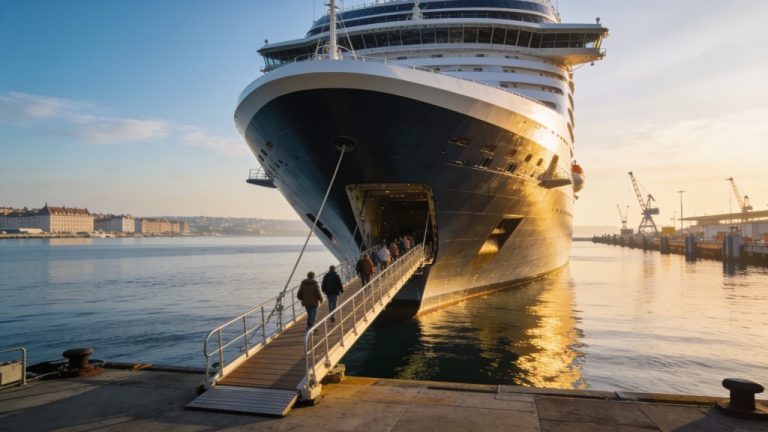
Cruise ships are often divided into three categories. Small ships are quieter, more personal and regularly sail to special ports. Medium-sized ships offer a balance between comfort and choice. Large ships have lots of facilities and entertainment and are popular with families.
The choice of a particular size has a direct impact on your holiday. A small ship means more peace and a clearer layout, but fewer restaurants and shows. A large ship offers plenty to do but can feel busier. For your first cruise it is important to know the pros and cons of each ship size.
Small ships offer intimacy and special destinations
Small cruise ships carry a few hundred up to around a thousand passengers. These ships are easy to get around, calm and often more focused on the itinerary than on entertainment on board. They can dock in smaller ports that are not accessible to large ships.
The advantages of a small ship are mainly practical. It is easier to find your way around on board, queues are shorter and the atmosphere is more personal. The crew get to know you more quickly and the public spaces feel less crowded. Smaller ships are ideal for travellers who are looking for peace and value special destinations.
There are disadvantages too. Small ships have fewer restaurants, fewer shows and often a more limited range of activities. The price per night is sometimes higher than on larger ships. For anyone expecting a lot of variety and entertainment on board, a small ship can feel limiting.
What type of traveller suits a small ship?
- Travellers who appreciate peace and space
- Those who want to visit unique or smaller ports
- People who want less hustle and a personal atmosphere
- Couples without children who like to unwind and explore
Medium-sized ships offer balance for beginners
Medium-sized ships carry around one to two thousand passengers. They offer enough choice of restaurants and activities, while still being easy to navigate. For many beginners this is the most comfortable size to get used to cruising.
These ships have plenty of entertainment and facilities without it feeling over the top. You do not have to fight your way through huge crowds, yet you still have several restaurants, a theatre, swimming pools and various bars. The atmosphere remains fairly calm and the ship is easy to find your way around.
The downside is that medium-sized ships have fewer spectacular features than the very largest ships. Water parks, slides and big shows are often missing. For those who are specifically looking for those facilities, a medium-sized ship may feel too limited. Still, many travellers find this size pleasant and accessible.
What type of traveller suits a medium-sized ship?
- People going on a cruise for the first time who do not want to get lost straight away on a large ship
- Travellers who want enough variety without excess
- Couples and solo travellers looking for a good balance between peace and choice
- Anyone who wants a clear, easy-to-navigate ship with enough comfort and options
Large ships offer lots of entertainment and facilities
Large cruise ships can accommodate more than three thousand passengers. They offer many restaurants, swimming pools, theatres, shops, sports facilities and sometimes even water parks or ice rinks. These ships are popular with families and travellers who see the ship itself as an important part of the holiday.
The advantages of large ships are clear. There is always something to do, from shows and live music to sports activities and workshops. The range of restaurants is extensive and you often have several swimming pools and lounge areas to choose from. There is plenty of entertainment for children and for adults too.
The downside is that large ships feel busier. Waiting times at lifts, buffets and popular facilities can be longer. The atmosphere is less personal and it can take a while before you know your way around. Not all ports are accessible for large ships either, which means you sometimes dock further from the city or travel to shore by tender boat.
What type of traveller suits a large ship?
- Families with children who want plenty of activities and entertainment
- Travellers who enjoy bustle and lively surroundings
- Anyone who considers lots of facilities, shows and dining options important
- People who mainly want to enjoy life on board and place less emphasis on destinations
‘ Large ships sometimes seem cheaper, but extra costs for speciality dining, drinks packages and excursions can add up. ’
Choose based on your travel style and destination
The best ship size depends not only on your preferences but also on the itinerary. Some destinations are better suited to certain ship sizes. Caribbean itineraries are often sailed by large ships that offer many facilities. In the Mediterranean you see medium-sized and large ships. Northern Europe, fjords and smaller ports are sometimes only accessible by smaller ships.
Your traveller profile also plays a role. Couples without children often choose smaller or medium-sized ships because of the tranquillity. Families prefer large ships with child-friendly facilities. Solo travellers appreciate clear, easy-to-navigate medium-sized ships where it is easier to meet people. Older travellers mainly look at comfort, accessibility and peace, regardless of size.
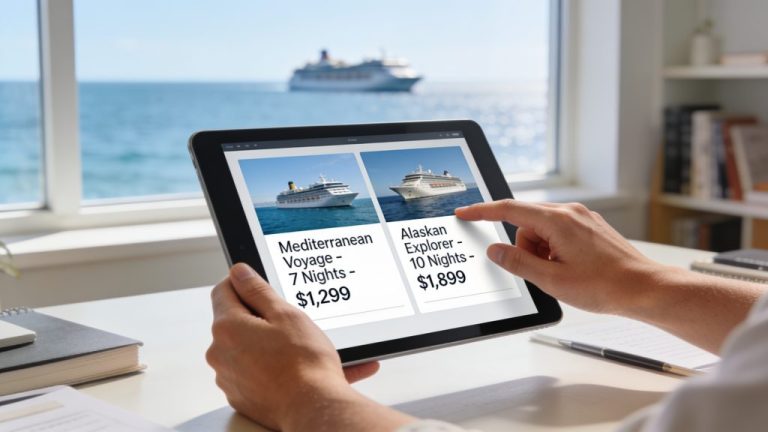
Also pay attention to what is included in your cruise. Large ships sometimes seem cheaper, but extra costs for speciality dining, drinks packages and excursions can add up. Read reviews from other passengers to get an idea of the atmosphere on board. Check deck plans in advance too, especially for large ships where the layout can be complex.
Practical tips for making your choice
For your first cruise it is sensible not to choose the very biggest or the very smallest ship straight away, unless you know exactly what you are looking for. A medium-sized ship offers the most flexibility and helps you discover what matters to you on board.
Look beyond just the length of the ship. The ratio between the number of passengers and the available facilities determines how busy a ship feels. A large ship with lots of restaurants and lounges often feels calmer than a ship with the same capacity but fewer options.
Also look at the ports of call. Large ships may dock further from city centres or have to tender, which means extra travel time. Smaller ships can berth closer to historic centres and in smaller ports, saving you time and organisation.
Checklist when choosing a ship size
- Decide whether you mainly want to relax or want to do a lot on board
- Check whether you are travelling with children or specifically seeking peace and quiet
- Check which ports the itinerary visits and whether size affects this
- Read other travellers’ experiences of crowds and atmosphere on board
- Compare what is included in the price and which extra costs you can expect
Which ship size suits you best?
For most beginners, a medium-sized ship is the safest choice. It offers enough comfort, options and clarity without being overwhelming. If you mainly want peace, personal attention and special destinations, then a small ship is a better fit. If you are looking for plenty of entertainment, facilities and a lively atmosphere, then a large ship is more suitable.
The best ship size is not necessarily the largest or the smallest. What matters is that the ship matches your travel style, the itinerary you want to sail and what you expect from your cruise. By thinking carefully in advance about what is important to you, you make a choice you will not regret during your trip.
On the Traveler Tips website you will find much more information about cruises, routes, preparation and useful tips for your trip. Whether you are going on a cruise for the first time or already have experience, there is always more to discover to help you plan an even better holiday.
Frequently asked questions
Larger ships often feel more stable in rough seas because they do not react as quickly to every wave, which can reduce the risk of seasickness. At the same time, in really heavy seas they can make powerful, slow movements that you really feel. Smaller ships move faster and more directly with the waves, which can be more restless, but some people find this less “clumsy” and more predictable. Besides size, your travel comfort is also affected by where your cabin is located (midships and on a lower deck usually feels the calmest) and which route/season you choose.
For taking a vehicle or bicycle on board comfortably, with as much ease of driving on and off as possible, a medium-sized ship is usually the most suitable. These ships typically combine a clear layout and sufficient loading capacity with less extreme crowds than the very largest ships. As a result, the driving routes on board are often clearer and manoeuvring with a vehicle or bicycle is easier.
A larger ship generally offers more facilities and options, such as several restaurants, swimming pools and entertainment. A smaller ship often feels more spacious because it is less crowded and provides a more personal, intimate atmosphere on board. Which offers the better “travel experience” therefore depends on what you value more: lots of options and liveliness (large) or peace, clarity and a cosy atmosphere (small). In many cases, a medium-sized ship forms a good balance between facilities, space and atmosphere.
Yes, ship size definitely has an impact on your travel planning. Large ships cannot dock in all (smaller) ports and therefore often follow different routes than small ships. Smaller ships more often offer special or smaller ports, while large ships may require more time for embarking and disembarking, which can affect your effective time ashore. When making your choice, take into account both the destinations you want and the amount of time you actually want to spend on location.