 NL
NL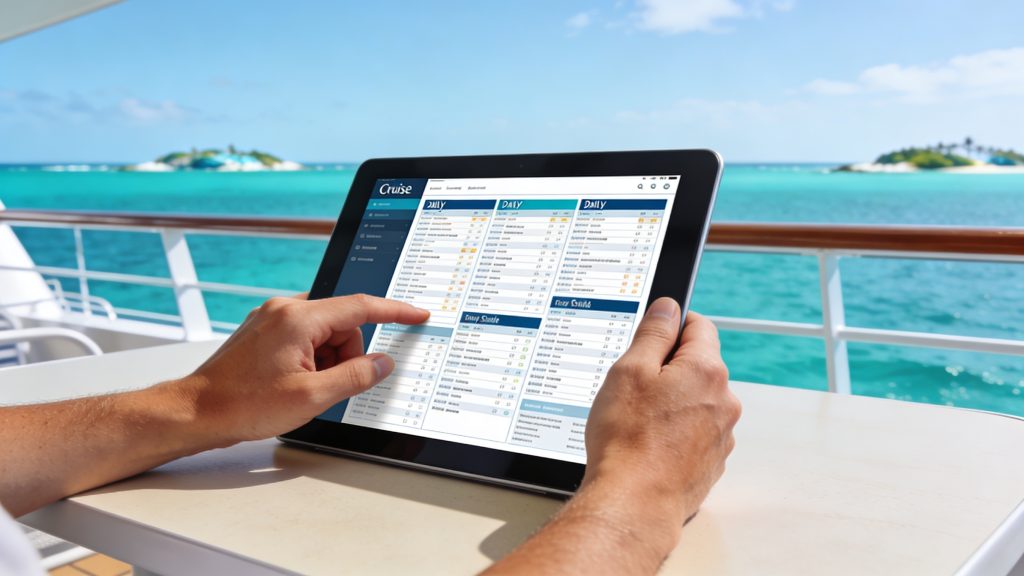
A cruise follows a set rhythm of meals, activities and port calls, with clear differences between sea days full of onboard activities and port days that revolve around excursions. If you understand this daily schedule, you can get more out of every moment on board and won’t miss any important moments. Read on to make sure your first days on a cruise go smoothly.
What does a typical day on board look like?
A typical cruise day starts early and ends late. The schedule varies by cruise line and by day, but usually follows a predictable pattern. You receive this schedule via an app, a daily newsletter or digital screens on board.
The morning starts between 7:00 and 11:00 with an extensive breakfast in the main restaurant or buffet. After that you can stroll on deck, go for a swim or work out in the gym. The late morning, from 11:00 to 13:00, offers time for relaxation in the spa, workshops or reading on deck.
In the afternoon, between 13:00 and 17:00, lunch is served in various restaurants. If you are in port you disembark for excursions. Back on board you can enjoy wellness facilities, swimming pools and snacks. The evening, from 17:00 to 22:00, revolves around dinner in the main restaurant with fixed seatings around 18:30 or 20:30, followed by live music, theatre or themed parties.
After 22:00 the nightlife continues with late shows, dancing in lounges and 24-hour buffets for anyone who gets hungry. Check the schedule every day, as times may change on port days or due to changing weather conditions.
‘ The ship departs on the dot, regardless of whether passengers are still on their way. ’
What is the difference between sea days and port days?
Sea days are days without a port call, when the ship sails on to the next destination. These days are filled with onboard activities: lectures, cooking workshops, water activities, wellness and entertainment. The pace is slower and there is more room for relaxation.
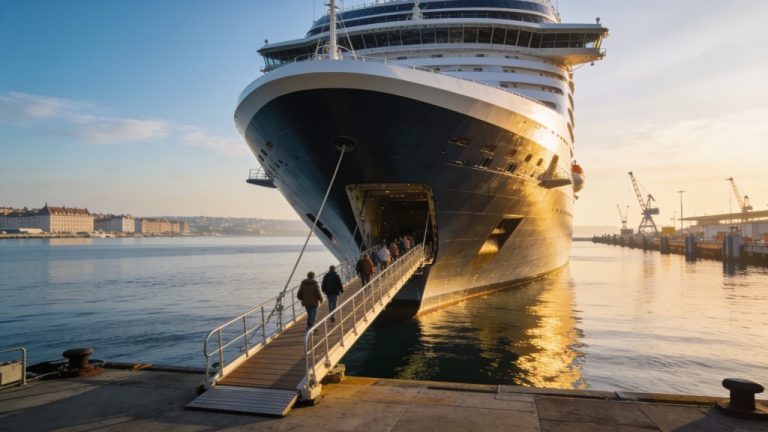
Port days start early, often with arrival in the morning. You go ashore for excursions, keeping the all aboard time in mind. This is the latest time you must be back on board, usually 30 to 60 minutes before the ship’s departure. Plan to be back at least 2 hours before this time, or 3 to 4 hours in busy ports.
Excursions booked via the cruise line guarantee that you will be back on time. With self-organised trips (excursions you book independently of the cruise line) you bear the responsibility yourself. The ship departs on the dot, regardless of whether passengers are still on their way. Use the cruise line app for real-time updates on arrival and departure times, which can change due to weather or port formalities.
How do you plan activities and priorities?
The daily programme offers more options than you can possibly do. Setting priorities helps to avoid disappointment. Reserve popular activities such as spa treatments and shows in advance via the app, especially on busy sea days.
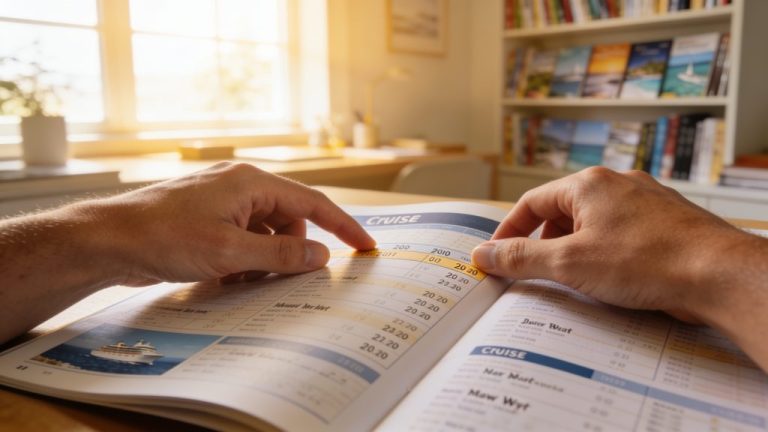
On your first cruise it is useful to go through the schedule in the morning. Note down the times of activities you do not want to miss. Think of:
- Fixed meal times in the main restaurant
- Theatre performances and live music
- Workshops or lectures that interest you
- Port calls with all aboard times
- Wellness appointments or sports classes
Also leave room for spontaneity. Not every moment has to be filled. Many cruisers say that rest and flexibility increase the enjoyment.
When are meals served?
Meals provide the structure of the day. Times vary slightly by cruise line, but usually follow this pattern:
- Breakfast: 6:00 to 11:00 in the buffet or main restaurant
- Lunch: 12:00 to 14:00 via buffet, speciality restaurants or on deck
- Dinner: fixed seatings at 18:00 or 20:30, or flexible dining in à la carte restaurants
- Snacks: available 24 hours via buffets or room service, sometimes with a surcharge
Dinner often has dress codes: casual during the day, smart or elegant in the evening. Check this in advance in your app or newsletter. Drinks packages can be booked beforehand for unlimited use during the cruise. Gratuities are usually included in the fare, but this differs by cruise line.
‘ If you miss this time, you will have to travel to the next port at your own expense. ’
What are port calls and how do they work?
Port calls are highlights of the cruise. The arrival and departure times are listed on your ticket or in the app, but they are estimates. Weather conditions, port formalities or operational reasons may change these times.
When arriving in a port, you can go ashore as soon as the ship has clearance. You scan your cruise card when leaving and re-entering the ship. The all aboard time is clearly indicated and is strict. If you miss this time, you will have to travel to the next port at your own expense.
Official excursions booked through the cruise line offer security: if the tour is delayed, the ship will wait. With self-organised trips (excursions you arrange independently of the cruise line) you bear this risk yourself. Share taxis with fellow cruisers to reduce costs and avoid tight schedules.
What tips help with your first cruise schedule?
Download the cruise line’s app for personalised schedules and notifications. Set an alarm for early port activities, as arrival can be as early as 6:00. Reserve spa treatments and popular shows as soon as the cruise starts.
Pack light clothing, a smart outfit for dinner, comfortable shoes for excursions and don’t forget your passport and sunglasses. Choose an outside cabin (cabin with a window to the outside) or balcony cabin for morning light and sea views, which is especially pleasant on sea days.
Avoid peak times at buffets by going early, usually before 8:00 or after 10:00. Schedules can change, so follow announcements from the crew. Flexibility makes the difference between stress and relaxation.
If you understand the daily schedule in advance, you can make more conscious choices between activity and rest. Sea days offer more onboard activities, port days require planning around excursions and all aboard times. With this schedule, your cruise becomes predictable and you can enjoy every moment.
Discover more about cruises and travel planning
On the Traveler Tips website you’ll find much more information about cruises, from what to pack to how to find the best deals. Discover routes, destinations and practical tips that help you plan your trip in detail. Have a look around and get the most out of your next trip.
Frequently asked questions
A daily cruise schedule is usually divided into time blocks (morning, afternoon, evening, night) with a list of activities for each block, such as meals, shows, sport and children’s programmes. Pay attention to symbols or icons: a fork/knife for restaurants, a music note or mask for entertainment, waves or a rubber ring for water activities, a clock or exclamation mark for important times (such as “all aboard”). Locations are often indicated with abbreviations (e.g. “DR” for dining room, “LNG” for lounge) and there is a dress code symbol for dinner (casual, formal). Check the legend or explanation at the bottom of the schedule or in the app every day, where the meaning of all symbols and colour codes is briefly explained.
You usually find your daily schedule in the official cruise app, in the printed daily newsletter that is delivered to your cabin in the evening, or on information screens on board. The schedule for the next day is usually published the evening before, so you can plan your activities. Often you can also reserve shows, restaurants and excursions in advance via the app. Ask at reception or your cabin steward if you are missing the daily newsletter or access to the app.
Use the daily schedule as a guide to plan fixed moments first (meals, shows, all aboard time) and then organise your free time around them. During port calls, schedule the most important activity or excursion first thing in the morning and make sure you are back on board at least 2 hours before all aboard. Use the cruise app or daily newsletter to spontaneously add onboard activities when gaps appear in your day. Always keep a time block free for relaxation (spa, deck, pool), so you do not feel you have to rush around all the time.
Avoid peak times at the buffet (breakfast around 8:30–10:00 and lunch around 12:30–14:00) if you do not like crowds and queues. Instead, prioritise early or late mealtimes for a calmer experience. Plan port excursions with plenty of margin around the all aboard time and come back at least two hours in advance to avoid stress. Book popular activities such as spa and shows on sea days in good time, as they fill up quickly.
Use the daily planning or cruise app to see in advance which excursions, restaurants and spa times are likely to fill up quickly, and book those as soon as the booking system opens. Plan excursions around the arrival and departure times in ports, and secure the longest or most popular activities first. Book restaurant times that do not clash with shows or excursions, and deliberately keep one evening free for spontaneous choices. Reserve spa treatments preferably on sea days in the quiet morning or late afternoon, so they do not overlap with busy activities.