 NL
NL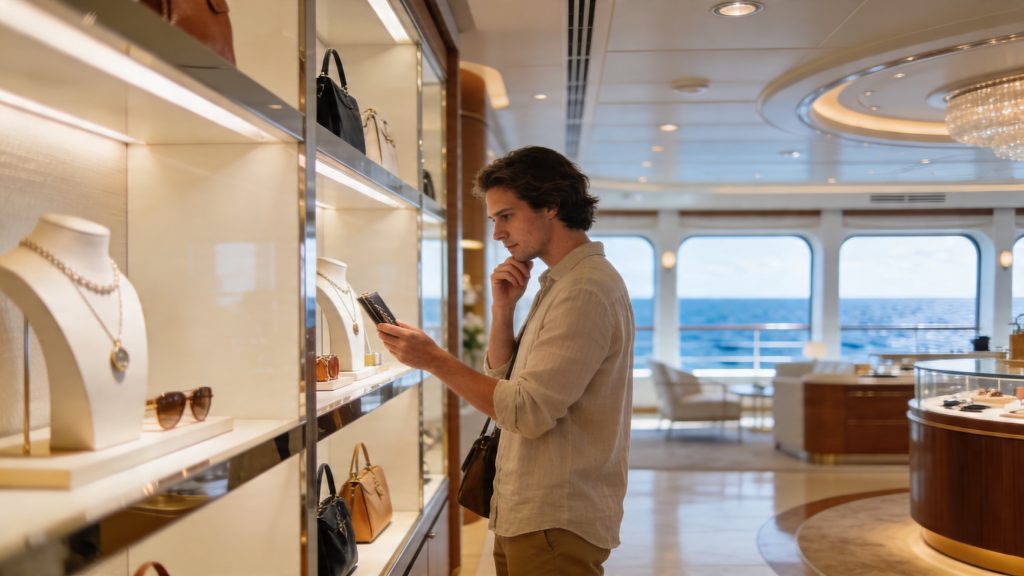
Duty-free shopping at sea is one of the hidden perks of a cruise. Perfumes, alcohol and luxury goods often cost up to 30% less than on shore. You do need to know when to buy. It matters what is really better value. Also plan how much space you will have left in your suitcase. Good preparation ensures that shopping on board gets the most out of your cruise budget. Discover how to grab the best deals without cramming your cabin full.
What can you buy in the on-board shops?
Cruise ships have specially designed on-board shops where you can shop duty-free. These shops only open in international waters, when the ship is sailing between ports. You will find products with hefty discounts. Prices are often significantly lower than in regular shops on shore.
The on-board shops offer several categories:
- Perfumes and cosmetics from well-known brands
- Alcohol such as wine, spirits, beer and champagne
- Cigarettes and tobacco products
- Jewellery, watches and gemstones
- Designer items and branded clothing
- Chocolate, sweets and gourmet foods
- Electronics and photographic equipment
The price advantage varies per product category, and the route also plays a role. Alcohol and perfume often save you the most money, because excise duties and taxes are removed. On some routes the difference can be 30% or more. Not everything is automatically cheaper. Electronics and designer clothing are often less expensive on shore, especially during sales.
Planning your first cruise? Check in advance what you might want to buy. Look up the prices at home and compare them with the on-board prices.
‘ The shops themselves do not accept cash or credit cards. ’
How do opening times and paying on board work?
The on-board shops open on sea days. They also have opening times when the ship is sailing between ports in international waters. During port calls the shops usually remain closed due to customs and tax rules. You receive a daily programme sheet in your cabin, which lists the exact opening times.
Most shops keep long opening hours: from early morning until late in the evening. Longer sea days may have different times, with the shops often open until midnight. On the final sea day before the end of the cruise, the shops stay open extra late. Many passengers make their last purchases then.
You pay exclusively with your personal cruise card. This is the same card you use to access your cabin and for all other on-board expenses. The shops themselves do not accept cash or credit cards. Your on-board account automatically adds up all purchases, which you settle at the end of the cruise.
Duty-free limits and customs rules
You buy duty-free on board, but there are limits on what you may take home tax-free. These limits differ per country, and the route also determines the limits. For cruises from the Netherlands to, for example, the United Kingdom, there are specific quantity limits per adult.
If you exceed the limits, you will have to pay additional tax to customs on arrival. Find out the rules for your specific route and home country in advance. The crew will usually inform you about this, but it is still worth checking while planning your trip.

Finding the best deals on a cruise ship
Not all products on board offer the same level of savings. Compare prices in advance to grab the best deals. Make a list of products at home and note the normal shop price. You can then compare the on-board price directly with the store price, so you know whether the saving is genuine.
Perfumes and cosmetics often provide the best bargains. The fragrances are authentic and prices are consistently lower than in department stores. Alcohol usually brings substantial savings too, particularly on premium brands. Wine, champagne and spirits cost considerably less, largely because there is no excise duty.
Check luxury items such as jewellery and watches extra carefully. They may look attractively priced, but designer pieces can sometimes still be cheaper on shore, especially during sale periods. The same applies to electronics. Always compare with online prices and only buy after that.
Timing your purchases
Seasoned cruisers offer this advice: only buy large items on the last sea day. That way you are not lugging heavy or fragile goods around for the entire cruise. On-board shops often run special discounts on the final day.
Smaller items such as perfume miniatures or chocolate can be bought earlier in the cruise so you can enjoy them during the trip. Alcohol usually has a special rule: you only receive the bottles when you disembark. You can therefore buy them at any time, as it makes no difference to your luggage during the cruise.
The shops get busy in the evenings, with long queues especially after dinner. Go early in the morning or shop in the middle of the day. It will be quieter, the staff have more time for your questions, and you can try products in peace.
Saving space in your suitcase
Think about how much luggage space you have when shopping on board. Only buy what you really need, or what gives you a big saving. A bottle of perfume or a piece of jewellery takes up little room. Several bottles of wine will fill your suitcase quickly.
Work out in advance how much extra weight you will be taking and consider the volume as well. Check the baggage rules for your flight and for your journey home in general. Airlines have strict weight limits, and extra baggage is expensive. Calculate whether the saving on duty-free products will be greater than any extra baggage charges.
Consider buying only compact items that offer high value for little space:
- Perfume bottles and miniatures
- Small pieces of jewellery or watches
- Luxury chocolates in compact packaging
- Travel-sized cosmetics
If you have little luggage space, avoid heavy or bulky purchases such as large bottles of alcohol. Travelling by car with plenty of space in the boot? Then feel free to buy them.
Packaging and protection
Always ask for sturdy packaging when you buy something, especially for fragile items. On-board shops usually provide bubble wrap or special carry bags. Keep receipts and packaging until you are home, in case you want to exchange or return something.
Pack fragile purchases in the middle of your suitcase and surround them with clothing. That gives them the best protection during transport. Consider bringing extra plastic bags for liquids so that any leaks will not cause problems.
‘ The same products still cost less on shore. ’
Practical tips for novice cruise shoppers
If you are going on a cruise for the first time, shopping on board can feel overwhelming. The shops look luxurious and the promotions are eye-catching. Stay level-headed and plan your purchases carefully.
Always test perfumes in the shop first and only buy afterwards. Ask for samples or testers. Scents smell different on different people. Do not impulsively buy a bottle you may never wear at home.
Check the currency and exchange rates. On-board shops often show prices in US dollars or euros, depending on the cruise line. Check which currency the shop uses and, if necessary, convert it into your own currency.
Do not blindly fall for promotions. Some offers look good, but the same products may still be cheaper on shore. A “buy one get one free” promotion only pays off if you genuinely want both products.
What experienced travellers recommend
Cruise passengers share their experiences with shopping on board in travel forums. Many report that the on-board shops are especially lively in the evenings – and very busy. Go early in the day for peace and a clear overview, or shop later at night.
This tip comes up often: save large purchases for the last sea day. Other travellers warn about something else: popular items may be sold out by then. Check what is in stock during the first days and then decide when to buy.
On your first cruise, focus mainly on small, easy-to-carry items. That way you get used to the concept of duty-free shopping without making big investments straight away – and you will not run into luggage problems.
Is shopping on board really cheaper?
The answer varies by product category. For perfume and alcohol, shopping on board is almost always worthwhile. For electronics, clothing and jewellery that is not automatically the case, so compare carefully.
Use your smartphone to check prices while you shop. Many cruise ships offer Wi‑Fi packages, allowing you to look things up online quickly so you never pay more than necessary.
Factor in the total costs. You may have to pay for extra baggage on your flight or declare products at customs, which can cancel out the saving. Add everything up and only then make your final decision.
Shopping on board can certainly pay off, provided you choose carefully, compare prices and take luggage space and customs rules into account. Do that well, and you will bring home lovely products at attractive prices.
Traveler Tips offers plenty more information about cruises. You will find packing lists and tips for your first cruise experience. Explore more useful articles and plan your next trip even better.
Frequently asked questions
On board, duty-free products are available such as perfumes, cosmetics, alcohol, tobacco, chocolate and sweets, as well as luxury branded goods like designer items, jewellery, gemstones, electronics and gifts. There are also often photo products and small gift and souvenir items to remind you of your trip. In premium accommodation, such as MSC Yacht Club, there are exclusive options like private shops, in‑suite showings of jewellery and delivery of purchases to your cabin. These exclusive items and services are designed to make the travel experience extra special and personal.
The shops on board offer duty-free benefits when the ship is at sea. This means certain products, such as perfumes, alcohol and tobacco, can often be up to about 30% cheaper than on land. Even so, it is wise to compare prices, because not every item is automatically cheaper than in shops ashore.
On board you pay in the shops with your personal cruise card; cash or direct payments by debit/credit card are generally not used there. The shops are open during the day and until late in the evening when the ship is at sea, but they usually close when the ship is in port. There are duty-free limits for purchases such as alcohol and tobacco, depending on your itinerary and the customs regulations of the country where you disembark. Check these limits to avoid problems at customs.
On board you can often benefit from duty-free prices, especially for alcohol, perfumes, cosmetics and tobacco, which can sometimes be up to around 30% cheaper than on shore. For local products, souvenirs and a unique range, you are usually better off at your destination. It is therefore smart to check prices for major brands online in advance and compare them on the spot. This way you can buy more expensive branded items on board and pick up typical local goods at your destination.