 NL
NL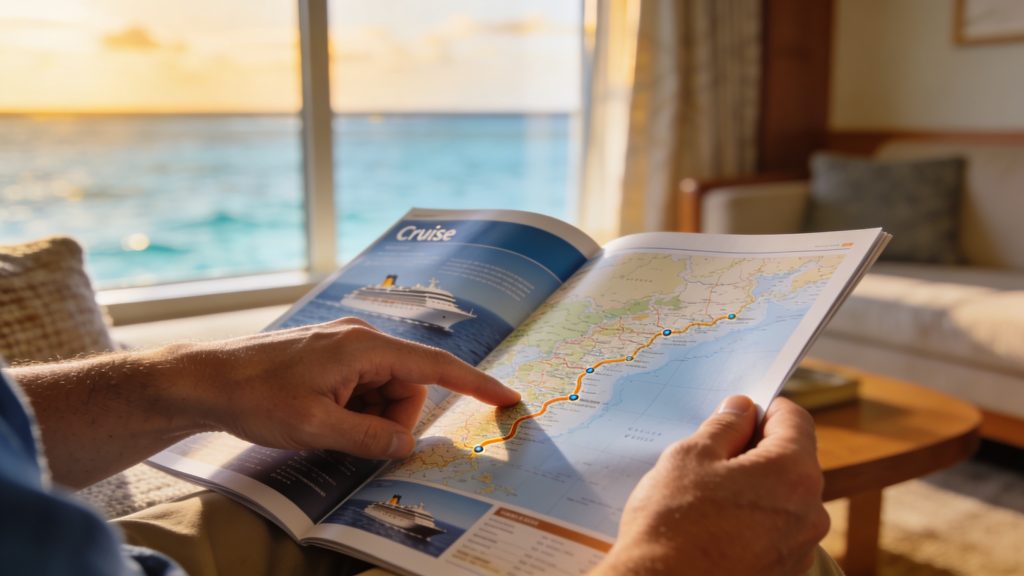
For a first cruise, it is best to choose an itinerary with few sea days, several port calls and a manageable duration of no more than a week. Routes through the Mediterranean and along the Norwegian fjords are proven beginner-friendly thanks to the combination of well-known destinations, short distances and an easy-going pace. With this choice, you avoid spending days at sea straight away. You do not yet know how you will react to the ship. Discover which itineraries are truly suitable for a first introduction to cruising.
Why are short itineraries with many ports ideal?
A first cruise is different from an ordinary hotel holiday. You are tied to fixed mealtimes and daily programmes. You share space with hundreds of other travellers. The ship moves while you are on board. Have you never sailed before? Then choose an itinerary where you are not at sea for several days in a row straight away. That is a more sensible option for a first introduction.
Short itineraries give you the chance to experience what life on board feels like. You are not committed for a long time if you end up not liking it. Routes with varied port calls work best. They create rhythm and variety. You regularly go ashore, explore new cities or islands, and return to the ship for the night. That rhythm makes a cruise more accessible. You literally keep both feet on dry land. For anyone prone to seasickness or who simply does not feel like bobbing around at sea for days, this is a safe way to test your first cruise.
A duration of three to seven nights is usually enough. That way you get a first impression. You experience the ship, the organisation, the service and the dynamics on board. You do not commit yourself to a long journey. Many beginners therefore opt for a short taster cruise, sometimes even an extended weekend, and then choose a longer itinerary for their next booking.
‘ Note: this itinerary is mainly suitable for beginners who know what they are looking for. ’
Which itineraries are most often recommended?
Three regions keep coming back in the advice of experienced cruisers to first-timers. These are the Mediterranean, Northern Europe with the Norwegian fjords, and the Caribbean. Each itinerary has its own characteristics. They are logistically straightforward. They include many ports and suit different travel goals.
Mediterranean: cities and culture
The Mediterranean is the most popular region for a first cruise from the Netherlands. Distances between ports are short. You quickly alternate between sea days and port visits. Itineraries start, for example, in Barcelona. They call at Marseille, Genoa and Rome. They sometimes end in Venice. The advantage is that many cities are well known worldwide. That makes the preparation easier.
In summer, the climate is predictably warm and dry. In spring and autumn you have milder temperatures without extreme crowds. Many cruise lines operate in this region. So there is a choice of ship type, budget and onboard atmosphere. Do you enjoy city breaks, museums and history? Then this itinerary is a logical starting point.
Norwegian fjords: peace and nature
The Norwegian fjords mainly attract travellers who are looking for peace and quiet. They are less interested in busy cities. They want to enjoy natural surroundings. Itineraries often sail from Hamburg or Amsterdam, with stops in Bergen, Geiranger, Flåm and Stavanger. The fjords themselves are impressive. You see steep cliffs, waterfalls and small villages. The pace on board is calmer than on a Mediterranean cruise.
The distances are very manageable. The journey feels safe. You stay relatively close to the coast. The weather is also quite easy to cope with in the summer months, although you can expect rain and wind. If you prefer an introduction without hustle and bustle, this itinerary is suitable. Many ships also offer specific excursions. Think of kayaking or train journeys through mountain landscapes. These excursions fit the surroundings very well.
Caribbean islands: sun and beach
A Caribbean cruise mainly attracts travellers looking for warmth and beach destinations. Itineraries often depart from Miami or Fort Lauderdale. They call at islands such as Curaçao, Aruba, Jamaica and the Bahamas. Almost every day you will be swimming, snorkelling or lying on the beach. That is a big plus. Distances between the islands are easy to grasp. The atmosphere on board is generally relaxed.
However, this itinerary does require a bit more planning. The hurricane season runs from June to November. Autumn is therefore less suitable. You should also take into account a longer flight to the departure port. That makes the trip more expensive and more complicated. If your main aim is to combine a sunny beach holiday with the convenience of a cruise, the Caribbean is a good choice. Do bear in mind: this itinerary is mainly suitable for beginners who know what they are looking for.
What should you pay attention to when making your choice?
Not every cruise is the same. Not even within the same region. There are a few practical points to consider. These can make the difference between a pleasant and a disappointing first experience.
- Choose an itinerary with a maximum of two consecutive sea days if you are unsure about seasickness
- Check how many hours you actually have in each port city; some calls last only a few hours
- Pay attention to the departure port: cruises from Amsterdam or Rotterdam save you a flight
- Look at what type of guests the ship attracts, such as families, older couples or partygoers
- Check whether excursions are included in the price or whether you have to book everything separately
It can be tempting to choose based on price alone. For a first cruise, it is important that the itinerary and the ship match your expectations. A cheap deal with many sea days and few ports may not suit your preferences. That trip can disappoint. A slightly more expensive cruise with more stops and shorter distances may well give you the right experience.
How long should your first cruise be?
Many beginners choose a cruise of five to seven nights. You get to know the ship. You visit several ports. You gain a clear picture of how cruising works. At the same time, the duration is limited. That keeps the step manageable. There are also mini-breaks of three nights. These are often offered as weekend packages. They are suitable as a test, but leave little time for extensive port visits.
Longer cruises of ten days or more are often recommended by experienced cruisers. You then really unwind. You settle into the rhythm. For a first time, that can be risky. You do not yet know how you will respond to daily life on board. Most travel companies recommend starting with a week. For a next booking, you can always choose a longer trip.
‘ This way you avoid being taken by surprise by an environment that does not suit you. ’
What is the difference between a quiet and a lively cruise?
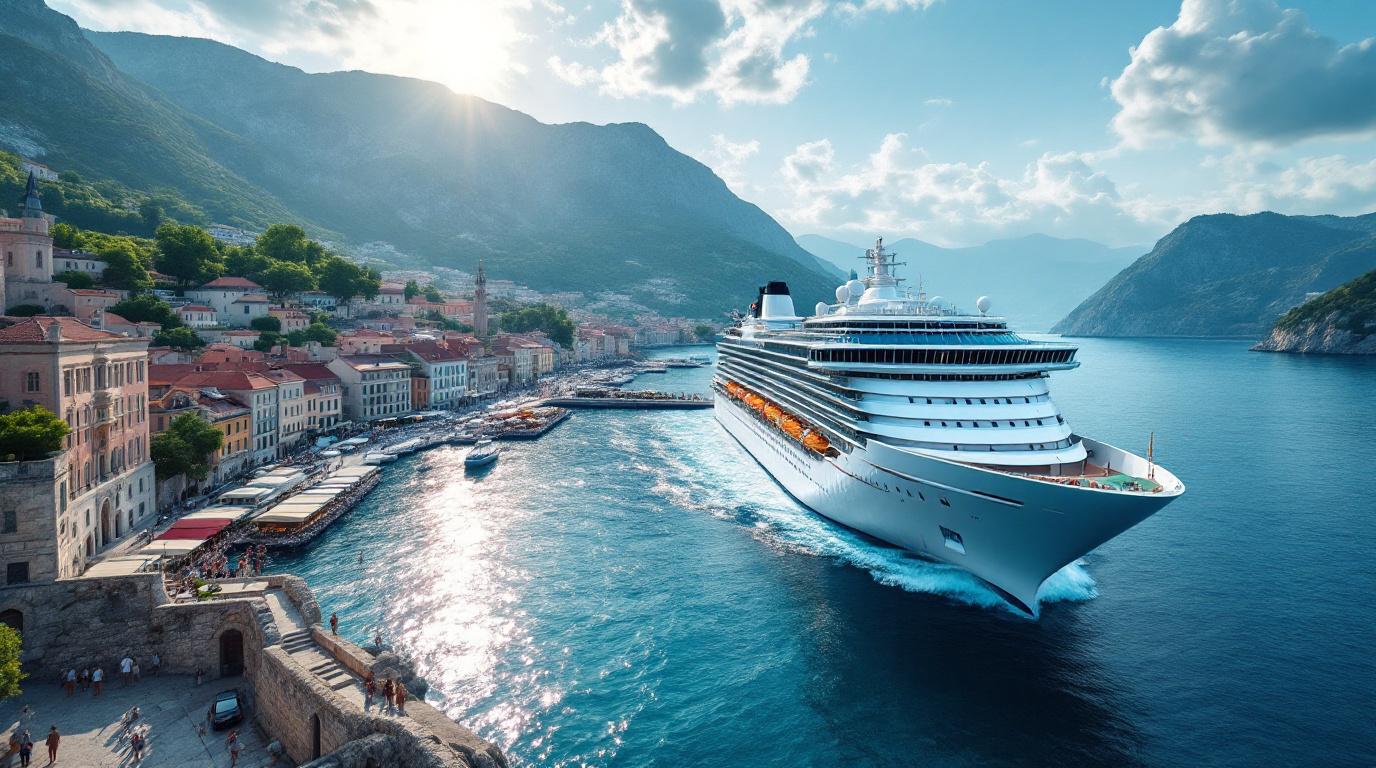
The itinerary determines how your cruise feels. The type of ship and the cruise line also play a major role. Large ships with thousands of passengers offer a lot of entertainment. Think swimming pools, restaurants and activities. They are suitable for families and people who like an active holiday. Smaller ships are often quieter. They offer more focus on personal service. The atmosphere is relaxed. These ships sometimes sail to smaller ports that larger ships cannot reach.
The average age on board also differs per ship and period. Some cruises are aimed at older travellers. Others focus on young couples or families with children. During school holidays, ships are usually busier and have more children on board. In the shoulder seasons, you will find a calmer crowd. It is worth asking the cruise line or travel company in advance. Ask what kind of atmosphere you can expect. This way you avoid being taken by surprise by an environment that does not suit you.
How do you prepare for your first port visit?
The ship docks in a port every day. You get a few hours to a whole day to explore the area. You can book excursions through the cruise line. Or you can head into the town or island independently. A guided excursion has one clear advantage. The ship will wait for you if there is a delay. If you go on your own, you are responsible for getting back on time.
Many beginners underestimate how little time you sometimes have. A six-hour stop sounds generous. You have to get on and off. You walk to the centre. You return to the ship. There is less time left than you think. So prepare well. Check in advance what you want to see. Find out how far it is from the port. Make a note of the latest time you must be back. If you miss the ship, you will have to travel to the next port at your own expense. That can become costly.
What should you pack in your hand luggage?
On the first day on board, your cabin is often not yet available. Your checked luggage will be delivered to your room later, sometimes not until the afternoon. Pack essential items in your hand luggage. Think swimwear, sun cream, medication, an extra shirt and possibly your camera. That way you can start using the ship’s facilities straight away while you wait to access your cabin.
Also take a copy of your booking confirmation with you. Do not forget your passport and any visa documents. Within Europe, a national identity card is often sufficient. Some ports outside the EU still require a passport. Check this in advance with the cruise line or your travel company. Ask them so you avoid unpleasant surprises.
‘ This way you avoid surprises and make a more informed choice. ’
Compare these practical points in advance as well
Do not choose solely based on price or popular destinations. Also determine whether the cruise line offers all-inclusive packages, or whether you have to book drinks, Wi‑Fi and excursions separately. Check whether there are medical facilities on board, especially if you take medication. Look into the cancellation conditions: some cruises have stricter rules than standard package holidays. Also pay attention to seasonal differences in weather and crowds in each region. This way you avoid surprises and make a more informed choice.
Frequently asked questions
Choose an itinerary with many port calls and few sea days, so the rhythm resembles your car or train journeys with a new place each day. Mediterranean or Northern Europe/fjords itineraries are ideal for this: varied cities, nature and culture within short distances. When choosing, look for ports where you can explore independently by public transport or on foot instead of only via organised excursions. Start with 3–7 nights so you can try out cruising without immediately booking a long, sea‑dominated trip.
The best itineraries for a self‑planned car or train trip before or after the cruise are usually those with departure and arrival ports in easily accessible regions such as the Mediterranean (e.g. Barcelona, Rome/Civitavecchia, Genoa) and Northern Europe (e.g. Amsterdam, Rotterdam, Hamburg). These ports are often on major rail routes and motorways, making it easy to plan a city break or road trip. Norwegian fjord cruises from, for example, Kiel or Copenhagen also work well with a road trip or train journey through Scandinavia beforehand or afterwards. Caribbean cruises are less practical for this, as they usually require an intercontinental flight and do not link as well to a European car or train journey.
Choose an itinerary of around 3–7 nights with a limited number of sea days so that you can experience both life on board and several destinations. The Mediterranean and Norwegian fjords are ideal because distances are short and you explore a different port almost every day. When selecting, pay attention to the balance in the schedule: no more than one or two consecutive sea days and enough time ashore at each stop. Finally, match the type of itinerary (culture, nature, beach) to your interests so that your days ashore complement your relaxation at sea into one complete experience.
Yes, there are definitely cruise itineraries that include more off‑the‑beaten‑path destinations, but you have to search for them specifically. Consider smaller cruise lines or expedition ships that visit less commercial ports (for example small Greek islands, Norwegian fjord villages, Iceland/Svalbard or smaller Caribbean islands). Look for itineraries with small‑scale ports and few or no megacities on the schedule, and avoid the standard Mediterranean or major Caribbean circuits. In the itinerary description, look for terms such as “expedition”, “boutique”, “small ship” and “unique ports of call”.