 NL
NL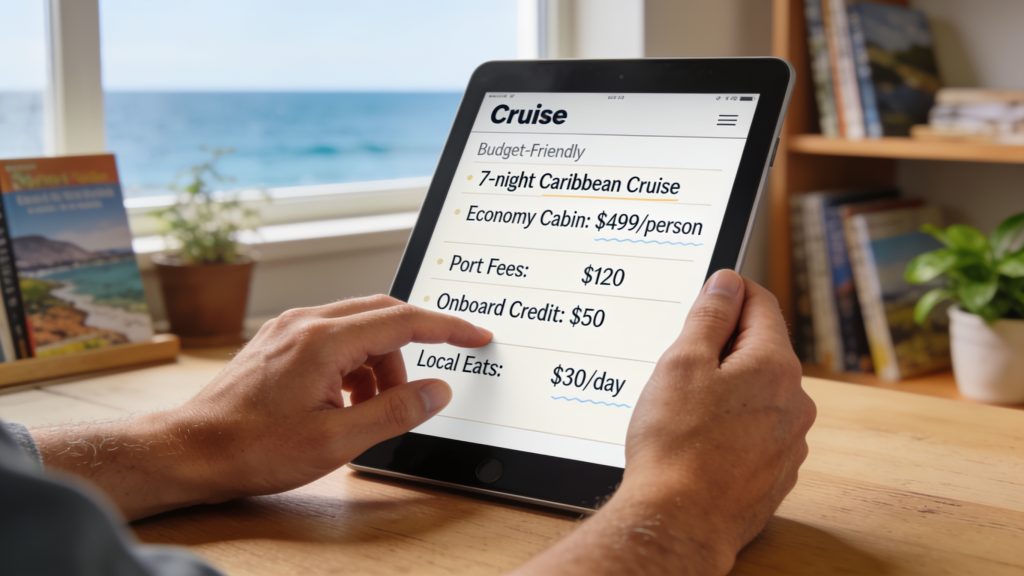
You don’t need to pay more for the same cruise experience. By booking smart, choosing the right timing and making conscious choices about cabin type and package, you can save between 20 and 30 per cent on your cruise ticket, without sacrificing comfort or enjoyment. Find out how.
What booking early delivers
If you book your cruise well in advance, you benefit from the lowest fares. Cruise lines reward early bookings with discounts that can run up to 30 per cent. This is especially true for popular routes and departure dates in high season. By booking early, you can still choose from all cabin types and you gain more control over your total travel budget. Many providers also offer flexible cancellation conditions on early-bird fares, which gives you extra peace of mind.
Do pay attention to the conditions. Some early-bird fares are non-refundable or come with amendment fees. Check in advance what you can expect if your plans change. If you book at least six to nine months before departure, you have the best chance of getting the best deals. Those who wait to book often pay significantly more, especially in the popular months of July and August.
Besides booking early, it pays to be well informed about cruise prices and hidden costs that influence your total travel price. This helps you avoid unexpected extra expenses on board or on excursions.
‘ The quality of the service stays the same, but the price is much lower. ’
Why travelling off-peak pays off
If you travel outside the high season, you benefit from lower fares. The months of May, June, September and October are often much cheaper than the main summer holiday period. Cruises in winter can also be considerably more affordable, depending on the destination. You not only pay less for your ticket, but ports and attractions on land are also less crowded.
You’ll also be sailing on quieter ships. That means more space in restaurants, at the pools and during activities. The quality of the service stays the same, but the price is much lower. For anyone who is flexible with their holiday planning, this can easily save 20 to 25 per cent compared with peak periods.
Do keep an eye on the weather and the characteristics of your destination. Some regions are less attractive outside the high season due to rain or lower temperatures. Research in advance what you can expect at the time of year you want to sail.

Making smart package choices
Not every cruise package is the best choice for every traveller. An all-inclusive package sounds attractive, but it only works out cheaper if you actually make use of all the extras. If you drink little alcohol or prefer to explore independently in port, you’re often better off with a basic package.
With a basic package, meals in the main restaurants are usually included, as is access to most facilities on board. What you pay extra for are things like drinks, speciality restaurants, wifi and excursions. By consciously choosing what you do and don’t include, you keep more control over your spending.
Compare different providers and read carefully what each package includes. With some cruise lines, tips are included as standard, with others they are not. The same goes for drinks packages, excursions and internet bundles. Work out what is cheapest for your travel style and choose accordingly.
Cabin types and price differences
An inside cabin without a window is usually the cheapest option. You’ll miss natural daylight in your cabin, but for anyone who spends most of the day active on board or ashore, that hardly matters. The price difference compared with a balcony cabin can be several hundred euros, and sometimes even more than a thousand euros per person.
A cabin with a window offers a middle ground: more space and natural light, without the cost of a balcony. For many travellers that’s enough. Also think about the cabin’s location. Cabins in the middle of the ship are quieter and feel less movement, but are sometimes a little more expensive than similar cabins at the front or back.
If you would still really like a balcony, look out for promotions or last-minute upgrades. Sometimes cruise lines offer upgrades shortly before departure for a small surcharge. This happens especially when many cheaper cabins have been sold and the more expensive cabins are still empty.
‘ That’s why you should always calculate your total travel costs before accepting a last-minute deal. ’
Booking last-minute with flexibility
Between 30 and 60 days before departure, cruise lines sometimes offer big discounts in an effort to fill empty cabins. If you’re flexible about your travel dates and destination, booking last-minute can be very cost-effective. Sometimes you’ll get the same cabin for half the original price.
The downside is that you have less choice. Popular routes or cabin types are often sold out. You also run the risk that flights and transfers are more expensive because you need to arrange them at short notice. That’s why you should always calculate your total travel costs before accepting a last-minute deal.
For anyone living close to a departure port, or who can easily travel by car or train, booking last-minute can be a smart option. You save on the cruise ticket and avoid expensive flights.

Choose a departure port within easy reach
A cruise departing from a port close to home saves you money on flights, transfers and overnight stays. Dutch travellers, for example, can choose cruises from Amsterdam, Rotterdam or Hamburg instead of flying to the Mediterranean or the Caribbean.
You not only save money, but also travel time and stress. You don’t have to worry about delayed flights or missed connections. You can also travel to the port using your own transport, which is extra flexible and cost-saving.
Always compare the total travel costs. Sometimes a slightly more expensive cruise with a nearby departure port turns out cheaper overall than a cheap cruise ticket combined with expensive flights and transfers.
Arranging excursions independently
Excursions booked through the ship are often much more expensive than if you arrange them yourself. Independent providers or local tour operators offer similar tours, sometimes for half the price. Research in advance what there is to do in the ports where you arrive and book directly with local companies.
Do pay attention to your return time to the ship. Make sure you are back well in time, because the ship will not wait. Use reliable providers with good reviews and check the distances between sights and the port. Some ports are a long way from the city centre, which means you need to factor in extra travel time.
For those who prefer to explore independently, public transport or a hire car is sometimes the cheapest option. It gives you maximum freedom and can save you a lot on excursion costs.
‘ If you drink little or only a glass of wine with dinner, paying as you go is often cheaper. ’
Calculating drinks packages
A drinks package might sound appealing, but it is far from always cheaper. Work out in advance how much you drink on average per day and compare that with the price of the package. If you drink little or only a glass of wine with dinner, paying for drinks individually is often cheaper.
Also check what the package includes. Some drinks packages only cover soft drinks and basic alcohol, while premium drinks cost extra. Other packages are all-inclusive but do require all adults in the cabin to purchase the same package.
Where allowed, you could bring your own bottle of water or soft drink on board. Many cruise lines allow you to bring drinks bought in port, although there are restrictions on alcohol.
Using wifi and internet smartly
Internet on board is often slow and expensive. Use wifi in port wherever possible, for example in a café or via public networks. That’s cheaper and faster. Download information about your destinations in advance, such as maps and opening times, so that you need to be online less while travelling.
If you do need internet packages on board, opt for a limited package that only covers email and messaging services. It’s best to avoid streaming and large downloads, as they eat up your data and budget.
Agreeing a budget in advance
Before departure, set a total budget that, in addition to the cruise ticket, also includes excursions, drinks, wifi, tips and souvenirs. Set a daily spending limit and track what you spend. This way you avoid being surprised on board by high costs you hadn’t planned for.
Many travellers only realise afterwards how much they spent on extras. By making clear choices in advance about what you do and don’t want, you stay in control of your spending and enjoy your trip more.
On the Traveler Tips website you’ll find much more information about cruises, travel planning and smart money-saving tips for your holiday. Discover which destinations suit you best and how to prepare for your trip even better.
Frequently asked questions
‘Do-it-yourself’ travellers can use their experience of comparing routes, prices and conditions for car and train travel to thoroughly compare cruises from different cruise lines and departure ports. Just as with land-based trips, they analyse what is included in the base price and which extra costs (drinks, excursions, wifi, tips) really determine the total amount. Their habit of being flexible with dates and destinations helps them find the best deals outside the high season or at the last minute. Finally, as with self-organised stopovers, they can arrange excursions and activities in port independently and more cheaply.
Alternative cruise concepts with a ‘road trip feel’ include river cruises, expedition cruises (for example to Norway or Antarctica), small yacht or sailing cruises and themed cruises calling at several, non-standard ports. You can save money by booking outside the high season, choosing a simple cabin and carefully comparing what is really included (meals, drinks, tips). Book excursions independently or locally instead of through the cruise line and mainly use wifi on land instead of on board. Set a total budget in advance for extras such as drinks, speciality restaurants and activities, so that the ‘road-trip-like’ sense of freedom doesn’t turn into unexpected costs.
Ideally, book outside the high season (spring and autumn shoulder seasons) and aim for periods of lower demand, such as directly after school holidays. Keep an eye on offers around 30–60 days before departure: cruise lines often discount remaining cabins then, provided you are flexible about route and cabin type. Compare all-inclusive offers with basic fares plus separate drinks and tip packages to see what is really cheaper for your pattern of use. Choose a simpler cabin (inside or with a window) on a good-quality ship, so you keep comfort and service without paying for unnecessary luxury.
Before you book, check exactly what is included in the price (drinks, tips, wifi, speciality restaurants) and set a total budget for all extras per day. Often skip expensive ship-run excursions and instead opt for thoroughly researched local providers or self-organised trips that suit your pace and interests. Make the most of included meals and free activities on board so that you have money left for authentic experiences on land. Make conscious choices: spending less on drinks packages, photos and souvenirs means more budget for small-scale tours, local eateries and cultural encounters.