 NL
NL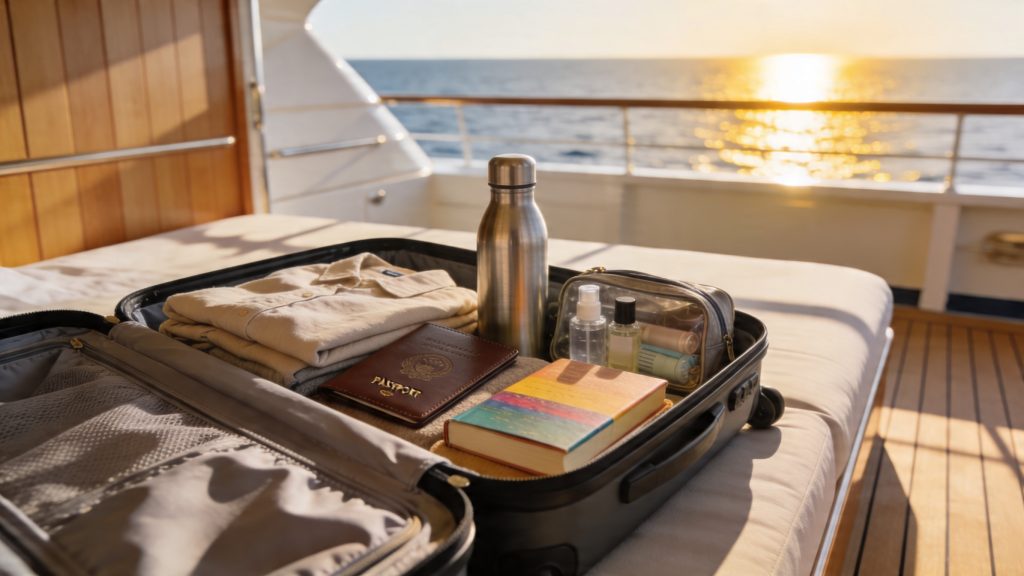
Your hand luggage determines how successful your first day on the cruise ship will be. While your checked suitcase often doesn’t arrive in your cabin until hours later, smartly packed hand luggage ensures you can immediately start enjoying the facilities on board. With the right items within easy reach, you avoid stress and can head straight to the pool or your first meal. Read on to discover which items you’ll need from the very first moment.
Why your hand luggage is so important
On most cruise ships, checked luggage is only delivered to your cabin a few hours after embarkation. During this waiting time, you won’t have access to the things you need to enjoy the ship. Well-prepared hand luggage makes all the difference. You can immediately make use of the pool, restaurants and other facilities without having to wait for your suitcase.
Hand luggage also gives peace of mind in case of delays or lost luggage. All your valuables, medication and documents stay with you. For anyone taking your first cruise, this preparation is especially valuable for starting the trip without stress.
Travel documents and important papers
Pack all your travel documents in a separate folder or wallet that you keep close to hand. You’ll need these during embarkation and for shore excursions. Without the right paperwork, you won’t be allowed on board.
Always take the following with you:
- Passport or ID card (depending on your destination)
- Cruise ticket or boarding pass
- Visa if required for the destinations on your itinerary
- Insurance documents and emergency contact details
- Credit cards and cash for your first expenses
Keep digital copies of these documents on your phone or in the cloud. This helps if they are lost or stolen.
Medication and first aid items
Medication should always go in your hand luggage, never in your checked suitcase. This prevents problems if your luggage is delayed and gives you immediate access to what you need. Seasickness can appear within a few hours of departure, so make sure you’re prepared. Take your remedies before the ship sets sail.
Essential medical items for your hand luggage:
- Prescription medication in the original packaging
- Seasickness tablets or patches (such as Dramamine)
- Painkillers and remedies for headaches
- Plasters and a small first aid kit
- Vitamins or supplements you use daily
Keep your seasickness remedies easily accessible. Many cruisers find that the first few hours after departure are when they’re most prone to motion sickness. A patch or pill before sailing can help you get through this period smoothly.
Clothing for the first day
Swimwear and a change of clothes form the basis of your first-day outfit. As soon as you’re on board, you can head straight to the deck or the pool. Most ships provide towels, so you don’t need to bring your own.
Clothing you’ll need:
- Swimwear and a cover-up or beachwear
- Flip flops or sandals for the deck
- A set of underwear and a casual outfit for day one
- Light jacket or cardigan for air conditioning on board
- Foldable hat or cap for sun protection
Pack clothes that are comfortable and allow you to be active on board straightaway. A light, foldable jacket helps with temperature differences between indoors and outdoors.
Toiletries within liquid rules
If you’re flying to the port where your cruise ship departs, airline rules for liquids in hand luggage apply. This means a maximum of 100 ml per item, packed in a transparent, resealable bag of no more than one litre.
Bring travel-size versions of these items:
- Toothpaste and toothbrush
- Deodorant
- Shampoo and conditioner
- Body lotion or moisturiser
- Contact lens solution if applicable
- Hairbrush or comb
Larger bottles can go in your checked suitcase. For the first few hours on board, small sizes are more than enough. They save space and comply with the regulations.
Sun and beach essentials
The deck will be calling your name as soon as you step on board. Sun protection is important from the very first moment, especially at sea where the sun feels extra strong.
Pack these items in your hand luggage:
- Sunscreen with a high SPF (minimum factor 30)
- Sunglasses with UV protection
- Foldable beach bag for excursions
- Lip balm with SPF
Towels are always available on board at the pool and spa. You therefore don’t need to pack them in your hand luggage. This saves a significant amount of space.
Tech and practical gadgets
Your phone and other electronics need power. Long waits in terminals or during embarkation can quickly drain your battery. A power bank gives you the freedom to charge your devices without being tied to a socket.
Useful tech items:
- Power bank with sufficient capacity
- Phone and charger
- Camera or GoPro for photos
- Cruise lanyard for your cabin card
- Earplugs or headphones
A lanyard helps prevent you from losing your cabin card. On board you use this card for access to your cabin, payments and as identification. With a lanyard around your neck, you always have it to hand. Many travellers order one online in advance, as they are often more expensive on board.
Other useful items
Alongside the basic essentials, there are a few items that can make the difference between a good and a fantastic first day. These things take up little space but offer a lot of convenience.
- Reusable water bottle to stay hydrated
- Compression packing cube for organised storage
- Ziploc bags or dry bags for wet swimwear
- Extra foldable bag for shopping or beach trips
- Book or e-reader for relaxation
Dry bags are multifunctional. They protect your electronics during water activities on excursions and keep wet clothes separate from dry items. Ziploc bags can serve as emergency waterproof storage or for keeping small souvenirs.
What you don’t need in your hand luggage
Just as important as what you do take is what you can leave out. This saves both space and weight in your hand luggage.
Leave these items in your checked suitcase:
- Towels (available on board)
- Hairdryer (usually provided in the cabin)
- Complete wardrobe (only pack day-one items)
- Large bottles of shampoo or toiletries
Limit your hand luggage to what you’ll need in the first four to six hours. Once your suitcase arrives, you’ll have access to everything else.
Tips for smart packing
Well-organised hand luggage makes all the difference. Use packing cubes to keep items separate and easy to find. Pack the things you’ll need first, such as sunscreen and swimwear, at the top.
Choose a spacious tote bag or backpack that’s comfortable to carry. During embarkation you may have to walk longer distances or stand in queues. A bag with good shoulder straps helps prevent discomfort. Check in advance whether your cruise line has limits on hand luggage dimensions.
Some cruise lines allow you to bring wine or soft drinks in your hand luggage. Check your specific cruise line’s rules. This can save money, but be aware of maximum quantities and packaging requirements.
‘ Think ahead and anticipate what you’ll need in the first few hours. ’
Hand luggage as the foundation for a carefree start
Documents, medication and a first outfit form the core of your hand luggage, supplemented with items for comfort and convenience. Use a checklist and tick off what you’ve packed. Lay out your hand luggage the evening before departure so you don’t forget anything in the morning rush.
Adapt your list to your destination. Northern cruises call for extra layers against the cold, while tropical itineraries require more sun protection. Think ahead and anticipate what you’ll need in the first few hours.
Also check the specific hand luggage rules of your departure port. Some ports apply stricter rules than others. In addition, take a look at the complete guide for your first cruise for extra tips on packing, embarkation and preparing for life on board.
Frequently asked questions
Always keep your passport/ID, cruise documents, debit/credit card and essential medication (including for seasickness) in your hand luggage, along with a small first aid kit. Also pack a change of clothes, swimwear, flip flops and basic toiletries (toothbrush, deodorant, contact lens solution) for the first hours/day in an easily accessible bag. Add your phone, chargers, power bank and possibly a camera, together with sunglasses and sunscreen. Always keep valuables (jewellery, electronics, cash) in your hand luggage and never in checked bags.
Use a backpack or tote with several compartments and put everything you need immediately at the top: travel documents, medication, phone, charger/power bank and a bottle of water/snack for waiting times. Use small (transparent) pouches or packing cubes: one for toiletries, one for electronics, one for spare clothes/swimwear. Keep valuables (passport, wallet, camera) together in a separate, quickly accessible but closable inner pocket. Place a book/e-reader, headphones and something to eat on top or in a side pocket so you don’t have to unpack your whole bag while you wait.
Your hand luggage should always contain your passport/ID, cruise documents (tickets, boarding passes), any required visas, insurance details and important booking confirmations (flight, hotel, transfers). Bring all your daily and essential medication in the original packaging for at least a few extra days, plus seasickness medication, basic painkillers and a small first aid kit. Also add your bank cards/credit cards, some cash and important contact numbers. This way you’ll be prepared in case of delays or lost checked luggage.
Yes, there are specific items that are not allowed in hand luggage on cruise ships, such as irons, kettles, candles, some extension leads and often certain alcoholic drinks or large quantities of soft drinks (rules differ by cruise line). Weapons, sharp objects (such as large knives) and flammable or explosive substances are also prohibited. Liquids generally have to comply with similar rules to airports (for example small containers, often around 100 ml, in a transparent bag). Always check your specific cruise line’s baggage conditions in advance, as the exact list of prohibited items may vary.
Choose a medium-sized backpack or tote and limit yourself to light, multifunctional items in packing cubes (for example a set of clothes, swimwear, underwear, light jumper). Always keep all important documents, money, medication, phone, power bank and chargers in your hand luggage, never in checked bags. Take a compact toiletry bag with mini-sized products (toothbrush, toothpaste, deodorant, contact lens solution, basic make-up) and comply with the liquid rules. Finally, add sunscreen, sunglasses and flip flops so you can go straight to the deck or pool after embarkation without needing your suitcase.