 NL
NL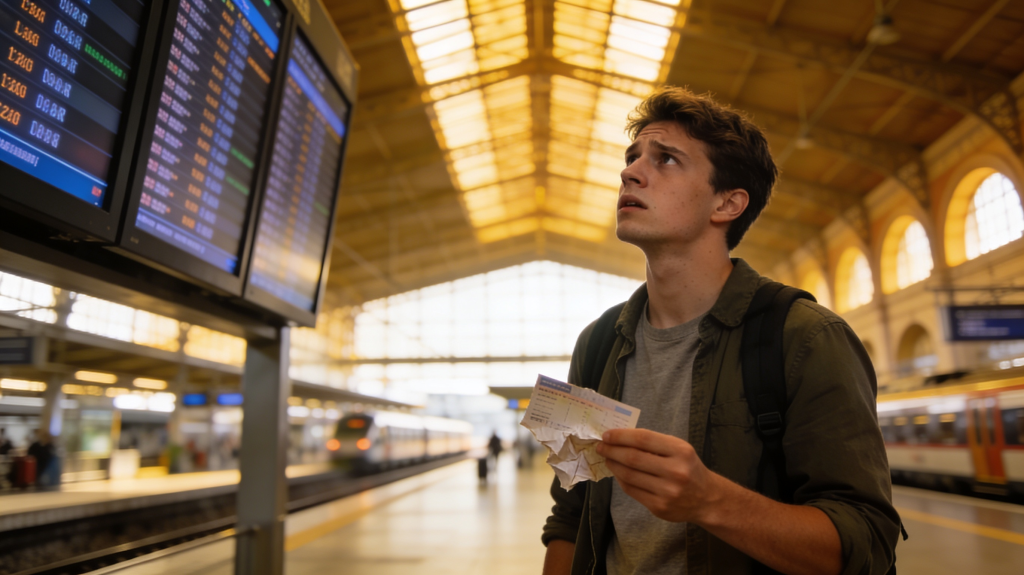
Interrail offers enormous freedom to travel, but if you are not well prepared you will quickly run into annoying surprises. Forgotten seat reservations, a pass that has not been activated in time or an itinerary where you spend half your time on the train: these are the common mistakes that beginners later wish they had avoided. Read on and make sure you do not make expensive mistakes during your first Interrail adventure.
Forgetting to activate the pass or linking it incorrectly
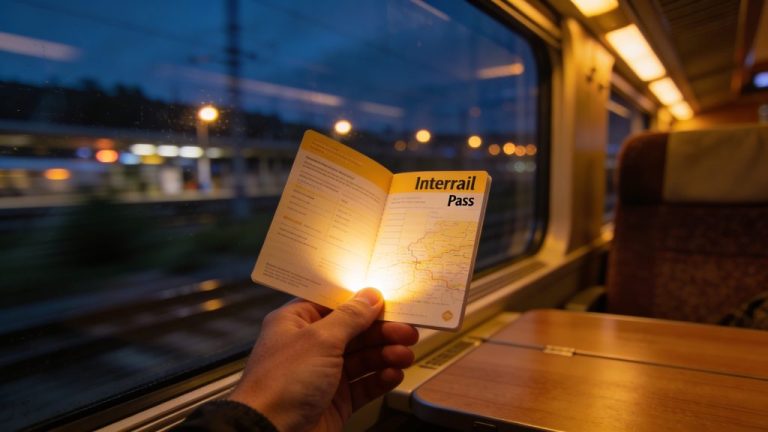
One of the most common stumbling blocks is that beginners forget to activate their pass correctly. Your pass must first be added to your profile, then linked to a trip and afterwards activated with the correct start date. If you do not do this before departure, you cannot travel legally and you risk fines or problems during checks on the train.
In addition, many travellers enter their identity details incorrectly. A typo in your passport or ID number means your pass will not be valid during inspections. Double-check these details before you leave. Also download the Rail Planner app and test it well in advance so that you know how everything works and where to find information.
Do you want to know more about how to choose the right pass for your trip? On our page about Interrail & Eurail train passes (international multi-country rail passes) you will find a complete overview of the different options and how to decide which version best suits your travel plans.
Assuming you can board any train without a reservation
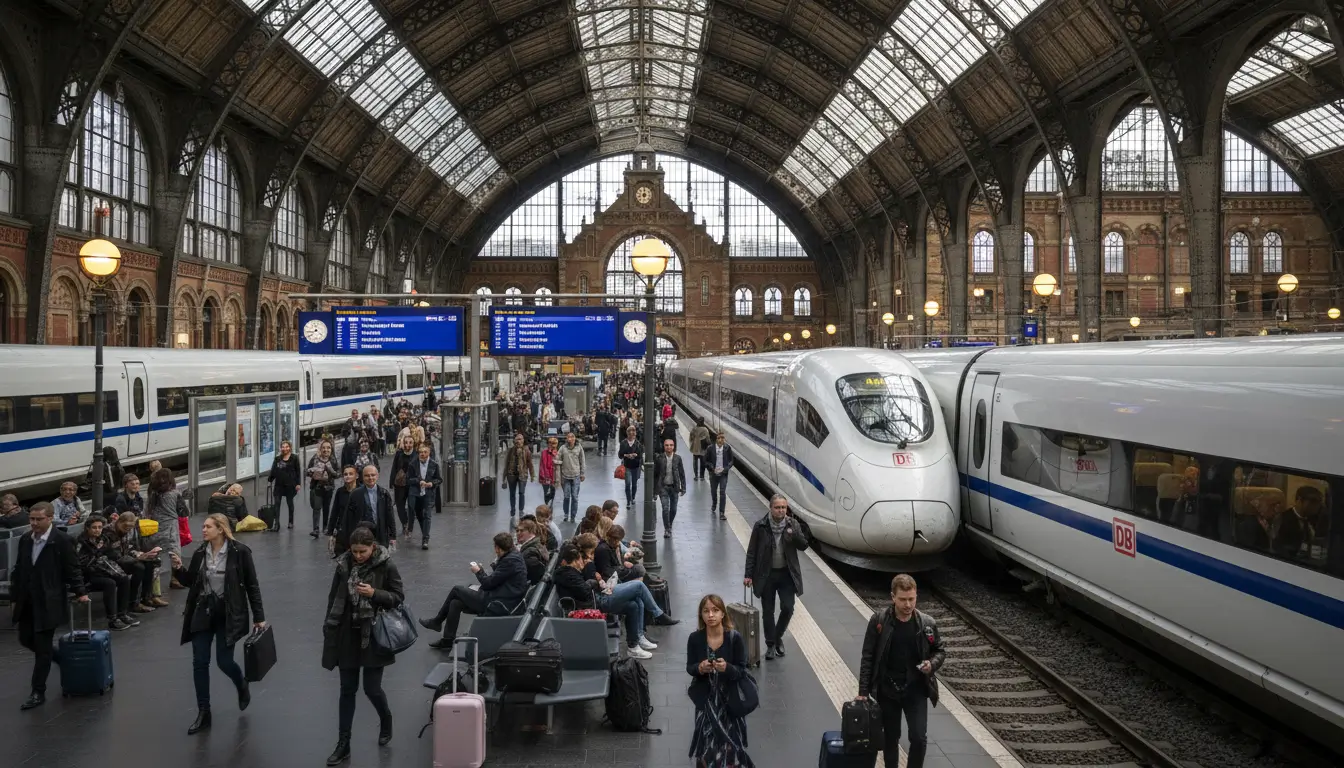
Many beginners arrive at the station assuming that their Interrail pass automatically grants access to all trains. In reality, for many high-speed trains, popular routes and all night trains, a seat reservation is mandatory. This reservation costs extra money and is only valid for a specific train on a specific date and time.
If you ignore this requirement, you may be in for some unpleasant surprises on the platform or on the train. Trains may be full, the conductor may ask you to leave, or you may have to arrange an expensive last-minute reservation on the spot. Always check for each leg of your journey whether you need to reserve. This is especially important for:
- High-speed trains such as Thalys, TGV, Eurostar and Frecciarossa
- Popular international connections during the high season
- All night trains where you want to be sure of a seat or sleeping berth
Reserving too late or not at all
Even if you know that a reservation is required, beginners often underestimate how quickly routes can fill up. Especially in summer and on busy international routes, seats are snapped up fast. If you wait until shortly before departure, you may not get a seat at all or you may have to travel at an awkward time.
This is even more true for night trains. Sleeping berths and couchettes are limited and reservations are always mandatory. If you leave this too late, you will travel unnecessarily uncomfortably or you will need to find an alternative route. So plan ahead. First decide which routes you definitely want to travel. Reserve these a few weeks in advance.
What happens if your coverage is not correct
Not all passes cover all countries or all train companies. Another common mistake is that beginners assume their pass is valid everywhere. In some countries only the main lines are covered or certain regional operators are excluded. There are also countries that are not included in your Interrail Global Pass, such as Russia, Ukraine and several Balkan countries.
Always check in advance whether your chosen route is covered by your pass. Use the Rail Planner app or the official website to see which routes are included. If you plan to travel through countries that are not covered by your pass, you can still buy separate tickets or choose an alternative route.
‘ That is why you should travel as light as possible. ’
Taking too much luggage
Too much or too heavy luggage is one of the most common regrets among first-time Interrail travellers. You will change trains frequently, go up and down stairs, have to move quickly between platforms and have limited space on the train. An overstuffed rucksack or multiple suitcases make this unnecessarily difficult. On top of that, they will tire you out quickly.
So travel as light as possible. Take only the items you really need and limit yourself to one rucksack or small suitcase. This not only makes travelling more comfortable, it also gives you more flexibility if you change your plans on the road or need to rebook quickly.
Too many destinations in too little time
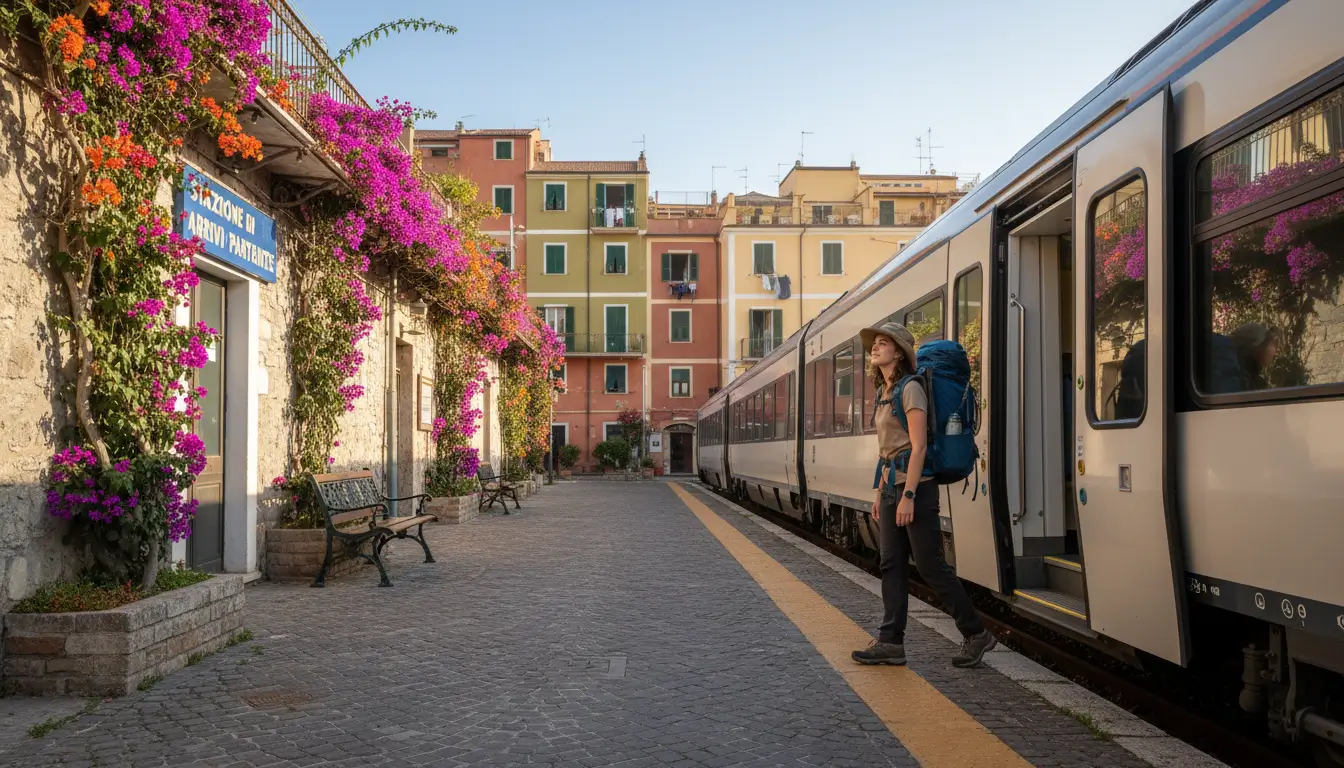
Beginners often want to see as much as possible and therefore plan five cities in seven days. The result is that you are constantly getting on and off trains, checking in and out every day and barely having time to really experience a city. You also run a higher risk of missed connections, delays and stress.
Instead, choose fewer destinations and stay longer in each place. This gives you time to explore, relax and be flexible if something goes wrong. Allow space for delays and spontaneous detours. As a rule of thumb, count on an average of one to three travel days per destination, depending on your pace and interests.
Booking accommodation too late or not at all
Some beginners assume that they will find a hostel or hotel once they arrive. In popular cities and during the high season, this can become expensive or even impossible. You also waste valuable travel time searching for a bed instead of exploring the city.
Where possible, arrange your overnight stays in advance, especially if you have fixed arrival and departure times. This gives peace of mind, saves money and ensures that you know exactly where to go as soon as you arrive. Book early if you are visiting major European cities during festivals, holidays or events.
‘ Words like station, platform, delay, reservation and exit are essential when you are dealing with an information sign, a local staff member or a regional train without English announcements. ’
Not taking local differences into account
Every country has its own rules for train travel, reservations and ticket checks. In Italy and Spain for example, many reservations are mandatory, whereas in Germany and Austria you can often travel without one. The reliability of trains and the availability of information in English also differ from country to country.
It also helps to know some basic words in the local language. Words like station, platform, delay, reservation and exit are essential when dealing with an information sign, a local staff member or a regional train without English announcements. This prevents miscommunication and gives you more confidence on the road.
Not actively monitoring your itinerary
Many beginners enter their route and then assume that everything will automatically work out. In reality, platforms can change, departure times may be adjusted and trains can be cancelled. If you do not keep an eye on this, you will miss connections or end up at a closed platform.
Regularly check whether your itinerary is still up to date. Keep an eye on email notifications, use the app to see real-time updates and ask for information at the station if in doubt. Be especially alert on reserved routes: if your train is cancelled, you are sometimes entitled to an alternative connection or a refund of your reservation.
Too little or no route planning in advance
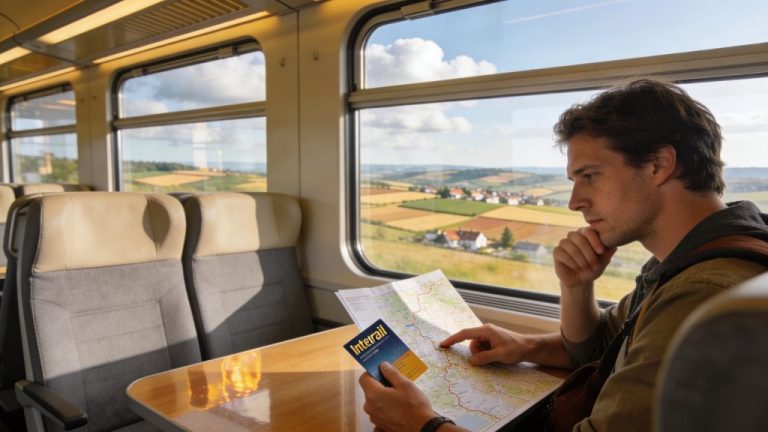
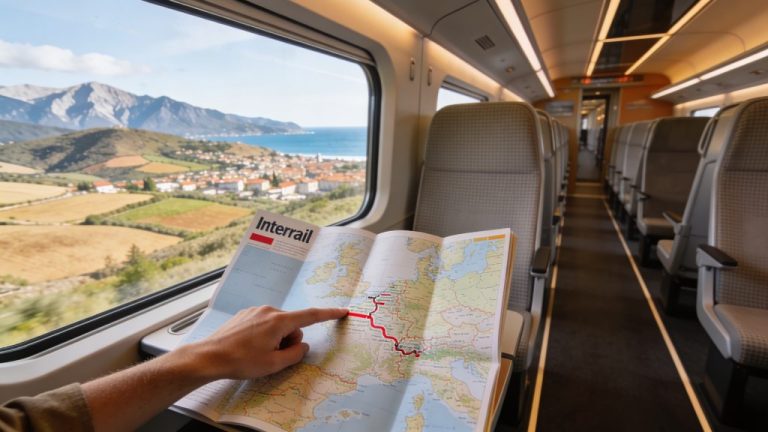
Interrail is known for its freedom, but making no plan at all is a common mistake. Without a rough itinerary you do not know which pass you need. You also have no idea how long you will be travelling. On top of that, you cannot easily estimate which routes connect logically. This can result in unnecessarily long travel days, too few travel days on your pass or routes that are practically unfeasible.
Make a rough itinerary including the cities you want to visit, the order in which you travel and how many days you want to spend at each destination. Take into account travel distances, connections and time to rest. You do not have to plan everything in detail, but having a clear overview prevents stress and gives you something to hold on to while travelling.
‘ Look further and plan your next trip with confidence. ’
Discover more about train travel on Traveler Tips
An Interrail trip is a fantastic way to discover Europe, as long as you set off well prepared. On the Traveler Tips website you will find plenty more information about rail holidays, routes, regulations and practical travel tips. Whether you want to know more about the best destinations, how to put together an itinerary or which gear you need, there is something to discover for everyone. Look further and plan your next trip with confidence.
Frequently asked questions
Beginners often pick a pass that is either too flexible (or too limited) without first roughly deciding their route, number of travel days and countries. They also plan too many cities in too little time and underestimate mandatory reservations for high-speed and night trains on their route. Choose a pass by first defining your travel style: lots of short trips in one region (Global Pass with fewer travel days, or a One Country Pass) or long distances across several countries (more travel days, focusing on main corridors). Then map out a rough route, check each leg for reservation requirements and see whether your intended travel days match the type of pass, so you do not pay for days or countries you will not use.
Check for each leg of your journey in advance whether reservations are mandatory, and book high-speed and night trains in particular as early as possible to avoid sold-out services. Plan your route generously, with enough buffer time between connections (better one solid connection than three tight ones), so that a delay does not immediately derail your entire schedule. Use the Rail Planner app and the apps or websites of local rail companies to check departure times and platform changes again shortly before you leave. Limit the number of destinations and travel light so that you can adapt quickly and calmly if there are delays or platform changes.
Allow for extra costs for mandatory seat and couchette reservations, especially on high-speed and night trains, which are not fully covered by your pass. Keep space in your budget for more expensive last-minute accommodation if you book too late or visit popular cities. Remember that food and drink at stations and on trains are often more expensive than in supermarkets or local cafés. Also factor in local transport costs (metro, buses, trams) and tourist taxes on accommodation, as these can add up considerably.
Yes, one of the biggest mistakes is taking too much and too heavy luggage, which makes changing trains, climbing stairs and hectic platform changes much more tiring. A poorly thought-out packing list – for example, lots of clothes but none of the essentials like a power bank, rain jacket or small daypack – can also greatly reduce comfort. Travellers also often forget to organise their luggage practically (for example by using packing cubes or keeping important documents in a fixed place), which leads to stress and wasted time searching. Finally, many underestimate the importance of good footwear and compact, quick-drying clothing, leaving them less comfortable when walking long distances or dealing with changeable weather.
Avoid this mistake by consciously choosing fewer destinations in advance and planning more days in each place, so you have time to really wander around. Build your route around a few highlights instead of “wanting to see everything” and accept that you will almost certainly come back another time. Plan a maximum of one major journey per day and leave at least one empty day per week for spontaneous choices or rest. While travelling, it is better to truly experience one thing (a walk, local food, a museum) than hurriedly ticking off five attractions.