 NL
NL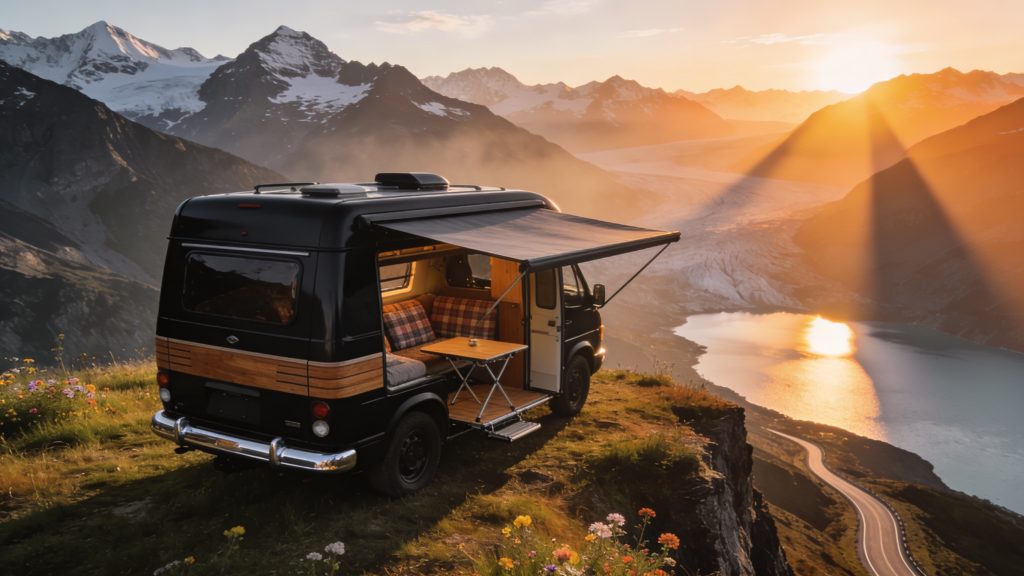
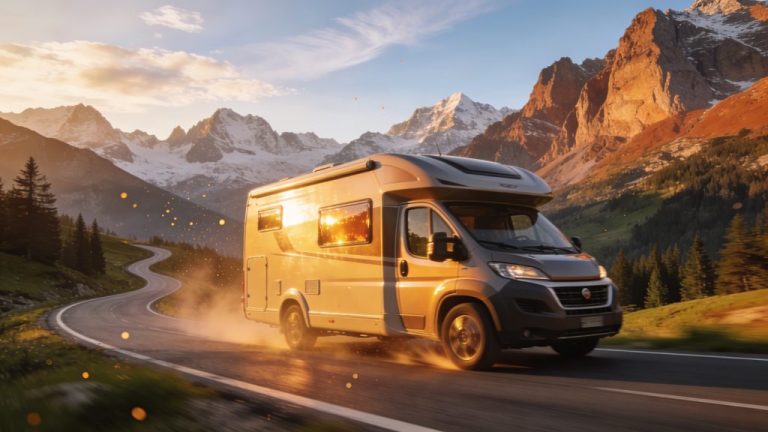
If you travel alone, a small campervan under 6 metres with a convertible dinette bed is the smartest choice. You combine maximum freedom with minimum costs, while being able to park almost anywhere a larger motorhome would not fit. This makes solo road-tripping accessible and flexible. You do not have to compromise on comfort.
Why a compact motorhome is ideal for solo travel
As a solo traveller you do not need space for several people. That makes a compact motorhome perfect. These small campervans are manoeuvrable, fuel-efficient and fit into standard parking spaces. You can drive comfortably through narrow village streets and park without stress in busy cities.
The length stays under 6 metres, which means you can drive it with a standard category B driving licence. You pay less for tolls, ferries and campsites that charge by vehicle length. Thanks to the lower fuel consumption and compact size, daily costs are considerably lower than with larger motorhomes.
An important advantage is the manoeuvrability on the road. You can make spontaneous decisions, turn around easily and you do not have to check in advance whether car parks are big enough. Travellers who like to plan their own route and stay flexible have more freedom with this than with any other type of motorhome.
Best layout for solo use
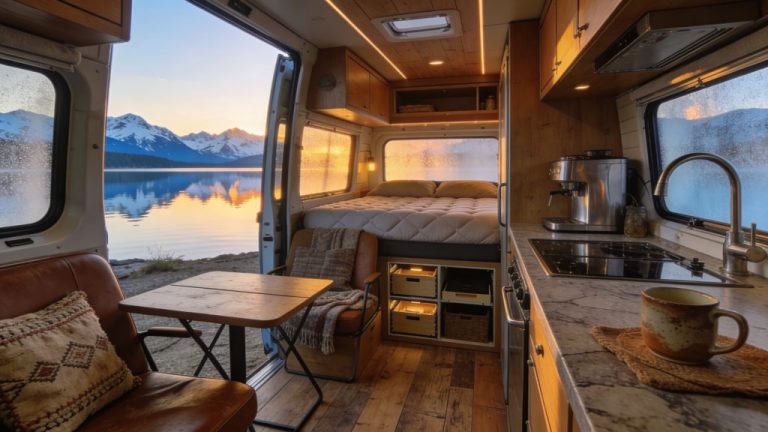
The smartest layout for a solo traveller is a convertible dinette bed. This means your seating area serves as dining and workspace during the day, and is converted into a bed in the evening. This setup saves precious space without sacrificing comfort.
A typical layout consists of the following elements:
- A dinette setup that serves as both seating and sleeping area
- A compact kitchen unit with sink, hob and fridge
- Storage space under the bench seat and in overhead lockers
- A small wet room with toilet and shower, or a portable alternative
Because you are travelling alone, you can use the second sleeping space (often present in two-berth motorhomes) for extra storage. This gives you enough room for travel gear, supplies and personal belongings without feeling like you are on top of everything.
Which motorhome suits your travel style
Not every compact motorhome is the same. Your choice depends on how you travel and where you are going. If you are often on the move and regularly change location, a light, economical campervan with basic facilities is ideal. If you prefer slow touring and staying longer in one place, you can opt for a bit more comfort.
For city trips, a motorhome with a length of up to 5.5 metres is ideal. You then fit into almost any parking space and can navigate historic city centres without worry. For trips through mountainous terrain, choose a model with good ground clearance and a reliable engine.
Mini campers with a pop-up roof offer extra headroom without increasing the length. This gives you more freedom of movement inside without losing the advantages of compactness. Consider this if you stay in your motorhome for longer periods, or if you like being able to stand upright while cooking and getting changed.
Cost advantages of a small motorhome
A compact motorhome comes with lower costs. Fuel consumption is between 7 and 9 litres per 100 kilometres, depending on engine type and your driving style. Larger motorhomes often use 12 to 15 litres. Over a 3,000 kilometre road trip, this saves you hundreds of euros in fuel costs.
Campsite fees are also lower. Many campsites charge by vehicle length or distinguish between small and large motorhomes. A compact model often falls into the cheapest category. The same applies to toll roads and ferries, where you pay according to vehicle size.
Maintenance and insurance are also more affordable. Smaller vehicles have cheaper tyres, brakes and other wear parts. Insurers charge lower premiums because the risk and replacement value are lower.
Practical tips for long solo road trips
You are travelling alone. That means you are personally responsible for all planning and execution. That takes preparation. Make sure your motorhome is well organised. Test all systems before you leave. Check whether the bed is comfortable and practise with the layout so you can find everything quickly.
Prepare yourself for the following points:
- Provide sufficient storage space for basic supplies such as water, food and tools
- Test your cooking and water systems in advance on a trial trip close to home
- Install a good navigation app with offline maps for remote areas
- Take a power bank or extra battery with you for your electronics
- Plan your route with logical stopovers and make sure you do not drive too many kilometres per day
You can decide for yourself when you leave and how long you stay. You do not have to take others into account and can spontaneously decide to stay longer at a beautiful spot or to move on sooner. A compact motorhome makes this even easier. You can stop and park almost anywhere with ease.
Safety and comfort on the road
As a solo traveller, safety is even more important. Make sure your motorhome is fitted with good locks on doors and windows. Keep valuables out of sight and at night choose well-lit, safe parking areas or campsites.
Comfort contributes to an enjoyable trip. Invest in a good mattress or topper for your dinette bed. A poor bed leads to tired days and less enjoyment on the road. Ventilation is also important: make sure you can open windows fitted with insect screens to keep mosquitoes out.
Also think about small tweaks. They make your journey more comfortable. Examples include a USB charger by your bed, a reading light, and a handy storage pouch for small items such as keys, phone and wallet.
What to look out for when buying or hiring
Do you want to buy or hire a compact motorhome? Then pay attention to the following aspects. Check the condition of the engine and chassis, especially with used models. A good service history is important. Make sure all facilities work: fridge, hob, lighting and water pump.
Check the weight of the motorhome. Motorhomes under 3,500 kilograms can be driven with a category B licence. Measure or weigh the motorhome including luggage to make sure you stay within the limit. Overloading can result in fines and is dangerous.
When hiring, ask what is included in the price. Some hire companies provide the motorhome with basic equipment such as bedding, cooking utensils and camping chairs. Others charge extra for these. Also check the insurance cover and the number of free kilometres.
‘ With the right motorhome you travel in comfort and complete independence. ’
Discover more on Traveler Tips
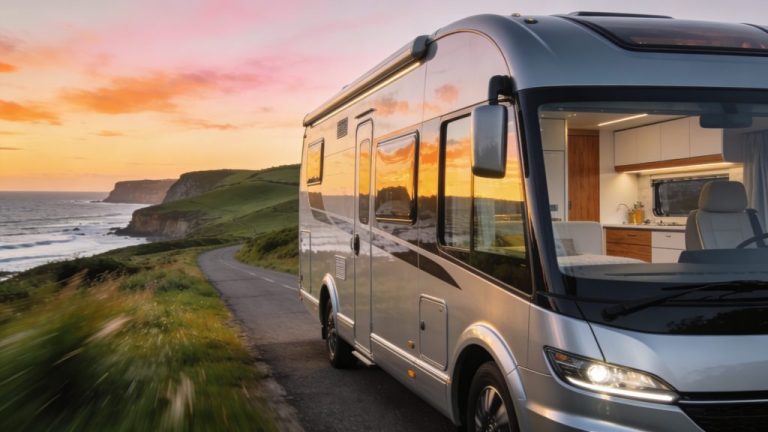
A compact motorhome is ideal for solo travellers who want to plan their own route, park easily and not spend too much. Whether you are touring through the Alps, exploring the Scandinavian fjords or driving the coastal routes of Southern Europe, with the right motorhome you travel comfortably and independently.
On Traveler Tips you will find more information about routes through Europe, practical preparation and tips for on the road. You will find, for example, concrete examples of road trips, checklists for departure and explanations of regulations in different countries.
Frequently asked questions
For comfortable driving and parking in cities, a motorhome is most practical if its length is around 5 to a maximum of 6 metres, so that it fits into a standard parking space. A compact width (approx. 2 to 2.10 metres) and limited height help on narrow roads, in multi-storey car parks and on tight bends. Campervans and other compact models under 3.5 tonnes generally offer the best combination of manoeuvrability and comfort. Besides the dimensions, also pay attention to a good turning circle and good all-round visibility (windows, cameras, mirrors).
For a solo traveller, compact campervans with a transverse or longitudinal bed at the rear offer a good balance between sleeping comfort and living space, because the bed can stay made up or be converted with minimal effort. Layouts with a seating area at the front (swivelling front seats and a table) and the sleeping area at the back ensure that living and sleeping areas remain clearly separated. Pop-up roofs or high roofs create extra standing height and sometimes a second bed, while the floor below remains free for living and storage. Plenty of storage space under the bed and in overhead lockers along the walls uses the available space efficiently without making the living area feel like a storage room.
Essential features include a compact but fully functional sleeping area and a practical kitchenette with cooking facilities, water supply and basic cooling. Sufficient clever storage and a flexible interior (for example swivelling seats or a pop-up roof) increase comfort and living space. Good heating/ventilation and decent insulation are important so you can travel independently in different seasons. In addition, manoeuvrability, easy parking and basic power supply facilities (e.g. leisure battery and charging options) are crucial for self-sufficiency.
A compact motorhome usually lowers total travel costs because fuel consumption is lower than with larger motorhomes, thanks to the lower weight and smaller dimensions. Tolls and ferry fares can also be more favourable, as compact vehicles often fall into a lower price or length category. In addition, parking costs in cities and on campsites are often lower or the same as for a regular car. However, the lower purchase or hire price may go hand in hand with slightly less space and comfort, which can indirectly influence your travel choices and trip duration.
A compact motorhome greatly increases flexibility, because you can more easily reach narrow roads and smaller parking places and therefore also explore lesser-known spots. As you are not tied to fixed campsites and can move on quickly, you can spontaneously adjust your route based on what you discover along the way. As a solo traveller, this gives you an even greater sense of freedom and adventure, while still having the comfort of your own small home on wheels. As a result, the experience becomes more personal and more intense than with more traditional forms of travel.