 NL
NL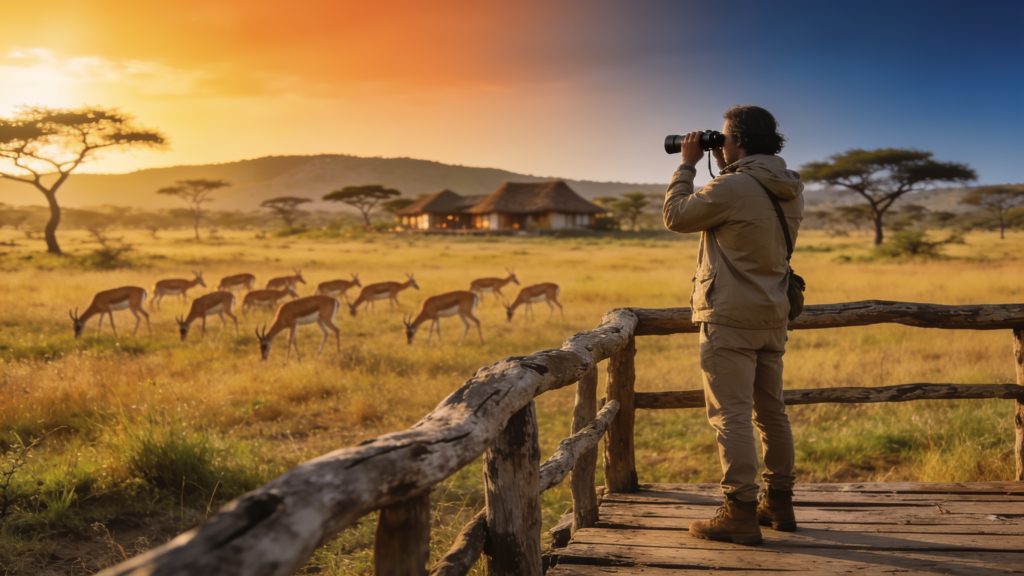
Wildlife viewing from an ecolodge offers a unique way to experience nature. You observe animals without disturbance. You travel in small groups with professional guides and follow codes of conduct that put animal welfare first. Tourist crowds and manipulation are kept at bay. Instead, you are given the space and time to observe animals from a respectful distance. Furthermore, you receive reliable information about endangered species such as elephants, pumas, and rare birds. This way, you combine conscious nature experiences with the protection of ecosystems. Discover why ethical wildlife viewing in ecolodges is a smart choice for your next trip.
Ethical wildlife viewing starts with distance and respect
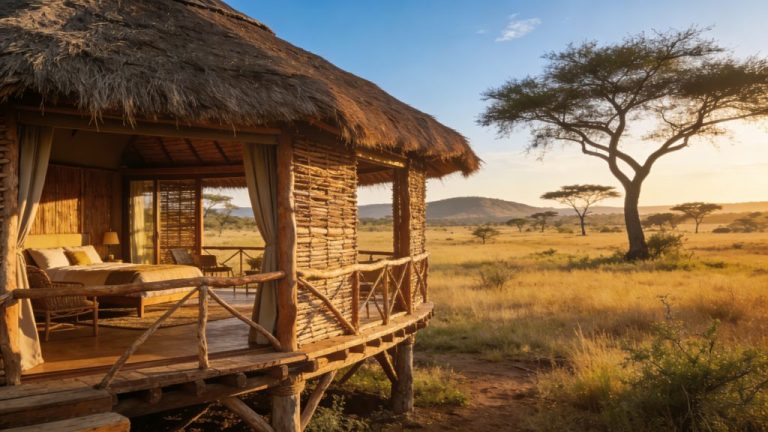
Ethical wildlife viewing is all about observing without interfering. You don’t chase animals for a photo, feed them to lure them closer, and you don’t use sound recordings to disturb breeding birds. The goal is to observe natural behaviour without the animals experiencing your presence as a threat or hindrance. Many Ecolodges are built according to these principles, with views of waterholes, forest edges, or savannas where animals pass by in complete tranquillity.
A good ecolodge works with fixed observation points, such as lookouts and hides. This prevents guests from walking randomly through vulnerable areas. The best lodges also provide binoculars, spotting scopes, and educational material. This allows you to watch from a distance while still making wonderful observations. This applies to large mammals, but just as much to birdwatching in swamp and forest areas.
‘ That makes wildlife viewing informative and meaningful, rather than a tick-box exercise. ’
How ecolodge guides make wildlife experiences valuable
Wildlife guides at an ecolodge are not tourist entertainers, but trained professionals. They know how animals behave. They also know when to keep your distance. They follow established behavioural guidelines and explain which species are threatened. In addition, they explain why certain distances or route choices are important. This way, you learn not just how to look, but also how to understand what you see.
For example, a guide helps you to identify birds by their calls and to locate breeding and feeding grounds. You also learn to recognise signs of stress in animals. This makes wildlife viewing informative and meaningful, rather than a tick-box exercise. Groups are small, often no more than four to six guests per guide. This reduces noise pollution and increases the chance of observing natural animal behaviour.
Birdwatching from the ecolodge: the power of routine and patience
Birdwatching is perfectly suited for a stay at an ecolodge. Many birds are most active around sunrise and sunset. You can make perfect use of those times from your accommodation. Binoculars, an identification app, and a quiet spot at the edge of the property are often enough to observe dozens of species.
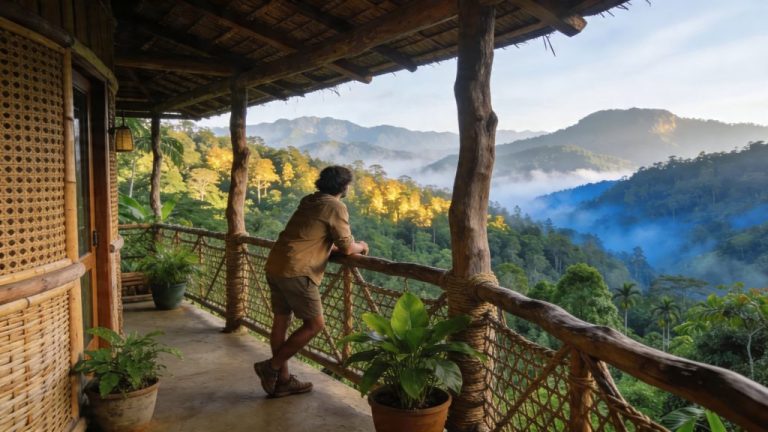
Many lodges are located near wetlands, where water birds, waders, and kingfishers search for food. With some patience, you can see them foraging and displaying courtship behaviour. The great advantage of an ecolodge is that you don’t have to travel to have your nature experience. You step out the door and are right in the heart of the habitat.
Spotting large animals without stress or crowds
Elephants, pumas, and bears are a major reason for many travellers to book wildlife holidays. Other large mammals also attract many visitors. However, tourist hotspots bring risks. There is too much traffic and too little space. Furthermore, guests chase or feed animals. This causes stress for the animals and disrupts their natural rhythm.
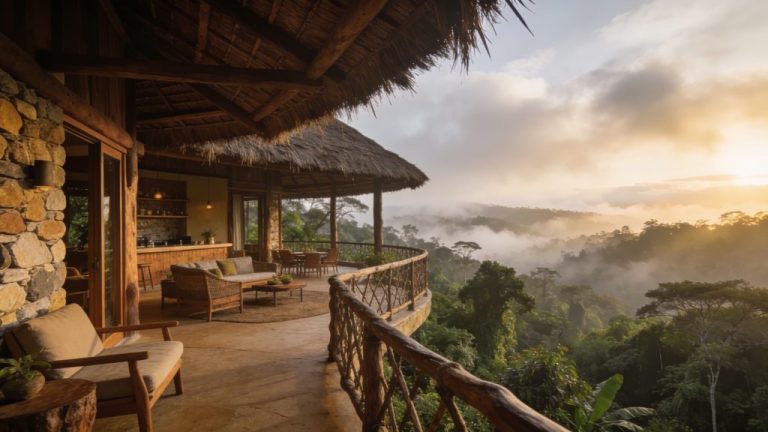
Ecolodges are designed to prevent this. They are often located in less accessible areas, where animals do not encounter dozens of cars or groups of people every day. Guests receive instructions beforehand regarding behaviour and distance. Wildlife viewing takes place via guided walks. From hidden observation posts, you watch animals in their natural environment. You see elephants drinking, pumas hunting, or bears foraging. You do not disrupt their daily routine.
Why small groups are better for animals and visitors
Small groups make for quieter and better observations. With two to six participants, you move more slowly, make less noise, and communicate better with the guide. Animals become less skittish and remain in sight for longer. Moreover, as a guest, you have more room to ask questions, share your own observations, and experience the setting at your own pace.
Large groups, on the other hand, cause unrest, especially in forest and scrub areas where visibility is limited. Animals retreat more quickly, and the chance of seeing natural behaviour decreases. For endangered species, this is problematic. Repeated disturbance affects reproduction and feeding behaviour.
How ecolodge visits contribute to the protection of endangered species
A visit to an ecolodge is often linked to nature conservation and biodiversity monitoring. Many lodges collaborate with local nature organisations. They fund anti-poaching initiatives or contribute to habitat restoration. By staying in such an accommodation, you indirectly support the protection of endangered species.
Some ecolodges also encourage guests to report observations via citizen-science apps. These are platforms where you enter photos, sounds, and animal locations. This data is subsequently used for research and policy. This way, you turn your holiday into a valuable contribution to nature conservation without any extra effort.
Practical tips for ethical wildlife viewing in an ecolodge
- Choose a lodge with a clear nature policy and no artificial feeding of animals
- Bring binoculars and a telephoto lens instead of walking closer
- Go out early in the morning or during twilight for the best observations
- Follow your guide’s instructions and adhere to the prescribed distances
- Use species registration apps to submit your observations to nature management bodies
- Avoid sound recordings and other lures that disrupt breeding and foraging behaviour
- Respect seasonal closures and area restrictions intended to protect vulnerable species
‘ That context makes your experience richer and helps you make conscious choices during future trips. ’
From looking to understanding: the educational value of wildlife viewing
Ethical wildlife viewing goes further than just seeing beautiful animals. It is an opportunity to learn how ecosystems work and what threats species face. In addition, you learn what you can do to protect nature. Guides share knowledge about food chains and migration patterns. That context makes your experience richer and helps you make conscious choices during future trips.
For families with children, an ecolodge stay offers a perfect opportunity to experience nature and learn from it. Children learn to treat animals respectfully, observe without disturbing, and develop an appreciation for biodiversity. These are skills they can also apply at home, for instance when birdwatching in their own local area.
Discover more about nature holidays and conscious travel
On the Traveler Tips website, you will find much more information about nature holidays, sustainable travel, route planning, and preparation. The website offers tips for a wildlife viewing trip in Europe, advice on sustainable accommodations, and practical checklists for your next nature holiday. The website helps you plan smarter and more consciously. Explore the articles and discover how to improve your trip with reliable, practical information.
Frequently asked questions
Choose an ecolodge with a clear, public nature and wildlife policy, in which maintaining distance, not feeding, and avoiding lures are explicitly stated. Check if the lodge collaborates with recognised nature organisations or reserves and employs local, trained guides who know the rules and the carrying capacity of the area. Pay attention to whether there are fixed observation points and designated paths, so that animals are disturbed as little as possible. An extra plus is if the lodge supports citizen-science or monitoring projects, for example via observation apps or counting projects.
The most suitable road trip routes for birdwatching and wildlife viewing combined with sustainable accommodations are routes along national parks and wetlands where small-scale ecolodges are located, for example around water-rich coastal areas, swamps, and forest edges. Choose routes where you stay several nights in or near nature reserves, so that you see the most species early in the morning and around sunset from your lodge. Look for ecolodges that work with local guides, fixed observation points, and a clear nature policy (no feeding or luring, limited lighting). Combine your route with citizen-science apps to share observations, so that your trip also contributes to nature research and conservation.
Prepare in terms of content by researching the seasons, habitats, and key species of your destination, so that you are in the best time and place for wildlife viewing and birdwatching. Bring appropriate equipment (binoculars, telephoto lens, field guide/app, notebook) and plan for early morning and dusk hours, when animals are most active. Choose small-scale, nature-friendly accommodations and always respect local rules: keep your distance, do not leave paths, do not feed, and do not use lure calls. Record observations with photos/sound and share them via citizen-science platforms, so that your trip contributes to research and nature conservation.
Choose organisations and lodges that are transparent about their nature policy, do not lure or feed animals, work with local nature organisations, and apply clear codes of conduct. Avoid providers that promise close-up photos, touching/holding animals, shows, or guaranteed sightings. Best practices are keeping distance, not feeding or luring animals (not even with sound), staying on paths, and respecting seasonal closures and local rules. Use binoculars/telephoto lens and, where possible, citizen-science apps to share observations instead of chasing animals for the perfect shot.
Essential equipment for birdwatching and wildlife viewing during a comfortable car or train journey includes good binoculars and possibly a camera with a telephoto lens. Furthermore, a bird guide or identification app and a notebook or smartphone for keeping track of observations are useful. Choose light, easily portable items that fit in a backpack, such as compact binoculars and foldable rain gear.