 NL
NL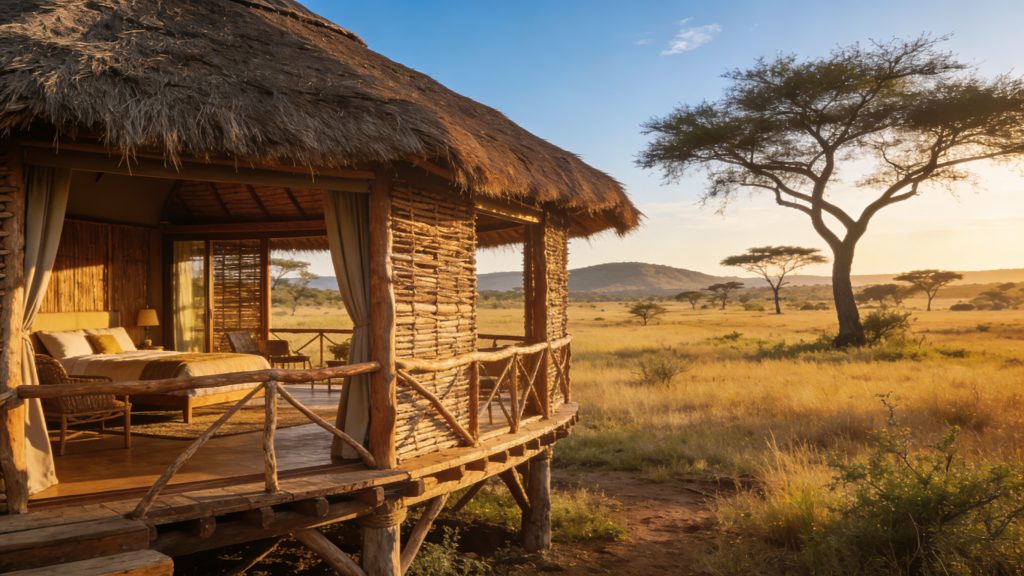
African ecolodges combine wildlife experiences with active nature conservation, sustainable architecture and direct support for local communities. You sleep in the middle of nature. Your ecological footprint stays low. At the same time, you help restore ecosystems and coral reefs. In this article, you will discover which ecolodges stand out for each type of trip. You will also read what you can expect from a stay where comfort and responsibility go hand in hand.
What makes an ecolodge in Africa special?
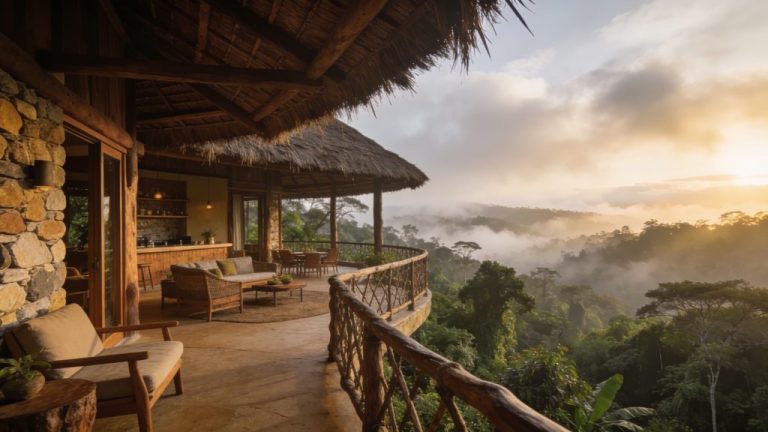
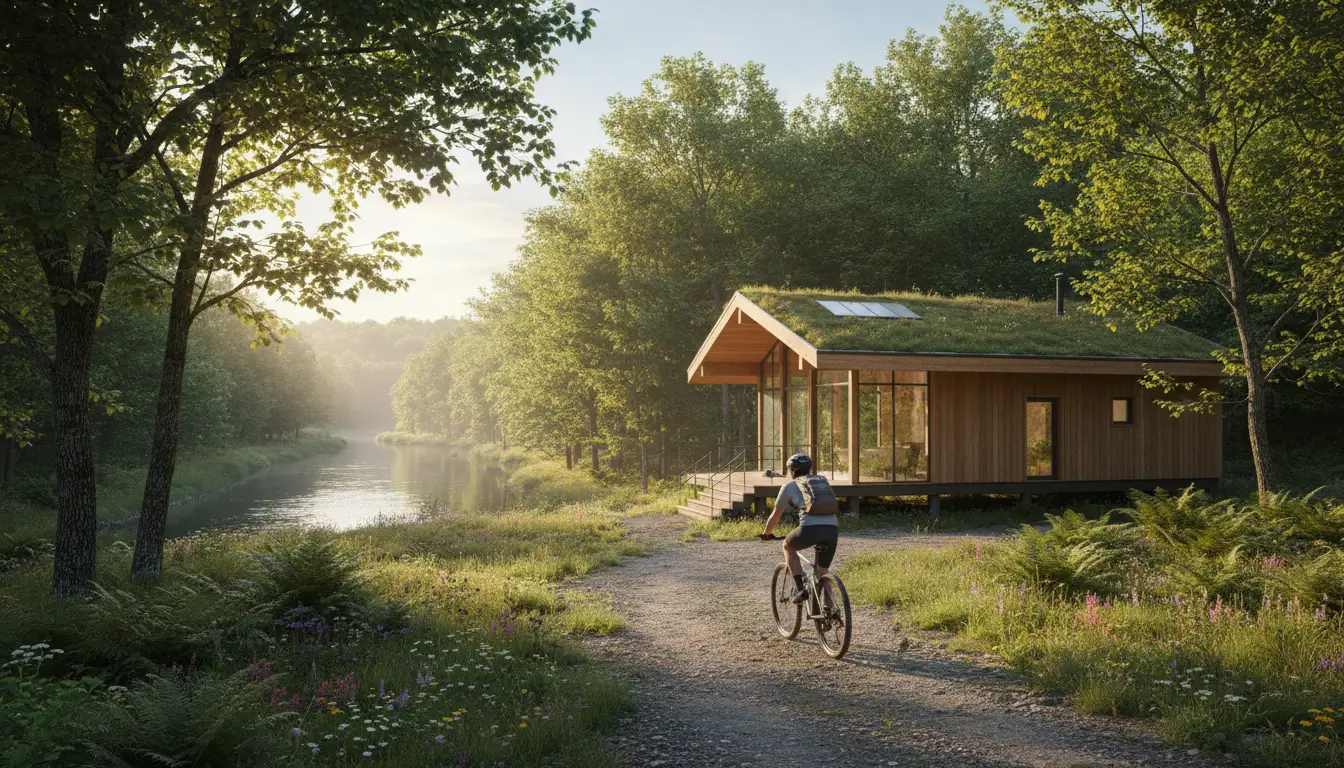
An ecolodge is small-scale. The focus is on nature conservation and concrete measures for saving water and energy. Many ecolodges use solar power, rainwater harvesting and locally produced materials. They are often located in or right next to protected nature reserves, allowing you to experience wildlife without long travel distances.
Local involvement also plays an important role. Ecolodges create jobs for people from nearby communities and invest in education, healthcare or infrastructure. For you as a traveller, this means your stay directly contributes to preserving nature and prosperity in the region. The focus is on experiences that respect the surroundings, not on mass tourism.
Ecolodges for safari experiences
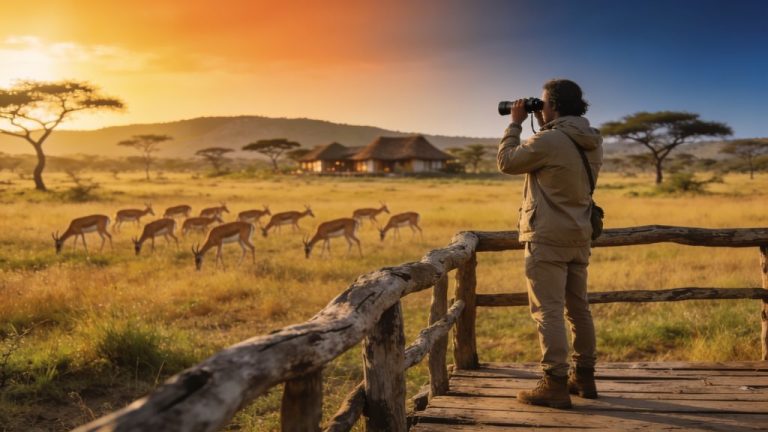
Do you want to combine a safari with sustainable tourism? Several lodges in Botswana and South Africa offer strong options. Chobe Game Lodge in Botswana lies on the banks of the Chobe River and is known for direct access to wildlife such as elephants, hippos and leopards. The lodge runs on solar power and has strict water management.
Xigera Safari Lodge, also in Botswana, offers luxury and immersion in nature in the Okavango Delta. You stay in pavilions with minimal impact on the surrounding landscape. Game drives and mokoro trips (traditional dugout canoe excursions) bring you close to nature without disturbing the tranquillity.
In South Africa, Singita Lebombo is located in Kruger National Park. The lodge invests in anti-poaching programmes (initiatives that combat hunting of protected animals) and training of local guides. The architecture blends into the surroundings. Large windows offer views over the plains without walls or fences.
What you can expect during a safari stay
- Small-scale game drives with a maximum of six to eight guests per vehicle
- Guiding by local experts who share knowledge about animal behaviour and ecosystems
- Walking safaris for a more intense nature experience at close range
- Meals prepared with local ingredients, often served in the open air
Ecolodges in desert and silence
Looking for peace and quiet in extreme landscapes? Sossusvlei Desert Lodge in Namibia is a strong choice. The lodge is located on the edge of Namib-Naukluft National Park, with access to the famous red dunes of Sossusvlei. The architecture uses local stone and wood, and the rooms have private terraces overlooking the desert.
The lodge uses a closed water system and solar power for heating and electricity. You can join guided walks through the desert landscape. Guides explain how plants and animals survive in extreme drought. At night there is often an astronomy activity, as the region has virtually no light pollution.
Ecolodges for forest and adventurous nature
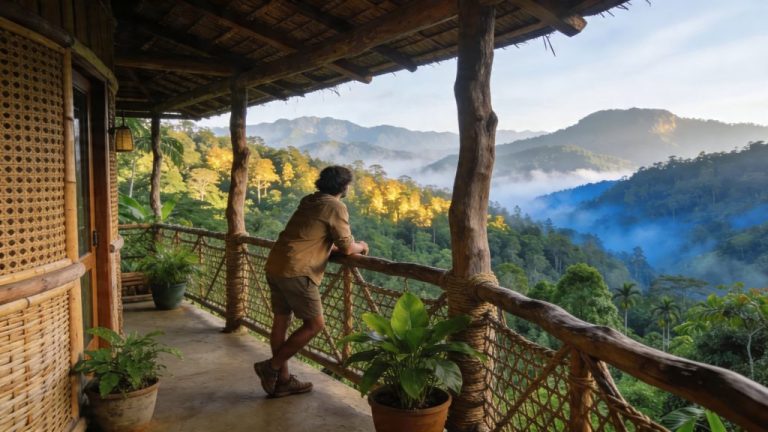
Masoala Forest Lodge in Madagascar is located in rainforest directly on the coast. The lodge is only accessible by boat and lies in Masoala National Park, a protected area with high biodiversity. You sleep in stilted bungalows, built with sustainable wood and equipped with solar panels.
The surroundings are ideal for guided walks. The guides know the flora and fauna, including various lemur species and rare birds. Snorkelling in the bay in front of the lodge gives access to coral reefs with tropical fish and sea turtles. The lodge invests in protecting the forest and working together with local fishers and farmers.
‘ These activities do not require any experience, but they do require respect for the marine environment and guidance from trained biologists. ’
Coastal ecolodges with coral reef protection
Fish Eagle Point in Tanzania lies on Lake Tanganyika. The lodge works with local communities on sustainable fishing and water monitoring. You can go kayaking, snorkelling and hiking in the surrounding hills.
Prana Lodge in South Africa focuses on coastal nature and the beach. The lodge pays attention to water conservation and waste management. It offers yoga sessions, walks through dune areas and access to beaches with few tourists. Meals are prepared with sustainably caught fish and vegetables from local farms.
Coral reef protection as part of your holiday
Some ecolodges in Tanzania and Mozambique work with projects that protect underwater life, such as coral reefs and fish populations. You can take part in activities that monitor the reef. That means you help count fish species or document coral growth. These activities do not require any experience, but they do require respect for the marine environment and guidance from trained biologists.
Ecolodges in Tanzania: sustainable travel with safari access
Tanzania offers several ecolodges that combine safari and coastal experiences. The Retreat Selous is located in the Selous Game Reserve. The lodge combines luxury with a nature focus. It has its own borehole and purification system, and invests in education for children in surrounding villages.
You can take boat safaris on the Rufiji River, where you will see crocodiles, hippos and various bird species. Walking safaris give you the chance to read tracks and observe animal behaviour up close. The lodge works with local rangers, who share knowledge about combating poaching (illegal hunting of protected animals) and restoring habitats for endangered species.
Practical tips for choosing an ecolodge
When choosing an ecolodge, look for concrete information about energy supply, water management and how the lodge supports local communities, for example through employment or investments in education and healthcare. Many lodges mention this on their website or in communication with guests. Ask about labels such as Green Key (an international sustainability quality mark for accommodation) or EcoTourism Kenya (a Kenyan label for sustainable tourism) if you want certainty about sustainability.
Take into account how you will reach the lodge. Some lodges are only accessible by boat, small plane or 4×4, which adds extra time and cost. Check whether transfers are included in the price and what preparations you need to make before arrival.
When it is best to travel
- For safaris in Botswana and Tanzania, the dry season from June to October is the most suitable, as animals gather around water sources.
- Desert areas in Namibia are accessible all year round, but temperatures are more pleasant for walking in the winter (May to August).
- Rainforest areas such as Masoala have wetter and drier periods. The dry months (April to November) offer better hiking conditions.
- Coastal destinations in Tanzania and South Africa are best visited outside the rainy season, usually from June to October.
‘ For you as a traveller, this means that your stay has a direct positive impact on the region. ’
What ecolodges mean for local communities
Many ecolodges provide jobs for people from the immediate area, from cleaning staff to guides and chefs. Some lodges also invest in training projects, enabling young people to qualify as rangers, carpenters or chefs. This means communities become less dependent on income from agriculture, which only offers work in certain seasons. Local families gain more financial security.
In addition, ecolodges often work with local suppliers for food, timber and handicrafts. This creates income beyond the lodge itself and strengthens the local economy. For you as a traveller, this means that your stay has a direct positive impact on the region.
On the Traveler Tips website, you will find much more information about nature-focused destinations, sustainable travel and practical preparation for your safari or road trip. Discover which routes, sights and regulations suit your travel style and plan your next trip with confidence.
Frequently asked questions
First, plan your route around the landscapes and highlights (safari, desert, coast, rainforest) and then choose the ecolodges that best match these, such as a combination of Chobe Game Lodge or Xigera (safari), Sossusvlei Desert Lodge (desert) and Fish Eagle Point or Prana Lodge (coast). Limit long detours by creating clusters (for example a Botswana/Namibia loop or a Tanzania/South Africa loop) and connect the ecolodges as logical “anchor points” in your road trip. Alternate intensive driving days and safaris with multi-night stays in a single lodge so that you can truly unwind and deepen your nature experience. Finally, ensure variety in activities (boat safari, desert walk, beach day, night walk) so that each ecolodge shows you a different side of Africa.
Some African ecolodges that offer both an exceptional experience and a high level of comfort while clearly focusing on sustainability include Xigera Safari Lodge and Chobe Game Lodge in Botswana, which combine luxury safari trips with nature conservation and small-scale tourism. Sossusvlei Desert Lodge in Namibia is known for its design, desert experience and attention to energy and water management. Masoala Forest Lodge in Madagascar offers a very pure jungle experience with a light ecological footprint. Singita Lebombo in South Africa combines high-end safari with strong nature and community projects.
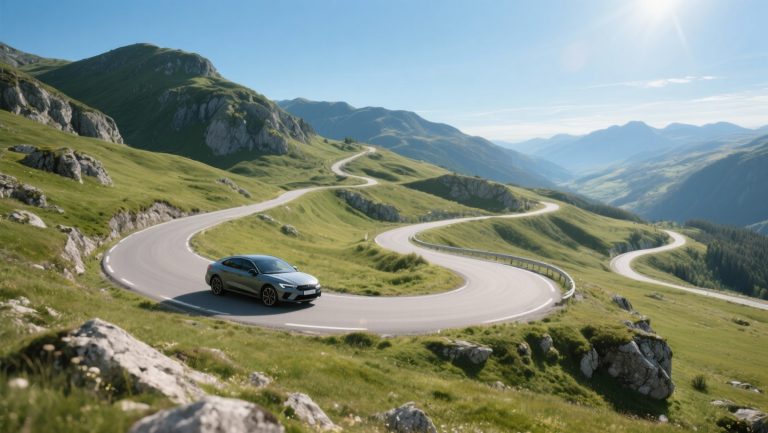
Key factors are accessibility and road conditions (whether you need a 4×4, fuel range, distance to the nearest village or fuel station) and whether you are allowed and able to reach the lodge independently or are required to book a transfer. Pay attention to parking options, security for the car and whether clear routes are provided (GPS coordinates, route description, no arrivals allowed only at night). Check in advance whether self-drive-friendly activities are available (your own game drives allowed or only guided, access to nearby parks, any permits). Finally, look at practical facilities such as self-catering versus full board, charging options for devices, water supply and emergency procedures/communication in case of breakdowns or medical emergencies.
Check whether the lodge has recognised sustainability certifications (for example Fair Trade Tourism, Travelife or comparable African labels) rather than just having ‘eco’ in its name. Study their website and annual reports for concrete measures: use of solar power, water saving, waste separation, limiting plastics and nature restoration projects. Look at whether they employ local people on a structural basis, work with communities and offer fair wages and training. Verify reviews on independent platforms and ask the lodge targeted questions about their sustainability policy in advance to expose any greenwashing.