NL
NL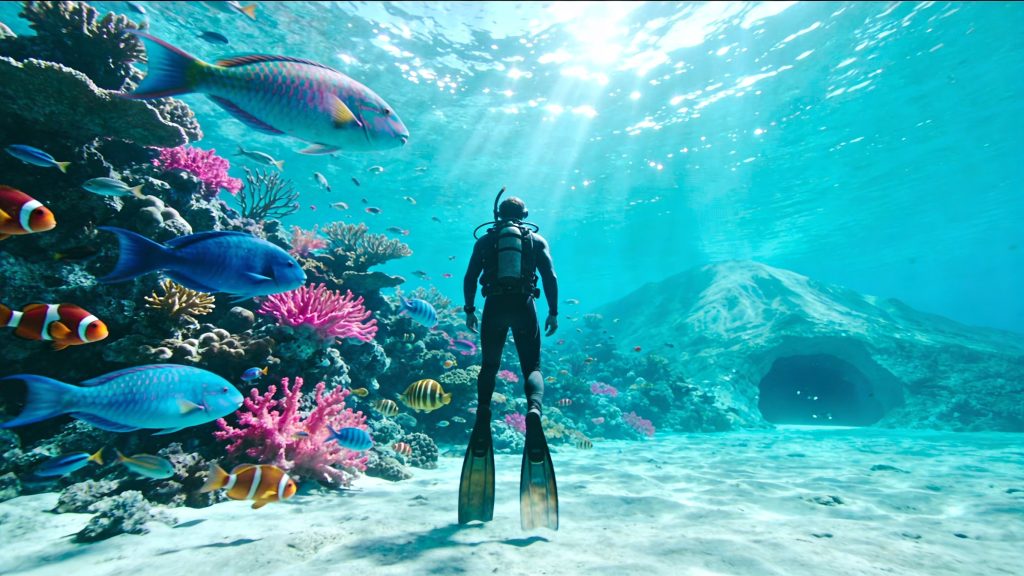
Diving in Europe combines short travel distances, excellent infrastructure and diverse underwater worlds – from historic wrecks to volcanic formations. The biodiversity does not compete with tropical destinations. Even so, Malta, Portugal and other European locations offer accessible and engaging diving holidays for those who consciously choose accessibility and quality. Discover why more and more divers are turning their gaze to their own continent.
Why choose European dive sites?
Europe offers considerable practical advantages, especially for divers who organise their trips independently. You can reach most destinations within a six-hour flight, which keeps travel time and costs in check. All popular dive locations have professional dive schools with PADI certification (Professional Association of Diving Instructors) and SSI certification (Scuba Schools International), rental of quality equipment and English-speaking guides.
You can combine several dive destinations in a single road trip – Europe makes this possible. Think of a journey from Malta to Croatia or the Italian coast. This flexibility is ideal for travellers who want to stay in control of their itinerary.
Europe has few brightly coloured coral reefs, but the continent makes up for this with unique alternatives. Historic shipwrecks from the Second World War, underwater sculptures, volcanic rock formations and extensive cave systems offer varied diving experiences that you will not find in tropical waters.
Malta and Gozo for wreck divers and cave fans
Malta is regarded as the most accessible diving destination in Europe. This pair of islands in the Mediterranean combines crystal-clear water with a rich diving history. Water temperatures range from 15°C in February to 26°C in August.
Key dive sites on Malta and Gozo:
- Um El Faroud – a 115-metre-long cargo ship at a depth of 36 metres
- Blue Hole on Gozo – a natural rock formation with access to the open sea
- Cirkewwa – several wrecks and caves for different experience levels
- Lantern Point – a cave with two entrances and a descent to 25 metres
Diving infrastructure on Malta is extremely well developed. Dozens of dive schools are located around the coast, often with their own boats to reach more remote spots. Most sites are suitable for divers with an Open Water certificate.
Portugal’s Azores for pelagic encounters
The Azores offer a completely different diving experience from the Mediterranean. This volcanic archipelago in the Atlantic Ocean is known for encounters with large marine animals. From June to September, whales, dolphins and several shark species migrate past the islands.
The volcanic origin creates remarkable underwater formations. Lava landscapes, steep walls and seamounts form habitats for pelagic species. Water temperatures fluctuate between 17°C in winter and 24°C in summer.
Ponta Delgada on São Miguel serves as a base for many divers. From this island you can reach more than thirty different dive sites. The combination of diving and whale watching makes the Azores ideal for travellers who want to combine several activities.
Croatia’s islands and underwater landscapes
The Croatian coast gives access to more than a hundred dive sites, spread across islands such as Vis, Hvar and Brač. The Adriatic Sea has clear water with visibility up to 50 metres in the summer months.
Croatia stands out for its varied diving options:
- Wrecks from different periods, including the Second World War
- Underwater caves and tunnels in limestone cliffs
- Reefs with Mediterranean fish species
- Underwater statues and art installations
The country sees less mass tourism than Malta, especially outside July and August. You can combine diving with a road trip along the Dalmatian coast. Croatia is also attractive if you want to alternate cultural visits and nature walks with diving.
‘ The clear water creates visibility of up to 100 metres. ’
Iceland’s Silfra for freshwater diving
Silfra in Thingvellir National Park offers a unique dive between two tectonic plates. This freshwater fissure is formed by melted glacier ice. The water filters through lava rock for a hundred years before it reaches the rift.
Water temperatures remain around 2 to 4°C all year, so a drysuit with thermal undergarments is mandatory. Dive schools on site provide all equipment and guidance. The clear water creates visibility up to 100 metres.
The rift consists of four sections with different characteristics. The dive lasts about 40 minutes. You need at least an Open Water certificate with drysuit experience. Advance booking is essential, especially in the summer months.
Canary Islands for year-round diving
Lanzarote, Tenerife, Gran Canaria and El Hierro offer stable diving conditions throughout the year. Water temperatures rarely drop below 18°C, allowing diving in 5mm wetsuits.
The volcanic origin creates distinctive underwater landscapes with lava formations, tunnels and caves. El Hierro is considered the quietest diving destination, with more than fifty dive spots and a minimally developed coastline.
On Lanzarote you can dive with mantas, particularly around the Museo Atlántico – Europe’s first underwater museum with more than three hundred sculptures at a depth of twelve metres.
Practical considerations for diving in Europe
Water temperature varies significantly by destination and season. In Malta and Croatia you will need at least a 5mm wetsuit in spring and autumn, while Iceland always requires a drysuit. Check with local dive schools in advance for recommended equipment.
Important points for planning:
- Check that your diving certificate is valid and take it with you
- Verify whether your travel insurance covers diving accidents to the depths you plan
- Book popular sites in advance, especially in July and August
- Budget on average €40 to €60 per dive including equipment
- Schedule rest days between diving and flying in line with safety guidelines
‘ This route combines different diving experiences with a variety of landscapes. ’
Combining diving with road trips
Europe’s diving destinations are ideal to combine with car or train journeys. You can reach the Croatian coast from central Europe with two days of driving, with overnight stops in Slovenia or Italy. Malta is a short flight away, after which you can explore the island by hire car.
Portugal also works well for a longer road trip. From Lisbon you drive along the coast to the Algarve, take a flight to the Azores and afterwards travel on to Porto. This route combines different diving experiences with a variety of landscapes.
Travellers hop between the Canary Islands by ferry. You sail between Lanzarote, Fuerteventura and Tenerife. Each crossing takes two to four hours and gives you access to different diving environments within one trip.
Best time of year for diving in Europe
The ideal season varies by location. Malta and Croatia offer the best conditions from May to October, with water temperatures above 20°C and stable weather. The Azores are at their best from June to September for pelagic species.
The Canary Islands do not have a clearly defined high season for diving. Winter months bring more wind and waves, which can make some sites less accessible. In Iceland it is best to dive from June to August, although Silfra is possible all year round.
Avoid July and August if you want to dodge the crowds. June and September offer similar conditions with fewer tourists and lower prices for accommodation and dive schools.
Difference compared with tropical diving
European waters rarely reach the level of biodiversity found on tropical coral reefs. Colourful reef fish, large coral structures and tropical species such as turtles are limited. In the Mediterranean Sea you will mainly see groupers, rays, octopus and seasonal pelagic species.
Visibility in European waters fluctuates more than in the tropics. Spring plankton blooms can temporarily reduce visibility to ten metres, while summer months often offer fifty metres or more. Iceland is an exception, with extremely clear water.
The focus in Europe is on wreck diving, cave systems and geological formations. These aspects offer experienced divers new challenges and variety. Technical diving is more developed in many European locations than in tropical holiday destinations.
On the Traveler Tips website you will find detailed information on planning nature holidays, combining activities and preparing your trip. Discover more practical tips for your next self-planned journey through Europe.
Frequently asked questions
Suitable European diving destinations for a road trip or rail journey include the Croatian coast (e.g. Istria and the Dalmatian islands) and the Spanish Mediterranean coast (Costa Brava, Costa Blanca), which are easy to reach by car or train and where you can hop between dive centres and campsites along the coast. Italy (Sardinia via ferry, Ligurian coast) and the south of France (e.g. Côte d’Azur) also lend themselves perfectly to a diving road trip, with plenty of campsites, apartments and easily accessible dive schools. In addition, Austrian lakes in the Salzkammergut region are easy to reach by car or train and offer accommodation and infrastructure that fit a flexible tour. Malta/Gozo and the Canary Islands are top diving destinations, but less suited to a pure car or train trip because a flight or ferry crossing is essential.
First decide what kind of diving experience you want (warm water such as Malta/Canary Islands or cold and clear such as Iceland) and check whether your current certification and experience match the depths, wrecks or caves you have in mind. Check the local rules for each country (such as mandatory dive insurance, medical certificate, minimum logged dives or requirement to dive with a guide) and book with recognised PADI/SSI centres that communicate these clearly. For comfort, choose the period May–September for most European destinations, or only travel in winter/shoulder season to places with a stable, mild climate such as the Canary Islands. Finally, bear in mind water temperatures and crowds: in July/August it is warmer but busier, while late spring and early autumn are often quieter and still comfortable.
For an unforgettable and unique diving experience in Europe, Malta and Gozo really stand out, with their combination of crystal-clear water, spectacular caves and historic wrecks. The Silfra fissure in Iceland is also exceptional: you dive between two tectonic plates in glass-clear, icy water. The Azores offer adventurous dives with volcanic landscapes and large marine mammals such as whales and dolphins. For travellers who like to plan independently, the less crowded but impressive sites around Sardinia and the Croatian islands are also ideal, thanks to their good infrastructure and many varied dive spots.
Plan your route along easily accessible coastal or island destinations with strong public transport connections (e.g. Malta, Croatia, Canary Islands) and build in 2–4 day “diving blocks” between longer driving or train stages. Choose accommodation that works with local dive centres or has direct access to the harbour, so you can reach the boat without extra transfers. Travel light by taking only personal essentials (mask, dive computer, possibly your own regulator) and renting BCD, cylinder and weights on site; this keeps your luggage rail- and boot-friendly. Check the rules in each country on dive medicals and insurance, and in high season book dive packages and accommodation well in advance.
In Europe, the dive centres on Malta and Gozo, the certified schools around the Croatian islands (such as Vis and Hvar) and the PADI/SSI centres in the Canary Islands are known for safe, high-quality guiding. In Iceland (Silfra fissure) and in regions such as Sardinia and Sicily you will also find well-equipped, recognised dive schools with experienced instructors. When making your choice, always check that the centre has internationally recognised certifications (such as PADI or SSI), applies robust safety procedures and receives consistently positive, up-to-date reviews.