 NL
NL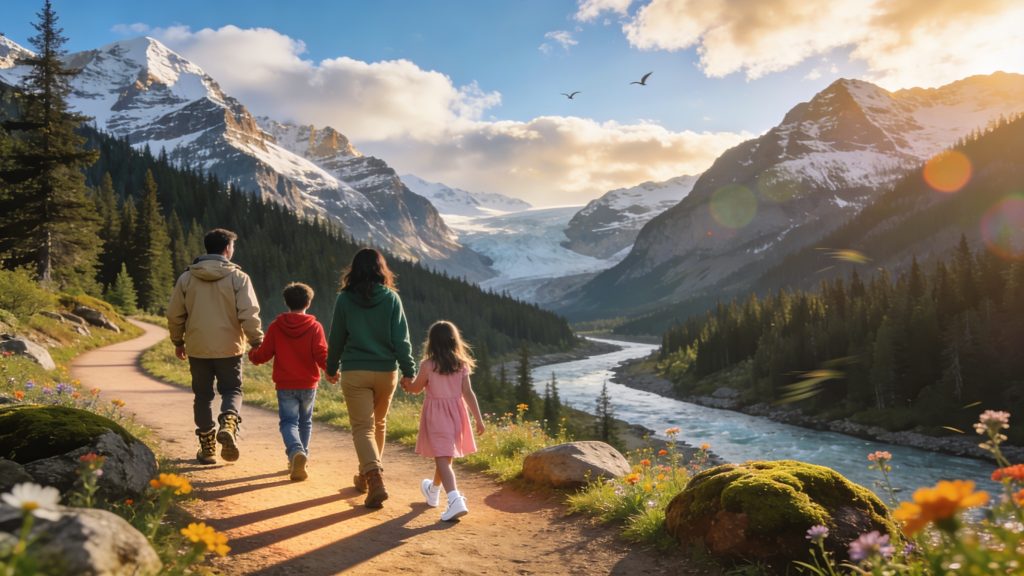
Day trips and short breaks in national parks offer families a unique combination of nature, peace and adventure. Places such as the Waterloopbos, the Loonse en Drunense Duinen and nature areas with experience farms are ideal for both a day trip and a long weekend. Short routes, playful activities and enough rest moments ensure that children enjoy themselves. In addition, these trips make it possible to discover and relax together. Find out why national parks are the destination of choice for anyone who wants to consciously immerse themselves in nature with children.
Why choose a national park with children
National parks are particularly suitable for families. They are often close to home and offer a nature experience on a limited budget. Most parks are easy to reach by car and offer a wide range of short walking and cycling routes. These routes are manageable for young children. Visitor centres, play areas and educational activities make these outings not only fun, but also meaningful.
An important advantage is the flexibility. You plan one main activity per day and leave the rest of the schedule open. That prevents stress and gives children the space to explore on their own. For parents who want to plan nature holidays with children, national parks are therefore a logical first choice.
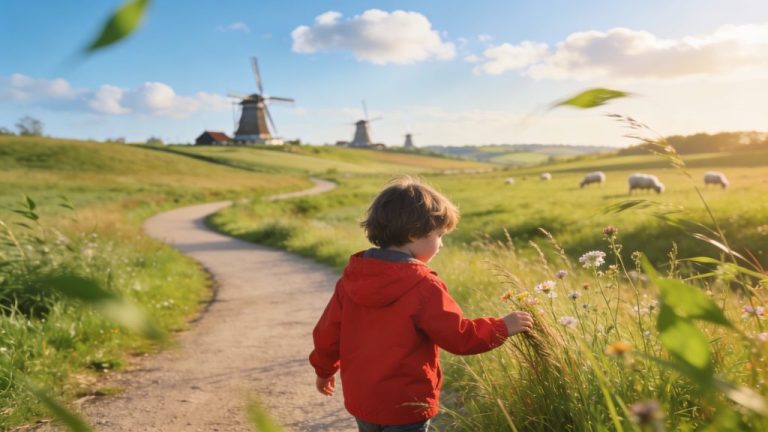
The variety between different types of landscapes also plays a role. Forests, heathlands, wetlands and dunes each offer their own kind of experience. Children mainly remember the animals they spot, the water they can play in and the “adventurous” paths they walk.
Which activities work best for families
Most families find that a day out is successful when there is one clear anchor activity. This could be a short walk of 3 to 5 kilometres, a treasure hunt, a trip with a whisper boat or a bike ride with a stopover. The pace stays slow, and children get the chance to search, look and play.
Popular activities in national parks include:
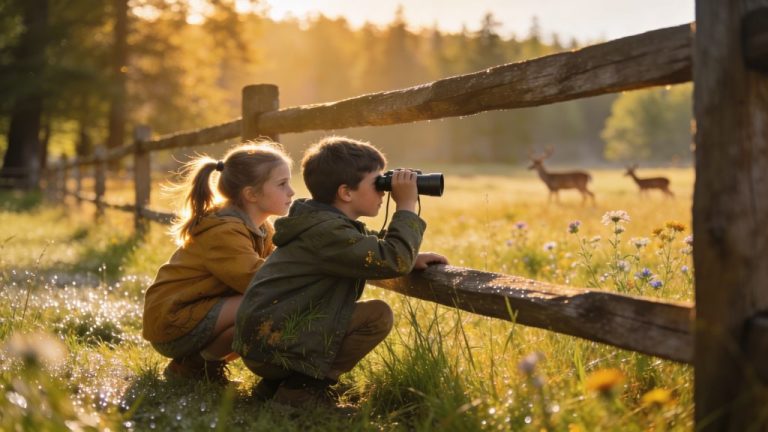
- Bird watching with binoculars
- Looking for animals in the wild, such as deer, rabbits or squirrels
- Walking in boots through mud, silt or shallow water
- Boating through marsh or river areas
- Clambering over boardwalks, hills or dunes
- Following gnome trails or themed routes
Water, animals and interaction with the surroundings have a strong appeal to children. A route with variety works better than a long straight walk. That is why it is smart to check in advance whether the route contains elements that appeal to children.
How to cleverly plan a day out
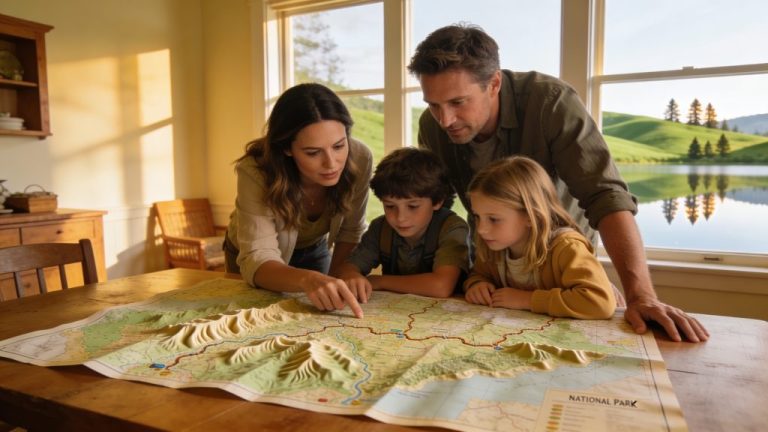
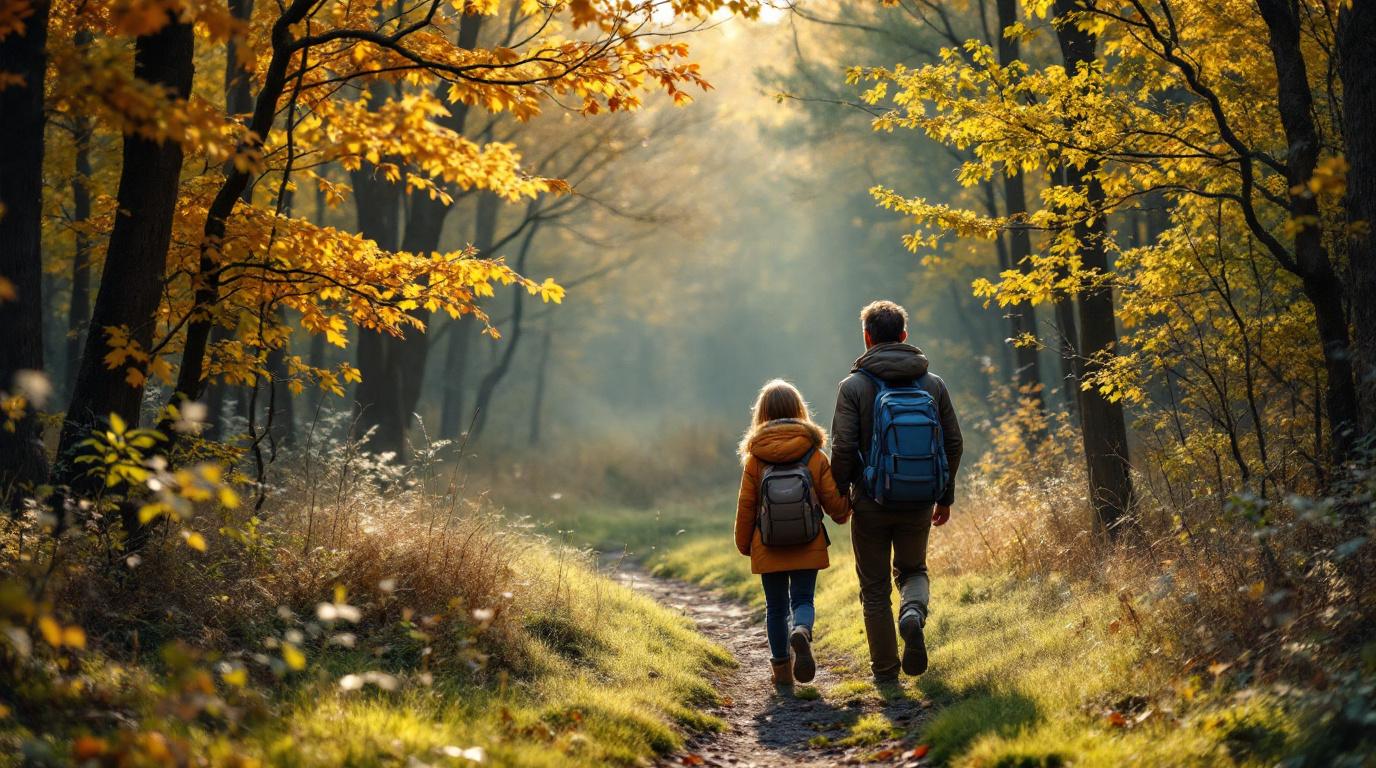
A well-planned day starts with a suitable route. Choose a route that matches the age of your children. Check in advance whether the route is buggy- or pram-friendly if that’s relevant for you. Start early in the day to avoid crowds and heat, especially during holiday periods.
Always bring extra clothes, especially for activities where water or mud plays a role. Snacks, drinks and a planned toilet stop are part of good preparation. Give children their own task, such as counting birds, looking for waymarkers or filling in a nature bingo card. This keeps their attention and makes the walk more enjoyable.
Combine exercise with a reward. A picnic at a scenic viewpoint or a stop at a playground at the end of the route rounds off the day. Keep the pace slow and give children the space to pause and take in what they encounter.
What to take with you to a national park
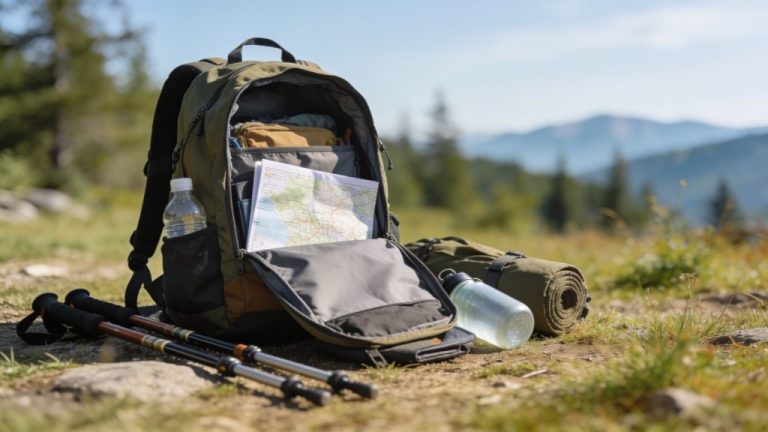
A well-packed rucksack makes the difference between a relaxed outing and a stressful day. Take enough water and snacks with you, even if you think it will only be a short walk. Spare clothes are important, especially for children who like to play in water or run through mud.
Useful items for a day in a national park include:
- Rain jacket or windproof jacket, even in good weather
- Sun protection: sun cream and a cap or hat
- Binoculars for spotting animals
- Baby carrier or buggy for younger children
- A spotter’s card or nature guide for children
- Plasters and, if needed, a tick remover in forest or heath areas
For older children, having their own small rucksack works well. They can carry their own drink, snack or spotter’s card, which increases their sense of involvement.
‘ Each season has its own advantages. ’
Inspiration for short breaks in national parks
A weekend or short break of two to four days gives you more time to really get to know a national park. A workable set-up consists of a relaxed arrival day with a short exploratory walk, a second day with the main excursion or longest route, a third day with a water, cycling or treasure activity, and a fourth day with a relaxed ending such as a visit to a viewpoint or visitor centre.
This set-up prevents overload and gives each family member the chance to unwind. Book accommodation in good time, especially during holiday periods. Many national parks offer small-scale nature cottages, mini campsites or holiday parks in the immediate vicinity.
Different types of national parks for families
Each type of national park offers its own experience. Forest and heath areas such as the Veluwe and the Drunense Duinen are ideal for walking, cycling and spotting wildlife. River and marsh areas such as the Biesbosch or Weerribben-Wieden offer canoe trips and water-rich nature experiences. Dune and coastal areas such as the Kennemerduinen or the Lauwersmeer combine beach, dunes and bird hides.
Each season has its own advantages. In spring you see young animals and flowering plants, while the paths are quieter. In summer you can combine water sports and swimming with longer days. Autumn brings mushrooms, colourful forests and fewer crowds. In winter, birds are easier to spot and there is a special sense of tranquillity.
Practical tips for during your visit
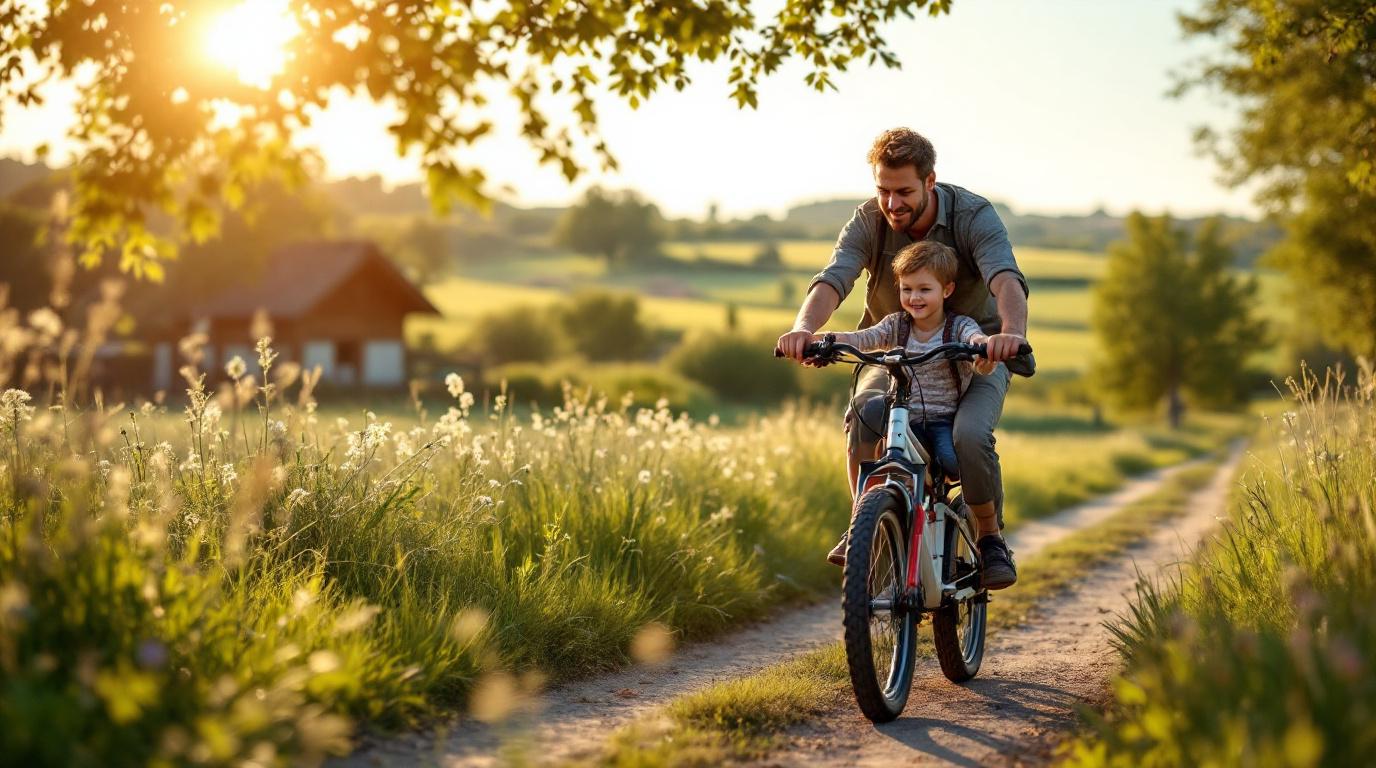
Many families find that children cope better when the day is not planned too full. One activity per day is enough. Give children the space to stop, look and play. A route with boardwalks, little bridges or climbing features keeps their attention.
In bad weather, a visitor centre is often the ideal fallback option. Many centres offer interactive exhibitions, films and educational games. This still makes the day worthwhile, even if it’s raining outside.
Busy spots are often around car parks and popular starting points. Arrive early or choose a less well-known starting point. That provides more peace and space on the paths. Where necessary, book excursions or guided walks with rangers in advance, especially in the summer and autumn school holidays.
Discover more on Traveler Tips
National parks are one of the most accessible ways to introduce children to the outdoors in a natural way. Whether you opt for a day out or a long weekend, with the right preparation it becomes a relaxed and educational experience. On the Traveler Tips website you will find much more information about routes, nature areas, practical tips and destinations that match your plans. Discover what else is possible and plan your next nature trip with confidence.
Frequently asked questions
Beautiful road trip routes include a dunes and coast route along national parks such as De Hoge Veluwe, the dunes of Kennemerland and the Wadden area, combined with overnight stays in nature cottages, beach lodges or small-scale campsites. A second option is a forest and heath route through Veluwezoom, Sallandse Heuvelrug and Drents-Friese Wold, with special places to stay such as hikers’ cabins, tree houses and nature campsites. You can also plan a water and marsh route along Weerribben-Wieden and the Biesbosch with overnight stays in floating houses, small B&Bs by the water or campsites with canoes on the jetty. For each road trip, combine at most one main activity per day with a short walk or boat trip, so that the journey stays relaxed and you can fully enjoy the views.
Start by arriving early and choose one “anchor activity” (short walk, bike ride or boat trip) so that you can take in the main highlights at a relaxed pace. Avoid the busiest paths by choosing alternative starting points and shortening large loops to 3–5 km, suited to your group. Plan fixed rest and picnic moments at viewpoints, by water or at a visitor centre, so you don’t have to rush. Check seasonal crowds, reservations and the weather forecast in advance, and keep a bad-weather option such as a visitor centre up your sleeve.
Where possible, choose train plus (rental) bike, shuttle bus or shared taxi to the park, and only use the car for the last stretch or when there is no public transport. Check the park website in advance for park-and-ride areas, compulsory shuttle buses, reserved parking spaces and maximum parking times, so you don’t end up driving around in circles. Inside the park, waymarked walking and cycling routes and, often, visitor centres are good starting points, as bikes are frequently available for hire there and information is available about quiet and sensitive zones. When it comes to accessibility, explicitly look for wheelchair- and buggy-friendly paths, paved routes and adapted facilities (accessible toilets, disabled parking spaces) and tailor your route accordingly.
The must-do activities for a deeper experience in national parks include guided excursions with a ranger or local guide, where you learn about animals, plants and how the area is managed. In addition, choose thematic walks or off-track rambles away from the usual paths, such as boot routes through mud and shallow water. Boat or canoe trips through marsh and river areas give a completely different perspective on the landscape than standard walking paths. Finally, seasonal activities – such as birdwatching in winter or looking for young animals in spring – create a stronger connection with the rhythm of nature.