 NL
NL
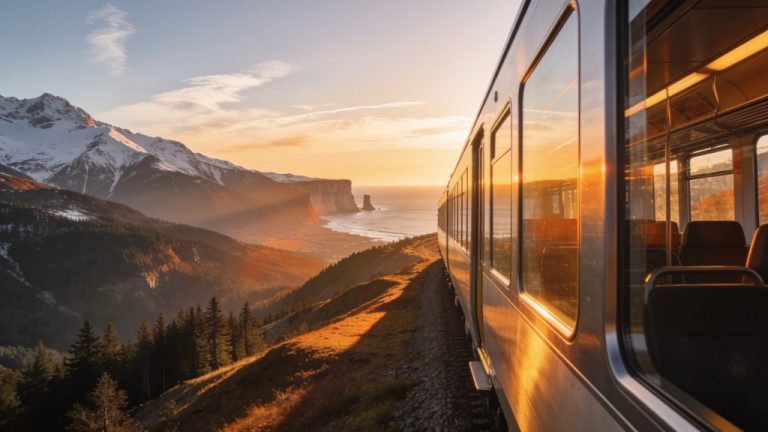
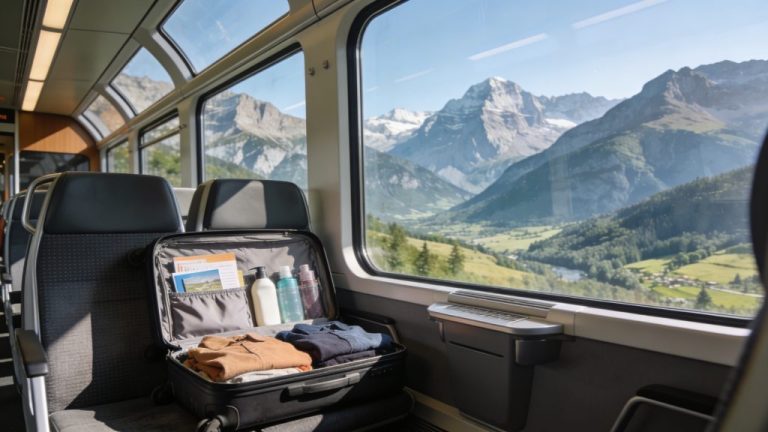
European train routes are a way to see castles, mountain peaks and coastal villages from your window. By strategically choosing train routes that lead you past iconic sights and planning smart stopovers, you combine transport with exploration. This way, your train journey becomes an active part of your holiday.
Many travellers see the train window as a backdrop. It can also be a guide. Touring by train calls for a different perspective. Which route passes which highlights? Where do you get off for a walk? How do you avoid missing the most beautiful places? In this article you’ll read how to combine transport and exploration smartly.
What sights can you see from the train?
The strength of train travel lies in the variety of landscapes and cultures you experience from your seat. Many European routes pass sights that are visible from the window and add an extra layer to your journey.
A few well-known examples of looking out of the window with real experience value:
- The Rhine Valley between Koblenz and Mainz reveals medieval castles on hillsides, vineyards and historic riverside towns
- The Alpine passes in Switzerland and Austria show glaciers, mountain lakes and villages in the valleys
- The coastline between Genoa and La Spezia passes the colourful villages of the Cinque Terre
- The Douro Valley in Portugal offers views of terraced vineyards and bends in the river
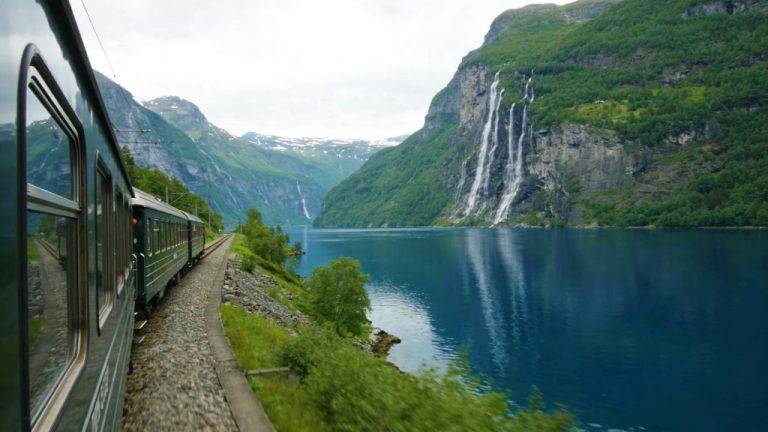
- The Norwegian Bergen Line crosses mountain plateaus, waterfalls and fjords
These routes give you a first impression of the surroundings before you get off. This way you can estimate in advance which stops you find interesting and where you want to spend more time.
How do you combine train journeys with walks and excursions?
A train route works best if you plan stopovers where you get off, explore the centre and then continue your journey. This calls for conscious choices in your planning.
Choose stations where the centre is within walking distance. In many European cities you can reach historic districts, squares or museums within a 10 to 20 minute walk. This makes a short stop feasible without extra transport.
For each stop, think of activities that fit into a couple of hours:
- A city walk through an old town centre or along a river
- A museum or viewpoint near the station
- Lunch on a square or at a market
- A walking route between two stations
One example is a walk between the villages of the Cinque Terre.
For a route with several stops, it’s wise to plan carefully. Avoid too many stops. One or two get-offs per day gives you enough time to really see something without stressing about connections. Also take your luggage into account: a small rucksack makes a walk easier than a large suitcase.
Walking between stations as part of your route
In some regions you can combine train journeys with walking routes between stations. The regional trains along the Italian coast, for example, stop in every village of the Cinque Terre. You can get off, take a footpath between two villages and catch the train again in the next village.
This principle also works well in other areas with dense station networks. Examples include Switzerland, Austria and parts of Germany. Do check the timetable and the walking time in advance. That way you won’t be waiting too long for the next train.
What are the best window views on European train routes?
Every train route offers a different view. Some routes have been specially built or adapted to showcase the landscape and sights. Other routes are purely functional, but happen to pass beautiful places.
Routes with high experience value from the window:
- The Brenner Pass between Innsbruck and Bolzano reveals Alpine valleys and rock faces
- The West Highland Line in Scotland passes lochs, glens and the Glenfinnan Viaduct
- The Golden Pass Line in Switzerland links lakes, mountain passes and Alpine meadows
- The coastline between Nice and Genoa shows the Côte d’Azur and the Ligurian coast
- The Semmering Railway in Austria crosses viaducts and forested mountain slopes
These routes are often slower than high-speed trains, but give you more time to take in the scenery. Choose regional trains or panoramic trains if the view from the window is important to you.
How do you avoid missing sights?
It happens quite often that travellers only find out afterwards that they passed a famous viewpoint or historic site. With a bit of preparation you can avoid that.
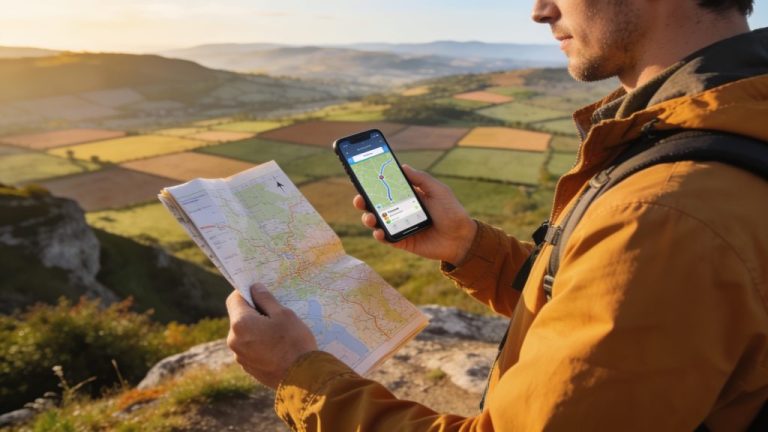
Check your route in advance. See which places you will pass. Use a route planner or map to find out which stations, towns and regions lie along the way. Then check whether there are sights you can see from the train or where you can get off.
Also pay attention to which side of the train to sit on. Check whether it’s better on the left or right. On some routes it really matters which side you sit. In the Rhine Valley, for example, most castles are best seen from one side of the train. If in doubt, ask, or check online which side offers the best views.
Plan a longer stop if there is something you definitely want to see. A layover of two hours leaves little room for delays or crowds. It’s better to allow four to six hours if you want to visit a museum, go for a walk or see a particular sight.
Which guides help you find sights along routes?
There are various tools and resources that help you find and better notice sights along train routes.
Guide apps and route information give you insight into what you pass along the way. A few useful options:
- Google Maps and OpenStreetMap show sights along your route if you follow the railway line
- Regional tourism websites offer itineraries and highlights for each area
- Apps such as Rome2rio and Eurail/Interrail Planner show stopovers and connections
- Some trains, such as the Glacier Express and Bernina Express, offer audio guides or information screens on board
Local tourist information at stations also helps. Many larger stations have an information desk or leaflets with city walks and nearby sights. This is useful if you spontaneously want to know what there is to do during a stopover.
Use maps and offline information
Download maps in advance. Also download routes for offline use. Not every part of your train journey has a good internet connection. This is especially true for mountain areas and rural regions. Offline maps and saved routes mean you still know where you are and what’s nearby while you’re on the move.

Practical tips for a successful combination
A good train trip with time for exploration requires preparation. Flexibility is also important. Take travel time, waiting times and opening hours of sights into account.
Plan enough buffer time between trains. Are you continuing your journey after a stop? Then make sure you have enough time to walk back to the station and catch your train. A buffer of 30 minutes is often enough, but on busy routes or in larger cities it’s better to allow 45 minutes to an hour.
Travel early in the day if you want to make several stops. An early start gives you more time to explore and increases the chance of still finding a seat on busy trains. Evening trains are useful if you want to combine travel time with sleep, but they offer fewer options for stopovers.
Choose trains with flexible tickets if you still want to decide where to get off. Some train tickets and passes, such as Interrail and regional day tickets, allow you to hop on and off freely. This makes spontaneous stops possible without extra costs.
Limit your luggage. A large suitcase makes getting off and walking more difficult. Take hand luggage only, or leave your large bag in a luggage locker at the station if you’re making a day stop.
Discover more about train travel and planning
On the TravelerTips website you’ll find much more information about train holidays, routes across Europe, practical regulations and smart planning for independent travellers. Discover useful tips about luggage rules, stopovers, ticket options and the best destinations by train. Take a look and plan your next trip with more insight and less stress.
Frequently asked questions
Use map apps and public transport planners to see, for each station, which museums, historic districts or parks are reachable within about 10–20 minutes’ walk or with one short tram or bus ride. When planning your route, filter for towns where the station is close to the centre and then search for terms such as “sights near [station name]”. Check opening hours, travel time and any luggage lockers at the station so you can practically schedule a 2–6 hour stop. It’s better to choose a few well-located stopovers than lots of very short stops, so you can explore at a relaxed pace.
Flexible train tickets that are usually best suited to making stopovers are national or regional day passes that allow you unlimited (or many) journeys in one day. In Europe, think for example of Interrail/Eurail travel days, national day tickets (such as regional day passes in Germany or the Netherlands) and regional passes around tourist areas (e.g. the Cinque Terre Card in Italy). With these passes you can get off at several sights along the route without extra costs, as long as you stay within the period of validity and valid network. If you plan many stopovers, it’s better to avoid strictly train-specific or journey-specific tickets, because extra costs or reservations may apply for each additional leg.
Plan your stopover around a station that is close to the centre and the main sights, so you can do everything on foot or with direct public transport. Build in generous buffer time between arrival, exploring and your onward train, and limit yourself to one or two highlights instead of a long checklist. Use luggage lockers or a daypack so you stay light and flexible. Check opening times, walking routes and any delays or engineering works in advance, so you don’t have to improvise on the spot.
Use luggage lockers or official left-luggage services at larger stations so you can head into town with just a daypack. Plan your train route via cities where the centre or main sights are within walking distance of the station, so you don’t have to drag wheeled suitcases through town. Limit the number of large suitcases and take hand luggage only as far as possible if you’re making several short stops. Check online in advance whether lockers are available and allow enough time to store and collect your luggage.
Start with a few main destinations and, between them, choose stretches where stations are close to the centre and several sights are within walking distance. Plan at most one or two stopovers of 2–6 hours per travel day, so you have enough time for a walk, lunch and one or two highlights without rushed changes. Keep generous margins between trains, check opening hours and use luggage lockers or light luggage to keep stops comfortable. It’s better to have slightly fewer stops with a good mix of historic district, museum and park than an overfull schedule where you mainly sit on the train.