 NL
NL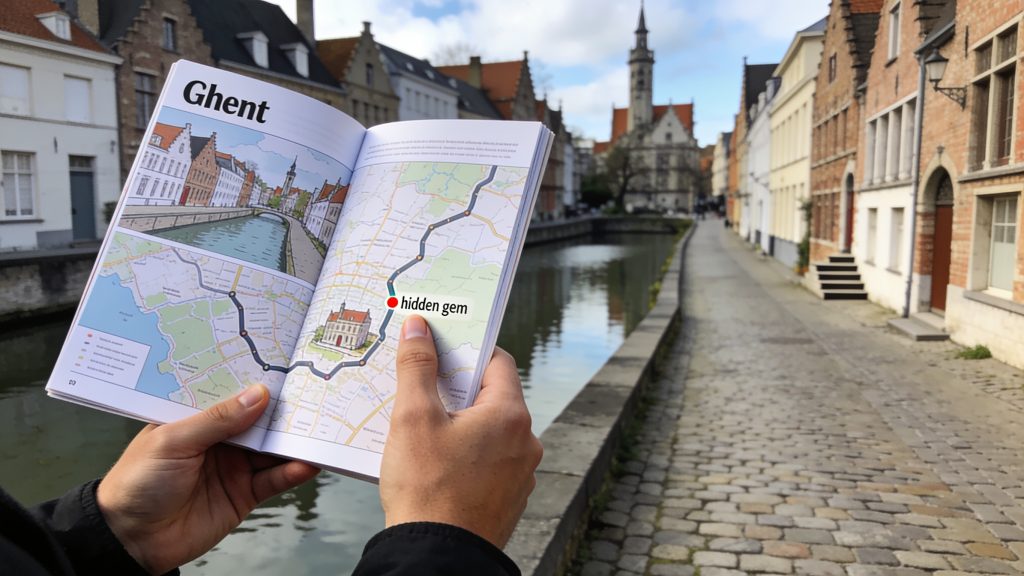
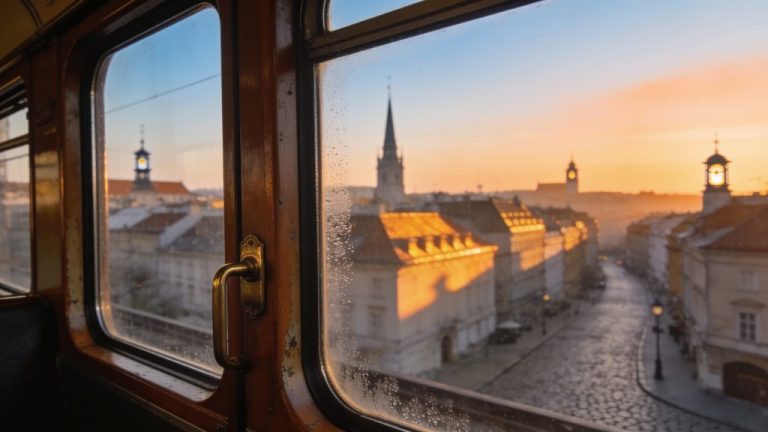
Ghent is a compact city where culture, gastronomy and history come together within walking distance from the station. A city break to Ghent by train is smartly organised: from Amsterdam you arrive in about 3 hours with one change, and from the moment you arrive at Gent-Sint-Pieters you can easily walk or take the tram towards the centre. What makes this destination special is the combination of well-known highlights and quiet spots that you only find if you deliberately choose a route that goes beyond the standard walks.
Why Ghent is an ideal train destination
Ghent scores highly as a destination for travellers who go by train. There is hardly any traffic congestion in the city centre. The city is easy to take in at a glance. You can explore Ghent thoroughly in a day or a weekend. The station is within walking distance of the main sights, so you do not need a car. This fits well with conscious travel planning. You keep control of the schedule yourself. You are not dependent on parking spaces or local traffic rules.
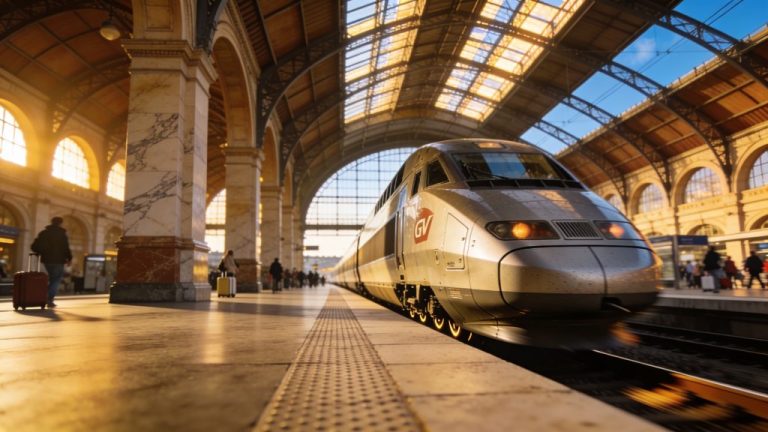
The rail connection to Ghent from the Netherlands is reliable and frequent. From Amsterdam you travel via Antwerp to Gent-Sint-Pieters, with a journey time of about 3 hours. Connections from Rotterdam and The Hague are also good, often with one change in Brussels or Antwerp. You book tickets in advance via NS International or directly with Belgian Railways. You are often better off financially if you book a day or a week in advance. For travellers who more often take city breaks by train, Ghent is a logical addition to the list of accessible destinations.
The centre of Ghent has no major motorways and is designed for pedestrians and cyclists. This makes it pleasant to walk calmly between monuments, museums and squares. From the station it takes you about 25 minutes to walk to the historic heart, or you can take tram 1, which brings you to the centre in 10 minutes.
‘ The tram is faster. ’
Route from Gent-Sint-Pieters to the city centre
The walk from Gent-Sint-Pieters station to the centre takes about 25 minutes. This is a first introduction to the city. You follow the wide Koning Albertlaan. You walk past parks and residential districts. This way you automatically end up in the inner city. The route is easy to follow thanks to signposting and has no complicated junctions.
If you choose to walk, allow about 25 minutes. The tram is faster. You are travelling with luggage or you want to start at the first sights straight away. Tram 1 departs from the station and stops at Korenmarkt, a central square in the old town.
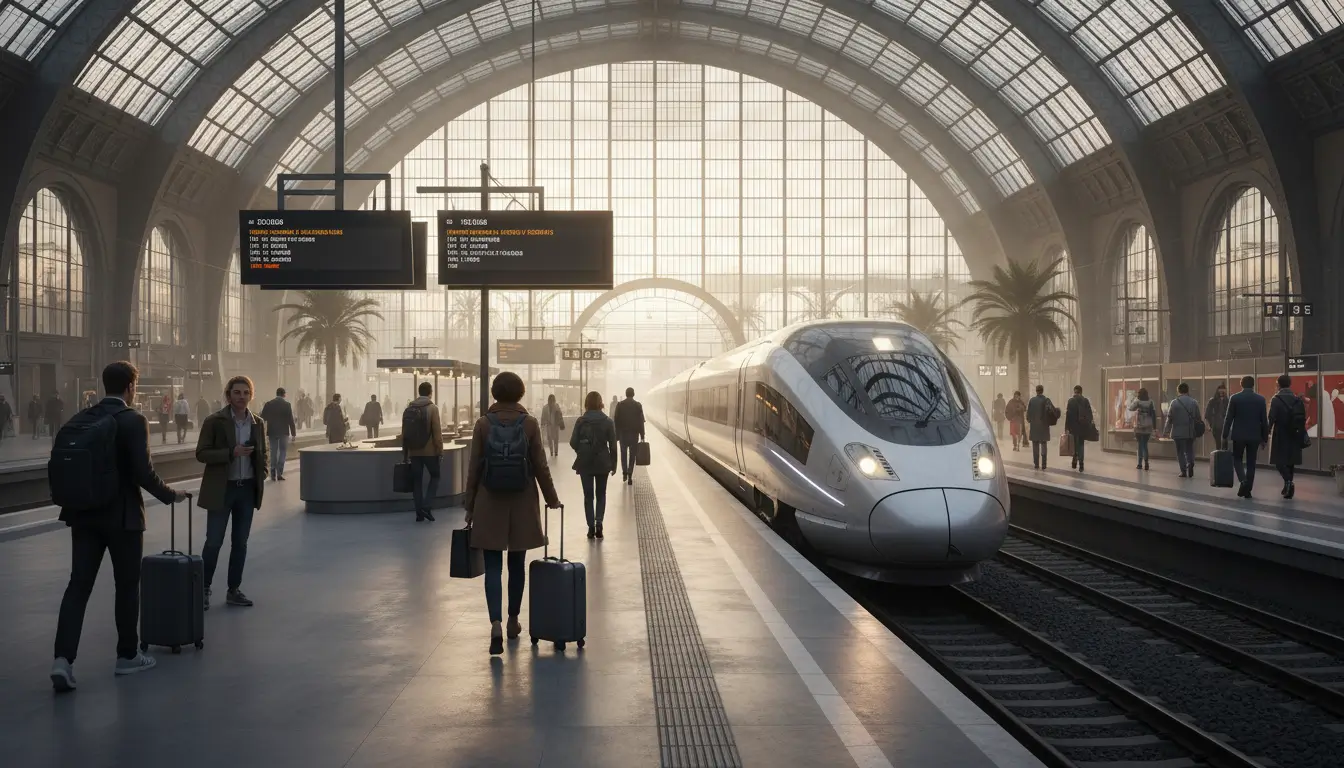
What you should not miss in the city centre
The historic centre of Ghent is compact and contains several highlights. These places help you to understand the city. Start at Gravensteen, a medieval castle in the middle of the city. The castle is open to visitors and provides a clear picture of Ghent’s defensive history. From the towers you have views over the city and the surrounding canals.
Then walk towards the Graslei and Korenlei, two quays with historic facades right on the water. This is the most photographed part of Ghent and a logical place for a break. The area is also the starting point for various walking routes through the inner city.
A next stop is Saint Bavo’s Cathedral. Here you can see the famous Adoration of the Mystic Lamb altarpiece by the Van Eyck brothers. The cathedral is located on Sint-Baafsplein, close to the Belfry, a tower that is part of the Unesco World Heritage. These places show the role Ghent played in the late Middle Ages. Together they give a good impression of the city’s history.
Hidden gems off the standard route
Ghent has a number of lesser‑known spots. You only find these places if you deliberately deviate from the main routes. The Sint-Pieterstuin is a good example. This garden is hidden behind Saint Peter’s Abbey. The garden is accessible through a gate to the right of the abbey building. It is laid out as a monastic garden and offers peace and greenery within walking distance of the centre. You will hardly encounter other tourists here. The atmosphere of the city feels different here than on the busy squares.
Another hidden gem is the Patershol district, an area of narrow streets and low houses. Historically the district was home to poor families and craftsmen. Now you will find small restaurants, cafés and shops. These places give the district its own character. Patershol is close to Gravensteen and is a good place to eat or stroll around without a fixed route.
For lovers of contemporary art, such as installations, paintings and photography from recent decades, the Municipal Museum of Contemporary Art (SMAK) is recommended. SMAK is a museum for modern and contemporary art, where you see work by artists from the last decades. The museum is located in Citadelpark, about a 20‑minute walk from the centre. The collection focuses on contemporary art. The museum shows works by both Belgian and international artists. The park itself is a quiet place for a walk and combines well with a visit to the museum.
‘ These places take a bit more searching, but are worth it if you are interested in architecture and urban design. ’
Free activities in Ghent for train travellers
Ghent offers several free activities. These activities do not put pressure on your travel budget. A walk along the canals is free and forms a good basis for exploration. You can also climb the Belfry for free on certain days. This does not always apply. Check opening times and any charges in advance.
Citadelpark is freely accessible and offers greenery and walking paths. The courtyards of some historic buildings are also free to visit. One example is the courtyard garden of the Old Saint Elisabeth Beguinage. These places take a bit more searching, but are worth it if you are interested in architecture and urban design.
The Vrijdagmarkt is a historic square where you can stroll around free of charge. The square played an important role in the social and political history of Ghent and is now a meeting place with terraces and markets on set days.
Combining Ghent with Antwerp in one train journey
Ghent and Antwerp combine well in a single trip. This is particularly useful if you are planning two or three days away. The train connection between the two cities takes about 50 minutes, with several direct trains per hour. You can use both cities as a base. Or you stay overnight in one city and make a day trip to the other.
Antwerp has a different character from Ghent: the city is larger, has more fashionable shops and an extensive port. Ghent is smaller in scale and more focused on culture and history. You are comparing two Belgian cities. Both are accessible by train. Each has its own atmosphere. This makes the combination interesting.
Plan at least one full day for Ghent and a day to a day and a half for Antwerp. That way you can explore both cities without rushing. Trains run until late in the evening, giving you flexibility in your schedule.
Practical tips for your city break to Ghent
Book your train ticket in advance via the NS International website or Belgian Railways. Tickets are often cheaper if you book a week ahead. Also check whether there are combination tickets. These tickets combine travel and entry to museums.
Ghent has several accommodation options within walking distance of the centre and the station. If you want to be close to the sights, choose a hotel or hostel near Korenmarkt or Graslei. If you are travelling on early the next day, stay closer to the station.
Take a map or offline map with you. The centre is easy to navigate. Some hidden spots, such as the Sint-Pieterstuin, are not always signposted. A map allows you to plan alternative routes. That way you do not get lost.
If you want to avoid crowds, plan your visit outside the high season. Ghent is especially busy in July and August. Spring and autumn are quieter and often offer pleasant weather for city walks.
‘ The website offers reliable and in‑depth information. ’
Discover more on Traveler Tips
On the Traveler Tips website you will find more articles about city breaks by train and routes through Europe. You will also find practical tips for planning your trip. You might be looking for information about other Belgian cities, or you want to know which rail connections there are to more distant destinations. Maybe you are looking for advice on organising a multi‑day trip. The website offers reliable and in‑depth information. This information helps you travel more smartly. Discover more and plan your next trip with confidence.
Frequently asked questions
Ghent is ideal for a short city break by train, with Gent-Sint-Pieters as a logical arrival point and a compact, walkable centre. Combine classic highlights such as Gravensteen and Patershol with modern culture at SMAK. Add at least one hidden gem, such as the quiet Sint-Pieterstuin next to Saint Peter’s Abbey. This gives you a sustainable, easy‑to‑plan trip with both classics and surprising places.
The city break goes by train to Ghent, arriving at Gent-Sint-Pieters station with a walkable route into the centre. Visitors combine well‑known highlights such as Gravensteen, Patershol and SMAK with quieter, less touristy spots. A striking hidden gem is the Sint-Pieterstuin, reached through a gate to the right of Saint Peter’s Abbey. Ghent lends itself perfectly to a sustainable, car‑free city break of one to two nights.
The question does not contain any concrete content; “[object Object]” is a technical indication that an object has been passed instead of text. Because of this it is impossible to determine what exactly is being asked.
The question does not contain any concrete content to respond to, because “[object Object]” is not an intelligible question or topic.
I cannot determine the answer to the question because “[object Object]” does not contain any understandable question or meaningful context.