NL
NL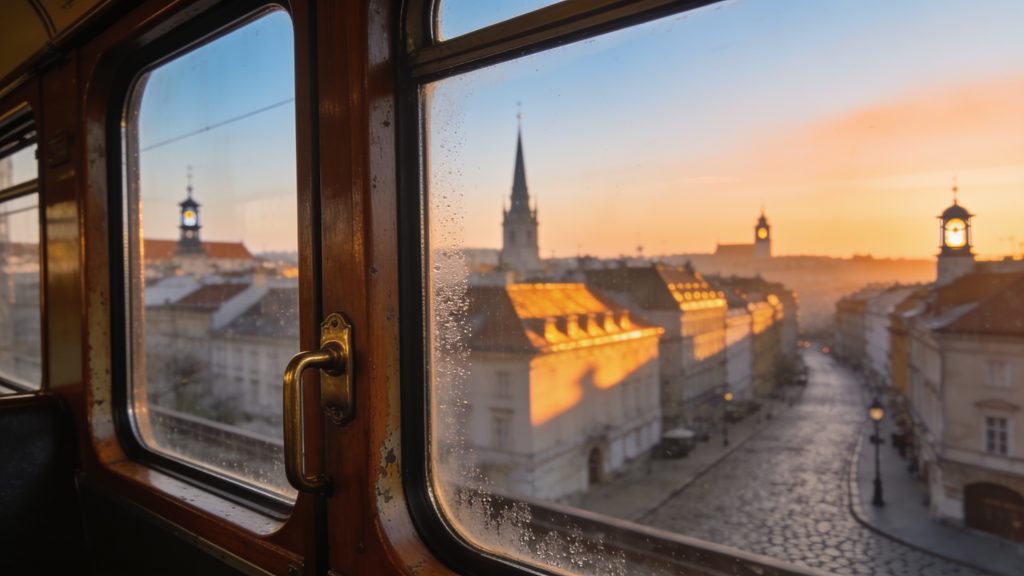
From Amsterdam, you can travel overnight to Vienna in 14 hours or to Basel in 9 to 12 hours with the Nightjet. You save on a hotel night, travel in an environmentally friendly way, and arrive right in the heart of the city. Travellers want to combine comfort, time, and experience. The sleeper train is a smart choice for this. City trips by train are gaining popularity for a reason. Which destination best fits your travel style?
Why Vienna and Basel are ideal sleeper train destinations
Vienna and Basel both offer direct sleeper train connections from the Netherlands, but cater to different travel needs. Vienna is a classic cultural destination with palaces, museums, and a coffee house tradition. The distance and travel time make the sleeper train attractive here: you sleep on the way and do not lose part of the day travelling. Basel, on the other hand, is more compact and is strategically located on the border of Switzerland, France, and Germany. The city is easily accessible and works well as a short city trip or as a starting point for further travel through Switzerland.
The Nightjet trains that run to both cities offer different levels of comfort, from seats to sleeping cabins. For longer distances such as Vienna, a couchette or sleeping cabin is more pleasant. For Basel, a seat can also work, depending on your budget and need for comfort. Both routes depart daily from Amsterdam Central, Utrecht Central, and Arnhem.
‘ You sleep and travel in one motion. ’
Direct Nightjet to Vienna from the Netherlands
From 28 May 2025, a new generation of Nightjet will run between Amsterdam and Vienna. The train stops at several German and Austrian cities along the way, such as Düsseldorf, Cologne, Frankfurt, Nuremberg, Passau, Linz, and St. Pölten. The final station is Wien Hauptbahnhof, the main station in Vienna. The total travel time is approximately 14 to 16 hours, depending on the schedule and any diversions.
At the moment, the route may temporarily run via Salzburg, which extends the travel time by approximately 1.5 hours. Always check the current schedule shortly before departure. The train departs late in the evening and arrives in the early morning. This means you can start your city trip immediately without having to find a hotel first.
What Vienna is suitable for
Vienna is a destination for travellers who want to stay for several days. The city has a rich cultural offering with attractions such as Schönbrunn Palace, St. Stephen’s Cathedral, museums, and classical concert halls. You can travel comfortably to this city without a plane. You sleep and travel in one motion.
Nightjet to Basel: compact and well-connected
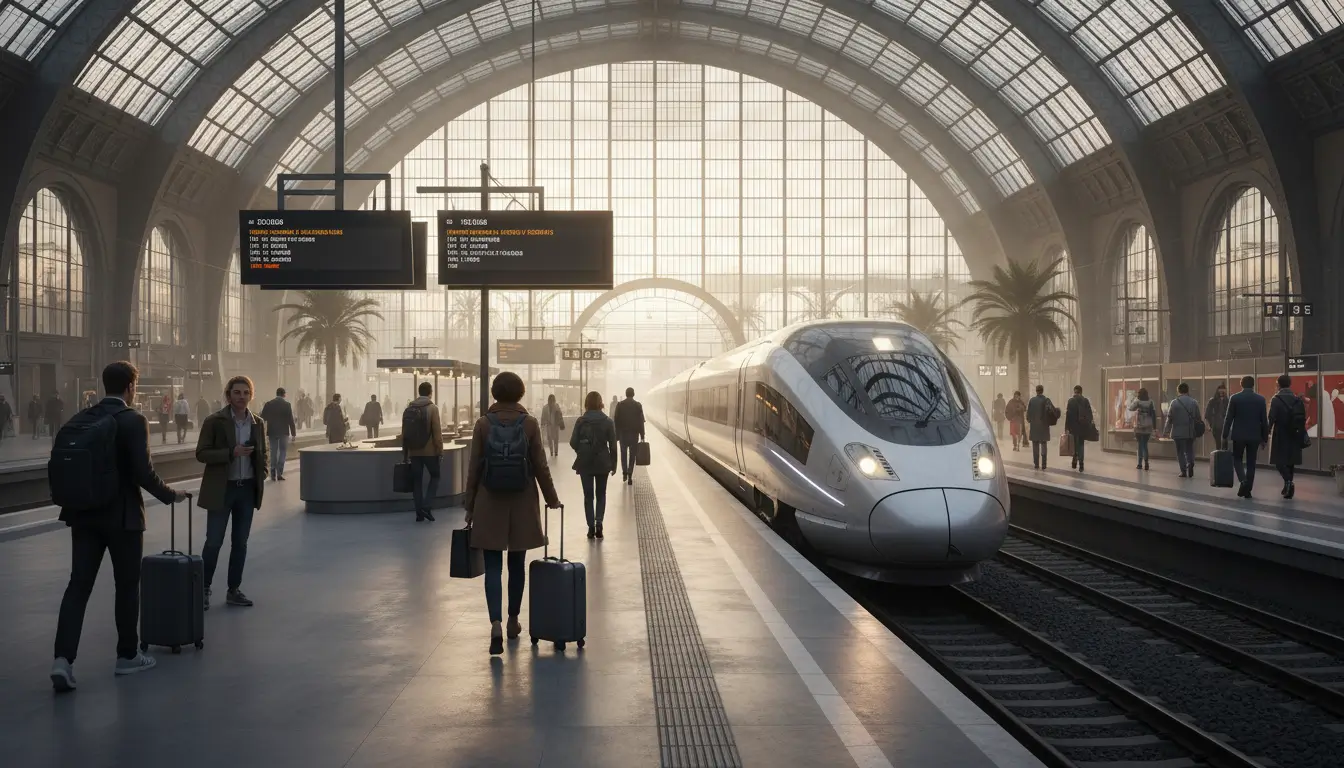
The sleeper train to Basel SBB runs daily from Amsterdam, Utrecht, and Arnhem. The travel time is approximately 9 to 12 hours. Basel is a smaller city than Vienna, but it works well as an independent city-trip destination or as a railway hub towards other parts of Europe. Basel SBB station is located centrally in the city and offers direct connections to Zurich, Bern, Geneva, and even French cities such as Strasbourg and Lyon.
The city is located on the border. You can feel the influence of three countries. The architecture, culture, and gastronomy vary by district. Basel has museums, a historic city centre, and the Rhine flowing through the city. The city is compact and easy to explore in a weekend.
Basel as a connecting point
Travellers sometimes want to continue to Vienna or other European destinations. Basel then also functions as a transfer point. There is no direct sleeper train between Basel and Vienna, but with one transfer via Zurich, you can continue your journey in about 10 hours. From Basel Bad Bahnhof to Wien Hauptbahnhof, the fastest travel time is approximately 9 hours and 7 minutes with 1 transfer.
Which comfort level to choose in the Nightjet
The Nightjet offers various sleeping options. Seats are the cheapest, but less suitable for longer trips. Berths in a couchette cabin (a shared sleeping carriage with bunk beds) offer more comfort: you share a cabin with other travellers and have a bed with bedding. Sleeping cabins are private and available for one, two, or three people. This option is more expensive, but offers privacy, a washbasin, and sometimes a private toilet and shower.
For the route to Vienna, preferably take a berth or a sleeping cabin. The 14-hour journey makes sleeping more comfortable than sitting. For Basel, a seat is sufficient if your budget is the priority. A berth does make the journey more pleasant. With all options, there is access to a restaurant carriage or vending machine.
‘ Sleeping cabins and berths are limited in availability and popular dates fill up quickly. ’
Practical tips for your sleeper train journey
Book your ticket as early as possible. Sleeping cabins and berths are limited in availability and popular dates fill up quickly. Always check the schedule shortly before departure, as routes can change temporarily. Bring a small bag with your things for the night: toiletries, earplugs, possibly an eye mask, and comfortable clothing. Keep valuables with you in the cabin.
Expect to arrive early in the morning. Therefore, do not plan your first activity too intensely. Breakfast in the city, a walk along the main attractions, or a quiet museum visit are good options. If you have booked a hotel, you can usually leave your luggage early, even if the check-in time is later in the day.
Children and families
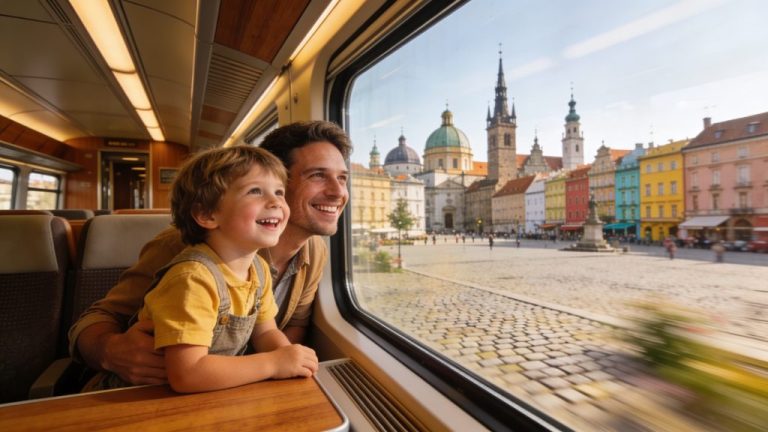
On some Nightjet routes, one child under the age of 6 travels for free in the same place as an adult, except in a mini-cabin. Children under the age of 15 are not allowed to travel alone on the Nightjet. Special family cabins are available for families. You sleep together with the whole family in one space.
Sleeper train as part of your travel strategy
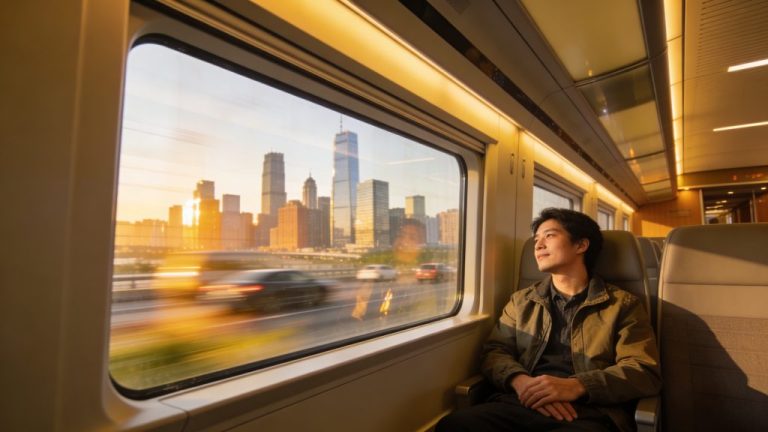
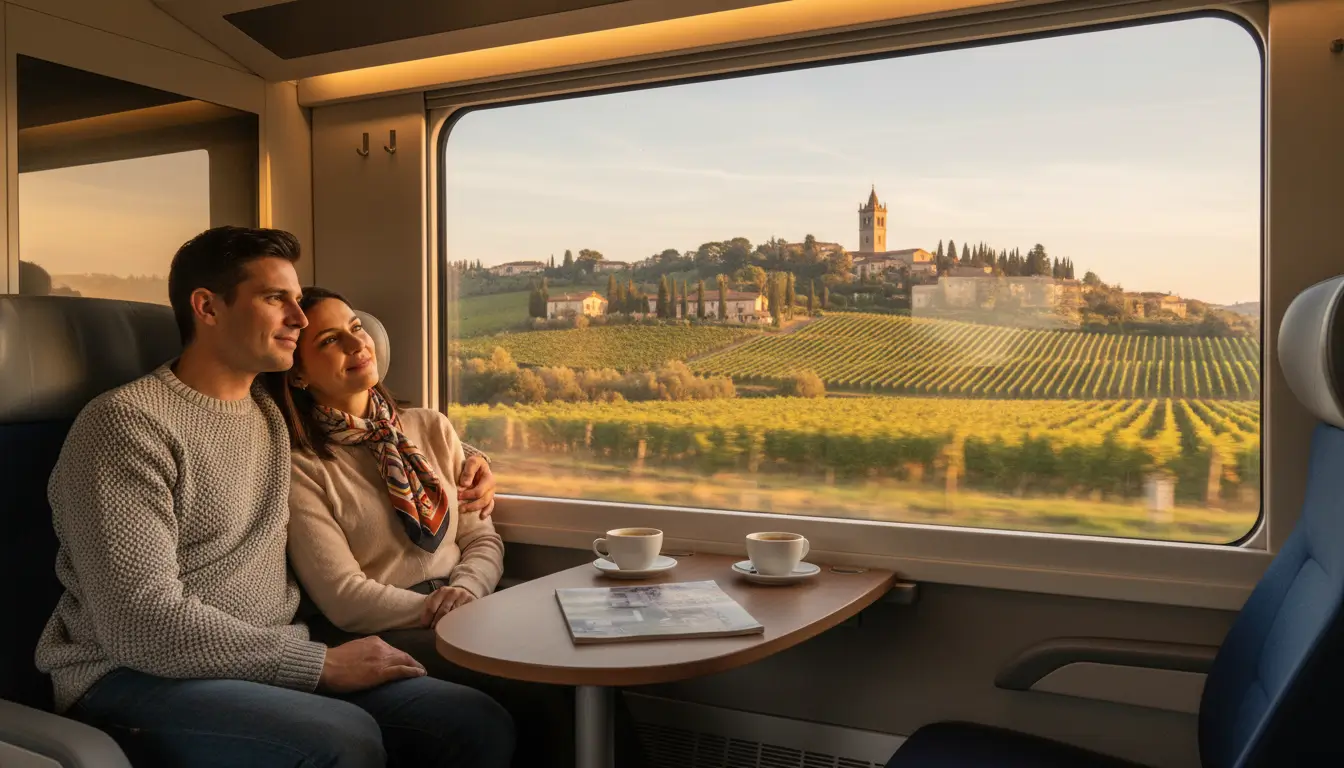
The sleeper train works best if you see the journey itself as part of your holiday. You save on a hotel night and part of a day travelling, but the comfort is different from a regular hotel. For many travellers, the experience is part of the journey: the feeling of being on the move, the view from the window at sunrise, and waking up in a new city.
Compare the total travel time from station to station with flying. For Vienna, the sleeper train is often more attractive than a flight when you include the travel time to and from the airport, check-in time, and baggage handling. For Basel, this applies even more strongly due to the shorter travel distance and the central location of the station.
Discover more about city trips and train travel
On the Traveler Tips website, you will find extensive information about city trips by train, routes through Europe, tips for comfortable travel, and attractions at your destination. Whether you choose Vienna, Basel, or another European city, there is always a route that fits your travel style. Discover more articles and plan your next trip smarter and more consciously.
Frequently asked questions
Book as early as possible with ÖBB Nightjet (via their own site/app or NS International) and compare prices by date; advance booking rates for couchette and sleeping carriages are often much cheaper than last minute. For maximum value for money, choose a couchette carriage to Basel (shorter trip) and preferably a sleeping carriage to Vienna (longer trip, more comfort and privacy). Travel on weekdays outside of holidays, as this is when the cheapest seat and berth options are more often available. Include the saved hotel night in your cost comparison with flying, as this is often where the sleeper train wins.
On the sleeper train to Vienna or Basel, you can choose from standard seats, berths (couchettes), and sleeping carriages with private or shared compartments, with the newest Nightjet trains on the Vienna route offering extra modern comfort. Sleeping carriages offer the most privacy and often a private washbasin or bathroom, berths are simpler but more comfortable than a seat, and chairs are the least comfortable option for an entire night. In terms of price, seats are the cheapest, berths are mid-range, and sleeping carriages are the most expensive, comparable to a hotel night. To Vienna, a berth or sleeping space pays off extra due to the longer travel time, while to Basel, the shorter duration makes it somewhat feasible to choose a cheaper seat or berth.
Plan your arrival so that you have a local breakfast near the station around coffee time, so you can land calmly after the sleeper train. Choose a shower option in advance: a hotel that offers early check-in, a day room, or a spa/pool nearby (especially in Vienna) to freshen up. Store your luggage in a station locker or with a luggage service so you can head into the city lightly packed immediately. For the first few hours, plan a relaxed walking route or a simple highlight (such as the city centre or a park) instead of a full museum programme.
A sleeper train saves you a hotel night and provides an early arrival in the middle of the city, with more comfort and legroom than a plane, and without check-in stress or luggage hassle. Compared to a day train, you gain effective time at your destination because you spend most of the journey sleeping. Disadvantages are that a sleeping space is often more expensive than a cheap flight ticket or seat, and that you sometimes sleep less well in a couchette or sleeping carriage than in a real hotel bed. In addition, you are usually on the road longer by sleeper train than by plane and are bound to limited departure days and times.
Book your sleeper train well in advance and choose a berth or sleeping space instead of a regular seat for extra comfort, especially towards Vienna. Bring earplugs, a sleep mask, and possibly a thin sleeping bag liner, plus comfortable clothing and a jumper or cardigan for changing temperatures. Pack small sleeper train hand luggage with toiletries, water, and some snacks so you are not dependent on what is on offer on board. Check the precise route and arrival time shortly before departure, so you know what time you will actually arrive in Vienna or Basel and can plan your first hours in the city well.