NL
NL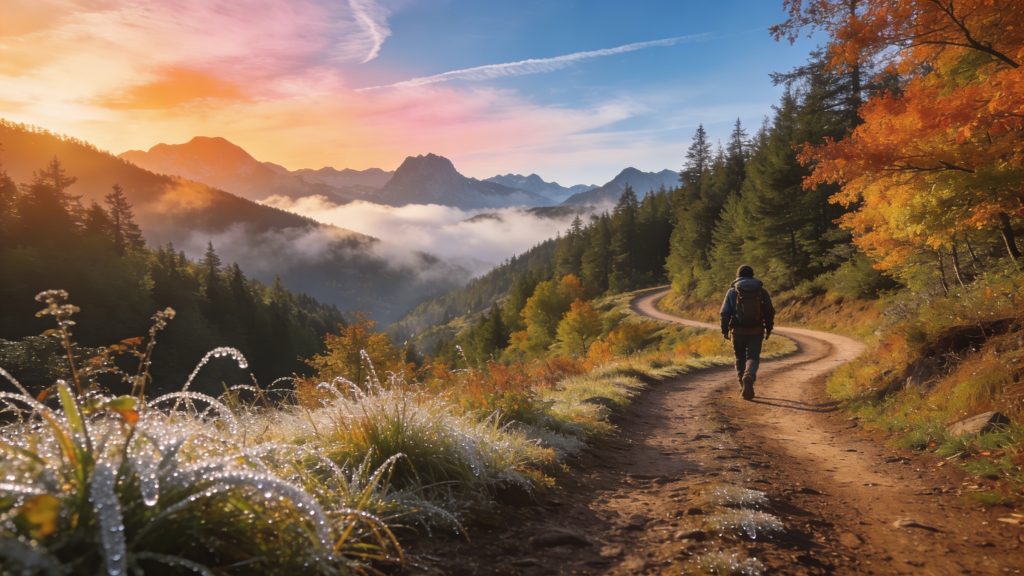
Walking holidays in 2026 are no longer about distance or pace, but about conscious experience and mental calm. Mindful walking is central: walking attentively with focus on your senses, breathing and surroundings, without time pressure or performance goals. This shift fits within the broader movement of slow travel, where the journey itself becomes more important than ticking off destinations. Discover which walking trends help you get more out of your next trip.
Why mindful walking is the most important trend
Mindful walking means walking with full attention to the present moment. You consciously notice what you see, smell, hear and feel, without rushing yourself or thinking about other things. This way of walking is linked to stress reduction, better heart health and increased creativity. The difference from regular walking lies in the intention: you are not walking to get somewhere, but to be present along the way.
Its popularity stems from the growing need for mental wellbeing during holidays. More and more travellers are looking for ways to unwind during their trip, instead of seeking even more stimuli. Mindful walking offers an accessible way to do this, without special preparation or equipment. For anyone interested in nature-focused trips, walking holidays offer the ideal opportunity.
Routes with plenty of natural stimuli fit this trend well. Think of forests, dunes, heathland, coasts or quiet landscapes where you have space to slow down. Social walking clubs and guided walks with mindfulness elements are also growing in popularity, especially in smaller groups and on easy, low-threshold routes.
‘ These walks are less structured and aimed at mental clarity rather than physical performance. ’
Other walking trends that tie in with slow travel
Besides mindful walking, you can see more variations that focus on calm and experiencing nature. Forest bathing, also known as shinrin-yoku, is a form of slow and attentive walking in forests without distractions from phones or music. The aim is to immerse yourself in the natural environment and use your senses to consciously perceive your surroundings.
Another striking trend is interval walking training. Here you alternate between brisk and gentle walking, which improves both your fitness and heart health. This approach suits travellers who want to combine rest with movement and health during their holiday.
Social walks remain popular, but are shifting towards smaller groups with a focus on connection and inclusion. Lifestyle walks, where you walk with a positive mindset and reflect on gratitude or personal goals, are also gaining ground. These walks are less structured and focused on mental clarity rather than physical performance.
How to apply mindful walking to your trip
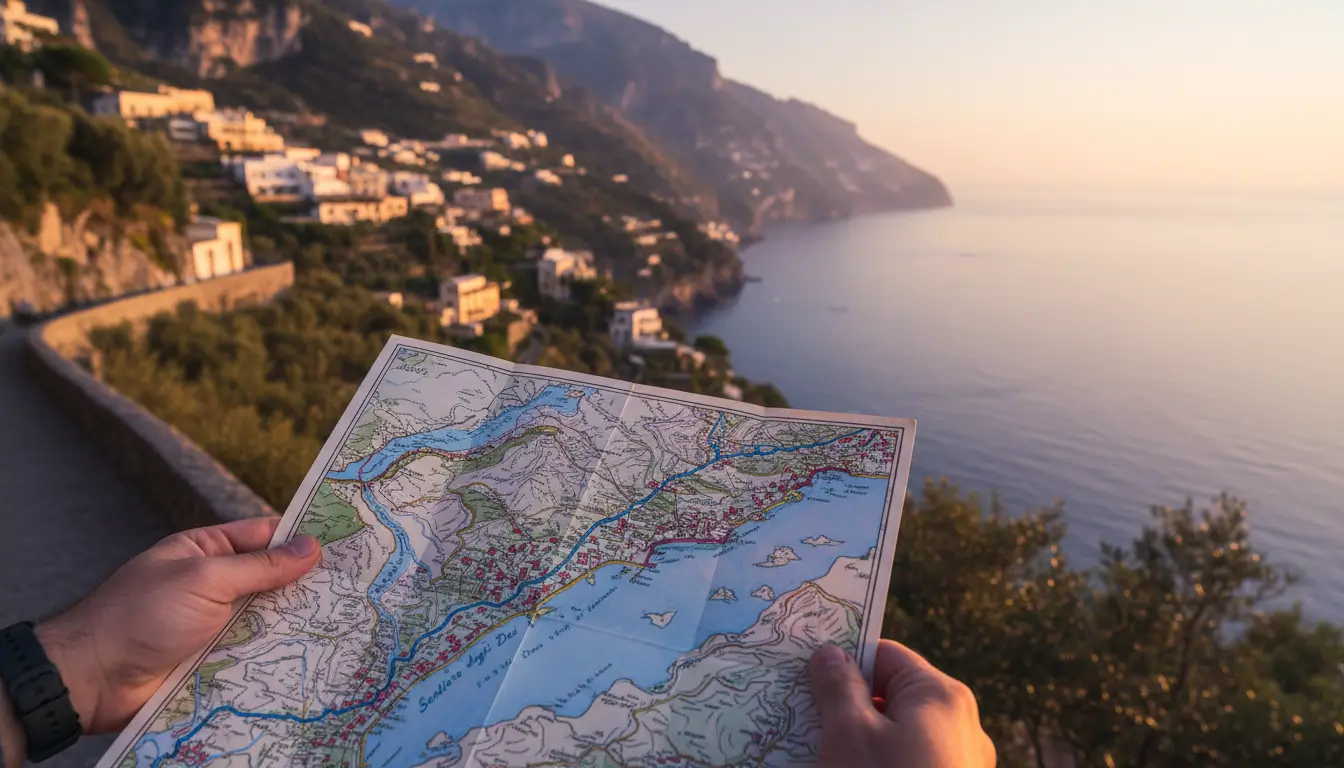
You do not need any special training to walk mindfully. Start by choosing a route without strict time pressure, so you can pause whenever you want. Ideally pick an environment with natural stimuli such as forest, water or heath, where you are less distracted by traffic or crowds.
Deliberately allow moments on the way without your phone or music. Try to focus your attention on your breathing, name to yourself what you see and listen actively to the sounds around you. These simple exercises help you spend less time in your head and be more present in the moment.
For those who prefer more structure, you might consider adding a short reflection or journal entry after your walk. This reinforces the effect of the walk and helps you organise your thoughts. Combining it with wellness elements such as breathing exercises or light stretching further enhances the experience.
Destinations that suit these trends well
Routes with plenty of silence and nature experience are best suited to mindful walking. In the Netherlands, areas such as the Veluwe, Drentse Aa, Zwanenwater and the South Limburg hills offer enough space and variety. These areas combine accessibility with natural diversity, making them suitable for both short and multi-day walks.
In Belgium, too, there are routes that fit slow travel. The region between Zwalm and Dender offers quiet landscapes with rolling hills, forests and small villages. These routes are less touristy and give you the freedom to set your own pace without pressure from other walkers.
For those who want to travel a little further, long-distance walking trails such as the Via Alpina, the Camino Portugués or the West Highland Way are ideal. These routes offer enough flexibility to walk at your own pace and include sections with plenty of natural tranquillity. When planning, pay attention to the season and how busy it is, so you do not unexpectedly end up in a peak period.
‘ Mindful walking does not work if you have to rush yourself to reach a final destination. ’
Practical tips for your walking holiday in 2026
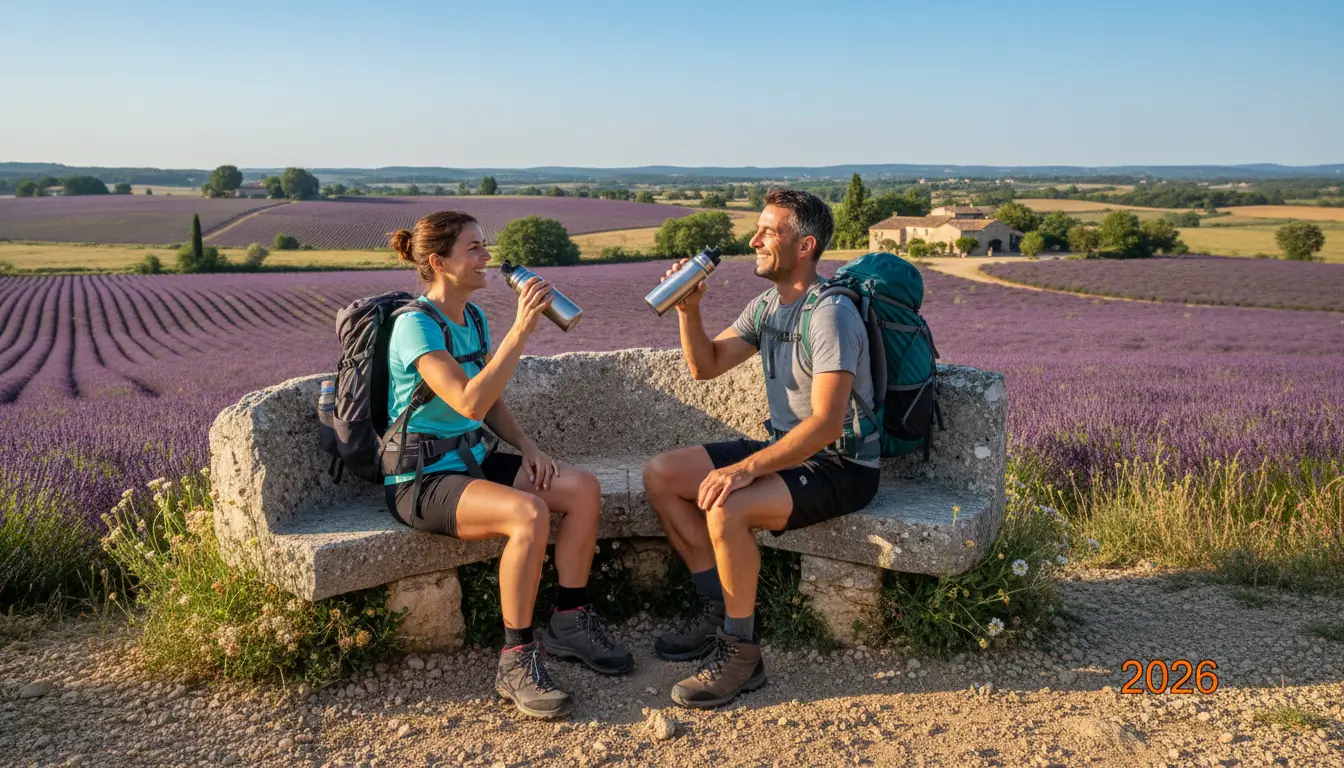
Plan your walks with enough breaks and choose routes that match your own fitness level. Mindful walking does not work if you have to rush yourself to reach a final destination. So allow enough time and take potential rest moments along the way into account.
Choose accommodation that fits your desire for calm. Think of small-scale places to stay in natural areas instead of large tourist centres. This strengthens the experience of slow travel and helps you to relax better after a day of walking.
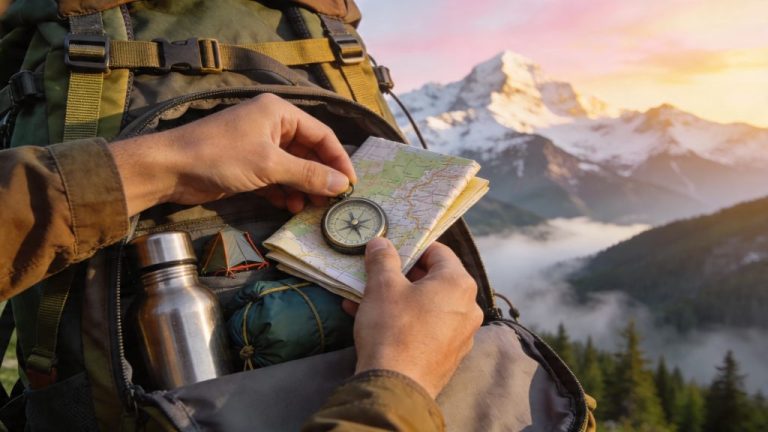
Take only the gear you really need. Keep your rucksack light and avoid unnecessary technology. A smartwatch or GPS can be handy for orientation, but try to keep your phone on silent as much as possible to limit distractions. Also do not forget to prepare your trip well with the right clothing and footwear, tailored to the terrain and the season.
What these trends mean for your holiday
The shift towards mindful walking and slow travel has a direct impact on how you plan your holiday. Instead of ticking off as many destinations as possible, you consciously choose fewer, but more intense experiences. This requires a different way of planning: less haste, more flexibility and space for spontaneous moments.
This approach suits travellers who organise their holidays themselves and want to keep control of pace and content. You decide when you set off, how long you are on the road and where you take a break. This gives you the freedom to tailor your trip to your own need for rest or, on the contrary, activity.
For those used to structured trips with tight schedules, mindful walking requires a different mindset. It helps to accept in advance that not everything has to go according to plan and that detours or delays can be part of the experience. This flexibility makes the difference between a stressful and a relaxing walking holiday.
Discover more about walking and nature trips
On the Traveler Tips website you will find much more information about routes, destinations, preparation and practical tips for walking holidays and nature trips. Whether you are looking for inspiration for your next trip, advice about equipment or concrete route descriptions, you will find reliable and useful information to help you plan your holiday more smartly and consciously. Discover what is possible and start preparing your next walking trip.
Frequently asked questions
Plan fixed “mindful stops” on the way where you briefly get out to walk slowly and in silence for ten to twenty minutes, focusing on your breathing, sounds and what you see, smell and feel. Choose rest stops with nature or a view (park, forest edge, coast, mountain pass) and deliberately keep your phone, music and camera switched off during those moments. Use a recurring mini ritual – for example three deep breaths when getting out and, on return, one brief reflection question – so it naturally becomes part of the trip. Deliberately alternate longer travel stages with these attentive walking breaks, so that not only the destination but also the journey there becomes a rich experience.
In 2026, quiet nature areas with a mix of forest, heath and water are ideal for a mindful walking experience, such as the less busy stages of long-distance routes in Europe (for example, sections of pilgrimage routes or coastal paths). Choose stretches where you can easily shorten or extend stages yourself, so you can walk without time pressure and build in extra breaks. Destinations that offer opportunities for forest bathing, such as extensive forests and national parks, are a good fit because they provide many sensory stimuli but little noise. For self-organisers it is smart to plan routes outside the peak season and use digital navigation, so you can vary on the way without breaking the mindful flow.
Choose quiet routes with plenty of natural stimuli (forest, dunes, water) and allow enough time so you do not have to rush and have room for breaks. Take comfortable shoes, layered clothing, water, a small notebook and, if needed, a light rucksack. Keep your phone in your bag as much as possible (or on flight mode) and sometimes walk in silence, paying attention to your breathing, sounds, scents and what you see. Use simple attention exercises, such as counting your steps or naming three new things that catch your eye at every bend, to really stay in the moment.
Mindful walking enriches your holiday because you travel more slowly, breathe more consciously and are present in the landscape with all your senses, making each stage more intense. As the focus shifts from ‘clocking up kilometres’ to rest, nature and silence, an ordinary walking route becomes an experience full of small, meaningful moments. This 2026 trend invites you to be less in your head and more in the moment, which provides mental release and deeper relaxation. Through moments of reflection, such as short breaks or a note in a journal, your trip also gains an extra layer of personal depth.