 NL
NL
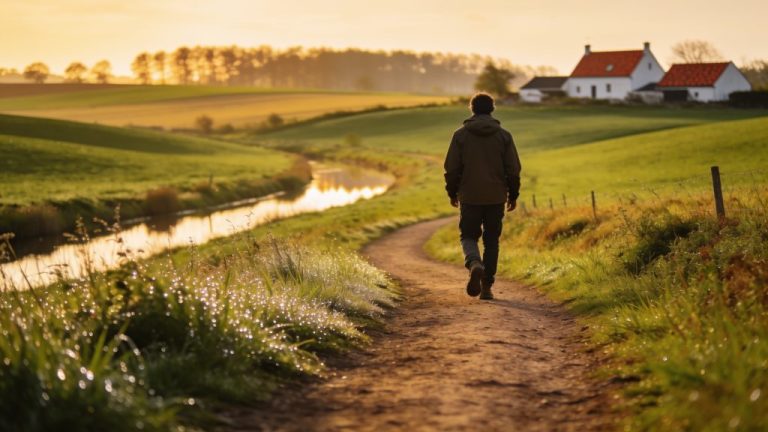
A walk through nature reserves or along village routes becomes even more enjoyable when you stop on the way at local food stalls, tea gardens or inns. Walking with culinary stops combines exercise with the taste of a region. This way you get to know the surroundings, and at the same time you discover the culinary identity of an area. Find out how to plan this type of holiday and which routes offer you the best experiences.
What makes walking with culinary stops appealing?
On this kind of walking holiday, you explore an area on foot and consciously plan moments to taste local dishes, drinks or products. You discover nature as well as the stories behind cheesemakers, bakers and other local producers. This way of travelling suits travellers who are looking for walking holidays at a gentle pace, but who still want room for experiences and surprises along the way.
The combination of walking and eating means you take your time for a destination. Instead of rushing on, you pause at a tea house, sample a regional dish or have a coffee break at a farm. That pace makes the trip calmer and gives you a better feel for the place you are in.
‘ For a relaxed pace, allow for stops of one to one and a half hours so you have enough time to rest and eat without feeling rushed. ’
How do you plan a route with food stops?
Planning a walk with culinary stops takes some preparation. You want to avoid getting hungry at a random moment with no food stop nearby. Start by choosing the area where you want to walk and find out which restaurants, tea houses, inns or other food and drink venues are available along walking routes.
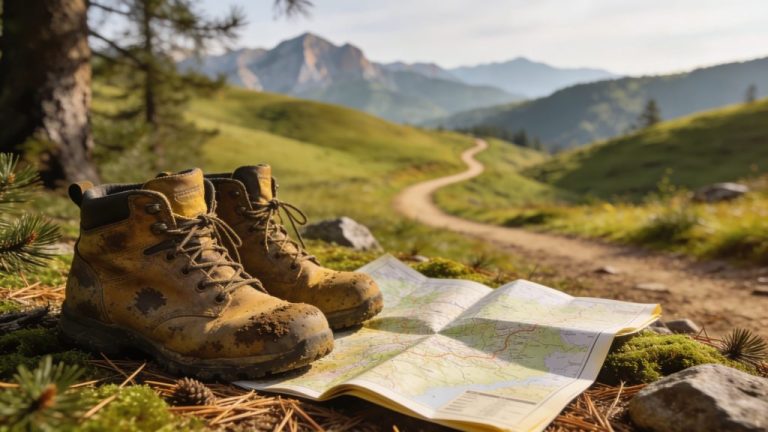
Use walking maps or apps to check where stops are possible. Pay attention to opening times and reservations, especially for smaller places or during busy periods. Some routes have fixed culinary packages in which several hospitality businesses work together. With that kind of concept, you receive an overview of the stops in advance and there is less you need to arrange yourself.
Also decide how many kilometres you want to walk between stops. For a relaxed pace, allow for stops of one to one and a half hours so you have enough time to rest and eat without feeling rushed.
Which Dutch regions offer suitable routes?
The Netherlands has several regions where walking and local culinary products go well together. The Veluwe offers routes through forests and heathland with tea houses, pancake restaurants and farm shops along the way. You will find stops where you can taste local products such as game dishes, honey or farm-made ice cream.
South Limburg has walking routes through rolling hills and along vineyards. Here you will find places to eat and drink that work with local products such as Limburg vlaai (sweet tart), cheeses and regional wines. In this region you can combine a walk with a visit to vineyards or local producers who open their doors to walkers.
The Utrechtse Heuvelrug and the area around the Vecht region also offer attractive routes. Here you will find country estates with tea gardens, inns serving traditional dishes and farmers’ markets where you can buy local products or taste them on the spot.
What are examples of routes with fixed culinary stops?
There are walking routes where several hospitality businesses work together and offer a package with fixed stops. On these routes you receive a route description and an overview of the stops where you are expected. You do not need to look for places yourself and the timing is largely set in advance.
Some routes combine six to eight stops with small dishes or snacks spread over an afternoon or evening. Other packages focus on a longer walking route with a lunch and dinner stop, where you choose yourself when to take a break. These concepts are especially popular in and around cities, but they can also be found in natural areas.
An example of a route with culinary stops in nature is a multi-day walk where you stay overnight in a different inn each evening and are served a regional dish there. Packages like this are often available in areas with many inns or smaller hotels, such as in Drenthe, on the Veluwe or in South Limburg.
What should you look for when choosing a route?
Choose a route that matches your fitness and walking experience. Some walks with culinary stops are easy and suitable for beginners, while other routes are longer or have more elevation gain. Check the distance in advance, the number of stops and the walking time between stops.
Also look at what is included. On some packages, drinks and dishes are arranged in advance; on other routes you pay on the spot. That makes a difference to your budget and how much freedom of choice you have.
Take the season into account. In spring and summer, more terraces and tea gardens are open. In autumn and winter, inns with an open fire and hearty dishes are particularly appealing. Some routes are accessible all year round; others are only available in certain months.
Practical tips for along the way
- Take a rucksack with enough water, even if you are planning several stops. Not every stop offers drinking water straight away.
- Wear comfortable walking shoes, especially if you are walking for several hours or using unpaved paths.
- Check opening times for the stops in advance. Some tea houses or small eateries have limited opening hours or are closed on certain weekdays.
- Book ahead where necessary, especially for larger groups or at popular destinations at weekends.
- Keep the route flexible. If a stop is full or does not meet your expectations, it is useful to know what alternatives are nearby.
What are common concepts and packages?
In the Netherlands there are various concepts for walking with culinary stops. Some focus on short city walks with tastings, others on longer routes through natural areas. On city walks, you usually walk for a few hours and visit several restaurants or cafés in one district or city centre. This is suitable for an afternoon out or as part of a city break.
For nature walks there are packages where you walk for a full day or several days and make stops along the way at farms, tea houses or inns. These routes are often part of a walking holiday and combine overnight stays with culinary experiences.
Self-guided routes without pre-arranged stops are also possible. In that case, you plan the route yourself and choose on the spot where to stop. This gives you more freedom, but also requires more preparation to make sure there are enough food and drink options along your route.
How do you combine a culinary walk with a longer holiday?
You can fit a walk with culinary stops into a longer holiday. For example, plan a day on which you follow a route with several stops and combine this with other activities such as sightseeing, cycling trips or a visit to a museum or market.
On a multi-day walking holiday, you can choose a different route with different stops each day. That provides variety and gives you the chance to discover several regions and their culinary specialities. Some walkers combine this with overnight stays on country estates, in bed & breakfasts or in inns that also serve local products themselves.
If you are travelling by car or campervan, you can choose a base in one area and walk different day routes from there. That makes the logistics simpler and gives you the option to head off in a different direction each day without having to move your belongings all the time.
‘ On the Traveler Tips website you will find much more information about walking routes, practical preparation, destinations and tips for travellers who organise their own holidays. ’
Discover more walking and travel tips
Walking with culinary stops is one of the ways to explore an area in a conscious way and with more depth of experience. On the Traveler Tips website you will find much more information about walking routes, practical preparation, destinations and tips for travellers who organise their own holidays. Explore the different topics and discover what suits your way of travelling.
Frequently asked questions
The walking routes on these culinary tours are generally easy to moderately challenging and focus more on enjoyment than on athletic performance. They are often town or regional walks with plenty of breaks at places to eat and drink, which makes them manageable for a wide range of fitness levels. Thanks to the gentle pace and frequent stops, they are suitable for adults of different ages, provided you have the basic fitness to walk calmly for a few hours. Do check the total distance and walking time for each route to decide whether it suits your own level.
At the culinary stops you can expect local specialities such as regional snacks, small restaurant dishes, oysters, desserts or tastings of local products. Routes often work together with several restaurants, cafés or farms, each serving a characteristic dish or drink from the region. Many providers can accommodate vegetarian preferences or certain allergies if you let them know in advance. It is therefore important to state your dietary requirements and any allergies explicitly when booking.
Plan your route around fixed walking and food stops and set the order in a mapping app, only walking logical loops or straight lines to avoid detours. Note the opening times for each place to eat and plan your arrival and departure so that you arrive within a generous time window (for example 30–45 minutes of leeway). Choose car parks at the start and/or end of the route, preferably central to several stops, so that you do not have to keep moving the car. Test walking distances and travel times in a route planner and, if necessary, adjust the order until the total walking time and waiting time are as low as possible.
Yes, there are certainly authentic, lesser-known culinary stops along various walking routes, often in smaller villages or at farms and local cafés away from the standard tourist trails. In particular, regional and nature walks on, for example, the Veluwe or the Utrechtse Heuvelrug offer such places where you really eat or taste locally. On organised concepts such as culinary routes or “Happen en Stappen” (walk-and-dine style arrangements), these stops are often selected in advance and included. For popular weekends and for routes with several fixed restaurant stops, it is essential to book in advance.
The best seasons for a culinary walking experience are spring and autumn, because temperatures are pleasant and terraces and regional products are widely available. Wear broken-in, waterproof walking shoes and dress in layers so you can adjust easily between walking outside and sitting indoors. Always take a small daypack with water, a light rain jacket or poncho and, if needed, sun protection. Also bring a power bank and a mapping or navigation app on your phone for the route and to contact the places where you will be eating and drinking.