NL
NL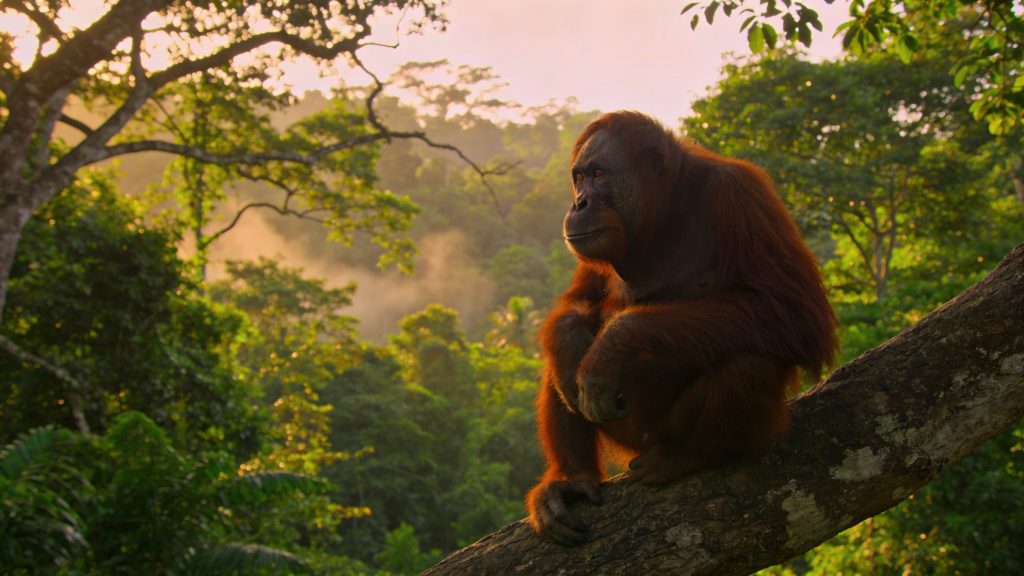
Observing wild orangutans in their natural habitat is only possible in two places in the world: Borneo and Sumatra. These magnificent primates, which share 96.4% of their genes with humans, live in remote jungles and are under threat. Rehabilitation centres, river cruises and jungle treks offer opportunities to see these animals. The experiences differ greatly between the two islands. Do you prefer guaranteed sightings and comfort? Then your choice will be different. Are you looking for a raw jungle experience? In that case as well, you now know which way to go. Discover which destination suits your travel plans.
On Borneo you can find orangutans in the Malaysian states of Sabah and Sarawak. In addition, they also live in Indonesian Kalimantan. On Sumatra the apes live mainly in the northern part of the island. There are two species of orangutan: the Bornean and the Sumatran. These species differ slightly from each other. Wildlife holidays to these islands require good preparation, because the experiences and level of physical effort vary considerably.
Why choose between Borneo and Sumatra?
Both islands offer unique opportunities. However, the way you observe orangutans differs significantly between the two. Borneo is known for higher chances of sightings and more comfort. Sumatra, on the other hand, offers a wild jungle experience for travellers who do not shy away from physical challenges.
Your choice depends on the time you have, your preference for comfort or adventure, and how important guaranteed sightings are to you. Both destinations have their own charm and challenges.
‘ This makes Sepilok ideal if you have limited time or do not want to risk disappointment. ’
Spotting orangutans in Borneo
Borneo is the most accessible destination for orangutan sightings. Sabah is seen as the best location for seeing wild orangutans, with several national parks and reserves that are easy to reach.
Sepilok Orangutan Rehabilitation Centre
This centre lies 26 kilometres from Sandakan and offers guaranteed orangutan sightings. The presence of feeding platforms means you are almost certain to see apes. This makes Sepilok ideal if you have limited time or do not want to risk disappointment.
The centre focuses on the rehabilitation of confiscated orangutans that are being prepared for a return to the wild. You can observe the animals up close, often just a few metres away. This is less natural than a fully wild encounter, but does offer excellent photo opportunities.
Kinabatangan River
The Kinabatangan River offers a different approach: river cruises where you observe orangutans in their natural habitat. These trips combine orangutan spotting with chances to see other animals, such as crocodiles, pygmy elephants and endemic hornbills.
The river is accessible and requires less physical effort than jungle treks. Boat trips usually take place in the early morning or late afternoon, when animals are most active. This option suits travellers looking for comfort and variety.
Danum Valley
For those with more time, Danum Valley offers a more authentic jungle experience. This area lies further away from populated regions and requires longer travel times. The chance of wild orangutan sightings here is high, but less guaranteed than at the feeding platforms.
Danum Valley attracts travellers who are willing to invest more time for a more natural encounter. The jungle here is largely untouched and offers rich biodiversity.
Spotting orangutans in Sumatra
Sumatra delivers a rougher experience. There are no feeding platforms here, so sightings depend entirely on the movements of wild apes in dense jungle. The physical effort required is considerably higher than in Borneo.
Gunung Leuser National Park
This UNESCO World Heritage area is the main location for orangutan spotting in Sumatra. The park lies near Bukit Lawang, a small village that serves as a base for jungle trekking.
Trekking through Gunung Leuser requires good fitness. The paths are unpaved. They are often steep as well. The climate is humid and rain showers are frequent. The experience is intense and confronting, but gives you a sense of true wilderness.
Distance and sightings
In Sumatra you will rarely get closer than 30 metres to an orangutan. The dense vegetation makes it easy for the apes to withdraw. Most sightings take place while the apes are high up in the trees and you are standing on the forest floor.
A camera with a good zoom lens is essential for usable photos. Do not expect close-ups as in Borneo. The sightings are more natural, but also fleeting. Patience is essential.
Practical differences between the two islands
The following aspects help you make an informed choice between Borneo and Sumatra:
- Chances of sightings: Borneo offers higher chances thanks to feeding platforms; in Sumatra you are more dependent on luck and timing
- Distance to the animals: In Borneo you sometimes get as close as 1 or 2 metres; in Sumatra usually 30 metres or more
- Organisation: Borneo is more structured with clear programmes; Sumatra requires flexibility
- Physical effort: Borneo ranges from light to moderate; Sumatra requires good fitness
- Duration: Borneo can be done in 1 to 3 days; Sumatra requires at least 2 to 3 days for a full trek
‘ This is harmful to the animals and contributes to illegal trade. ’
Responsible travel with orangutans
Not all orangutan tours apply the same ethical standards. When choosing a tour, it is important to check whether the operator works responsibly.
Responsible tours keep at least 5 to 10 metres distance from wild orangutans, do not use bait food in fully wild areas and limit group sizes. Rehabilitation centres such as Sepilok have controlled feeding times that are part of the rehabilitation programme, which is different from random feeding in the wild.
Avoid tours that offer physical contact with orangutans or where animals are held for photos. This is harmful to the animals and contributes to illegal trade. Choose guides who are registered with national parks and are transparent about how they work.
Tips for your preparation
Regardless of which island you choose, the following preparations are sensible:
- Plan at least 2 to 3 days for your orangutan experience
- Bring well-fitting walking shoes suitable for muddy trails
- Invest in waterproof backpacks and protective covers for camera equipment
- Use insect repellent and protective clothing against mosquitoes
- Check whether your camera has a good zoom function, especially for Sumatra
- Prepare for a humid and warm climate with rapid weather changes
The dry season generally offers better conditions for jungle trekking and sightings. In Borneo this is between March and October; in Sumatra between May and September. Outside these periods, heavy rainfall can make trails impassable.
Which destination suits you?
Choose Borneo if guaranteed sightings are important to you, you have limited time or you value comfort. The structured set-up and accessibility make it suitable for travellers with different physical ability levels. Photography opportunities are excellent because of the shorter distances.
Choose Sumatra if you are looking for an authentic jungle experience and are prepared for physical challenges. The wild environment and absence of feeding platforms provide a more natural, albeit more unpredictable, encounter. This option suits those who do not shy away from camping in nature and who have patience.
Both islands offer the rare opportunity to see one of the world’s most endangered primates in its natural environment. Whichever you choose, the experience will be special and meaningful. On the Traveler Tips website you can find more information about nature trips, preparing for jungle trekking and practical tips for travelling in Southeast Asia. Discover more and plan your journey with confidence.
Frequently asked questions
For maximum comfort and experience, choose a route with flights between hubs (e.g. Jakarta–Medan for Sumatra or Kuala Lumpur/Kota Kinabalu–Sandakan for Sabah) and connect these with short, pre-booked transfers by minivan/taxi to your orangutan spots. In Borneo you can plan a loop Sandakan – Sepilok – Kinabatangan River – possibly Danum Valley, staying in lodges and using boat trips as the main mode of transport in the jungle. In Sumatra, a base in Bukit Lawang works well, from where you plan 2–3-day guided treks in Gunung Leuser, with local jeep taxis or organised transfers from Medan for comfort. Always combine 2–3 nights in one place, so that intensive jungle activities (treks, boat trips) are alternated with travel days and rest periods, and book reliable local guides in advance for a smooth, self-organised itinerary.
The best time to travel for both Borneo and Sumatra is roughly the dry season from about May to September, when trails are more passable and you have a better chance of sightings. In Borneo, Sepilok Orangutan Rehabilitation Centre, the Kinabatangan River and Danum Valley in Sabah are particularly recommended, provided you choose centres that do not allow the animals to be touched and strictly keep their distance. In Sumatra, Gunung Leuser National Park and especially treks from Bukit Lawang offer a rougher, more natural experience, provided you go with a certified guide who does not feed or chase the animals. Choose small-scale, locally embedded organisations that guarantee maximum distance, limited group sizes and no direct contact with orangutans for an ethically responsible, unforgettable experience.
For independent travellers, small-scale lodges around Sepilok and on the banks of the Kinabatangan River in Sabah (Borneo) generally offer the best balance between comfort, authenticity and accessibility. These accommodations are relatively easy to reach, have good basic facilities and often work together with local guides for trips to the Sepilok Rehabilitation Centre and river safaris. In Sumatra, the village of Bukit Lawang is a good alternative, with simple guesthouses located right on the edge of Gunung Leuser National Park, offering an authentic jungle experience without complex logistics.
Essential practical preparations include up-to-date vaccinations (including DTP, hepatitis A/B, typhoid and possibly rabies) and a small travel pharmacy with remedies for diarrhoea, fever, allergies and blisters. On your packing list, include lightweight, quick-drying long clothing in neutral colours, well broken-in (waterproof) walking shoes, rain protection, a hat/cap and sufficient sun and insect protection (DEET). In addition, a sturdy daypack, water bottle or hydration system, torch/headlamp, dry bags for camera/electronics and possibly walking poles are important for comfort in the jungle. Finally, do not forget copies of travel and medical documents, good travel insurance and strictly following local rules to protect both humans and orangutans.