NL
NL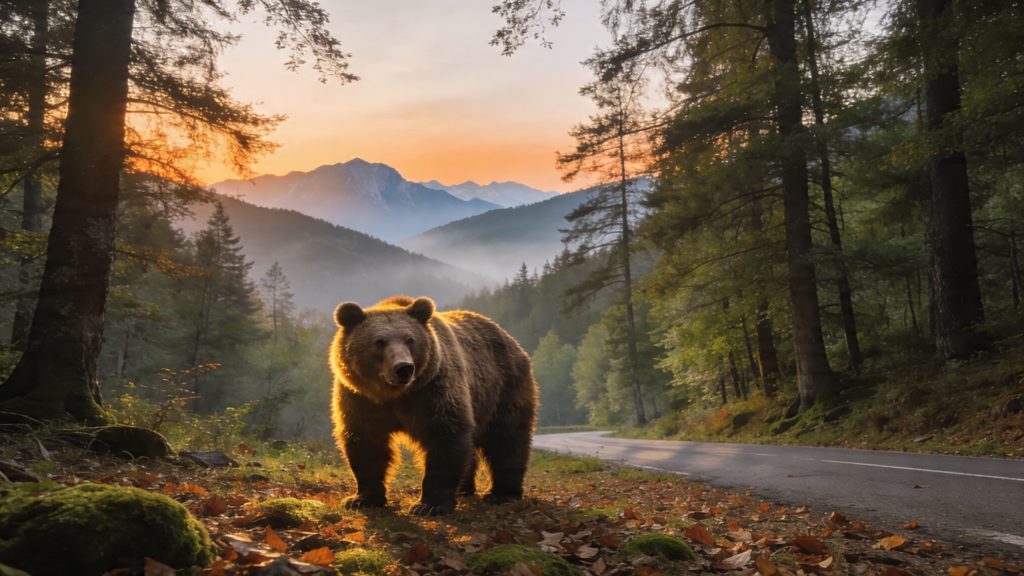
Europe offers impressive opportunities for wildlife watching on a self-planned road trip, from brown bears in the Romanian Carpathians to orcas in Norwegian fjords. With the right preparation and route planning, you can drive to unspoilt nature reserves where you observe animals in their natural habitat. You do not need to take long intercontinental flights. Discover which destinations offer the most spectacular sightings and how to tailor your route to them.
Why Europe is ideal for wildlife road trips
For travellers who plan holidays around spotting wild animals, Europe offers unique advantages. You can reach remote nature reserves in your own vehicle, which gives you flexibility for early-morning and late-evening sightings. Most hotspots are within driving distance of each other, allowing you to explore several ecosystems in a single trip. You can also combine wildlife watching with practical stops in villages and towns.
The infrastructure is well developed. Many national parks have campsites close to viewing points. Local guides significantly increase your chances of valuable sightings. In most European wildlife areas you do not need extra vaccinations or special permits, although this can vary by country and region.
‘ The best period runs from May to September, when the weather is more favourable and there is daylight until late in the evening. ’
Scottish Highlands for sea eagles and red deer
The Scottish Highlands are among the most accessible wildlife areas in Europe. Here you can spot red deer, sea eagles, pine martens and, with luck, wildcats. The North Coast 500 route leads past dramatic coastlines and mountain areas where wildlife is relatively easy to observe.
Allow at least a week for this route of roughly 830 kilometres. The best period runs from May to September, when the weather is more favourable and there is daylight until late in the evening. Do not forget your binoculars, as distances in this open landscape are large. Early-morning drives offer the best chances of deer sightings, while sea eagles are especially active along the coastal areas.
Camargue in France for pink flamingos and wild horses
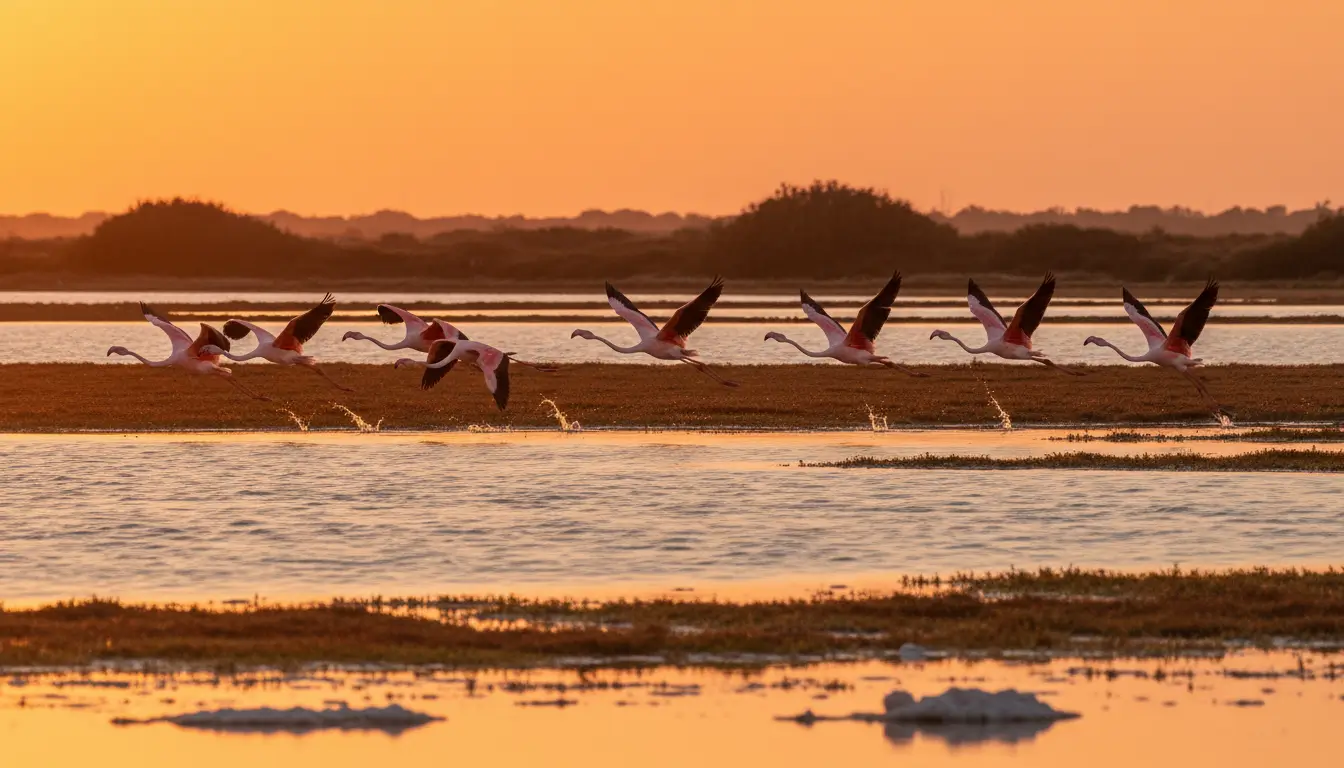
The Camargue in the south of France is a delta region where you can observe thousands of flamingos, white Camargue horses and black bulls. This wetland is easily accessible via the A7 and A54 from the north. The area covers more than 930 square kilometres and combines salt flats, marshes and rice fields.
The best viewing times are early in the morning. Late in the afternoon also offers good chances. Flamingos gather mainly around the Étang de Vaccarès and the salt pans near Aigues-Mortes. For the wild horses, drive to the area around Saintes-Maries-de-la-Mer. This destination is ideal for a weekend or as part of a longer route through the south of France. Practical tip: take insect repellent, especially in the summer months.
Białowieża Forest for European bison and rare birds
The Białowieża Forest on the border between Poland and Belarus contains the last primeval forests in Europe. Here lives the largest population of European bison in the wild, alongside wolves, lynx and rare woodpecker species. The area is accessible from Warsaw via the A2 and then regional roads, at a distance of around 250 kilometres.
You need a permit to access the core area, and often also a guide. You can book these through the national park office in Białowieża village. The guides know the animals’ habits and take you to hides and observation points. The best period for bison sightings is from May to September, although winter visits are also possible for a different nature experience. Be prepared for unpaved roads in some parts, which require a car with sufficient ground clearance.
‘ More than 6,000 brown bears live in these mountain ranges, the largest population on the continent. ’
Romanian Carpathians for brown bears and wolves
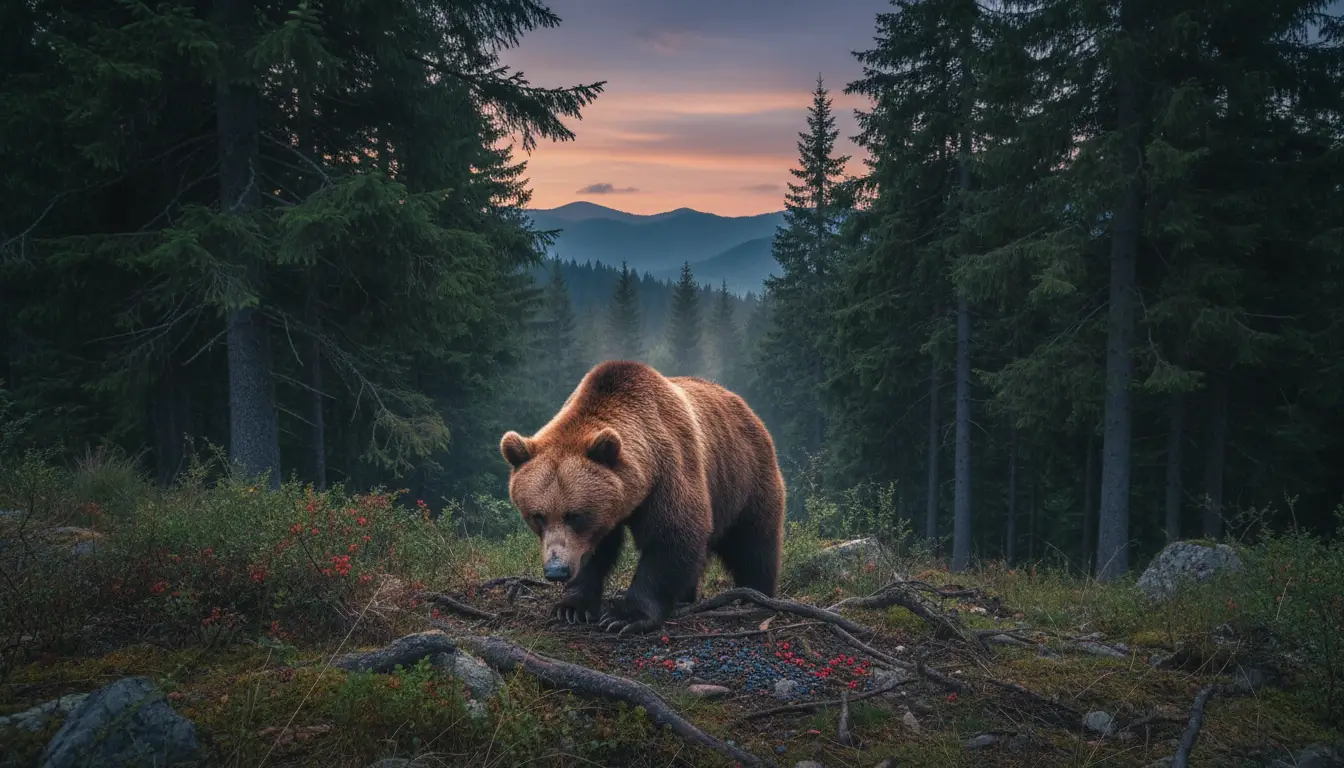
The Romanian Carpathians offer the best chance in Europe of spotting brown bears, wolves and lynx. The area around Brașov and the Transfăgărășan mountain pass forms the heart of this wildlife region. More than 6,000 brown bears live in these mountains, the largest population on the continent.
For bear watching, book organised night safaris from local bases such as Zărnești. These guides know the animals’ habits and take you to hides and observation points. The Transfăgărășan is a spectacular 90-kilometre route, but note that it is only open from July to October due to snow. Allow several days, as this area calls for unhurried exploration with flexible schedules.
Wild Atlantic Way in Ireland for dolphins and seals
The Wild Atlantic Way stretches 2,500 kilometres along Ireland’s west coast and offers sightings of dolphins, porpoises, seals and various seabird species. At the Cliffs of Moher and Skellig Michael you can spot puffins and gannets. In Dingle Bay, groups of dolphins regularly swim.
This route requires at least two weeks for a full exploration. Whales and orcas can be seen from June to October, with viewing points at Loop Head and Malin Head. Local operators organise boat trips, but many sightings are possible from the shore. Choose accommodation along the coast for early-morning walks along the beaches, when seals rest on the rocks.
Practical preparation for wildlife road trips
A successful road trip for spotting wild animals requires targeted planning. Choose a vehicle that matches the terrain. For routes through the Carpathians or Białowieża, a car with good ground clearance is recommended. In Scotland and Ireland, a standard hire car is sufficient.
Timing is important. Most animals are active at twilight, which means you need to set off early or stay out late. Download apps that share real-time animal sightings, such as iNaturalist or regional wildlife apps. Check weather forecasts and migration periods in advance, as these strongly influence your chances of sightings.
Always respect safe distances. For bears this means at least 100 metres; for other large mammals such as bison and deer at least 50 metres. Never use bait and strictly follow local regulations. In some areas specific permits are required, especially for national parks with protected status.
‘ Wildlife sightings take time and patience, so avoid packed schedules. ’
Route planning and flexibility
Plan your route with realistic daily distances. Aim for an average of 200 to 300 kilometres per day. Wildlife sightings take time and patience, so avoid packed schedules. Allow buffer periods for spontaneous stops when you spot something unexpectedly. Flexible accommodation such as campsites offers advantages because you can quickly move to areas with recent sightings.
Combine different ecosystems for varied experiences. For example, a two-week route could start in the Scottish Highlands, then continue through Ireland and end in Wales. For Eastern Europe, combine Poland with Romania and Slovakia. Check border crossings and driving requirements such as vignettes and toll roads in advance.
Essential gear for optimal sightings
Good binoculars are essential, preferably with at least 10×42 magnification. The first number indicates the magnification, the second the diameter of the lens in millimetres. For birds and small mammals, spotting scopes with 20–60x zoom are valuable. A camera with a telephoto lens increases your chances of good documentation, but is not essential for a successful trip.
Clothing in earth tones helps you to remain inconspicuous. Layered clothing suits changeable conditions in nature reserves. Waterproof jackets and sturdy walking shoes are standard. For night-time sightings, red head torches are useful because they preserve night vision and disturb animals less.
Take field guides with you, both in book form and digital. They help with identification and provide information about behaviour and habits. GPS devices or offline maps are valuable in remote areas without mobile coverage.
Responsible wildlife tourism on your road trip
Sustainable travel means minimising your impact on fragile ecosystems. Stay on marked paths and roads. For long viewing sessions, switch off your engine to keep noise down. Take all your rubbish with you and leave no trace, following leave-no-trace principles.
Support local initiatives by using local guides and eco-lodges. These operators know the areas well and contribute to nature conservation through their income. Avoid peak periods where possible to reduce pressure on popular viewing points.
On the Traveler Tips website you will find extensive information on route planning, campsites near nature reserves and practical tips for road trips across Europe. Discover more articles on nature destinations and prepare your next wildlife adventure with reliable, in-depth travel advice.
Frequently asked questions
The Wild Atlantic Way in Ireland offers chances to see seabirds, seals and dolphins along cliffs such as the Cliffs of Moher. In Svalbard (Norway) you can see polar bears, walruses and Arctic foxes, especially in summer with 24-hour daylight. The Carpathians in Romania are known for brown bears, wolves and lynx in vast forests. In Sweden, forested routes increase your chances of moose, bears and lynx, while bird routes in Spain offer good chances of flamingos, storks and vultures.
The best time to travel depends on the type of wildlife: summer and early autumn are ideal for whales in Ireland, bears in the Carpathians and moose in Scandinavia, while late spring and early autumn are often quieter yet rich in animals. Ideally choose a (mini)campervan or 4×4 for gravel roads and remote national parks, and plan a maximum of 200–300 km of driving per day so you can go spotting at sunrise and dusk. Essential gear includes binoculars, a zoom lens, weatherproof layered clothing, good walking shoes, a head torch and tick protection. Also take offline maps, local park information/permits and a basic first-aid kit, and always respect minimum distances to animals.
Create a broad circular route around one or two top regions (for example, the Wild Atlantic Way or the Carpathians), with a maximum driving distance of 200–300 km per day so that you have time for observations around sunrise and sunset. Plan overnight stays in or directly next to nature parks (small eco-lodges, campsites or a 4×4 campervan) and book several nights per hotspot, so that you have a second chance to see animals in case of bad weather or problems. Build in fixed “wildlife blocks” (for example a morning with a local guide, an evening drive, a walking loop past viewpoints) and fill the rest with short driving stages and village stops. Use apps and local tips (park visitor centres, guides, pubs) for recent sightings and adjust your route slightly on the spot to focus on areas with lots of activity at that moment.
Always observe animals from a generous distance and use binoculars or a telephoto lens instead of moving closer or feeding them. Stay on marked paths and in the car where this is advised, and strictly follow the rules of national parks and local guides. Keep quiet, do not use bright lights or flash, and avoid sudden movements so that animals can maintain their natural behaviour. Do not leave any rubbish behind and do not disturb their habitat, so that your impact remains minimal.
For most of the most impressive wildlife road trips in Europe (such as the Wild Atlantic Way, the Carpathians, Sweden and Spain), a realistic budget is usually €80–€150 per person per day, including hire car/campervan, accommodation and basic excursions. Svalbard is more expensive and can easily reach €200–€300 per day because of flights, boat trips and guides. For a full road trip with multiple viewing sessions, allow at least 10–14 days so that you have rest days, bad-weather buffers and early/late spotting opportunities. For shorter trips of 5–7 days it is best to limit yourself to a single region or national park so that you do not spend too much time driving. Set aside extra budget for local guides and special excursions (whale or bear tours), as these greatly increase your chances of spectacular sightings.