NL
NL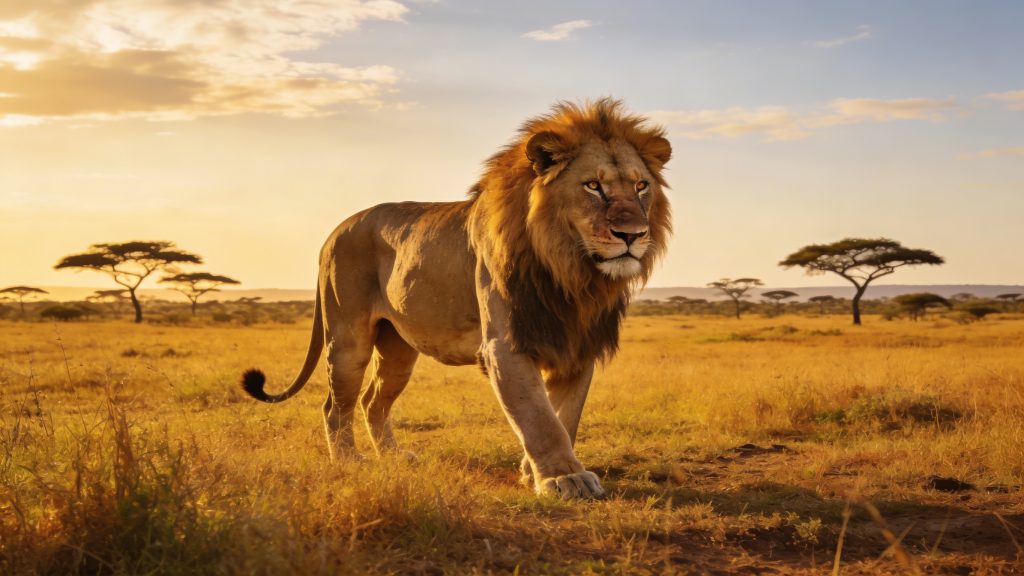
For many travellers, a safari in South Africa is all about the Big Five: lion, elephant, buffalo, leopard and rhinoceros. In Kruger National Park and various private reserves, the chances of spotting these iconic animals are realistic, but a successful safari takes good timing, patience and the right preparation. Anyone who plans their own trip and makes conscious choices significantly increases the chance of special encounters.
South Africa is internationally known as a top destination for Big Five safaris. The combination of accessible infrastructure, different parks and reserves, and the option to go on safari either self-drive or guided makes the country attractive for travellers who want to design their own route. Wildlife holidays can easily be combined here with other highlights, such as the Garden Route or Cape Town, which makes the trip extra varied.
This article provides practical information on where you can best spot the Big Five, what the advantages are of self-drive safaris, how game drives work and which travel period is most suitable. With the right preparation, a safari in South Africa becomes a well-organised and impressive experience.
What are the Big Five and where can you spot them?
The term Big Five refers to five animal species that are popular with safari-goers: lion, elephant, buffalo, leopard and rhinoceros. The name dates back to the hunting era, when these animals were considered the most difficult and dangerous to approach. Today, the term is mainly used as a collective name for the most sought-after wildlife on safari.
In South Africa, Kruger National Park is the best-known area for Big Five sightings. The park covers almost 20,000 square kilometres and offers diverse ecosystems, from savannahs to river landscapes. Private reserves such as Sabi Sands and Timbavati, which border Kruger or operate independently, are also excellent locations for wildlife viewing.
The chance of seeing all five animals on a single trip depends on several factors:
- The season in which you travel affects visibility and animal behaviour
- The number of game drives you do increases the chance of sightings
- The guide’s experience plays a role in finding animals
- Luck and timing will always be part of the safari experience
Elephants and buffalo are usually the easiest to spot, as they live in herds and often come to water sources. Lions are also relatively easy to see, especially early in the morning or late in the afternoon when they are active. Leopards and rhinos are more difficult, because leopards often stay in trees or dense vegetation and rhinos are more cautious in their movements.
‘ Patience is important. ’
How to spot the Big Five in South Africa
Spotting the Big Five requires preparation and the right approach. Early mornings between 5:30 and 9:00 and late afternoons from 16:00 until sunset are the best times. Animals are more active then because the temperature is cooler. During a game drive, keep a close eye on your surroundings and look out for signs such as bird behaviour, dust clouds or sounds that indicate the presence of animals.
Binoculars are useful for observing animals in the distance. A camera with a zoom lens helps you capture sightings without getting too close to wild animals. Wear neutral colours such as beige, green or brown to be less conspicuous and keep your movements calm.
Patience is important. Not every game drive delivers spectacular sightings, and some animals, such as the leopard, can remain invisible for days. Going on several safaris greatly increases your chances. The choice of area also makes a difference: private reserves allow vehicles to drive off-road, bringing you closer to animals than in public parks, where you must stay on paved roads.
Self-drive safari in South Africa
A self-drive safari offers flexibility and the freedom to set your own pace. In Kruger National Park, you drive a regular hire car or 4×4 on paved and gravel roads. You decide when you leave, where you stop and how much time you spend at a sighting. This makes a self-drive safari suitable for travellers who like to stay in control of their schedule and want to save money compared with guided tours.
Before you start a self-drive safari, there are some practical matters to arrange:
- Book park entry online in advance via SANParks, especially in high season
- Choose accommodation inside the park for early starts, such as rest camps in Skukuza or Satara
- Make sure you have a detailed map or navigation system with an offline function
- Check the car rental conditions, especially regarding driving on gravel roads
- Fill up with enough fuel, as petrol stations in the park are limited
There are strict rules in the park. You may not get out of your vehicle outside designated areas, the speed limit is 40 to 50 km/h and you must be back at your accommodation before sunset. Breaking these rules can result in fines or removal from the park.
Guided game drives in private reserves
A guided game drive in a private reserve offers a different experience from a self-drive safari. You travel in an open vehicle with an experienced guide and often also a tracker who looks for animal tracks. This combination increases the chance of finding hard-to-spot animals such as leopards and rhinos.
Private reserves such as Sabi Sands, Timbavati and Thornybush border Kruger National Park and share its wildlife population. Their main advantage is that vehicles are allowed to drive off-road, which means you can get closer to animals and have better photo opportunities. Guides communicate with each other by radio about sightings and inform one another about the location of special animals.
Guided game drives usually take place twice a day: early in the morning and late in the afternoon. Between drives you have time to relax at the lodge. This option is more expensive than a self-drive safari but offers more expertise and comfort. For those who are serious about spotting the Big Five and want to learn about animal behaviour and ecosystems, a guided safari is a valuable addition.
‘ The dry winter season from May to September is often seen as the best time for wildlife sightings. ’
Best time to travel for a Big Five safari
The time of year affects both animal visibility and your travel comfort. The dry winter season from May to September is often considered the best period for wildlife sightings. Vegetation is thinner, water sources are scarce and animals gather around the remaining pools and rivers. This makes them easier to spot.
Winter daytime temperatures are around 20 to 25 degrees Celsius, but early mornings can be cold with temperatures close to freezing. So bring warm clothing for game drives in open vehicles.
The rainy season from October to April brings green landscapes, lots of young animals and birds, but vegetation is denser and animals are more spread out. This makes sightings more challenging. Temperatures can rise above 35 degrees, which makes afternoon game drives less pleasant. The months from November to March are the wettest and some gravel roads can become difficult to pass.
For travellers who want to both spot animals and enjoy green scenery, the shoulder months April and October are a good choice. The parks are less busy then, and accommodation prices are lower than in peak season.
Practical preparation for a safari
Good preparation makes the difference between a frustrating safari and a successful one. Make sure your passport is valid for at least thirty days after your trip ends. For stays shorter than ninety days, travellers from the Netherlands do not need a visa for South Africa.
Take the following items with you:
- Binoculars for long-distance sightings
- Camera with zoom lens and extra batteries or charger
- Sunscreen and sunglasses for protection against strong sun
- Insect repellent, especially in the rainy season
- Neutral clothing in beige, green or brown tones
- A warm layer for early mornings in the winter season
Book park entry and accommodation well in advance, especially if you travel in peak season. Popular rest camps in Kruger and lodges in private reserves fill up quickly. Also check whether you need an international driving permit to hire a car, although this is not always mandatory for South Africa.
Combining self-drive and guided safari
For those with enough budget and time, a combination of a self-drive safari in Kruger and a guided safari in a private reserve is a strong option. This way you experience the freedom of driving yourself and at the same time benefit from the expertise of a guide in an area where off-road driving is allowed.
A practical set-up is to spend three to four nights in Kruger and then two to three nights in a private reserve. This gives you a broad perspective on animal behaviour and different ecosystems. Your chances of seeing all of the Big Five become much greater and you gain a more complete picture of the safari experience in South Africa.
‘ Discover more articles and get inspired for your next trip. ’
Discover more on Traveler Tips
A safari in South Africa requires careful planning, but with the right preparation and realistic expectations it becomes a special experience. On the Traveler Tips website you will find more information about wildlife trips, routes through South Africa, practical travel tips and other destinations where nature and animals take centre stage. Discover more articles and get inspired for your next journey.
Frequently asked questions
Plan enough days in a Big Five area (for example Kruger) and book your overnight stays in or close to the park in good time, so that you can head out on game drive on several mornings and late afternoons. Combine self-drive in a national park with, if possible, one or two nights in a private reserve with a guide, to increase your chances of seeing the Big Five. Choose your route and travel time (season) so that you do not have too many long driving days in a row and still have enough time for rest and observation. Finally, make sure you have good binoculars, a camera with zoom and a solid plan for park entries and opening times.
For independent travellers, Kruger National Park and some surrounding (unfenced) reserves are particularly suitable, because they are ideal for self-drive on an extensive network of roads. Kruger is unique for its vast size, large diversity of ecosystems and high concentration of Big Five, combined with a good infrastructure of camps, shops and clear signposting. Private reserves around Kruger often offer more exclusive sightings with a guide, but are generally less geared towards pure self-drive.
Make sure your hire car is in good condition, with enough fuel, proper insurance and offline maps or a GPS, and always stick strictly to the park routes and speed limits. Stay in your vehicle, keep a distance of at least 30–50 metres from wildlife and never block animals’ path; give elephants, rhinos and buffalo extra space. Take plenty of water, snacks, sun protection, a first-aid kit, binoculars and a camera with a zoom lens, and head out early in the morning or towards sunset for the best sightings. Check park rules, opening times and seasons in advance, and make sure your passport, driving licence and (if needed) international driving permit are in order.
Opt for a mix of a few nights in a (more expensive) private reserve and several nights in a more affordable national park such as Kruger, possibly with self-drive. Travel outside the absolute high season (but still in a good wildlife season) and stay a little longer in one place to benefit from discounts on longer stays. Look for lodges that offer all-inclusive packages (meals and game drives), so that you have few extra expenses on the spot. Book early and stay flexible, so you can take advantage of early-bird discounts and last-minute deals without sacrificing comfort once you are there.