 NL
NL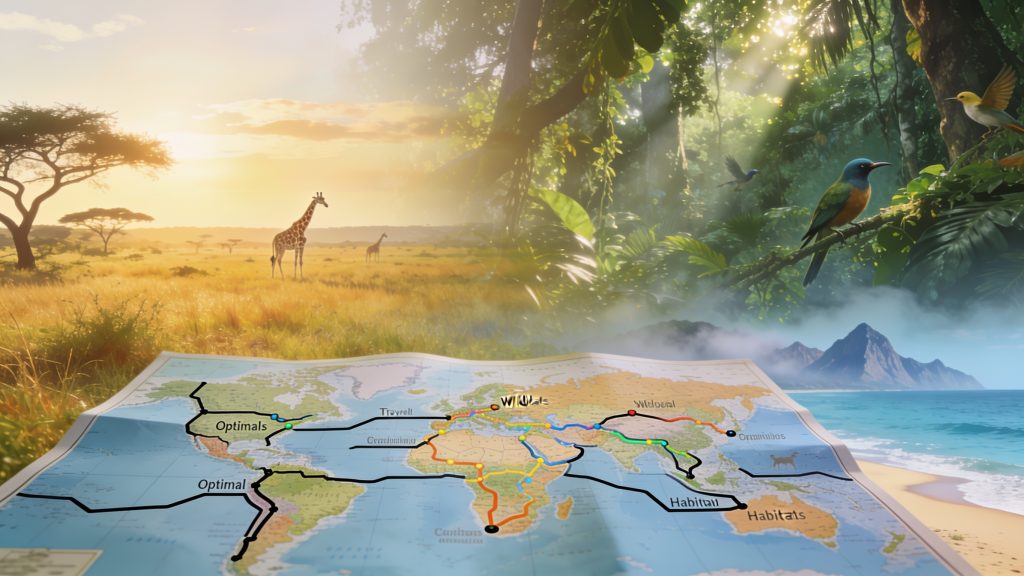
The timing of your trip largely determines what you get to see. Dreaming of wildebeest during the great migration? Then you need to travel at the right moment. The same goes for elephants at waterholes or polar bears on the ice. Dry seasons, migrations and breeding periods make the difference between seeing many animals or very few. Want to know which month works best for your dream animal and destination? Below you’ll find an overview by continent and by species.
Why timing is so important for wildlife trips
Animals don’t show up on command. They move according to natural patterns. The local climate, vegetation and the availability of food and water determine their movements. During dry periods, animals are drawn to the few remaining water sources. That makes them easier to spot. In the rainy season, vegetation grows. Animals are more spread out and harder to find.
Migrations and breeding seasons also offer great opportunities. Think of the great migrations of grazers in Africa. Or the calving seasons of whales in the ocean. Travel at the wrong time and you’ll miss animals or see very few. Carefully choosing your travel period is therefore crucial for a successful wildlife experience.
Best time for wildlife trips by continent
Africa
Most safari destinations in East and Southern Africa deliver the best results in the dry months. Animals concentrate around water sources. Vegetation is lower. Roads are also easier to navigate.
- East Africa (Kenya, Tanzania): June to October for the Great Migration and optimal wildlife viewing
- South Africa: May to October offers dry conditions and good visibility in parks such as Kruger
- Botswana and Zambia: May to October during the dry season, with peak months July to September
- Uganda and Rwanda: June to September and December to February for gorilla and chimpanzee tracking
Travelling specifically for the Great Migration? Then plan your trip around the migration route of wildebeest and zebras. From January to March the wildebeest calve in the Serengeti, between July and October they cross the Mara River in Kenya.
Asia
Asia has many different ecosystems and species. The rainy season varies greatly by region. The best time to travel depends directly on this.
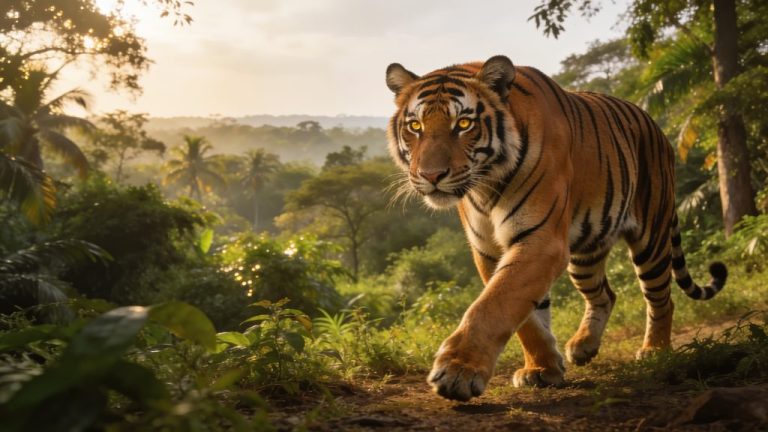
- India (tigers): November to April, with peak months March and April when the heat drives animals to water
- Borneo and Sumatra (orangutans): April to October during the drier season, with the least rainfall in July and August
- Sri Lanka (elephants and leopards): February to September, depending on the park and region
North and South America
The Americas offer huge contrasts. You’ll find polar regions and tropical rainforests. Timing depends strongly on the species you choose. Location also plays a major role.
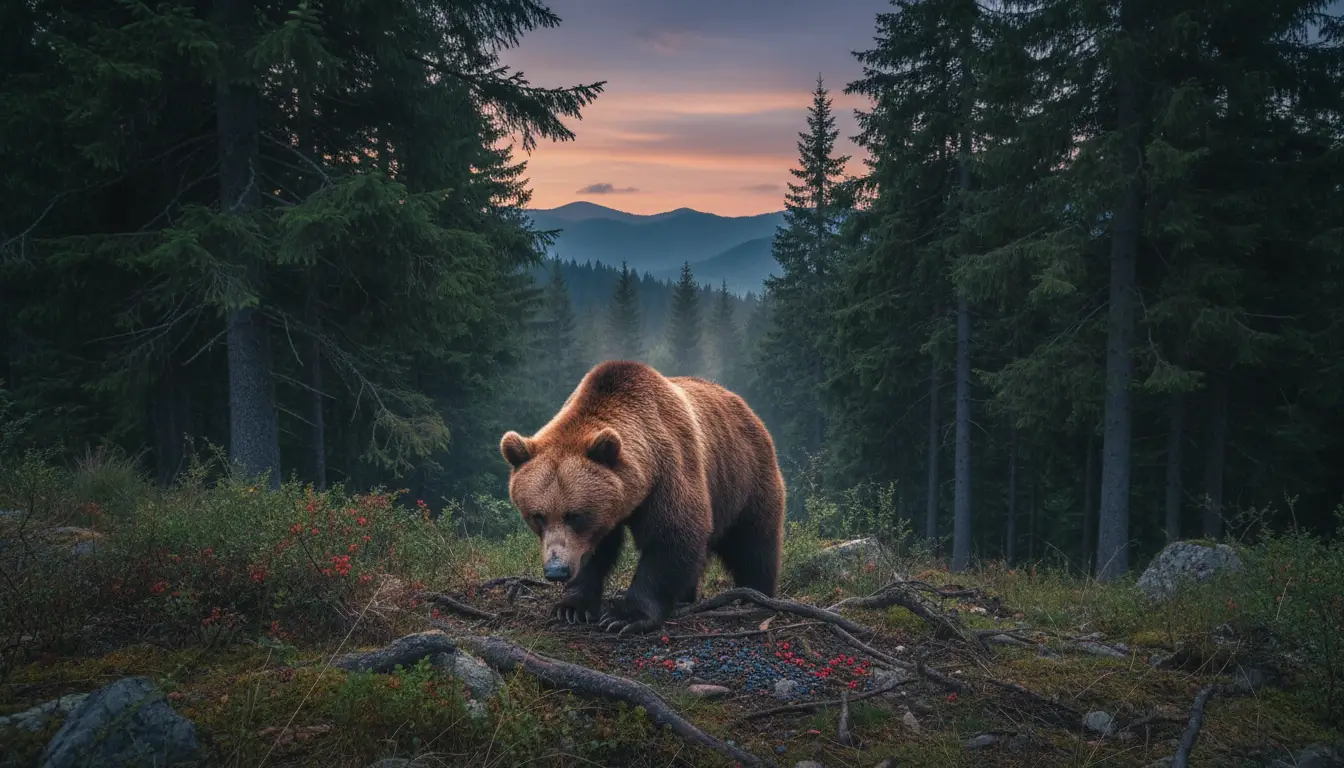
- Alaska and Canada (bears): July to September for brown bears at salmon rivers
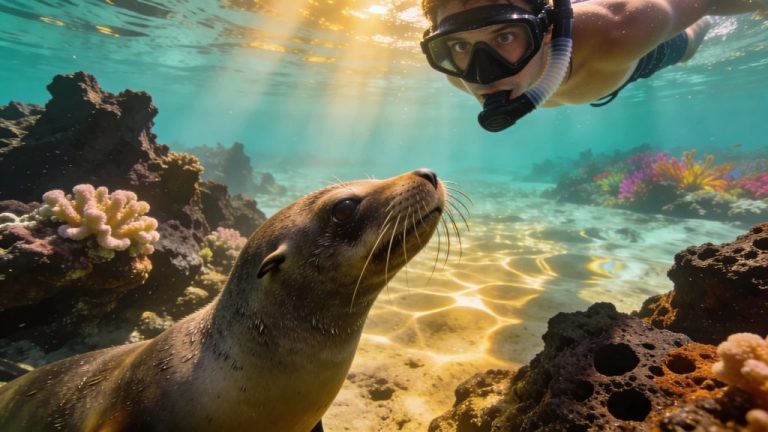
- Galapagos: December to May for warmer water and more sea life, June to November for more active animals on land
- Pantanal, Brazil (jaguars): June to October during the dry period when jaguars are easier to see
- Costa Rica: December to April is the dry season with good access to rainforests
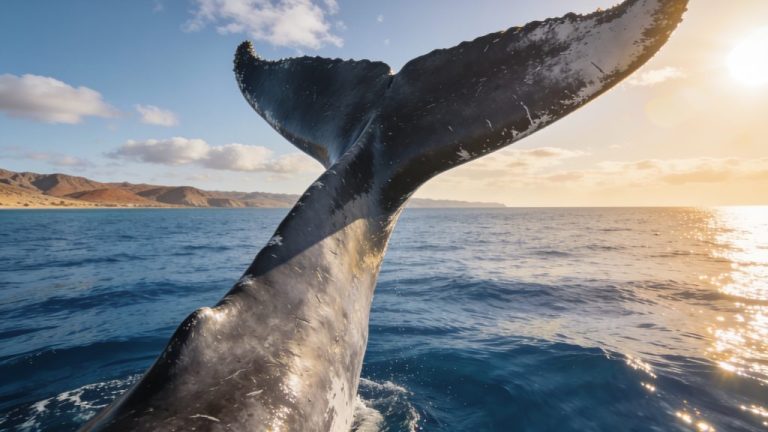
- Patagonia (whales): June to December for southern right whales at Península Valdés
Polar regions
Trips to Arctic and Antarctic regions are highly seasonal. Extreme weather conditions play a part. The amount of daylight available also determines the best time to travel.
- Svalbard (polar bears): June to August when the ice retreats and polar bears actively hunt
- Antarctica (penguins): November to March during the southern summer, with penguin breeding seasons from November to February
Best months by species and experience
Big cats
Lions, leopards, tigers and jaguars are often easiest to see in dry periods. Vegetation is thinner then. Animals are also attracted to water sources.
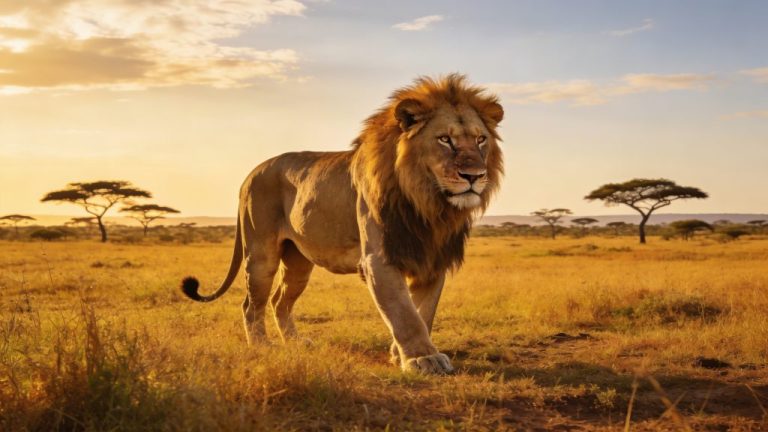
- Lions: June to October in most African parks
- Leopards: May to September in South Africa and Sri Lanka
- Tigers: March and April in India
- Jaguars: June to October in the Pantanal
Primates
For gorillas, chimpanzees and orangutans a drier period is more pleasant. Paths remain passable. Visibility in forests is also better.
- Mountain gorillas: June to September and December to February in Uganda and Rwanda
- Orangutans: April to October on Borneo and Sumatra
- Chimpanzees: June to September in East Africa
Migrations and herds
Migrations are time-bound events. They offer unique viewing experiences. Planning around these movements requires precision.
- Great Migration (wildebeest, zebras): July to October for river crossings in Kenya, January to March for calving seasons in Tanzania
- Caribou: July to August in northern Canada and Alaska
Marine life
Whales, dolphins, seals and other marine animals follow food-rich waters. They migrate seasonally.
- Humpback whales: December to April in the Caribbean, July to November around Antarctica
- Orcas: May to September in Norway and Iceland
- Whale sharks: May to September off Mexico and the Philippines
- Sea turtles: June to September for nesting season on various beaches
Practical tips for optimal wildlife viewing
Besides choosing the right month, there are other ways to increase your chances of good sightings. Early mornings and late afternoons are the best times of day. Many animals are more active then. The light is also better for observing and photography. Plan several excursions. Animals do not always appear the first time.
Wear neutral colours such as green, brown or khaki, so you don’t scare animals away. Avoid bright colours. Make sure your clothing is comfortable and suitable for the climate. Take binoculars and a camera with a good zoom. Also be prepared for rapidly changing weather conditions.
Always keep a respectful distance from animals. Follow your guide’s instructions. A wildlife experience is all about patience and respect. Flexibility also matters. Even at the best time of year, sightings are never guaranteed. Your chances of intense encounters are, however, at their highest.
‘ Popular periods such as the river crossings in the Serengeti are often fully booked months in advance. ’
How to plan your wildlife trip
Start by choosing the species. Then look at the best months for that species. After that, choose your destination. Check whether there are special events such as migrations, breeding seasons or seasonal movements. See if these coincide with your planned travel dates.
Take regional differences within a country into account. Large countries such as India or Brazil often have very different weather patterns per region. Also check whether parks and reserves are open. Some close temporarily during periods of extreme rain.
Book accommodation and guides well in advance, especially in peak months. Popular periods such as the river crossings in the Serengeti are often fully booked months ahead. The same applies to the whale calving season. Stay flexible in your planning. Schedule multiple opportunities to observe animals. That increases your chances of success.
Find more wildlife inspiration on Traveler Tips
Want to know what gear you need? Or how to book a safari? On the Traveler Tips website you’ll find in-depth articles. You’ll find information on routes and destinations, as well as preparation and practical tips for independent travellers. Discover more about wildlife trips. Plan your next adventure. The information is reliable and genuinely helpful.
Frequently asked questions
The best time to travel for spotting wildlife is usually the dry season, because animals then concentrate around water sources and are easier to see. For major safaris in Africa, roughly June to October is often recommended. For migrations, primates or marine life, you need to look specifically at their local migration or breeding season. The most comfortable time for a road trip or train journey is often just outside the high season, when the weather is still pleasant but temperatures and crowds are less extreme.
Use the best wildlife travel time as your starting point: choose the dry or migration period for your target species and then map your route along areas where the chance of sightings is greatest during those weeks. Plan popular hotspots during weekdays or at the beginning/end of the season to avoid crowds and get lower prices for accommodation. Combine expensive top areas (for example a famous safari park) with cheaper regions or self-drive routes in the same period. When booking accommodation, take seasonal activities into account (migrations, breeding seasons, whale season) and schedule your main excursions around them.
During the optimal time for wildlife, it is usually the dry season in many regions, with little rainfall, warm but often predictable weather and lower, less dense vegetation. Because of the dryness, unpaved roads are generally easier to drive on and national parks and remote areas are more often accessible for independent travellers. At the same time, due to dust, heat and sometimes poor road maintenance, it can still be necessary to drive a higher-clearance vehicle or 4×4. In wetter shoulder seasons, rain can make some routes and park roads temporarily impassable, limiting independent access.
Yes, often the ‘edges’ of the dry season (directly before or after the absolute peak months) are quieter and still very good for spotting wildlife, because the weather is usually stable and animals still gather around scarce water sources. Choose early morning and late afternoon activities, when animals are most active and you avoid the hottest part of the day. Minimise risks by checking local seasonal patterns and public holidays in advance, and by confirming with parks, lodges and tour operators whether roads, accommodation and excursions are open during your travel period. Also build in a day or two of flexibility in your itinerary so that, in case of bad weather or cancellations, you can shift your planned wildlife viewing moments.