 NL
NL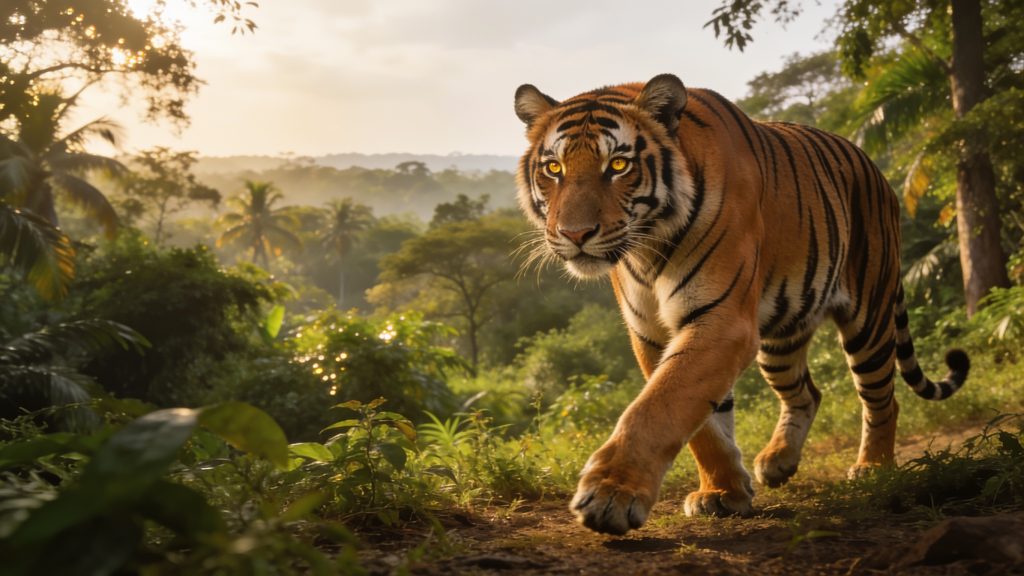
India has the highest tiger population in the world, with more than 3,680 wild Bengal tigers spread across over 50 official tiger reserves. A self-organised trip to parks such as Ranthambore and Bandhavgarh gives you a realistic chance of seeing these iconic animals in their natural habitat, provided you choose the right months and strategy. Find out how to plan your tiger tracking smartly.
Why India is the best destination for tiger tracking
India protects around 70% of the global Bengal tiger population. This makes the country the most important destination for wildlife holidays focused on tigers. The National Tiger Conservation Authority manages a large network of reserves, each with its own characteristics and level of accessibility.
Unlike some other Asian countries where tigers have become rare, many Indian parks still offer regular sightings. Your chances of success mainly depend on your choice of park and travel period. The number of safaris you book also plays a major role. You should not expect a guarantee, but with the right planning you can significantly increase your chances.
‘ Take into account bureaucracy and regulations, which can sometimes move slowly. ’
Ranthambore National Park: accessible and iconic
Ranthambore is one of India’s best-known tiger parks and lies relatively close to cities such as Jaipur and Delhi. The park is known for good sighting opportunities and is therefore popular with international visitors. The open vegetation and waterholes make tigers relatively easy to spot, especially in the warmer months.
The park organises jeep and canter safaris in fixed time slots, usually early in the morning and late in the afternoon. You should preferably reserve seats several weeks to months in advance via the official system or through a tour operator. Take into account bureaucracy and regulations, which can sometimes move slowly.
Ranthambore is a good choice for travellers who want to combine a first tiger safari with cultural visits in Rajasthan. The infrastructure is well developed, with various lodges and hotels close to the park.
Bandhavgarh National Park: highest tiger density
Bandhavgarh is often mentioned as the park with the highest tiger density in the world. This does not mean you are guaranteed to see tigers, but statistically your chances here are higher than in most other reserves. The park is located in the state of Madhya Pradesh. It is less accessible than Ranthambore. Experienced wildlife travellers value it above all for the quality of the nature experience.
The terrain consists of dense forests, grasslands and rock formations. Tigers regularly move around waterholes and along fixed routes here, which increases the chances of sightings. Jeep safaris are offered in several zones, with some zones scoring better than others.
For a visit to Bandhavgarh, plan at least two to three days with multiple morning and afternoon safaris. Booking early is even more important here, as the number of vehicles available per day is limited.
Other parks to consider
Besides Ranthambore and Bandhavgarh, India has other tiger reserves that perform strongly in terms of sighting opportunities and overall nature experience. Kanha National Park is known for its expansive savannahs and diverse wildlife, including tigers, leopards and barasingha deer. The park is relatively far from major cities, which makes for a quieter experience.
Tadoba-Andhari Tiger Reserve is regularly recommended as an alternative to busy parks. It is located in Maharashtra and offers good chances of seeing tigers with less tourist pressure. Panna National Park and Pench National Park are smaller reserves that lend themselves well to combinations with other destinations in Central India.
The Sundarbans are unique because of the mangrove ecosystem and the tigers that live there. Sightings are more difficult due to the dense vegetation and watery landscape, but the area is interesting for travellers who are looking for a different type of nature experience.
‘ Many experienced wildlife travellers deliberately choose these warmer months despite the lower comfort level. ’
Best months for tiger tracking in India
The period from October to April is considered the best time to travel for tiger safaris. The weather is cooler and more comfortable, and most parks are open. The months of February, March and April offer extra advantages. The vegetation becomes thinner and tigers appear more often at waterholes.
In April and May temperatures rise considerably, which makes safaris more physically demanding. At the same time, the likelihood of sightings increases because tigers are more dependent on water sources. Many experienced wildlife travellers deliberately choose these warmer months despite the lower comfort level.
Most parks close during the monsoon season from June to September. Check the opening times for each park before planning your trip, as dates may vary per reserve.
Practical tips for planning your safari
Opt for longer stays in one or two parks and avoid a schedule with many different reserves. Distances in India are large and travel time reduces the number of safaris you can do. Several morning and afternoon safaris in the same park increase your chances of sightings more than a single safari at each location.
Book safaris well in advance, especially in popular parks such as Ranthambore and Bandhavgarh. Some parks operate a lottery system, while others allocate places on a first-come, first-served basis. A reliable tour operator can help you navigate the bureaucracy and can also reserve zones with higher tiger probabilities for you.
Choose accommodation close to the park entrance to make early morning starts easier. Safaris often begin at sunrise, when tigers are most active. A good guide and experienced driver make a big difference: they track tiger signs and position your vehicle in the best spots.
What to take with you on safari
- Binoculars for long-distance sightings
- Camera with telephoto lens if you want to take photos
- Layered clothing for cool mornings and warmer afternoons
- Sun cream and a cap or hat for protection from the sun
- Water bottle and small snacks between drives
- Insect repellent in areas with many mosquitoes
Expectations and nature experience
Tigers are wild animals and move unpredictably. Some parks have high tiger densities, but even there, sightings are never guaranteed. Experienced wildlife travellers emphasise an important point: patience matters more than luck. Several safaris over a number of days will increase your chances, but they remain an investment without certainty.
See a tiger safari as part of a broader nature experience. Many parks are also home to leopards, wild dogs, monkeys, deer and hundreds of bird species. The ecosystem and the interactions between animals make the safari valuable, even without a tiger sighting.
Respect park rules and keep your distance from animals. Remaining quiet and moving calmly has a real impact: tigers then behave more naturally. Choose operators who take conservation seriously and contribute to local protection projects.
‘ Domestic flights to cities such as Jabalpur save you valuable travel time. ’
How to organise your trip independently
If you would like to arrange your safari yourself, consult the official websites of the National Tiger Conservation Authority and the individual parks. There you will find information about opening times, booking procedures and entrance fees.
Domestic flights to cities such as Jabalpur save you valuable travel time. That city is suitable as a base for Bandhavgarh and Kanha. Domestic flights to Jaipur are convenient for Ranthambore. From there you can hire a taxi or private driver to the park. Make sure your accommodation can help with early transfers to the park entrance.
Combine your tiger tracking with other natural areas in the region, or add cultural sights. Madhya Pradesh and Rajasthan offer, alongside wildlife, temples, forts and traditional villages that will make your trip more complete.
Discover more on Traveler Tips
On the Traveler Tips website you will find extensive information on planning nature trips, routes through India and practical tips for self-organised holidays. Perhaps you would like to learn more about other wildlife parks, transport options or accommodation choices. There is a lot more waiting for you. Explore the possibilities and prepare for your next trip even better.
Frequently asked questions
Your best chances of seeing tigers are in Bandhavgarh, Ranthambore, Kanha and Tadoba; Panna and Pench are good, slightly quieter alternatives. Ideally, plan your trip between October and April, when the weather is cooler and more comfortable for safaris. For an optimal balance between chance and comfort, February to April are ideal: it becomes warmer and drier (better visibility at waterholes), but not yet extremely hot. Rather than visiting many different parks, stay a bit longer in one or two and plan multiple morning safaris to significantly increase your chances.
The best way to book safaris and accommodation is either directly via the official park websites or by choosing park lodges that arrange your game drives and permits (quotas for jeeps and zones) for you; start this process months in advance, because popular parks such as Ranthambore, Bandhavgarh and Kanha fill up quickly. Always check that you are booking via recognised tour operators/guides and let them apply for your permits (e-permits) for the exact dates on which you will be in the park. Pitfalls include booking too late, dealing with unclear or fraudulent middlemen, squeezing too many parks into one trip (a lot of travel time, few safaris) and having unrealistic expectations that you are “guaranteed” to see tigers. Finally, strictly follow park rules (maximum number of people per jeep, zone allocation, distance to animals) to avoid fines or being refused entry.
The easiest way to reach India’s national parks is to combine a road trip with a private driver or hire car with local jeep safaris booked via a lodge or park authority. For longer distances, train journeys between major cities or hubs are very practical, after which you cover the last leg to the park by taxi or transfer bus. Many travellers plan a route where they go from city to city by train or car and then spend a few nights near a park (with organised game drives in a 4×4). This way, you can efficiently combine multiple parks with a broader tour of the country.
In addition to game drives, you can visit local villages or take a walk with a naturalist to learn more about daily life and conservation around the park. You might also add a birdwatching safari, a night drive in a jeep or a guided nature walk to discover other species and understand the ecosystem better. In some parks you can attend cultural performances, such as traditional dance or music by local communities. Finally, combine your park visit with nearby forts, temples or viewpoints for panoramic sunsets.
For a tiger tracking trip in India, you can roughly budget a total of about €1,200–€2,000 per person for 7–10 days, including simple to mid-range lodges, domestic transport and several safaris (excluding your international flight). Luxury lodges and private transport can easily push this to €3,000+ per person. To plan on a tighter budget, avoid peak seasons, choose mid-range or simple lodges just outside the park, book shared jeep safaris and focus on one or two well-accessible parks (for example Ranthambore or Bandhavgarh) instead of many parks in a short period. Booking both train tickets and safari permits early helps you avoid more expensive last-minute options.