 NL
NL
A visit to wild animals is a privilege that comes with responsibility. Most wildlife experiences are designed for entertainment, not animal welfare. As a traveller, your choices determine whether you contribute to protection or exploitation. This article gives you the rules that help you respect animals while still enjoying unforgettable encounters.
What you should avoid in wildlife tourism
Not every wildlife experience is ethically responsible. Many activities that are presented as harmless actually harm animals and disrupt their natural behaviour. Recognise the warning signs and know which experiences are best avoided.
Avoid these activities on wildlife holidays:
- Animal rides on elephants, camels or horses
- Direct contact such as feeding, touching or selfies with wild animals
- Animal shows and performances in which animals are used
- Swimming with dolphins in captivity
- Tours that guarantee animal sightings
An operator who guarantees that you will see a particular animal is probably feeding those animals to lure them. This practice disrupts their natural behaviour and makes them dependent on human food. Reputable operators emphasise that wildlife observation can never be guaranteed. Animals move freely in their natural habitat.
Warning signs at reserves and sanctuaries
Some organisations present themselves as conservation centres but in reality serve tourist purposes. Watch out for these signs:
- Animals live permanently in captivity with no rehabilitation programme
- Direct contact with animals is allowed or encouraged
- Animals are bred specifically for tourist purposes
- Photos and touching are offered alongside claims about animal protection
‘ Respect that animals do not exist for your entertainment, but live lives of their own. ’
Five rules for ethical animal spotting
Observing wildlife in natural habitats is the most responsible way to experience animals. These rules ensure that as a traveller you have minimal impact on wild animals and their surroundings.
Always keep sufficient distance
Distance is the most important rule in wildlife tourism. Keep at least 50 to 100 metres away from animals, depending on the species and local regulations. For marine animals such as whale sharks and whales, a distance of 3 to 5 metres applies. This distance prevents stress in animals and gives them space to display natural behaviour.
Always stay on designated paths and never leave officially established routes. This protects both you and the ecosystem you are in.
Limit your observation time
Spend a maximum of 15 to 30 minutes per group of animals. A prolonged presence disrupts their daily routine and can lead to stress. Respect that animals do not exist for your entertainment, but live lives of their own.
Be quiet and do not use flash
Noise disturbs animals and can cause them to flee or become aggressive. Speak softly, avoid sudden movements and put your phone on silent. Never use a camera flash, as this can disorient animals and affect their behaviour.
Use binoculars and cameras with a telephoto lens to observe animals from a distance without disturbing them.
Leave no trace: leave nothing behind
Take all your rubbish with you and leave nothing behind in natural areas. Use animal-friendly sunscreen without harmful chemicals, especially for activities in or near water. These chemicals can disrupt ecosystems and harm aquatic animals.
Choose small groups
Tours with small groups have less impact than mass tourism where dozens of people approach the same animal at once. Check that the operator has well-trained guides who know the local flora and fauna and prioritise animal welfare.
How to choose an ethical wildlife operator
Your choice of responsible tour operator determines whether your visit contributes to conservation or to exploitation. Good research in advance makes all the difference.
Check certification and reputation
Look for operators recognised by international organisations such as the Global Federation of Sanctuaries. Read reviews from previous travellers and look at their photos to see how close tourists get to animals. Ethical operators clearly publish their animal welfare policy on their website.
Ask the right questions
Get in touch with the operator and ask these questions:
- How do you protect natural habitats?
- What is the maximum group size per tour?
- How long are guests allowed to stay with animals?
- What happens to the entrance fees and how do they contribute to conservation?
- Do you work together with local communities?
- Do you offer guarantees of animal sightings?
If an operator offers guarantees of sightings, that is a warning sign. Ethical operators acknowledge that wild animals are unpredictable.
Support conservation funds and local communities
Ethical wildlife tourism is not only about what you avoid, but also about what you choose. Your choice has a direct impact on conservation and local economies.
Choose operators that invest revenue in protected areas, anti-poaching programmes and habitat restoration. Many natural areas depend on tourist income to carry out their work. By making conscious choices, you really help to fund the conservation of endangered species.
Check whether the operator works with local communities and supports them economically. This creates a positive relationship between residents and wildlife, which reduces poaching and encourages conservation.
‘ In both Africa and Asia, many reserves are not ethical, so research carefully before you book. ’
Specific guidelines by animal species
Each animal species requires a different way of being observed. What works for an elephant is not suitable for a whale.
Elephants
Avoid any activity where you ride elephants, visit shows or have direct contact. Choose recognised reserves focused on rescue and rehabilitation. In both Africa and Asia, many reserves are not ethical, so research carefully before you book.
Whales and dolphins
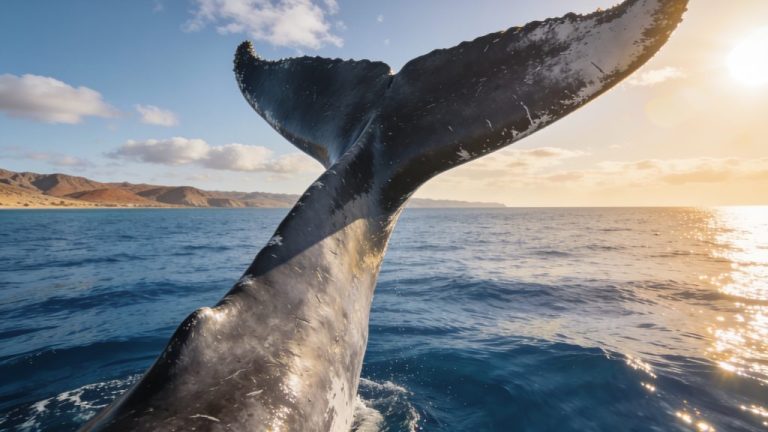
Avoid swimming with dolphins in captivity and unregulated whale tourism. Choose operators that maintain minimum distances and do not approach too closely. Noise pollution from boats can stress and disorient whales, so choose operators with quiet engines and clear regulations.
Safari animals
Always stay in the vehicle during safaris, unless your guide indicates otherwise. Do not make noise and minimise disturbance. Choose guides with expertise and a conservation focus, who understand how to approach animals without causing stress.
The impact of your choices
Wildlife tourism is a global industry with billions in revenue. Your choices as a traveller create market pressure that forces companies to adjust their practices. When tourists refuse to pay for unethical experiences, those activities disappear.
Ethical tourism funds conservation, supports local communities and protects endangered species. It helps animals threatened by deforestation, poaching and human conflict. Your choice to keep your distance and avoid captivity makes a measurable difference.
Wildlife tourism can be a force for good when travellers make conscious choices. Observe animals in their natural environment, keep your distance, avoid captivity and support operators who are transparent about conservation. These rules guarantee an experience that enriches both you and the animals.
On the Traveler Tips website you will find much more information about nature holidays, sustainable travel and responsible destinations. Discover how to plan your trip smarter and more consciously with practical tips that really help you along.
Frequently asked questions
Choose providers that show animals in their natural habitat, keep distance and maximum viewing times, use small groups and publish clear animal welfare guidelines and certifications. Avoid any activity with direct contact, feeding, selfies, rides, shows, swimming with dolphins, or guarantees that you will “definitely” see animals. Read reviews and look critically at photos to spot hidden abuses (such as cuddly “sanctuaries”), and explicitly ask how income supports conservation and local communities. On site, always respect distance, silence and official paths, and use binoculars or telephoto lenses instead of approaching animals.
Always keep a generous distance from animals (ideally 50–100 metres), stay on official paths or in the vehicle and never chase animals. Do not make noise, do not feed or touch animals and do not use flash or lures (sound/food). Only join small groups or operators that have clear rules for maximum viewing time, minimum distance and conservation. Avoid parks or tours that offer direct contact, shows, rides or guaranteed sightings.
Always keep a generous distance, stay on the paths and let the animals decide for themselves whether they come closer. Do not make noise, never chase animals and never touch or feed them. Use binoculars or a telephoto lens instead of walking closer, and switch off flash and bright lights. Limit the time you stay with an animal or group of animals so they can continue their natural behaviour undisturbed.
Yes, there are quality marks and organisations that specifically focus on assessing the ethical status of wildlife experiences, such as the Global Federation of Animal Sanctuaries (GFAS), which certifies serious animal sanctuaries. In addition, many (inter)national conservation organisations and travel networks have their own guidelines or codes of conduct for wildlife tourism that you can use as a reference. You can also check whether a provider is transparent about an animal welfare policy based on internationally recognised standards such as the Five Freedoms. Always combine such quality marks with independent reviews and photo material in order to assess what actually happens in practice.