 NL
NL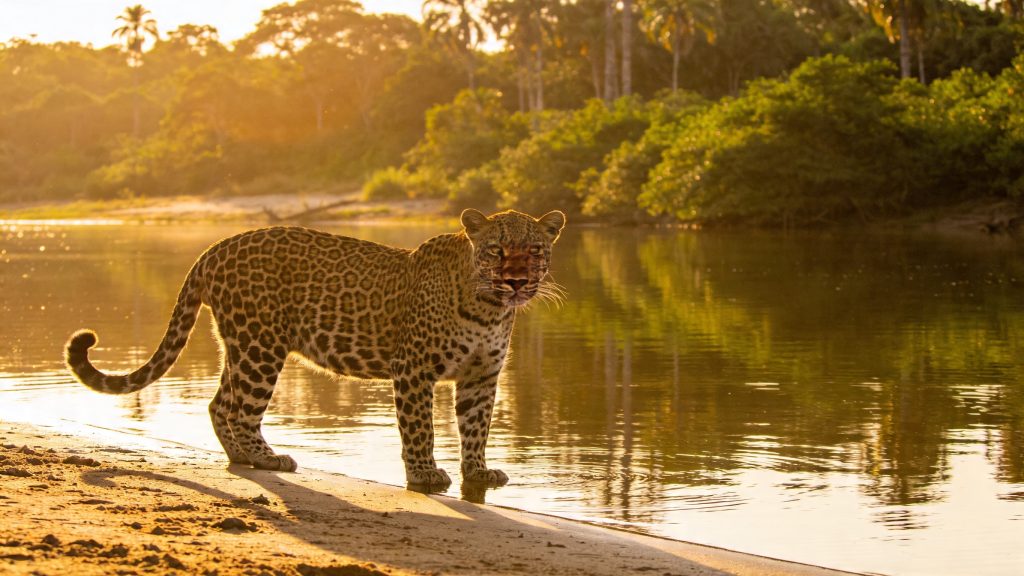
The Pantanal in Brazil offers the highest chance in the world of seeing jaguars in the wild, especially around Porto Jofre where these big cats hunt caimans and capybaras along the riverbanks. The dry season from July to October is the key period for successful sightings, when animals concentrate around water sources and the roads are passable. This vast wetland combines boat and jeep safaris with impressive biodiversity. Find out how to smartly plan this unique wildlife holiday. You will read where to travel for the best sightings. You will also discover when you have the greatest chance of unforgettable encounters with jaguars.
Why the Pantanal is the best place for jaguars
The Pantanal is the largest tropical wetland in the world and is home to a high density of jaguars. Unlike the Amazon, this region offers open fields and rivers, making wildlife spotting considerably easier. The abundant presence of prey such as caimans and capybaras attracts jaguars to the riverbanks.
The northern part of the Pantanal around Porto Jofre on the Cuiabá River is considered a top location. Here, experienced guides focus on places where jaguars are often seen. These are favourite hunting grounds and resting areas for the animals. The open landscape structure and the use of boats make this possible. You can observe the animals well from a short distance.
Besides jaguars, you can also spot giant otters, hyacinth macaws, jabirus (the symbol of the Pantanal), anteaters, coatis and sometimes even pumas in this area. This makes a safari in the Pantanal a complete wildlife experience.
‘ The chance of sightings peaks during this period. ’
Best time for a jaguar safari in Brazil
The dry season from July to October is ideal for jaguar sightings. In these months, the roads are passable and animals concentrate around the remaining water sources. The chance of sightings peaks in this period. These are the moments when you really see the animals. Many travellers spot one to three jaguars per trip.
The period from mid-April to October also works well, with less rain and better visibility. In the wet season from November to June, water levels rise considerably. Wildlife then spreads over larger areas, which makes the animals harder to find. In addition, parts of the Transpantaneira road become impassable.
Take temperatures into account when planning. During the day it can get quite hot, while nights are pleasantly cool. Schedule your excursions early in the morning or late in the afternoon. Jaguars are at their most active then.
Where to see jaguars in the Pantanal
Porto Jofre forms the epicentre of jaguar sightings. This small village at the end of the Transpantaneira road offers direct access to the Cuiabá River and surrounding waterways, where jaguars hunt regularly. Lodges and houseboats in this area organise specialised boat trips.
Parque Estadual do Encontro das Águas is a protected area where the rivers come together. Jaguars regularly appear along the banks here. Guides know the favourite spots and communicate via radio about recent sightings, which increases your chances.
The São Lourenço and Paraguay rivers also offer opportunities. These quieter routes have the advantage of less boat traffic. They combine jaguar spotting with observing other animals in an undisturbed environment.
The Transpantaneira as an access route
The Transpantaneira is a 140-kilometre unpaved road running from Poconé to Porto Jofre. This road crosses the wetland via hundreds of wooden bridges. Along the way, the route already offers plenty of wildlife. Macaws, toucans, capybaras and caimans can be seen on a daily basis.
The drive from Cuiabá to Porto Jofre takes three to four hours. You can drive yourself with a suitable car, but many travellers opt for organised transfers or tours. This provides more comfort, and the guide will already point out animals along the way.
Boat trips for jaguar sightings
Boat trips are the best way to see jaguars. These fluvial safaris depart twice daily from Porto Jofre, usually early in the morning and in the late afternoon. Experienced guides navigate along the riverbanks where jaguars hunt and rest.
A typical boat trip lasts two to four hours. The guides use radio communication to share locations of recent sightings. This allows groups to quickly sail to active areas where jaguars have been seen shortly beforehand. Patience is important, because although the chances are high, there are no guarantees.
Choose small groups to minimise disturbance and have better sightlines. Many tours use quiet engines so that animals are not scared off. Bring binoculars and a camera with a long lens for optimal viewing at a distance.
‘ Safety comes first. ’
Jeep and walking safaris as an addition
In addition to boat trips, jeep safaris along the Transpantaneira offer opportunities to observe diurnal animals. These safaris focus on birds, capybaras, anteaters and caimans that are in and alongside the road.
Night safaris open up another world. With spotlights you search for tapirs, ocelots, coatis and nocturnal birds. These excursions give a more complete picture of Pantanal biodiversity and are a valuable addition to the jaguar boat trips.
Walking safaris are available only to a limited extent and are only possible under the guidance of experienced guides. Safety comes first. Rivers contain caimans, and jaguars can be dangerous if surprised. Always follow your guide’s instructions and do not embark on solo adventures.
Practical preparation for your safari
Book your lodge and safaris well in advance, especially if you are travelling in the dry season. Accommodation in Porto Jofre fills up quickly, and popular houseboats are fully booked months ahead. Many travellers combine four days in the Pantanal with a stay in Cuiabá, which then serves as a base for the trip.
Take the following equipment with you. These items are necessary for a comfortable and safe safari:
- Binoculars and a camera with telephoto lens for wildlife photography
- Light, breathable clothing in neutral colours
- Sunscreen and sun hat for daytime protection
- Insect repellent against mosquitoes and other insects
- Rain poncho for unexpected showers
- Warm layer for cool evenings and mornings
For a four-day safari, budget around 200 to 500 euros per person, excluding flights to Cuiabá. This usually includes accommodation, meals and multiple excursions. More expensive options offer greater comfort and more exclusive boat trips.
Health and safety in the Pantanal
A yellow fever vaccination is strongly recommended and is sometimes mandatory for entry into Brazil. Discuss malaria tablets with a travel doctor, especially if you are travelling in the wet season. Bring a first aid kit containing plasters, painkillers and any personal medication.
Always stay with your guide during excursions. Caimans and jaguars are wild animals and can be dangerous if approached. Swimming in the rivers is not allowed due to the presence of caimans and piranhas.
Drink only bottled or filtered water. Be careful with unpeeled fruit. The daytime heat means you need to drink enough fluids and take regular breaks in the shade.
‘ Tourism can be a positive force. ’
Sustainable and conscious travel in the wetlands
Choose eco-lodges that actively contribute to nature conservation and support local communities. Many accommodations work together with research projects and provide employment in the region.
Avoid single-use plastics and always take your rubbish back with you. The fragile ecosystem of the Pantanal is very sensitive to pollution. Respect distance rules around animals. Your guide will explain a code of conduct – follow these instructions carefully.
By travelling consciously, you help to preserve this unique area and protect the jaguar population. Tourism can be a positive force, but it must be carried out responsibly. Respect both nature and the local population.
Other wildlife in the Pantanal
The Pantanal is home to many different animal species. Jaguars are not the only special animals here. You can see capybaras in large groups along the water – these are the world’s largest rodents. Giant otters hunt fish in family groups and are playful and curious.
Bird lovers are spoilt here with hyacinth macaws, the largest parrots in the world. The jabiru is a large stork and the symbol of the region, often seen in open fields. Toucans, woodpeckers and birds of prey also live in the Pantanal, together creating an impressive richness of birdlife.
Caimans lie in large numbers on the riverbanks and are an important food source for jaguars. Watching a jaguar hunt a caiman is a rare but unforgettable experience that a few travellers are lucky enough to witness.
Discover more on Traveller Tips
The Pantanal is just one of many remarkable nature destinations that you can organise independently. On the Traveller Tips website, you will find extensive information about other wildlife locations as well as route planners for nature holidays. We also offer practical advice on preparation and equipment. Discover more inspiration and reliable information, and plan your next trip smartly and consciously.
Frequently asked questions
The most common self-drive route runs from Cuiabá via Poconé along the Transpantaneira to Porto Jofre, where you can stay overnight and spot wildlife at various fazendas/lodges along this road. From Porto Jofre you take boat trips on the Cuiabá and São Lourenço rivers, the core area for jaguars. An alternative, more remote route goes further south towards the Paraguay River, where there are fewer boats but simpler infrastructure. Ideally, combine both regions if your schedule and vehicle (4×4) allow it.
The optimal time to travel for spotting jaguars in the Pantanal is the dry season from roughly July to October, when animals concentrate around the waterways and visibility is better. During this period the roads are easier to drive and the chance of sightings is greatest. July and August are a little quieter in terms of tourist numbers than September and October, which are considered absolute peak months. If you want a combination of high chances of seeing jaguars and fewer crowds, aim for July or early August.
Choose a lodge or houseboat in or around Porto Jofre on the Cuiabá River, as this is the jaguar hotspot of the Pantanal. Look for comfortable facilities (air conditioning, good beds, meals) as well as specialised jaguar boat trips with experienced guides and small groups. Check whether there are two daily boat safaris in the dry season (July–October), when your chances of sightings are highest. Favour eco-lodges with a strong track record in conservation and positive reviews that specifically mention jaguar sightings.
For responsible jaguar spotting in the Pantanal, small, specialised jaguar or “fluvial safari” tour operators around Porto Jofre are recommended. They operate with experienced wildlife guides by boat on the Cuiabá and São Lourenço rivers. Choose lodges or houseboats (such as local jaguar safari boats, e.g. Barco do Antônio) that work with conservation projects and enforce clear rules of conduct around the animals. Look for small groups, guides who use radio to share sightings and sufficient distance being kept from the jaguars. Check in reviews whether organisations explicitly mention sustainability, animal welfare and respect for local communities.