 NL
NL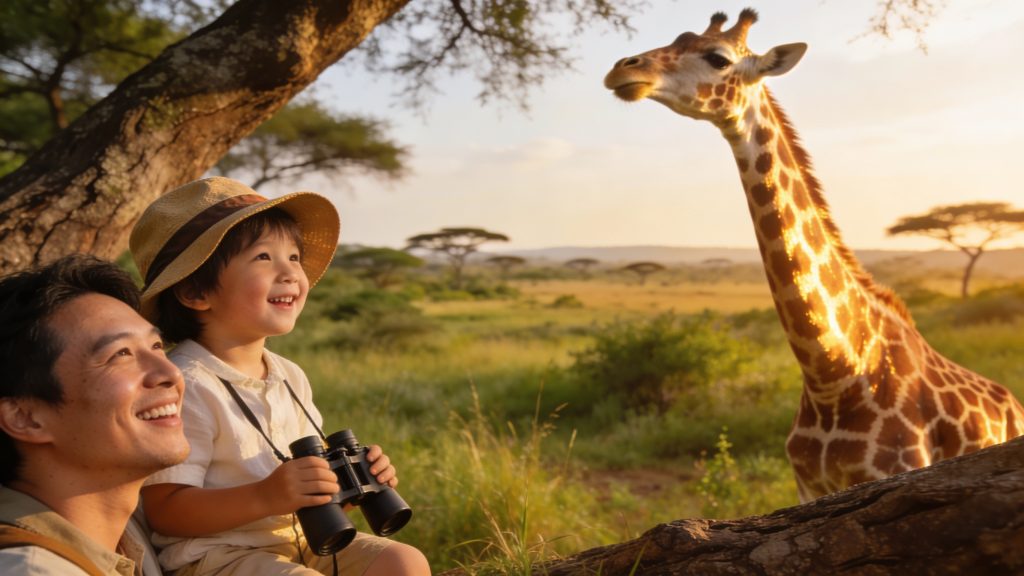
A wildlife holiday with your family is a success when you choose short travel distances, comfortable lodges and parks where animals are easy to see without your children having to sit still for hours. Think of elephants in Sri Lanka, birds in South Africa or safaris in Tanzania where you set the pace yourself. On wildlife holidays it all comes down to good preparation and realistic expectations. Read on and discover which destinations and parks are truly suitable for families.
Wildlife trips that work with children
Children enjoy watching animals, but not sitting in a car all day. A child-friendly wildlife holiday calls for a few practical choices. Short transfers are important, because long car journeys are tiring for young children. Choose destinations where you can reach your next place to stay within an hour or two.
Driving yourself gives you flexibility. You decide when to stop, how long you stay somewhere and when you return to the lodge. That makes a trip far more relaxing than a rigid group tour. Lodges with family rooms, a swimming pool and kids’ activities ensure that a day is not just about watching animals. Variety keeps the holiday fun for everyone.
Clear chances of seeing animals help too. Children appreciate it more if you know in advance where you can spot elephants, birds or other recognisable animals. Destinations with a high chance of wildlife sightings therefore score better than places where you need a lot of luck.
‘ Europe is an excellent choice for a first wildlife experience. ’
Which destinations are suitable for families
South Africa combines good infrastructure with accessible parks such as Kruger. You drive yourself, the roads are straightforward and there are many family-friendly lodges with facilities. The dry season from May to September offers the best chances of wildlife.
Tanzania attracts many families thanks to the parks in the north such as Serengeti and Ngorongoro. Distances between parks are short and the accommodation often offers plenty of comfort. From June to October the chances of seeing animals are particularly high, partly due to the Great Migration.
Kenya offers many safari options for families, from classic game drives to more active versions. The parks are easily accessible and the infrastructure is strong. Combinations with beach time on the coast make the trip complete.
Sri Lanka is popular thanks to elephant parks such as Udawalawe and Minneriya. The parks are small-scale and easy to navigate, ideal for children going on safari for the first time. Combine the safari with the beach and you have a varied trip. Visit Udawalawe best between May and September, Minneriya from June to September.
Namibia offers space and tranquillity, perfect for families who want to drive themselves. The scenery is impressive and the parks are easily accessible. The dry season from May to October is most favourable for wildlife.
Europe is an excellent choice for a first wildlife experience. Think of whales and dolphins in Iceland or Norway, or moose in Sweden. The travel distance is short, the language is not a barrier and the facilities feel familiar.
Lodges that are suitable for children
Safe parks with well-maintained roads and clear routes make a safari accessible for families. Many parks in South Africa and Tanzania offer educational tours especially for children. These tours are shorter, more interactive and tailored to what children enjoy and can understand.
Lodges with kids’ activities make all the difference. Swimming pools, playgrounds and organised activities such as bush walks or birdwatching provide variety. Some lodges offer childcare, so parents can quietly enjoy a sundowner.
Family rooms or interconnecting rooms give you privacy and convenience. You are close to each other but still have space. Lodges that are flexible with meal times or offer a children’s menu make the holiday more practical.
Elephants and birds as highlights
Elephants are large, recognisable and often easy to see. Children find elephants impressive because of their size and behaviour. Parks such as Udawalawe in Sri Lanka, Chobe in Botswana and Kruger in South Africa are known for their large numbers of elephants.
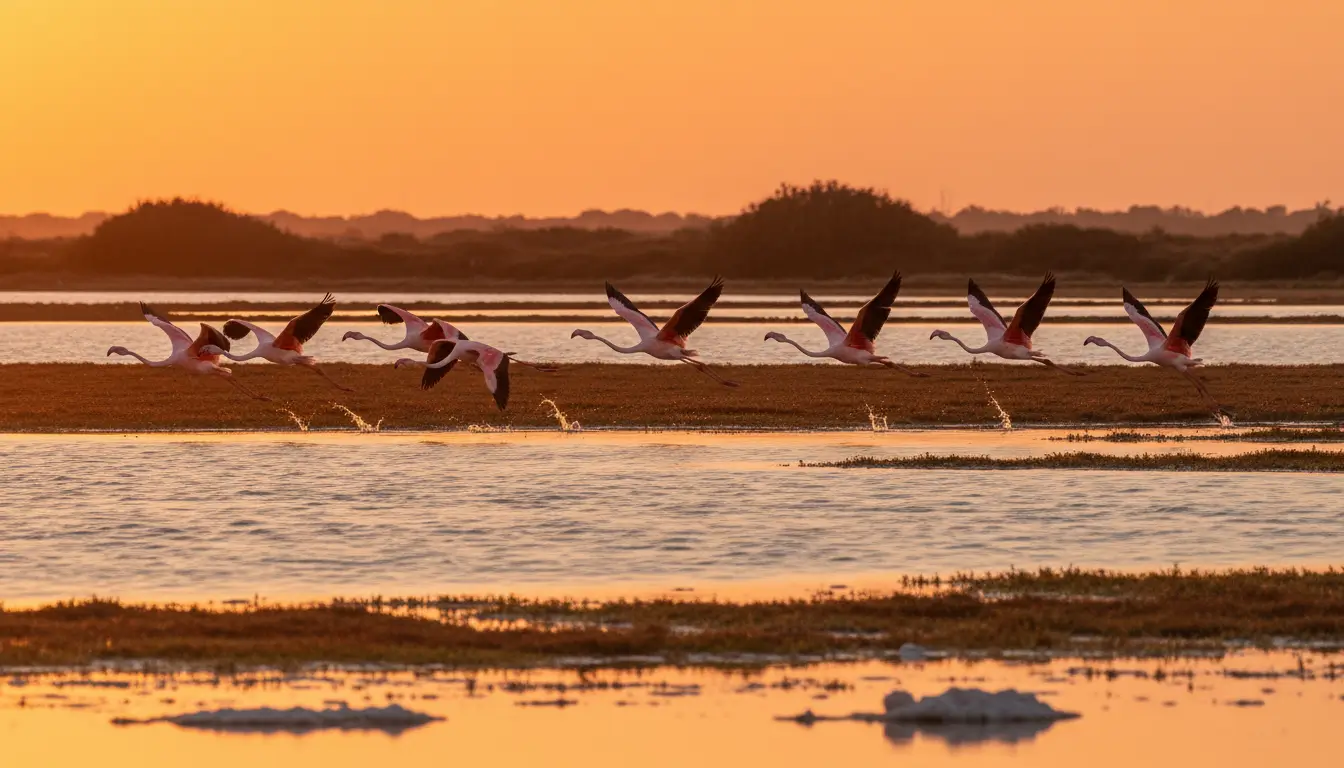
Birds are everywhere, but in some parks they are spectacular. Flamingos on Lake Nakuru in Kenya, pelicans in the deltas of Botswana or colourful species in the rainforests of Costa Rica attract attention. Birdwatching is often calmer than game drives and gives children the chance to search and discover for themselves.
Tips for a relaxed wildlife trip
Choose one or two base locations instead of moving around a lot. That saves stress, travel time and hassle with luggage. Plan safaris at times when children have energy, for example early in the morning after a good breakfast or in the late afternoon after a rest.
Take binoculars, snacks, water and sun protection. Especially if you are driving yourself, you are less dependent on facilities along the way. A few games or an activity booklet in the car help on longer drives.
Combine wildlife with the beach, culture or other nature activities. A holiday with only safaris becomes too intense for many children. Variety keeps the trip fun and creates quiet moments between the active days.
Be careful with animal interaction. Not all activities where you can touch or feed animals are ethically sound. Choose parks and tours that let animals stay in their natural environment and do not encourage unnatural interaction.
‘ That builds anticipation and makes the experience more fun. ’
Making the trip manageable for young children
Young children have a shorter attention span. Keep safaris short, a maximum of two to three hours. Many lodges offer half-day safaris, perfect for families with little ones. Ask in advance whether there are flexible options.
Tell children beforehand about the animals they might see. Show photos or videos so they know what to look forward to. That builds anticipation and makes the experience more fun. Take a simple activity booklet with pictures of animals you can tick off.
Choose accommodation with childcare or a babysitting service if you also want to enjoy a quiet evening yourselves. Not all lodges offer this, so check before you book.
What you need to arrange before you leave
Make sure vaccinations are in order. Some wildlife regions require specific vaccinations such as yellow fever or malaria prophylaxis. Consult a travel clinic in good time and ask about additional protection for children.
Book accommodation and safaris in advance, especially in high season. Popular lodges and parks are quickly fully booked. Booking early gives you more choice and often better prices.
Arrange good travel insurance that covers medical expenses, cancellation and possible evacuation. Check whether the insurance also covers safari activities and self-driving.
Make sure you have the right documents. Some countries require a visa, others proof of a return flight or specific documents for children travelling with one parent. Check the requirements well before departure.
Discover more on Traveler Tips
On the Traveler Tips website you will find much more information about wildlife holidays, routes, destinations and practical tips for family trips. From handy checklists to in-depth destination guides, there is something to discover for every type of traveller. Get started with your planning and find out which trip best suits your family.
Frequently asked questions
Child-friendly destinations with strong wildlife experiences that are easy to travel to by (hire) car or train are mainly **South Africa** (self-driving through parks such as Kruger, many family lodges) and **Namibia** (quiet, straightforward roads, high chance of big game). In **Tanzania** and **Kenya**, distances between the main parks are relatively short and you can easily combine an organised safari with parts of the trip you arrange yourself. **Sri Lanka** offers accessible parks such as Udawalawe and Minneriya, where you can see elephants and other wildlife and easily combine this with the beach. Within Europe there are options closer to home with wildlife (such as whales and dolphins), but for “classic” big game, southern and eastern Africa stand out.
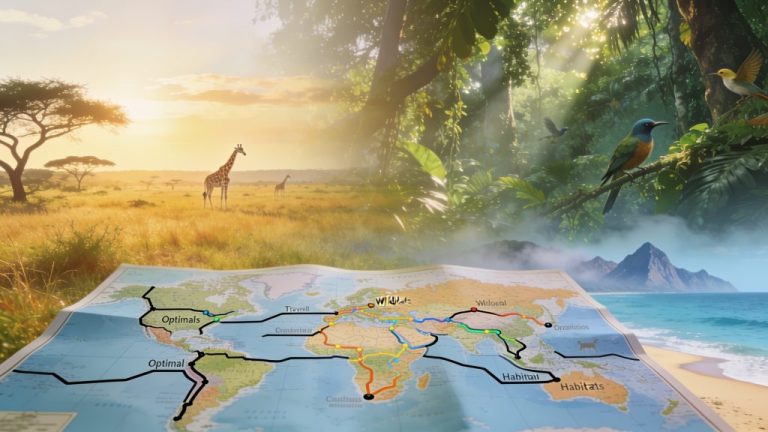
Plan a logical route with a maximum of two to three regions, short travel distances and as few hotel changes as possible, so children are not constantly “on the road”. Build in a proper rest day every 2–3 days (swimming pool, beach or a simple nature walk) instead of intensive safaris every day. Schedule safaris mainly in the cool early morning and late afternoon, with midday rest at the lodge, and choose child-friendly accommodation with family rooms and play facilities. Tailor your route to clear “animal hotspots”, so the chances are high that children will see their favourite animals without having to drive endlessly.
Child-friendly accommodation near wildlife parks that scores well for a self-organised family trip mainly includes family lodges and guesthouses in South Africa (e.g. around Kruger), Namibia (near Etosha), the northern safari circuit of Tanzania and in Sri Lanka (near Udawalawe or Minneriya). Prefer lodges with family rooms or cottages, a swimming pool, play area and possibly simple self-catering facilities or a shared kitchen. Accommodation along well-maintained roads where you are allowed to drive yourself (self-drive safari) is especially practical, as this lets you set your own pace with the children. Parks and nearby towns with a supermarket, petrol station and medical facilities close at hand are also highly recommended for families.
Keep children close to you at all times, stay in vehicles or on designated paths and teach them never to feed, touch or chase animals. Explain that silence, moving calmly and keeping sufficient distance (for example a few car lengths or until the animal clearly stops looking up) are important to avoid causing stress. Use binoculars instead of walking closer and respect local rules, closed areas and nesting or breeding sites. Discuss beforehand that you are “guests” in the animals’ habitat and that their wellbeing is always more important than the perfect photo.
Make a detailed packing list with child-friendly safari clothing in layers, sun protection, a first aid kit, entertainment for the journey, your own snacks and enough water, tailored to the climate and length of the trip. Draw up a realistic budget in advance for transport (fuel/train tickets), overnight stays in child-friendly accommodation, park entrance fees, meals, insurance and an emergency fund. Book activities such as safaris, boat trips or wildlife excursions in good time, preferably with family or private guides and clear minimum ages. Also plan rest days, short travel distances and a possible combination with the beach or other quiet activities, so that the travel schedule remains manageable for children.